
Shankaracharya Temple
A hilltop Shiva temple on the Zabarwan ridge, about 1,000 feet above Srinagar. You climb approximately 243 stone steps for the shrine and the widest view of Dal Lake in the valley. The catch most visitors learn at the gate: no mobile phones, cameras, or electronic gadgets of any kind are allowed past the military checkpoint.
- Shiva shrine on Shankaracharya Hill, Zabarwan range
- About 1,000 ft (300 m) above Srinagar
- Approximately 243 stone steps (Dogra era)
- No phones, cameras, smartwatches, or gadgets past the checkpoint
- No entry fee
- Vehicle access restricted after 5 PM
- Foundation traditionally attributed to 371 BC
- Best April to October, part of a Srinagar day
What makes it special
Shankaracharya Temple is a Shiva shrine on a hilltop above Srinagar, and the honest reason to climb it is the view as much as the temple itself. From the top you look straight down over Dal Lake, the Jhelum winding through the old city, and the full spread of Srinagar sitting in the valley. It stands about 1,000 feet above the city on the Zabarwan ridge, and most people fold it into a day of Srinagar sightseeing rather than a trip on its own. Budget one to two hours from the base and back.
Security and restrictions: read this before you go. The hill is a high security zone with a military and communications installation. No mobile phones, cameras, electronic gadgets (including smartwatches), or large bags are permitted past the military checkpoint at the base. You must leave everything in your taxi or personal vehicle, or deposit items at the security gates. Do not carry devices up hoping for a locker at the top, because one is not guaranteed. The view you climbed for is one you will have to stand and absorb, not photograph. Some visitors find that quietly freeing. Others are frustrated they carried a camera bag up the hill for nothing. Either way, know this before you start.
The temple is old, and exactly how old is a genuine argument among scholars. Kashmiri historical tradition attributes the foundation to King Gopaditya around 371 BC, and the hill appears in Kalhana's 12th century Rajatarangini as Gopadri, with a Shiva shrine credited to the same king. Other accounts push the first structure back to the Mauryan period. The building you actually see has been repaired and rebuilt so many times, by Lalitaditya, by Dogra rulers, after earthquakes, that historians have dated the present stonework anywhere from the 9th century to the 17th. If a guide hands you one confident date, take it as a story rather than settled fact. The name comes from Adi Shankara, the philosopher saint believed to have visited and meditated here in the 9th century. A statue of him was placed inside in 1961.
The climb covers approximately 243 stone steps from the parking area, built during the Dogra period, broken by landings where you can stop and catch your breath. Reasonably fit people manage it in 15 to 30 minutes. It is steep in places, there is no lift or ramp, and there is a security screening partway up where bags are checked and a photo ID may be asked for. Dress modestly, keep shoulders and knees covered, and wear shoes you can actually climb in.
One thing worth noting: while the temple itself generally stays open until late evening, vehicle movement up the hill road is restricted after 5:00 PM. So if you are chasing sunset light, plan to drive up well before that and walk down after. Hours can shift by season and on festival days, so confirm locally.
Down below, the Dal Lake shoreline and the Mughal gardens are a short drive away, so the temple pairs naturally with them into a half day. Pari Mahal, a terraced garden on the same Zabarwan hillside, is a particularly good pairing since it is just a short drive along the ridge. If you would rather not sort taxis and timings yourself, our Kashmir package covering Srinagar, Gulmarg, and Pahalgam builds the city sightseeing, including stops like this one, into a planned trip.
Quick answers
- Is Shankaracharya Temple worth visiting?
- Yes, if you care about the view and the history as much as the shrine itself. From the hilltop you get the widest single panorama over Dal Lake and Srinagar. The temple's foundation is traditionally dated to 371 BC, making it one of the oldest religious sites in the valley. Two honest caveats: you cannot photograph any of it, because no electronic devices are allowed past the military checkpoint. And you earn the view with approximately 243 steep stone steps. If you are already sightseeing in Srinagar, it is an easy addition. As a standalone pilgrimage from far away, it suits devotees more than casual tourists.
- Can you take a phone or camera to the top of Shankaracharya Temple?
- No. The hill is a high security zone with a military installation, and no mobile phones, cameras, electronic gadgets (including smartwatches), or large bags are permitted past the checkpoint at the base. Leave everything in your taxi or personal vehicle, or deposit items at the security gates before you climb. Do not rely on a locker being available at the top. Rules can occasionally shift, so ask at the checkpoint on the day, but plan for a device free visit.
- How hard is the climb?
- Approximately 243 stone steps, built during the Dogra era, lead from the parking area to the temple, with several landings to rest on. A reasonably fit person climbs it in 15 to 30 minutes. It is steep in stretches and there is no ramp or lift, so it is a real consideration for older visitors, anyone with knee or heart trouble, and families with very young children. Take it slowly, carry water, and wear proper shoes.
Quick facts
Everything you need to know at a glance.
At a glance
- Location
- Shankaracharya Hill (also called Takht-e-Suleiman or Gopadri), Zabarwan range, southeastern Srinagar. The base road runs off Boulevard Road near Gagribal and Nehru Park, above Dal Lake.
- Height
- About 1,000 feet (roughly 300 m) above the valley floor. The high point over the city.
- Also known as
- Jyeshteshwara Temple. The hill has carried many names: Takht-e-Suleiman, Gopadri, Gopa Hill.
- Historical origin
- Foundation traditionally attributed to King Gopaditya around 371 BC. The present structure has been rebuilt many times across centuries.
- Time needed
- One to two hours from the base and back, including the climb and time at the top. Slots into a wider Srinagar sightseeing day.
- Timings
- Temple generally open early morning to late evening. Vehicle movement up the hill road is restricted after 5:00 PM. Hours vary by season and on festivals, and are shorter in winter. Confirm locally.
- Entry fee
- Free. A small parking charge may apply. Donations are voluntary.
- Best season
- April to October for comfortable weather and clear views. Spring and autumn are the sweet spots. Open through winter, but icy steps and shorter hours are a factor.
- Known for
- The widest panorama over Dal Lake and Srinagar, a Shiva shrine traditionally counted among the oldest in Kashmir, and its link to the philosopher Adi Shankara.
- Effort
- Approximately 243 stone steps from the Dogra era with landings. No ramp or lift. Manageable for most fit visitors.
On the ground
- Security and restrictions
- No mobile phones, cameras, electronic gadgets (including smartwatches), or large bags past the military checkpoint at the base. Leave everything in your vehicle or deposit at the security gates. Carry a government photo ID.
- Photography
- Not possible at the top due to the device ban. Photograph the hill and the view from the Boulevard, a shikara on Dal Lake, or the lower approach before the checkpoint.
- The climb
- Approximately 243 stone steps from the parking area to the temple, with landings to rest on. Steep in places. Allow 15 to 30 minutes up.
- Vehicle access
- A road climbs the hill to a parking area. Vehicle movement restricted after 5:00 PM. From the parking, you walk the steps.
- Washrooms
- Basic facilities may be available near the parking and base. Limited at the top. Carry your own tissue.
- Food and shops
- Very limited on the hill. Carry water for the climb. Eat and stock up down in the city.
- Mobile network
- Irrelevant at the top since devices are left below. Plan to be offline for the visit. Agree on a meeting spot at the base with your group.
- Accessibility
- Not wheelchair accessible. No ramp or lift. Those who cannot climb the steps wait at the base.
Seasonal weather
- April to June25°4°Spring
- July to August30°15°Summer
- September to November23°3°Autumn
- December to March8°-2°Winter
Suitable for
- Couples — suitable
- Families — with some care
- Seniors — with some care
- Solo — suitable
- First-timers — suitable
- Pet-friendly — not suitable
How to reach Shankaracharya Temple
2 approach routes, with seasonal access.
From Dal Lake and central Srinagar
Year round. The uphill road can be affected by snow or ice in deep winter and closes to vehicles by late afternoon- Distance
- About 5 to 8 km to the base
- Time
- 15 to 30 minutes by taxi, plus the climb
- Road
- City roads to Boulevard Road, then a winding uphill road to the parking area near the top
The standard approach for almost everyone. From the Boulevard along Dal Lake or from the city centre, a taxi or auto takes you to the foot of the access road near Gagribal and Nehru Park, then up the winding hill road to the parking area. The road was cut by the Border Roads Organisation and part of the hill is restricted, so drivers know exactly where they can and cannot go. From the parking, you climb the steps on foot. Private taxis are the easy option. Shared autos are cheaper but less predictable near the top checkpoints.
From Srinagar Airport (Sheikh-ul-Alam International Airport, SXR)
Year round. Winter flights can face fog delays- Distance
- About 15 to 20 km
- Time
- 40 to 60 minutes by taxi
- Road
- Airport road into the city, then Boulevard Road and the hill climb
If you are arriving in Kashmir and want to start here, prebook a taxi through your hotel or operator. That said, most travellers settle into Srinagar first and visit the temple as part of a city day rather than straight off a flight, which is the more comfortable plan given the climb.
Best time to visit
Season by season, so you can plan around the weather rather than hope.
- Recommended
Spring
April to June
Clear air, comfortable climbing weather, and the sharpest views over the lake
- Weather
- Roughly 4 to 25°C, pleasant days
- Views
- Usually clear, best in the morning
- Crowds
- Rising through June
- Climb
- Comfortable, dry steps
The easiest window to enjoy the place. Days are mild, the steps are dry, and the valley air is usually clear enough to pick out Dal Lake, the Jhelum, and the ring of mountains from the top. This is also when the nearby Mughal gardens and the tulip garden below the ridge are at their best, so the whole area rewards a half day. Go early to beat both the heat and the tour crowds.
- Recommended
Autumn
September to November
Crisp light, chinar colour in the city below, and thin crowds
- Weather
- Roughly 3 to 23°C, cold mornings by late autumn
- Views
- Clear and sharp, golden chinar colour below
- Crowds
- Lower
- Climb
- Pleasant, carry a warm layer
Arguably the nicest time here. The air turns crisp and clear, the chinars in the gardens and along the lake go gold and rust, and the view from the top gets its cleanest light of the year. Mornings are cold by late October, so carry a layer for the breezy summit. Fewer tour groups than summer.
Summer
July to August
Green and warm, but haze and the odd shower can dull the view
- Weather
- Roughly 15 to 30°C, humid
- Views
- Can be hazy, best after rain clears
- Crowds
- High, peak tourist season
- Climb
- Slippery steps when wet
Not a bad time, just not the best. Kashmir summers are warm and mostly gentle, but spells of rain and haze can flatten the long view that is the whole point of the climb. If you are in Srinagar in these months, pick a clear morning and go early. The steps get slippery in rain, so watch your footing.
Winter
December to March
Snow dusted and quiet, but icy steps and shorter hours are the trade off
- Weather
- Roughly -2 to 8°C, sharp cold on top
- Steps
- Can be icy and slippery, take care
- Crowds
- Low
- Note
- Shorter hours, confirm road access locally
The hill under snow is a genuinely different sight, and the winter view over a frosted city is memorable. The trade off is real though. The stone steps can turn icy and slippery, the cold is sharp on an exposed summit, and opening hours and vehicle access can shrink. Wear grippy shoes, go on a clear day, and check locally whether the road up is open before you set out.
Things to see & do
4 things worth your time at Shankaracharya Temple.
Climb to the temple and the sanctum
1 to 2 hours round tripThe walk up the stone steps is the visit. Take the landings as breathers, look back at the valley opening up below you, and you will be fine. At the top, the shrine holds a Shiva lingam in a small, dark stone sanctum built on an octagonal base. It is a working temple, so expect priests, offerings, and other pilgrims, especially in the morning. Remove your shoes before entering the sanctum and keep leather items out. Remember: your phone and camera stay in the car, so this is a look and remember experience.
Take in the viewpoint, and time it for the light
20 to 40 minutes at the topThe reason half the visitors come. From the summit you get the widest single view over Dal Lake, the Jhelum threading through the city, and the mountains beyond. Early morning gives the clearest air. Late afternoon gives the softest light and the city starting to glow below. If you can manage the timing before the 5:00 PM vehicle restriction, the evening light is the better of the two. You will have to hold it in your memory rather than your camera roll.
Visit during Maha Shivaratri (Herath)
Seasonal, one dayMaha Shivaratri, known locally as Herath, is the big festival here and matters deeply to Kashmiri Pandits. The temple draws its largest crowds, with special prayers and an atmosphere that feels entirely different from a regular visit. If you want the devotional side of the place at full volume, this is the day. If you prefer quiet, avoid it. Dates shift each year with the lunar calendar, so check ahead.
Combine it with the Zabarwan ridge and the gardens
Half dayThe temple sits on the same ridge as several of Srinagar's Mughal gardens, so it slots neatly into a half day loop. Pair it with Chashme Shahi and the Tulip Garden just below the ridge, or with Nishat Bagh and Shalimar Bagh along the eastern shore of Dal Lake. Pari Mahal, a terraced Mughal garden with its own wide view, is a short drive along the same hillside and works well right before or after the temple.
Know before you visit Shankaracharya Temple
The practical bits, from people who have been.
Security and restrictions: leave all devices in your vehicleNo phones, cameras, smartwatches, or gadgets past the checkpoint. No large bags. Leave everything in your vehicle.
This is the single most important thing to know before visiting. The hill is a high security zone with a military and communications installation. No mobile phones, no cameras, no electronic gadgets of any kind (including smartwatches and fitness bands), and no large bags are permitted past the military checkpoint at the base of the steps.
You must leave everything in your taxi or personal vehicle before you begin the climb, or deposit items at the security gates. Do not count on a locker or deposit counter being available on any given day. If you want photographs of the hill and the view, take them from the Boulevard, from a shikara on Dal Lake, or from the lower approach road before the checkpoint.
Carry only a government photo ID (Aadhaar, passport, or driving licence), your water bottle, and the clothes on your back. Rules can occasionally shift, so confirm with your driver or the staff on the day, but always plan for a fully device free visit.
The climb, and who should think twiceApproximately 243 steep stone steps from the Dogra era. No ramp or lift. A real consideration for seniors, young kids, and anyone with joint or heart issues.
Approximately 243 stone steps, built during the Dogra era, lead from the parking area to the temple. There are landings to rest on, and a reasonably fit person does it in 15 to 30 minutes. It is steep in stretches, exposed to sun and wind, and there is no ramp, lift, or alternative route.
Be honest with yourself before you start. Older visitors, anyone with knee, hip, heart, or breathing trouble, and families carrying very young children will find it hard work. There is no shame in sitting it out at the base while the rest of the group goes up. If you do climb, go slowly, carry water, and rest at the landings.
Timings and the road that closes earlyTemple stays open late, but vehicle access up the hill road is restricted after 5:00 PM. Confirm locally.
Two different clocks are at play. The temple itself generally stays open from early morning until late evening, but vehicle movement up the hill road is restricted after 5:00 PM.
In practice that means you should drive up well before evening, especially if you want to catch the late afternoon light. You can walk down after the vehicle restriction begins, but you cannot drive up. Hours can shift by season and on festival days, and winter hours are shorter. Ask your driver or hotel for the current timing on the day you plan to go.
Dress and temple etiquetteCover shoulders and knees, remove shoes at the sanctum, keep leather out. Carry a photo ID for the checkpoint.
This is an active place of worship, not just a monument. Dress modestly with shoulders and knees covered. Remove your shoes before entering the sanctum, and leave leather items outside as is customary at Hindu shrines.
Be respectful with the priests and other pilgrims, especially during prayers. Since you cannot take photos at the top anyway, it is an easy place to simply be present rather than documenting.
Nearby attractions
Other places worth the detour.
Dal Lake
About 5 km, 15 to 20 min to the Boulevard
The lake sits right below the hill, so a shikara ride and a walk along the Boulevard are the natural bookend to the climb. From the temple you look down on the whole spread of water and houseboats. From a shikara you get the reverse view, the hill and temple rising over the shoreline.
Pari Mahal
About 7 to 8 km, 25 min
A terraced Mughal era garden on the same Zabarwan hillside, built by Dara Shikoh as an observatory and retreat. It gives a wide view over Dal Lake much like the temple, and sits a short drive along the ridge. The two go well together on the same outing.
Chashme Shahi
About 7 to 9 km, 25 min
A small, tiered Mughal garden built around a natural spring, set into the Zabarwan slopes. Compact and easy to walk, with its own view over the lake. Combines well with the temple since both are on the same hillside.
Nishat Bagh
About 10 to 12 km, 30 min
The largest of Srinagar's Mughal gardens, laid out in terraces along the eastern shore of Dal Lake. A gentle, flat contrast to the temple climb, and an easy add on for the same half day.
Shalimar Bagh
About 12 to 15 km, 35 min
The grandest of the Mughal gardens, built by Jahangir for Nur Jahan, with long water channels and pavilions. Best in spring and autumn when the flowerbeds and chinars are at their peak.
Indira Gandhi Memorial Tulip Garden
About 7 to 9 km, 25 min
Below the Zabarwan ridge on the shore of Dal Lake. Asia's largest tulip garden, but it only comes alive for a short window, usually late March into April. If your visit lines up with the bloom, it pairs well with the temple and Chashme Shahi. Outside that window there is little to see.
Our packages with Shankaracharya Temple
Curated trips that include a visit to Shankaracharya Temple.
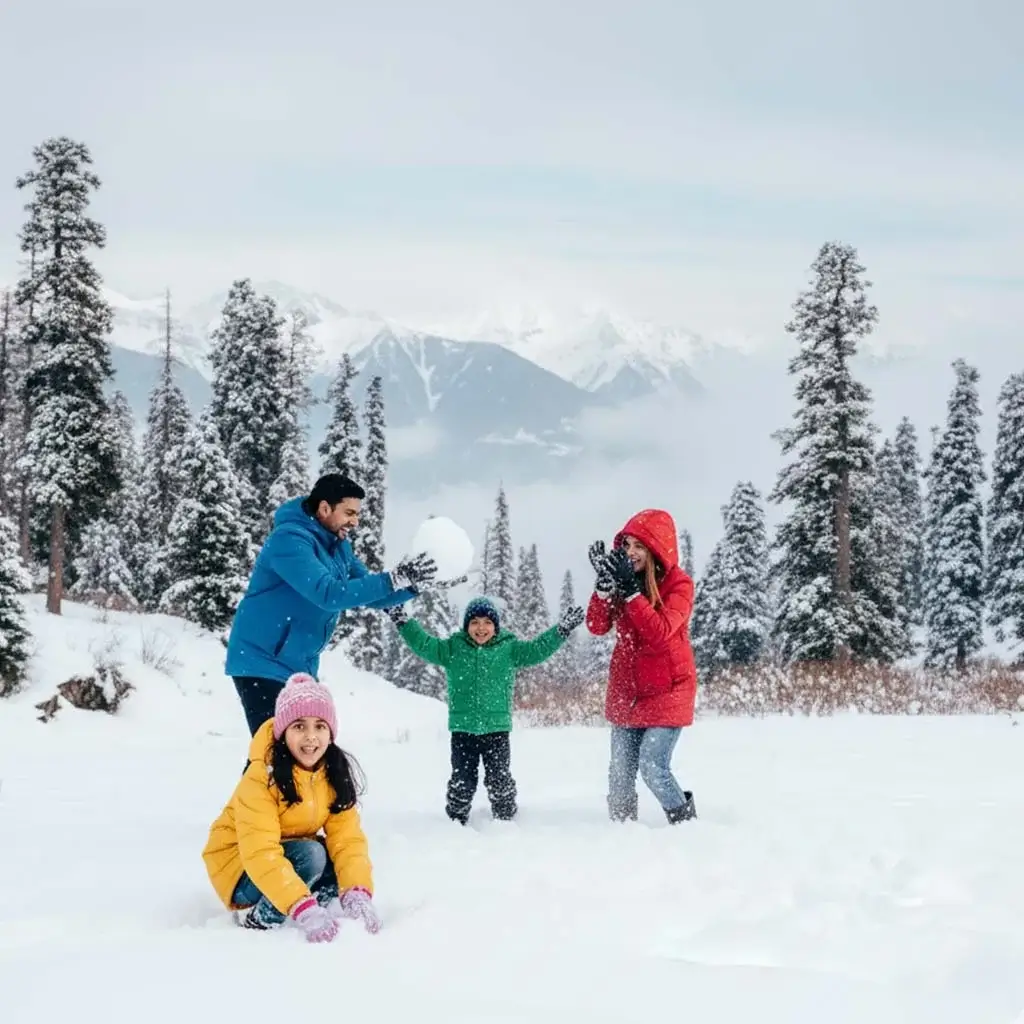 5D/4N
5D/4NBest Of Kashmir – Srinagar, Gulmarg & Pahalgam Tour Package
1D Srinagar•1D Gulmarg (day trip)+3
₹12,500₹28,999SAVE INR 16,499/ person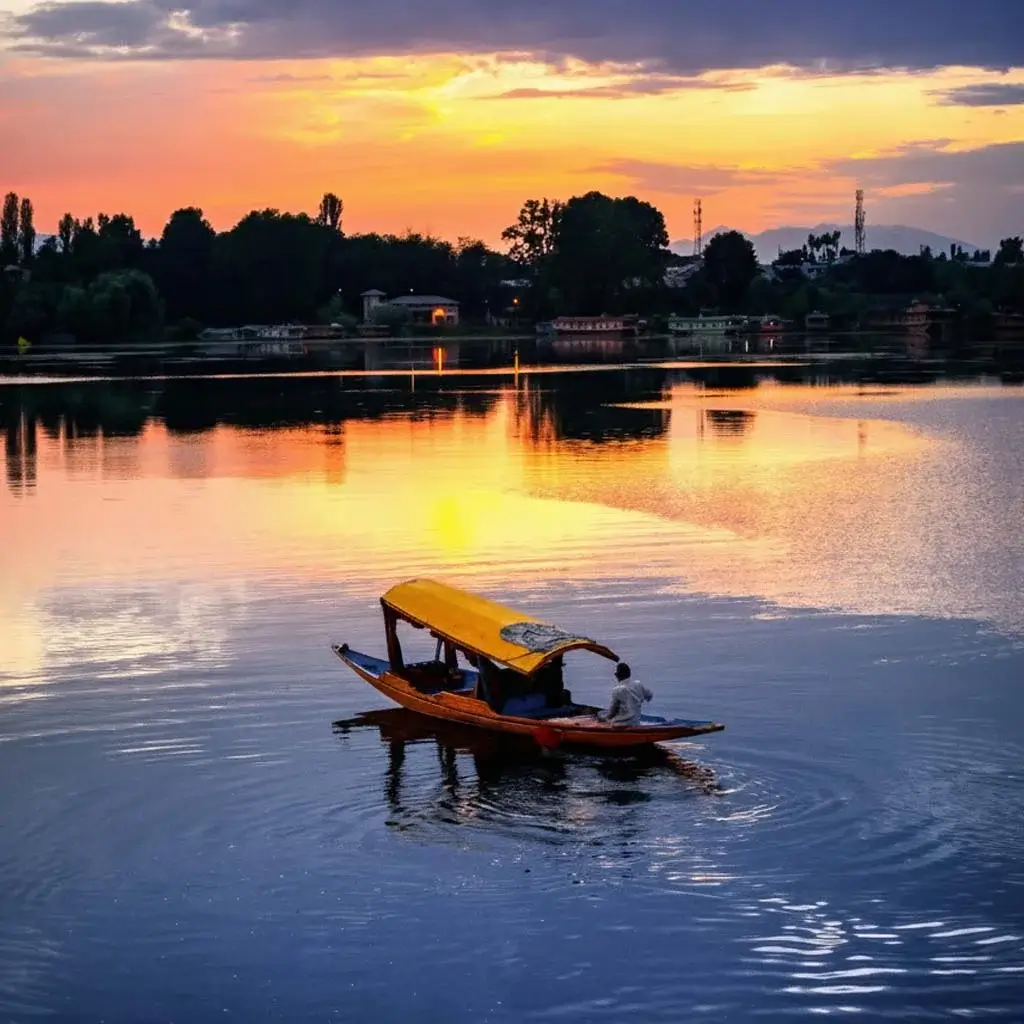 4D/3N
4D/3NThe Perfect 4 Day Kashmir Getaway
1D Srinagar•1D Gulmarg +2
₹8,999₹24,999SAVE INR 16,000/ person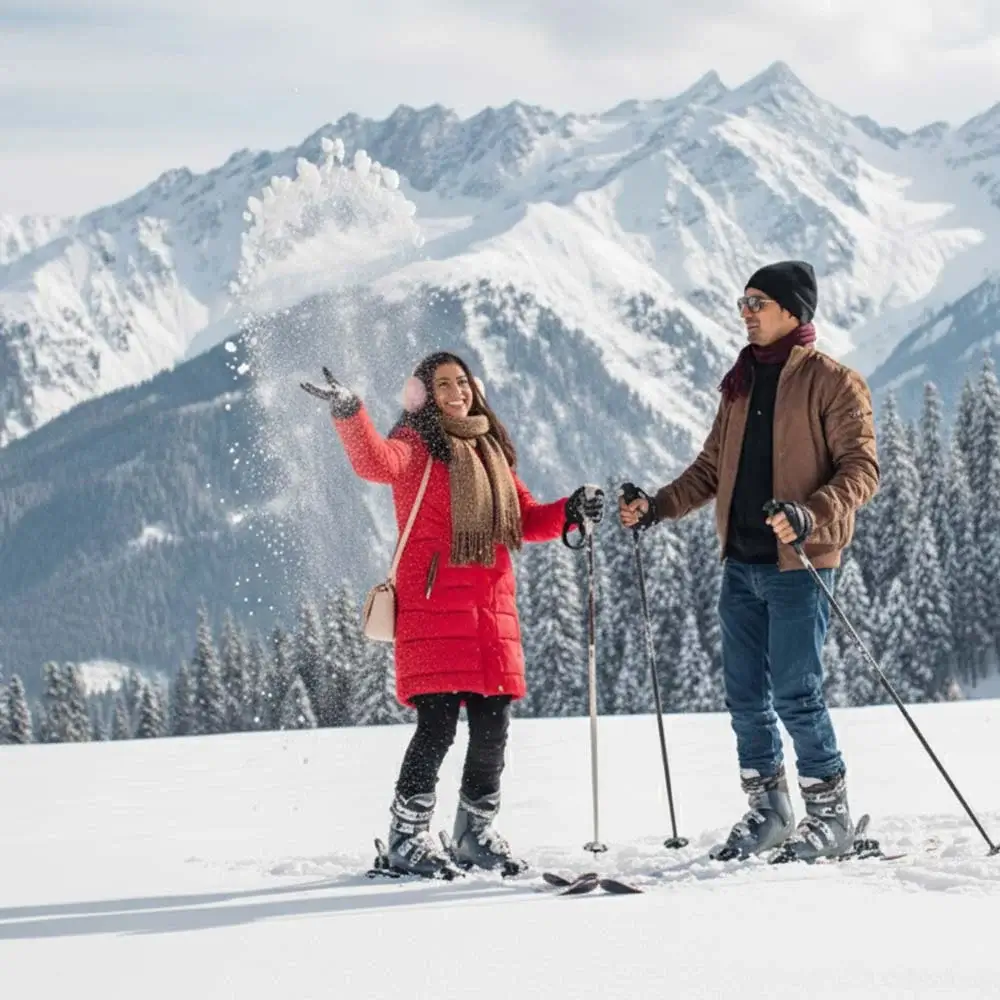 5D/4N
5D/4NKashmir Honeymoon Experience – Srinagar, Gulmarg & Pahalgam
1D Srinagar•1D Gulmarg (day trip)+3
₹14,999₹29,999SAVE INR 15,000/ person
Frequently Asked Questions about Shankaracharya Temple
What is Shankaracharya Temple known for?
It is a hilltop Shiva temple above Srinagar, traditionally regarded as one of the oldest shrines in Kashmir, with its foundation attributed to King Gopaditya around 371 BC. It gives the widest single view over Dal Lake and the city. The temple is named after the philosopher saint Adi Shankara, who is believed to have visited and meditated here in the 9th century.
Can I take my phone or camera to the top?
No. The hill is a high security zone and no mobile phones, cameras, electronic gadgets (including smartwatches and fitness bands), or large bags are permitted past the military checkpoint at the base. Leave everything in your taxi or personal vehicle, or deposit items at the security gates. Do not rely on a locker being available.
How many steps are there to the temple?
Approximately 243 stone steps, built during the Dogra era, lead from the parking area to the temple, with landings along the way. A reasonably fit person climbs it in 15 to 30 minutes.
What are the temple timings?
The temple itself generally stays open from early morning until late evening, but vehicle movement up the hill road is restricted after 5:00 PM. You can walk down after that, but you cannot drive up. Hours vary by season and on festivals, and are shorter in winter. Confirm locally.
Is there an entry fee?
No, entry to the temple is free. A small parking charge may apply if you bring your own vehicle. Donations are voluntary.
Who built Shankaracharya Temple and how old is it?
Kashmiri historical tradition attributes the foundation to King Gopaditya around 371 BC, and Kalhana's Rajatarangini mentions the hill as Gopadri. Other accounts link the earliest structure to the Mauryan period. The building standing today has been rebuilt and repaired many times by rulers including Lalitaditya and the Dogra kings, and historians have dated the present stonework anywhere from the 9th century to the 17th. No single confident date is settled.
What is the best time to visit?
April to October is the comfortable window, with spring and autumn giving the clearest views and the most pleasant climbing conditions. Mornings are best for clear air, late afternoon for soft light. Winter is possible but the steps can be icy and hours are shorter.
How do I reach the temple from Dal Lake or the city?
Take a taxi or auto to the base of the access road near Gagribal and Nehru Park off Boulevard Road, then drive up the hill to the parking area and climb the steps. It is only about 5 to 8 km from the lakefront. Remember that vehicle access up the hill is restricted after 5:00 PM. No direct public buses run to the top.
Is it suitable for elderly visitors or young children?
It depends on fitness. The approximately 243 steep steps have no ramp or lift, so seniors and anyone with knee, heart, or breathing issues should think carefully. It is tiring with very small children. There are landings to rest on, and those who cannot climb can wait comfortably at the base.
What should I wear, and is there a dress code?
Dress modestly with shoulders and knees covered, as it is an active temple. Wear shoes with grip for the stone steps. Remove footwear before entering the sanctum and keep leather items outside. Carry a light layer for the breezy summit and a government photo ID for the security check.
Is the temple open in winter?
Usually yes, though access can be limited. Snow and ice can make the steps slippery, the summit is cold, and both temple hours and vehicle access up the hill can shrink. Go on a clear day, wear shoes with good grip, and check locally whether the road is open before setting out.
Related guides
Posts about Kashmir
- Kashmir in January 2027: Snowfall, Weather, Itinerary and Travel Guide
- Kashmir in February 2027: Weather, Snowfall, Places, Cost and Itinerary
- Kashmir Honeymoon Guide 2026: Itinerary, Cost, Best Time and Romantic Places
- Kashmir Houseboat Stay: Dal Lake vs Nigeen Lake, Prices and Booking Guide
- Gulmarg Gondola Guide 2026: Tickets, Phases, Timings and Booking
- Kashmir in December 2026: Snowfall, Weather, Itinerary and Cost