
Nishat Bagh Srinagar
The largest and most visually dramatic Mughal garden in Kashmir, built in 1633 on the eastern shore of Dal Lake. Twelve terraces stepping up from the water toward the Zabarwan hills, a central channel lined with chinar trees, and the single best composed view of Dal Lake and the Pir Panjal range from any garden in Srinagar. If you only visit one Mughal garden, this is the one.
- Mughal garden, built 1633 by Asif Khan
- 12 terraces, about 46 acres
- Eastern shore of Dal Lake
- Entry roughly Rs 20 to 30 per person
- Open 9 AM to 7 PM (summer)
- Best in October (chinars) and April (flowers)
- 45 minutes to 1 hour to explore
What makes it special
Nishat Bagh sits on the eastern shore of Dal Lake, about 11 km from Lal Chowk, and it is the Mughal garden most people remember. Not because of the history (Shalimar wins there) or the spring water (Chashme Shahi), but because of the view. Twelve terraces stepping down toward the lake, a straight central water channel catching the light, chinar trees framing both sides, and behind everything, the snow on the Pir Panjal range across the valley. It is a view that was designed to overwhelm, and nearly 400 years later, it still does.
Asif Khan, the elder brother of Empress Nur Jahan, designed and built Nishat Bagh in 1633. Unlike Shalimar Bagh, which was a royal garden for the emperor, Nishat was a nobleman's garden, which means the layout is less hierarchical and more open. It has two sections, a public pleasure garden and a private Zenana (women's) garden at the top, but the feel throughout is more relaxed than Shalimar's formal imperial terraces.
There is a good story behind it. When Shah Jahan visited the completed garden in 1633, he was so taken with it that he praised Asif Khan three times, clearly expecting the garden to be offered as a gift. Asif Khan stayed silent. Annoyed, Shah Jahan ordered the water supply cut off (both gardens shared the same source). The garden dried. Eventually, a bold servant turned the water back on without permission. Shah Jahan, instead of punishing the servant, admired his loyalty to his master and restored the supply. The fountains have been running since.
Here is the honest framing. If you are comparing the three Mughal Gardens in Srinagar and can only visit one, come here. Nishat has the strongest visual payoff. The combination of terraces, water, chinars, the lake below, and the mountains behind is the single best composed landscape in Srinagar. Shalimar has the richer history, Chashme Shahi has the natural spring, but Nishat has the view that ends up on your phone wallpaper.
Most visitors cover Nishat as part of the standard Mughal Gardens circuit, doing all three gardens plus Pari Mahal in a single afternoon by auto or taxi along the eastern shore of Dal Lake. That works well, and the three gardens are only 2 to 6 km apart. But if you have the time, Nishat rewards a slower visit. Walk all twelve terraces from the lake side to the top. Sit on one of the stone benches by the water channel. Watch how the light changes on the lake below. Twenty minutes feels rushed. Forty five minutes to an hour feels right.
If you are visiting Srinagar on a Kashmir trip, the gardens are a standard second day activity. Our Kashmir tour package covering Srinagar, Gulmarg, and Pahalgam includes the garden visit as part of the Srinagar sightseeing day.
Quick answers
- Is Nishat Bagh the best Mughal Garden in Srinagar?
- For most visitors, yes. Nishat Bagh has 12 terraces with the best panoramic view of Dal Lake and the Pir Panjal range from any garden in Srinagar. It is the most visually dramatic of the three. Shalimar Bagh has deeper Mughal history and better water features. Chashme Shahi is the smallest and quietest, with a natural spring. If you can only visit one, come to Nishat. If you have a half day, do all three. They are only a few kilometres apart.
- How much time do I need at Nishat Bagh?
- About 45 minutes to an hour for a comfortable walk through all twelve terraces and some time sitting by the water channel. If you are photographing seriously or visiting during chinar season in October, give it closer to 90 minutes. Most people who rush through in 20 minutes miss the upper terraces, which are the quieter and more rewarding part of the garden.
- What is the best time to visit Nishat Bagh?
- October is the standout month. The chinar trees turn gold and red, the afternoon light is warm, and the view from the upper terraces with autumn colour framing the lake is something you will not find at any other time. April is the other peak, when the flower beds bloom and the nearby tulip garden is open. Avoid midday in July and August when the garden gets crowded and the walk between terraces is hot.
Quick facts
Everything you need to know at a glance.
At a glance
- Altitude
- About 1,585 m (same as Srinagar city). No altitude concerns at all.
- Location
- Eastern shore of Dal Lake, about 11 km from Lal Chowk. About 2 to 4 km from Shalimar Bagh.
- Best season
- October for chinar colour. April for flower beds. Open year round, but winter months are cold and bare.
- Timings
- Generally 9 AM to 7 PM (Apr to Oct). Shorter hours in winter. Confirm locally as timings can shift.
- Entry fee
- Approx Rs 20 to 30 per person (Indian). Higher for foreign nationals. Fees can change, confirm at the gate.
- Time needed
- 45 minutes to 1 hour. Up to 90 minutes if photographing in chinar season.
- Known for
- 12 terraces, best Dal Lake panorama from any Mughal garden, chinar and cypress avenues, central water channel with fountains, Asif Khan and Shah Jahan story.
- Difficulty
- Easy. Paved paths, gentle uphill walking. Comfortable for families and most seniors.
On the ground
- Mobile network
- Good. Postpaid SIMs work fine. Prepaid from outside J&K may face restrictions.
- ATMs
- None at the garden. Nearest on Boulevard Road or in Lal Chowk. Carry cash.
- Food
- Vendors near the entrance for chai, corn, and snacks. Small market outside the gate. No restaurants inside.
- Washrooms
- Available near the entrance. Basic but usable.
- Parking
- Paid parking available. Can get crowded on weekends and peak season.
- Photography
- Allowed everywhere. No extra charges. The view from the upper terraces toward Dal Lake is the signature shot.
- Drones
- Restricted. Srinagar has military installations. Do not fly without explicit permission.
- Safety
- Safe. Well maintained public garden with staff and visitors throughout the day.
Seasonal weather
- March to May22°6°Spring
- June to August31°16°Summer
- September to November25°4°Autumn
- December to February8°-4°Winter
Suitable for
- Couples — suitable
- Families — suitable
- Seniors — suitable
- Solo — suitable
- First-timers — suitable
- Pet-friendly — with some care
How to reach Nishat Bagh Srinagar
3 approach routes, with seasonal access.
From Boulevard Road / Dal Lake area
Year round.- Distance
- About 10 to 12 km
- Time
- 20 to 35 minutes by auto or taxi
- Road
- Well surfaced city roads along the eastern shore of Dal Lake.
Most visitors reach Nishat from Boulevard Road or a Dal Lake houseboat. The drive runs east along the lake shore, passing through chinar lined stretches that are especially good in October. You can also reach Nishat by shikara from Dal Lake, which is a nice way to start the garden visit and gives you the approach the Mughals originally intended. Auto fare from Boulevard Road is roughly Rs 150 to 350 one way. A taxi for the full Mughal Gardens half day circuit costs Rs 800 to 1,200.
From Shalimar Bagh
Year round.- Distance
- About 2 to 4 km
- Time
- 5 to 10 minutes by auto or taxi
- Road
- Short, well surfaced city road along the lake shore.
Nishat is the next garden on the standard circuit heading west from Shalimar (or the first heading east from the Boulevard). The short drive passes shops, nurseries, and chinar trees. Most visitors pair the two gardens back to back.
From Srinagar Airport
Year round.- Distance
- About 18 to 20 km
- Time
- 40 to 55 minutes by taxi
- Road
- City roads via Boulevard Road.
The garden is on the opposite side of the city from the airport. Most travellers visit on their second or third day in Srinagar, not straight from the airport. If heading directly, take a prepaid taxi.
Best time to visit
Season by season, so you can plan around the weather rather than hope.
- Recommended
Spring
March to May
Flower beds in bloom, comfortable walking weather, the garden at its most colourful
- Temperature
- ~6 to 22°C, pleasant afternoons
- Crowds
- Moderate, rising through May
- Highlights
- Flower beds, tulip garden nearby, comfortable weather
- What to carry
- Light jacket, sunscreen, comfortable shoes
The flower beds fill with colour from March, and by April the garden is at its most vibrant. The Indira Gandhi Memorial Tulip Garden, about 5 to 6 km away near Chashme Shahi, is open roughly mid March to mid April and adds another layer to the visit. Temperatures sit between 15 and 22 degrees during the day. Crowds are moderate and growing through May. If colour matters to you, this is a strong window.
Summer
June to August
Green and lush, but hot midday and crowded weekends
- Temperature
- ~16 to 31°C, hot midday
- Crowds
- High, especially weekends and July
- Honest advice
- Go early morning or after 3 PM to avoid heat and crowds
The garden is green and well watered, but summer brings the biggest crowds and the midday heat makes the terraced walk uncomfortable. July and August are the busiest months. If you are in Srinagar during summer, visit early morning or after 3 PM. The garden is still worth seeing, just not at its peak.
- Recommended
Autumn
September to November
The best window: chinar trees in gold and red, clean light, thinner crowds
- Temperature
- ~4 to 25°C, warm days cooling by November
- Crowds
- Lower than summer. October weekends can be busy.
- Highlights
- Chinar colour, warm afternoon light, the best photography window
- What to carry
- Light jacket in September, proper jacket by November
This is when Nishat Bagh is at its absolute best. The chinar trees begin turning in late September, and by mid October the canopy is a mix of gold, red, and orange that transforms the entire character of the garden. The afternoon light is warm and low, the crowds thin out, and the air is crisp. If you can time your Srinagar visit for October, plan the gardens for a late afternoon and watch the light move through the chinars. The view from the upper terraces, looking down through the autumn canopy toward Dal Lake, is the single best visual in Srinagar. November is cooler and quieter, with the last of the autumn colour.
Winter
December to February
Cold, bare, quiet, for people who want the garden to themselves
- Temperature
- ~-4 to 8°C, cold
- Crowds
- Very low
- Gardens
- Bare, fountains may be off, reduced hours
- What to carry
- Heavy warm layers, gloves
The garden is open in winter but the flower beds are bare, the chinars have dropped their leaves, and the fountains may not be running. Opening hours are shorter. On the other hand, if you want to see the terraces with snow on the Zabarwan peaks behind them and almost no other visitors, this is when you come. The view of Dal Lake from the upper terraces, with snow on the mountains across the valley, has a quiet drama that summer does not. Dress warmly. The walk between terraces is cold in the shade.
Things to see & do
5 things worth your time at Nishat Bagh Srinagar.
Walk all twelve terraces from the lake side to the top
45 minutes to 1 hourThe garden unfolds across twelve terraces, each at a different level with water channels connecting them. The first terrace at road level has a water collection pool. As you climb, each terrace has its own character: fountains, flower beds, stone benches crossing the water channel, and chinar trees that get older and bigger as you go higher. The fifth and sixth terraces have good sitting spots beside the fountains. The upper terraces, from the ninth onward, are quieter and have the best views, with fewer visitors making it that far. The twelfth terrace, the old Zenana garden, has two octagonal towers and looks back over the entire garden toward the lake. Walk the full length. The view improves with every level, and skipping the upper terraces means missing the best part.
The view from the upper terraces
10 to 15 minutesThis is what people come for. From the ninth, tenth, and eleventh terraces, you look straight down the central water channel, through the avenue of chinars, over the lower terraces, and out across Dal Lake to the Pir Panjal range. In October, with the chinars in full colour, this view is the most photographed scene in Srinagar. Even in summer, when the colour is just green, the composition of water, trees, terraces, lake, and mountains stacking behind each other is hard to beat. Afternoon light, roughly 3 to 5 PM, gives the warmest results.
The central water channel and chadars
Throughout the walkThe central channel is about 4 metres wide and runs from the top of the garden all the way down to the lake level. At each terrace drop, stone ramps called chadars are carved with wave patterns that make the water sparkle as it flows from one level to the next. Marble and stone thrones sit at the head of several waterfalls. In Mughal times, these were viewing seats for the garden's owner and guests. They still make a good place to sit and watch the water. The channel crossings have stone benches that are perfect for resting between terraces.
Shikara approach from Dal Lake
30 to 45 minutes for the rideThe Mughals originally approached the garden by water, and arriving by shikara from Dal Lake is still the best way to see it the way it was intended. You approach across the lake, the garden rising in terraces above you, the Zabarwan hills behind. Most shikaras can drop you at the lower terrace area near the road. Combine this with the garden walk and a return by auto or taxi for a nice transition from water to land. Shikara rates vary, so agree on a fare before you set off.
The market outside the gate
15 to 20 minutesThere is a small market right outside the Nishat Bagh entrance with shops selling Kashmiri handicrafts, dry fruits, saffron, shawls, and souvenirs. Prices are roughly similar to other tourist markets in Srinagar. A few stalls serve chai, grilled corn, and simple snacks if you need a break between gardens.
Know before you visit Nishat Bagh Srinagar
The practical bits, from people who have been.
How Nishat Bagh fits into the Mughal Gardens circuitMost visitors do Nishat as part of a half day covering all three Mughal Gardens plus Pari Mahal.
The standard circuit. Most travellers cover Chashme Shahi, Pari Mahal, Nishat Bagh, and Shalimar Bagh in a single afternoon by auto or taxi along the eastern shore of Dal Lake. The full circuit takes 3 to 4 hours including travel time. Auto fare for the circuit is roughly Rs 400 to 600. A taxi costs Rs 800 to 1,200 for the half day.
Which order. Either direction works. Starting with Chashme Shahi (smallest, quick stop), then Pari Mahal (the climb), then Nishat (the visual highlight), then finishing at Shalimar (the historical one) gives a nice build. Or reverse it. If you want Nishat in the best light, visit in the late afternoon.
If you only visit one. Make it Nishat. It has the strongest immediate impact, the best view, and the most dramatic terracing. Shalimar is the one to add if you have time for two.
Timing and crowd tipsLate afternoon is the sweet spot. Avoid midday in summer. Weekdays are quieter.
Best time of day. Late afternoon, roughly 3 PM to 6 PM. The light on the terraces and the lake is at its warmest, and the midday crowds have thinned. If you are visiting in autumn, this is when the chinars glow.
Worst time of day. 11 AM to 1 PM, when tour groups arrive in waves and the light is flat and harsh.
Weekends. The garden is popular with local families on weekends, especially in summer. Expect more people. Weekdays are noticeably quieter.
Avoid midday in July and August if possible. The garden gets hot, crowded, and the walk up twelve terraces in the sun is not enjoyable. Spring and autumn are dramatically better.
Practical tips for visitingCarry cash, wear comfortable shoes, and do not rush the upper terraces.
Carry cash. Entry fees, parking, vendors, and autos are mostly cash transactions. ATMs are on Boulevard Road, not at the garden.
Wear comfortable shoes. Twelve terraces of gentle uphill walking on paved paths. Nothing strenuous, but slippery stone near the water channels can catch you in sandals.
Photography. Allowed everywhere. No restrictions or extra charges. The view from the upper terraces looking down toward Dal Lake through the chinar avenue is the signature shot. Afternoon light works best.
Kashmiri dress photo ops. Near the entrance, you can rent traditional Kashmiri attire for photographs. It is a tourist activity, not a scam, and the price is usually Rs 50 to 100 for a few photos.
Entry fees can change. The fees listed here are approximate as of recent reports. Confirm at the gate. Foreign nationals pay more.
Nearby attractions
Other places worth the detour.
Shalimar Bagh
About 2 to 4 km, 5 to 10 minutes
The most historically significant of the three Mughal Gardens, built by Emperor Jahangir for Nur Jahan in 1619. Three terraces, the famous chini khanas behind the waterfalls, and the Black Pavilion with the paradise inscription. The two gardens contrast well: Nishat is about the view, Shalimar is about the water and the story. Most visitors pair them back to back.
Dal Lake
Adjacent, along the western shore
Nishat sits right on the eastern shore of Dal Lake. Most visitors combine the garden visit with a shikara ride, either arriving by shikara or ending the afternoon with a sunset ride from a nearby ghat. The standard plan is gardens in the afternoon, shikara at sunset.
Chashme Shahi
About 5 to 6 km
The smallest and quietest of the three Mughal Gardens, built around a natural spring. Takes about 20 to 30 minutes. Usually visited as part of the same circuit. The spring water is still flowing and locals fill bottles from the source.
Indira Gandhi Memorial Tulip Garden
About 5 to 6 km, near Chashme Shahi
Asia's largest tulip garden, open roughly mid March to mid April. Over 1.5 million tulips. The timing is narrow and shifts yearly, so check locally before planning around it.
Pari Mahal
About 6 km
A Mughal era ruin on a hilltop above Chashme Shahi with the best panoramic view of Dal Lake and Srinagar from any garden area. Short steep climb. Go near sunset for the best light.
Gulmarg
About 51 km, 1.5 to 2 hours
Kashmir's gondola and ski destination in the Pir Panjal range. Most Kashmir itineraries pair the gardens (Srinagar day) with a Gulmarg day trip. Book gondola tickets well in advance during peak season.
Our packages with Nishat Bagh Srinagar
Curated trips that include a visit to Nishat Bagh Srinagar.
 5D/4N
5D/4NBest Of Kashmir – Srinagar, Gulmarg & Pahalgam Tour Package
1D Srinagar•1D Gulmarg (day trip)+3
₹12,500₹28,999SAVE INR 16,499/ person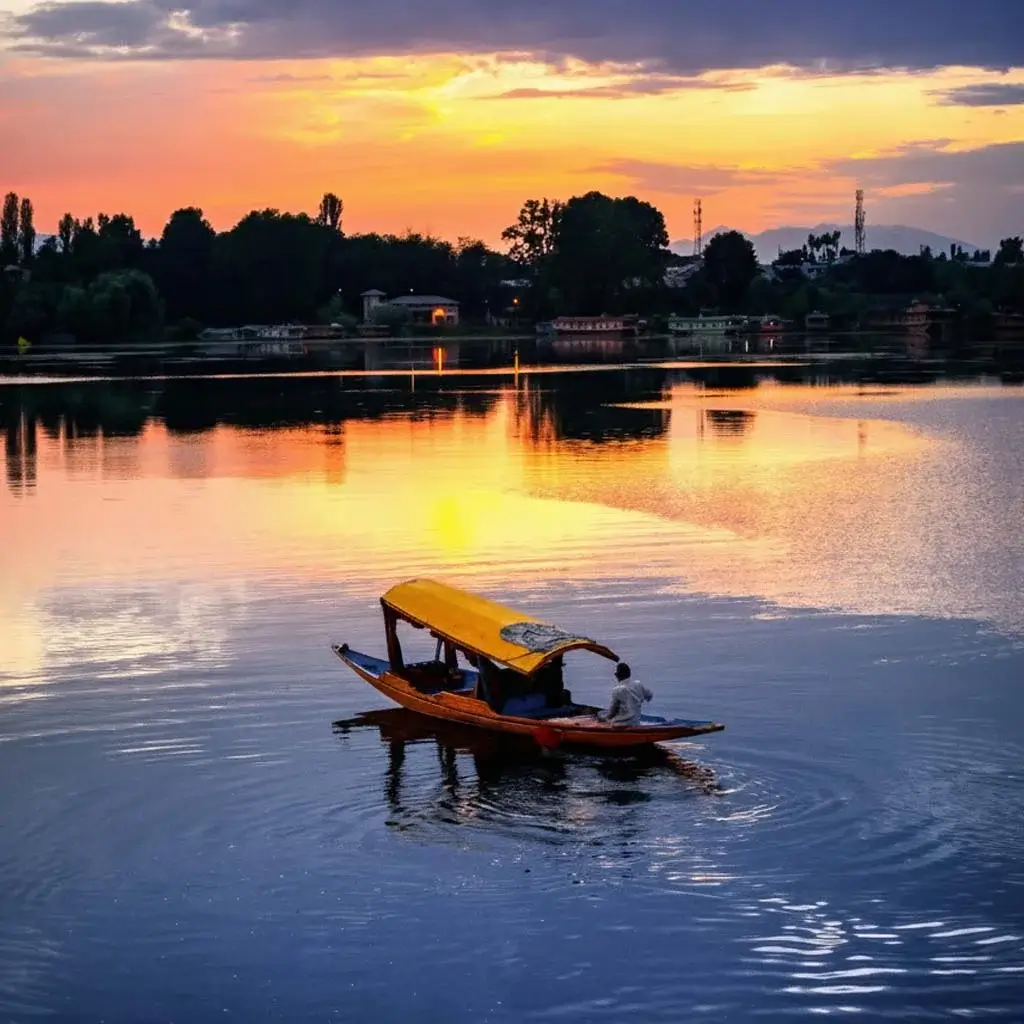 4D/3N
4D/3NThe Perfect 4 Day Kashmir Getaway
1D Srinagar•1D Gulmarg +2
₹8,999₹24,999SAVE INR 16,000/ person 5D/4N
5D/4NTimeless Kashmir Retreat – Srinagar, Gulmarg & Pahalgam Experience
1D Srinagar •1D Gulmarg (day trip)+3
₹39,999₹65,999SAVE INR 26,000/ person
Frequently Asked Questions about Nishat Bagh Srinagar
What is the entry fee for Nishat Bagh in 2026?
Entry is approximately Rs 20 to 30 per person for Indian visitors. Foreign nationals pay more, generally Rs 50 to 300 depending on the season. Fees can change, so confirm at the gate. The Department of Floriculture, J&K regulates the fees and they may vary during festivals or peak periods.
What are the timings for Nishat Bagh?
Generally 9 AM to 7 PM from April to October. Shorter hours in winter, roughly 10 AM to 5 PM. These timings can vary slightly by season, so check locally, especially during shoulder months.
What is the best time to visit Nishat Bagh?
October is the standout month for chinar colour and warm afternoon light. April is the other peak for flower beds in bloom and the nearby tulip garden. Summer works but gets crowded and hot midday. Winter is cold and bare but very quiet.
How is Nishat Bagh different from Shalimar Bagh?
Nishat Bagh has 12 terraces and the better panoramic view of Dal Lake and the Pir Panjal range. It is the more visually dramatic garden. Shalimar Bagh has three terraces and is the more historically significant one, with the chini khanas behind the waterfalls, the Black Pavilion, and the Jahangir and Nur Jahan connection. If you have time, do both. They are only about 2 to 4 km apart.
How do I reach Nishat Bagh from Boulevard Road?
By auto (roughly Rs 150 to 350 one way) or taxi. The garden is about 10 to 12 km from Boulevard Road along the eastern shore of Dal Lake. You can also arrive by shikara across the lake. Most visitors hire a taxi for the full Mughal Gardens circuit for Rs 800 to 1,200 for the half day.
Can I visit all three Mughal Gardens in one day?
Yes, easily. The standard circuit covering Chashme Shahi, Nishat Bagh, and Shalimar Bagh plus Pari Mahal takes 3 to 4 hours including travel time. A comfortable half day from Boulevard Road.
How many terraces does Nishat Bagh have?
Nishat Bagh was originally built with 12 terraces, each said to represent a zodiac sign. The lower terraces near the road have been altered over the centuries, but the garden retains its 12 level structure. The upper terraces are the most rewarding part of the walk.
Is Nishat Bagh suitable for seniors and families?
Yes. The paths are paved and the incline between terraces is gentle. Most mobile seniors will have no trouble. Families with children will find it comfortable. There are washrooms and vendors near the entrance. The only consideration is that twelve terraces is more walking than the other two gardens.
Is photography allowed at Nishat Bagh?
Yes. Photography is allowed everywhere with no restrictions or extra charges. The view from the upper terraces looking down toward Dal Lake through the chinar trees is the best subject. Afternoon light gives the warmest results.
Who built Nishat Bagh and when?
Nishat Bagh was designed and built in 1633 by Asif Khan, the elder brother of Empress Nur Jahan. It was a nobleman's garden, not a royal one, which is why its layout is less formal than Shalimar Bagh. The famous story of Shah Jahan's jealousy and the water supply being cut off is part of the garden's history.
Related guides
Posts about Srinagar