
Dal Lake Srinagar
An 18 sq km urban lake at 1,583 metres in the heart of Srinagar, known for shikara rides, heritage houseboats, a pre dawn floating vegetable market, and the Mughal gardens along its shore. The defining experience of any Kashmir trip, and one that rewards slow mornings and honest expectations.
- Altitude ~1,583 m / ~5,194 ft
- Area ~18 sq km open water
- No entry fee, open year round
- Shikara ride ~Rs 770/hr (govt. rate, 2026)
- Best season: April to October
- 15 km from Srinagar Airport
What makes it special
Dal Lake is not one thing. It is a floating neighbourhood, a vegetable farm, a heritage hotel district, a transport network, and the single most recognisable image of Kashmir, all sharing the same 18 square kilometres of water. When people say they are going to Kashmir, what they usually picture in their heads is a shikara gliding across Dal Lake at dawn, with the Zabarwan mountains behind it. That image is real. It is also only a fraction of what the lake actually is.
The lake sits at about 1,583 metres in the centre of Srinagar, surrounded by the Zabarwan range on the east and the city on the west. It is divided into four basins: Gagribal (closest to the Boulevard and the Mughal gardens), Lokut Dal, Bod Dal (the largest), and Nagin (quieter, often treated as a separate lake, connected by a narrow channel). Around 50,000 people live on and around the water, in houseboats, on islands, and on the floating gardens called rad where vegetables have been grown for generations.
Here is the honest framing. Dal Lake is genuinely special, but it is also a working urban lake with real pressures. Encroachment has shrunk the open water area from roughly 25 sq km decades ago to about 18 sq km today. Weed growth is visible in many sections. The water in some parts, especially near settlements, is not clean. Touts at the ghats will aggressively quote inflated prices for shikara rides. And the houseboat experience, while unique, is not for everyone. The boats are stationary, not floating on open water. Some budget houseboats are poorly maintained. And the boatmen who ferry you from the ghat often take you to commission shops unless you firmly say no.
None of this should stop you from going. It should shape how you go. The sunrise shikara ride, the floating vegetable market at 5 AM, the carved walnut interiors of a good houseboat, the Mughal gardens catching the afternoon light, the view of snow on the Zabarwan from the water on a clear October morning: these are experiences that genuinely do not exist anywhere else in India. The trick is to know the ground reality, plan for it, and then let the lake do what it does best.
Time needed. One full day is the minimum to get a real sense of the lake. Two days is better: one for the sunrise shikara and floating market, another for the Mughal gardens and a late afternoon on the water. If you are staying on a houseboat, one night is enough for the experience. Two nights only if you genuinely want the slower pace. Srinagar itself deserves two to three days before you head to Gulmarg, Pahalgam, or Sonamarg.
If you are planning a full Kashmir trip and want help with the route, stays, and logistics, our Kashmir tour package covering Srinagar, Gulmarg, and Pahalgam includes the Dal Lake experience as part of a planned itinerary.
Quick answers
- Is Dal Lake worth visiting in 2026?
- Yes, and it is still the single most essential experience in Kashmir. The shikara rides, houseboat stays, floating vegetable market, and Mughal gardens are genuinely unlike anything else in India. Go in knowing the ground reality: the water is not clean everywhere, touts at the ghats will quote high prices, and some sections have visible weed growth. But on a clear morning from the water, with the Zabarwan mountains behind you and the city still quiet, it earns its reputation. Two days on and around the lake is ideal.
- How much does a shikara ride cost on Dal Lake?
- The J&K Tourism Department fixes the rate at approximately Rs 770 to 790 per hour per shikara for 2026, with up to 4 people per boat. In practice, touts at the ghats will quote Rs 2,000 to 3,000. You can negotiate down to Rs 600 to 800, or book through your hotel or houseboat for a fair fixed rate. Special routes cost Rs 1,000 to 1,500. Always agree on the price and route before boarding.
- What is the best time to visit Dal Lake?
- April to October covers the full good window. September and October are the standout months: clear skies, golden chinar trees, fewer crowds than summer, and the best light for the mountains. April is ideal for the Tulip Garden. July and August bring lotus blooms but also peak crowds. Winter has snow and drama but is very cold.
Quick facts
Everything you need to know at a glance.
At a glance
- Altitude
- About 1,583 m / 5,194 ft. Srinagar sits in the Kashmir Valley, so the air is comfortable for most travellers year round. No altitude acclimatisation needed.
- Location
- Central Srinagar, Jammu and Kashmir. Bounded by Boulevard Road on the west and the Zabarwan Hills on the east. Mughal gardens line the eastern shore.
- Nearest base
- Srinagar city. The lake is in the city, not outside it. Boulevard Road runs along the western shore, with ghats every few hundred metres.
- Best season
- April to October for the full range of experiences. September and October are the standout months for weather, light, and chinar colour.
- Timings
- The lake is open 24 hours. Shikara rides generally available 6 AM to 6 PM. Floating vegetable market runs about 5 AM to 7 AM. Mughal gardens 9 AM to 7 PM (hours may vary by season).
- Entry fee
- No fee for the lake or shikara access. Mughal gardens charge Rs 25 to 40 per person. Houseboat stays and shikara rides are separate costs.
- Time needed
- One full day minimum. Two days recommended. A houseboat night adds to the experience but is not essential.
- Known for
- Shikara rides, heritage houseboats, the floating vegetable market, Char Chinar island, Mughal gardens (Shalimar Bagh, Nishat Bagh, Chashme Shahi), floating gardens, and the Zabarwan mountain backdrop.
- Difficulty
- Easy. No walking or physical effort required for the core lake experiences. All activities are boat based. Mughal gardens involve light walking on paved paths.
On the ground
- Mobile network
- Good coverage around the lake. Postpaid SIMs work normally. Prepaid SIMs from outside J&K may face restrictions. Check with your operator before travelling.
- ATMs
- Available along Boulevard Road and in Lal Chowk, both within easy reach. Carry cash for shikara rides and the floating market.
- Food
- Houseboats serve meals. Restaurants line Boulevard Road. For wazwan, try Mughal Darbar or Ahdoos in the city. Kehwa from lakeside vendors is worth trying.
- Parking
- Paid parking near ghats along Boulevard Road. Can be crowded on weekends. Houseboat staff manage shikara transfers from the ghat.
- Washrooms
- Available at Mughal gardens and larger ghats. On houseboats, quality varies by category.
- Photography
- Outstanding from the water. Best light at sunrise (5:30 to 7 AM) and late afternoon (4 to 6 PM). The floating market, Char Chinar, and lotus gardens in July and August are the standout shots.
- Drones
- Restricted. Srinagar has military installations and high security presence. Do not fly drones without explicit permission.
- Safety
- Generally safe for tourists. Standard precautions apply. Visible security presence is routine.
Seasonal weather
- March to May22°6°Spring
- June to August31°16°Summer
- September to November25°4°Autumn
- December to February8°-4°Winter
Suitable for
- Couples — suitable
- Families — suitable
- Seniors — suitable
- Solo — suitable
- First-timers — suitable
- Pet-friendly — with some care
How to reach Dal Lake Srinagar
3 approach routes, with seasonal access.
From Srinagar Airport (Sheikh ul-Alam International Airport)
Year round. Winter flights may face delays due to fog.- Distance
- About 15 to 17 km to Boulevard Road ghats
- Time
- 30 to 50 minutes by taxi
- Road
- Well surfaced city roads via Hyderpora and Boulevard Road.
Most travellers land at Srinagar Airport and head straight to the lake area. Prepaid taxis are available at the airport, and the ride to Boulevard Road or a houseboat ghat takes 30 to 50 minutes depending on traffic and security checks. If you have booked a houseboat, confirm which ghat number your transfer shikara will meet you at. Most houseboats send a car to the airport as part of the booking.
From Lal Chowk (Srinagar city centre)
Year round.- Distance
- About 4 km to Dal Gate
- Time
- 10 to 20 minutes by auto or taxi
- Road
- City roads, can be congested during peak hours.
From Lal Chowk, the main commercial hub of Srinagar, the lake is a short ride via Residency Road and Boulevard Road. Auto rickshaws and taxis are easily available. Most tourists base themselves either on the Boulevard or on a houseboat, both within easy reach of Lal Chowk for shopping and dining.
From Delhi
Flights year round. Road generally open but can close due to landslides, snow, or security situations.- Distance
- About 876 km by road, or a 1.5 hour direct flight
- Time
- Flight: about 1.5 hours. Road: 2 days via Jammu (not recommended as a casual drive).
- Road
- NH44 to Jammu, then the Jammu Srinagar Highway through the Banihal Tunnel. Prone to landslides during monsoon.
Most travellers fly directly from Delhi to Srinagar. Flights take about 1 hour 20 minutes, and multiple airlines operate daily. The road option via Jammu is scenic but long (12 to 14 hours of driving, usually split over two days) and the Jammu Srinagar Highway is unpredictable due to landslides. Unless you specifically want the road trip, fly.
Best time to visit
Season by season, so you can plan around the weather rather than hope.
- Recommended
Spring
March to May
Pleasant weather, tulip garden in bloom, moderate crowds, ideal for first time visitors
- Temperature
- ~6 to 22°C, cool mornings, warm afternoons by May
- Crowds
- Moderate. Rising through April and May.
- Highlights
- Tulip Garden (mid March to mid April), almond blossoms, comfortable weather
- What to carry
- Light jacket for mornings and evenings. Sunscreen.
Spring is when Srinagar wakes up after winter. March is still cool and the almond blossoms at Badamwari garden appear. April brings the Tulip Garden into full bloom near the lake, one of the best flower shows in Asia, and the weather is comfortable at 15 to 22 degrees during the day. May is warmer and tourist numbers start climbing. Shikara rides are pleasant, houseboats are open, and the Mughal gardens are green. This is a strong window for first time visitors who want comfortable weather without peak summer crowds.
- Recommended
Summer
June to August
Peak tourist season, warm days, lotus blooms on the lake, floating market at its busiest
- Temperature
- ~16 to 31°C, warm days, pleasant evenings
- Crowds
- High. Book houseboats and tours well in advance.
- Highlights
- Lotus blooms (July and August), active floating market, long daylight hours
- Watch out for
- Aggressive touts, midday heat on water, mosquitoes near lotus gardens
Summer is when Dal Lake sees the most visitors. Days are warm (25 to 31 degrees), evenings are pleasant, and the lake comes alive. Lotus flowers bloom across the water in July and August, transforming entire sections of the lake. The floating vegetable market is at its busiest and most photogenic. The downside is crowd density: popular ghats are packed, shikara touts are at their most aggressive, and houseboat rates peak. If you come in summer, book everything in advance, take your shikara rides early in the morning or late afternoon, and avoid the midday glare on the water.
- Recommended
Autumn
September to November
The best window: golden chinar trees, clear skies, perfect light, fewer crowds
- Temperature
- ~4 to 25°C, warm September days cooling to cold November mornings
- Crowds
- Lower than summer. October weekends can be busy.
- Highlights
- Chinar colour (October to early November), clear mountain views, best photography light
- What to carry
- Warm layers. Light jacket in September, proper jacket by November.
If you can choose one season, this is it. September is warm during the day and the crowds start thinning. October is when the chinar trees along the Boulevard and the Mughal gardens turn gold and red, and the combination of chinar colour, clear skies, and snow appearing on the higher Zabarwan peaks creates the most photogenic version of the lake. November is cooler and quieter still, with the last of the autumn colour before winter sets in. Shikara rides in the late afternoon with the golden light on the water are the signature experience of this season.
Winter
December to February
Cold and quiet: snow on the mountains, the lake sometimes partially freezes, dramatic beauty
- Temperature
- ~-4 to 8°C, harsh cold, especially at night
- Crowds
- Low. Many houseboats close for the season.
- Highlights
- Snow on Zabarwan, partially frozen lake, extreme quiet
- What to carry
- Heavy thermals, down jacket, gloves, beanie, warm socks. Serious winter gear.
Winter on Dal Lake is for people who like cold weather and quiet. Temperatures drop below freezing at night, regularly hitting minus 5 to minus 10 degrees. In extreme cold spells, sections of the lake freeze over, and the image of snow on houseboats with frozen water around them is genuinely dramatic. The floating market slows down or pauses. Most tourist shikara operators reduce activity. Houseboats in winter have heating, but budget ones can be uncomfortable. The Mughal gardens are mostly bare. If you come for winter, come for the snow and the solitude, not for the classic shikara and garden experience. Pack seriously warm clothes.
Things to see & do
6 things worth your time at Dal Lake Srinagar.
Sunrise shikara ride
1 to 2 hoursThe single best thing to do on Dal Lake. Hire a shikara before 6 AM, when the water is still, the mist sits on the surface, and the Zabarwan mountains turn pink. You will pass houseboats with smoke rising from morning fires, farmers heading to the floating market, and sections of the lake covered in lotus pads during summer. The lake is a completely different place at this hour compared to the tourist rush later in the day. Book through your hotel or houseboat for a fair price, not from the ghat touts. Government fixed rate is about Rs 770 to 790 per hour for 2026, though operators may charge more for early morning rides.
Floating vegetable market
30 to 60 minutes (5 AM to 7 AM)A pre dawn gathering of farmers and traders who buy and sell vegetables, flowers, and lotus roots directly from shikara to shikara on the water. No stalls, no shops. Just boats loaded with produce, jostling side by side in the half light. It is one of the few remaining water markets in the world and it is a working market, not a tourist setup. Ask your houseboat or hotel to arrange an early shikara, reach by 5:30 AM, and keep a low profile. The market wraps up by 7 AM. Best from April to October, when the growing season is active.
Houseboat stay
One night minimumStaying on a houseboat is a distinctly Kashmiri experience. The boats are made of carved deodar and walnut wood, with bedrooms, a sitting room, and a dining area. They are stationary, moored near the shore, and you reach them by shikara from the ghat. Standard houseboats start around Rs 2,500 to 3,500 per night including meals. Deluxe boats run Rs 4,000 to 8,000. Luxury boats go above Rs 10,000. One night is enough for the experience. Nigeen Lake houseboats tend to be quieter and cleaner than the main Dal Lake ones. Book through a verified operator or your tour package to avoid unpleasant surprises with maintenance or aggressive upselling.
Mughal gardens along the shore
Half a day for the main threeThe eastern shore of Dal Lake is lined with Mughal era gardens built in the 16th and 17th centuries. Shalimar Bagh, Nishat Bagh, and Chashme Shahi are the three most visited. Nishat Bagh (the Garden of Joy) has 12 terraces stepping down toward the lake and is the most impressive for sheer scale. Shalimar Bagh has the strongest historical atmosphere. Chashme Shahi is smaller but has a natural spring. Visit in the afternoon for the best light on the mountains behind the gardens. Entry is around Rs 25 to 40 per person. The gardens are at their best in spring and autumn.
Char Chinar island visit
Add 30 to 45 minutes to a shikara rideA small island in the middle of Dal Lake with four ancient chinar trees (char means four, chinar is the oriental plane tree). The shikaras pass close by and it makes for a classic photograph, especially in October when the chinar leaves turn gold and red. You generally cannot land on the island, but circling it from the water is part of most longer shikara routes. Ask for it specifically when agreeing your route with the boatman.
Walk or cycle along Boulevard Road
1 to 2 hoursBoulevard Road runs along the entire western shore of Dal Lake, lined with chinar trees, hotels, and ghats. Walking along it in the late afternoon, with the lake on one side and the Zabarwan catching the last light, is one of the simplest and best things to do in Srinagar. The stretch between Dal Gate and Nishat is about 10 km. You do not need to walk the whole thing. Pick a section, walk, sit at a ghat, and watch the shikaras. In autumn, the chinar canopy over the road is extraordinary.
Know before you visit Dal Lake Srinagar
The practical bits, from people who have been.
How shikara pricing actually worksGovernment rate is about Rs 770 per hour per boat. Touts will quote double or triple. Book through your hotel.
The J&K Tourism Department fixes shikara rates each year. For 2026, the notified rate is approximately Rs 770 to 790 per hour per boat (maximum 4 adults). In practice, touts at the main ghats will open at Rs 2,000 to 3,000 for a one hour ride. This is not a scam exactly, it is the tourist starting price, and you are expected to negotiate.
The simplest way to avoid the hassle: book through your hotel or houseboat. They have regular boatmen at fair rates. If you are negotiating at the ghat, Rs 600 to 800 per hour is a realistic settled price. Always agree on the duration, route, and total cost before boarding. Specify no commission shop stops unless you want them. The boatmen earn commissions from floating shops selling papier mache and carpets, and some will take you there by default.
Special routes cost more. A trip to the floating vegetable market, Char Chinar, or a longer circuit through the lotus gardens typically costs Rs 1,000 to 1,500 per ride. Again, fix the price before you go.
Houseboat reality checkBeautiful and unique, but know what you are getting. One night is enough. Nigeen Lake boats tend to be quieter.
What it is. A carved wooden boat moored near the shore, with bedrooms, a dining area, and a sitting room. You reach it by shikara from the ghat. Most include breakfast and dinner. The experience of sleeping on the water, waking up to the lake at dawn, and having kehwa on the sundeck is genuinely special.
What it is not. The boats do not move. They are essentially floating hotel rooms. The water immediately around houseboats, especially in the main Dal Lake sections, is not clean. Budget houseboats (under Rs 2,000) can have maintenance issues: damp rooms, old mattresses, unreliable plumbing. Some operators use aggressive upselling once you are on the boat.
The practical advice. Book through a verified operator, your tour package, or a trusted platform rather than accepting walk in offers at the airport or ghat. One night gives you the full experience. Nigeen Lake houseboats tend to be quieter, cleaner, and less crowded than the main Dal Lake ones. If you are particular about hygiene or comfort, spend more and go deluxe or luxury. Ask to see photos of the specific boat before booking.
What most tourists get wrong about timingThe lake is best before 7 AM and after 4 PM. Midday is flat and crowded. Wake up early.
Most tourists do their shikara ride between 10 AM and 2 PM. This is the worst window. The light is flat, the water is busy with tourist boats, the ghats are packed, and in summer the glare off the water is harsh.
The lake transforms before 7 AM. The floating market is active, the water is still, the mountains catch the first light, and you share the lake with farmers and residents instead of other tourists. A sunrise ride from 5:30 to 7 AM followed by breakfast on the houseboat or at a Boulevard Road cafe is the single best way to experience Dal Lake. The second best window is late afternoon, 4 to 6 PM, when the light goes golden and the Zabarwan mountains turn warm colours.
If you are doing only one shikara ride, make it the sunrise one. You will not regret the early alarm.
Practical tips for a better visitCarry cash, book ahead in peak season, say no to commission stops, and skip midday on the water.
Carry cash. Shikara operators, floating market vendors, and many smaller shops do not accept UPI or cards. ATMs are available on Boulevard Road and at Lal Chowk.
Prepaid SIM users. Prepaid SIMs from outside J&K may not work or may require local verification. Postpaid SIMs generally work fine. Check with your operator before travelling and consider getting a local SIM if needed.
Commission shop stops. If your shikara operator starts heading toward floating shops selling carpets or papier mache, and you did not ask for that, politely say no. The boatmen earn commissions from these stops, and the prices at floating shops are almost always inflated. Shop for Kashmiri crafts at Polo View Market or Lal Chowk instead, where you can compare prices.
Book houseboats in advance during peak season. July, August, and long weekends see high demand. Walk in bookings at the ghat often lead to subpar boats at inflated prices.
Mosquitoes. The lake area, especially near lotus gardens, can have mosquitoes in the evenings during summer. Carry repellent if you are doing a sunset ride.
Nearby attractions
Other places worth the detour.
Nishat Bagh (Mughal Garden)
About 2 km from Dal Lake eastern shore
The largest of the Mughal gardens on the Dal Lake shore, with 12 terraces of manicured lawns, flower beds, and chinar trees stepping down toward the water. Built in 1633. The view of the lake from the upper terraces is one of the best in Srinagar. Best in spring and autumn.
Shalimar Bagh (Mughal Garden)
About 4 km from Dal Gate along the shore
Built by Emperor Jahangir in 1619 for his wife Nur Jahan. Four terraces with water channels running through the centre. Quieter than Nishat and has a stronger sense of the original Mughal layout. Worth 30 to 45 minutes.
Shankaracharya Temple
About 3 km from Boulevard Road
An ancient Hindu temple dedicated to Lord Shiva, perched on Takht e Sulaiman hill above the city. About 250 steps to the top. The panoramic view of Dal Lake and Srinagar from here is the best in the city. Phones and cameras not allowed inside the temple, but photography from the viewpoint is fine.
Hazratbal Shrine
On the northern shore of Dal Lake
A white marble mosque on the northern bank of Dal Lake, considered one of the holiest Muslim shrines in Kashmir. The mosque reflected in the lake at sunset is one of the most photographed scenes in Srinagar. Open to visitors of all faiths. Dress modestly.
Indira Gandhi Tulip Garden
About 3 km from Dal Gate
Asia's largest tulip garden, on a hillside overlooking Dal Lake. Open only during the tulip season, usually mid March to mid April. Over 1.5 million tulips. Dates vary each year, so check locally before planning around it.
Nigeen Lake
Connected to Dal Lake via a narrow channel
Technically part of Dal Lake but treated as a separate, quieter lake by most visitors. Fewer houseboats, cleaner water, and a calmer atmosphere. Many experienced travellers prefer staying on Nigeen over Dal. Connected by a narrow channel.
Our packages with Dal Lake Srinagar
Curated trips that include a visit to Dal Lake Srinagar.
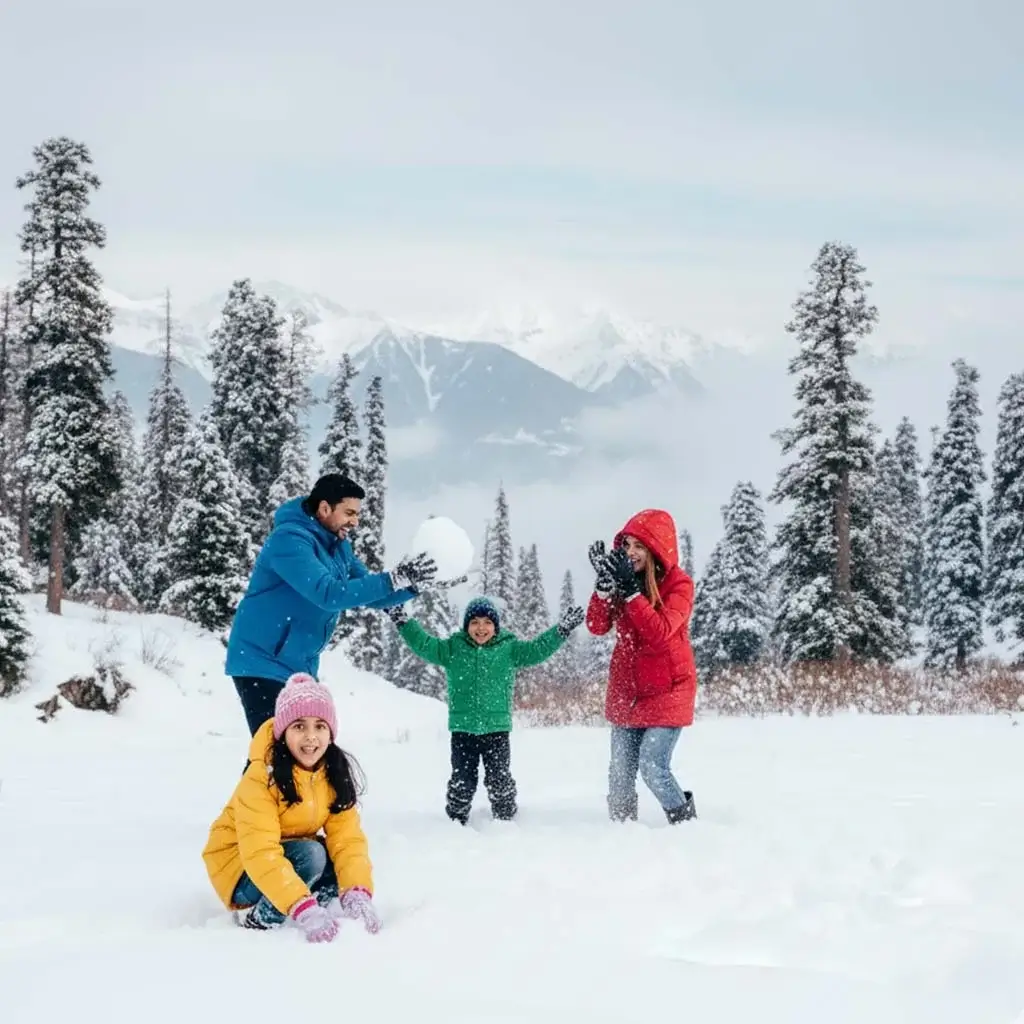 5D/4N
5D/4NBest Of Kashmir – Srinagar, Gulmarg & Pahalgam Tour Package
1D Srinagar•1D Gulmarg (day trip)+3
₹12,500₹28,999SAVE INR 16,499/ person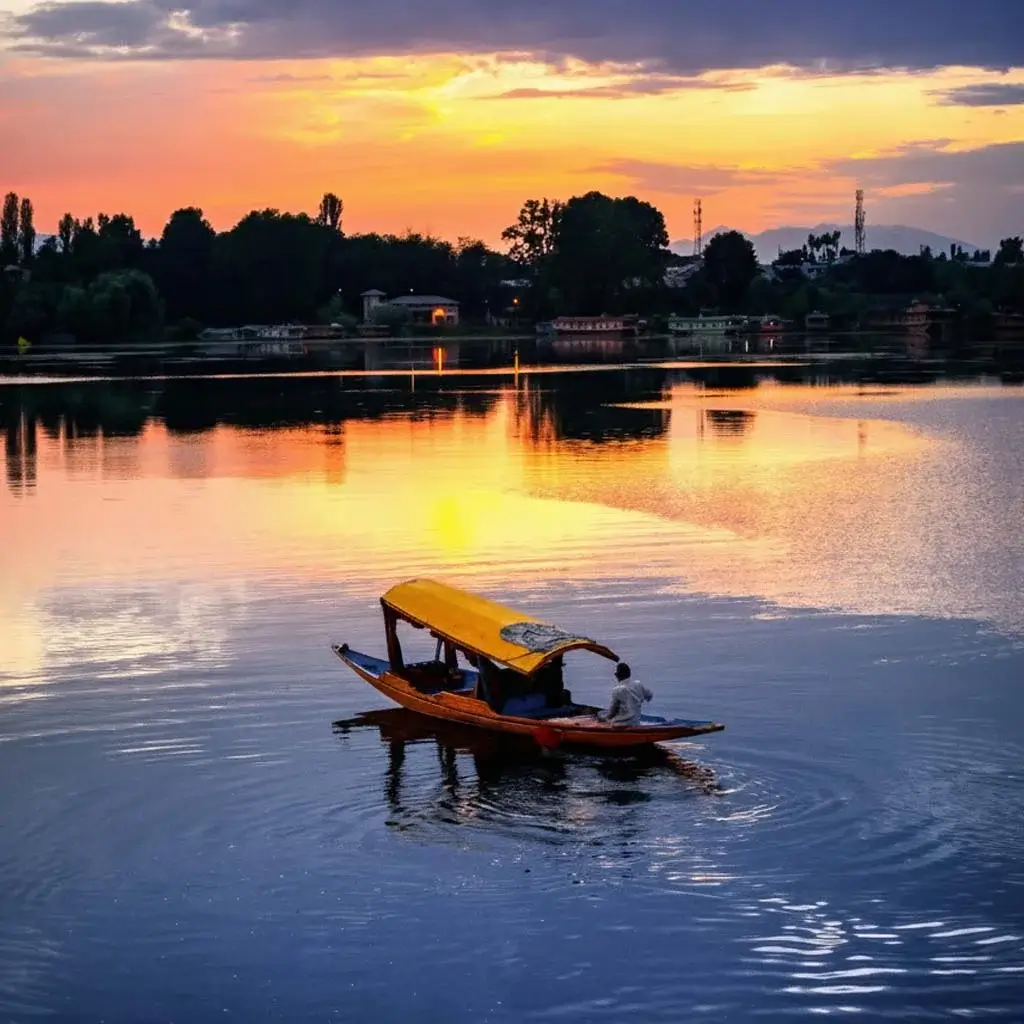 4D/3N
4D/3NThe Perfect 4 Day Kashmir Getaway
1D Srinagar•1D Gulmarg +2
₹8,999₹24,999SAVE INR 16,000/ person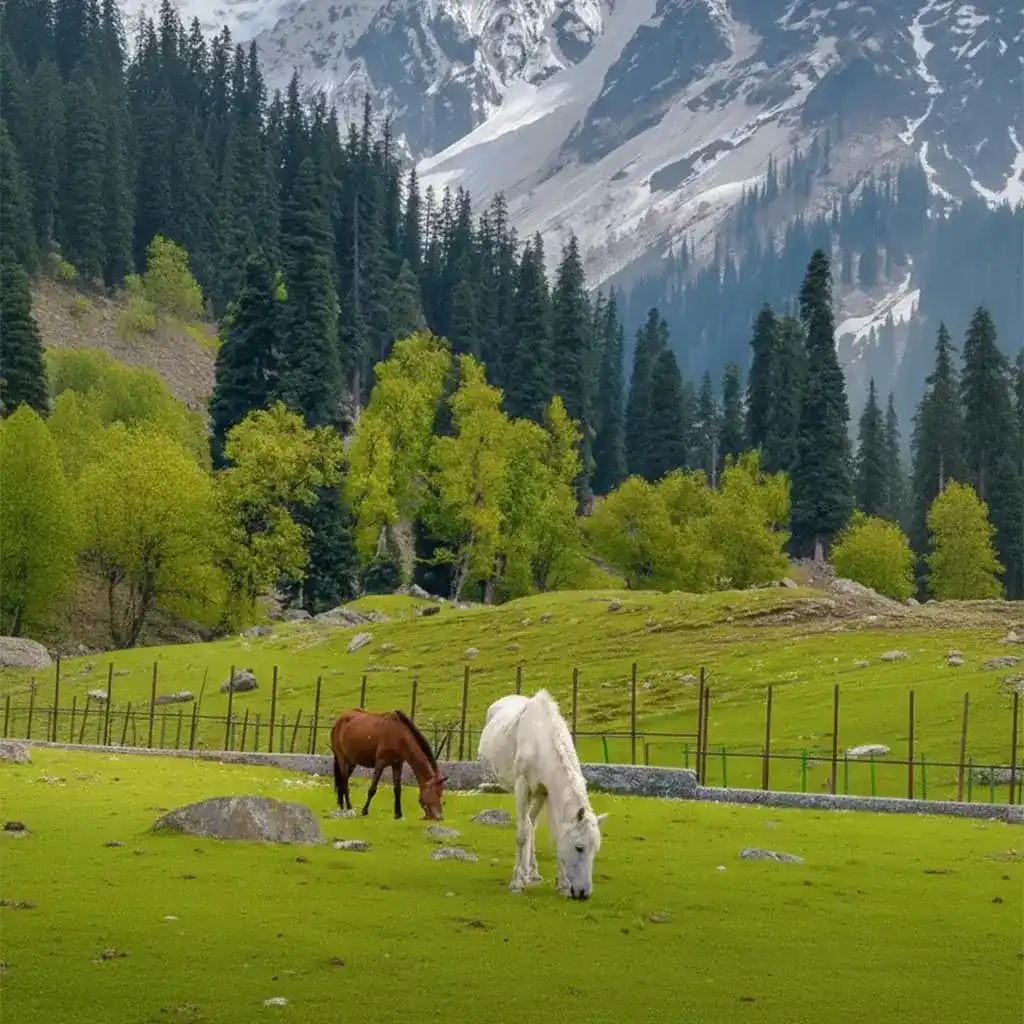 5D/4N
5D/4NTimeless Kashmir Retreat – Srinagar, Gulmarg & Pahalgam Experience
1D Srinagar •1D Gulmarg (day trip)+3
₹39,999₹65,999SAVE INR 26,000/ person
Frequently Asked Questions about Dal Lake Srinagar
How much does a shikara ride cost on Dal Lake in 2026?
The government fixed rate is approximately Rs 770 to 790 per hour per shikara (up to 4 adults). Touts at the ghat will quote Rs 2,000 to 3,000 initially. You can negotiate to Rs 600 to 800, or book through your hotel or houseboat for a fair, fixed rate. Special routes like the Char Chinar trip or the floating market visit may cost Rs 1,000 to 1,500. Always agree on price and route before boarding.
Is it safe to visit Dal Lake and Srinagar in 2026?
Srinagar has been stable for tourism in recent years, and Dal Lake is the most visited attraction in Kashmir. Standard travel precautions apply: stay updated on local advisories, avoid isolated areas at night, and follow guidance from your hotel or tour operator. Security presence is visible but routine.
What is the best time to visit Dal Lake?
April to October is the broad good window. September and October are the standout months: clear skies, chinar colour, comfortable weather, and lower crowds than summer. April is ideal for the Tulip Garden. July and August bring lotus blooms but also peak crowds and heat. Winter is dramatic with snow but very cold.
Should I stay on a houseboat or a hotel?
One night on a houseboat is worth it for the unique experience: sleeping on the water, waking to the lake at sunrise, kehwa on the sundeck. But houseboats are stationary, and budget ones can have maintenance issues. For comfort and flexibility, a good hotel on Boulevard Road combined with a sunrise shikara ride gives you the lake experience without committing to the boat. If you do stay on a houseboat, book deluxe or higher and consider Nigeen Lake for cleaner, quieter surroundings.
How do I reach the floating vegetable market?
Arrange an early morning shikara through your hotel or houseboat. You need to leave by 5 to 5:30 AM to reach the market when it is active. The market is on the water, not accessible by road. It wraps up by 7 AM. It runs best from April to October, with reduced activity in winter.
Is Dal Lake suitable for families with children?
Yes. Shikara rides are calm and safe (though life jackets are often not worn, ask for them for children). Mughal gardens are easy family outings. Houseboats are fun for kids. The main caution is supervising children near the water on houseboat decks and during shikara boarding. The floating market requires a very early start, so judge based on your children's age and temperament.
Can I swim in Dal Lake?
Not recommended. The water quality varies significantly across the lake, and many sections near settlements and houseboats have pollution and weed growth. There are no designated swimming areas. Enjoy the lake from a shikara, not in it.
How many days should I spend at Dal Lake?
One full day is the minimum: a sunrise shikara ride, the floating market, and a visit to one or two Mughal gardens. Two days is better, allowing you to also do an evening ride, explore Nigeen Lake, and visit Shankaracharya Temple for the panoramic view. One night on a houseboat adds to the experience but is not essential.
Do prepaid mobile SIMs work in Kashmir?
Postpaid SIMs from major operators generally work fine. Prepaid SIMs from outside J&K may face restrictions or not work at all. Check with your telecom provider before travelling. If you rely on mobile data, consider getting a local postpaid SIM or carrying a backup option.
What should I carry for a visit to Dal Lake?
Cash (many operators do not accept UPI or cards), sunscreen and sunglasses for daytime rides, mosquito repellent for evening summer rides, a warm layer for early morning and autumn or winter visits, and a camera. If visiting the floating market, eat lightly before the early start and carry water.
Related guides
Posts about Srinagar