
Batseri Village
A quiet, traditional Kinnauri village on the left bank of the Baspa River, roughly 7 km from Sangla, with the finest wood carvings in the valley, a bridge over roaring water, and the kind of slow that most of Kinnaur has already lost
- Traditional Village
- ~2,600 m
- ~7 km from Sangla
- Apr to Oct
- Baspa Valley, Kinnaur
What makes it special
Batseri is the village that Sangla used to be before the hotels and concrete arrived. It sits on the left bank of the Baspa River, roughly 7 km from Sangla town by road. To get there, you take a short detour off the main Sangla to Chitkul road, descend toward the river, and cross a bridge over the Baspa. The river is loud here, a grey green rush of snowmelt between boulders, and the bridge frames it with the ridgeline behind. On the other side, you enter a settlement that feels like it belongs to a different decade entirely.
The lanes are stone paved and genuinely clean. Batseri has won recognition for its cleanliness, and it shows. No plastic. No litter. Just flat roofed houses built from deodar timber and rough stone, their wooden balconies blackened by decades of woodsmoke and carved with patterns you will not see on any modern building. The air carries the smell of deodar and pine resin, and in the orchards on the approach, apple and apricot trees line the path. In September, the Brahmakamal flower festival called Ukhayang brings the village together at the temple.
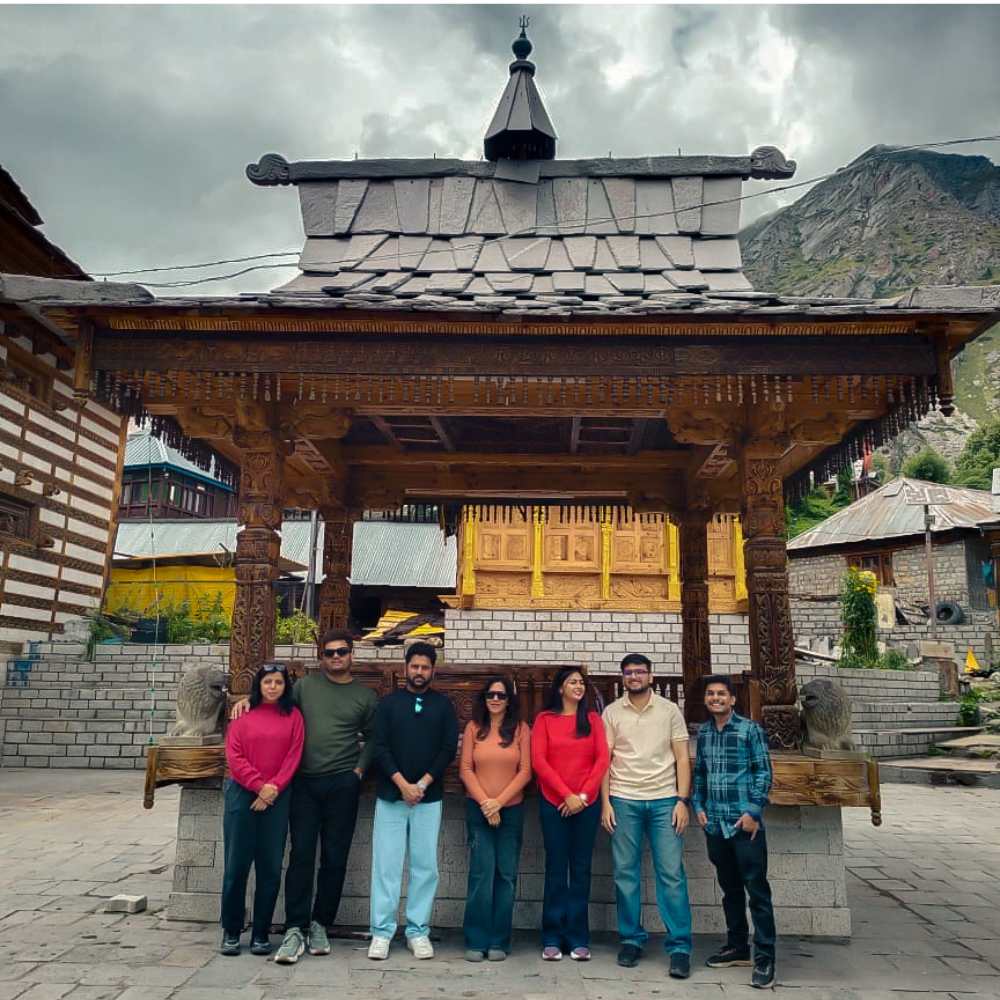
The Shri Badri Narayan Temple sits at the heart of the village, and this is the real reason to visit. It is a wooden temple dedicated to Lord Badri Narayan and Lord Vishnu Narayan, built in a style that blends Hindu deities with Buddhist motifs in a way that tells you everything about how Kinnaur's two faiths have always shared space. Prayer flags hang outside the gate. Carved wooden panels on the main door depict scenes from Indian mythology. The ceiling panels carry Buddhist symbols. The original temple was destroyed in a village fire in 1998, and what you see today was meticulously rebuilt through the collective effort of the villagers, with local woodcarvers recreating the intricate carvings by hand. That story, of a community rebuilding its sacred centre from memory and skill, is part of what gives this place its weight.
Beyond the temple, the village is a short, quiet loop. You pass old houses where grandmothers dry buckwheat on rooftops without looking up. A small handicraft centre sells Kinnauri caps, handwoven shawls, and chilgoza at prices lower than Sangla market. Down by the river, the government trout farm is a small but interesting stop, especially if you are travelling with children. Riverside trails through the apple orchards connect the area back toward the main road, and the whole walk has the constant sound of the Baspa running alongside.
Most travellers visit Batseri as a walking loop from their base in Sangla. Two hours covers everything, including the temple, the village lanes, and the bridge. It is not a place you stay overnight, though some of the valley's best riverside camps, including Banjara Camps, are technically closer to Batseri than to Sangla town. If you are camping in the valley, you are probably already near Batseri without knowing it. Walk in during the evening. It is worth the 20 minutes.
Quick answers
- Is Batseri worth visiting?
- Yes, if you have a free afternoon in Sangla. You cross a bridge over the Baspa to reach a quiet, traditional village on the other bank, with clean stone paved lanes, flat roofed wooden houses with carved balconies, and the Shri Badri Narayan Temple, which has the finest Kinnauri wood carvings in the valley. The temple was rebuilt by village woodcarvers after a fire in 1998, and the craftsmanship is remarkable. One to two hours covers everything. It is not a destination on its own, but as an addition to a Sangla stay, it is one of the better things you can do.
- How do I get to Batseri?
- From Sangla, take the road toward Chitkul for about 5 km, then turn off at the junction signposted for Batseri. A short descent brings you to a bridge over the Baspa River. Cross it and you are in the village. By car, about 15 minutes from Sangla. On foot, a path through orchards takes roughly an hour at a relaxed pace. Walking is the whole experience. Go in the late afternoon for the best light.
- How long do I need?
- One to two hours is enough for the temple, the village lanes, the bridge, and the handicraft centre. You do not need to stay overnight unless you are camping at one of the riverside camps nearby.
Quick facts
Everything you need to know at a glance.
At a glance
- Altitude
- Approx 2,600 m (similar to Sangla)
- Location
- Left bank of the Baspa River, Baspa Valley, Kinnaur district
- Nearest town
- Sangla, roughly 7 km by road
- Open season
- Generally April to October
- Time needed
- 1 to 2 hours as a walking loop from Sangla
- Entry fee
- No fee
- Effort level
- Flat, easy walk. Bridge crossing and stone paved village lanes.
On the ground
- Mobile network
- Similar to Sangla. Airtel and BSNL work. Jio patchy.
- ATM
- None in Batseri. Use the ATM in Sangla or carry cash from Reckong Peo.
- Food
- No restaurants in the village. Eat in Sangla before or after. Camps near Batseri serve meals to guests.
- Stay
- Riverside camps between Sangla and Batseri (including Banjara Camps). No hotels in the village itself.
- Permits
- No permit needed for Indian travellers. Foreign nationals may need an Inner Line Permit for parts of Kinnaur. Confirm current rules locally.
- Drone
- Border area. Do not fly drones without checking current rules.
- Walking
- Bridge crossing over the Baspa, then stone paved lanes in the village. Easy for all ages and fitness levels.
Seasonal weather
- Apr to Jun24°8°Summer (Apr to Jun)
- Jul to Sep22°12°Monsoon (Jul to Sep)
- Oct to Nov18°2°Autumn (Oct to Nov)
- Dec to Mar10°-5°Winter (Dec to Mar)
Suitable for
- Couples — suitable
- Families — suitable
- Seniors — suitable
- Solo — suitable
- First-timers — suitable
- Pet-friendly — with some care
How to reach Batseri Village
1 approach route, with seasonal access.
From Sangla town
Generally April to October- Distance
- Roughly 7 km by road
- Time
- About 1 hour on foot or 15 min by car
- Road
- Surfaced road with bridge crossing over Baspa River
From Sangla, take the road toward Chitkul for about 5 km. At the junction signposted for Batseri, turn off and descend toward the river. You cross a bridge over the Baspa, and the village begins on the other side. By car, the whole thing takes about 15 minutes. On foot, a path through apple orchards and fields follows the valley floor and takes roughly an hour at a relaxed pace. Walking is the better experience and the recommended way. Late afternoon gives you the best light on the bridge and the village.
Best time to visit
Season by season, so you can plan around the weather rather than hope.
- Recommended
Summer
April to June
The best window. Warm days, green orchards, and the Baspa at its bluest.
- Temperature
- Roughly 15 to 24°C day, 8 to 12°C night
- Crowds
- Sangla busy on weekends, Batseri stays quiet
- Walking
- Dry, comfortable, flat path through orchards
- Photography
- Best light for the bridge shot, late afternoon
The best window for the walk to Batseri. Days are warm, the apple orchards along the approach are green and leafy, and the Baspa runs turquoise with early snowmelt. The bridge crossing feels at its most photogenic in May and June, especially in late afternoon when the light turns warm on the timber. Long weekends can make Sangla town feel busy, but Batseri itself stays quiet because most visitors do not bother making the trip across the river.
Monsoon
July to September
Green valley, but the path can be muddy and the highway unpredictable.
- Temperature
- Roughly 14 to 22°C day, 12 to 14°C night
- Crowds
- Lower than summer
- Walking
- Can be muddy after rain, otherwise fine
- Roads
- Kinnaur highway is landslide prone
The valley turns intensely green and the orchards get heavy with fruit. But the path to Batseri can be muddy after rain, and the Baspa rises and turns silty, losing its turquoise colour. The real concern is not Batseri itself but reaching Sangla, as the Kinnaur highway is landslide prone in this season. If you are already in the valley on a dry day, the walk to Batseri and the bridge crossing are still pleasant.
- Recommended
Autumn
October to early November
Harvest light, thin crowds, cold evenings. The best photography window.
- Temperature
- Roughly 10 to 18°C day, 2 to 6°C night
- Crowds
- Low
- Walking
- Dry path, apple harvest in the orchards
- Photography
- Clean golden light, the best of the year
Quietly the best time for Batseri if you can handle cold evenings. The apple orchards along the walk are in harvest mode, the light is clean and warm until late afternoon, and the village feels unhurried. The deodar timber on the old houses and the temple carvings photograph beautifully in October's golden light. By late October, evenings drop sharply and you will want a proper jacket for the walk back.
Winter
Late November to March
Cold, bare orchards, and the path can be icy. Not the season for a casual walk.
- Temperature
- Roughly 0 to 10°C day, minus 5 to 0°C night
- Crowds
- Very few visitors
- Walking
- Path can be icy or waterlogged
- Access
- Road closures possible after snowfall
Snow can fall in the Baspa Valley and the path to Batseri can be icy or waterlogged. The village is still there and you can visit if conditions allow, but the orchards are bare, the bridge is less photogenic, and the cold makes a casual walk less enjoyable. Roads to Sangla may also be disrupted after heavy snowfall. This is not the season for a Batseri visit unless you are already in the valley for other reasons.
Things to see & do
6 things worth your time at Batseri Village.
Cross the bridge over the Baspa and enter the village
15 to 20 minThe bridge over the Baspa is where the visit really starts. The river is loud underneath, grey green snowmelt rushing between boulders, and the bridge frames the ridgeline behind perfectly. In late afternoon, when the western light hits the timber and the water catches warm colour, this is one of the strongest photo compositions in the valley. Take your time here. The bridge is functional, used by villagers daily, but the framing is worth the stop.
Walk the stone paved village lanes
30 to 45 minBatseri's lanes are clean in a way that catches you off guard. No plastic. No litter. Just stone paving between flat roofed wooden houses built from deodar and rough stone, their carved balconies dark with decades of woodsmoke. The smell of deodar and pine resin hangs in the air. You pass small shrines, stacked firewood, and rooftops where buckwheat and fruit dry in the sun. The village is compact and easy to walk in a slow loop. No climbing. No map needed. Just wander and look up at the woodwork on the older houses.
See the Shri Badri Narayan Temple
20 to 30 minThe temple sits at the centre of the village and is the real reason to visit Batseri. Dedicated to Lord Badri Narayan and Lord Vishnu Narayan, it is built in a style that blends Hindu and Buddhist traditions naturally. Prayer flags hang outside the gate. The carved wooden door panels depict scenes from mythology. The ceiling carries Buddhist motifs. What makes it more remarkable is that the original temple burned in a devastating village fire in 1998, and what stands today was rebuilt through collective village effort, with local Kinnauri woodcarvers recreating the intricate carvings by hand. The craftsmanship on the panels and doors is finer than anything in Sangla town. Remove shoes, ask before photographing, and spend ten minutes looking at the woodwork closely.
Walk through the apple orchards and riverside trails
30 to 45 minThe approach to Batseri and the paths around it run through apple orchards and along the Baspa River. In spring, the apricot trees bloom pink. In autumn, the orchards are heavy with fruit and the light turns golden. The trails are flat and easy, with the constant sound of the river alongside. This is not a structured trek. It is a quiet walk through working agricultural land, with deodar forest rising on the slopes above and the valley opening up around you.
Visit the trout farm
20 to 30 minA small government run operation near the village where trout are bred in the cold Baspa water. It is not a major attraction, but it is interesting for a 20 minute stop, especially with kids who enjoy watching the fish in the clear pools. The farm is sometimes closed or under maintenance, so do not build your afternoon around it. Confirm locally before making the walk.
Browse the handicraft centre
15 to 20 minA small centre in the village sells Kinnauri caps, handwoven shawls, dried fruits, and chilgoza. It is quieter and often cheaper than the Sangla market. If you want to buy something local, this is a good place to do it without the crowd.
Know before you visit Batseri Village
The practical bits, from people who have been.
How to visitA slow afternoon walking loop from Sangla. Cross the bridge, walk the village, see the temple.
Most people visit Batseri as a walking loop from Sangla, not as a separate overnight stop. The road distance is roughly 7 km. By car, you are there in 15 minutes. On foot, the path through orchards and along the Baspa takes about an hour at a relaxed pace. Either way, you cross a bridge over the roaring Baspa River to reach the village on the left bank.
A couple of hours in the village covers everything: the temple, the lanes, the bridge, the handicraft centre. Late afternoon is the best time for the light on the bridge and the village woodwork. If you are camping in the valley, several of the well known riverside camps (including Banjara Camps) are positioned between Sangla and Batseri. You may already be staying near Batseri without having planned it. In that case, walk into the village in the evening. It is worth the 20 minutes.
Who it suitsBest for architecture lovers, photographers, and slow afternoon walkers. Skip if time is short.
Gets the most out of it. Architecture and woodwork enthusiasts who want to see Kinnauri carving at its best, particularly the rebuilt Badri Narayan Temple. Photographers chasing the bridge shot in late afternoon light or carved balconies in the morning. Families on a flat, easy walk with no climbing. Travellers who want a village that is not performing for tourists, where the lanes smell of deodar and woodsmoke rather than diesel and commerce.
Will not need it. Travellers on a tight schedule who only have one day in the valley. If you have to choose between Batseri and Kamru Fort, the fort wins because of the history and the valley view. Batseri is the addition when you have the time, not the priority when you do not.
Senior travellers. Very suitable. The walk from Sangla is flat with no climbing. The bridge crossing is easy. The village lanes are stone paved and manageable at any pace. One of the easier outings in the valley.
Photography tipsBridge at sunset, carved balconies in morning light, ask before photographing inside the temple.
Outside the temple and on the bridge, you are free to photograph. The bridge over the Baspa in late afternoon light, with the turquoise water below and the ridgeline behind, is the shot most people come for. Morning light works on the carved wooden balconies in the village lanes, especially the smoke darkened deodar panels on the older houses. The temple's carved door panels and the courtyard are worth close attention with a lens.
Inside the Shri Badri Narayan Temple, ask before photographing. The carvings and the deity figures deserve that respect. For village portraits, ask first. People are generally friendly but the asking matters. Do not fly drones. This is a border area.
Practical tipsFlat walk, no altitude worry if you are already in Sangla, carry water.
Batseri sits at the same altitude as Sangla, roughly 2,600 metres. If you have already spent a night in Sangla, altitude is not a concern. The walk is flat and shaded in parts by apple orchards and deodar forest. Carry a small water bottle, especially in summer. There is nothing to buy to eat or drink in the village, so eat before or after in Sangla. Wear comfortable walking shoes rather than sandals because the stone paved village lanes and the bridge approach can be uneven in places. If you are visiting during monsoon, the path can be muddy, so shoes with grip are useful.
Best time to visitApril to June and October are best. Late afternoon for the light.
April to June and October to early November are the best months. The orchards are green or golden, the path is dry, and the Baspa runs its cleanest colour. Late afternoon is the time of day to aim for, both for the light on the bridge and for the quiet settling over the village. Monsoon months are possible but the path can be muddy and the river turns silty. Winter is cold, the orchards are bare, and the path may be icy. Road access to Sangla can also be disrupted by snow. Conditions change with the season, so check locally before planning a visit outside the main April to October window.
Nearby attractions
Other places worth the detour.
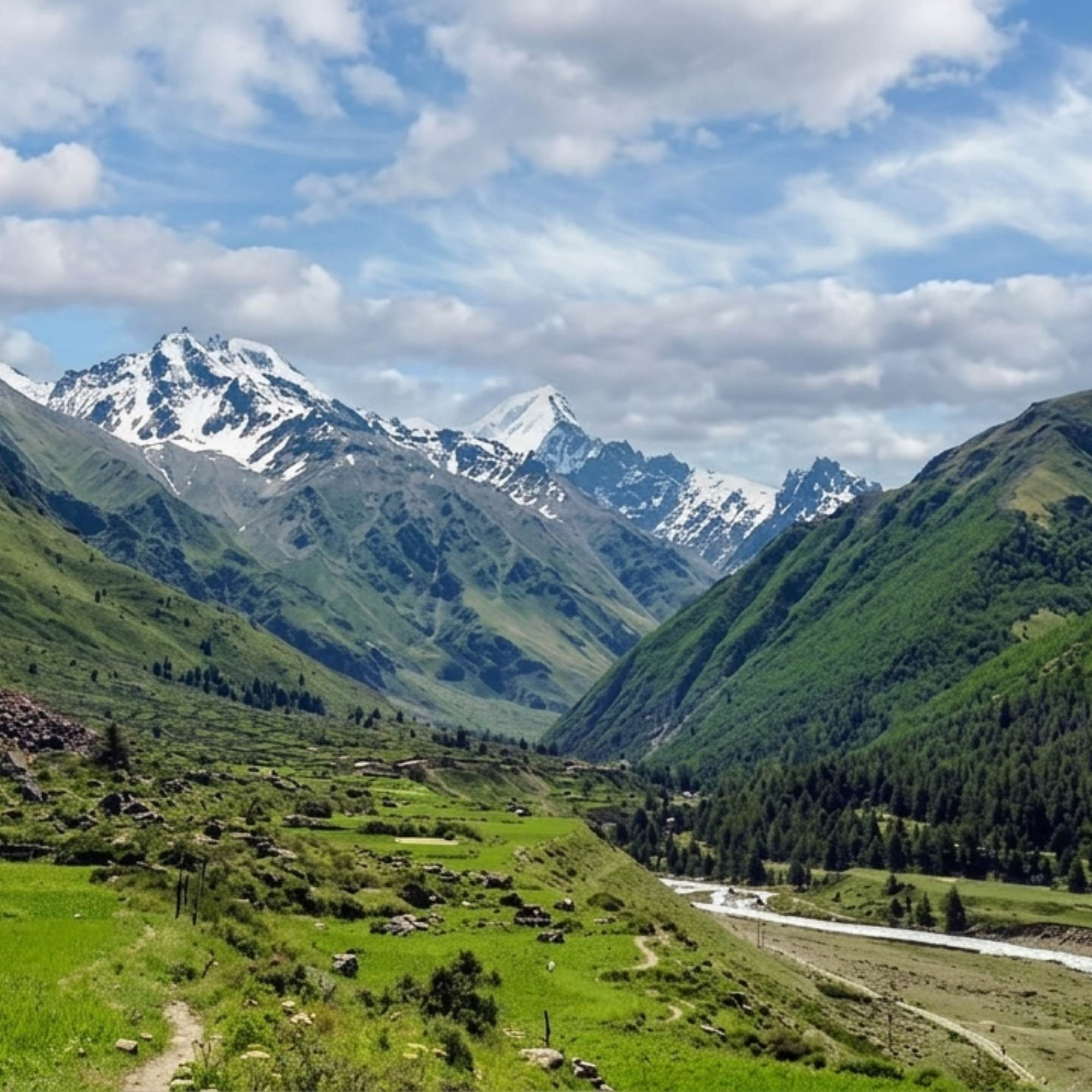
Sangla Valley
3 km
Your base in the Baspa Valley. Hotels, market, and the starting point for the walk to Batseri.
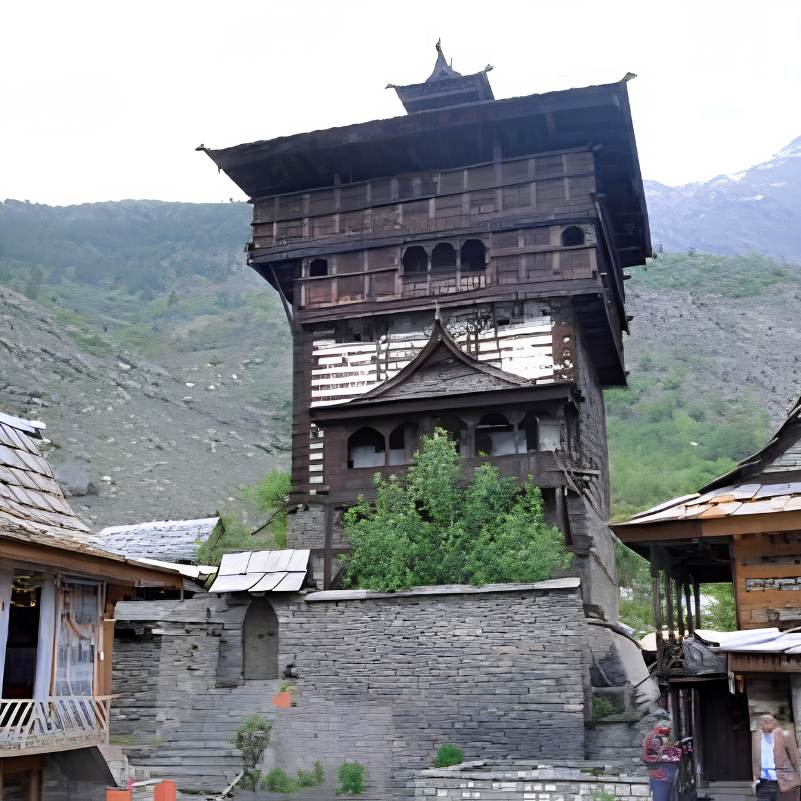
Kamru Fort
About 5 km (2 km above Sangla)
A multi-storey Kathkuni tower and living temple complex above Sangla. If you only have time for one stop, choose this over Batseri.
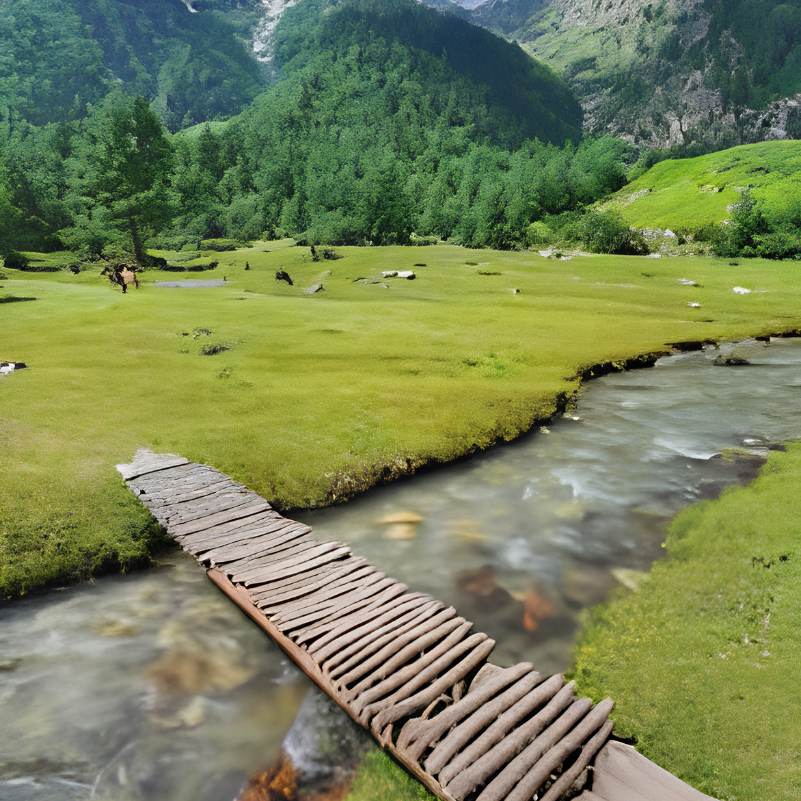
Rakcham
About 12 km from Sangla
A quiet village between Sangla and Chitkul with wide meadows and almost no tourist infrastructure. For travellers who want real isolation.
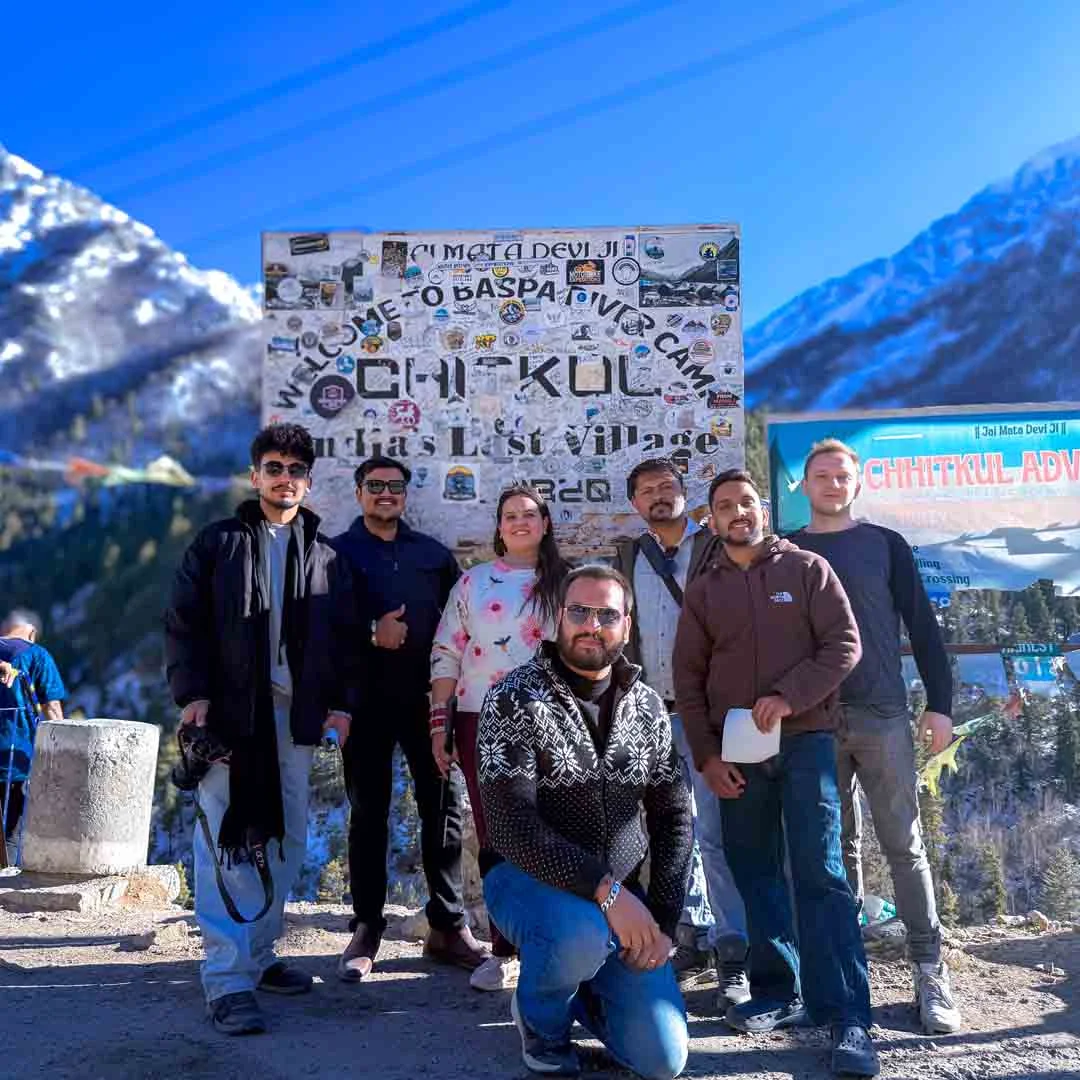
Chitkul
About 25 km from Sangla
The last village on the old Indo Tibet road. Most itineraries include a day trip from Sangla.
Our packages with Batseri Village
Curated trips that include a visit to Batseri Village.
 Group Tour5D/4N
Kinnaur Valley Weekend Group Trip With Sangla Chitkul and Kalpa
1D Sangla•1D Kalpa
₹7,999₹9,999SAVE INR 2,000/ person 4D/3N
4D/3NKinnaur Valley Scenic Circuit With Sangla Chitkul and Kalpa
1D Shimla•1D Sangla+1
₹16,999₹17,999SAVE INR 1,000/ person
Common questions about Batseri
Where is Batseri?
Batseri is a traditional Kinnauri village on the left bank of the Baspa River, roughly 7 km from Sangla town in the Baspa Valley, Kinnaur district, Himachal Pradesh. You reach it by taking the Sangla to Chitkul road for about 5 km, turning off at the Batseri junction, and crossing a bridge over the Baspa River.
What is there to see in Batseri?
The Shri Badri Narayan Temple with its exceptional Hindu and Buddhist wood carvings, rebuilt by village woodcarvers after a fire in 1998. The stone paved lanes with old flat roofed wooden houses and carved deodar balconies. The bridge over the Baspa River. Apple orchards and riverside trails. The trout farm. A small handicraft centre. All walkable in a couple of hours.
How do I get to Batseri from Sangla?
By road, roughly 7 km. Drive toward Chitkul for 5 km, turn off at the Batseri junction, and cross the bridge over the Baspa. Takes about 15 minutes by car. On foot, a path through orchards takes roughly an hour at a relaxed pace. Walking is the better experience.
How much time do I need at Batseri?
One to two hours is enough to walk the village lanes, see the temple, cross the bridge, and visit the handicraft centre. You do not need to stay overnight unless you are camping at one of the riverside camps nearby.
What is the best time of day to visit Batseri?
Late afternoon. The light is warm, the village is winding down, and the bridge over the Baspa makes its best photograph in the last couple of hours before sunset. The carved balconies in the village lanes catch nice light in the morning too.
What is the best season to visit Batseri?
April to June and October to early November. The path is dry, the orchards are green or golden, and the Baspa runs its cleanest colour. Monsoon is possible but muddy. Winter is cold, bare, and the road to Sangla can be disrupted by snow.
Is Batseri suitable for families and seniors?
Yes. The walk from Sangla is flat and easy, with no climbing at all. The bridge crossing is straightforward. The village lanes are stone paved and manageable at any pace. The trout farm is a fun stop for kids. One of the most family friendly outings in the valley.
Do I need a permit to visit Batseri?
No permit needed for Indian travellers. Foreign nationals may need an Inner Line Permit for parts of Kinnaur. Confirm current rules locally before travelling.
What is special about the Badri Narayan Temple?
The temple blends Hindu and Buddhist architectural traditions in a way that is characteristic of Kinnaur. Carved wooden door panels depict mythology, while ceiling panels carry Buddhist motifs, and prayer flags hang at the gate. The original temple was destroyed in a village fire in 1998 and was meticulously rebuilt by the villagers, with local Kinnauri woodcarvers recreating the intricate carvings by hand. The craftsmanship is finer than anything in Sangla town.
Should I visit Batseri or Kamru Fort?
Kamru Fort has more history, a valley view from the top, and a steeper climb. Batseri has finer wood carvings, a flat easy walk, a bridge over the Baspa, and a quieter atmosphere. If you only have time for one, choose the fort. If you have a free afternoon, add Batseri.
Related guides
Posts about Kinnaur
- Yulla Kanda Trek Guide 2026: Route, Best Time, Cost and Planning
- Kinnaur Snowfall Guide 2026: When & Where to Look for Snow
- Christmas & New Year in Kinnaur: A 2026-27 Winter Trip Guide
- Kinnaur in November 2026: Weather, Snow Chances & 7-Day Trip Plan
- Yulla Kanda Trek Distance and Route 2026: Yulla Khas to the Lake
- Yulla Kanda Krishna Temple in 2026: Location, Beliefs & Visiting Etiquette