
Zanskar Self-Drive Guide 2026: 4x4 vs 2WD, Ground Clearance and Car Preparation
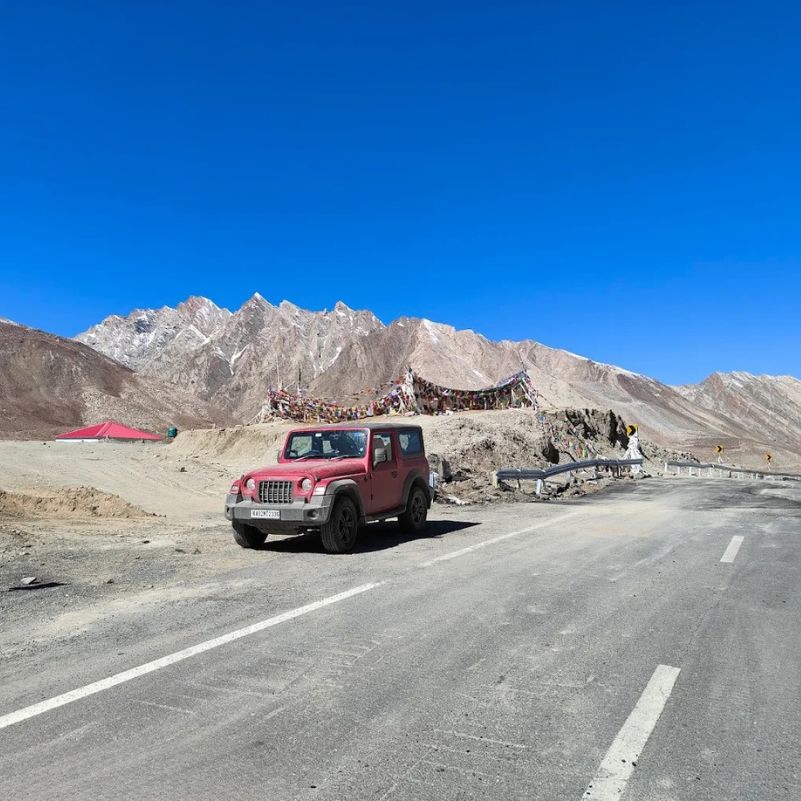
Most people planning a Zanskar self drive start with one question: do I need a 4x4? It sounds sensible, but it puts the badge ahead of what actually decides your day.
The route, the road’s condition that morning, your car’s real ground clearance, your tyres and your own mountain driving experience matter more than the word on the tailgate.
Quick Answer: Do You Need a 4x4 for Zanskar?
No, a 4x4 is not mandatory for every Zanskar trip. A high clearance 2WD SUV can be feasible on some routes in dry, stable conditions. Low sedans and hatchbacks have much smaller margins on rough sections.
Conditions can change the answer, though. On March 1, 2026, BRO had restored the Darcha to Shinku La road for 4x4 vehicles only, because heavy icing and slippery stretches remained.
On May 10, 2026, the administration reopened the same road from both sides for all vehicle categories after BRO finished snow clearance and restoration. It was the same road with two different answers in the same season.
This guide by Travel Coffee covers vehicle suitability and car preparation only. If you would rather have the whole trip planned around the right vehicle, our Zanskar Valley tours handle that side.
4x4 vs 2WD in Zanskar: What Actually Makes the Difference?
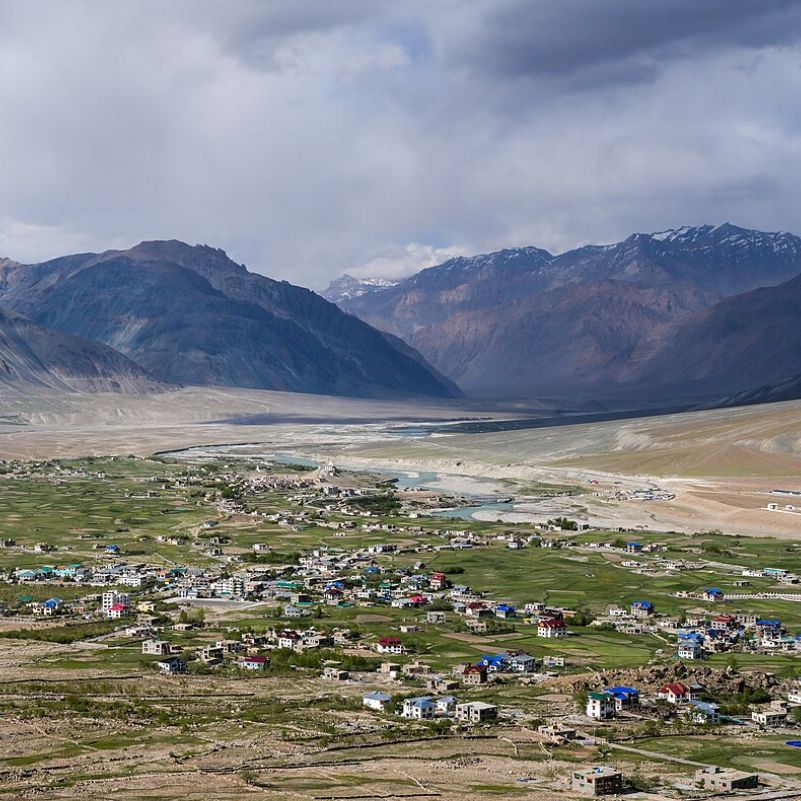
What 4x4 helps with
Four wheel drive sends power to all four wheels. On snow, slush, loose gravel or a broken climb, that gives you extra traction and a bit more margin when one wheel starts to slip.
When authorities restrict a road to 4x4 vehicles, as they did on the Darcha to Shinku La road in early March 2026, a 4x4 stops being a nice extra. You cannot drive that road in anything else.
A 4x4 does not make the driver invincible, though. On ice it still needs gentle steering, soft braking, patience and the sense to stop.
What 4x4 does not solve
Four wheel drive does not raise your car. It does not give you tougher tyres or underbody protection, and it does not give the driver years of mountain experience.
Some 4x4 vehicles sit lower than people expect, or run road tyres that cut easily on sharp rock. A 4x4 can still hit its sump, tear a sidewall or get stuck if the driver picks a bad line.
In our experience, the drivers who get into trouble rarely lack a 4x4. They trust the 4x4 to do their thinking.
Why a high-clearance 2WD can sometimes be enough
On a dry, settled road with no 4x4 restriction, traction is often not the limiting factor. Clearance, tyres and careful wheel placement matter more.
That is why a sound, high clearance 2WD SUV with healthy tyres and an experienced driver can be feasible on some Zanskar approaches. Note the word “feasible”. It does not promise the car will be fine.
We answer the same question for the wider region in our guide on whether you need a 4x4 for Ladakh.
Which Zanskar Routes Need the Most Capable Vehicle?
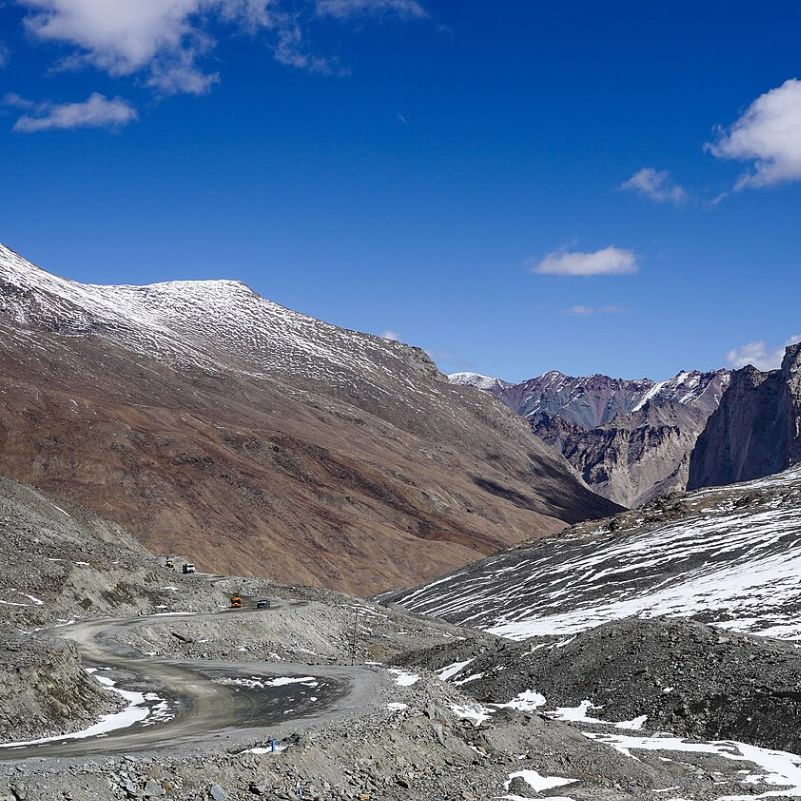
Each road into Zanskar asks something different about your car. This section only looks at the roads from the car’s point of view. It is not an itinerary.
Kargil to Pensi La to Padum
Kargil to Padum via Pensi La is the established approach into Zanskar. Current travel sources report big improvements on this road.
Rough and broken stretches can still remain. Experienced travel sources record hatchbacks and sedans finishing this approach. The same sources warn about underbody damage and the chance of turning back if conditions get worse.
Read those trip reports carefully. A few successful drives show that it can be done. They do not show that low cars are the right choice.
Darcha to Shinku La to Padum
This road shows most clearly why “do I need a 4x4” has no fixed answer.
On March 1, 2026, BRO had restored the Darcha to Shinkula road after snowfall, but only for 4x4 vehicles. Heavy icing and slippery stretches remained.
On May 10, 2026, the administration officially reopened the road from both directions for all types of vehicles, after BRO completed snow clearance and restoration.
The administration called the reopened road double lane and suitable for both heavy and light motor vehicles. That was true on that date.
Neither date tells you about today. Snow or ice can bring back a restriction on a road that suited every vehicle in May. The current local order always beats any blog, this one included.
For the road itself, read our Nimmu Padum Darcha road guide.
Nimmu to Padum
The Nimmu Padum Darcha axis is still an infrastructure project. That means widening and active road work, and work zones can change the surface from week to week.
We are not giving a current status for this road because we cannot check it on the day you read this.
Our team applies one rule to every Zanskar route: choose the vehicle for the weakest section you expect, not the best stretch of tarmac. A smooth first hour tells you nothing about the broken patch near the end.
Can You Do Zanskar in a 2WD SUV?
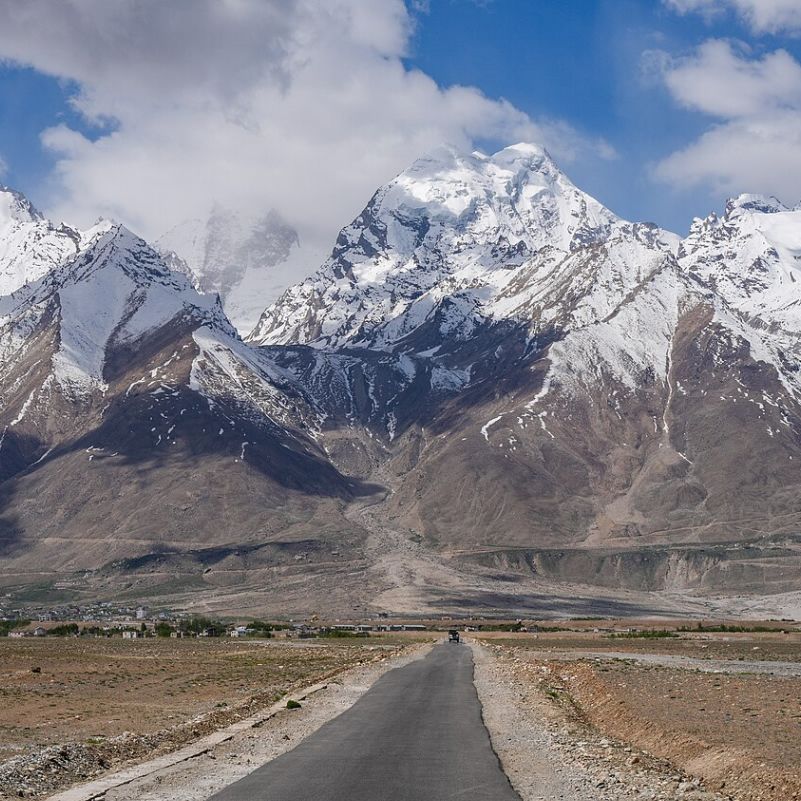
Yes, it can be feasible if conditions are right. A sound, high clearance 2WD SUV can manage some Zanskar approaches when the weather is dry and settled and no 4x4 restriction applies.
Four things give you more margin. You want healthy tyres with good tread, a car that is not overloaded, a driver with real mountain experience and stable weather on the day you drive.
The answer changes fast when those slip. Fresh snow, significant ice, deep slush or a badly damaged crossing all push a 2WD beyond what it handles well. So does an official 4x4 restriction.
The same goes for weather that is clearly turning, or any spot where your traction and clearance no longer leave a useful safety margin. At that point a 2WD is the wrong car for the road, however well it did yesterday.
We get a lot of messages asking about Zanskar in a Creta, Zanskar in a Brezza and other compact SUVs. Our answer never changes: no model comes with a guarantee that it will finish Zanskar.
Two people in the same model can have very different trips. Tyres, load, route, weather and skill make the difference. The badge on the boot does not decide the trip. The road in front of you does.
Can You Drive a Sedan or Hatchback to Zanskar?
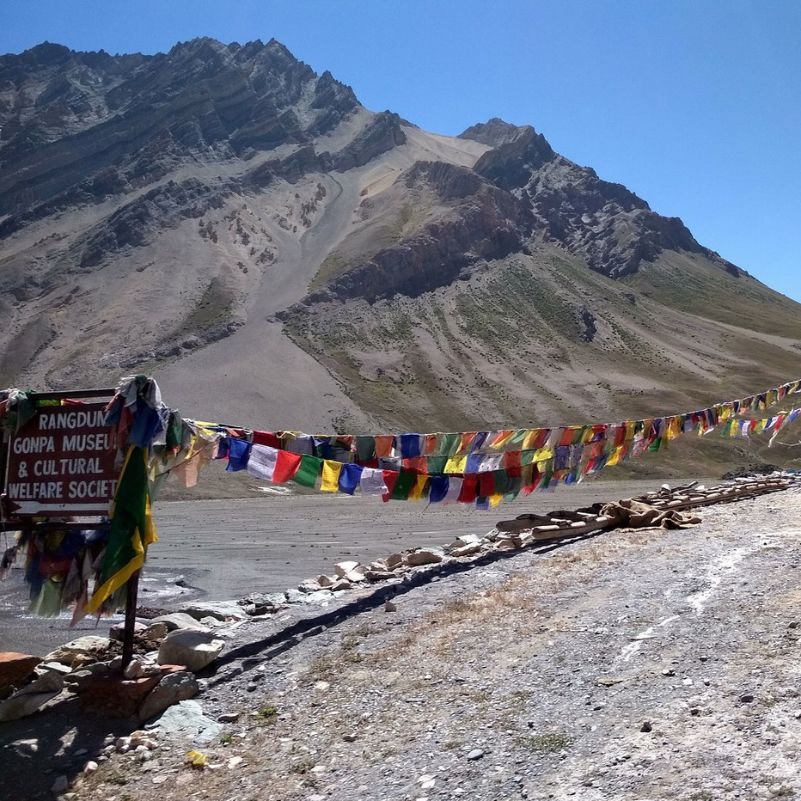
Sedans and hatchbacks have reached Zanskar before, mostly via the Kargil approach. We will not pretend otherwise.
But a sedan reaching Zanskar once does not make a sedan the right recommendation for Zanskar.
Low clearance leaves you less room over loose stones, ruts and broken road edges. Underbody parts like the sump and exhaust sit closer to the surface, so one misjudged rock can do more harm than it would to an SUV.
Load makes it worse. A sedan carrying four adults and a full boot can sit lower than its brochure ground clearance figure suggests.
Damage is not guaranteed. Careful drivers do bring low cars back unharmed on good days. You simply have much less room for one bad surprise, and help can take time to reach remote stretches.
If a sedan or hatchback is your only car, our team recommends staying on the established Kargil approach and checking conditions that same day. Turn back the moment the road gets rougher than your car can take.
For the rough days you can also book a local driver with a suitable vehicle. That is often the smarter choice anyway.
How Much Ground Clearance Do You Need for Zanskar?
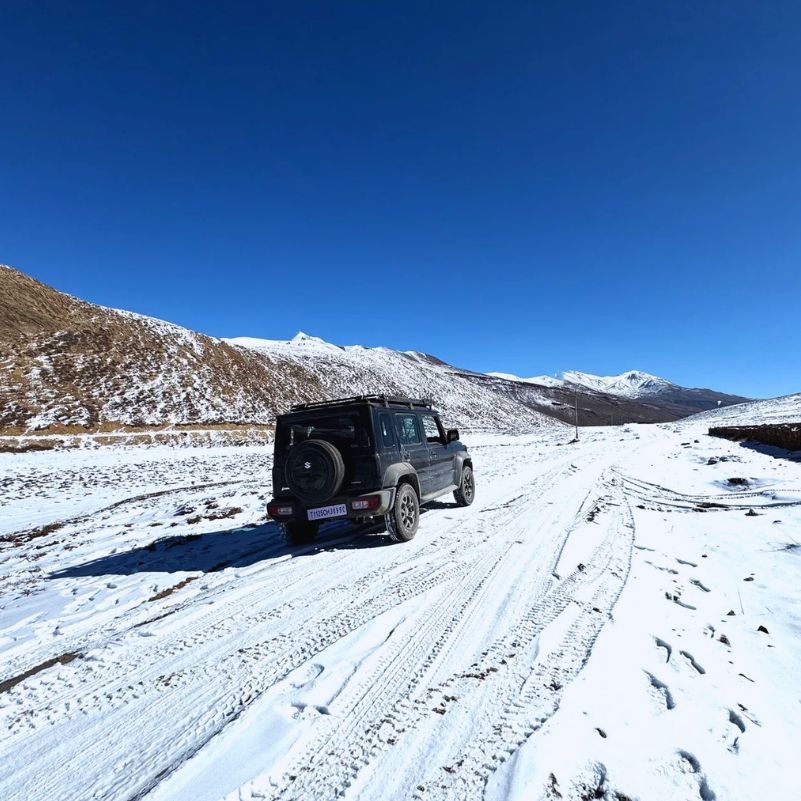
No single number works, and anyone who gives you one is guessing.
Travel websites suggest figures from roughly 190 mm to 210 mm. They disagree with each other, and we have not found any authoritative BRO minimum ground clearance rule.
So Zanskar does not legally or universally require 190, 200 or 210 mm. Treat any figure you read online as one writer’s opinion, not a rule.
The brochure figure only tells part of the story. The wheelbase decides whether the middle of the car scrapes on a crest. Front and rear overhang decide whether a bumper digs in on a dip or a steep ramp.
Underbody design matters too. Two cars with the same brochure figure can have very different low points, such as a hanging exhaust or an exposed tank.
Then there is the load. Four adults and their luggage squash the suspension and leave less clearance than the empty car in the brochure had.
Insider tip: load the car exactly as you will travel, with people and bags inside, then look at the lowest points underneath. That is the clearance you are really taking to Zanskar.
Ground clearance is a margin, not a certificate. More clearance helps, but it never replaces reading the road.
What Tyres Should You Have Before a Zanskar Self-Drive?
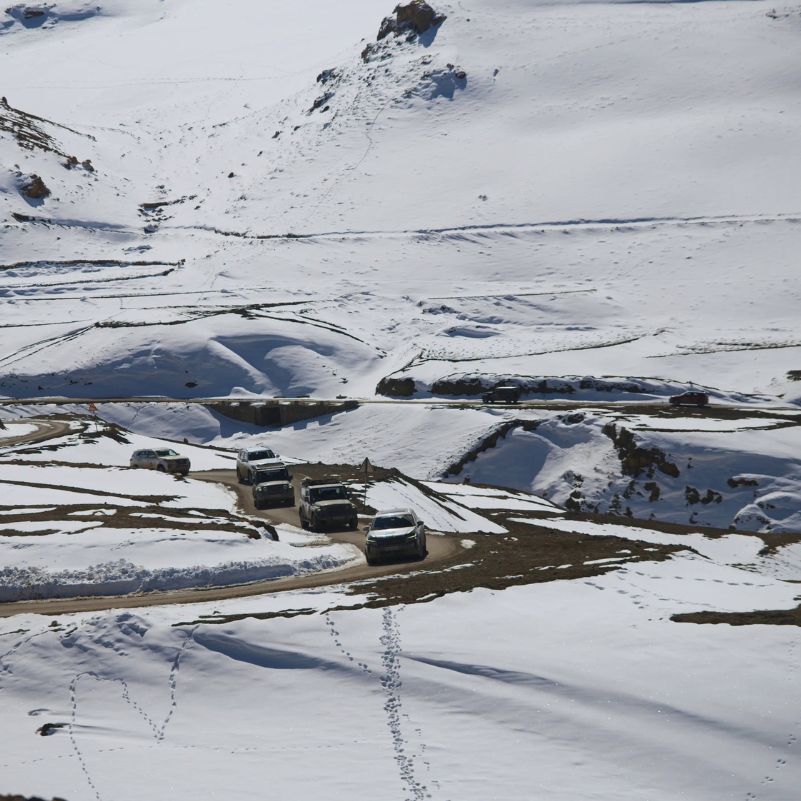
All terrain tyres are not mandatory. We know of no verified rule that requires them.
You do need healthy tyres with good tread and no visible sidewall damage. Look for cuts, bulges and cracks before you leave, not after a day on sharp gravel.
The spare matters as much as the four on the ground. A puncture kit can fix a small hole in the tread, but not a torn sidewall or a tyre that has come off the rim.
Carry a proper, usable spare wheel and check its pressure before the trip. People skip this check more than any other, and a flat spare is the worst thing to find in a remote valley.
Pack a tyre inflator and a pressure gauge. Use the pressures your car’s manufacturer gives for your load and conditions. We will not invent a Zanskar PSI figure, and you should be wary of anyone who does.
One thing to skip: do not make a puncture kit your only plan. It is cheap and handy, but it gives false confidence when the spare is flat or missing.
How Should You Prepare Your Car Before Leaving?
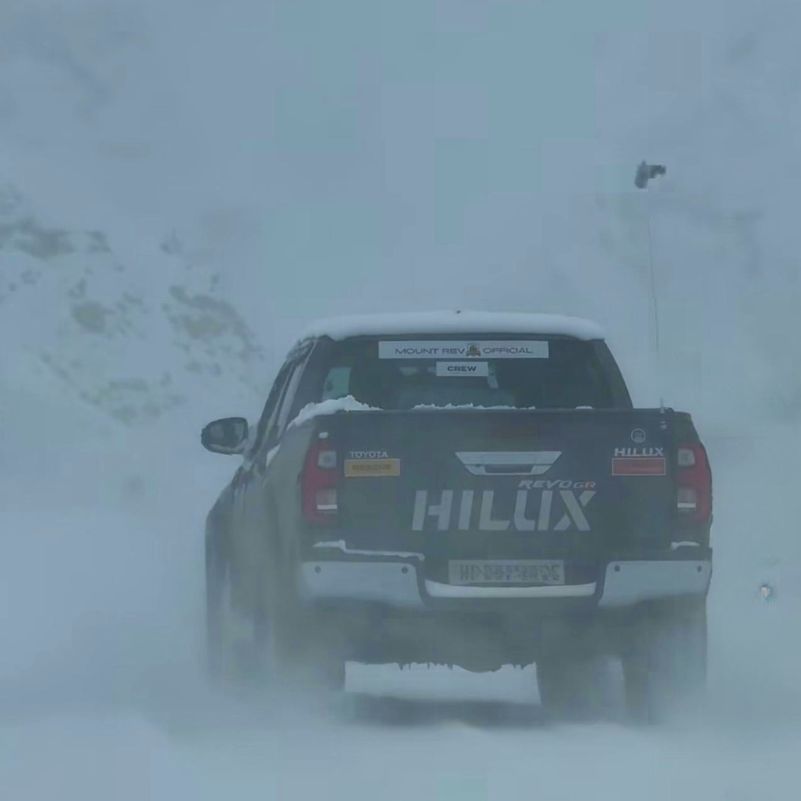
Service and mechanical inspection
Get the car serviced at your home garage, not in the last town before the mountains. Ask the mechanic to check the brakes, cooling system, all fluids and battery, plus any obvious suspension or steering problems.
Long descents work the brakes hard. Long, slow climbs work the cooling system hard. Small problems that go unnoticed in the city grow fast on a mountain road.
Money saving tip: fix anything doubtful before you leave. Your usual garage is almost always quicker and cheaper than an emergency repair in a remote area, and you skip the lost day.
If you were planning to replace a worn part “after the trip”, replace it before.
Underbody and vulnerable components
Put the car on a ramp and look underneath. Check for loose underbody shields, old damage, hanging clips and anything already lower than it should be.
The engine sump, exhaust and other low parts take the hits on a rough road. A cracked sump can mean an oil leak and a car that cannot go on. Know what condition these parts are in before you go.
Spare wheel and puncture setup
Check the spare, jack and wheel tools before you leave. Make sure the jack works and the wheel spanner fits your nuts, including any locking nut.
If you have never changed a wheel, practise once at home. Your first wheel change should not happen on a slope, in wind, at altitude.
Carry a tyre inflator and the right puncture gear for your tyres.
Luggage and load
Extra weight cuts your clearance, works the tyres harder, makes braking longer and uses up suspension travel you may need on a broken section.
Pack for what you need, not for the space you have. An empty seat or a half full boot costs you nothing on the road. An overloaded car can cost you the trip.
What Recovery Gear Should You Carry?
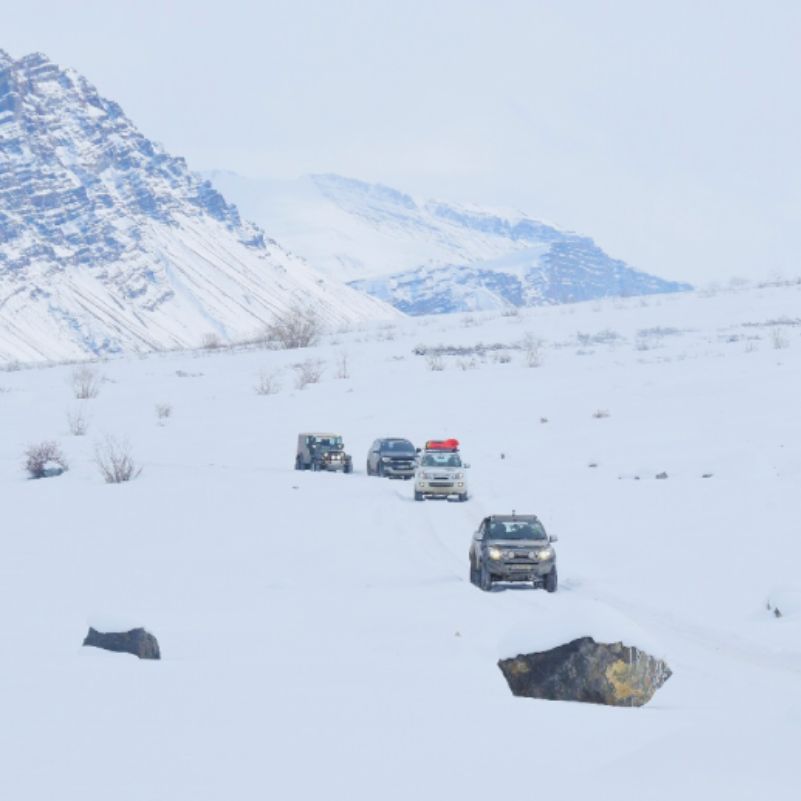
Your basic kit is a suitable tow strap, a tyre inflator, a puncture kit and a usable spare tyre. Add a shovel where you might meet snow or loose ground, plus gloves, a torch and basic vehicle tools.
Pick a tow strap that suits your vehicle’s weight and read its rating label. We do not give a number here because the right rating depends on your car.
Before the trip, find your manufacturer’s approved recovery or towing points in the owner’s manual. If your car uses a screw in towing eye, find out where it is stored and practise fitting it at home, in daylight.
Never hook a strap to a bumper, a suspension part or some unknown point under the car. These parts can bend or break under load, and a strap or broken part can snap back hard.
Owning equipment you do not know how to use is not a recovery plan. Learn the basics before you go. On the road, accept help from experienced locals instead of making it up as you go.
How Should You Handle Water Crossings and Slush?
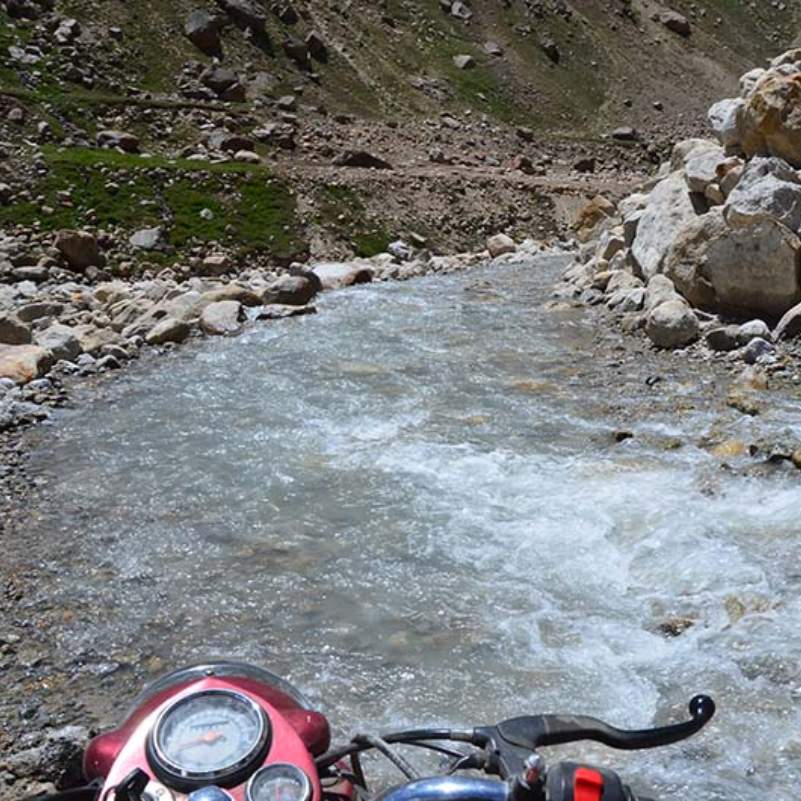
Water crossings on mountain roads change with snowmelt, rain and weather further upstream. A crossing that looked easy earlier can look very different later.
Never drive into a crossing just because another vehicle crossed earlier. That vehicle may sit higher, run different tyres, or have crossed when less water was flowing.
If you can do it safely, stop and walk to the edge to look. Check the surface, the exit on the far side and how fast the water is moving. Watching a suitable vehicle cross can tell you something, but it does not make the decision for you.
No single water depth is safe for every car. What your car can handle depends on its design, so read your owner’s manual for any wading guidance.
If you cannot judge the depth, the current, hidden rocks or the exit with confidence, wait or turn around. Do not accelerate hard, do not count on momentum, and do not force your way through.
Treat slush the same way. If you cannot see what is under it, assume you do not know.
How Much Mountain-Driving Experience Do You Need?
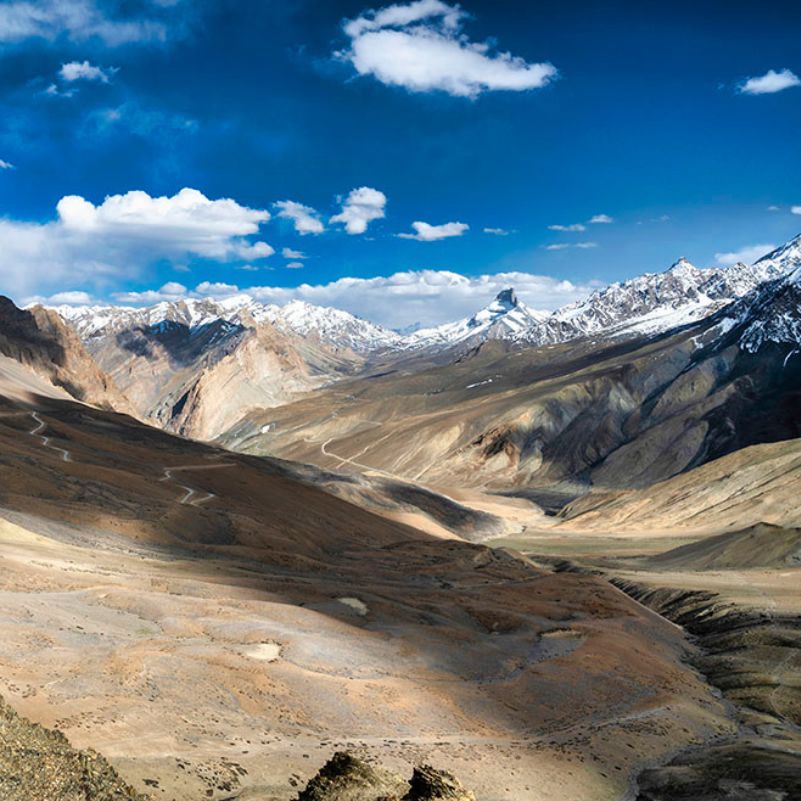
A Zanskar self drive is not only about the vehicle. It is just as much about the driver.
On a single day you may face narrow roads, loose surfaces and rough descents. You may have to reverse to a passing place, place your wheels precisely and stay focused for hours.
Your first Himalayan drive is not the time to prove yourself on the hardest road around. Build up on easier mountain roads first.
What we tell our travellers
If the day’s conditions make you uneasy, hand the wheel to a local experienced driver or switch to a suitable supported vehicle. That is good planning, and you still get the full trip.
When Should You Turn Back?
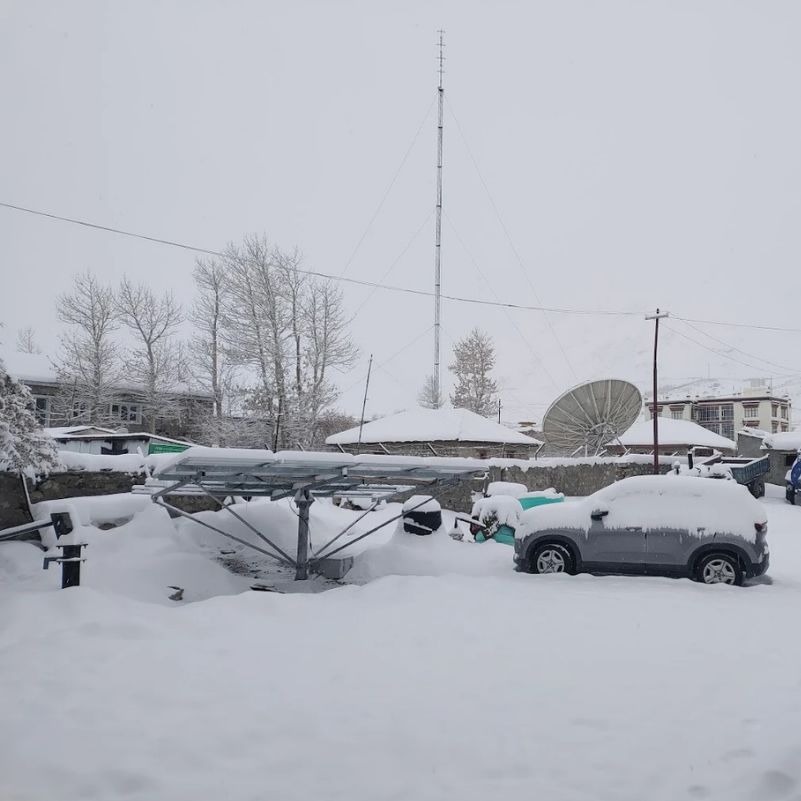
Turning around is part of good self drive judgement. It does not mean the trip failed.
Turn around or wait when authorities restrict or close the road. There is nothing to debate there.
Turn around when you cannot confidently judge fresh snow, ice, a water crossing or road damage ahead. If you cannot read a section, you cannot plan your way through it.
If the car takes repeated hard knocks underneath, stop treating the drive as normal. Pull over somewhere safe, check for leaks or hanging parts, and be honest about what lies ahead.
Do not carry on casually after serious tyre damage if you no longer have a reliable spare. One more puncture would leave you stuck.
Do not ignore brake warnings, overheating, new noises or warning lights. Mechanical problems rarely get better on a climb.
Stop and rethink if daylight is fading before a difficult section, the weather is clearly turning, or the driver is getting badly tired. A tired driver misjudges lines and rocks.
Turning around is a successful decision when continuing has removed your safety margin. We would rather have you turn back and lose half a day than force a car through a section that has removed your margin.
Does “Road Open” Mean Your Car Can Go?
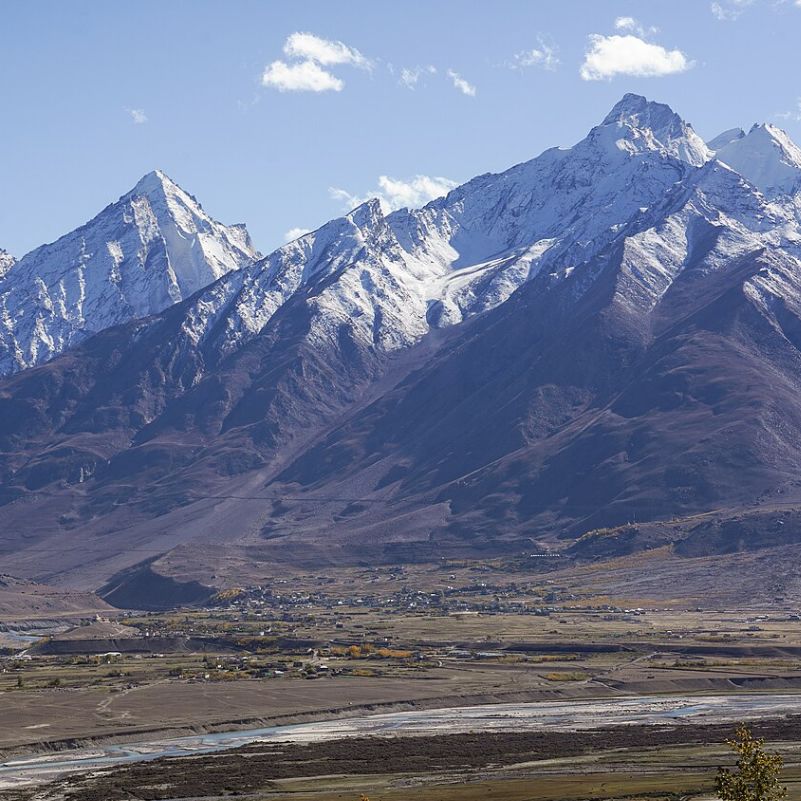
Not on its own. Before every difficult section, ask three separate questions.
First, is the road administratively open? The authorities answer that one.
Second, do the authorities currently allow your vehicle category? A road can be open and still limited to 4x4 vehicles.
Third, does the road make sense today for your exact car, tyres, experience and conditions? Only you can answer that, and an official “open” does not answer it for you.
The 2026 Shinku La example shows why all three questions matter. On March 1, the restored road allowed only 4x4 vehicles because of icing. On May 10, the administration reopened it for all vehicle categories after snow clearance.
A blog written in March would have told you “4x4 only”. One written in May would have said “all vehicles”. Neither is a permanent guarantee, and neither tells you about the day you drive.
For more on the pass itself, read our Shinkula Pass 2026 guide.
What Should You Check on the Morning of Your Drive?
Check the exact route or branch you plan to drive, not just the wider Manali Leh highway. The main highway can be fine while your branch is restricted.
Look for the current local police or administration order, any vehicle category restriction, recent snow or rain, overnight freezing and active road work on your section.
Timing tip: check on the morning you drive, not the night before. Overnight freezing or fresh snow can change the answer while you sleep.
A blog can tell you how the season usually goes. It cannot guarantee today’s road. For seasonal timing, see our guide to the best time to visit Shinkula Pass.
Is a Motorcycle Better Than a Car for Zanskar?
A motorcycle is not better or worse, just different. Bikes have their own strengths and risks on loose ground and in water, and with luggage, rider fatigue and getting help after a breakdown.
Car preparation advice does not carry over neatly to a bike. If you are riding, use Travel Coffee’s dedicated bike planning coverage instead of this guide.
Zanskar Self-Drive Checklist Before You Leave
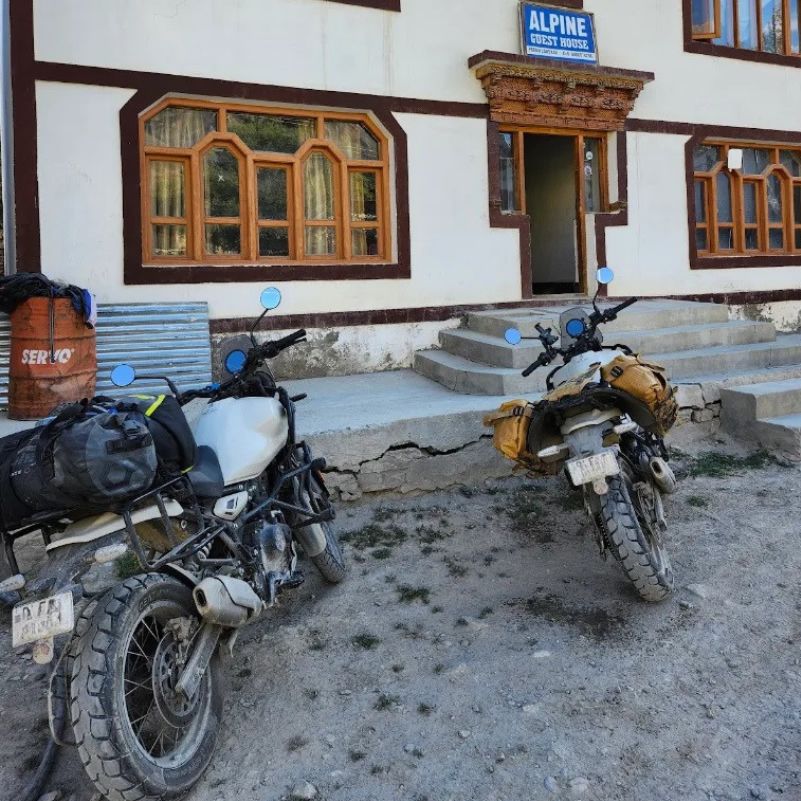
Start with a proper service. Get the brakes, cooling, fluids, battery, suspension and steering checked, and look at every tyre for tread depth and sidewall damage.
Make sure your spare is usable and inflated. Check that the jack and wheel tools work and fit your car.
Pack a tyre inflator, a pressure gauge and the right puncture equipment for your tyres.
Carry a suitable tow strap. Know where your manufacturer’s approved recovery points are before you need them. Keep gloves, a torch and basic tools within easy reach.
Carry your driving licence, registration, insurance and pollution papers, plus any permits your route needs.
Download offline maps before you lose signal. Check the same day road status and any vehicle restrictions for your exact branch.
Keep a sensible fuel margin and top up wherever you reasonably can. Plan to finish difficult sections with daylight to spare.
Agree a backup plan with your group before you start. That could mean waiting a day, taking a different approach or handing over to a local driver.
If you are building a wider Ladakh trip around this drive, browse our Leh Ladakh tours for ideas.
Explore Our Curated Zanskar Valley Tour Packages
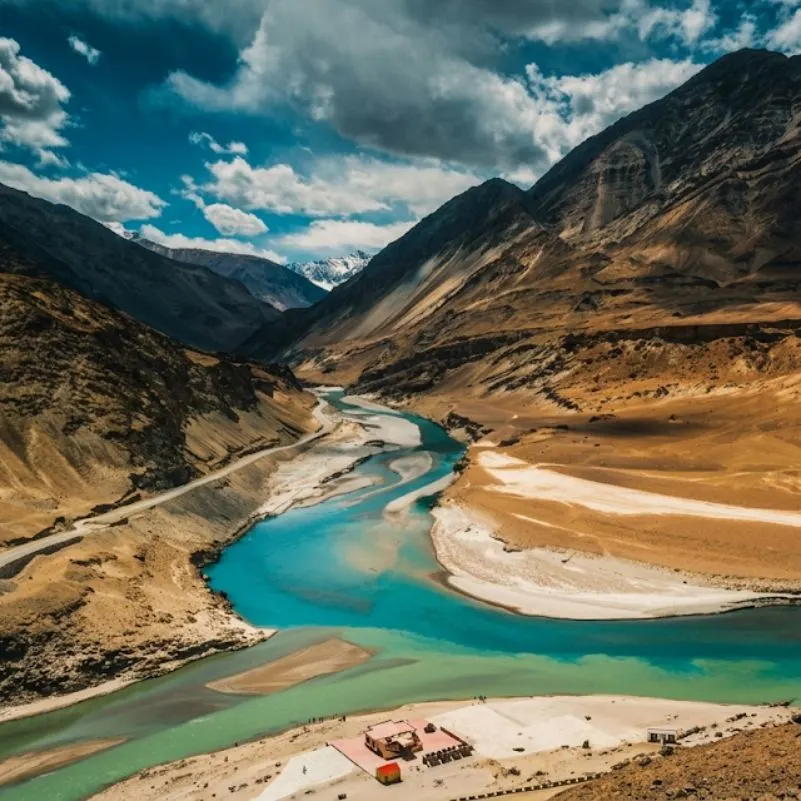 Group Tour8D/7N
Most Loved Zanskar Valley 4x4 Group Expedition
1D Manali•1D Purne / Kargyak / Gonbo Rangjon Side+2
₹32,999/ person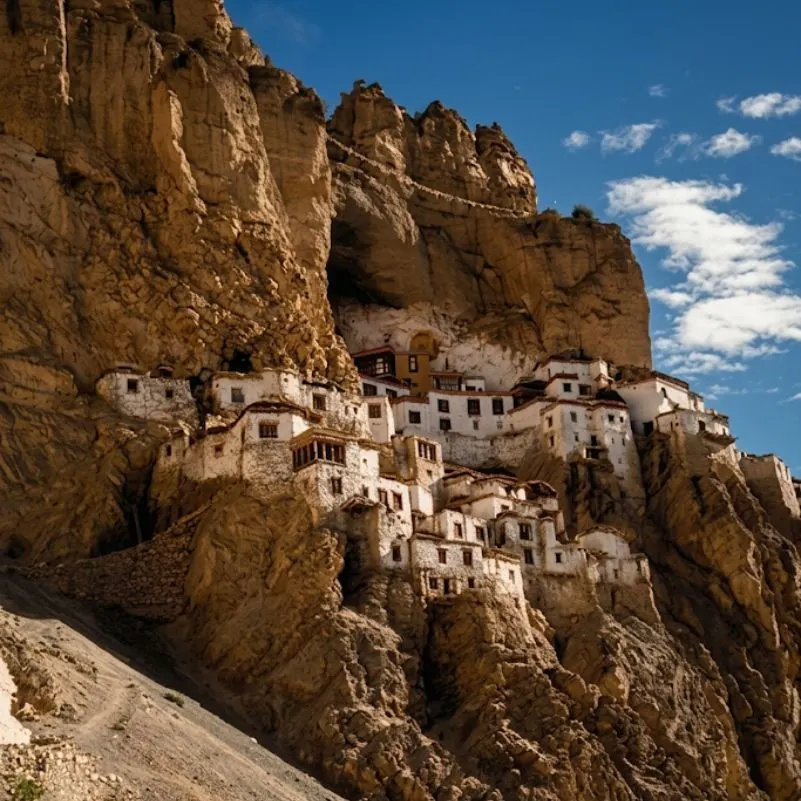 8D/7N
Private Zanskar Valley 4x4 Expedition With Phugtal Gonbo Rangjon and Baralacha La
1D Manali•1D Purne / Kargyak / Gonbo Rangjon Side+2
₹44,999/ person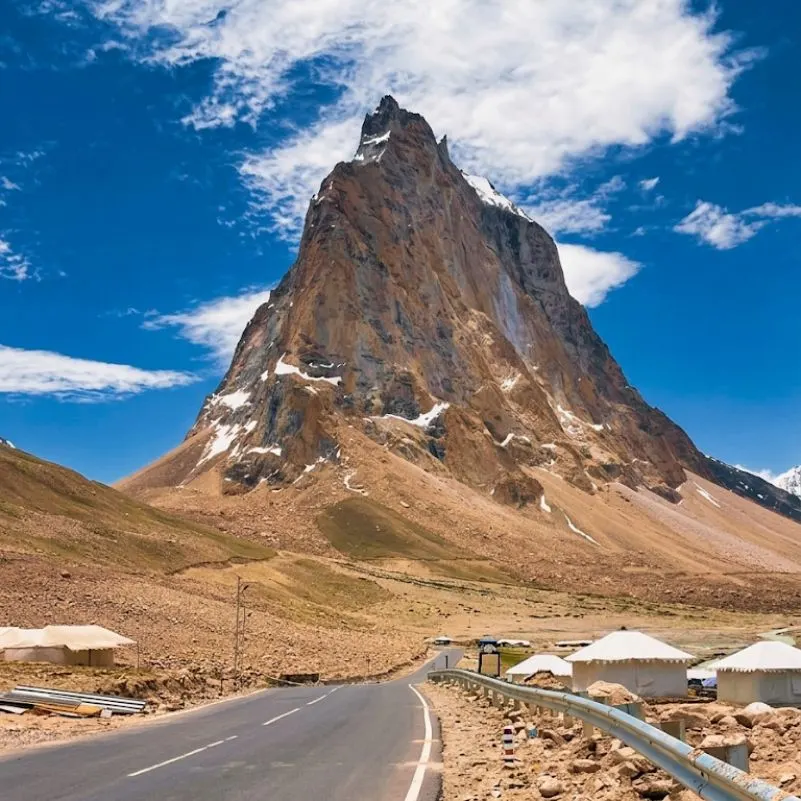 8D/7N
Private Zanskar Valley Tour With Phugtal Gonbo Rangjon and Baralacha La
1D Manali•1D Purne / Kargyak / Gonbo Rangjon Side+2
₹29,999/ person
Frequently Asked Questions
Do you need a 4x4 for Zanskar?
Not always, but conditions can make a 4x4 compulsory for a while. On March 1, 2026, the Darcha to Shinku La road allowed only 4x4 vehicles. On May 10, 2026, it reopened for all vehicle categories.
Can a 2WD SUV go to Zanskar?
It can be feasible on suitable routes in dry, stable conditions. Current restrictions and the state of the road on the day decide.
Can I take a sedan to Zanskar?
Travellers have done it, mainly via Kargil. Low clearance leaves much less margin, so we do not recommend a sedan for the rougher approaches.
Can a hatchback go to Zanskar?
There are examples, but possible is not the same as recommended. The same low clearance warning applies.
How much ground clearance is needed for Zanskar?
No verified universal minimum exists, and travel websites disagree. Loaded clearance, wheelbase, overhang and road conditions all matter.
Is Shinku La possible in a 2WD car?
That depends on the current restrictions and conditions. In 2026 the road was 4x4 only on March 1 because of ice, then open to all vehicle categories from May 10.
Is Kargil to Padum easier for a normal car?
It is the established approach and usually more realistic for a regular car than the roughest sections. Still check the road’s condition before you go.
What tyres are best for Zanskar?
Healthy tyres with good tread and no visible damage, plus a usable spare. All terrain tyres are not mandatory.
What recovery gear should I carry?
A suitable tow strap, inflator, puncture kit, usable spare, shovel where needed, gloves, torch and basic tools. Know your manufacturer’s approved towing points.
Is Zanskar suitable for a first-time mountain driver?
Play it safe. Vehicle capability cannot replace mountain driving judgement, and a local experienced driver is a sensible alternative.
When should I turn around during a Zanskar self-drive?
Turn around for official restrictions, conditions you cannot judge, serious vehicle or tyre problems, fading daylight, worsening weather or real fatigue.
Is the Shinku La Tunnel open in 2026?
No. The Press Information Bureau reported that the 4.1 km tunnel was still under construction in 2026, so you cannot use it to bypass the pass.
More about Zanskar Valley
 Zanskar Valley
Zanskar by Bus and Shared Taxi 2026: Public Transport, Booking and Backup Plans
Planning a Zanskar trip without a private vehicle? Explore bus routes, shared taxis, transport costs and backup options for travelling to Zanskar in 2026. Learn how to plan connections and manage unexpected delays.
 Zanskar Valley
Zanskar in Monsoon 2027: July and August Risks, Roads and Best Routes
Planning a Zanskar Valley trip during monsoon 2027? Explore July and August weather, road conditions, routes from Manali, Leh and Kargil, landslide risks and essential travel tips for a safer Himalayan road trip.
 Zanskar Valley
Zanskar Family Trip 2026: Visiting With Kids or Older Parents
Planning a family trip to Zanskar in 2026 with kids or older parents? Explore suitable destinations, road travel options, accommodation choices, and practical itinerary ideas for different age groups. Understand altitude concerns, travel times, and comfort considerations before planning a family holiday in this remote Himalayan region.