
Winter Spiti Valley 2026 to 2027: Complete Guide to Route, Snow, Cost, Stays and Safety
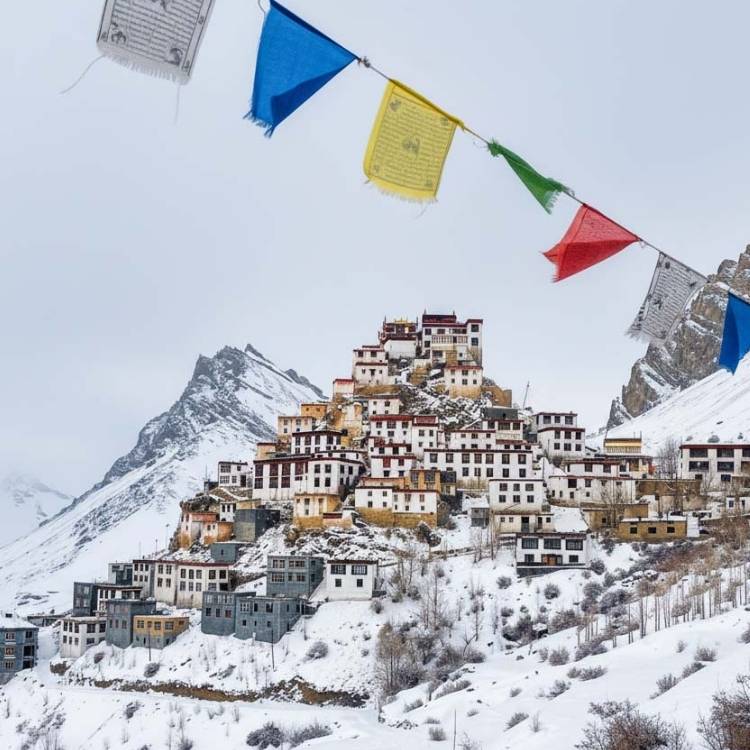
You searched for Winter Spiti, and you probably want two answers fast. Can you actually get there in the cold months, and will you see snow. The honest reply to the first is yes, through one specific side. The honest reply to the second is that nobody can promise it.
We run these trips every winter, and the single biggest mistake we see is travellers treating Winter Spiti Valley like a Manali snow holiday with a longer drive. It is not. This is a demanding high altitude road journey where the road decides your plan, not your calendar.
Let us walk you through all of it, the way we would over a cup of chai before you book anything.
Quick Answer: Is Winter Spiti Valley Worth Visiting in 2026 to 2027?
Winter Spiti is worth it if you want quiet frozen villages, dramatic white landscapes and a raw road experience, and you can handle serious cold and sudden itinerary changes.
You reach it only through the Shimla and Kinnaur side. The Manali and Kunzum route stays shut in core winter. Snow is often widespread but never guaranteed on any single trip.
The main organised season runs December through March. Treat this as a tough winter expedition, not a soft snow getaway.
If you want to see how these trips are structured, look at our winter Spiti Valley tour packages before you plan dates.
When Does the Winter Season Start and End in Spiti Valley?
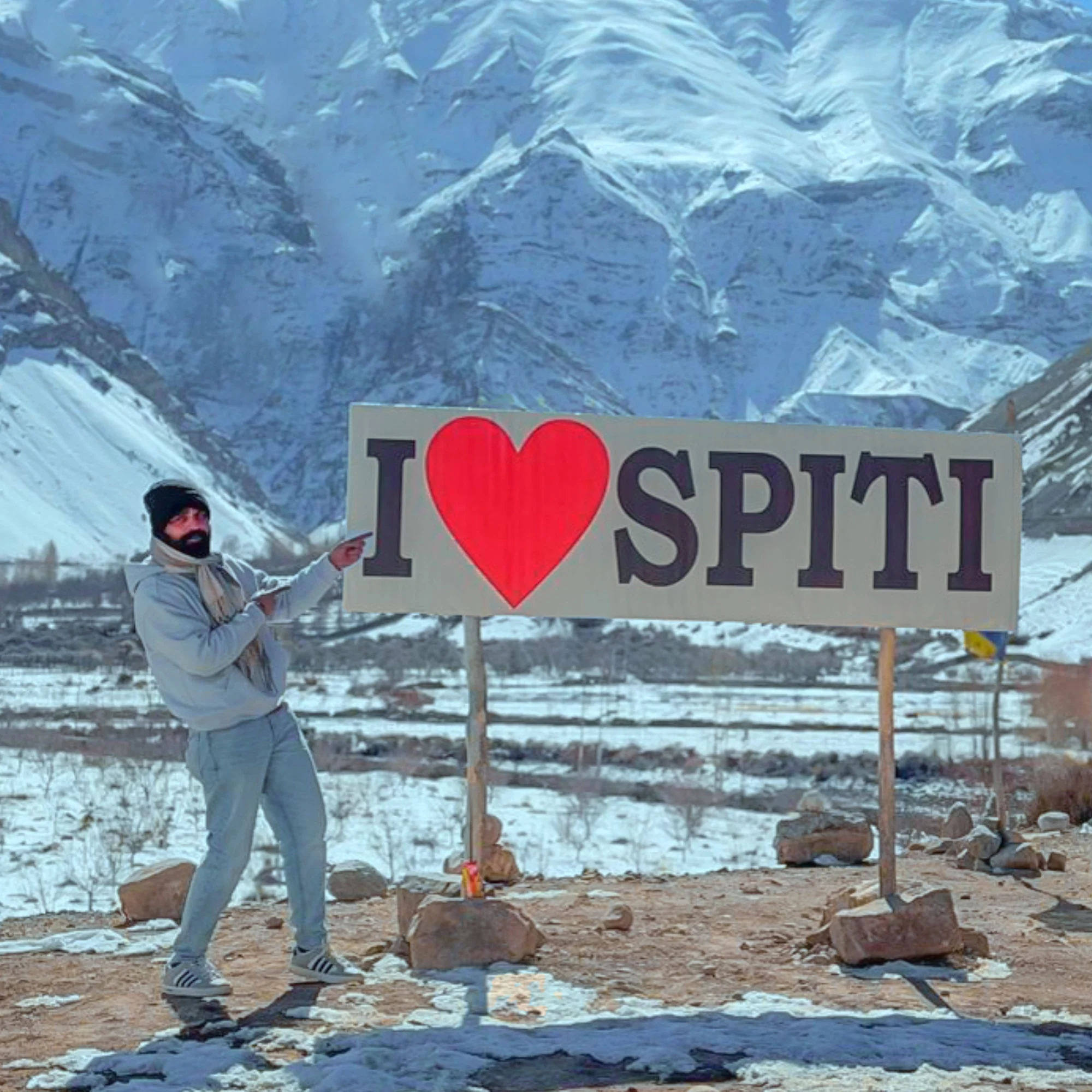
A broad Spiti winter runs roughly from November through March. Our main organised departures run December to March, with the odd early November trip when conditions allow.
Each month feels different. Here is what to expect from the cold and the disruption as winter deepens.
Spiti in November
November is early winter. Snow may still be thin on the ground, and disruption is generally lower than peak months. But do not underestimate it. Kaza nights already fall to roughly minus 5 to minus 12 degrees Celsius.
Daytime sits in a planning range of about 2 to 10 degrees Celsius. Pleasant in the sun, cold the moment it drops behind a ridge.
Spiti in December
By December winter is established and snowfall becomes more likely. Daytime planning range drops to roughly minus 2 to 6 degrees Celsius, and Kaza nights fall to about minus 10 to minus 20.
This is when pipes start freezing. Facilities get more basic. Hot water may arrive in a bucket rather than a tap, and you learn to plan around that quickly.
Spiti in January
January is the deepest, hardest part of winter. Daytime planning range is about minus 5 to 5 degrees Celsius, with nights around minus 15 to minus 25.
A stronger chance of snow sounds exciting, and it is. But it also means a higher chance of temporary road restrictions. You need patience and buffer days in January more than any other month.
Spiti in February
February daytime planning range runs roughly minus 4 to 6 degrees Celsius, with nights about minus 12 to minus 22.
Snow is often already established across the valley by now. Late February can give you a good balance, real white landscapes with slightly easier logistics than deep January. This is a month we often suggest for first timers.
Spiti in March
March splits into two halves. Early March still feels like proper winter. Late March starts to ease. Daytime planning range is around 0 to 10 degrees Celsius, nights around minus 5 to minus 15.
Watch the melt. Thawing snow creates slush and black ice in shaded corners, which can be trickier than fresh powder. Our detailed Spiti Valley in March guide breaks this down further.
Which Month Is Best for a Winter Spiti Trip?
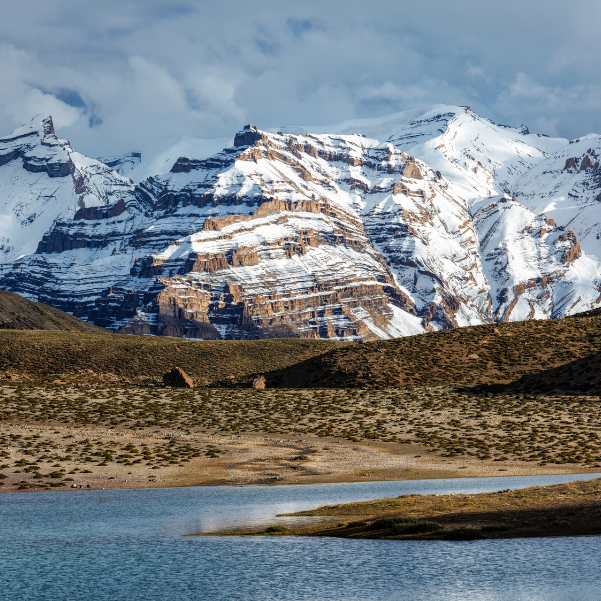
There is no single clean answer, and anyone who gives you one is selling something.
For a first Winter Spiti trip, our team generally points people toward late February or early March. You get strong winter scenery with logistics that are a shade more forgiving.
If you are specifically chasing the deepest winter experience, snow walls, frozen everything, empty roads, then January and February are your months. Just accept the harsher cold and the higher disruption risk that come with them.
If you care more about easier movement than guaranteed white landscapes, November or later March may suit you better.
No month gives you a snow guarantee. Keep that fixed in your head.
Is Snowfall Guaranteed in Winter Spiti?

No. It never is.
Understand the difference between fresh snowfall and existing snow cover. Existing cover is the white sitting on the ground from earlier storms.
Fresh snowfall is new snow coming down while you are there. A January or February departure can still land inside a dry spell with clear skies and no falling snow.
And fresh snowfall cuts both ways. It makes the scenery unreal, but it can also shut high village roads and cancel sightseeing on the same day. No honest operator can sell you a guaranteed snow forecast, and we will never pretend to.
Which Route Remains Accessible to Spiti During Winter?
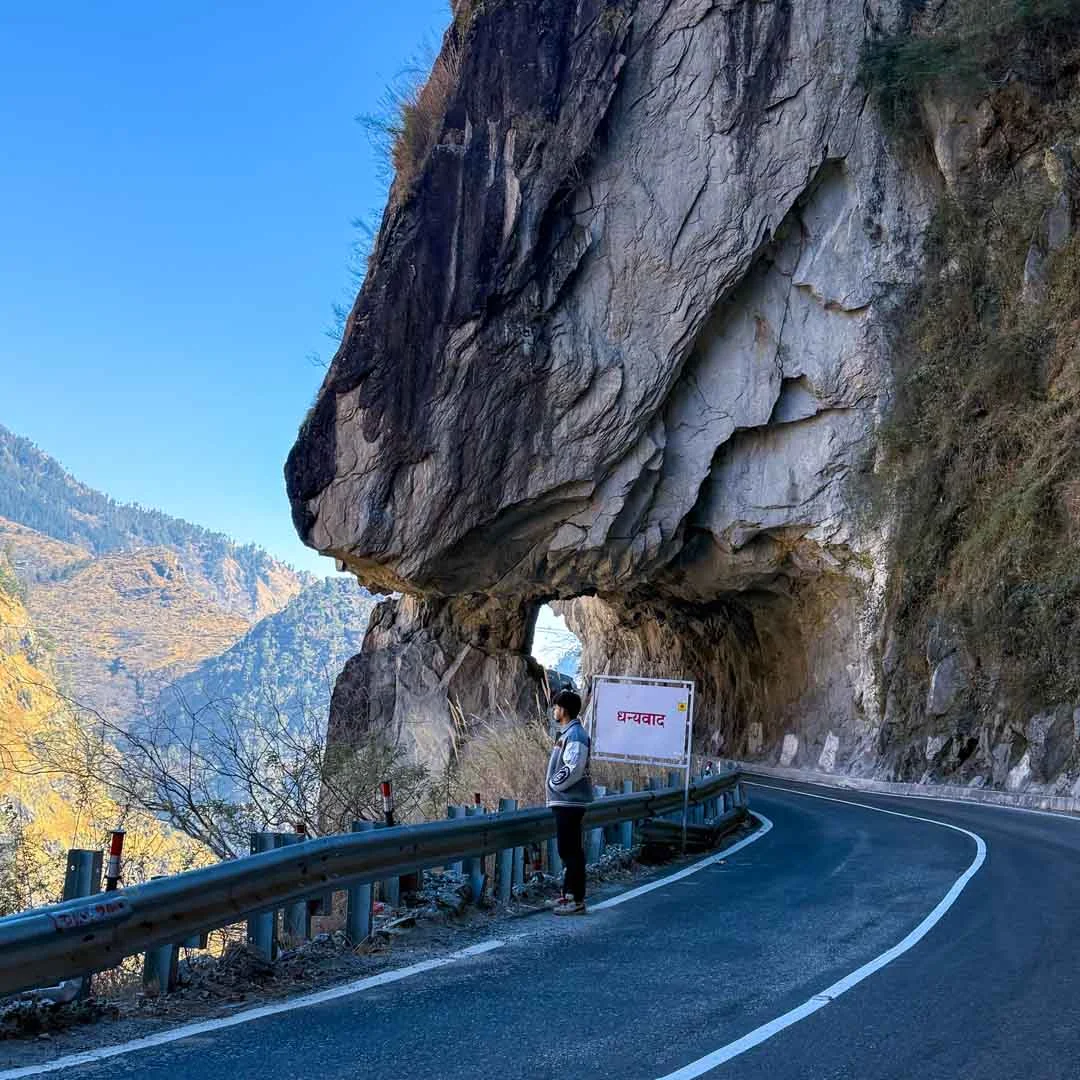
The winter route runs one way in and the same way out. Shimla, then Narkanda, Rampur, Reckong Peo or Kalpa, then Nako, Tabo, and finally Kaza.
The Lahaul and Spiti district website lists Shimla to Kaza at approximately 412 km and about 20 hours of driving, excluding an overnight halt. Please do not read that as a single push.
Nobody should drive twenty winter hours straight. Winter itineraries break that distance across safe overnight stops so your body adjusts and your driver stays sharp.
You will pass through some of the best of Kinnaur on the way. Our Kinnaur tour packages and Shimla tour packages cover this stretch if you want to slow down and enjoy the approach rather than rush it.
Why does the Shimla side remain the winter approach?
The district site describes the Shimla to Kaza road as an almost all weather road. That phrase does a lot of quiet work.
Almost all weather does not mean guaranteed daily access. Fresh snow, ice, road damage or an administrative restriction can stop traffic for hours or a day. The Shimla side stays the winter approach because it avoids high snowbound passes, not because it never closes.
Can you reach Kaza from Manali in winter?
No, not for a normal Winter Spiti road trip.
The official district page says the Keylong to Kaza stretch across Kunzum closes approximately from October or November to June or July because of snow. That is the wall.
The Atal Tunnel keeps Manali connected to parts of Lahaul, and this confuses people. But the tunnel does not bypass Kunzum Pass, which sits between Lahaul and Spiti. So Manali cannot be your winter gateway to Kaza.
Is the complete Spiti circuit open in winter?
No.
The famous summer loop, entering from Shimla and exiting to Manali, is not available in winter. A Winter Spiti journey goes in through Kinnaur and comes back out through Kinnaur.
One gentle clarification. Some tour products carry the word circuit in their package name. That is a product label. Do not confuse it with the geographical summer loop, which stays closed once Kunzum is under snow.
Is Chandratal Lake open in winter?
No, not for a normal tourist trip.
Chandratal sits on the Kunzum side, which is snowbound all winter. You will see claims online suggesting ordinary winter tourists drive out to a frozen Chandratal.
We would not build any winter plan around that. For the real season window, read our guide on when Chandratal opens.
What Are Winter Spiti Roads Actually Like?
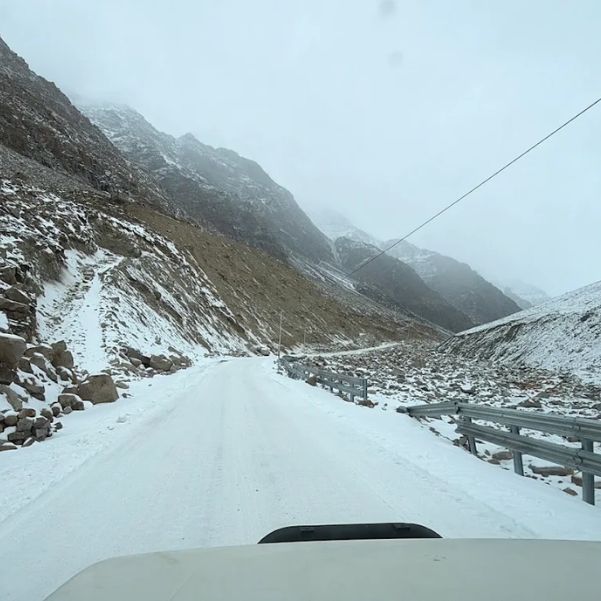
Here is the distinction that keeps travellers safe. A road being officially part of an all weather corridor is not the same as that road being safely passable at the exact hour you arrive at it.
Expect black ice on shaded bends. Expect frozen runoff across the tarmac, fresh snow, clearance delays, narrow stretches with a drop on one side, and the real possibility of a temporary restriction. None of this is a reason to skip Spiti. It is a reason to build in time.
The official district road status page, updated 20 August 2026, showed Keylong to Kaza closed at that time. That is a summer date and not a winter forecast, so do not read it as the status for your trip.
Conditions shift constantly. Check the latest district and local administration updates right before you travel.
No final Winter 2026-27 closure calendar is available in advance, as road restrictions depend on snowfall, ice and clearance conditions. Treat fixed seasonal closure dates as estimates and check current official road updates before travelling.
Do You Need a 4x4 for Winter Spiti?
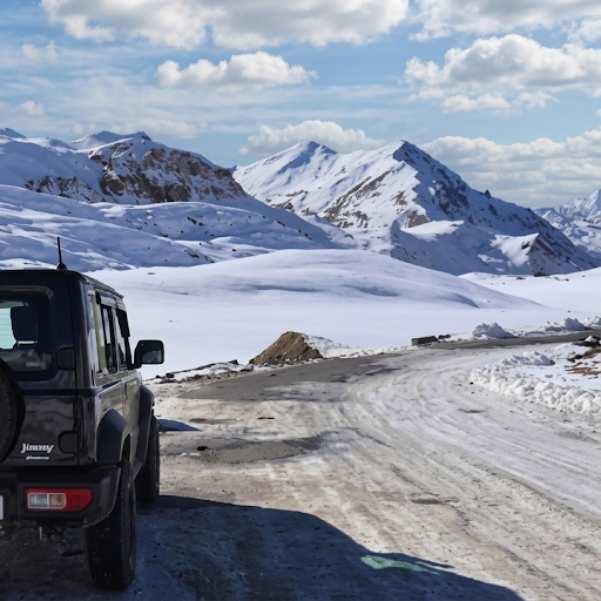
Short version, it depends on the month and the conditions. Let us split it.
Regular SUV with snow chains
A sturdy regular SUV, driven by an experienced winter mountain driver and fitted with snow chains, handles the maintained winter route in normal conditions. This works for a lot of trips.
What does not work is an ordinary small car. Do not treat a hatchback as equivalent. The ground clearance and traction simply are not there for winter Spiti.
Dedicated 4x4
A 4x4 gives you extra traction on fresh snow, icy climbs and slush. It earns its keep in deeper January and February conditions and on attempts at high villages above Kaza.
But be clear eyed about its limits. A 4x4 cannot override a police closure, an avalanche concern or a road that simply has not been cleared. Traction is not permission. When the road is shut, it is shut.
Tell us your travel month and group size, and we will tell you honestly whether an SUV or a 4x4 fits your trip.
How Cold Is Spiti from November to March?
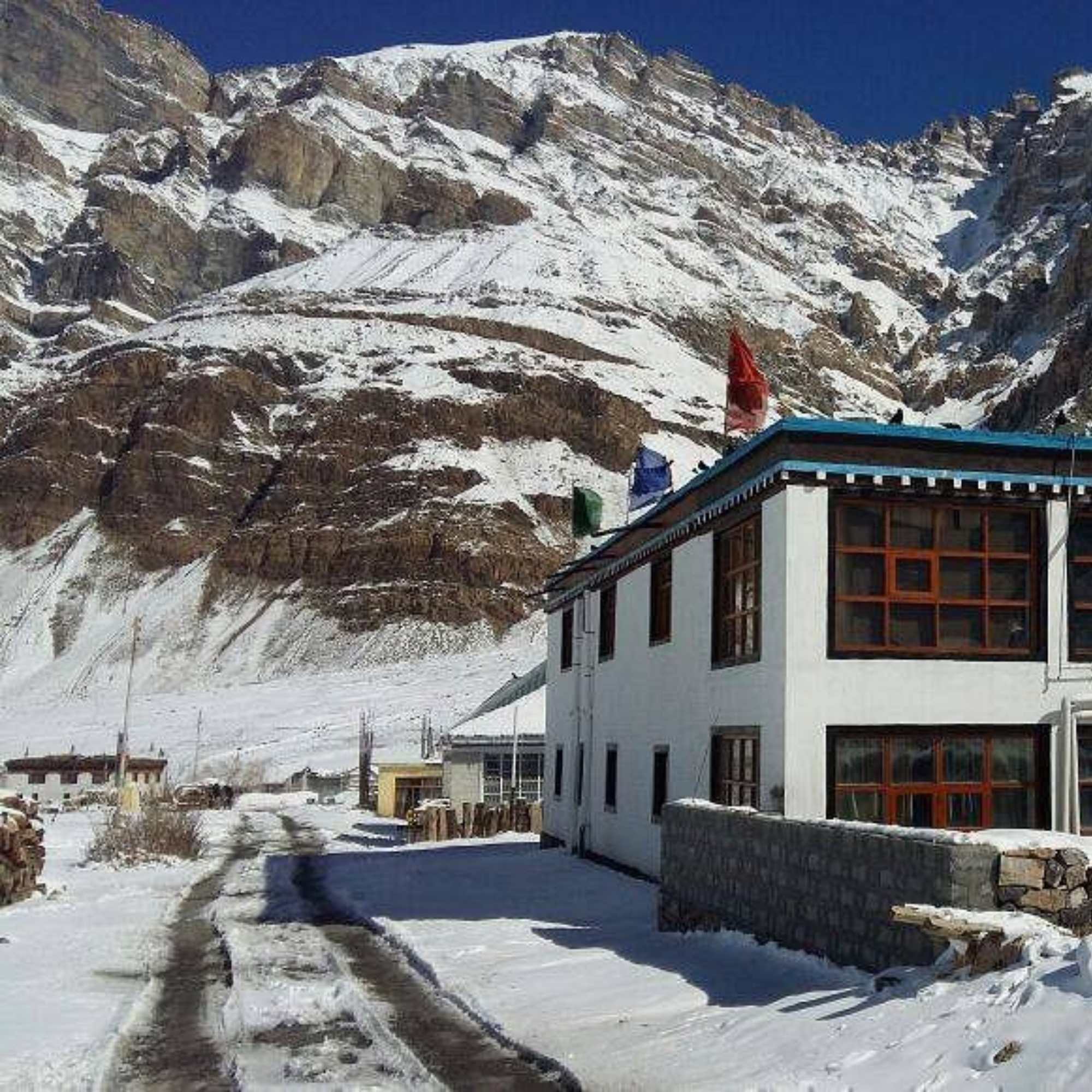
Use these as practical planning ranges, not forecasts or official averages. They tell you what to pack for, nothing more.
November runs roughly 2 to 10 during the day and minus 5 to minus 12 at night in Kaza. December drops to about minus 2 to 6 by day and minus 10 to minus 20 at night.
January sits around minus 5 to 5 by day and minus 15 to minus 25 at night. February is about minus 4 to 6 by day and minus 12 to minus 22 at night. March eases to around 0 to 10 by day and minus 5 to minus 15 at night.
The district website itself notes winter temperatures in the district can fall to about minus 20 degrees Celsius. And remember, a number on a screen is not the whole story. Wind, shade and short cold waves make the real feel much harsher than the reading suggests.
How Many Days and Buffer Days Do You Need for Winter Spiti?
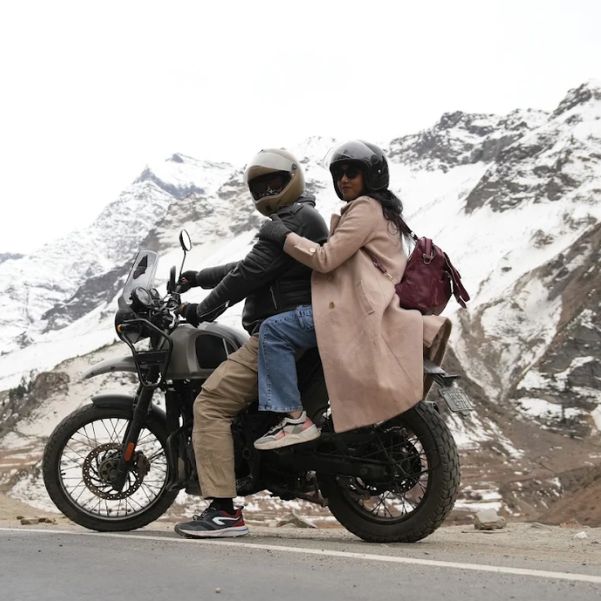
Roughly 9 days from Delhi is a sensible baseline for a comfortable Winter Spiti journey. It gives you a proper pace and more than one night in Kaza.
If you are planning independently or privately, keep 2 to 3 extra buffer days where you can, especially if a flight, train or work commitment sits right after your trip. Winter roads do not care about your Monday meeting.
A 6 day trip is possible but leaves almost no weather margin. A 7 day trip gives you a little breathing room. A 9 day trip lets the whole thing feel human rather than rushed. No duration makes delays impossible, so plan for slippage rather than praying against it.
What Does a Practical 9 Day Winter Spiti Itinerary Look Like?
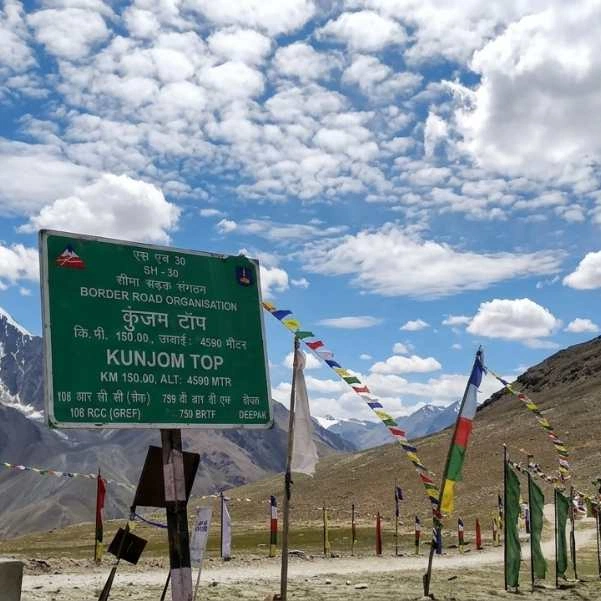
This is a shape, not a rigid day sheet. The road will edit it for you.
Days 1 to 3: Gradual journey through Shimla and Kinnaur
You climb slowly, and that slowness is the point. Overnight halts serve two jobs at once, they keep the driving safe and they let your body gain altitude gradually.
Think Shimla or Narkanda first, then into Kinnaur, then a night around Nako or Tabo as you move toward Spiti proper.
Days 4 to 6: Tabo, Kaza and nearby villages
Use Kaza as your winter base. Prioritise Tabo, Kaza itself and Key Monastery.
Kibber and Chicham can be attempted depending on road conditions on the day. We never promise the high villages in winter, because the snow gets a vote.
Days 7 to 9: Return through Kinnaur
You come back the way you came, through Kinnaur, because Kunzum is closed. Keep this end of the trip flexible. Return roads can be slow, and a rigid schedule here is how people miss trains.
Which Places Can You Actually Visit in Winter Spiti?
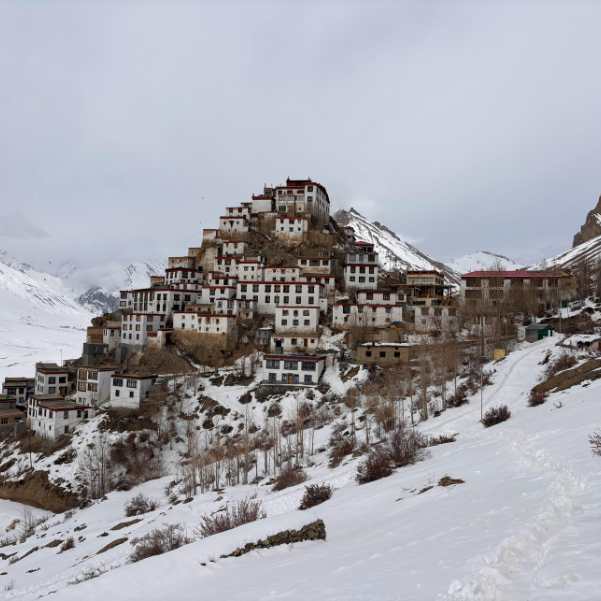
Winter access is not a fixed list. Here is how to think about it.
More dependable winter stops
Kaza, Tabo and Key Monastery form the core of a realistic winter sightseeing plan. These anchor most trips. We still avoid the word guaranteed, because winter always keeps some say.
Weather dependent stops
Treat Dhankar, Kibber, Chicham, Langza, Hikkim, Komic and Chitkul as weather dependent, especially after fresh snow.
Our current winter operations treat the high village loop above Kaza as one of the more conditional sightseeing days. Some trips get all of it. Some get none of it. That is winter.
Places not to build a winter plan around
Chandratal is not a winter sightseeing stop, full stop. Pin Valley is highly conditional, not a promise. If a plan tells you every village is open throughout winter, that plan is wrong.
Where Do You Stay in Spiti During Winter?
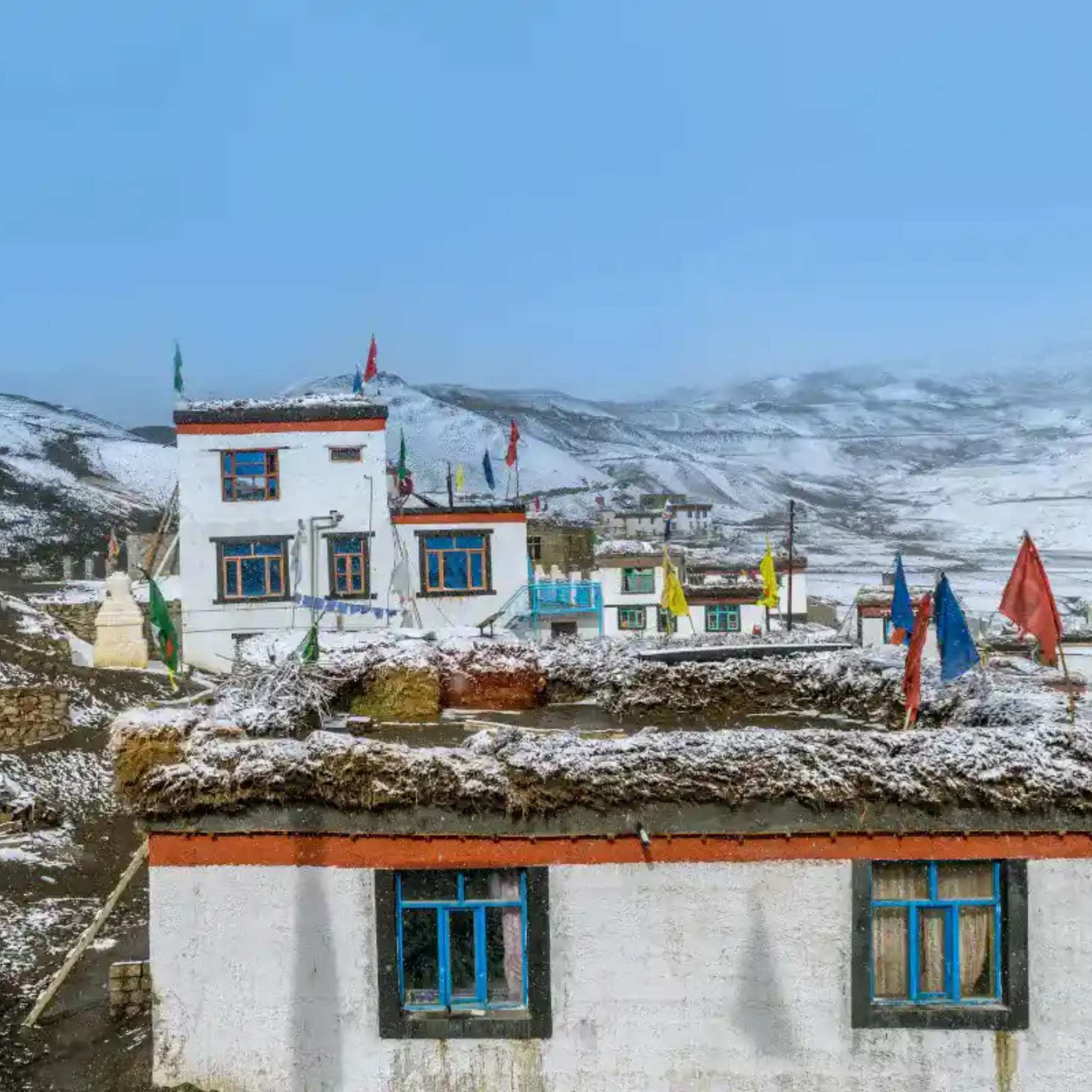
Winter accommodation is far more limited than summer. Many summer places simply shut. What remains is a mix of homestays, guesthouses and a smaller number of winter operational hotels.
Before you book anything, confirm the practical things. Ask about the heating arrangement, extra blankets, how hot water is supplied, the toilet setup, meals, whether the place is properly staffed in winter, and power backup.
These questions matter more in January than any review score.
Two realities to expect. Once pipelines freeze, hot water often comes in buckets. Heaters and bukharis are the common heating arrangements, and electricity can drop after snowfall. Do not expect continuous central heating, running hot water or hotel style comforts.
That said, a good winter homestay is genuinely lovely. The warmth usually comes from the hosts and one well heated room, not from luxury infrastructure. Some of our travellers remember the family they stayed with long after they forget the views.
How Much Does a Winter Spiti Trip Cost in 2026 to 2027?
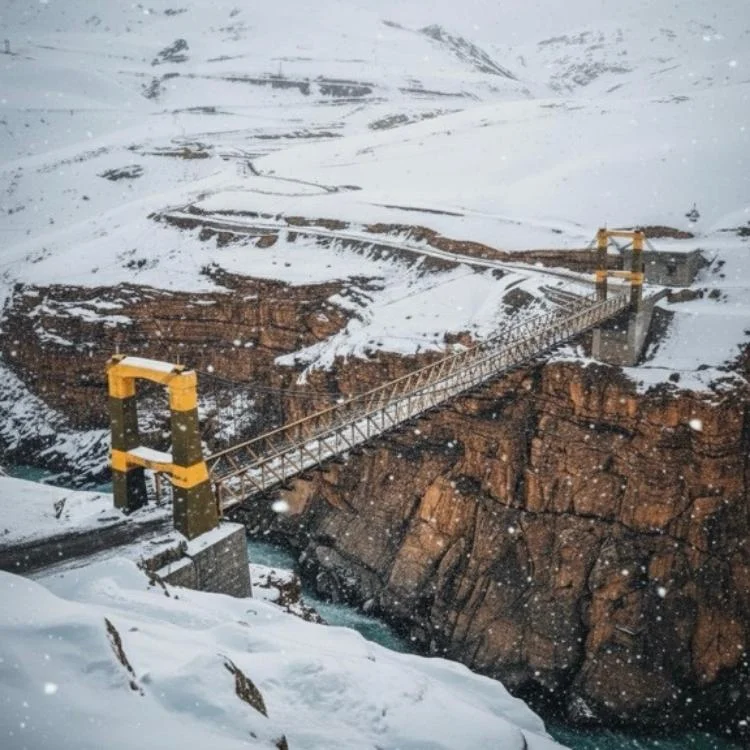
Keep package prices and a DIY budget separate in your head. They are not the same comparison.
Here is a current Travel Coffee price snapshot. A 6 day winter product is listed from ₹15,999 per person. A prominent 9 day group tour is displayed at ₹18,999 per person.
A 9 day SUV Winter Spiti Circuit is listed from ₹26,999 per person. A flagship 9 day 4x4 expedition is listed from ₹28,999 per person. Another 9 day 4x4 product is displayed at ₹32,999 per person.
Our winter Spiti 4x4 expedition from Delhi is one of these nine day 4x4 options, and its page shows the current starting price and what the shared 4x4 fare covers, with an overnight Volvo on the Delhi to Shimla legs.
These are live page prices and can change. Do not average unrelated products together into one fake number, because the vehicle and inclusions differ hugely between them.
Private Winter Spiti trips do not have one fixed published price. They are quoted around your travel dates, group size, vehicle, room occupancy, duration and how much you customise. And one honest warning on DIY.
Some online budget calculators quietly leave out the vehicle itself, which is the biggest cost. Compare inclusions properly before you decide a package is more expensive. Our Winter Spiti packages list exactly what is included.
Is Winter Spiti Safe?
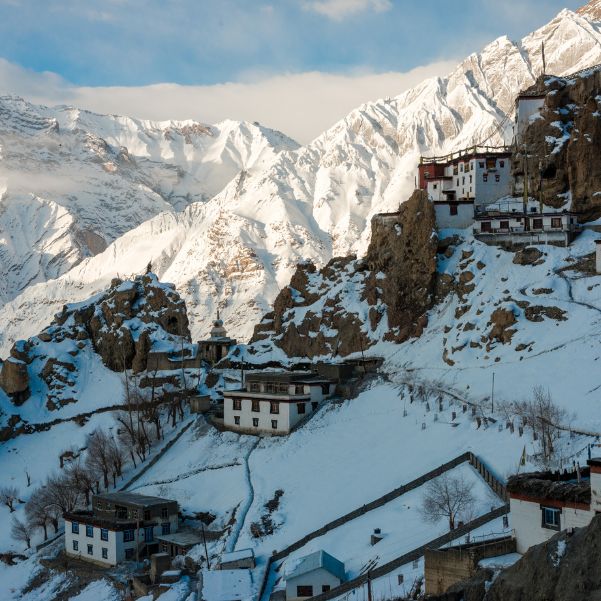
Yes, with the right preparation and the right decisions on the day. Let us be serious without scaring you.
Altitude risk
Winter Spiti is a high altitude journey, and gradual ascent matters. CDC high altitude guidance recommends going up slowly.
Once above about 3,000 metres, the general guidance is to limit increases in sleeping altitude to around 500 metres per night where practical, and to add an extra acclimatisation night for roughly every additional 1,000 metres of sleeping elevation gained.
We will not prescribe any medication here. Discuss altitude medication and any relevant medical conditions with a qualified doctor before you travel. If symptoms worsen at altitude, the medical situation beats the itinerary every time.
Extreme cold
Insulate properly, protect exposed skin from frost, and keep hydrating even when you do not feel thirsty. Water freezes, so carry it insulated. Batteries drain fast in the cold. None of this is dramatic, it is just the routine of a cold place.
Road safety
Experienced winter drivers, snow chains, driving in daylight where possible and obeying local road restrictions matter more than any sightseeing stop.
In our experience, the safest winter decision is often the boring one, wait for the road to clear rather than forcing a stop. We have never once regretted waiting.
Medical access
Be realistic here. Himachal Tourism describes medical facilities in Spiti as limited, and lists the Community Health Centre at Kaza, the Primary Health Centre at Tabo and the Civil Dispensary at Kibber. Kaza does not have a major fully equipped hospital. Plan and behave accordingly.
If you are travelling solo, our Spiti solo female safety guide and our February Winter Spiti safety guide go deeper.
Who Should and Should Not Choose Winter Spiti?
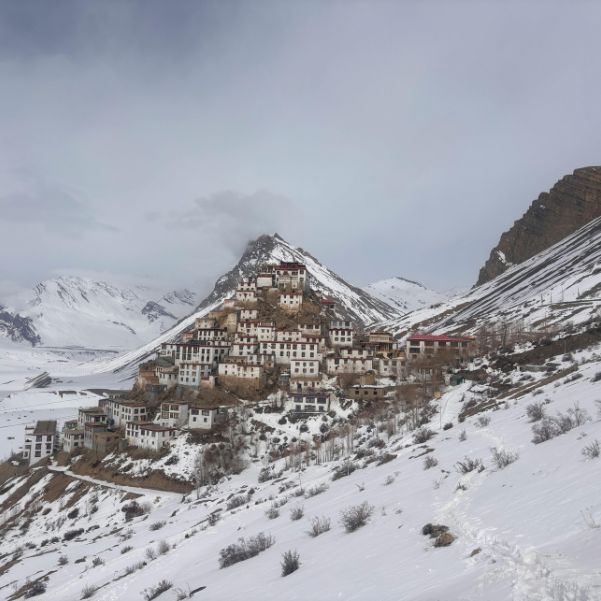
This trip suits people who can handle serious cold, long driving days, basic facilities, patchy connectivity and a plan that changes without warning. If that sounds like an adventure rather than a nightmare, you will probably love it.
It is a poor fit if your holiday depends on fixed sightseeing, uninterrupted internet, luxury hotel comforts or guaranteed snow photographs. You will spend the trip frustrated.
We will not ban any age group outright. But if you have relevant health concerns, speak to a qualified medical professional before committing.
What Permits and Documents Do You Need for Winter Spiti?
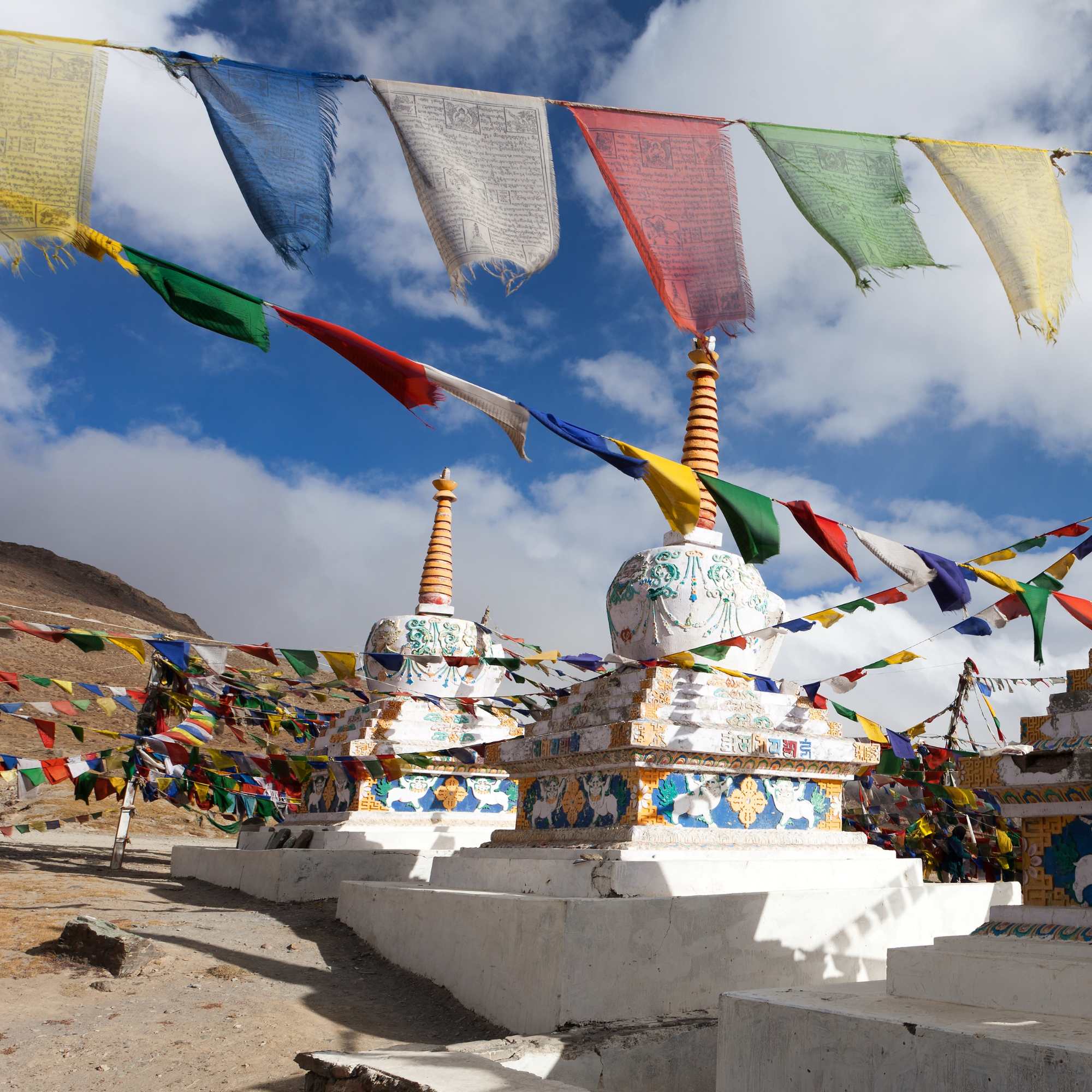
Good news for Indian travellers. Himachal Tourism says Indian citizens do not require a permit to enter Spiti Valley. Carry a government photo ID and you are set.
Foreign nationals need to be more careful. Official Himachal sources agree that protected border areas on the Kinnaur and Spiti route carry permit requirements, but the pages use both Inner Line Permit and Protected Area Permit wording and do not describe every location the same way.
So if you are a foreign traveller on the Shimla and Kinnaur route, verify the current PAP or ILP procedure with the relevant Himachal authorities before departure.
Do not assume you can simply collect one on arrival without checking. Carry your passport and visa documents throughout.
What Should You Pack for Winter Spiti?

Layer, layer, layer. Start with thermal base layers top and bottom, add insulating mid layers like fleece or a light down, then a proper winter outer jacket that blocks wind. Your legs need warmth too, not just your torso.
On your feet, waterproof footwear with grip and several pairs of warm socks.
Protect the extremities with good gloves, and cover your head and face, since that is where heat escapes and where the wind bites hardest. Sunglasses and sunscreen are not optional, high altitude sun is fierce even in the cold.
Carry an insulated water bottle so it does not freeze, your personal medicines, a power bank, charging cables, a torch or headlamp, snacks and cash.
ATMs are unreliable out there. One practical tip we tell everyone, phone and camera batteries drain much faster in deep cold, so keep them in an inside pocket close to your body and they will last far longer.
Winter Spiti or Summer Spiti: Which Is Better for You?
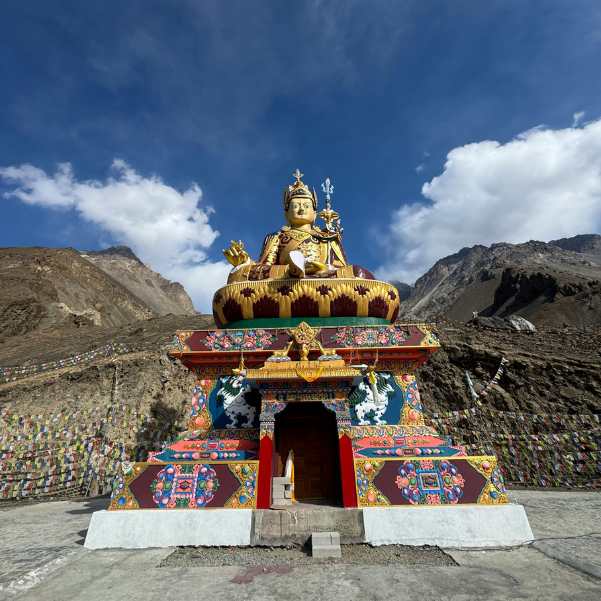
Winter suits you if you want quiet villages, glimpses of real winter life, the possibility of snow, dramatic white landscapes and a raw road experience you will not forget.
Summer suits you if you want the complete Shimla to Spiti to Manali loop, Chandratal, wider sightseeing access and easier accommodation. Neither is better, they are different trips. Our Spiti Valley tours cover both seasons.
Planning Winter Spiti with a Local Team
An organised winter trip quietly solves several problems at once.
It sorts winter operational stays when half of them are shut, gives you a driver who actually knows the Kinnaur and Spiti road, carries snow chains as standard, monitors road information for you, and adjusts sightseeing when the weather turns.
We cannot control the weather or prevent a closure, and we will never pretend otherwise. What we can do is help you make good decisions around it.
Our team recommends choosing the trip format around the month and your tolerance for uncertainty, not simply choosing the most expensive vehicle.
When you are ready, our Winter Spiti packages lay out the vehicle options and dates side by side.
Explore Our Curated Winter Spiti Tour Packages
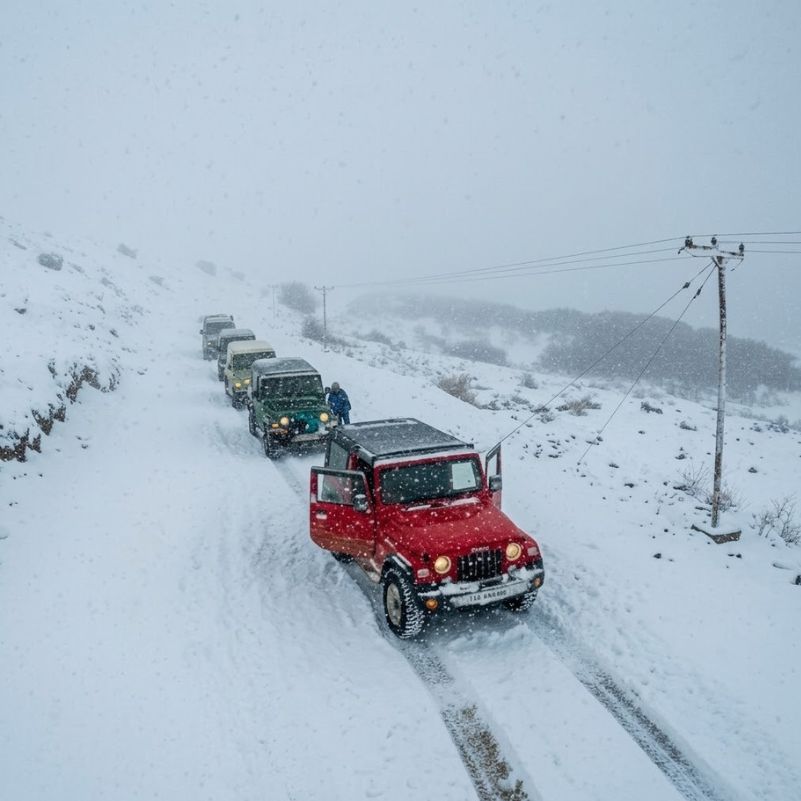 Group Tour9D/8N
Most Loved 4×4 Winter Spiti Expedition
2D Sangla•1D Tabo+2
₹29,999₹35,999SAVE INR 6,000/ person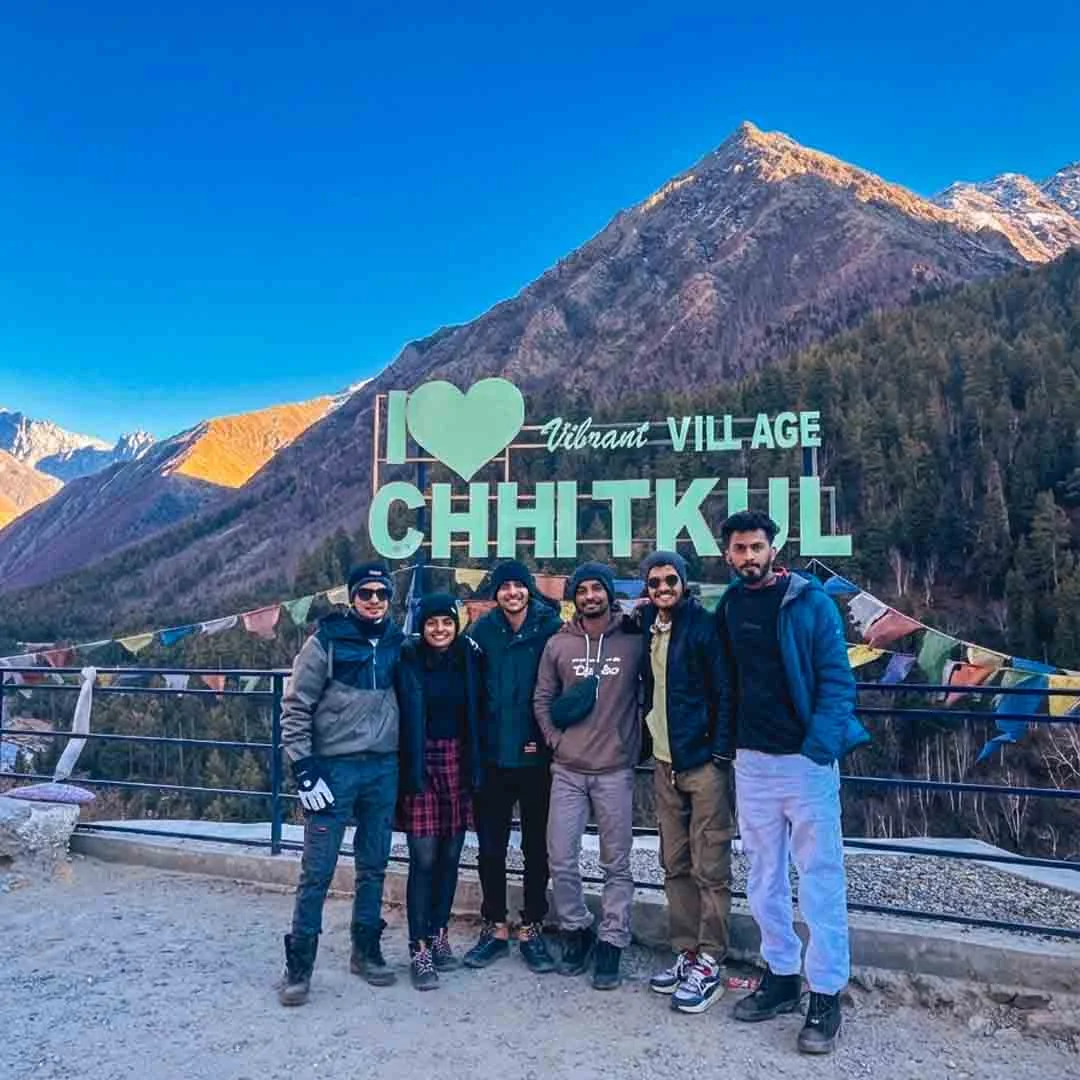 Group Tour9D/8N
Best Selling Winter Spiti Valley Group Tour
2D Sangla•1D Tabo+2
₹18,999₹23,999SAVE INR 5,000/ person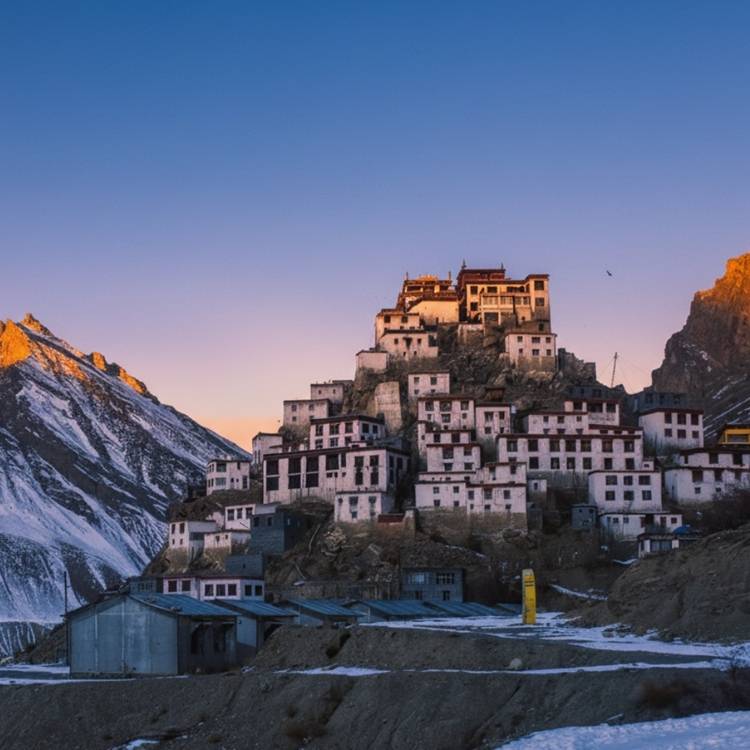 9D/8N
9D/8NWinter Spiti 4×4 Expedition
2D Sangla•1D Nako+2
₹32,999₹44,999SAVE INR 12,000/ person
Related topics
Frequently Asked Questions
When does the winter season start and end in Spiti Valley?
Winter in Spiti broadly runs from November to March. December to February is the coldest and snowiest period, while November and March are transition months. Exact conditions shift each year with snowfall.
Which month is best for a Winter Spiti trip?
Late February to early March is a good balance of winter scenery and slightly easier logistics. January and February suit travellers seeking deeper winter conditions, while November and March are generally less extreme.
Which route remains accessible to Spiti during winter?
The Shimla-Kinnaur route remains the main winter approach to Kaza. It passes through Narkanda, Rampur, Reckong Peo or Kalpa, Nako and Tabo before reaching Kaza.
Is the complete Spiti circuit open in winter?
No. The Manali-Kaza road over Kunzum Pass closes for winter, so the full summer circuit is not possible. Winter trips normally enter and return through Shimla and Kinnaur.
How cold is Spiti from November to March?
November and March are comparatively milder, while December to February can be extremely cold. Night temperatures in Kaza can drop to around minus 20°C or lower during severe winter spells.
Is snowfall guaranteed on a Winter Spiti trip?
No. Fresh snowfall can occur at any time in winter, but it cannot be guaranteed for specific dates. You may still find existing snow on the ground during a dry weather spell.
How many days and buffer days are needed for Winter Spiti?
Around nine days from Delhi is a comfortable baseline. Keep another 2 to 3 buffer days where possible, especially if you have a fixed flight, train or work commitment after the trip.
How much does a Winter Spiti trip cost for group and private travel?
Group trips commonly vary by duration, vehicle and inclusions, while private tours cost more and depend on group size and customisation. Always compare vehicle, stay, heating, meals and buffer-day costs before booking.
Do you need a 4x4 for Winter Spiti?
Not always. A capable SUV with good tyres, snow chains and an experienced winter driver can handle many normal conditions. A 4x4 becomes more useful after fresh snow, on icy climbs and during high-village attempts.
Is Chandratal Lake open in winter?
No. Chandratal becomes inaccessible once Kunzum Pass and its approach roads close for winter. Leave it out of a Winter Spiti itinerary and visit during the normal summer season instead.
Are hotels and homestays open in Spiti during winter?
Yes, but far fewer than in summer. Confirm heating, hot water, meals, toilets and power backup directly with the property because winter facilities can vary greatly.
Do Indians and foreign nationals need permits for Winter Spiti?
Indian citizens generally do not need a permit to enter Spiti, but should carry valid photo ID. Foreign nationals may require permits for protected border areas and should verify current rules before travelling.
More about Lahaul and Spiti
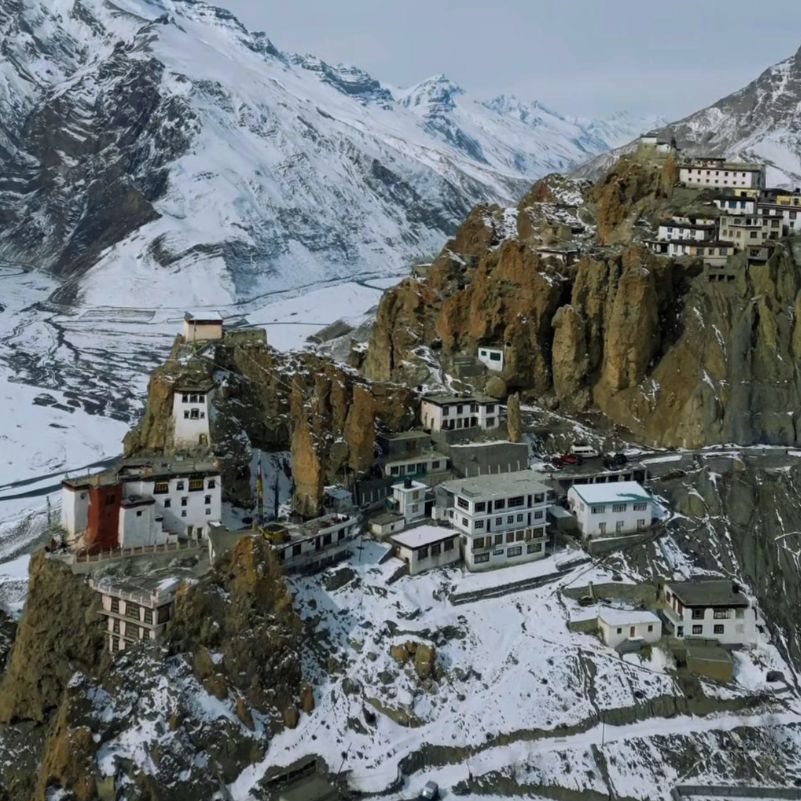 Lahaul and Spiti
Winter Spiti from Bangalore in 2026-27: Flights, Leave Days & Delhi 4x4 Departures
Planning a Winter Spiti trip from Bangalore in 2026-27? Explore flight options, Delhi pickup points, leave requirements, 4x4 group expeditions, travel costs and a practical itinerary to help you plan your Himalayan winter adventure.
- How to Reach
- Snow Travel
 Lahaul and Spiti
What Does a Winter Spiti 4x4 Trip Really Cost in 2026-27? Package Price vs Total Holiday Budget
Planning a Winter Spiti 4x4 trip in 2026-27? Discover the real travel budget, including package prices, transport, meals, winter essentials and hidden expenses. Learn what your package covers, what costs extra and how to plan your Spiti Valley adventure without unexpected spending.
- First-Time Travellers
- Snow Travel
 Lahaul and Spiti
How Many Leave Days Do You Need for a 9-Day Winter Spiti Trip in 2026-27?
Planning a 9 day Winter Spiti trip in 2026 to 2027 requires careful leave planning, especially for working professionals travelling from cities like Bangalore, Mumbai, Hyderabad and Delhi.
- Itinerary
- Snow Travel