
Is It Safe To Travel Spiti Valley in February 2026?
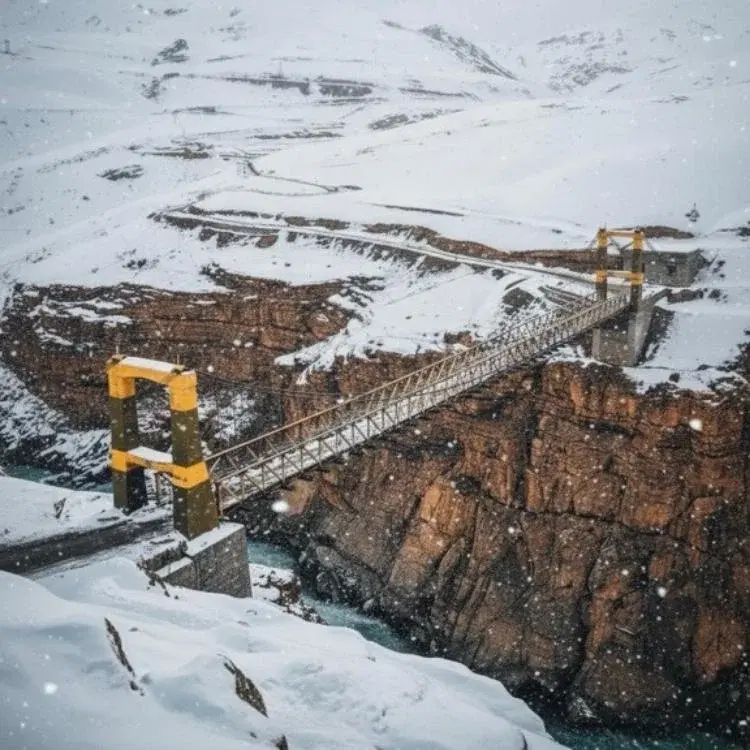
Is It Safe To Travel Spiti Valley In February 2026?
The answer is complicated. February in Spiti isn't your typical hill station vacation. We're talking temperatures dropping to minus 30°C, roads buried under snow, and conditions that make even experienced mountain travellers think twice.
But here's the thing. Thousands do visit Spiti Valley now during winter, and they return with stories that summer tourists can only dream about. Frozen waterfalls. Villages buried in snow. Clear night skies where stars feel close enough to touch.
The question isn't really whether Spiti Valley is safe in February. It's whether you're prepared for what February in Spiti actually means!
Travel Coffee has been organizing winter trips to Spiti for years. We've seen people do it brilliantly, and we've seen people struggle badly. The difference? Preparation, realistic expectations, and understanding what you're getting into.
Understanding February in Spiti Valley
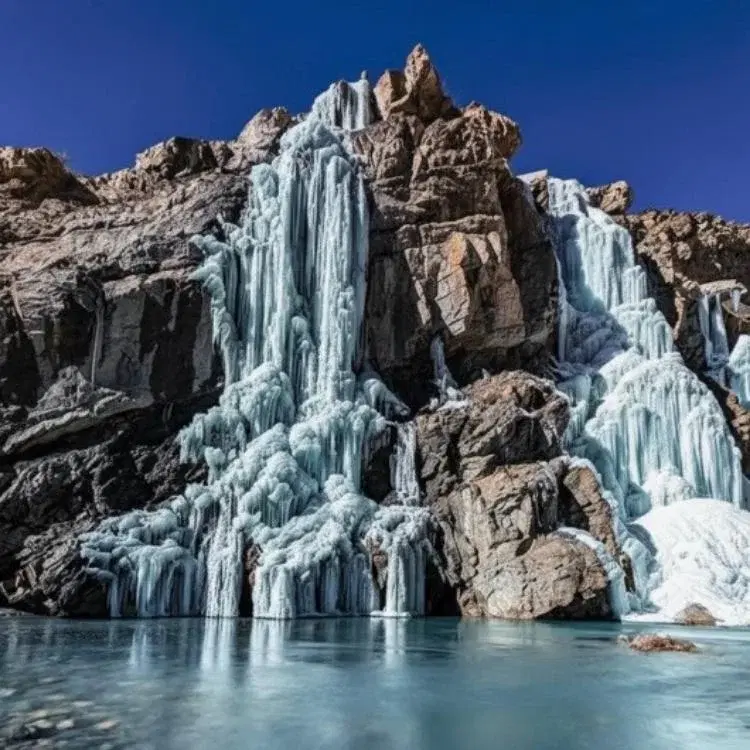
February is peak winter in Spiti. The valley transforms into a frozen desert. Temperatures regularly hit minus 20°C to minus 30°C at night. Daytime might warm up to minus 5°C to minus 10°C if you're lucky. The entire landscape stays covered in thick snow.
The Manali route stays completely closed. Snow blocks Kunzum Pass and Rohtang Pass from November through May. Your only way in is through Shimla via the Hindustan-Tibet Highway through Kinnaur. Even this route faces temporary closures during heavy snowfall.
Most hotels and guesthouses shut down. Only a handful of homestays remain open in Kaza and nearby villages. Running water becomes a luxury because pipes freeze solid. Electricity can be unreliable. Mobile networks work in main towns but not between villages.
This isn't meant to scare you off. It's just reality. The best time to visit Spiti Valley for most travellers is May to October. But February offers something completely different for those ready to handle it.
The Real Safety Concerns
Let's talk about what can actually go wrong. Because understanding risks is the first step to managing them properly.
Road Conditions
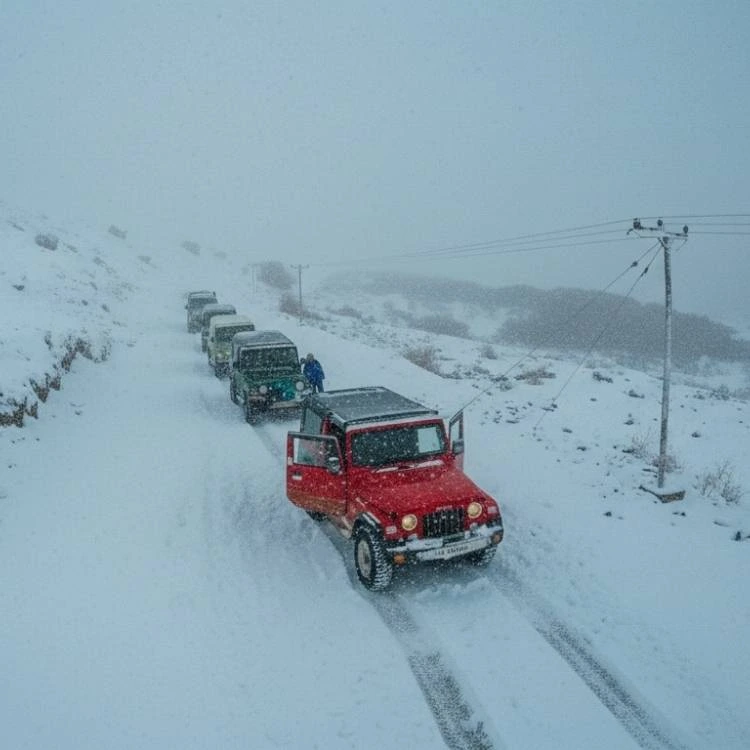
Black ice forms on roads overnight. Snow can be several feet deep on mountain passes. Landslides happen even in winter. The journey from Shimla to Kaza takes 12 to 14 hours in summer. In February, budget 16 to 18 hours with multiple stops.
Extreme Cold
Frostbite is a real risk. Hypothermia can set in quickly if you're not properly dressed. The dry, thin air at high altitude makes breathing harder. Your body works overtime just to stay warm.
Limited Medical Facilities
Kaza has a small hospital, but facilities are basic. Serious medical emergencies require evacuation to Shimla or Manali. In heavy snow, helicopter evacuation becomes impossible.
Altitude Sickness
Kaza sits at 3,800 metres. Combined with winter cold, altitude hits harder. Symptoms include headaches, nausea, breathlessness, and fatigue. Acclimatization becomes crucial.
Isolation
If the weather turns bad, you might get stuck for days. Roads close. Phone networks go down. You need to be mentally prepared for complete isolation from the outside world.
Who Should Attempt February Spiti?
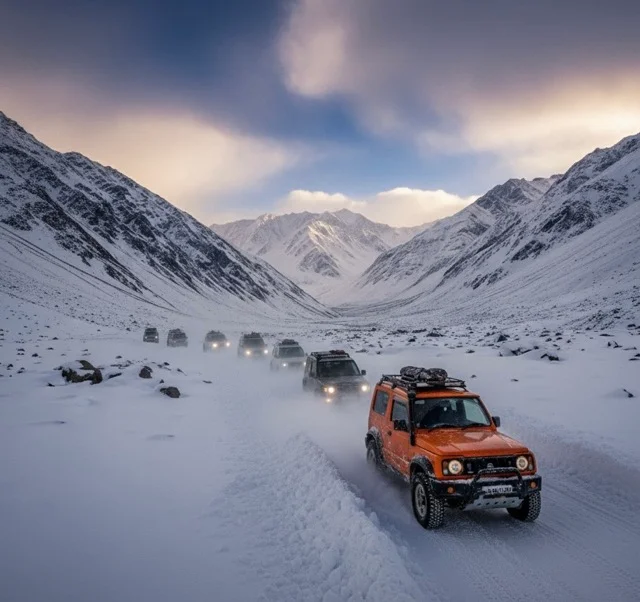
Not everyone should try February Spiti. Here's a no-filter look at who can handle it and who should wait for summer.
Experienced Mountain Travellers
If you've done winter treks in the Himalayas before, you'll understand what to expect. First-time mountain visitors should absolutely avoid February Spiti.
Photographers and Adventure Seekers
The landscapes in February are otherworldly….there can't be a better expression. Frozen rivers, snow-covered monasteries, and clear blue skies! If you're after unique photography, February delivers.
Snow Leopard Enthusiasts
February to March is snow leopard season. These rare cats descend to lower altitudes. Kibber and surrounding areas offer the best chances of spotting them.
Those Seeking Solitude
February sees maybe 100 tourists in the entire valley. You'll have monasteries to yourself. Villages feel peaceful. It's the most authentic Spiti experience possible.
Essential Safety Preparations
Surviving February Spiti comes down to what you bring and how you prepare. Missing even one item from this list can turn dangerous.
Vehicle Requirements
You need a sturdy 4WD vehicle, preferably a Mahindra Thar, Scorpio, or similar. Snow chains are mandatory. Extra fuel because petrol pumps can be closed. Emergency toolkit including shovel, tow ropes, and jumper cables.
Clothing and Gear
Multiple thermal layers. Down jacket rated for minus 30°C. Waterproof snow boots with good grip. Woollen socks, gloves, and caps. Sunglasses for snow glare. Sleeping bag rated for extreme cold.
Medical Supplies
Pack altitude sickness medication like Diamox. Bring pain relievers and anti-nausea medicine. A comprehensive first aid kit is essential. Carry any prescription medicines you regularly need. Water purification tablets help when clean water isn't available.
Food and Water
Carry dry snacks, energy bars, and chocolates for emergencies. Thermos flasks keep drinks hot for hours. Bring water bottles that won't freeze easily in extreme cold. Restaurant options are extremely limited in February, so self-sufficiency matters.
Communication
Power banks are essential as electricity can be unreliable. A satellite phone helps if you can arrange one. Carry physical maps because GPS often fails in mountains. Save emergency contact numbers offline on your phone.
Route Planning for February
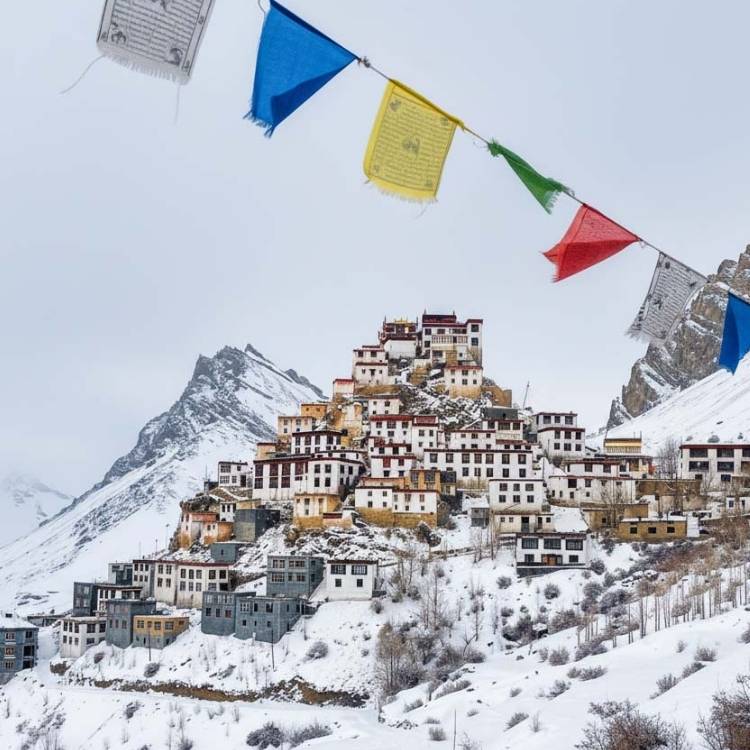
Your route needs careful planning because there's literally only one way in during winter. Here's how to break it down safely.
Shimla to Kaza Route
- Day 1: Shimla to Kalpa or Reckong Peo (225 km, 8-9 hours). This portion stays relatively accessible.
- Day 2: Kalpa to Tabo or Nako (150 km, 6-7 hours). Roads get trickier here. Nako Lake freezes completely in winter.
- Day 3: Tabo to Kaza (50 km, 2-3 hours). The final stretch can have heavy snow.
- Build in extra days for weather delays. Never rush winter Spiti travel.
What to Expect in February
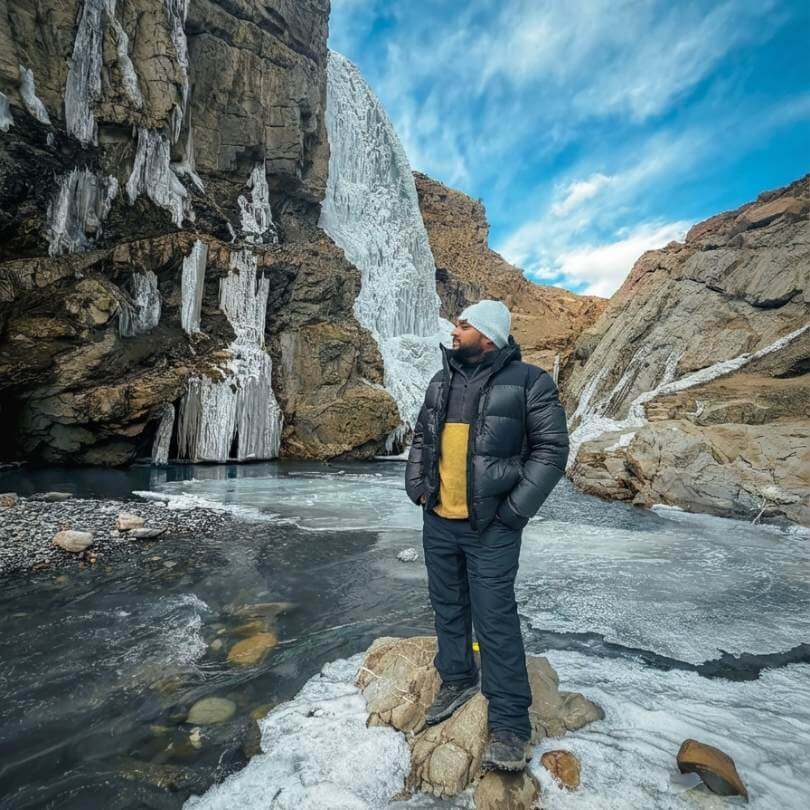
Reality check time. Here's what daily life actually looks like when you're in Spiti during the coldest month of the year.
Accommodation
Only 5 to 10 homestays operate in Kaza during February. Book well in advance. Rooms have bukhari stoves for heating. Electricity runs only few hours daily. Water supply is limited.
Food
Tibetan cuisine dominates. Thukpa and momos are staples. Fresh vegetables are scarce. Most food is dried or preserved. Homestays cook meals for guests. Carrying supplementary snacks is smart.
Activities
Snow leopard tracking expeditions are the main draw during February. Photography walks offer stunning winter landscape shots. You can visit monasteries, though some might be closed for winter.
Watch or join ice hockey games on frozen lakes if locals are playing. Mostly, February in Spiti is about experiencing the valley's harsh winter beauty in its purest form.
Villages
Many villages are partially evacuated. Locals who stay are incredibly hospitable. You'll see traditional winter life, how families store food for months, and how they keep warm without modern heating.
Alternative: Visit in Late February
If February sounds too extreme, consider late February. Temperatures are still cold but slightly milder. More homestays start opening. Roads have better maintenance. You still get snow and winter beauty. Chances of weather disasters reduce.
Late February offers a sweet spot between extreme winter and spring shoulder season.
Family and Kids Consideration
Honestly, how safe is it to travel to Spiti Valley with family or kids in 2026?
February Spiti is not for families with young children.
The cold is too extreme. Medical facilities are too limited. The journey too demanding. If you're traveling with family, stick to summer months (May to September) when is it safe to travel Spiti Valley now becomes a clear yes.
Solo Travellers
Is Spiti Valley safe for solo travellers in 2026? In February, solo travel requires even more preparation. You need excellent mountain driving skills. Solo bike trips in February are extremely risky and not recommended. If going solo, join organized winter expeditions with experienced guides.
So, Is it safe to travel Spiti Valley in February 2026?
- Yes, if you're properly prepared and experienced.
- No, if you're a casual tourist expecting comfortable travel.
February in Spiti is for adventure enthusiasts who understand mountain risks. It's for those who can handle extreme cold and have proper backup plans. You need to accept that nature makes the rules here, not humans.
If you fit this profile, February offers an experience unlike any other time of year.
Summer tourists see beautiful Spiti. February travellers see raw, unfiltered Spiti. The valley in its most challenging, most authentic form. It's not for everyone. But for those who can handle it, February creates memories that last forever.
Plan Your Safe Spiti Journey with Travel Coffee
Winter Spiti requires experience and local knowledge.
At Travel Coffee, we've been organizing February Spiti expeditions for years, and you can see the full range on our winter Spiti tour packages page. We know which homestays stay open, which routes are safest each day, and how to handle emergencies in remote areas.
Our guides are locals who grew up in these mountains. They know every turn of the road. They maintain relationships with homestay owners. They carry proper safety equipment. Most importantly, they make the call when weather turns bad and routes need changing.
We don't sugarcoat what February Spiti involves. But we make it as safe as possible for those determined to experience winter in the Himalayas.
Let us handle the logistics while you focus on the incredible journey!
Related topics
Frequently Asked Questions
Is It Safe To Travel Spiti Valley in February 2026?
Is it safe to travel Spiti Valley in February 2026? Yes, for experienced mountain travellers with proper preparation. The extreme cold, limited facilities, and challenging roads make it unsuitable for casual tourists. Spiti Valley now in February requires 4WD vehicles, winter gear, and realistic expectations about harsh conditions.
Is Spiti Valley safe for solo travelers in 2026?
Is Spiti Valley safe for solo travellers in 2026? Summer months (May-October) are safer for solo trips. February solo travel requires exceptional mountain experience and joining organized expeditions. Is it safe to travel Spiti Valley now solo depends entirely on your experience level and preparation.
How safe is it to travel to Spiti Valley with family or kids in 2026?
February Spiti is not recommended for families with children due to extreme cold and limited medical facilities. The best time to visit Spiti Valley with family is May to September when weather is pleasant and facilities are fully operational. Spiti Valley now in summer offers family-friendly experiences.
Is February safe to drive your own car to Spiti Valley in 2026?
Driving to Spiti Valley now requires a sturdy 4WD vehicle with snow chains, especially in winter. Summer driving (May-October) is manageable with good mountain driving skills. February requires expert winter driving experience. Is Spiti Valley safe for self-drive depends on your vehicle and experience level.
What safety precautions should travelers follow while planning a Spiti Valley trip in 2026?
Key safety precautions include proper acclimatization, carrying altitude sickness medication, winter clothing for extreme cold, booking accommodation in advance, and having emergency contacts. The best time to visit Spiti Valley safely is May-October. If visiting Spiti Valley now in winter, join experienced guides and prepare thoroughly.
How safe are bike trips to Spiti Valley in 2026?
Bike trips to Spiti Valley now are safest from June to September. February bike trips are extremely dangerous due to black ice, heavy snow, and minus 30°C temperatures. Is Spiti Valley safe for bike trips depending heavily on season and rider experience. Winter bike trips are not recommended even for experts.
More about Lahaul and Spiti
 Lahaul and Spiti
Rent or Buy Winter Gear for Spiti in 2026? Jackets, Boots, Costs and Pickup Options
Planning a Winter Spiti trip in 2026? Compare the cost of renting vs buying jackets, snow boots, thermals and other essential winter gear, along with practical tips on what to rent, what to buy and where to arrange it before your trip.
- First-Time Travellers
- Snow Travel
 Lahaul and Spiti
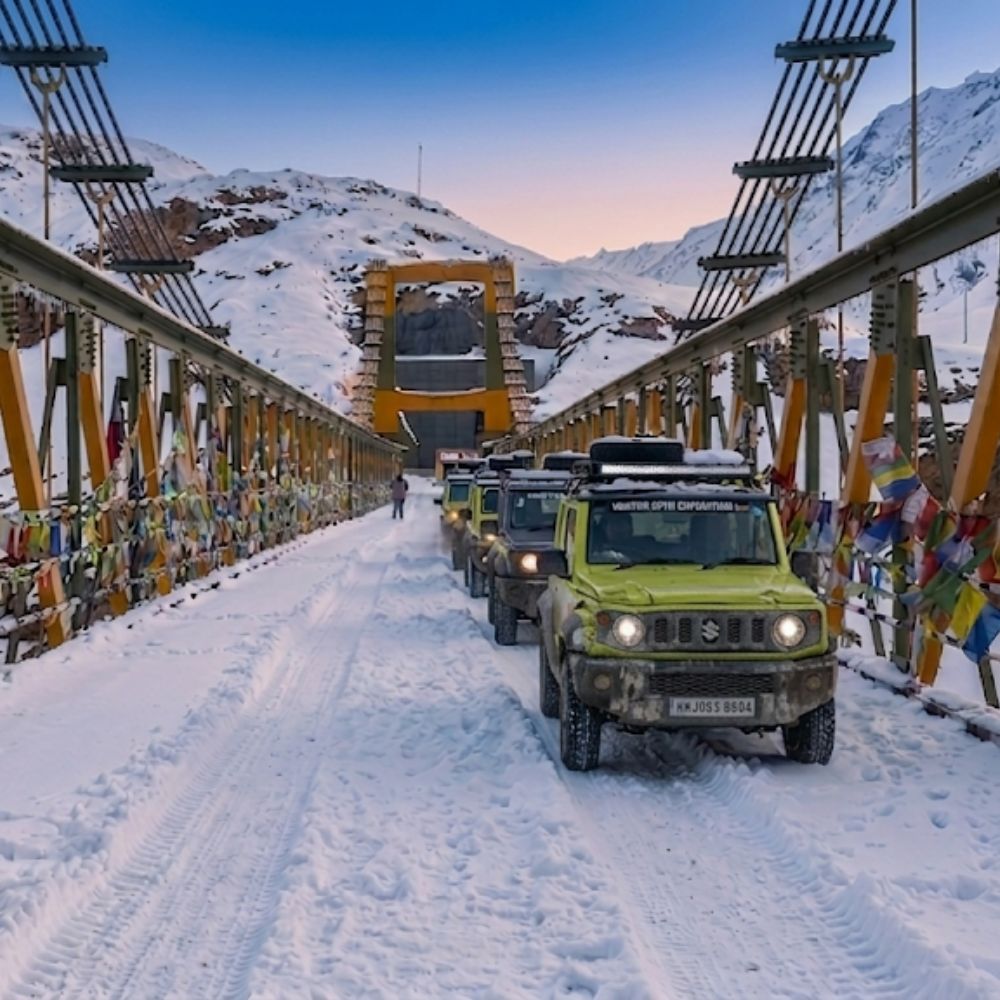
Winter Spiti 4×4 Seating Guide 2026: Jimny, Scorpio N, Thar and Hilux for Passengers and Luggage
Planning a Winter Spiti trip in 2026? This practical 4×4 seating guide compares the Jimny, Scorpio N, Thar and Hilux for passenger comfort, luggage space, winter roads and long mountain drives, helping you choose the right vehicle for your group size and travel style.
- Road Trips
- Snow Travel
 Lahaul and Spiti
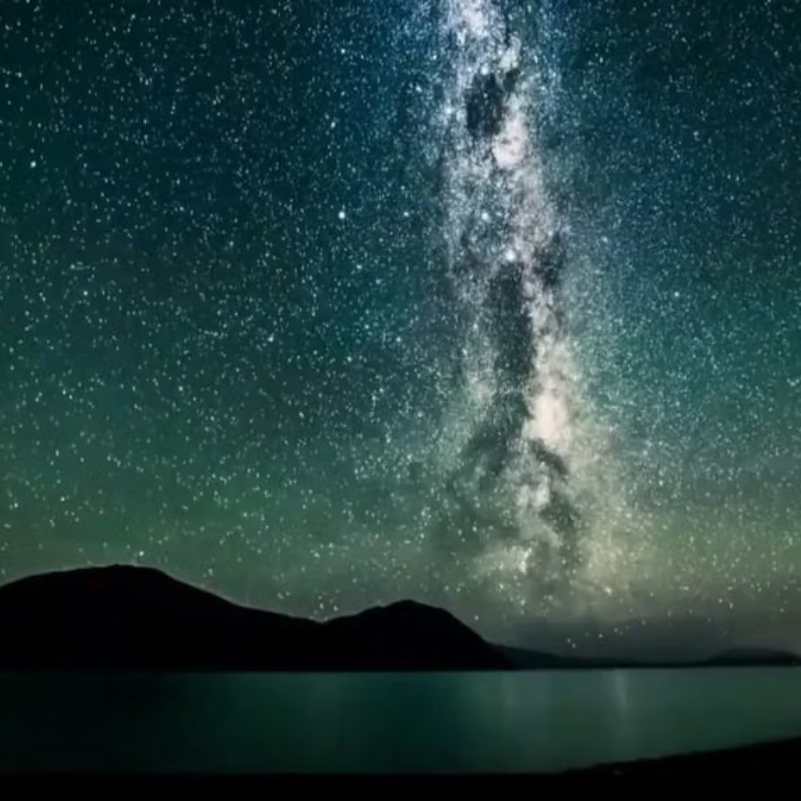
Stargazing in Winter Spiti 2026: Where to Stay, Moonlight and What You Can See
Discover the best places for stargazing in Winter Spiti 2026, where to stay for darker skies and how moonlight affects visibility. Learn what you can realistically see from Kaza, Tabo and nearby villages during the winter months.
- Things to Do
- Snow Travel