
Is Spiti Valley Safe for Solo Female Travellers? The Real Safety Guide (2026)
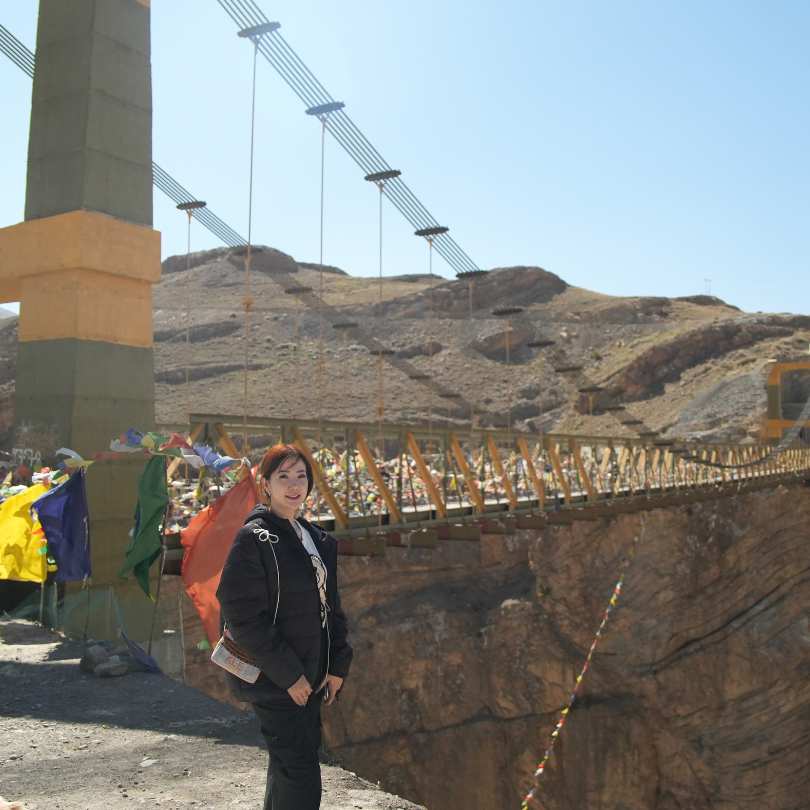
If you are a woman planning to travel solo to Spiti Valley, the first question on your mind is probably about safety. Not just "will the people be okay" — but everything. The terrain, the altitude, the roads, the network, the logistics. All of it.

Here is the honest answer: is Spiti Valley safe for solo female travellers? Yes, socially it is one of the safest regions in India. The Buddhist communities across Spiti are genuinely warm and welcoming.
Violent crime against tourists is essentially unheard of. But Spiti is not "safe" in the way that Jaipur or Goa is safe — because the risks here are not about people. They are about geography, altitude, isolation, and logistics.
This guide will walk you through the real safety picture — what to actually worry about, what not to worry about, and exactly how to prepare.
You will get a practical safety checklist, honest route advice (Shimla-Kinnaur vs Manali), and a realistic solo itinerary built with buffer days. No fluff. No scare tactics. Just what you need to travel Spiti solo with confidence.
The Quick Answer (Is Spiti Safe for Solo Women?)
Spiti Valley is socially very safe for solo female travellers. Locals in Kaza, Tabo, Dhankar, Langza, and surrounding villages are respectful and helpful. Harassment is rare. The real risks in Spiti are not criminal — they are environmental and logistical: altitude sickness, unpredictable roads, zero mobile network in many stretches, limited transport options, and isolation if something goes wrong.
What to plan for as a solo woman in Spiti:
- Altitude sickness (AMS) — the single biggest health risk
- Road closures due to landslides, weather, or seasonal conditions
- No mobile network for long stretches between towns
- Limited and unreliable public transport schedules
- Cash dependency — ATMs are scarce and often non-functional
- Fewer accommodation options outside Kaza and Tabo
If you plan for these six things, a solo female trip to Spiti Valley becomes not just safe but genuinely rewarding.
What "Safety" Really Means in Spiti (5 Risk Buckets)
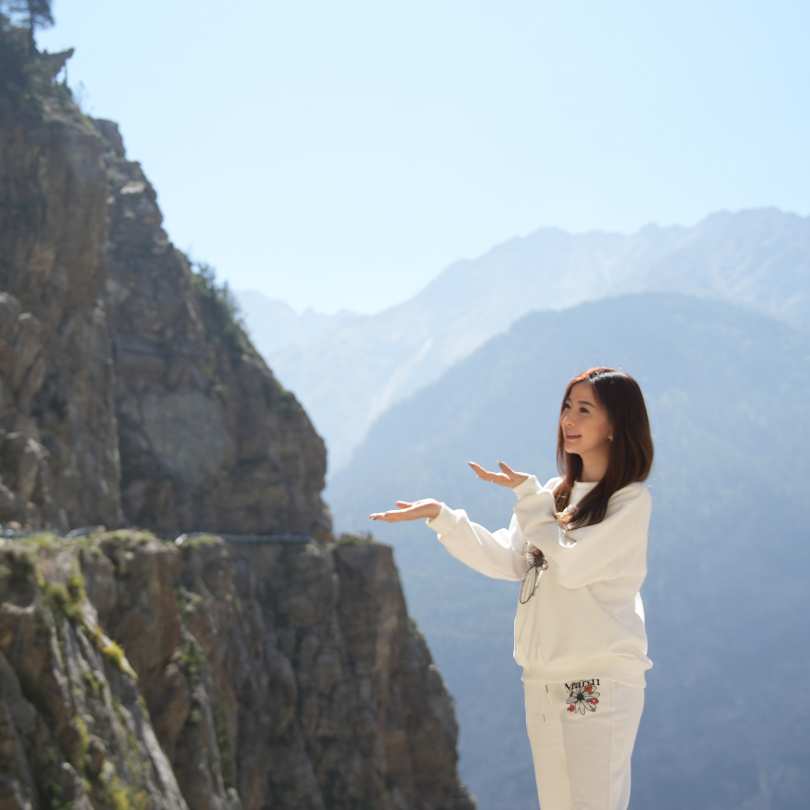
When people ask about Spiti Valley safety for women, they usually mean "will I be harassed or attacked?"
The short answer is no — Spiti is far safer on that front than most Indian cities. But there are real risks here, and understanding them is the difference between a great trip and a miserable one.
Altitude and AMS (The Number One Real Risk)
Kaza sits at roughly 3,600 metres. Chandratal is over 4,300 metres. If you are coming from Delhi or any plains city, your body is not ready for this.
Acute Mountain Sickness (AMS) feels like a bad hangover that will not go away. Early signs include a dull persistent headache, nausea, dizziness, and unusual fatigue. These are your body telling you to slow down. Most people experience mild symptoms and recover with rest.
Danger signs are different. Severe breathlessness at rest, confusion, inability to walk straight, or a wet cough at altitude — these need immediate descent, not another Diamox tablet.
Simple acclimatisation rules that actually work:
- Spend at least one night at a mid-altitude stop (Narkanda, Sarahan, or Kalpa) before pushing higher
- Do not rush to Chandratal or Kunzum Pass on your first or second day in Spiti
- Hydrate aggressively — more than you think you need
- Avoid alcohol for the first two to three days at altitude
- If symptoms worsen after rest, descend. Do not wait it out.
Roads, Weather, and Isolation
Spiti roads are not highways. They are narrow mountain roads carved into cliffs, often unpaved, frequently damaged by water and landslides. This is not a reason to skip Spiti — it is a reason to plan smart.
Night travel on Spiti roads is genuinely dangerous. Visibility drops to nothing, there are no guardrails on most stretches, and rescue is hours away. Always plan to reach your destination before dark.
Landslides can close roads for hours or even days. Black ice is a real hazard in early and late season.
This is why buffer days are not a luxury — they are a safety requirement. Build at least one to two extra days into your itinerary so that a road closure does not ruin your entire trip.
Connectivity Gaps
Here is the network reality in Spiti. BSNL has the widest coverage, but even that drops out for long stretches. Jio and Airtel work in Shimla, parts of Kinnaur, and intermittently in Kaza town, but are essentially useless between villages. Vi has almost no presence.
This means: no Google Maps in real time, no calling for help on most roads, no quick hotel booking when plans change. This is not a disaster if you prepare for it.
What to download and save before entering low-network zones:
- Offline Google Maps for the entire Spiti and Kinnaur region
- Screenshots of your hotel bookings, emergency contacts, and bus schedules
- A PDF copy of your ID and insurance documents
- Any important WhatsApp conversations or directions
Transport Logistics
This is how solo travellers get stranded in Spiti: they assume there will be a bus or shared cab tomorrow, and there is not one. Or they book a return from Chandratal and the driver does not show. Or they reach Lossar and find no onward transport for two days.
Public buses in Spiti run on limited schedules. HRTC operates key routes but frequency is low and timings shift. Shared cabs fill up fast in peak season and barely exist in shoulder season. Private cabs are expensive but reliable — and for certain stretches, they are the only realistic option for a solo traveller.
Prevention is simple: confirm transport the day before, have a backup plan, and do not leave yourself in a village with no way out and no network to arrange one.
Normal Travel Friction (Not Crime, Mostly Logistics)
You may encounter overcharging for cabs or rooms, last-minute cancellations by homestay hosts, or "yes madam, road is open" assurances from people who have not actually checked. This is not malice — it is the reality of a remote area with limited infrastructure.
Simple verification habits that protect you:
- Confirm road conditions with your accommodation host or local contacts, not just one random source
- Agree on cab fares before getting in, preferably in writing or text
- Pay for accommodation at checkout, not in full upfront, where possible
- Cross-check bus timings with HRTC directly or your hotel, not just one person at the bus stand
Best Time for Solo Female Travel in Spiti (Safety, Comfort, and Movement)
The "best" time depends on what you are optimising for. Here is the honest breakdown.

Late June to mid-July
Both routes (Shimla-Kinnaur and Manali) are typically open. Weather is pleasant but monsoon-related landslides can disrupt the Shimla-Kinnaur road. Crowds are moderate. Good for first-timers who want flexibility.
Mid-July to August
Peak monsoon. The Shimla-Kinnaur route is most vulnerable to landslides. The Manali route is generally more stable in this window.
Chandratal is accessible. Busiest tourist season — easier to find shared cabs and company, harder to find rooms.
September to early October
The sweet spot for many solo female travellers. Weather is clear and stable, crowds thin out, autumn colours are stunning, both routes are usually open, and road conditions tend to improve after monsoon repairs.
This is the window where solo travel in Spiti feels most manageable.
Late October onward
The Manali route (Rohtang-Kunzum) closes. Only the Shimla-Kinnaur route remains, and even that becomes challenging. Temperatures drop hard.
Only attempt this if you are experienced with cold-weather travel and okay with very limited transport and accommodation.
For first-time solo women, the recommendation is clear: aim for September. The balance of safety, comfort, accessibility, and good weather is hard to beat.
Safest Routes for First-Time Solo Women (Shimla-Kinnaur-Spiti vs Manali-Spiti)
This is one of the most debated questions in Spiti trip planning. Here is what matters for a solo female traveller specifically.
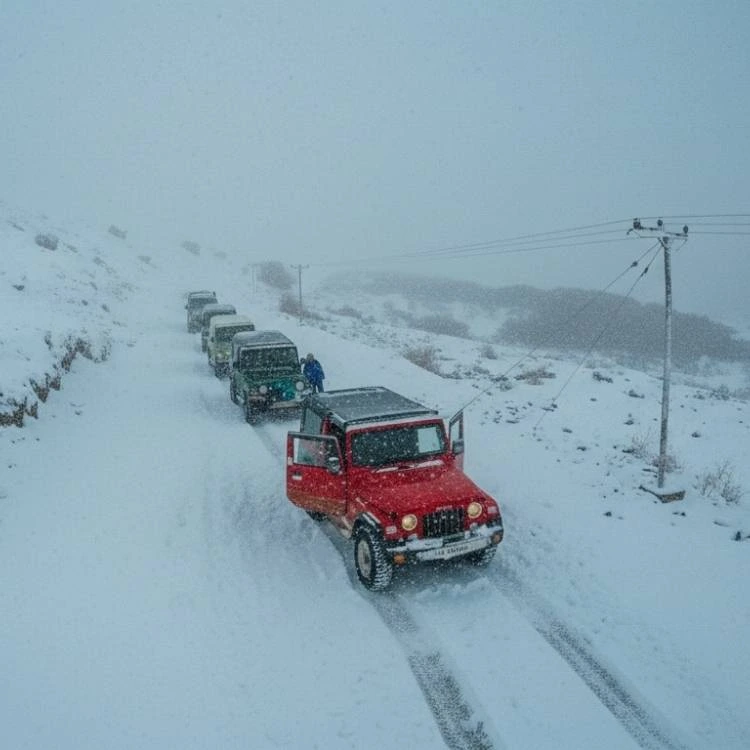
Why Shimla-Kinnaur-Spiti Is Usually Safer for First-Timers
The Shimla-Kinnaur route gives you gradual altitude gain. You start at Shimla (around 2,200m), spend a night at Narkanda or Sarahan, then move to Reckong Peo or Kalpa (around 2,700m), then Tabo (around 3,300m), and finally Kaza (around 3,600m). Your body adjusts day by day instead of being thrown into extreme altitude all at once.
This route also passes through larger towns with better connectivity, more accommodation options, ATMs, medical facilities, and mobile network.
For a woman travelling alone, this means more fallback options if something goes wrong.
Explore Kinnaur tour packages for pre-planned options along this route.
When the Manali Route Works (And When It Does Not)
The Manali-Spiti route is dramatic and beautiful. It is also a sudden altitude jump — you go from Manali at around 2,000m to Kunzum Pass at over 4,500m in a single day. For someone not acclimatised, this is a serious AMS risk.
The route is only open roughly June to October (depending on snowfall and road clearance — verify locally before planning).
When it is open and you are already acclimatised, it is a fantastic route. When it is closed or you are coming straight from the plains, it is not the safe choice.
[Explore Manali tour packages] if you are planning to use this as your entry or exit point.
Pick this if...
- You have already spent a few days at altitude (for example, in Manali itself) — go via Manali
- You want the safest, most gradual approach for your first Spiti trip — go via Shimla-Kinnaur
- You want to do a loop (enter one way, exit the other) — enter via Shimla-Kinnaur, exit via Manali (acclimatisation is already done by then)
- You are travelling in late October or later — Shimla-Kinnaur is your only option
Where to Stay as a Solo Female Traveller (What Feels Safest and Why)
Kaza
Kaza is the main base in Spiti and the safest bet for solo women. It has the most accommodation options, a few restaurants, a hospital, police presence, and the best (though still limited) network coverage.
Most solo travellers use Kaza as a base and do day trips to surrounding villages.
Tabo
Tabo is smaller and quieter but has reliable guesthouses and a very calm atmosphere. It is a good overnight stop on the Shimla-Kinnaur route.
Kalpa
Kalpa, while technically in Kinnaur rather than Spiti, is an excellent acclimatisation stop. Good homestays, lovely views, and better connectivity than anything in Spiti proper.
Homestays vs Hotels
Homestays in Spiti are generally safe and offer a personal, family-run environment that many solo women actually prefer over impersonal hotels.
You eat with the family, and someone is always around. That said, check reviews from other solo female travellers before booking.
What to check before booking any stay:
- Does the room have a working lock from the inside?
- Is the place in or near the main town (not isolated on an outskirts road)?
- Is there heating? (Nights are cold even in summer at this altitude)
- What are the late check-in arrangements if your transport is delayed?
- Are there recent reviews from women or solo travellers?
Getting Around (Shared Cabs vs Private Cabs vs Group Departures)
Shared cabs
Shared cabs are the most common way to get around Spiti. They are affordable and you travel with other people, which adds a layer of social safety.
The downside: schedules are unreliable, they leave only when full, and they may not run at all on some days.
Private cabs
Private cabs give you full control over your schedule and route. They are significantly more expensive but for certain stretches — especially Kaza to Chandratal or Kaza to Manali — a private cab may be the only practical option.
Confirm the driver's details, share them with someone, and agree on the fare before departure.
Group departures
Group departures through a travel company are worth considering for first-time solo women. You get a fixed itinerary, a known driver, other travellers for company, and someone managing the logistics.
This is the safest and lowest-stress option for a first Spiti trip.
>> Explore Our Spiti Valley tour packages for group and custom departure options.
For first-timers
A group departure or pre-arranged private cab with a reputable operator is the safest choice. Once you have done Spiti once and understand the rhythms, shared cabs and independent travel become much more manageable.
The Travel Coffee Safety Net (On-Ground Support That Changes the Experience)
Travel Coffee operates on the ground across Himachal — not from a call centre in another state. This makes a practical difference for solo female travellers.
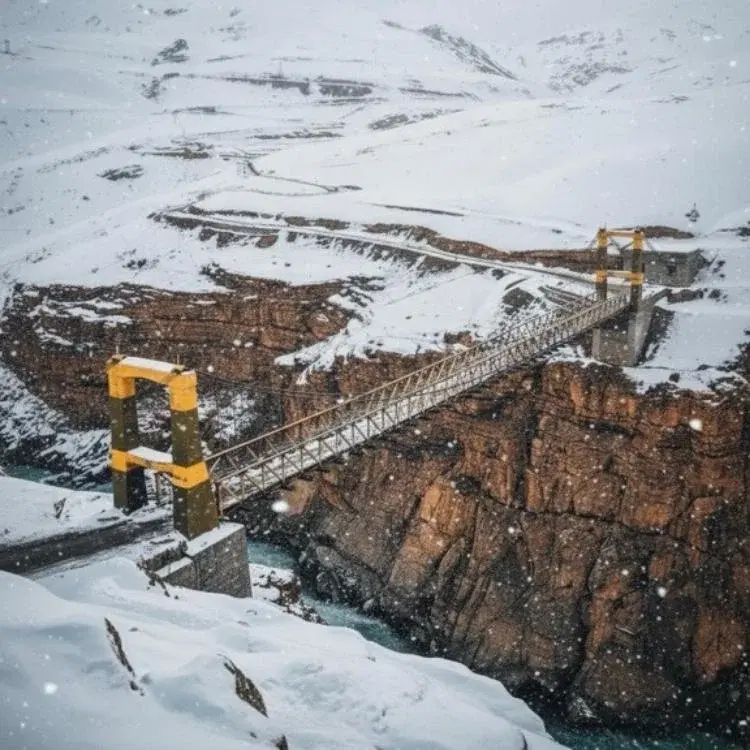
Where Travel Coffee has on-ground presence:
- Shimla (trip start point, briefing, emergency fallback)
- Narkanda (acclimatisation stop on Shimla-Kinnaur route)
- Kinnaur region — Reckong Peo and Kalpa (mid-route support, acclimatisation)
- Spiti — Kaza and surrounding areas (core trip support)
- Manali (exit point support, emergency rerouting)
What "backup" actually means in real situations:
- Your bus from Reckong Peo to Kaza is cancelled due to a landslide. Travel Coffee's Kinnaur contact arranges an alternative shared cab the same day and updates your Kaza accommodation about the delay.
- You start feeling AMS symptoms in Kaza. Travel Coffee's local contact helps you access the Kaza hospital and, if needed, arranges transport to descend to a lower altitude.
- The Manali route is unexpectedly closed on your exit day. Travel Coffee reroutes you via Shimla-Kinnaur with adjusted accommodation, so you are not stranded in Kaza trying to figure it out alone with no network.
Emergency contacts and check-in support:
Before your trip, you receive a workflow with emergency numbers for each region on your route. Travel Coffee's team does periodic check-ins at key points, especially when you are entering low-network zones. This is not surveillance — it is a safety layer that means someone always knows roughly where you are and can mobilise help if you go silent longer than expected.
This is what on-ground presence means in practice: not a brochure promise but a person in the region who can actually do something when plans change.
Emergency Readiness (Simple, Not Paranoid)
You do not need a survival kit. You need a few smart preparations that take ten minutes before you leave for Spiti.
What to save before entering low-network zones:
- Emergency contact numbers for your accommodation at each stop
- Travel Coffee's regional emergency numbers (provided before departure)
- Offline maps (Google Maps lets you download specific regions)
- Screenshots of your itinerary, bookings, and ID documents
What to do if you feel AMS symptoms:
- Stop ascending immediately
- Rest, hydrate, and monitor for four to six hours
- If symptoms improve, stay at the current altitude for an extra day before going higher
- If symptoms worsen (severe headache, vomiting, breathlessness at rest, confusion), descend immediately. Do not wait for morning.
- Inform your accommodation host or travel contact
What to do if roads close or transport cancels:
- Stay where you are. Do not attempt to walk or hitch along unknown mountain roads.
- Contact your accommodation — they will have local information and contacts
- If you are with Travel Coffee, contact your regional emergency number
- Use your buffer days. This is exactly what they are for.
What to carry to stay independent:
- Power bank (10,000 mAh minimum, 20,000 mAh recommended)
- Cash buffer of at least five to seven thousand rupees in small denominations
- Offline maps and saved documents
- Basic first-aid: paracetamol, ORS packets, band-aids, any personal medication
- A warm layer that fits in your daypack even in summer — temperatures drop fast after sunset
Solo Female Safety Checklist (Copy-Paste Friendly)
- Get a BSNL SIM card before entering Spiti. It has the widest coverage. Activate it and test it in Shimla or Manali before you head deeper.
- Download offline maps for Spiti, Kinnaur, and your full route. Do this on good wifi before departure.
- Save emergency contacts offline. Hotel numbers, Travel Coffee regional contacts, local police, nearest hospital at each stop.
- Share your itinerary with at least two people back home — a friend and a family member.
- Carry enough cash. ATMs in Kaza exist but are unreliable. Withdraw in Shimla, Manali, or Reckong Peo.
- Build two buffer days into your itinerary. One for acclimatisation, one for road closures.
- Do not travel Spiti roads after dark. Plan all drives to finish before sunset.
- Acclimatise gradually. Spend at least one night at a mid-altitude stop before reaching Kaza.
- Pack a basic first-aid kit. Paracetamol, ORS, personal meds, sunscreen, lip balm with SPF.
- Keep a power bank charged. Your phone is your map, your contact tool, and your camera. Do not let it die.
- Confirm transport the day before. Buses, shared cabs, private cabs — confirm everything.
- Trust your instincts. If something feels off with a cab, a room, or a situation, change your plan. You always can.
A Safer 7-Day Solo Spiti Itinerary (Built With Buffers)
This itinerary enters via Shimla-Kinnaur (gradual altitude gain) and assumes you are a first-timer. It builds in acclimatisation and a buffer day.
Day 1: Shimla to Narkanda or Sarahan
Drive from Shimla to your first overnight stop. Narkanda (around 2,700m) or Sarahan (around 2,100m) are both good acclimatisation points. Settle in early, rest, hydrate. No rushing.
Day 2: Narkanda/Sarahan to Kalpa or Reckong Peo
Continue along the Kinnaur route. Kalpa (around 2,760m) is a beautiful stop with good homestays and views of the Kinner Kailash range. This is your second acclimatisation night.
Day 3: Kalpa/Reckong Peo to Tabo
The drive gets more dramatic here. You enter Spiti properly. Tabo (around 3,280m) is a calm, historic town with the famous Tabo Monastery. Good guesthouses. Rest and adjust.
Day 4: Tabo to Kaza (with Dhankar Monastery stop)
Short drive to Kaza via Dhankar. Reach Kaza (around 3,650m) and settle into your base. Take it easy on arrival — you are now at a serious altitude. Walk around town gently. Hydrate.
Day 5: Kaza — day trips to Key Monastery, Kibber, Chicham
Use Kaza as your base. Visit Key Monastery, Kibber village, and the Chicham bridge. These are short drives and the altitude gain is moderate. Return to Kaza for the night.
Day 6: Buffer day or Langza/Komic/Hikkim
This is your flex day. If you are feeling strong and weather is clear, visit the high-altitude villages of Langza, Komic, or Hikkim (the world's highest post office). If you are tired, weather is bad, or roads were rough earlier — rest. That is exactly what this day is for.
Day 7: Kaza to Manali (if route is open) or begin return via Kinnaur
If the Manali route is open and you are acclimatised, exit via Atal Tunnel. It is a long day but stunning. If the Manali route is closed, begin the return journey via Tabo and Kinnaur — you will need an extra day or two to reach Shimla.
This itinerary is deliberately unhurried. Speed is not the goal. Arriving healthy, rested, and actually enjoying the place is.
Ready to Plan Your Solo Spiti Trip?
If this guide helped you feel more confident about travelling to Spiti alone, that was the point. Spiti is extraordinary — and it does not have to be intimidating.
Travel Coffee builds solo-safe Spiti itineraries with on-ground support at every stage. From your first night in Shimla to your exit via Manali or Kinnaur, there is someone on the ground who knows you are coming and is ready to help if plans change. No call centres. No guesswork.
If you want a custom itinerary with built-in acclimatisation, buffer days, verified stays, and real emergency backup — just reach out.
Related topics
Frequently Asked Questions
Is Spiti Valley safe for solo female travellers?
Yes, Spiti is socially one of the safest places in India for women travelling alone. The Buddhist communities are respectful and welcoming. The actual risks are environmental — altitude sickness, road conditions, connectivity gaps, and transport uncertainty. With proper planning, acclimatisation, and a realistic itinerary, solo female travel in Spiti Valley is absolutely doable and rewarding.
Is Kaza safe for women at night?
Kaza is a small, quiet town and generally safe for women at night. The main market area is well-lit in season and locals are friendly. That said, there is not much to do after dark, and street lighting outside the centre is minimal. Stick to your accommodation area after sunset and you will be fine. Kaza safety for women is not a major concern.
Is it safe to travel around Spiti at night?
No. Travelling on Spiti roads at night is not recommended for anyone, regardless of gender. The roads are narrow, unpaved in stretches, unlit, and without guardrails. Landslides, fallen rocks, and stray animals are real hazards after dark. Always plan your drives to finish well before sunset.
Which route is safer: Shimla or Manali?
For first-time solo women, the Shimla-Kinnaur-Spiti route is generally safer. It offers gradual altitude gain, larger towns with better facilities along the way, and more fallback options if something goes wrong. The Manali route involves a sudden altitude jump and is only open seasonally. Consider entering via Shimla-Kinnaur and exiting via Manali if both routes are open.
What are the biggest risks for solo travellers in Spiti?
Altitude sickness is the number one risk, followed by road closures due to landslides or weather, lack of mobile network in many areas, unreliable transport schedules, and limited access to ATMs and medical facilities. These are logistics and environment risks, not crime risks. Planning and buffer days are your best protection.
Are Spiti homestays safe for solo women?
Generally, yes. Homestays in Spiti are family-run, and you are essentially a guest in someone's home. Many solo female travellers actually prefer homestays over hotels for this reason. Check recent reviews from other women, confirm that rooms have inside locks, and book places in or near town rather than isolated locations.
What network works in Spiti Valley?
BSNL has the widest coverage in Spiti, including intermittent signal in Kaza and some villages. Jio works in Kaza town and a few spots but drops out between villages. Airtel and Vi are essentially unreliable in Spiti. Get a BSNL SIM activated before you enter the valley. Even with BSNL, expect long stretches with zero signal.
What should I do if I feel altitude sickness symptoms?
Stop ascending immediately. Rest at your current altitude, hydrate well, and take paracetamol for headaches. If symptoms are mild and improve with rest, stay an extra day before going higher. If you experience severe symptoms — confusion, breathlessness at rest, persistent vomiting, or inability to walk — descend immediately and seek medical help. Do not wait.
Is Spiti safe in October or winter for solo women?
Late October onward is challenging. The Manali route closes, temperatures drop significantly, many homestays and restaurants shut down, and transport options shrink. It is not impossible, but it requires cold-weather experience and flexibility. For a first solo Spiti trip, September or early October is a much safer and more comfortable window.
How many days are ideal for a safe solo Spiti trip?
Seven to nine days is ideal for a first-time solo trip. This allows for gradual acclimatisation, a full day buffer for weather or road disruptions, and enough time to see the key sights without rushing. Trying to do Spiti in four or five days means skipping acclimatisation, which is a genuine health risk at these altitudes.
More about Lahaul and Spiti
 Lahaul and Spiti
Spiti Valley in January 2027: Who Should Book a 4x4 Trip and Who Should Wait?
Planning a Spiti Valley trip in January 2027? Discover whether to book a 4x4 winter expedition or wait for better conditions. Explore January weather, road accessibility, safety risks, travel costs, and who should consider postponing their Winter Spiti adventure.
 Lahaul and Spiti
Winter Spiti 4x4 vs Tempo Traveller: What Does the Price Difference Buy in 2026?
Is a Winter Spiti 4x4 trip worth the extra cost compared to a Tempo Traveller? Compare package prices, comfort, snow and ice handling, road conditions, and safety considerations to understand what you're actually paying for and which vehicle suits your Winter Spiti adventure in 2026-27.
 Lahaul and Spiti
Rent or Buy Winter Gear for Spiti in 2026? Jackets, Boots, Costs and Pickup Options
Planning a Winter Spiti trip in 2026? Compare the cost of renting vs buying jackets, snow boots, thermals and other essential winter gear, along with practical tips on what to rent, what to buy and where to arrange it before your trip.
- First-Time Travellers
- Snow Travel