
Spiti Valley in March: What It Is Really Like and How to Plan It Right

March in Spiti is not summer. It is not the full circuit you see on Instagram reels. And it is definitely not a trip you wing without planning.
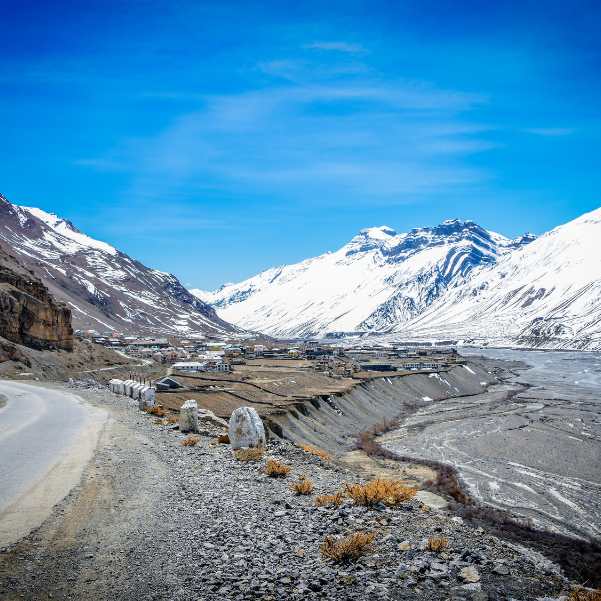
But here is the honest truth: if you are prepared for real winter conditions, Spiti in March can be one of the most quietly extraordinary experiences in the Indian Himalayas. Snow-covered monasteries.
Barely any tourists. Pin-drop silence in villages where the only footprints on the road might be yours. The Spiti River frozen along its banks. And a sky so clear at night that the Milky Way feels uncomfortably close.
The catch? Only one route works. Most of the valley's popular summer stops are either inaccessible or reduced to bare-bones operations. Temperatures in Kaza regularly drop to minus 15 or even minus 20 at night.
And the trip demands a level of flexibility, physical readiness, and comfort with basic conditions that not every traveller is up for.
This guide will help you figure out whether March is the right month for your Spiti trip, which route to take, what is realistically open, and how to plan a trip that actually works on the ground.
If you already know you want to go and just need help putting together a solid plan, browse Travel Coffee's Spiti Valley packages or send us a message on WhatsApp and we will sort it out.
Quick Answers: Spiti Valley in March at a Glance
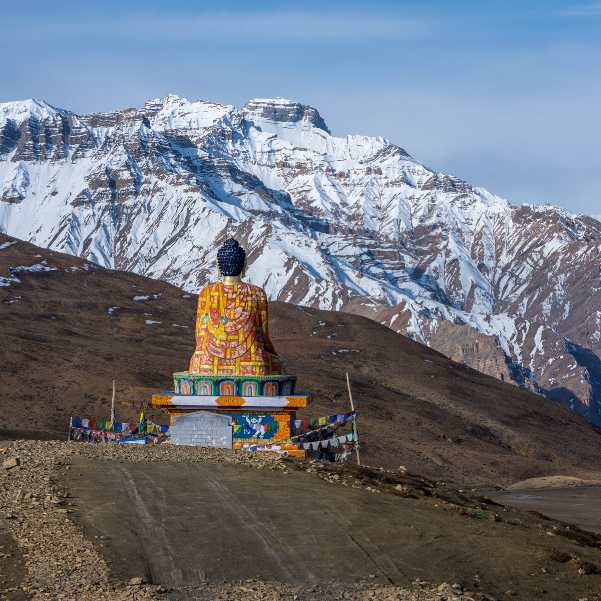
Is Spiti Valley open in March? Yes, Spiti is accessible in March, but only via the Shimla-Kinnaur route (Hindustan-Tibet Highway). The Manali side through Kunzum Pass is closed under deep snow and does not open until late May or June.
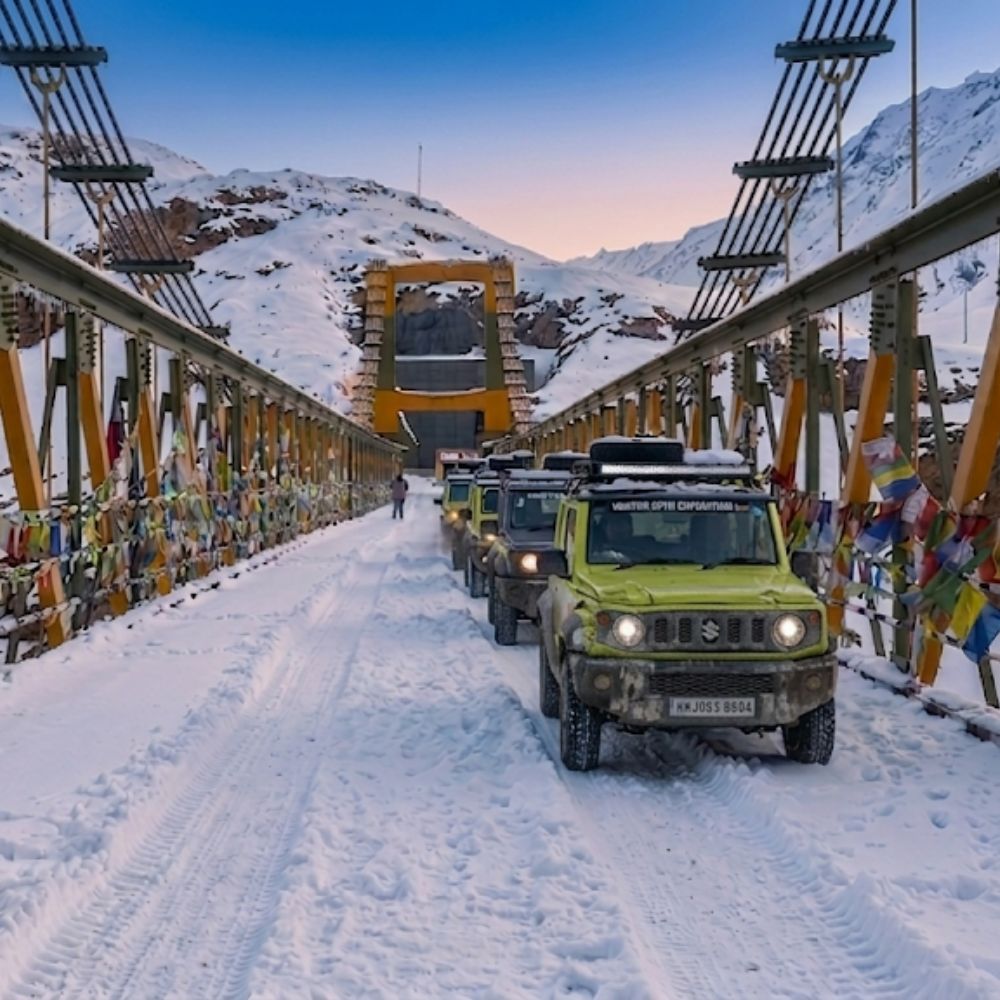
Which route works? Shimla to Kaza via Narkanda, Rampur, Reckong Peo, Nako, and Tabo. This is the only reliable route in March. A 4x4 vehicle is strongly recommended.
What kind of trip is this? A winter expedition. Not a summer sightseeing holiday. Expect sub-zero temperatures, limited accommodation, basic food, frozen water pipes, and occasional road delays due to snowfall. The rewards are massive, but so is the preparation.
Is Chandratal part of a March plan? No. Chandratal Lake sits on the Manali-Kaza stretch near Kunzum Pass, which remains buried under 15 to 20 feet of snow in March. The lake and its access road are closed from late October to early June. If Chandratal is a priority, plan for a summer Spiti circuit with Chandratal instead.
Is Spiti Valley Open in March?
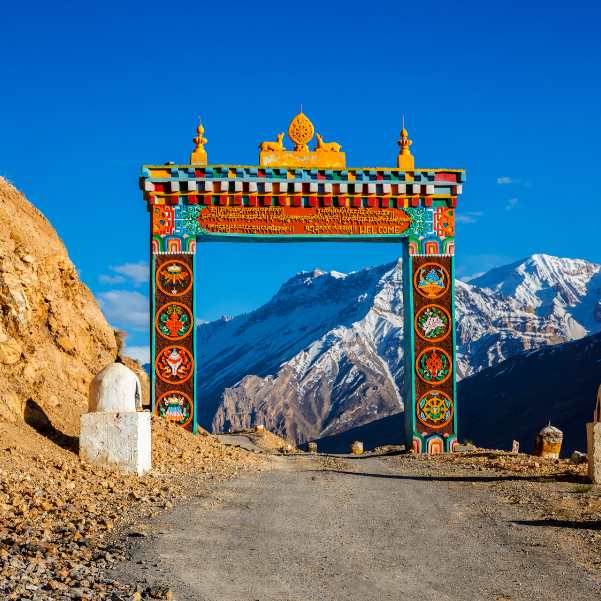
Yes. Spiti Valley is reachable in March, and people do travel there every winter. But the word "open" needs some context.
The Shimla-Kinnaur highway, which runs along the Hindustan-Tibet road through Kinnaur district, remains technically motorable throughout the year.
In March, sections near Nako and between Pooh and Tabo can have ice patches, slush from snowmelt, and occasional fresh snow that temporarily blocks the road. BRO (Border Roads Organisation) and HPPWD crews do clear snow, usually within a day or two.
The Manali-to-Kaza route, on the other hand, is a different story entirely. Both Rohtang Pass and Kunzum Pass (at over 15,000 feet) are under metres of snow.
BRO snow clearance on this stretch typically begins in March or April and the road does not open to traffic until late May at the earliest. In 2025, the Manali-Kaza road opened around late May after standard clearance operations.
So when we say Spiti is open in March, we mean the Shimla side is functional with winter-grade difficulty. The Manali side is out of the question.
Shimla to Spiti vs Manali to Kaza: The March Route Reality
This is probably the single most important thing to understand before planning Spiti in March.
The Shimla-Kinnaur Route (Your Only Real Option)
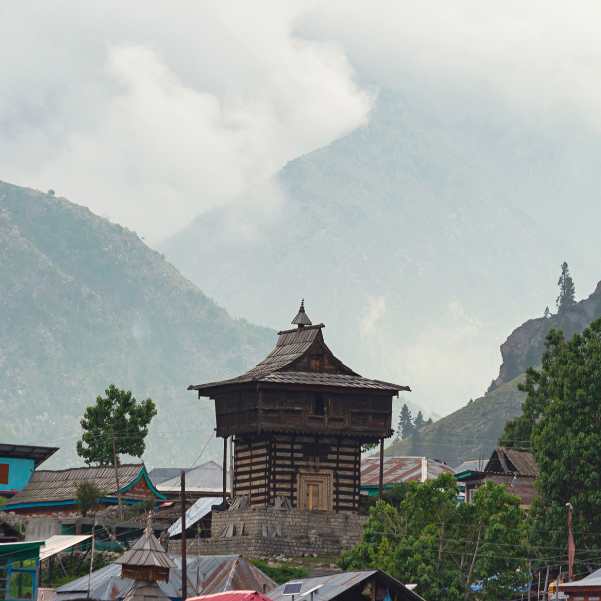
The route runs from Shimla through Narkanda, Rampur Bushahr, Reckong Peo (Kalpa turnoff), Pooh, Nako, Tabo, and finally Kaza. It follows the Sutlej and then the Spiti River and stays at relatively lower elevations compared to the passes on the Manali side.
In March, this road is drivable but demanding. Black ice forms on shadowed stretches, especially early in the morning between Nako and Tabo. Landslide-prone zones near Kinnaur require patience. A good driver with mountain experience is not optional; it is essential.
Travel time from Shimla to Kaza is usually split over two days, with an overnight halt at Reckong Peo or Kalpa. Trying to do it in one push is a bad idea in winter conditions.
One important note: The Sangla Valley detour to Chitkul, which branches off near Karchham, is typically closed or risky until late March or early April.
Do not plan Chitkul as a confirmed stop on a March Spiti trip unless you have very recent local updates confirming the road is clear.
The Manali-Kaza Route (Closed in March)
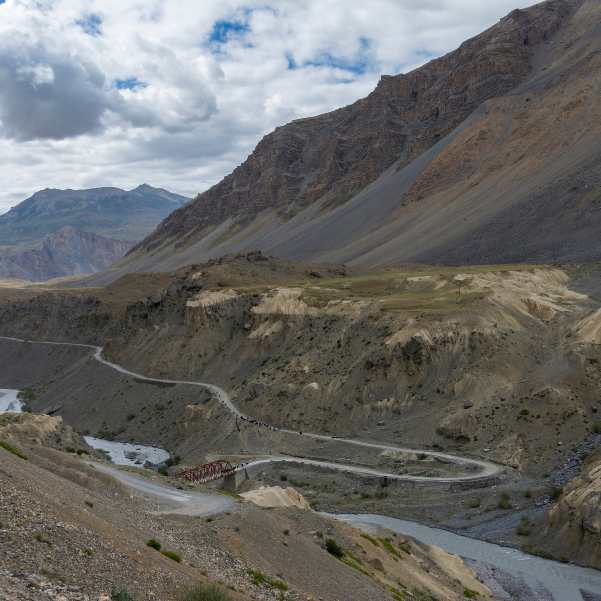
There is no polite way to put this. The Manali-to-Kaza road via Kunzum Pass is closed in March. Fully. The pass sits at over 15,000 feet and is buried under heavy accumulated snow from November onward.
Even the Atal Tunnel, which lets you bypass Rohtang and reach Sissu or Keylong in the Lahaul Valley, does not change this. Beyond Sissu, the road towards Kunzum and Kaza is impassable.
If you are curious about what the Manali side looks like in March, Travel Coffee has a detailed piece on Rohtang Pass in March that explains the conditions.
And if you are interested in the Lahaul side for a snow experience without the full Spiti expedition, Sissu Valley in March is worth reading too.
Spiti Valley Weather in March: Temperature, Snowfall, and What to Actually Expect
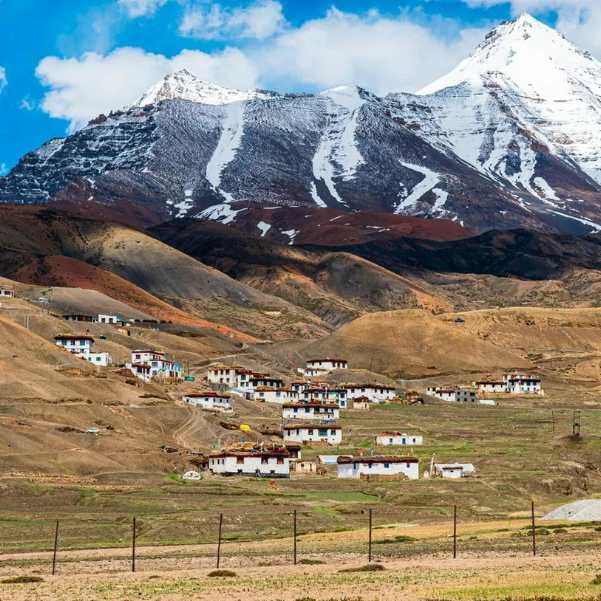
March in Spiti is the tail end of a very long winter. The valley is still locked in deep cold, but there is a noticeable shift as the month progresses.
Daytime
When the sun is out and the sky is clear (which happens often in Spiti, since it is a rain-shadow desert), daytime temperatures in Kaza can reach 0 to 5 degrees Celsius by mid-March.
In direct sunshine around noon, it can even feel deceptively warm, enough to shed a layer or two. But the moment you step into shade or the wind picks up, the cold hits hard and fast.
Nighttime
This is where March in Spiti shows its teeth. Overnight temperatures in Kaza range between minus 10 and minus 20 degrees Celsius.
In early March, the cold is more severe, and even by late March, you are still looking at minus 8 to minus 12 on most nights. Higher villages like Langza, Komic, or Hikkim will be colder still.
Snowfall
Fresh snowfall is absolutely possible in March. Some years see significant dumps even in mid-March that can temporarily block roads for a day or two. This is exactly why you need buffer days in your itinerary.
The valley itself does not receive as much snow as the passes, but when it does snow in Kaza or Tabo, it transforms the landscape completely.
The Sun Factor
One thing people do not expect is how intense the sun is at this altitude. Even in freezing temperatures, the UV at 12,000 feet is fierce. Sunburn in sub-zero weather is real. High-SPF sunscreen and good sunglasses are non-negotiable.
What Is Open and What Stays Closed in March
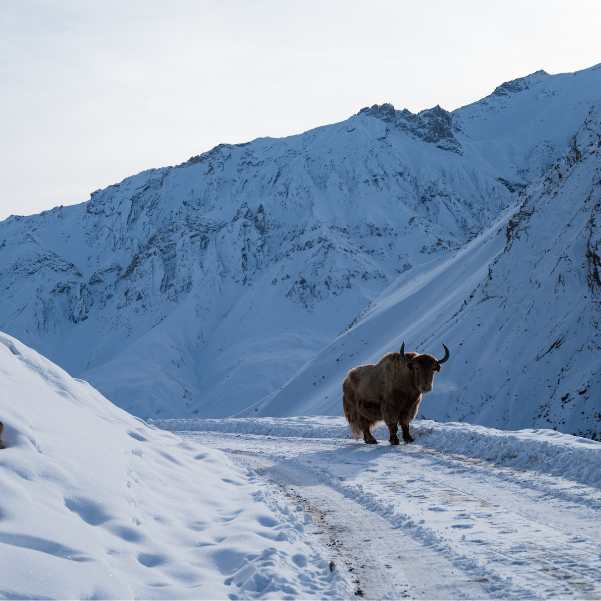
Usually Accessible
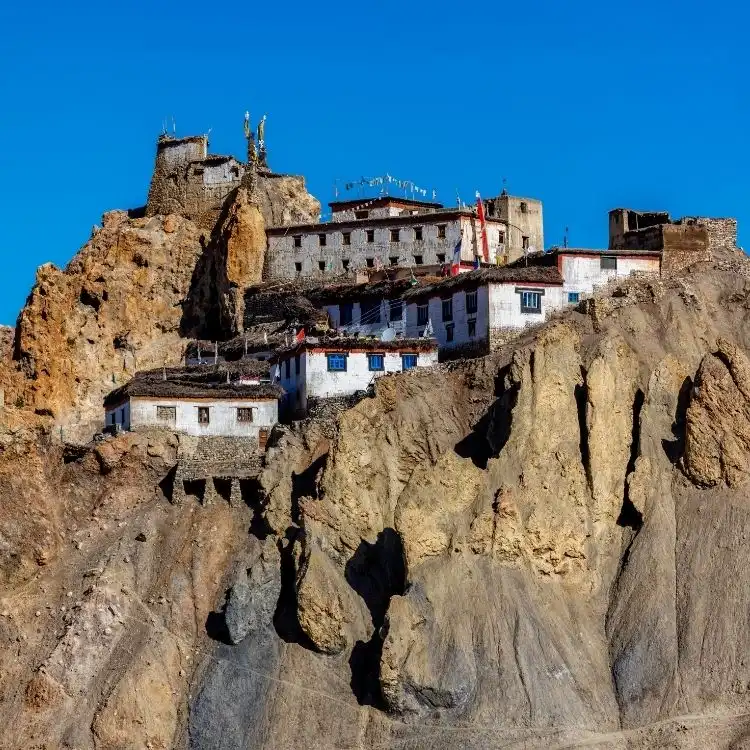
Kaza is reachable and functions as the base for winter Spiti travel. Key Monastery (about 12 km from Kaza) is usually reachable, though the last stretch can be icy.
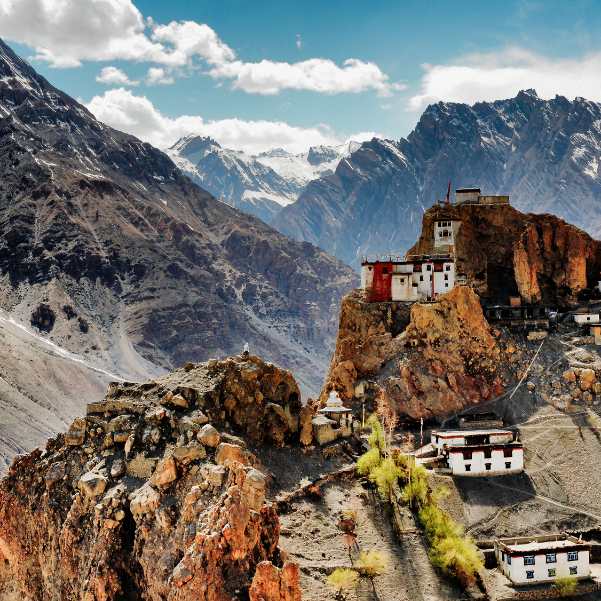
Tabo, with its ancient monastery, is on the main highway and accessible. Dhankar Monastery is a short drive from the highway, and the road is generally passable.
Kibber (14 km from Kaza) has decent odds, though ice can form on shadowed sections near the monastery.
Likely Closed or Very Difficult
Pin Valley is usually inaccessible until late April or May. Hikkim and Komic access depends entirely on recent snowfall; the roads to these high villages get buried and are not always cleared promptly.
Langza can sometimes be reached on clear days, but should never be assumed as a guaranteed stop. Chandratal Lake is completely closed and under heavy snow. Chitkul and Sangla Valley are typically closed until late March or April.
The honest approach in March is to plan your must-visits around Kaza, Key, Tabo, and Dhankar, and treat anything beyond that as a bonus if conditions allow.
Is March a Good Time to Visit Spiti Valley?
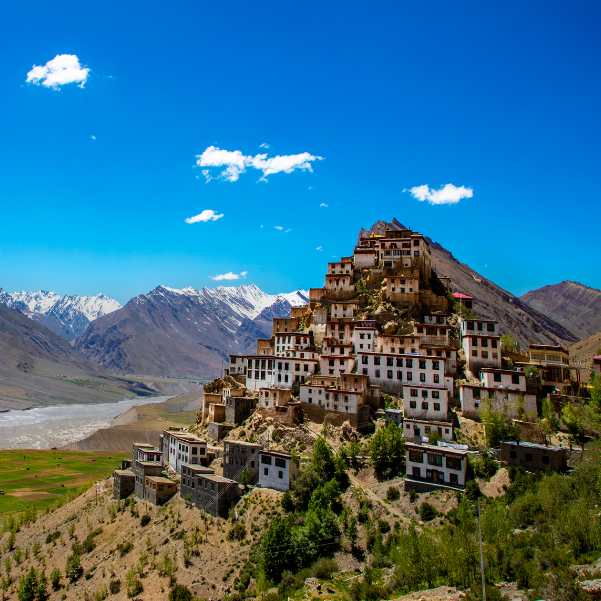
It depends entirely on what you want from the trip.
March Is Great If You Want
A raw, quiet, winter version of Spiti with almost no tourists. Snow-covered monasteries and frozen landscapes that look nothing like the summer photos.
Some of the clearest night skies in India for stargazing and astrophotography (Langza and Komic are classified as Bortle Class 1 dark sky zones).
A sense of genuine remoteness and solitude that summer Spiti no longer offers. The cultural authenticity of seeing how Spitian communities actually live through winter.
March Is Not Great If You Want
The full Spiti circuit including Chandratal, Pin Valley, and the Manali loop. Comfortable hotels with reliable hot water and heating. Easy, flexible, drive-wherever-you-want exploration. Mild weather and smooth roads.
There is no judgment either way. Some travellers thrive on the winter version. Others would be genuinely miserable. Knowing which camp you fall into before booking is more important than any packing list.
Reach out to Travel Coffee on WhatsApp if you would like help figuring out whether a March trip suits your travel style, or if a different month would be better.
Who Should Visit Spiti in March
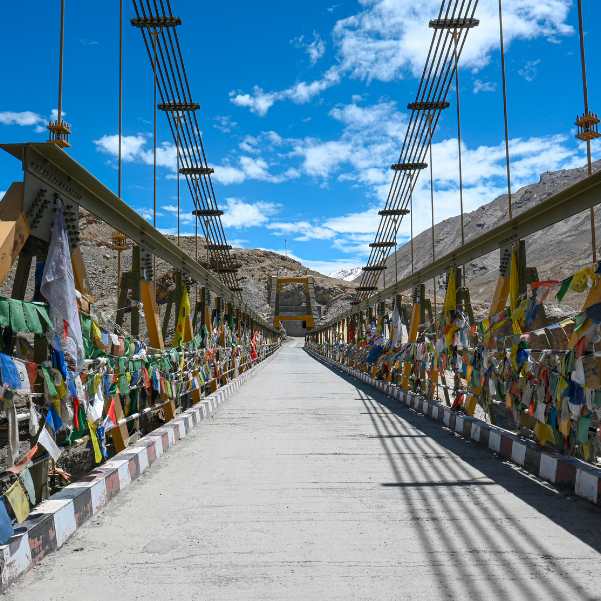
Photographers looking for dramatic winter landscapes and night sky opportunities. Couples or small groups who genuinely enjoy adventure travel and are comfortable with basic conditions.
Experienced Himalayan travellers who have done at least one winter or high-altitude trip before. People who value solitude and do not mind a stripped-back experience.
Who Should Probably Skip March
First-time mountain travellers with no experience in cold or altitude. Families with young children or elderly members. Anyone with respiratory conditions, as the cold, dry air at 12,000 feet is tough on the lungs.
Travellers who expect the full Spiti circuit to be available. People who are not comfortable with dry toilets, limited food options, or unpredictable delays.
This is not gatekeeping. Spiti in winter is genuinely demanding, and a mismatched trip helps nobody. If summer works better for you, Travel Coffee runs comprehensive Spiti Valley tours from Delhi that cover the full circuit with much better conditions.
Can Beginners Do Spiti in March?
Technically, yes. But with serious caveats.
You do not need mountaineering skills or extreme fitness. The trip is road-based, not a trek. But you do need to handle altitude (Kaza sits at around 12,500 feet), tolerate genuine cold, and accept that conditions will be basic.
If you are a beginner but determined to go in March, travel with an experienced operator who knows winter Spiti logistics.
Do not try to organize this independently on your first attempt. A well-planned winter Spiti circuit with local driver support and pre-arranged homestays makes a huge difference compared to figuring it out on the road in sub-zero conditions.
Can You Self-Drive or Ride a Bike to Spiti in March?
Self-Driving
Possible, but only in a capable 4x4 with a driver experienced in Himalayan winter roads. This is not a trip for someone driving their first SUV up a mountain highway.
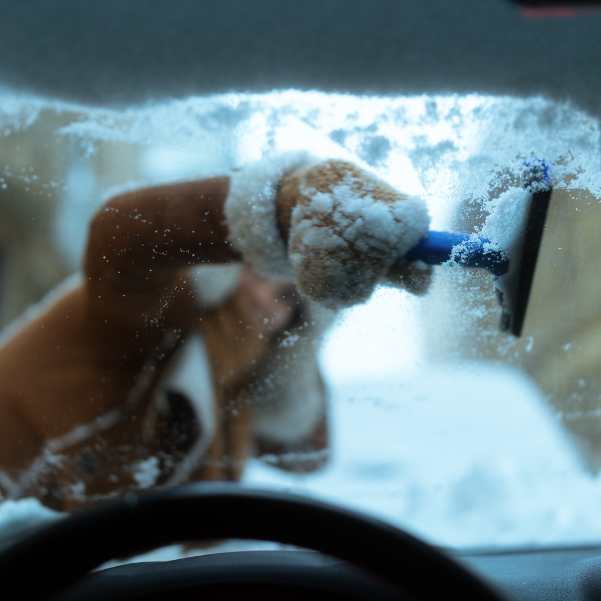
Black ice, narrow stretches without guardrails, and sudden weather changes make winter driving in Kinnaur-Spiti genuinely risky for inexperienced drivers. Snow chains should be carried even if you hope you will not need them.
Bike Trip
Not advisable. Riding a motorcycle to Spiti in March is an extreme undertaking. The cold alone is punishing on a bike.
Add icy roads, limited daylight, frozen fuel lines, and the near-total absence of mechanics or fuel stations along the winter route, and you have a recipe for a trip that is more survival exercise than adventure ride.
If a bike trip to Spiti is the dream, plan for July or August when conditions are far more rideable.
A Realistic Spiti Valley Itinerary for March
Here is a practical 8 to 9 day plan that works in March conditions. This is based on the Shimla-Kinnaur approach and focuses on what is actually accessible.
Day 1
Arrive in Shimla. Rest and acclimatize. Pick up any last-minute thermals or supplies from Shimla's Mall Road shops.
Day 2
Shimla to Reckong Peo or Kalpa (approx 7 to 9 hours). Drive through Narkanda and Rampur along the Sutlej. Overnight in Kalpa if the road is clear, or Reckong Peo if you are running late.
Day 3
Reckong Peo/Kalpa to Nako or Tabo (approx 6 to 8 hours). One of the most dramatic drives in India, through the Kinnaur-Spiti transition zone. Nako's frozen lake in winter is beautiful. Some travellers push on to Tabo.
Day 4
Tabo to Kaza (approx 2 to 3 hours). Visit Tabo Monastery in the morning, one of the oldest Buddhist monasteries in the Himalayas, founded over a thousand years ago.
The mud-walled monastery complex feels otherworldly in winter silence. Reach Kaza by afternoon.
Day 5
Kaza. Explore the town, visit the local market, and adjust to the altitude. Kaza's New Monastery is worth a visit. If weather permits, drive up to Kibber for views across the valley.
Day 6
Key Monastery and surroundings. Key Gompa perched on its hilltop with snow all around is one of the most iconic sights in Spiti.
On a clear day, the drive from Kaza to Key and back is comfortable. If Hikkim or Langza roads are open (check with locals the morning of), you can attempt a visit, but do not count on it.
Day 7
Buffer day in Kaza or attempt an additional village. This is your insurance day. If weather delayed you earlier, this day absorbs the disruption.
If everything went smoothly, use it for a relaxed exploration of Kaza or a second attempt at a village that was inaccessible earlier. Evenings in Kaza are also prime time for stargazing if skies are clear.
Day 8
Kaza to Reckong Peo/Kalpa (full day drive, reverse route).
Day 9
Reckong Peo/Kalpa to Shimla. Drive back. Evening in Shimla.
This itinerary is realistic. It accounts for altitude, road conditions, and the unpredictability of March weather. Trying to cram more into fewer days is how people end up stranded or sick.
Travel Coffee offers well-structured winter itineraries that handle all the logistics. The Winter Spiti Circuit (9D/8N) and the 4x4 Winter Spiti Expedition are both designed specifically for this season.
If you are coming from Delhi and want the full route planned end-to-end, the Kinnaur Spiti Winter Circuit (10D/9N) covers the Delhi-Shimla leg as well.
Message Travel Coffee on WhatsApp to get a customized itinerary based on your dates and group size.
Explore Our Curated Spiti Valley Packages
 Group Tour10D/9N
Full Spiti Valley Circuit With Chandratal
1D Narkanda•1D Sangla+5
₹29,999₹32,999SAVE INR 3,000/ person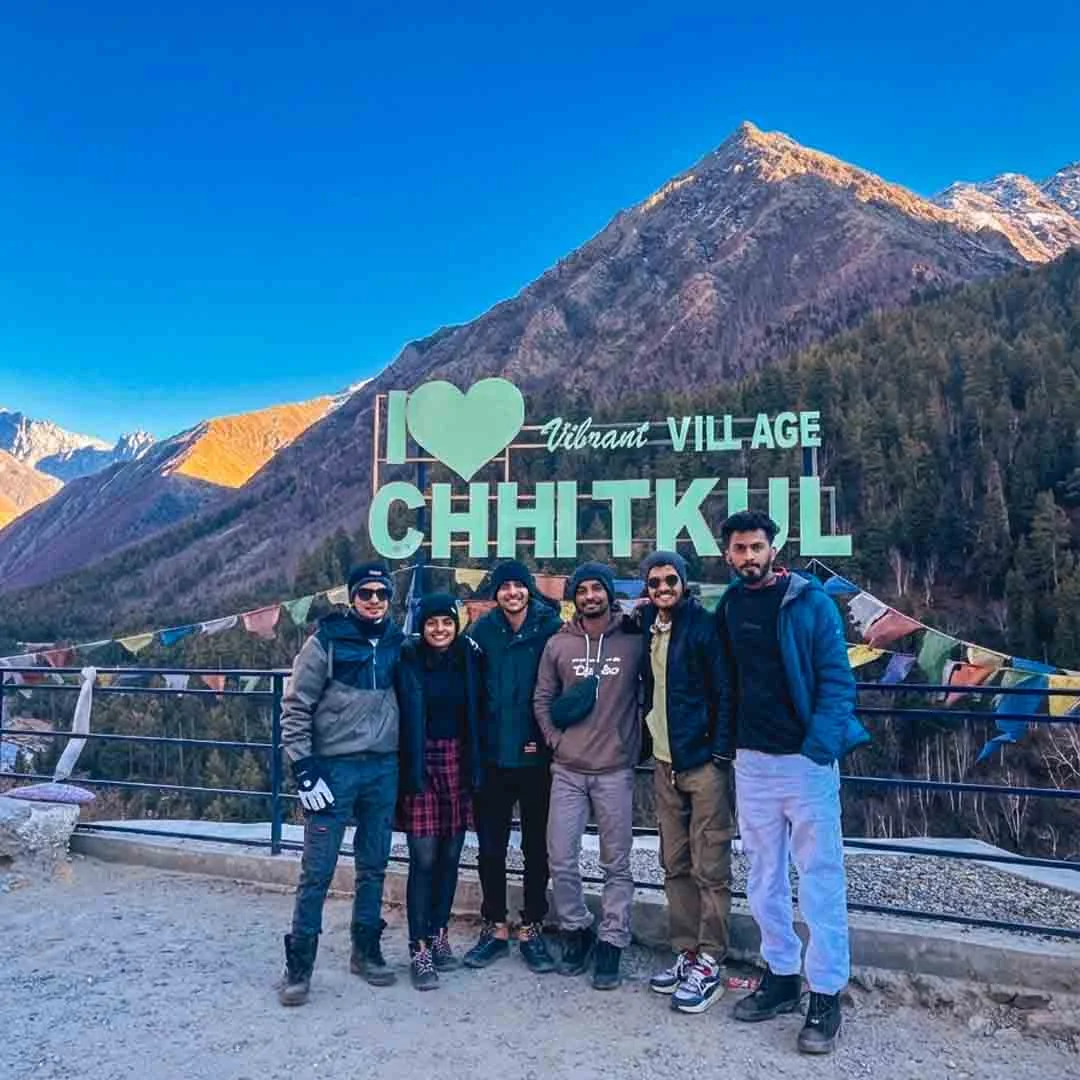 Group Tour9D/8N
Best Selling Winter Spiti Valley Group Tour
2D Sangla•1D Tabo+2
₹18,999₹23,999SAVE INR 5,000/ person
What to Pack for Spiti in March

Packing for March Spiti is packing for genuine winter. Not "Delhi winter with a puffer jacket" winter. Proper, high-altitude, sub-zero winter.
Clothing
Multiple thermal layers (merino wool base layers are worth the investment). A serious down jacket or a well-insulated expedition-grade parka. Fleece mid-layers. Windproof and waterproof outer shell.
Warm trekking pants or insulated cargo pants. Thick wool socks, at least 3 to 4 pairs. Insulated waterproof boots with good grip. Balaclava or neck gaiter. Warm gloves and a backup pair. Sunglasses with UV protection (snow glare is brutal).
Essentials
High-SPF sunscreen (SPF 50+) and lip balm with SPF. A quality headlamp with extra batteries (power cuts are frequent). Portable power bank (cold drains batteries fast, keep it inside your jacket).
Basic medicines including Diamox if you are altitude-prone (consult your doctor). Hand and toe warmers (the disposable kind) are surprisingly useful. A good sleeping bag rated to minus 10 or lower if you are staying in homestays.
Dry snacks and energy bars because meal timing can be unpredictable. Sufficient cash, as ATMs are unreliable and card payments do not exist in most of Spiti.
Do Not Bother Bringing
Formal clothes or anything that is not functional. Cotton layers (cotton kills in cold, wet conditions). Large suitcases (carry a good backpack or duffel instead). Expectations of charging your phone every night.
Hotels, Food, Hot Water, Electricity, ATMs, and Network Reality
Accommodation
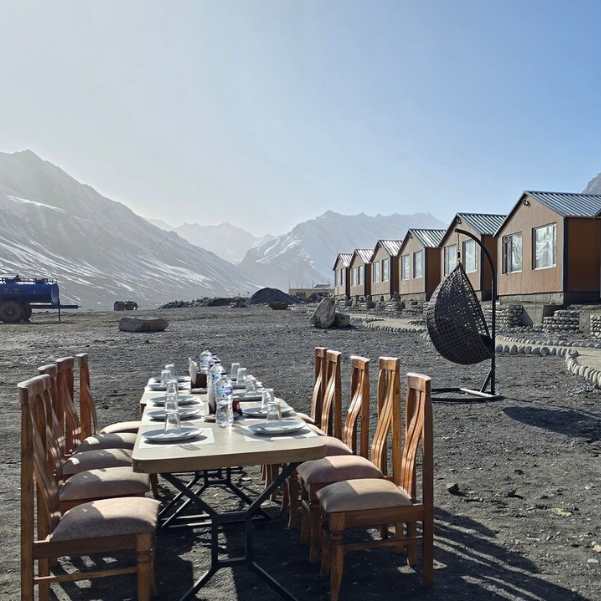
Most of Spiti's hotels and guesthouses shut for winter. In Kaza, a handful of homestays and guesthouses remain open.
Some have bukhari (wood-burning stove) heating in common areas, but rooms themselves can be bitterly cold. In Tabo and Nako, options are even more limited. Pre-booking is essential because you cannot just show up and find a place.
Food
Expect simple, home-cooked meals. Dal, rice, thukpa (Tibetan noodle soup), momos, and bread are typical winter fare. In Kaza, a few eateries may be open, but do not expect the cafe culture you see in summer blog posts. Carry your own snacks and instant food as backup.
Hot Water
Frozen pipes are a daily reality from December through March. Many homestays will give you a bucket of heated water for washing, but hot showers as you know them are rare. Dry composting toilets are common in the more remote homestays. Come prepared mentally.
Electricity
Power cuts happen regularly, sometimes lasting hours. A headlamp and a power bank are necessities, not luxuries.
ATMs and Cash
Kaza has one or two ATMs, but they are frequently non-functional in winter due to connectivity issues or cash depletion.
Carry enough cash from Shimla or Reckong Peo to cover your entire Spiti stay. Rs 5,000 to Rs 8,000 per person is a reasonable buffer, more if you plan to buy local handicrafts.
Mobile Network
BSNL has the widest reach in Spiti, but even that is patchy. Jio and Airtel work in parts of Kinnaur but drop off as you enter the Spiti Valley.
In Kaza, you may get intermittent BSNL signal. Treat this trip as a digital detox because you will not have much choice.
Is Chandratal Open in March?
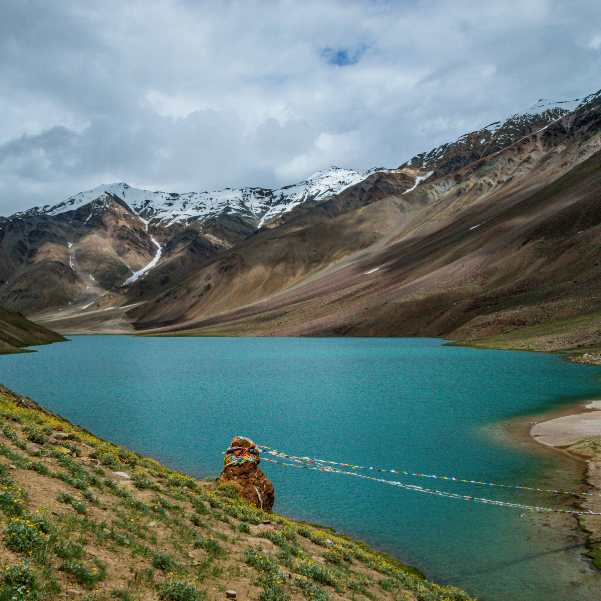
No. Chandratal Lake is completely inaccessible in March.
The lake sits at around 14,100 feet near Kunzum Pass on the Manali-Kaza route. The entire area is under deep snow from late October through early June, and there is no road access. Even in early June, access depends on BRO clearing the Kunzum stretch.
If Chandratal is important to your Spiti plans, you need to visit between mid-June and early October. Travel Coffee's summer Spiti circuit with Chandratal is designed around peak-season access when the lake and the full circuit are both open.
Travel Tips That Actually Matter in March

Keep 1 to 2 buffer days in your itinerary. Fresh snowfall can block the Shimla-Kaza road for a day. If your schedule is rigid, you risk getting stuck or having to cut the trip short.
Acclimatize properly. Kaza is at roughly 12,500 feet. Rushing up from the plains without halts at Kalpa or Nako is asking for altitude sickness. Headaches, nausea, and breathlessness are common if you climb too fast.
Start drives early. Ice on the roads is worst in the morning but roads also become slushy as snow melts in afternoon sun. The sweet spot is usually starting by 7 to 8 AM.
Listen to local drivers and homestay hosts. If a local tells you a village road is not safe today, believe them. They have been navigating these mountains for decades.
Do not drink alcohol at altitude in cold weather. It dilates blood vessels and accelerates heat loss. It also worsens altitude sickness. Save the celebration for when you are back in Shimla.
Carry a basic first-aid kit. The nearest proper hospital is in Reckong Peo, many hours from Kaza. Diamox, basic painkillers, ORS, band-aids, antiseptic, and any personal medication should be in your bag.
Respect the monastery timings. Winter schedules at Key and Tabo monasteries differ from summer. Monks are often in prayer or retreat. Ask before entering and maintain silence inside.
Final Verdict: Should You Go to Spiti in March?
If you want a polished, comfortable, full-circuit Spiti experience with Chandratal, riverside cafes, and smooth summer roads, March is the wrong month. Wait for June.
But if you want something different. Something quieter, colder, more honest. A version of Spiti that most travellers never see because they only come when conditions are easy. Then March might be exactly the right time.
You will see Key Monastery dusted in snow against a razor-blue sky. You will drink butter tea in a homestay kitchen while a bukhari crackles in the corner. You will walk through Kaza's empty streets in the kind of silence that city life strips from you.
And you will come back with a trip that does not look like everyone else's Instagram grid.
It is not comfortable. It is not easy. And that is precisely the point.
Plan Your March Spiti Trip with Travel Coffee
If this article helped you decide that March is your month, the next step is simple. Travel Coffee specializes in winter Spiti trips with experienced local drivers, vetted homestays, and itineraries built around what actually works on the ground in winter, not what looks good in a brochure.
We are based in Himachal. We know the roads. We know the homestay owners by name. And we will tell you honestly if March is right for your group or if another month would serve you better.
Send us a message on WhatsApp with your dates, group size, and what you are hoping for. No spam. No pressure. Just a real conversation about making your Spiti trip work.
Related topics
Frequently Asked Questions
Can we go to Spiti Valley in March?
Yes. Spiti Valley is accessible in March via the Shimla-Kinnaur route. The Manali-Kaza route through Kunzum Pass is closed. You need a 4x4 vehicle, warm clothing, and a flexible itinerary with buffer days.
Is the road from Manali to Kaza open in March?
No. The Manali-Kaza road via Kunzum Pass remains closed under heavy snow from approximately November through late May. BRO snow clearance operations typically begin in March-April but the road is not open to traffic until late May or June.
What is the temperature in Kaza in March?
Daytime temperatures in Kaza range from minus 5 to plus 5 degrees Celsius depending on sun exposure. Nighttime temperatures drop significantly, typically between minus 10 and minus 20 degrees Celsius, with early March being colder than late March.
Does it snow in Spiti Valley in March?
Yes. Fresh snowfall is possible throughout March. The valley receives less snow than the high passes, but periodic snowfall in Kaza, Tabo, and surrounding areas is common and can temporarily block roads.
Is Chandratal Lake open in March?
No. Chandratal is located near Kunzum Pass on the Manali-Kaza route and is completely buried under snow in March. It typically opens in mid-June and closes by October.
Can I ride a bike to Spiti in March?
It is extremely difficult and not recommended. Icy roads, sub-zero temperatures, frozen fuel lines, and the absence of roadside support make a motorcycle trip to Spiti in March more dangerous than adventurous. Plan a bike trip for July or August instead.
How many days do I need for Spiti in March?
A minimum of 8 to 9 days is recommended, including travel from and back to Shimla, with at least one buffer day for weather-related delays. Shorter trips risk being too rushed to enjoy anything or getting stranded.
Are hotels open in Spiti in March?
Most hotels close for winter. A limited number of homestays and guesthouses in Kaza and Tabo remain open. Pre-booking is essential. Expect basic facilities, limited or no hot water, and occasional power cuts.
Is it safe to visit Spiti in March?
Spiti in March is safe for well-prepared travellers with a reliable vehicle, experienced driver, proper clothing, and a flexible schedule. The main risks come from icy roads, altitude sickness, and cold-related health issues, all of which can be managed with planning and common sense.
What should I pack for a March Spiti trip?
Heavy winter layers including thermals, a down jacket, waterproof boots, gloves, balaclava, high-SPF sunscreen, a headlamp, power bank, cash, basic medicines, and a sleeping bag rated to at least minus 10 degrees. Cotton clothing should be avoided entirely.
Is there mobile network in Spiti in March?
BSNL has limited coverage in Kaza and along parts of the route. Jio and Airtel work through most of Kinnaur but drop off as you enter Spiti. Expect minimal to no connectivity for most of the trip.
Can beginners visit Spiti in March?
It is possible but challenging. First-time mountain travellers should only attempt a March Spiti trip with an experienced tour operator who handles logistics, arranges reliable transport, and knows winter-specific homestay options.
Is March the best time to visit Spiti Valley?
March is the best time for a winter Spiti experience, but not the best time for a full Spiti circuit. If you want to see everything Spiti has to offer with the most comfortable conditions, June to September is the standard recommendation. March is ideal for those specifically seeking snow, solitude, and a raw winter landscape.
How do I reach Spiti from Delhi in March?
Take an overnight bus or drive from Delhi to Shimla (roughly 8 to 10 hours). From Shimla, the road to Kaza via the Kinnaur route takes about two days with an overnight halt at Reckong Peo or Kalpa. Travel Coffee offers complete packages from Delhi that cover the full journey logistics.
More about Lahaul and Spiti
 Lahaul and Spiti
Rent or Buy Winter Gear for Spiti in 2026? Jackets, Boots, Costs and Pickup Options
Planning a Winter Spiti trip in 2026? Compare the cost of renting vs buying jackets, snow boots, thermals and other essential winter gear, along with practical tips on what to rent, what to buy and where to arrange it before your trip.
- First-Time Travellers
- Snow Travel
 Lahaul and Spiti
Winter Spiti 4×4 Seating Guide 2026: Jimny, Scorpio N, Thar and Hilux for Passengers and Luggage
Planning a Winter Spiti trip in 2026? This practical 4×4 seating guide compares the Jimny, Scorpio N, Thar and Hilux for passenger comfort, luggage space, winter roads and long mountain drives, helping you choose the right vehicle for your group size and travel style.
- Road Trips
- Snow Travel
 Lahaul and Spiti
Stargazing in Winter Spiti 2026: Where to Stay, Moonlight and What You Can See
Discover the best places for stargazing in Winter Spiti 2026, where to stay for darker skies and how moonlight affects visibility. Learn what you can realistically see from Kaza, Tabo and nearby villages during the winter months.
- Things to Do
- Snow Travel