
Rohtang Pass in November 2026: Is It Open, Snowfall, Closing Status and Alternatives
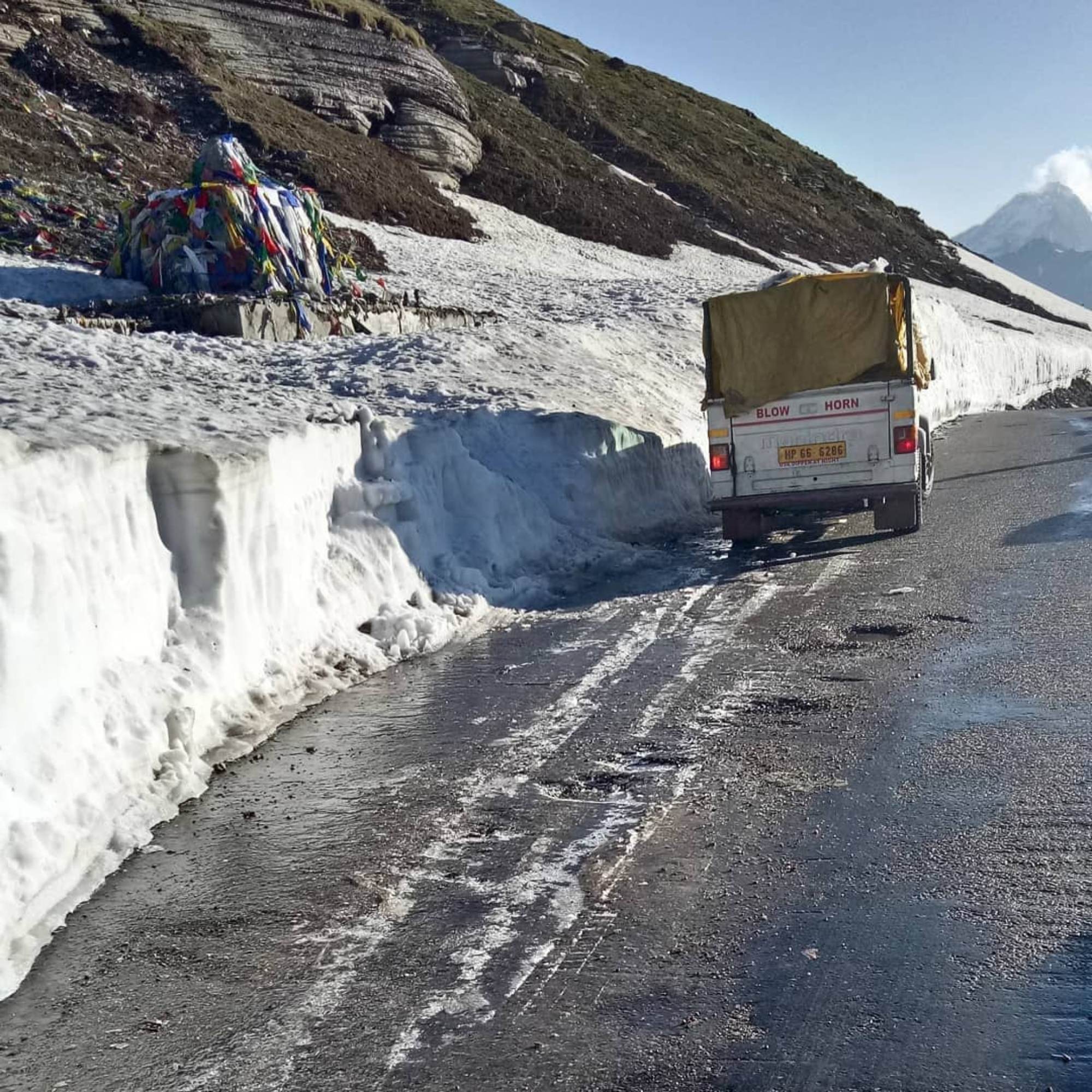
If you are trying to figure out whether Rohtang Pass in November is worth planning around, here is the honest truth most blogs will not tell you.
November is the closing window. The pass might let you through in the first week, or it might shut with barely a day's notice.
We run trips on this road every season, and November is the month we get the most anxious calls. People book flights, drive up from Delhi, and then find the barrier down at Gulaba.
This guide by Travel Coffee walks you through what "open" actually means, how to check the live status, what the permit rules are, and where to go when Rohtang says no.
Quick Answer: Is Rohtang Pass Open in November 2026?
Early-November access to Rohtang Pass may be possible if the weather stays clear, but nothing is guaranteed for the full month. Snowfall, black ice, BRO recommendations and District Administration orders can close or restrict the road fast.
Before you leave Manali, check the permit portal, official road restrictions and local conditions on the ground. Do not trust a two-week-old blog post.
Every November trip to Rohtang needs a backup plan. If you cannot accept Solang Valley or Sissu as a substitute, pick a safer month.
If you want a team that adjusts the plan to the actual road situation, our Rohtang Pass tour packages are built with that flexibility in mind.
Is Rohtang Pass Open in Early, Mid or Late November?
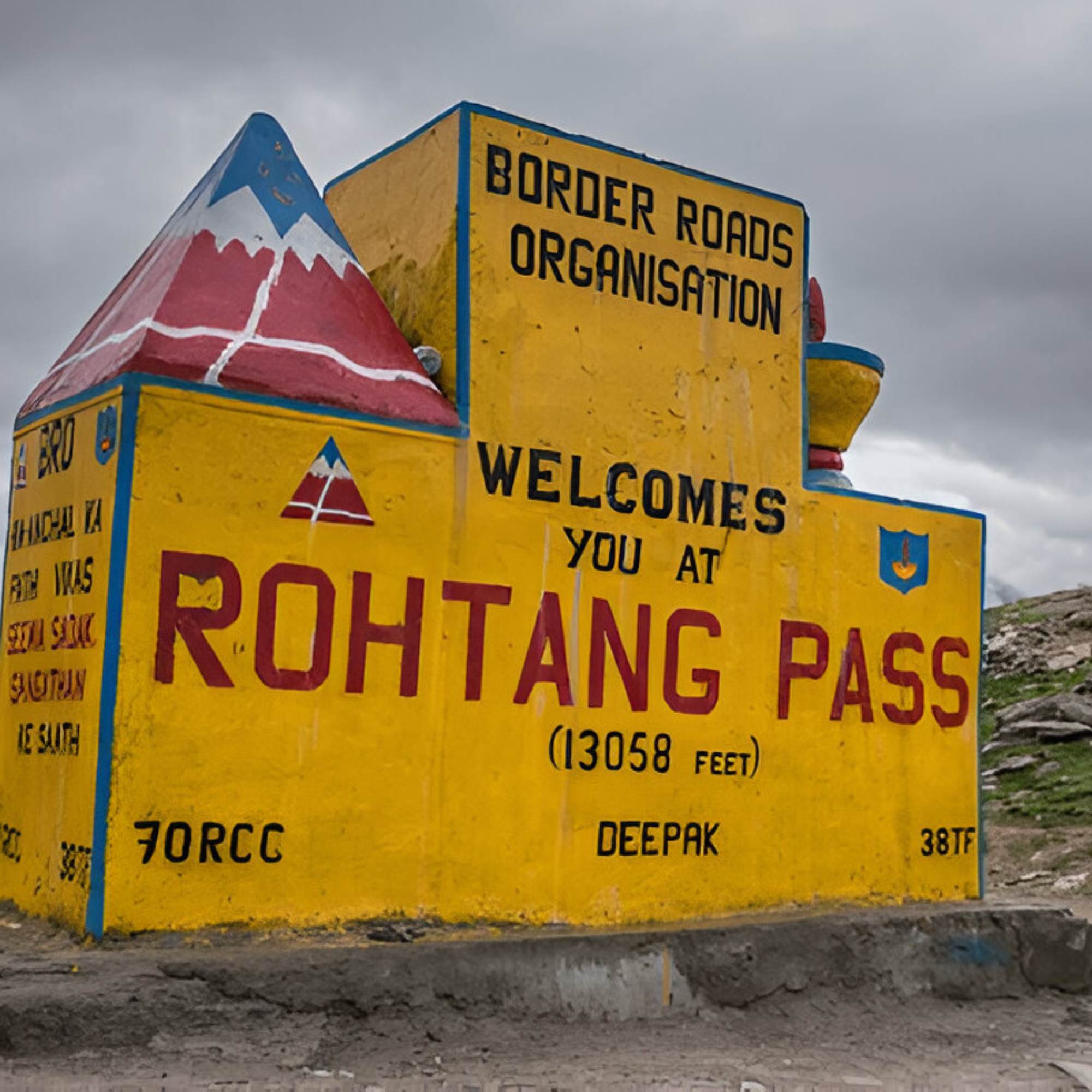
The month is not one single thing. Your chances change week by week, and honestly, day by day near the end.
First Week of November
The first week usually gives you the best shot within the month. But even then, access depends on permits, road inspection, fresh snow and ice on the higher stretches.
This is not a safe bet and not always open. It is simply the least risky window in a risky month.
What most tourists get wrong is assuming early November equals guaranteed Rohtang Top. It does not. A single overnight snowfall can flip the situation before your alarm rings.
Middle of November
As the month moves on, the closure risk climbs. Cold nights start leaving black ice on the road, and that is what worries the authorities most.
Here is a real example. In 2025, a report said BRO recommended stopping movement on the Gulaba-Rohtang stretch after November 20, citing possible snowfall, black ice and blocked-road risk.
Treat that as a historical example, not a fixed rule. It shows how quickly caution kicks in mid-month, not a date you can rely on.
Last Week of November
This is high-risk territory. Expect a real chance of a full closure, a partial opening only up to a lower barrier, or a vehicle restriction.
The official example here is clear. On November 30, 2024, the District Magistrate order restricted traffic beyond Gulaba because of black ice and sub-zero temperatures.
In our experience, families who plan the last week around Rohtang Top often end up disappointed. We steer them toward Solang and Atal Tunnel from the start so the trip does not collapse.
What Does "Rohtang Pass Is Open" Actually Mean?
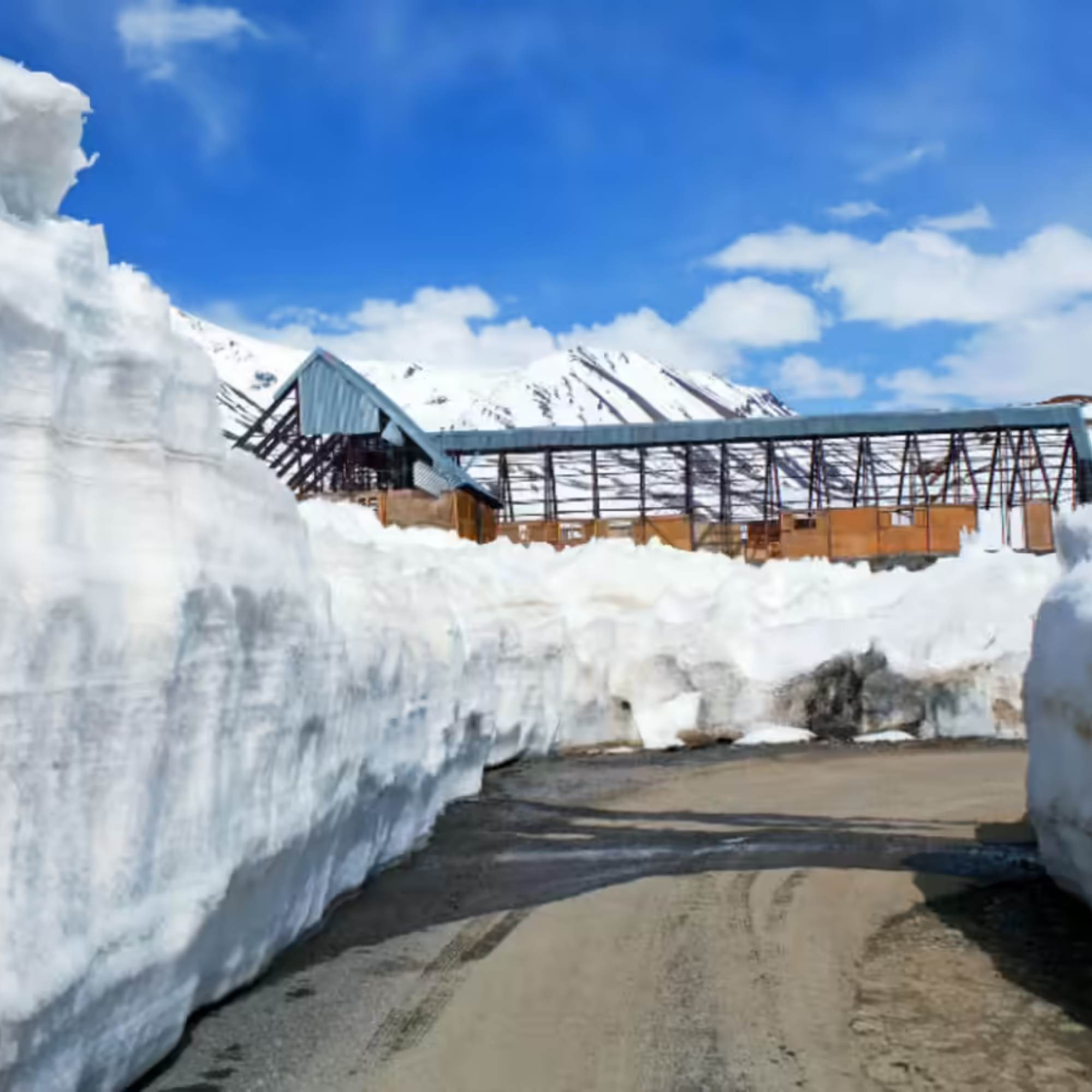
This phrase confuses more travellers than anything else. An "open" update can mean very different things depending on who said it.
It might mean full tourist access all the way to Rohtang Top. It might mean partial access only up to Marhi or Gulaba. Or it might mean travel through Atal Tunnel toward Lahaul, which does not touch Rohtang Top at all.
Police may allow only certain vehicles, only certain hours, or only one direction of movement. A green light for locals is not always a green light for tourist cars.
Here is the trap
A photo of fresh snow at Rohtang on social media does not prove that ordinary tourist vehicles can reach the summit that day. Someone may have shot it from Atal Tunnel or from a permitted lower point.
When Does Rohtang Pass Usually Close for Winter?
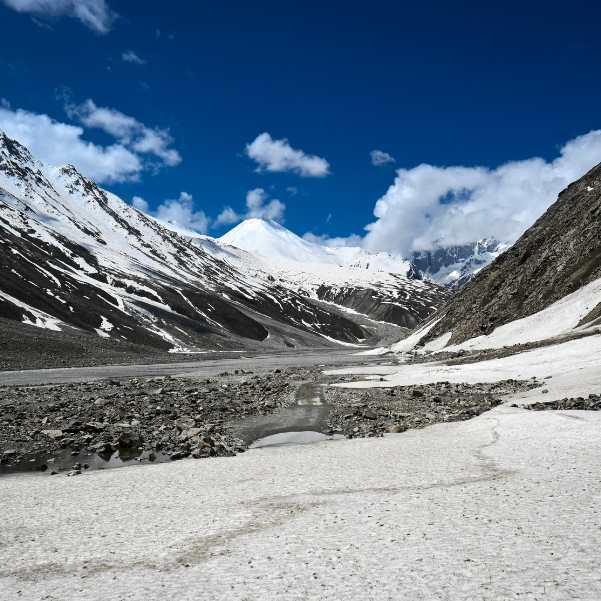
There is no dependable fixed annual date. Anyone who tells you Rohtang always closes on a specific day is guessing.
BRO and the District Administration review snowfall, ice, the actual road condition and the danger of vehicles getting stranded. Then they decide.
In 2024, they closed the road beyond Gulaba on November 30 because of black ice and sub-zero temperatures.
In 2025, reports first described a November 20 restriction recommendation, and then later dry conditions led to changing and limited access from the Manali side.
Notice what that tells you. Restrictions shift. One order can be replaced by another as the weather turns. That is exactly why you check the current status and not last year's news.
For a sense of how the pass behaves in different months, we have written detailed guides on Rohtang Pass in August, Rohtang Pass in September, and Rohtang Pass in October.
Will You Find Snow at Rohtang Pass in November?
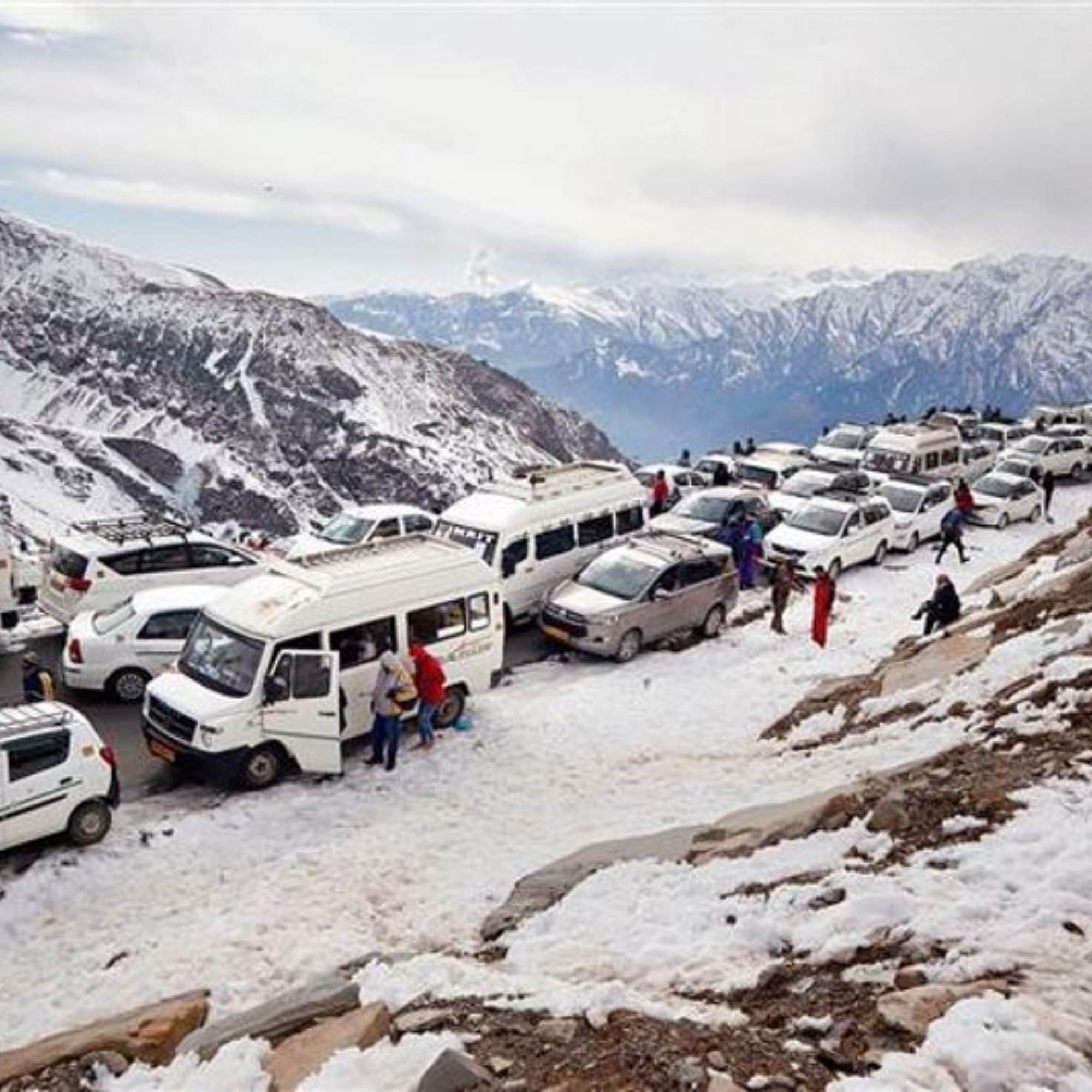
Let us separate a few things, because "snow" means four different things to four different travellers.
There is fresh snowfall while you are there. There is snow lying beside the road from an earlier fall. There are old patchy remnants. And there are distant snow-covered peaks you only photograph from far.
Fresh snowfall is possible in November, but it is not guaranteed. Some years deliver it early, some years stay stubbornly dry.
Light snow was reported around Rohtang, Marhi and the Atal Tunnel area on November 23, 2024. That is a past example, not a promise for your dates.
Compare that to 2025, reported as unusually dry. One year genuinely cannot predict the next.
Here is the cruel part of November snow. Fresh snowfall can bring exactly the experience you came for while closing the very road you need to reach it.
What Is the Rohtang Pass November Weather Like?
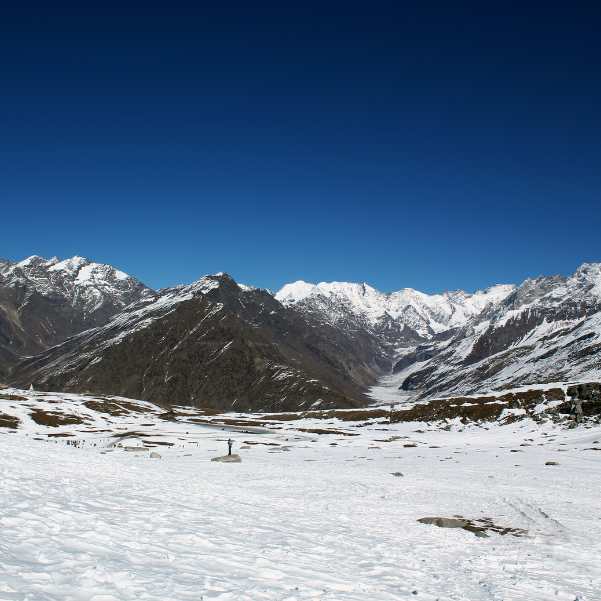
The only official long-term reference we have is for Manali town, so read this carefully.
The IMD 1971-2000 values for Manali in November are a mean daily minimum of 1.5°C, a mean daily maximum of 18.4°C, 43 mm of rainfall and 2.8 rainy days.
Now the important bit. Those numbers are for Manali town, not Rohtang Top. Do not pack based on them.
Rohtang Top sits at 3,978 metres. Up there you can face sub-zero conditions, black ice, strong wind and visibility that drops in minutes.
We will not invent a precise average November temperature for Rohtang Top, because honest numbers for that spot are not something we can pin down. Assume it is far colder and harsher than the town below.
How Can You Check the Live Rohtang Pass Closing Status?
This is the part that actually saves your trip. Do this properly and you avoid a wasted drive.
Check the Official Permit Portal
First, see whether permits are being issued for your date. If the portal is not releasing permits, that tells you something.
But remember, permit availability helps and does not fully protect you. A same-day police or weather restriction can still turn you back after you have the permit in hand.
Check District Kullu Notices
Look for road closure orders, barrier-shifting notices and traffic-regulation updates from the district authorities. These are where the real decisions get posted.
Check IMD and Police Updates
Read warnings for the higher hills, not just Manali town's forecast. The town can look sunny while Rohtang is getting hammered.
Police updates often carry the most current on-ground restriction, so factor those in too.
Reconfirm Before Departure
What we always tell our travellers is to check twice. Once on the evening before, and once again in the morning with your driver, hotel or our operations team.
Conditions overnight can change everything. A clear evening does not guarantee a clear road at 7 AM.
What Are the Rohtang Pass Permit Rules in 2026?
You need a permit, and the rules are specific. Here is what the current official portal lists.
The daily tourism quota is 1,200 vehicles, split into 800 petrol and 400 diesel vehicles. Once the quota fills, that is it for the day.
The permit fee for a car, jeep or MUV is ₹500, plus a ₹50 congestion charge. For buses and HMVs, the permit fee is ₹500 with a ₹100 congestion charge.
The tourism permit is valid for one day only. Plan your ascent and return within that single day.
To apply, you need valid identification, valid PUC information, vehicle registration information and traveller details. The portal also states the vehicle must not be more than ten years old.
The portal may release permit slots at 10:00 AM and 4:00 PM, but timings can change, so check the live booking schedule before applying.
One more thing our drivers always flag
The Rohtang Road has been ordered closed every Tuesday for BRO maintenance, but check whether that rule is active for your dates before you plan around a Tuesday.
Should You Pre-Book a Rohtang Tour for November?
Yes, but book smart. Reserve a flexible sightseeing day, not a rigid non-refundable tour that promises Rohtang Top.
That promise is a red flag in November. No honest operator can guarantee the summit this month.
Before you pay anyone, ask one question. Will they swap Rohtang for Solang Valley, Atal Tunnel, Sissu or local Manali if the road closes?
We rearrange the route according to the latest road permission, so a closure does not mean a dead day. Your money still buys you a full day out.
What Are the Best Alternatives if Rohtang Pass Is Closed?
A closed Rohtang is not a ruined trip. In our experience, some travellers end up preferring the backups.
Solang Valley
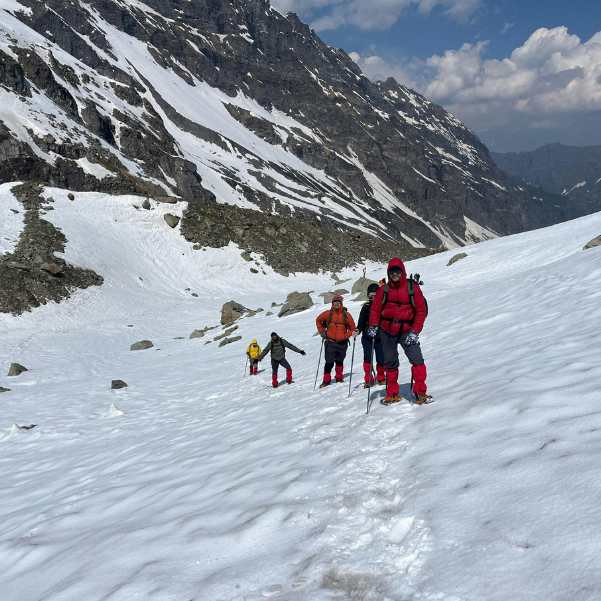
Solang Valley is about 13 km from Manali. It is normally easier to reach than Rohtang.
That said, snow and adventure activities here still depend on the current weather and safety decisions. A closed Rohtang day does not automatically mean snow at Solang.
For a full rundown of what you can actually do here, read our guide to adventure activities in Manali.
Gulaba, Kothi or the Last Permitted Snow Point
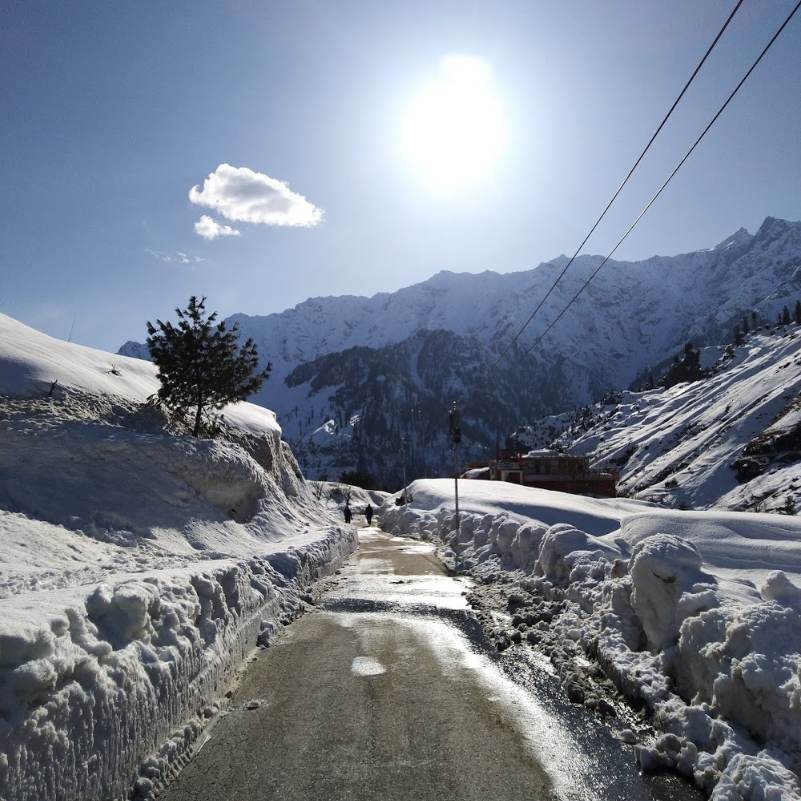
Sometimes police allow tourist vehicles only as far as a lower barrier or snow point. This can be Gulaba, Kothi or wherever the current permitted line sits.
The exact permitted point changes constantly and must be checked locally on the day. Do not assume last week's barrier is this week's barrier.
One firm warning. Never walk beyond a police barrier or step onto a closed icy road. Those barriers are there because someone judged the road ahead unsafe.
Atal Tunnel and Sissu
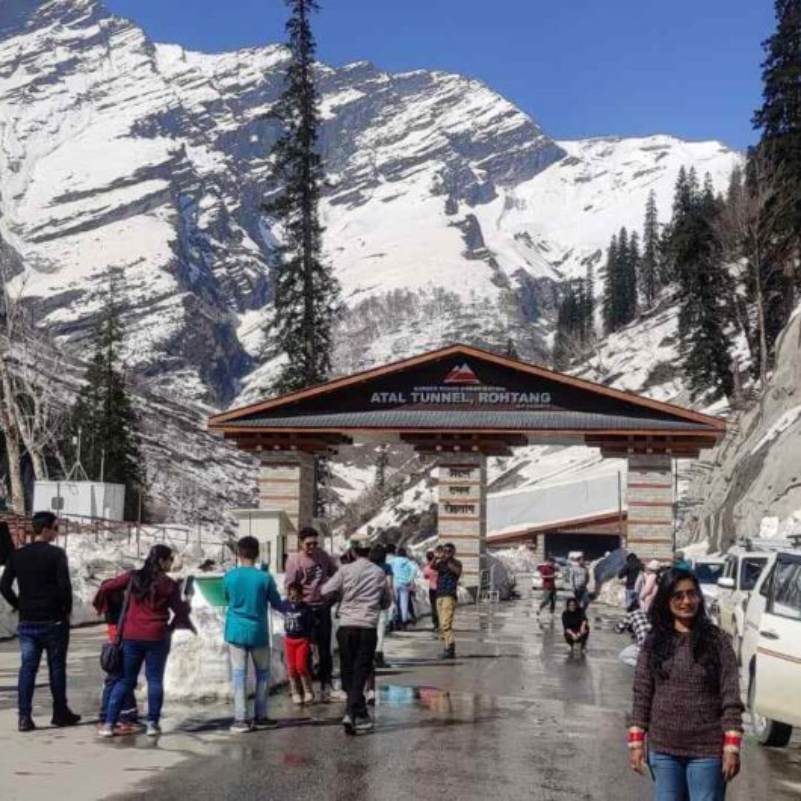
Atal Tunnel is 9.02 km long and it bypasses Rohtang Pass. This is the key point people miss. The tunnel does not take you to Rohtang Top.
Under normal conditions it gives all-weather connectivity toward Lahaul. It reduced the Manali-Sarchu distance by 46 km and cut the longer-route travel time by roughly four to five hours.
The south portal is about 25 km from Manali. From there you can push on to Sissu, a favourite fallback for a snowy Lahaul-side day.
But all-weather connectivity does not stop temporary traffic restrictions on the snowy approach roads. The tunnel can be open while the road to it is briefly held up.
If Lahaul is your plan B, our Sissu tour packages cover the route and stays.
Manali Local Sightseeing
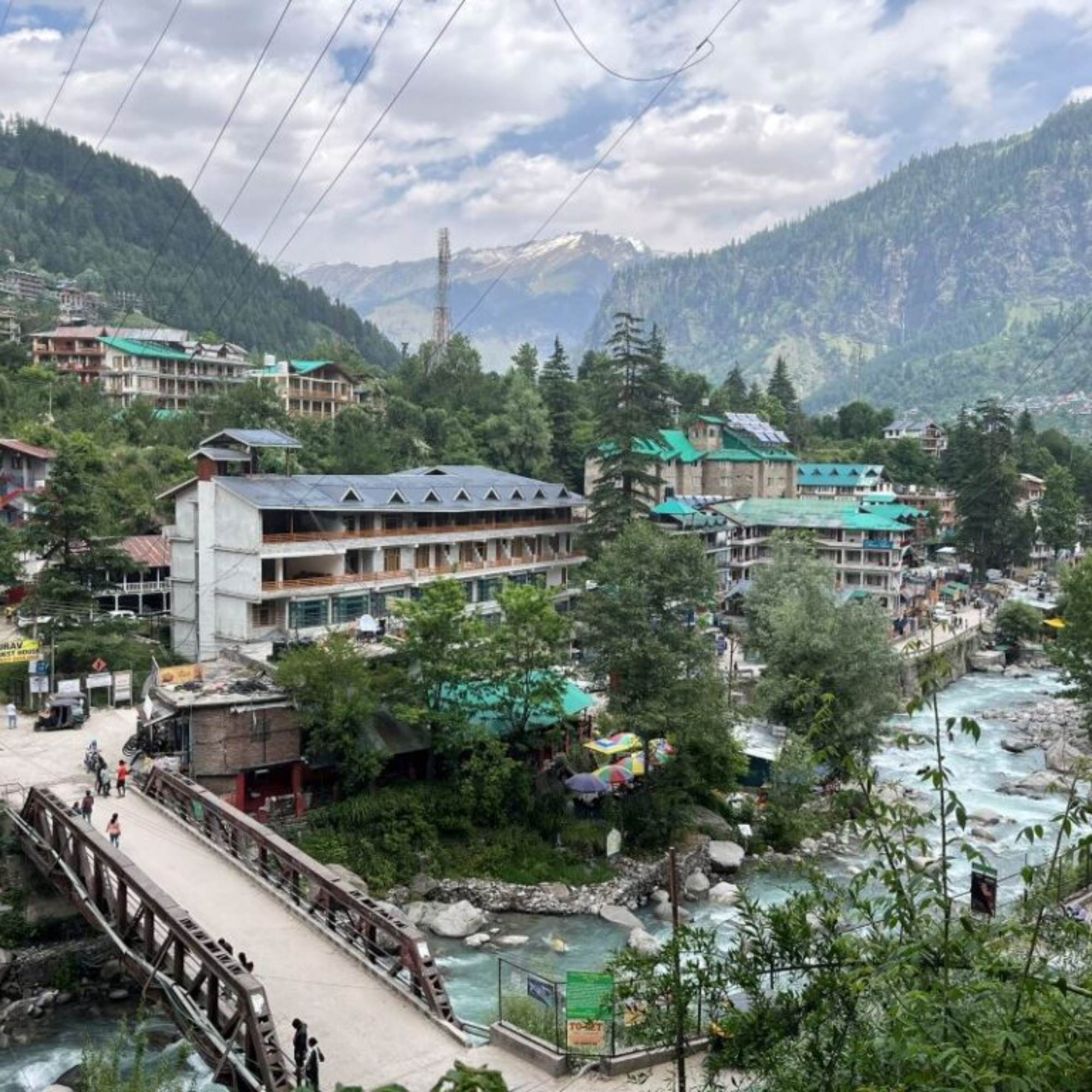
When the mountain roads all shut, Manali itself holds up. Visit Hadimba Temple, wander Old Manali, cross over to Vashisht, and settle into the cafés.
This is the plan that never fails you, whatever the road status. A relaxed local day beats a stressful drive to a closed barrier.
A Flexible Two-Day November Itinerary
Here is how we structure a November trip so it survives either outcome.
Day One When Rohtang Is Open
Start with a morning status check and confirm your permit. Begin the ascent in daylight and plan a timely return before the light fades.
We will not promise you an exact journey duration. November roads set their own pace, and you should never rush the descent in fading light.
Day One When Rohtang Is Closed
Swap in Solang Valley for the day. When officially permitted, add Atal Tunnel and Sissu for the Lahaul-side experience.
We cannot promise snow at any of these. But you get a full, scenic day instead of sitting at a barrier feeling cheated.
Day Two in Manali
Keep day two relaxed with local sightseeing. This way your whole trip never hangs on one mountain road cooperating.
That single design choice is what separates a good November trip from a frustrating one.
Is Rohtang Pass in November Safe for Families?
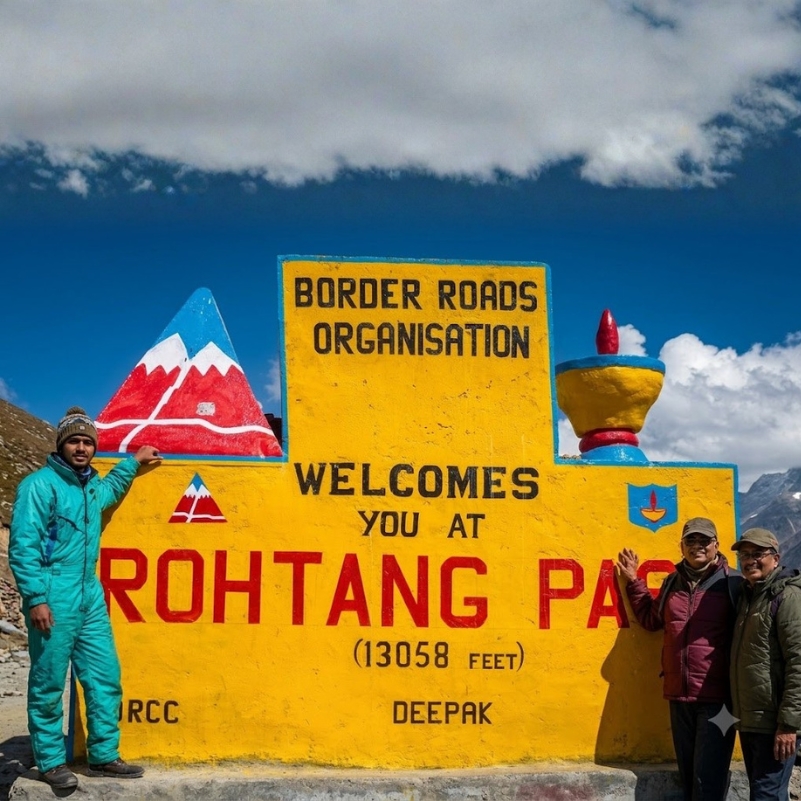
Rohtang Pass sits at 3,978 metres, and altitude is a real factor here, not a scary story.
Rapid travel above 2,500 metres can cause altitude illness even in fit, healthy travellers. Children and older members are not immune.
Watch for headache, tiredness, dizziness, appetite loss and nausea. These are the early warning signs.
If symptoms get worse, do not push higher. Descend, and seek medical help where needed. We will not recommend any medicine here. That is a conversation for your doctor.
Honestly, in November the icy roads, cold wind and sudden low visibility are often bigger safety concerns than the snow itself. A pretty snowfall and a dangerous drive can arrive together.
What Should You Carry for a November Visit?

Pack for real cold, not town weather. Thermal layers top and bottom are your base, with a proper insulated jacket over them.
Add gloves, a warm cap and waterproof footwear. Wet feet at altitude turn a fun day miserable fast.
Carry sunglasses for the glare off snow, water to stay hydrated, and some snacks. Keep your personal medicines with you rather than in a bag left in the car.
Keep your identification, permit documents and PUC information handy. You will need them at the checkpoints, and fumbling for them in the cold is no fun.
Is November a Good Time to Plan Rohtang Pass?
Here is our honest verdict, the one we give over chai to anyone who asks.
November can work well for travellers who are relaxed about uncertainty and genuinely happy to accept Solang Valley, Sissu or Manali as substitutes. If that sounds like you, come.
But if you will only call the holiday a success when you stand at Rohtang Top, November is the wrong bet. Pick a more dependable open-season period and save yourself the stress.
Explore Our Curated Rohtang Pass Tour Packages
 5D/4N
5D/4NPremium Manali Tour Package with Private Cab and Rohtang Pass
4D Manali
₹14,999₹19,999SAVE INR 5,000/ person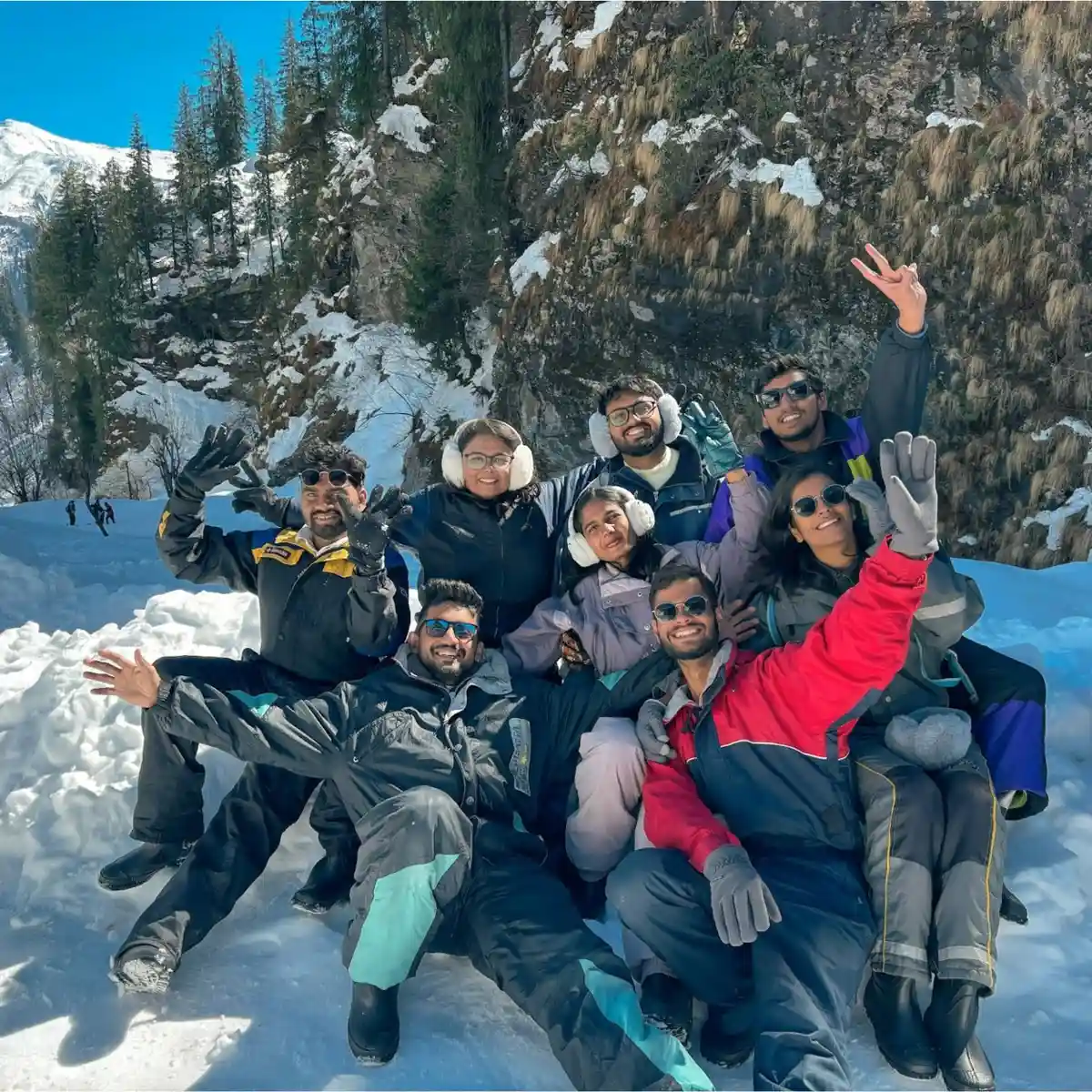 5D/4N
5D/4NBest Value Manali Volvo Package with Rohtang Pass
3D Manali
₹9,999₹13,999SAVE INR 4,000/ person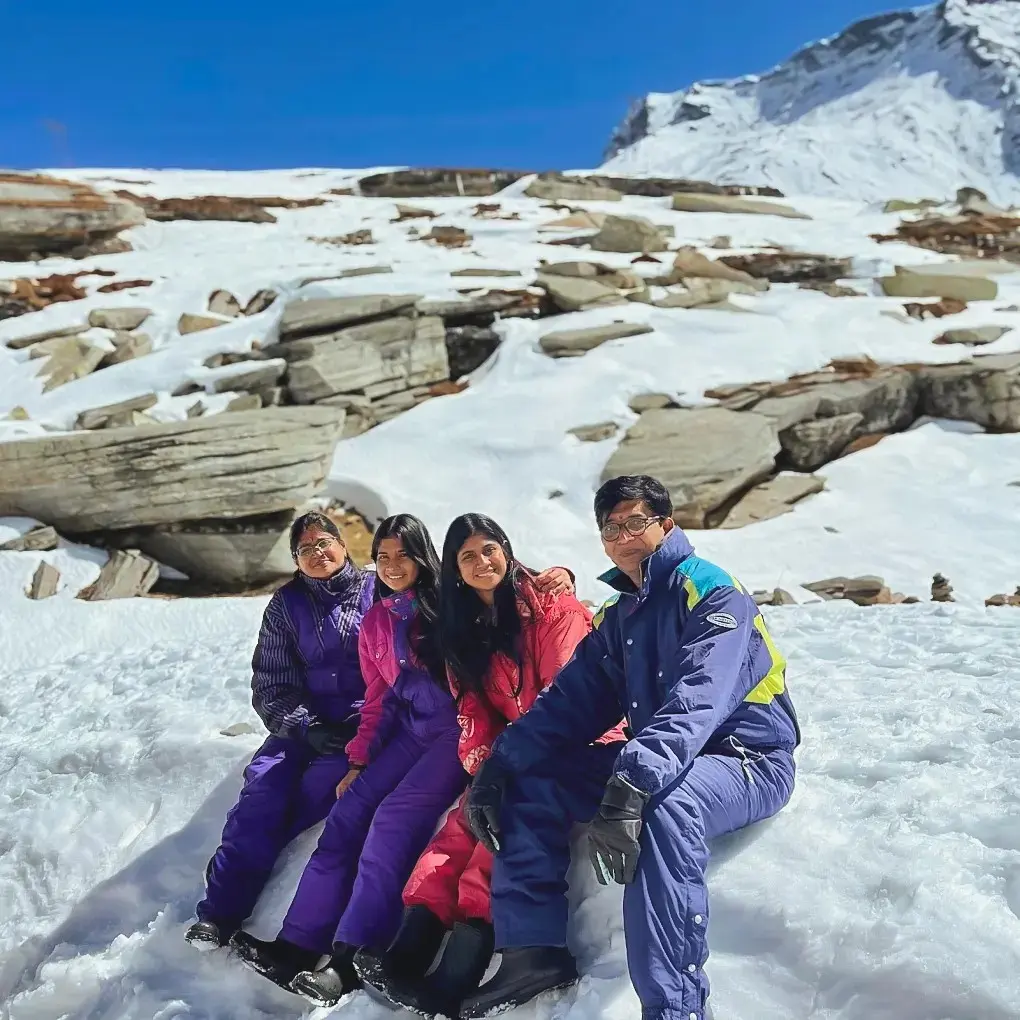 7D/6N
7D/6NComplete Shimla Manali Volvo Package with Rohtang Pass
2D Shimla•2D Manali
₹15,999₹19,499SAVE INR 3,500/ person
Related topics
Frequently Asked Questions
Is Rohtang Pass open in November 2026?
Early-November access may be possible in good weather, but the pass is not guaranteed to stay open all month. Snowfall, black ice, BRO recommendations and District Administration orders can close or restrict it quickly. The official 2026 closure date was not confirmed at the research stage. Always check the permit portal and local road orders before you leave Manali, and keep a backup plan ready.
Can I visit Rohtang Pass in the first week of November?
The first week usually offers the best chance within November, but it is never a sure thing. Access still depends on permits, road inspection, snow and ice on the higher stretches. A single overnight snowfall can change everything. Check the live status the evening before and again on the morning of your drive, and be ready to switch to Solang or Sissu if needed.
Is Rohtang Pass open in the last week of November?
The last week is high-risk for a full closure, a partial opening, or a vehicle restriction. On November 30, 2024, an official order restricted traffic beyond Gulaba because of black ice and sub-zero temperatures. That is a real example of how the end of the month behaves. If your trip falls in the last week, plan Solang, Atal Tunnel and Manali as your main experiences and treat Rohtang as a bonus.
What is the usual Rohtang Pass closing date?
There is no dependable fixed annual closing date. BRO and the District Administration review snowfall, ice, road condition and the danger of stranded vehicles, then decide. In 2024 the road closed beyond Gulaba on November 30. In 2025 a November 20 restriction was first recommended before dry weather changed the picture. Always verify the current-season order rather than trusting any fixed date.
Does Rohtang Pass receive snowfall in November?
It can, but not reliably. Fresh snowfall is possible some years and completely absent in others. Light snow was reported around Rohtang, Marhi and Atal Tunnel on November 23, 2024, while November 2025 was reported as unusually dry. That contrast is the whole point. One year cannot predict the next, so never build your plan on the assumption of snow.
Is snow guaranteed at Rohtang Pass in November?
No. Nobody can guarantee snow at Rohtang, Solang, Gulaba, Atal Tunnel or Sissu in November. Some years deliver early snowfall, others stay dry well into the month. And remember the catch. When fresh snow does fall, it can close the very road you need to reach the snow you came for. Plan for the experience, not a guarantee.
How do I check whether Rohtang Pass is open today?
Check the official permit portal for your date, then look at District Kullu notices for closure and traffic orders. Read IMD and police updates for the higher hills, not just Manali town's forecast. Reconfirm the evening before and again in the morning with your driver, hotel or our team. Permit availability helps but does not stop a same-day police or weather restriction.
Do I need a permit for Rohtang Pass in November?
Yes. The daily tourism quota is 1,200 vehicles, split into 800 petrol and 400 diesel. A car, jeep or MUV pays a ₹500 permit fee plus a ₹50 congestion charge. The permit is valid for one day. You need valid ID, PUC information, vehicle registration details and traveller information, and the vehicle must not be more than ten years old.
Is Rohtang Pass closed every Tuesday?
The Rohtang Road has been ordered closed every Tuesday for BRO maintenance under the relevant order. But rules like this can change season to season, so do not assume it is active for your exact dates. Check the current-season order before planning a Tuesday visit. If you are unsure, our operations team can confirm whether the Tuesday closure applies while you are there.
Is Atal Tunnel open when Rohtang Pass is closed?
Often yes. Atal Tunnel is 9.02 km long and bypasses Rohtang Pass, giving all-weather connectivity toward Lahaul under normal conditions. But it does not take you to Rohtang Top. Also, all-weather connectivity does not stop temporary restrictions on the snowy approach roads leading to the tunnel. So the tunnel can be open while the road to it is briefly held up. Always check the approach-road status too.
Where can I go if Rohtang Pass is inaccessible?
You have solid options. Solang Valley is about 13 km from Manali and usually easier to reach. When officially permitted, Atal Tunnel and Sissu give you a Lahaul-side day. You can also enjoy Manali itself with Hadimba Temple, Old Manali, Vashisht and the cafés. None of these guarantee snow, but they make sure your trip does not depend on one mountain road.
Is Rohtang Pass safe for children and senior citizens?
It needs care. Rohtang is at 3,978 metres, and rapid ascent above 2,500 metres can cause altitude illness even in fit travellers. Watch for headache, dizziness, fatigue, appetite loss and nausea, and descend if symptoms worsen. In November, icy roads, cold wind and low visibility are often bigger concerns than the snow. Families with young kids or elderly members should keep the pace slow and have a backup plan.
More about Rohtang Pass
 Rohtang Pass
Rohtang Pass Altitude Sickness in 2026: Symptoms, Prevention and When to Turn Back
Planning a trip to Rohtang Pass in 2026? Learn the symptoms of altitude sickness, prevention tips, and when to turn back for a safe mountain journey.
- Altitude & Health
- First-Time Travellers
 Rohtang Pass
Best Places to Visit on the Way to Rohtang Pass in 2026
Discover the best places to visit on the way to Rohtang Pass in 2026, including Solang Valley, Rahala Waterfalls, Gulaba, Marhi, and more for an unforgettable Himalayan road trip.
- Places to Visit
- Road Trips
- Rohtang Pass
15 Rohtang Pass Mistakes to Avoid in 2026: Permits, Taxi Scams, Timing and Snow Rentals
Planning a Rohtang Pass trip in 2026? Discover 15 common mistakes to avoid, from permits and weather to packing and safety, for a smooth mountain adventure.
- First-Time Travellers
- Permits & Fees