
Rohtang Pass for Senior Citizens in 2026: Safety, Age Limit and Altitude Guide
You are planning a Manali trip with your parents or grandparents, and one question keeps circling in your head. Is Rohtang Pass for senior citizens actually a good idea, or are you about to put an elderly person through something their body cannot handle?
That worry is fair. And you are right to ask before you book anything.
Here is the honest answer we give every family who calls us. Rohtang can work well for some medically stable seniors. For others, it is the wrong call, and no amount of planning changes that.
Age by itself is not the deciding factor. Health stability, how the body reacts to altitude, the long winding drive, the cold, and the willingness to turn back matter far more than the number on someone's birth certificate.
This guide by Travel Coffee walks you through passenger age limits, altitude illness, the medical red flags that should make you pause, a senior-friendly Manali itinerary, permits, and the 2026 road-status uncertainty you need to plan around.
We are a local Himachal team. We drive these roads every season, and we have sent hundreds of families up this way. So this is not a theory. This is what we actually tell people.
Quick Answer: Is Rohtang Pass Safe for Senior Citizens?
A medically stable senior may be able to handle a short day visit to Rohtang. But it is not automatically safe for every elderly traveller.
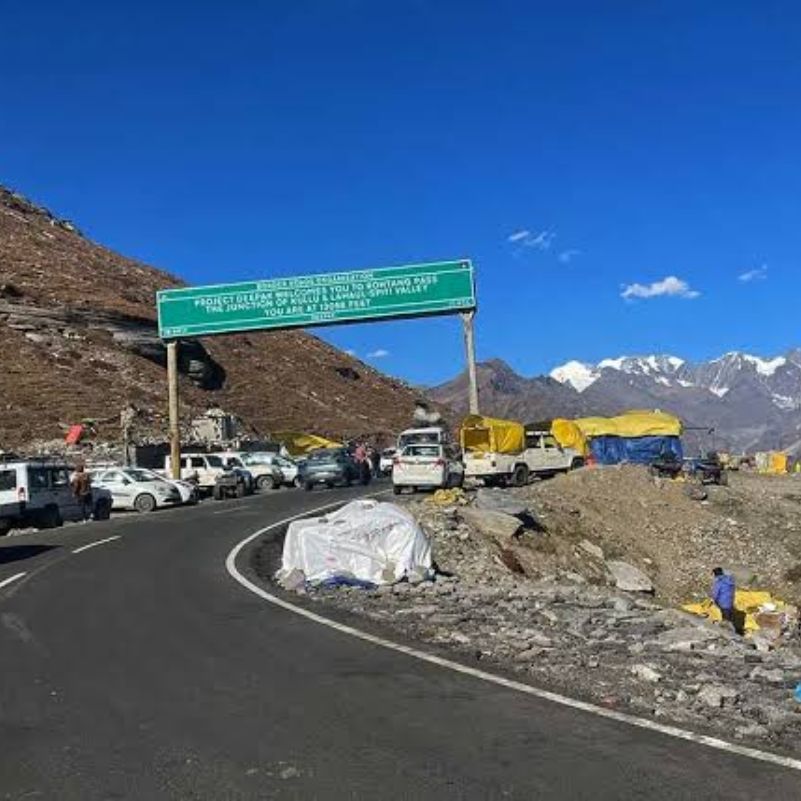
Rohtang Pass sits at 3,978 metres. At that height, heart or lung disease, a fast climb, cold wind, and traffic delays matter more than someone's actual age.
We found no official passenger age limit for Rohtang. The ten-year age rule you see on the permit portal applies to the vehicle, not the people inside it.
So the real question is not "how old is my parent." It is "how stable is their health, and are we ready to turn back the moment something feels off."
If you want the whole trip handled for you, our customized Manali tour packages and Rohtang Tour Packages come with a local driver and stays picked for comfort.
Is Rohtang Pass Safe for Elderly Travellers?
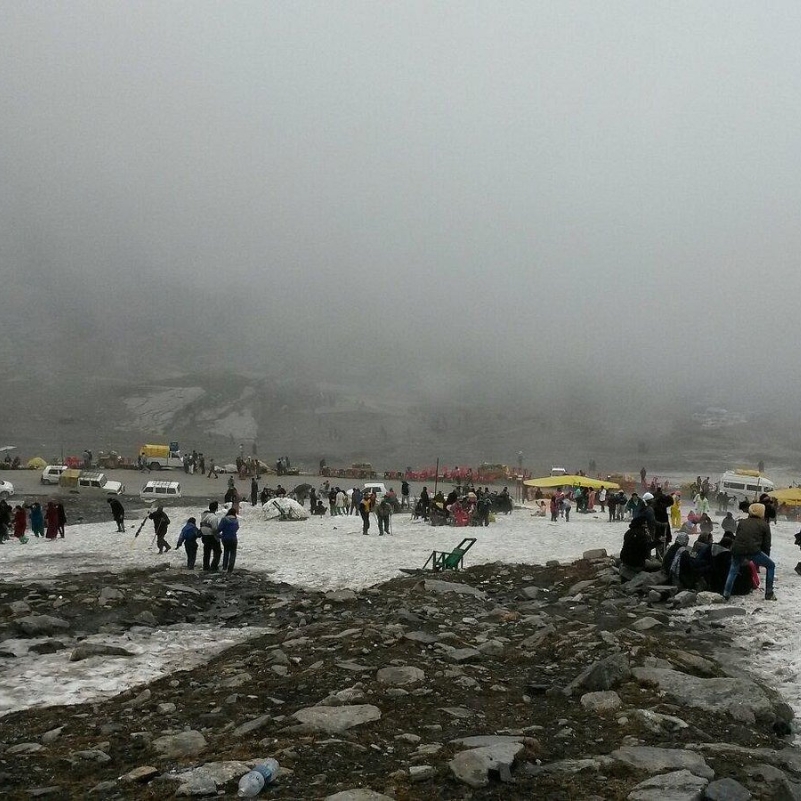
Good news first. You reach the tourist area by vehicle. There is no compulsory trek. A senior does not have to climb anything to see the snow and the views.
But that is only half the picture.
The drive is long and winding. You gain a lot of altitude in a single morning. The wind up top is cold and cutting. The ground is uneven. Traffic can hold you up for hours, and sheltered facilities where an older person can sit and rest are limited.
The CDC reports that elderly age alone likely carries no extra altitude risk. It also notes that people above 50 may actually have slightly lower AMS risk than younger travellers.
That sounds reassuring, and it partly is. But it is not a blanket safety guarantee. A pre-existing heart or lung condition can flip the whole decision, and that has nothing to do with age.
In our experience, the most comfortable senior trips are the ones where the family is ready to turn around without debating it. The families who struggle are the ones who feel they have to "make the day worth it."
Is There an Age Limit for Rohtang Pass?
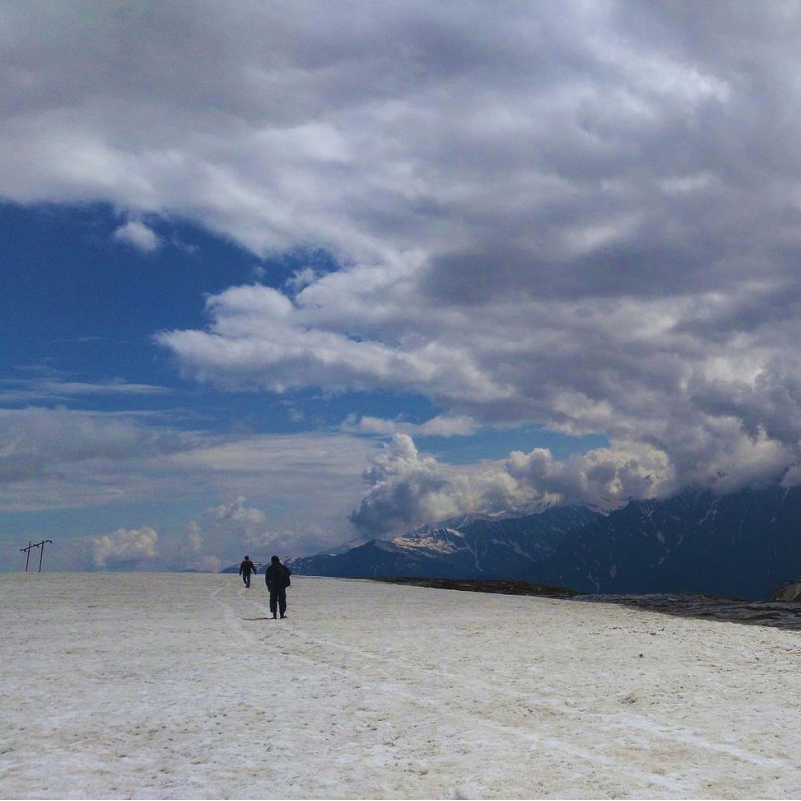
We researched the official permit page. It does not publish an upper passenger age limit.
The ten-year restriction is about the vehicle's registration date. Your car cannot be older than ten years. That rule says nothing about how old the passengers can be.
So can a 60, 70 or 80-year-old visit Rohtang? The answer depends on their health stability, walking ability, how they respond to altitude, how well they tolerate long road journeys, and what their own doctor says.
We are not going to hand you age bands and tell you everyone under a certain number is fine. That would be dishonest. A frail 62-year-old with an unstable heart is at more risk than a stable, active 74-year-old who walks daily and handles hills well.
Judge the person, not the birthday.
Why Does Rohtang Pass Altitude Matter for Senior Citizens?
How high is Rohtang Pass?
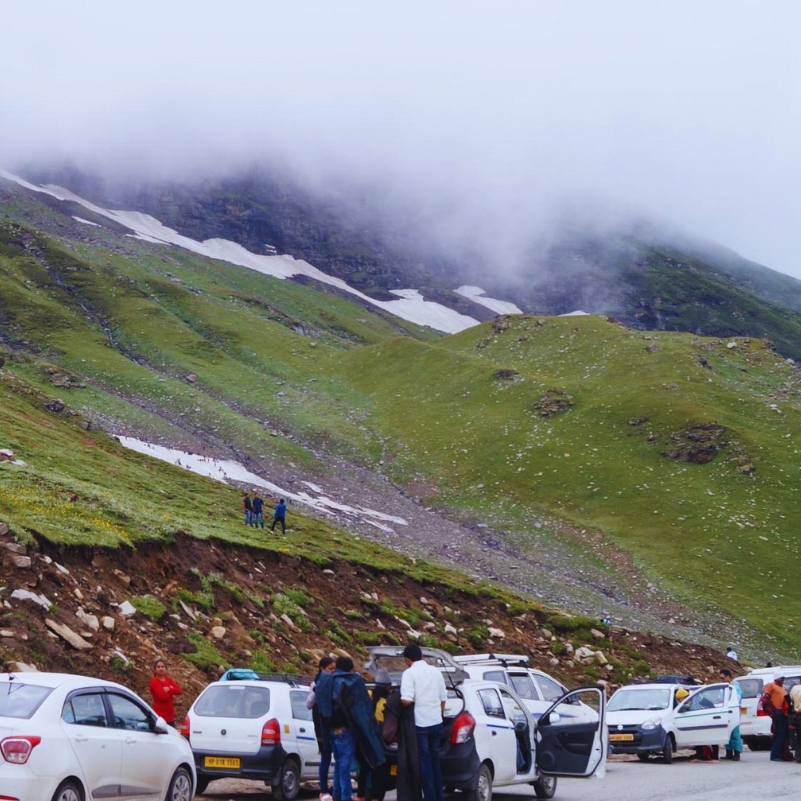
Rohtang Pass stands at 3,978 metres, roughly 13,051 feet. The road distance from Manali is about 51 kilometres.
That combination is the thing to understand. You start in Manali and climb to nearly 4,000 metres within one morning. That is a large elevation gain in a short window, and the body notices.
Is a day trip easier than sleeping at high altitude?
Yes. The CDC says a day visit followed by a return to a lower elevation is less stressful on the body than sleeping at the high destination.
This is exactly why we never suggest an overnight stay at Rohtang. You go up, you spend a short time, you come back down to Manali to sleep.
But do not read this as "a day trip is risk-free." You can still get a headache, nausea, dizziness or breathing trouble during the visit itself. The day format lowers the stress. It does not remove it.
Does being fit prevent altitude sickness?
No. This is one of the biggest myths we hear.
Fitness and physical training do not reliably protect anyone from acute mountain sickness. We have seen fit people struggle and quiet, unassuming travellers do just fine.
If your parents have handled a similar altitude well before, that is useful information. But it is not a guarantee for this trip. Every visit is its own roll of the dice.
Which Senior Citizens Should Consult a Doctor Before Rohtang?
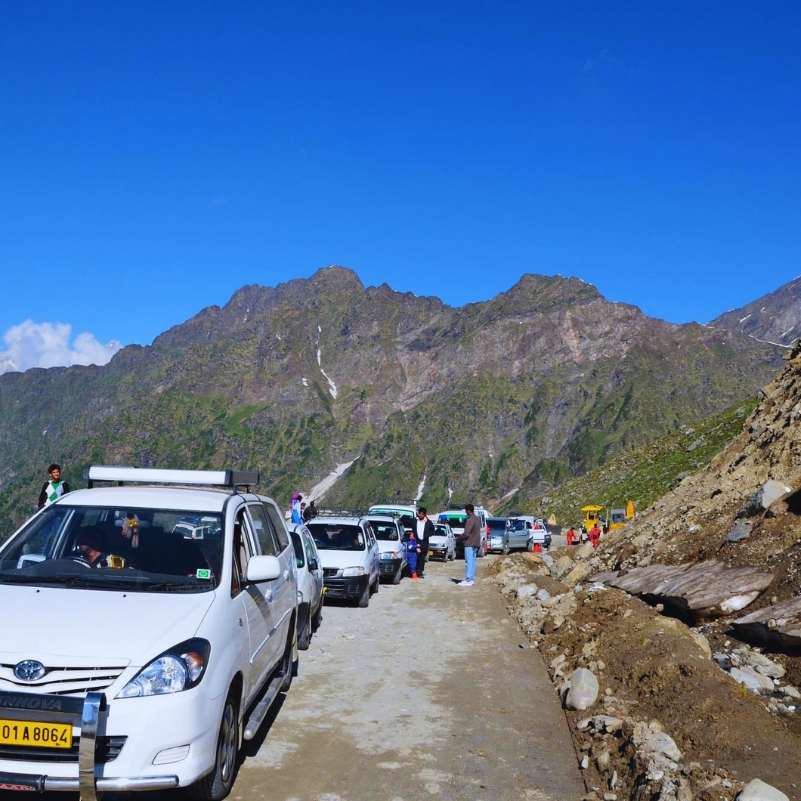
Some conditions mean you should talk to a doctor who knows the person's full history before you commit to this trip.
If your parent has coronary artery disease, chronic lung disease, pre-existing low oxygen levels, or obstructive sleep apnoea, get individual medical advice first. Do not guess.
Extra caution is also needed for stable angina, poorly controlled arrhythmia, moderate COPD, non-revascularised coronary disease, compensated heart failure, poorly controlled hypertension, severe sleep apnoea and mild pulmonary hypertension.
Carry their prescribed medicines, a current medication list, and enough supply to cover the whole trip with a buffer.
One thing we will not do here is tell you which drugs to take for altitude. Acetazolamide, oxygen, or any prescription medicine is a decision for the person's own doctor, not a travel blog.
What we always tell families is simple. Book the doctor visit before the cab, not after.
👉 Planning a Rohtang trip with senior citizens? Chat with Travel Coffee on WhatsApp before you book.
When Should a Senior Citizen Skip Rohtang Pass?
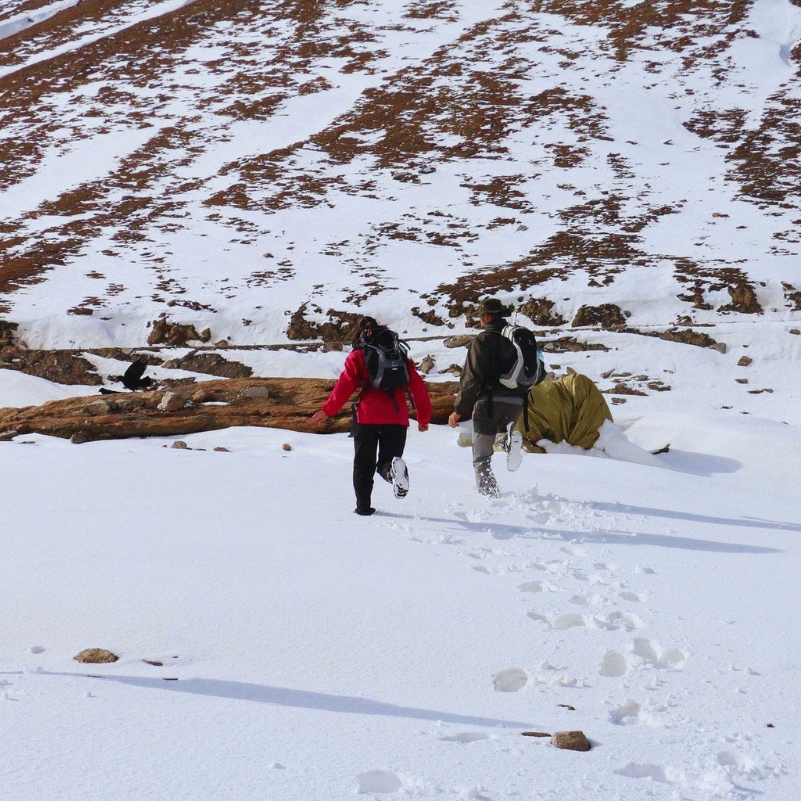
Some situations are a clear no.
The CDC lists unstable angina, severe COPD, decompensated heart failure, a heart attack or stroke within the previous 90 days, and severe pulmonary hypertension above the stated medical threshold as contraindications to high-altitude ascent.
Read that carefully. But also know this. Only the person's treating clinician can assess their individual case. We are flagging categories, not diagnosing anyone.
There are also temporary reasons to cancel on the day itself. Fever, an active chest infection, repeated vomiting, unusual weakness, a bad night's sleep, any new chest symptom, or a poor weather and road report. Any one of these is enough to postpone.
Here is the mindset that keeps people safe. A paid taxi or a secured permit is never a reason to push forward. Money already spent should not decide a medical situation.
What Are the Early Signs of Altitude Sickness?
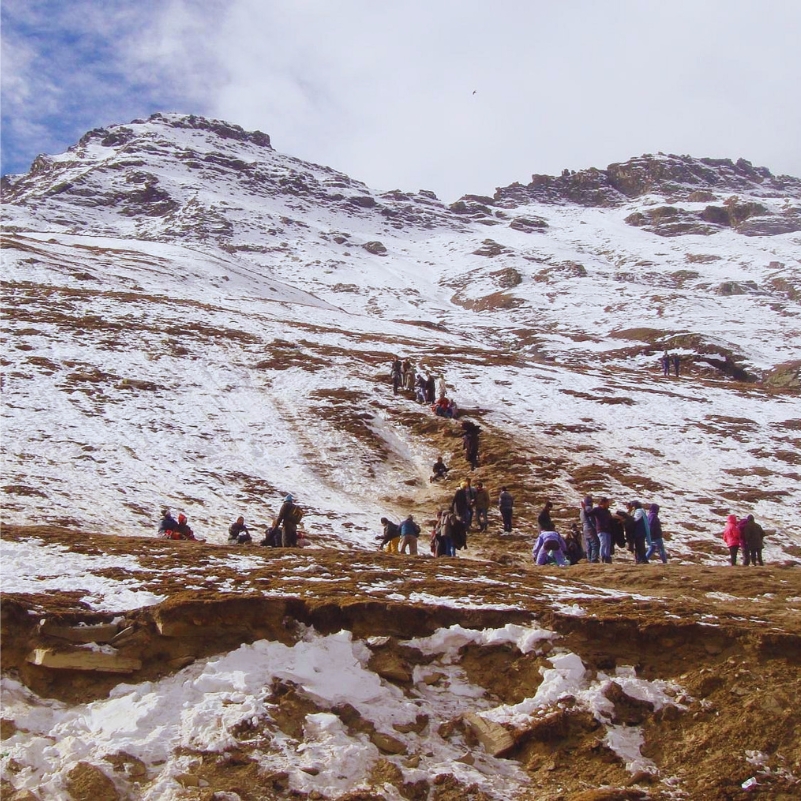
The usual pattern is a headache along with one or more of these: dizziness, fatigue, loss of appetite, nausea or vomiting.
The tricky part is that motion sickness, dehydration and plain exhaustion can feel almost identical. So do not brush symptoms aside as "just the long drive."
If your parents start feeling any of this, stop the exertion, tell the driver right away, and be ready to descend. If symptoms do not improve or start getting worse, going down is the answer.
Which Symptoms Mean Turn Back Now?
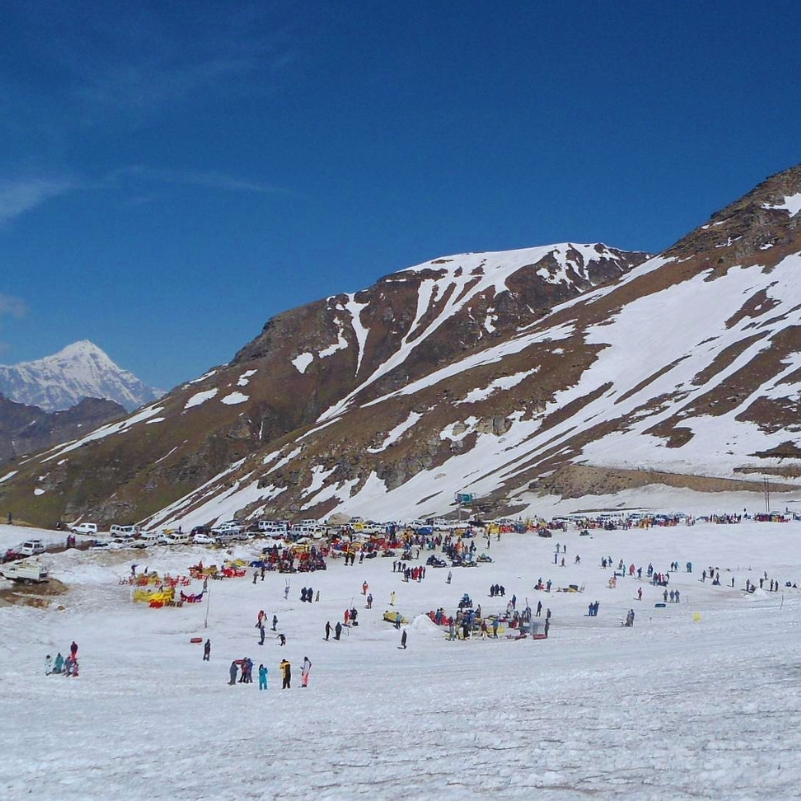
Some signs mean you stop sightseeing and head down immediately.
Watch for a worsening headache, confusion, an inability to walk normally, unusual drowsiness, breathlessness even while sitting still, chest congestion, a persistent cough, collapse, or severe weakness.
When symptoms get worse, descent is the priority. Not another photo, not "let's wait ten minutes," not finishing the plan.
Oxygen can help in an emergency, but it is not a green light to keep sightseeing or stay up top. It supports the trip down. It does not replace it.
Keep these Kullu emergency numbers saved before you leave. The ambulance is 108, the police is 100, and the District Emergency Operations Cell is 1077.
What Is the Safest Manali Itinerary with Elderly Parents?
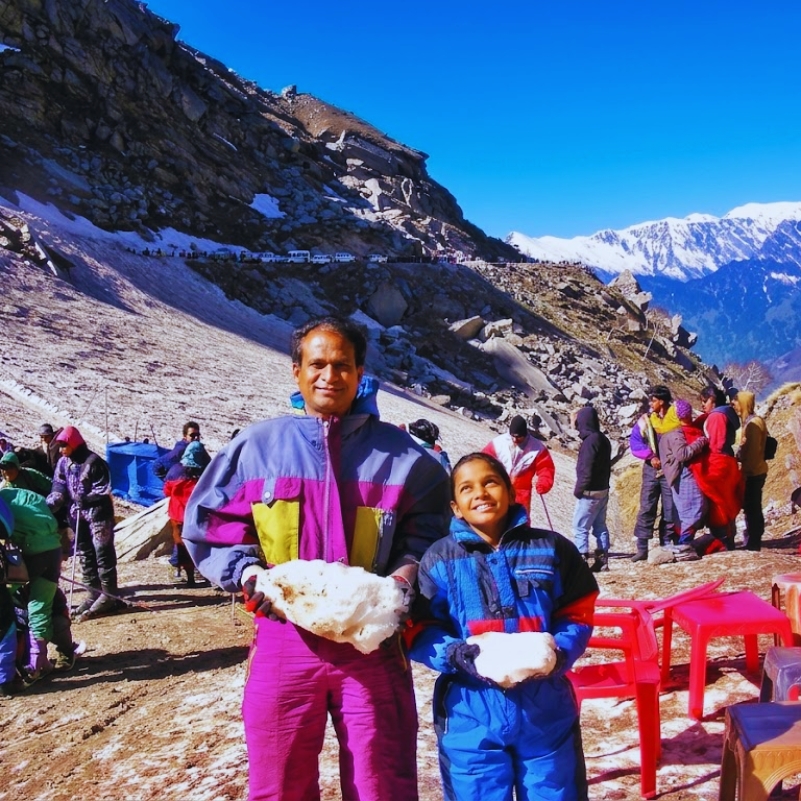
Day 1: Arrival and recovery
Do not go anywhere near Rohtang straight after a tiring overnight bus or a long road journey. That is asking for trouble.
Keep this day slow. Watch whether your parent is eating normally, sleeping properly, walking comfortably and taking their regular medicines on time.
One easy day does not guarantee acclimatisation. It just gives the body a chance to settle before you ask more of it.
Day 2: Gentle Manali sightseeing
Do short local visits, a relaxed meal, and plenty of seating and toilet breaks. No rushing between spots.
Use this day to check the weather, the latest District Kullu order, permit availability, and how the senior traveller is actually feeling.
If you want to know what else Manali offers beyond the pass, we broke it down in our guide to adventure activities in Manali, though most of those are for the younger crowd in your group.
Day 3: Rohtang day trip or backup plan
Leave early with an experienced driver who knows this road. Early starts beat the traffic and give you daylight to spare.
Keep walking on snow and uneven ground to a minimum. This is where older travellers slip, and a fall up here is a serious problem.
There is no medically validated "safe" number of minutes to spend at the top. We will not invent one. Keep the visit brief and come down the moment your parents feel uncomfortable.
Return to Manali rather than stretching the day across several tiring mountain stops. One good visit beats three exhausting ones.
👉 Planning Manali with elderly family members? Let’s build a comfortable plan together on WhatsApp.
What Is the Best Transport for Senior Citizens?
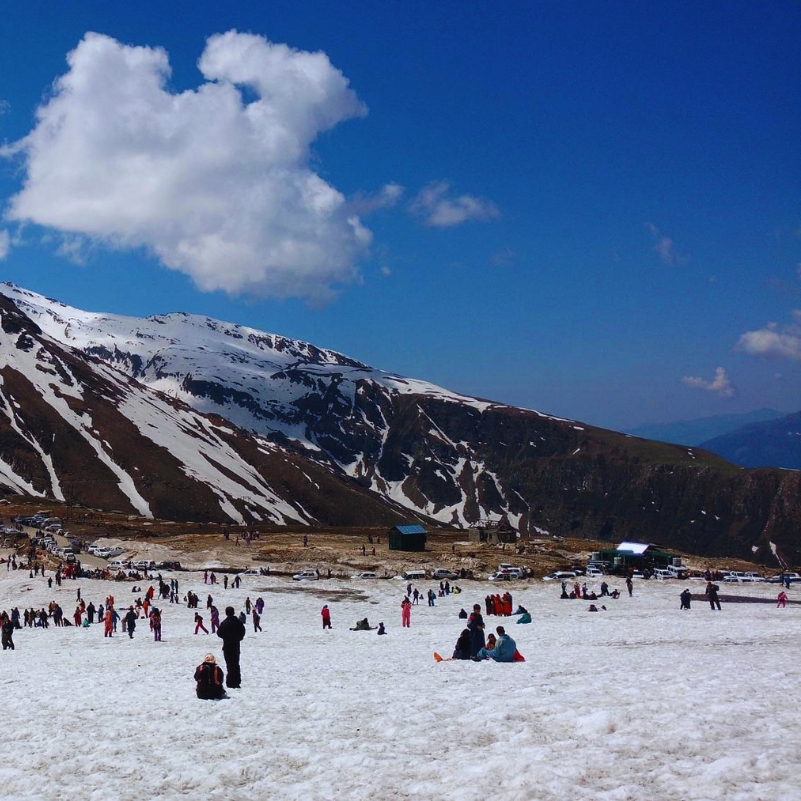
A private cab is the right choice when you need control over stops, return timing and seating. You decide when to pull over and when to turn back, not a group of strangers.
A motorcycle or a crowded shared vehicle is tiring for an older traveller. The cold, the cramped seating and the inability to stop on demand add up fast.
Before you confirm anything, check the seat comfort, the height of the entry step, whether the seat belts work, whether there is space for medicines within reach, and crucially, whether the driver will turn back immediately when asked.
We will not quote you a taxi price here because we have not verified a current official senior-specific 2026 tariff. Anyone throwing exact numbers at you should show you where they come from.
How Accessible Is Rohtang Pass?
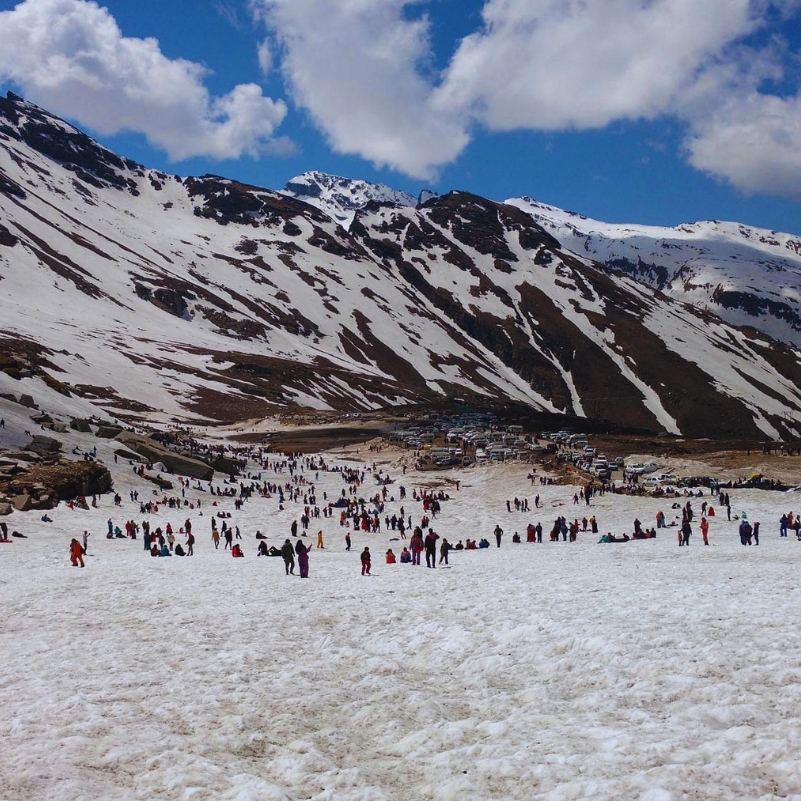
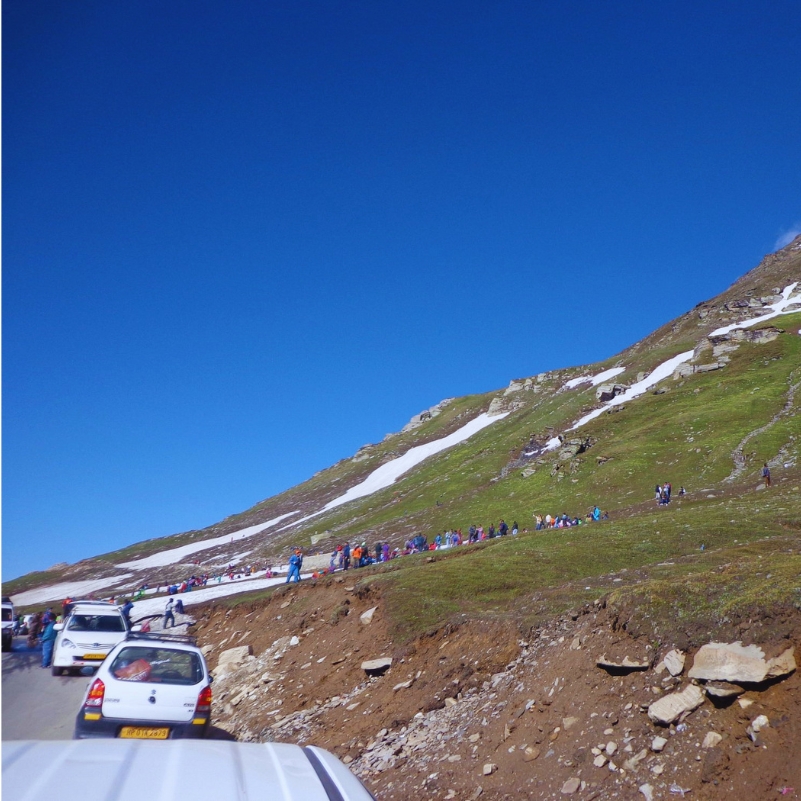
Vehicles reach the tourist area, but the ground up there can be rough, muddy, snowy or slippery. It is not a smooth paved plaza.
Dedicated accessibility infrastructure is limited. Sheltered seating, toilets and food facilities are basic and not always where you need them.
If your parent uses a wheelchair, a walker or a stick, confirm the current distance between the parking spot and the usable viewing area before you leave Manali. That gap changes with road orders and snow, and it decides whether the visit is even feasible.
We are not going to promise wheelchair accessibility, because honestly, it is not reliably there.
What Should Senior Citizens Pack for Rohtang Pass?
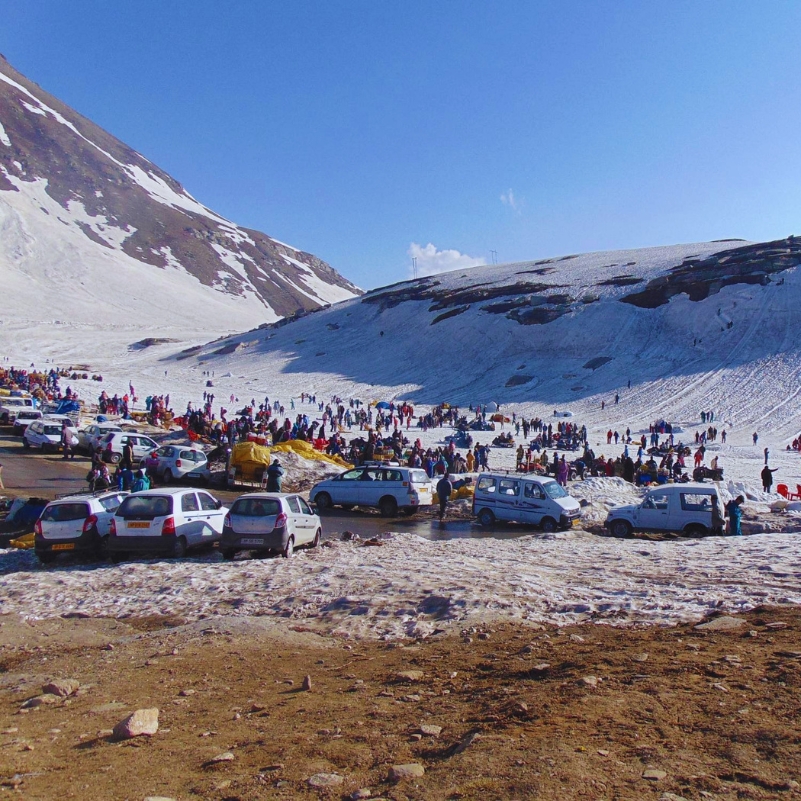
Pack for cold, wet and bright, all in the same few hours.
Bring layered warm clothing you can add or remove, waterproof outerwear, a cap, gloves, sunglasses, sunscreen and shoes with reliable grip. The grip matters most on the snow and slush.
Also carry prescribed medicine, a written medication list, water, light snacks, tissues, motion-sickness medicine that the person's own doctor has already approved, and a waterproof bag to keep it all dry.
A pulse oximeter can give you supporting information, but never lean on it as your only safety check. One reading on a screen means little next to how the person actually looks and feels. Symptoms and medical advice come first.
What Is the Best Month for Elderly Travellers?
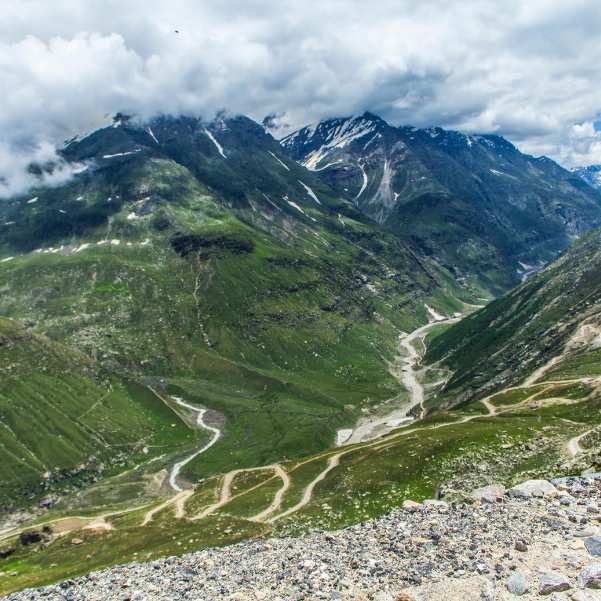
Rohtang usually opens only after snow clearance, and it can shut again the moment winter conditions return. Nothing here runs on a fixed calendar.
Late May, June and the clearer post-monsoon stretch are the windows people commonly consider. But weather, snow and official road orders shift every year, so treat these as rough guidance, not a promise.
July and August often bring rain, fog, landslides and road delays. For an elderly traveller, those delays are the real enemy, not the rain itself.
We will not promise you snow in any particular month. Anyone who does is guessing.
For a closer look at conditions, see our monthly guides for Rohtang Pass in August, Rohtang Pass in September and Rohtang Pass in October.
What Are the Rohtang Pass Permit Rules in 2026?
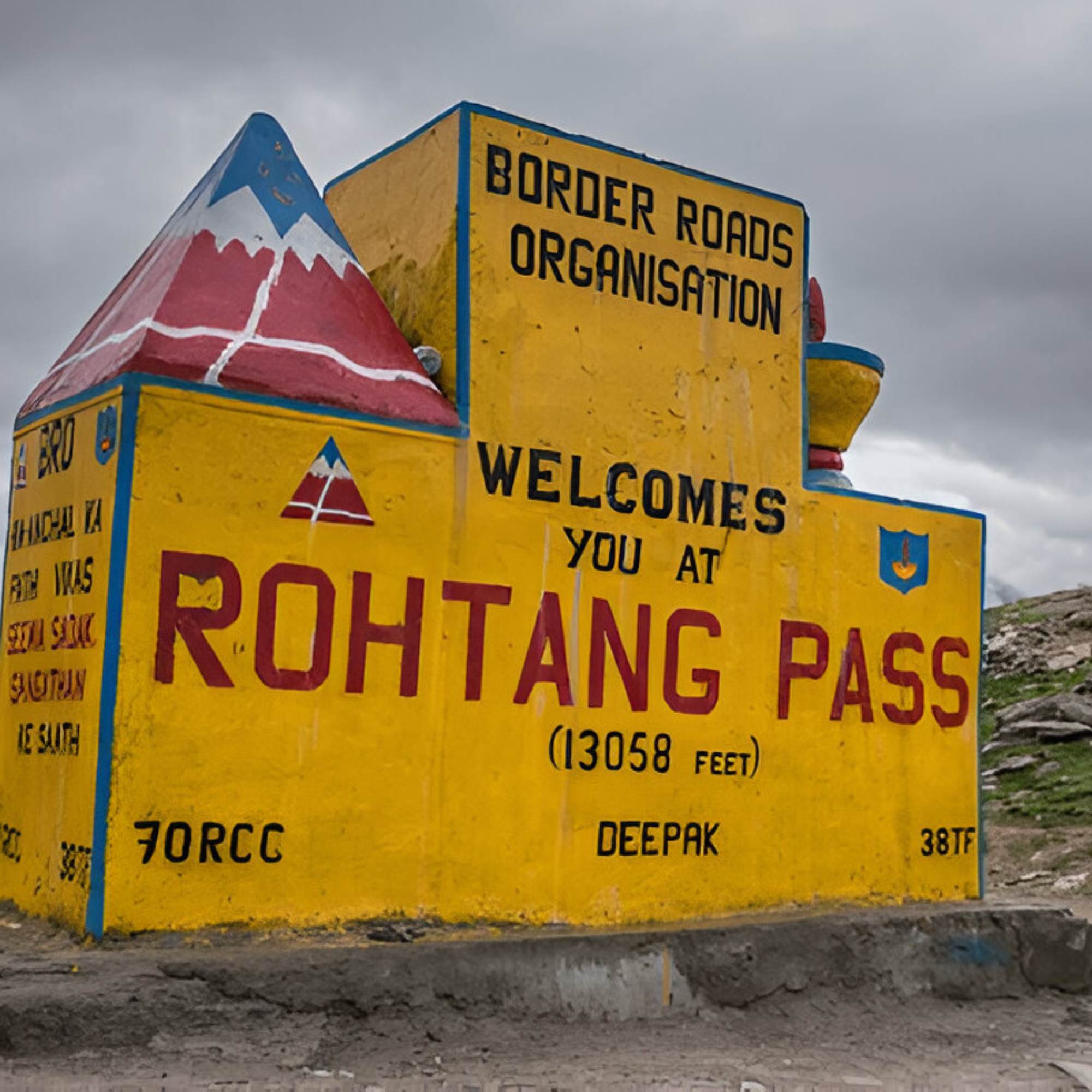
The tourism permit is valid for one day for a return trip.
The portal needs a valid ID, a valid PUC and your vehicle registration information. A printed permit is compulsory, so do not rely on a screenshot.
The daily quota is 800 petrol vehicles and 400 diesel vehicles. Permits release at 10:00 and 16:00, and they go fast.
You can apply only for the next two days. A single vehicle can get a maximum of three permits in a Tuesday-to-Monday week.
For the fees, cars, jeeps and MUVs pay a ₹500 permit fee plus a ₹50 congestion charge. Buses and heavy vehicles pay ₹500 plus ₹100 congestion charge.
One more time, so there is no confusion. The vehicle must not be more than ten years old. That is a vehicle rule, not a passenger age rule.
On the maintenance day, here is the honest state of things. The live official portal displayed "NONE" when we researched it, while several older guides continue to state that Tuesday is the closure day.
Is Rohtang Pass Fully Open in 2026?
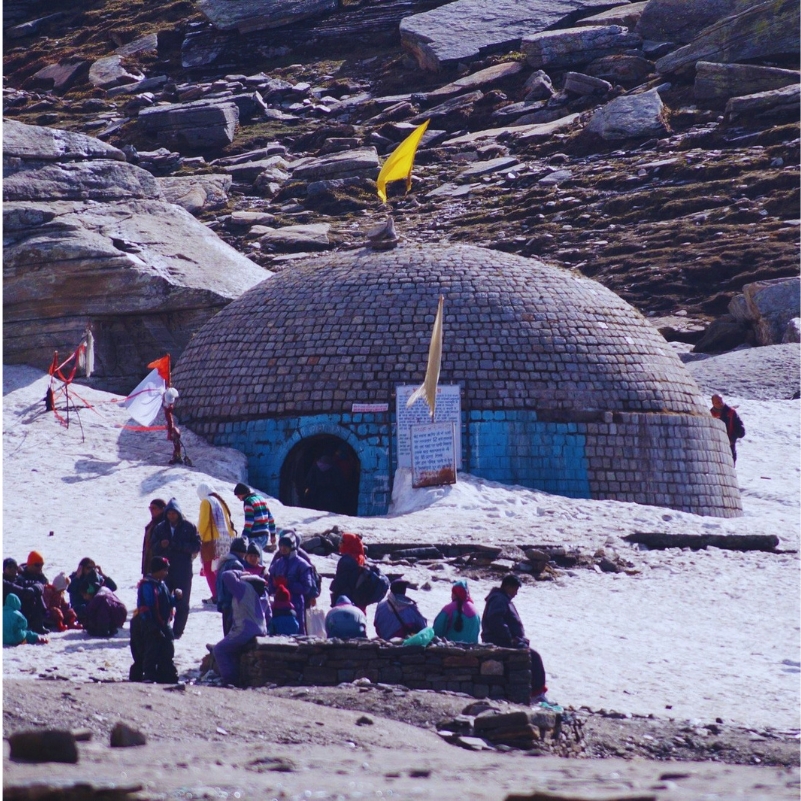
A District Kullu order valid from 16 May to 17 July 2026 allowed tourist vehicles up to KM 46.35, which is three curves beyond Rahni Nallah.
That order has now expired. We did not verify any newer official full-top order during our research.
So we are not going to claim Rohtang Top is open on every date. That would be misleading.
Before you leave Manali, check the official permit portal, the latest District Kullu notices, local police instructions and the same-day weather.
Rohtang Pass access can change with road conditions and administrative orders, so always confirm the latest status before your trip.
Is Atal Tunnel and Sissu a Better Alternative for Seniors?
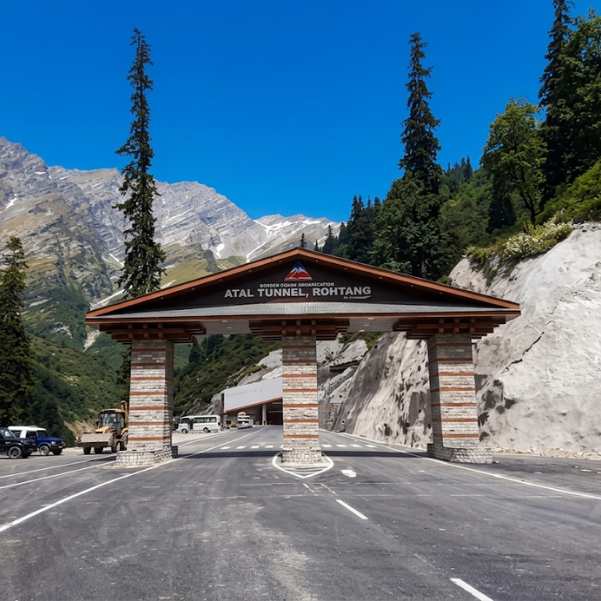
The Atal Tunnel route skips the climb to Rohtang Top completely. It is a solid backup when the pass is closed or when your family decides the high point is too much.
Sissu, on the Lahaul side, gives you snow views, a waterfall and open valley scenery without the same brutal altitude gain.
We will not call it completely safe though. It is still a mountain journey with cold, traffic and changing road controls. Easier is not the same as risk-free.
If this sounds like the better fit for your parents, look at our Sissu tour packages.
How Much Does a Senior-Friendly Rohtang Trip Cost?
The only figures we will state as fixed are the official ones. Cars, jeeps and MUVs pay a ₹500 permit fee plus ₹50 congestion charge. Buses and heavy vehicles pay ₹500 plus ₹100 congestion charge.
Everything else moves. Private cab fares, hotels, snow suits and activity prices all change with the season, the day and the demand. Weekend rates and peak-season rates can look very different.
Before you confirm any cab or package, get the inclusions in writing. What is covered, what is extra, and what happens if you turn back early. That written clarity saves arguments later.
Final Decision Checklist for Families
Before you commit, sit down and answer a few honest questions.
Is your parent's condition stable? Have you taken medical advice where it was needed? And after arriving in Manali, do they feel normal, eating and sleeping and walking as usual?
Then the practical side. Do you have proper warm clothing, all the regular medicines, a comfortable vehicle, the emergency numbers saved, and a clear backup plan if Rohtang is a no?
If you can say yes to those, you are in a good place to try the day trip.
And here is the message we end every one of these conversations with. Turning back early is a responsible safety decision, not a failed holiday. The families who understand that are the ones whose trips we remember for the right reasons.
Explore Our Curated Rohtang Pass Tour Packages
 5D/4N
5D/4NPremium Manali Tour Package with Private Cab and Rohtang Pass
4D Manali
₹14,999₹19,999SAVE INR 5,000/ person 5D/4N
5D/4NBest Value Manali Volvo Package with Rohtang Pass
3D Manali
₹9,999₹13,999SAVE INR 4,000/ person 7D/6N
7D/6NComplete Shimla Manali Volvo Package with Rohtang Pass
2D Shimla•2D Manali
₹15,999₹19,499SAVE INR 3,500/ person
Related topics
Frequently Asked Questions
Is Rohtang Pass safe for senior citizens?
It can be for a medically stable senior on a short day visit, but it is not automatically safe for everyone. Rohtang sits at 3,978 metres, so heart or lung disease, a fast climb, cold and traffic delays matter more than age. Get medical advice where there are health concerns, and always be ready to turn back.
Can a 70-year-old visit Rohtang Pass?
Yes, a 70-year-old can visit if their health is stable, they walk comfortably, they tolerate long drives, and their doctor is on board where needed. Age itself is not the barrier. We found no official passenger age limit. What matters is the person's actual condition on the day, not the number 70.
Is there an upper age limit for Rohtang Pass?
No. The official permit page we researched does not publish any upper passenger age limit. The ten-year age rule you see applies to the vehicle's registration date, not to the people travelling. So the decision rests on health, walking ability and medical advice rather than a fixed cut-off age.
Does Rohtang Pass have low oxygen?
At 3,978 metres, the air holds less oxygen than the plains, which is normal for high altitude. This is why some seniors feel headaches, breathlessness or nausea up there. A day visit with a return to lower Manali is less stressful than sleeping at height, but it does not remove the risk entirely.
Can heart patients visit Rohtang Pass?
It depends entirely on the condition and its stability. People with coronary artery disease should get individual medical advice first. The CDC lists unstable angina and a heart attack within the previous 90 days among contraindications to high-altitude ascent. Only the person's own doctor can judge their specific case, so talk to them before booking.
Can a senior with high blood pressure go to Rohtang?
Poorly controlled hypertension needs extra caution and a doctor's input before the trip. Well-managed, stable blood pressure is a different situation, but it still deserves a medical check given the altitude. Carry the prescribed medicines and a current medication list, and postpone the trip if readings or symptoms are unstable on the day.
Can people with asthma or COPD visit Rohtang Pass?
Chronic lung disease means you should get individual medical advice first. Moderate COPD requires additional caution, while the CDC lists severe COPD as a contraindication to high-altitude ascent. If breathing is unstable, or there is an active chest infection, skip the trip. Only the treating doctor can assess whether it is safe for that person.
How long should an elderly traveller stay at Rohtang?
There is no medically validated universal safe stay time at the top. Keep the visit brief, minimise walking on snow and uneven ground, and descend the moment your parent feels uncomfortable. A shorter, calmer visit beats a long one. Coming down early is always the safer choice when anything feels off.
What altitude-sickness symptoms should families watch for?
The usual early pattern is a headache with dizziness, fatigue, appetite loss, nausea or vomiting. Since motion sickness and exhaustion feel similar, do not dismiss it. Turn-back signs include confusion, breathlessness at rest, abnormal walking, chest congestion and persistent cough. When symptoms worsen, descent is the priority over anything else.
Is a doctor's certificate compulsory for the Rohtang permit?
The official permit needs a valid ID, valid PUC and vehicle registration details, plus a compulsory printed permit. A doctor's certificate is not listed among those requirements. Even so, we strongly suggest getting medical advice for any senior with a relevant health condition, because the permit rules and the medical decision are two separate things.
Is Atal Tunnel and Sissu easier for senior citizens?
Often, yes. The Atal Tunnel route skips the climb to Rohtang Top and works well as a backup when the pass is shut or your family decides against the high point. But it is still a mountain journey with cold, traffic and changing road controls, so treat it as easier, not completely safe.
Which month is best for a Manali trip with elderly parents?
Late May, June and the clearer post-monsoon period are commonly considered better, but weather, snow and road orders change every year. July and August often bring rain, fog and landslides, which mean tiring delays for older travellers. Check the same-day road status and weather before you finalise anything, and keep a flexible plan.
More about Rohtang Pass
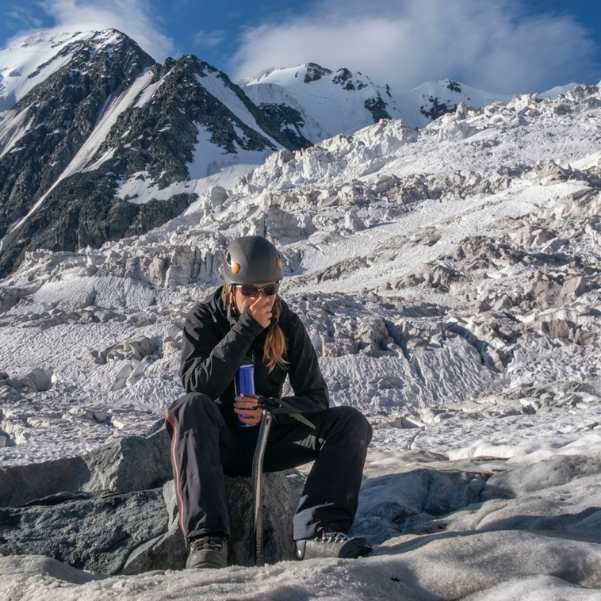 Rohtang Pass
Rohtang Pass Altitude Sickness in 2026: Symptoms, Prevention and When to Turn Back
Planning a trip to Rohtang Pass in 2026? Learn the symptoms of altitude sickness, prevention tips, and when to turn back for a safe mountain journey.
- Altitude & Health
- First-Time Travellers
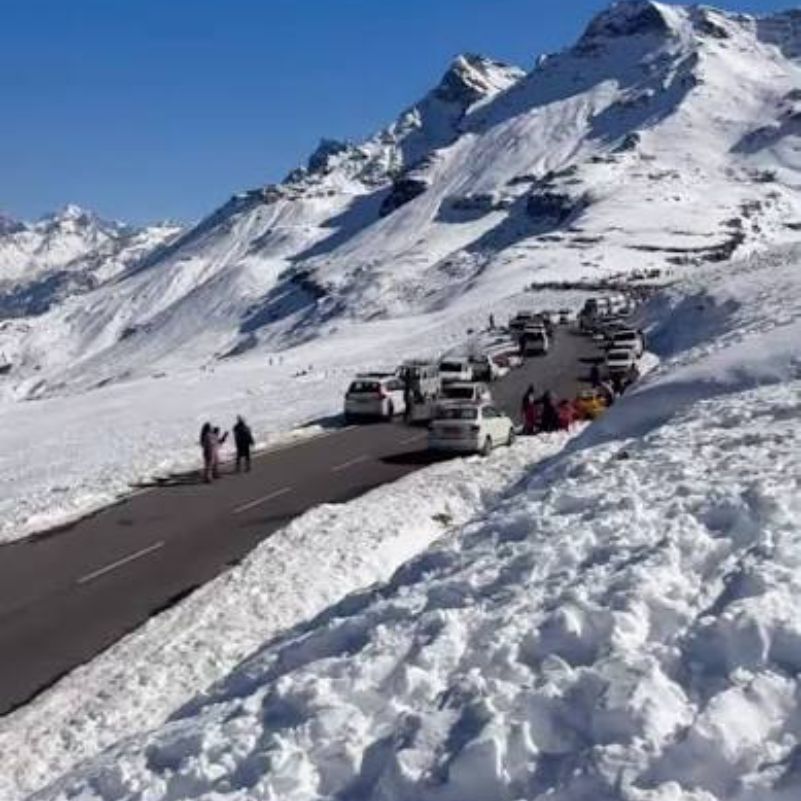 Rohtang Pass
Best Places to Visit on the Way to Rohtang Pass in 2026
Discover the best places to visit on the way to Rohtang Pass in 2026, including Solang Valley, Rahala Waterfalls, Gulaba, Marhi, and more for an unforgettable Himalayan road trip.
- Places to Visit
- Road Trips
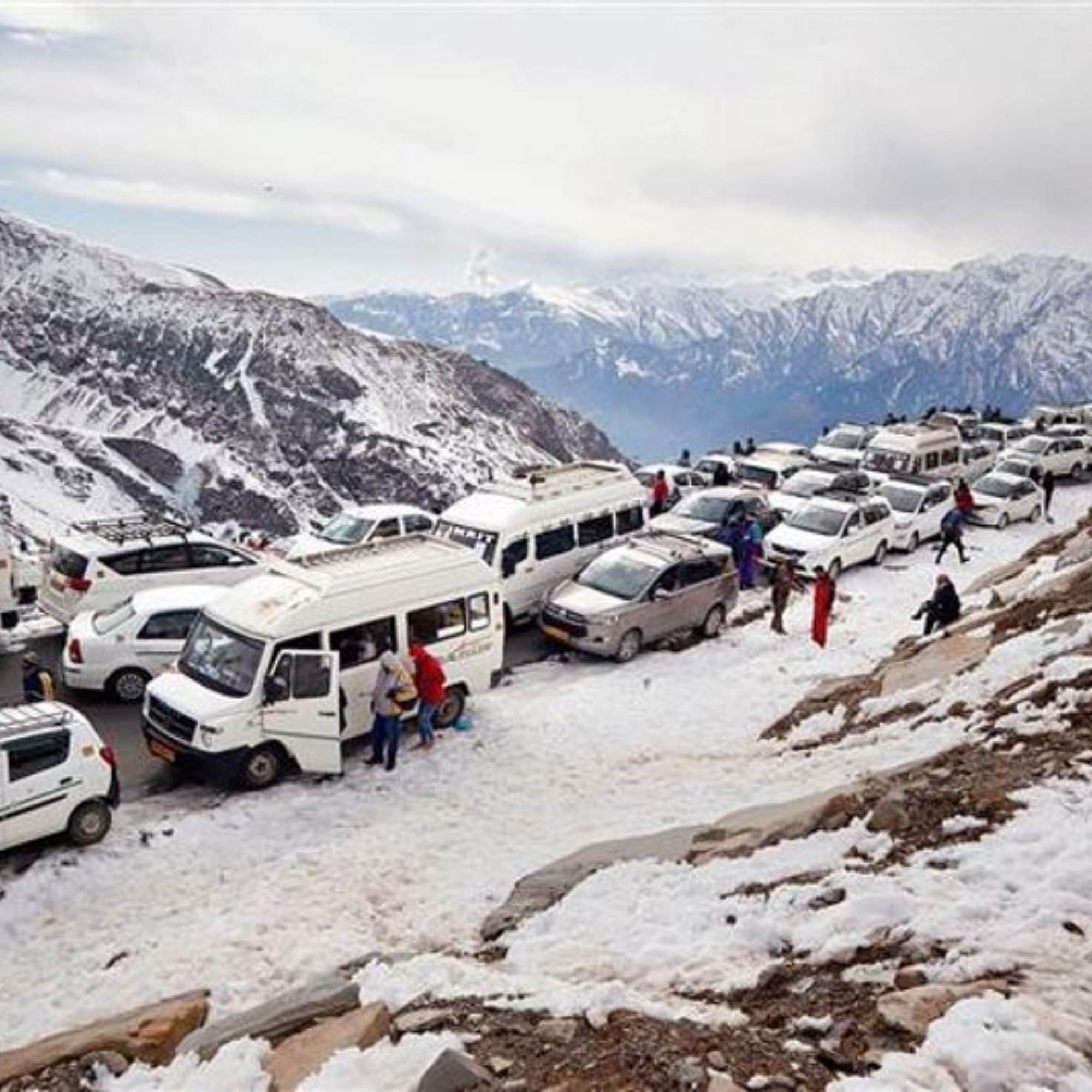 Rohtang Pass
15 Rohtang Pass Mistakes to Avoid in 2026: Permits, Taxi Scams, Timing and Snow Rentals
Planning a Rohtang Pass trip in 2026? Discover 15 common mistakes to avoid, from permits and weather to packing and safety, for a smooth mountain adventure.
- First-Time Travellers
- Permits & Fees