
Rohtang Pass Bike Trip 2026: Manali Route, Permit and Road Conditions
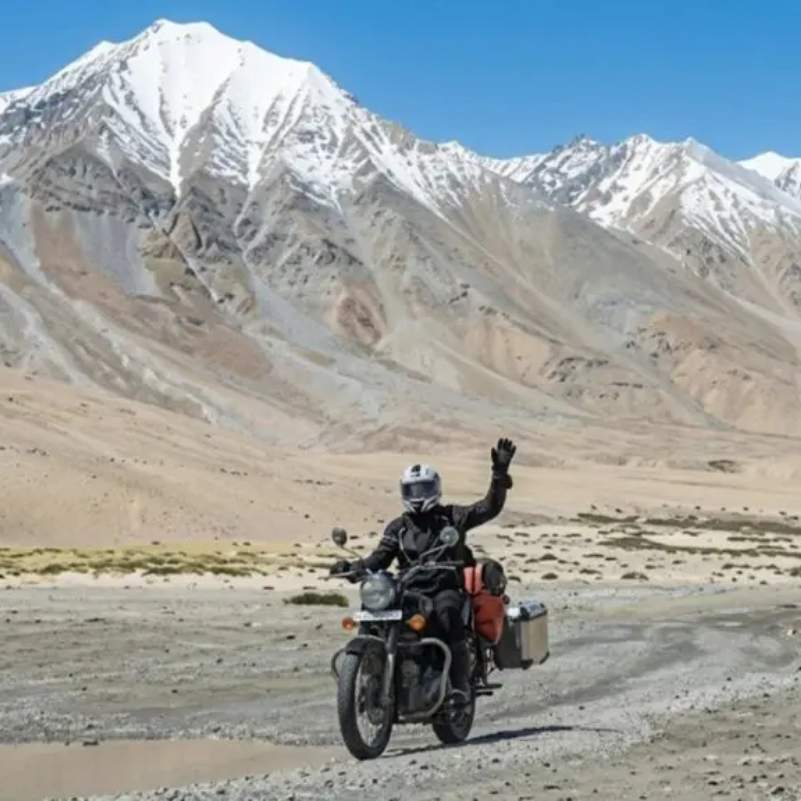
If you are planning a rohtang pass bike trip from Manali in 2026, the single most important thing to understand is this: the road being "open" and you being allowed to ride all the way to the pass top are two completely different things.
We run trips on this road every season, and the number one confusion we sort out for riders is exactly this permit and endpoint mess. So let us clear it up before you book a bike or pay for anything.
Quick Answer
Rohtang Pass sits about 51 kilometres from Manali, making the return ride roughly 102 kilometres. The ride is seasonal, and where you are actually allowed to stop depends on live government orders, snow clearance, weather and safety checks.
The official permit table we reviewed does not clearly list two-wheelers, so confirm the current motorcycle permit category, undertaking requirements and fee on the official permit portal or with SDM Manali before riding.
The latest 2026 order available in our research was valid only until 17 July and permitted tourist vehicles up to kilometre 46.35, not necessarily Rohtang Top. Check the latest District Kullu order for your travel date.
Is a Manali-to-Rohtang Pass bike trip allowed in 2026?
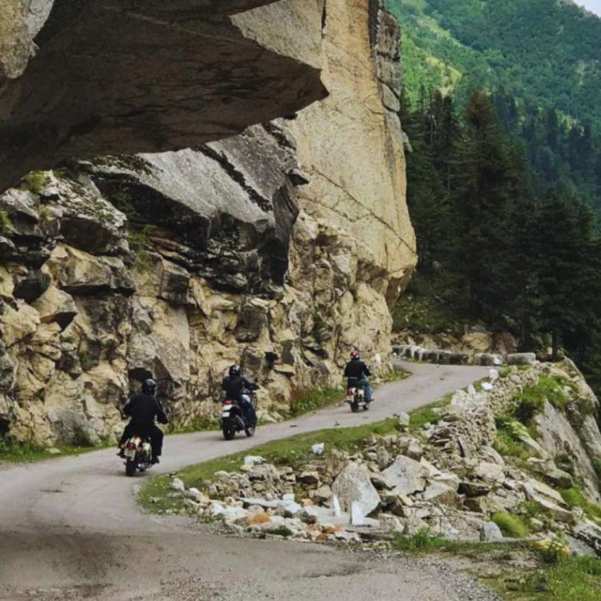
Yes, but the honest answer keeps changing through the season, and anyone who gives you a flat "yes it's fully open" is guessing.
There are three separate things people mix up. One, the road being mechanically open after snow clearing. Two, tourist vehicles being authorised up to a specific kilometre. Three, visitors actually being allowed to reach the real pass top.
All three can be true at different times, or only the first two. Access usually opens in stages, moving up from lower points like Marhi toward Rahni Nallah and then the pass as clearance and inspections progress.
What most riders get wrong is trusting an old travel blog or a random social-media post for this. Those are outdated the day they are posted. Always check a dated District Kullu order for your travel date instead.
If you would rather have someone handle the paperwork and route calls for you, our Manali tour packages and Rohtang Tour Packages come with a local team that tracks these orders daily.
What is the current Rohtang Pass road status for bikes?
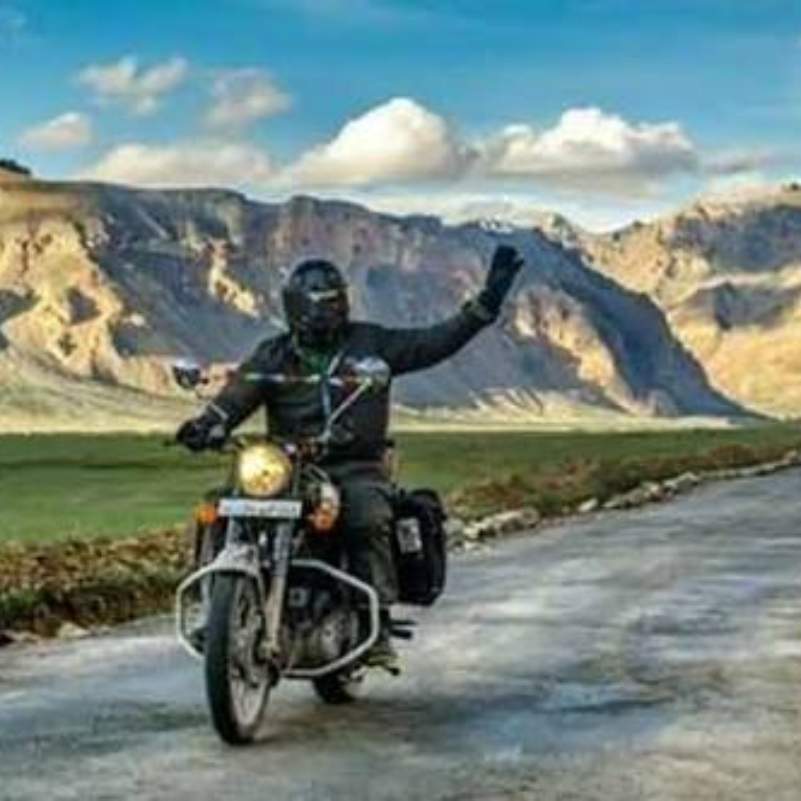
Here is the most specific dated fact we have. A District Kullu order permitted tourist vehicles up to kilometre 46.35, described as three curves beyond Rahni Nallah, between May 16 and July 17, 2026.
The position after July 17, 2026 requires checking the latest District Kullu order for your specific travel date.
This matters because there is a barrier below the pass. Even when the upper road looks perfectly rideable, you have to turn around there. Crossing it is not an option.
Rain, snow, falling stones, black ice, slush, road maintenance and traffic management all change access without warning. A road that was fine at 8 AM can be restricted by noon.
Late-July rainfall caused road disruptions across Himachal, which is exactly why a same-day check matters. That rain does not automatically mean the Rohtang road is closed, but it does mean you cannot assume anything. Verify on the morning you ride.
What is the Manali-to-Rohtang Pass bike route?
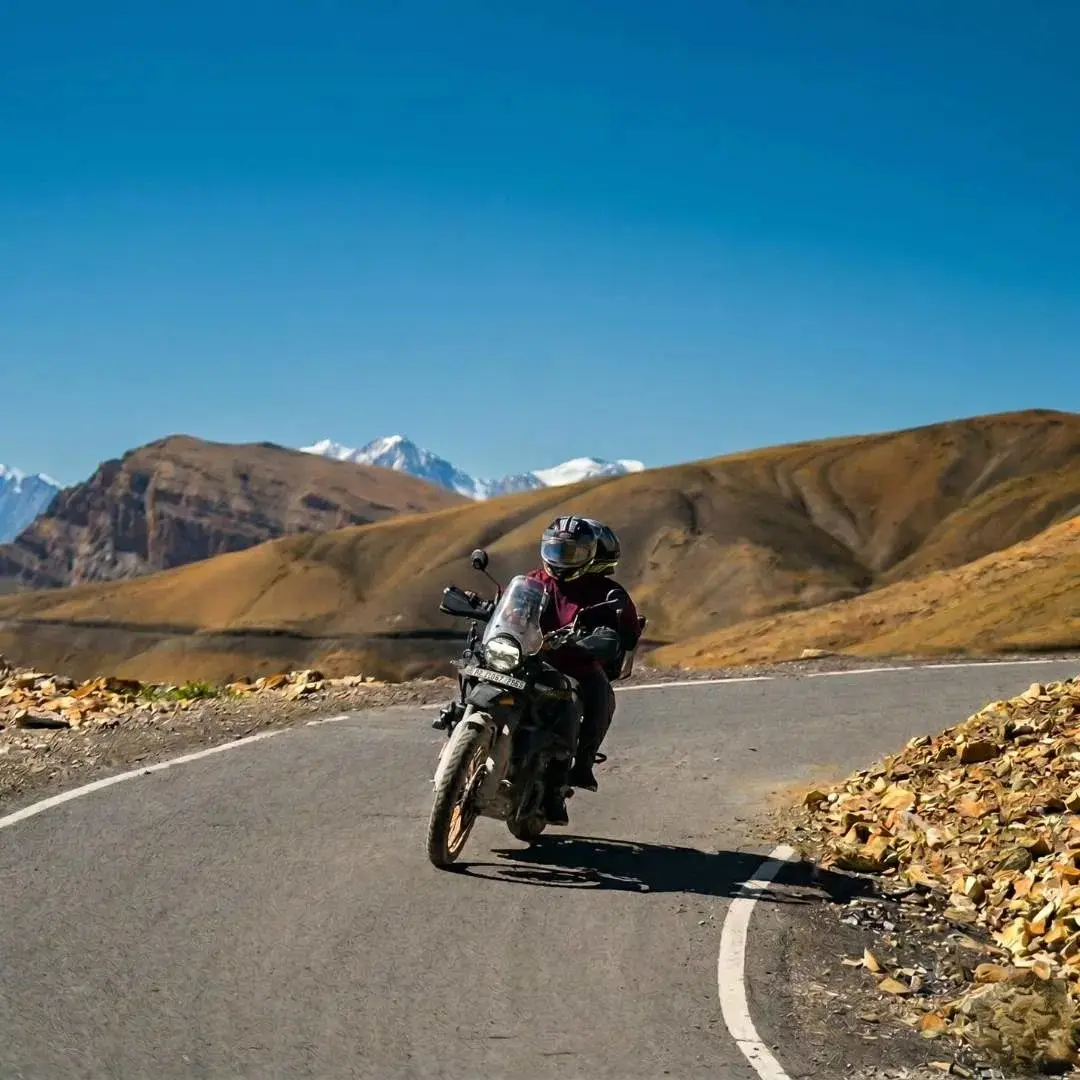
The broad route runs from Manali, through Palchan or Kothi, then Gulaba, past Rahala Falls, up to Marhi, then Rahni Nallah, and finally the day's permitted endpoint toward Rohtang.
We will not hand you fake turn-by-turn directions, because the road changes and diversions happen. What follows is what each stretch actually feels like.
Manali to Kothi and Gulaba
The climb starts soon after you leave Manali. It is gentle at first, then gets steeper and more exposed as the tree cover thins out.
Gulaba, reported at about 23 kilometres from Manali, has commonly served as a permit-check area. Whether it is operating as the check point on your day depends on the current local administration order.
Keep your printed permit and original vehicle documents somewhere you can pull out fast. Digging through a bag at a check post while a queue builds behind you is a bad start.
Gulaba to Rahala Falls and Marhi
The bends increase from here, and so does tourist traffic. Weekends get busy, and cars stop in silly places.
Do not stop on blind bends or park across the road for photos. It sounds obvious, but it causes half the near-misses we hear about.
After rain or snowmelt, expect runoff across the tarmac, wet patches and loose material on the surface. Slow down before you need to, not after.
Marhi and Rahni Nallah toward the authorised endpoint
The upper road is where things get sensitive. Snow, slush, fog, broken edges and temporary restrictions show up here first.
The permitted endpoint can be well below Rohtang Pass. Accept that before you leave, so you are not disappointed at the barrier.
Never cross a police, administration or BRO barrier. It is there for a reason, and there is no view worth what is on the other side of that decision.
If you are lining up a broader Manali trip, our guide to adventure activities in Manali covers what else to do around your ride.
How do you get a Rohtang Pass bike permit?
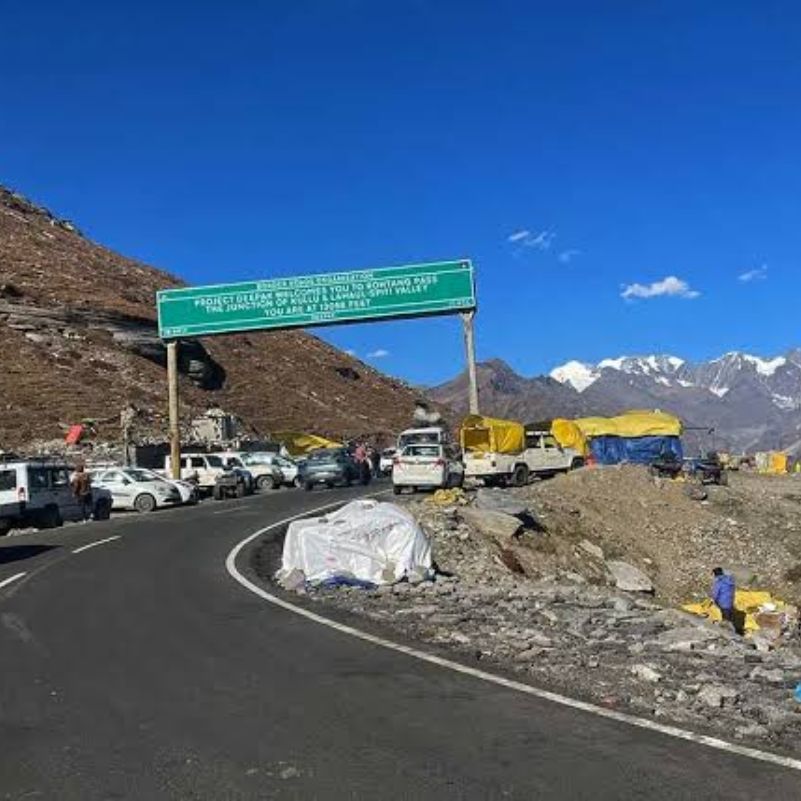
First thing: the old permit website has moved. The current official booking website is:
https://rohtangpermits.hp.gov.in
If a site with a different domain asks for your money, close it.
First identify the correct permit category
There is a difference between visiting the Rohtang area as a tourist and travelling onward toward Lahaul or beyond. These are not automatically the same permit, and their quotas, fees and validity can differ.
The official table we reviewed lists cars, jeeps, MUVs, buses and heavy vehicles. It does not clearly list a two-wheeler category.
The exact 2026 motorcycle permit category, undertaking requirement and fee depend on whether you are visiting for tourism or transiting beyond, and should be checked directly on the official portal prior to booking.
Documents and information used by the official portal
The official form asks for a fair bit. Expect to enter the vehicle number, registration date, rider or driver details, mobile number, email address, purpose of the journey, vehicle type, fuel type, traveller details, identity proof and PUC information.
The special-permit page requires a valid identity document, a valid PUC, and a vehicle registration age not more than ten years.
Carry your driving licence, registration certificate, insurance, PUC certificate and permit printout. For a rented bike, also carry the rental agreement and written authorisation from the registered owner or rental company.
Whether those are accepted depends on local check-post verification on the day of travel, as policies for rented two-wheelers can vary.
Booking windows and quotas
The portal allows booking for the next two days only. Do not plan on a walk-up slot.
Normal permits are released at 10:00 and 16:00. Each release holds 400 petrol and 200 diesel slots, so the stated daily total is 800 petrol and 400 diesel vehicles.
These are general vehicle quota figures, not a separate motorcycle quota. A single vehicle can get a maximum of three permits per week.
The official FAQ also says a maximum of two permits can be booked from one device or IP address.
Payment, confirmation and printout
The official four-wheel fee table lists ₹500 plus a ₹50 congestion charge for a car, jeep or MUV. Buses and heavy vehicles are listed at ₹500 plus a ₹100 congestion charge.
None of that confirms a motorcycle fee. Do not assume the car rate applies to your bike.
The portal says the permit printout is compulsory. The official FAQ also says online cancellation is not available, so book the right date the first time.
What changes when the motorcycle is rented?
The registration and rental documents should match the exact bike you present at checking. A mismatch can end your ride at the check post.
Do not rely on a verbal promise from a rental shop that "it will be fine." Get it in writing.
Confirm the exact process with the rental operator and SDM Manali before you pay for a non-refundable rental or permit. SDM Manali contact details we have are 01902-254100 and sdmman-kul-hp@nic.in.
What are the Rohtang Pass road conditions for bikes in each season?
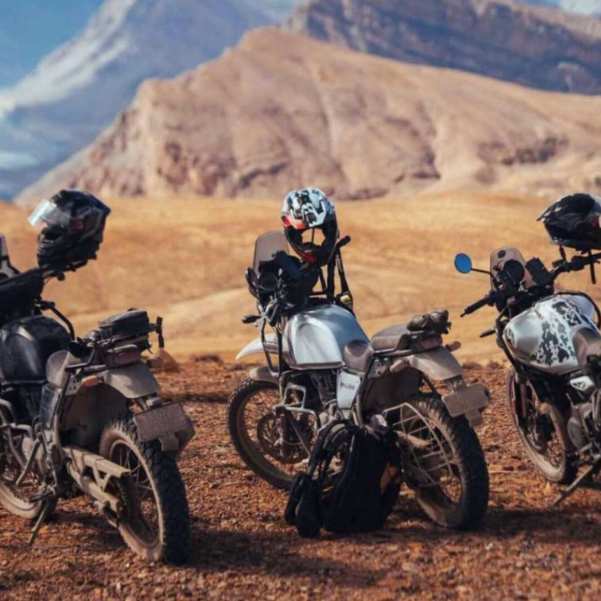
This is a practical pattern from years of watching the road, not a promise that it will be open on your date.
May and early June
Snow clearance happens in stages. Expect slush, cold water crossings and snowmelt across the road.
Vehicles are often authorised only to a lower endpoint this early. Shaded sections stay colder and more slippery long after the sun-facing bits dry out.
We break down this month in detail in our Rohtang Pass in May guide.
Late June
Progressive clearance can make the road more practical, but government authorisation, queues and weather still control how far you get.
Expect congestion around checkpoints and the popular stopping spots. We cannot guarantee access to the top even in late June.
July and August
Rain is the story here. Reduced visibility, runoff, falling stones, wet gravel and temporary traffic restrictions all come with the monsoon.
A forecast and a same-day road check beat any general claim that the pass is open for the season. Carry waterproof layers and make your turnaround decision early and conservatively.
Read our detailed guide to Rohtang Pass in August to learn about road conditions, rain, landslide risks, snow chances and what to expect before you travel.
September and October
Mornings turn colder, and shaded surfaces can get slippery. We will not give you a fixed annual closing date, because there isn't a reliable one.
Planning your trip for September or October? Read our detailed guides on Rohtang Pass in September and Rohtang Pass in October to compare weather, road conditions, crowds and snow chances before you decide when to visit.
What is a realistic one-day Manali-to-Rohtang bike itinerary?
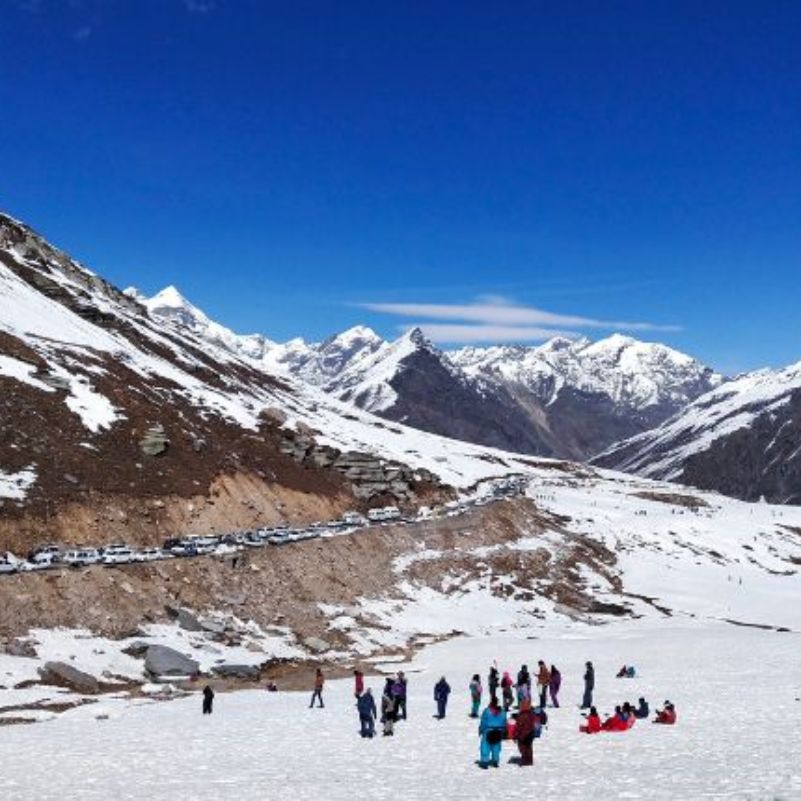
The riding distance is about 51 kilometres each way, roughly 102 kilometres for the round trip.
We are not going to invent a fixed journey time, because checkpoints, road condition, traffic and stops swing it wildly. Mountain kilometres take far longer than highway kilometres.
Do the boring prep the evening before. Inspect the bike and sort your documents then, not at 6 AM half-asleep.
Leave early, ride at a measured pace, keep stops short, and fix a firm daylight turnaround point before you go. What we always tell our riders is to decide the turnaround time in advance and actually stick to it, because the mountains do not care about your schedule.
Turn around when the weather worsens, visibility drops, the bike develops any problem, or officials restrict access. No debate.
Which motorcycle and riding gear are suitable?
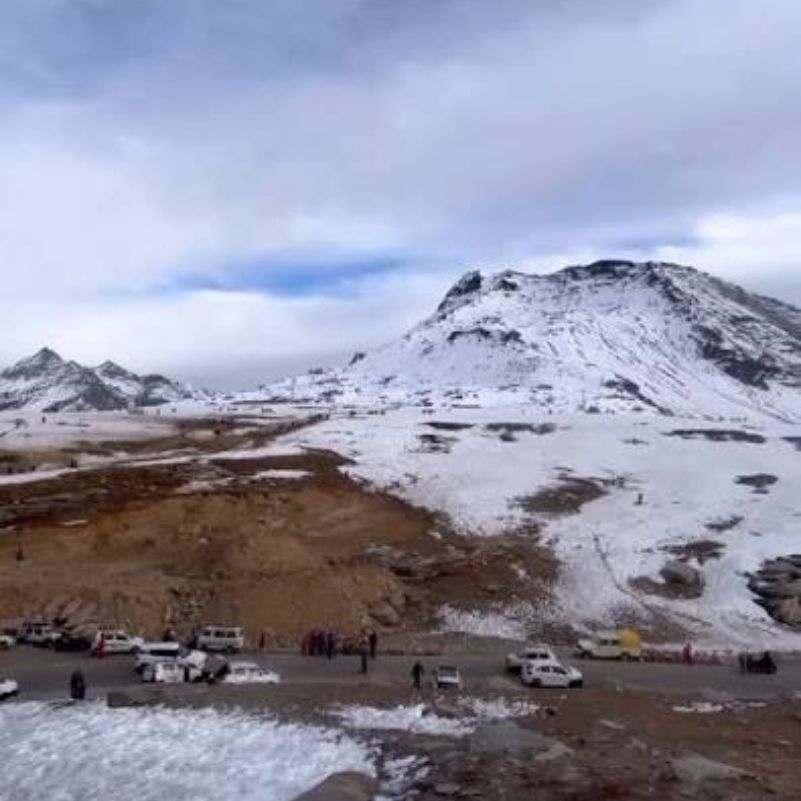
Mechanical condition and your control of the bike matter far more than owning a good-looking model.
Check the tyre tread and pressure, brakes, clutch, chain, lights, indicators, horn, mirrors and fuel before you climb. Carry a basic puncture solution and a roadside-assistance contact.
For gear, ride with a full-face helmet, riding gloves, a protective jacket, ankle-covering footwear, warm layers and waterproof outerwear. The cold at the top will surprise you even on a warm Manali morning.
We are not publishing rental prices here, because we do not have a verified 2026 rate to give you. And no, a particular engine capacity is not legally required, whatever a rental agent tells you.
Is the Rohtang Pass bike ride safe for beginners?
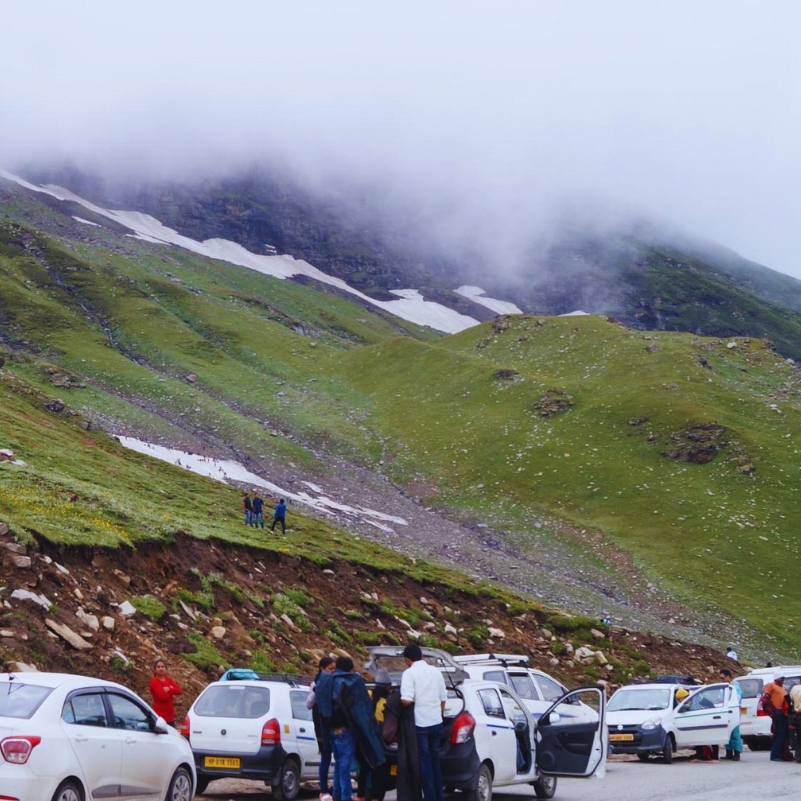
Let us be straight. The gradients, hairpin bends, buses, tourist traffic, wet gravel, slush and fog make this a real test of riding skill.
The big one is downhill braking. Continuously holding the brakes on a long descent overheats them. Use engine braking and let the gears do the work.
If you are not comfortable with hill starts, tight bends or carrying a pillion, take a taxi or an experienced guided option instead. There is no shame in it.
We will not tell you the road is completely safe or wildly dangerous. Your safety depends on the conditions, the traffic, the bike and your own skill on that day.
What altitude precautions should riders take?
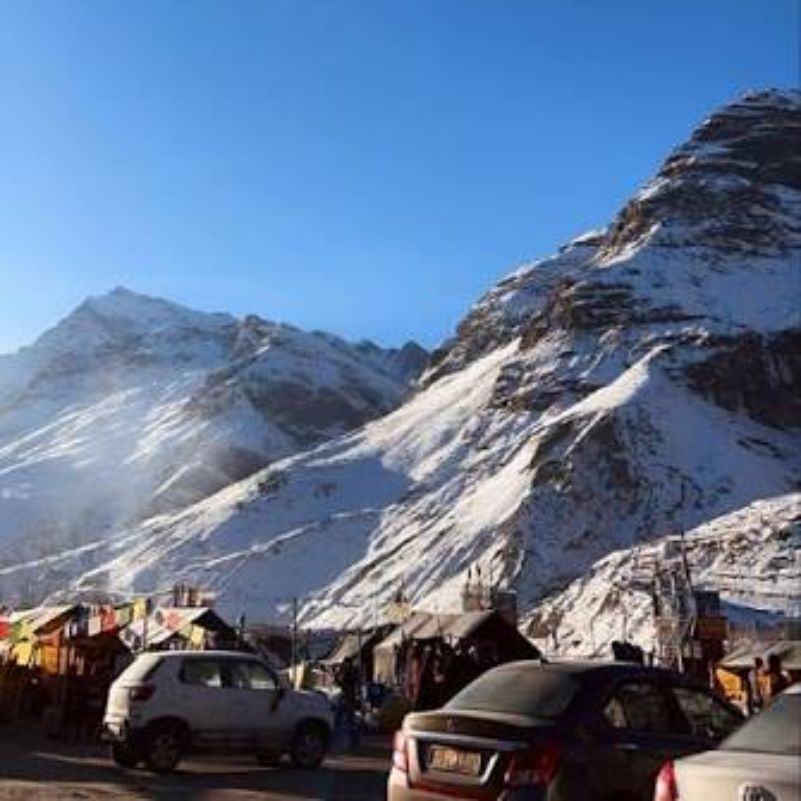
Rohtang Pass sits at about 3,978 metres above sea level. That is high enough for altitude to affect people who feel perfectly fit at the bottom.
Watch for headache, nausea, dizziness, fatigue, loss of appetite and poor sleep. These are the common warning signs.
Do not keep climbing when symptoms get worse. If they persist or turn severe, going down is the safer response, not pushing on.
We are not doctors and will not recommend medicines. If you are extending the ride into higher country, our Spiti Valley tour packages build in proper acclimatisation.
Rohtang Pass or Atal Tunnel and Sissu: which is better by bike?
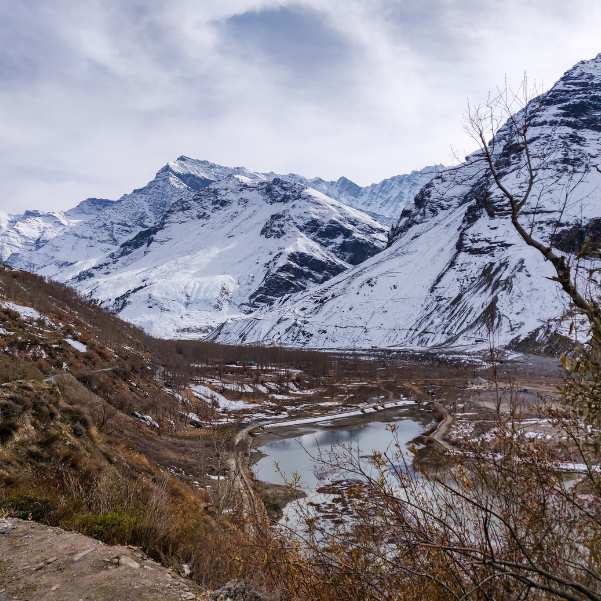
Rohtang is a seasonal mountain-pass sightseeing road. You go up, you take in the height, you come back.
The Atal Tunnel route skips Rohtang entirely and drops you into Lahaul. It cuts the high-altitude pass exposure and the seasonal drama that comes with it.
On scenery, Rohtang gives you the classic pass ride with snow walls in season. On reliability, the tunnel route is generally less sensitive to snow, though we will not claim it is always open or always permit-free, because conditions and Lahaul road status vary.
Sissu works well as an alternative day out once you have checked the day's tunnel and Lahaul road status. Our Sissu tour packages cover that side.
Common mistakes on a Rohtang Pass bike trip
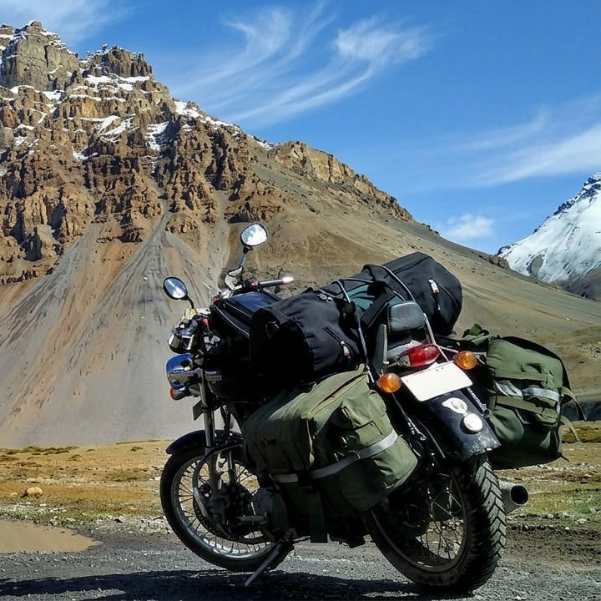
The classic one is using the retired permit website or working off an old screenshot of rules that have since changed.
Riders also assume the car fee automatically applies to a bike, carry only a phone screenshot instead of the compulsory printout, confuse a mechanically open road with authorised tourist access, and start the return ride far too late.
Then there is renting a motorcycle without complete paperwork, ignoring a barrier, riding on through worsening fog, and treating another tourist's social-media post as if it were an official order. All avoidable.
For the very early season, our Rohtang Pass in March guide shows just how different conditions can be.
Final decision checklist for riders
Before you throw a leg over the bike, run through this in order. Check the latest government order and confirm the exact authorised endpoint for your date.
Sort out the correct bike permit category, which varies depending on whether you are visiting for tourism or transiting onward, and confirm it with the official portal or SDM Manali.
Then check the weather forecast and the same-day road status, get all your documents printed and in order, inspect the motorcycle properly, and make sure you have enough daylight for a comfortable return.
And remember this. If the weather turns, a barrier stops you, or the bike acts up, turning back is a successful safety decision, not a failed trip. The pass will be there next season.
Explore Our Curated Rohtang Pass Tour Packages
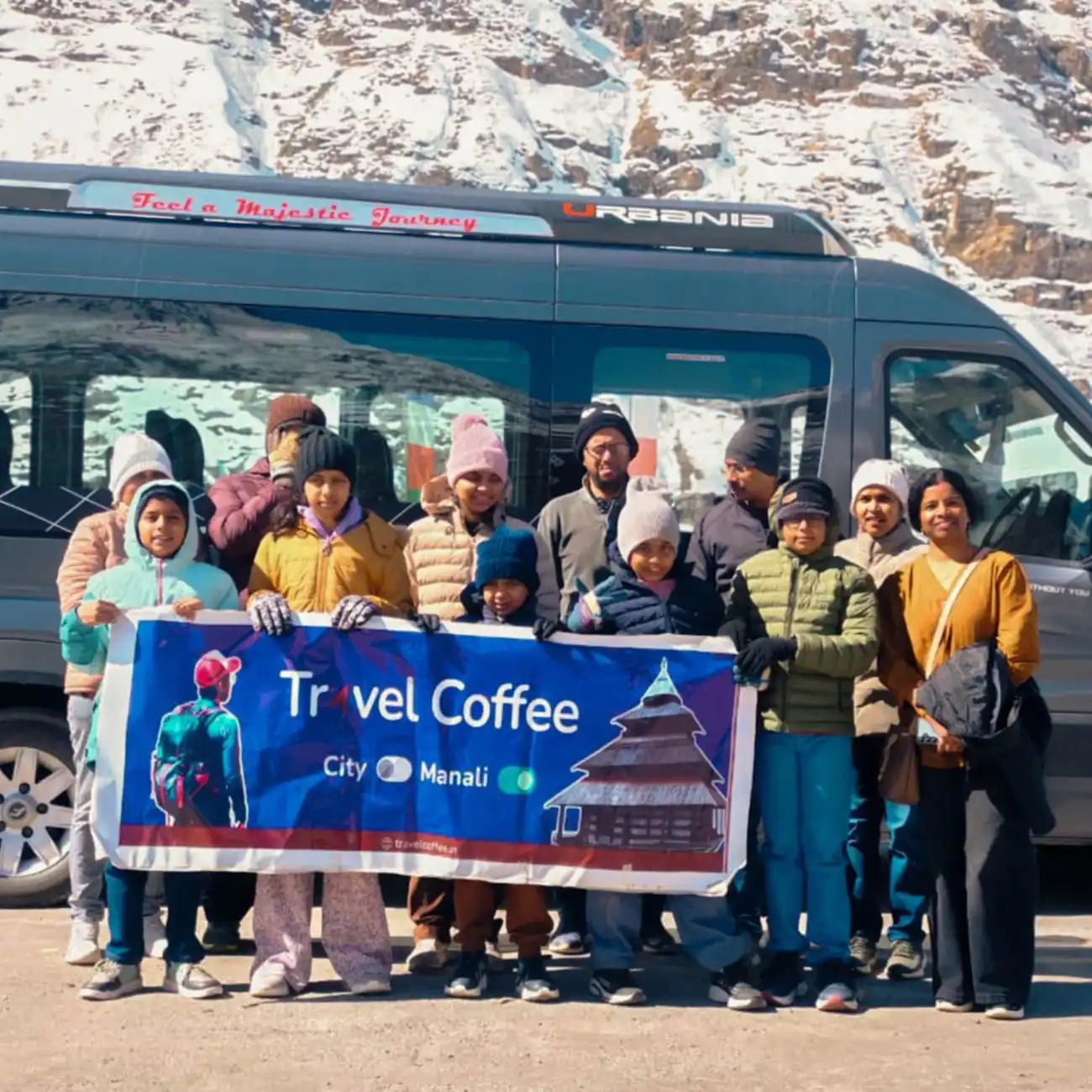 5D/4N
5D/4NPremium Manali Tour Package with Private Cab and Rohtang Pass
4D Manali
₹14,999₹19,999SAVE INR 5,000/ person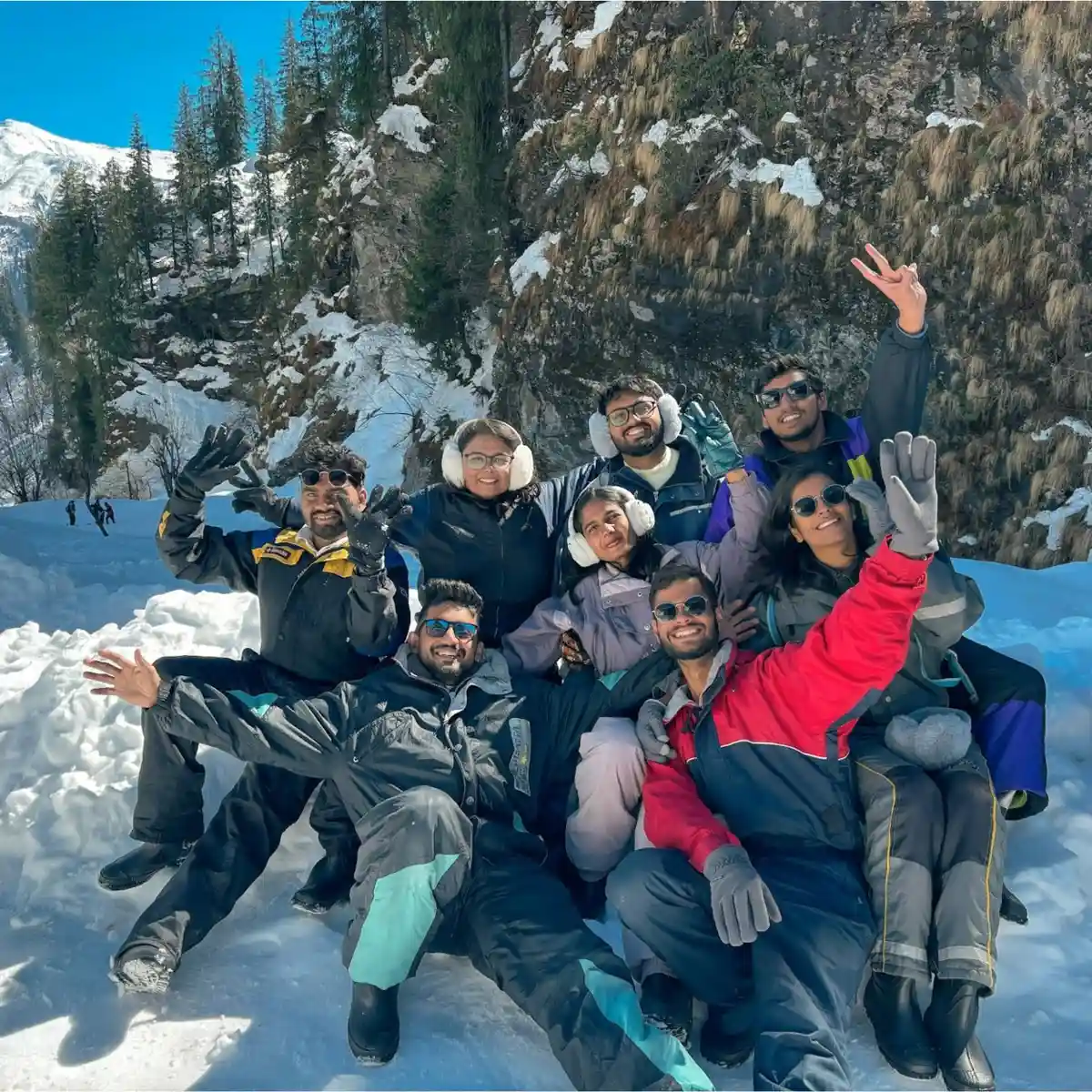 5D/4N
5D/4NBest Value Manali Volvo Package with Rohtang Pass
3D Manali
₹9,999₹13,999SAVE INR 4,000/ person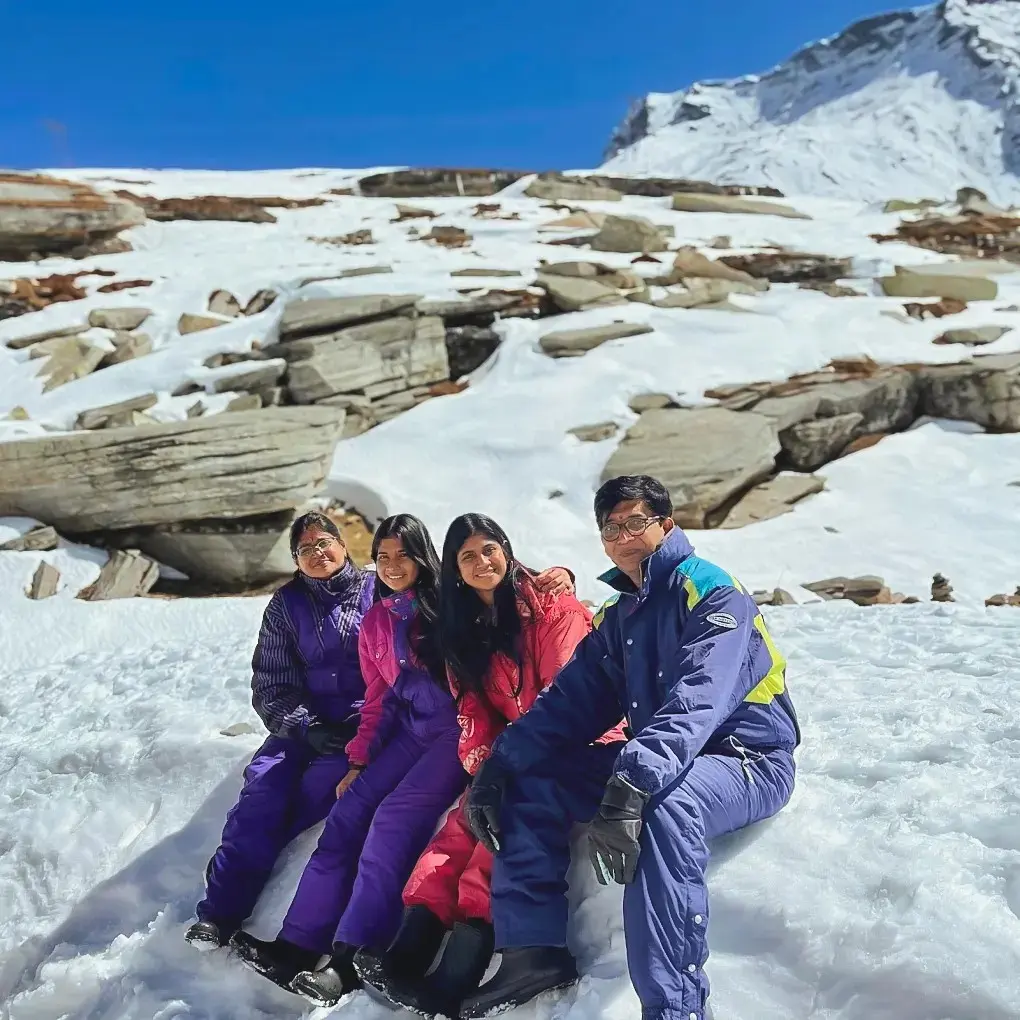 7D/6N
7D/6NComplete Shimla Manali Volvo Package with Rohtang Pass
2D Shimla•2D Manali
₹15,999₹19,499SAVE INR 3,500/ person
Related topics
Frequently Asked Questions
Can I ride a bike from Manali to Rohtang Pass?
Yes, but it depends on the day's authorised endpoint, the permit requirement and road conditions. Check a dated order before you commit.
Do motorcycles need a Rohtang Pass permit?
Third-party information conflicts, and the official table we reviewed does not clearly list two-wheelers. The exact requirement depends on whether you are visiting for tourism or transiting onward, and should be confirmed directly on the official portal or at the SDM office in Manali.
What is the Rohtang Pass motorcycle-permit fee in 2026?
We will not give a definite bike price. For context, the official four-wheel table lists ₹500 plus a ₹50 congestion charge for cars, jeeps and MUVs, but the exact two-wheeler rate should be verified on the portal at booking.
How do I apply for a Rohtang bike permit online?
Use the official portal at https://rohtangpermits.hp.gov.in, which books for the next two days with releases at 10:00 AM and 4:00 PM. Whether a two-wheeler option appears explicitly as a standalone selection depends on current portal updates and active district administration guidelines.
Which documents should I carry?
Carry the permit printout, driving licence, registration certificate, insurance, PUC and identity proof. For a rental bike, add the rental agreement and written authorisation.
Are rented motorcycles allowed at Rohtang Pass?
We did not find a clear blanket 2026 rule on the official pages. Verify directly with the rental operator and SDM Manali before you pay.
How far is Rohtang Pass from Manali?
About 51 kilometres one way and roughly 102 kilometres for the return trip.
Can the bike trip be completed in one day?
It is commonly planned as a day ride, but feasibility depends on the authorised endpoint, permit checking, weather, traffic, daylight and your ability.
Is Rohtang Pass closed on Tuesday?
The permit portal mentions no vehicle movement on Tuesday, while dated orders may apply closures for specific periods. Verify for your exact travel date.
What happens when permits are sold out?
Do not try to bypass the system. Change your date, pick an authorised alternative, or consider the Atal Tunnel and Sissu route after checking its current status.
Is the ride safe for a beginner?
It demands confident hill starts, hairpin control and downhill engine braking. If you are not there yet, choose a taxi or guided option.
Do I need the same permit when travelling beyond Rohtang?
Tourism access and onward travel can fall under different permit purposes. Select the correct category and verify the latest rule.
More about Rohtang Pass
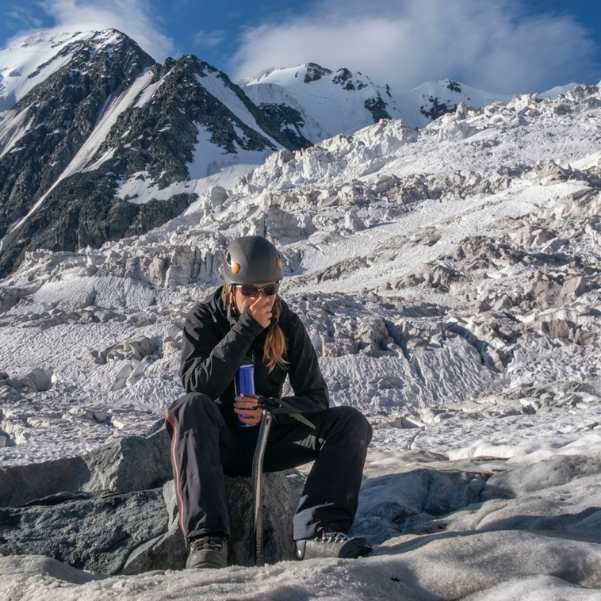 Rohtang Pass
Rohtang Pass Altitude Sickness in 2026: Symptoms, Prevention and When to Turn Back
Planning a trip to Rohtang Pass in 2026? Learn the symptoms of altitude sickness, prevention tips, and when to turn back for a safe mountain journey.
- Altitude & Health
- First-Time Travellers
 Rohtang Pass
Best Places to Visit on the Way to Rohtang Pass in 2026
Discover the best places to visit on the way to Rohtang Pass in 2026, including Solang Valley, Rahala Waterfalls, Gulaba, Marhi, and more for an unforgettable Himalayan road trip.
- Places to Visit
- Road Trips
 Rohtang Pass
15 Rohtang Pass Mistakes to Avoid in 2026: Permits, Taxi Scams, Timing and Snow Rentals
Planning a Rohtang Pass trip in 2026? Discover 15 common mistakes to avoid, from permits and weather to packing and safety, for a smooth mountain adventure.
- First-Time Travellers
- Permits & Fees