
Manali to Rohtang Pass Distance, Route, Travel Time & How to Reach (2026)
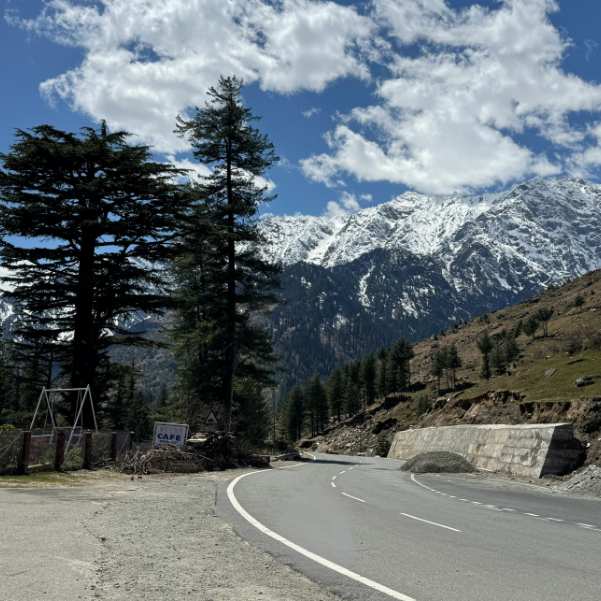
Rohtang Pass is 51 km from Manali. On paper that is a ninety minute drive. In reality, most of our travellers take 2 to 2.5 hours, and on a Saturday in June we have seen the same stretch eat up four hours.
The road is not the problem. The permit checkpoint at Gulaba and the line of tourist taxis behind you is the problem.
Quick Answer: Manali to Rohtang Pass in 2026
The distance from Manali to Rohtang Pass is 51 km and the pass sits at 3,978 metres (13,050 ft).
Normal travel time is 2 to 2.5 hours one way. On weekends and peak season days, expect 3 to 4 hours because of traffic.
The route runs from Manali to Palchan to Kothi to Gulaba to Marhi to Rohtang Pass.
You need a permit. The permit fee is ₹500 plus a congestion charge of ₹50 for a car or jeep. The permit is valid for a one day round trip only.
What Most People Get Wrong About the Manali to Rohtang Pass Drive
They plan it as a half day trip and leave the hotel at 9 AM.
By then the permit quota vehicles are already on the road and you are stuck behind them from Palchan onwards.
In our experience, the people who enjoy Rohtang are the ones who leave Manali by 5 AM. The ones who leave at 9 AM spend the day looking at the back of a Bolero.
The second mistake is treating the pass like a destination. Rohtang is a road. The good part is the drive, the snow at Marhi, and the view when you crest the top. If you go expecting a tourist spot with facilities, you will be disappointed.
Manali to Rohtang Pass Distance and Altitude Explained
The 51 km looks short. It is short. What makes it slow is that you climb from Manali at roughly 2,050 metres to 3,978 metres in that distance.
That is almost 2,000 metres of altitude gain packed into fifty odd kilometres of hairpin bends.
Your car will feel it. Underpowered hatchbacks struggle badly between Marhi and the top, especially when loaded with five people and luggage.
You will feel it too. Most people are fine, but if you flew into Bhuntar the previous evening and drove straight up the next morning, a headache is likely.
The Complete Manali to Rohtang Pass Route, Stop by Stop
Manali to Palchan
The first stretch out of Manali runs along the Beas through Aleo and Nehru Kund. The road is decent tarmac and you will do this bit fast.
Palchan is where the road forks. Left goes towards Solang. Straight and up is Rohtang.
There are a few dhabas here that open early. If you left Manali without breakfast, this is your first realistic stop.
Palchan to Kothi
The climb begins properly here. Kothi sits above a deep gorge cut by the Beas and it is one of the better photo stops on the entire route.
Most tourists blow past Kothi because they are in a rush to reach snow. That is a mistake. The gorge view from the bridge here is better than anything you will see at the top on a crowded day.
Kothi to Gulaba
Gulaba is where the permit checkpoint sits. Have your permit printout, vehicle papers and driving licence ready before you reach here.
This is also the point where the road opens up. Green slopes on both sides, the valley falling away below, and no buildings for a long stretch.
In August and September, access beyond Gulaba depends on rainfall, landslide risk and daily traffic controls. By October, colder weather and early snowfall may affect the route, so check our Rohtang Pass in August, September and October guides for month-specific conditions.
Rahala Falls
A few kilometres past Gulaba you reach Rahala Falls, where the Beas comes down in a series of drops beside the road.
It is genuinely worth five minutes. Not fifteen. Five.
Park on the shoulder, walk to the edge, take your photos, get back in the car. Every minute you spend here is a minute of traffic building up behind you at Marhi.
Gulaba to Marhi
This is the section that separates good drivers from nervous ones. Continuous hairpins, no barriers on several bends, and drops that will make your passengers stop talking.
Marhi is the last proper stop before the pass. It is a cluster of temporary dhabas and shops that appear every season once the road opens.
This is where almost everyone stops for snow activities, tea and toilets.
Marhi to Rohtang Pass
The final climb takes around thirty to forty minutes depending on traffic. The switchbacks here are tight and the tarmac gets patchy in places.
Then you reach the top. Rohtang Pass at 3,978 metres, with the Lahaul side dropping away in front of you and a completely different landscape on the other side.
Where to Eat on the Manali to Rohtang Pass Route
The dhabas at Marhi are your best bet. Simple aloo parathas, hot Maggi, and chai that costs more than it should because everything up there arrives by truck.
Our drivers always stop at the same row of dhabas on the left side as you come up. Not because the food is better but because the owners keep the same spot every season and they will let you use their toilet without a fuss.
Carry a thermos of tea from Manali anyway. On a cold morning at Marhi, having your own hot drink while everyone else queues is a small luxury that costs nothing.
Manali to Rohtang Pass Travel Time: Weekday vs Weekend
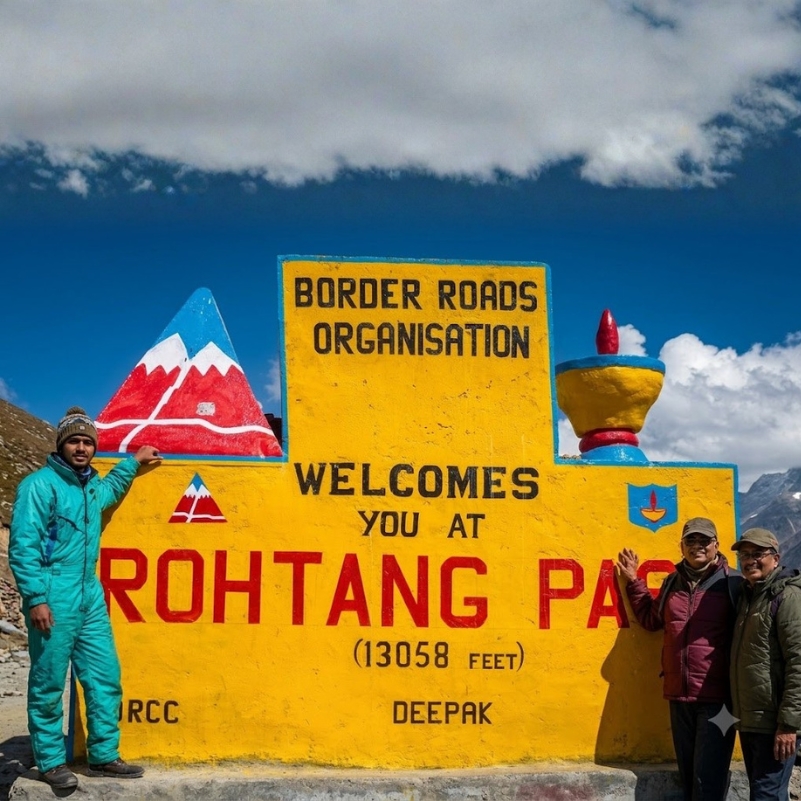
On a weekday morning with an early start, 2 to 2.5 hours is realistic.
On a Saturday or Sunday in peak season, plan for 3 to 4 hours. The bottleneck is the Gulaba checkpoint and the single lane sections above Marhi.
Our honest advice after running this route for years is simple. Go on a Tuesday or Wednesday if you have any flexibility at all. The difference between a midweek Rohtang trip and a weekend one is not small. It is the difference between a good day and a wasted one.
Also plan your return. Coming down between 2 PM and 4 PM puts you in the middle of everyone else coming down.
Leave the top by noon and you will be back in Manali for a late lunch instead of a late dinner.
How to Reach Rohtang Pass from Manali: All Transport Options
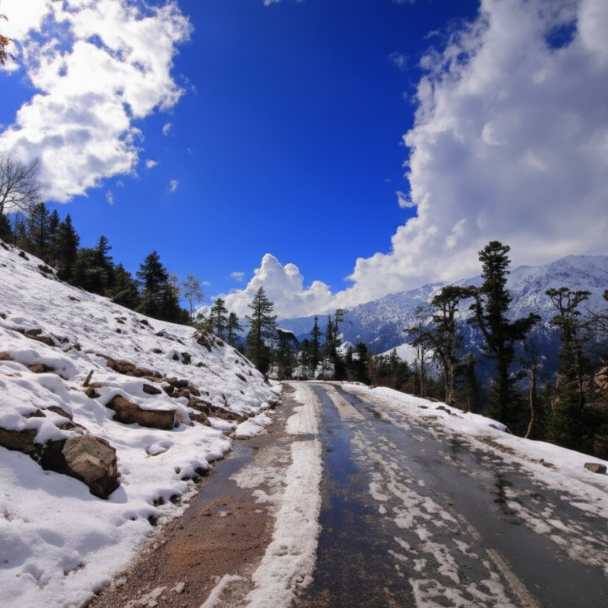
Taxi from Manali
This is what most travellers use and honestly what we recommend for first timers.
The taxi union runs fixed rates from Manali for the Rohtang round trip. The driver handles the permit, knows the checkpoint staff, and knows when to turn back if the weather changes.
The real value is not the car. It is that a local driver has done this road hundreds of times and you have not.
Self Drive Car
Doable if you are comfortable on mountain roads and your car has decent ground clearance and a working engine at altitude.
You must arrange the Rohtang Pass permit yourself, and your vehicle must meet the applicable permit requirements. If your car is registered outside Himachal Pradesh, check the latest permit rules before planning your trip, as additional conditions may apply.
Do not attempt this in a loaded hatchback. We have seen too many of them cooking their clutch between Marhi and the top.
Bike Trip to Rohtang Pass
The Manali to Rohtang Pass bike trip is the version most riders want, and it is the best way to do this road if you can handle it.
Rented bikes in Manali need permits too, and the rental shop usually arranges this. Confirm before you pay the deposit.
Ride in layers. It can be pleasant in Manali and genuinely freezing at the top. Waterproof gloves matter more than a fancy jacket because wet hands at 13,000 feet will end your day early.
If you want more riding and adventure options around Manali, our adventure activities in Manali guide covers what is worth doing and what is a tourist trap.
Shared Cab
Cheapest way up if you do not mind waiting for the vehicle to fill and stopping wherever the group wants.
You lose control of your schedule completely. For a trip where timing decides your entire experience, that is a real cost.
HRTC Bus
HRTC operates seasonal services on the Manali–Leh Highway, with buses travelling through the Rohtang route toward Keylong and Lahaul.
Timings and operating dates depend on road conditions, so check the latest schedule at the Manali bus stand before travelling.
These buses are meant for people travelling onward to Keylong and Lahaul, not for tourists doing a round trip to the pass. If you just want to see Rohtang and come back, this is not your option.
Rohtang Pass Permit: What You Actually Pay in 2026
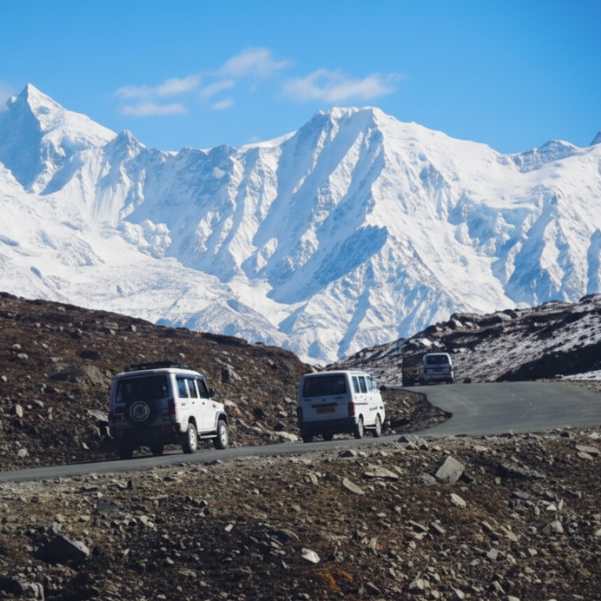
You need a permit to cross Gulaba towards Rohtang Pass.
The permit fee is ₹500. There is an additional congestion charge of ₹50 for a car or jeep.
The permit is valid for a one day round trip. You go up and come back the same day. It does not cover an overnight stay on the other side.
Permits are issued through the official online system with a daily vehicle quota, so book as far ahead as you can.
Carry a printout. Do not rely on a screenshot on your phone. The network at Gulaba is unreliable and a checkpoint official who cannot see your document clearly will hold up you and everyone behind you.
The Money Tip Nobody Tells You
Snow gear rental prices are usually higher at Palchan and at shops along the Rohtang route. A jacket, boots and gloves set may cost around ₹800 to ₹1,000, depending on the shop, season and quality of the gear.
The same set rents for noticeably less from shops in Old Manali and near the Mall Road if you pick it up the previous evening.
What we tell our travellers is to rent gear in Manali the night before, not on the road in the morning. You get better prices, better sizes, and you are not haggling at 6 AM while your driver waits.
Skip This
Skip the paid snow activity packages that touts sell at Marhi. The tube rides, the snow scooter runs, the packaged photo shoots.
They cost several hundred rupees for two minutes of activity on a patch of snow that everyone has already walked over.
Walk fifty metres away from the cluster of shops and you get cleaner snow, better photos, and nobody asking you for money.
Planning the drive from Manali to Rohtang Pass? Check our Rohtang Pass travel guide for practical information on permits, road conditions, timings and everything you need to know before you leave.
Safety Warning: The Scam You Will Face at Marhi
Touts at Marhi will tell you the road ahead is closed and that you should do your snow activities right there with them.
Sometimes the road actually is closed. Usually it is not.
Ask your driver, or ask the police or Border Roads staff at the barrier. Do not take road status information from someone who profits from you stopping.
The second thing to watch is the return quote. Some drivers who take a group up will renegotiate on the way down, claiming extra hours. Agree on the full round trip price in writing before you leave Manali.
Best Time to Visit Rohtang Pass from Manali
March and April
The pass itself is usually still closed. Tourists are typically allowed only up to Gulaba, and that is where you will find snow.
Plenty of people are happy with this. The snow at Gulaba in March is real snow and the crowds are much thinner.
May and June
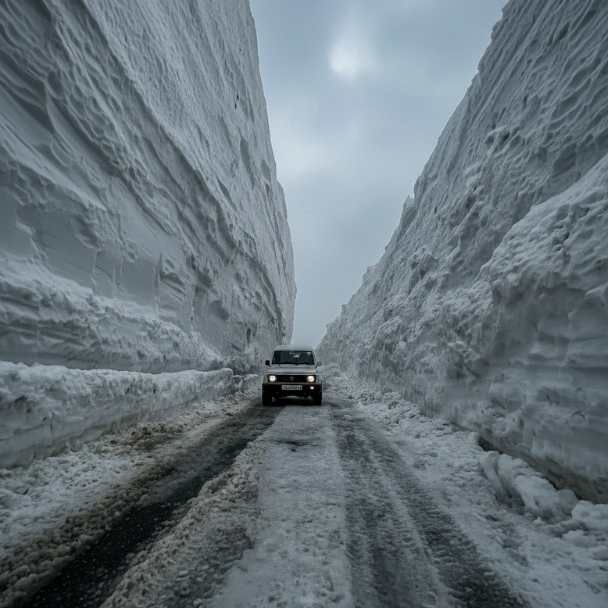
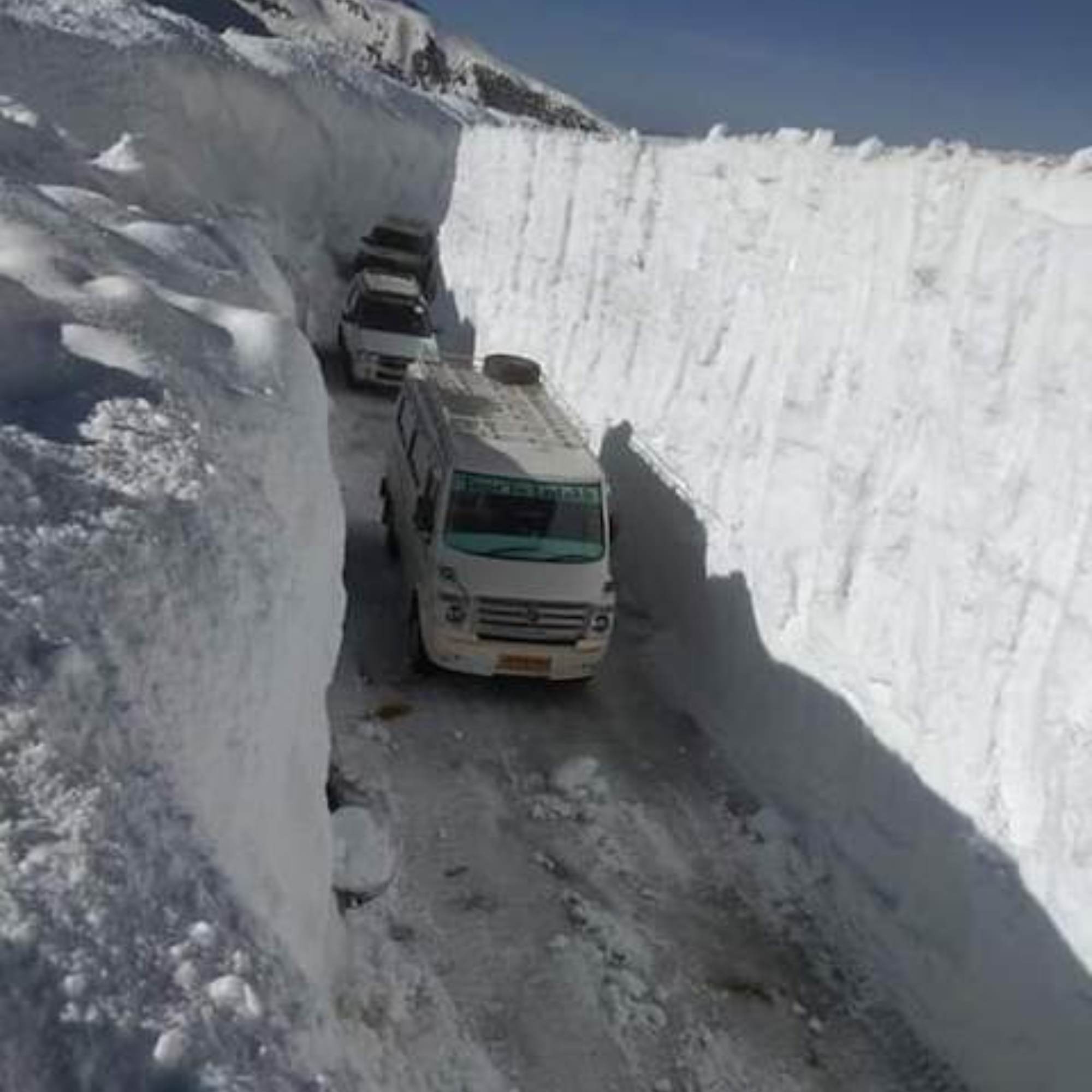
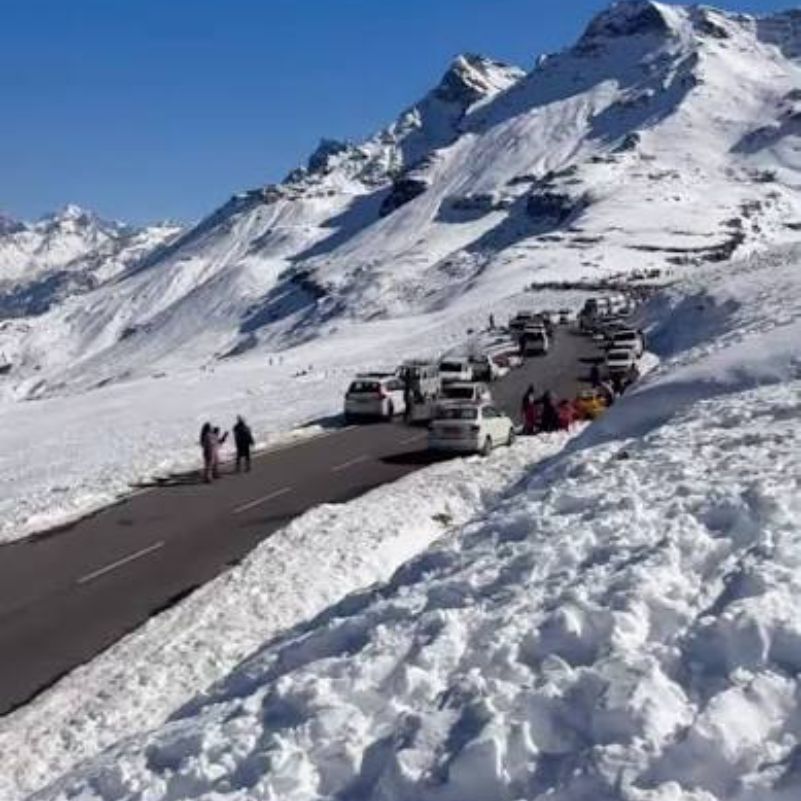
This is when Rohtang opens properly and this is peak season. Snow walls on both sides of the road, maximum crowds, maximum traffic.
If you are travelling in May, our Rohtang Pass in May guide goes into what the road actually looks like that month.
July and August
Monsoon. The pass stays open but landslides and slush are common on the Manali side.
The upside is fewer tourists and the greenest the slopes get all year.
September and Early October
Our favourite window. Clear skies, stable roads, thin crowds and sharp views across to Lahaul.
Nights are cold and the season starts winding down, but for the actual drive this is the best month of the year.
November to February
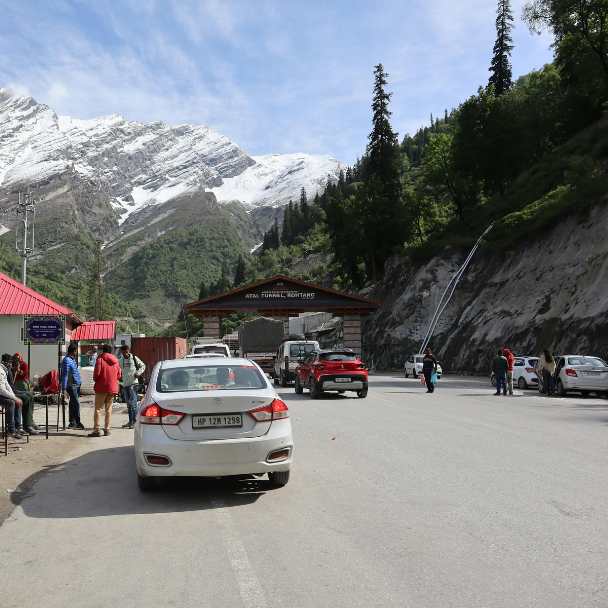
The pass closes under snow. The Atal Tunnel handles all Lahaul traffic during these months, and Rohtang stays shut until BRO clears it in spring.
Practical Tips for the Manali to Rohtang Pass Drive
Leave Manali by 5 AM. Everything about this trip gets better with an early start.
Fill your fuel tank in Manali. There is no reliable fuel station on the route and you do not want to be calculating range on a hairpin.
Carry cash in small notes. The dhabas at Marhi do not take cards and UPI works only when the network cooperates.
Layer up properly. Thermals, a fleece, and a windproof outer. The temperature difference between Manali and the top is dramatic and the wind at the pass makes it worse.
Take altitude seriously. Drink water through the drive, skip alcohol the previous night, and if someone in your group gets a bad headache or starts vomiting, turn around and descend. Nothing at the top is worth waiting it out.
For photography, the best light is on the way up between 6 and 8 AM. The stretch just after Gulaba with the valley opening up is the shot most people miss because they are still asleep in the back seat.
If Rohtang is part of a longer Himachal plan, our Manali tour packages sort the permits, driver and stays so you are not chasing paperwork on holiday.
And if you are continuing beyond Rohtang towards Lahaul and Spiti, the Lahaul and Spiti Valley packages cover the full circuit properly with acclimatisation built in.
The Honest Negative About Rohtang Pass
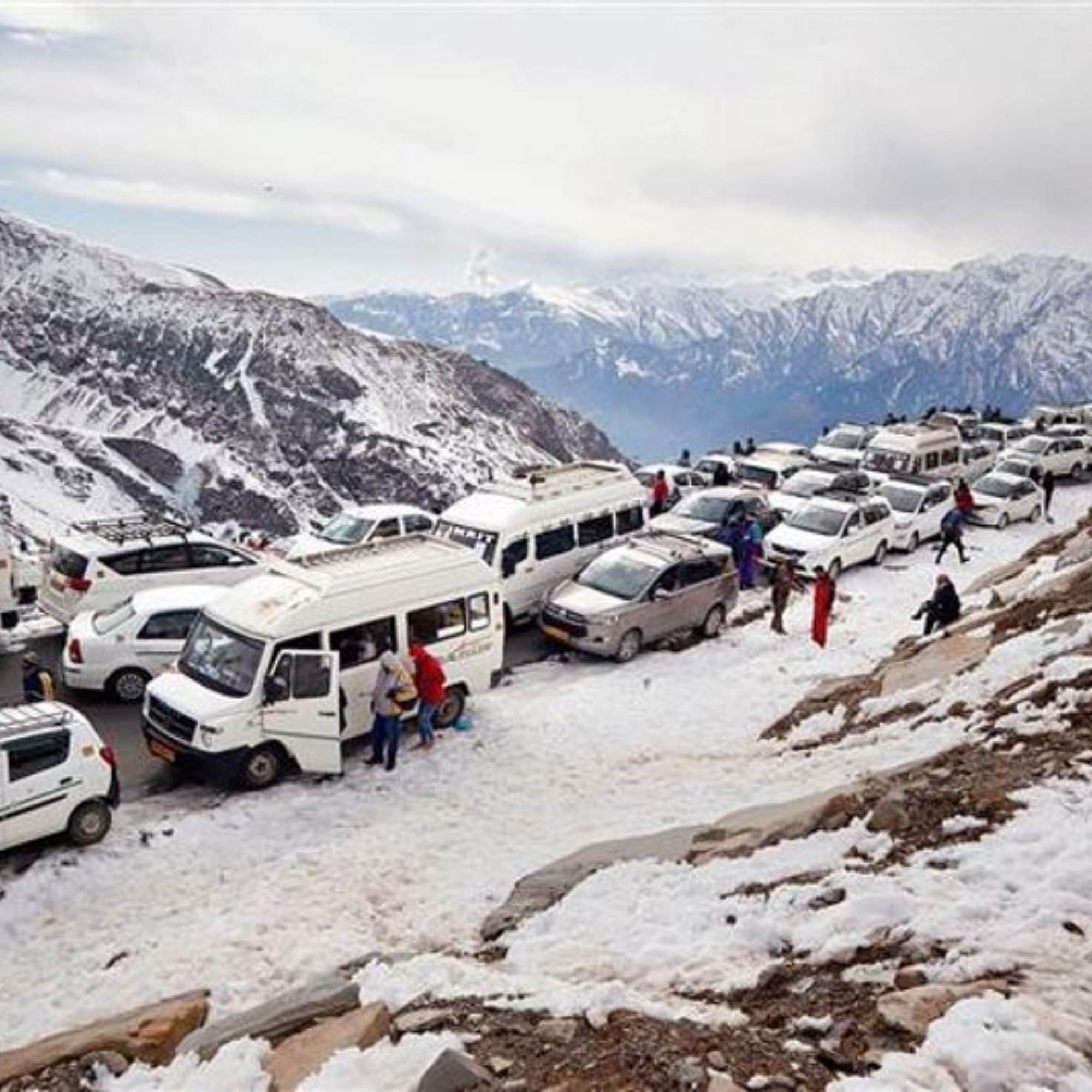
Rohtang on a peak season weekend is not a mountain experience. It is a traffic jam at 13,000 feet.
Thousands of vehicles, touts selling everything, litter around the snow patches, and a queue for every photo spot.
If you have any flexibility, go midweek or go in September. If you cannot, go with realistic expectations and treat the drive as the main event rather than the destination.
We would rather tell you this now than have you find out at Marhi.
Explore Our Curated Rohtang Pass Tour Packages
 5D/4N
5D/4NKashmir Honeymoon Experience – Srinagar, Gulmarg & Pahalgam
3D Srinagar•1D Pahalgam+1
₹14,499₹21,499SAVE INR 7,000/ person 4D/3N
4D/3NThe Perfect 4 Day Kashmir Getaway
2D Srinagar•1D Gulmarg+1
₹9,999₹14,499SAVE INR 4,500/ person 5D/4N
5D/4NBest Of Kashmir – Srinagar, Gulmarg & Pahalgam Tour Package
3D Srinagar•1D Pahalgam+1
₹11,499₹16,999SAVE INR 5,500/ person
Related topics
Frequently Asked Questions
What is the Manali to Rohtang Pass distance?
The distance is 51 km one way from Manali.
How long does it take to reach Rohtang Pass from Manali?
Normal travel time is 2 to 2.5 hours. On weekends and peak season days it stretches to 3 to 4 hours.
What is the altitude of Rohtang Pass?
Rohtang Pass sits at 3,978 metres, which is 13,050 feet.
What is the route from Manali to Rohtang Pass?
You go Manali to Palchan to Kothi to Gulaba to Marhi and then up to Rohtang Pass.
Do I need a permit for Rohtang Pass?
Yes. The permit fee is ₹500 with an additional congestion charge of ₹50 for a car or jeep.
How long is the Rohtang Pass permit valid?
The permit covers a one day round trip only. You cannot use it for an overnight stay across the pass.
Can I take my own car to Rohtang Pass?
Yes, if you arrange a permit and your vehicle meets the conditions. Outstation private vehicles have extra restrictions.
Is the Manali to Rohtang Pass bike trip a good idea?
Yes, if you are a confident rider with warm waterproof gear. Rented bikes need permits, which the rental shop usually arranges.
Is there an HRTC bus to Rohtang Pass?
HRTC runs Leh Manali Highway services through the season that pass Rohtang, but they are for onward travel to Lahaul, not round trips.
What is the best month to visit Rohtang Pass?
September for clear roads and thin crowds. May and June for maximum snow and maximum traffic.
Is Rohtang Pass open in winter?
No. The pass closes under snow from around November to spring, and all Lahaul traffic uses the Atal Tunnel instead.
What should I carry for the Rohtang Pass trip?
Thermals, fleece, windproof jacket, gloves, sunglasses, sunscreen, cash in small notes, water and basic medicines for headache and nausea.
Where do I stop for food on the way?
The dhabas at Marhi are the main option. Palchan has a few early morning places if you need breakfast before the climb.
More about Rohtang Pass
 Rohtang Pass
Rohtang Pass Altitude Sickness in 2026: Symptoms, Prevention and When to Turn Back
Planning a trip to Rohtang Pass in 2026? Learn the symptoms of altitude sickness, prevention tips, and when to turn back for a safe mountain journey.
- Altitude & Health
- First-Time Travellers
 Rohtang Pass
Best Places to Visit on the Way to Rohtang Pass in 2026
Discover the best places to visit on the way to Rohtang Pass in 2026, including Solang Valley, Rahala Waterfalls, Gulaba, Marhi, and more for an unforgettable Himalayan road trip.
- Places to Visit
- Road Trips
- Rohtang Pass
15 Rohtang Pass Mistakes to Avoid in 2026: Permits, Taxi Scams, Timing and Snow Rentals
Planning a Rohtang Pass trip in 2026? Discover 15 common mistakes to avoid, from permits and weather to packing and safety, for a smooth mountain adventure.
- First-Time Travellers
- Permits & Fees