
Lahaul vs Spiti in Winter 2026/27: Sissu or Kaza for Your Snow Trip?

You are stuck between two very different winter trips, and most people don't realise that until they've already booked the wrong one.
Sissu and Kaza both sit in the snow. But one is a quick, easy escape from Manali, and the other is a serious multi-day journey into a frozen high-altitude desert.
Picking wrong means either driving twenty hours for snow you could have found in ninety minutes, or expecting a Winter Spiti adventure and getting a roadside village stop instead.
Let us make this simple for you.
Quick Answer: Should You Choose Sissu or Kaza in Winter?
Choose Sissu if you want a short, easy snow trip that pairs with Manali. It sits in Lahaul, roughly 40 km from Manali, and works even as a day trip when the road is open.
Choose Kaza if you want the real Winter Spiti experience and can handle a long road journey, severe cold, and weather-dependent plans.
One thing to lock in your head right now: Kunzum Pass closes in winter. You cannot drive from Sissu to Kaza across it. These are two separate trips, not two stops on one route.
If you want help deciding, start with our Sissu trip options or the wider Winter Spiti Tour packages.
What Is the Real Difference Between Lahaul and Spiti in Winter?
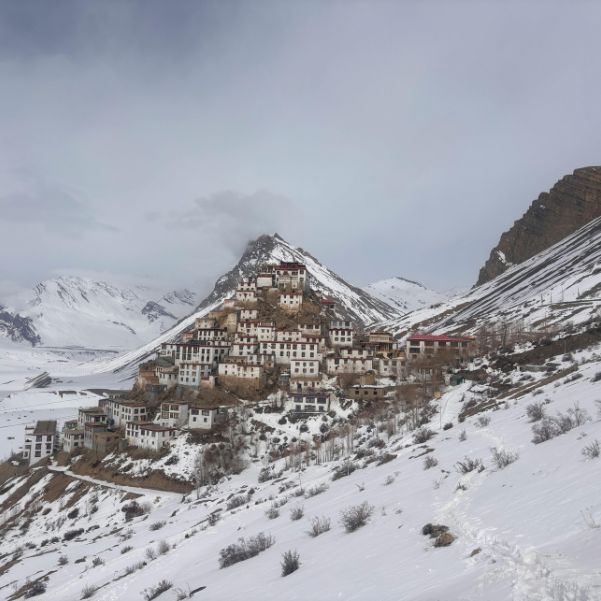
People treat Lahaul and Spiti as one place. In winter, they behave like two different countries.
Sissu is your Lahaul option
Sissu sits in Lahaul's Chandra Valley at roughly 3,130 metres. It is around 40 km from Manali, which is what makes it so easy to reach once you are through the Atal Tunnel.
Think of Sissu as an accessible taste of Lahaul. You get the valley, the snow, and the mountain scenery without committing to a full expedition. It is not a replacement for a proper Spiti trip, and you should not treat it as one.
Kaza is your Spiti option
Kaza is the main travel base in Spiti, sitting at about 3,660 metres. That puts it roughly 530 metres higher than Sissu, and you feel every bit of that difference in the cold.
Kaza is not just about snow. Its real pull is the whole Winter Spiti experience: the cold desert landscape, the monasteries, and the remote villages scattered across a frozen plateau. You go to Kaza for the world it opens up, not simply for white ground.
Why you cannot simply drive from Sissu to Kaza
Here is the fact that trips up more travellers than any other. The route from Lahaul to Spiti crosses the Kunzum region.
The district administration confirms the Keylong to Kaza route closes during winter because of Kunzum Pass and heavy snowfall, roughly from October or November until June or July depending on the year.
So if a plan tells you to see Sissu, then cross over to Kaza through Kunzum in December, that plan is broken. It simply does not work in winter.
If you want to understand the geography behind all this, read our explainer on whether Chandratal is in Lahaul or Spiti.
Which Should You Choose for a Snow Trip: Sissu or Kaza?
Start with what you actually want from the trip.
Pick Sissu if you have a short holiday, you are already staying in Manali, you are travelling with family and want a first snow experience, or you are a couple looking for an easy winter escape. If snow itself is the whole point, Sissu gives you that with far less effort.
Pick Kaza if you specifically want Winter Spiti, you have the time for a long road journey, and you accept severe cold as part of the deal.
You go for the remote villages, the Buddhist monasteries, and that genuine expedition feeling of being somewhere very few people reach in winter.
Do not think of Kaza as just "the place with more snow." That misses the point. Its advantage is the depth of the whole experience, not the depth of the snow.
In our experience planning winter Himachal trips, the biggest mistake is treating Sissu and Kaza as stops on the same winter route. They serve completely different travellers.
How to Reach Sissu in Winter via the Atal Tunnel
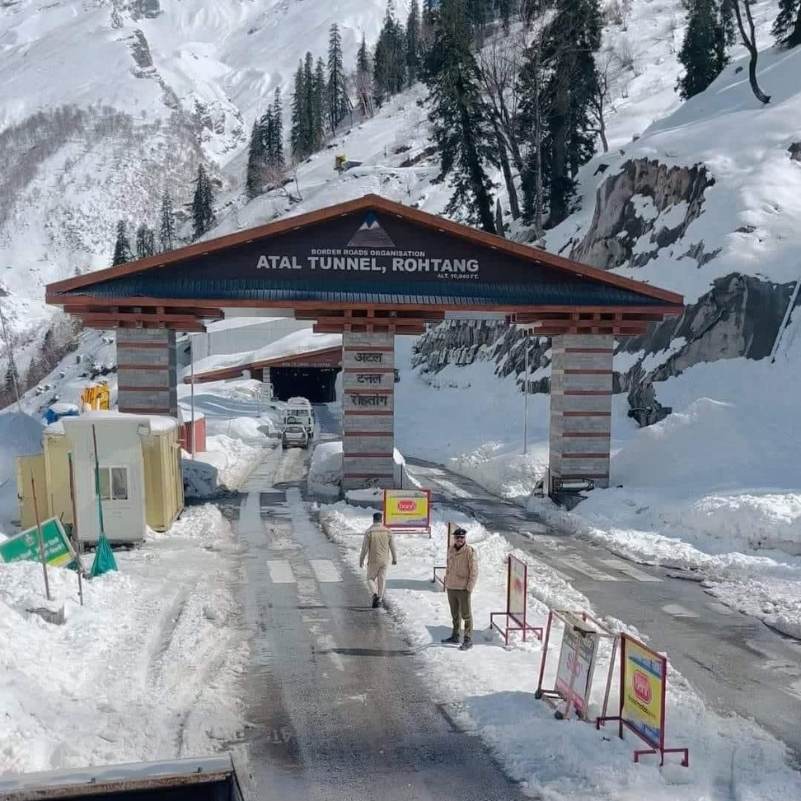
The route is straightforward on paper. You go from Manali towards the Solang side, through the Atal Tunnel, and out into Sissu.
The distance is about 40 km from Manali. A local 2026 source estimates roughly 1 to 1.5 hours in normal conditions. That said, do not treat that timing as a promise in winter. Snow slows everything, and a clear-road estimate means little after a fresh dump.
The Atal Tunnel is what makes this possible. You no longer have to cross Rohtang Pass, which stays snowbound. The tunnel keeps Lahaul connected through the year.
But connected is not the same as guaranteed access every single day. After heavy snowfall or avalanche risk, authorities can close the corridor temporarily.
We will show you real 2026 examples of exactly this later in the article, so you understand what "open in winter" actually means on the ground.
If you plan to base yourself nearby, see our Manali packages to build the trip around it.
How to Reach Kaza in Winter via Shimla and Kinnaur

Forget the Manali route. In winter, the practical way into Kaza is through Shimla and Kinnaur.
The district administration gives Shimla to Kaza as 412 km and roughly 20 hours of driving, and that excludes an overnight halt. This is a two-day journey at minimum, and you break it along the way.
The same official source calls this an "almost all-weather" road. Read that phrase carefully. "Almost all-weather" does not mean immune to closures. Snowfall, landslides, and ice can still shut sections of it temporarily.
Let us be blunt about the other route. Manali to Kaza through Kunzum is not the winter route. Kunzum is closed. Anyone routing you that way in December, January, or February does not understand the season.
Which Has Better Snow: Sissu or Kaza?

Neither place can guarantee you fresh snowfall on your exact travel dates. Nobody can. Snow arrives when it arrives.
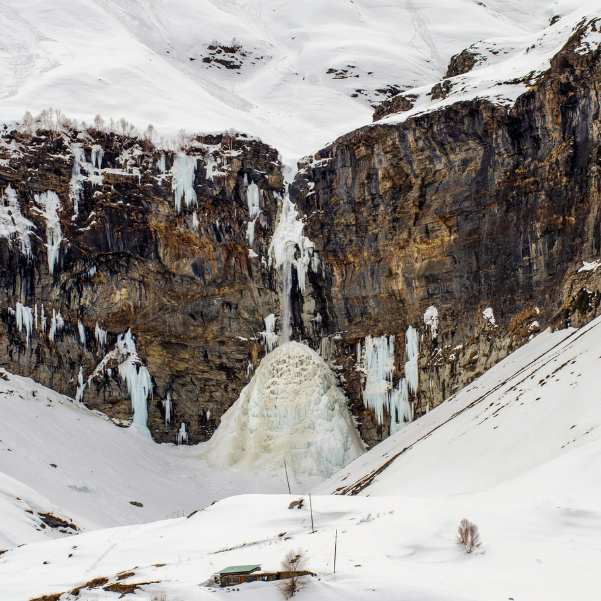
At Sissu, the attraction is snow on the Lahaul valley floor, the mountain scenery around you, the Sissu Waterfall area, snow play, and easy access when the road is open. It is snow you can reach and enjoy without a struggle.
At Kaza, the attraction is bigger and starker. You get a frozen high-altitude cold desert, snow-covered villages, and monasteries sitting in white silence. It is a landscape, not just a photo spot.
Here is the honest split
If you want snow without a full expedition, Sissu gives you more practical value. If you want the experience of being inside Winter Spiti, choose Kaza even though the journey is far more demanding.
Which Is Colder: Sissu or Kaza?
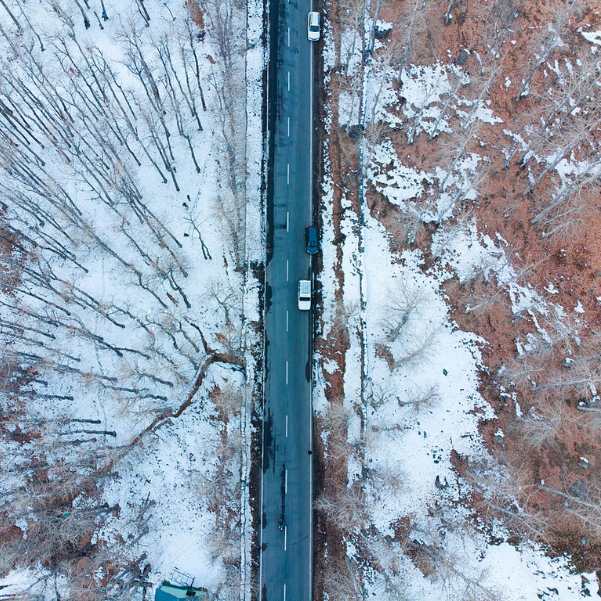
Altitude tells the first part of the story. Sissu sits at about 3,130 metres, Kaza at about 3,660 metres. Kaza is roughly 530 metres higher, and it is meaningfully colder for it.
Local winter guidance for Sissu puts daytime temperatures around minus 2 to 6 degrees Celsius, with cold-spell nights dropping to around minus 10 to minus 15 degrees Celsius.
Kaza and the high Spiti villages run harsher. Winter days often stay near or below freezing, and nights commonly reach around minus 15 to minus 25 degrees Celsius.
Treat both ranges as rough seasonal guidance, never as a forecast for your specific dates.
At Kaza's cold, the practical stuff starts to matter. Frozen plumbing, basic winter water arrangements, and reduced services can all become part of the experience. This is normal for Winter Spiti, and you plan around it rather than fight it.
December, January, February or March: When Should You Go?
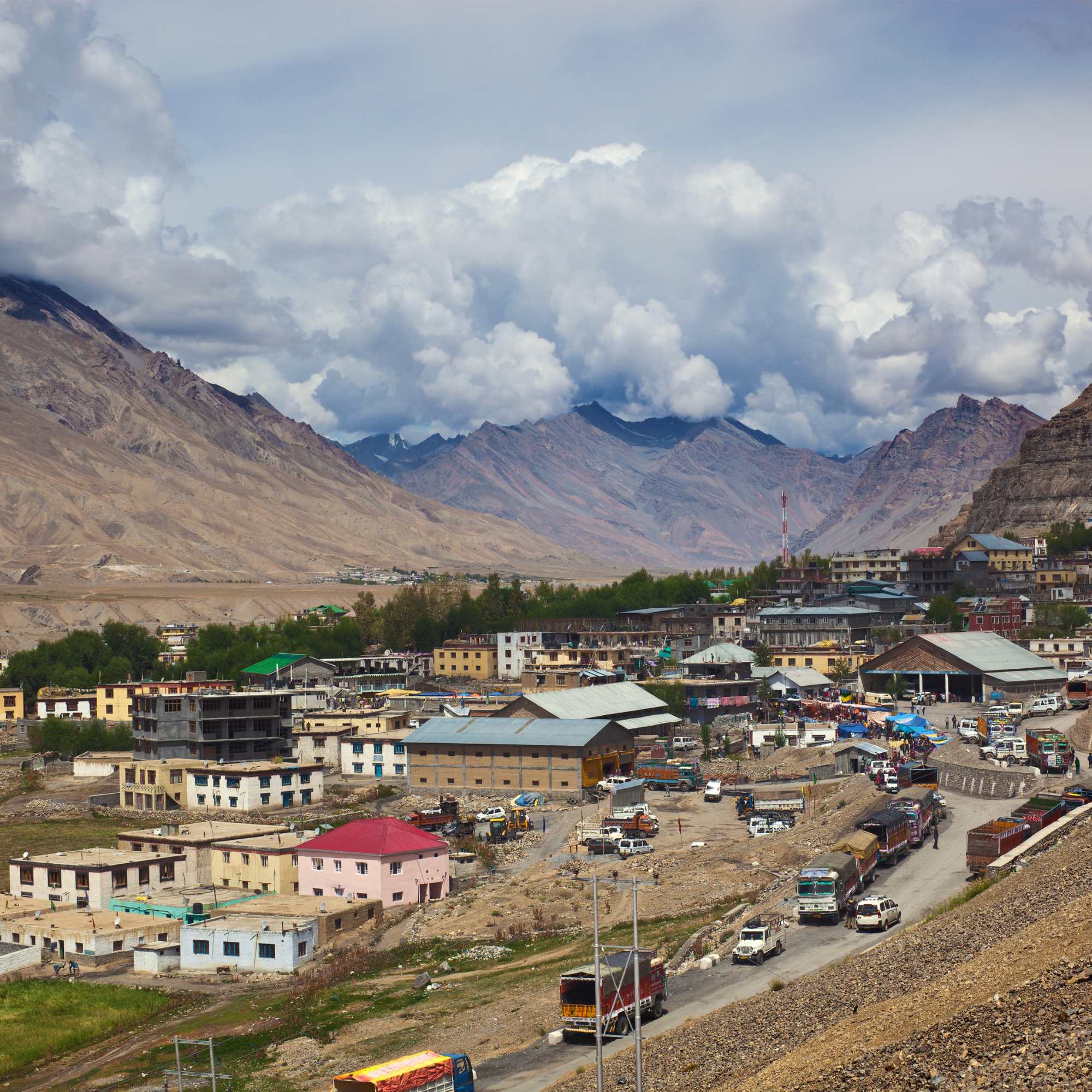
December
December is an appealing early-winter window. Fresh snowfall is possible, but never guaranteed for your exact dates.
For Sissu, December usually falls before the later winter tourism suspension period seen in recent years, so it tends to be an easier month to plan.
For Kaza, December already demands a proper winter itinerary and real weather flexibility. Do not go in casual.
January
Winter gets serious now. Use the verified 2026 example as your warning: tourism activities in Sissu Panchayat were suspended from 20 January until 28 February 2026.
Do not assume the same closure dates will apply in future winters. If you are planning a January Sissu trip, check the latest local tourism restrictions and road-access updates before finalising your dates.
February
Still deep winter. If you are heading to Sissu, check whether a local tourism restriction is in effect for your dates. For Kaza, February remains a fully road-dependent high-altitude winter trip.
March
March leans toward late winter and slow transition. We will not promise you snow depth or fixed conditions this month, because it swings year to year.
What Can You Actually Do in Sissu in Winter?
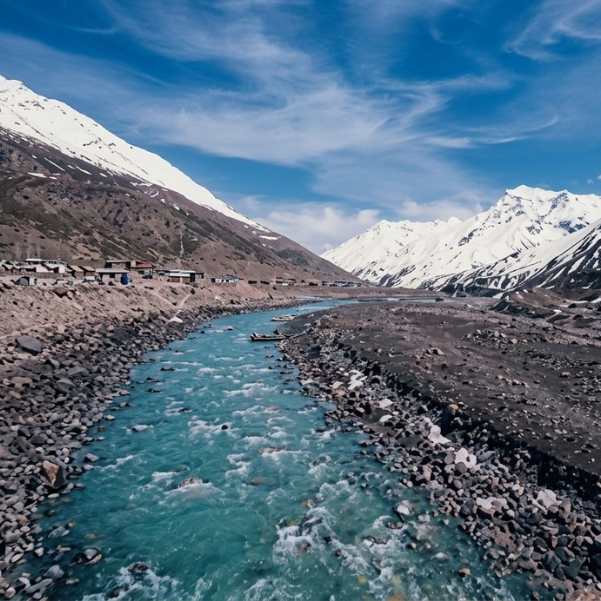
Sissu is about the valley, not a long list of sights. You get wide Chandra Valley views, the Sissu Waterfall across the Chandra River (confirmed on the official district page), a quiet village feel, strong photography, and space for snow play.
Set your expectations right. Sissu works best as a short stay or a Manali extension, not as a week-long sightseeing base. Our team recommends Sissu when snow is the priority but travellers do not want to commit a full week to Winter Spiti.
Plan it around a night or two and you will love it. Plan a week there and you will run out of things to do.
Build it into your wider plan with our Sissu options.
What Can You Actually See Around Kaza in Winter?
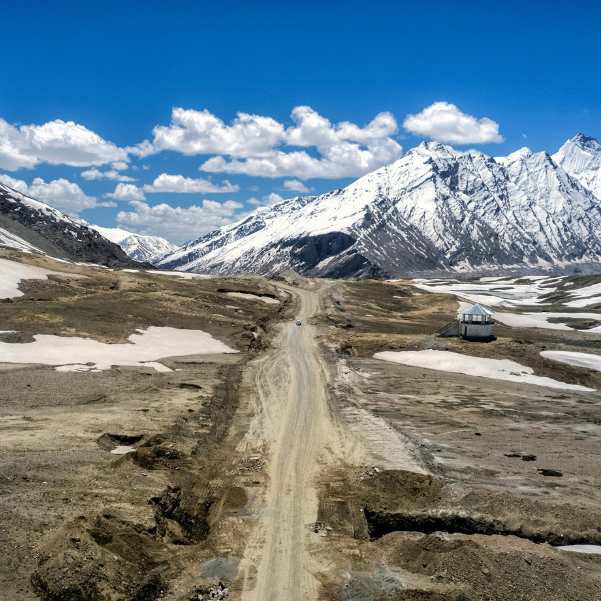
Kaza is your base, and the sights sit around it. Key Monastery is 12 km from Kaza, Kibber is 18 km, and Tabo is 48 km.
Those are the distances. Whether you can reach them on your date is a separate question. After fresh snowfall, individual sightseeing roads can close even when Kaza itself stays connected.
So treat every day-trip plan as "road conditions permitting." When we plan Kaza in winter, we leave room for the road to change the itinerary rather than forcing the itinerary onto the road.
Is Sissu or Kaza Better for Families and First-Time Snow Travellers?
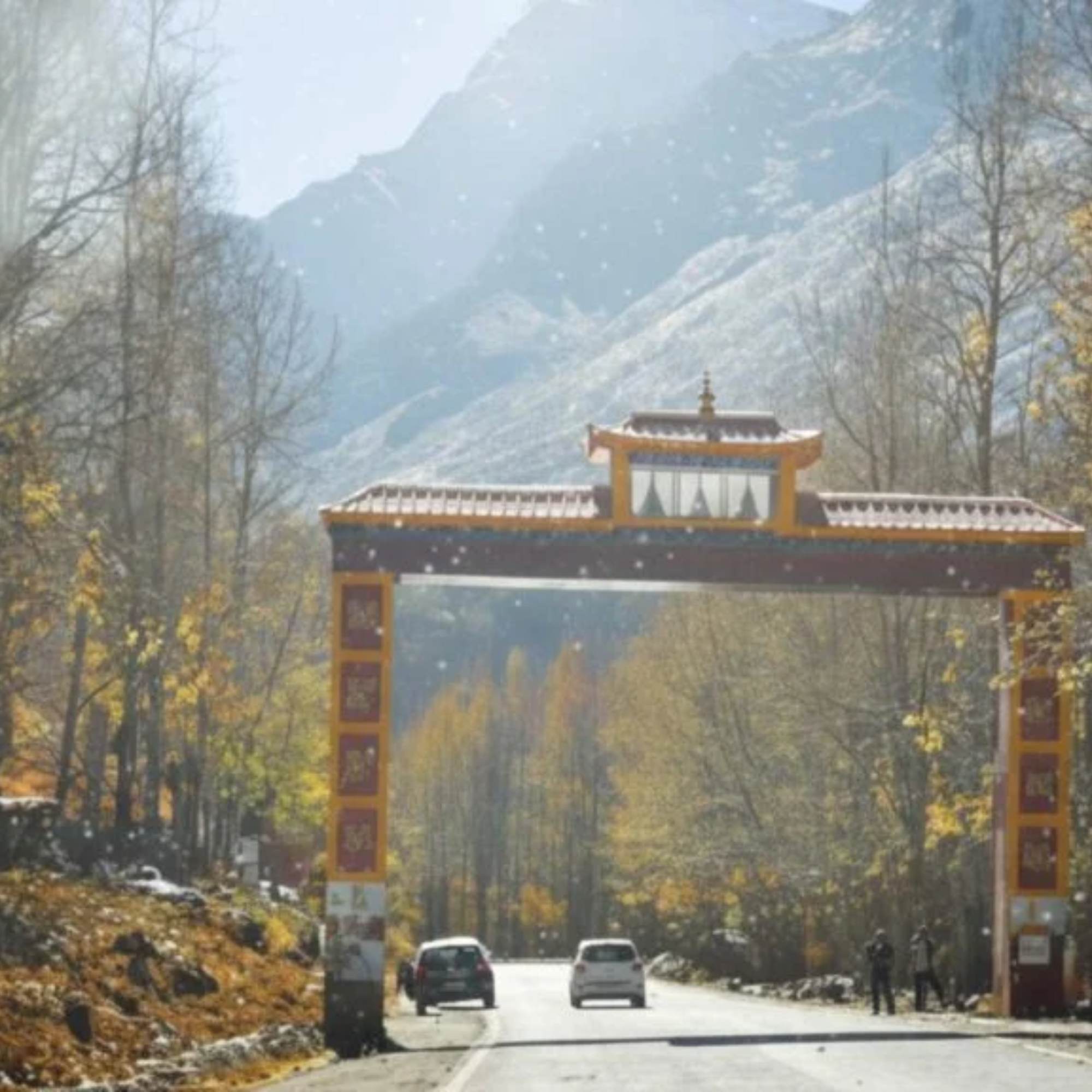
For most short trips, Sissu wins for families. Less overall driving, and it slots naturally onto a Manali holiday. First-timers get their snow without a punishing journey.
Kaza is a much bigger commitment. A long winter road journey, severe cold, and simple logistics make it a poor fit for a young family's first snow trip.
Do not read this as "Sissu is risk-free." It is not. Winter road conditions still need checking before you leave, and a bad snow spell can strand anyone anywhere in this region.
Is Sissu or Kaza Better for Couples and Photographers?
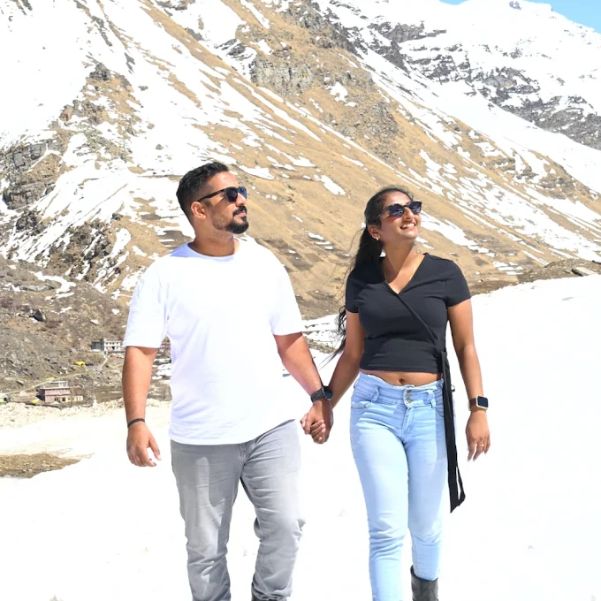
Couples wanting a convenient snow holiday should lean toward Sissu plus Manali. You get cosy stays, easy access, and a short trip that does not eat your whole week.
Serious landscape photographers, and travellers chasing silence, monasteries, and stark high-altitude winter scenery, should lean toward Kaza. There is nothing quite like a Spiti monastery under snow with no one around.
This is a travel-style call, not an objective ranking. Neither is "better." They suit different people.
How Many Days Do You Need?
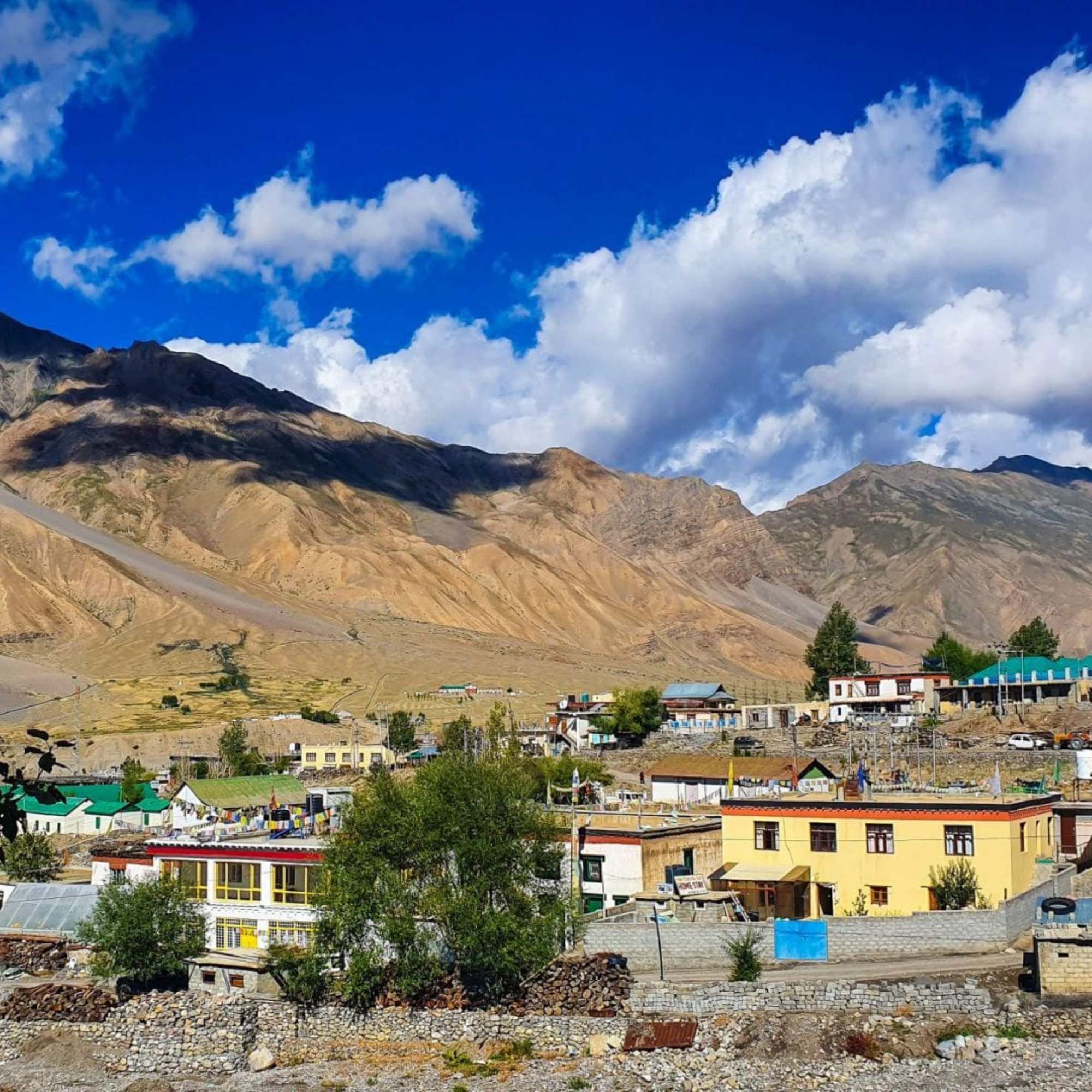
A realistic Sissu plan
A local Sissu source treats one to two nights as a practical stay, with the Manali journey at about 38 to 40 km. Use two days as a useful benchmark rather than a rule. A day trip from Manali can also work when road conditions allow.
A realistic Winter Kaza plan
Our current Winter Spiti planning guidance points to roughly 7 days starting from Shimla, and about 8 to 9 scheduled days starting from Delhi. Treat these as planning benchmarks, not fixed schedules.
Here is the insider point most itineraries miss
In Winter Spiti, buffer time is worth more than an extra sightseeing stop. A spare day for the road to misbehave will save your trip far more often than a fifth monastery will improve it.
What About Chandratal in Winter?
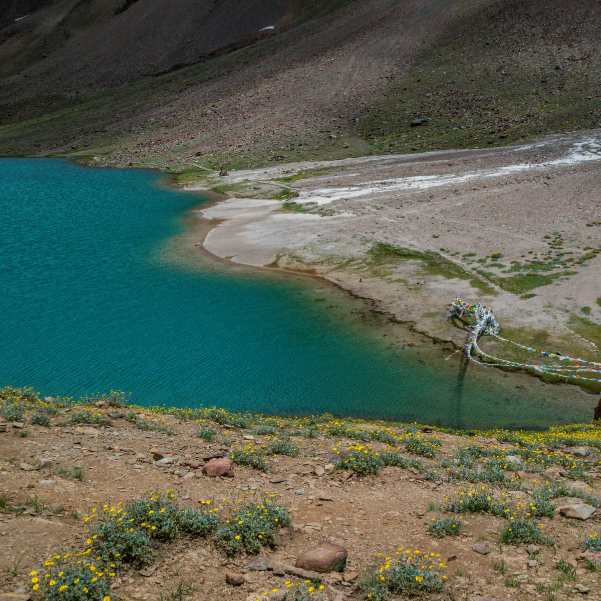
Short and clear: do not include Chandratal in a normal winter Kaza itinerary.
The district administration confirms the Kunzum route between Lahaul and Spiti closes in winter under heavy snow. The Atal Tunnel getting you into Lahaul does nothing to solve that separate Kunzum closure toward Chandratal and Kaza.
Some guides hint Chandratal might be reachable in winter. Ignore them. The Kunzum and Batal approach is snowbound, full stop.
For the full seasonal picture, read our guide on when Chandratal opens in 2026.
Do You Need a 4x4 or Snow Chains?

No, a 4x4 is not compulsory every single day of winter. But snow conditions can push authorities to impose temporary vehicle restrictions.
The real 2026 example makes this clear. In February 2026, tourist movement toward Lahaul resumed with limited 4x4 access after heavy snowfall. When the snow is deep, the rules tighten.
Our honest advice
When snow or ice is on the road, use an experienced local winter driver. This matters more than the badge on the vehicle. We will not invent a snow-chains rule for you, because the requirement genuinely depends on the day's conditions.
What Facilities Are Available in Sissu and Kaza?
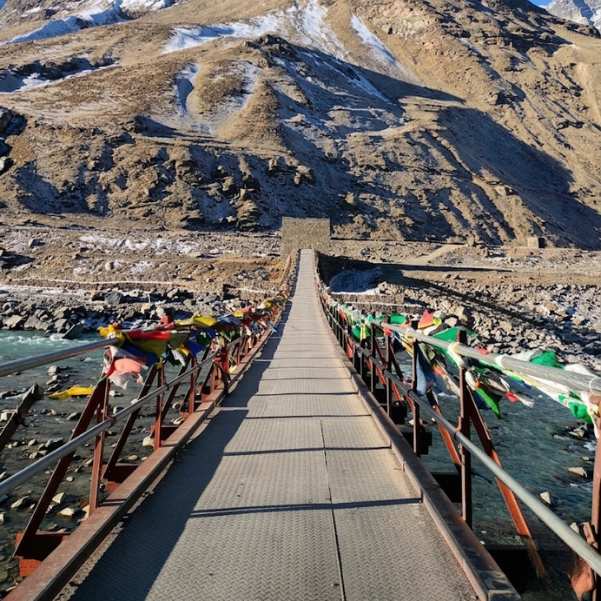
The official Lahaul and Spiti district facilities page lists a Primary Health Centre at Sissu and a Community Health Centre at Kaza. Both are basic. Neither is a city hospital.
The same page lists petrol pumps at Tandi in Lahaul and at Kaza in Spiti. This is why fuel planning matters. Do not roll into this region assuming a pump every hour.
Think in terms of self-sufficiency and simple emergency planning rather than city-style infrastructure. Heavy winter snow can disrupt road transport, electricity, and water supply, so a little extra cash, fuel, and warm gear goes a long way.
Do You Need Permits for Sissu or Kaza?
Himachal Tourism states that Indian citizens do not need a permit simply to enter Spiti Valley. So for most of you reading this, there is no permit to chase for Sissu or Kaza.
For foreign nationals, the official information on Inner Line Permit and Protected Area Permit geography is not fully consistent. If you hold a foreign passport, do not rely on a blanket claim from any blog.
Foreign passport holders should check the latest Inner Line Permit and Protected Area Permit requirements with Himachal Tourism or the relevant local administration before travelling, as the rules can vary by route and nationality.
What Happened in Winter 2026 and What Does It Mean for 2026/27?

This is the part that shows you why "check before you go" is not lazy advice. It is survival.
First, Sissu Panchayat suspended tourism activities for 40 days, from 20 January to 28 February 2026, for religious and cultural observances.
Second, on 28 January 2026, heavy snowfall blocked all 290 PWD-maintained roads reported in Lahaul and Spiti, and the Manali side was cut off beyond Solang.
Third, on 4 February 2026, three light avalanches near the Atal Tunnel temporarily blocked the Manali to Keylong road for around two hours, and fresh snowfall also disrupted the Reckong Peo to Kaza highway.
Fourth, by 9 February 2026, Atal Tunnel connectivity was restored after a multi-day closure, with restricted tourist movement that initially included 4x4 access only.
What does all this teach you? Never treat a winter road as guaranteed. Check live conditions. Keep buffer time. Be willing to change your plan on the day. None of these events proves the same closures will repeat in 2026/27, but they show you exactly what this region can do.
For the coming winter, check the latest road status shortly before departure and again on the day of travel, especially for the Atal Tunnel, Manali to Keylong and Reckong Peo to Kaza routes.
If you are planning Sissu in January or February, also confirm whether any local tourism restrictions are in effect for your exact dates.
If you are travelling alone, our Spiti solo female safety guide is worth a read before you commit.
Final Verdict: Sissu or Kaza for Your Winter Trip?
Here is our straight answer.
Sissu wins if you mainly want snow, fewer travel days, and a clean winter extension from Manali. It is the sensible pick for families, couples, and first-timers who want the white stuff without the ordeal.
Kaza wins if you actually want Winter Spiti and you accept the longer Shimla and Kinnaur route, severe cold, simple winter logistics, and plans that bend to the weather. You go for the villages, the monasteries, and the feeling of reaching somewhere genuinely remote.
And remember the point that trips up so many people: Sissu and Kaza are not connected as a normal winter sightseeing route, because Kunzum closes. Choose one trip and do it properly.
Explore Our Curated Winter Spiti Tour Packages
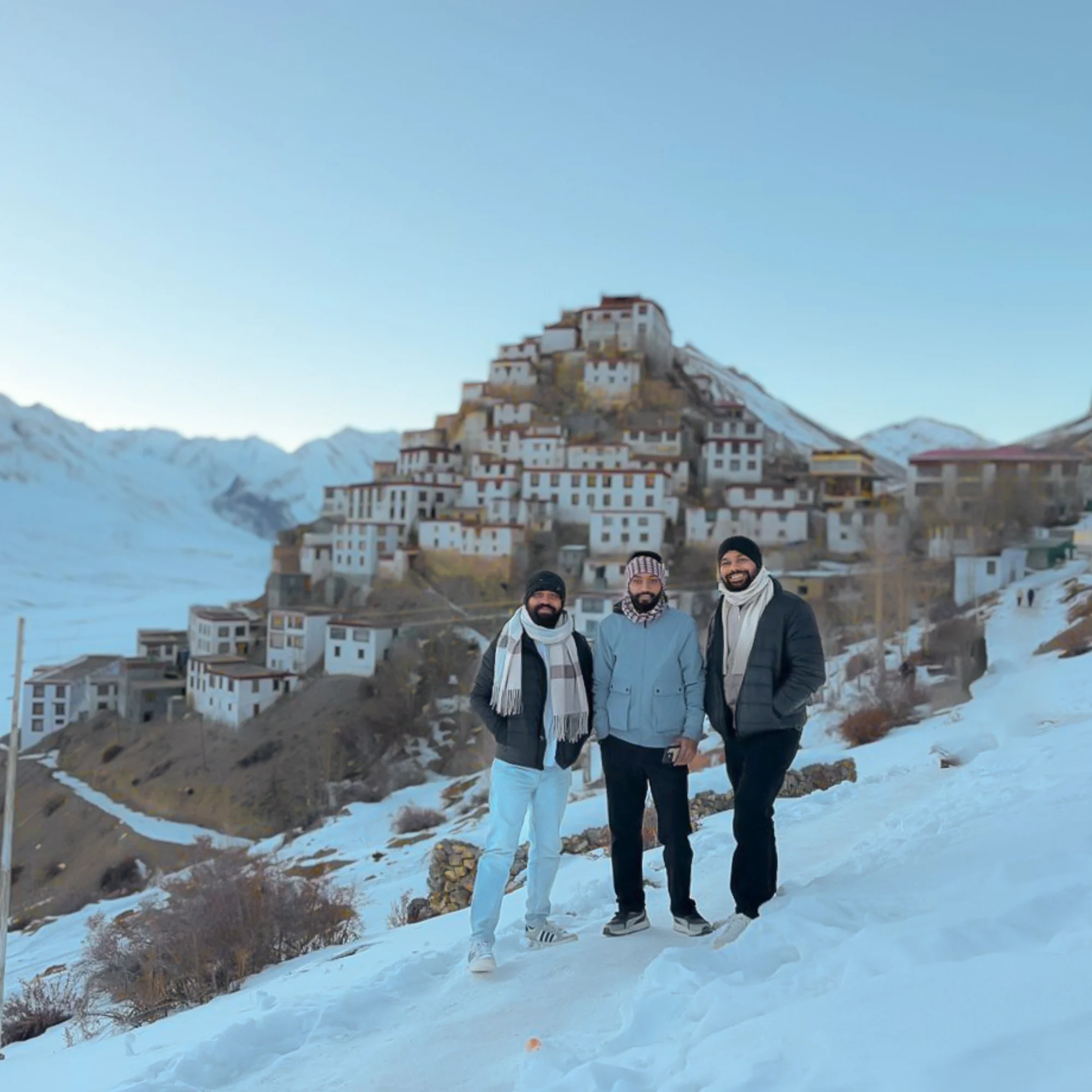 Group Tour10D/9N
Most Loved Shimla to Kaza Winter Spiti Group Tour
1D Shimla•2D Sangla+3
₹21,999₹26,999SAVE INR 5,000/ person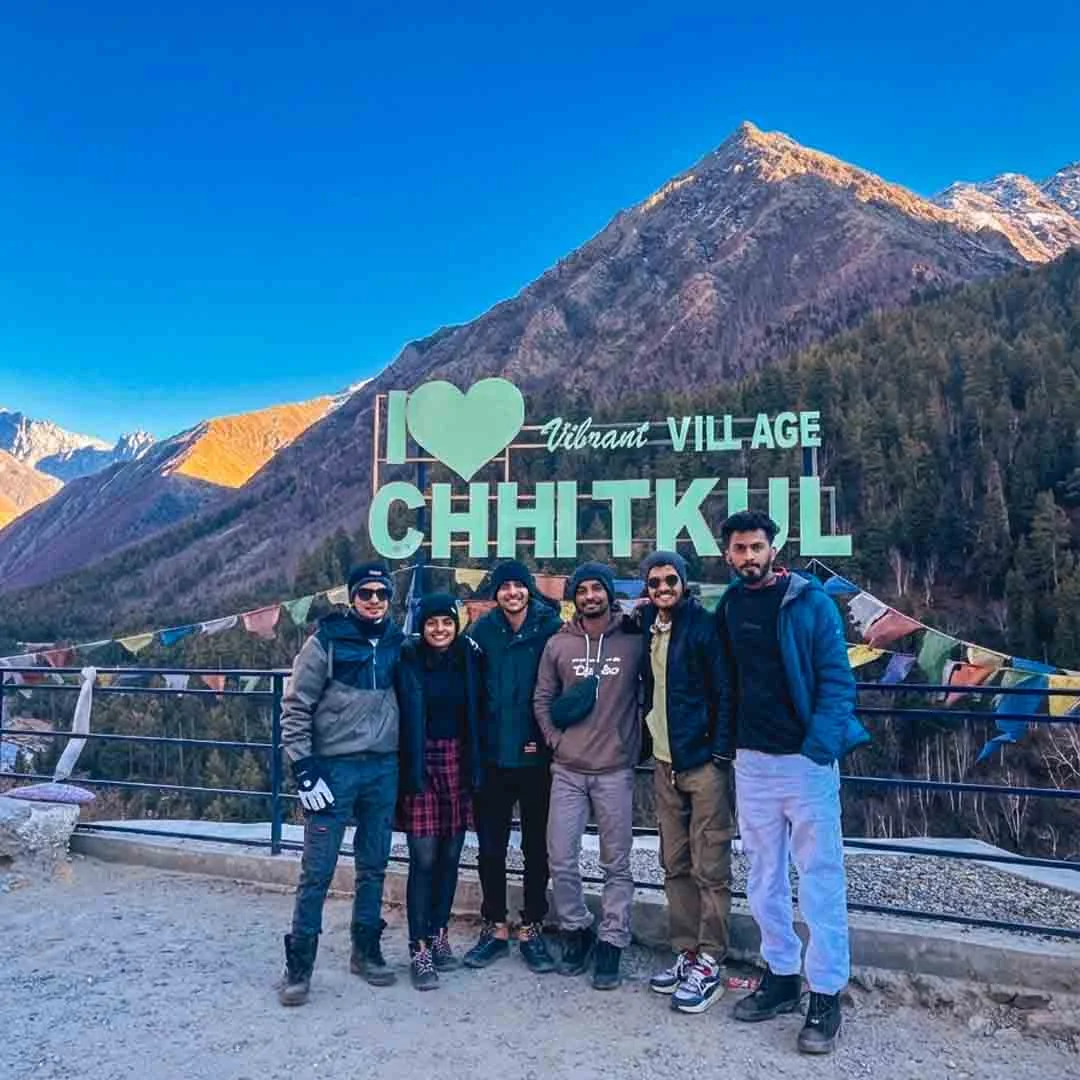 Group Tour9D/8N
Best Selling Winter Spiti Valley Group Tour
2D Sangla•1D Tabo+2
₹18,999₹23,999SAVE INR 5,000/ person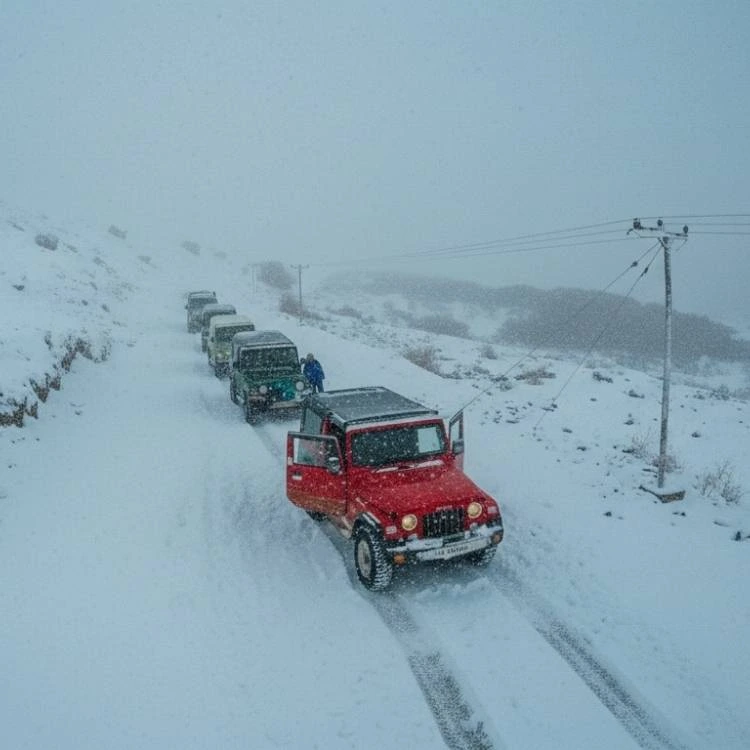 Group Tour9D/8N
Most Loved 4×4 Winter Spiti Expedition
2D Sangla•1D Tabo+2
₹28,999₹35,999SAVE INR 7,000/ person
Frequently Asked Questions
Is Sissu or Kaza better for snow in winter?
Sissu is easier for a short snow trip from Manali. Kaza offers a much bigger high-altitude winter landscape with frozen villages and monasteries. Choose Sissu for convenience and Kaza for the full Winter Spiti experience.
Is Kaza colder than Sissu?
Yes. Kaza is about 530 metres higher than Sissu and generally gets colder. Winter nights in Kaza can fall around -15°C to -25°C, while Sissu is usually somewhat milder.
Can I travel from Sissu to Kaza in December?
No. The route between Lahaul and Spiti crosses Kunzum Pass, which remains closed in winter. Sissu is reached via Manali and the Atal Tunnel, while Kaza is reached through Shimla and Kinnaur.
Can I reach Kaza from Manali in winter?
Not through the normal Manali-Kaza route because Kunzum Pass is closed. In winter, Kaza is reached via Shimla and Kinnaur. Always check current road conditions before travelling.
Is the Atal Tunnel open in winter?
Usually, yes, and it keeps Lahaul connected without crossing Rohtang Pass. However, heavy snowfall or avalanche risk can temporarily close the approach roads. Check live road status before departure.
Is Sissu open in January and February?
Not always. Local tourism restrictions can apply during religious or cultural observances, as happened in early 2026. Check current Sissu restrictions and road conditions before planning a January or February visit.
Does Sissu get snow in December?
Yes, snowfall is possible in December, but fresh snow cannot be guaranteed for your exact dates. December can be a good time to visit, provided you stay flexible with weather expectations.
How many days do I need for Winter Spiti?
Plan around 7 days from Shimla or roughly 8 to 9 days from Delhi. Avoid overloading the itinerary and keep some buffer time for weather or road delays.
Do I need a 4x4 for Kaza in winter?
Not always, but road conditions can make a 4x4 necessary or lead to temporary vehicle restrictions. More importantly, travel with an experienced winter driver who understands snow and ice conditions.
Is Chandratal open in winter?
No. Chandratal is inaccessible during winter because the Kunzum and Batal routes remain snowbound. It should not be included in a normal Winter Spiti itinerary.
Is Sissu better than Kaza for families?
For most families and first-time snow travellers, yes. Sissu involves less driving and fits easily into a Manali trip. Kaza is colder, longer and more demanding, especially with young children.
Do I need a permit for Kaza in winter?
Indian citizens generally do not need a permit simply to visit Kaza. Foreign nationals should confirm current Inner Line Permit or Protected Area Permit requirements before travelling.
More about Lahaul and Spiti
 Lahaul and Spiti
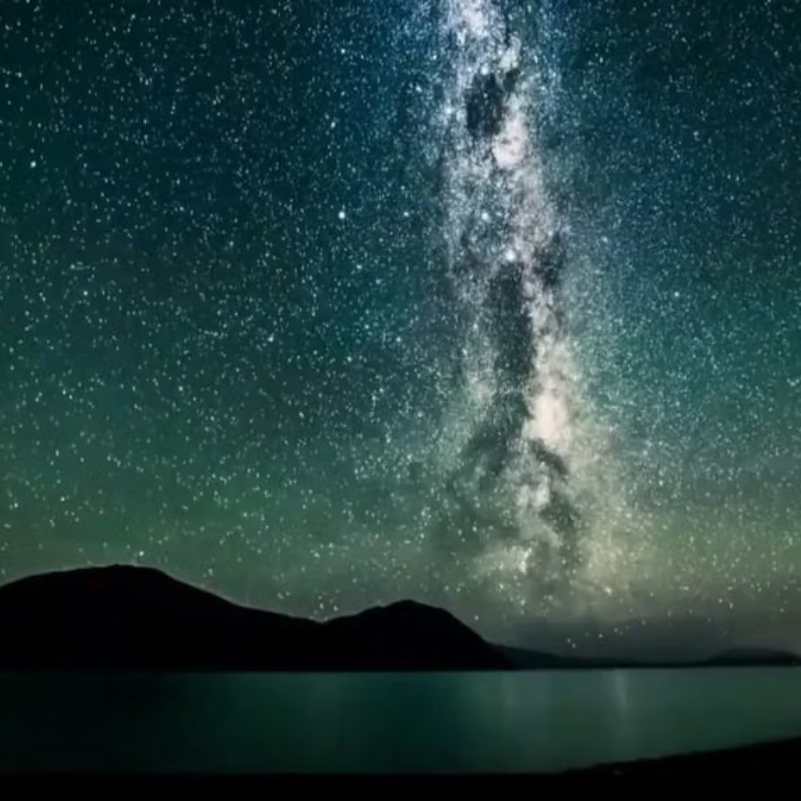
Stargazing in Winter Spiti 2026: Where to Stay, Moonlight and What You Can See
Discover the best places for stargazing in Winter Spiti 2026, where to stay for darker skies and how moonlight affects visibility. Learn what you can realistically see from Kaza, Tabo and nearby villages during the winter months.
- Things to Do
- Snow Travel
 Lahaul and Spiti
Joining a Winter Spiti Group in 2026: Room Sharing, Privacy and Group Expectations
Planning to join a Winter Spiti group in 2026? Learn how room sharing works, what privacy to expect, options for solo travellers and couples, and when a single room supplement may apply.
 Lahaul and Spiti
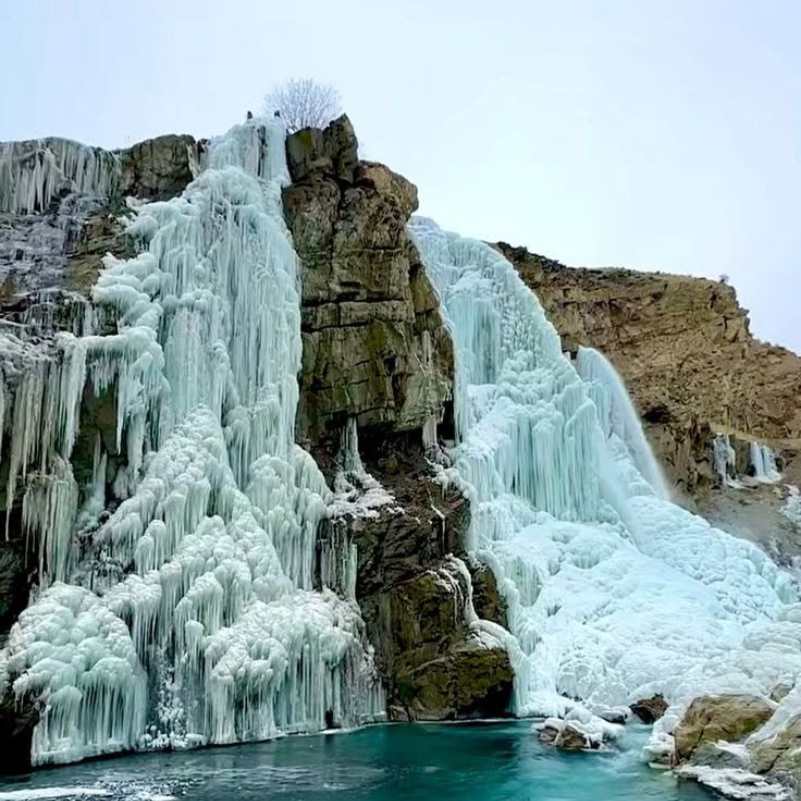
Lingti Frozen Waterfall in Winter 2026-27: Access, Photo Stops and What to Confirm
Plan your visit to Lingti Frozen Waterfall in winter 2026-27 with practical details on access, road conditions, the best photo stops and seasonal conditions. Learn what to confirm before leaving Kaza and how to visit this spectacular frozen waterfall safely.
- Places to Visit
- Snow Travel