
Is Winter Spiti a Trek? Walking, Stairs and Driving Effort on a 9-Day Trip (2026-27)

Many people hear "Spiti expedition" and assume long hikes through snow. If that worry is stopping you from booking, this answer will help.
Quick Answer: Is Winter Spiti a Trek?
No. Our nine day Winter Spiti expedition is a road trip in shared 4x4 vehicles, and it has no scheduled trekking.
You will still take short walks at monasteries and villages, climb some steps inside places like Key Monastery, and cross uneven or icy ground.
For most travellers, the cold, the altitude and long days in a vehicle take more out of them than the walking does.
Here is what most first time travellers get wrong
They hear "no trek" and assume "no effort." We have planned enough winter trips to know the real question is whether you can handle cold, altitude and long seated days, not whether you can hike.
Is Winter Spiti a Trek or a Road Trip?
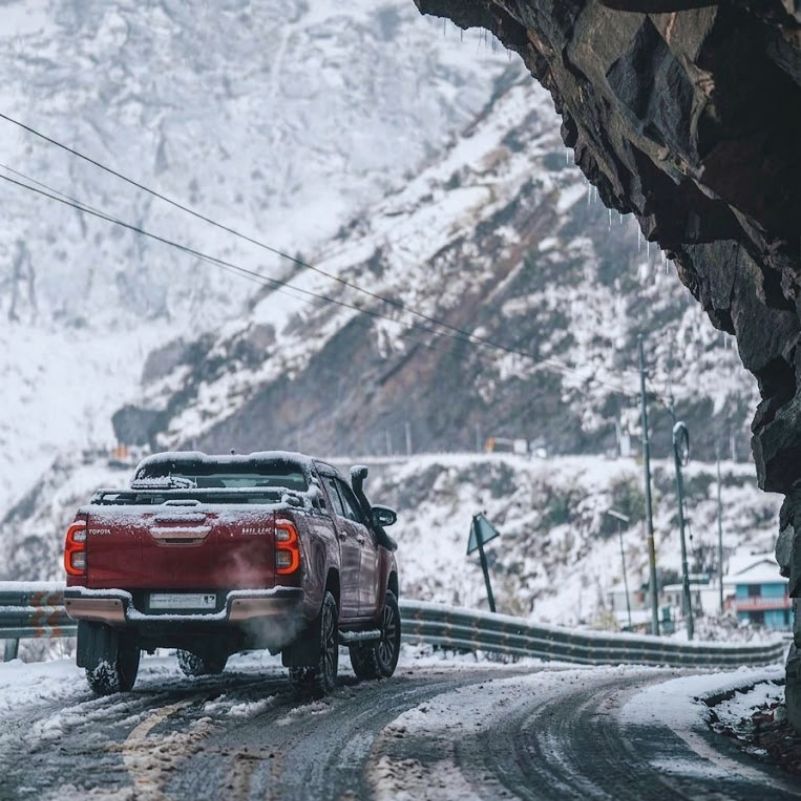
The honest answer: Winter Spiti is a road trip that can feel demanding. Your legs do far less work than you might fear. Your body as a whole still works hard.
What Counts as a Trek in Spiti?
A trek means you follow a walking trail for hours. Trekkers often reach places that no road touches, and they carry gear over long stretches of mountain ground.
A sightseeing expedition works differently. The vehicle takes you to each stop, and you walk around the monastery, village or viewpoint you came to see.
Our itinerary does not ask you to complete any trail. We leave the Dhankar Lake trek out of this nine day trip on purpose.
What Does a Winter Spiti Expedition Actually Involve?
The trip begins with an overnight Volvo from Delhi to Shimla. From Shimla, you switch to shared 4x4 vehicles with experienced local drivers for the mountain section.
The route runs through Kinnaur, then on to Tabo and Kaza. Drivers carry snow chains and fit them when the road needs them.
Weather decides a lot. Our team and the drivers make route calls each day based on snow, ice and road safety.
You can read the full day plan on our nine-day Winter Spiti 4x4 expedition page. Treat it as a tiring road journey, not a hike.
How Much Walking Is Required in Winter Spiti?
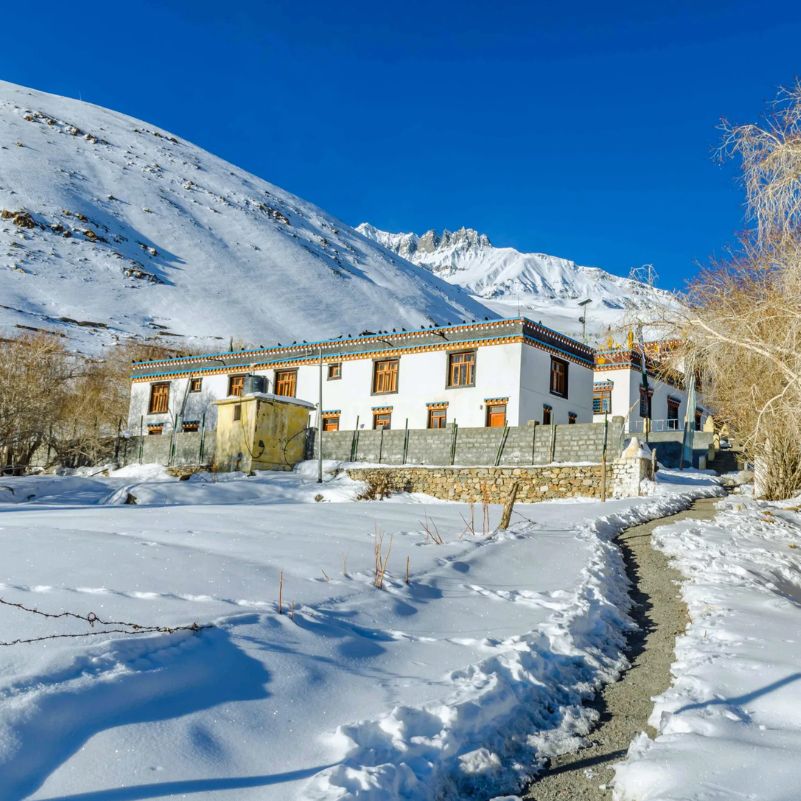
Most of your walking happens in small pieces. You step out of the vehicle at a viewpoint, walk to a monastery entrance, wander a village lane, or carry a bag into your homestay.
We cannot give you a fixed daily walking distance, and nobody honestly can. It changes with where the driver can park, how much snow covers the ground, and how much of each site you want to see.
On a clear day, the vehicle may stop close to a monastery. After fresh snow, the parking spot may sit further away, and the path may turn slippery.
Many of these walks stay optional. You can often shorten a stop or stay near the vehicle while others explore.
Please confirm this with us before booking, though. We cannot promise vehicle access to every door.
For the bigger picture of weather, stays and roads, read our complete Winter Spiti Valley guide.
Where Will You Encounter Stairs, Slopes or Uneven Paths?
Stairs and slopes show up mainly at old monasteries and in hillside villages. Here is where to expect them.
Key Monastery: Short Walks and Internal Staircases
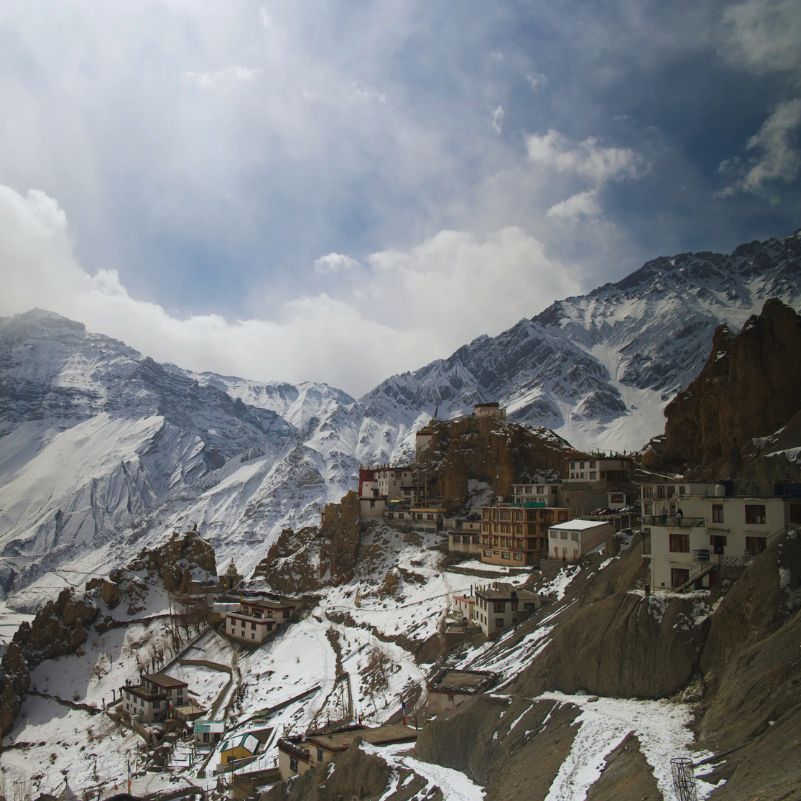
Key Monastery sits at about 4,166 metres, around 12 km from Kaza by road. This stop matters most if stairs worry you.
The Lahaul and Spiti district administration describes narrow corridors, winding staircases, passages and small doors linking rooms on different levels inside the monastery.
At this height, even a few flights of stairs can leave you out of breath. People who climb stairs easily at home often feel this.
Insider tip: you do not need to see every room. You can visit one or two lower rooms, step outside and rest, depending on what the monks keep open that day.
We do not publish a stair count because we have no verified number. We also cannot promise a drop point right at the entrance.
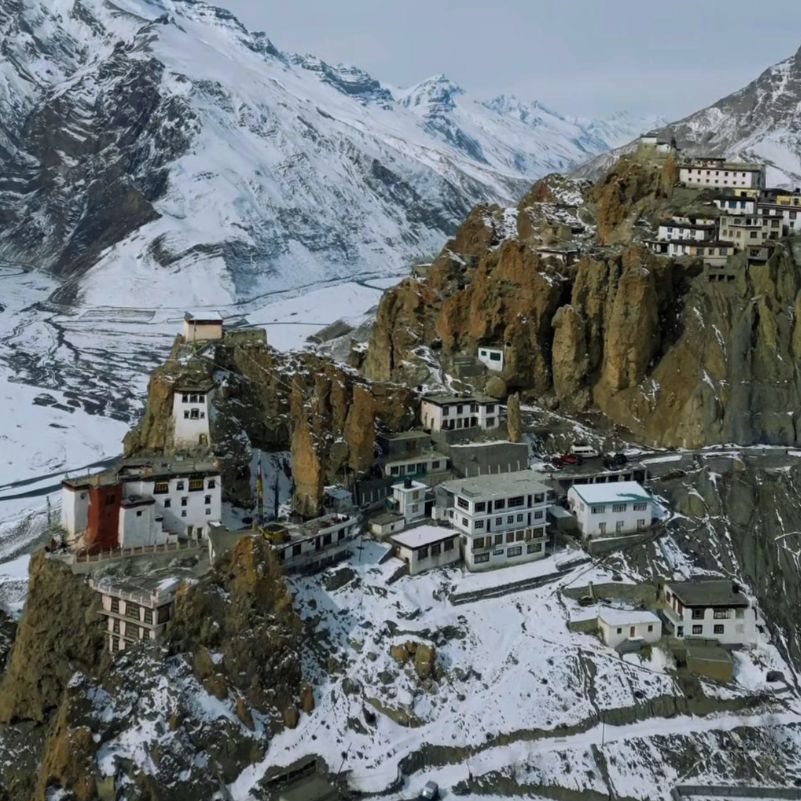
Dhankar Monastery: Cliffside Setting and Winter Access
Dhankar sits on a dramatic cliff about 32 km downstream from Kaza. We attempt it on Day 5 only if the road allows.
The last approach and the old complex can involve sloping or uneven ground. Snow and ice can make that harder.
Skip the idea of a quick side walk to Dhankar Lake in winter. Our itinerary leaves that trek out, and we do not treat it as an easy optional stroll.
Tabo and Nako: Monastery Compounds and Village Walks
Tabo Monastery, at about 3,050 metres, sits on the road route. Your visit here focuses on heritage sightseeing rather than climbing.
Nako, at about 3,663 metres, works as a short optional stop around the village or lake when conditions allow.
Do not assume level paths at either place. Snow, old village lanes and uneven compound floors can all slow you down.
Chicham, Kibber, Langza, Hikkim and Komic
You reach all of these by vehicle. Walking around each one stays optional.
At Chicham Bridge, we suggest you treat it as a viewpoint. You get the full view from the road side, so you can skip walking across if heights or ice bother you.
At these heights, a short walk through Kibber or Langza can tire you more than you expect.
After snowfall, some roads, monastery interiors, shops and even the Hikkim post office may close or stay out of reach.
You can compare routes and trip lengths on our Spiti Valley tour packages page.
What Is the Physical Effort on Each Day of a 9-Day Winter Spiti Trip?
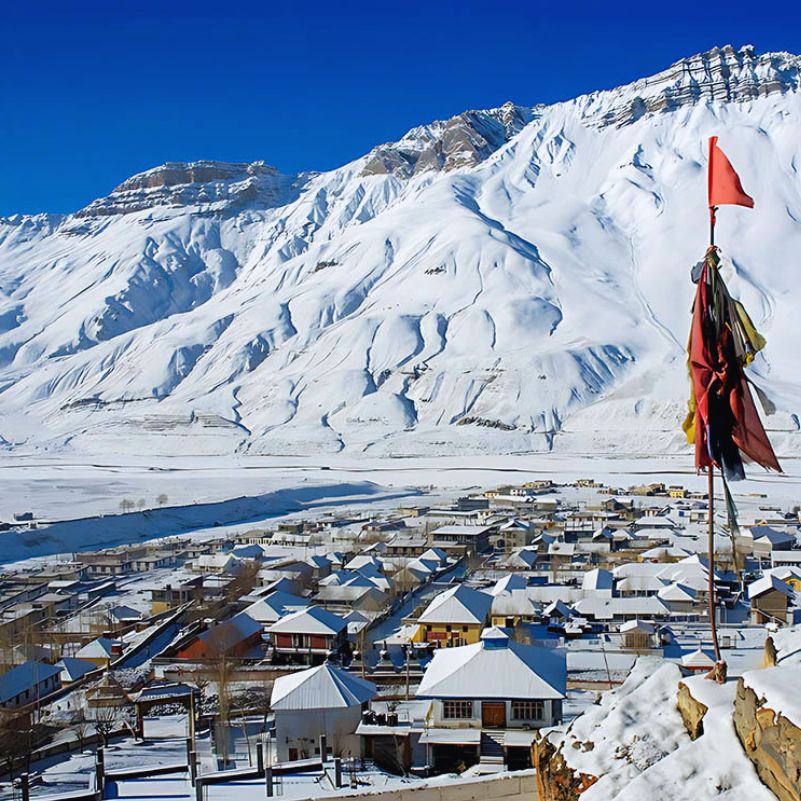
This section follows our published Most Loved 4×4 Winter Spiti Expedition. It runs Delhi to Delhi with two nights on Volvo buses and six nights in local stays: Sangla for two nights, Tabo for one, Kaza for two and Kalpa for one.
Day 1: Delhi to Shimla
You board the overnight Volvo in Delhi. Your main effort today is loading luggage, finding your seat and sitting through the night.
No trek. Just try to sleep, because Day 2 runs long.
Day 2: Shimla to Sangla
This mountain transfer covers about 225 km, and we plan 9 to 10 hours for it. You start it right after a night on the bus.
Expect mostly sitting, with short breaks to stretch, eat and use a washroom. At the end, you carry your bag into the Sangla stay.
We cannot promise an exact arrival time. Mountain roads set their own pace.
Day 3: Rakcham and Chitkul
You stay based in Sangla and explore the Baspa Valley by vehicle, with short optional stops outside.
We include Chitkul only if the final road is safe. If snow walking worries you, ask our team whether a shorter stop makes sense.
This day gives your body a little breathing room between long drives.
Day 4: Sangla to Tabo via Nako
This transfer covers about 190 km, with 8 to 9 hours planned. You pass the Khab confluence, stop at Nako, then continue to Tabo for the night.
Your walking at Nako depends on safety and time. Some days you may only stretch your legs near the vehicle.
Our chai suggestion: if a tea shop in Nako village is open, grab a hot cup there before the last stretch to Tabo.
Day 5: Tabo, Dhankar and Kaza
The Tabo to Kaza transfer covers about 50 km, with a published estimate of 3 to 4 hours. Monastery visits and delays can stretch the day.
You visit Tabo Monastery if it is open. We attempt Dhankar only if the road permits, and the day includes no Dhankar Lake trek.
We keep the afternoon in Kaza relaxed on purpose. Please use it to rest, not to wander.
Day 6: Key, Kibber, Chicham and the High Villages
This circuit covers about 90 km if all planned roads stay open. The list includes Key Monastery, Kibber, Chicham, Langza, Komic and Hikkim.
Today brings the most short walks, monastery steps and village lanes of the whole trip. It stays a road based sightseeing day, not a full day hike.
After snowfall, our team may cut the circuit short. A blocked or icy road can make a village unsafe to reach, and we would rather skip it than gamble.
Timing tip: we keep Key Monastery for Day 6 rather than your arrival day in Kaza. That extra night helps before you climb stairs at 4,166 metres.
Day 7: Kaza to Kalpa
This drive covers about 180 km, with 8 to 9 hours planned. Your effort comes from the mountain road, not from walking.
You stop for meals and washroom breaks. No trekking gets added on this day.
Day 8: Kalpa to Shimla and Overnight Volvo
This mountain transfer covers about 240 km, with 8 to 9 hours planned. We may stop at Roghi viewpoint if conditions allow.
You then board the overnight Volvo to Delhi. Expect fatigue, because a long mountain drive followed by a night bus wears most people down.
Day 9: Arrival in Delhi
The trip ends with your arrival in Delhi. No trekking.
What we tell our travellers: do not book a tight flight or train for Day 9. One road delay in the mountains can push everything back, and a missed ticket costs more than a later booking.
If you want to compare shorter options, see our Winter Spiti itinerary for 7, 8 and 9 days.
Is Driving More Difficult Than Walking?
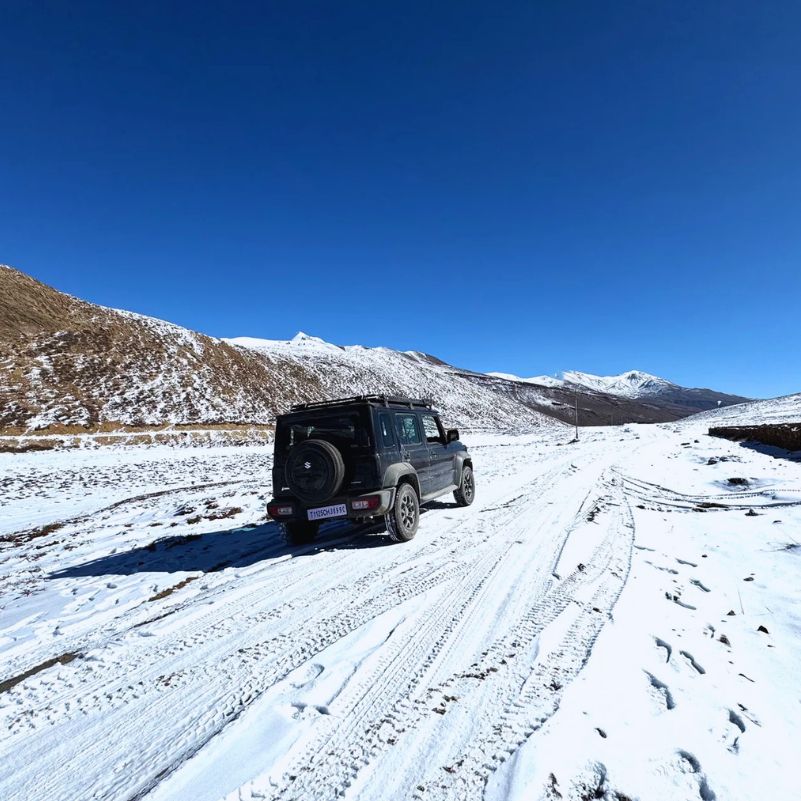
For most people, yes. The long seated days usually take more out of you than the sightseeing walks.
The roads wind, the vehicle bumps over rough stretches, and the cold creeps in at every stop. Clean washrooms can sit far apart, so planned breaks matter.
The district administration puts the Shimla to Kaza road at about 412 km, with roughly 20 hours of travel excluding an overnight halt. That figure describes the whole route, not one day's drive.
Passenger effort and driver skill differ. You sit, brace and stay warm. The driver reads ice, handles snow chains and judges each bend.
Good drivers, suitable 4x4s and snow chains help a lot in winter. They cannot open a closed road or make an unsafe one safe.
Insider tip: if you get car sick or have stiff knees, ask us about seat arrangement before you book. We cannot promise a particular seat in a shared vehicle, but early requests help us plan.
If the drive through Kinnaur appeals to you on its own, our Kinnaur tour packages cover shorter versions.
Why Can a Short Walk Feel Harder at Spiti's Altitude?
Kaza sits at about 3,660 metres and Key Monastery at about 4,166 metres. The air holds less oxygen pressure up there, so the same walk feels harder.
The CDC Yellow Book 2026 advises you to go up gradually and keep exercise mild for your first 48 hours at altitude.
Above 3,000 metres, CDC guidance suggests raising your sleeping altitude by no more than about 500 metres per night where possible, with extra acclimatisation time.
Treat this as guidance. Nothing guarantees you will avoid altitude sickness.
Fitness does not reliably predict who gets sick. A marathon runner can struggle while a less active traveller feels fine.
Watch for a worsening headache, nausea, unusual exhaustion, confusion, trouble with balance or breathlessness while resting.
Tell your trip leader at once. Do not go higher while symptoms continue, and get a medical check. Severe symptoms can need urgent descent and care.
Our expedition carries emergency oxygen. It does not replace a doctor, medical treatment or evacuation, and we cannot simply promise it as a free service.
Can Beginners, Senior Travellers or People With Knee Problems Manage Winter Spiti?
The answer depends on the person, not the age or the label. Here is how we think about it.
What About Travellers With No Trekking Experience?
You do not need trekking experience for this sightseeing itinerary.
You do need ordinary travel stamina, patience for long drives, the ability to walk short distances outdoors and proper winter clothing.
Being a beginner does not tell us how your body will handle altitude. Nobody can promise that in advance.
What About Seniors or Travellers With Joint Pain?
Think about the small things. Climbing into a high 4x4, using stairs at your homestay, walking on uneven monastery floors, finding a usable toilet and sitting for 8 to 10 hours.
Some travellers choose to stay at the lower part of a site or skip an optional walk. That works well for many people.
Our team must confirm whether that option fits each stop on your dates. We set no age limit, and we will not hand out fitness promises.
When Should Someone Seek Medical Advice Before Booking?
If you have a heart, lung or other relevant health condition, or a real mobility concern, speak to a qualified doctor before you commit.
Spiti has limited medical facilities. Himachal Tourism lists a Community Health Centre in Kaza, a Primary Health Centre in Tabo and a Civil Dispensary at Kibber. Advanced care sits far away.
We will not diagnose you, and no tablet guarantees you will avoid altitude sickness.
If you plan to bring children, read our guide on Winter Spiti with kids first.
What Should You Pack for Short Walks, Icy Steps and Long Drives?
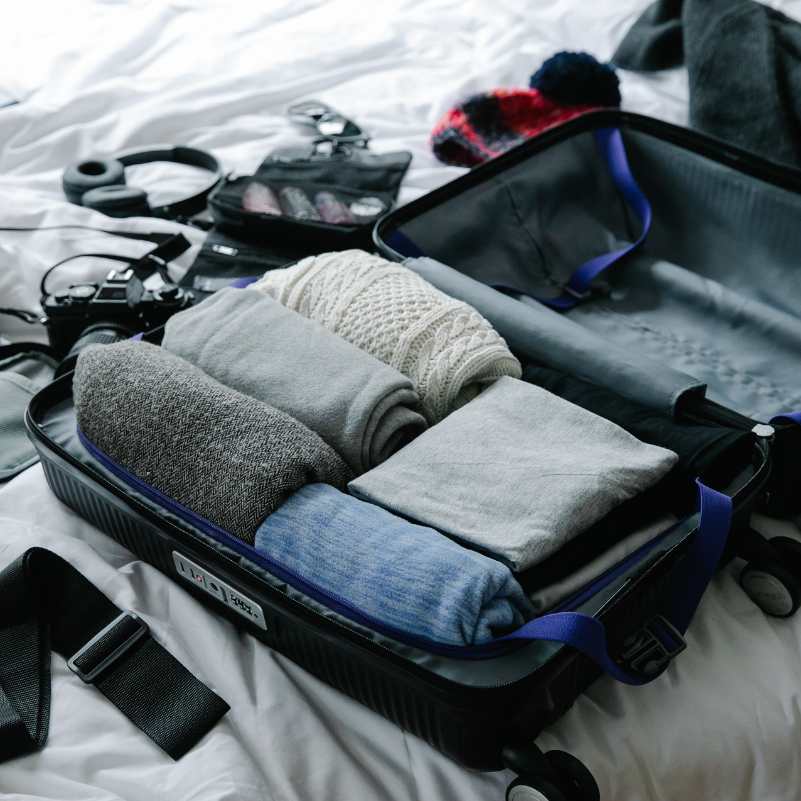
Pack for a cold road trip with short walks, not for a mountaineering expedition.
Bring warm layers, good gloves, a cap, sunglasses and sunscreen. Add an insulated water bottle, a power bank and all your personal medicines.
Your footwear matters most for walking. Choose sturdy winter shoes with good grip for icy steps and snowy lanes.
Insider tip: keep a small bag with gloves, water, medicines and snacks in your seat area. Your main luggage often stays out of reach during the drive.
Money saving tip: do not buy crampons, ropes or technical climbing gear for this trip. Standard sightseeing does not need them, so spend that money on warmer gloves and better shoes instead.
Slip on traction attachments or walking poles can help some people on icy ground. Treat them as optional, depending on conditions.
Never walk on frozen rivers or lakes. The ice can look solid and still fail.
Plan your gear around dates and routes on our Winter Spiti packages page.
What Happens if Snow Blocks a Road or Sightseeing Stop?
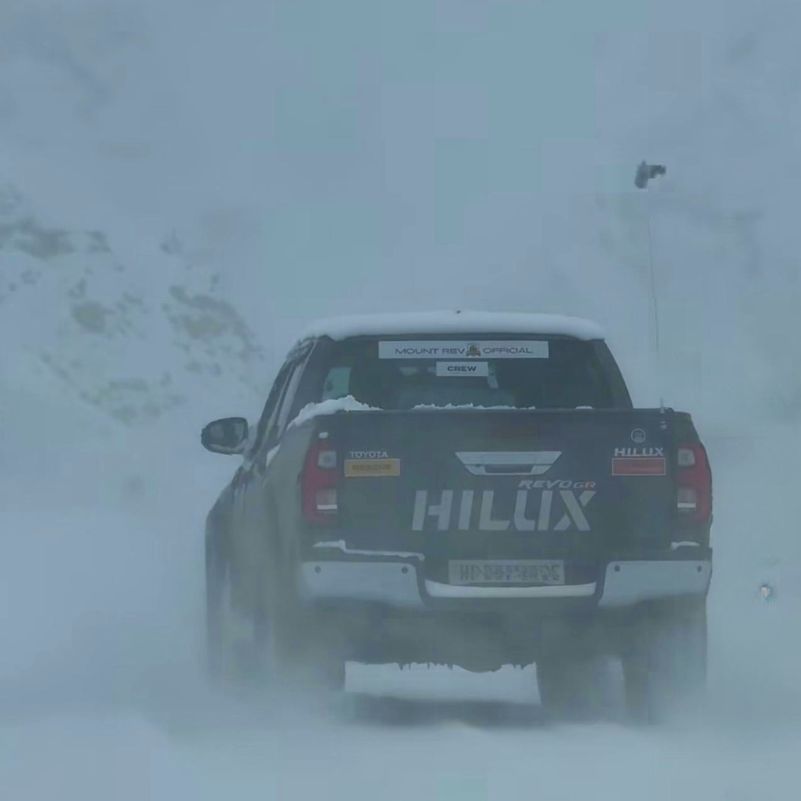
In deep winter, the main road into Spiti runs through Shimla and Kinnaur, subject to weather.
The Keylong to Kaza road via Kunzum Pass usually closes for winter, roughly from October or November until June or July, depending on snowfall.
BRO reopened the Kunzum route for 4x4 vehicles in May 2026 after a long closure. That tells you history, not today's status. Check the latest update for your exact dates.
Snow can cut off Chitkul, Dhankar, Key and the higher villages. A closed road does not turn into a safe walking route.
Our team may shorten, reorder or delay the plan when weather turns.
When we plan Winter Spiti trips, we always tell travellers to keep one or two extra days outside the nine scheduled days. Keep more if you have an important commitment after the trip.
No buffer guarantees a road will reopen on time. It only gives you room to wait without panic.
What Should You Check Before Booking a Winter Spiti Trip in 2026-27?
Confirm your exact departure and return plan. Our nine day fixed departure includes two overnight Volvo journeys and no dedicated buffer day.
Ask about the vehicle's ground clearance, seat arrangement, room heating, stairs at each stay, usable washrooms and whether you can skip short sightseeing walks.
Winter stays may have limited heating, bucket hot water, basic toilets and power cuts. Confirm the actual property for your dates.
Indian citizens do not normally need an Inner Line Permit for a standard Spiti visit.
Foreign tourists who enter the restricted area through Shimla and Kinnaur need the right Inner Line or Protected Area permission. Check current fees and rules before travel.
Is a Nine-Day Winter Spiti Trip Right for You?
Come back to the question you started with. Is Winter Spiti a Trek? No. But it still asks something of your body.
If you dislike long hikes but enjoy road journeys, this format may suit you, as long as altitude and your health allow it.
If you need step free stays, very little driving discomfort or quick access to hospitals, do not assume the standard itinerary fits.
In our experience, a local team takes the planning weight off your shoulders. We handle drivers, stays and route calls. We cannot remove the cold, the altitude or the weather.
Our team recommends being honest with yourself and with us about your walking comfort. That honesty helps us plan a trip you can actually enjoy.
Winter Spiti is a road expedition, not a trek. Prepare for the cold, the altitude and the long drives, and the short walks will take care of themselves.
Explore Our Curated Winter Spiti Tour Packages
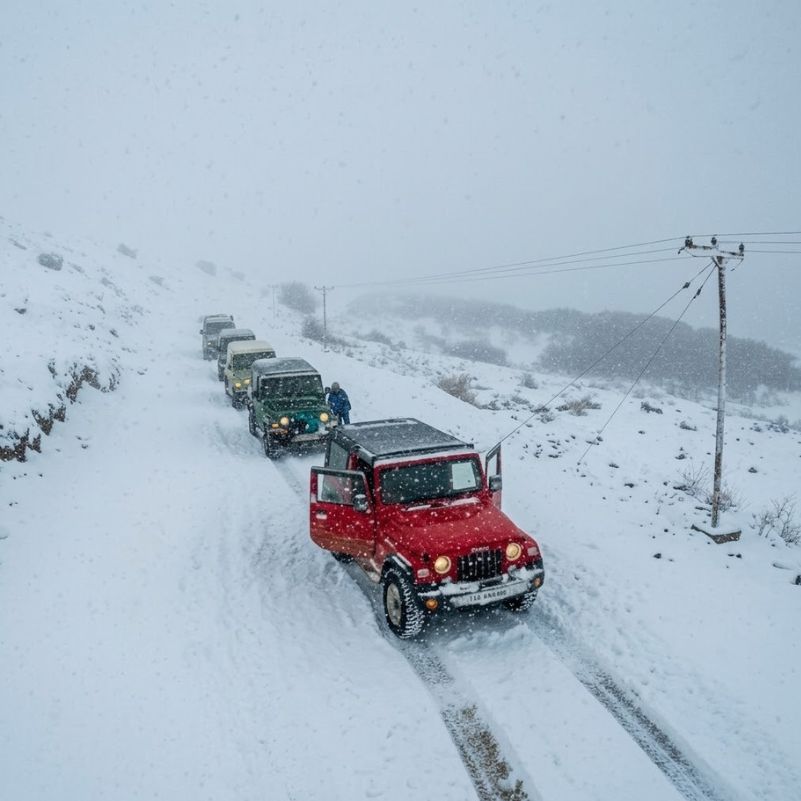 Group Tour9D/8N
Most Loved 4×4 Winter Spiti Expedition
2D Sangla•1D Tabo+2
₹29,999₹35,999SAVE INR 6,000/ person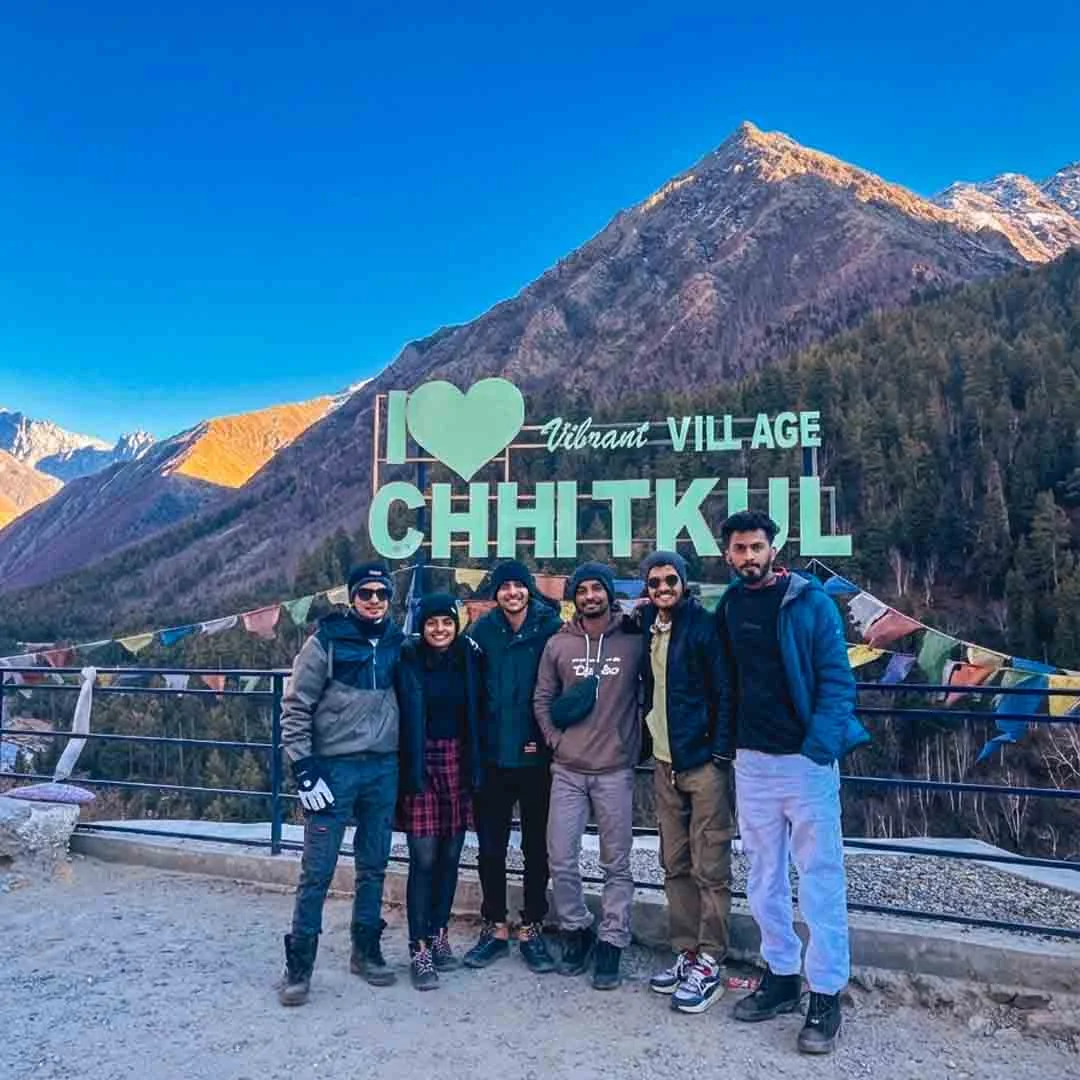 Group Tour9D/8N
Best Selling Winter Spiti Valley Group Tour
2D Sangla•1D Tabo+2
₹18,999₹23,999SAVE INR 5,000/ person- Group Tour8D/7N
Best Selling Kinnaur & Spiti Winter 4x4 Expedition
1D Sangla•1D Nako+2
₹27,999₹30,999SAVE INR 3,000/ person
Related topics
Frequently Asked Questions
Is Winter Spiti a trek?
No. Our nine day Winter Spiti expedition runs by road in shared 4x4 vehicles with no scheduled trekking, though short walks and stairs still happen.
Do I need trekking experience for a Winter Spiti tour?
No. You need ordinary stamina, comfort with long drives, basic outdoor mobility and proper winter clothing.
How much walking will I do on a nine-day Winter Spiti trip?
We cannot give a fixed distance. Walking depends on parking spots, snow and how much of each site you choose to see.
Are there stairs inside Key Monastery?
Yes. Official sources describe winding staircases, narrow corridors and rooms on different levels at about 4,166 metres.
Is Dhankar Monastery difficult to visit in winter?
It can be. Road access depends on weather, and the cliffside approach may involve uneven or sloping ground.
Can I skip optional walks and still enjoy Spiti?
Often, yes. Many stops work as viewpoints, but confirm each option with our team before booking.
Is Winter Spiti suitable for beginners?
Beginners can join this sightseeing trip. Nobody can promise how any person will handle altitude.
Can senior citizens visit Winter Spiti?
We set no age limit. Seniors should consider long drives, stairs, cold and limited medical care, and speak to a doctor first.
Can I go to Spiti if I have knee pain?
Possibly. Think about vehicle boarding, stairs and uneven floors, get medical advice, and ask us which walks you can skip.
How many hours will I sit in a vehicle each day?
Long transfer days run 8 to 10 hours as planned. Tabo to Kaza runs about 3 to 4 hours, and delays can add more.
Can I get altitude sickness even if I do not trek?
Yes. Altitude affects you whether you walk or sit, and fitness does not reliably predict who gets sick.
Is a private SUV better than a group vehicle for Winter Spiti?
A private SUV gives more privacy and flexible stops. A group vehicle shares the trip. Neither one is automatically safer.
More about Lahaul and Spiti
- Lahaul and Spiti
Winter Spiti from Bangalore in 2026-27: Flights, Leave Days & Delhi 4x4 Departures
Planning a Winter Spiti trip from Bangalore in 2026-27? Explore flight options, Delhi pickup points, leave requirements, 4x4 group expeditions, travel costs and a practical itinerary to help you plan your Himalayan winter adventure.
 Lahaul and Spiti
What Does a Winter Spiti 4x4 Trip Really Cost in 2026-27? Package Price vs Total Holiday Budget
Planning a Winter Spiti 4x4 trip in 2026-27? Discover the real travel budget, including package prices, transport, meals, winter essentials and hidden expenses. Learn what your package covers, what costs extra and how to plan your Spiti Valley adventure without unexpected spending.
- Lahaul and Spiti
How Many Leave Days Do You Need for a 9-Day Winter Spiti Trip in 2026-27?
Planning a 9 day Winter Spiti trip in 2026 to 2027 requires careful leave planning, especially for working professionals travelling from cities like Bangalore, Mumbai, Hyderabad and Delhi.