
Winter Spiti Itinerary 2026-27: 7, 8 & 9 Day Plans from Delhi and Shimla With Buffer Days
Most people planning a Winter Spiti itinerary start by picking the number of places they want to see. That is backwards. In winter, you plan around the road, not around a sightseeing list, because a village that is open on Monday can be cut off by Wednesday snowfall.
This guide by Travel Coffee gives you real 7, 8 and 9 day plans from Delhi and Shimla, tells you where to sleep so your body adjusts to altitude, and shows you what to do when the weather ruins your plan. Because it will try to, at least once.
Quick Answer: How Many Days Do You Need for Winter Spiti?
For a trip starting in Delhi, keep 8 to 9 scheduled days. Seven days from Delhi is compressed and leaves you driving more than enjoying.
If you start from Shimla instead, seven days becomes much more reasonable because the long Delhi to Shimla leg is already done.
On top of your scheduled days, keep 1 to 2 extra buffer days if your leave allows. Some specialist winter guides push this to 2 to 3 buffer days, so treat one day as helpful, not as a guarantee against getting stuck.
One thing to lock in now
Winter travellers enter and exit through Shimla and Kinnaur, not Manali. The Kunzum Pass route to Manali closes in winter, so it is off the table for a normal December to February trip.
If you want help matching days to your leave, our Spiti Valley tour packages are built around winter-safe routing. For the winter trip specifically, our winter Spiti tour packages follow the Shimla and Kinnaur routing these plans are built on.
Why Is a Winter Spiti Itinerary Different From a Summer Itinerary?
A Winter Spiti itinerary is not the summer circuit crammed into fewer days. The whole shape of the trip changes.
The Manali and Kunzum side simply is not part of a normal peak-winter plan.
During the 2025-26 winter, the Gramphu to Kaza highway stayed blocked from the first week of November and only reopened for 4x4 movement on May 20, 2026, after more than six months shut. That is more than half a year of closure.
So Chandratal does not belong in a winter itinerary. It sits on the Kunzum side and is locked under snow. If a plan promises you Chandratal in January, walk away from that plan.
High-village sightseeing around Kaza has to stay conditional too. Langza, Hikkim, Komic, Kibber and Chicham should never be promised before someone confirms that a specific road is open on the day you want to go.
When we plan Winter Spiti trips, we treat high villages as weather-dependent rather than guaranteed. It is the single biggest expectation gap we fix for travellers.
Before you finalise anything, check the latest Spiti road status. Conditions on the ground beat any blog prediction, including this one.
Which Route Should You Take to Spiti in Winter?
Delhi to Shimla to Kinnaur to Kaza
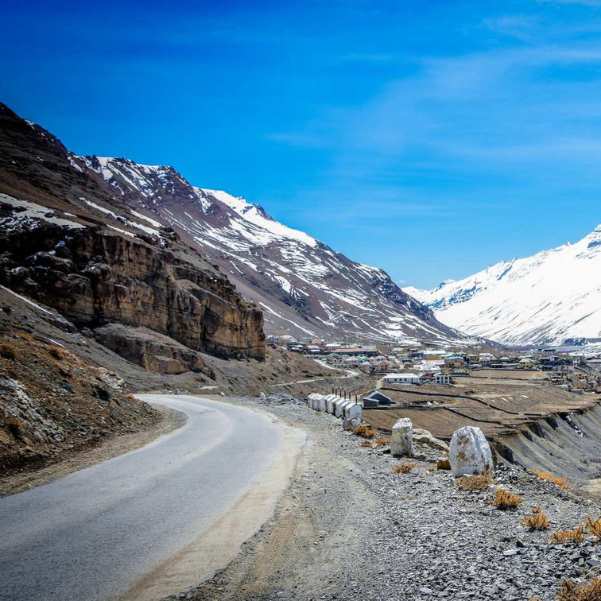
The winter route runs Delhi, then Shimla or Narkanda, then into Kinnaur, then a night around Nako or Tabo, and finally Kaza. That is the spine of every plan below.
The reason this side works in winter is altitude. The Shimla approach climbs gradually through Kinnaur, so your body gains height over several days instead of one brutal jump.
Coming in from the highest part of the valley in a single push is how people end up sick on arrival.
Can You Enter Winter Spiti Through Manali?
No, not for a normal December to February trip. Do not plan your winter itinerary through Manali and Kunzum.
The exact winter closure and reopening dates vary each season and depend on snowfall and road-clearing conditions, so travellers should rely on current official road updates rather than planning around a fixed Kunzum Pass date.
What we do know is the pattern: the pass shuts for months, and you must check current official road conditions rather than assume a date. Anyone quoting you a firm Kunzum date for next winter is guessing.
Can You Start From Chandigarh or Shimla?
All three origins work: Delhi, Chandigarh and Shimla. The difference is how much driving sits inside your scheduled days.
A Shimla start makes a seven-day itinerary far more realistic, because you have already handled the Delhi to Shimla transfer separately.
If you can get yourself to Shimla on your own time, you unlock a tighter, cleaner Spiti plan. Our Shimla tour packages can cover that first leg if you want it bundled.
Where Should You Stop Overnight Between Shimla and Kaza?
Narkanda, Rampur, Sarahan or Kalpa?
Think of these as pacing options, not a checklist you must tick. You pick one or two based on how far you comfortably want to drive in a winter day.
Here is the mistake we see most: people turn Day 1 into a race to save a single hotel night. Do not do that. A rushed first day on icy Kinnaur roads to shave one night off the trip is a bad trade. Drive at a sane pace and sleep when the light goes.
Should You Sleep at Nako or Tabo Before Kaza?
Both work as a staging night, and the altitude numbers explain why.
Nako sits at 3,663 metres. Tabo Monastery is lower, at 3,050 metres according to Himachal Tourism. Tabo is also 50 km from Kaza, so it is close enough to make an easy final morning.
Tabo is our usual pick as the last night before Kaza, especially for first-time high-altitude travellers, because it is lower and gentler on the body.
Just to be clear though, sleeping at Tabo does not prevent altitude sickness. It only gives you a slower climb. You still need to hydrate, go easy, and watch how you feel.
How Should Acclimatisation Be Built Into the Winter Itinerary?
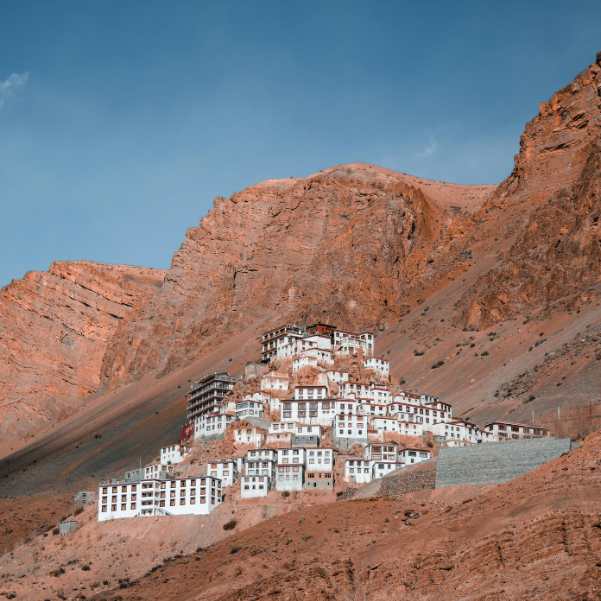
You build acclimatisation using the itinerary itself, not a pill. A sensible climb is a lower Kinnaur night, then Tabo, then Kaza. That staircase of nights does the work.
The other half is your arrival day in Kaza. Keep it easy. In our experience, this is where rushed itineraries start causing problems: people reach Kaza and immediately drive up to two or three higher villages the same afternoon, then feel awful by night.
Our team recommends keeping the first evening in Kaza easy, with a short walk and an early dinner at most.
If you have any medical condition or you are wondering about altitude medication, talk to a doctor before the trip. That advice is genuinely between you and a qualified professional, not a travel blog.
Winter Spiti Itinerary for 7 Days
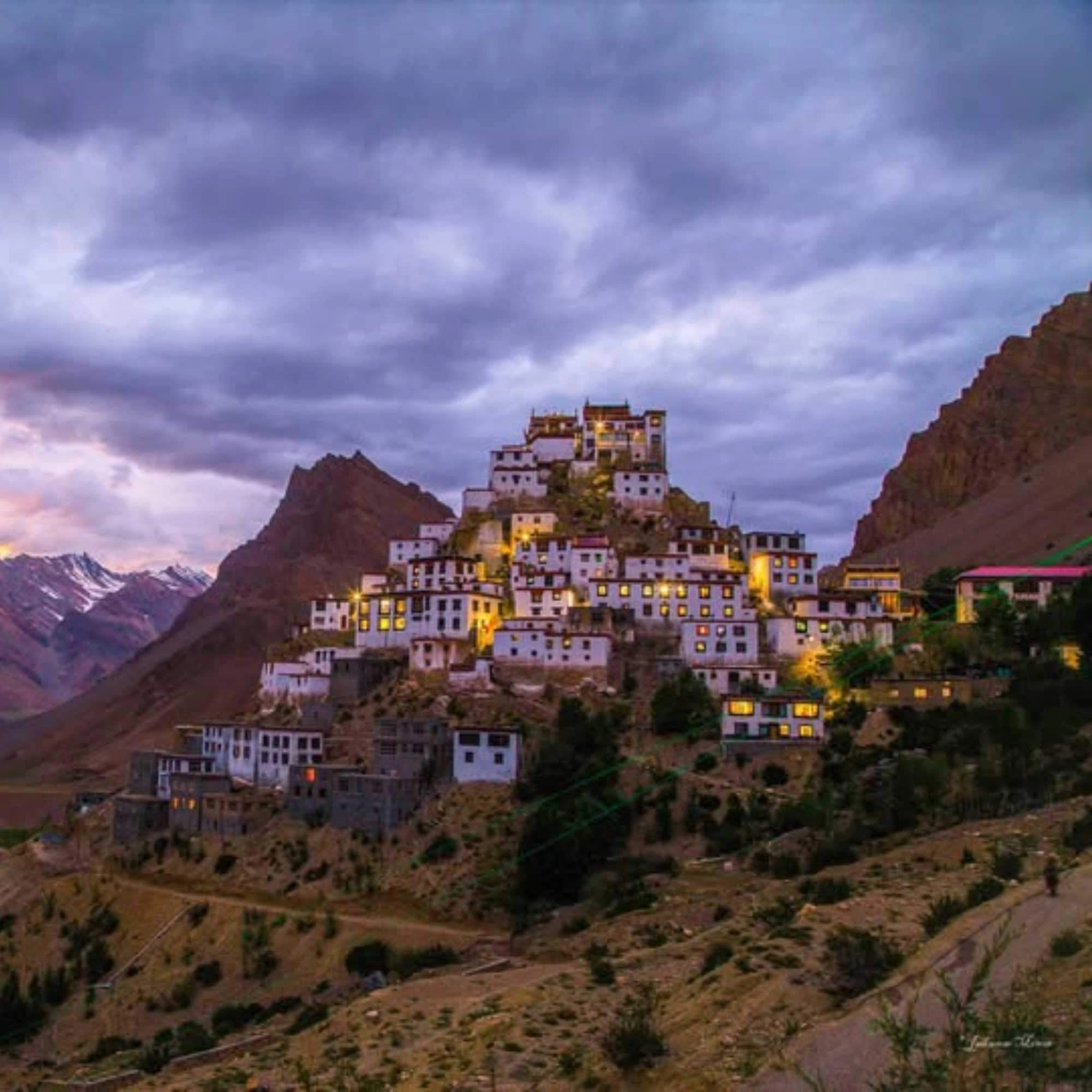
This plan is best suited to a Shimla start. If you count the whole thing as Delhi to Delhi, treat it as a compressed schedule where sightseeing is the first thing to get cut when weather turns.
Day 1: Shimla to Kalpa or Lower Kinnaur
Your job today is safe progression toward Kinnaur, nothing more. Sightseeing is secondary.
Drive steadily and stop where the daylight runs out. We will not promise you reach a specific point by a specific clock time, because winter road conditions decide that, not a schedule.
Day 2: Kalpa to Tabo via Nako
Nako is 119 km from Kalpa according to District Kinnaur, and Nako sits at 3,663 m.
Stop at Nako only if the road and daylight allow it. If you are behind, skip the extended halt and keep moving. Continue to Tabo and stay the night there.
Day 3: Tabo to Kaza
Tabo to Kaza is 50 km according to Himachal Tourism, so this is a shorter driving day.
Use the morning for Tabo Monastery if it is practical. Then drive to Kaza and keep the rest of the day light. This is your acclimatisation buffer disguised as a travel day.
Day 4: Kaza Winter Sightseeing
Do not read this as a guaranteed village circuit. It is two possible modules, and you pick one on the day based on road status.
One module is Key, Kibber and Chicham, when that road is confirmed open. The other is Langza, Hikkim and Komic, when their road is confirmed open. The actual choice happens locally, in the morning, after someone checks the road. Not before you leave home.
Day 5: Kaza to Kalpa or Reckong Peo
Start the return today. Resist the urge to squeeze in an ambitious final high-village morning, especially after bad weather. Begin the drive back down toward Kinnaur.
Day 6: Kinnaur to Shimla
Keep this as a straight road day. You are covering ground back toward Shimla.
Day 7: Shimla Departure or Delhi Transfer
This is exactly why seven days works better starting from Shimla. You end here cleanly.
For a true Delhi-to-Delhi seven-day trip, you would need overnight travel or heavier driving days to make it fit, which is a lot to ask in winter.
So who should pick seven days? Travellers starting in Shimla, repeat visitors who have seen the villages before, or people happy to drop optional sightseeing the moment weather changes.
Winter Spiti Itinerary for 8 Days
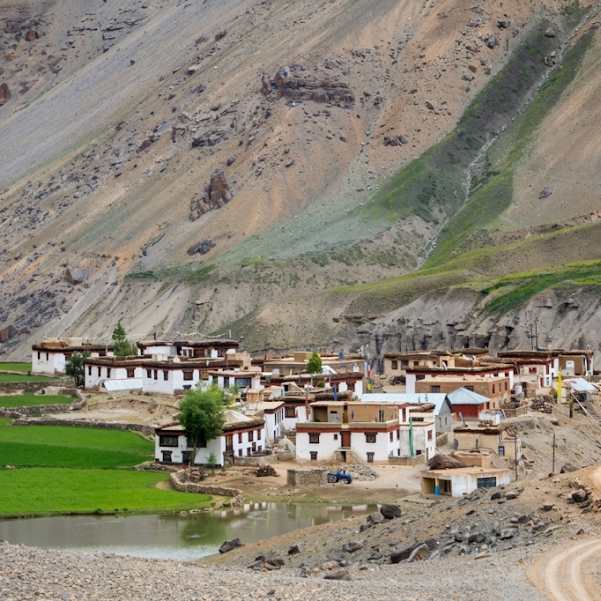
This is the practical middle ground for Delhi travellers. It gives you a little breathing room without stretching your leave too far.
Day 1: Delhi to Shimla
Use this day mainly as your approach into Himachal. It is a transfer day, and that is fine.
Day 2: Shimla to Kalpa or Lower Kinnaur
Do not overpack sightseeing here. Steady progress into Kinnaur is the goal.
Day 3: Kalpa to Tabo via Nako
Same verified stretch as before. Nako is 119 km from Kalpa and sits at 3,663 m. Pause at Nako only if conditions allow, then continue to Tabo for the night.
Day 4: Tabo to Kaza
Tabo to Kaza is 50 km. Keep the arrival day relaxed. A gentle Kaza afternoon does more for your trip than an extra village would.
Day 5: Kaza High Villages or Key, Kibber and Chicham
Choose only the road confirmed open that morning. Never assume every listed village will be reachable. Some may be open while others are snowed out on the same day.
Day 6: Flexible Kaza Morning and Begin Return
This flexible day is the whole point of the eighth day. If Day 5 was lost to weather, try accessible sightseeing, but only after local confirmation.
If the return-route forecast looks bad, skip the sightseeing and leave Kaza while the road is good. That judgment call is the value here.
Day 7: Kinnaur to Shimla
A road day back toward Shimla.
Day 8: Shimla to Delhi
The final transfer home.
So what does eight days give you that seven does not? One flexible morning around Kaza. That single buffer means a snowed-out sightseeing day does not automatically wipe out your only chance at the high villages. It is a small margin, but in winter, margins matter.
Winter Spiti Itinerary for 9 Days
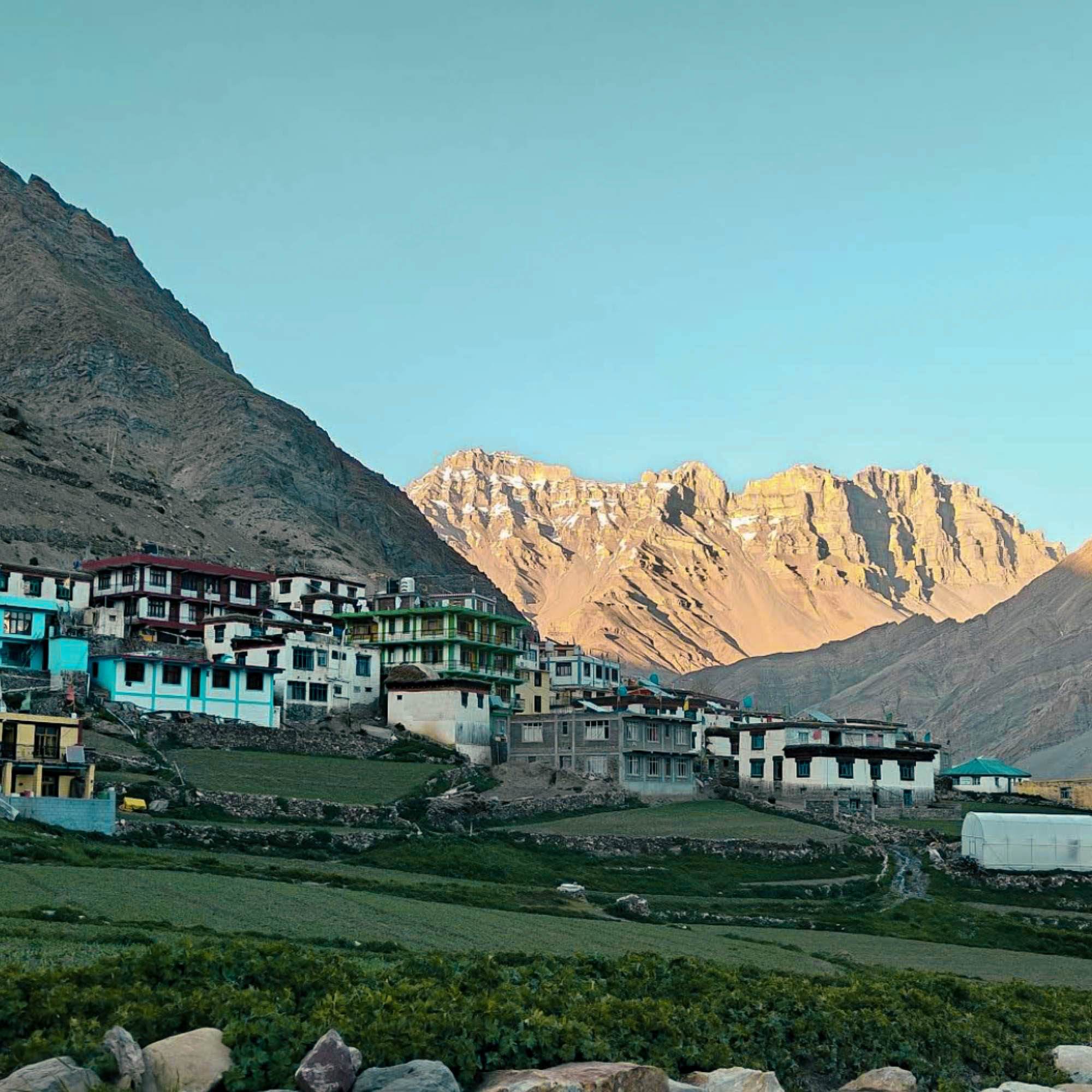
This is the preferred scheduled option from Delhi if you want a more reasonable pace. It is not weatherproof, and no itinerary is, but it gives you the most room.
Day 1: Delhi to Shimla
Approach day into Himachal.
Day 2: Shimla to Kalpa or Lower Kinnaur
Gradual climb into Kinnaur. Easy does it.
Day 3: Kalpa to Tabo via Nako
Nako, 119 km from Kalpa at 3,663 m, then on to Tabo for the night.
Day 4: Tabo to Kaza
50 km to Kaza. Arrive, settle, and keep the evening light.
Day 5: Key, Kibber and Chicham if Accessible
Notice the "if accessible." This module runs only when that road is confirmed open on the day. If it is not, you do not force it.
Day 6: Langza, Hikkim and Komic if Accessible
Again, only if these roads are open. If they are closed, spend the day on locally confirmed lower options, extra Kaza time, monastery visits, or simple rest. A rest day at altitude is not wasted time. It is your body catching up, and it often makes the rest of the trip better.
Day 7: Kaza to Kalpa or Reckong Peo
Begin the return down toward Kinnaur.
Day 8: Kinnaur to Shimla
Road day back to Shimla.
Day 9: Shimla to Delhi
Final leg home.
The real gift of nine days is two potential Kaza sightseeing windows instead of one. If Day 5 gets snowed out, Day 6 still exists. Your whole trip is no longer riding on a single clear morning.
If you would rather follow an operated version of this nine day plan, our 9-day Winter Spiti 4x4 itinerary runs the same Kinnaur approach as a fixed departure group trip, so check its day by day page against the plan above before you lock your dates.
7 vs 8 vs 9 Days: Which Winter Spiti Itinerary Should You Choose?
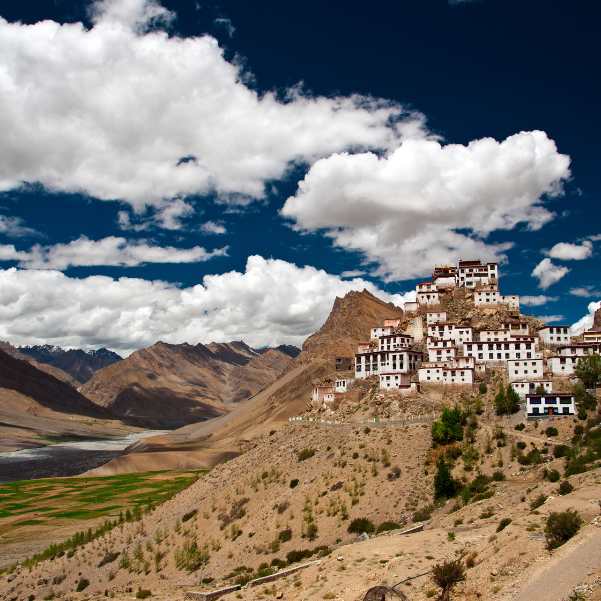
Seven days
Seven days is compressed from Delhi and much better from Shimla. It works if you are a repeat visitor or comfortable dropping sightseeing when weather shifts, but it gives you almost no flexibility. One bad-weather day and your Kaza sightseeing is gone.
Eight days
Eight days is the workable middle ground for Delhi travellers. It adds one flexible Kaza morning, which is enough to save your high-village plans from a single lost day. For most first-timers on a normal leave, this is the honest sweet spot.
Nine days
Nine days is the preferred scheduled itinerary from Delhi. The slower progression is kinder on your body, and two potential Kaza sightseeing windows mean the trip does not hinge on one morning. If your leave allows it, this is the calmest way to do Winter Spiti.
One important distinction: your extra weather buffer days should ideally sit outside these sightseeing schedules. Do not automatically fill them with more villages. Their whole purpose is to absorb disruption.
How Many Weather Buffer Days Should You Keep for Winter Spiti?
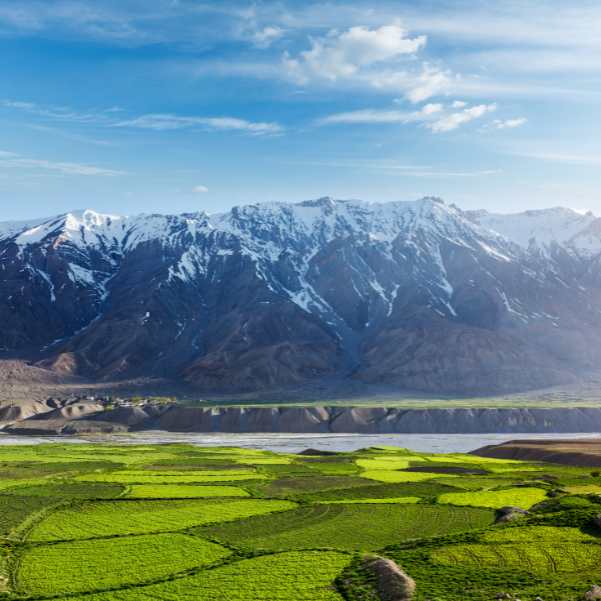
Keep 1 to 2 additional days where your leave permits. That is our standing advice.
A current 2026 specialist guide goes further and recommends 2 to 3 buffer days, mainly because snowfall or landslides can block road movement with little warning. Neither number is a promise. Even three buffer days can be eaten by one long closure.
If you have a non-refundable onward flight or a fixed work date, be more conservative. Add more cushion, not less. We would rather you have a spare unused day than miss a flight because of a landslide near Kinnaur.
What Should You Change If Snow Closes the Road or a High Village?
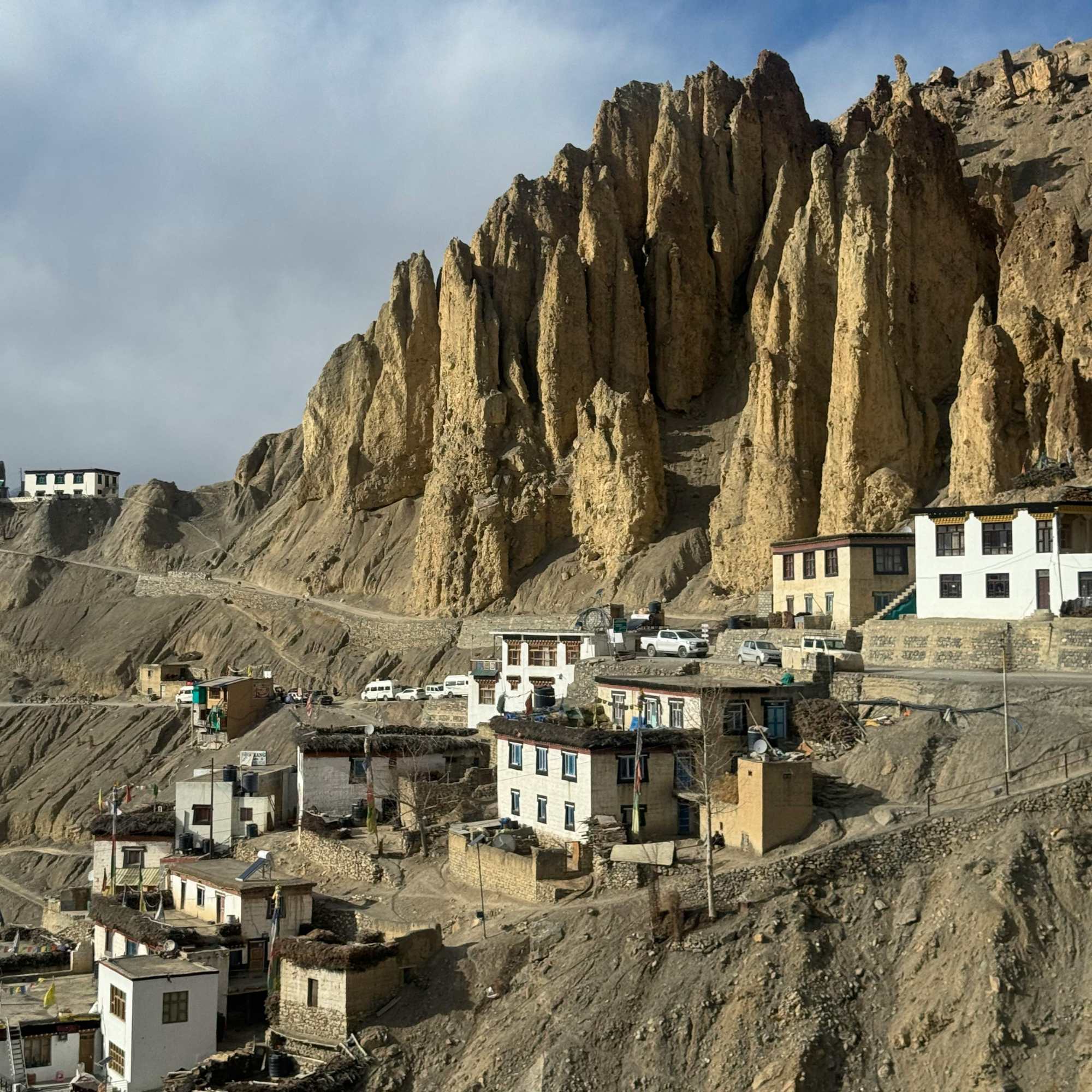
Protect the return route first. Always. Getting home safely outranks any village on your list.
Do not keep hammering at a blocked high-village road. If it is shut this morning, it is shut. Stay based in Kaza as long as the main road is safe, and swap high villages only for routes confirmed open that same morning.
If you are running behind, delete sightseeing rather than combining two long driving days to "catch up." Doubling your drive on icy winter roads to make up time is how good trips turn dangerous.
The rule to hold onto: in winter, the itinerary follows the road, not the other way around.
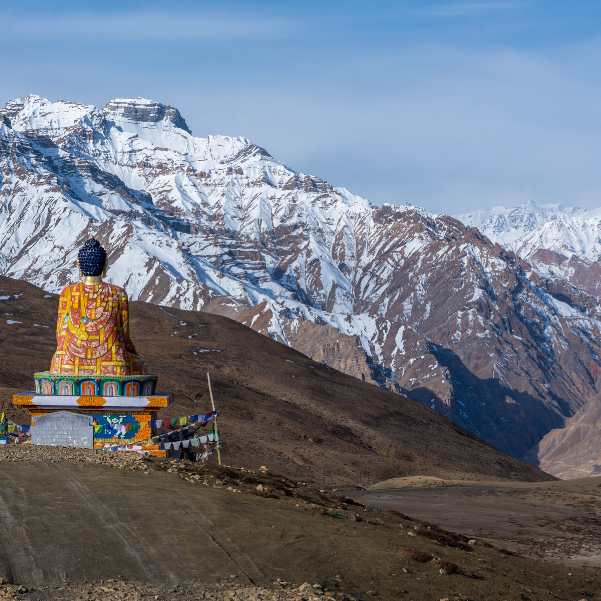
There is no single guaranteed substitute, so do not let anyone promise you one. What is possible depends on what is confirmed open that day.
Locally confirmed alternatives might include Key Monastery, Kaza itself, more time at Tabo on the route, or Dhankar only when its approach is confirmed safe.
Dhankar is 32 km downstream from Kaza and sits at 3,870 m according to District Lahaul and Spiti, so it is not a low, easy option either.
Do not treat Pin Valley as a reliable backup. Himachal Tourism says the park is difficult to access between December and March, so it is often no substitute at all in deep winter.
If you are travelling alone and weighing these calls, our guide on Spiti safety for solo female travellers covers the practical side of moving around the valley in tricky conditions.
Should Chitkul Be Included in a Winter Spiti Itinerary?
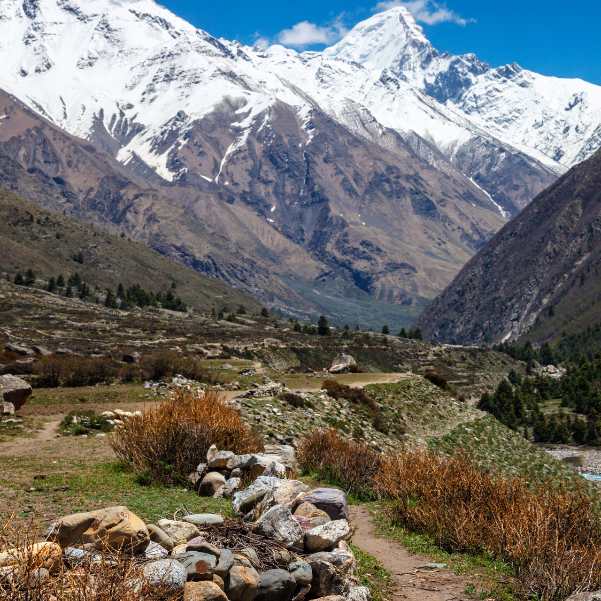
Plenty of commercial itineraries list Chitkul. Treat it as a bonus, not a fixed stop.
Current 2026 guidance says the Sangla to Chitkul road typically closes around December and may not reopen until around March, depending on snow clearance. Exact dates change every year, so nobody can promise it.
Do not build your Spiti trip's success around reaching Chitkul. If it is closed, stay on the main Kinnaur route and let it go. Our Kinnaur tour packages are planned so that a closed Chitkul does not break the rest of the trip.
Is a Self Drive Winter Spiti Road Trip a Good Idea?
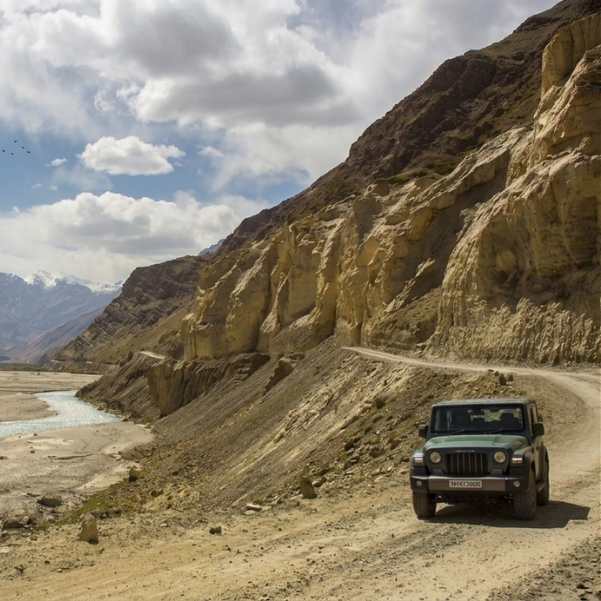
Winter here means black ice, fresh snowfall, exposed mountain edges and road surfaces that change within a single hour. It is a serious driving environment.
Specialist winter operators specifically warn about invisible black ice, the kind you do not see until your tyres are already on it, and they recommend experienced local drivers.
A 4x4 helps, but it does not guarantee safety, and not every winter trip legally requires one. The vehicle matters far less than the person driving it.
If you do not have real snow and high-Himalayan winter driving experience, use an experienced driver. This is the one area where we push hardest, because a confident driver on ice is worth more than any spec sheet.
What Should Travellers Know About Winter Temperature and Facilities?
Cold is the headline. Himachal Tourism says that in deep winter, December to February, temperatures can fall to around −20°C in some places. Pack for genuinely brutal nights, not for a normal hill-station chill.
Facilities thin out in winter too. Some accommodation, running water, shops and tourism services run at reduced levels compared to summer.
We are not going to quote you heater charges or room rates, because those shift and we do not invent numbers. Just go in expecting less, and you will be fine.
How Do You Plan Your Return Without Missing a Flight or Train?
The end of the trip is where road uncertainty bites hardest. A closure on your way down can cost you a full day.
Do not plan a tight flight or train connection right after driving down from the mountains. That is asking for a missed booking.
A spare day near Shimla, Chandigarh or Delhi at the end is often more useful than one more high-village morning up top. It is a quieter way to spend a day, but it is the one that protects your ticket home.
If you want us to sequence your return with breathing room, just WhatsApp us and we will build the buffer in.
Explore Our Curated Winter Spiti Tour Packages
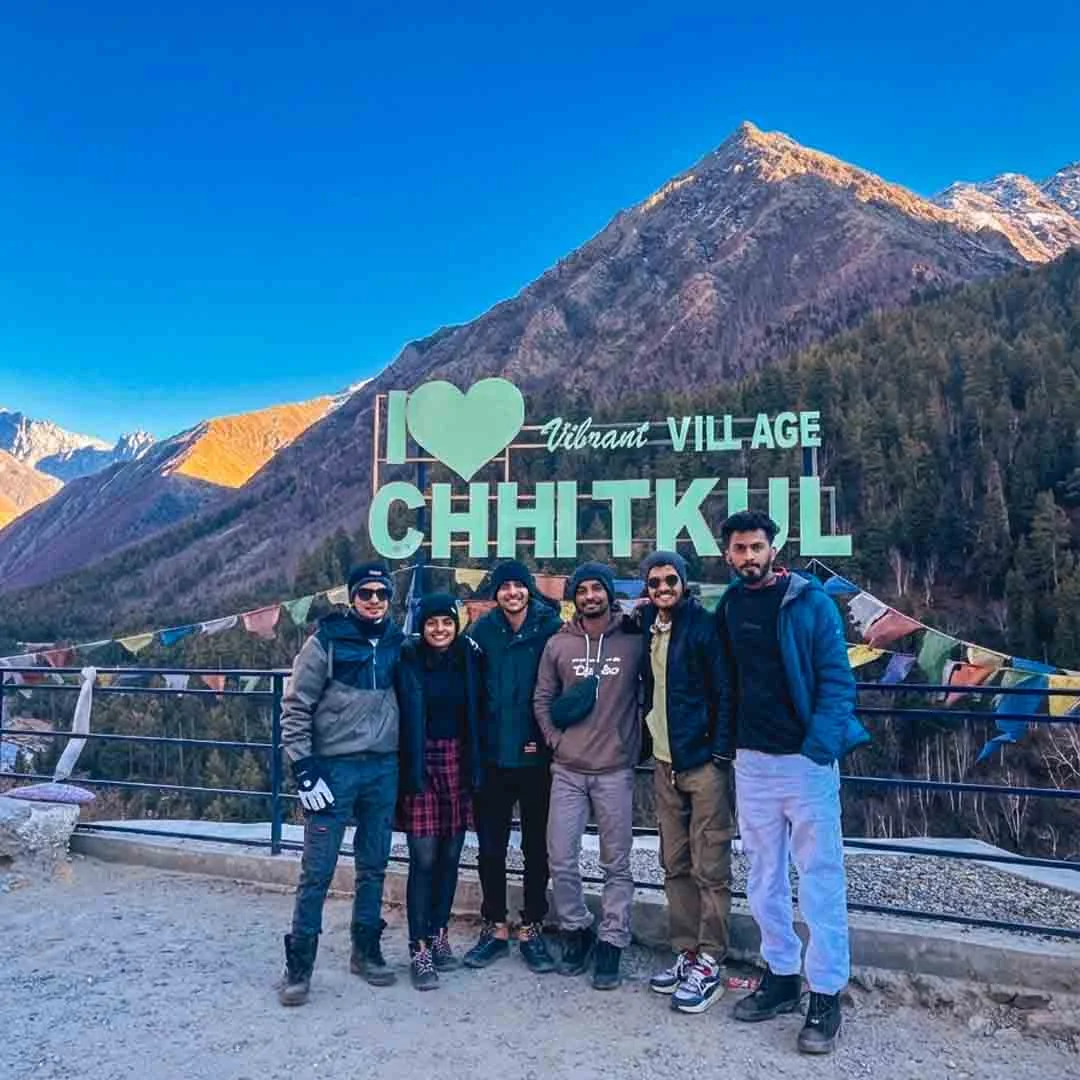 Group Tour9D/8N
Best Selling Winter Spiti Valley Group Tour
2D Sangla•1D Tabo+2
₹18,999₹23,999SAVE INR 5,000/ person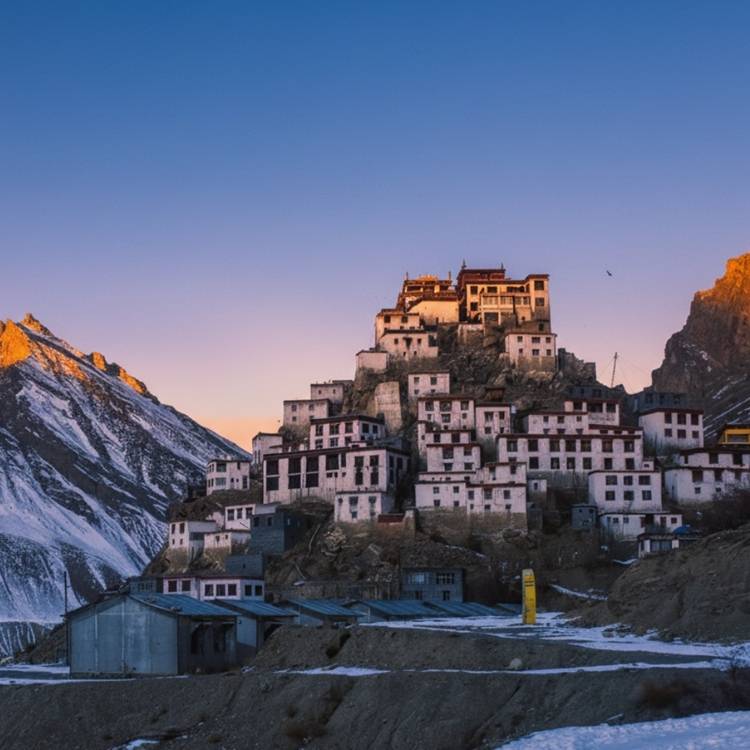 9D/8N
9D/8NWinter Spiti 4×4 Expedition
2D Sangla•1D Nako+2
₹32,999₹44,999SAVE INR 12,000/ person
Related topics
Frequently Asked Questions
Is seven days enough for Winter Spiti from Delhi?
Seven days from Delhi is possible but rushed, with very little weather margin. From Shimla, seven days is much more practical. For a Delhi start, eight or nine days is better.
What is the difference between a 7, 8 and 9 day Winter Spiti itinerary?
Seven days is compressed, eight days adds some flexibility, and nine days gives a slower pace with more weather margin. Extra days mainly help with acclimatisation and road disruptions rather than adding more places.
Where should travellers stop overnight between Shimla and Kaza?
Good options include Narkanda, Rampur, Sarahan or Kalpa in Kinnaur. Before Kaza, Nako or Tabo work well, with Tabo often preferred because it is lower and only about 50 km from Kaza.
How should acclimatisation be built into a winter itinerary?
Climb gradually with a lower Kinnaur night, followed by Tabo or Nako before reaching Kaza. Keep your first day in Kaza easy and avoid rushing immediately to higher villages.
How many weather buffer days should be kept for Winter Spiti?
Keep at least 1 to 2 extra days outside your main itinerary. If you have a fixed flight, train or work commitment after the trip, keeping 2 to 3 buffer days is safer.
What changes should be made if snow closes the road or a high village?
Prioritise the main return route and do not attempt blocked village roads. Drop sightseeing if necessary rather than combining long winter driving days to recover lost time.
Which sightseeing stops can replace Langza, Hikkim or Kibber when roads are blocked?
Possible alternatives include Key Monastery, Kaza, Tabo or Dhankar when their roads are confirmed open. There is no guaranteed replacement, so make the decision based on same-day local road conditions.
Can the itinerary start and end in Delhi, Chandigarh or Shimla?
Yes. Delhi and Chandigarh require more driving, so 8 to 9 days is preferable. Starting from Shimla makes a seven-day Winter Spiti itinerary much more realistic.
Is the Manali to Kaza route open in winter?
No, not for normal winter travel. The Manali to Kaza route via Kunzum Pass closes for winter. Travellers should enter and exit Spiti through Shimla and Kinnaur instead.
Is Chitkul open during Winter Spiti trips?
Chitkul may become inaccessible after heavy winter snowfall, especially from December onward. Treat it as a bonus stop rather than a guaranteed part of your itinerary.
Is Tabo or Nako better for an overnight stay before Kaza?
Both are suitable, but Tabo is usually better for first-time high-altitude travellers. At about 3,050 metres, it is lower than Nako and offers a gentler overnight stop before Kaza.
Should buffer days be included inside or outside a nine-day itinerary?
Keep buffer days outside the nine scheduled travel days. They should remain unused unless snowfall, landslides or road delays affect your planned return.
Choosing Between Seven, Eight and Nine Days
Seven days works better from Shimla, while eight days is a practical minimum from Delhi. Nine days is the better choice for a slower climb, more flexibility and a second chance at Kaza sightseeing.
More about Lahaul and Spiti
 Lahaul and Spiti
Winter Spiti from Bangalore in 2026-27: Flights, Leave Days & Delhi 4x4 Departures
Planning a Winter Spiti trip from Bangalore in 2026-27? Explore flight options, Delhi pickup points, leave requirements, 4x4 group expeditions, travel costs and a practical itinerary to help you plan your Himalayan winter adventure.
- How to Reach
- Snow Travel
 Lahaul and Spiti
What Does a Winter Spiti 4x4 Trip Really Cost in 2026-27? Package Price vs Total Holiday Budget
Planning a Winter Spiti 4x4 trip in 2026-27? Discover the real travel budget, including package prices, transport, meals, winter essentials and hidden expenses. Learn what your package covers, what costs extra and how to plan your Spiti Valley adventure without unexpected spending.
- First-Time Travellers
- Snow Travel
 Lahaul and Spiti
How Many Leave Days Do You Need for a 9-Day Winter Spiti Trip in 2026-27?
Planning a 9 day Winter Spiti trip in 2026 to 2027 requires careful leave planning, especially for working professionals travelling from cities like Bangalore, Mumbai, Hyderabad and Delhi.
- Itinerary
- Snow Travel