
Atal Tunnel vs Rohtang Pass in 2026: Route, Views, Permit and Experience Compared
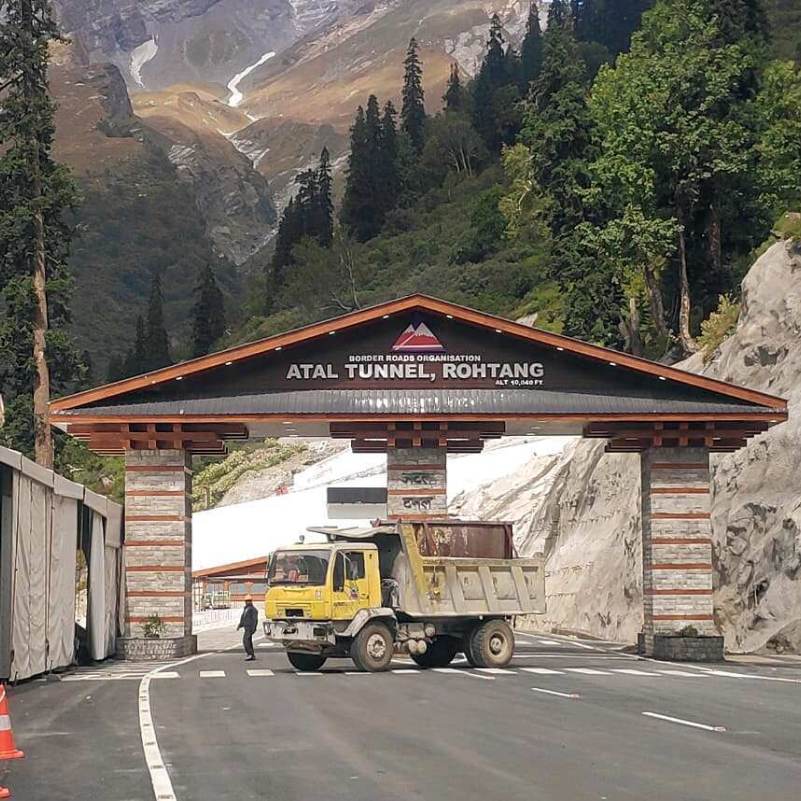
Here is the thing most people get wrong about atal tunnel vs rohtang pass: they think it is one road with two attractions lined up back to back. It is not.
They are two separate mountain crossings. One goes under the mountain. The other goes over it.
We get this question almost every week from travellers planning their first Manali trip. So let us clear it up properly, with the real routes, the exact permit rules, and honest advice on which one you actually need.
If you want someone to sort the full plan for you, our Manali tour packages come with a local driver who knows both roads.
Quick Answer
Atal Tunnel bypasses Rohtang Pass. It does not pass through it. The tunnel goes beneath the Pir Panjal range, while the old road climbs over the high pass.
Both journeys start the same way from Manali and split near Palchan. The tunnel route continues through Solang Valley and Dhundi. The Rohtang route climbs through Kothi, Gulaba and Marhi. The two roads meet again on the Lahaul side around Koksar.
If you are going to Sissu, Keylong or deeper into Lahaul, you use Atal Tunnel. If the high pass itself is what you came for, you choose Rohtang.
Are Atal Tunnel and Rohtang Pass on the Same Route?
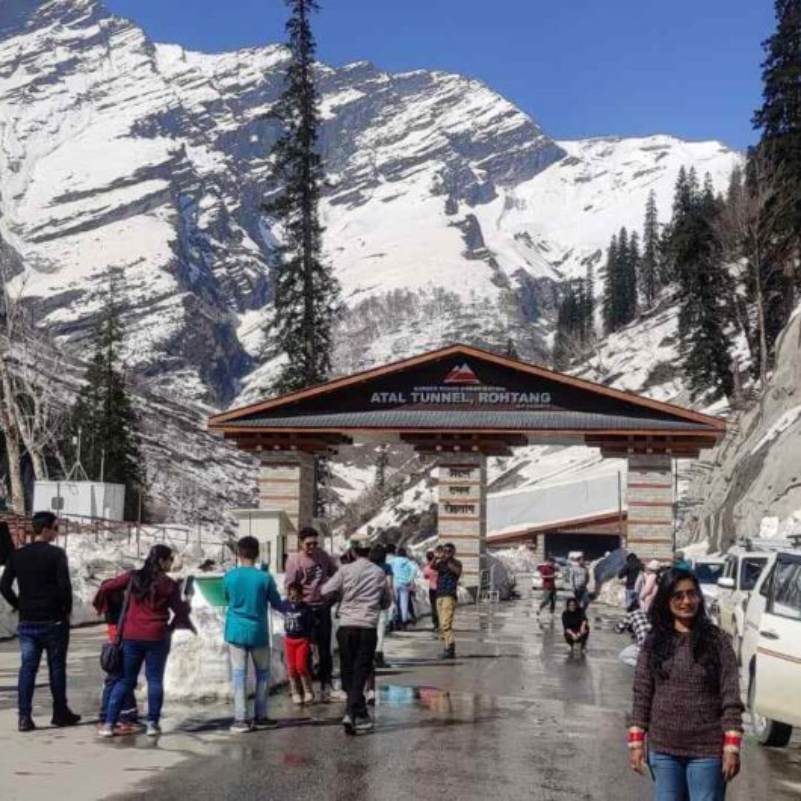
They share the first stretch out of Manali. After that, they are two different crossings of the same mountain range.
The tunnel is not located at Rohtang Pass. It runs under the Pir Panjal range at a much lower elevation than the pass road.
This is where the confusion starts. On a map, both roads look connected. They are, at the two ends. But in the middle, they go completely separate ways.
Where the roads separate near Palchan
Both routes leave Manali and head to Palchan first. That part is shared.
After Palchan, the Atal Tunnel route runs through Solang Valley, then Dhundi, then reaches the South Portal. You drive through the tunnel, come out at the North Portal, and continue toward Sissu and Keylong.
The Rohtang route does something different. From Palchan it climbs through Kothi, then Gulaba, then Marhi, before reaching Rohtang Pass at the top.
So the moment you cross Palchan, you have already picked your road. There is no switching halfway.
Where the roads reconnect in Lahaul
Once both roads finish their crossing, they meet again on the Lahaul side around the Koksar and Chandra Bridge area.
One thing to be clear about: the North Portal is not in Sissu. Sissu comes after you keep driving further into Lahaul. People often mix these up.
This is why you can look at a map, see both roads joining, and still get the wrong idea. The map shows the connection points. It does not show you that Rohtang is a completely optional climb, not a compulsory stop on the tunnel journey.
Does Atal Tunnel Bypass Rohtang Pass?
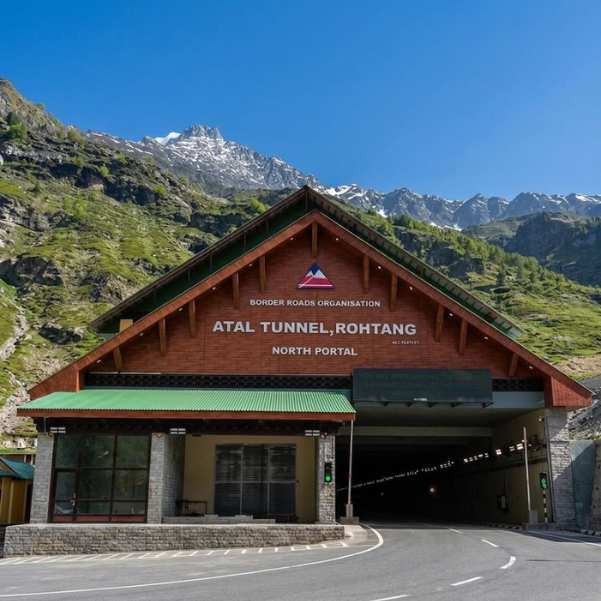
Yes. That is exactly what it does.
Think of it simply. The old road goes over the mountain. The tunnel goes under it. Same destination on the other side, two different ways to get there.
Atal Tunnel is 9.02 km long and sits at roughly 3,000 metres, which is above 10,000 feet. It cuts straight through the Pir Panjal range instead of climbing over the top.
The tunnel reduced the wider Manali to Leh or Sarchu road distance by about 46 km and cut travel time on that longer route by roughly four to five hours.
But do not assume every Manali to Sissu run saves you four to five hours. That big saving applies to the longer Leh and Sarchu route. Traffic, weather, and your exact start and end points change how much local time you actually save.
What Is the Main Difference Between Atal Tunnel and Rohtang Pass?
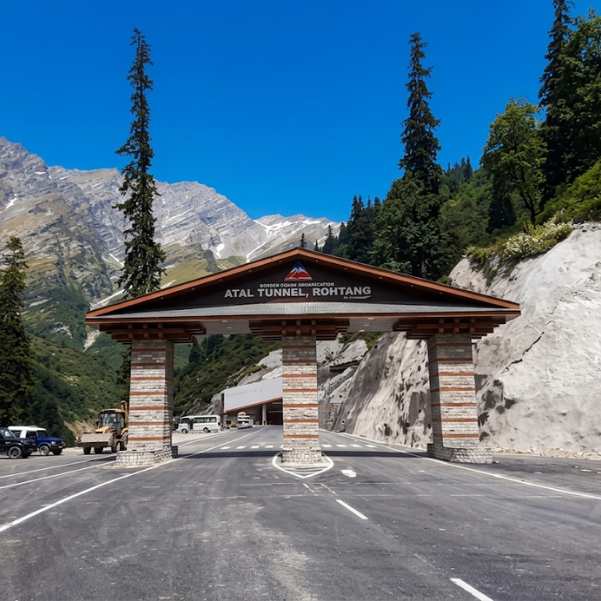
The real differences come down to purpose, altitude, road character, season, permits, and how the whole thing feels. Let us go through each one.
Their purpose
Atal Tunnel is a transport and connectivity corridor. It exists to keep Lahaul connected, especially through winter when the pass is buried in snow.
Rohtang Pass, for most people coming from Manali, is a seasonal sightseeing spot. You go up to see the pass, play in the snow, and come back.
Before the tunnel opened, that pass road was the main seasonal link between Manali and Lahaul. The tunnel changed that completely.
Altitude and road character
Rohtang Pass sits at roughly 3,978 metres or 13,050 feet. That is a serious height, and you feel it.
The Rohtang road is exposed, full of bends, and has that proper high-pass feeling where the air thins and the weather turns fast. The tunnel crossing at around 3,000 metres is controlled, sheltered, and steady the whole way.
If you are someone who feels altitude quickly, plan conservatively and follow proper medical advice where it matters. The pass climbs higher and faster than the tunnel route.
Season and reliability
The tunnel was built to give Lahaul year-round access. That is the whole point of it.
But "all-weather" does not mean the approach road stays open every single hour of every day. Heavy snow, avalanches, rescue operations, and police restrictions all caused temporary disruptions around the route during 2026.
Rohtang Pass is seasonal. It only opens after the snow is cleared and the administration approves it. There is no fixed date every year, so do not trust any blog that gives you one.
Which Has Better Views: Rohtang Pass or Atal Tunnel?
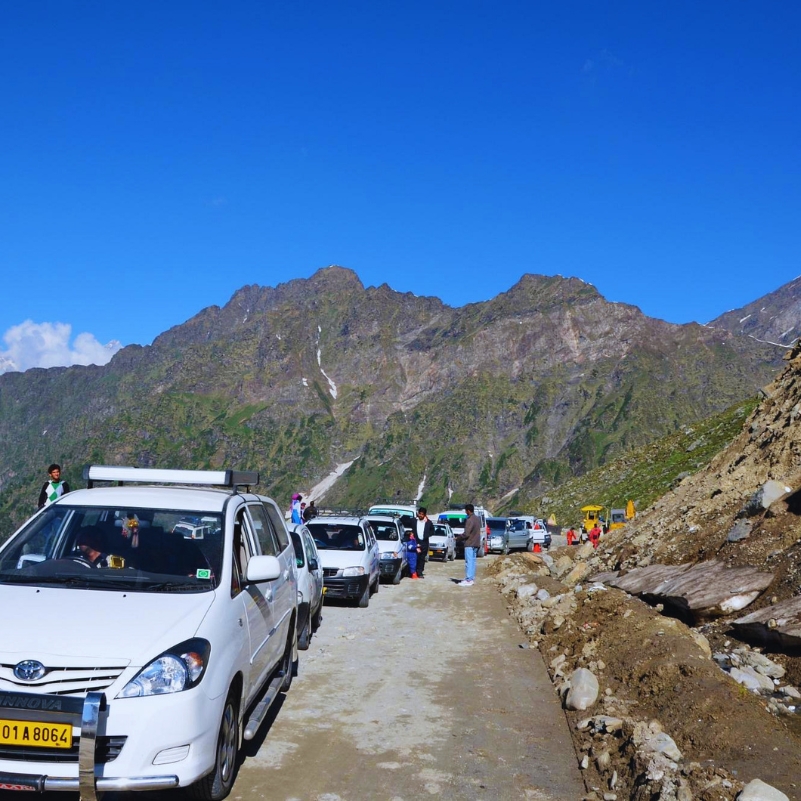
Honest answer? It depends on what kind of views you mean. Neither one wins outright.
Views on the Rohtang road
The Rohtang climb gives you a continuous show. Through Kothi, Gulaba and Marhi, the scenery keeps changing.
You watch the tree line drop away, the slopes open up, and the mountains get bigger and barer as you climb. Because you are above ground the whole time, the views never stop.
For a continuous road-view experience, Rohtang is the richer one. Just do not count on snow. Whether you see it depends entirely on the month and the weather that week.
Views on the Atal Tunnel route
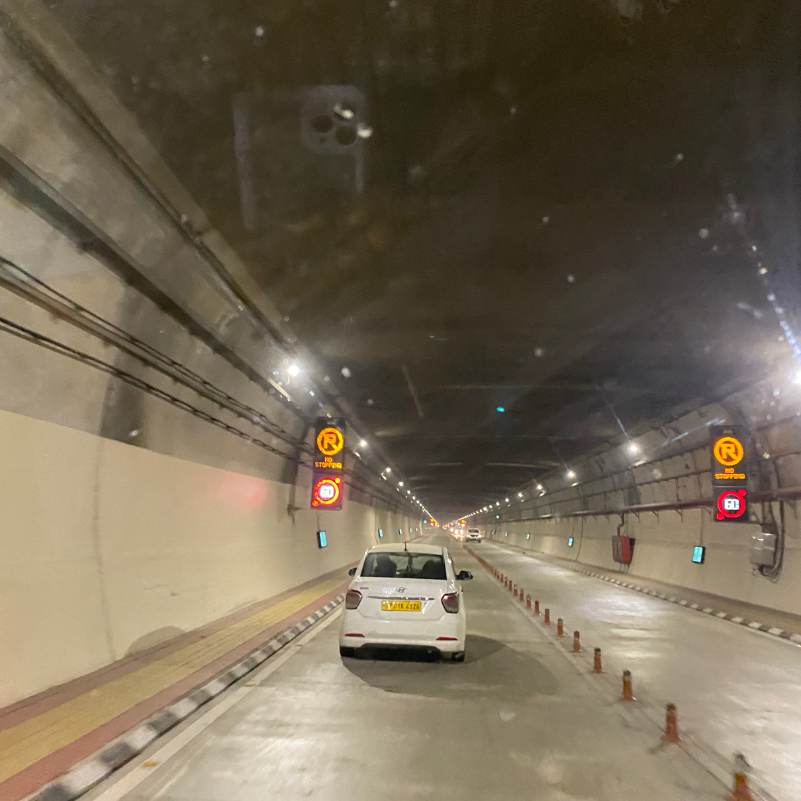
The tunnel itself is an engineering experience, not a viewpoint. You are inside a mountain. There is nothing to photograph in there, and you should not try.
The views on this route come before and after. Solang Valley on the approach to the South Portal is genuinely good. And the moment you come out the North Portal into Lahaul, the landscape flips to a drier, starker mountain world.
The Lahaul side, the Chandra valley, and the run toward Sissu can easily be the highlight of your whole day. In our experience, first-timers are usually stunned by how fast the scenery changes once you exit the tunnel.
If you want to add some adventure to the Manali side of the trip, we listed the good options in our guide to adventure activities in Manali.
What Permit Do You Need in 2026?
This is the section most blogs get wrong, so read it carefully. There are three separate things here: the Rohtang tourism permit, the special private-vehicle permit, and the Lahaul and Spiti e-Aagman system. They are not the same.
Permit for a Rohtang sightseeing visit
The official Rohtang tourism permit costs ₹500 per vehicle.
On top of that, there is a congestion charge: ₹50 for a car, jeep or MUV, and ₹100 for a bus or heavy motor vehicle.
The daily quota is capped at 800 petrol vehicles and 400 diesel vehicles. Once it fills, that is it for the day.
Permits release in two batches, at 10:00 and 16:00. Each release has 400 petrol and 200 diesel permits.
The official portal currently lets you book for the next two days only. A single vehicle can get a maximum of three permits per week, and the vehicle must not be more than 10 years old.
You will need a valid ID, a pollution-under-control certificate, and your vehicle registration details. The portal also needs you to carry a printed permit.
These rules change often, so confirm everything on the official portal before you pay: https://rohtangpermits.hp.gov.in/
Special permit for a private vehicle
The official portal has a separate special-permit category just for private vehicles.
This one is limited to once per vehicle per season. The daily quota here is 60 petrol vehicles and 40 diesel vehicles.
We will not pick your category for you, because it depends on your exact route. Match it to your plan and confirm it on the official portal before booking.
Do you need a Rohtang permit for Atal Tunnel?
No. A Rohtang tourism permit is not the permit you use just to drive through Atal Tunnel.
But here is the part people miss. Entering Lahaul and Spiti by vehicle may still need registration through the official e-Aagman system.
The e-Aagman portal has an e-permit category for the Atal Tunnel, Rohtang, Koksar and Chandratal circuit, and a separate e-ticket category for other destinations. Pick the one that matches where you are actually going.
Check the official e-Aagman portal here: https://eaagman.hp.gov.in/
Is Rohtang closed every Tuesday?
Loads of older blogs will tell you Tuesday is the fixed maintenance closure day.
When we checked, the official portal showed "NONE" as the designated maintenance day. So the old Tuesday rule may not hold.
Do not treat Tuesday as a guaranteed closure or a guaranteed open day. This rule changes, so check the official portal before you travel.
If you would rather skip the permit headache entirely, our Rohtang Pass tour packages handle the paperwork and the vehicle for you.
Honestly, the permit system trips up more first-timers than the roads do. If you are stuck on which permit fits your route, just message us and we will point you to the right one.
Which Route Should You Take for Sissu, Keylong, Spiti or Leh?
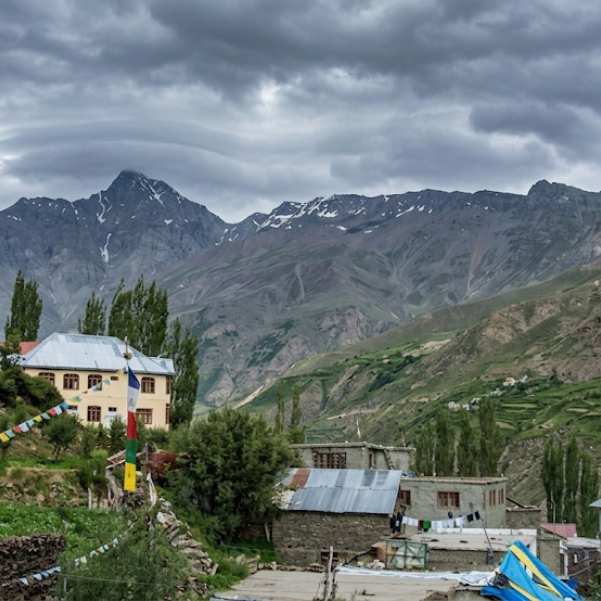
This one is easy once you know your destination.
For Sissu and Keylong
Take Atal Tunnel. It is the normal direct route from Manali.
You do not need to climb up to Rohtang Pass first. The tunnel takes you straight under the range and out the other side.
Here is a warning from experience: if you type "Rohtang Pass" into your maps app as the destination, it can send you up the sightseeing road instead of the direct tunnel route.
We have seen travellers lose hours this way. Set your destination as Sissu or Atal Tunnel, not Rohtang.
Our Sissu tour packages use this direct route by default.
For Spiti and Leh
Starting from Manali, you normally use Atal Tunnel to get into Lahaul first, then continue on toward your onward route.
But do not assume the whole road to Kaza or Leh is open just because the tunnel is working. The tunnel being open tells you nothing about the passes and stretches further ahead.
Check each onward road section on its own before you commit. Our Spiti Valley tour packages build in buffer days for exactly this reason.
Can You Cover Atal Tunnel and Rohtang Pass in One Day?
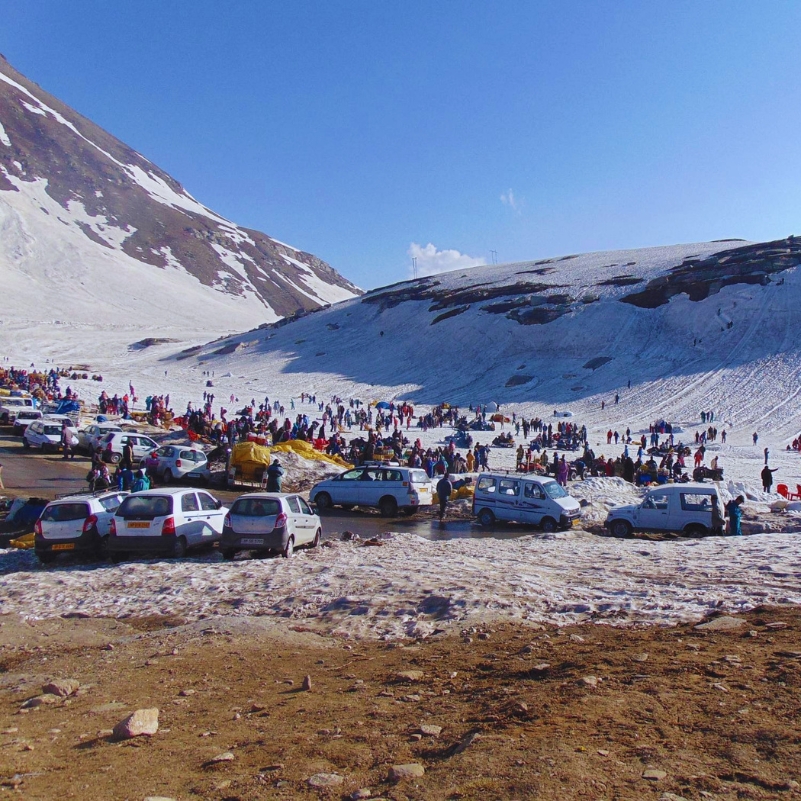
Maybe. It depends on several things lining up.
A loop is only possible when the full Rohtang to Lahaul road is open, the weather cooperates, traffic rules allow the movement, and you hold the correct permissions.
Remember these are not two attractions next to each other. Doing both means a real mountain-road loop, not a quick hop.
Loop distance and travel time vary with the exact route, road conditions, traffic restrictions and weather, so check current navigation and confirm local access before planning the day.
One more thing to confirm
Make sure your permit is valid for the direction you actually want to travel. Do not assume an e-Aagman registration automatically covers a Rohtang sightseeing crossing. They are different.
What we usually suggest is simple. Start early, pick a conservative turnaround point, and take local road advice on the day. That matters far more than trying to tick both off a list.
What Does Each Experience Feel Like?
Two very different days out. Here is what to actually expect.
Atal Tunnel experience
You climb up through Solang Valley, reach the South Portal, and enter the tunnel. Inside, it is a steady, controlled drive through the mountain.
Then you come out at the North Portal and the world changes. The green gives way to the drier, harder Lahaul landscape almost instantly.
The tunnel sticks in your memory for the engineering and for the access it opens up. Do not stop, overtake, or take photos inside it. It is not that kind of place.
Rohtang Pass experience
This is the classic climb. Road bends, opening views, and that slow build-up to standing at a high mountain pass.
But be ready for the reality too. Traffic, sudden weather, parking controls, and permit timing can all shape how good or how frustrating the day turns out.
Which Is Better for Your Trip?
Depends on what you actually want out of the day.
Choose Rohtang Pass when
Pick Rohtang when the high pass itself is your goal, when you want that scenic climbing drive, when the pass is officially open, and when you have the right permit sorted.
Choose Atal Tunnel when
Pick the tunnel when you are heading to Sissu, Keylong or anywhere in Lahaul, when Rohtang is closed, or when your group just wants the faster, more direct road.
Choose both when
Do both only when the full loop is open, you have a whole day, your permissions are confirmed, and the weather is on your side. It is a good plan for the right group, but it is not the automatic choice for every family.
Is Atal Tunnel Safer and More Reliable Than Rohtang Pass?
The tunnel avoids the exposed climb to Rohtang, so yes, it gives you a more reliable transport link most of the time.
But do not read that as risk-free. Snow, avalanches, and temporary traffic controls can still hit the portal approaches and the Manali to Keylong road.
In 2026, a district order restricted stopping, parking, and tourist gathering in an avalanche-prone stretch near the North Portal and Chandra Bridge.
Obey the current barriers, signs, and police instructions. Do not pull over for snow photos in restricted areas. Neither road is ever completely risk-free, and pretending otherwise gets people into trouble.
When Is the Best Time for Each Route?
Winter
Rohtang is normally shut during the snowbound months. You cannot go up.
Atal Tunnel may still give you access to parts of Lahaul in winter, but storms and avalanche risk can bring temporary restrictions. Nobody can promise it is open 365 days a year, so never plan on that being guaranteed.
Late spring and summer
Rohtang opens after snow clearance and official approval, not on one fixed date each year. Some years it is earlier, some later.
Once it opens, expect permit demand and traffic to climb fast. For a month-specific feel, our guide on Rohtang Pass in May breaks down what that period is usually like.
Monsoon and autumn
Rain, landslides, early snow, ice, and fast weather swings can all affect your day during these months. We will not invent closure dates, because they do not exist as fixed numbers.
Want to know what Rohtang Pass is really like in each month? Check out our guides on Rohtang Pass in August, Rohtang Pass in September, and Rohtang Pass in October before planning your trip.
Practical Planning Tips for 2026
Check the official Rohtang permit portal, the e-Aagman portal, the district road-status page, and local police updates as four separate things. They each answer a different question, and no single one covers everything.
Carry your printed permit and all required vehicle documents. The portal expects a physical printout, not a screenshot on your phone.
Do not lean on an old blog screenshot, last year's opening date, or the assumed Tuesday closure. All three have burned travellers before.
Do not stop near the North Portal or Chandra Bridge where current signs or police orders restrict parking. Those rules exist because the stretch is avalanche-prone.
Keep a flexible backup ready. If conditions turn, a Solang Valley day, a Sissu run, or a relaxed Manali local day can save your trip. You can check live conditions on the official road-status page: https://hplahaulspiti.nic.in/road-status/
Final Verdict: Rohtang Pass or Atal Tunnel?
Here is the clean three-part answer.
For onward travel to Sissu and Lahaul, choose Atal Tunnel. It is the direct, sensible route.
For the classic high-pass drive and the wider mountain-road views, choose Rohtang Pass, but only when it is officially open and you have the permit.
For a combined loop, go ahead only after you confirm the full road is open, your permissions are correct, the traffic direction works, and the weather holds.
Remember the core point through all of this. Atal Tunnel bypasses Rohtang Pass, but it does not recreate the experience of driving over it. They are two different days.
Still not sure which route fits your dates and group? Send us a message and we will help you plan it properly.
Explore Our Curated Rohtang Pass Tour Packages
 5D/4N
5D/4NPremium Manali Tour Package with Private Cab and Rohtang Pass
4D Manali
₹14,999₹19,999SAVE INR 5,000/ person 5D/4N
5D/4NBest Value Manali Volvo Package with Rohtang Pass
3D Manali
₹9,999₹13,999SAVE INR 4,000/ person 7D/6N
7D/6NComplete Shimla Manali Volvo Package with Rohtang Pass
2D Shimla•2D Manali
₹15,999₹19,499SAVE INR 3,500/ person
Related topics
Frequently Asked Questions
Does Atal Tunnel bypass Rohtang Pass?
Yes. The tunnel runs under the Pir Panjal range and skips the climb over Rohtang Pass entirely. The old road goes over the mountain at around 3,978 metres, while the 9.02 km tunnel goes under it at roughly 3,000 metres. Both roads start together near Palchan and meet again on the Lahaul side, but the crossings in between are completely separate.
Are Atal Tunnel and Rohtang Pass on the same road?
Only at the start and the end. Both routes leave Manali and share the road up to Palchan, then split. The tunnel route goes through Solang Valley and Dhundi. The Rohtang route climbs through Kothi, Gulaba and Marhi. They reconnect around Koksar in Lahaul, which is why maps make them look like one road.
Is Atal Tunnel the same as Rohtang Tunnel?
People often call it the Rohtang Tunnel because it replaced the need to cross Rohtang Pass. The official name is Atal Tunnel. It is not located at the pass. It sits lower down and runs under the Pir Panjal range, bypassing the high pass road completely.
Do I need a Rohtang permit to use Atal Tunnel?
No. The Rohtang tourism permit is only for the Rohtang sightseeing road. It is not the document you need just to drive through Atal Tunnel. But entering Lahaul and Spiti by vehicle may still require registration on the official e-Aagman system, so check that portal and pick the category matching your route.
Is e-Aagman registration required for travelling to Sissu?
Vehicles entering Lahaul and Spiti should check the official e-Aagman system, since Sissu is in Lahaul. The portal has an e-permit category for the Atal Tunnel, Rohtang, Koksar and Chandratal circuit, and an e-ticket category for other destinations. Rules change, so confirm the current requirement on the official e-Aagman portal before you set off.
Which route is more scenic?
Rohtang generally gives you the richer continuous road view, because you stay above ground the whole climb and the scenery keeps changing. The tunnel route hides the middle section underground, but rewards you with Solang Valley before it and the dramatic Lahaul landscape after. Both are good in different ways.
Which route is faster from Manali to Sissu?
The tunnel route is normally the more direct way to Sissu. But we will not give you a fixed time, because it genuinely depends on traffic, weather, and any police controls on the day. Some days it flows freely, other days a restriction near the portals slows everyone down.
Can I visit Rohtang Pass and Atal Tunnel on the same day?
Possibly, but only when the full Rohtang to Lahaul road is open, the weather is fine, traffic rules allow it, and you hold the right permits. They are not neighbouring stops, so covering both means a real mountain loop.
Can I travel through Atal Tunnel and return via Rohtang Pass?
Only if the complete loop road is open and your permit covers the direction you plan to travel. Do not assume an e-Aagman registration automatically allows a Rohtang sightseeing crossing. Confirm your permit direction, check the live road status, and take local advice on the day before committing to the loop.
Is Atal Tunnel open when Rohtang Pass is closed?
Usually yes. The tunnel was built to keep Lahaul connected through winter when Rohtang is shut under snow. But "open" is not a guarantee for every hour. Storms, avalanches, rescue work, and police restrictions can still close the approaches temporarily, so always check the live status before you drive.
Can a private or self-drive car go to Rohtang Pass?
Yes, but you need the correct permit from the official portal, and the vehicle must not be more than 10 years old. The portal has a special-permit category for private vehicles, limited to once per vehicle per season, with a daily quota of 60 petrol and 40 diesel vehicles. Confirm your category on the portal.
Is Rohtang Pass closed every Tuesday in 2026?
Many old blogs say yes, but when we checked, the official portal showed "NONE" as the maintenance day. So the Tuesday closure may no longer apply. This rule is time-sensitive and changes, so do not rely on it either way. Check the official Rohtang permit portal before you plan your travel day.
More about Rohtang Pass
 Rohtang Pass
Rohtang Pass Altitude Sickness in 2026: Symptoms, Prevention and When to Turn Back
Planning a trip to Rohtang Pass in 2026? Learn the symptoms of altitude sickness, prevention tips, and when to turn back for a safe mountain journey.
- Altitude & Health
- First-Time Travellers
 Rohtang Pass
Best Places to Visit on the Way to Rohtang Pass in 2026
Discover the best places to visit on the way to Rohtang Pass in 2026, including Solang Valley, Rahala Waterfalls, Gulaba, Marhi, and more for an unforgettable Himalayan road trip.
- Places to Visit
- Road Trips
 Rohtang Pass
15 Rohtang Pass Mistakes to Avoid in 2026: Permits, Taxi Scams, Timing and Snow Rentals
Planning a Rohtang Pass trip in 2026? Discover 15 common mistakes to avoid, from permits and weather to packing and safety, for a smooth mountain adventure.
- First-Time Travellers
- Permits & Fees