
Tosh Village
A traditional Himachali village at 2,400 metres in the upper Parvati Valley, where wooden houses climb a hillside above the Tosh Nala, snow covered peaks line the horizon, and the nearest traffic is a 3 km walk downhill at Barshaini
- Village
- Parvati Valley
- ~2,400 m
- 21 km from Kasol
- Mountain views
- Cafe culture
- Kutla trek base
- Jamadagni Temple
- No entry fee
What makes it special
Tosh sits on a hillside above the Tosh Nala, a stream fed by the Tosh glacier high above. The village is about 21 km from Kasol by road, but it feels like a different valley entirely. At 2,400 metres, it is roughly 800 metres higher than Kasol, and that elevation difference shows up everywhere. In the air, in the views, in the temperature at night, and in the fact that snow covers the village for weeks in winter while Kasol stays merely cold.
The drive from Kasol goes through Manikaran and ends at Barshaini, where the Tosh Nala meets the Parvati River. From Barshaini, an unpaved road continues uphill for about 3 km to the Tosh taxi stand at the lower edge of the village. Jeeps and shared taxis manage this road in dry weather for roughly 100 to 300 rupees. You can also walk it in 30 to 45 minutes. But here is the part most travel posts skip: the road ends at the taxi stand. From there, getting into the actual village means walking up steep, uneven, rocky paths where no car can go. Some of these stretches involve loose stone steps and narrow lanes between buildings. If you are carrying heavy luggage, that last uphill walk to your guesthouse will be the hardest 10 to 20 minutes of your day. Wear proper shoes, not sandals. Wheels on suitcases are useless here.
What you find when you arrive is a mix of two things. The original Tosh is a traditional Himachali village. Stone and wood houses with slate roofs, terraced fields, apple orchards, and the Jamadagni Rishi Temple at the centre. The temple is sacred to the village and outsiders are not permitted to enter. There are signs at the entrance with fines for violations. Respect this completely.
The second Tosh is the one that grew around the first. Guesthouses, hostels, cafes with names like Pink Floyd Cafe and Cafe Him, backpackers from across the world, and a general energy that shares DNA with Kasol but feels less commercial because the walk up from Barshaini filters out the casual visitors. The two versions of the village coexist without too much friction, though the balance shifts every year as tourism grows.
The views are what set Tosh apart from the lower Parvati Valley. On a clear morning, you can see the snow covered peaks of Papasura, White Sail, Angduri, and Devachan. The Tosh glacier sits higher up the valley, feeding the stream that runs alongside the village. The light on these peaks at sunrise, especially between October and March, is why photographers keep coming back. In summer, the peaks lose some snow but the valley is green and the apple orchards are in full production.
A note on remote work
Some travellers come to Tosh planning to work remotely for a few days. Here is the reality check. 4G signal exists in patches, BSNL and Airtel both work in spots, and several cafes and guesthouses advertise WiFi. But power outages are common, sometimes lasting hours, especially in monsoon and winter. When the power goes, the WiFi goes with it. If you need to be reliably online, bring a fully charged power bank, carry your own mobile hotspot, and keep your expectations realistic. A video call might work from a cafe terrace one afternoon and fail completely the next morning. Tosh is a place to slow down, not a coworking space at altitude.
Honest framing. Tosh is no longer the remote, unknown village that older travel blogs describe. It has enough guesthouses to absorb a weekend crowd, and the cafe scene has grown considerably. But the steep, rocky walk up from the taxi stand, the altitude, and the fact that most people stay only one or two nights means it stays noticeably calmer than Kasol. If you want true remoteness, continue to Kutla or trek to Kheerganga from Barshaini. If you want mountain views and good food without Kasol's noise, Tosh is the right distance away.
Quick answers
- What is Tosh Village?
- A hillside village at roughly 2,400 metres in the upper Parvati Valley, about 21 km from Kasol and 3 km above Barshaini. Known for wide views of snow covered peaks, traditional wooden houses, backpacker cafe culture, and as a base for the Kutla trek. Homestays from roughly 400 to 1500 rupees a night.
- How much time do I need?
- One night is the minimum to feel the village. Two nights is the sweet spot if you want to trek to Kutla or simply sit with the views. A day trip from Kasol is possible but you miss the evening and morning light, which is the best part.
- Is Tosh better than Kasol?
- Different, not better. Tosh is higher, quieter, and has better mountain views. Kasol has more food variety and social energy. Most travellers do both.
Quick facts
Everything you need to know at a glance.
At a glance
- Location
- Upper Parvati Valley, about 21 km from Kasol, 3 km above Barshaini. Kullu district, Himachal Pradesh.
- Altitude
- Approximately 2,400 m (7,874 feet).
- Nearest town
- Kasol, about 21 km by road (1 to 1.5 hours).
- Time needed
- One to two nights. Day trip possible but not recommended.
- Entry fee
- None.
- Access
- Road to Barshaini, then 3 km uphill to the taxi stand by vehicle or foot. From the taxi stand, walk steep rocky paths into the village. No cars inside.
On the ground
- Mobile network
- Limited. BSNL and Airtel work in patches. Some cafes have WiFi, but power outages are common, so WiFi drops frequently. Bring a power bank and mobile hotspot.
- Food
- Multiple cafes serving Indian, Israeli, Italian, and Tibetan food. Maggi and thukpa everywhere.
- ATM and cash
- No ATM. Nearest in Kasol. Carry cash. Some places accept UPI when signal and power cooperate.
- Accommodation
- Guesthouses, homestays, hostels. Roughly 400 to 1500 rupees per night.
- Safety
- Generally safe. Walk from taxi stand to village is steep and rocky. Carry a torch for night. Keep valuables secure.
Seasonal weather
- March to June25°5°Spring and Summer
- July to September22°12°Monsoon
- October to November18°0°Autumn
- December to February10°-5°Winter
Suitable for
- Couples — suitable
- Families — with some care
- Seniors — with some care
- Solo — suitable
- First-timers — suitable
- Pet-friendly — with some care
How to reach Tosh Village
3 approach routes, with seasonal access.
From Kasol (by road and walk)
Year round to Barshaini. Last 3 km difficult in heavy monsoon and snow.- Distance
- About 21 km by road, then 3 km uphill
- Time
- 1 to 1.5 hours by road, plus 30 to 45 minutes walking
- Road
- State road to Barshaini via Manikaran. Rough road from Barshaini to Tosh.
From Kasol, take a taxi or bus toward Manikaran. Continue past Manikaran to Barshaini, where the Tosh Nala meets the Parvati River. From Barshaini, walk uphill 3 km (30 to 45 minutes) or take a jeep (100 to 300 rupees, 10 minutes). The road past Barshaini is rough. Parking available at the village entrance.
From Bhuntar (nearest airport)
Year round to Bhuntar. Monsoon can disrupt the road beyond Manikaran.- Distance
- About 50 km
- Time
- 2 to 2.5 hours by road, plus the walk from Barshaini
- Road
- State highway to Kasol, valley road to Barshaini, rough road to Tosh.
From Bhuntar (nearest airport and highway junction), take the valley road toward Kasol and continue through Manikaran to Barshaini. About 50 km total. Buses run frequently from Bhuntar. From Barshaini, walk or take a jeep the last 3 km.
From Delhi (overnight bus)
Year round from Delhi. Monsoon may cause delays.- Distance
- About 520 km to Bhuntar, then 50 km to Barshaini, then 3 km walk
- Time
- 10 to 12 hours to Bhuntar, then 2.5 hours to Barshaini, then 30 to 45 minutes walk
- Road
- National highway to Bhuntar, state road to Barshaini, rough road to Tosh.
Overnight Volvo or semi sleeper bus from Delhi to Bhuntar or Kasol. From there, continue to Barshaini by bus or taxi, then walk up to Tosh. Budget a full travel day.
Best time to visit
Season by season, so you can plan around the weather rather than hope.
- Recommended
Spring and early summer
March to June
Clear views, open trails, the best overall window for a first visit.
- Weather
- 5 to 25 degrees. Warm days, cold nights.
- Trail
- Dry and accessible.
- Crowds
- Moderate to high on weekends. Quieter midweek.
Snow melts by March and the valley turns green. By April the trail is dry and the views are sharp. May and June are busiest. Midweek visits are noticeably better. Best time for the Kutla trek. Comfortable days, cold nights.
Monsoon
July to September
Green and dramatic, but landslides are a real risk on the approach road.
- Weather
- 12 to 22 degrees. Frequent rain.
- Road
- Landslide risk on Manikaran to Barshaini stretch.
- Trail
- Muddy. Leeches possible.
The valley turns very green but the road from Manikaran to Barshaini is landslide prone. The Barshaini to Tosh stretch gets muddy. Leeches possible on trails. Beautiful if you are flexible. Risky if you are not.
- Recommended
Autumn
October to November
Post monsoon clarity, best light, thin crowds. October is the peak month.
- Weather
- 0 to 18 degrees. Cold nights.
- Views
- Best clarity of the year.
- Crowds
- Low. The sweet spot.
The air clears, the peaks stand out sharply, and the light on the mountains at sunrise and sunset is the best of the year. Crowds thin dramatically. Most cafes still open. Nights get properly cold.
Winter
December to February
Snow, silence, genuine cold. Many places close. Come prepared or wait for spring.
- Weather
- Minus 5 to 10 degrees. Heavy snow possible.
- Accommodation
- Many places close. Confirm before going.
- Road
- Can be icy or blocked.
Proper snowfall. Village can be snowed in for days. Temperatures well below zero at night. Many guesthouses close. Come only if you have proper winter gear and are genuinely comfortable with cold and isolation.
Things to see & do
4 things worth your time at Tosh Village.
Sit with the mountain views
As long as you wantThis is not filler. It is the reason most people come. From the upper village, you can see the snow covered peaks of Papasura, White Sail, Angduri, and Devachan. The view changes through the day. Morning light hits the peaks first. Evening turns them golden. On a clear October morning, the panorama from any of the upper guesthouses is worth the entire trip. Find a spot, order a chai, and just look.
Trek to Kutla and the waterfall
2 to 3 hours one wayThe trail from Tosh continues uphill past the Jamadagni Rishi Temple through forest and meadows to Kutla, a tiny settlement at around 2,650 metres. The walk takes about 2 to 3 hours and passes a waterfall partway through. Kutla has a few basic homestays (roughly 500 to 800 rupees a night) and is significantly quieter than Tosh. Beyond Kutla, the trail continues to Buddhaban and eventually toward the Tosh glacier. Most people do Kutla as a day hike from Tosh or an overnight trip.
Walk through the old village
30 minutes to an hourThe original part of Tosh, away from the guesthouses and cafes, is worth an unhurried walk. Traditional wooden and stone houses with slate roofs, apple orchards (fruit is on the trees from July to October), terraced fields, and the Jamadagni Rishi Temple at the centre. Do not enter the temple. Photograph from a respectful distance. The back lanes of the village give you a sense of what the place was like before the cafes arrived.
Use Tosh as a base for Kheerganga
One night in Tosh, then a full day for Kheerganga from BarshainiBarshaini, at the bottom of the Tosh road, is the starting point for the Kheerganga trek. Many travellers stay a night in Tosh for the views, then head down to Barshaini the next morning to start the Kheerganga trek. This works well because you get the mountain panorama at Tosh and the hot springs at Kheerganga in one trip. The Kheerganga trek takes about 4 to 5 hours each way. Check locally for trail conditions and any seasonal closures or restrictions before heading out.
Know before you visit Tosh Village
The practical bits, from people who have been.
Getting there21 km by road from Kasol to Barshaini, then 3 km uphill to the taxi stand. From the stand, walk steep rocky paths to the village. No cars inside.
From Kasol, take a taxi or bus to Barshaini (about 21 km, roughly 1 to 1.5 hours). The road passes through Manikaran. From Barshaini, you can either walk uphill for about 3 km (30 to 45 minutes) or take a jeep (roughly 100 to 300 rupees, 10 minutes). The road past Barshaini is rough and unpaved in sections.
Important: vehicles only reach the Tosh taxi stand at the lower edge of the village. From the taxi stand, you must walk up steep, uneven, rocky paths to reach the guesthouses and the village itself. Cars cannot drive through the village lanes. Some stretches involve loose stone steps, narrow alleys between buildings, and proper uphill climbing. If you have heavy luggage, pack light or transfer to a backpack. Rolling suitcases do not work here. The walk from the taxi stand to most guesthouses in the upper village takes 10 to 20 minutes of steep climbing. Wear proper shoes, not sandals.
Carry a torch if you arrive late. The village paths are not lit after dark.
Where to stayGuesthouses and homestays from 400 to 1500 rupees. Upper village has the best views. Book ahead in peak season.
Tosh has a growing number of guesthouses, homestays, hostels, and tented camps. Options range from basic rooms at 400 to 500 rupees a night to slightly better guesthouses at 1000 to 1500 rupees. A few places offer dorm beds for less. The upper village guesthouses tend to have the best views. In peak season (May, June, October), book ahead or arrive early in the day.
In winter, many places close. The ones that stay open may have limited heating, food, and water. Confirm availability before making the walk up, ideally from Kasol or Barshaini where signal is more reliable.
The Jamadagni Rishi TempleSacred temple at the village centre. Outsiders cannot enter. Fines enforced. Respect this completely.
The temple at the centre of Tosh is dedicated to Jamadagni Rishi and is sacred to the village community. Outsiders are not permitted to enter. There are signs at the entrance stating fines for violations. This is not a suggestion. It is a deeply held local rule. Photograph the exterior from a respectful distance if you wish, but do not approach the entrance, do not touch anything, and do not attempt to enter. Respect this completely.
Ground realityNo ATM, limited signal, frequent power outages. Carry cash, a power bank, and a mobile hotspot. No medical facility. Check road status before heading out.
There is no ATM in Tosh. The nearest is in Kasol, and even that is not always stocked. Carry enough cash for your entire stay. Some cafes accept UPI when mobile signal cooperates, but do not count on it.
Mobile signal is limited. BSNL and Airtel work in patches. Some guesthouses and cafes have WiFi. But power outages are common in Tosh, sometimes lasting several hours, especially during monsoon and winter. When the power goes, WiFi and charging go with it. If you plan to work remotely or need your phone alive, bring a fully charged power bank and your own mobile hotspot as backup. Do not assume continuous electricity.
There is no medical facility in Tosh. The nearest doctor is in Manikaran or Kasol. Carry basic medicines and a first aid kit.
A small recheck reminder. Road conditions between Manikaran and Barshaini change with the season. Landslides can block the route, sometimes for days. Check road status locally before heading out, especially in monsoon and immediately after heavy rain.
Nearby attractions
Other places worth the detour.
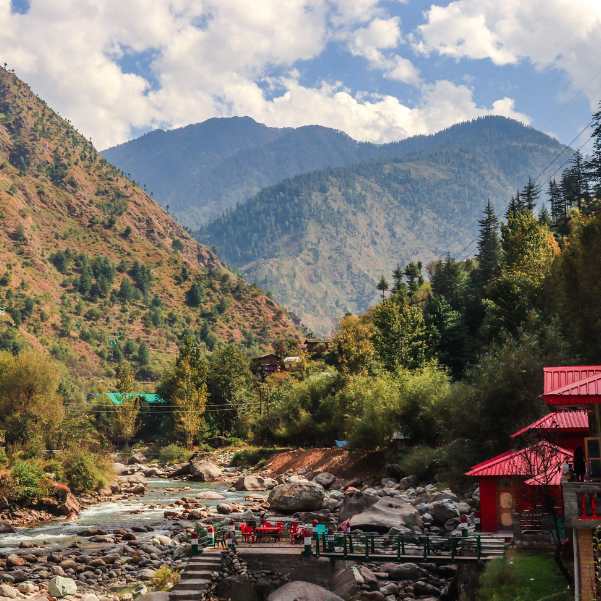
Kasol
About 21 km by road
The main backpacker hub of the Parvati Valley. Cafes, hostels, shops, and the starting point for most valley explorations.
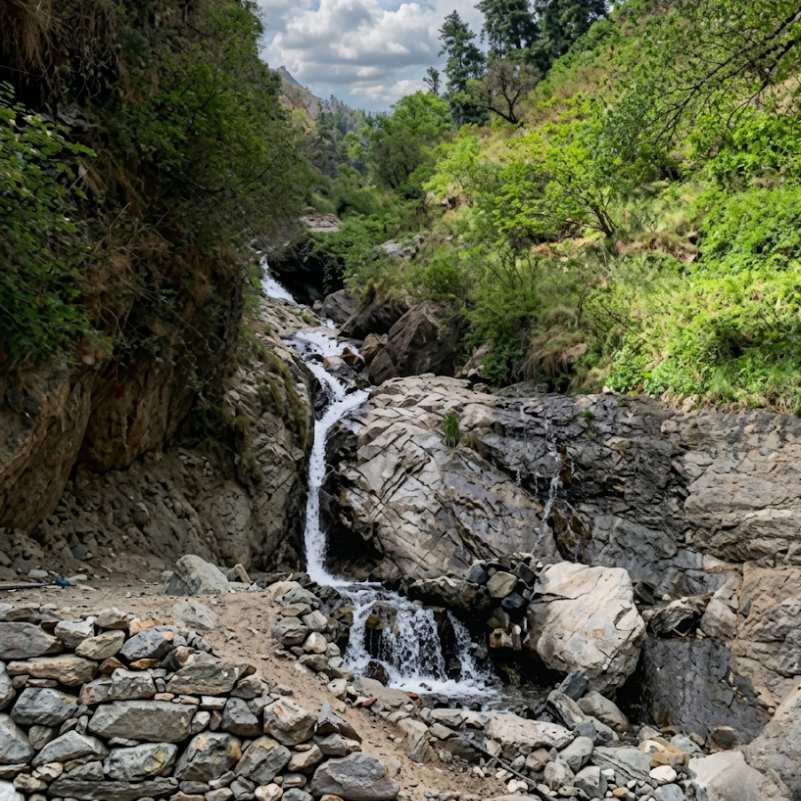
Barshaini
About 3 km downhill
The road head where the Tosh Nala meets the Parvati River. Starting point for both the Tosh walk and the Kheerganga trek.
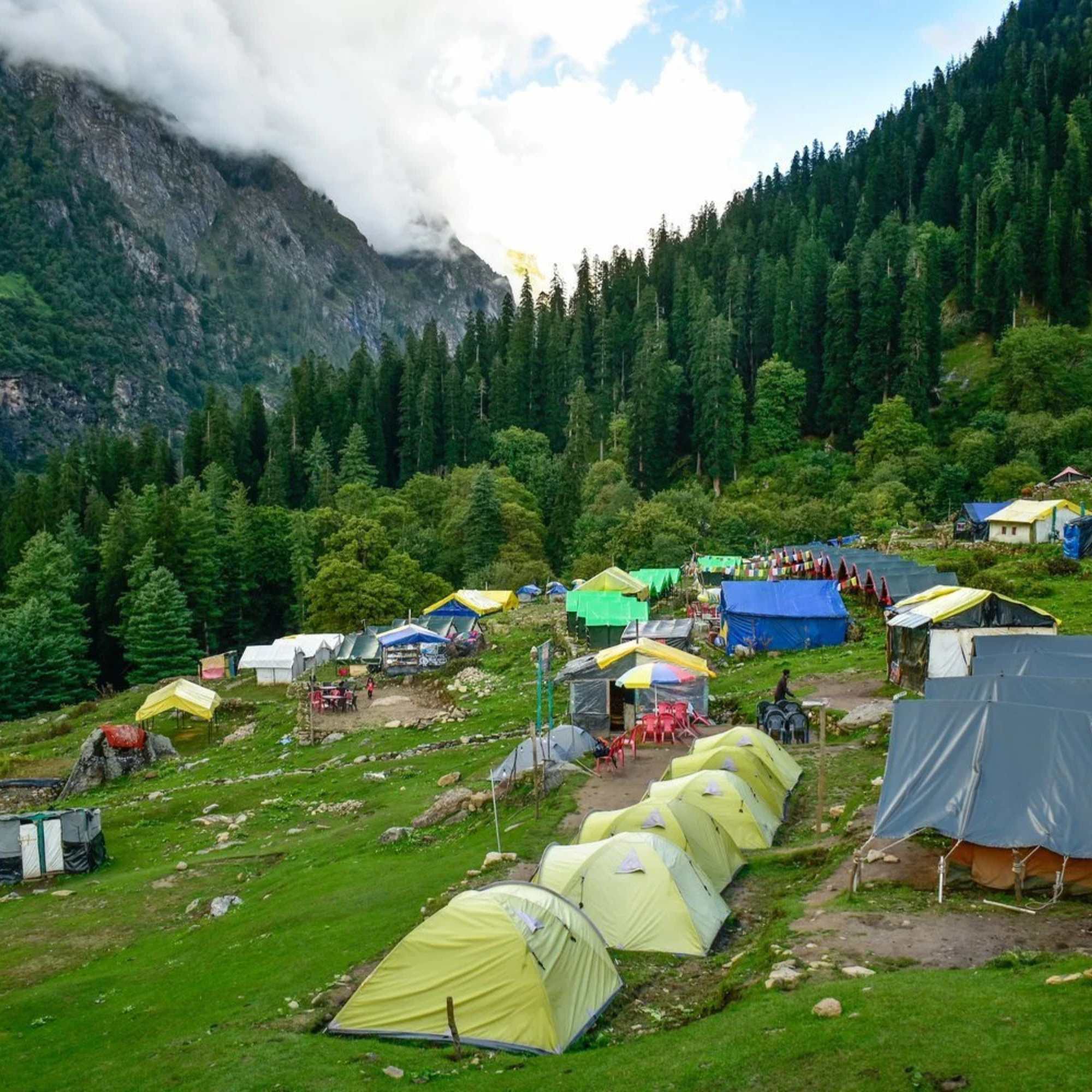
Kheerganga
About 4 to 5 hours trek from Barshaini
A high altitude meadow with natural hot springs, accessible by a full day trek from Barshaini. Day trek only since the 2024 camping ban. Check locally for trail conditions before heading out.
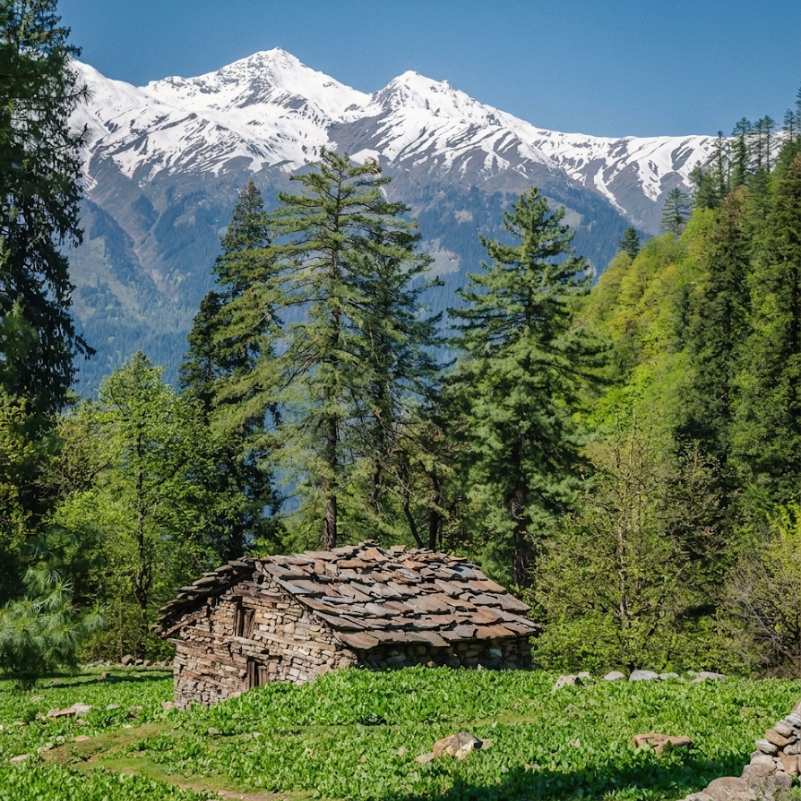
Kutla
About 2 to 3 hours trek from Tosh
A tiny settlement higher up the valley at around 2,650 metres, with a few basic homestays and wide views. The trail passes a waterfall. A good day hike or overnight from Tosh.
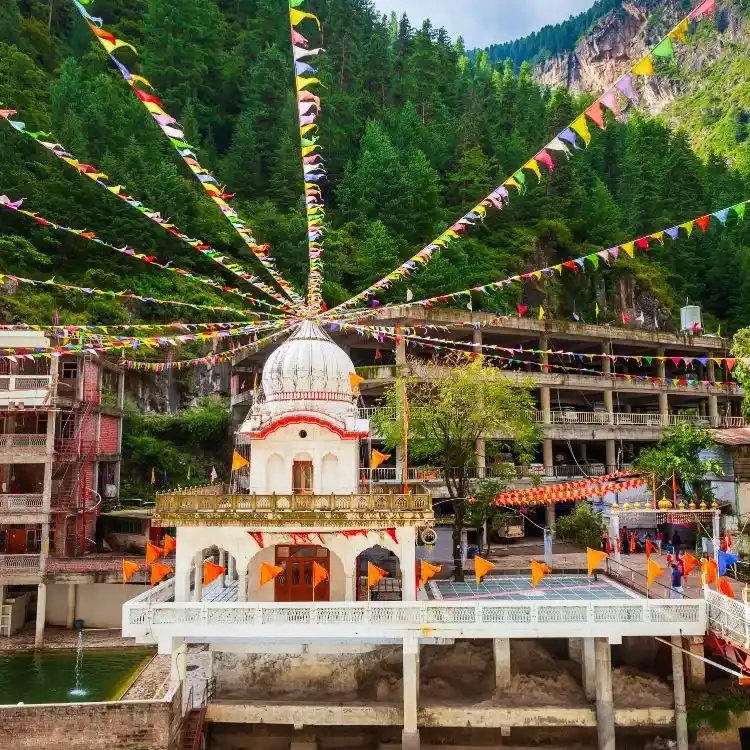
Manikaran Sahib
About 16 km from Tosh by road
A major Sikh and Hindu pilgrimage site with natural hot springs and langar. On the road between Kasol and Barshaini. Worth a stop.
Our packages with Tosh Village
Curated trips that include a visit to Tosh Village.
 4D/3N
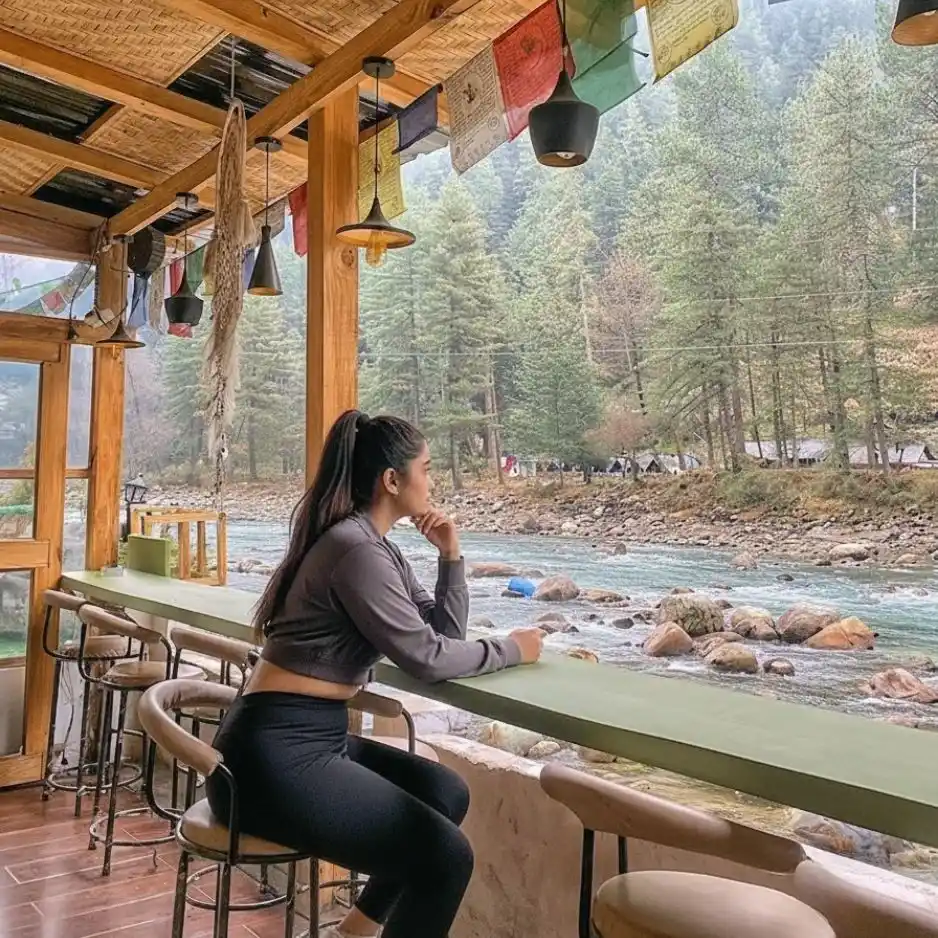
4D/3NPerfect Manikaran Kasol Tosh Weekend Getaway
1D Delhi•2D Kasol+1
₹15,999₹19,999SAVE INR 4,000/ person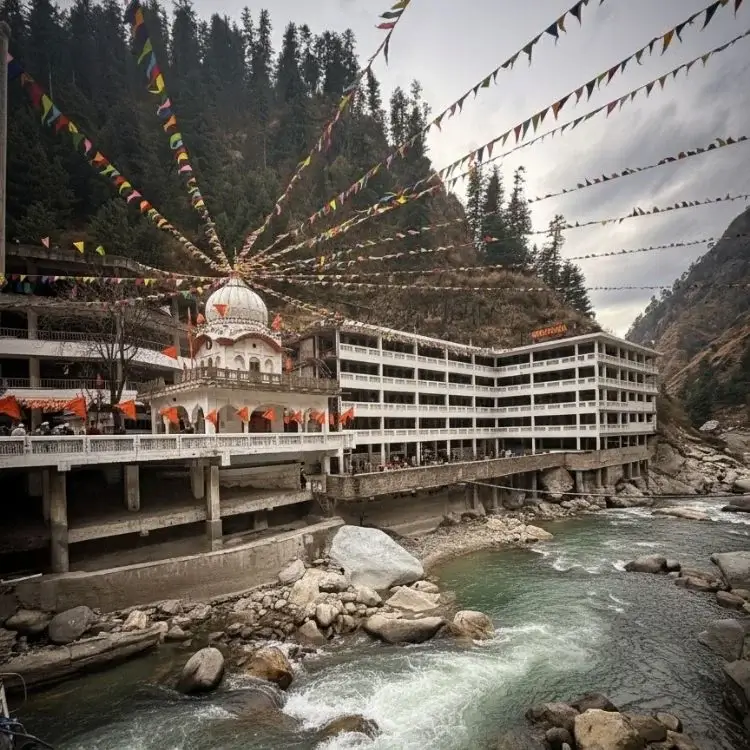 4D/3N
4D/3NWeekend Trip To Manikaran, Kasol & Tosh
1D Delhi •2D Kasol+1
₹9,999₹14,999SAVE INR 5,000/ person
Frequently Asked Questions
What is Tosh Village?
A hillside village at roughly 2,400 metres in the upper Parvati Valley, about 21 km from Kasol and 3 km above Barshaini. Traditional wooden houses, a growing cafe scene, and wide views of peaks like Papasura and White Sail. The Jamadagni Rishi Temple at the village centre is sacred and outsiders cannot enter.
How do I reach Tosh from Kasol?
Take a taxi or bus from Kasol to Barshaini (about 21 km, 1 to 1.5 hours via Manikaran). From Barshaini, walk 3 km uphill (30 to 45 minutes) or take a jeep (100 to 300 rupees). Vehicles only reach the taxi stand at the lower edge of the village. From there, you walk up steep, uneven, rocky paths to the guesthouses. No cars can enter the village itself.
Is there an entry fee?
No. The village and trails are free to access.
What is the best time to visit Tosh?
April to June and October to November. October is the best month for clear views and thin crowds.
Can I stay overnight?
Yes. Guesthouses, homestays, and hostels from about 400 to 1500 rupees a night. Many places close in winter.
Is Tosh suitable for families?
The 3 km uphill walk from Barshaini is manageable, but the steep rocky paths from the taxi stand into the village are harder with young children or elderly members. Fine for active families with teenagers.
Can I enter the Jamadagni Rishi Temple?
No. The temple is sacred and outsiders are not permitted. Signs state fines for violations. Respect this completely.
Is there mobile network?
Limited. BSNL and Airtel work in patches. Some cafes have WiFi, but power outages are common and knock out WiFi and charging for hours. Bring a power bank and your own mobile hotspot if you need to stay connected.
Do I need cash?
Yes. No ATM in Tosh. Nearest in Kasol. Some cafes accept UPI when signal and power are working, but carry physical cash for your entire stay.
Can I trek to Kheerganga from Tosh?
Not directly. Kheerganga trek starts from Barshaini (3 km downhill). Many travellers stay in Tosh one night, then trek Kheerganga the next day.
How is Tosh different from Kasol?
Tosh is 800 m higher, quieter, and has better mountain views. Kasol has more food variety and social energy. Most travellers do both.
What is Kutla?
A tiny settlement at roughly 2,650 m, 2 to 3 hours trek from Tosh past a waterfall. A few basic homestays. Much quieter than Tosh.
Can I work remotely from Tosh?
It is possible but limited. 4G signal exists and some cafes have WiFi, but power outages are frequent and unpredictable, sometimes lasting hours. When power goes, WiFi and device charging go with it. Bring a fully charged power bank and your own mobile hotspot. Tosh works for catching up on light tasks during good power windows, not for sustained online work.
Related guides
Posts about Kasol
- Shimla Manali Kasol Itinerary 2026: 7, 8 and 9 Day Routes Without Rushing
- Best Offbeat Places Near Kasol Most Tourists Miss in 2026
- Rasol Village Trek From Kasol 2026: Route, Distance & What to Expect
- Kalga, Pulga & Tulga Villages in 2026: The Offbeat Side of Parvati Valley
- Kheerganga Trek from Kasol 2026: Route, Difficulty, Cost & Best Time
- Snowfall in Kasol 2026: Does It Snow, Best Time & Nearby Snow Places