
Snowfall in Kasol 2026: Does It Snow, Best Time & Nearby Snow Places
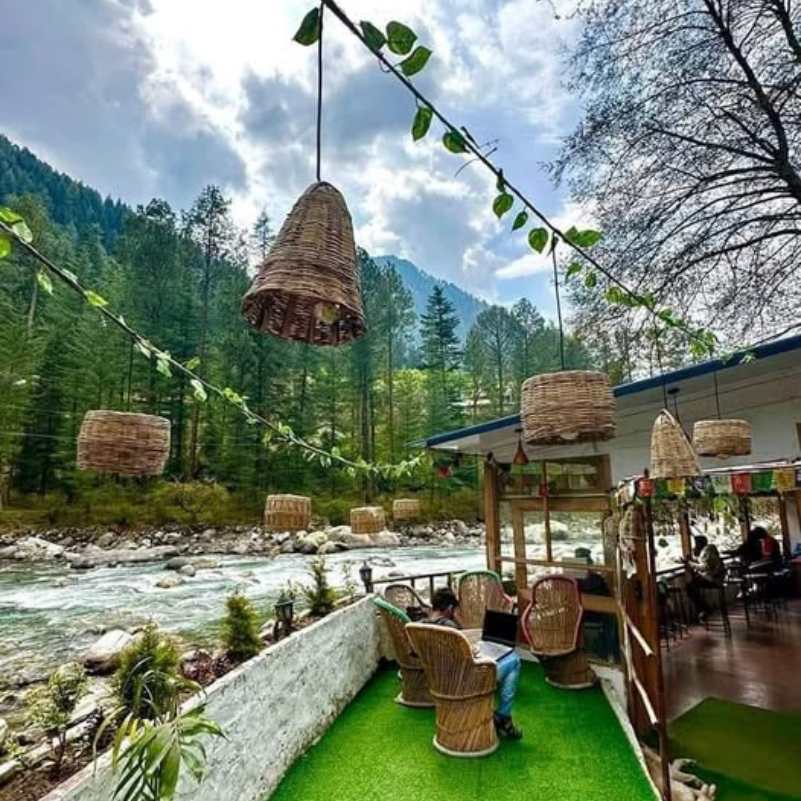
Most people book Kasol in December expecting deep snow and walk away disappointed. Here is the truth we tell every guest before they pay for anything: snowfall in Kasol happens, but it is light and it is not guaranteed.
Kasol town sits low in the Parvati Valley at around 1,580 m, on the banks of the Parvati River between Bhuntar and Manikaran. At that height, snow falls some winters and skips others.
The villages above Kasol are where the real snow sits. We have sent travellers up to Tosh, Kalga, Pulga and Grahan in January and found knee-deep snow while Kasol town below was just cold and clear.
So if your heart is set on snow, you need to know exactly when to go and where to look. This guide by Travel Coffee covers all of it.
Quick Answer: Does It Snow in Kasol?
Yes, Kasol can get light snowfall in winter, but snow is not guaranteed in Kasol town itself. Some years it snows well, some years barely at all.
Your best chance is late December to February, and January is usually the strongest practical window.
If you want a surer shot at snow, head to the higher villages near Kasol. Places like Tosh, Kalga, Pulga, Grahan and the Kheerganga side hold snow far better than Kasol town.
If you want help timing your trip around the right window, our Kasol tour packages come with flexible dates and local drivers who actually check conditions before you go.
When Is the Best Time to See Snowfall in Kasol?
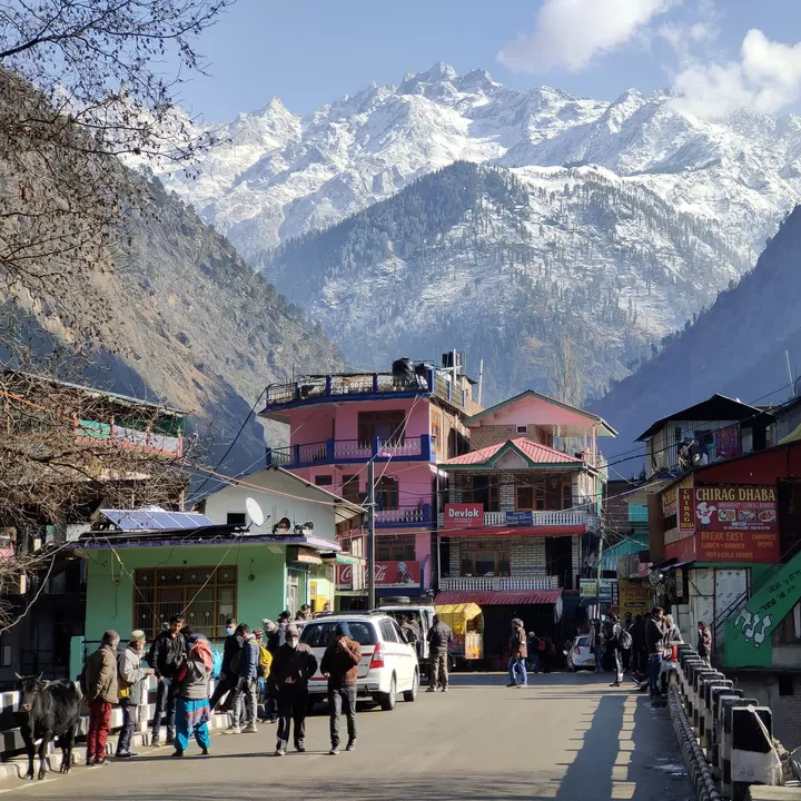
The honest Kasol snowfall month answer is not one month. It is a window, and within that window your odds shift a lot.
December can bring the first snow. January is the strongest bet. February still gets snow but the trails turn icy. March is unreliable for fresh snow in Kasol town.
Here is how each window actually feels on the ground.
Late December to Early January
This is when the first proper snow usually arrives, if it arrives at all. Some years it dumps right around New Year, some years it holds off.
Nights get very cold, the kind of cold that makes you regret thin socks. Snow in Kasol December draws big New Year crowds, so cafés and stays fill up fast and prices climb.
Snowfall can also delay the roads. A heavy night can mean a slow, slippery drive up from Bhuntar the next morning.
Mid January to February
This is the sweet spot. Snow in Kasol January is your best practical chance, and the New Year rush has cleared out.
The cafés go quiet, the riverside feels calmer, and you actually get space to enjoy the place. In our experience, mid January trips give the best mix of snow odds and breathing room.
The catch is the trails. Routes to the upper villages turn slippery and icy, so walking up to Chalal or beyond needs proper shoes and care.
March
By March, fresh Kasol snow in the town is unlikely. The cold eases and the valley starts shifting toward spring.
What March does well is views and lazy café stays. The higher Himalayan slopes can hold leftover snow into March, but we never promise snow in Kasol town this late.
>>Planning a snow trip to Kasol? Talk to our team on WhatsApp.
How Much Snow Does Kasol Actually Get?
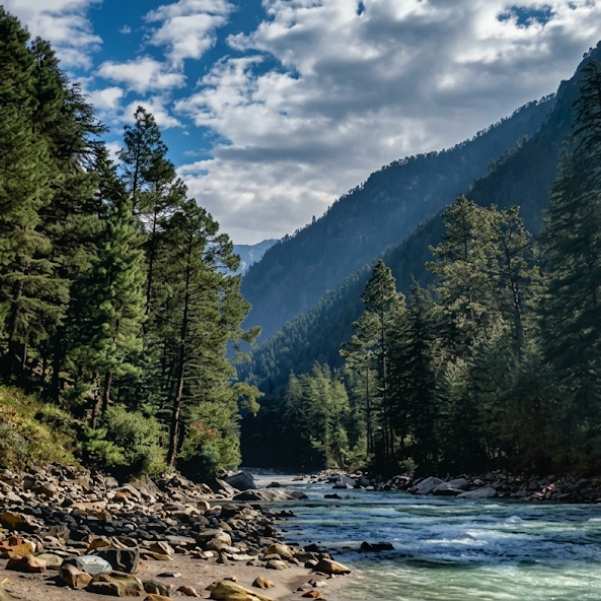
This is where most blogs mislead you. They show photos of buried villages and tag them "Kasol," but those are usually shot in Tosh or Kalga, hundreds of metres higher.
Kasol sits at roughly 1,580 m. At that altitude, snow is lighter and far less reliable than in the villages above it. Some winters the town barely whitens.
The higher places nearby get the heavy stuff. Tosh, Kalga, Pulga and Grahan all sit well above Kasol, so they catch and hold real snow.
What most tourists get wrong is assuming Kasol is a guaranteed snow destination. It is not. It is a low valley town that sometimes gets snow and sits close to villages that usually do.
Month by Month Kasol Snow Guide for 2026
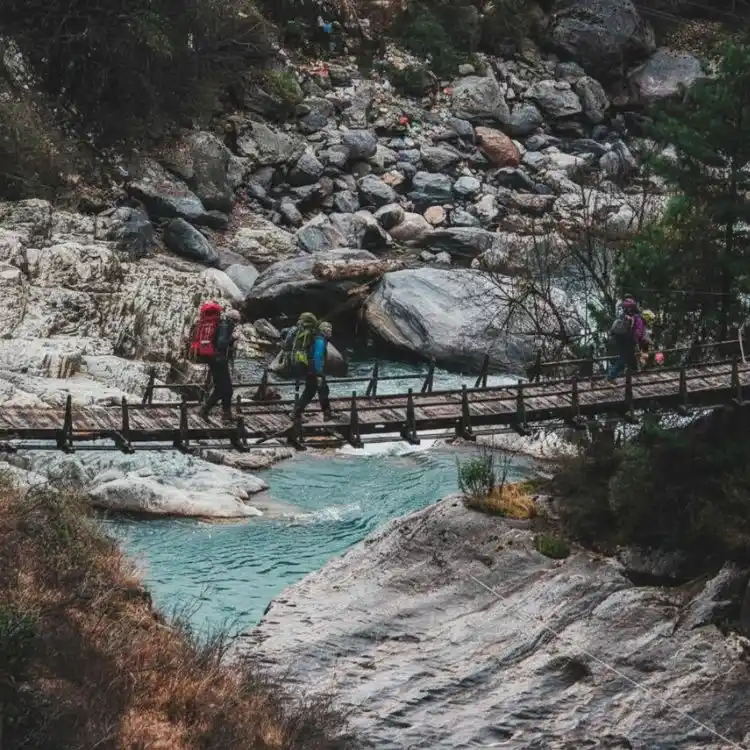
Here is the realistic month-by-month picture so you can match your dates to your expectations.
November
November brings the first real cold and some of the clearest mountain views of the year. The air is crisp and the crowds are thin.
Snow in Kasol town is unlikely this early. Go for the quiet and the views, not for snow.
December
Snow chances rise after mid to late December. Before that, expect cold but probably dry days in town.
December is great for the winter vibe, café hopping, a trip to Manikaran for the hot springs, and short easy walks along the river. If snow comes, it is a bonus, not a promise.
January
This is the highest snow chance of the season. If you want snow photos and a proper winter feel, this is your month.
Expect very cold nights, possible road delays after fresh snow, and icy patches on the walking trails. January 2026 saw snow and rain disrupt more than 800 roads across Himachal, with Kullu among the affected districts, so buffer time matters.
February
Snow may still be around, especially higher up in the villages. The town itself can go either way.
February rewards you with fewer crowds and calmer cafés. Just treat any trek with caution, because the trails stay icy and slick.
March
Fresh snowfall in Kasol town is unlikely by March. Higher-altitude snow may still linger on the slopes above.
We avoid making any fixed March snow promise because snowfall changes from year to year. The mountains do not follow a guaranteed calendar, so treat March snow as a possibility, not a certainty, and check the latest local weather before planning your trip around it.
Nearby Snow Places Around Kasol
This is the part that actually saves your trip. When Kasol town has no snow, our team does not give up. We check the higher villages first, because that is where the snow usually waits.
Here are the snow places near Kasol worth knowing, with honest notes on each.
Chalal
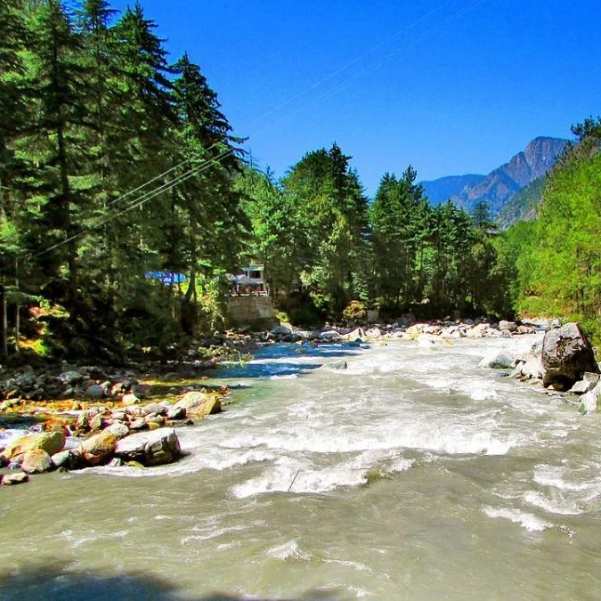
Chalal sits at around 1,635 m, just above Kasol. You reach it on foot by crossing a suspension bridge over the Parvati River.
The walk usually takes around 30 minutes one way. When conditions are safe, it makes an easy snow walk that even first-timers can manage. When the path is icy, slow right down and watch your footing.
Tosh
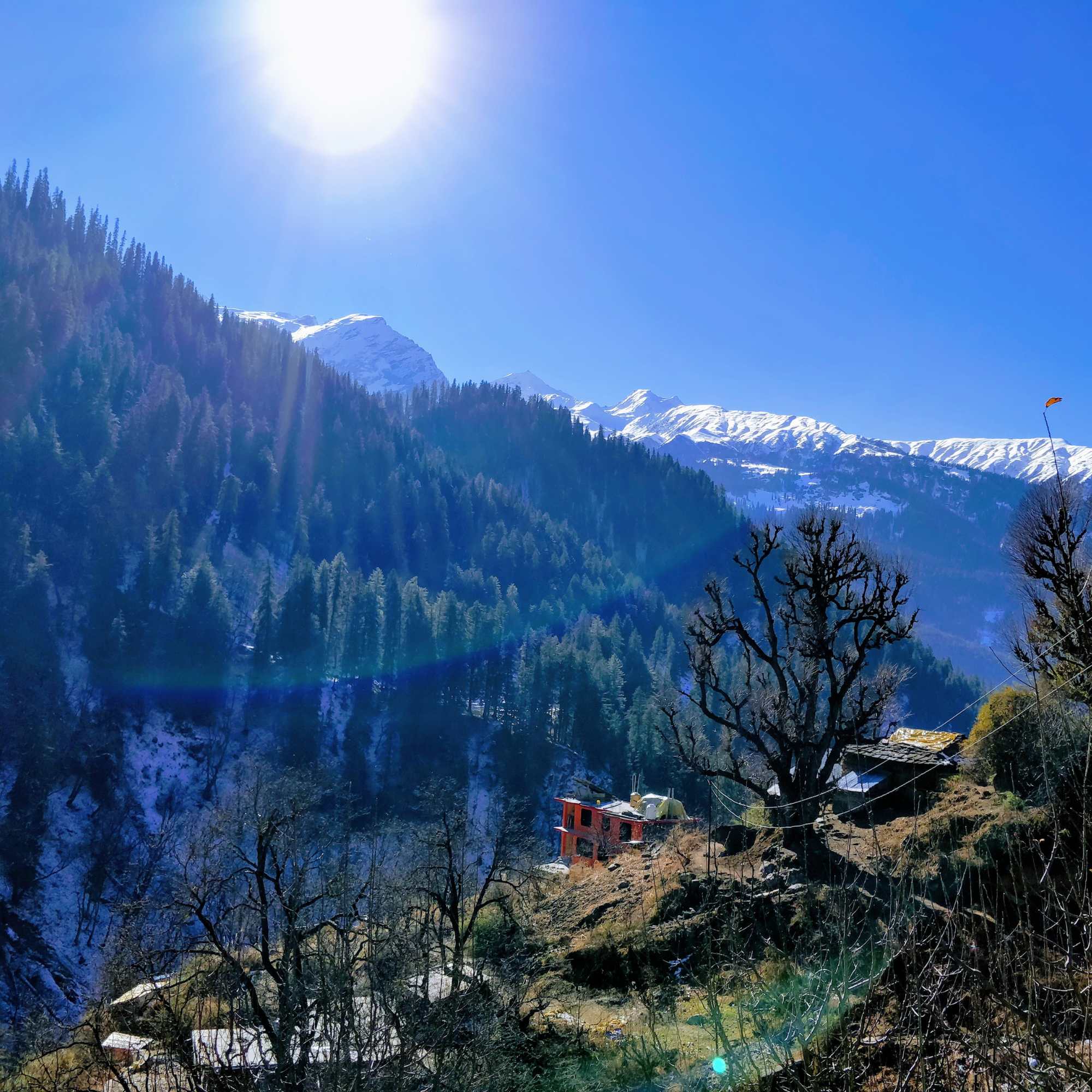
Tosh sits at around 2,400 m, which gives it far better snow chances than Kasol town. This is one of the most reliable spots for Tosh snowfall in the valley.
The honest warning: access gets difficult in heavy snow. The last stretch up to the village can turn rough and slippery, so do not assume your car or taxi will make it all the way in a storm.
Kalga, Pulga and Tulga
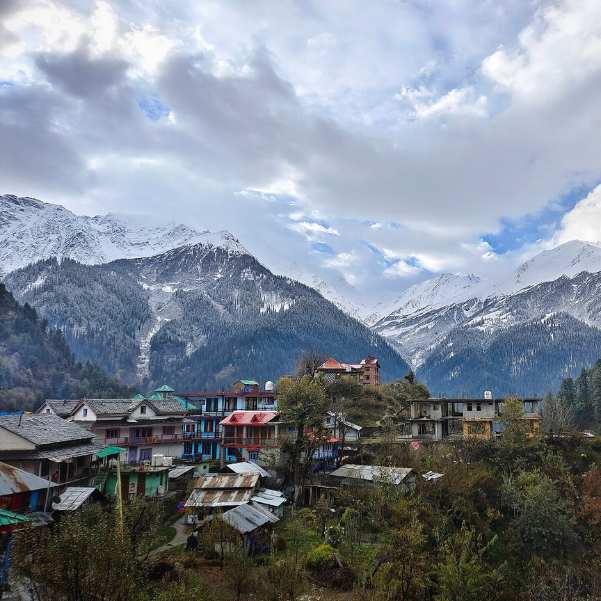
These three villages sit higher up around Barshaini and hold a much stronger winter feel than Kasol town. Kasol to Barshaini is around 16 km and takes about 35 minutes by drive, with Barshaini itself at around 2,200 m.
From Barshaini, you walk up towards the nearby villages. Exact distances can vary depending on which village you are visiting, where the vehicle drops you, and the route locals suggest that day.
Keep your timings flexible and confirm the walking distance on the ground before planning a tight schedule.
Grahan Village
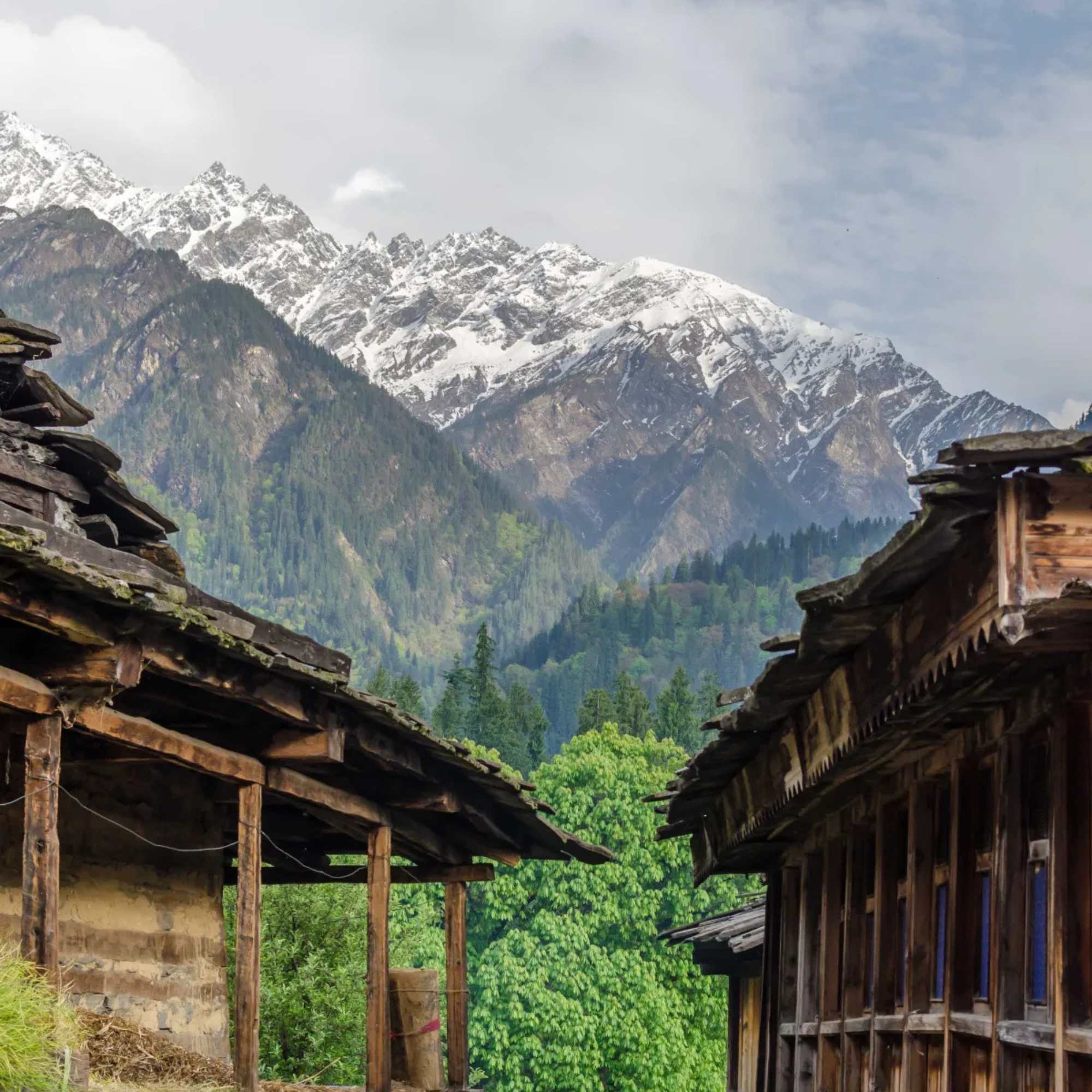
Grahan is around 8 km from Kasol and sits at about 2,300 m. It catches snow well and stays quiet.
Do not take this one casually in winter. The forest trail up to Grahan turns tricky under snow, and Grahan village snow routes are no place to wander without local advice and proper gear.
Kheerganga
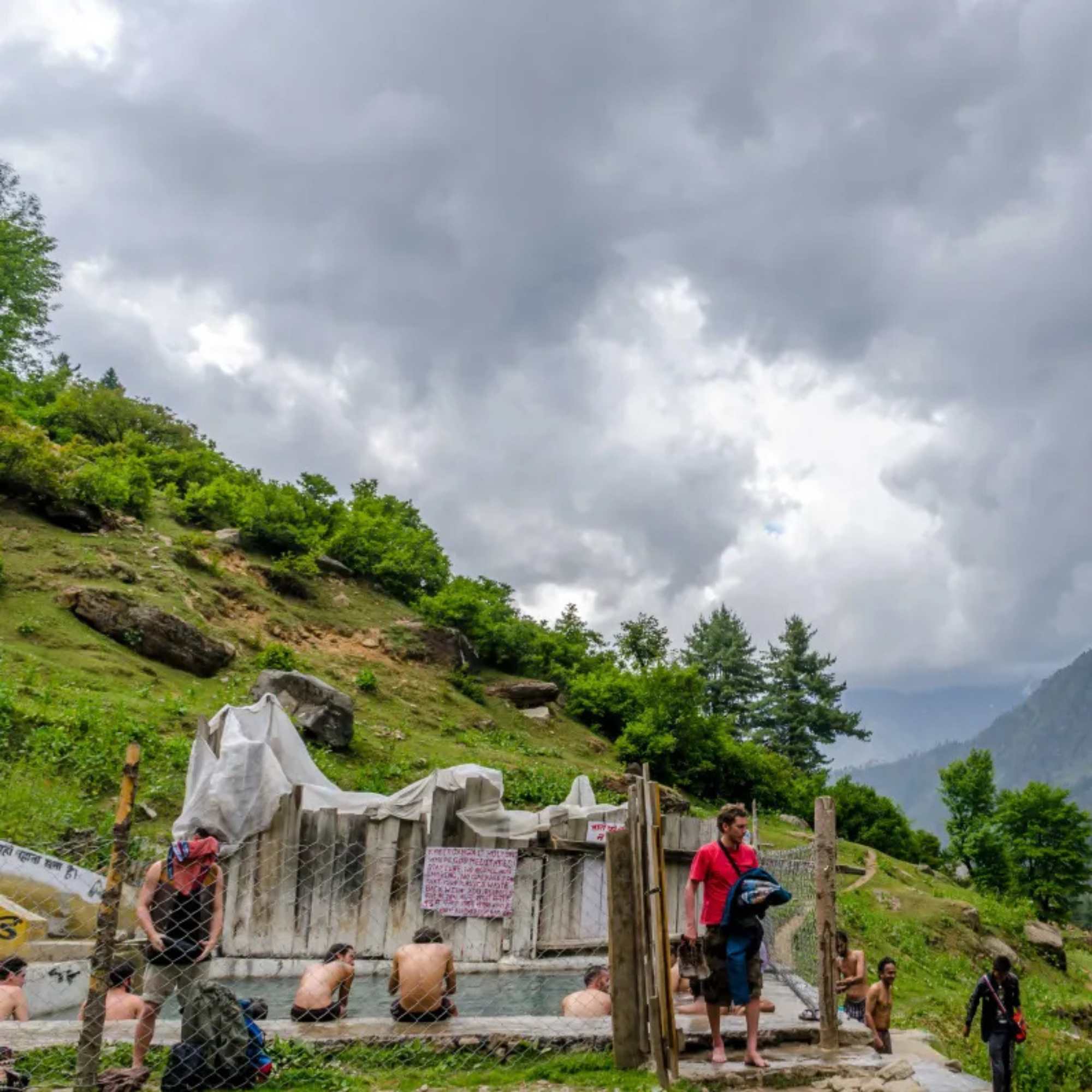
Kheerganga sits at 2,960 m. HPTDC lists it as a 2 day trek with easy difficulty in the normal season, with Barshaini as the last motorable point.
HPTDC also recommends hiring a guide, and clearly says winter months are avoided because snow makes the trail difficult and the rocks slippery. So Kheerganga snow looks beautiful in photos but the trek itself is a serious call in winter.
Manali and Solang Valley
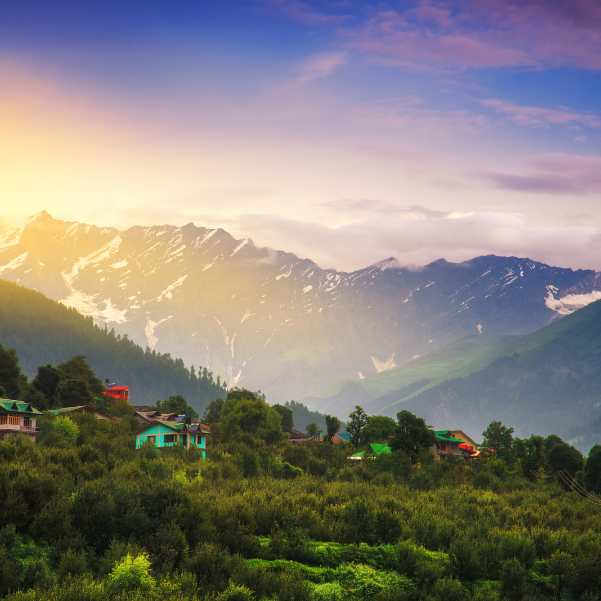
If your main goal is actual snow activities, Manali is your fallback. Kasol to Manali road distance is around 75 to 78 km, and Kasol to Solang Valley is around 87.4 km.
Manali and Solang give you reliable snow most of winter, plus skiing, sledging and the rest. The trade-off is crowds and traffic, which get heavy during snowfall.
Our Manali tour packages work well if you want to pair calm Kasol cafés with proper snow play, and our guide to top adventure activities in Manali covers what is actually worth doing up there.
Is Kheerganga Trek Open During Snowfall?
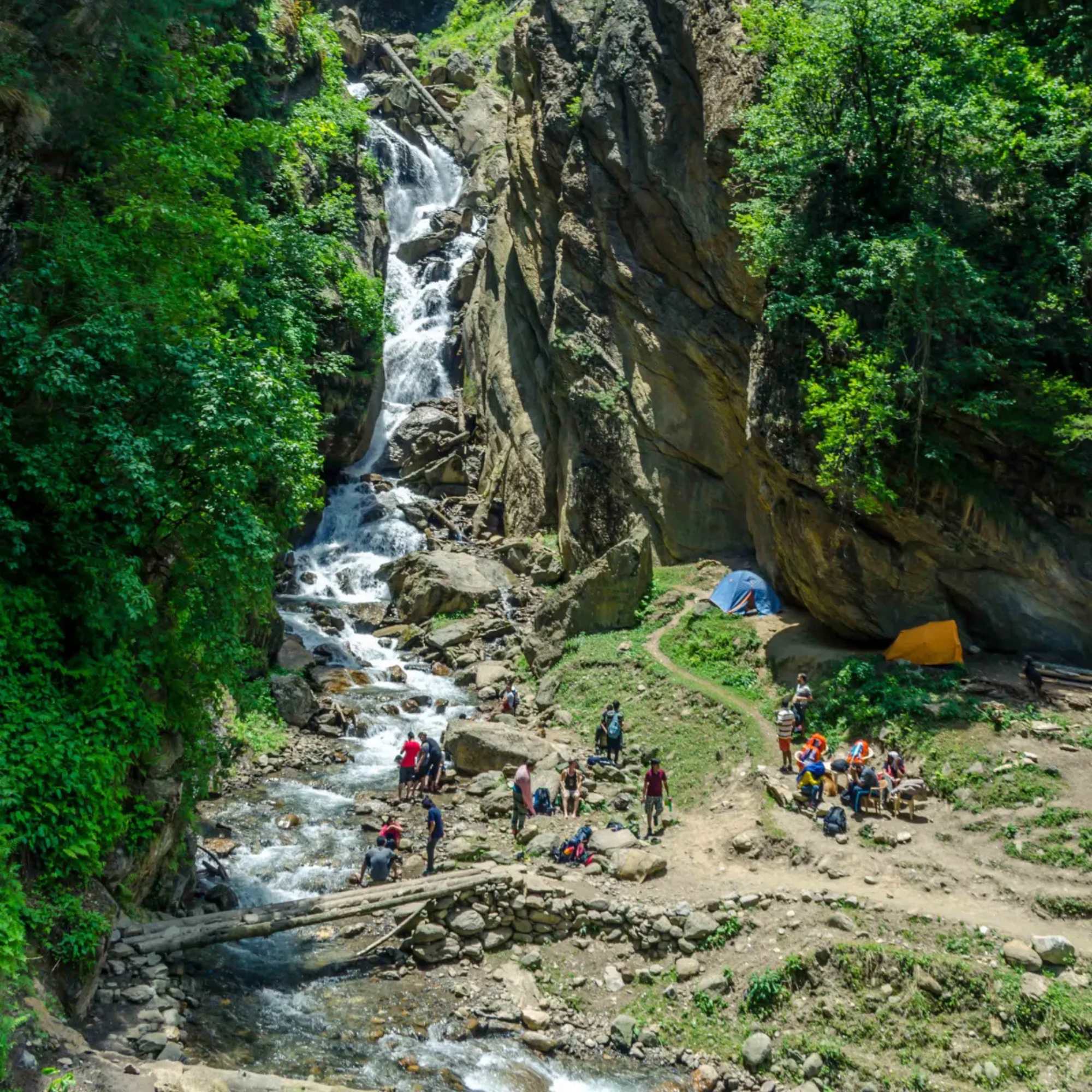
Short version: the trail does not "close" with a gate, but snow changes everything about it.
In the normal season, Kheerganga is an easy, popular trek. Snow turns that same trail into a different beast.
HPTDC says winter months are avoided because snow makes the trail difficult and the rocks slippery. That warning is there for a reason.
We never call Kheerganga safe for beginners in winter. If you still want to attempt it, check with locals at Barshaini first and do not go without a guide in icy conditions.
Are Roads to Kasol Open During Snowfall?
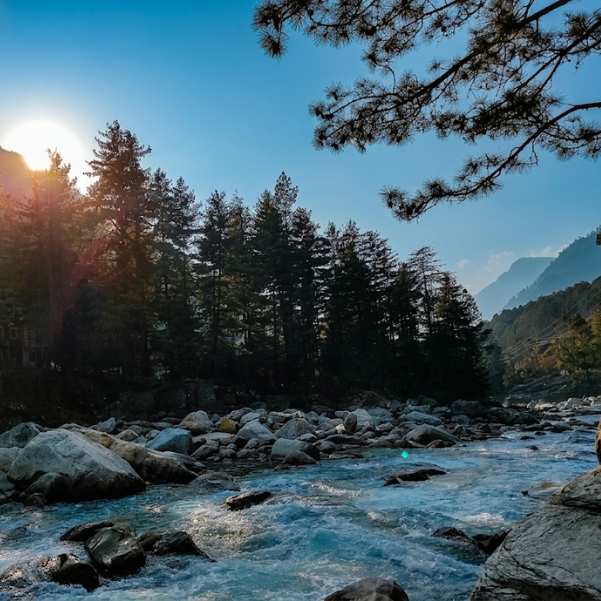
You usually reach Kasol through Bhuntar and the Bhuntar to Manikaran road. Bhuntar airport is about 31 km from Kasol, so that is your nearest air access.
District Kullu issued 2026 traffic restrictions on the Bhuntar to Manikaran Road from 14 April 2026 to 31 August 2026 for heavy vehicles and Volvo buses, because of heavy tourist inflow and narrow road conditions. That is a summer rule, but it tells you how tight that road gets.
There was also trouble higher up. March 2026 reports showed Manikaran to Barshaini road disruptions due to landslides at Ghatigarh.
So keep it practical. Start early, avoid driving these roads at night, and keep buffer time in your plan.
One firm piece of advice we give every guest: do not self-drive up to the upper villages during snow unless you genuinely know mountain driving. A slippery climb to Tosh is not the place to learn.
>>Not sure if the roads will be open on your dates? Talk to our team on WhatsApp.
Kasol vs Tosh vs Manali: Which Is Better for Snow?
Each one wins at something different, so pick by what you actually want.
Kasol
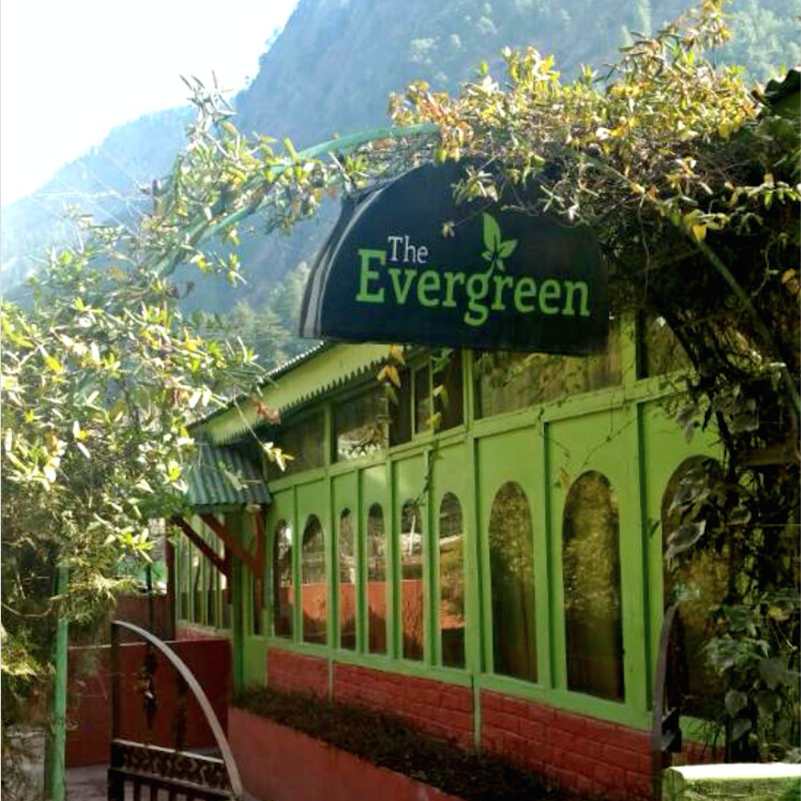
Kasol is best for cafés, slow river walks, the Manikaran hot springs and relaxed stays. Snow here is a maybe, not a plan.
Tosh
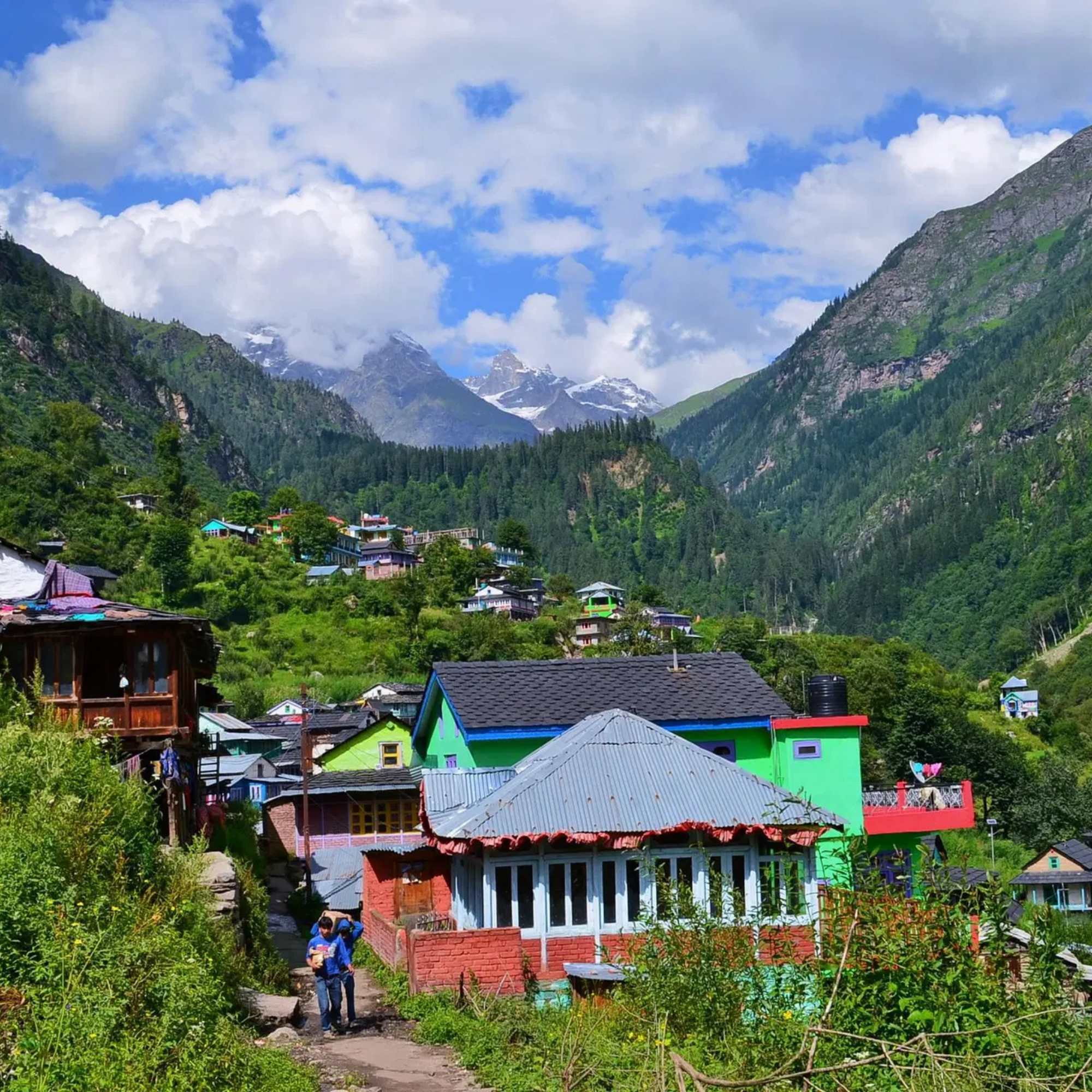
Tosh and the higher villages nearby give you the best real snow chances close to Kasol. The downside is access, which gets unpredictable when it snows hard.
Manali
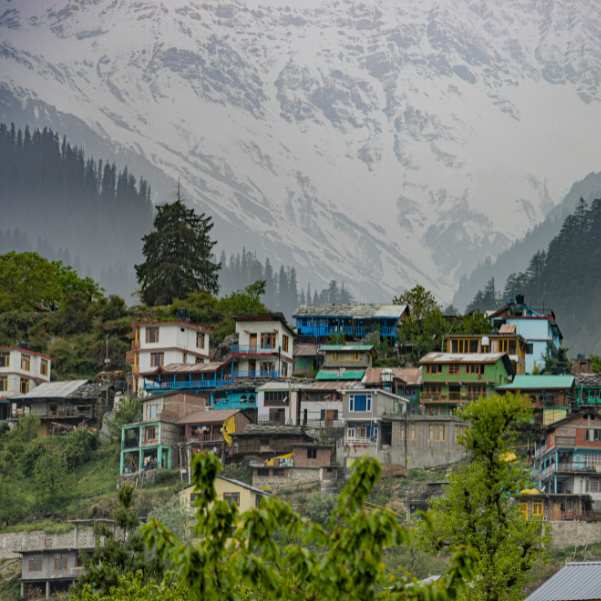
Manali and Solang are the safest bet for snow activities and reliable snow. The cost is crowds and traffic during snowfall, which can eat half your day.
If you are still torn between valleys for your winter trip, our honest Jibhi or Kasol comparison breaks down which suits which kind of traveller.
What to Pack for a Kasol Snowfall Trip
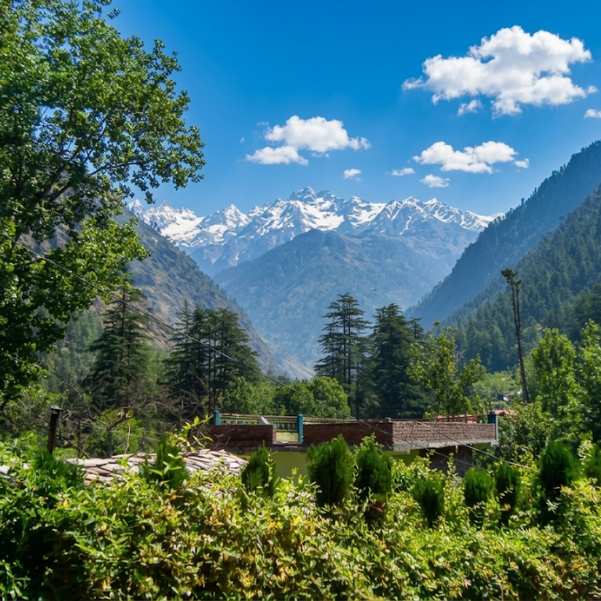
Pack for cold and wet, not just cold. Thermals, waterproof shoes, woollen socks, gloves, a cap and a muffler are the core of it.
Carry a power bank, basic medicines, enough cash, and your ID proof. A small day bag is handy for short walks to Chalal or around the villages.
One thing that makes a real difference: book a stay with heating or electric blankets. Kasol nights in January are brutal, and a heated room is the difference between sleeping well and shivering till dawn.
Suggested 3 Day Kasol Snowfall Itinerary
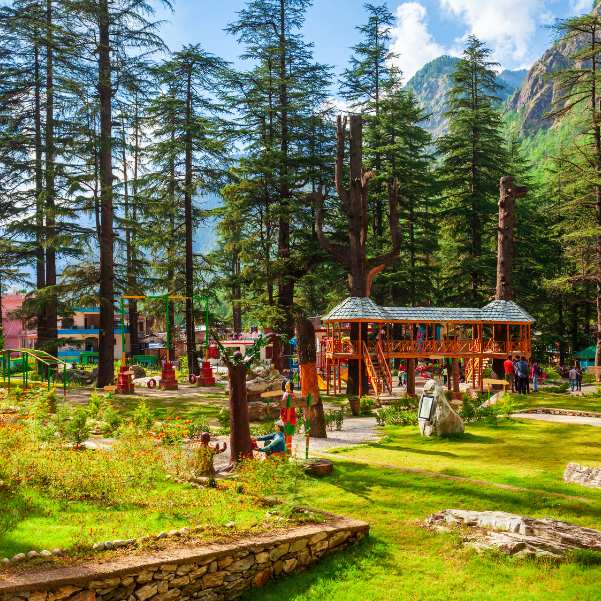
Here is a simple plan we use for winter trips, built to keep things light so the cold and the roads do not wear you out.
Day 1: Reach Kasol and Visit Manikaran
Reach Kasol, settle in, and keep the day easy because winter road travel is tiring. Head to Manikaran, around 4 to 5 km from Kasol at about 1,760 m.
Manikaran is known for its hot springs and the gurudwara. The free langar at the gurudwara serves hot, simple food, and the warm rice cooked in the natural spring water is the kind of meal that hits perfectly on a freezing day. Do not skip it.
Day 2: Chalal or Tosh
If the roads are slippery or you just want something gentle, walk to Chalal. The 30-minute walk across the suspension bridge is easy when the path is safe.
If road and local conditions are genuinely safe, go up to Tosh instead for better snow. Ask local drivers about the last stretch before committing, because that is the part that fails first in snow.
Day 3: Kalga, Pulga or Return via Manali
Check the morning snow updates before deciding. If conditions are good, drive to Barshaini and walk up to Kalga or Pulga for a strong winter feel.
If snow activities are your real goal, this is the day to swing towards Manali or Solang. Travel time can change with weather, traffic and road conditions, so check the latest route status on the day before you start.
Who Should Visit Kasol During Snowfall?
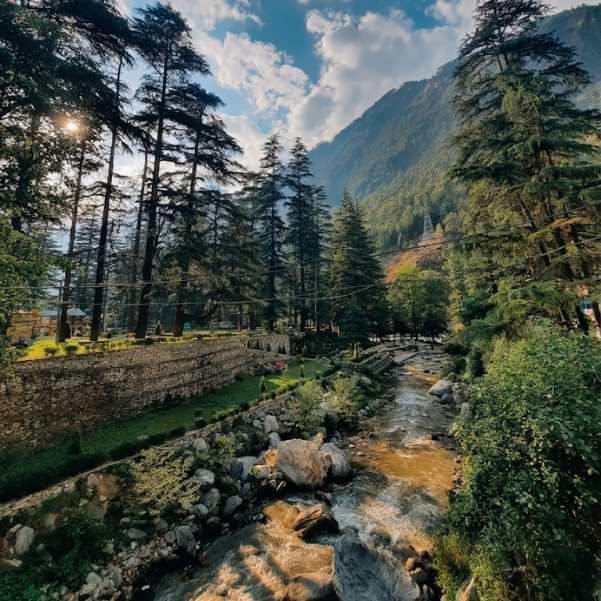
Kasol in winter suits couples, backpackers, café lovers, slow travellers and photographers. If your idea of a good trip is a warm café, a quiet river, and the chance of snow, you will love it.
It is not for everyone though. Skip a winter Kasol trip if you want guaranteed snow sports, easy driving conditions, or a packed sightseeing checklist. You will spend more time frustrated than happy.
Local Tips from Travel Coffee's Team
In our experience, the best Kasol winter trips are flexible. The travellers who lock every hour in advance are the ones who get caught out by a closed road or a snow-free week.
Our team recommends keeping one buffer day in January and February. That single spare day turns a road delay from a disaster into a minor change of plan.
We usually check Tosh, Kalga and Pulga conditions before promising snow to guests.
Here is the money-saving angle most people miss: instead of paying a premium for a fancy "snow view" stay in town that may see no snow, keep your booking flexible and chase the snow uphill where it is free and real.
Avoid late-night snow drives, and always ask local drivers before going beyond Barshaini. They know which stretch went bad last night, and that knowledge is worth more than any map.
>>Want help picking the best snow window? Talk to our team on WhatsApp.
Explore Our Curated Kasol Tour Packages
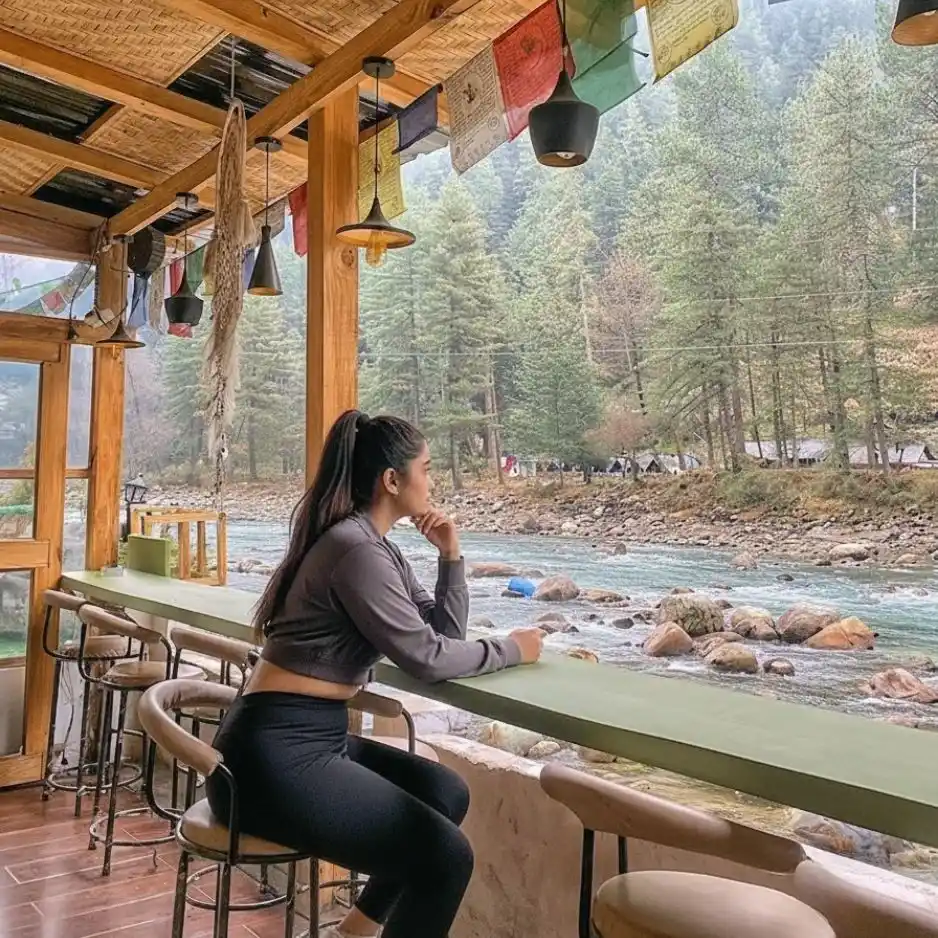 4D/3N
4D/3NPerfect Manikaran Kasol Tosh Weekend Getaway
1D Delhi•2D Kasol+1
₹15,999₹19,999SAVE INR 4,000/ person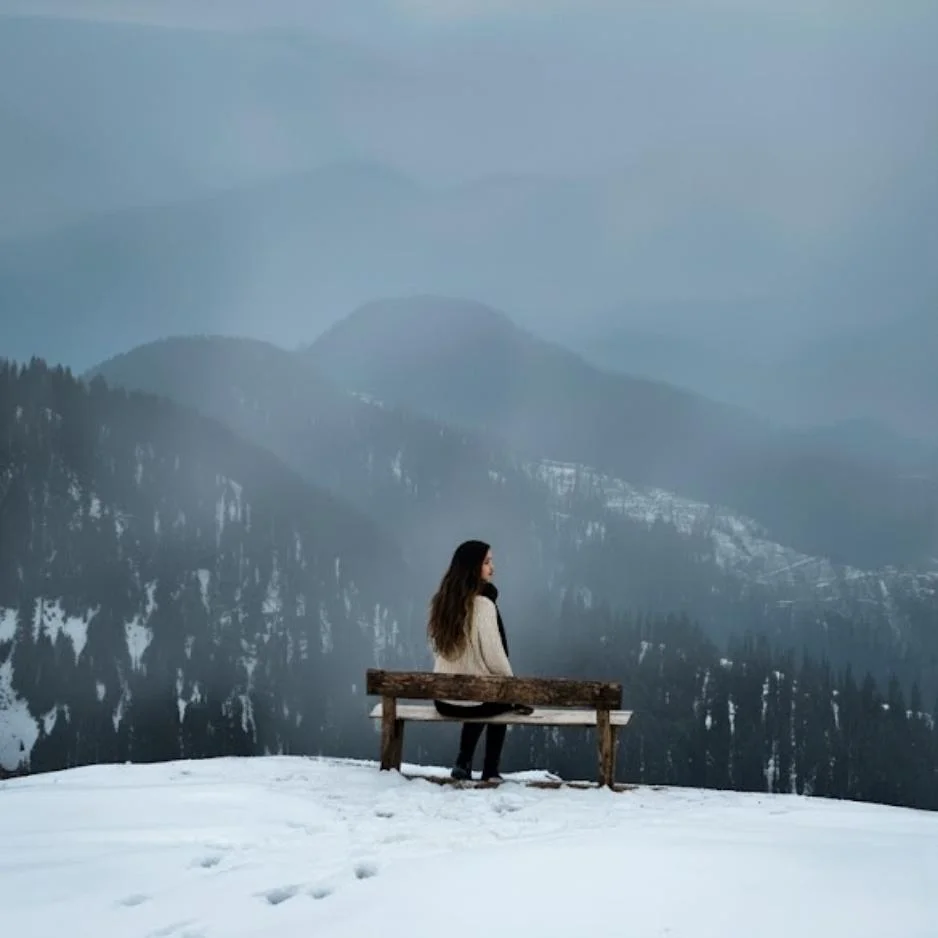 7D/6N
7D/6NManali Kasol Jibhi Valley Trip
1D Delhi•2D Manali+3
₹25,799₹32,999SAVE INR 7,200/ person 8D/7N
8D/7NManali Kasol Bir Himalayan Explorer
1D Delhi•2D Bir+3
₹21,999₹27,999SAVE INR 6,000/ person
Related topics
Frequently Asked Questions
Does it snow in Kasol?
Yes, Kasol can get light snowfall in winter, but it is not guaranteed every year because the town sits low at around 1,580 m.
In which month does Kasol get snowfall?
The best window is late December to February. January is usually the strongest practical month for snow.
Is Kasol good for snowfall in December?
December is decent, with snow chances rising after mid to late December. Before that it is cold but often dry in town.
Can I see snow in Kasol in January?
January gives you the highest snow chance of the season, though you should expect very cold nights and possible road delays.
Does Kasol get snow in February?
Snow may still be around in February, especially in the higher villages. The town is hit or miss, and trails stay icy.
Which places near Kasol get snowfall?
Chalal, Tosh, Kalga, Pulga, Grahan and the Kheerganga side all hold snow better than Kasol town because they sit higher.
Is Tosh better than Kasol for snow?
Yes, Tosh at around 2,400 m has much better snow chances. The trade-off is harder access during heavy snow.
Is Kheerganga open during snowfall?
The trail does not formally close, but HPTDC advises avoiding winter because snow makes it difficult and rocks slippery. Do not attempt it without a guide in icy conditions.
Are roads to Kasol open in winter?
Usually yes, via Bhuntar and Manikaran, but snow can cause delays and landslides have hit the Manikaran to Barshaini stretch. Start early and keep buffer time.
Is Kasol safe in winter?
Kasol town is generally safe in winter with normal precautions. The risks come from icy roads and slippery trails, not the town itself.
Which is better for snow, Kasol or Manali?
Manali is better for reliable snow and snow activities, while Kasol is better for cafés and calm. Manali gets crowded during snowfall though.
How many days are enough for Kasol in winter?
Three days work well, giving you Manikaran, an easy walk like Chalal, and one flexible day to chase snow in the higher villages.
More about Kasol
- Kasol
Shimla Manali Kasol Itinerary 2026: 7, 8 and 9 Day Routes Without Rushing
Plan a relaxed Shimla Manali Kasol itinerary for 2026 with practical 7, 8 and 9 day routes covering Himachal’s key sights without rushing between destinations.
- Itinerary
- Places to Visit
 Kasol
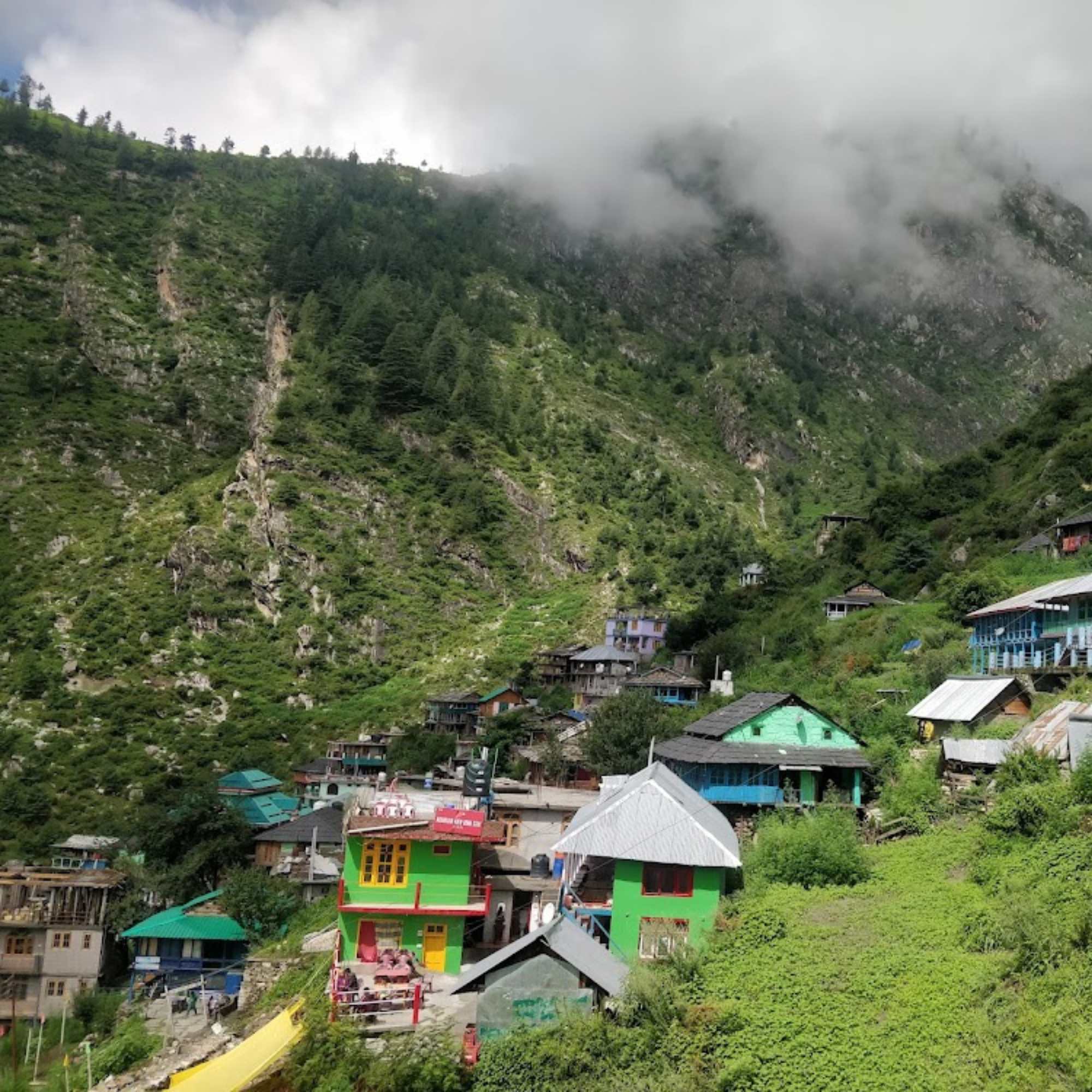
KasolBest Offbeat Places Near Kasol Most Tourists Miss in 2026
Escape the crowds and discover the hidden side of Kasol in 2026. From peaceful villages and untouched valleys to scenic trails and secret viewpoints, these offbeat places near Kasol offer authentic Himalayan experiences that most tourists completely miss.
- Places to Visit
- Things to Do
 Kasol
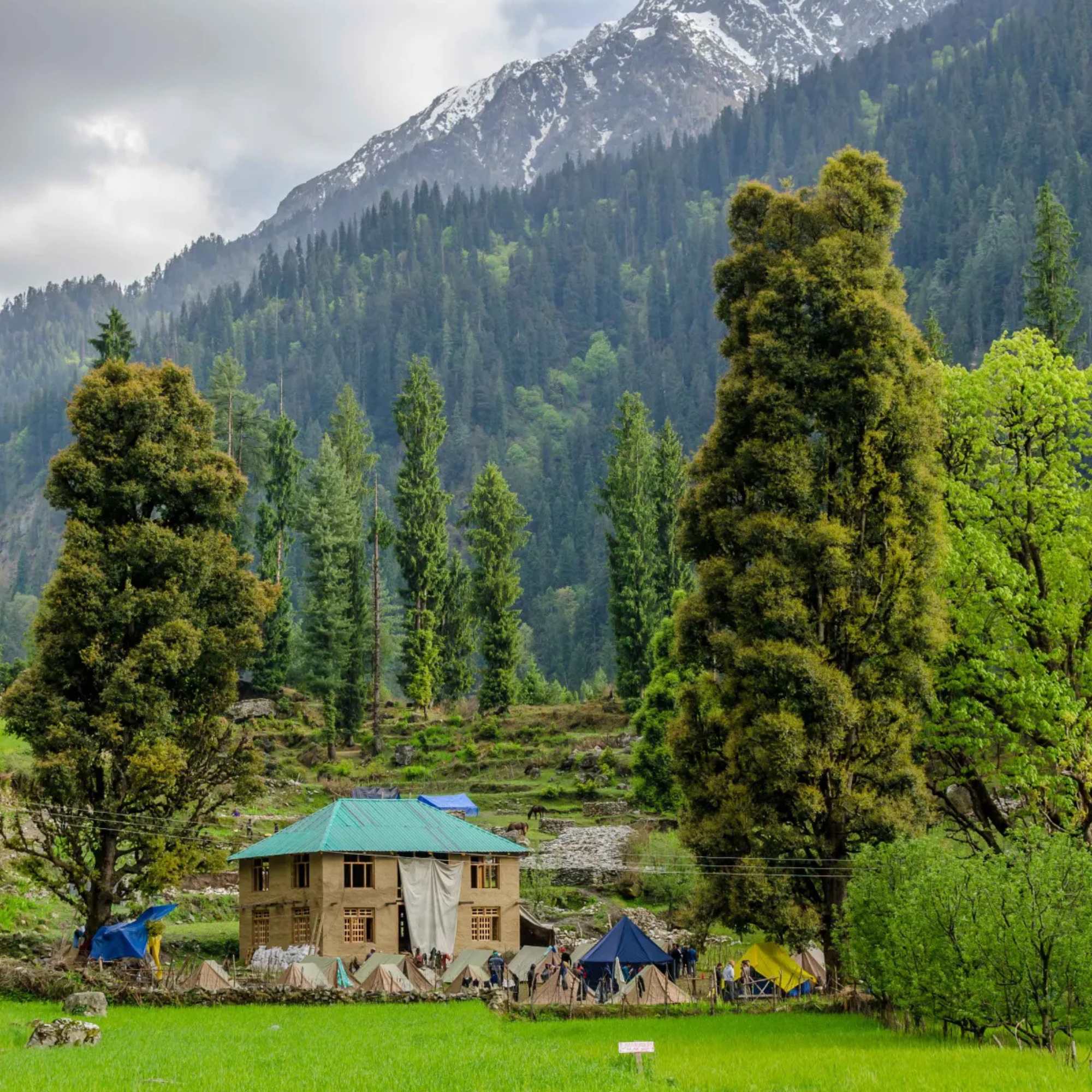
KasolRasol Village Trek From Kasol 2026: Route, Distance & What to Expect
Planning the Rasol Village Trek from Kasol in 2026? Explore the complete trekking route, distance, difficulty level, stay options, and essential travel tips to experience one of Parvati Valley’s most peaceful and offbeat Himalayan villages.
- Things to Do