
Grahan Village Trek from Kasol 2026: Route, Stay, Difficulty & Local Guide
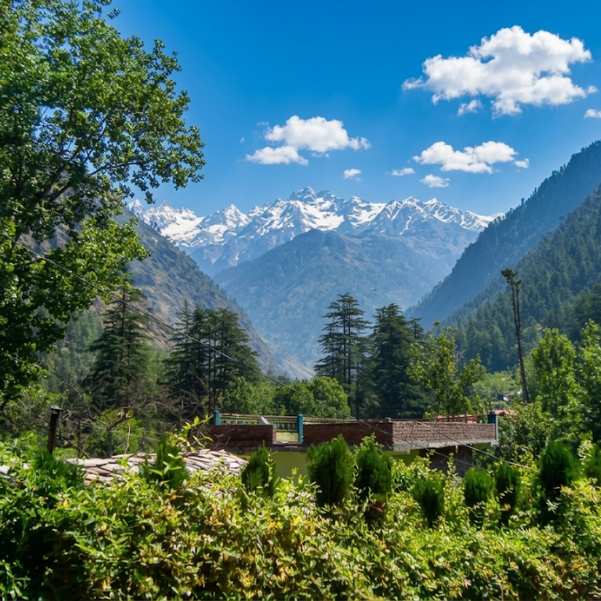
The Grahan village trek is the trek we send first-timers on when they want a real overnight mountain experience but get scared by the word "trek." It is short, it is doable, and it ends in a tiny wooden village that most Kasol tourists never even hear about.
We run trips across Parvati Valley every season, and this is one of the few walks we recommend without a long list of warnings. It is mostly forest, mostly gentle, and the village at the top is the whole point.
But "easy" does not mean "careless." There is no mobile network up there, no ATM, and one steep final climb that catches lazy walkers off guard. Plan it right and it is one of the best two days you will spend near Kasol.
Quick Answer: Is the Grahan Village Trek Worth Doing in 2026?
Yes, if you want a beginner-friendly overnight trek that does not destroy your knees. The Grahan trek from Kasol is usually around 8 to 9 km one way and takes about 4 to 6 hours uphill.
Do it as a 2 day, 1 night trip. The village stay is the actual experience, not the walk.
Stay in a basic homestay, carry cash (no ATM up there), and do not expect any phone signal once you leave Kasol.
Skip July and August unless you have checked conditions, because monsoon brings real landslide and cloudburst risk in this valley.
If you want someone to handle the Kasol base, stays, and timing, our Kasol tour packages cover the logistics so you only carry your daypack.
What Is the Grahan Village Trek?
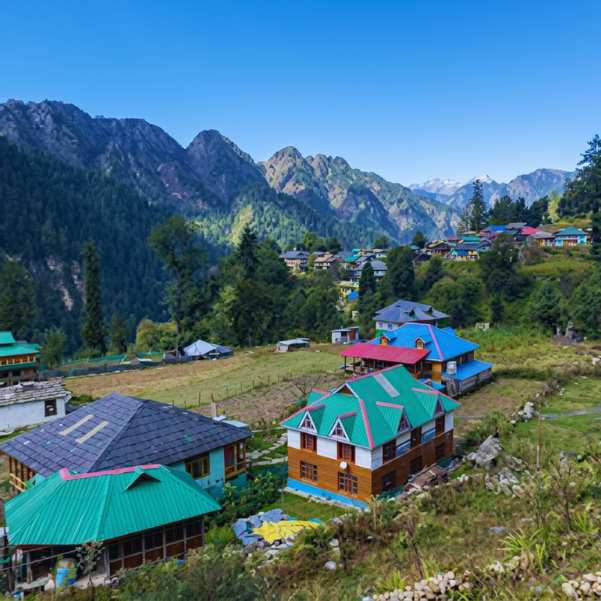
Grahan is a small, old village sitting above Kasol in Parvati Valley. You cannot drive to it. You walk.
The trail follows Grahan Nallah, a stream that stays with you for most of the climb. The village sits at roughly 2,300 to 2,347 m, which you will see written as 7,700 ft on most boards and blogs.
What makes it work for first-time overnight trekkers is the gentle gradient and the short distance. You are not gaining dangerous altitude. You are not crossing glaciers. You are walking through pine and deodar forest to a village that feels frozen in time.
It is also far quieter than the usual Kasol cafe-and-Chalal crowd. In our experience, people who do Grahan come back calmer than people who do the busier Parvati treks. Fewer selfies, more silence.
One thing worth knowing
Grahan is also used as a first stop or base by some trekkers heading towards bigger routes like Sar Pass and Khauli Pass. So if you fall in love with the place, it can be the start of something longer later.
There is also a short Grahan waterfall hike that some travellers do from the village, though the exact timing and condition of that walk varies. Ask your homestay host whether it is worth doing on the day you visit.
Grahan Village Trek Key Facts for 2026
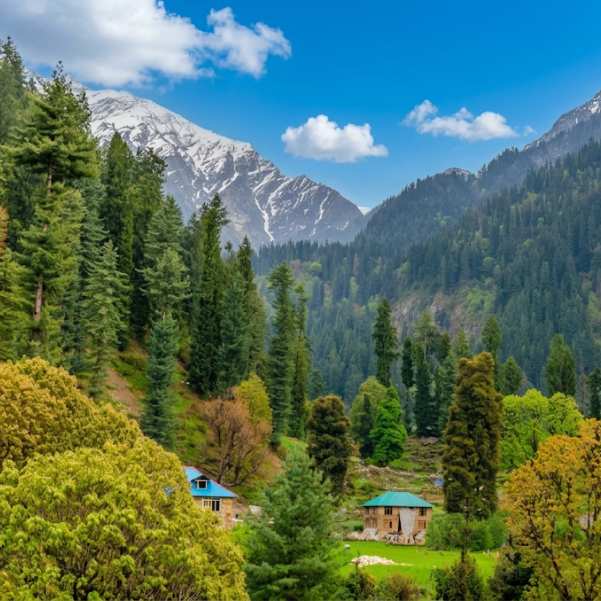
Here is the short version before we get into detail.
The one-way distance is commonly listed as 8 to 9 km, though some sources say 10 km and a few package pages stretch the total to 20 km. We treat the total return as roughly 16 to 18 km.
The climb up takes 4 to 6 hours. The way down is faster, around 3 to 5 hours.
Difficulty is easy to easy-moderate. Good for fit beginners, not a flip-flop stroll.
We recommend 2 days and 1 night. There is no reliable mobile network, so carry cash and tell someone your plan before you leave.
Homestays are available in the village. Permit status is unclear from official sources, so confirm locally before you go.
How to Reach Kasol Before Starting the Grahan Trek
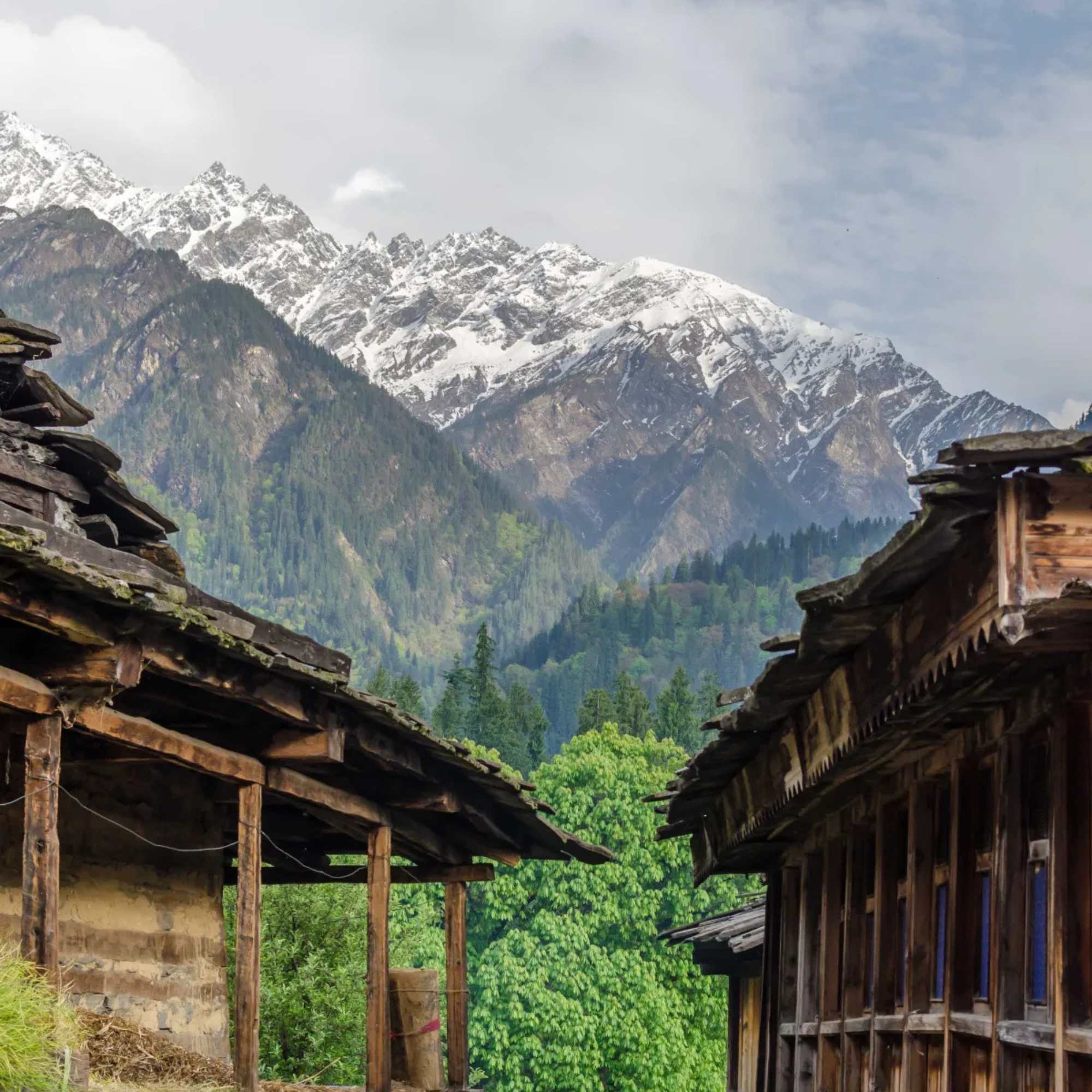
You start the trek from Kasol, so first you have to get to Kasol.
From Delhi and Chandigarh
Most travellers take an overnight bus or private vehicle towards the Bhuntar/Kullu side, then continue the short stretch to Kasol.
You can check government bus availability on the official HRTC booking website. We are not quoting fares here because they change often.
In our experience, the overnight Volvo to Bhuntar and then a local cab or bus to Kasol is the smoothest combination for people coming from the plains.
From Bhuntar, Kullu, and Manali
Bhuntar to Kasol is around 31 to 32 km. Kullu to Kasol is around 39 km.
The nearest airport is Bhuntar (Kullu-Manali Airport). Flights here are limited and weather-dependent, so most people still come by road.
One honest warning: road time on this stretch is never fixed. Rain, traffic near Bhuntar, and landslides can turn a 90-minute drive into a half-day crawl. Build buffer time.
If you are pairing Grahan with the wider region, our Manali tour packages can help you stitch the trip together.
Where Does the Grahan Trek Start in Kasol?
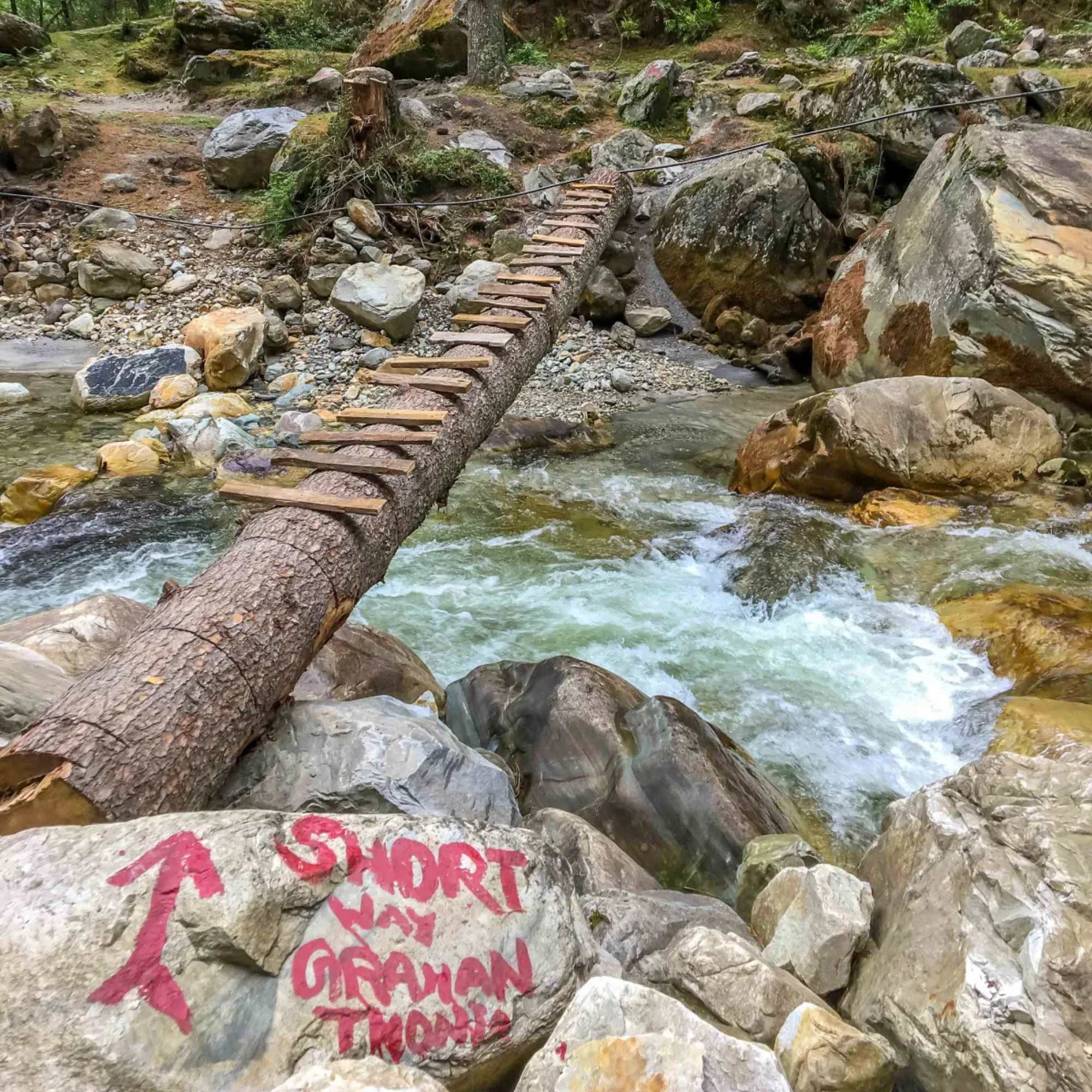
The trail starts near the Kasol market, bus stand, and bridge area. You do not need a car for the start point. You walk out from the main bend of Kasol.
The common route takes a right turn before or near the Kasol bridge and then follows Grahan Nallah upstream.
Here is what most tourists get wrong: they assume there is one obvious path. There is not. There are forks, and one of them pulls you towards Thunja, which is the wrong way for Grahan.
Confirm the trail with a local shopkeeper or guide before you take the first turn. Two minutes of asking saves you an hour of backtracking. We have seen people lose half a morning on the wrong fork.
What Is the Route from Kasol to Grahan Village?
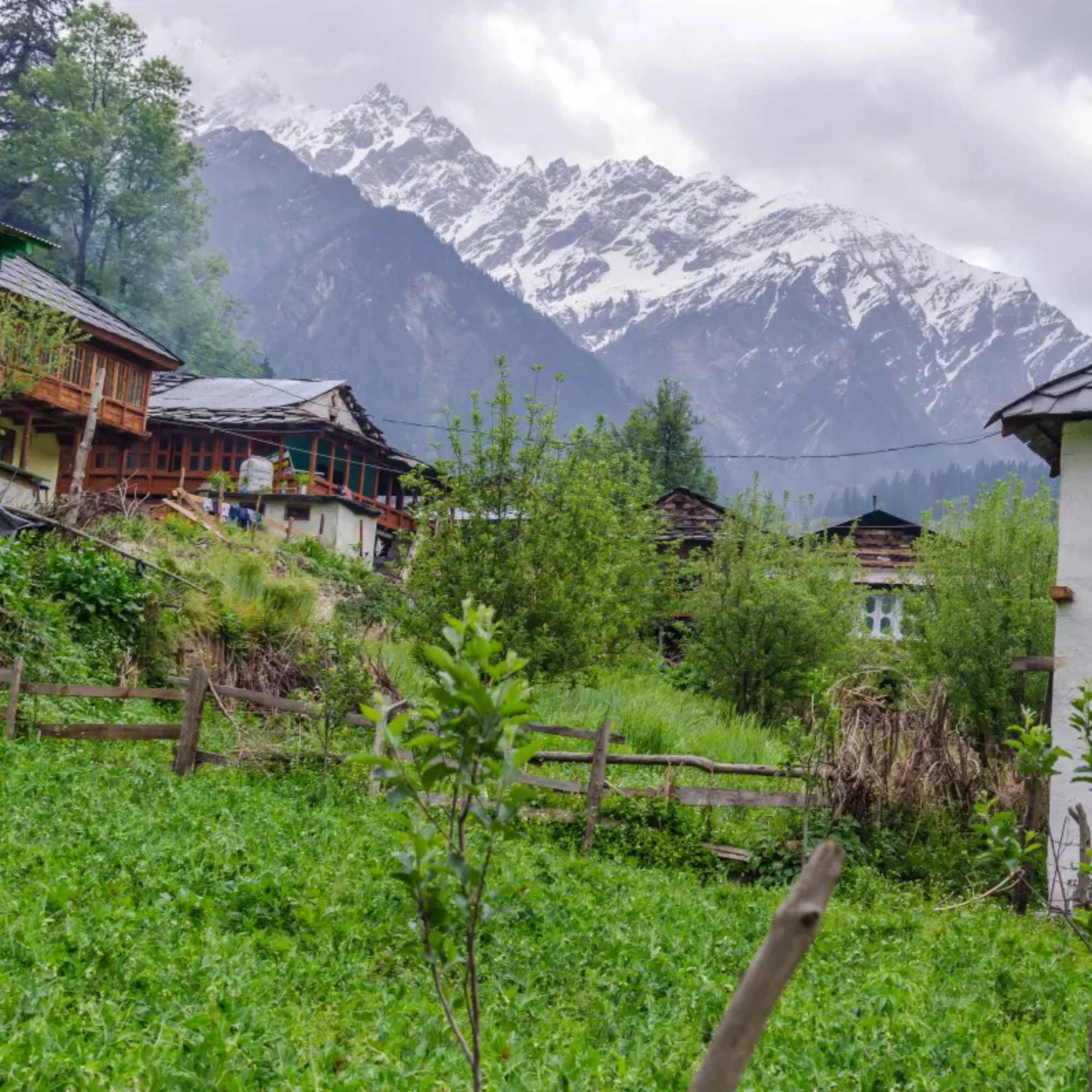
Kasol to the early forest trail
The first section is the friendliest. You walk close to Grahan Nallah, cross a few small bridges, and move through pine and deodar forest.
The gradient here is gentle. This is the part where you settle into a rhythm and start enjoying yourself. Red arrows are reported as trail markers on parts of this route, so keep an eye out for them.
Midway canteen and bridge section
Some travellers report small dhabas or canteens in the first half of the trek. We will be honest with you: these are seasonal and not guaranteed.
Do not plan your day around finding hot food on the trail. Carry your own snacks and water. If a canteen is open, treat it as a bonus, not a meal plan.
Final climb to Grahan
This is where the trek earns its "easy-moderate" tag. The last 1 to 1.5 km is the steepest part, a zig-zag switchback climb straight into the village.
Your legs will feel it after the easy forest section, so pace yourself.
Do not start this trek late. Once light fades, the markers get hard to spot and that final climb becomes genuinely tricky. Reach the village while the sun is still up.
How Difficult Is the Grahan Village Trek?
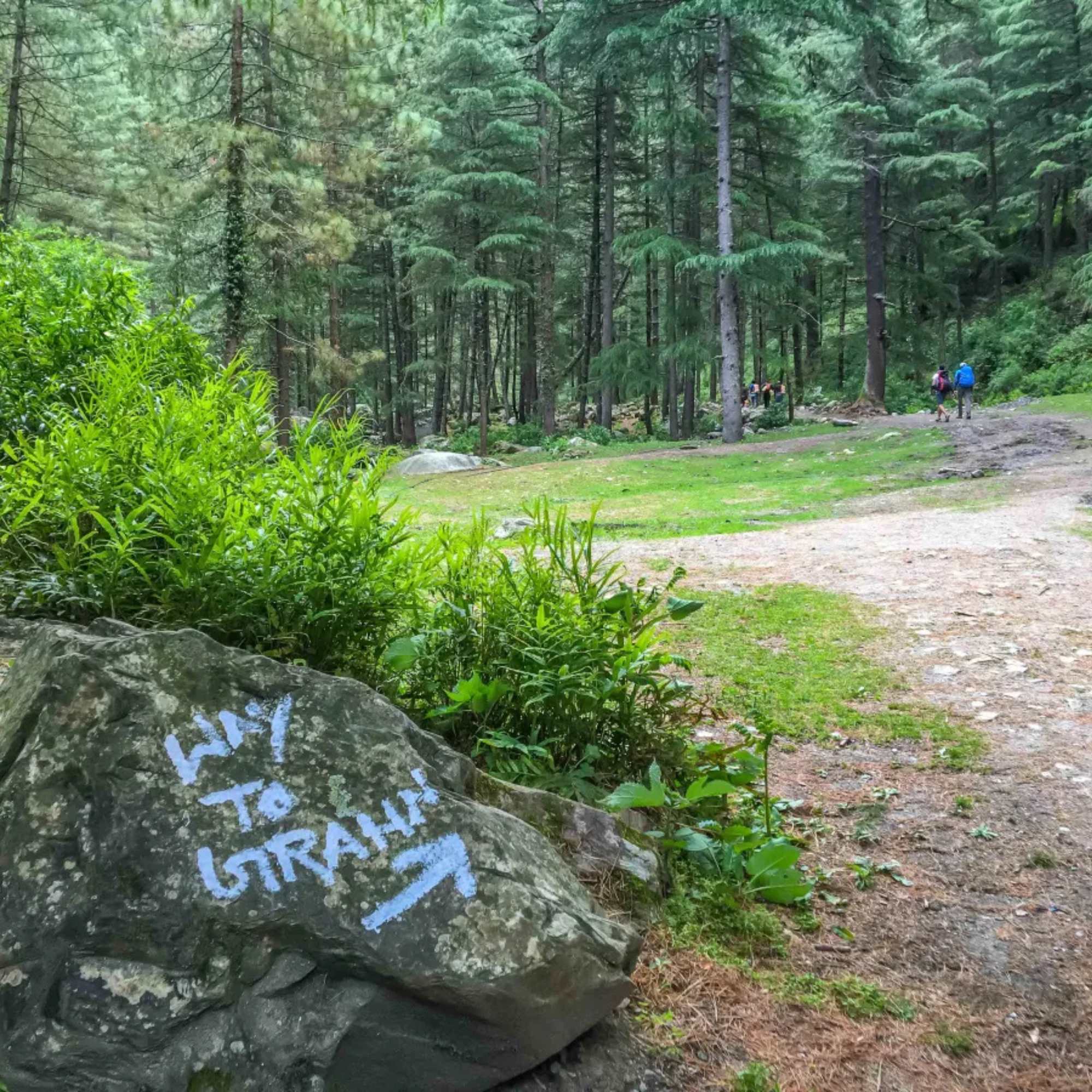
For a reasonably fit beginner, it is easy to easy-moderate. There is no rock climbing, no ropes, no technical sections.
At 7,700 ft, you are not high enough for serious altitude problems for most people. That alone makes it gentler than the famous Parvati high treks.
But do not get cocky. Rain makes the trail slippery, snow makes it slow, the lack of network means no quick help, and that final steep climb is real. This is not a walk you do in flip-flops and a phone in your hand.
What we always tell our travellers is simple: treat it as a proper trek even though it is short. Right shoes, early start, enough water. Do that and it stays easy.
Do You Need a Guide for the Grahan Trek?
Here the sources do not agree, so we will lay it out straight.
Some trek operators strongly recommend taking a guide, while many travel guides say a guide or permit is not always compulsory. The safest approach is to confirm the latest local rule before you start.
Even if a guide is not legally required, hiring one can still be useful if you are unfamiliar with the route, travelling in bad weather, or visiting for the first time.
Our practical advice
Take a local guide if you are solo, new to trekking, travelling in winter, going close to monsoon dates, walking with kids, or if there is any chance you will start late.
If you are a confident group of fit walkers starting early on a clear day, you can manage the marked trail yourself. But the day you might get lost or delayed is exactly the day a local guide pays for himself.
Where to Stay in Grahan Village?
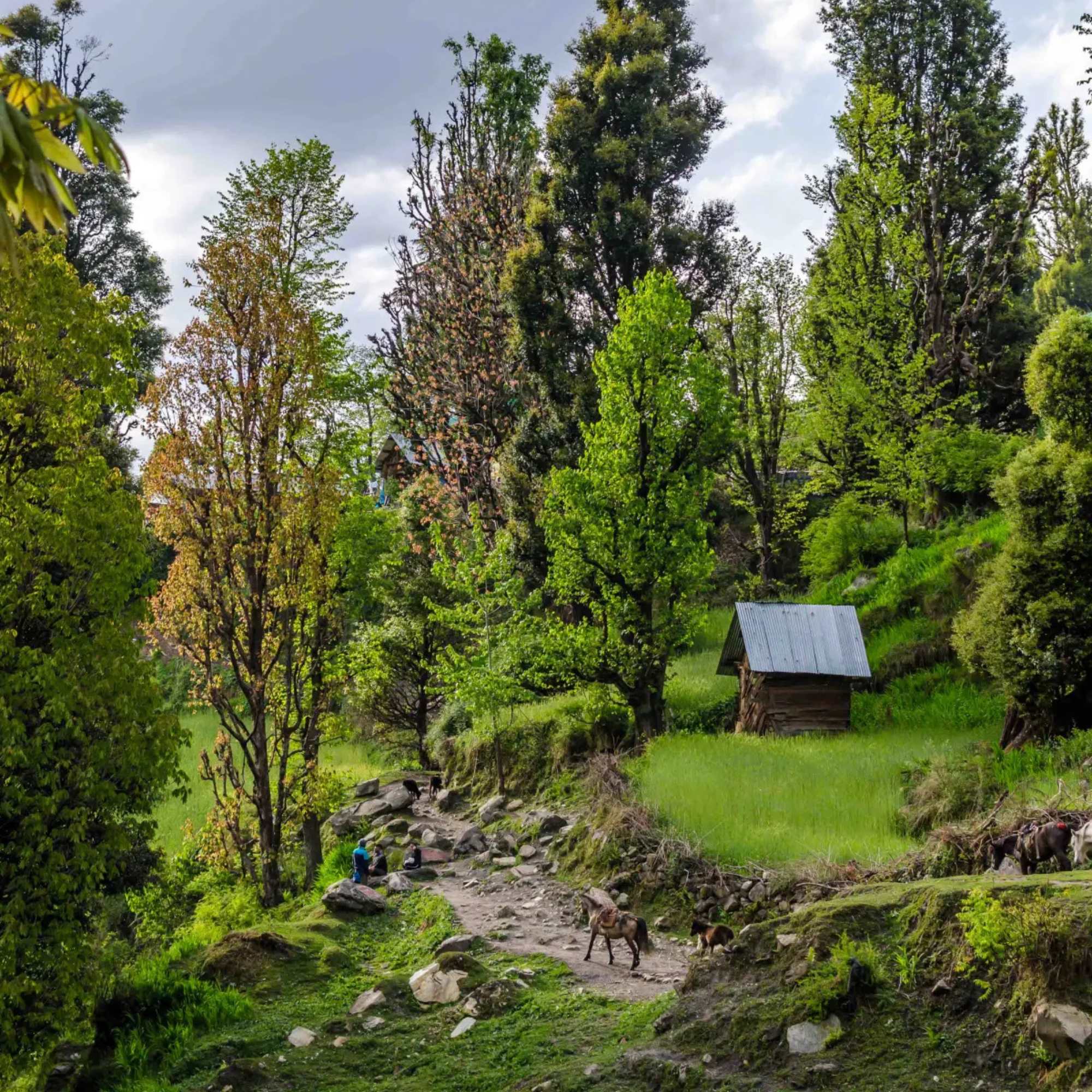
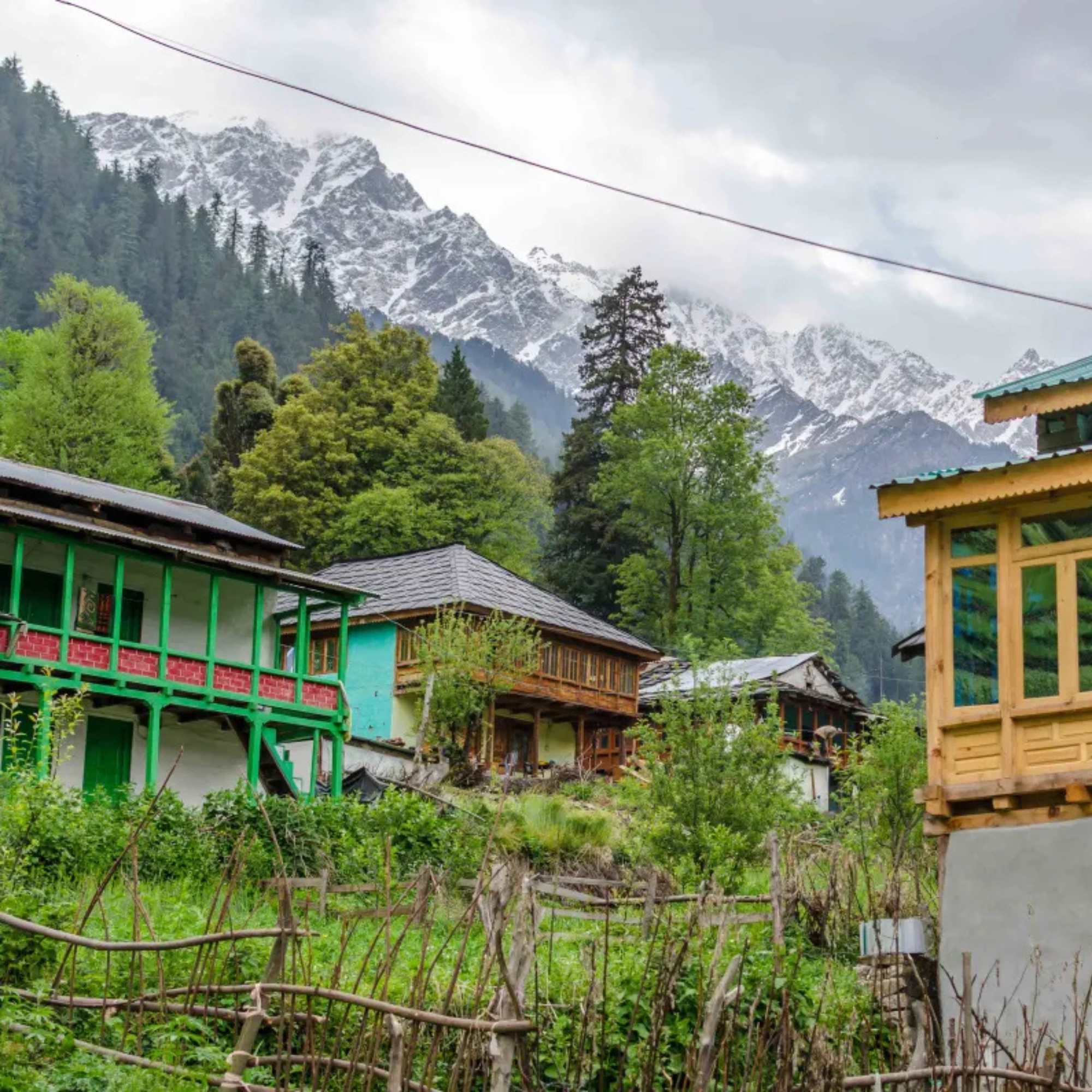
Grahan runs on basic homestays. Think simple rooms, wooden houses, home-cooked local meals, and very limited amenities.
This is not a place for hot showers and room service. It is a place to sleep under thick blankets in a quiet old village and wake up to mountain silence.
One 2026 source reports homestay rates of ₹300 to ₹600 per room per night, but rates move around with season and demand, so confirm when you reach.
Carry enough cash. There is no ATM and no card machine. And there is no reliable mobile network, so do not expect to book ahead by phone in many cases.
👉 Talk to our team on WhatsApp for the latest Grahan travel updates.
What Does a 2-Day Grahan Village Trek Itinerary Look Like?
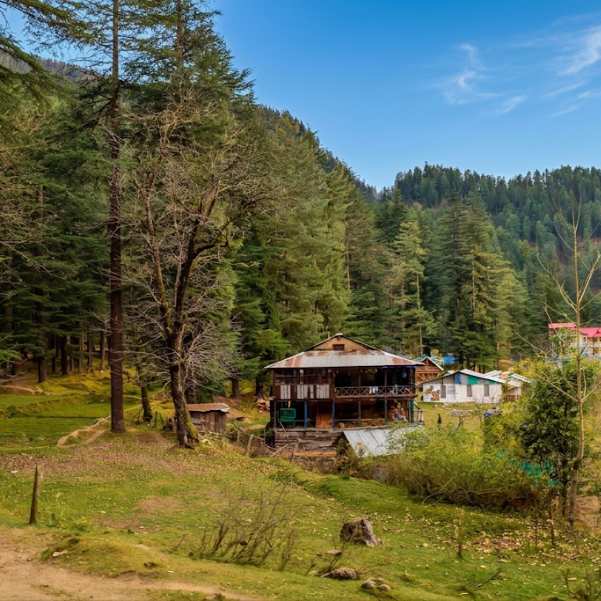
Day 1: Kasol to Grahan
Wake early. Start the climb around 7 to 8 am so you have the whole day ahead of you.
The ascent takes 4 to 6 hours, so plan to reach Grahan by early afternoon. Check into your homestay, drop your bag, and walk around the village slowly.
Eat a simple home-cooked dinner and sleep early. There is little to do after dark, and an early night sets you up for the descent.
Day 2: Grahan to Kasol
Wake for sunrise. The morning light over the village and the surrounding ridges is the best part of the whole trip.
Have breakfast, then start your descent by around 9 to 10 am. You will be back in Kasol by afternoon.
If the weather and roads are good, you can add a short stop at Manikaran or a quick walk to Chalal afterwards. Only do this if conditions are clearly fine, not if it has been raining.
Can You Do Grahan Trek in One Day?
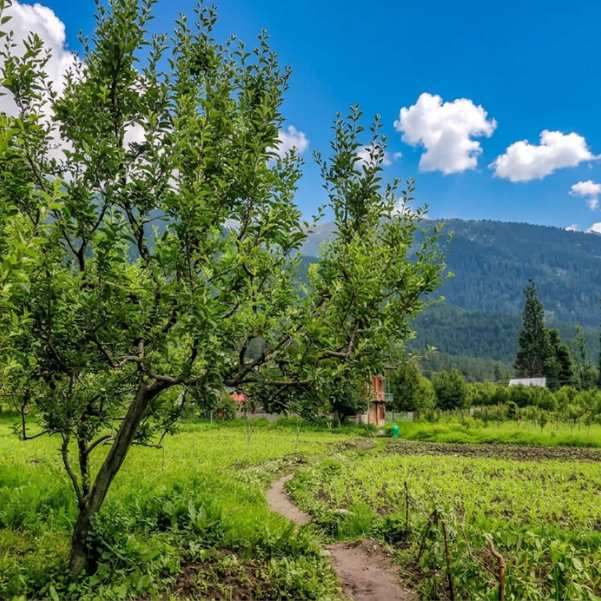
Yes, fit hikers who start very early can do Grahan up and down in a single day.
But we do not recommend it for most people. The village stay is the actual reason to do this trek, and rushing back the same day just turns a lovely experience into a tiring leg workout.
In our experience, the people who do it in one day always say the same thing afterwards: they wish they had stayed the night.
Best Time for Grahan Village Trek in 2026
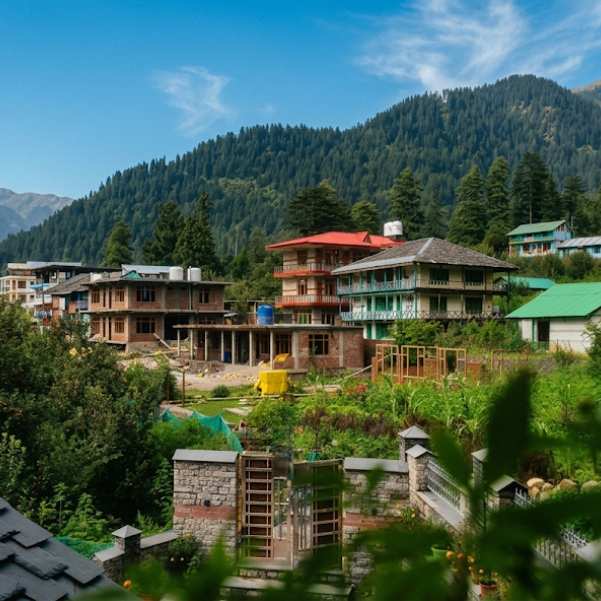
The safest windows are March to June and September to November.
Some operators list the season as April to December, others as October to June. Ignore the edges. The honest answer is the two windows above give you the most reliable trail and weather.
Avoid July and August. This valley sees real monsoon trouble, including cloudbursts and landslides, and the trail gets slippery and risky.
Winter is possible but only with extra caution, proper warm gear, and ideally a guide. Microspikes are worth considering if there is snow on the trail.
We covered the wider seasonal picture in detail if you want to understand how this valley behaves month by month, but for Grahan, those two safe windows are your answer.
2026 Road, Weather, and Safety Updates
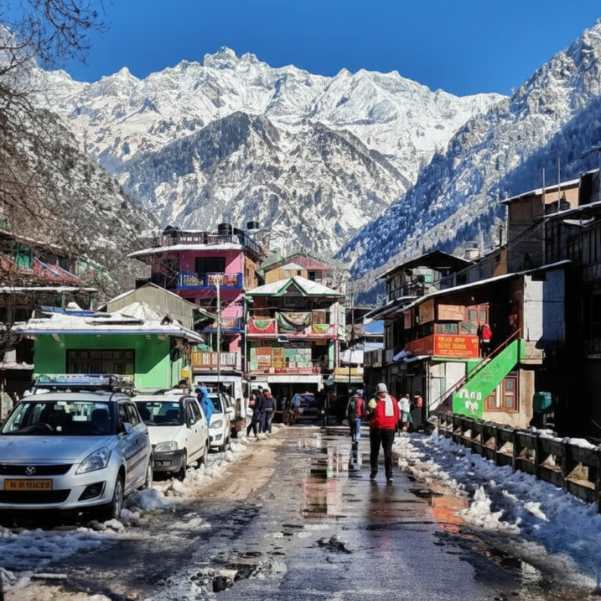
This valley has had a rough stretch, so go in with open eyes.
Kullu Valley saw cloudbursts in June 2025, including around Manikaran, Banjar, Sainj, and near Solang. That is the kind of monsoon damage that closes roads and washes out trails fast.
In February 2026, the Manikaran–Barshaini road at Ghatigarh was blocked by a landslide, and frequent shooting stones were reported on that stretch.
To be clear, we found no permanent closure of the Grahan trail itself in our research. The trek was not reported shut. But road and trail conditions in this region change quickly.
Check conditions at least 48 hours before you travel, and again on the morning you leave. If something looks off, ask before you walk.
Keep these numbers saved: the Kullu District Emergency Operation Center can be reached at 01902-225630 and 01902-225631.
What Should You Pack for the Grahan Trek?
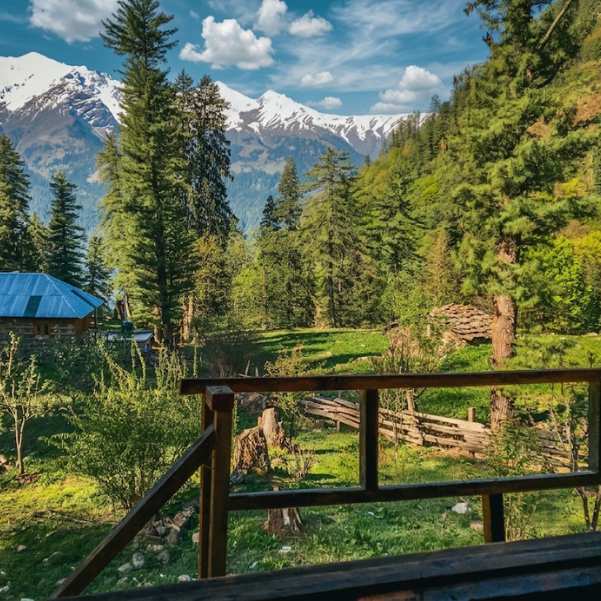
Pack light but pack right. The mistakes people make here are predictable.
Carry proper trekking shoes with grip, not sneakers and definitely not sandals. Add a rain layer even in clear weather and at least one good warm layer for the village night.
Bring a water bottle, your own snacks, and cash because there is no ATM in Grahan. A power bank matters since there is no reliable charging, and a torch or headlamp is essential for moving around after dark.
Download an offline map before you lose signal. Pack your personal medicines, a basic first aid kit, and a waste bag to carry your trash back down.
That last one is not optional. More on why in a moment.
Local Etiquette in Grahan Village
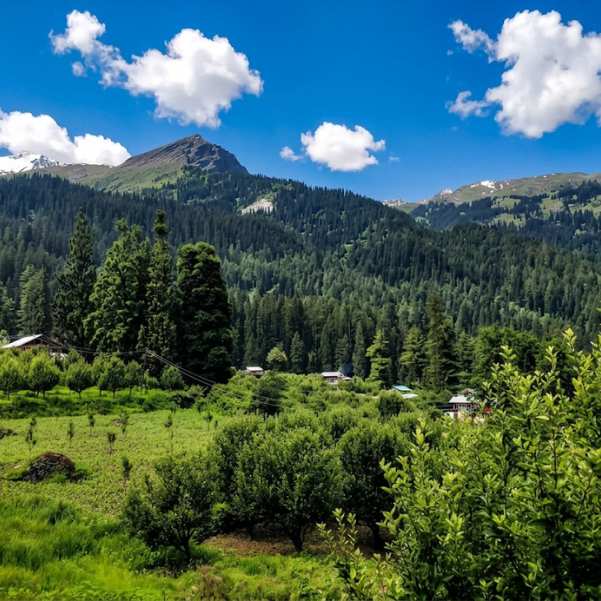
Grahan is someone's home, not a resort. Treat it that way.
Respect your homestay rules, keep the noise down, and skip the loud music. Always ask before photographing people or local shrines.
Sources report a local alcohol ban in the village, so do not carry or drink alcohol there. This is one rule you genuinely should not test.
Carry your trash back to Kasol. Garbage was reported in the forest areas along the way to Grahan, and authorities even fined SADA-Manikaran ₹4.8 lakh for waste mismanagement. This valley is already struggling with waste. Do not add to it.
How Much Does the Grahan Village Trek Cost?
We are not going to hand you a fake exact budget, because the honest answer is that it depends.
Your self-guided cost comes down to your Kasol stay, transport to Kasol, food, and the homestay. The homestay itself is reported at ₹300 to ₹600 per room per night.
For organised treks, commercial listings have been seen from around ₹1,199 and ₹2,750, but package pricing swings hard by operator, group size, and season.
Check current rates close to your travel date. Anything you read in an old blog is probably out of date by the time you trek.
Grahan vs Chalal vs Kheerganga: Which Trek Should You Choose?
Three names come up constantly near Kasol, so here is the plain comparison.
Chalal
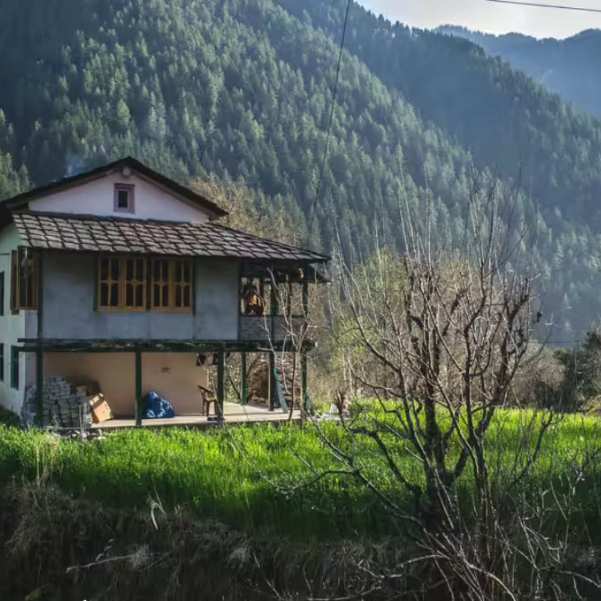
It is the easiest. It is a short day walk from Kasol, barely a trek, good for an afternoon stroll along the river.
Grahan
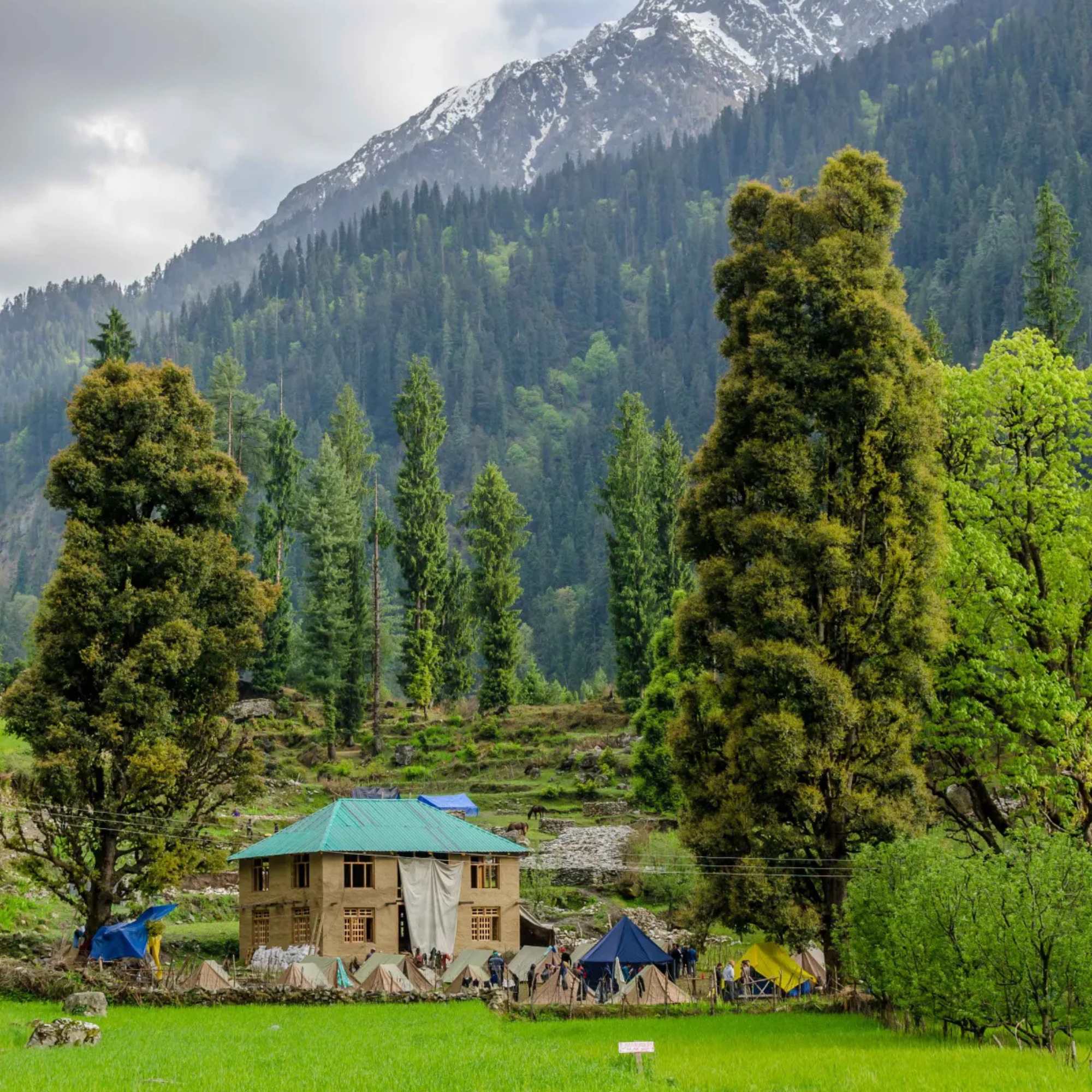
It is the better choice for your first proper overnight village trek. Longer than Chalal, gentle enough for beginners, and you actually sleep in a real village.
Kheerganga
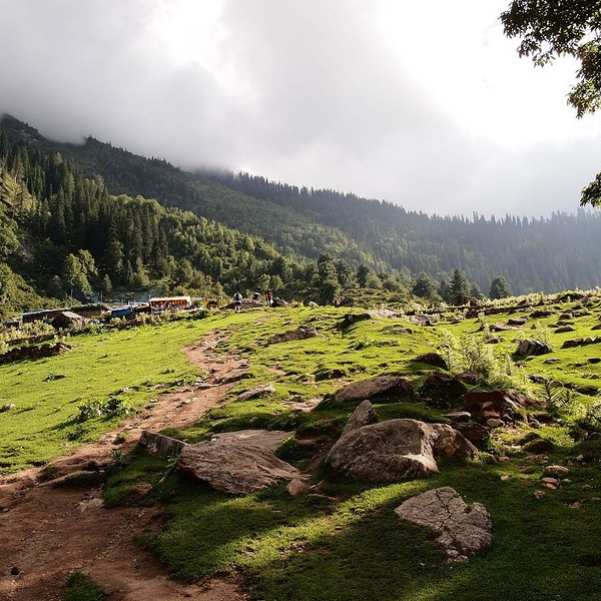
It is longer, busier, and far more commercial, with hot springs at the top and crowds to match. Worth doing, but it is not the quiet experience Grahan gives you.
If you are still deciding between valleys entirely, our Jibhi or Kasol comparison helps, and our Jibhi and Tirthan Valley packages cover the quieter alternative side of Himachal.
Should You Book the Grahan Trek with TravelCoffee?
We are based in Shimla, Himachal Pradesh, and we plan trips across this region every season.
For Grahan, we can help with your Kasol base, handpicked stays, safe travel timing, road and weather checks, transport, and the small local details that blogs miss.
We are not going to oversell it. Grahan is doable on your own if you are fit and careful. But if you want the timing right, the conditions checked, and someone who answers the phone when plans change, that is where we come in.
👉 Need a Grahan itinerary for your dates? Talk to our team on WhatsApp.
Explore Our Curated Kasol Tour Packages
 4D/3N
4D/3NPerfect Manikaran Kasol Tosh Weekend Getaway
1D Delhi•2D Kasol+1
₹15,999₹19,999SAVE INR 4,000/ person 7D/6N
7D/6NManali Kasol Jibhi Valley Trip
1D Delhi•2D Manali+3
₹25,799₹32,999SAVE INR 7,200/ person 8D/7N
8D/7NManali Kasol Bir Himalayan Explorer
1D Delhi•2D Bir+3
₹21,999₹27,999SAVE INR 6,000/ person
Related topics
Frequently Asked Questions
How long is Grahan village trek from Kasol?
It is commonly 8 to 9 km one way, though some sources say 10 km. The return works out to roughly 16 to 18 km depending on the route you take.
How difficult is Grahan trek?
It is easy to easy-moderate for fit beginners. There are no technical sections, but the final 1 to 1.5 km climb is steep and the trail gets harder in rain or snow.
Is Grahan trek safe for beginners?
Yes, for reasonably fit first-timers on a clear day with the right shoes and an early start. It is one of the safest overnight treks near Kasol.
Do I need a guide for Grahan village trek?
Not always, but we recommend one if you are solo, new to trekking, travelling in winter, near monsoon dates, or with kids. Legal requirement is unclear.
Can Grahan trek be done in one day?
Yes, fit hikers starting very early can do it in a day. But we suggest 2 days and 1 night, since the village stay is the real reason to go.
What is the best time to visit Grahan village?
March to June and September to November are safest. Avoid July and August because of monsoon and landslide risk.
Is there mobile network in Grahan?
No. There is no reliable mobile network in the village. Tell someone your plan before you leave Kasol.
Are there homestays in Grahan village?
Yes. Grahan has basic homestays with simple rooms and home-cooked meals, reported around ₹300 to ₹600 per room per night. Carry cash.
Do I need a permit for Grahan village trek?
One 2026 guide says there is no permit or entry fee, but official confirmation is unclear. Check locally before you go.
How much does Grahan trek cost?
Self-guided cost depends on your stay, transport, and food. Homestays run ₹300 to ₹600 a night and organised treks have been listed from around ₹1,199 to ₹2,750.
Is Grahan village trek safe for solo female travellers?
It can be, especially with an early start, a homestay booked through a trusted contact, and a local guide. The no-network factor means you should always share your plan with someone first.
Is Grahan better than Kheerganga?
For quiet and a real village stay, yes. Kheerganga is longer, busier, and more commercial with hot springs. Grahan is calmer and better for a first overnight trek.
More about Kasol
 Kasol
KasolShimla Manali Kasol Itinerary 2026: 7, 8 and 9 Day Routes Without Rushing
Plan a relaxed Shimla Manali Kasol itinerary for 2026 with practical 7, 8 and 9 day routes covering Himachal’s key sights without rushing between destinations.
- Itinerary
- Places to Visit
 Kasol
KasolBest Offbeat Places Near Kasol Most Tourists Miss in 2026
Escape the crowds and discover the hidden side of Kasol in 2026. From peaceful villages and untouched valleys to scenic trails and secret viewpoints, these offbeat places near Kasol offer authentic Himalayan experiences that most tourists completely miss.
- Places to Visit
- Things to Do
- Kasol
Rasol Village Trek From Kasol 2026: Route, Distance & What to Expect
Planning the Rasol Village Trek from Kasol in 2026? Explore the complete trekking route, distance, difficulty level, stay options, and essential travel tips to experience one of Parvati Valley’s most peaceful and offbeat Himalayan villages.
- Things to Do