
Best Offbeat Places Near Kasol Most Tourists Miss in 2026
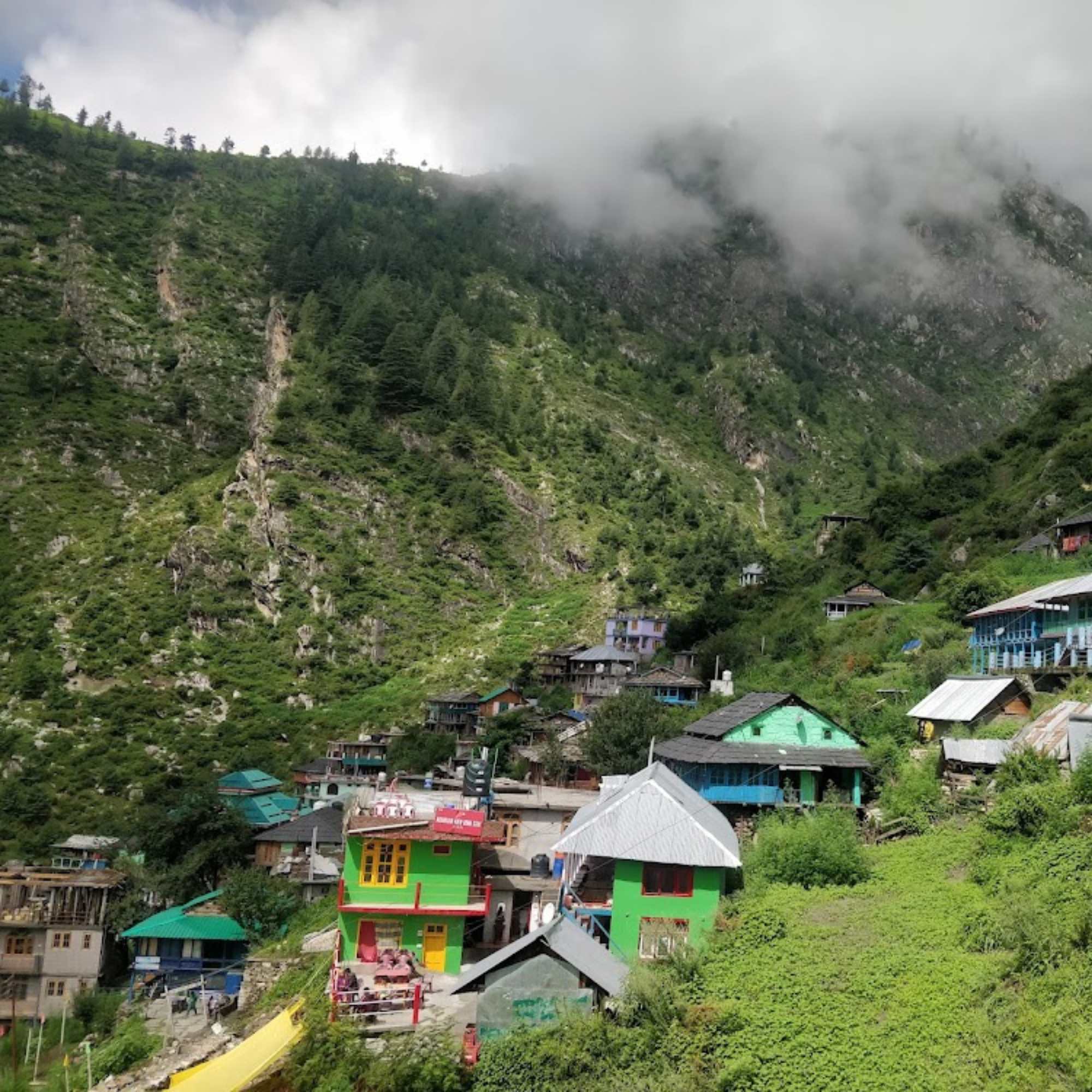
If you are tired of the same crowded Kasol cafés and want the real Parvati Valley, the good news is that the best offbeat places near Kasol are still small villages a short walk or trek away from the main road.
Most travellers never leave Kasol town. They sit in the cafés, walk the same market lane, and head back. The valley they came looking for is actually up in the villages they skipped.
We have sent hundreds of travellers into these villages over the years, and the feedback is always the same. The quiet places stayed with them longer than Kasol town ever did.
Quick Answer: Which are the best offbeat places near Kasol?
The best offbeat places near Kasol are Grahan, Rasol, Pulga, Kalga, Tulga, Kutla, Waichin Valley, Nakthan, and Rudranag.
Chalal and Tosh are still beautiful, but they have become popular and busy, so they no longer feel as hidden as before.
If you only have 2 days, the nearby villages are enough. For Grahan, Kutla, Waichin Valley, or the Kheerganga side, give yourself 4 to 5 days so you are not rushing the treks.
If you would rather have someone handle stays and transport, our Kasol tour packages are built around these villages, not just Kasol town.
Why should you go beyond Kasol town?
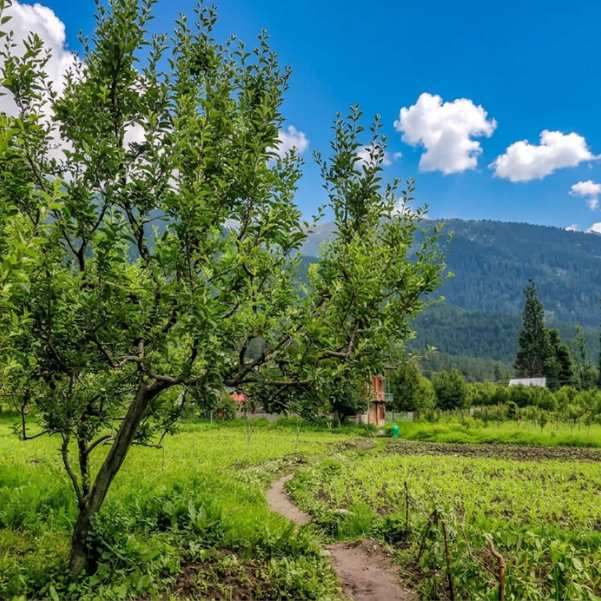
Kasol town is scenic, but in peak season it gets crowded and very commercial. The lanes fill up, the cafés get loud, and the calm you came for disappears.
The real Parvati Valley feeling starts in the smaller villages around Kasol. Walk uphill for an hour and the noise drops away completely.
Here is something you should know before you go. Kasol has had real waste-management problems in recent years, and responsible travel matters here.
Authorities and the NGT acted on garbage dumping reported near Kasol and Grahan, which included a penalty of around ₹4.8 lakh. Carry your trash back. The villages cannot handle the load tourists leave behind.
What most tourists get wrong
Most people treat the villages as quick photo stops and rush back to Kasol the same day. That is exactly backwards.
The magic of these places is in staying overnight, when the day crowd leaves and you actually hear the river instead of a Bluetooth speaker.
How to choose the right offbeat place near Kasol?
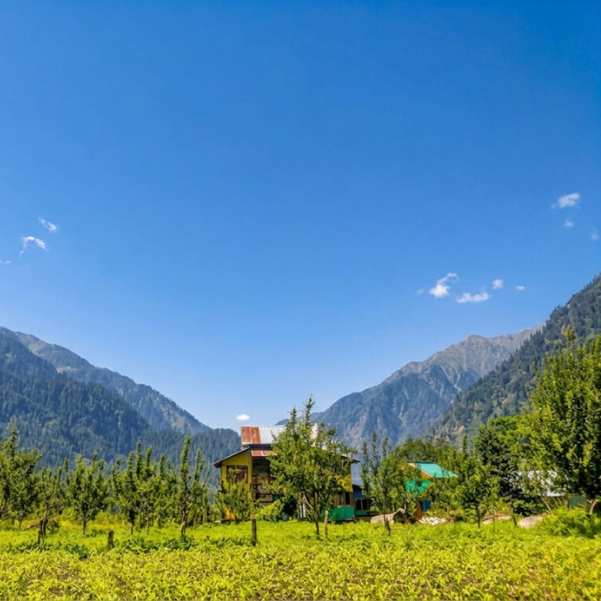
Not every village suits every traveller. Pick based on how much walking you want and what kind of stay you are after.
Best for first-timers
If this is your first trip to the valley, start with Chalal, Pulga, or Kalga.
Chalal is a short flat walk along the river. Pulga and Kalga need only a short hike after Barshaini, so you get the village feel without a hard trek.
Best for trekkers
If you want to earn your views, go for Grahan, Rasol, Kutla, Waichin Valley, or Kheerganga.
These all involve real uphill walking and are far more rewarding than the easy stops.
Best for slow stays
If you want to do nothing for a few days, Pulga, Kalga, Tulga, and Grahan are your villages.
Wooden homes, orchards, slow cafés, and long quiet evenings. This is where people end up staying three nights when they planned for one.
Best for a raw mountain feel
For the rough, untouched side of the valley, pick Rasol, Waichin, or Kutla.
These feel less set up for tourists and more like real mountain life.
Grahan Village: Is this the best hidden village near Kasol?
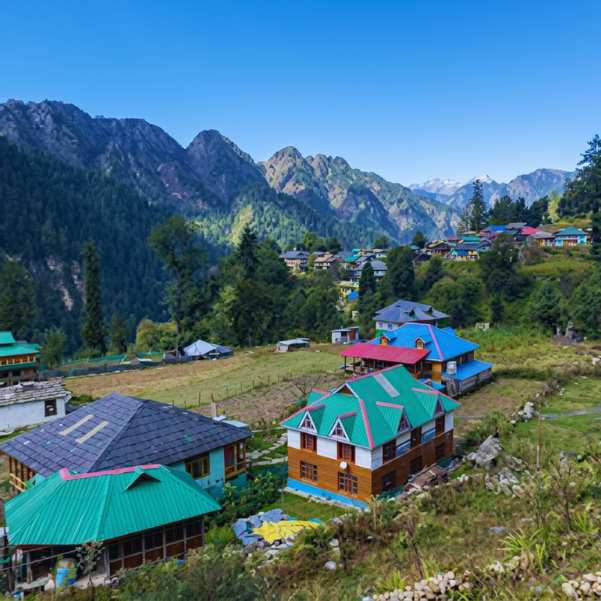
Grahan is the one village we recommend most often when someone asks for true peace near Kasol. You reach it on foot, and the walk itself is half the experience.
The trek from Kasol to Grahan is around 8 to 10 km one way and takes about 4 to 6 hours depending on your pace. The distance varies a lot between sources, so treat it as a range, not a fixed number.
Grahan sits at roughly 7,700 ft, a figure that comes from a trekking operator, so confirm it before you depend on it.
Do not try to do Grahan as a rushed day trip. By the time you walk up and walk back, you have seen the trail and missed the village.
Stay overnight instead. You get wooden homes, everyday village life, waterfalls along the way, and a real sense of why people keep coming back.
Grahan also connects with the Sar Pass route, so trekkers often use it as a base. In our experience, the people who stay a night here are the ones who fall in love with the valley.
Rasol: Is Rasol worth the uphill trek from Chalal?
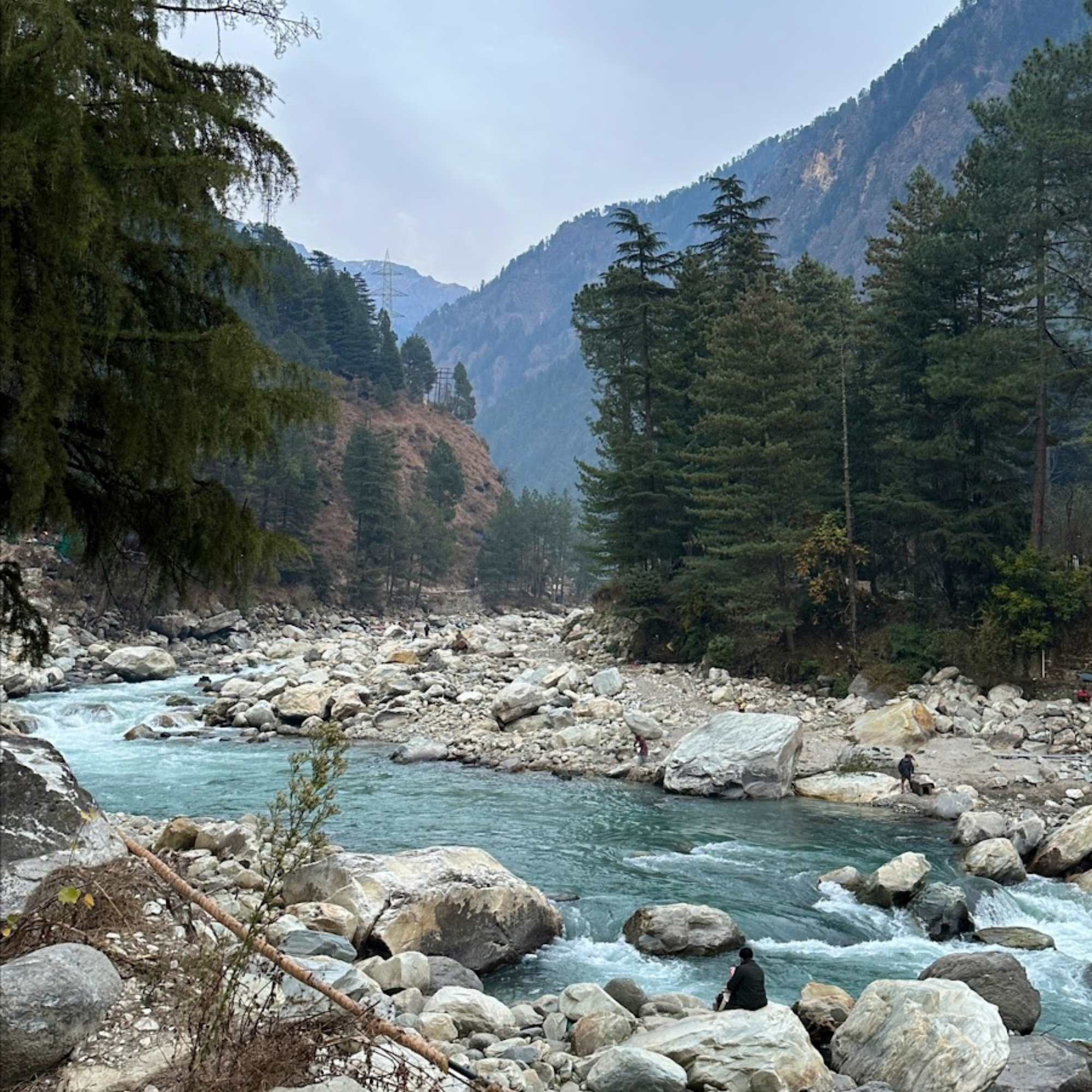
Rasol is for people who want quiet and do not mind working for it. You first walk from Kasol to Chalal, then trek uphill from there.
The climb from Chalal to Rasol takes about 3 to 4 hours. It is steep in parts, so go slow and carry water.
Two practical things matter here. There are no ATMs in Rasol, so carry enough cash before you start the climb.
Food can also cost more than in Kasol. Everything is carried up to the village by hand, so the higher price is fair, not a scam.
Rasol gives you that raw, stripped-back mountain feel that Kasol lost years ago. If silence is what you are chasing, this is it.
>>Need help planning a kasol trip? Talk to our team on WhatsApp.
Pulga: Why do slow travellers love Pulga?
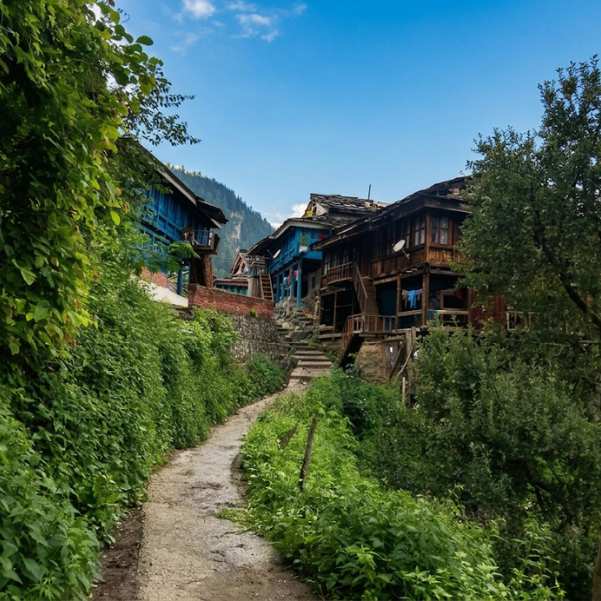
Pulga is the village people come to for two nights and leave after five. It moves slow, and it pulls you into that pace.
Pulga is about 16 to 17 km from Kasol. You usually drive up to Barshaini and then take a short hike of around 20 minutes to reach the village.
The famous Fairy Forest is here, along with apple orchards, old wooden homes, and small cafés that are happy to let you sit for hours.
This is one of the easiest offbeat places near Kasol to enjoy if you do not want a hard trek. You get the village calm without the long climb.
What we always tell our travellers is to keep Pulga for the end of the trip. After the harder treks, a couple of slow days here is the perfect way to wind down.
Kalga and Tulga: Which village should you pick?
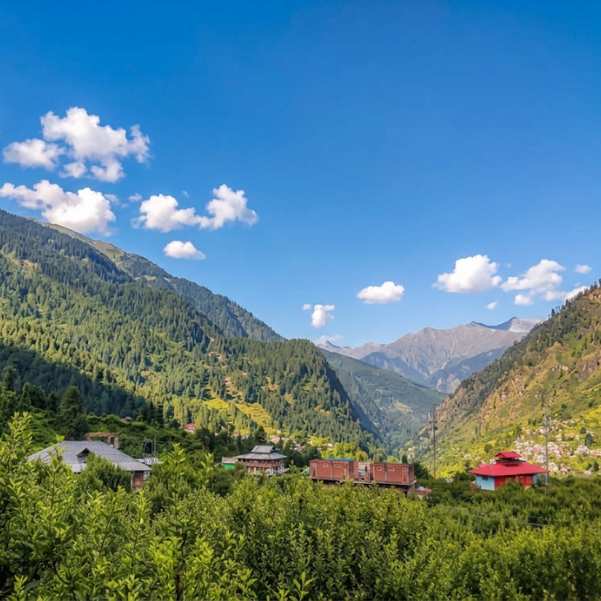
Kalga and Tulga sit close together near Barshaini, and people often confuse the two. Both are quiet, but they have a slightly different feel.
Kalga is about 17.9 km from Kasol and is reached via Barshaini plus a short hike, much like Pulga.
Kalga is the quieter, orchard-heavy choice. Apple trees, wooden guesthouses, and long views down the valley.
Tulga is smaller and simpler, the kind of place where there is genuinely not much to do, which is the whole point. We will not throw a fake distance or stay cost at you here, so confirm any exact Tulga detail yourself.
If you want a few cafés and more stay options, pick Kalga. If you want bare minimum and total quiet, pick Tulga.
Kutla and Budhaban: What lies beyond Tosh?
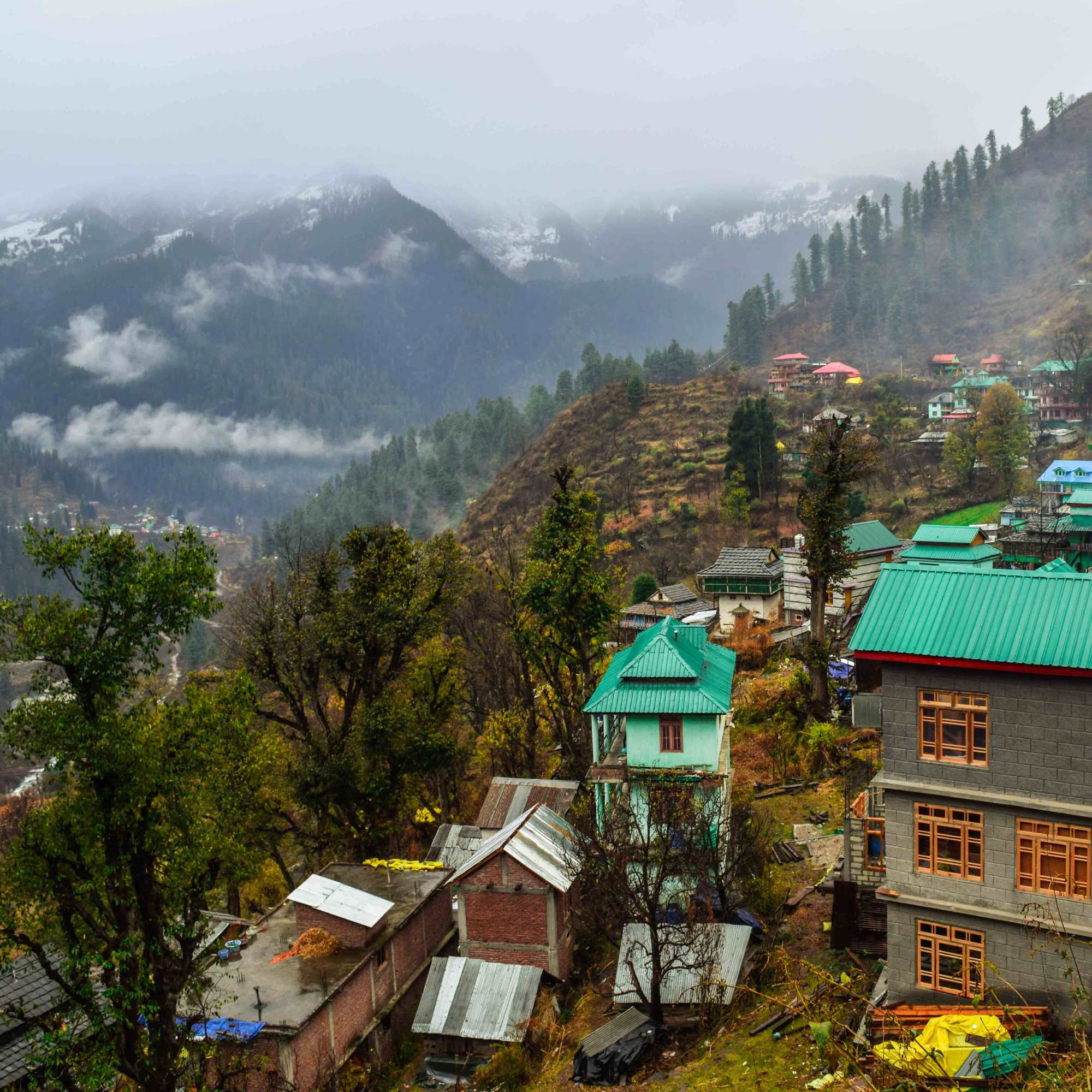
Most people stop at Tosh, take their photos, and turn back. The better experience is further up.
Tosh is about 20 km from Kasol. Holidify lists it as 20.1 km from Kasol and puts Kutla at a 2 to 3 hour trek from Tosh.
Kutla is greener, quieter, and far less crowded than Tosh, which now fills up fast in season. This is the classic case where pushing a little further pays off.
Budhaban lies beyond Kutla and you can reach it on foot. We will not invent the exact distance, so check it locally.
Skip the idea of staying only in crowded Tosh if peace is what you want. Use Tosh as a gateway and sleep up in Kutla instead. Honestly, the difference in calm is night and day.
If you are also looking at Manali on the same trip, our Manali tour packages pair well with a Parvati Valley leg.
Waichin Valley: Is Magic Valley really offbeat?
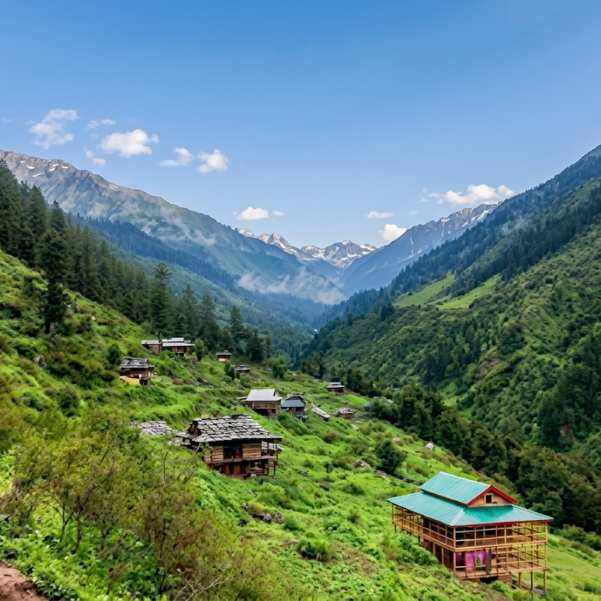
Waichin Valley, also called Magic Valley, is one of the few places near Kasol that still feels properly remote. It sits above Malana and needs a 4 km trek from Malana village.
The altitude is around 2700 m, and the meadows up here are wide open and quiet.
From the source we have, the best window is August to early November. Outside that, conditions get harder.
Food is basic here. Expect simple meals like rajma chawal, tea, and Maggi, and not much else. Carry snacks if you are picky.
One safety note we mean seriously
Do not wander the remote Waichin or Malana side trails casually after dark. The paths are lonely and easy to lose, and there is no quick help if something goes wrong.
Nakthan and Rudranag: Are these good stops on the Kheerganga trail?
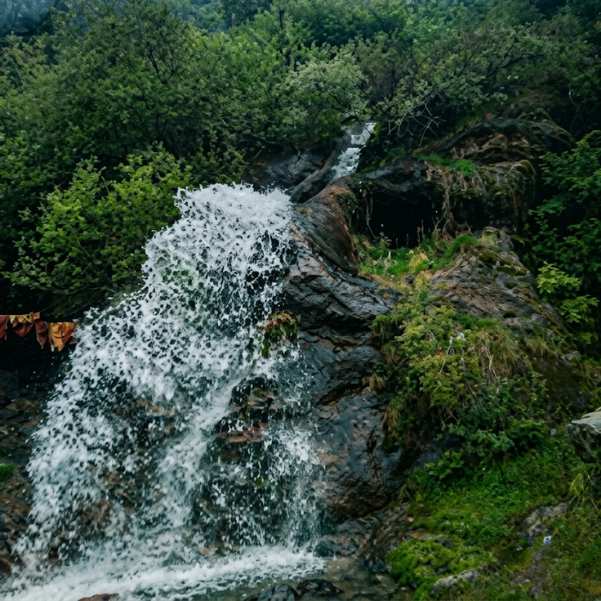
If you are doing the Kheerganga trek, you pass through some lovely stops worth slowing down for. This is one of the most rewarding routes in the area.
Kheerganga is in Kullu district and sits about 22 km from Manikaran, according to HPTDC. Barshaini is the last motorable point, so the trek starts there.
The walk from Barshaini to Kheerganga takes about 4 hours on foot, and HPTDC recommends hiring a guide. We agree, especially if it is your first time on this trail.
The route passes the Rudra-Nag waterfall, a natural break point where most trekkers stop to rest.
Nakthan is a village along the Kheerganga route and makes a nice pause, though we will not quote an exact distance for it.
Start this trek early in the day. Getting caught on the trail as light fades is the kind of mistake that turns a good day into a scary one.
If you are thinking of pushing on to higher-altitude trips after this, our Chandratal opening dates guide covers when those high passes actually open.
Chalal and Tosh: Are they still offbeat?
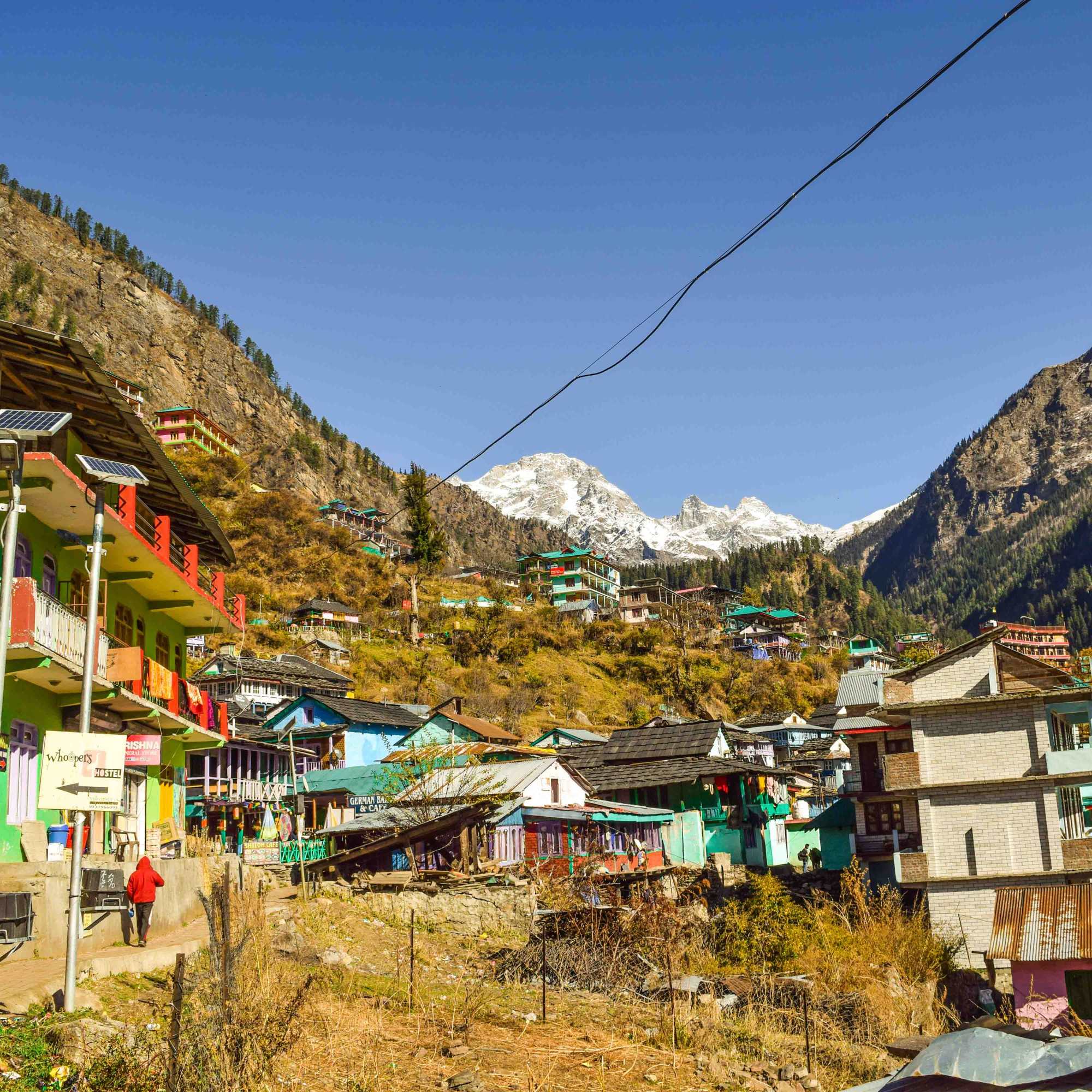
Let us be honest. Chalal and Tosh used to be the secret. They are not anymore.
Chalal is about 1.5 to 2 km from Kasol, a 20 to 30 minute walk along the river. It is still a lovely short stroll, just do not expect to have it to yourself.
Tosh is about 20 km from Kasol and sits around 2,400 m. It has guesthouses, cafés, and crowds in season.
Both are worth seeing, but think of them differently now. Chalal is a quick riverside walk, and Tosh is best as your jump-off point for Kutla, Budhaban, and Kheerganga.
Manikaran: Should it be on an offbeat Kasol list?
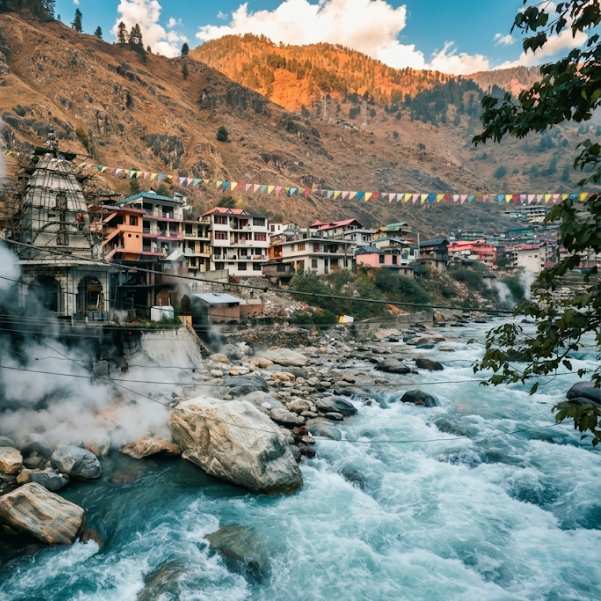
Manikaran is not really offbeat. It is busy, and everyone passes through it. But it is too important to skip.
Manikaran is around 4 to 5 km from Kasol, with one source giving 4.3 km. You can reach it in minutes by local transport.
The main draws are the Gurudwara, the natural hot springs, the temples, and the langar where you get a hot meal. It is a practical stop, not a hidden one.
We will not invent timings for the Gurudwara or langar, so check locally on the day you visit.
2-day, 3-day, and 5-day offbeat Kasol itinerary
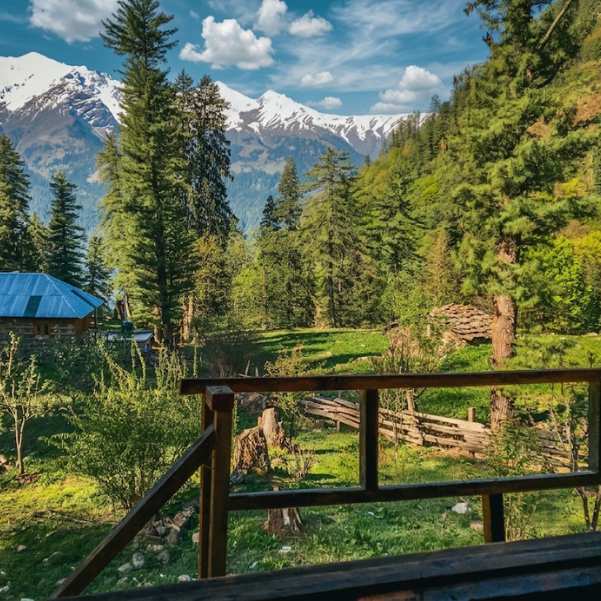
You do not need a fixed plan, but here is how we usually space things out for travellers.
2-day trip
For a 2-day trip, base yourself in Kasol, walk to Chalal, visit Manikaran for the springs and langar, and spend your second day in Pulga or Kalga for a taste of village calm.
This is tight but workable if you skip the long treks and keep it relaxed.
3-day trip
For a 3-day trip, add depth. Spend time in Kasol, do an overnight stay in Grahan, and finish with Pulga or Rasol depending on whether you want easy or a bit of climb.
The Grahan night is what makes this version special. Do not cut it.
5-day trip
For a 5-day trip, you can do the full spread. Kasol, Grahan, then Pulga, Kalga, or Tulga for slow days, then Tosh and up to Kutla.
Finish with either Waichin Valley or Kheerganga, based on your fitness and the road conditions on the day.
This pace gives your body time to handle the altitude and the walking without burning out.
How much does an offbeat Kasol trip cost in 2026?
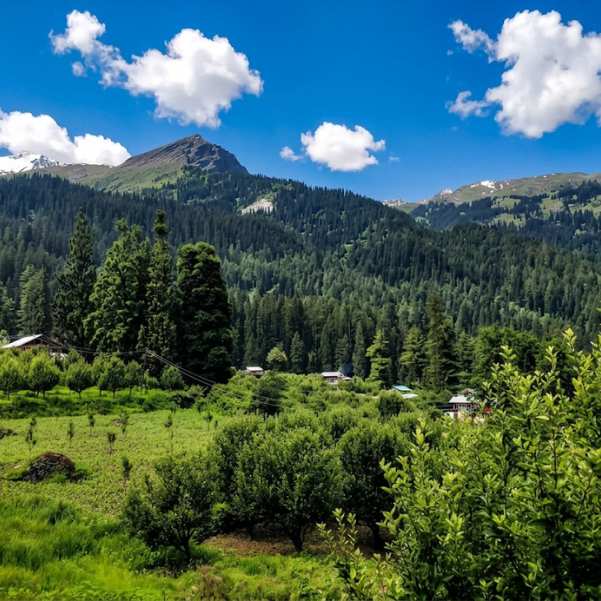
Costs here are low if you travel simple. Treat all of these as approximate and confirm before you book, since rates shift season to season.
Hostel dorms run about ₹400 to ₹700 per night. Budget guesthouses are around ₹1000 to ₹2000 per night.
Riverside camps cost roughly ₹1500 to ₹2500 per night. A café meal is about ₹200 to ₹400.
If you eat simple local food, budget around ₹600 to ₹800 per day for meals.
For transport, a taxi from Bhuntar to Kasol is about ₹1200 to ₹1500.
Here is a money tip
The local bus covers the same Bhuntar to Kasol stretch for around ₹150. If you are travelling light and not in a rush, the bus saves you over a thousand rupees.
Best time to visit offbeat places near Kasol
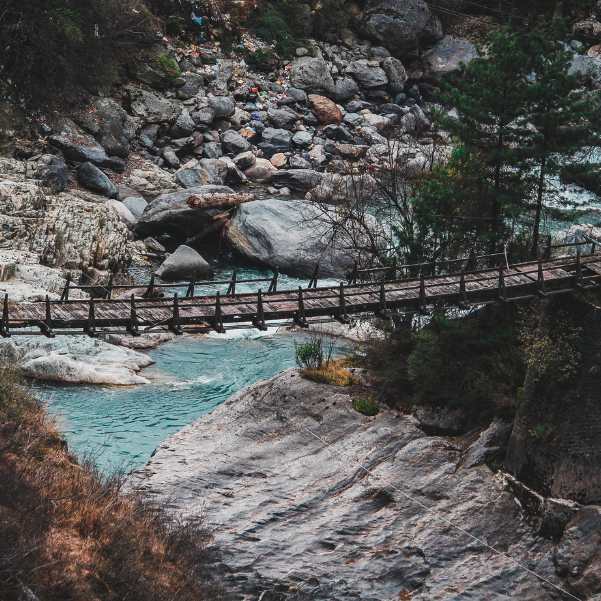
The valley changes a lot through the year, so timing matters.
March to June
It is pleasant and the most reliable window for the villages and easy treks. Days are mild and the trails are dry.
July to September
It brings the monsoon and real landslide risk. We do not advise many of these nearby places in this window, because rain makes the trails slippery and dangerous.
October to November
It gives you clear skies and colder nights. The views are sharp and the crowds thin out.
December to February
It can bring snowfall and limited access. Some villages get cut off, so plan carefully and keep expectations low.
If you are still deciding between this valley and another, our honest Jibhi or Kasol comparison breaks down which suits which kind of traveller.
2026 road, permit, and safety notes
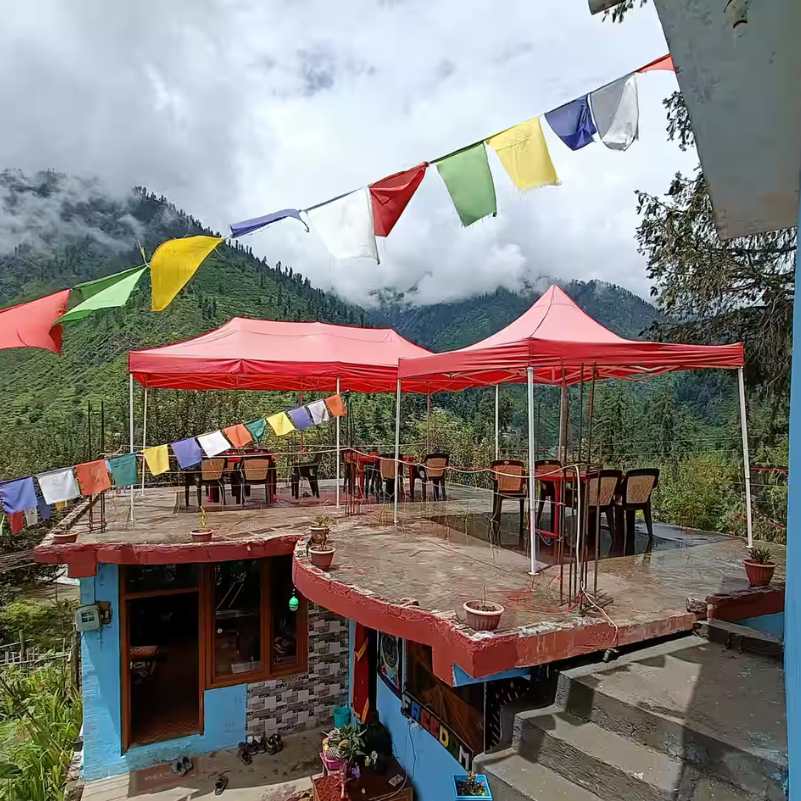
There is no general permit reported for Kasol or the Parvati Valley. Still, carry a valid photo ID at all times.
If you have read about e-Aagman, note that it applies to District Lahaul and Spiti and the Atal Tunnel, Rohtang, Koksar, Chandertal circuit, not Kasol. So do not worry about it for this trip.
For buses, HRTC allows advance online booking up to 60 days ahead, which is worth using in peak season.
Road conditions need real attention in 2026. In April 2026, The Tribune reported district regulation of heavy vehicles on the Bhuntar to Manikaran road because of narrow sections, landslides, and traffic jams.
In February 2026, a landslide blocked the Manikaran to Barshaini link road at Ghatigarh, a spot already known for landslides. Always check live road status before you leave.
Save these too. The Kullu District Emergency Operation Center numbers are 01902-225630 and 01902-225631. Keep them in your phone before you lose signal.
Local tips from a Himachal travel team
A few things make these trips smoother, and they come straight from running them ourselves.
Start early every day. The light is better, the trails are safer, and you are not racing fading daylight on the way back.
Carry cash, and plenty of it. Once you leave Kasol, ATMs are scarce or absent, and most villages do not take UPI reliably.
Do not depend fully on mobile internet. Signal drops the moment you climb, so download offline maps before you go.
Never trek alone at night, and always ask locals before taking a shortcut. The shortcuts that look smart on a map often lead nowhere good.
Respect village customs, skip the loud music, and carry your trash back down. These villages are fragile, and the way you behave decides what the next traveller finds.
If you want help shaping a plan that fits your dates and fitness, just WhatsApp us. We would rather help you plan it right than watch you struggle with something avoidable.
>>Need help building a realistic itinerary? Talk to our team on WhatsApp.
If this trip is part of a bigger Himachal loop, our Spiti Valley tour packages pair well once you are done with the Parvati side.
Explore Our Curated Kasol Tour Packages
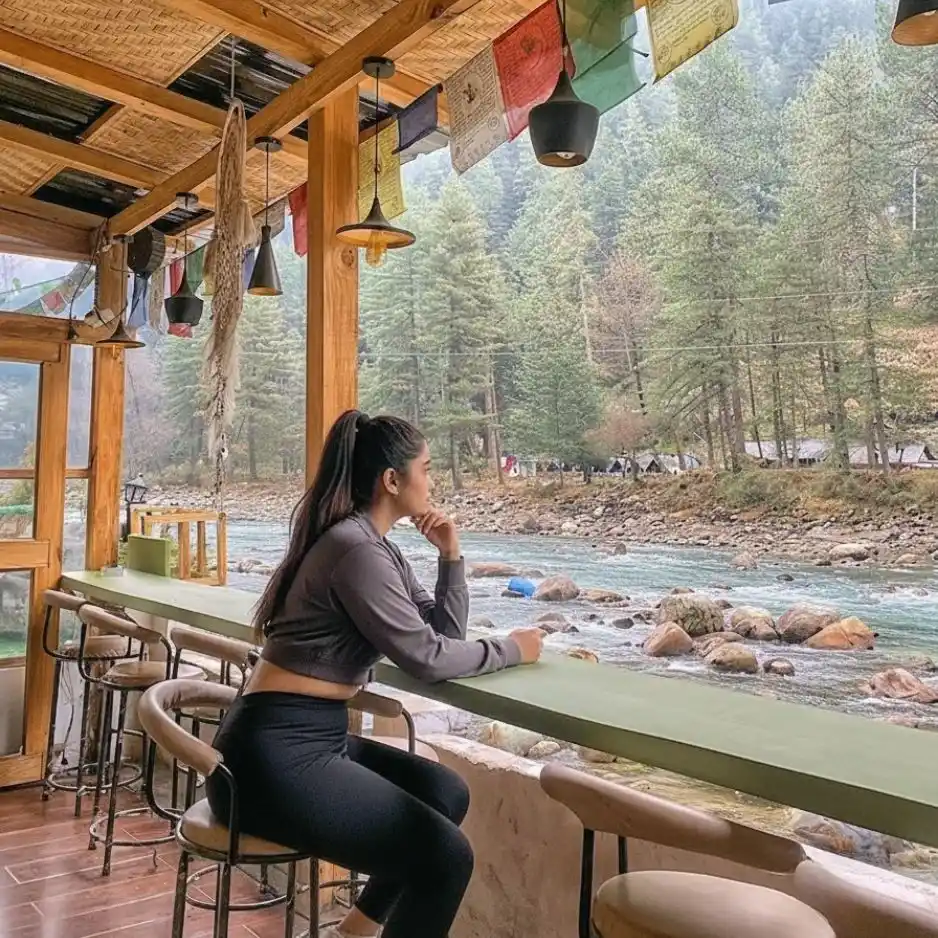 4D/3N
4D/3NPerfect Manikaran Kasol Tosh Weekend Getaway
1D Delhi•2D Kasol+1
₹15,999₹19,999SAVE INR 4,000/ person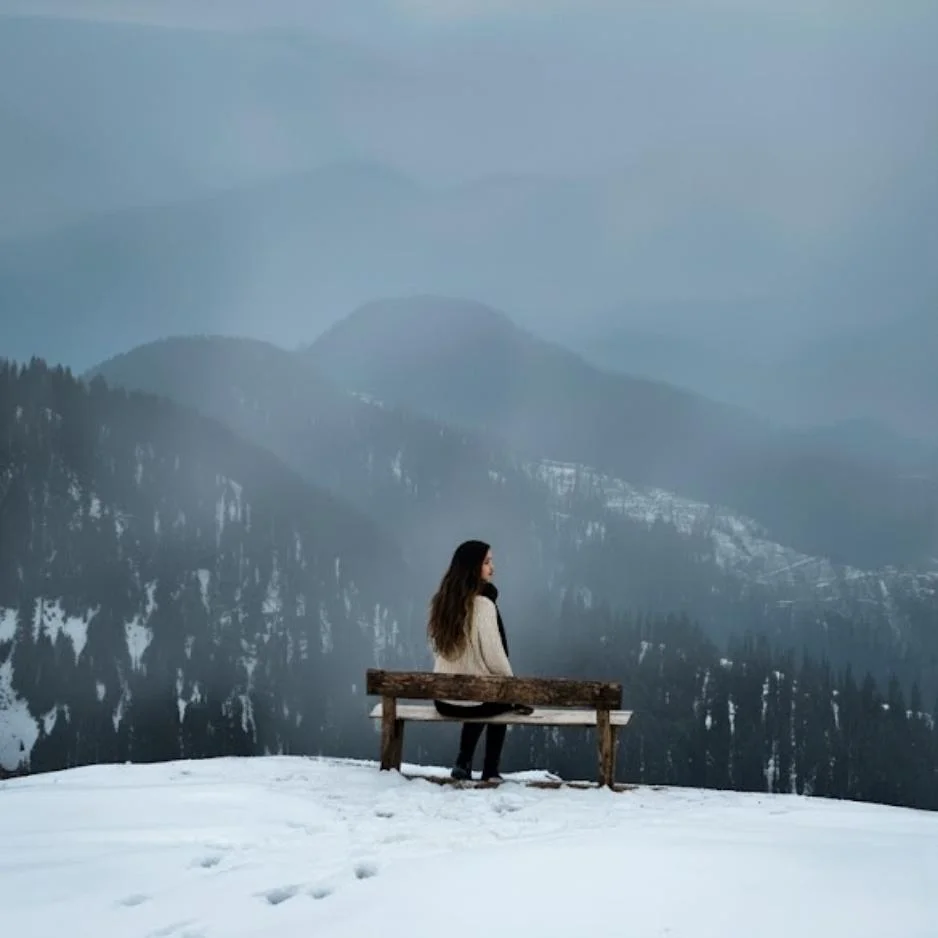 7D/6N
7D/6NManali Kasol Jibhi Valley Trip
1D Delhi•2D Manali+3
₹25,799₹32,999SAVE INR 7,200/ person 8D/7N
8D/7NManali Kasol Bir Himalayan Explorer
1D Delhi•2D Bir+3
₹21,999₹27,999SAVE INR 6,000/ person
Related topics
Frequently Asked Questions
What are the best offbeat places near Kasol?
Grahan, Rasol, Pulga, Kalga, Tulga, Kutla, Waichin Valley, Nakthan, and Rudranag are the top picks. Chalal and Tosh are pretty but busier now.
Which is the most peaceful village near Kasol?
Grahan and Rasol are the most peaceful, especially if you stay overnight after the day crowd leaves. Tulga is also very quiet.
Is Grahan village worth visiting?
Yes, it is one of our favourite recommendations. Stay a night rather than rushing it as a day trip to get the real feel.
How long is the Grahan trek from Kasol?
It is about 8 to 10 km one way and takes roughly 4 to 6 hours depending on your pace.
How do I reach Rasol from Kasol?
Walk from Kasol to Chalal first, then trek uphill from Chalal to Rasol, which takes about 3 to 4 hours.
Is Pulga better than Kalga?
Both are great. Pulga has the Fairy Forest and slow cafés, while Kalga is quieter and more orchard-heavy. Pick Kalga for deeper calm.
Is Tosh still offbeat?
Not really. Tosh is popular and crowded in season now. Use it as a base for Kutla, Budhaban, and Kheerganga instead.
What is the best time to visit offbeat places near Kasol?
March to June is pleasant, and October to November gives clear skies with colder nights. Avoid the July to September monsoon.
Do I need a permit for Kasol or Parvati Valley?
No general permit is reported, but carry a valid photo ID. The e-Aagman system is for Lahaul and Spiti, not Kasol.
Is Kasol safe for solo travellers?
It is generally fine, but do not trek alone at night, carry cash, and tell someone your plan since signal is patchy.
Which offbeat places near Kasol can I cover in 2 days?
In 2 days you can do Kasol, Chalal, Manikaran, and either Pulga or Kalga at a relaxed pace.
When should I avoid visiting Kasol?
Avoid July to September because monsoon rain makes the trails slippery and brings landslide risk on the approach roads.
More about Kasol
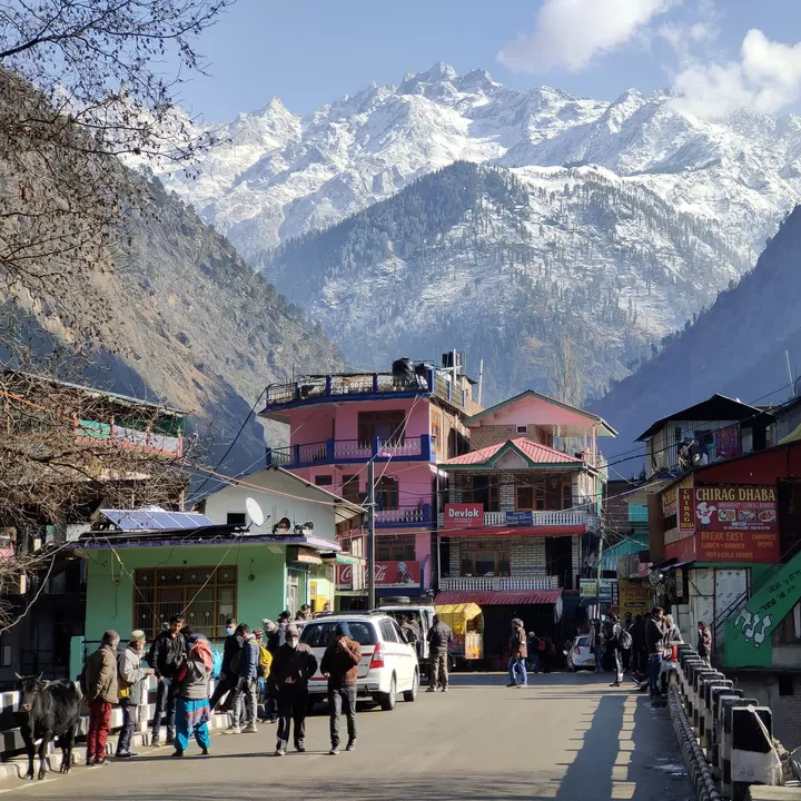 Kasol
KasolShimla Manali Kasol Itinerary 2026: 7, 8 and 9 Day Routes Without Rushing
Plan a relaxed Shimla Manali Kasol itinerary for 2026 with practical 7, 8 and 9 day routes covering Himachal’s key sights without rushing between destinations.
- Itinerary
- Places to Visit
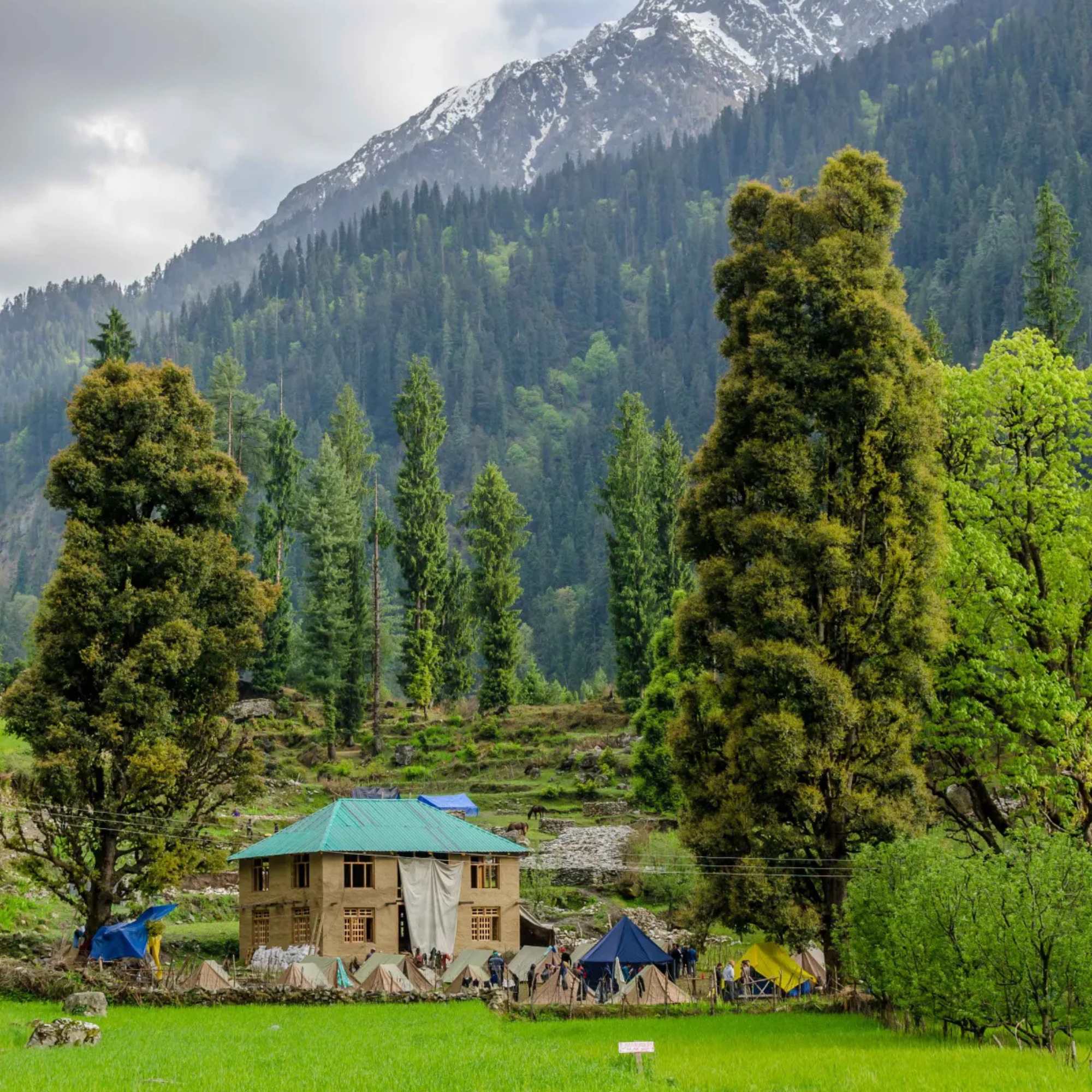 Kasol
KasolRasol Village Trek From Kasol 2026: Route, Distance & What to Expect
Planning the Rasol Village Trek from Kasol in 2026? Explore the complete trekking route, distance, difficulty level, stay options, and essential travel tips to experience one of Parvati Valley’s most peaceful and offbeat Himalayan villages.
- Things to Do
 Kasol
KasolKalga, Pulga & Tulga Villages in 2026: The Offbeat Side of Parvati Valley
A Himachal Pradesh travel expert or experienced Parvati Valley trek guide with firsthand knowledge of Kalga, Pulga, and Tulga. The content should provide practical insights on trekking routes, homestays, local culture, seasonal travel, and hidden attractions, helping readers plan an authentic offbeat Himalayan experience with confidence.
- Places to Visit