
Rasol Village Trek From Kasol 2026: Route, Distance & What to Expect
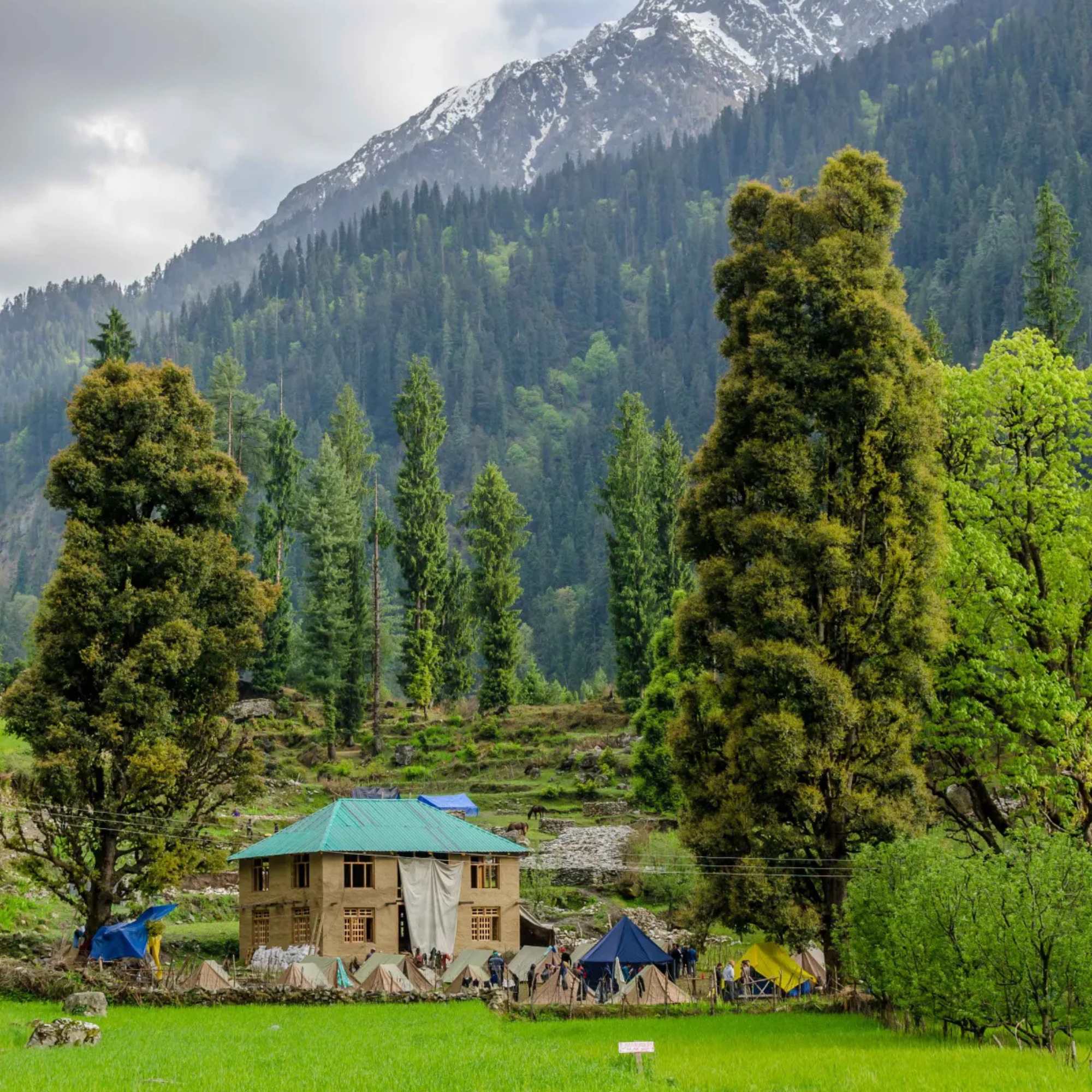
The Rasol village trek is the kind of climb most people in Kasol talk about but only half of them actually finish.
It looks short on paper. Then the section after Chalal turns into a steady uphill grind that catches a lot of first-timers off guard.
We have sent plenty of travellers up this trail over the years, and the feedback splits into two camps. The ones who started early loved it. The ones who left Kasol after lunch struggled.
This guide by Travel Coffee gives you the honest version. Real route, real distance confusion sorted out, and what the village is actually like once you get there.
Quick Answer: How is the Rasol Village Trek from Kasol?
The Rasol village trek is an uphill climb from Kasol that goes through Chalal first, then up to Rasol village in Parvati Valley.
The practical distance is roughly 5 to 8 km one way, depending on where you start and how the route gets measured.
It usually takes 3 to 5 hours uphill, depending on your fitness, the weather, and how many breaks you take.
There is no road to Rasol. You reach it only on foot, which is exactly why it stays quiet and feels like a proper village instead of another café strip.
This trek suits travellers who want a calm Parvati Valley village experience away from the Kasol crowd.
>>Need help planning the right route and timing? Talk to our team on WhatsApp.
Rasol Village Trek at a Glance
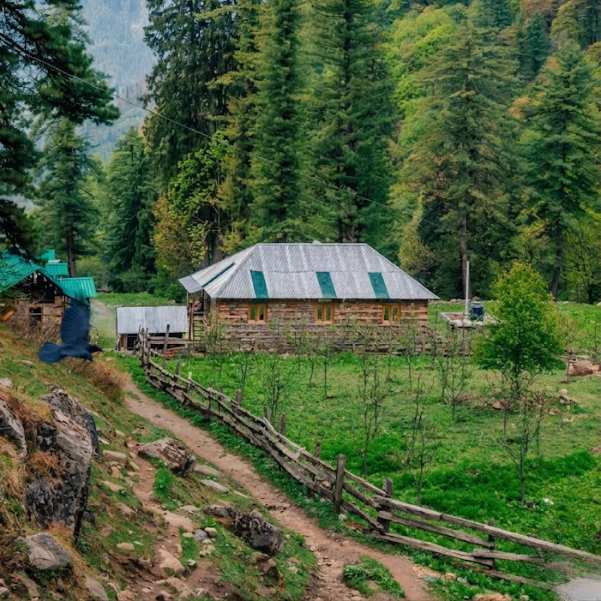
The route is simple to remember. You go Kasol to Chalal to Rasol, and the climbing part only really begins after Chalal.
The distance is where things get messy. Online sources do not agree at all.
Holidify lists Rasol as about 5 km from Kasol. Hosteller and several package pages say 8 km one way.
Package pages often list the full trek as 16 km both side, which is the round trip number.
So which one do you trust? Honestly, none of them perfectly. The useful planning answer is to keep 3 to 5 hours aside for the uphill climb and not rush the descent.
The trek is easy to moderate, sometimes called moderate, because the stretch after Chalal is steep and tiring.
Best months also vary by source. April to June, September to November, October to December and April to October all show up in different guides.
The altitude is commonly listed around 3,000 m, but published numbers conflict, so verify it before relying on it for any altitude planning.
Stays are basic. Rasol has simple backpacker guesthouses, while Chalal and Kasol give you more choice and comfort.
Where is Rasol Village?
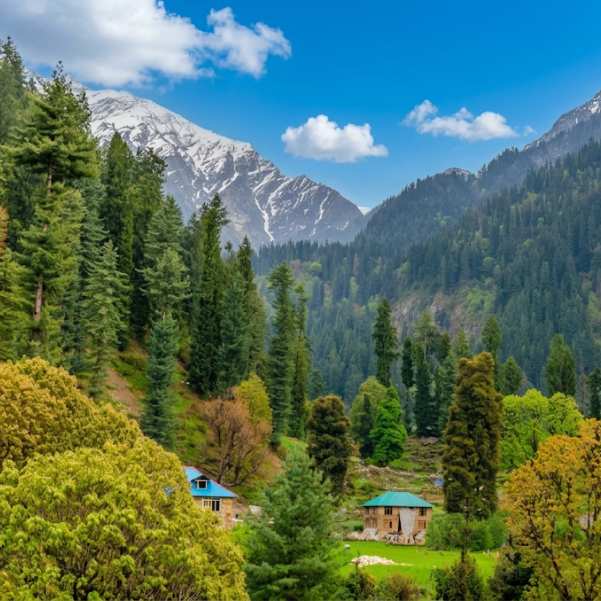
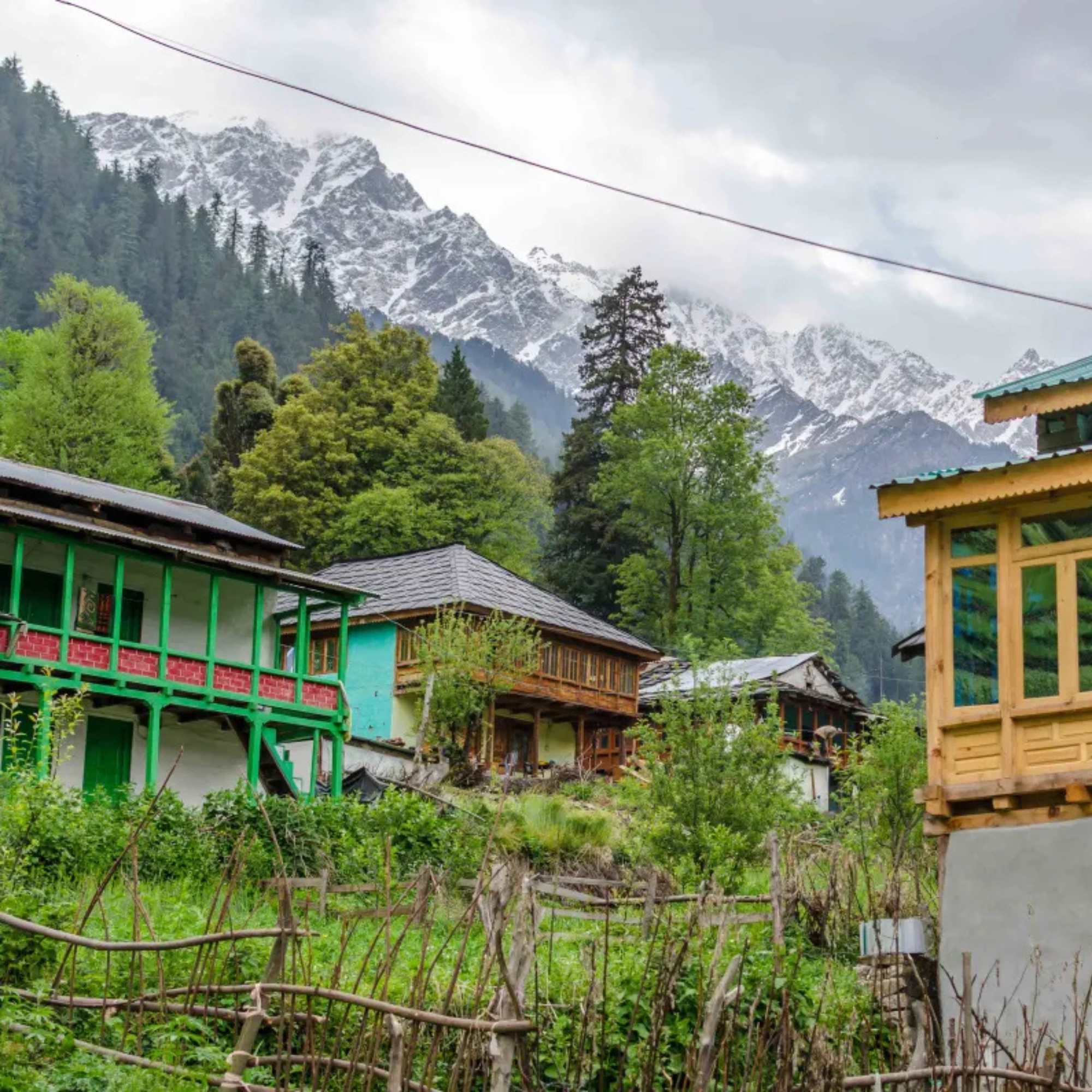
Rasol sits above Chalal and Kasol in Parvati Valley, Himachal Pradesh. It is higher up the mountain, tucked into the forest, with the valley dropping away below it.
Kasol is your practical base for everything. Food, transport, ATM, stays. You sort all of that out in Kasol before you climb.
You reach Rasol only by walking. No car, no bike, no auto can get you there.
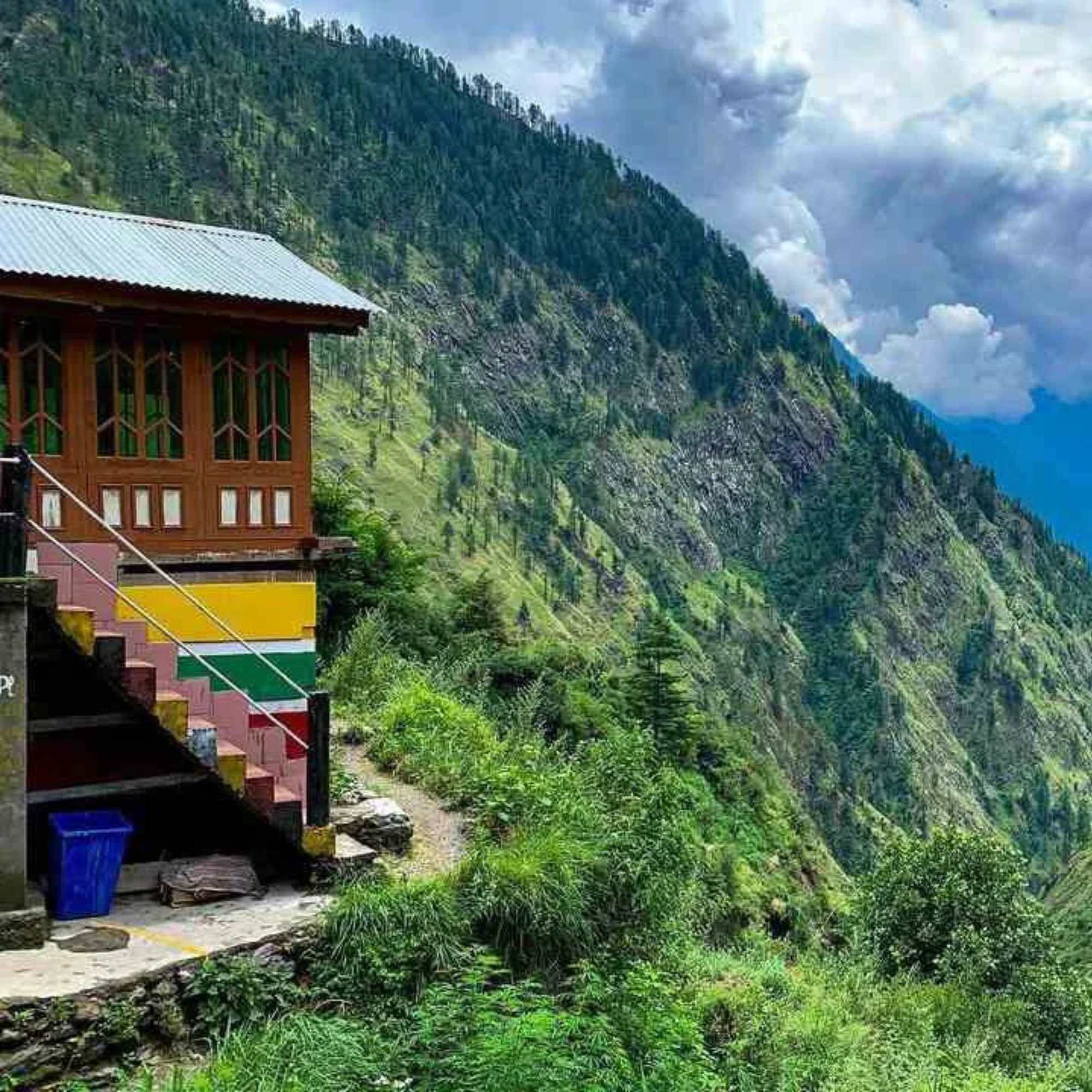
It is a quiet village with wooden houses, a local temple with its own rules, and mountain views that open up as you climb higher.
If you want someone to handle the logistics around your base, our Kasol tour packages come with local stays and a team that actually picks up the phone.
Why Does the Kasol to Rasol Trek Distance Differ Online?
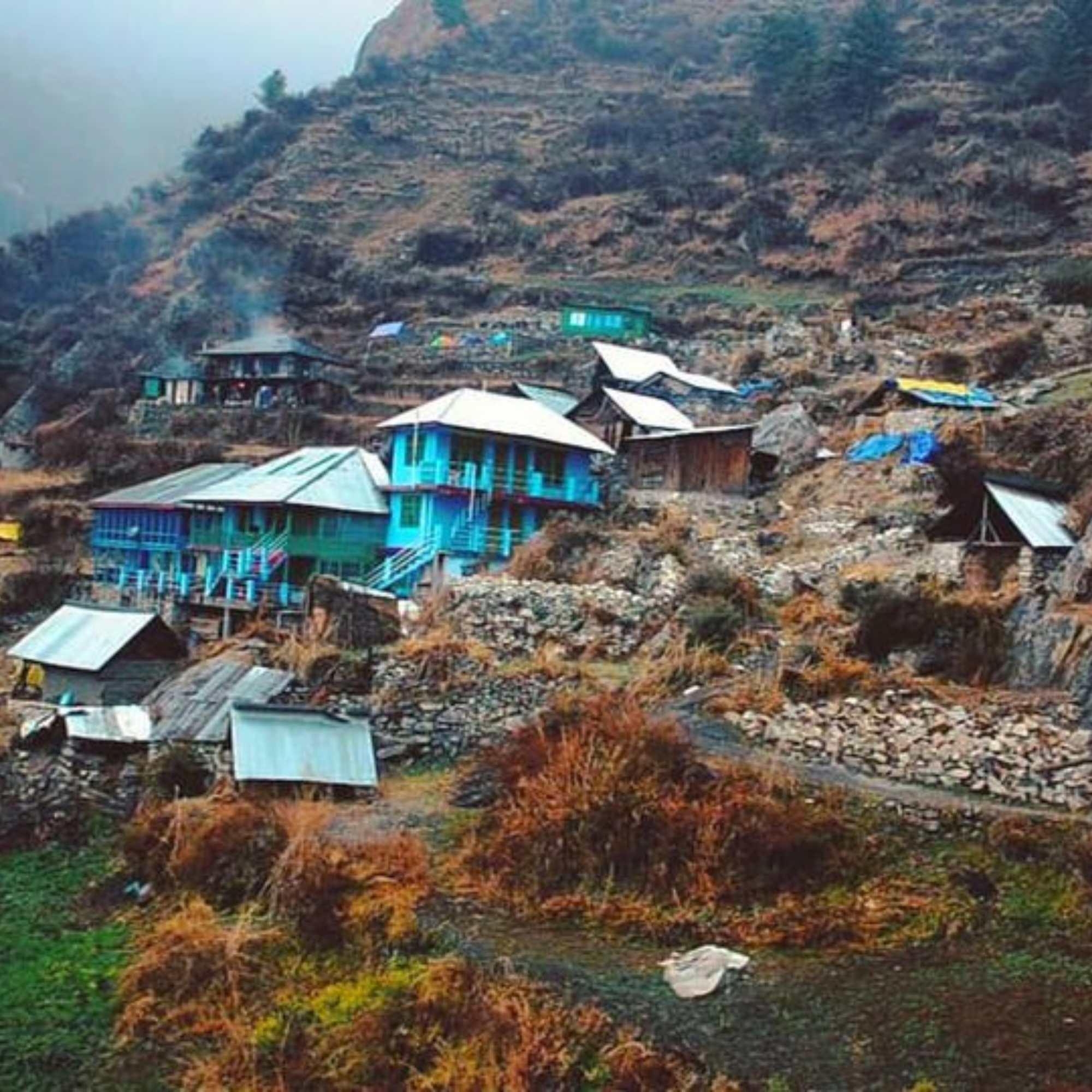
Here is what most blogs get wrong about the distance. They all measure from different starting points and then argue about who is right.
Some people count from Kasol market. Some count from their hostel. Some start counting only from Chalal.
Some measure just the climb. Others measure the full return trek. That is why you see numbers from 5 km all the way to 16 km.
Meet Us on the Road describes Kasol to Chalal as around 1.5 to 2 km, and Chalal to Rasol as about 3 km with roughly 700 m of vertical climb.
Hosteller lists 8 km one way. Holidify lists about 5 km. Chalo Kasol and Thrillophilia list 16 km both side.
We are not going to hand you a fake exact number to look confident. What we tell our travellers is to plan the day by time, not distance. Time is what actually decides whether you make it back in daylight.
What is the Exact Route from Kasol to Rasol?
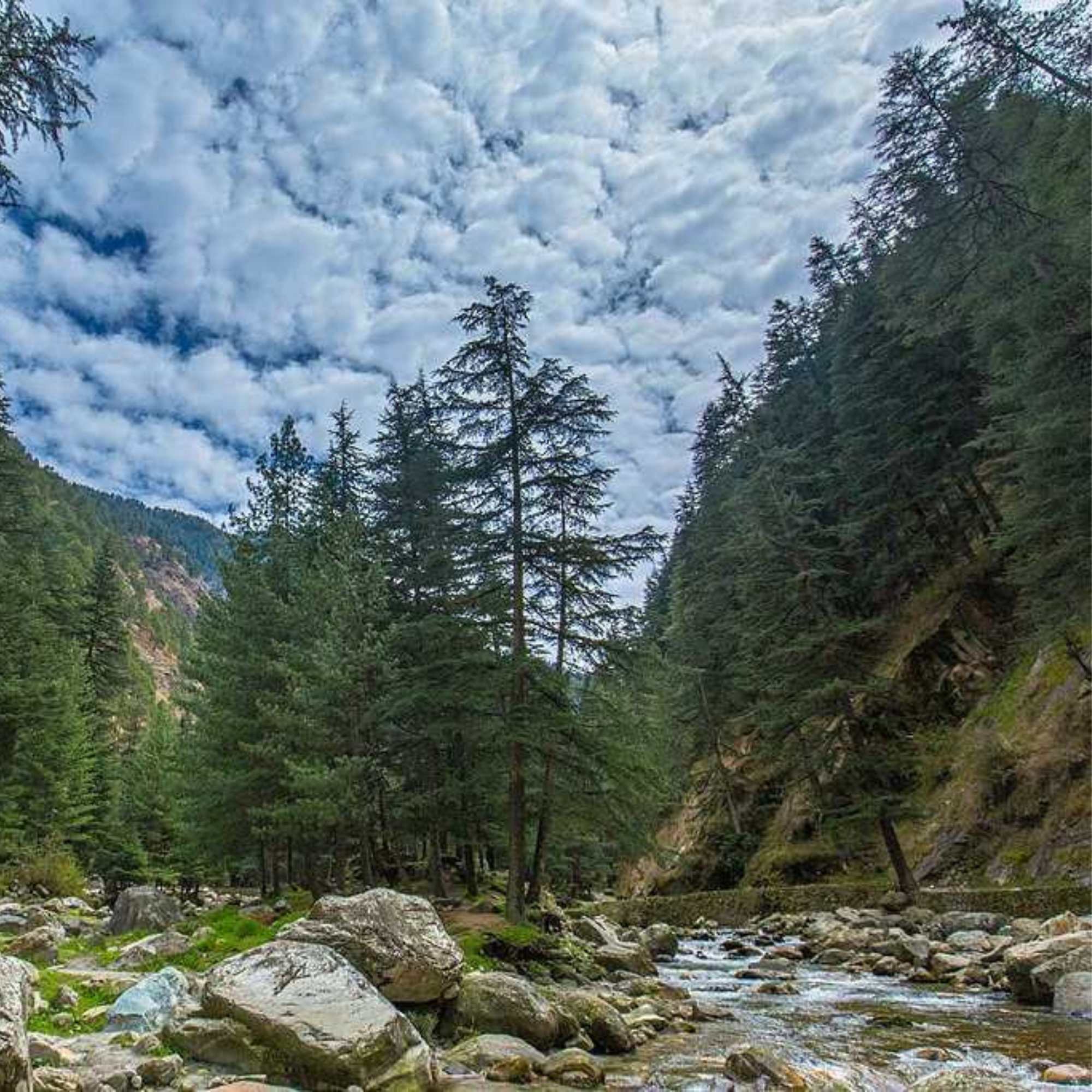
Kasol market to Kasol bridge
Most people start from Kasol market and head towards the Chalal side, crossing over the Parvati River.
This first bit is flat and easy. You are just walking through town and getting to the riverside trail.
Kasol to Chalal riverside walk
This is the gentle opening stretch and a nice warm-up. Sources put it at about 25 to 60 minutes depending on where you start and how fast you walk.
Chalal has cafés and stays, so it works well as a breakfast or water stop before the hard part.
In our experience, a proper breakfast in Chalal makes a real difference. The climb after this point is not the place to be running on an empty stomach.
Chalal village to the Rasol climb
The actual climb starts once you leave Chalal. This is where your legs start to notice.
Traveller accounts and guides mention a temple or a sign-marked route near Chalal as a key checkpoint to look for.
One thing to be careful about. Do not touch or enter any temple space unless a local clearly says it is fine. Local customs here are strict and worth respecting.
Forest trail, steep sections and midway breaks
The trail goes through forest, with rocky patches, small streams to cross, and some genuinely steep sections.
Carry your own water even if small stalls are sometimes running. Supply up here is never guaranteed.
Final approach to Rasol village
Near the top you reach the wooden houses and the quiet village lanes of Rasol.
The last part can feel tiring because of the climb, so slow down. Do not walk into private homes, temple areas or fields without asking first.
How Difficult is the Rasol Village Trek?
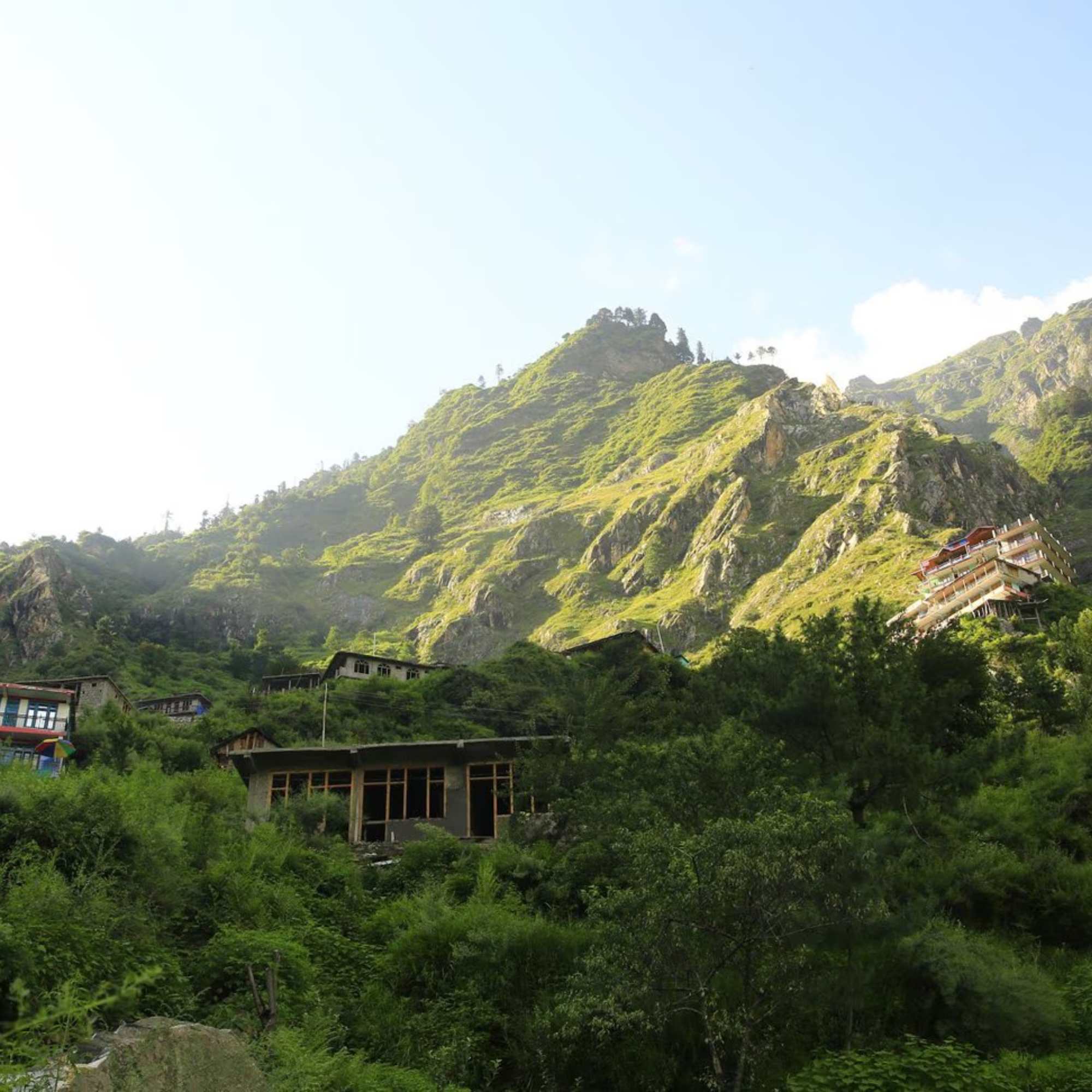
Rasol is not a technical trek. You do not need ropes, gear or trekking experience to attempt it.
But it is not just a casual stroll either. It is easy until Chalal, then it becomes a steady uphill climb that tests your stamina.
Fit beginners can do it. Start early, wear proper shoes, carry water, and do not trek after dark.
Here is the honest negative most blogs skip. The descent is harder on your knees than the climb. If the trail is wet, it gets slippery and slow, and a lot of travellers underestimate this part.
Can You Do Rasol Trek in One Day?
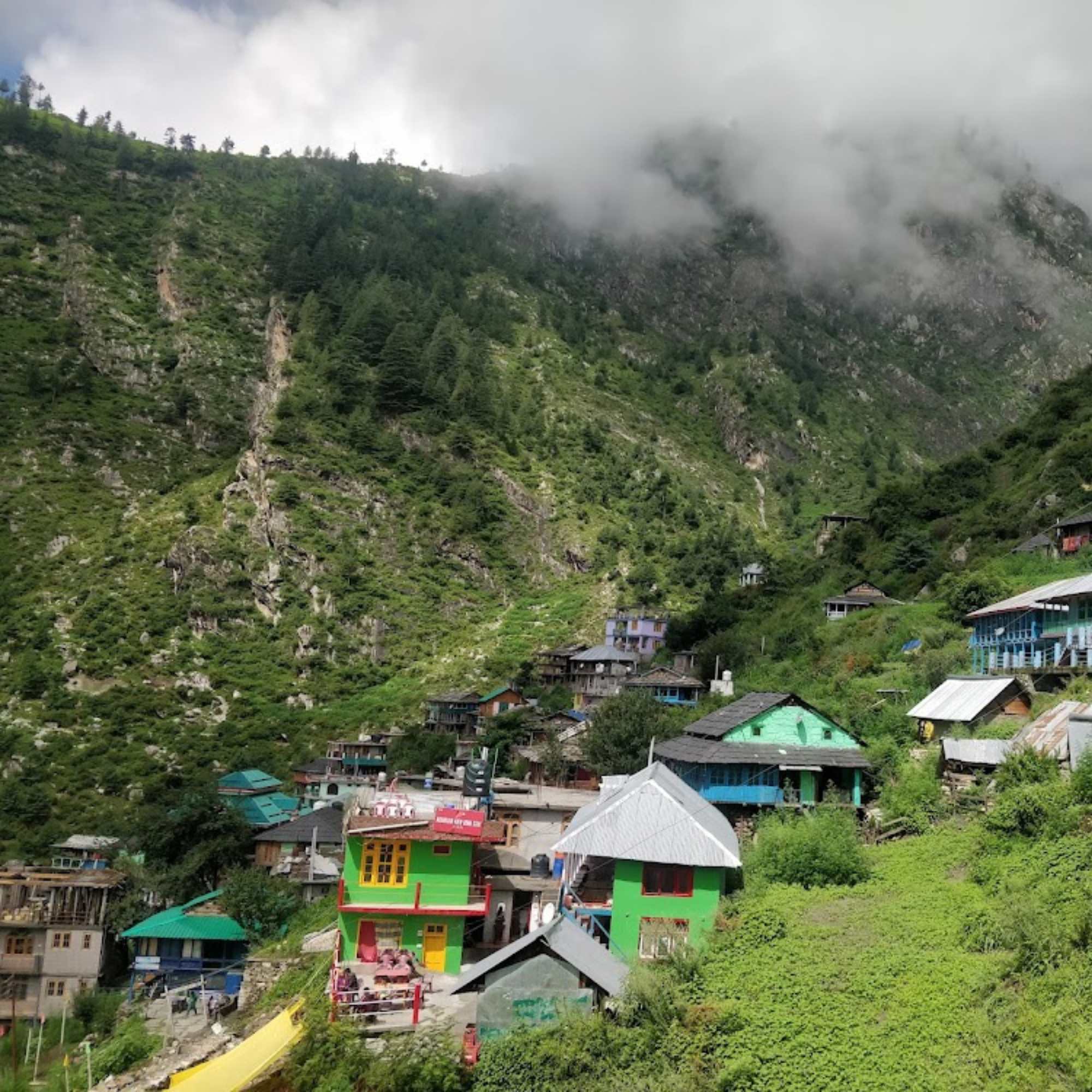
Yes, you can do Rasol in one day if you start early from Kasol and get back down before dark.
The flow is simple. Have breakfast in Kasol or Chalal, climb to Rasol, take a short break in the village, then descend in daylight.
We will not invent exact start and end times for you. Just aim for an early morning start, a short afternoon stop, and a descent before sunset.
Overnight is the better option if you want sunrise, slow village time, and less rush.
A late start after noon is a bad idea unless you are staying the night. You do not want to be climbing down a steep forest trail in fading light.
Where to Stay in Rasol, Chalal or Kasol?
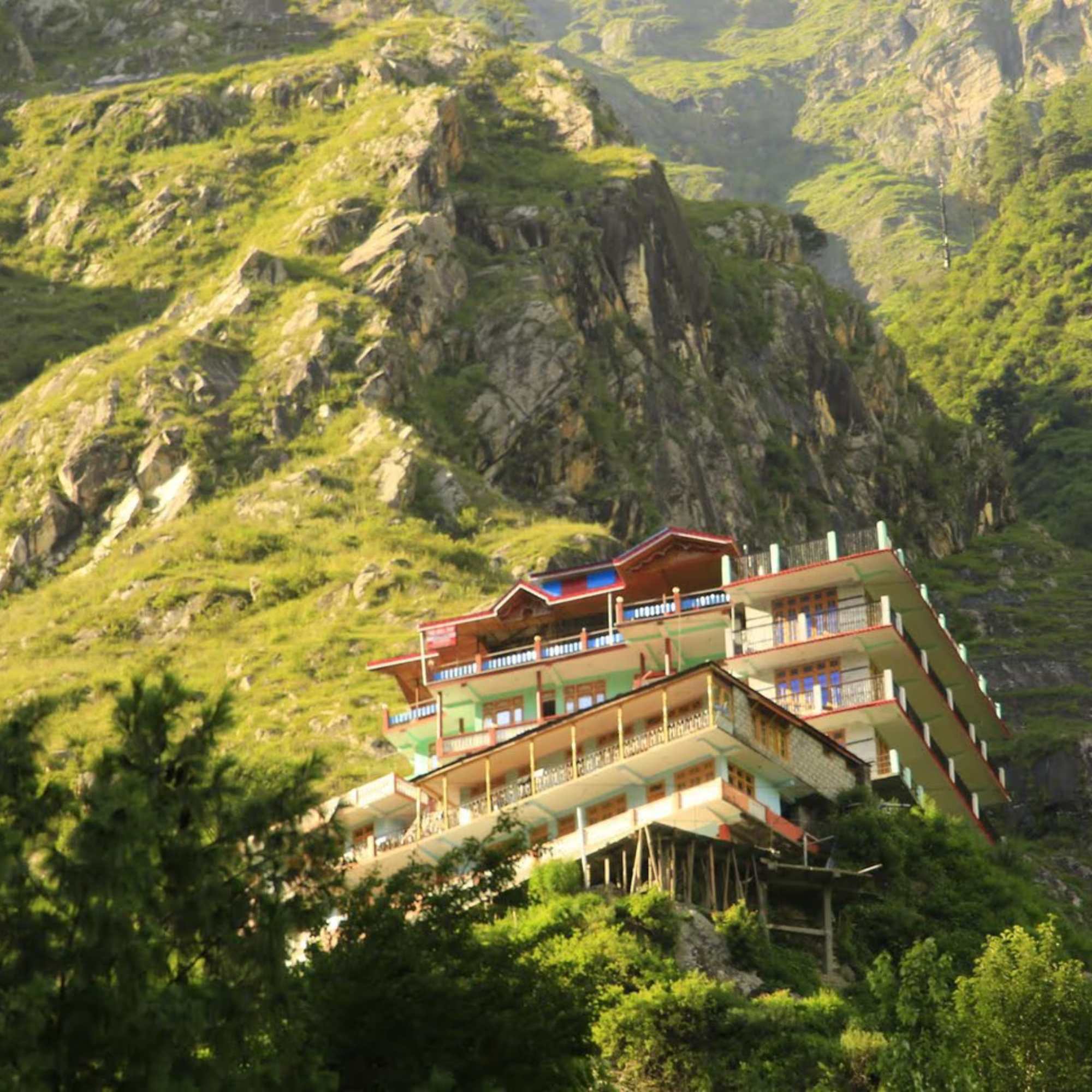
Rasol has basic backpacker stays, homestays and guesthouses. Expect simple rooms, basic beds, shared facilities in some places, and fewer comfort options than Kasol or Chalal.
Chalal and Kasol give you far more choices if you want better rooms, easier booking, cafés nearby and more comfort.
Some Rasol stays may not always be available online, so carrying cash is smart because you may need to pay directly on the spot.
For rough 2026 planning, Chalal dorms or hostel beds can start around ₹700 to ₹1,200 per night, depending on season and availability. Chalal private rooms are usually safer to budget at around ₹1,500 to ₹2,500 per night.
In Kasol, basic private rooms often start around ₹1,500 to ₹2,000 per night, while better rooms, riverside stays and more comfortable properties can run around ₹3,000 to ₹4,000 or more.
Food, Water, ATM and Network on the Rasol Trek
Sort your cash out in Kasol. Thrillophilia lists Kasol as the last ATM point, so do not assume you will find a machine higher up. There isn't one.
Food in Rasol can cost more than in Kasol. That is simply because everything has to be carried up the mountain by foot.
One Tripoto traveller reported no network and no electricity at their Rasol stay. Carry a power bank and tell someone your plan before you start climbing.
We are not saying there is never any network in Rasol. Just that it is patchy and you should not rely on it.
What we always tell our travellers is to screenshot the route and any contact numbers before you leave Kasol, while you still have signal.
What to Expect in Rasol Village
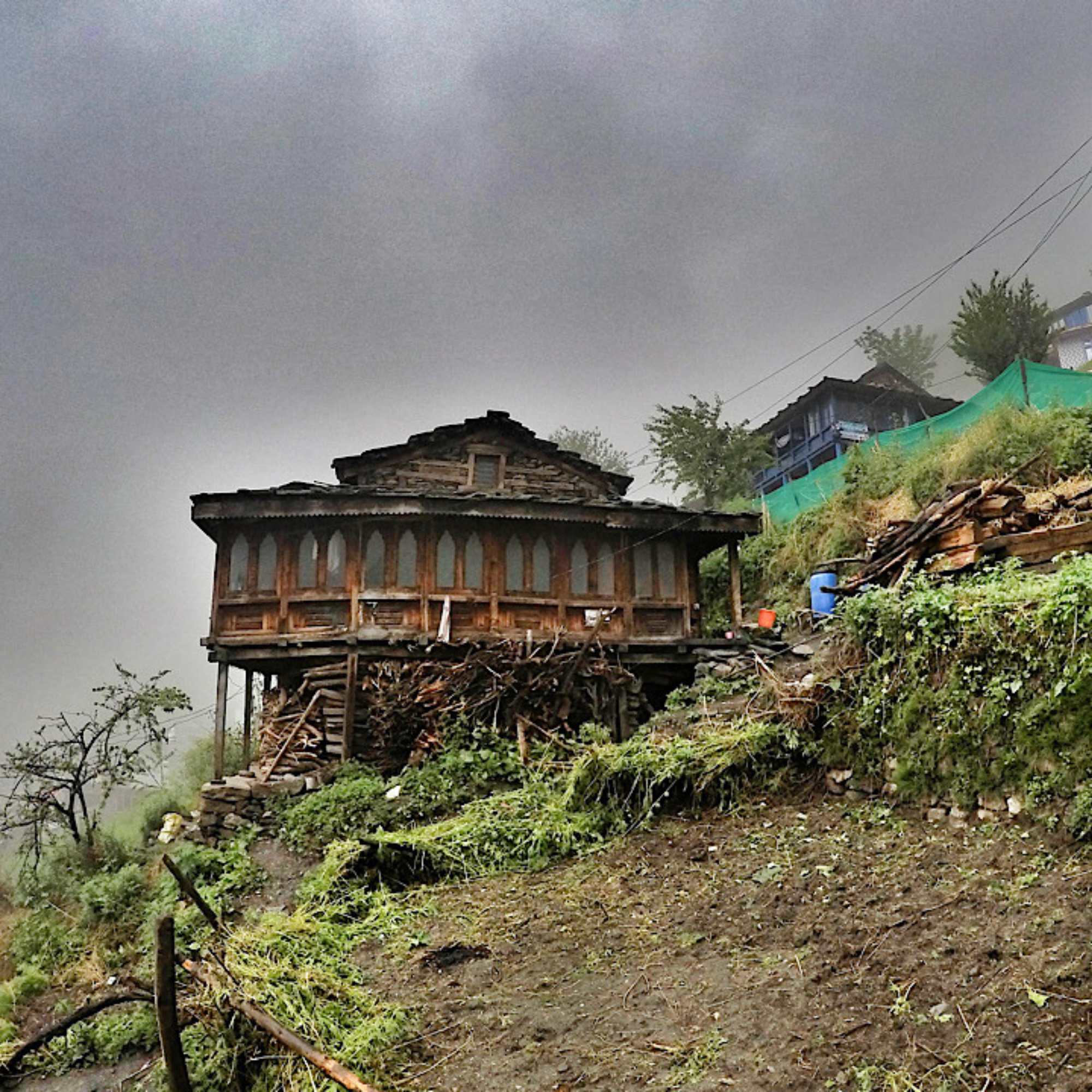
Rasol is a small, traditional village. Wooden houses, a local temple, quiet lanes, and strong local customs that you are expected to respect.
Holidify says the village has around 75 to 100 wooden houses. It is small, and you will feel that.
Locals here can be cautious about outsiders and protective of their personal space. This is their home, not a tourist set.
Temple etiquette matters a lot. Some travel sources mention a ₹2,000 fine for entering temple premises, but rules can change, so ask locally and stay outside unless someone invites you in.
Ask before photographing any local. A quick word goes a long way and keeps the village welcoming for the next traveller.
One clear point. Possession of cannabis is illegal in India. Do not get yourself into legal trouble chasing something that can ruin your whole trip.
Best Time for Rasol Village Trek in 2026
April to June
It is the most comfortable trekking window. Clearer weather, longer daylight, and an easier climb overall.
September to November
It is usually a good post-monsoon window, but check current road and weather conditions before you commit.
Some sources also suggest October to December or April to October. The thing to remember is that winter brings cold and shorter days.
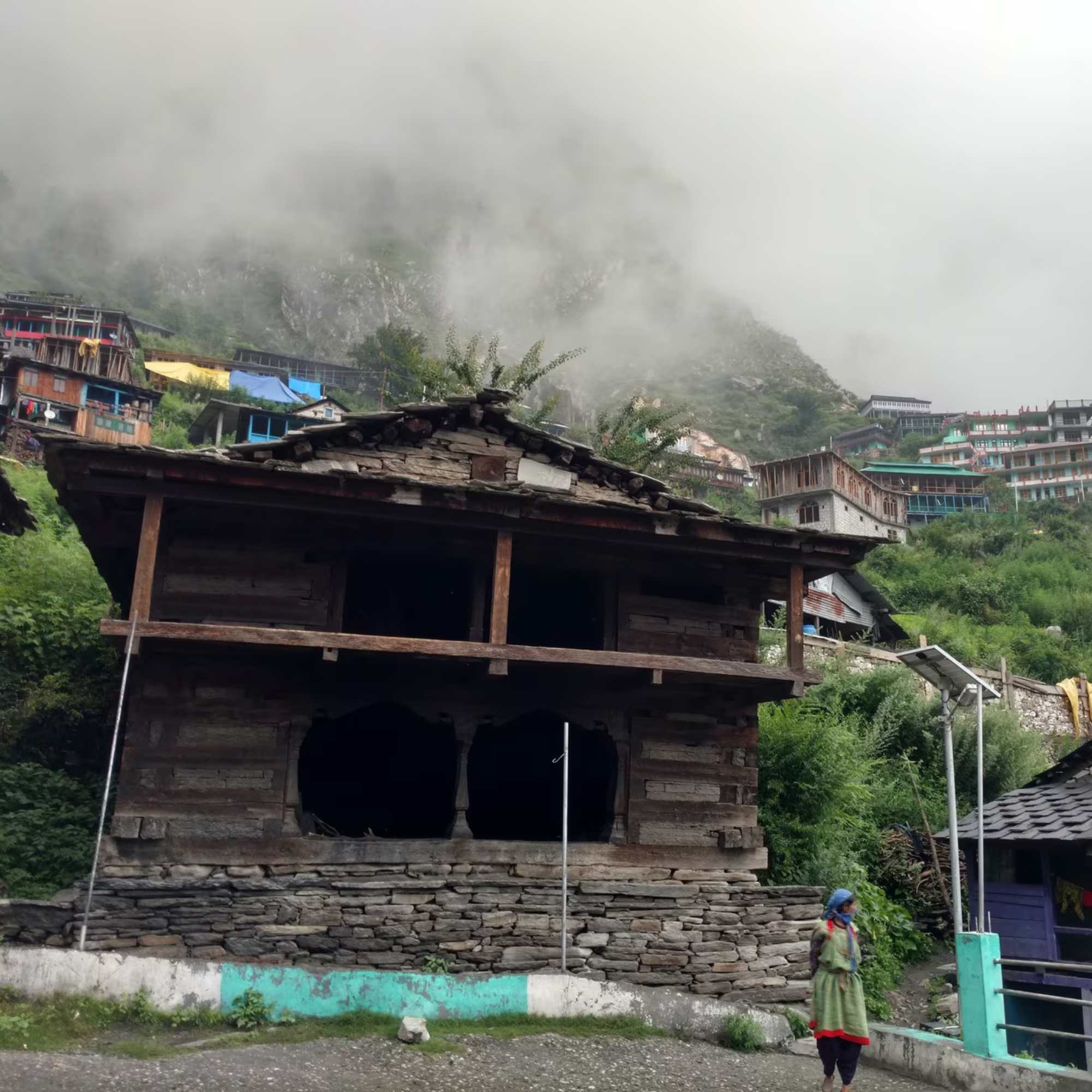
Monsoon from July to September makes the trail slippery. Dreams Yatri notes the monsoon greenery looks great but the trails get slick, so take extra care in the rain.
Winter can bring possible snow and proper cold. Daylight is short, which cuts into your safety margin on the climb.
2026 Road and Travel Updates for Parvati Valley
Rasol is a foot-only village, so the trail itself does not have a road problem. The road issues affect getting to Kasol and combining other Parvati Valley spots.
In February 2026, a landslide at Ghatigarh on the Manikaran to Barshaini road disrupted tourist movement towards Barshaini and nearby villages.
So if you plan to add Tosh, Barshaini or Kheerganga to your trip, check current road conditions first. This does not affect the Rasol foot trail directly, but it affects your onward plans.
There is also the 2026 Kasol waste issue. HP PCB reportedly fined SADA Manikaran and a contractor ₹4.8 lakh for improper waste disposal near the Kasol and Grahan area.
Take that as your cue. Carry your plastic back down, skip single-use stuff, and respect the village limits. Places like Rasol stay clean only if travellers actually carry their trash out.
>>Need a current Kasol and Parvati Valley route check? Talk to our team on WhatsApp.
Is Rasol Trek Safe for Solo Travellers and Women?
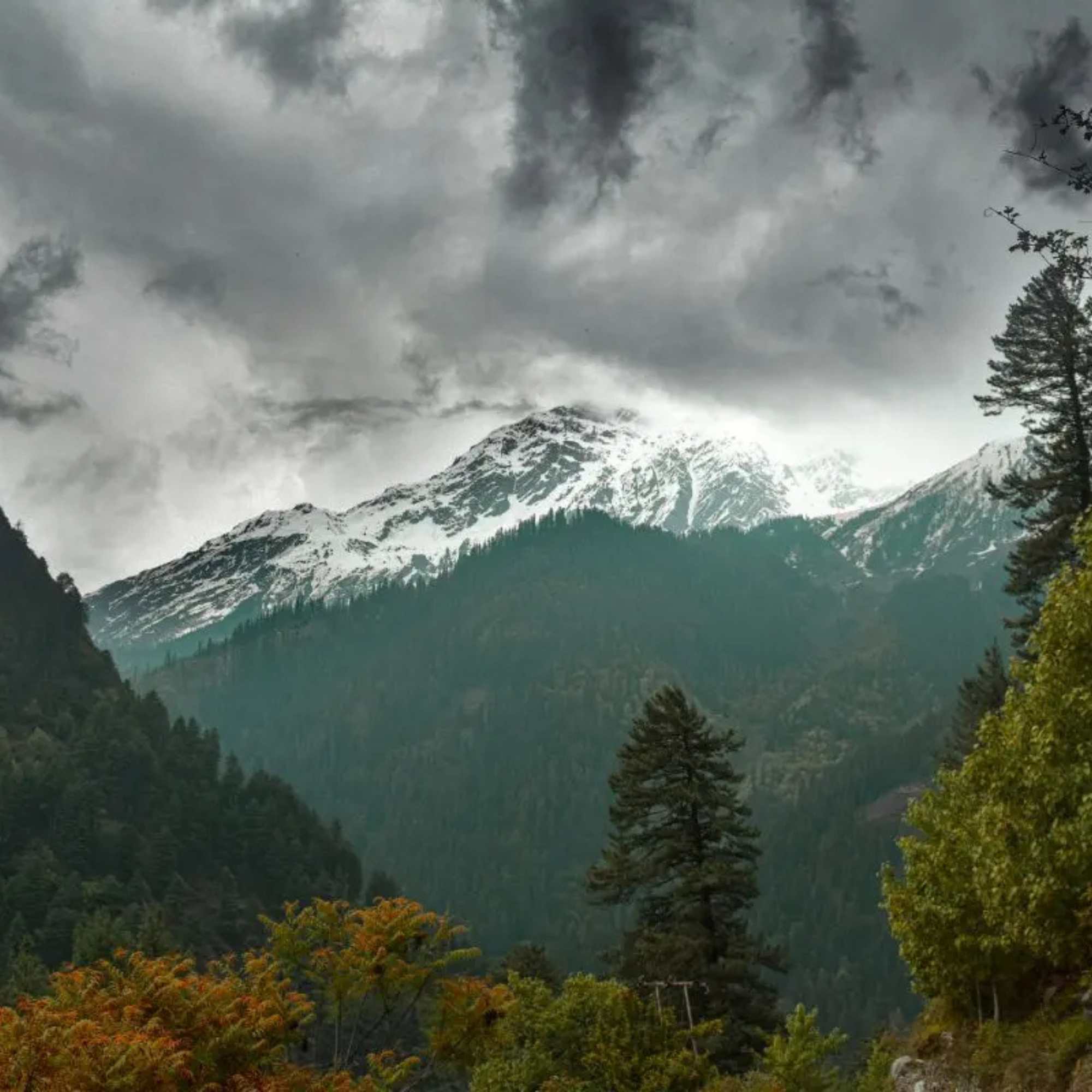
The trail is commonly done by backpackers, solo travellers included. But safety here depends on you, not just the route.
Weather, timing, footwear, fitness and basic judgement decide how safe your day actually is.
Start early, do not trek alone after dark, and share your plan with someone before you set off.
Carry a torch and a power bank. Avoid intoxicated groups on the trail, and stay respectful in the village.
We will not hand you an absolute safety guarantee, because no honest guide can. Plan smart and the trek is very manageable.
Rasol vs Grahan vs Kheerganga: Which Trek Should You Choose?
Rasol
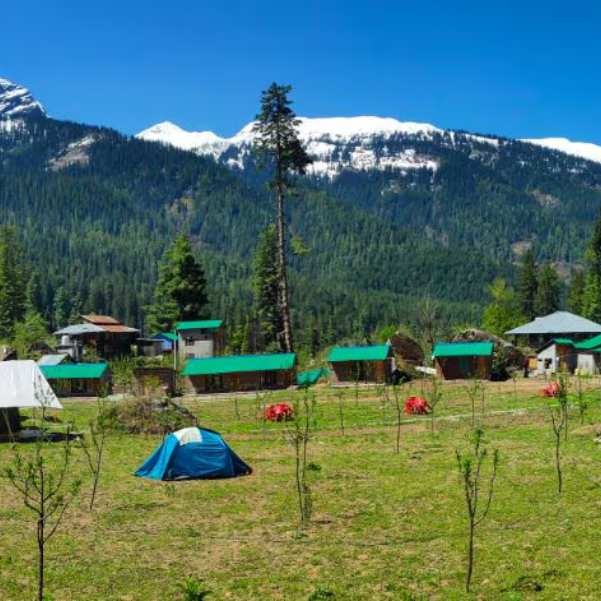
It is shorter, steeper after Chalal, more village-like and quieter. It is the one to pick if you want a calm night above the noise.
Grahan
It is a deeper forest-village trek and usually takes longer. It suits travellers who want more time in the trees and less of a crowd.
Kheerganga
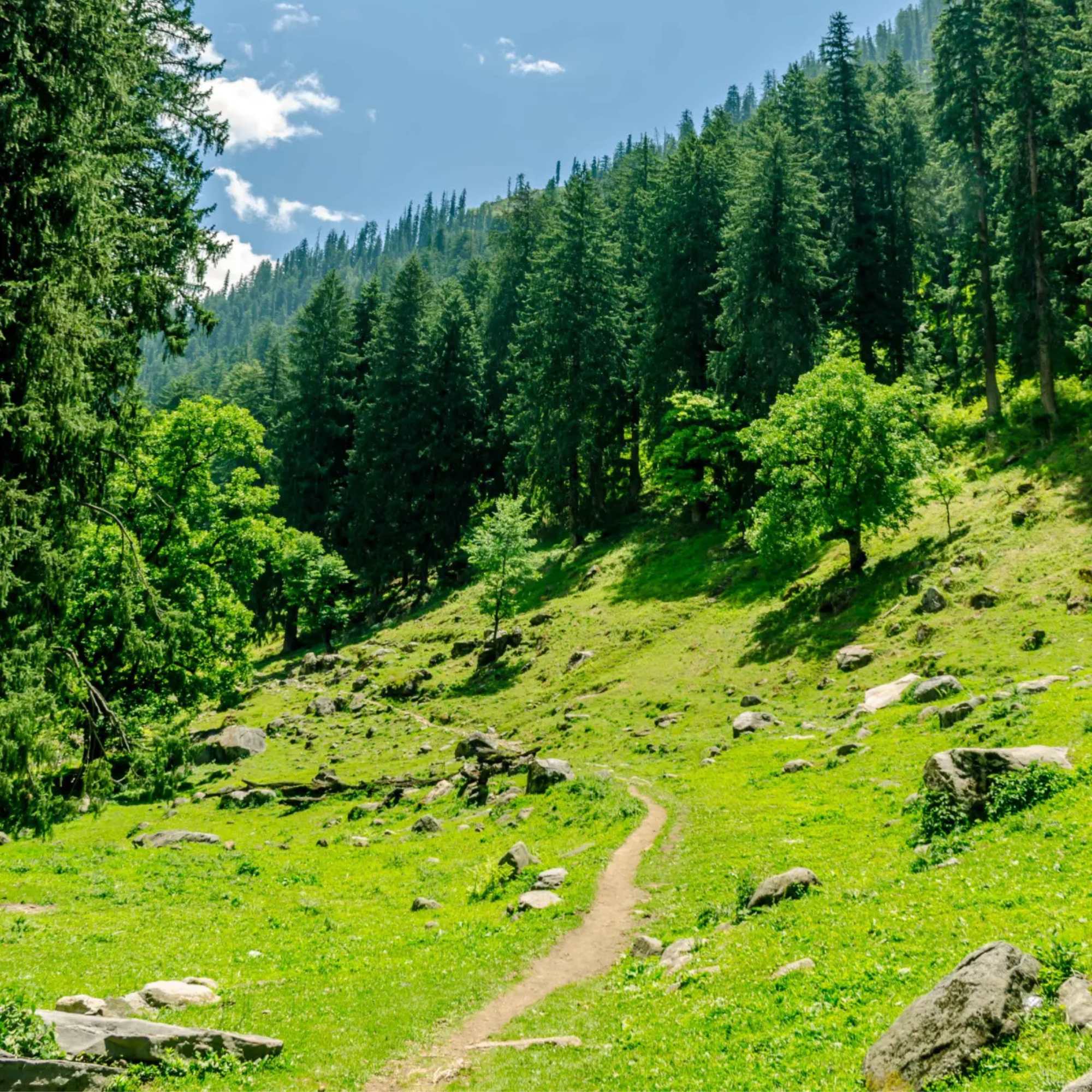
It is the popular, commercial one, known mostly for the hot spring at the top. It is the classic Parvati Valley trek that everyone does.
So choose Rasol for one quiet village night, Grahan for a deeper forest route, and Kheerganga for the famous Parvati Valley experience.
Still deciding which valley base fits your style? Our Jibhi or Kasol comparison breaks down the vibe of each so you can pick the right one.
If you want to pair this with the other side of Himachal, our Manali tour packages work well as an add-on, and you can check out the adventure activities in Manali too.
Suggested Rasol Trek Itinerary
One-day Rasol trek itinerary
Start early from Kasol and walk to Chalal for breakfast. Then begin the climb up to Rasol.
Take a lunch or chai break in the village if anything is open, spend a little time looking around, then descend before dark.
This option works best for fit travellers who do not want to deal with a basic village stay.
Two-day Rasol village itinerary
Day one. Reach Kasol, walk via Chalal, climb to Rasol, and stay overnight if a basic guesthouse is available.
Day two. Catch the sunrise, enjoy a slow morning in the village, then descend back to Kasol.
This is our team's preferred option for first-timers. The overnight is what lets you actually feel the place instead of just touching it and turning back.
What to Pack for Rasol Village Trek
Pack light but smart. Carry proper trekking shoes, a light backpack, a water bottle, and some snacks for energy on the climb.
Take cash from Kasol, a power bank, a rain layer, and a warm layer for the higher, colder village.
Add sunscreen, basic medicines, your ID, and a small torch for any low-light walking.
Do not overpack. The uphill section after Chalal feels much harder with a heavy bag on your shoulders.
Local Etiquette and Responsible Travel in Rasol
No littering. Carry your waste back down to Kasol, especially plastic.
No loud music. The whole point of Rasol is its quiet, and locals value it.
Do not enter temples or homes, and do not touch sacred objects. Stay outside unless a local invites you in.
No photography of people without asking first. And never walk into someone's field as a shortcut.
Do not promote or chase illegal substances here. Rasol is not just a viewpoint. It is someone's home, so treat it like one.
>>Need help planning the right route and timing? Talk to our team on WhatsApp.
Explore Our Curated Kasol Tour Packages
 4D/3N
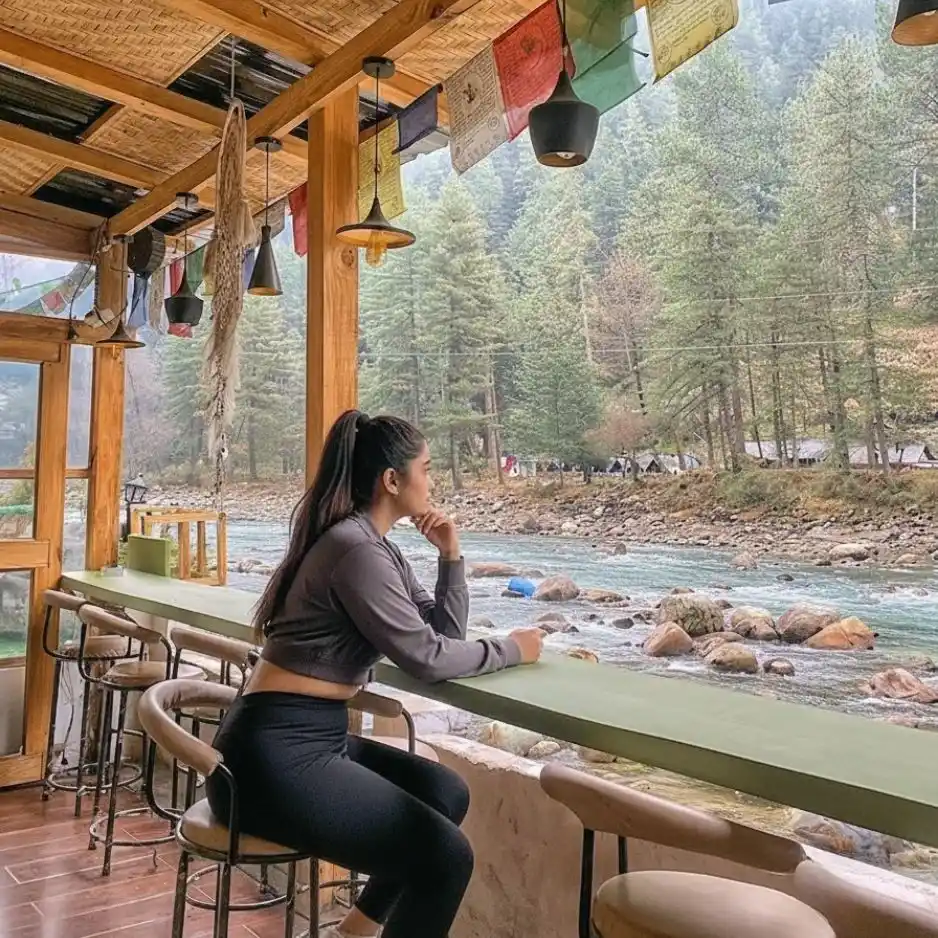
4D/3NPerfect Manikaran Kasol Tosh Weekend Getaway
1D Delhi•2D Kasol+1
₹15,999₹19,999SAVE INR 4,000/ person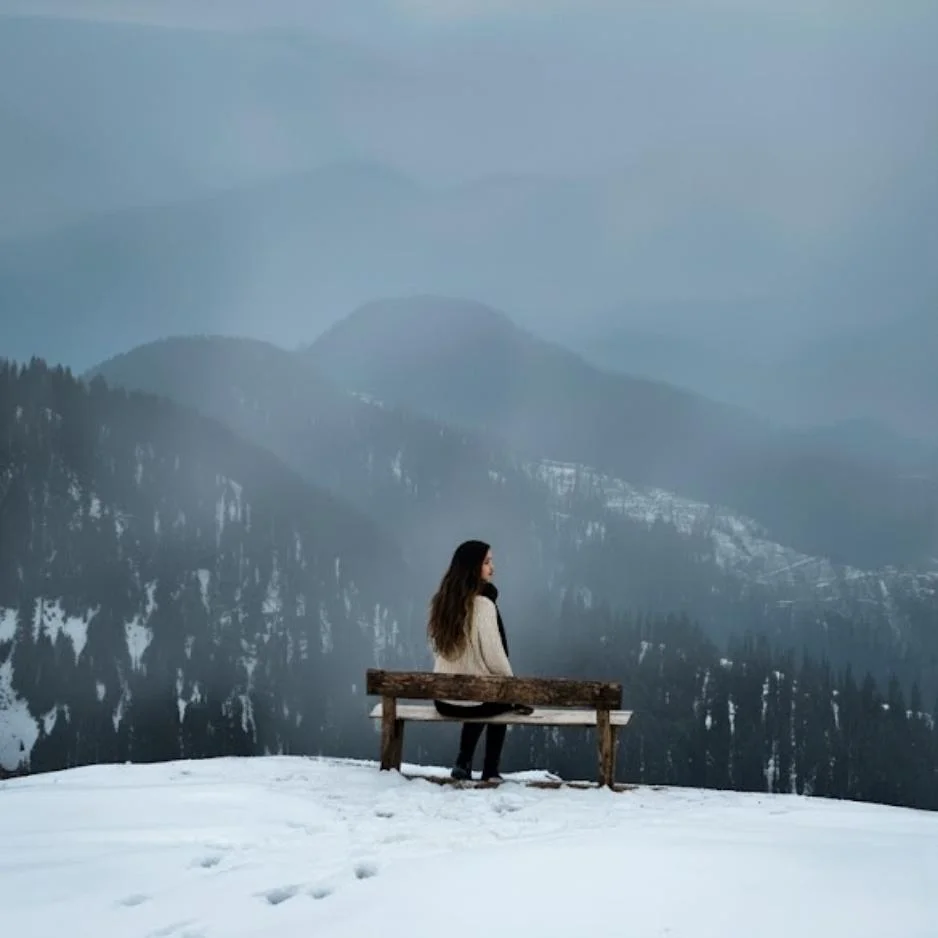 7D/6N
7D/6NManali Kasol Jibhi Valley Trip
1D Delhi•2D Manali+3
₹25,799₹32,999SAVE INR 7,200/ person 8D/7N
8D/7NManali Kasol Bir Himalayan Explorer
1D Delhi•2D Bir+3
₹21,999₹27,999SAVE INR 6,000/ person
Related topics
Frequently Asked Questions
How long is the Rasol village trek from Kasol?
The uphill climb usually takes 3 to 5 hours, depending on your fitness, the weather, and how many breaks you take.
What is the distance from Kasol to Rasol village?
It is roughly 5 to 8 km one way, depending on your start point and how the route gets measured. Package pages often list 16 km for the round trip.
Is Rasol trek difficult for beginners?
It is easy to moderate. Fit beginners can do it if they start early, wear good shoes, and carry water. The section after Chalal is the tiring uphill part.
How do I reach Rasol from Kasol?
You walk. The route goes from Kasol to Chalal along the river, then up a forest trail to Rasol. There is no road.
Can Rasol trek be done in one day?
Yes, if you start early and get back down before dark. A late start after noon is not a good idea unless you stay overnight.
Is there a road to Rasol village?
No. Rasol has no road access for cars, bikes or autos. You can only reach it on foot.
What is the best time to visit Rasol?
April to June is the safest general window. September to November after the monsoon is also good. Monsoon trails get slippery and winter gets cold.
Is Rasol safe for solo travellers?
It is commonly done solo by backpackers, but safety depends on weather, timing, footwear and judgement. Start early and share your plan with someone.
Is Rasol safe for female travellers?
Many women trek it, but the same rules apply. Start early, do not trek after dark, carry a torch and power bank, and stay respectful in the village.
Are there homestays in Rasol?
Yes, but they are basic backpacker guesthouses with common washrooms. Some may not be bookable online, so carry cash.
Is there mobile network or ATM in Rasol?
There is no ATM in Rasol, and Kasol is the last ATM point. Network is patchy at best, with one traveller reporting none, so carry a power bank.
Do I need a guide for Rasol trek?
The trail is fairly well-trodden, so many do it without a guide. If it is your first trek or the weather looks bad, a local guide adds a safety margin.
Rasol vs Grahan: which trek is better?
Rasol is shorter, steeper and more village-like. Grahan is a longer, deeper forest route. Pick Rasol for a quiet night, Grahan for more time in the forest.
What should I carry for Rasol trek?
Trekking shoes, water, snacks, cash, power bank, rain and warm layers, sunscreen, basic medicines, ID and a small torch. Keep the bag light.
More about Kasol
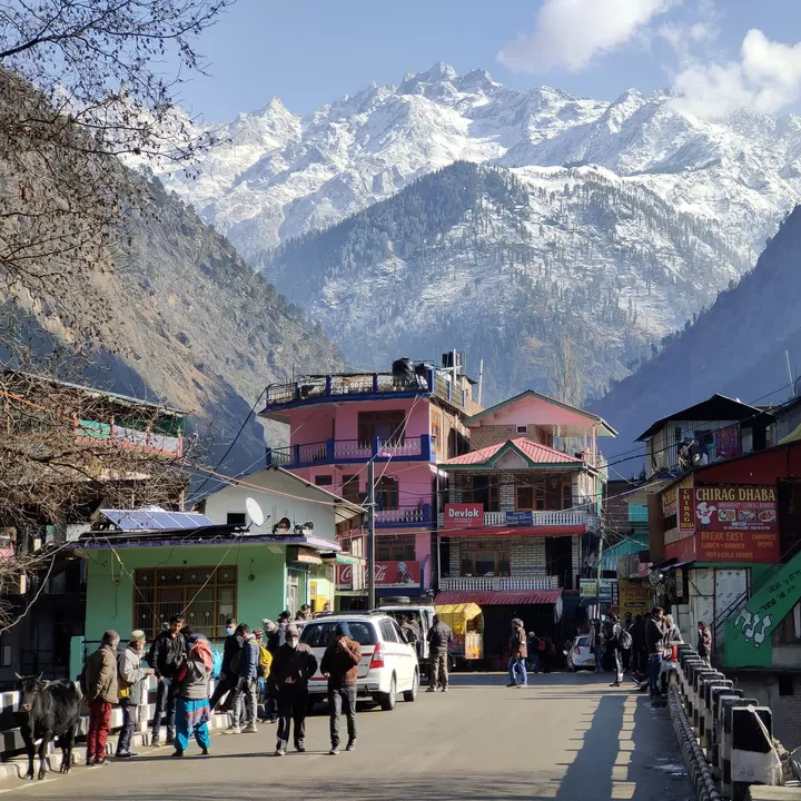 Kasol
KasolShimla Manali Kasol Itinerary 2026: 7, 8 and 9 Day Routes Without Rushing
Plan a relaxed Shimla Manali Kasol itinerary for 2026 with practical 7, 8 and 9 day routes covering Himachal’s key sights without rushing between destinations.
- Itinerary
- Places to Visit
- Kasol
Best Offbeat Places Near Kasol Most Tourists Miss in 2026
Escape the crowds and discover the hidden side of Kasol in 2026. From peaceful villages and untouched valleys to scenic trails and secret viewpoints, these offbeat places near Kasol offer authentic Himalayan experiences that most tourists completely miss.
- Places to Visit
- Things to Do
- Kasol
Kalga, Pulga & Tulga Villages in 2026: The Offbeat Side of Parvati Valley
A Himachal Pradesh travel expert or experienced Parvati Valley trek guide with firsthand knowledge of Kalga, Pulga, and Tulga. The content should provide practical insights on trekking routes, homestays, local culture, seasonal travel, and hidden attractions, helping readers plan an authentic offbeat Himalayan experience with confidence.
- Places to Visit