
Kalga, Pulga & Tulga Villages in 2026: The Offbeat Side of Parvati Valley
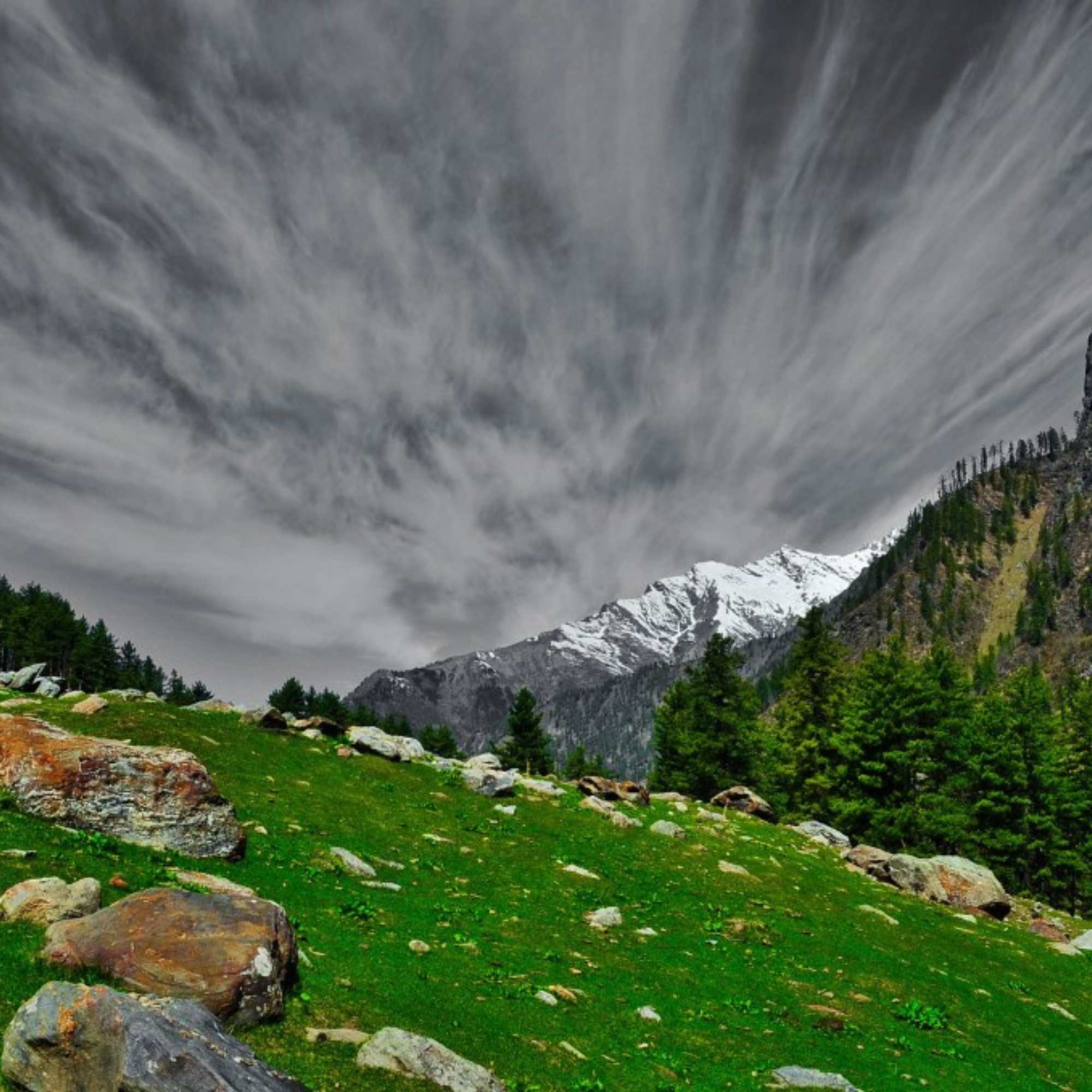
If you have done Kasol once and felt it was too loud, too crowded, and too full of cafés trying to look like Goa, then Kalga, Pulga & Tulga is the answer you are looking for.
These three small villages sit a short walk above Barshaini in Parvati Valley, and they move at a completely different speed than the rest of the valley.
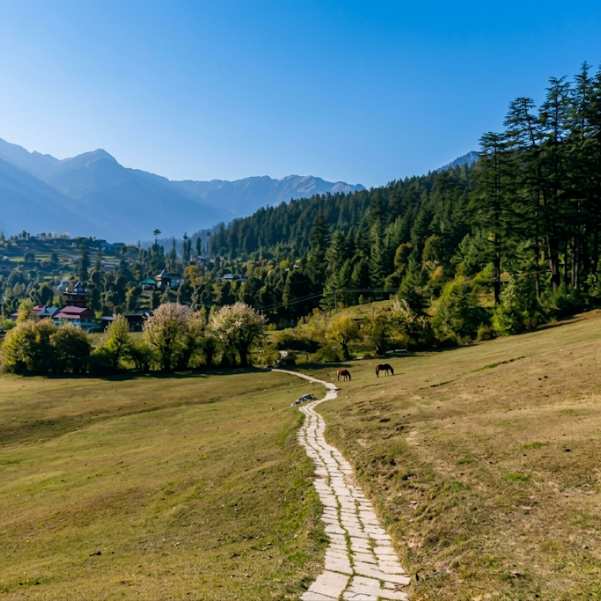
No traffic. No road inside the villages. Just wooden houses, apple orchards, a few quiet cafés, and a forest that locals call the Fairy Forest.
We send a lot of travellers up here every season, and the ones who come back happiest are the ones who came with no plan and stayed an extra day.
Quick Answer: Are Kalga, Pulga and Tulga Worth Visiting in 2026?
Yes, if you like slow travel. Kalga, Pulga and Tulga are three walkable villages near Barshaini in Parvati Valley, best for homestays, small cafés, apple orchards, the Pulga Fairy Forest, and quiet valley views.
They work as a calmer, cheaper alternative to Kasol and Tosh. Most people are happy with 2 to 3 days here.
One important thing for 2026
Check the Bhuntar to Manikaran to Barshaini road status before you leave, especially during rain or peak season. Landslides and traffic restrictions have hit this stretch this year.
What Most Tourists Get Wrong About These Villages
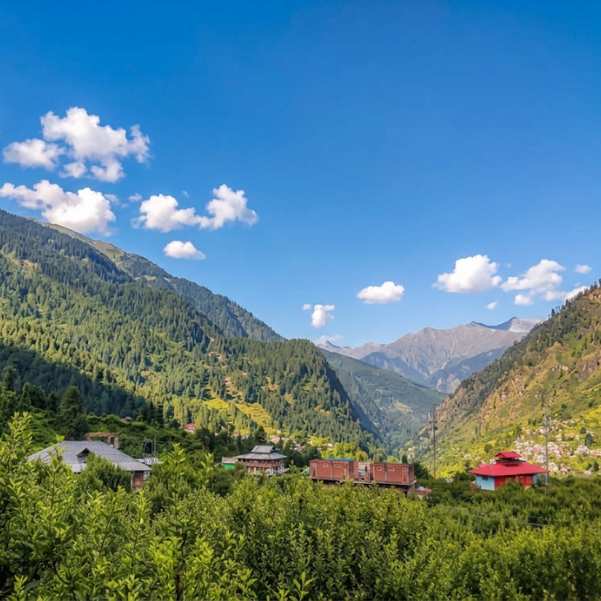
Most people treat Kalga, Pulga and Tulga like a one-hour photo stop on the way to Kheerganga. They park at Barshaini, walk up for a few pictures, and leave.
That is the wrong way to do it. The whole point of these villages is to stay still. The magic shows up on the second morning, not the first afternoon.
In our experience, travellers who rush through here always say the same thing later: they wish they had booked one more night.
Where Are Kalga, Pulga and Tulga Located?
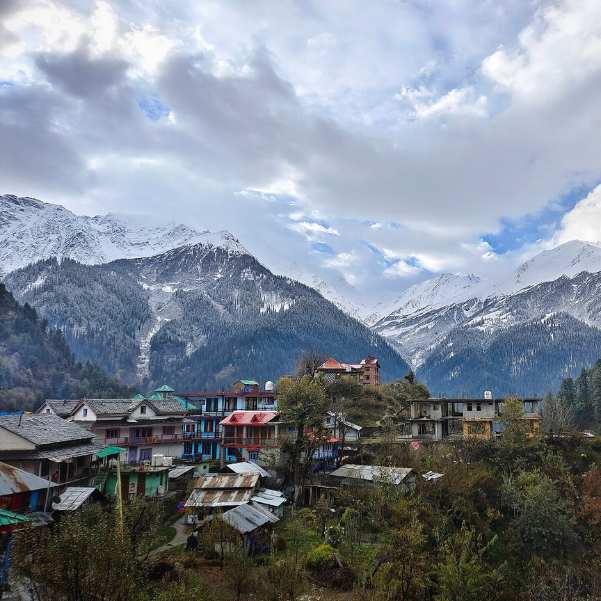
The villages sit near Barshaini in Parvati Valley, in Kullu district, Himachal Pradesh. Barshaini is the last motorable point. After that, you walk.
Most travellers reach here by following the route Kasol to Manikaran to Barshaini, and then walking up to the villages.
That walk is not a problem to solve. It is part of the experience. The moment you leave the road behind, the noise drops and the valley opens up.
Pulga sits at about 2,210 m. Kalga is around 2,300 m. So you are high enough for cool air and clear views, but not so high that you will struggle to breathe.
What Makes Kalga, Pulga and Tulga Different From Kasol and Tosh?
Kasol and Tosh have become busy. Music, party crowds, packed cafés, and stuff that has nothing to do with village life.
Kalga, Pulga and Tulga are the opposite. Slower, quieter, and still mostly about the village rather than tourism.
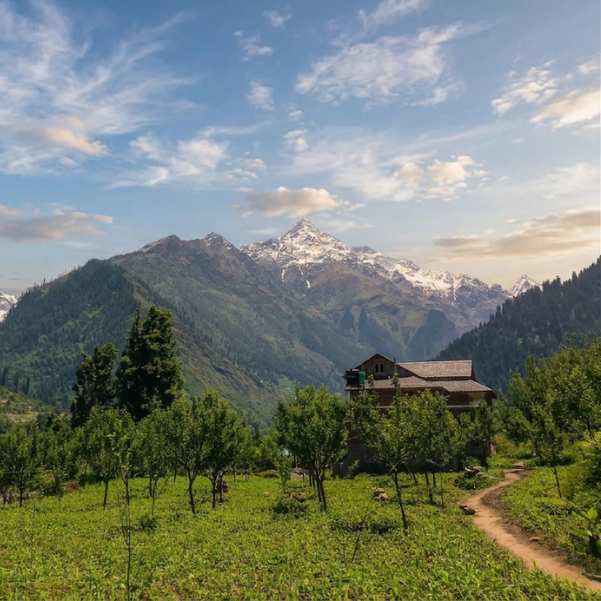
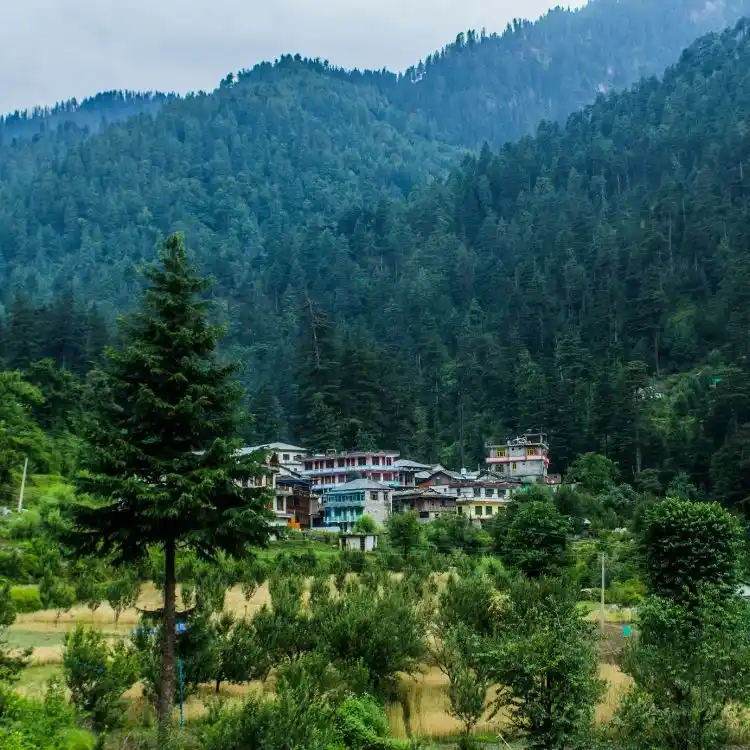
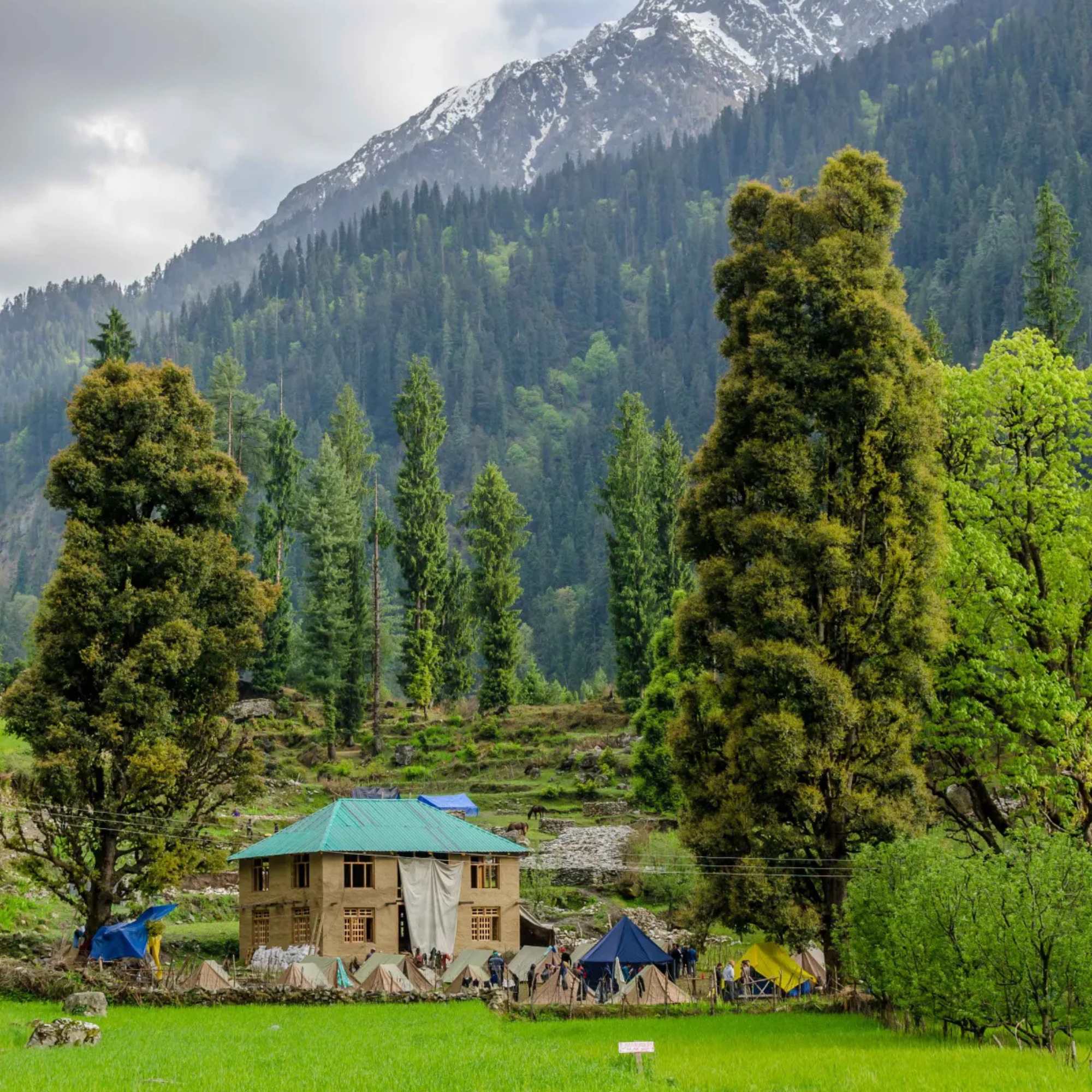
Here you get wooden houses, apple orchards on every slope, small cafés that close early, open valley views, and forest trails that go quiet after sunset.
This is not a checklist destination. There is no big monument to tick off. If you like staying in one place for a few days and just being there, this suits you perfectly.
Which Village Should You Stay In: Kalga, Pulga or Tulga?
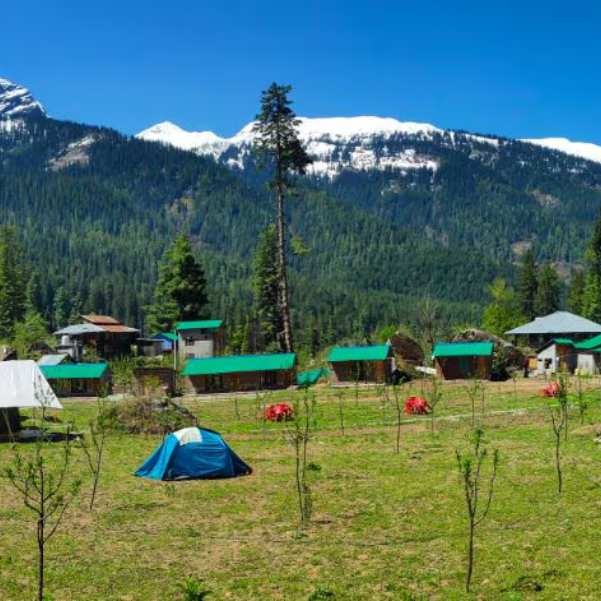
All three are within easy walking distance of each other, so you can stay in one and visit the others on foot. But each has a slightly different vibe.
Stay in Kalga if you want cafés, valley views and Kheerganga access
Kalga has the most homestays, the most cafés, and apple orchards all around. It also gives you easy access toward the Kheerganga trail.
This is the safest first choice for first-timers. You get the village feel without giving up basic comfort.
If you want valley views with your morning chai and a café within a two-minute walk, Kalga is your pick.
Stay in Pulga if you want Fairy Forest and a quieter backpacker base
Pulga is known for the Fairy Forest, its old wooden houses, the deodar forest around it, and apple orchards. Tulga and Kalga are both short walks away.
It suits nature lovers, backpackers, and slow travellers who want less commercial noise and more trees.
If you would rather wake up to a forest than a café strip, stay in Pulga.
Visit Tulga if you want the least commercial village feel
Tulga is the smallest and quietest of the three. Fewer cafés, fewer rooms, fewer people.
We usually suggest Tulga as a peaceful day walk rather than an overnight stop. Stay here overnight only if you are happy with very basic arrangements and do not need backup options.
How to Reach Kalga, Pulga and Tulga From Kasol, Delhi and Manali
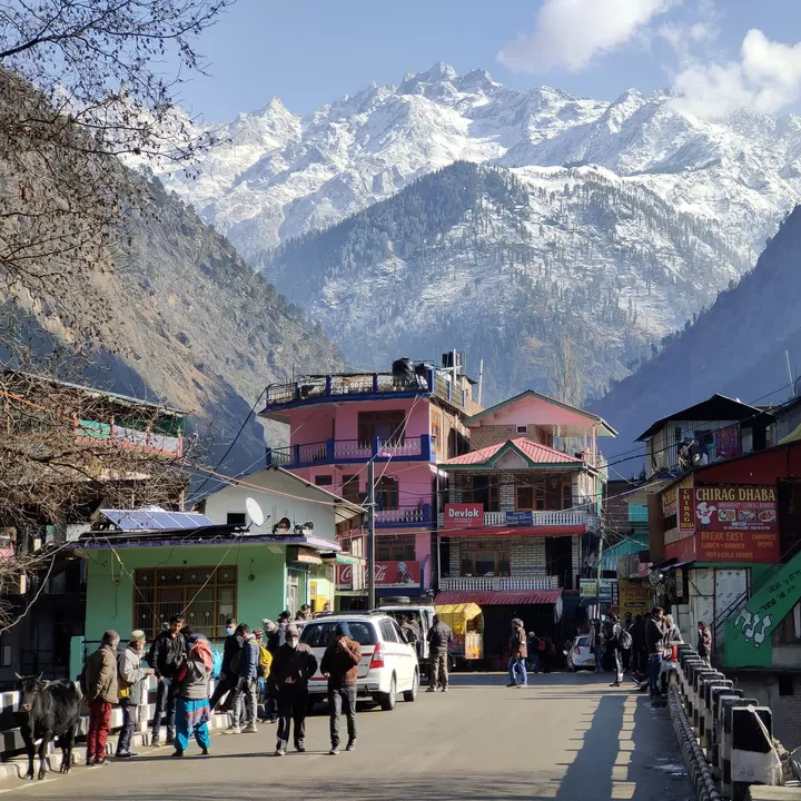
From Kasol, the drive to Barshaini is about 20.1 km and takes around 1 hour 10 minutes by car or cab, depending on road conditions. The road runs through Manikaran, so most people stop there for the hot springs and a quick meal.
From Delhi, you reach Bhuntar first, then drive up the valley through Kasol and Manikaran to Barshaini. From Manali, you come down to Bhuntar and then turn into Parvati Valley.
Once you reach Barshaini, you walk. Pulga is about 3 km from Barshaini. The walk up to Kalga takes around 30 minutes depending on your pace and luggage.
There is one big 2026 update you must know about. District Kullu put traffic restrictions on the Bhuntar to Manikaran Road for heavy vehicles and Volvo buses, running from 14 April 2026 to 31 August 2026, because of heavy tourist inflow and the narrow road.
So check the local road status before you leave. A road that was fine last week can be a different story today.
If you want someone to sort the route, stay, and cab from end to end, our Kasol tour package covers this whole stretch with a local driver who knows the valley.
Walking Route: Barshaini to Kalga, Pulga and Tulga
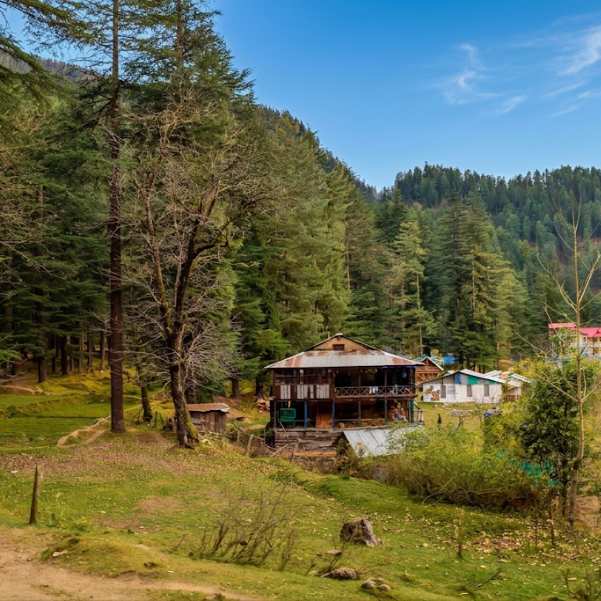
Once you cross the bridge at Barshaini, the trail splits and climbs toward the villages. It is a simple, mostly gentle walk through orchards and pine.
Pulga to Tulga is roughly 10 minutes and about 650 m. Short and easy.
Tulga to Kalga is listed as about 14 minutes and 850 m by one source, while another travel blog says it takes 20 to 25 minutes. So plan for the longer figure to be safe.
Here is the honest part. These times assume light bags and dry ground. With heavy luggage, after rain, in mud, or with a few photo stops, everything takes longer.
Our team always tells travellers to keep the bag light. You are carrying it uphill on a dirt trail, not rolling it through an airport.
Best Time to Visit Kalga Pulga Tulga in 2026
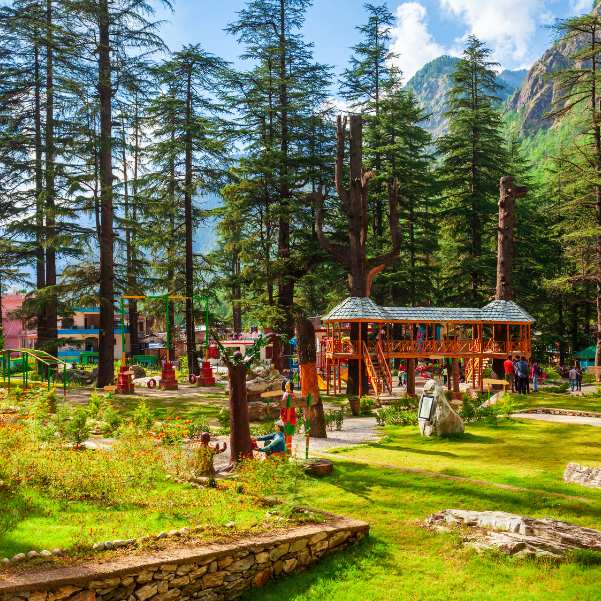
There is no single best month. It depends on what you want.
March to June
March to June is the sweet spot for most people. The weather is pleasant, the orchards bloom, and the valley looks fresh. Many point to May and June as good months, and goSTOPS suggests the wider March to October window.
June to August
If you want apples, the Pulga apple harvest runs from mid-June to August. Walking through loaded orchards in that window is a quiet kind of joy.
September to October
September to October is excellent too. The monsoon clears out, the skies turn sharp and blue, and the crowds thin. After August, this is our favourite time to send people up.
Winter
Winter is very quiet and very cold. Beautiful if you want solitude, hard if you are not ready for the chill and limited services.
Be careful in monsoon. 2026 reports show landslides hitting the Manikaran to Barshaini road, so this is not the season to arrive with a tight, fixed schedule.
👉 Not sure which season suits your trip? Talk to our team on WhatsApp.
Suggested Itinerary for Kalga, Pulga and Tulga
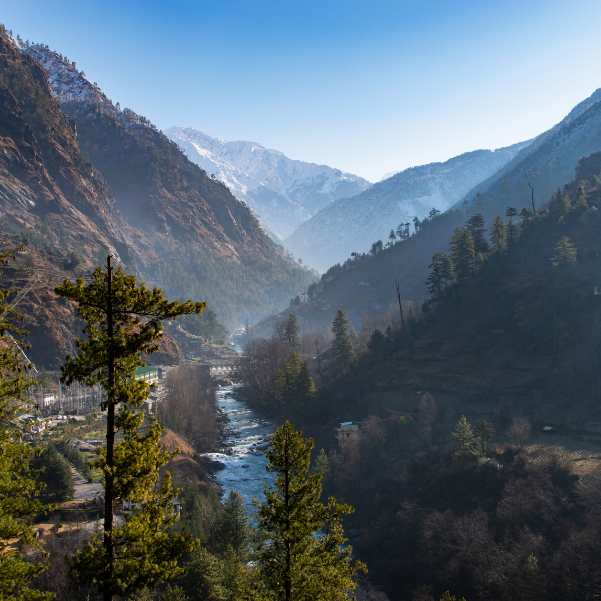
1 Day Village Walk from Kasol or Tosh
Short on time? Start early. Reach Barshaini in the morning, walk up through two or three of the villages, sit at a local café for a long lunch, and head back before dark.
This gives you a real taste of the place. You will not get the slow magic of a multi-day stay, but you will understand why people fall for it.
Do not push it. Walking these trails after dark with no streetlights is a bad idea, so time your return for daylight.
2 Day Slow Travel Plan
Day 1: Reach Kalga or Pulga, check into a homestay, drop your bag, and just walk. Wander through the orchards, find a café, and let the afternoon go.
Day 2: Spend the morning in the Pulga Fairy Forest, walk the quiet lanes of Tulga, and end with valley views and café time back in Kalga.
This is the plan we recommend most. Two nights is enough to slow down properly without it feeling rushed.
3 Day Plan With Kheerganga Add-On
Add a third day for Kheerganga, which sits at 2,960 m. HPTDC lists it as a 2 day, easy trek, best done between April and December.
Here is where the numbers conflict. HPTDC says Barshaini to Kheerganga takes about 4 hours on foot. Indiahikes lists the Kheerganga to Buni Buni route as 9.6 km and 5 to 6 hours.
So treat the timing as flexible and start early either way. If you are doing the Kheerganga to Buni Buni route, carry a photo ID, because Indiahikes notes ID is mandatory at the forest check posts.
If you are stacking adventure onto this trip, our guide to adventure activities in Manali is worth a read for ideas before or after Parvati Valley.
Things to Do in Kalga, Pulga and Tulga
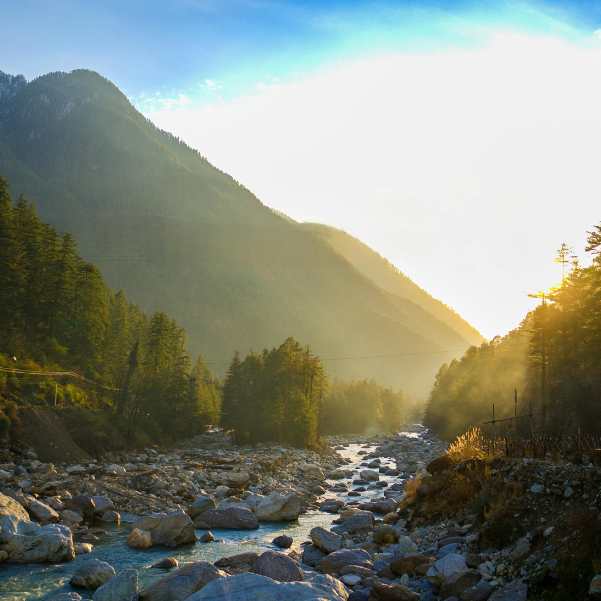
The honest truth is that there is not much "to do" here in the usual sense. That is the point.
The Fairy Forest in Pulga is the one named attraction. It is a quiet deodar forest with a soft, still feel, and it is genuinely worth the short walk.
Beyond that, you walk through apple orchards, sit in slow cafés, photograph the wooden houses, journal, eat simple local meals, and do a lot of nothing.
Fit travellers can use these villages as a base for Kheerganga or Buni Buni. Just check any waterfall or forest detour with locals first, especially during or after rain.
The one thing to skip
Do not pay for any "special viewpoint" if someone tries to charge you. The best views here are free, from the orchard edges and the trail itself.
Where to Stay: Homestays, Hostels and Cafés
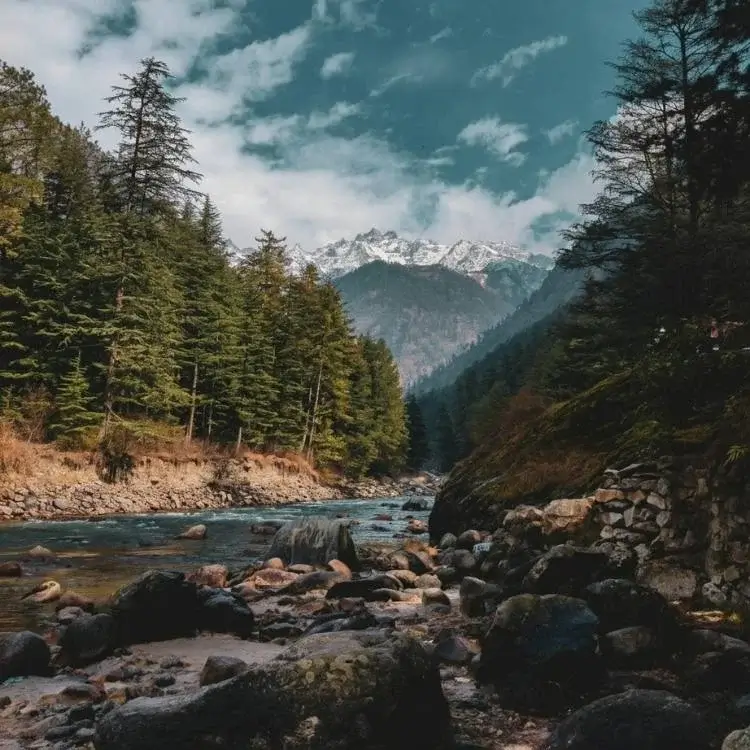
Forget hotels. Stays here are homestays, guesthouses, hostels, and café stays. Basic, warm, and run by locals.
Old travel blogs may mention rooms around ₹300 to ₹700, but those prices are outdated for most travellers now. Stay costs have moved up over the last few years, so use current booking rates or local quotes instead of relying on old blog numbers.
Our money tip
Book the room when you arrive and see it, if you are travelling off-season. Walk-in rates are often lower than online listings up here, and you can actually check the room and the blanket situation before paying.
In peak season and on weekends, do the opposite and book ahead, because the good homestays fill fast.
Food, Cafés, Network and Electricity Reality
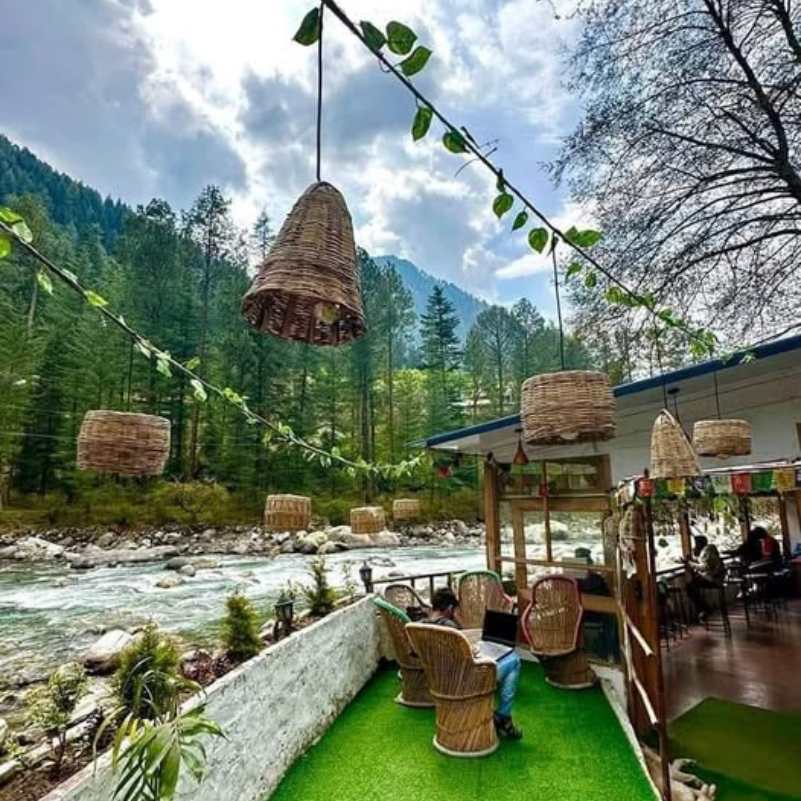
Food is usually easy to find. Cafés and homestays serve simple meals, and you will not go hungry.
But set your expectations. Cafés here open late and close early, and the menu is small. This is village cooking, not a city restaurant.
One thing we always warn people about: carry cash. Network is patchy, UPI often fails, and many small places run on cash only. Do not assume your phone will sort the bill.
Network and electricity can both drop out. Carry a power bank, warm layers, walking shoes, a rain cover for your bag, and a reusable water bottle.
What we always tell our travellers is to treat the patchy network as a feature, not a bug. You came here to disconnect. Let it happen.
Is Kalga Pulga Tulga Safe for Solo Travellers and Couples?
Yes, for the right kind of traveller. If you are comfortable walking and staying in simple mountain villages, you will be fine.
A few sensible rules. Avoid the forest trails after dark. Skip loud groups. Check the weather. Keep your luggage light so the uphill walk does not break you.
Honest negative
Some recent traveller discussions complain that Kalga has started getting loud music and feels more commercial than it used to. So if you want total quiet, lean toward Pulga or Tulga, and please do not be the person adding to the noise.
2026 Road, Permit and Weather Updates Travellers Should Know
On permits, we could not find any specific tourist permit needed just to visit Kalga, Pulga and Tulga. Still, verify this locally before you travel, because rules in this region change.
On roads, remember the Bhuntar to Manikaran Road restrictions for heavy vehicles and Volvo buses, running 14 April to 31 August 2026.
Also know that 2026 reports mention landslides blocking or disrupting the Manikaran to Barshaini road at Ghatigarh in February and March. This stretch is the one to watch.
Save these official numbers before you go. District Emergency Operation Center Kullu: 01902-225630 and 01902-225631. Tourist Information Centre Kullu: 01902-222349.
👉 Need a reality check on current travel conditions? Talk to our team on WhatsApp.
Responsible Travel Tips for Kalga, Pulga and Tulga
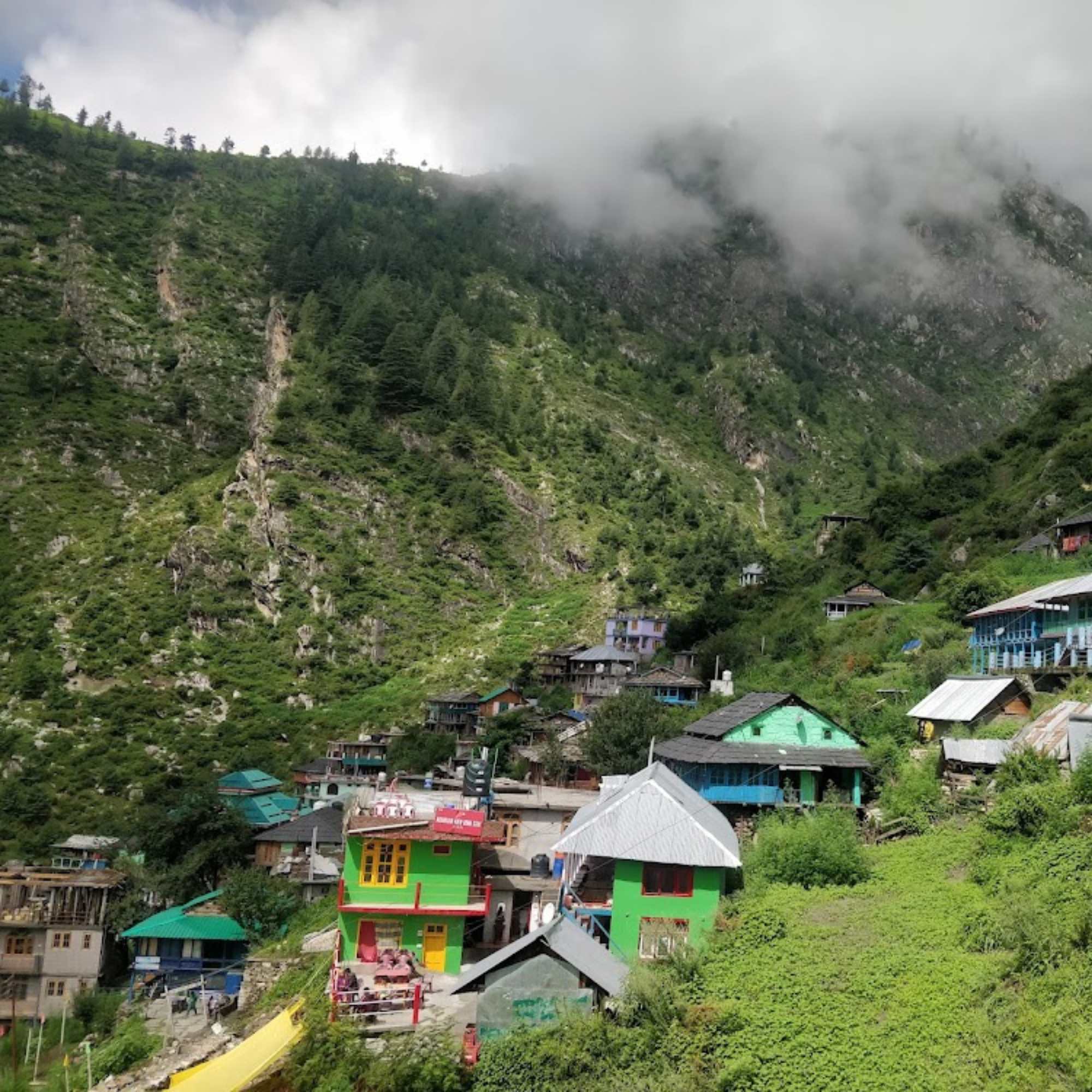
These villages are still real, lived-in places. Treat them that way.
Do not play loud music. The whole reason this place is special is the quiet, and one speaker can ruin a whole evening for everyone.
Do not litter, and do not pluck apples from the orchards without asking. Those trees are someone's livelihood, not a free buffet.
Ask before photographing locals. Support the local homestays and cafés rather than carrying everything from the city.
Respect temple and village spaces. And carry your waste back down to Barshaini or Kasol, because there is no magic bin that makes trash disappear up here.
Final Verdict: Who Should Visit Kalga, Pulga and Tulga?
These villages are made for slow travellers, backpackers, couples, writers, and remote workers who can handle patchy network. If you want a quiet corner of Parvati Valley, this is it.
They are not for everyone. If you want luxury hotels, nightlife, or a packed sightseeing schedule, you will be bored and probably annoyed.
And if you do not want to walk at all, skip it. The walk from Barshaini is non-negotiable, and that is exactly why these villages stay as good as they are.
If Parvati Valley feels too crowded for your taste this year and you want a different valley vibe altogether, our breakdown of Jibhi or Kasol, which is better might help you decide where to go instead.
Explore Our Curated Kasol Tour Packages
 4D/3N
4D/3NPerfect Manikaran Kasol Tosh Weekend Getaway
1D Delhi•2D Kasol+1
₹15,999₹19,999SAVE INR 4,000/ person 7D/6N
7D/6NManali Kasol Jibhi Valley Trip
1D Delhi•2D Manali+3
₹25,799₹32,999SAVE INR 7,200/ person 8D/7N
8D/7NManali Kasol Bir Himalayan Explorer
1D Delhi•2D Bir+3
₹21,999₹27,999SAVE INR 6,000/ person
Related topics
Frequently Asked Questions
Where are Kalga, Pulga and Tulga villages located?
They sit near Barshaini in Parvati Valley, Kullu district, Himachal Pradesh. You reach them by walking up from Barshaini, which is the last motorable point.
How do I reach Kalga Pulga Tulga from Kasol?
Drive from Kasol to Barshaini, about 20.1 km and around 1 hour 10 minutes via Manikaran, depending on road conditions. From Barshaini you walk up to the villages.
Can cars reach Kalga, Pulga and Tulga?
No. Cars stop at Barshaini. The villages have no internal roads, so you walk the last stretch on a dirt trail.
Which is better to stay, Kalga or Pulga?
Stay in Kalga for cafés, valley views, and Kheerganga access. Stay in Pulga for the Fairy Forest and a quieter, more backpacker feel.
How many days are enough for Kalga Pulga Tulga?
Two to three days is the sweet spot. Two nights to slow down properly, and a third day if you want to add the Kheerganga trek.
What is the best time to visit Kalga Pulga Tulga?
March to June for pleasant weather and blooming orchards, and September to October for clear post-monsoon skies. Be cautious in monsoon due to landslide risk.
Is Pulga Fairy Forest worth visiting?
Yes. It is a quiet deodar forest with a still, peaceful feel and a short walk from Pulga village. It is the one named spot most people enjoy here.
Is Kalga good for workation?
It can be, if you are flexible. Network and electricity are patchy, so carry a power bank and do not expect reliable video calls.
Is Tulga worth staying overnight?
Only if you want the quietest option and are fine with basic arrangements. Most travellers visit Tulga on a day walk and stay in Kalga or Pulga.
Can I do Kalga Pulga Tulga and Kheerganga together?
Yes. Use the villages as your base and add Kheerganga as a day. Barshaini to Kheerganga timing is listed as 4 hours by HPTDC and 5 to 6 hours, so start early.
Is Kalga Pulga Tulga safe for solo travellers?
Yes, for travellers comfortable with walking and simple village stays. Avoid forest trails after dark, check the weather, and keep your luggage light.
Is there mobile network and electricity in these villages?
Both can be patchy and may drop out. Carry cash, a power bank, and warm layers, and plan around the chance of being offline.
More about Kasol
- Kasol
Shimla Manali Kasol Itinerary 2026: 7, 8 and 9 Day Routes Without Rushing
Plan a relaxed Shimla Manali Kasol itinerary for 2026 with practical 7, 8 and 9 day routes covering Himachal’s key sights without rushing between destinations.
- Itinerary
- Places to Visit
- Kasol
Best Offbeat Places Near Kasol Most Tourists Miss in 2026
Escape the crowds and discover the hidden side of Kasol in 2026. From peaceful villages and untouched valleys to scenic trails and secret viewpoints, these offbeat places near Kasol offer authentic Himalayan experiences that most tourists completely miss.
- Places to Visit
- Things to Do
 Kasol
KasolRasol Village Trek From Kasol 2026: Route, Distance & What to Expect
Planning the Rasol Village Trek from Kasol in 2026? Explore the complete trekking route, distance, difficulty level, stay options, and essential travel tips to experience one of Parvati Valley’s most peaceful and offbeat Himalayan villages.
- Things to Do