
6D/5N
Most Loved Sissu Valley Escape With Jispa Riverside Stay
2D Sissu•1D Jispa
₹15,999₹19,999SAVE INR 4,000/ person
Best Jispa Tour Packages Curated By Experts
2D Sissu•1D Jispa
1D Manali•2D Jispa

1D Manali•2D Jispa
1D Manali•3D Jispa
Jispa Tour Packages: Riverside Camping at 10,500 Feet in the Heart of Lahaul Valley
There is a moment, somewhere after the Atal Tunnel and just before Keylong, when your phone stops buzzing. You did not switch it off. The network just left you. And for the first time in months, maybe years, nobody can reach you.
That is the moment most people fall in love with Jispa.
This small village of 332 people sits at 10,500 feet on the bank of the Bhaga River, in the Lahaul and Spiti district of Himachal Pradesh. It is 20 km north of Keylong, 7 km south of Darcha, and right on the Manali-Leh Highway. For decades, travellers treated it as a 10-minute toilet break between Manali and Sarchu. Then in October 2020, the Atal Tunnel opened. The five-hour Rohtang slog became a smooth three-hour drive. And suddenly, this quiet riverside village stopped being a stopover and started becoming a destination.
We have been planning Jispa tour packages since that first season after the tunnel opened. Our team lives in Himachal, drives these roads every summer, and has tested almost every camp along the Bhaga River. The plans on this page are not pulled from a brochure. They are how we would take our own friends there.
Most travel platforms selling Jispa packages have never actually been to Jispa. They book a room at a camp, mark up the price, and email you the voucher. When something goes wrong, you call a helpline that puts you on hold.
We work differently because we are not that.
Our drivers are from these hills. They know which sections of the road get washed out in July. They know the small dhaba in Tandi where the rajma is better than any restaurant in Manali. They know to stop at the Tandi fuel pump even if your tank reads three-quarters full, because the next petrol pump after Tandi is 365 kilometres away in Karu.
We have stayed at every camp we recommend. Padma Lodge, Zostel Jispa, Bhrigu Camps, Siramani River Camp. We have eaten their dal chawal at midnight and complained about their geyser timings at 6 AM. The camps we send you to are the ones we would book for our own families.
We handle the boring 2026 stuff. Every private vehicle entering Lahaul now needs an e-Aagman registration. It is not hard, but it is one more thing on your travel day. We do it for you before you even leave home.
The Atal Tunnel route is our default, always. No Rohtang Pass permit needed. No daily quota stress. No 5 AM panic about whether the pass is open. Three to four smooth hours from Manali to Jispa, year round.
Real WhatsApp support. Not a chatbot. Not a ticket system. Your trip captain has a name, sends voice notes, and stays reachable even when you do not have signal in upper Lahaul. We will tell you what is open, what is closed, and what is worth driving 40 minutes for.
There is a temptation, when writing about a hill station, to use the words stunning and breathtaking until they mean nothing. Let me try harder than that.
Jispa is quiet. Not fewer-tourists-than-Manali quiet. Properly quiet. The kind where you can hear your own footsteps on gravel and feel mildly embarrassed about how loud they sound. The Bhaga River is the loudest thing in the village, and even that you stop noticing after the first hour, the way you stop noticing a clock ticking.
The village has 78 houses. A working monastery where the prayer flags are worn by wind, not Instagram. A small museum that opens at 9 AM and closes whenever the caretaker decides he has had enough chai. There are no shopping streets. There is no Mall Road. There is a helipad nobody uses, a post office that still functions, and one or two dhabas where a plate of dal chawal costs ₹120 and tastes like someone's mother cooked it on wood fire. Because someone's mother did.
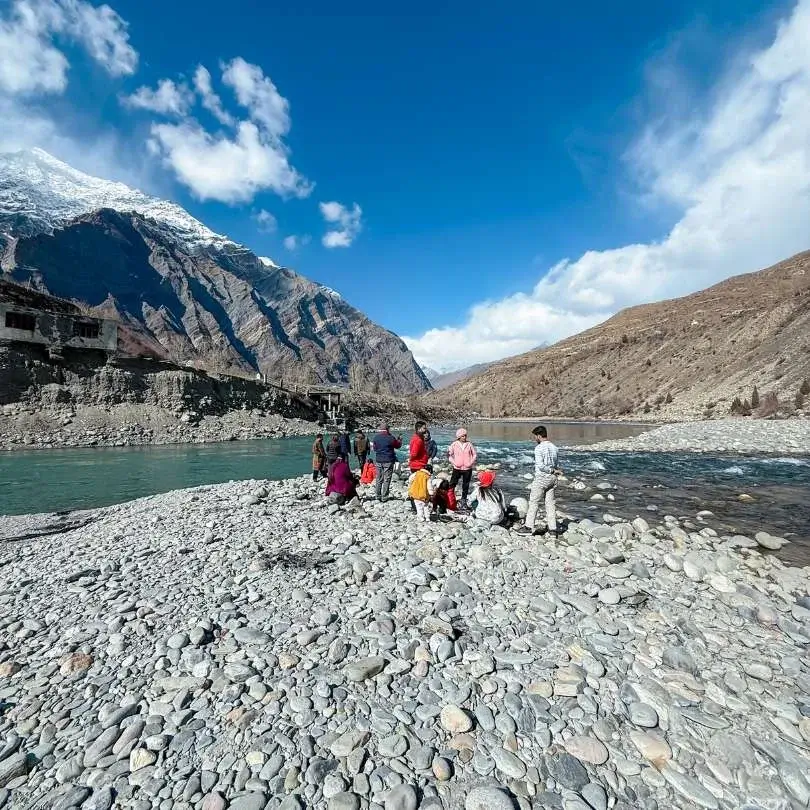
What you get in Jispa, instead of attractions, is the Bhaga River, slow and turquoise, with flat stones where you can sit for an hour and not move. Riverside Swiss cottage tents that cost less than a Manali hotel and feel ten times more honest. A night sky so dark, so unmistakably full of stars, that the Milky Way looks like someone spilled milk across it. Buddhist chortens dotting the village, prayer wheels older than your grandparents, and an unspoken understanding that you are a guest in a Buddhist village, not a tourist in a hill station.
You also get the smartest acclimatization halt on the entire Manali-Leh Highway. Sarchu, the more famous halt, sits at 14,070 feet, which is high enough to give you a pounding headache and a sleepless night. Jispa sits at 10,500 feet, which is high enough to feel mountain air properly but low enough that you actually rest. Every experienced Ladakh traveller we know stops at Jispa, not Sarchu. There is a reason for that.
Jispa works as a weekend escape, a full Lahaul circuit, or a smart acclimatization night on a longer Ladakh trip. We run all three formats.
4N/5D Manali to Jispa Weekend Escape. Our shortest option. Atal Tunnel drive, a Sissu Waterfall stop on the way, two nights in a riverside camp at Jispa, and a return through Keylong. Built for people from Delhi and Chandigarh who have a long weekend, not a long vacation.
5N/6D Jispa Riverside Camping and Lahaul Explorer. Our most-booked package. One night in Manali to get your bearings, then onward via Sissu, two nights of riverside camping at Jispa, day visits to Gemur Monastery, Deepak Tal, and the Jispa Rural Museum. Comfortable pacing. Real time to actually be in Jispa, not just pass through.
6N/7D Jispa and Sissu Valley Complete Lahaul Trip. Both Lahaul anchors done properly. Two nights at Sissu for the waterfall and frozen lake in winter, two nights at Jispa for the river and the silence, with cultural stops at Tandi Sangam, the Keylong market, and Shashur Gompa.
7N/8D Jispa Camping and Baralacha Pass Expedition. Our deepest package. Goes all the way to Baralacha La at 4,890 metres, with stops at Suraj Tal and Deepak Tal. The two prior nights at Jispa give you the acclimatization you actually need for that altitude. Skip the prior nights, and Baralacha will punish you for it.
Jispa as a Ladakh Stopover. Built into our Leh Ladakh tour packages as the smarter alternative to Sarchu. One night at a riverside camp, then onward via Baralacha and Sarchu to Leh.
Jispa Bike Trip Add-on. Royal Enfield Himalayan with a backup vehicle. Part of our Manali to Leh bike expedition format. The Atal Tunnel descent into Lahaul on two wheels is something every rider should do at least once.
Private and Family Jispa Tour. Same itineraries, your group only, your dates. Family-friendly pacing with kids and grandparents in mind.
Where you start changes the trip more than you think. Jispa is at the end of a long drive no matter which side you approach from.
From Delhi. This is how most people do it. Overnight Volvo from Kashmere Gate or Majnu Ka Tila to Manali. Costs ₹3,416 to ₹5,414 per person depending on seat type. You sleep on the bus, arrive in Manali around 7 or 8 AM, get picked up by our team, and start the road trip the same morning. Same routine in reverse on the way back.
From Chandigarh. A seven to eight hour drive to Manali, which is shorter than the Delhi bus, lets you skip a night of overnight travel. Better for people with backs that no longer enjoy reclining bus seats.
From Manali. If you are already in Manali, we start the trip directly from your hotel. Saves two nights of bus travel each way. This is the cleanest version of the trip and the one we secretly prefer.
From Bhuntar Airport. Kullu-Bhuntar is the nearest airport, about 50 km from Manali and 140 km from Jispa. Flights are limited but available from Delhi. We pick you up at the airport.
Tell us your start city when you write in. We will plan around it.
You have two ways to get from Manali to Jispa. People agonise over this more than they need to, so here is the straight answer.
Take the Atal Tunnel. 92 kilometres, three to four hours, year-round, no permit needed. The tunnel is 9.02 km long, opened in October 2020, and bypasses Rohtang Pass entirely. The drive through the tunnel takes about 12 minutes and you exit into a different world — Sissu's wide valley, the Chandra River, and a road that gently climbs to Jispa. This is what we use in every Jispa package by default.
Take Rohtang Pass once, for the experience. 140 kilometres, five to six hours, open only June to October. The old highway crosses Rohtang at 13,058 feet. It is dramatic. It is photogenic. It is also slower, requires a Rohtang Pass permit, has a daily vehicle quota, and gets jammed in peak season. Worth doing one way on a longer trip if you have the patience. Not worth doing both ways.
If you are short on time or travelling with kids or seniors, Atal Tunnel both ways. If you have an extra day and want the pass experience, Rohtang on the way up, tunnel on the way down. Or just ask us, and we will tell you what suits your group.
These are the four shapes we run most. Each package page has the full day-by-day breakdown, but here is the skeleton.
4N/5D Manali Weekend Escape. Day 1, Delhi to Manali by overnight bus. Day 2, Manali rest day with a short Old Manali walk. Day 3, Manali to Jispa via Atal Tunnel, stopping at Sissu Waterfall. Day 4, Jispa local — Bhaga River walk, Gemur Monastery, Jispa Rural Museum, evening bonfire. Day 5, Jispa to Manali in the morning, overnight bus to Delhi.
5N/6D Jispa and Lahaul Explorer (Our Bestseller). Day 1, Delhi to Manali. Day 2, Manali. Day 3, Manali to Sissu via Sissu Waterfall and Sissu Lake. Day 4, Sissu to Jispa with a Shashur Gompa stop near Keylong. Day 5, Jispa local, optional drive to Deepak Tal. Day 6, Jispa to Manali, overnight to Delhi.
6N/7D Jispa and Sissu Complete Lahaul. Adds Tandi Sangam (where the Chandra and Bhaga rivers meet), Keylong market, and Tayul Gompa to the 5N/6D version. Slower pace, more cultural depth, more time at the river.
7N/8D Baralacha Pass Expedition. For travellers ready for properly high altitude. Day 5 becomes a long day-trip from Jispa to Baralacha La (4,890 m), Suraj Tal, and Deepak Tal, returning to Jispa for the night. The two prior nights at Jispa make Baralacha doable. Without them, you will be sick at altitude.
Want something custom? Tell us your dates, group size, fitness levels, and what you actually want from the trip. We will draft something honest.
Jispa has no airport, no railway station, and no real public transport beyond the daily HRTC bus. You are getting here by road.
From Manali. 92 km via Atal Tunnel, three to four hours, year round. Or 140 km via Rohtang Pass, five to six hours, June to October only. We default to the tunnel.
From Delhi. 630 to 686 km. Overnight Volvo to Manali (₹3,416 to ₹5,414 per person from ISBT Kashmere Gate), then drive next morning. Total Delhi to Jispa journey: 18 to 20 hours including the bus.
From Chandigarh. 380 km, 10 to 12 hours. Drive via Mandi and Kullu to Manali, then onward through the tunnel.
From Leh (reverse direction). 335 km on the Manali-Leh Highway via Pang, Sarchu, Baralacha La, and Darcha. Eight to ten hours of driving, only possible mid-June to October. Most Ladakh travellers stop here on the way back.
Nearest airport is Kullu-Bhuntar, 140 km from Jispa. Nearest railway is Joginder Nagar, 350 km away. Both feel further than the numbers suggest because the mountain roads slow you down.
This is the section other travel sites skip. We will not.
Fuel up at Tandi. Always. Tandi is 35 km south of Jispa, near Keylong. After Tandi, the next functioning petrol pump is at Karu, near Leh — 365 km away. If your trip ends at Jispa, regular Manali fuel is enough for the round trip. If you are continuing toward Baralacha or Leh, fill up completely at Tandi and consider carrying a 5-litre jerry can. This is the single most common reason people get stranded on the Manali-Leh Highway. Do not be the cautionary tale.
Carry cash. There are no ATMs in Jispa. The nearest reliable ATM is in Keylong, 20 km south. Most camps will accept UPI when the network cooperates, but treat that as a bonus, not a plan. Withdraw what you need at Manali or Keylong before you arrive.
Your phone will mostly not work. BSNL postpaid is the only network that holds in Jispa, and even that is patchy. Jio and Airtel drop out around Sissu. Most camps have slow Wi-Fi that is fine for messaging but useless for video calls. Beyond Jispa towards Baralacha, expect to be entirely off-network. Download offline maps. Tell people at home you will be unreachable. Then go and enjoy being unreachable.
Permits, in plain English. No Rohtang Pass permit needed if you take the Atal Tunnel. As of 2026, every private vehicle entering Lahaul-Spiti needs an e-Aagman registration — we do this for you. Carry your original Aadhaar (or passport for foreigners) plus photocopies. That is it.
Winter is real winter. From November to April, expect minus 15°C lows and heavy snowfall. The Atal Tunnel stays open most of the time, but heavy snow can shut it for a day or two. Roads beyond Jispa towards Leh are closed November to May. Winter Jispa is magical if you are prepared. A 4x4 with snow chains is not optional, it is essential.
We would rather lose a booking than send someone on a trip they will not enjoy. So here is the honest sorting.
Jispa works beautifully for: Couples who want quiet over Instagram. Families with kids aged 5 and above who can handle a slow-paced mountain trip. Solo travellers, including solo female travellers — the village is small and safe, the camps are staffed, and our trip coordinator stays in touch on WhatsApp. Bikers and road trippers on the Manali-Leh route who want a smart overnight halt. Photographers and creators chasing Milky Way shots or autumn light. Anyone Leh-bound who needs to acclimatize properly before pushing higher.
Jispa is not the right call for: Honeymooners expecting five-star service. Travellers who need consistent Wi-Fi or cell signal for work. Anyone with serious cardiovascular or pulmonary conditions, unless cleared by a doctor for 10,500 feet. People who get genuinely uncomfortable being off-grid for two days. Anyone hoping for nightlife — there is none, and that is the point.
If you are honeymooning and want quiet hills with comfort, we would point you toward Manali or Jibhi instead. If you want bigger landscapes and are willing to work harder for them, look at our Spiti Valley packages or Ladakh tours.
Costs vary by duration, group versus private, and start city. Here is the honest range.
4N/5D weekend escape, Manali to Manali. ₹9,999 to ₹12,999 per person.
5N/6D Lahaul Explorer, Delhi to Delhi. ₹12,999 to ₹15,999 per person.
6N/7D Jispa and Sissu combo, Delhi to Delhi. ₹15,999 to ₹19,999 per person.
7N/8D Baralacha Expedition. ₹22,999 to ₹28,999 per person.
Private or family tour, 5N/6D. ₹18,000 to ₹25,000 per person for a group of four.
Bike trip add-on. Add ₹6,500 per person for a Royal Enfield Himalayan rental and backup vehicle.
What is included. All accommodation, all transfers, breakfast and dinner, driver, Atal Tunnel toll, e-Aagman vehicle registration, basic medical kit and oxygen, and a WhatsApp trip coordinator.
What is extra. Lunches on driving days, monastery entry tickets, personal expenses, GST.
All prices are per person on twin-sharing. Single supplement available if you want your own room or tent.
Altitude. Jispa is at 10,500 feet (3,200 metres). This is the smartest overnight altitude on the Manali-Leh Highway. Most healthy adults adjust within the first evening — a slight headache or shortness of breath the first night is normal. Drink water. Skip the alcohol. Walk slowly. Eat light. If you have a history of altitude problems, ask your doctor about Diamox before the trip. The closest hospital is at Keylong, 20 km south. Better facilities are at Manali.
Network and Connectivity. BSNL postpaid is the only reliable network. Jio and Airtel work in patches up to Sissu, then disappear. Camps have slow Wi-Fi. Beyond Jispa, you are off-grid. Download offline maps before you leave Manali.
ATMs and Cash. No ATMs in Jispa. Nearest at Keylong. Withdraw enough at Manali or Keylong.
Permits. No Rohtang permit needed via Atal Tunnel. e-Aagman vehicle registration is mandatory — we handle this. Carry original ID and photocopies.
What to Pack. Thermals, a fleece or down mid-layer, a windproof and waterproof outer jacket, a woollen cap, gloves, trekking shoes, warm socks. UV sunglasses, SPF 50 sunscreen, lip balm, refillable water bottle, daypack, headlamp. Original Aadhaar or passport with photocopies. Personal medicines, painkillers, Diamox if prescribed, motion sickness tablets, ORS sachets. A power bank (10,000 mAh or more), BSNL postpaid SIM, dry snacks, camera with spare batteries, and a tripod for night-sky photography.
We are not the cheapest. We are not the loudest. We are the people who actually live in these hills, drive these roads every season, and pick up the phone when you call.
If you are ready to plan a Jispa trip, write to us with your dates, your group size, your start city, and what you are hoping to feel by the end of it. We will draft an honest plan, share clear pricing with nothing hidden, and tell you straight if Jispa is the right call for this year or if something else suits you better.
Read our complete Jispa places and travel guide for more on what to see, or reach out to us on WhatsApp at +91 7018537498 and let's build your dream Jispa trip together.
Quieter than Manali. Honest in a way most hill stations have forgotten how to be. Worth every kilometre.
10 packages found
1D Manali•3D Jispa
1D Manali•2D Jispa
2D Sissu•1D Jispa
1D Manali•2D Jispa
2D Manali•2D Jispa+1
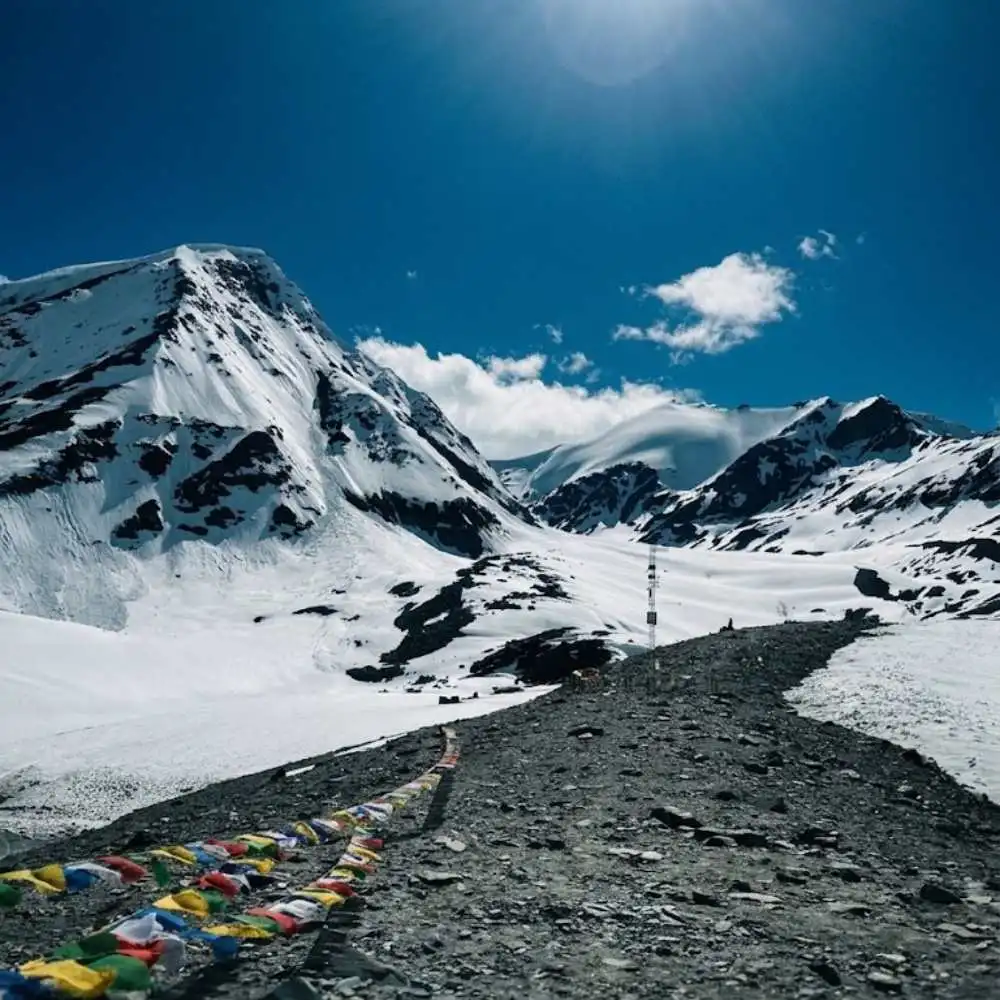
2D Manali•2D Jispa+1
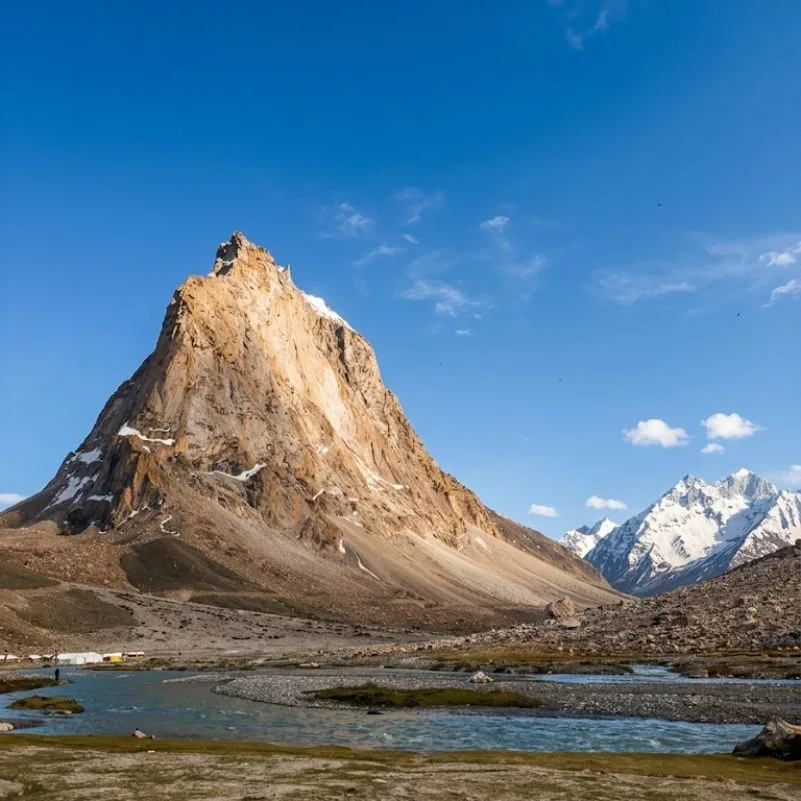 Group Tour
1D Manali•1D Purne / Kargyak / Gonbo Rangjon Side+2
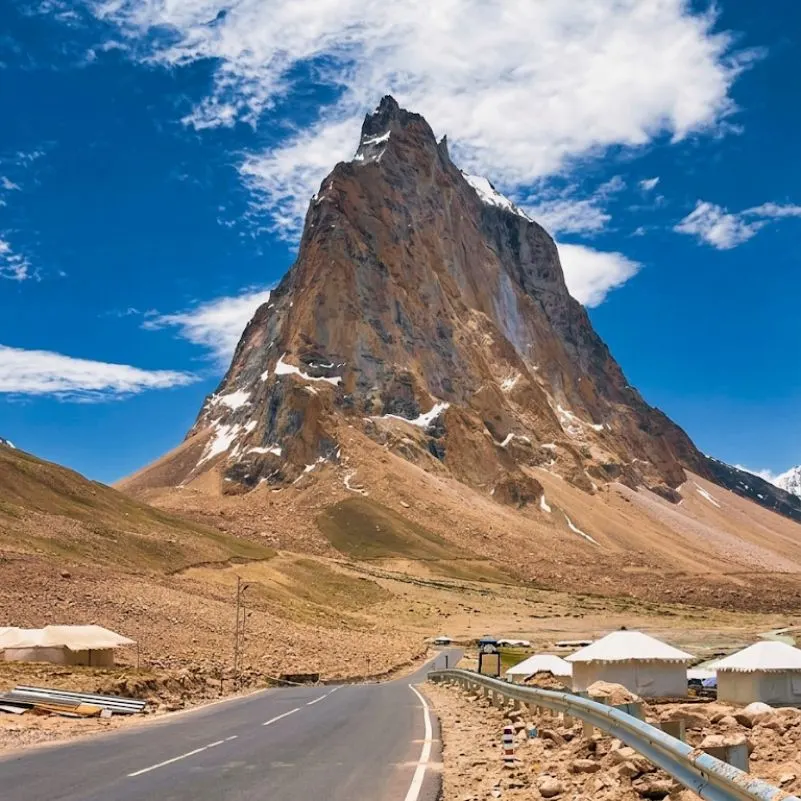
1D Manali•1D Purne / Kargyak / Gonbo Rangjon Side+2
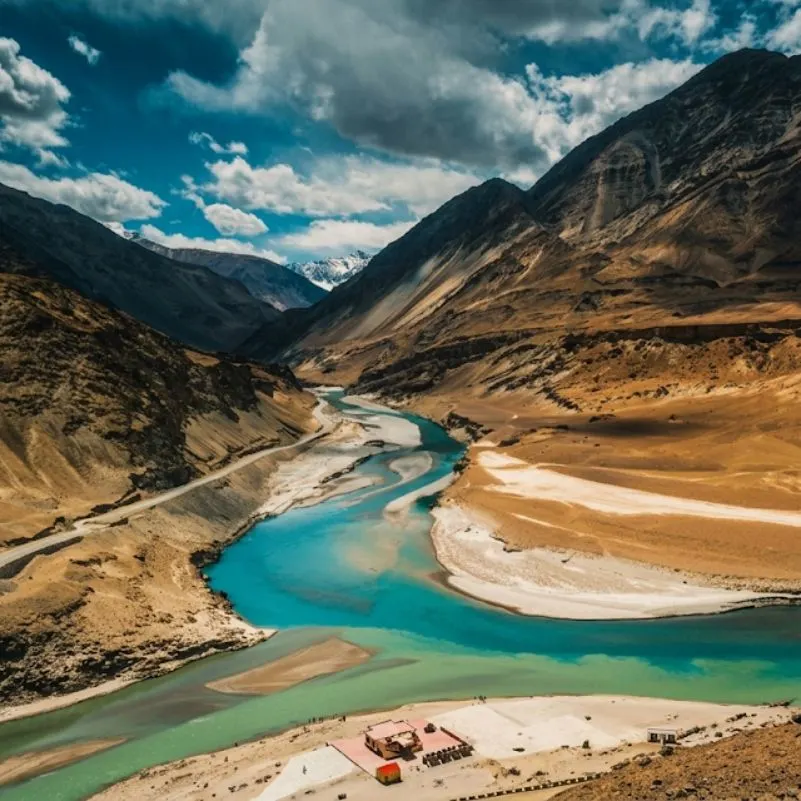 Group Tour
1D Manali•1D Purne / Kargyak / Gonbo Rangjon Side+2
1D Manali•1D Purne / Kargyak / Gonbo Rangjon Side+2
The Bhaga River comes down from the Baralacha Pass glacier and runs right through Jispa. Most of our trips base two nights at a riverside camp here. Walk the bank at sunrise. Find a flat stone and sit on it for an hour. The water is cold even in July, so do not plan to swim. Do plan to dip your feet and regret it instantly and laugh about it later. Best for: Riverside camping, slow mornings, river photography, families.
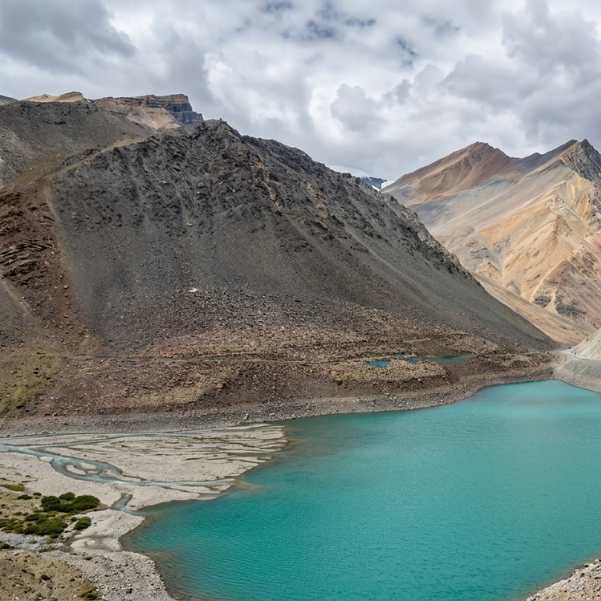
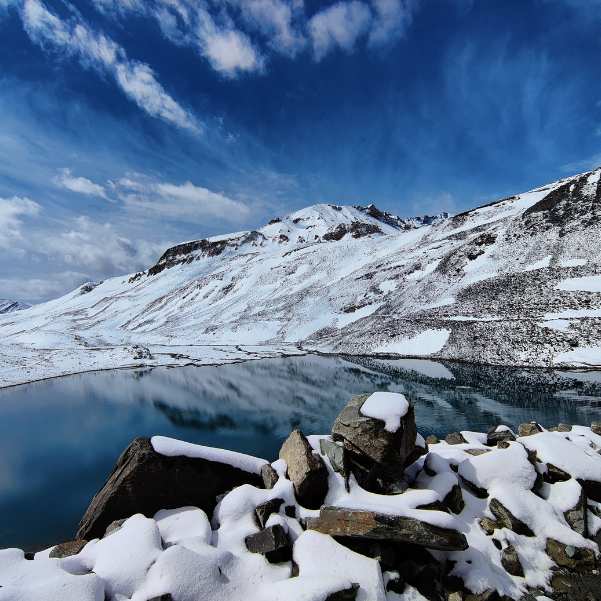
The Lake of the Sun God sits at 4,880 metres near Baralacha La, making it one of the highest lakes in India. The colour shifts through the day as the light angle changes — green in the morning, blue at noon, turquoise by 4 PM. Visit as a day trip from Jispa between July and September, when the Baralacha road is open. Drive up slowly, drink water, and do not run. Best for: Photography, high-altitude lakes, adventure seekers.
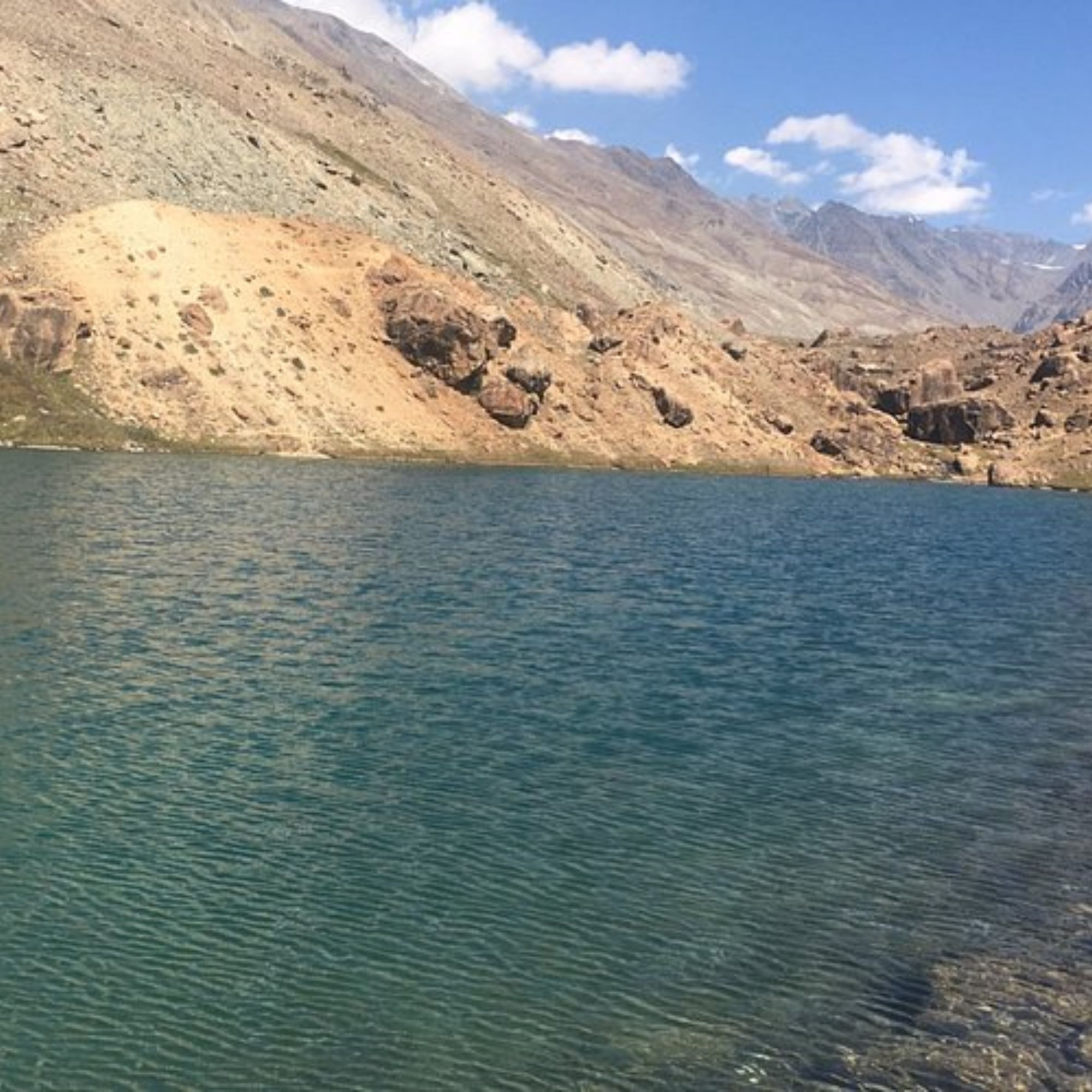
A small blue lake on the Manali-Leh Highway, about 20 km past Darcha towards Baralacha. Not a destination by itself, but worth a morning drive from Jispa for the views along the way and 20 minutes at the lake. Best photography light is between 6 and 8 AM. Accessible only when the Baralacha road is open, generally June to October. Best for: Sunrise photography, photographers, scenic drives.
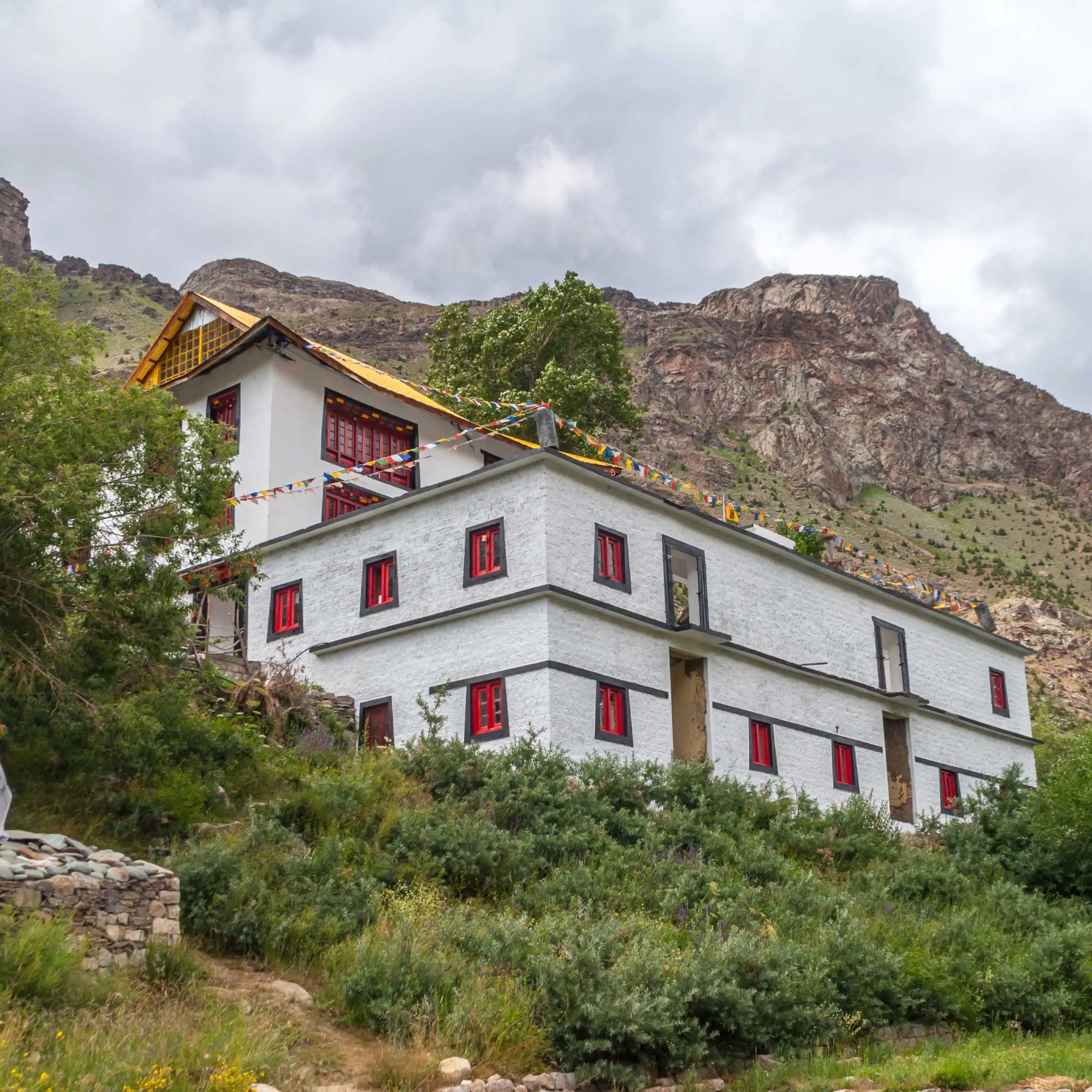
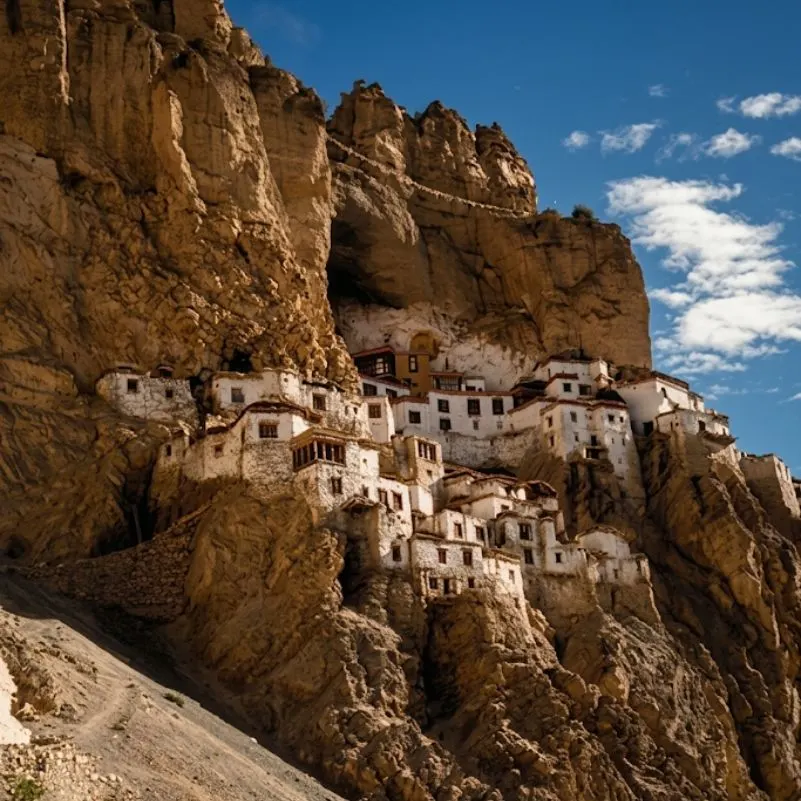
One of the oldest Buddhist monasteries in Lahaul Valley, 4 km from Jispa. This is a working temple, not a tourist attraction. Dress modestly, remove your shoes, and lower your voice. Ask before you photograph anything inside. The Dalai Lama has reportedly stopped here during his travels through Lahaul. Morning is the best time to visit — that is when the monks chant. Best for: Buddhist culture, photography, spiritual travellers.
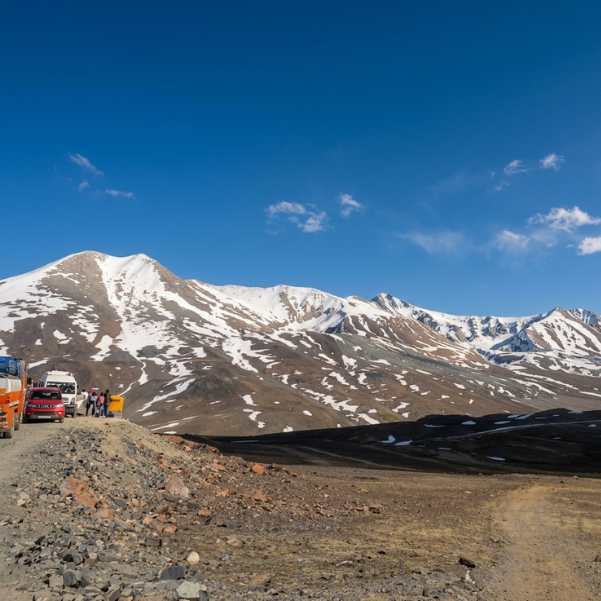
A high mountain pass at 4,890 metres where three mountain ranges meet on the Manali-Leh Highway. The Border Roads Organisation clears the snow each spring, and the road opens by late June. Stop the vehicle. Get out. Let the scale of it land. The views of Suraj Tal from the descent are among the best on the entire highway. Best for: Bikers, road trippers, photographers, Ladakh-bound travellers.
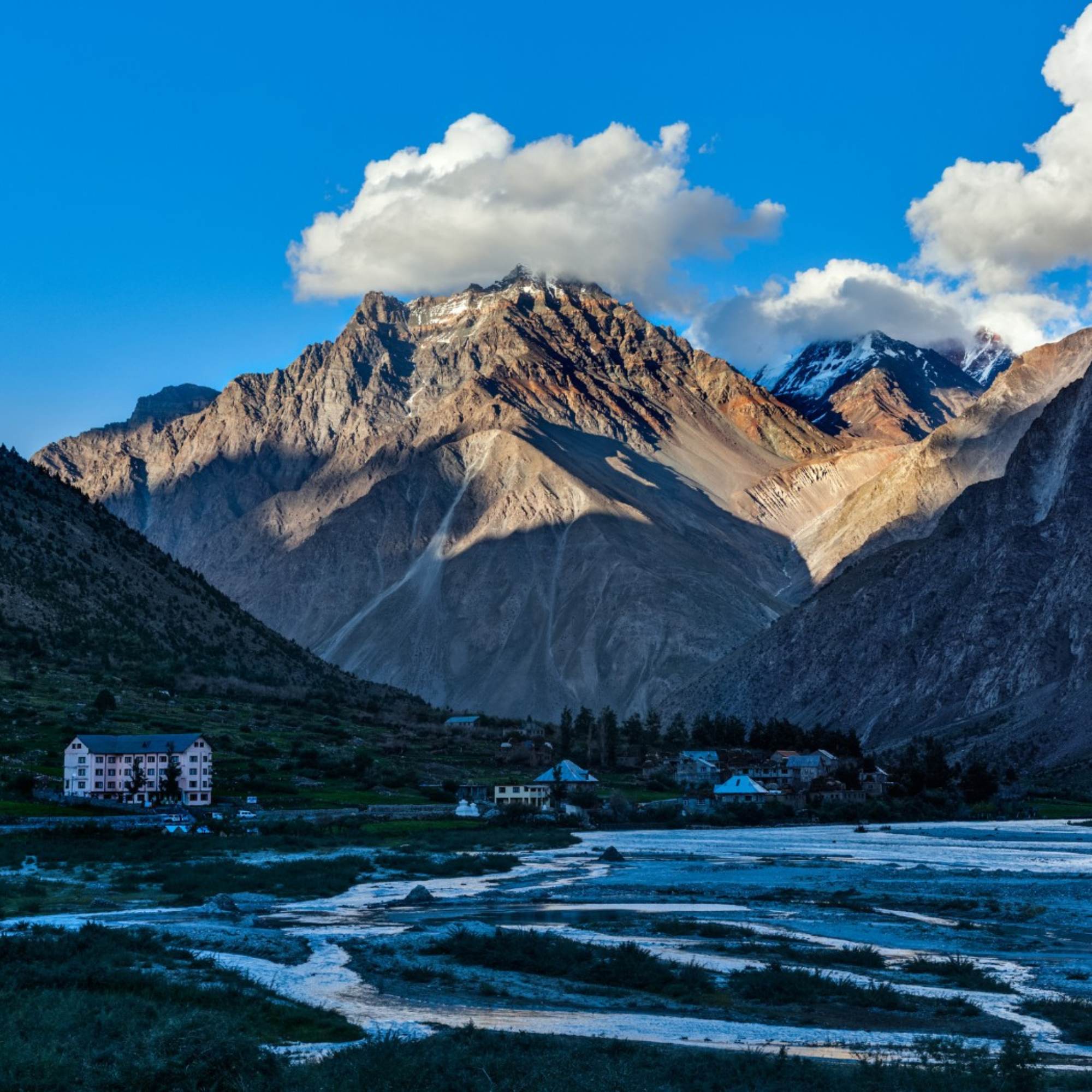
A small village museum showing how Lahauli families actually live. Stone-and-wood houses, copper utensils, woollen chubas, shamanic artefacts, handicrafts made by local women. Opens around 9 AM. Spend 30 to 45 minutes here, then grab chai and parathas at the dhaba next door. The handicrafts on sale are worth taking home and cost a fraction of what you would pay in Manali. Best for: Culture lovers, families with kids, handicraft shoppers.
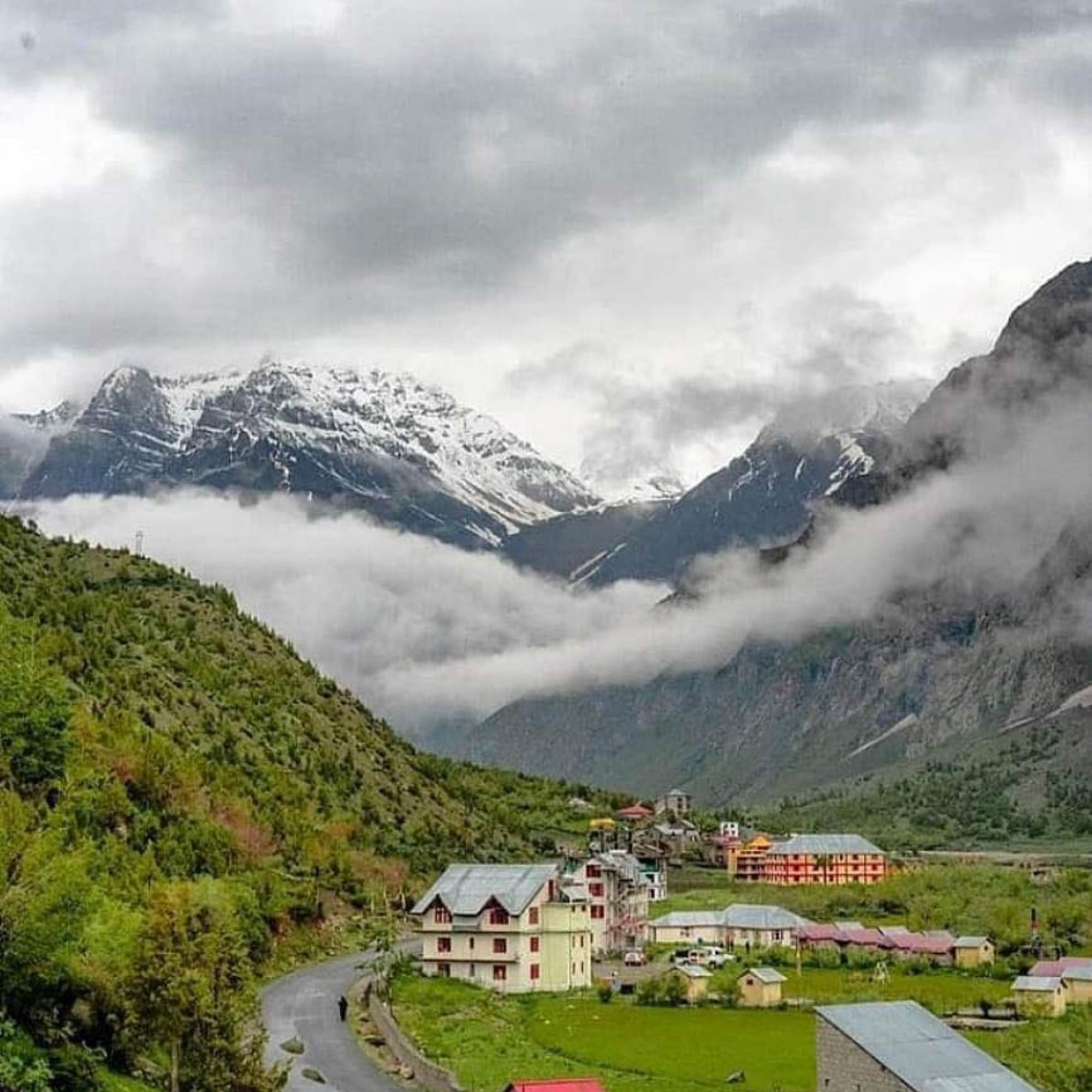
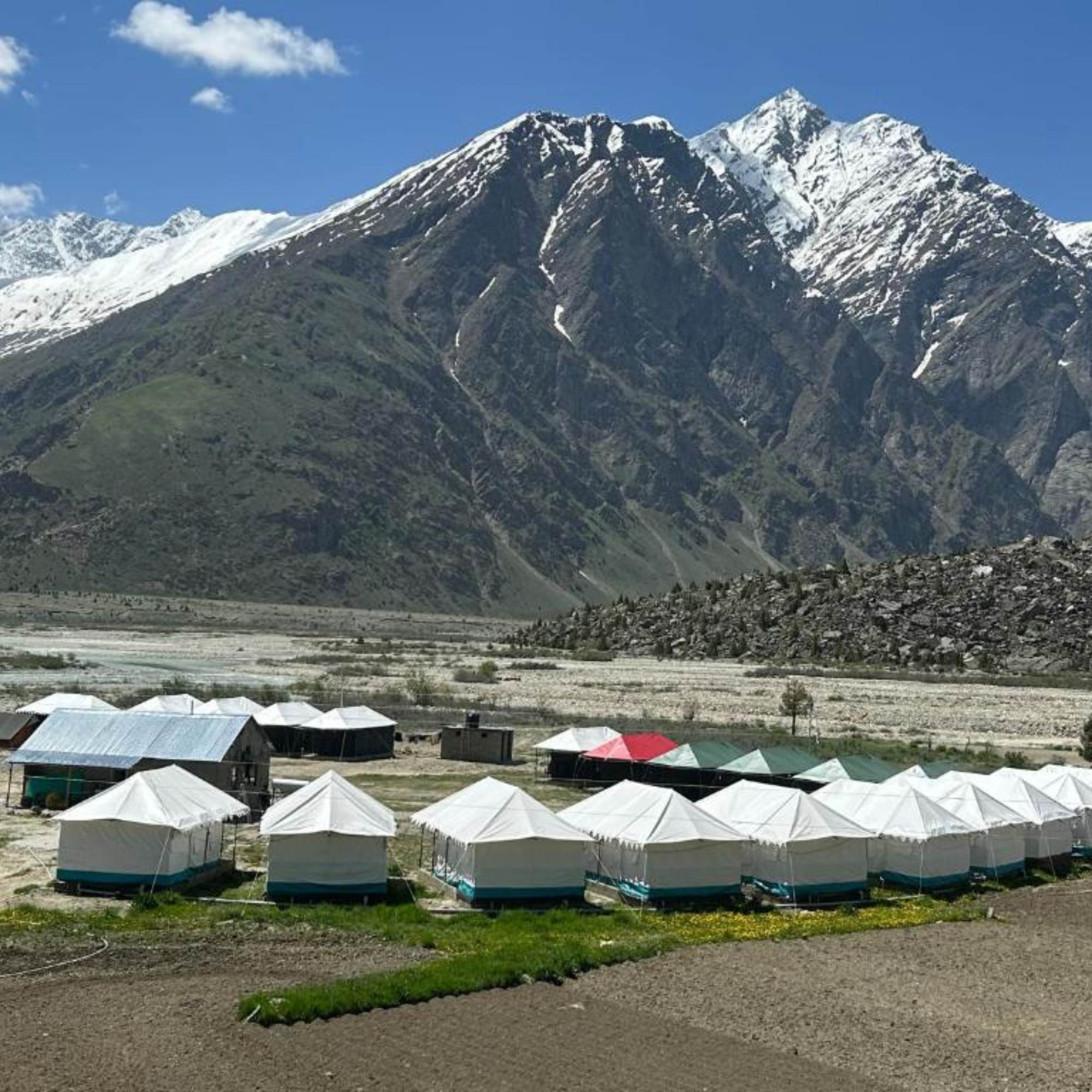
Sleep in Swiss cottage tents along the Bhaga River, with the sound of glacial water as your lullaby. Evening bonfires under the stars, hot chai, and wood-fire dal chawal at 10,500 feet. Padma Lodge, Zostel Jispa, and Bhrigu Camps are our top picks. Bring a warm fleece even in July — nights drop to 5°C and the wind off the river is no joke.
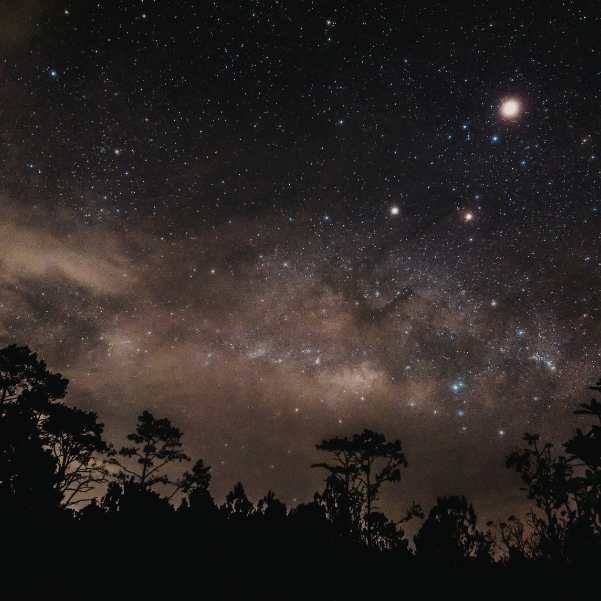
Population of 332 and no city light for kilometres in any direction. On clear nights, the Milky Way arrives by 9 PM and stays visible until pre-dawn. September and October are the clearest months. If you have a tripod and any camera that lets you set ISO and exposure manually, this is the kind of sky photographers travel across countries to find.
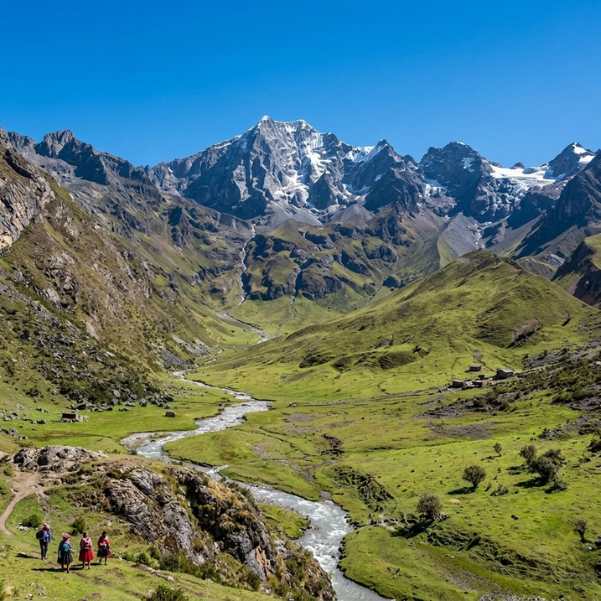
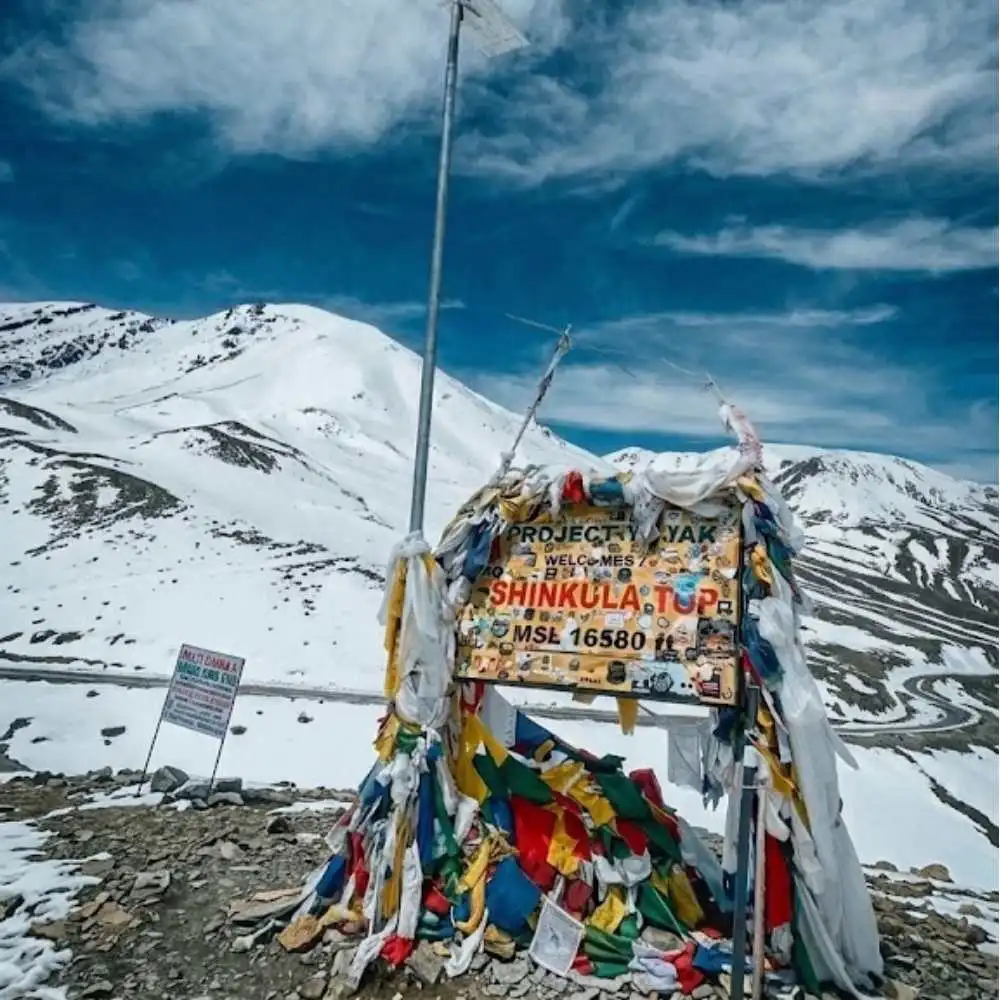
Jispa is a natural base camp for serious high-altitude treks. Suraj Tal is a long day trip when the road is open. Chandratal Lake — the crescent-shaped moon lake of Spiti — is a longer expedition via Kunzum Pass. The Darcha-Padum trek starts just 7 km from Jispa and crosses Shinku La into the Zanskar Valley. These are not casual walks. Plan ahead.
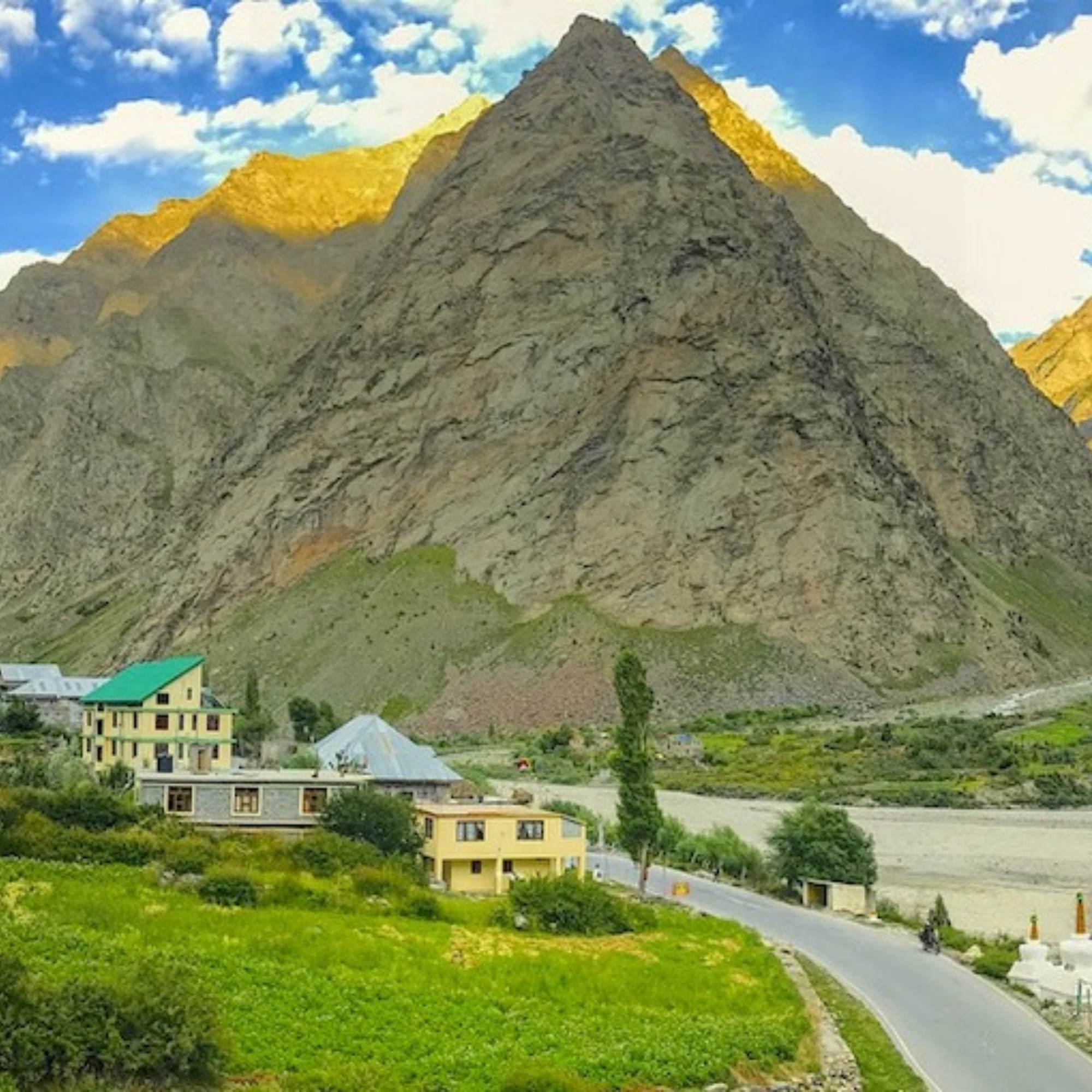
Jispa is dotted with ancient Buddhist stupas. Gemur Monastery (4 km away) is the highlight. Shashur Gompa near Keylong and Tayul Gompa nearby are worth half a day each if you have the time. The small Jispa Monastery in the village itself is a working temple. Dress modestly, remove shoes, ask before photographing.
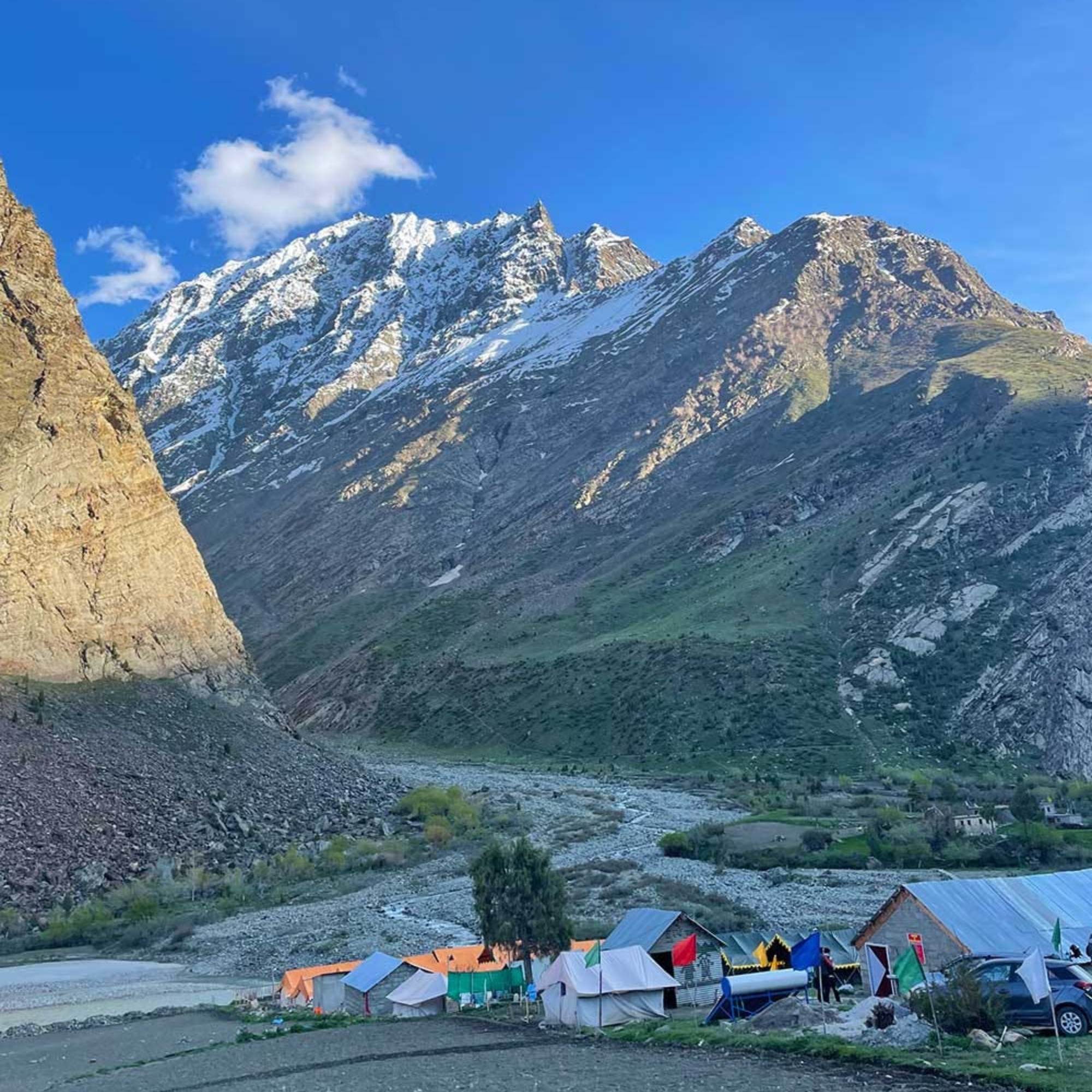
Wake up at 5 AM. Drive 20 minutes. Arrive at Deepak Tal as the sun starts to hit the peaks behind it. The lake mirrors the snow peaks in the still morning air, and the colours shift by the minute. The road climbs steadily past Darcha and the landscape changes rapidly. Bring a wide lens, a warm jacket, and patience for the early start. It is worth it.
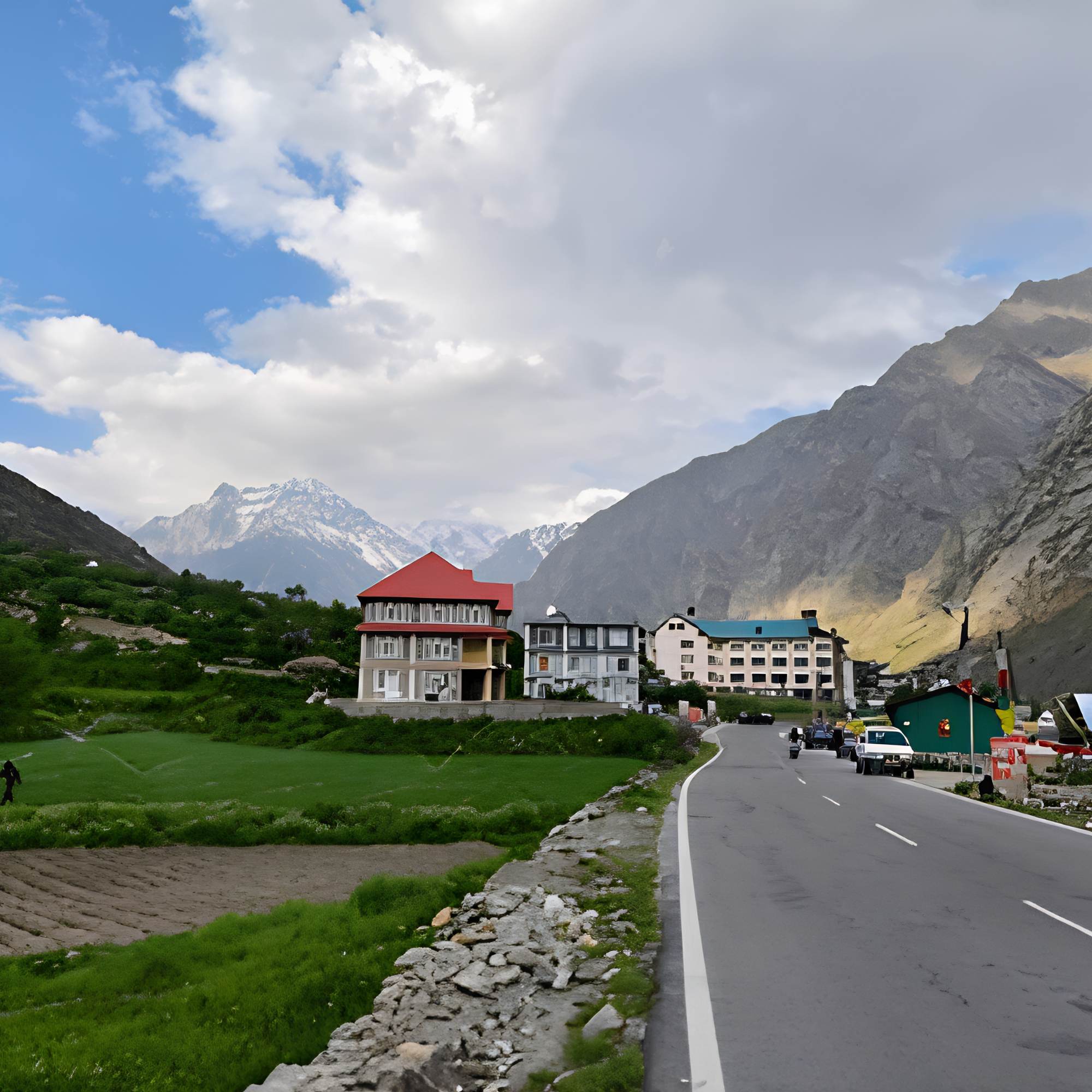
Jispa does not have fancy restaurants and does not need them. The best meals are cooked over wood fires in camp kitchens and homestays. Try siddu (steamed bread stuffed with poppy seed paste), thukpa (Tibetan noodle soup), momos, butter tea, and rajma chawal with homemade chutney. In summer, ask if there is wild spinach or seabuckthorn chutney. If a local family invites you to eat with them, say yes. You will not regret it.

“Travel Coffee truly went above and beyond. Even though we booked from Indonesia without meeting them, we always felt secure — their team was available 24/7 and took care of every detail. Shubham personally ensured our comfort throughout the Himachal trip, from hotel checks to small gestures like bringing lotion and altitude pills. Their sincerity and local expertise made the journey unforgettable.”
Andre & Angel
Our Jispa packages start at ₹9,999 per person for a 4-day trip and go up to ₹22,999 plus for a 7-day Baralacha Pass expedition. Most riverside camping trips fall in the ₹12,999 to ₹15,999 range. All prices are per person on twin-sharing and include accommodation, transfers, meals, and sightseeing. If you are travelling from Delhi, factor in another ₹3,416 to ₹5,414 per person for the overnight Volvo to Manali, depending on seat type.
Four days is the absolute minimum — the drive from Manali, one full day at Jispa, and a relaxed return. Five to six days is what we recommend for most travellers because it lets you actually rest at the river and add side trips like Gemur Monastery and Deepak Tal. Seven days if you want to push to Baralacha La. For Jispa as a Ladakh acclimatization halt, one to two nights is enough.
Yes. The Atal Tunnel drive from Manali is smooth and takes only three to four hours. The village is peaceful, the camps are staffed, and there is no traffic. The one thing to plan for is altitude — Jispa is at 10,500 feet. Keep the kids hydrated, feed them light meals the first day, and let them sleep early. Most children adjust faster than adults, but watch for headaches or unusual tiredness on the first evening.
Jispa is at 10,500 feet (3,200 metres). It is actually considered the smartest acclimatization halt on the Manali-Leh Highway, far easier on the body than Sarchu at 14,070 feet. Most healthy adults adjust within the first evening. Drink water, skip alcohol the first night, walk slowly, and eat light. If you have a history of altitude issues, talk to your doctor about Diamox a week before the trip.
Yes, via the Atal Tunnel — it stays open most of the year. Winter brings minus 15°C nights, heavy snowfall, and a kind of stillness you cannot find in summer. Roads beyond Jispa towards Leh are closed November to May. Heavy snowfall can occasionally shut the tunnel for a day or two. You will need a 4x4 with snow chains and proper cold-weather gear. Winter Jispa is for serious snow lovers, not casual travellers.
They are different. Sissu is closer to Manali (about 40 km), has the dramatic waterfall and frozen lake, and is great for short getaways. Jispa is further north (140 km), much quieter with only 332 residents, and has the better riverside camping. Most of our packages combine the two because they complement each other — Sissu for the visual drama, Jispa for the calm. If you can only pick one, Jispa for camping, Sissu for snow play.
Warm layers (thermals, fleece, windproof jacket), trekking shoes, sunscreen SPF 50, sunglasses, a refillable water bottle, personal medicines, a headlamp, and a power bank. Critically — cash, because there are no ATMs in Jispa. Camps provide bedding and meals, but throw in an extra warm layer. Even July nights drop to 5°C, and the wind off the river is colder than the air temperature suggests.
Yes, easily. Jispa sits right on the Manali-Leh Highway, which makes it the natural acclimatization stop before continuing to Sarchu and Leh. For Spiti, you take a detour from Keylong over Kunzum Pass to Kaza. The Darcha-Padum trek starts just 7 km from Jispa and leads into Zanskar. We build combined Jispa-Ladakh, Jispa-Spiti, and Jispa-Zanskar itineraries regularly. Write to us with your full plan.
Mostly no. BSNL postpaid is the only network that holds reliably in Jispa, and even that is patchy. Jio and Airtel drop out around Sissu. Most camps have slow Wi-Fi that works for WhatsApp messages but not for video calls or streaming. Beyond Jispa towards Baralacha, expect to be entirely off-network. Download offline maps before leaving Manali and tell people at home you will be unreachable.
About 92 km via the Atal Tunnel, taking three to four hours of driving. The old Rohtang Pass route is 140 km and takes five to six hours, but it is only open June to October and needs a permit. We default to the tunnel route in all our packages — faster, smoother, and reliable year-round.
No Rohtang Pass permit if you take the Atal Tunnel, which we do by default. The one mandatory permit is the e-Aagman vehicle registration for entering Lahaul-Spiti — this came into effect in 2026. It is an online process and we handle it for you before your travel day, so you do not have to deal with the portal yourself.
Yes, genuinely. The village has 332 people who mostly know each other. The campgrounds are always staffed and have other guests around. Lahaul has one of the lowest crime rates in India, and the local culture is respectful and Buddhist. Standard mountain travel sense applies — let your campsite know your day's plans, do not trek alone to remote areas, and keep our WhatsApp number handy. Our trip coordinator stays in touch throughout.