
Winter Spiti vs Winter Ladakh in 2026-27: Which Fits Your Leave, Budget and Travel Style?
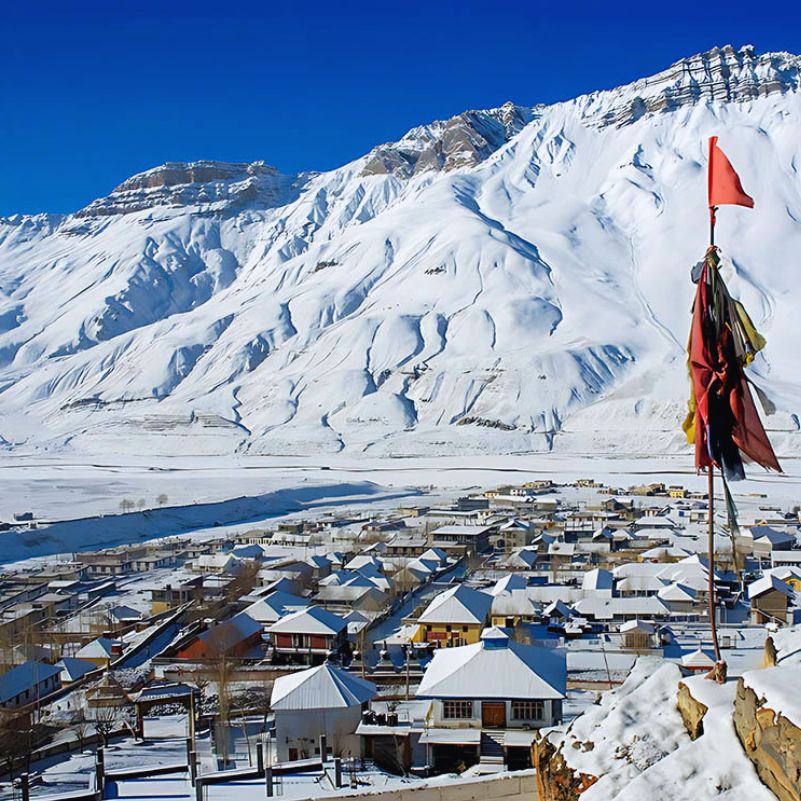
Choosing between Winter Spiti and Winter Ladakh in 2026-27 requires understanding how these two Himalayan destinations differ in terms of accessibility, travel duration, budget and overall experience.
While both offer snow covered landscapes and unique winter adventures, differences in altitude, transport options, accommodation facilities and weather conditions can affect which destination suits your travel plans.
This guide by Travel Coffee compares Winter Spiti and Winter Ladakh, including travel routes, required leave days, estimated trip costs, accommodation comfort and important winter travel considerations.
It will help you understand which destination better matches your available time, budget, comfort preferences and adventure expectations so you can plan a practical and enjoyable winter holiday.
Quick Answer
Winter Spiti is a long road journey through Shimla and Kinnaur.
Winter Ladakh usually means a flight to Leh and two days of rest before anything higher.
Your leave, your total cost from home, your cold tolerance and your flexibility decide the winner. Neither one wins for everyone.
Here is the short verdict on winter Spiti vs winter Ladakh. With nine or more days and a love for road trips, Spiti makes sense. With six to eight days and a willingness to stay close to Leh, Ladakh can work.
Most people get one thing wrong at the start. They compare package prices and photos, and they forget to count travel days, transit nights and the days the mountains simply say no.
Our team recommends counting your journey from the day you leave home, not from the day you reach the snow. That one habit fixes most bad winter plans we see.
How Much Leave Do You Really Need for Winter Spiti vs Winter Ladakh?
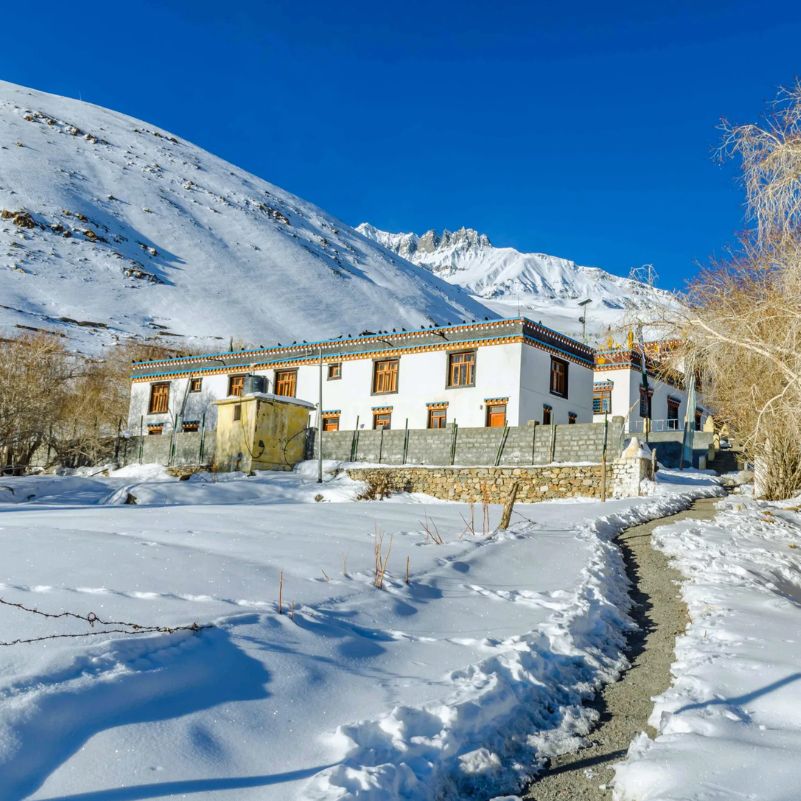
What if you have only four to six days?
Be honest with yourself here. A full winter Spiti circuit from Delhi does not fit into four to six days in any way you would enjoy.
The government lists the Shimla to Kaza drive at about 412 km and roughly 20 driving hours, and that excludes the overnight halt. Add Delhi to Shimla and back, and your short break turns into a long bus and car ride.
Ladakh fits a short break better, but only if you plan conservatively. The Leh district administration asks all tourists to spend at least 48 hours acclimatising after reaching Leh.
So a five or six day Ladakh trip mostly means Leh, nearby monasteries and slow walks. Treat any longer outing as a bonus, not a promise.
One warning matters here: Even a six day plan has almost no room for a cancelled flight. Lose one day to weather at the airport and your sightseeing shrinks fast.
What changes with seven or eight days?
With seven or eight days, Ladakh starts to feel like a proper holiday. You finish your 48 hours of acclimatisation and still have time for selected outings that your driver and local updates confirm as safe.
A shortened winter Spiti trip may work for some people at this length, especially if you start from Delhi or Chandigarh. Expect long drives every day and some sightseeing compromises.
If you live in Mumbai, Bengaluru or Kolkata, add your own travel time. You may need a connecting flight or an overnight transit just to reach Delhi, and that eats into both plans.
When does nine to eleven days make winter Spiti worthwhile?
Nine days is where winter Spiti starts to make real sense. Our nine calendar day winter Spiti group tour runs Delhi to Delhi.
Here is an insider detail most travellers miss: Those nine days include eight nights, but only six nights in hotels or homestays. The other two nights you spend on overnight Volvo coaches.
So plan your sleep, your phone charging and your food for those two coach nights. They feel very different from a warm room.
If your leave allows one or two extra days, keep them free. They won't guarantee anything against snow or landslides, but they give you breathing room if a road shuts for a day.
Can You Actually Reach Spiti and Ladakh in Winter?
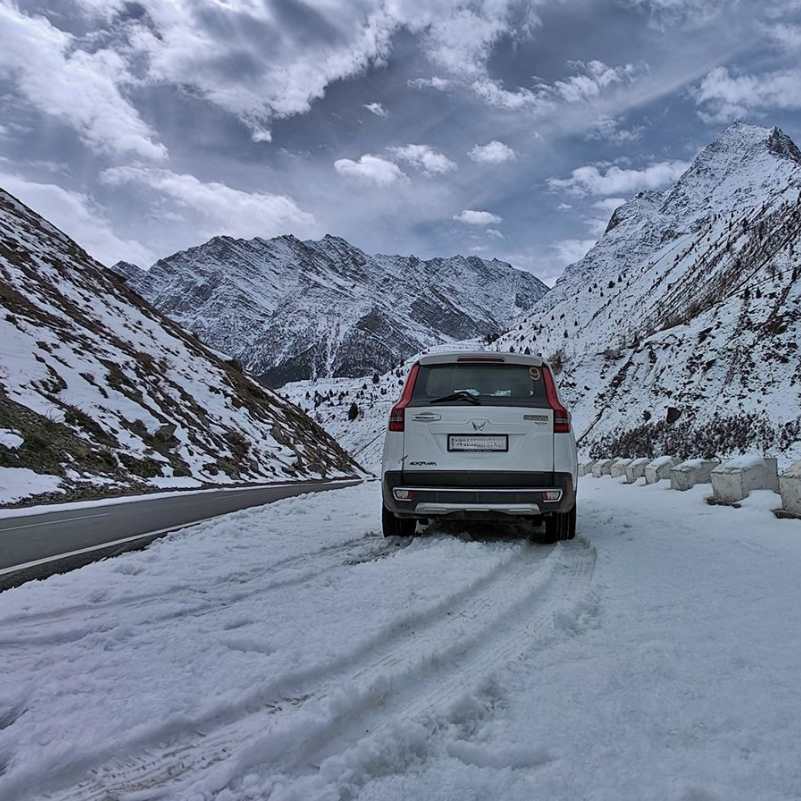
Winter Spiti via Shimla, Kinnaur, Tabo and Kaza
The winter road into Spiti runs from Shimla through Kinnaur, past Sumdo, then to Tabo and Kaza. The Lahaul and Spiti district access page gives the 412 km and 20 hour figures for this route.
Before you book, you can explore the Kinnaur route and see how the valley sets you up for the climb into Spiti.
The government calls this approach "almost all weather". Read that carefully. Snowfall, landslides and local restrictions can still stop traffic on any given day.
For a closer look at how this road behaves in the cold months, read our guide to winter Spiti road conditions.
Why the Manali-Kunzum-Kaza circuit is not a winter plan
Kunzum Pass and the Keylong to Kaza approach usually stay shut for much of winter. The district route page describes a long closure that typically runs from around October or November until June or July.
This season already proves the point. On 15 October 2026, The Tribune reported that snowfall shut Gramphu to Batal, Darcha to Sarchu and Darcha to Shinku La.
That is a dated report from one day. It tells you nothing certain about your own travel dates, so check fresh updates before you go.
This is also why nobody should promise you Chandratal on a normal deep winter Spiti tour. With the Batal and Kunzum side closed, the lake simply sits out of reach. Our Chandratal opening and season guide explains when it usually becomes possible.
Here is our warning in plain words: If an operator sells you a winter Spiti trip with Chandratal or a Manali exit, ask hard questions. We would rather adjust the route than promise a pass that may be closed.
Flying to Leh and planning around road closures
For a typical winter Ladakh holiday, you fly into Leh. Air India advertises flights between Delhi and Leh, though you need to check schedules and fares for your own dates.
The Manali to Leh highway faces snow closures in winter. The land route through Srinagar also needs a check against current official advisories close to departure.
Remember one thing. Landing in Leh and reaching Nubra or Pangong are two separate achievements. The first depends on your flight. The second depends on high passes, weather and your body.
Which Costs Less in Winter: Spiti or Ladakh?

A real winter Spiti package example
Our published nine day winter Spiti group tour starts at ₹18,999 per person for the displayed option. It runs from Delhi to Delhi.
That price covers the overnight Volvo trips between Delhi and Shimla, six nights of stays in Sangla, Tabo, Kaza and Kalpa, mountain sightseeing transport, six breakfasts, six dinners and GST.
The displayed configuration, departure, sharing type and seat availability can change. Treat ₹18,999 as a published starting example and ask for the current quote for your exact date.
You can see the full listing on our winter Spiti tour packages.
A published winter Ladakh package example
For Ladakh, we looked at a different company. An operator publishes a five night, six day Leh based tour from ₹34,900 per adult on double sharing in its Standard category.
That package lists Leh, Nubra and Pangong. In winter, you shouldn't assume every one of those stops, or any night near Pangong, will work on your departure.
That ₹34,900 also excludes your flights to and from Leh.
Keep this comparison in perspective. It is one operator's published quote against our group tour. It is a different product and a different pricing basis, so it doesn't prove what all winter Ladakh trips cost.
The hidden costs that change the result
Your true total equals the package price plus everything around it. Count travel from your home city, meals the package skips, room heating where it costs extra, government fees, insurance and personal spending.
Then add a cushion for snow trouble. One closed road can mean an extra hotel night or extra vehicle days.
Our Spiti listing clearly excludes lunches, meals during coach transfers, separately billed room heaters, optional local 4x4 upgrades, insurance and extra costs from winter delays. If you wonder whether a 4x4 is worth it, read winter Spiti 4x4 versus Tempo Traveller.
For Ladakh, add your return airfare, any transport outside the package, your chosen hotel category and the government tourist fees that the official portal collects.
A small money saving tip from us: carry dry snacks and a flask from Shimla. Lunch isn't part of the Spiti package, and on coach and long drive days, roadside options thin out quickly.
What Does Winter Spiti Feel Like Compared with Winter Ladakh?

Spiti's villages, monasteries and road trip rhythm
Winter Spiti changes slowly in front of you. Kinnaur's apple country and deep gorges give way to the bare, brown slopes around Tabo, and then to Kaza's wide valley.
Life gets quieter in winter. You stay in small villages and traditional homes, hear monastery bells, and see Buddhist heritage that has stood here for centuries.
Key Monastery, Kibber, Chicham and the high villages become possible visits only when roads stay safe after snowfall. Some days they open up. Some days they don't.
The best part of the trip happens at dinner. A hot, simple meal at your Kaza homestay, which our package includes, warms you better than any heater after a cold day outside.
Spiti suits you if the drive itself feels like part of the holiday. You can explore Winter Spiti Valley packages to see different trip lengths.
Ladakh's Leh base, dramatic landscapes and uncertain excursions
Ladakh starts with a sudden jump. You leave Delhi in the morning and land among snow mountains a short flight later.
Then you slow down. You rest in Leh, sip warm drinks, walk gently and visit nearby monasteries during your first two days.
Nubra and Pangong come later, and only if passes stay clear and you feel well. Think of them as chances, not rewards for paying.
Pangong often freezes in winter. Please don't walk onto the ice. Nobody can confirm safe ice or permission for your date.
If you want a flight based plan, explore Ladakh packages and ask what happens when a pass stays shut.
What Does a Realistic Nine Day Winter Spiti Itinerary Look Like?

Days one to three: Delhi, Shimla and Sangla
On day one, you board the overnight Volvo from Delhi to Shimla.
On day two, you continue through the Shimla and Kinnaur side towards Sangla.
Day three stays in Sangla. You may visit the Rakcham and Chitkul area if the road stays safe and open. Fresh snow can shut that side road quickly.
Days four to six: Tabo, Kaza and conditional sightseeing
On day four, you leave Sangla for Tabo, passing through the Kinnaur approach and the Nako area.
On day five, you move to Kaza. Tabo and Dhankar sightseeing depends on road access and on whether places open their doors that day.
Day six gives you a chance to visit Key, Kibber, Chicham, Langza, Komic or Hikkim. Your driver decides based on road safety. None of these visits comes with a guarantee.
Days seven to nine: Kalpa, Shimla and Delhi
On day seven, you drive back through Spiti and Kinnaur towards Kalpa.
On day eight, you return towards Shimla and board the overnight Volvo to Delhi.
On day nine, you reach Delhi.
A roadblock can change the order, the length and the inclusions of the real trip. This itinerary has no Chandratal and no Manali exit, and that honesty protects your holiday.
What Can Six to Eight Days in Winter Ladakh Realistically Include?
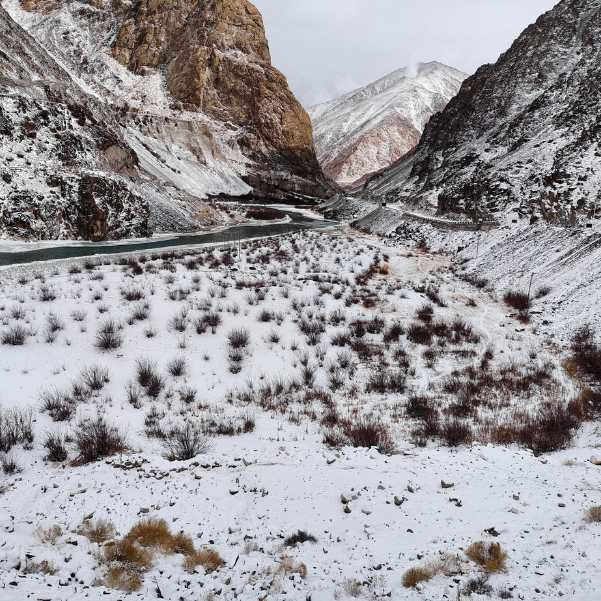
First 48 hours: stay in or close to Leh
The Leh district advisory asks every tourist to acclimatise for at least 48 hours before heading to higher places like Khardung La and Pangong.
During those two days, you can visit nearby areas with care. Rest well and avoid overdoing it.
Here is a timing tip that changes everything: Count your 48 hours from the moment you land, not from the date. An afternoon arrival means day three morning may still feel too early for a high pass.
After acclimatisation: choose excursions based on actual road clearance
A careful six day plan looks like this. You spend two days resting, then explore around Leh, and add one longer outing only if you feel fine and the road stays clear.
With seven or eight days, you can consider extra outings towards Nubra or Pangong if roads keep working. Treat each one as a decision you make that morning, not a fixed booking.
Why Pangong and Nubra should not both be guaranteed on a tight schedule
Many things can break a fixed winter plan. High pass clearance, weather, your health, vehicle availability and stays can each stop an outing.
The Leh district tourism page puts Pangong at about 14,270 feet. That height deserves respect, especially in a deep cold.
Confirm any winter lakeside room, camp or facility for your exact departure. Skip the push to squeeze both Nubra and Pangong into six days. A relaxed Leh based backup plan beats pressing on towards a closed pass.
Which Is Harder on Your Body: Altitude, Cold and Travel Fatigue?

Both trips take you to real altitude, and your body notices in both places.
Driving slowly through Kinnaur gives a gradual climb, but it doesn't prevent altitude sickness. Flying into Leh doesn't harm everyone either. It simply means you must follow the 48 hour rule.
Spiti tires you in its own way. Long drives, cold mornings, broken sleep, fewer winter services and bad weather all add up over several days.
If you have a heart, lung or other health condition, talk to your doctor before you book. We never suggest medicines or doses. That decision belongs with your doctor.
If you develop worrying symptoms like a severe headache, confusion or trouble breathing, get medical care quickly and don't push higher.
What Are Winter Hotels, Homestays, Heaters and Bathrooms Really Like?
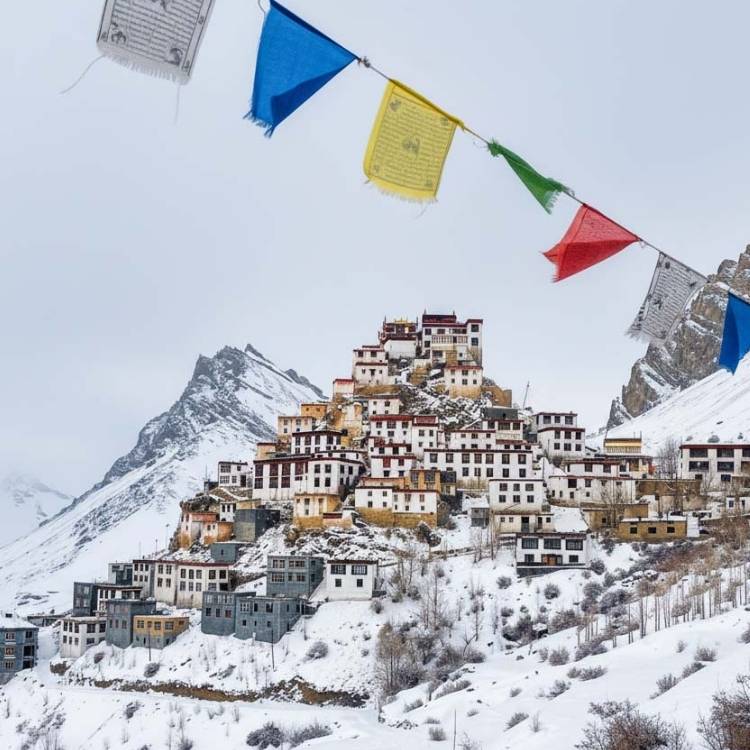
In our experience, the details of a winter room can matter just as much as the sightseeing list.
Some rooms come with heating. Many charge for a heater separately. Hot water may come in a bucket, and in deep cold, pipes and toilets can freeze.
Before departure, ask for the actual property name, the number of beds, the bedding, the bathroom type, the heating system, the power backup and which meals you get.
Our standard Spiti tour clearly excludes separately billed room heater charges. Keep some cash aside for that so it doesn't surprise you at night.
Vehicles matter too. Our group vehicle carries snow chains, but chains, a 4x4 or a skilled driver can't make a closed road safe. When officials shut a route, the right move is a different route or a rest day.
Is Spiti or Ladakh Better for Couples, Solo Travellers, Families and Photographers?

For couples and photographers
Spiti gives you long scenic drives, village life, frosted fields and slow evenings in homestays. It suits couples who enjoy time together on the road.
Ladakh gives you Leh based monastery visits and a few selected landscape outings when the weather allows. It suits couples with less leave.
For privacy, ask about room types and heating rather than assuming a quiet, private stay. Photographers should also expect some planned spots to stay closed.
For solo travellers and small groups
A shared Spiti group tour gives you company, a fixed price and someone else handling the roads. The trade off is less control over the daily plan.
Flying to Leh alone and arranging sightseeing there gives you freedom, but costs can rise when you hire vehicles for one person.
In both cases, ask the operator how the group decides itinerary changes. If you travel solo as a woman, read our guide on Spiti safety for solo female travellers.
For first time high altitude visitors and families
Your health, your cold tolerance, your comfort needs and your patience for long drives decide this. So does the operator's backup plan.
We can't make blanket promises for children, seniors or anyone with a medical condition. If altitude, uncertainty or harsh cold feels like too much, postponing or choosing a lower destination is the smart call.
Is December, January, February or March Better?

November and December: the start of serious winter conditions
Days get shorter, nights get colder and high pass closures become more likely as the weeks pass.
Snow may cover a village one week and look patchy the next. Nobody can promise snow in a specific place on a specific date.
January and February: deeper cold and higher disruption risk
These months demand the most from you. Heating matters more, road clearance takes longer and many services shut for the season.
You need flexibility and patience. Plan fewer outings and keep spare time.
March: transition conditions, not a guaranteed reopening
March can still feel like a full winter. Snow can fall, and roads can still shut.
Don't assume Kunzum Pass, Chandratal or the full Manali to Spiti circuit will open just because the calendar says March.
What Should You Confirm Before Booking a Winter Spiti or Ladakh Tour?
What we tell our travellers is simple: get the boring details in writing before you pay anything.
Confirm the start and finish city, the calendar days, the hotel nights and the transit nights. Ask about room heating, breakfast and dinner, permits or tourist fees, insurance and the vehicle.
Then ask for a written policy on cancelled flights, snow closures, unused activities, extra nights and refunds. That paper decides who pays when the mountains change the plan.
Check current weather advisories and route updates close to departure. A blog, including this one, can't act as live road information.
Here is our final verdict on winter Spiti vs winter Ladakh. Winter Spiti suits you if you have enough time for a road trip and love small villages and winter homestays.
Winter Ladakh suits a shorter flight based plan, if you accept two days of rest and limited sightseeing. Neither gives you a guaranteed, easy snow holiday.
Explore Our Curated Winter Spiti Tour Packages
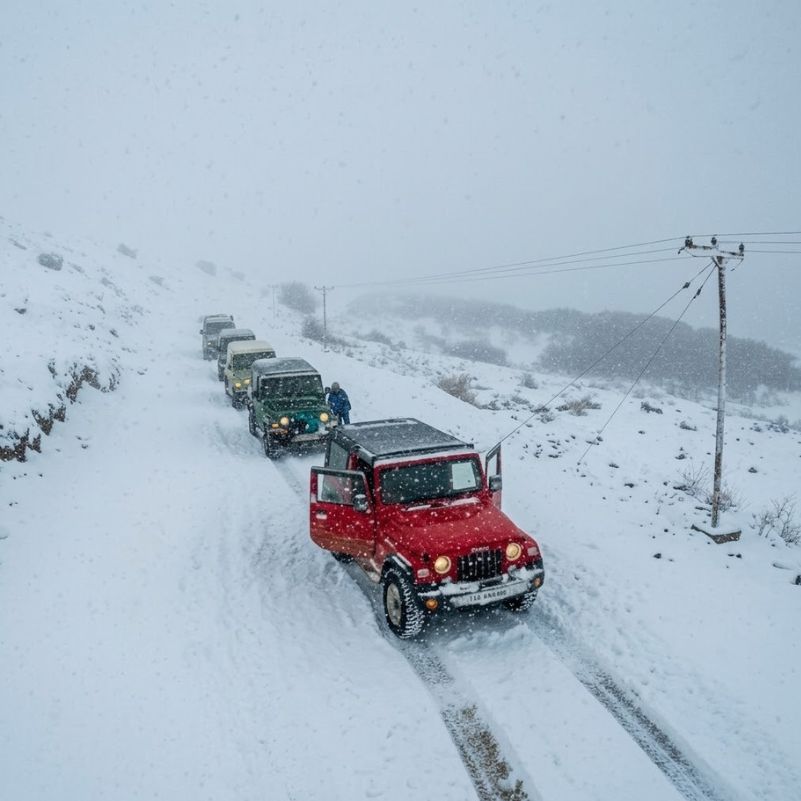 Group Tour9D/8N
Most Loved 4×4 Winter Spiti Expedition
2D Sangla•1D Tabo+2
₹29,999₹35,999SAVE INR 6,000/ person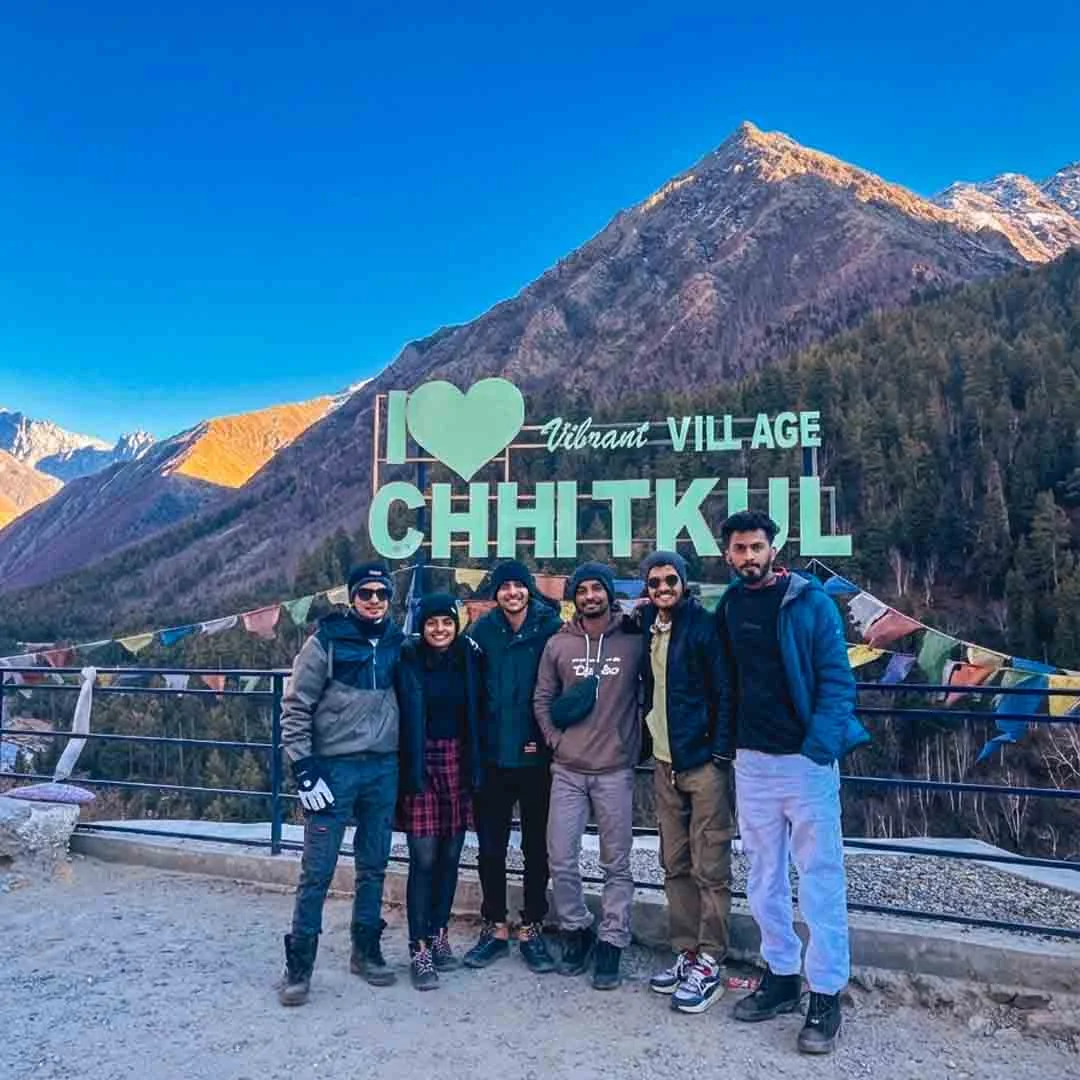 Group Tour9D/8N
Best Selling Winter Spiti Valley Group Tour
2D Sangla•1D Tabo+2
₹18,999₹23,999SAVE INR 5,000/ person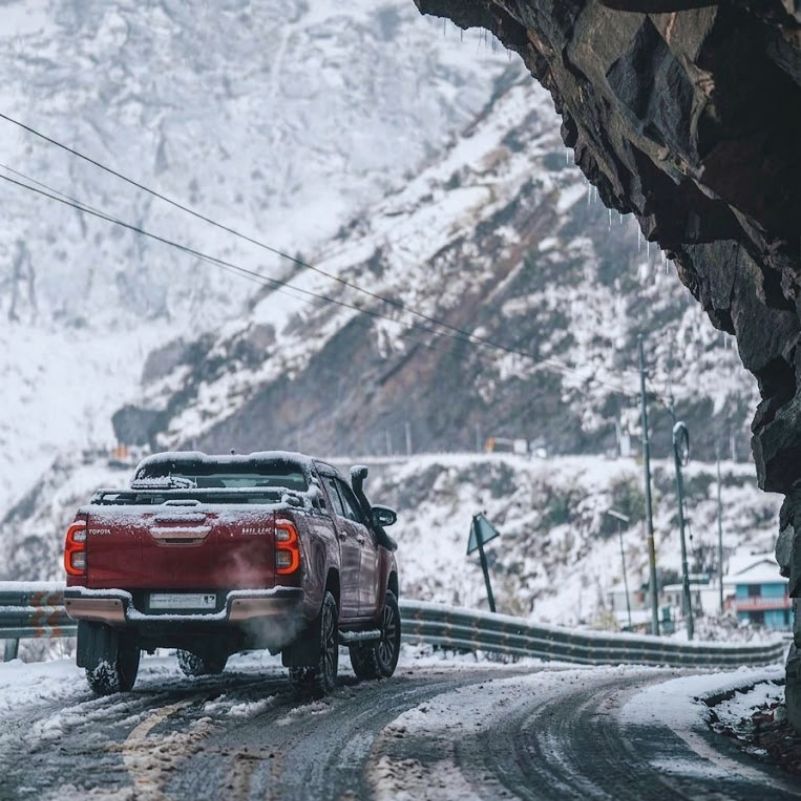 Group Tour8D/7N
Best Selling Kinnaur & Spiti Winter 4x4 Expedition
1D Sangla•1D Nako+2
₹27,999₹30,999SAVE INR 3,000/ person
Related topics
Frequently Asked Questions
Which is better for a winter trip, Spiti or Ladakh?
Spiti is ideal for travellers with nine or more days who enjoy road trips, villages and homestays. Ladakh suits those with limited leave who prefer flying. Choose based on your budget, available days and comfort with winter conditions.
Can I visit winter Spiti with just five days of leave?
Five days is too short for a comfortable winter Spiti trip. The Shimla to Kaza journey takes around two days each way. Plan at least nine days or choose a shorter Himachal trip instead.
Is six days enough for winter Ladakh?
Yes, six days can work for a Leh based trip, provided you allow at least 48 hours for acclimatisation. Visits to Nubra Valley or Pangong Lake depend on your health, road conditions and available time.
Is Spiti cheaper than Ladakh in December and January?
Winter Spiti packages start around ₹18,999 in our example, while a compared Ladakh package costs ₹34,900 excluding flights. However, total expenses depend on transport, accommodation, meals, heating and unexpected delays.
Is the Shimla to Kaza road open throughout winter?
The Shimla to Kaza route remains accessible during much of winter but is not guaranteed to stay open daily. Heavy snowfall, landslides and restrictions can cause temporary closures. Always check road conditions before travelling.
Can I visit Spiti from Manali in January?
No, the Manali to Kaza route via Kunzum Pass normally remains closed in January due to heavy snowfall. Winter Spiti travellers generally reach Kaza through Shimla and Kinnaur instead.
Are Pangong Lake and Nubra Valley open to tourists in winter?
Both destinations may be accessible during winter, depending on snowfall, road conditions and official restrictions. Pangong Lake often freezes, but walking on the ice is unsafe without confirmed local guidance.
Can I visit Chandratal Lake in December or February?
No, Chandratal Lake is generally inaccessible during December and February because the Kunzum and Batal routes remain snowbound. Plan your Chandratal visit during the summer travel season instead.
Which is colder, winter Spiti or winter Ladakh?
Both destinations experience extreme winter cold, especially at night. Temperatures vary by altitude and weather conditions. Pack insulated clothing, thermal layers and proper winter footwear for either trip.
Do Indian and foreign tourists need permits for either destination?
Indian tourists generally do not need a special permit for standard Spiti routes, although applicable Ladakh fees must be paid. Foreign tourists may require protected area permits for certain locations in both regions. Check current official requirements.
Which is better for couples, solo women and first time travellers?
Spiti suits couples who enjoy scenic drives and quieter villages, while Ladakh works for travellers with less leave. Solo women may prefer organised groups. First time visitors should consider altitude, weather and travel comfort.
Who pays for additional hotel nights if a road or flight closes?
Additional accommodation, meals and transport costs depend on your operator's booking terms. Travel Coffee's winter Spiti package excludes extra expenses caused by weather delays. Always confirm these conditions before booking.
More about Lahaul and Spiti
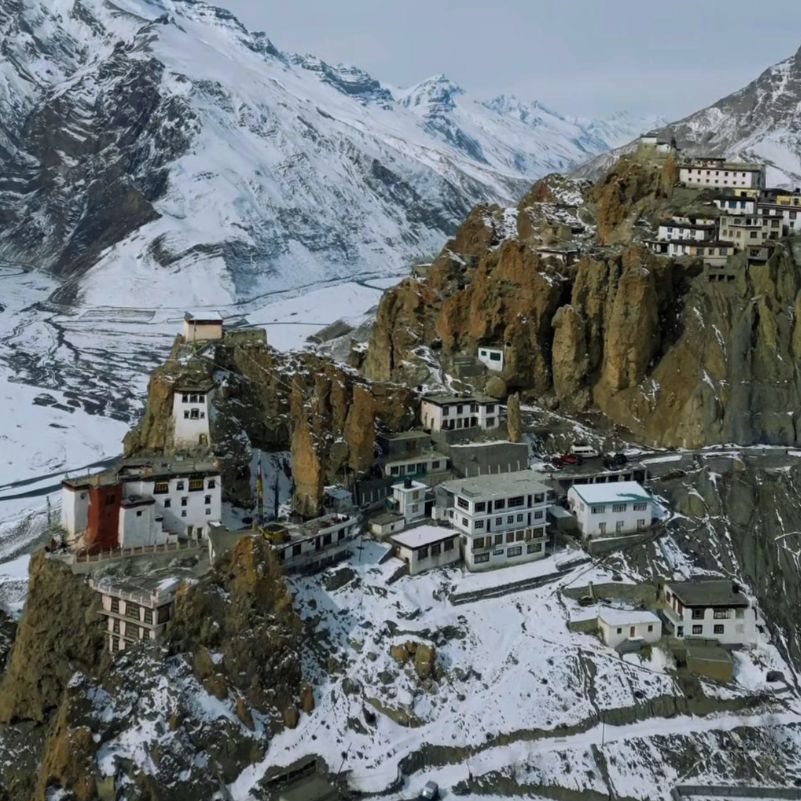 Lahaul and Spiti
Winter Spiti from Bangalore in 2026-27: Flights, Leave Days & Delhi 4x4 Departures
Planning a Winter Spiti trip from Bangalore in 2026-27? Explore flight options, Delhi pickup points, leave requirements, 4x4 group expeditions, travel costs and a practical itinerary to help you plan your Himalayan winter adventure.
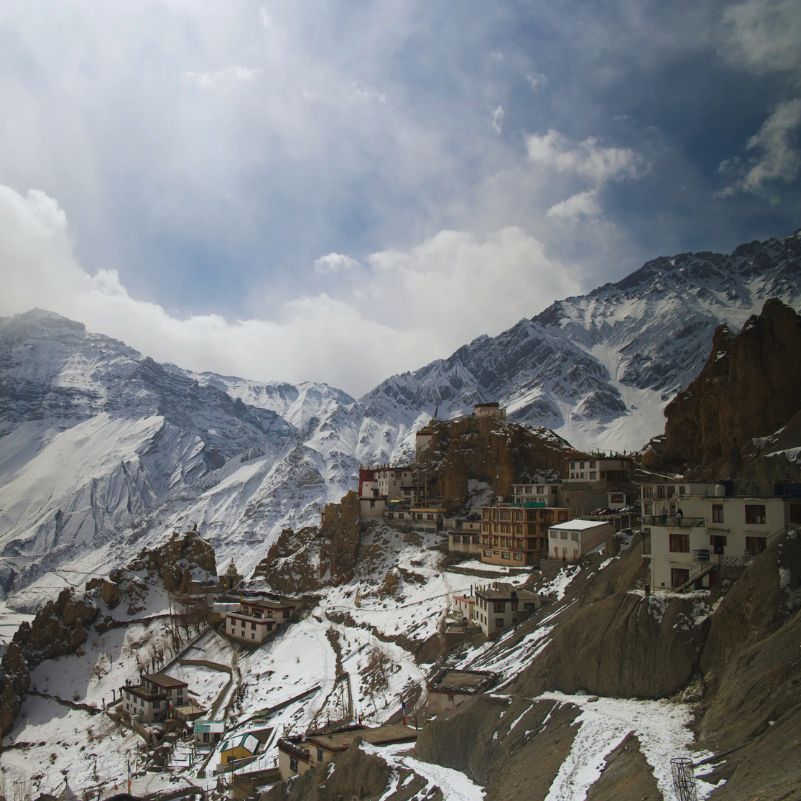 Lahaul and Spiti
What Does a Winter Spiti 4x4 Trip Really Cost in 2026-27? Package Price vs Total Holiday Budget
Planning a Winter Spiti 4x4 trip in 2026-27? Discover the real travel budget, including package prices, transport, meals, winter essentials and hidden expenses. Learn what your package covers, what costs extra and how to plan your Spiti Valley adventure without unexpected spending.
- Lahaul and Spiti
How Many Leave Days Do You Need for a 9-Day Winter Spiti Trip in 2026-27?
Planning a 9 day Winter Spiti trip in 2026 to 2027 requires careful leave planning, especially for working professionals travelling from cities like Bangalore, Mumbai, Hyderabad and Delhi.