
Kashmir Trip Cost in 2026: Complete Budget for Couples, Families and Solo Travellers
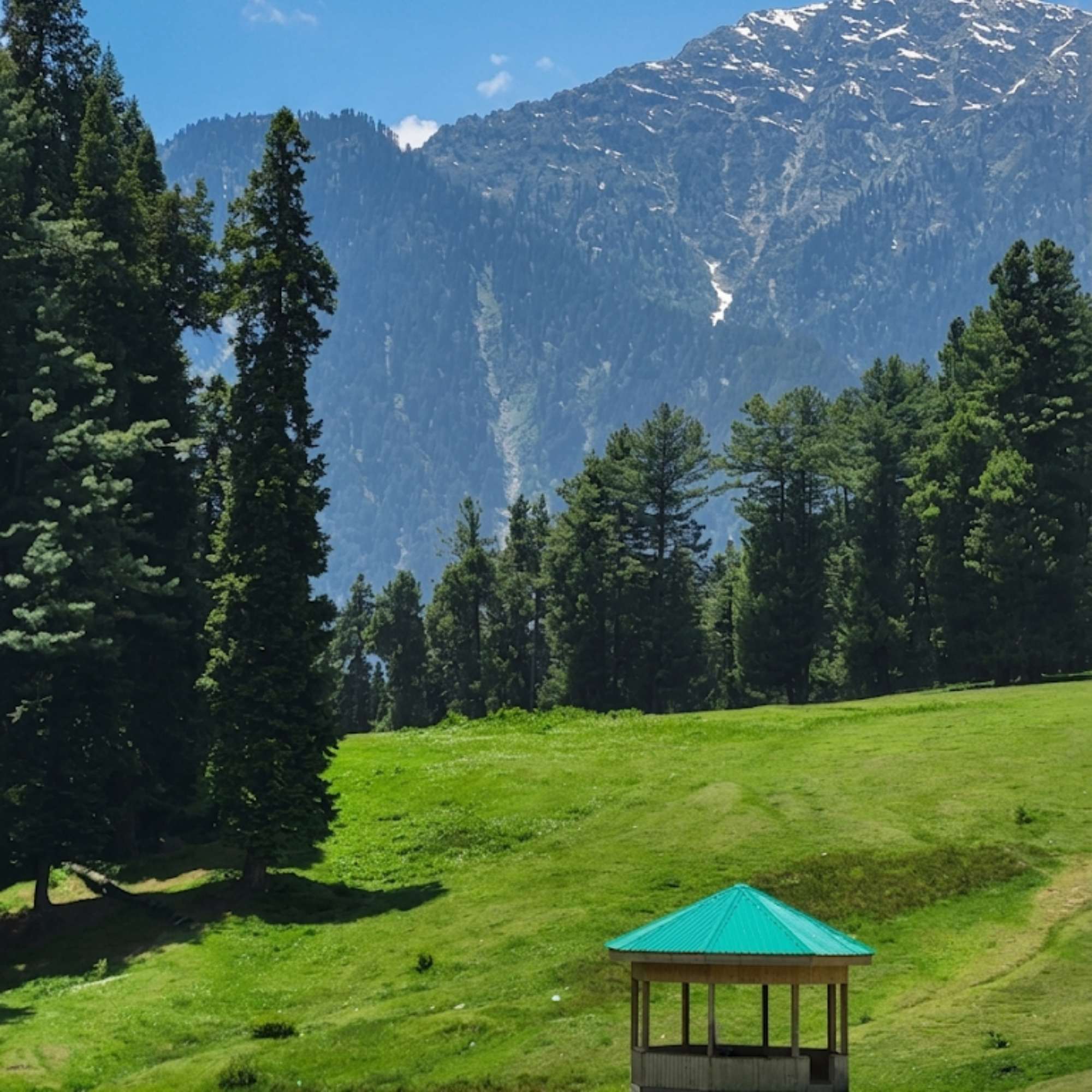
Planning a Kashmir trip in 2026 starts with one important question: how much should you budget? The total cost depends on your travel style, number of days, season, hotel category, transport choice and the experiences you want to include.
A couple may spend differently from a family, while solo travellers need to plan carefully because hotel rooms and private cabs are not shared.
This guide by Travel Coffee breaks down the expected Kashmir trip cost for couples, families and solo travellers, including transport, stays, meals, sightseeing, local taxis and other common expenses.
Use these estimates to build a realistic budget before booking, while keeping a little extra aside for seasonal price changes and last-minute costs.
Quick Answer: How Much Does a Kashmir Trip Cost in 2026?
For a five to seven day Kashmir trip, plan for ₹20,000 to ₹35,000 per person if you travel budget, ₹35,000 to ₹55,000 per person for mid-range, and ₹60,000 to ₹80,000 or more per person for luxury.
For a five-day couple trip that covers only the ground portion, the budget estimate is ₹26,000 to ₹38,000 and the mid-range estimate is ₹40,000 to ₹60,000 for the two of you together.
Read those two paragraphs carefully. The first set is per person. The second set is for a couple. Mixing them up is the single most common budgeting mistake we see.
These are market estimates, not fixed tariffs. Some cost guides you find online include your flight or train to Kashmir in the total. Most package quotes do not. They are land-only.
If you want to see what a structured itinerary includes before you start doing your own maths, our Kashmir tour packages page lists the routes and inclusions we run.
What Is Included in the Total Kashmir Trip Cost?
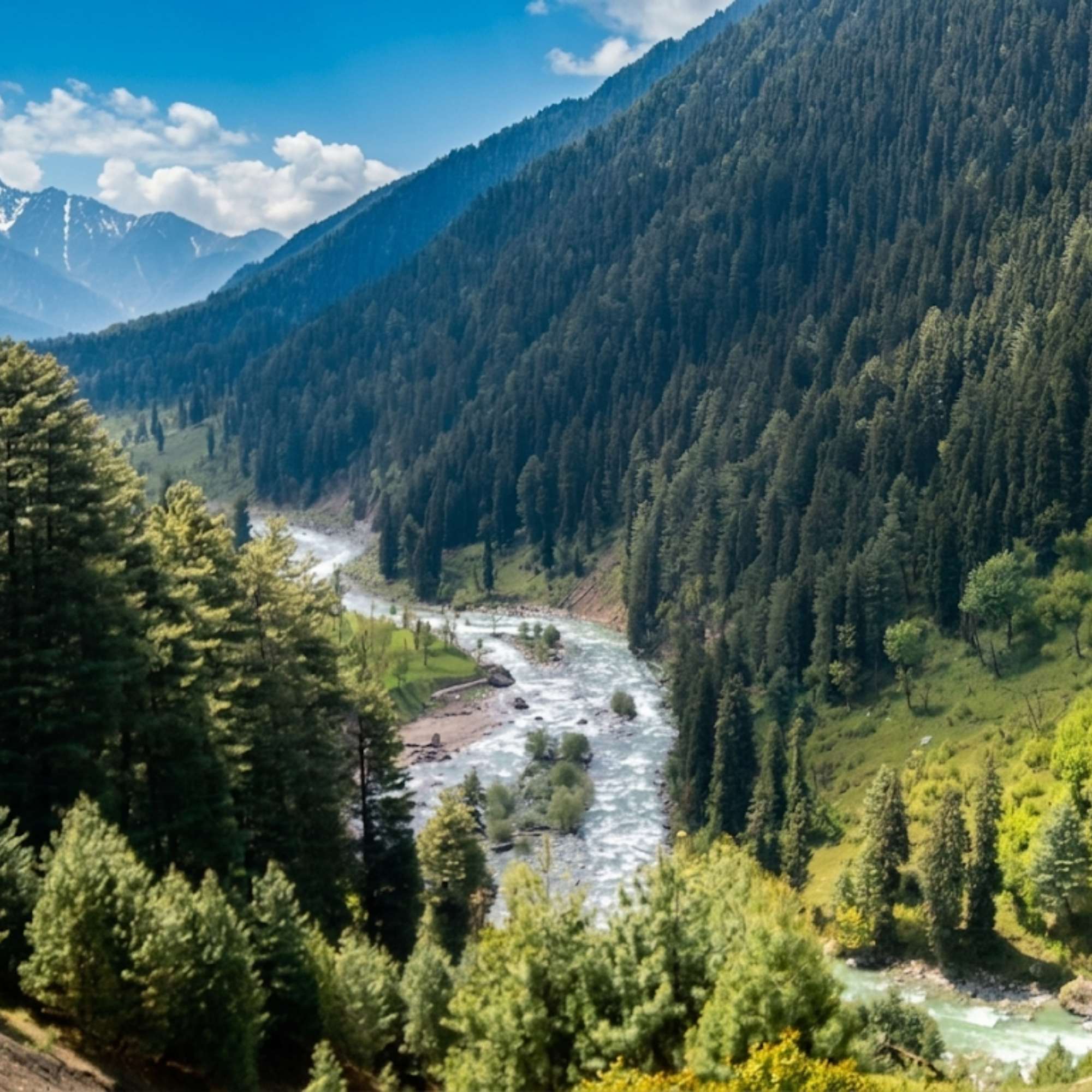
Travel to Srinagar or Jammu
Your starting city changes everything. Someone flying from Delhi and someone taking a train from Chandigarh will build very different budgets for the same five days on the ground.
Flight fares to Srinagar move daily. They spike during summer holidays and around snowfall season. We are not going to publish a number here because it would be wrong by the time you read this.
There is a new option now. The Srinagar to Jammu Tawi Vande Bharat extension was flagged off on 30 April 2026.
According to PIB, the Katra to Srinagar section takes about three hours. That changes the maths for anyone already travelling towards Vaishno Devi or coming up by train from the plains.
Check availability and fare live before you build your plan around it.
Accommodation and meals
Most package prices assume two people share one room. If you are three adults, the extra bed changes the price. If you are solo, a single-room supplement usually applies.
Hotel category matters more than star ratings suggest. A well-located mid-range hotel in Srinagar often beats a fancier one 8 km out of the centre.
Houseboat stays are priced separately from regular hotels and usually cost differently per night.
Meal plans come in two common forms. Breakfast-only, or breakfast-and-dinner. The second one looks more expensive on paper but often works out cheaper because you only pay for lunch outside.
Local transport and sightseeing
This is where most quotes get confusing, so read this bit slowly.
Your package usually includes one main cab that handles your full itinerary. Srinagar pickup, Gulmarg, Pahalgam, Sonamarg, drops, all of it.
But certain sightseeing circuits do not allow that cab to go further. Local union vehicles handle those stretches, and you pay them separately unless your operator has specifically included it.
The Pahalgam valleys are the classic example. Your main cab drops you at Pahalgam. Local taxis take you to Aru, Betaab and Chandanwari.
In our experience, this single gap causes more budget arguments on the ground than anything else in Kashmir.
Activities and personal expenses
Gondola tickets, shikara rides, pony rides, a guide for the day, winter clothing rental, shopping in the Srinagar markets, snacks, kahwa stops, and tips. None of this sits inside a standard package price.
Add these up honestly before you decide your total. They are not small.
How Much Does a Kashmir Trip Cost by Travel Style?
Budget Kashmir trip
A budget trip means basic hotels or guesthouses, shared transport where possible, simple local meals and fewer paid activities.
You still see everything. You just sleep simpler and eat where locals eat.
Plan for ₹20,000 to ₹35,000 per person for five to seven days as an estimate.
Comfortable mid-range Kashmir trip
Mid-range gets you better-located hotels, more comfortable rooms, a private vehicle for the whole trip and some meals included.
For most couples and families, this is the level that actually feels good without feeling wasteful.
Plan for ₹35,000 to ₹55,000 per person for five to seven days.
Premium and luxury Kashmir trip
Premium spending improves your room, your hotel's location, your vehicle and how flexible your day can be.
It does not change the destinations. The Gondola is the same Gondola. Dal Lake is the same lake. You are paying for comfort and control, not for a different Kashmir.
Plan for ₹60,000 to ₹80,000 or more per person for five to seven days.
How Much Does Kashmir Cost for Four, Five, Six or Seven Days?
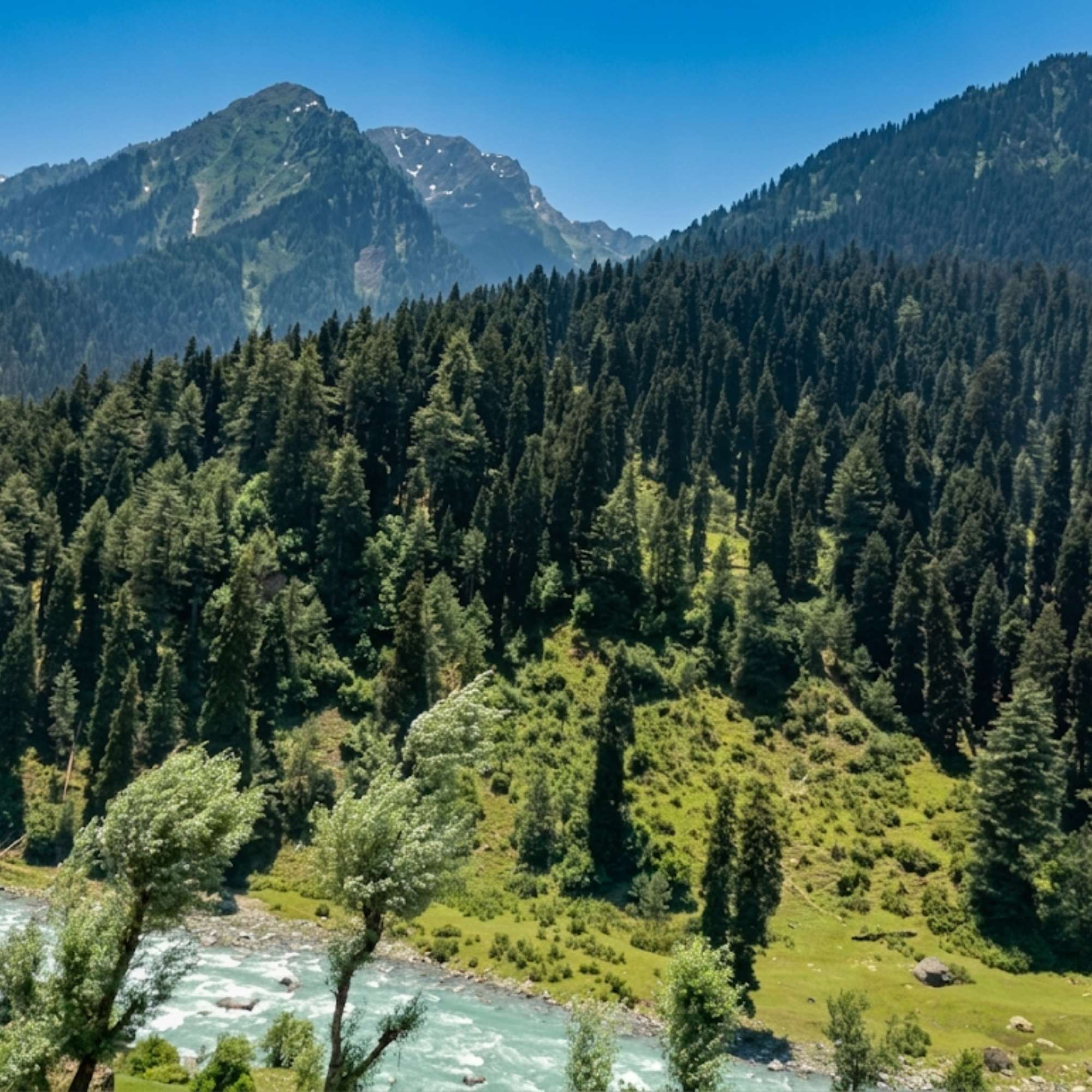
Everything below is a current operator estimate, not a government tariff. Treat these as planning bands.
Four-day trip
For a four-day trip, budget travel runs ₹12,000 to ₹18,000 per person, mid-range ₹22,000 to ₹30,000, premium ₹35,000 to ₹50,000 and luxury ₹55,000 to ₹85,000.
Five-day trip
For five days, the budget runs ₹18,000 to ₹25,000 per person, mid-range ₹28,000 to ₹38,000, premium ₹42,000 to ₹60,000 and luxury ₹70,000 to ₹1,05,000.
Six-day trip
For six days, the budget runs ₹22,000 to ₹32,000 per person, mid-range ₹35,000 to ₹48,000, premium ₹52,000 to ₹75,000 and luxury ₹80,000 to ₹1,20,000.
Seven-day trip
For seven days, the budget runs ₹28,000 to ₹38,000 per person, mid-range ₹42,000 to ₹58,000, premium ₹65,000 to ₹95,000 and luxury ₹95,000 to ₹1,45,000.
Here is the honest warning. These numbers are useless for comparison unless you check inclusions first.
A ₹28,000 quote with everything included beats a ₹22,000 quote where the Gondola, Pahalgam local taxis and heating are all extra. We have seen that exact gap play out many times.
What Is the Kashmir Trip Cost for Different Travellers?
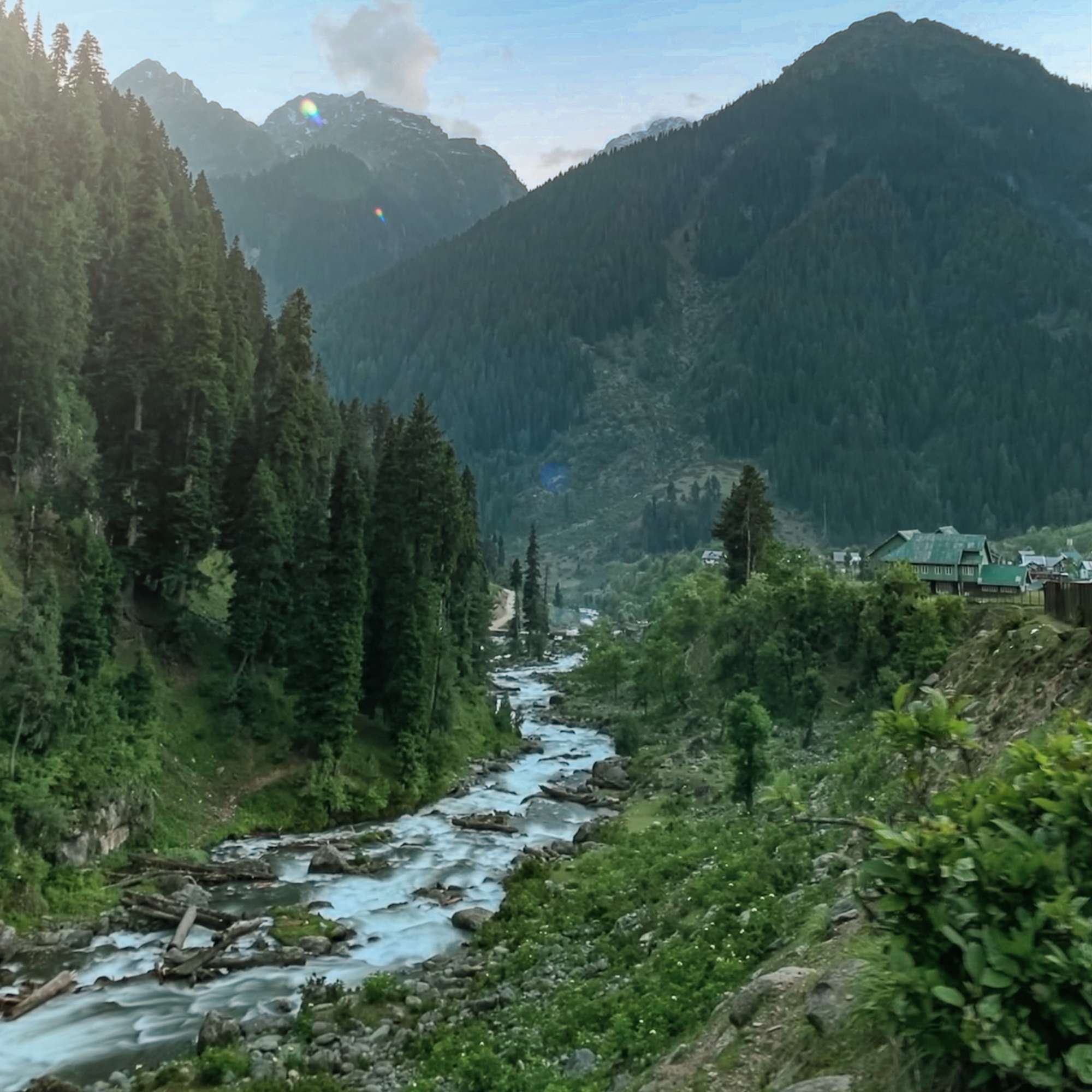
Kashmir trip cost for a couple
For a five-day land-only trip, a budget couple trip runs ₹26,000 to ₹38,000 total.
A mid-range couple trip runs ₹40,000 to ₹60,000 and a premium couple trip runs ₹70,000 to ₹1,05,000.
Couples get the best value in Kashmir because you share one room and one vehicle. Those are the two biggest line items in any trip.
Kashmir trip cost for a family
Family cost depends on how many rooms you need, how old your children are, your meal plan and vehicle size. Four people in one vehicle costs the same as two people in that vehicle.
Child rates vary by hotel and operator. Do not assume a standard discount exists.
Kashmir trip cost for a solo traveller
Solo travel in Kashmir costs more per person and there is no way around it. You pay the full private taxi and usually a single-room supplement.
We are not going to give you a solo total because it swings too much depending on how you handle transport.
What actually helps: look for shared departures, join group sightseeing for the Gulmarg and Pahalgam days, and stay central in Srinagar so you can walk to food instead of paying for every short hop.
Kashmir honeymoon cost
Honeymoon spending in Kashmir usually goes to a houseboat night, a better room category, a photographer for a few hours, a private shikara instead of a shared one, and room decoration.
These are all optional and priced case by case. Anyone quoting you a fixed "honeymoon extra" is making it up.
What Does Accommodation Cost in Kashmir?
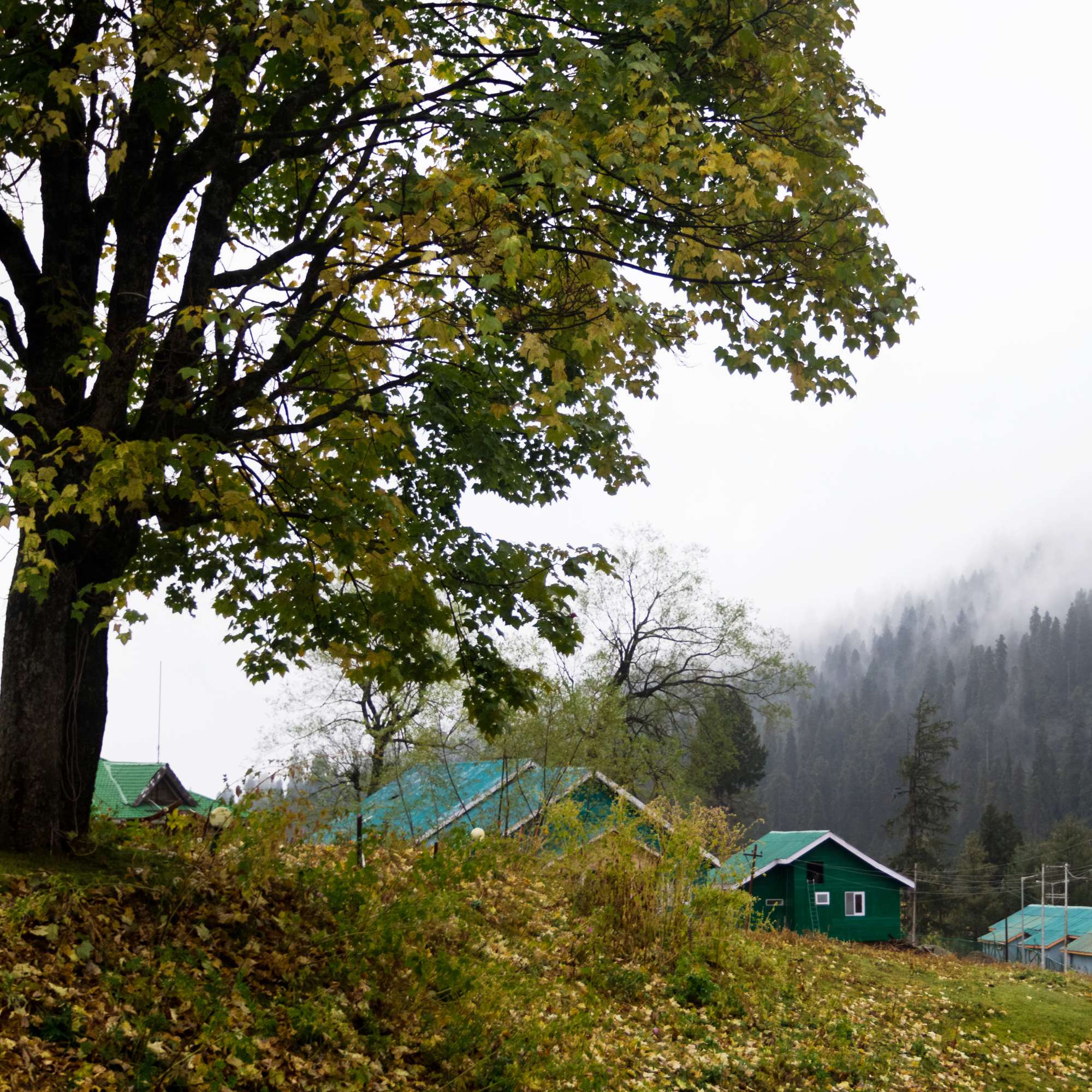
Budget rooms and guesthouses run roughly ₹800 to ₹3,000 per room per night.
Mid-range hotels run roughly ₹2,500 to ₹7,000 per room per night.
Luxury hotels and resorts run roughly ₹7,000 to ₹20,000 or more per room per night.
One competitor estimate puts houseboats at roughly ₹4,000 to ₹8,000 per night.
These are broad planning bands pulled from different travel operators. No hotel is bound by them.
Srinagar gives you far more choice than Gulmarg or Pahalgam. It is a city with hundreds of properties across every price level.
Gulmarg and Pahalgam have limited inventory, and Gulmarg in particular gets expensive fast during snow season because there is simply nowhere else to sleep.
Here is what we tell our travellers. Do one night on a houseboat, not all of them.
The houseboat experience is genuinely special for a night. By night three, most people miss a proper bathroom and reliable hot water. Split your Srinagar nights between a houseboat and a hotel.
One more thing for winter bookings. Room heating is often charged separately and it is not always mentioned upfront. Confirm it in writing before you pay.
How Much Does Transport Cost in Kashmir?
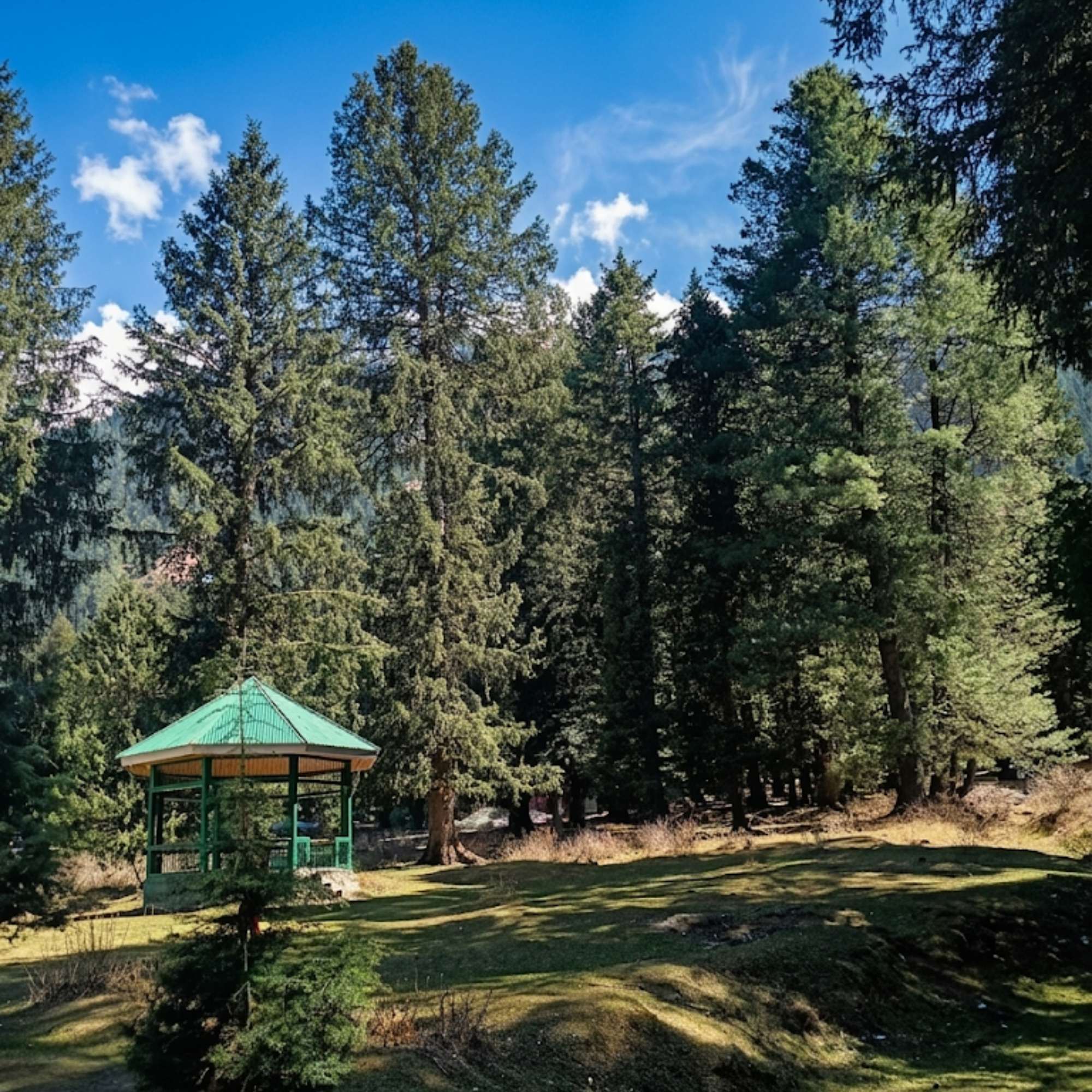
Airport and railway transfers
Transfer rates depend on your pickup point, vehicle type, and whether the transfer sits inside a complete itinerary quote or stands alone.
A transfer bundled into a full package usually costs less than booking it separately on arrival. We are not quoting a figure here because it varies too much.
Private cab for the complete itinerary
A private sedan or SUV for your full itinerary runs roughly ₹2,500 to ₹4,500 per day as a market estimate.
The final number depends on vehicle type, route, number of days and local vehicle restrictions.
Ask one question before you agree: does that rate include parking, tolls, fuel and driver allowance? If the answer is vague, get it in writing.
Pahalgam local taxi costs
These are official rates from the Pahalgam tourism-service rate list, so you can quote them at the taxi stand.
Local Pahalgam full sightseeing costs ₹2,900 to ₹4,500 per vehicle depending on vehicle type.
The Aru, Chandanwari and Betaab Valley circuit costs ₹2,000 to ₹3,000 per vehicle.
The Aru and Betaab Valley circuit costs ₹1,600 to ₹2,400 per vehicle.
Important detail most travellers miss. The official rate allows one hour at each spot. Extra time costs ₹400 per hour, and you can take this for the first two extra hours.
Knowing this rate list is your protection. Quote it, and the conversation changes immediately.
Confirm with your operator whether these local Pahalgam vehicles sit inside your package or outside it.
Shared transport
Shared vehicles cut your cost meaningfully, especially for solo travellers. The trade-off is that you leave when the group leaves and stop where the group stops.
Per-seat fares vary by operator and season, so ask locally rather than trusting a number from a blog.
What Do Food and Drinks Cost in Kashmir?
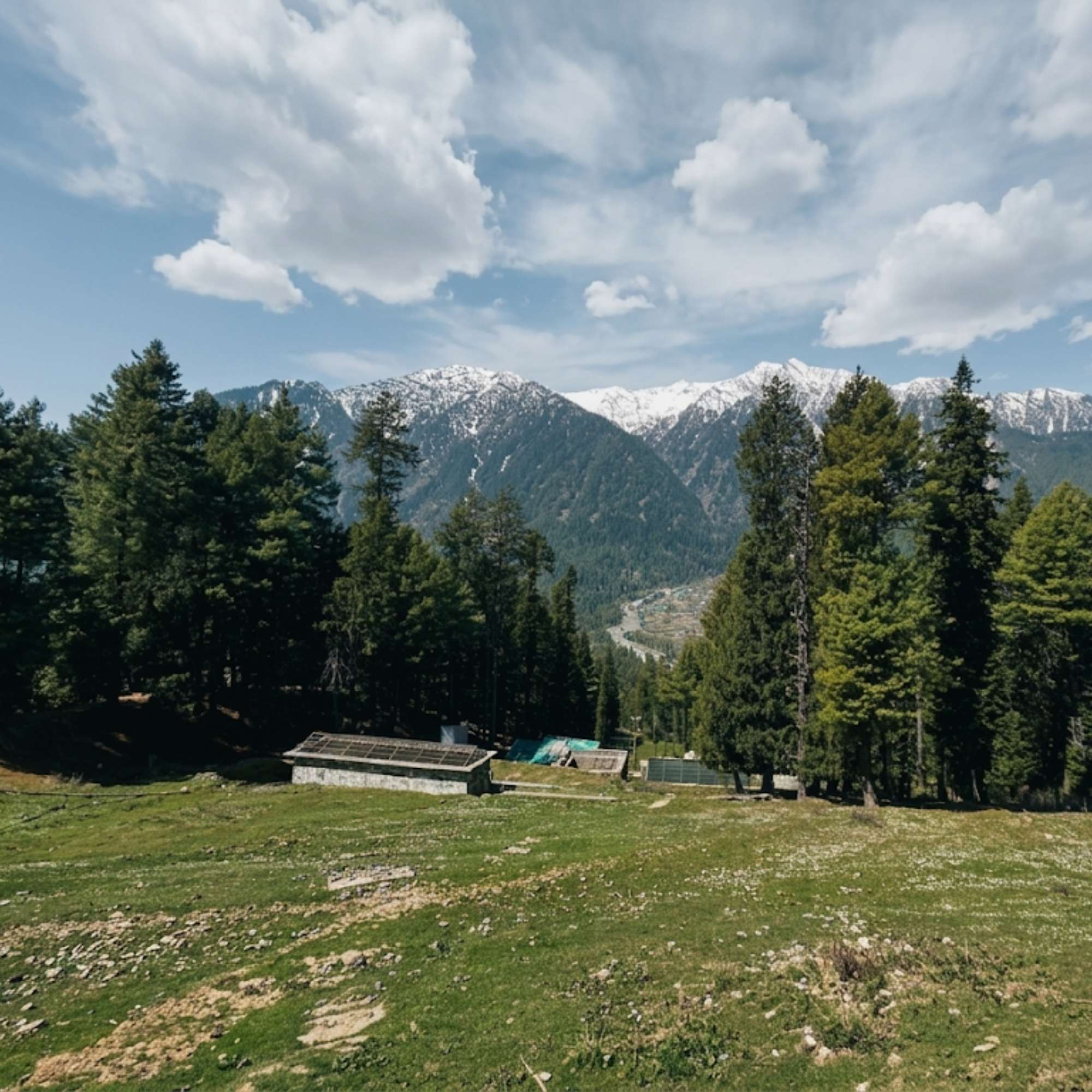
A simple local meal costs ₹100 to ₹300.
Casual or mid-range restaurant dining costs ₹300 to ₹700 per person.
Premium restaurant or hotel dining costs ₹800 to ₹1,500 or more.
Your daily food spend drops sharply when your hotel package includes breakfast and dinner. You end up paying for one meal a day instead of three.
Budget separately for snacks, café stops, kahwa, bottled drinks and airport food. These are small individually and surprisingly large across a week.
How Much Do Kashmir Activities Cost?
Gulmarg Gondola
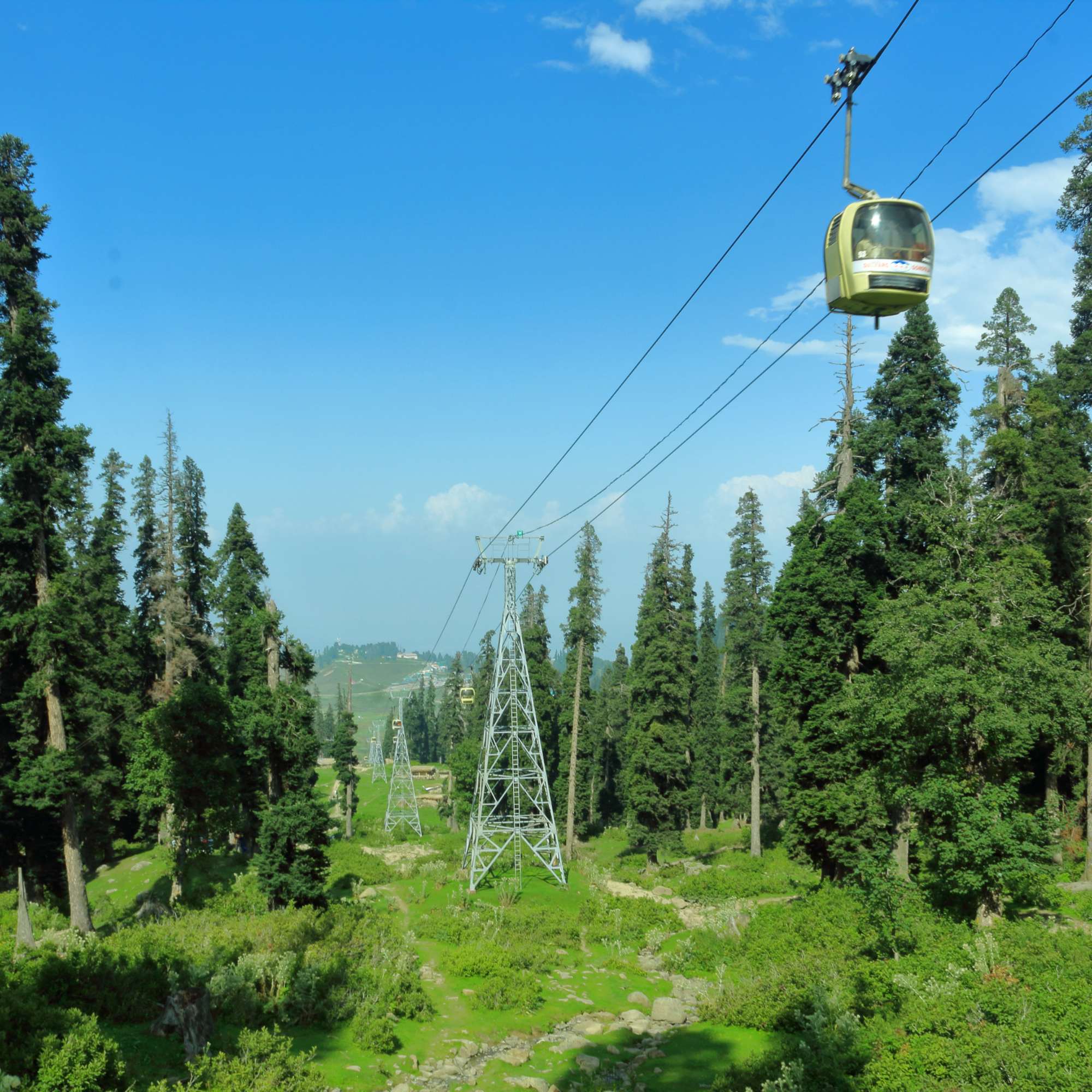
The Gondola runs in two phases. Buy tickets through the official J&K Cable Car Corporation portal at https://etickets.jammukashmircablecar.com/
The official website states that boarding begins at 8:00 am and closes at 3:30 pm, with the last return at 5:00 pm.
The official notifications page says the Gondola closes on the second and fourth Monday of every month. Check your date against this before you plan a Gulmarg day.
Weather and maintenance can stop operations on any day, regardless of the schedule.
Gulmarg Gondola ticket price: Check the official portal for the latest fares before booking. Current sources disagree between ₹800 and ₹810 for Phase 1, and ₹1,000 and ₹1,010 for Phase 2. Older pages still show lower fares that no longer apply.
Now the warning. Touts near Gulmarg will offer you "confirmed" Gondola tickets at inflated prices, sometimes claiming the official counter is sold out.
Book online yourself. Our drivers tell every traveller this before they reach Gulmarg, and it still catches people.
Dal Lake shikara ride
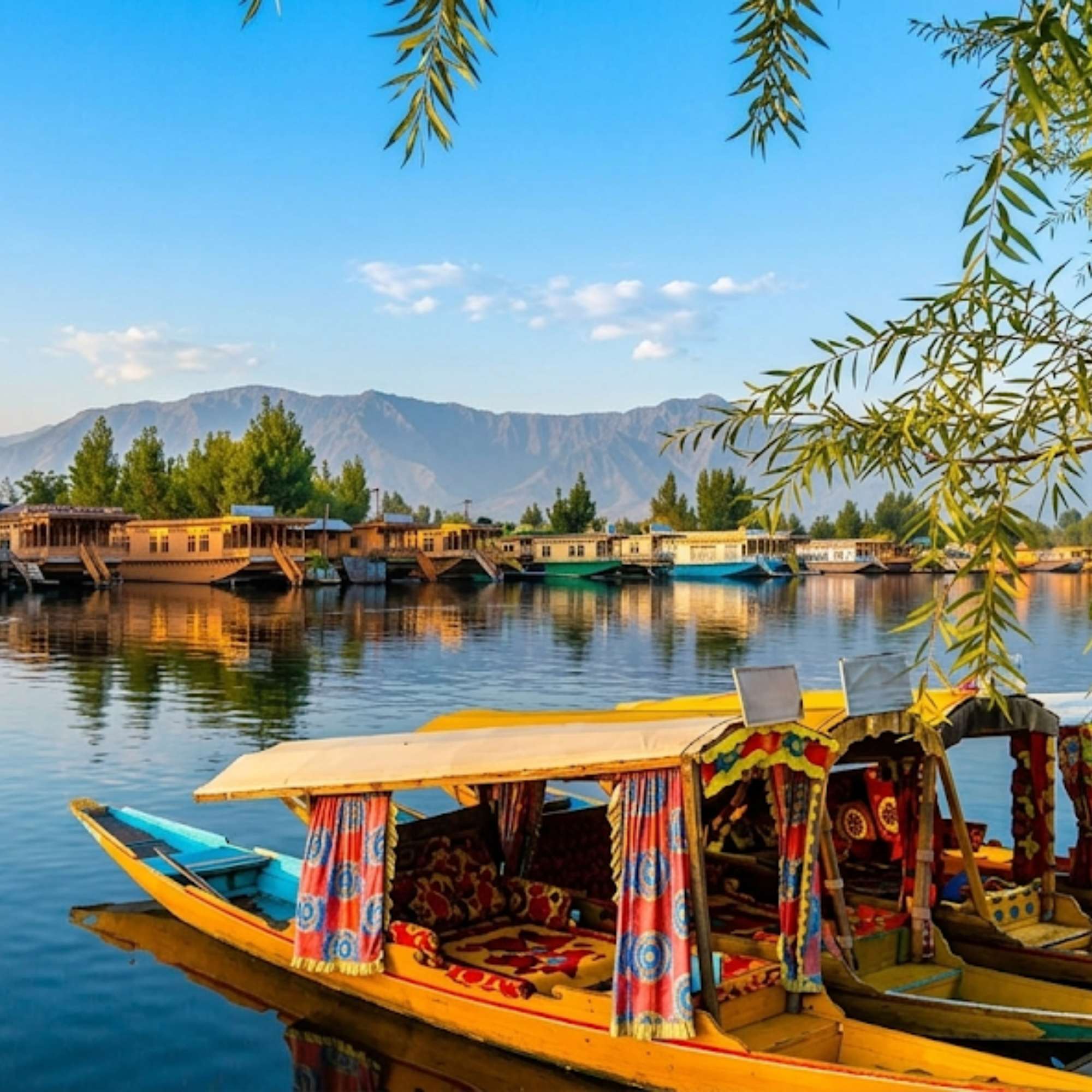
Current travel guides quote anywhere between roughly ₹500 and ₹1,500 depending on ride duration, boat quality and how well you negotiate.
This is not an official tariff. Ask at the authorised ghat, fix the duration and price before you step onto the boat.
Do the shikara ride early. Around sunrise, the floating vegetable market is active, the water is still, and you share the lake with a handful of boats instead of fifty.
By late afternoon it becomes a queue of shikaras photographing each other.
Pahalgam pony rides
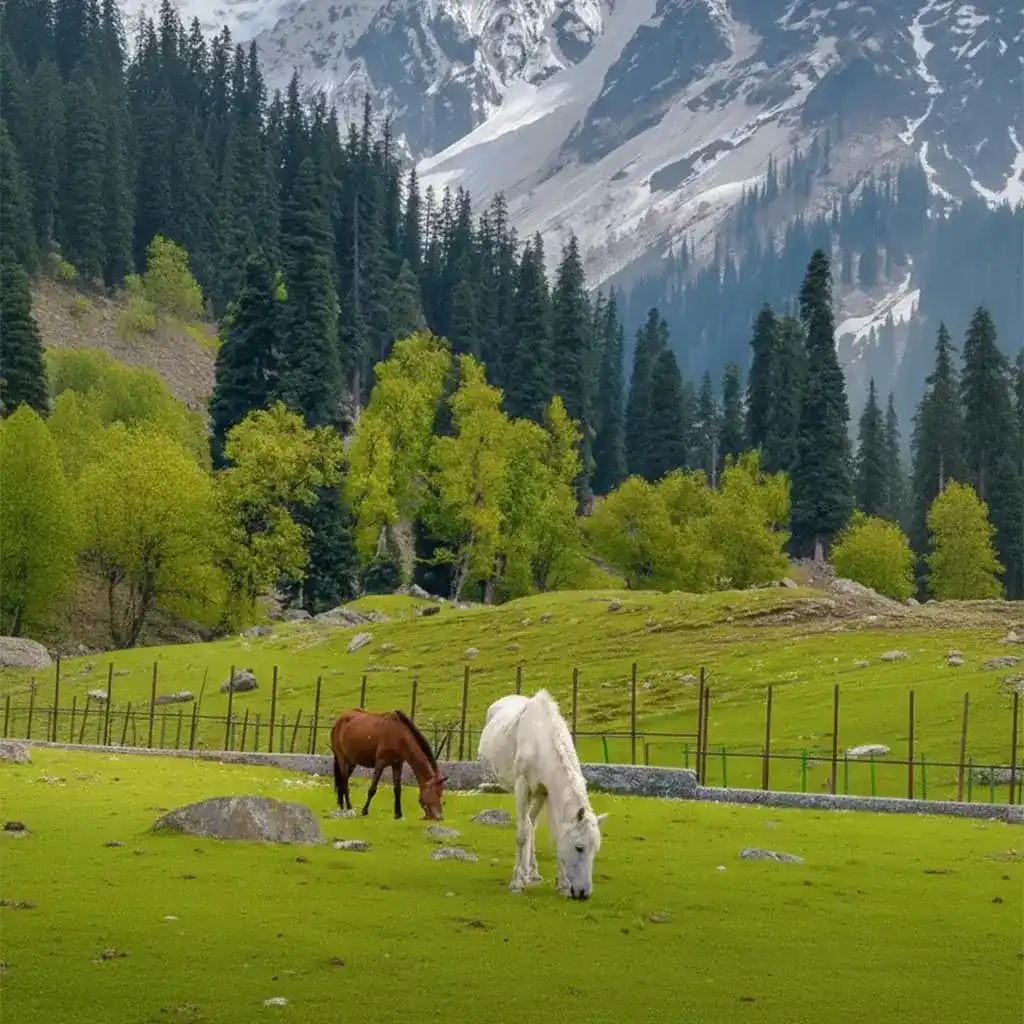
These are official rates and worth memorising.
A return pony ride to Baisaran from the main Pahalgam parking costs ₹1,500 and includes one hour of waiting. Each extra hour costs ₹250.
A return pony ride to Betaab Valley costs ₹1,850, also with one hour of waiting included and ₹250 per extra hour.
The full-day Pahalgam pony package costs ₹2,700.
For local routes that are not specified, the rate is ₹550 for the first hour and ₹400 for every riding hour after that.
Pahalgam rafting and guides
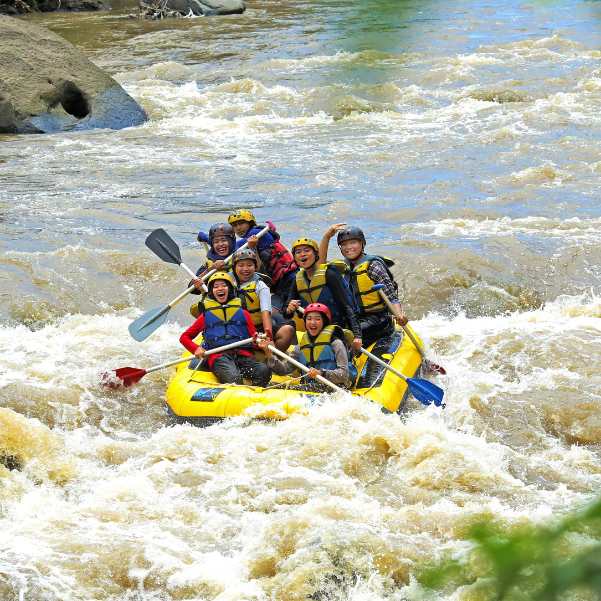
Rafting in Pahalgam costs ₹750 per person for a minimum 2.5 km trip, with lifesaving equipment included.
A tourist guide costs ₹1,100 per day. If the guide stays overnight, night-halt charges are ₹500.
Winter and snow expenses
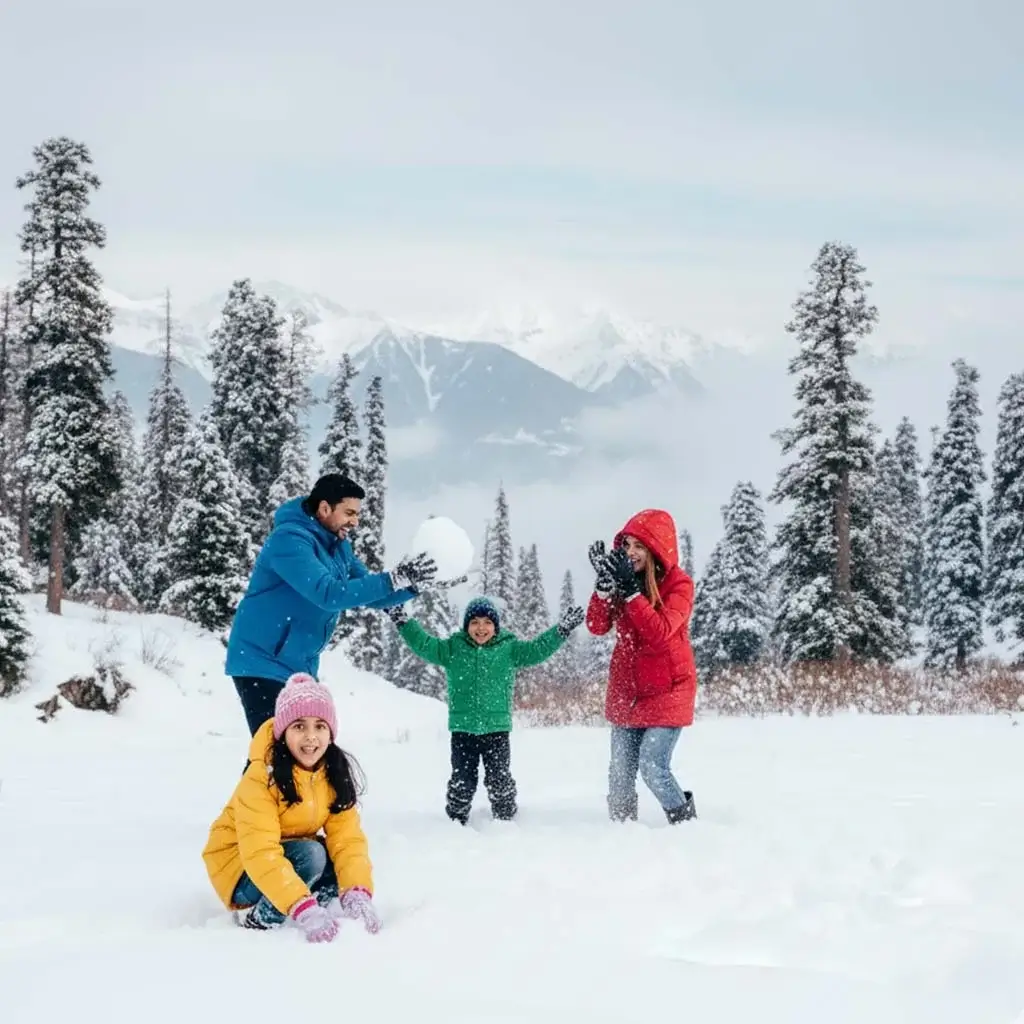
The official Pahalgam rate list gives coat rental at ₹120 per day and boot rental at ₹120 per day.
Chain-fitted vehicles for snowbound stretches, snow activities and anything ski-related are all separate costs.
We are deliberately not quoting Gulmarg activity rates from the older official PDF, because that document expired on 31 March 2026. Anyone still publishing those numbers is using stale data.
Which Hidden Costs Increase a Kashmir Trip Budget?
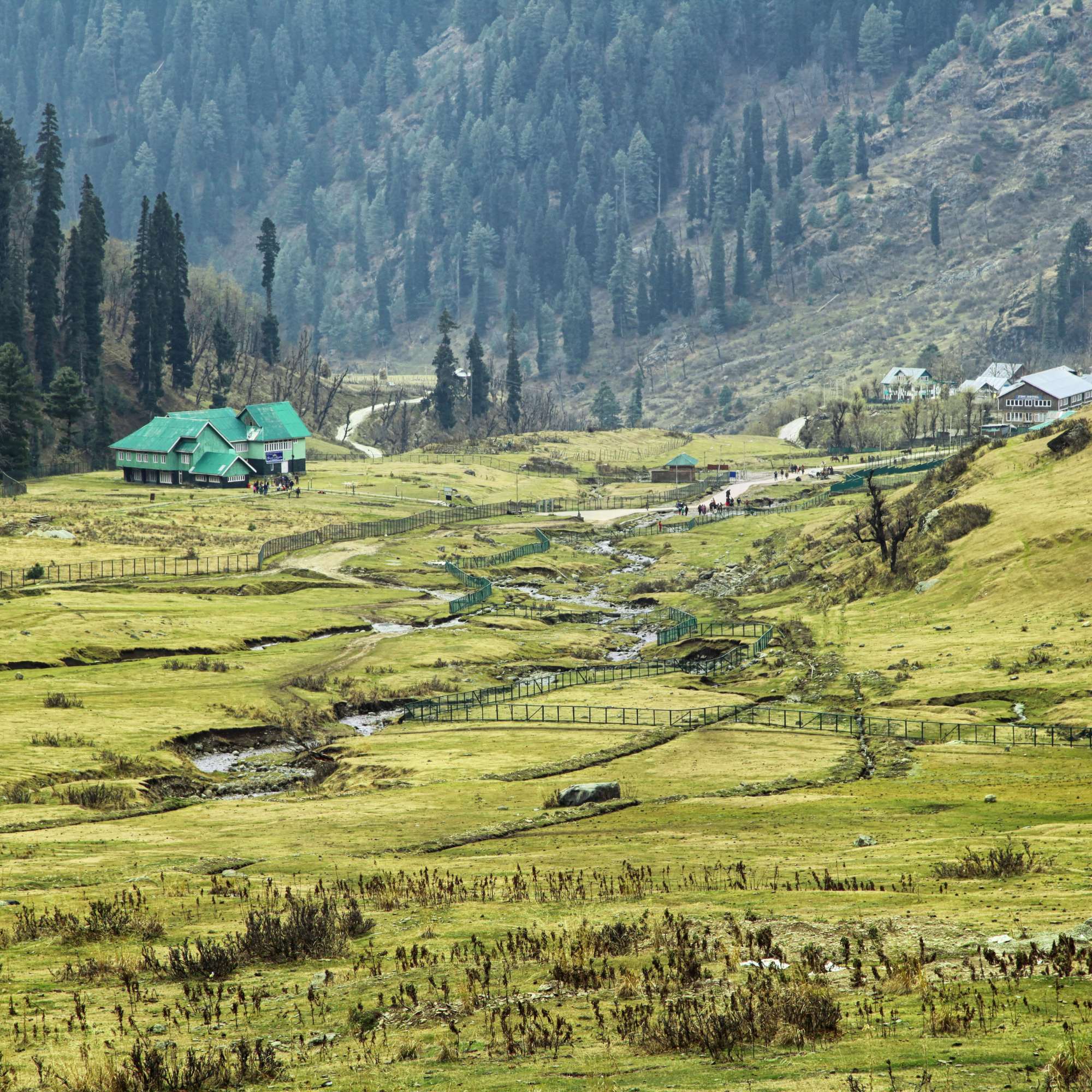
Here is the honest list of what breaks budgets in Kashmir.
Local Pahalgam union vehicles, because your main cab cannot take you into the valleys.
Gondola tickets for both phases, pony rides at Baisaran and Betaab, and room heaters in winter.
Chain vehicles when Gulmarg or Sonamarg roads are snowbound, and winter clothing rental if you did not pack for it.
Guides, waiting charges when you overstay the allotted hour at a sightseeing spot, and commission-heavy activity agents who intercept you at every stop.
Hotel-location mistakes, which cost you both money and hours. A cheap Srinagar hotel far from Dal Lake means paying for every short trip.
Weather-related changes, because a blocked road can add a night and a vehicle day to your trip.
One sample Kashmir package page we reviewed separately excludes heater charges, lunch, adventure activities, union taxis, pony rides, chain vehicles and Gondola tickets. All of those. On one page.
Ask for every exclusion in writing before you pay an advance. A verbal "everything is included" means nothing at the Pahalgam taxi stand.
What Does a Realistic Five-Day Couple Trip Cost?
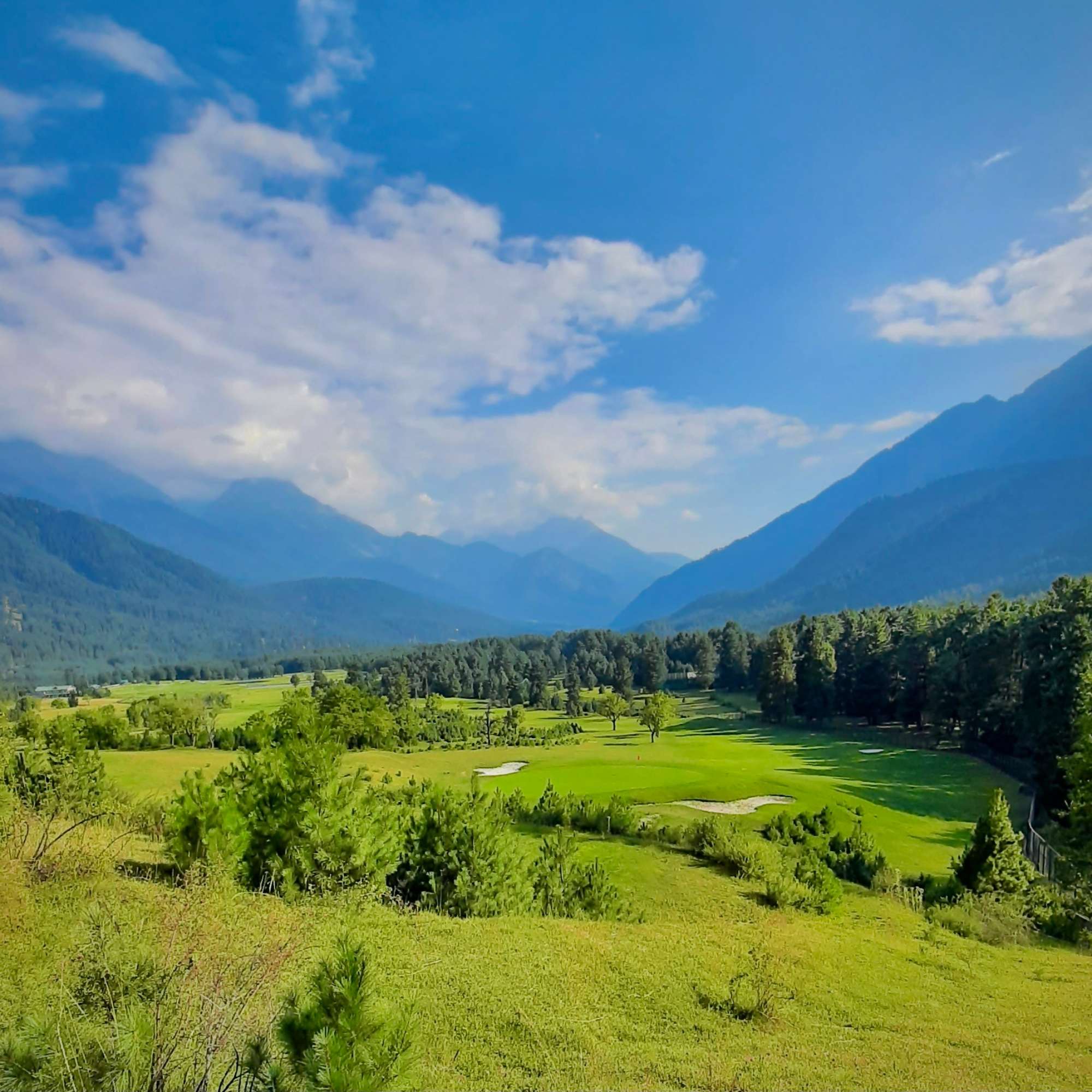
For five days on the ground, a budget couple trip runs ₹26,000 to ₹38,000 and a mid-range couple trip runs ₹40,000 to ₹60,000.
At the ₹26,000 to ₹38,000 level, expect simple hotels in decent but not premium locations, a private vehicle for the main circuit, breakfast included, and most activities paid separately by you.
At the ₹40,000 to ₹60,000 level, expect better-located hotels, more comfortable rooms, breakfast and dinner, a private vehicle throughout, and more items folded into the quote.
We are not going to hand you a fake line-by-line breakdown. Every operator splits these costs differently.
What you should do instead is ask your operator how much of the quote goes to hotels, how much to the main vehicle, how much to local transport, how much to meals and how much to activities.
Then ask the specific questions. Does this include the Srinagar airport or railway transfer? The private cab for the full itinerary? The Pahalgam local taxi? Gondola tickets, and for which phase?
Also ask about the shikara ride and its duration, which meals are covered, whether taxes are included, and whether tolls, parking and room heating are inside the price.
An operator who answers all of that clearly is worth more than one who is ₹3,000 cheaper.
Is It Cheaper to Book Kashmir Yourself or Choose a Package?
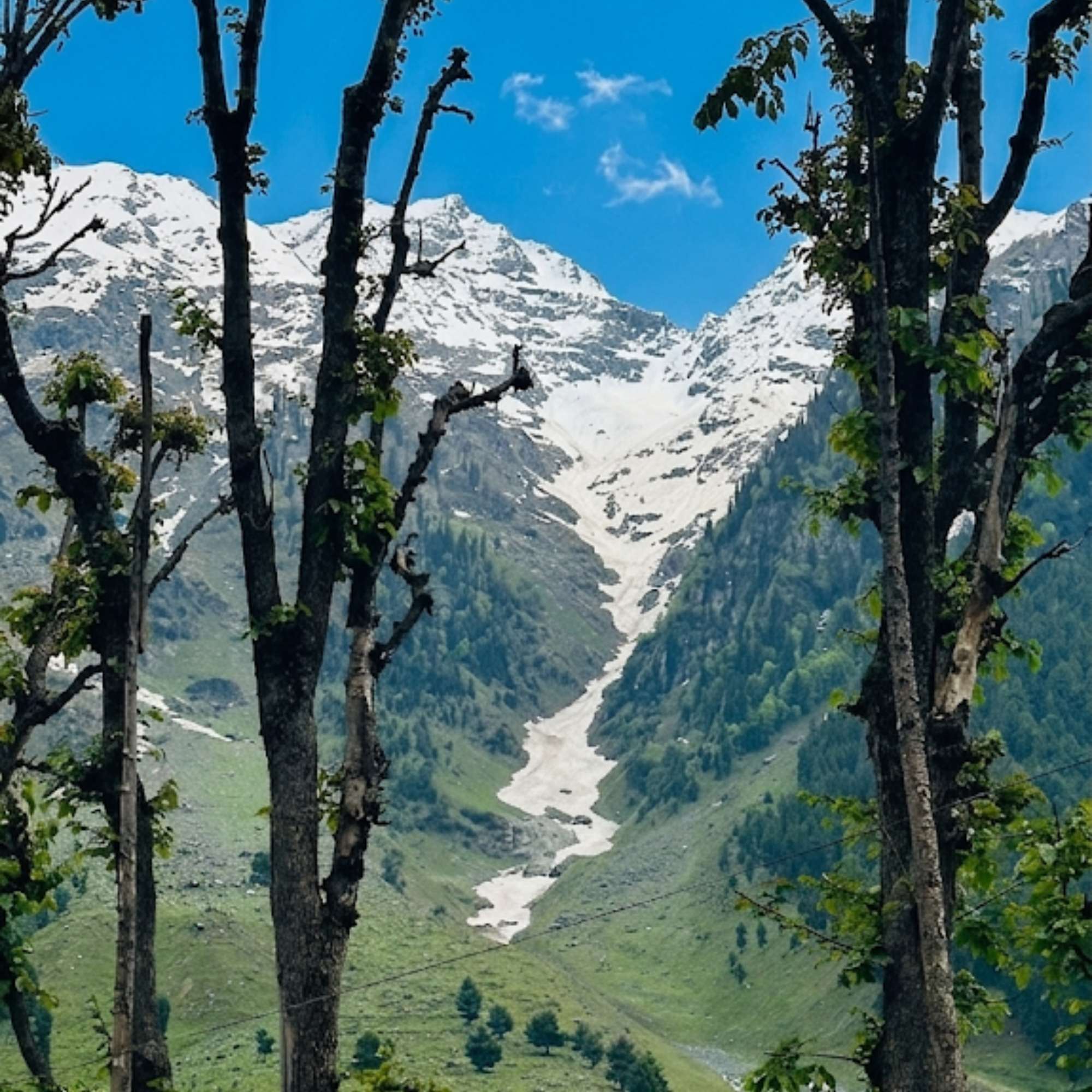
Self-booking works well if you are comfortable coordinating hotels, buying activity tickets yourself and negotiating with drivers on the ground.
You control every rupee, and you can drop anything you do not want.
A package makes more sense when your itinerary involves multiple hotels, local vehicle rules that change by region, and activities that depend on weather.
Neither option is always cheaper. Anyone who tells you otherwise is selling something.
To compare two quotes properly, put them on the same inclusion basis. Write down the same list for both: hotel names and locations, room category, meal plan, main vehicle, local vehicles, transfers, activity tickets, taxes, heating.
Fill in what each quote actually covers, then add the missing items to the cheaper quote at real market rates. The gap usually shrinks or reverses.
When Is a Kashmir Trip Cheapest?
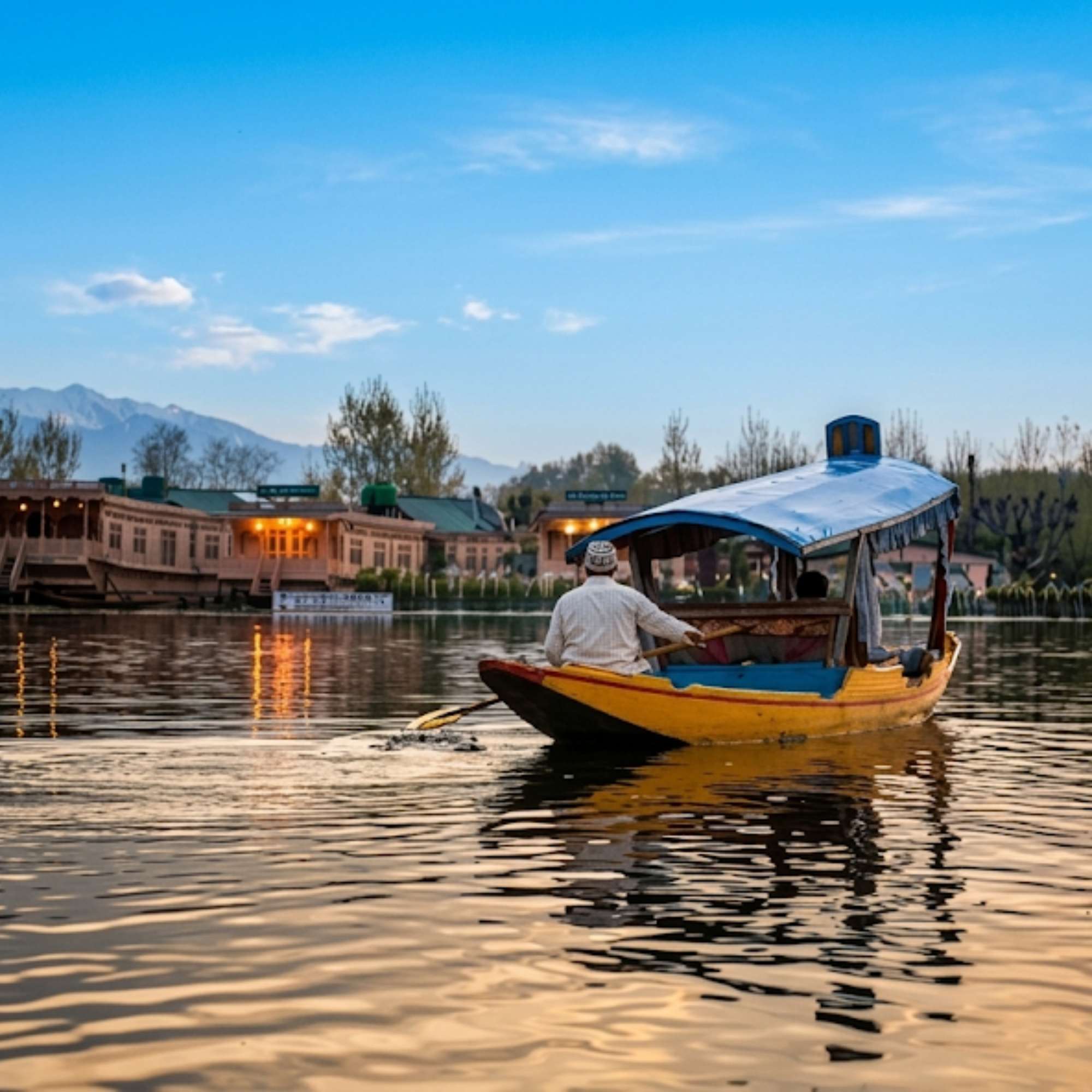
Kashmir prices move with season, national holidays, snowfall demand, school summer vacations and hotel availability.
We are not going to name a "cheapest month" because that changes year to year and depends on when snow arrives and when holidays fall.
What we can tell you is that a lower room rate usually comes attached to something. Less predictable weather, fewer activities running, or roads that may or may not cooperate.
A cheap Gulmarg room in a week when the Gondola is shut for maintenance is not a saving.
Compare total trip cost, not hotel price. That is the number that decides whether your trip was good value.
How Can You Reduce Your Kashmir Trip Cost?
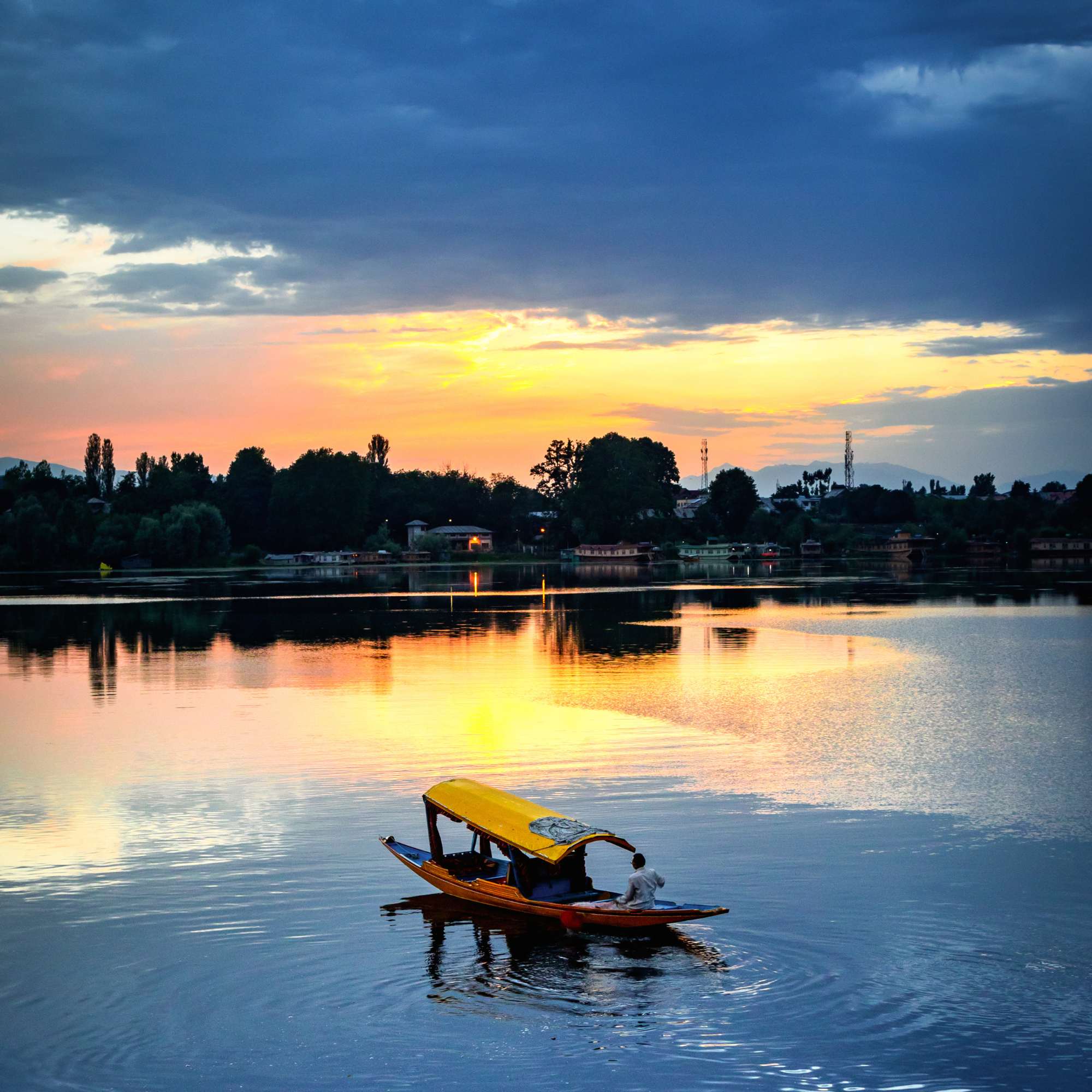
Book early. Hotel rates and flight fares both move against you as your date approaches, and the good mid-range properties in Gulmarg and Pahalgam fill first.
Plan an efficient route. Kashmir's main circuit works best when you are not backtracking through Srinagar repeatedly.
Limit hotel changes. Every extra hotel means another check-in, another vehicle day and often another wasted half day.
Confirm activity tickets directly through official portals rather than through agents who add commission.
Do one houseboat night instead of all your Srinagar nights on the lake. You get the experience without paying lake rates every night.
Share transport where it is practical, especially if you are solo or travelling flexibly.
Ask for a written inclusion and exclusion sheet. This one step prevents more overspending than any other tip on this list.
Good route planning saves you more than picking the cheapest remote hotel ever will. We have watched travellers save ₹4,000 on rooms and lose more than that in extra taxi days.
What Changed for Kashmir Travel in 2026?
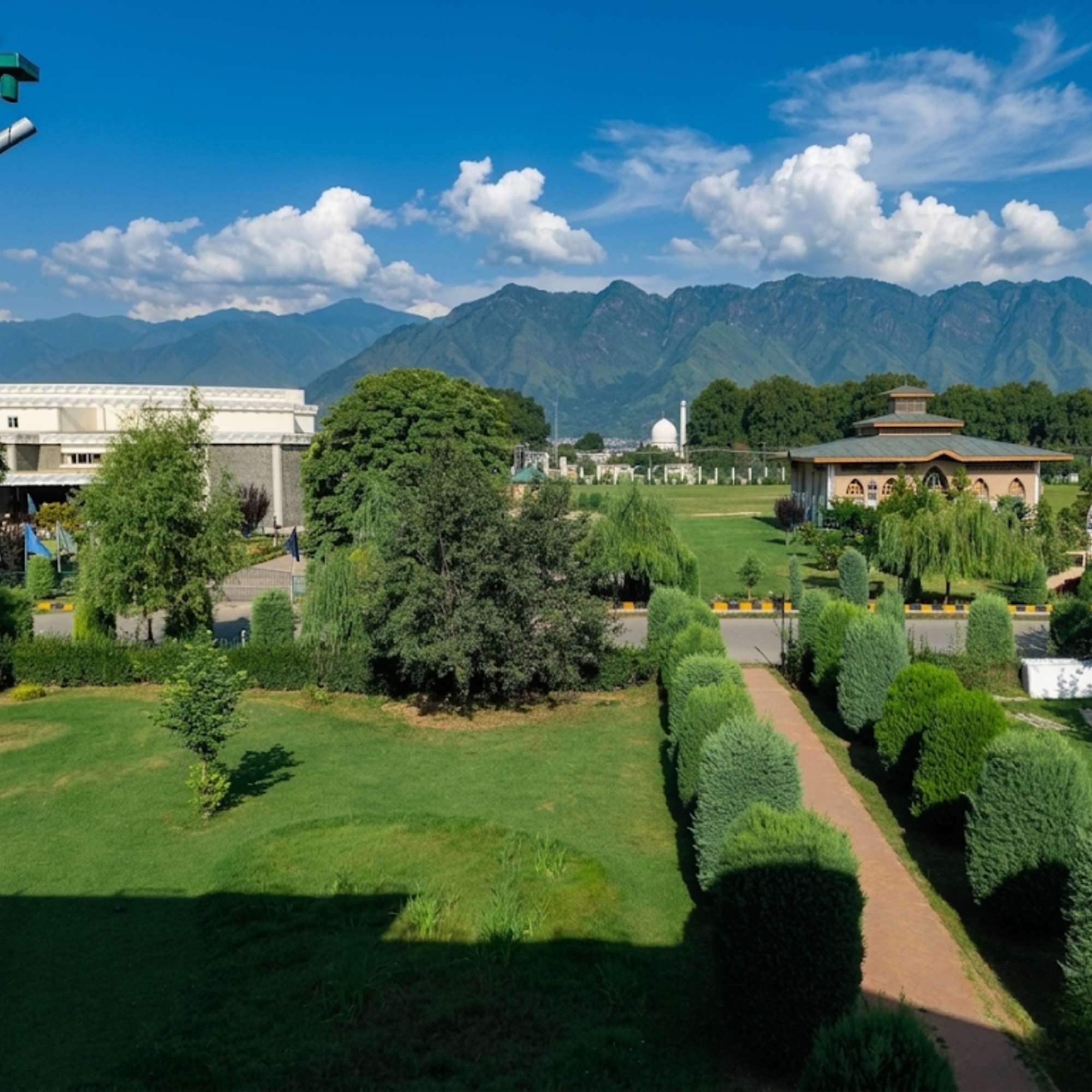
Jammu Tawi to Srinagar train service
The Srinagar to Jammu Tawi Vande Bharat extension was flagged off on 30 April 2026.
PIB describes the Katra to Srinagar journey as roughly three hours.
This gives you a real alternative to flying, especially if you are already heading to Katra. Check train availability and fares live, because both change constantly.
Gulmarg Gondola booking and operation
Book only through https://etickets.jammukashmircablecar.com/
Boarding runs 8:00 am to 3:30 pm with the last return at 5:00 pm, and the Gondola closes on the second and fourth Monday of every month.
Verify both operation and price for your exact travel date. Weather closes it without notice.
Amarnath Yatra traffic restrictions
The official 2026 traffic advisory is valid from 2 July to 28 August 2026.
The advisory asks tourists and yatris to travel within the Valley between 7:00 am and 6:00 pm. Several routes have earlier cut-off times than that.
If your trip falls in this window, check the daily advisory before each travel day at https://trafficpolice.jk.gov.in/advisory.html
This affects your itinerary timing more than your budget, but a missed cut-off can cost you a vehicle day.
Gulmarg vehicle regulations
A June 2026 report says an odd-even vehicle system was introduced in Gulmarg.
Regulations like this change quickly. Confirm with your operator or driver close to your travel date.
Permits and live road status
Current travel guides report no special permit for Indian citizens visiting the standard Srinagar, Gulmarg, Pahalgam and Sonamarg circuit.
Foreign nationals and travellers visiting border areas or unusual routes should confirm the latest permit requirements with local authorities before departure.
No road in this region is permanently open or permanently closed. Conditions change with weather and security advisories.
For live information, use the J&K Tourism Department at https://jandktourism.jk.gov.in/ and the J&K Traffic Police page linked above.
What Should You Check Before Accepting a Kashmir Package Quote?
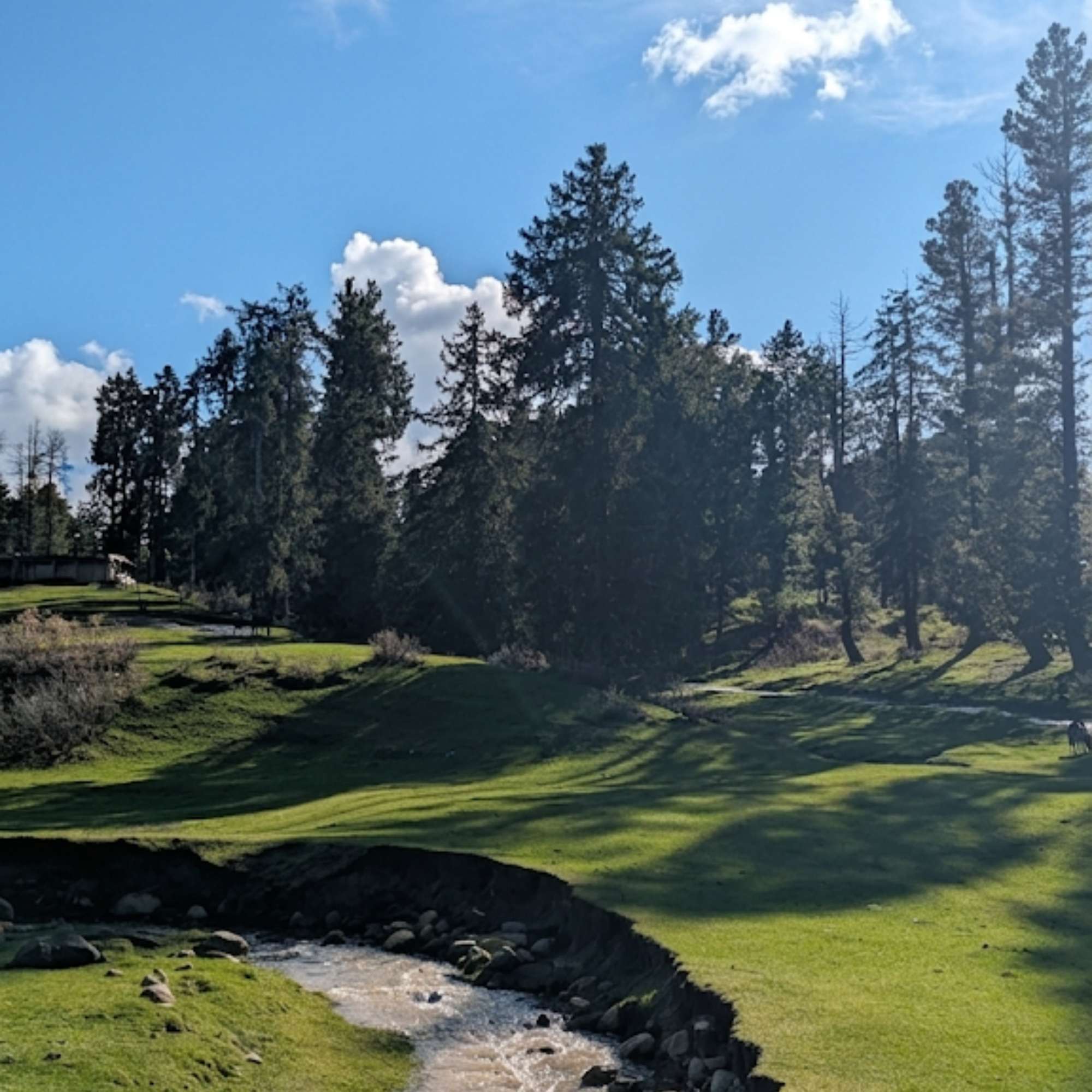
Start with the hotels. Ask for exact hotel names, not categories. "Deluxe hotel in Srinagar" tells you nothing. A name lets you check the location yourself on a map.
Then confirm the room category and the meal plan. Breakfast only, or breakfast and dinner, and whether that applies to every night or only some.
Ask for the vehicle model, not just "SUV". A Tavera and an Innova Crysta are both SUVs and they are not the same six-hour drive.
Confirm whether the airport or railway transfer is included on both arrival and departure.
Check sightseeing limits. Some quotes cover a fixed number of sightseeing days and charge extra beyond that.
Ask specifically about Pahalgam local taxis, which Gondola phase is covered, how long the shikara ride runs and whether pony rides are included at all.
For winter trips, confirm room heating charges and whether snow-chain vehicles are covered when roads demand them.
Then the boring items that add up: parking, tolls, taxes, and what happens to your money if you cancel.
Finally, ask what happens if weather disrupts your plan. A good operator has an answer ready because it happens every season.
Comparing Kashmir with Other Himalayan Trips
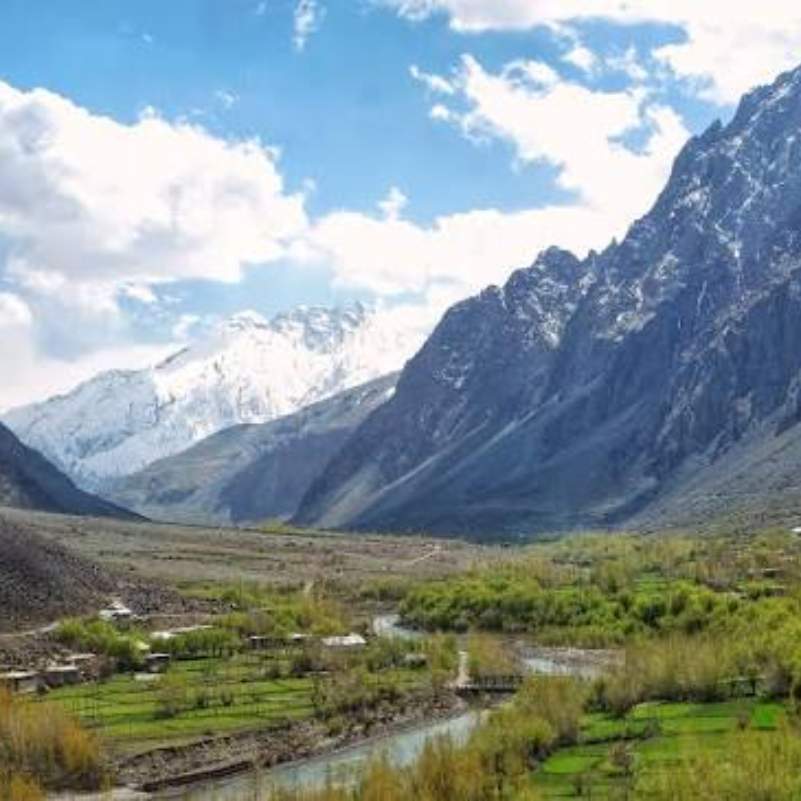
If you are choosing between Himalayan destinations, the comparison usually comes down to scenery, how much of the trip is spent driving, and which months the roads actually work.
Ladakh gives you higher altitude, longer driving days and a shorter reliable season. Our Ladakh tour packages cover that circuit.
Spiti Valley is the rawest of the three, with the roughest roads and the fewest facilities. Worth it if that is what you want. See our Spiti Valley tour packages.
Manali is the easiest to reach and works nearly year-round, which makes it the safest choice for short trips. Our Manali tour packages cover the standard routes.
Kashmir sits between them. Better hotels than Spiti, easier roads than Ladakh, and a longer usable season than both.
Final Kashmir Budget Recommendation
Budget travel in Kashmir works if you care more about seeing places than about where you sleep. You will see the same Gondola, the same Dal Lake, the same Betaab Valley.
Mid-range is what we recommend for most couples and families. Comfortable hotels in good locations, a private vehicle throughout, and enough included that you are not paying at every stop.
Premium travel buys you better locations, more flexible routing and higher-quality stays. It does not buy you a different Kashmir.
Whatever level you pick, keep a contingency amount aside. Weather changes, local transport gets added, and you will want at least one activity you did not plan for.
We build customised Kashmir itineraries around actual dates, group size and budget, and we will tell you honestly when something in your plan does not work. Send us your dates and we will take it from there.
👉 Want a Kashmir trip that fits your budget? WhatsApp us today.
Explore Our Curated Kashmir Tours Packages
 5D/4N
5D/4NKashmir Honeymoon Experience – Srinagar, Gulmarg & Pahalgam
5D Srinagar•1D Pahalgam+1
₹14,999₹29,999SAVE INR 15,000/ person 4D/3N
4D/3NThe Perfect 4 Day Kashmir Getaway
4D Srinagar•1D Gulmarg+1
₹8,999₹24,999SAVE INR 16,000/ person 5D/4N
5D/4NBest Of Kashmir – Srinagar, Gulmarg & Pahalgam Tour Package
5D Srinagar•1D Pahalgam+1
₹12,500₹28,999SAVE INR 16,499/ person
Related topics
Frequently Asked Questions
How much does a Kashmir trip cost per person?
For five to seven days, plan ₹20,000 to ₹35,000 per person for budget travel, ₹35,000 to ₹55,000 for mid-range and ₹60,000 to ₹80,000 or more for luxury.
How much does a five-day Kashmir trip cost?
Per person, budget runs ₹18,000 to ₹25,000, mid-range ₹28,000 to ₹38,000, premium ₹42,000 to ₹60,000 and luxury ₹70,000 to ₹1,05,000.
How much does a Kashmir trip cost for a couple?
A five-day land-only couple trip runs ₹26,000 to ₹38,000 budget, ₹40,000 to ₹60,000 mid-range and ₹70,000 to ₹1,05,000 premium.
Can Kashmir be visited for under ₹20,000 per person?
It may be possible with limited inclusions, shared transport and lower-cost stays. We would not promise it, and it leaves little room for activities.
Is Kashmir expensive for tourists?
Kashmir sits in the middle. Hotels and food are reasonable, but local transport and activities add up faster than most people expect.
Are flights included in Kashmir tour-package prices?
Usually not. Most package quotes are land-only, which means everything after you arrive in Srinagar. Always confirm this first.
How much do taxis cost in Kashmir?
A private sedan or SUV for your full itinerary runs roughly ₹2,500 to ₹4,500 per day. Pahalgam local sightseeing has its own official rates of ₹2,900 to ₹4,500 per vehicle.
Is the Gulmarg Gondola included in Kashmir packages?
Often not. Many packages exclude Gondola tickets entirely. Ask which phase is covered, if any, before you assume.
How much extra should travellers keep for Pahalgam sightseeing?
Budget for the local taxi circuit at ₹1,600 to ₹4,500 per vehicle depending on route, plus pony rides at ₹1,500 to ₹2,700 if you want them.
Which month is cheapest for a Kashmir trip?
It changes year to year with snowfall and holiday dates. Compare total trip cost for your specific dates rather than trusting a fixed answer.
Is it cheaper to book a package or arrange Kashmir independently?
Neither is always cheaper. Self-booking suits confident coordinators. Packages suit complicated itineraries with multiple hotels and weather-sensitive activities.
More about Kashmir
 Kashmir
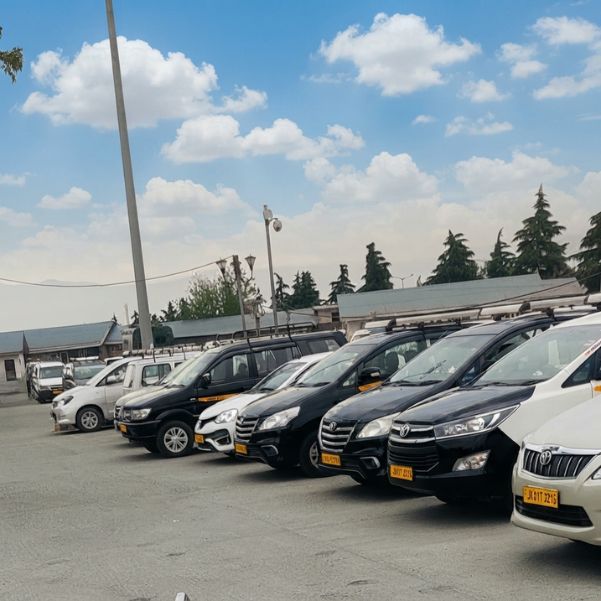
Kashmir Taxi Guide 2026: Local Union Rules, Cab Routes & Current Fare Logic
Planning to use taxis in Kashmir in 2026? Understand local union rules, popular cab routes, sightseeing restrictions and how taxi fares are generally structured across Srinagar, Gulmarg, Pahalgam and Sonamarg.
 Kashmir
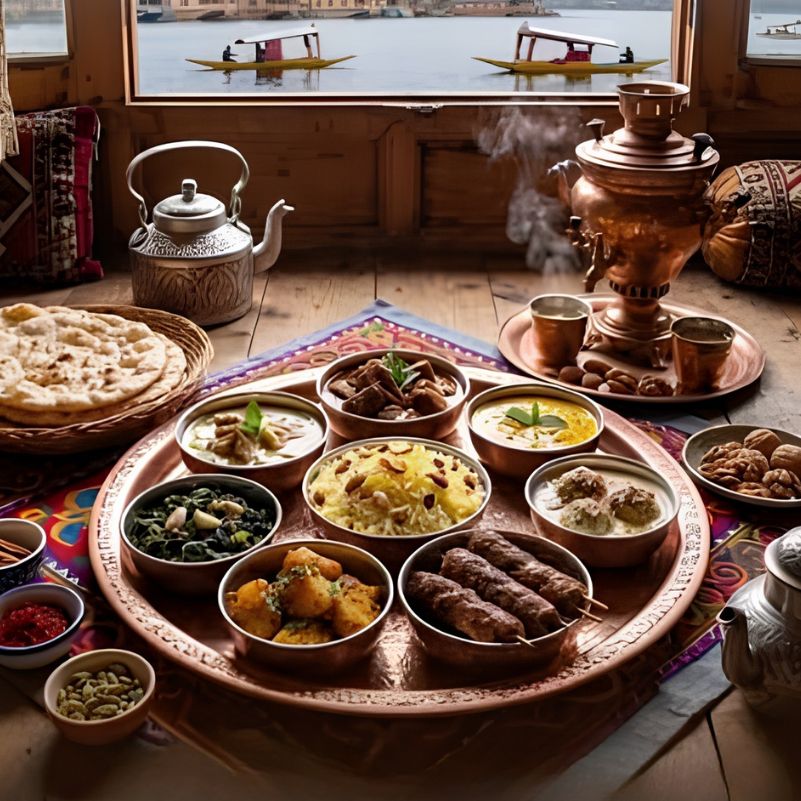
Kashmiri Food Guide 2026: What to Eat in Srinagar, Pahalgam & Gulmarg
Discover what to eat in Kashmir in 2026, from traditional Kashmiri dishes and Wazwan to local snacks, breads and drinks. This guide covers food experiences in Srinagar, Pahalgam and Gulmarg for first time visitors.
- Things to Do
- Places to Visit
 Kashmir
SIM Cards in Kashmir 2026: Internet, ATMs, IDs & Tourist Essentials
Travelling to Kashmir in 2026? Learn about SIM card access, mobile internet, ATM availability, accepted ID documents and other essentials tourists should arrange before visiting Srinagar, Gulmarg, Pahalgam and Sonamarg.
- First-Time Travellers