
Spiti Valley Permit Guide 2026: Inner Line Permit, Rohtang Pass Permit, and SADA Fee Explained

Most people searching for the Spiti Valley permit end up more confused than when they started. That is because four completely separate things get mixed up in every blog, every forum, and every WhatsApp group. And they are not the same thing at all.
Here is the short version before we go deep: Indian citizens do not need an inner line permit for Spiti. Foreign nationals do need a protected area permit for certain areas. Rohtang is a vehicle permit issue, not a nationality issue.
And SADA is a development fee your vehicle pays at the barrier. Once these four things are clear in your head, the rest is just paperwork.
Quick Answer
Indian citizens do not need an inner line permit or protected area permit for normal Spiti Valley tourism. You carry a photo ID, you show it at checkpoints when asked, and that is that.
Foreign nationals need a permit for notified protected areas in Kinnaur and Spiti. This is issued at government offices, not online.
The Rohtang Pass permit is a separate vehicle permit and applies to anyone, Indian or foreign, driving from the Manali side across Rohtang. The Shimla to Kinnaur route does not involve Rohtang at all.
SADA is a district development fee your vehicle pays at the barrier when entering Spiti. It is not a permit. It has nothing to do with nationality.
Four separate things. Four separate processes. Keep them separate and the confusion disappears.
Which Permit Applies to You in Spiti Valley?
The reason permit confusion exists is that three or four different systems operate in Spiti, and most travellers trip over all of them at once.
The first is a nationality based permit. This applies only to foreign nationals visiting notified protected areas in Kinnaur and Spiti. Indian citizens skip this entirely.
The second is a route based vehicle permit. If you are driving from Manali across Rohtang Pass or continuing beyond Rohtang toward Spiti, your vehicle needs a Rohtang or Beyond Rohtang permit. This has nothing to do with where you are from. It applies to all vehicles.
The third bucket covers district entry systems and development charges. The e Aagman portal handles vehicle entry registration for parts of Lahaul Spiti.
The SADA fee is a development levy collected at barriers. Both are vehicle related and are not substitutes for any permit.
In our experience helping travellers plan Spiti trips every season, the single biggest mistake people make is thinking one of these covers all the others. It does not.
Do Indians Need an Inner Line Permit for Spiti Valley?
No. Indian citizens do not need an inner line permit or a protected area permit for Spiti Valley tourism.
You will pass through multiple checkpoints on both the Shimla to Kinnaur route and the Manali route. The officials there may ask to see your ID. Carry your Aadhaar, voter ID, or passport. That is identification, not a permit.
The honest caveat: some checkpoints have their own local practices and may ask for registration forms or vehicle details. This is not a formal permit requirement. Just cooperate, it takes two minutes.
Where vehicle permit rules do kick in for Indians is on the Manali side, specifically at Rohtang and for the Beyond Rohtang segment. More on that below.
Do Foreigners Need a Permit for Spiti Valley?
Yes. Foreign nationals need a permit for notified protected areas in Kinnaur and Spiti. This is sometimes called an inner line permit and sometimes called a protected area permit. You will see both terms used on official pages, which is part of the confusion.
The permit is issued by designated government offices. You cannot get it online. You need to physically apply at the relevant office before entering the restricted areas.
One thing we always flag for international travellers we work with: get this sorted at the first major town on your route. If you are entering from the Shimla side, sort it in Shimla or Reckong Peo. Do not wait until you are deep into the valley with no administrative office nearby.
Which Areas in Spiti and Kinnaur Fall Under Protected Permit Rules?
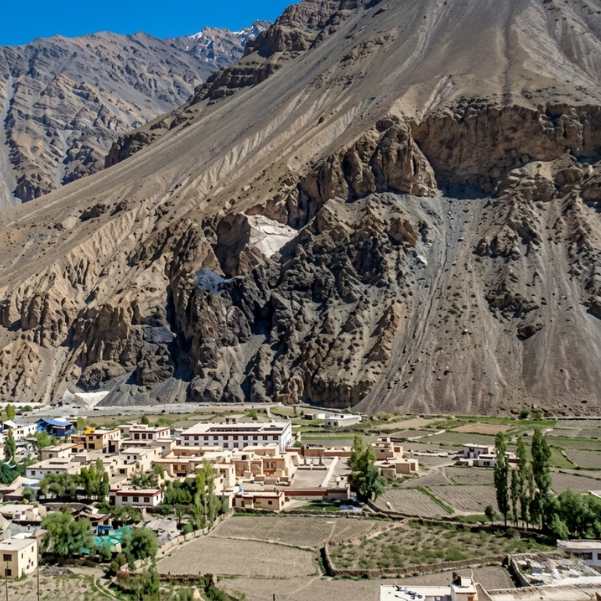
The officially notified protected area names listed on district pages include Khab, Samdo, Dhankar, Tabo, Kaza, Morang, Dubling, Shichling, Poh, Hurling, Lari, Gue, and Korik.
Since most popular Spiti destinations like Kaza, Tabo, Dhankar, Key Monastery, and Kibber fall inside or near this list, foreign nationals planning a Spiti circuit will almost certainly need the permit regardless of which specific villages they plan to visit.
Roads toward Shipki La and Kaurik from NH 22 are not accessible for general tourists. Do not plan around these points.
Where Can You Get the Spiti Inner Line Permit or PAP?
Permits are issued through district and sub divisional government offices. The officially named offices for Lahaul Spiti are the District Magistrate's office at Keylong, the SDM Spiti office at Kaza, and the SDM Lahaul office at Keylong.
For travellers entering from the Shimla side, Reckong Peo is the most practical stop. It is the district headquarters of Kinnaur and the most common place travellers sort this out before crossing into Spiti.
Permits can also be issued through delegated offices in Shimla and Kullu. If you have extra time before departure, sort it in Shimla and arrive in the valley with everything already in order.
Talk to our team on WhatsApp if you are unsure which office applies to your route and dates. We can point you in the right direction.
What Documents Are Needed for the Spiti Permit?
For foreign nationals applying at the permit office, carry your original passport and a copy, your valid Indian visa, a completed application form (available at the office), a copy of your planned itinerary, and the specific protected places you intend to visit.
Some offices require a sponsorship letter from a registered travel operator. This depends on the specific office and the local process at the time. If you are travelling independently, call the office ahead to confirm what they require that season.
Carry photocopies of everything. Government offices in remote areas do not have reliable copying facilities.
What Is the Inner Line Permit Fee for Spiti in 2026?
The official Kinnaur tourist guidance shows ₹200 per person as the permit fee at the e Governance Centre, with any applicable service charges payable separately.
Updated travel guides also report figures of ₹250 as the standard official rate, and sometimes ₹400 at certain counters where service fees are bundled in.
Our honest advice: treat ₹200 as the base rate, carry extra cash, and ask at the office before you pay. Barrier charges and local service costs at government offices can vary slightly. The numbers above are a planning guide, not a guarantee.
Is the Spiti Inner Line Permit Available Online?
No, not for the foreigner PAP or ILP process. As of updated travel information available, this permit is still handled offline at physical government offices.
The confusion here comes from the e Aagman portal, which is a vehicle entry system, not a foreigner permit system. We will cover e Aagman separately below, but do not confuse the two.
If you are a foreign national, plan to visit the permit office in person. Budget at least half a day for this, especially in peak season when offices can be busy.
Do You Need a Rohtang Pass Permit for Spiti?
It depends entirely on your route.
If you are entering Spiti from the Shimla to Kinnaur side, Rohtang Pass is not on your route at all. You do not need this permit.
If you are driving from Manali toward Lahaul and Spiti via the Rohtang crossing, your vehicle needs a permit. This applies regardless of whether you are Indian or foreign, and regardless of any ILP situation. It is a vehicle specific permit for that road.
The route logic is simple. Shimla entry: no Rohtang permit. Manali entry via road over Rohtang: Rohtang permit required for your vehicle. We see travellers mix this up constantly, especially when planning a circuit that starts from Manali.
Rohtang Pass Permit Fee, Quota, Timing, and Rules in 2026
The permit fee for a car, jeep, or MUV is ₹500. On top of this, a congestion charge applies: ₹50 per car, jeep, or MUV and ₹100 for buses and heavy vehicles.
The daily tourism quota is 800 petrol vehicles and 400 diesel vehicles. Slots fill up fast, especially on weekends and during peak season. Book as early as the system allows.
Applications can only be made for the next two days from the current date. You cannot book a week in advance. The permit is valid for one day, to and fro.
A printout is compulsory. Screenshots on your phone are not accepted. Carry the physical printed copy. You will also need valid ID proof, a valid PUC certificate, and your vehicle registration date. Vehicles older than 10 years are not allowed on this route.
What most people do not know: the Rohtang permit portal goes live at a specific time each morning and slots disappear within minutes on busy days. Our drivers set alarms for this. If you are self driving, treat permit booking as seriously as booking your hotel.
What Is the Difference Between Rohtang Pass Permit and Beyond Rohtang Permit?
A normal Rohtang Pass tourism permit is for sightseeing on Rohtang and returning. If you are visiting Rohtang for the day and coming back to Manali, this is what you need.
If you are continuing onward toward Sissu, Lahaul, Spiti, or Leh, you need a Beyond Rohtang permit. This is for vehicles transiting through Rohtang to reach destinations on the other side.
The distinction matters because the permit type, quota, and sometimes the process differ. Always clarify which one you need based on where you are going after Rohtang.
For travellers doing the full Spiti Valley circuit from Manali, Beyond Rohtang is the relevant permit, not the standard tourism permit.
What Is e Aagman and When Does It Apply in Lahaul Spiti?
The e Aagman portal is a vehicle entry system for Lahaul Spiti. It is not a foreigner permit. It is not related to the ILP or PAP process. It is a separate, vehicle based entry registration system.
According to the official e Aagman portal, vehicles entering the district of Lahaul and Spiti must apply for an e pass.
Specifically, an e-permit per vehicle is required for the Atal Tunnel to Rohtang to Koksar to Chandratal circuit. An e-ticket per vehicle is required for other places in Lahaul and Spiti.
Think of this as an entry token for your vehicle, not a document that replaces any other permit or fee.
If you are visiting Chandratal, something many people ask us about after reading our Chandratal 2026 opening date guide, check the e Aagman requirement as part of your vehicle planning, not as a substitute for anything else.
What Is the SADA Fee in Spiti?
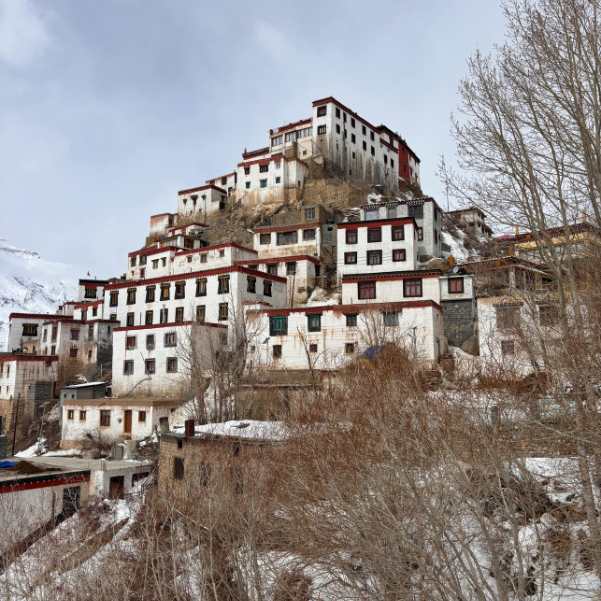
SADA is the Spiti Area Development Authority. The fee it collects is a local development charge applied to vehicles entering Spiti. It is collected at barriers, not at a government office.
Reported fee slabs are ₹100 for two wheelers, ₹200 for cars, ₹300 for SUVs and MUVs, and ₹400 for buses and trucks.
Reported exemptions include local private vehicles registered in Spiti and residents of Sumra. The collection points shift seasonally, moving between Sumdo in winter and Losar once the Manali side opens.
These numbers come from traveller reports and may change. Carry cash in small denominations at the barrier. Do not assume UPI works at these points.
Route Wise Permit Guide: Shimla to Spiti vs Manali to Spiti
Shimla to Kinnaur to Spiti route
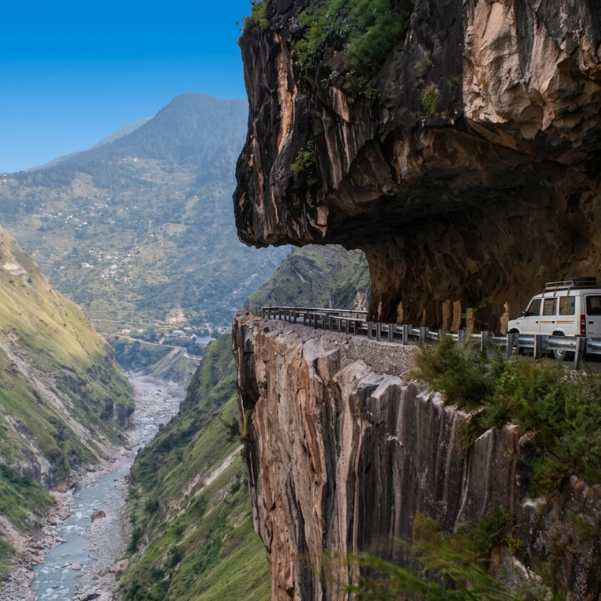
Indian citizens need no permit. Carry ID. Foreign nationals will need the PAP or ILP for the protected areas they pass through. Reckong Peo is the standard place to sort this. No Rohtang permit needed on this route.
Manali to Spiti route
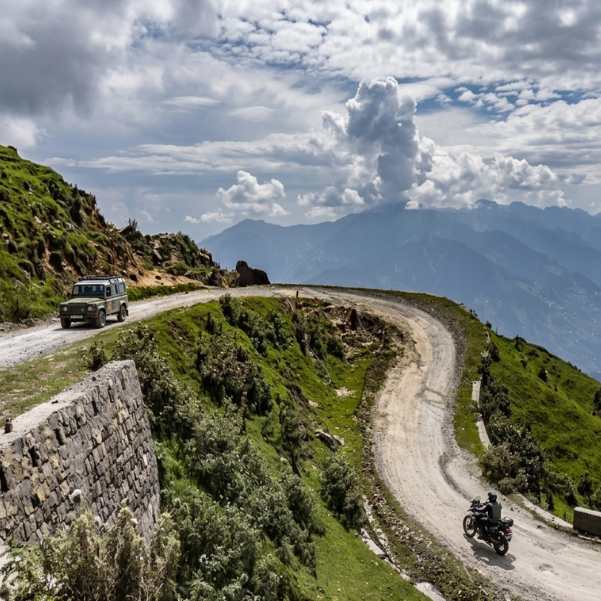
Indian citizens do not need an ILP. Your vehicle does need a Beyond Rohtang permit if crossing by road. Foreign nationals additionally need the PAP for the protected areas they enter on the Spiti side.
e-Aagman vehicle registration applies for certain circuit entries. SADA is collected at the Losar barrier once the Manali side opens.
The practical takeaway is this: the Shimla route involves fewer vehicle permit complications. The Manali route adds the Rohtang layer. Both routes involve SADA on the Spiti side.
If you want to see this built into a real itinerary, our best selling summer Spiti circuit with Chandratal handles the permit logistics as part of the package planning.
Mistakes Travellers Make With Spiti Permits
The most common mistake is treating a checkpoint ID check as a permit check. Police at checkpoints asking to see your Aadhaar are doing routine ID verification, not checking an inner line permit. These are not the same thing.
The second mistake is assuming the Rohtang permit covers everything. It does not. Rohtang covers vehicle access over the pass. SADA is a separate payment at the Spiti barrier.
e-Aagman is a separate vehicle registration. The ILP is a separate document for foreigners. Paying one does not cover any other.
We have seen travellers arrive at Batal without a printed Rohtang permit, waving a screenshot. The printout requirement is real. The officer will turn your vehicle around.
Finally, many travellers use e Aagman registration and assume all Lahaul Spiti vehicle entry requirements are now handled. Read the portal carefully.
The e-permit and e-ticket apply to specific circuits and routes. What applies to your trip depends on exactly where you are going.
Final Checklist Before You Leave for Spiti
Before you start the drive, make sure your vehicle has valid PUC, registration documents, and proof of insurance. Your Rohtang or Beyond Rohtang permit should be printed, not just saved on your phone.
Foreign nationals should carry original passport, valid visa, and at least two photocopies of each. The permit copy from the issuing office should be with you at all times. Keep a copy in your bag and one in the vehicle.
Indian citizens should carry a valid photo ID. Aadhaar works at most checkpoints. Carry physical copies.
Carry enough cash to pay SADA at the barrier, any e-Aagman fees, parking charges, and one or two unexpected small costs that always come up on mountain roads. ATMs are not reliable in the interior. The cash buffer matters.
Verify SADA slabs, e-Aagman requirements, and any new local rules close to your travel date. These systems update without notice and what was true six months ago may have changed.
Plan Your Spiti Trip with Local Help
Permit rules feel complicated on paper. In practice, once you know your route and vehicle type, the checklist becomes short and manageable.
The confusion mostly comes from treating Spiti as one system when it is actually four overlapping systems. Separate them, sort each one for your specific situation, and the paperwork is done in an afternoon.
If you are planning a solo female trip to Spiti or a family circuit, the permit requirements are the same. Just make sure everyone carries their own ID copy.
For travellers planning the Manali entry, our month wise Rohtang guides cover exactly what to expect on the pass for March, April, and May. And if you are considering stopping at Sissu on the way in, which we always recommend for acclimatisation, we have a full guide there too.
WhatsApp us for a customised Spiti itinerary if you want a quick read on what specifically applies to your dates, entry point, and vehicle type. We do this every season and the answer for your situation will take us two minutes.
Explore Our Curated Spiti Valley Tours
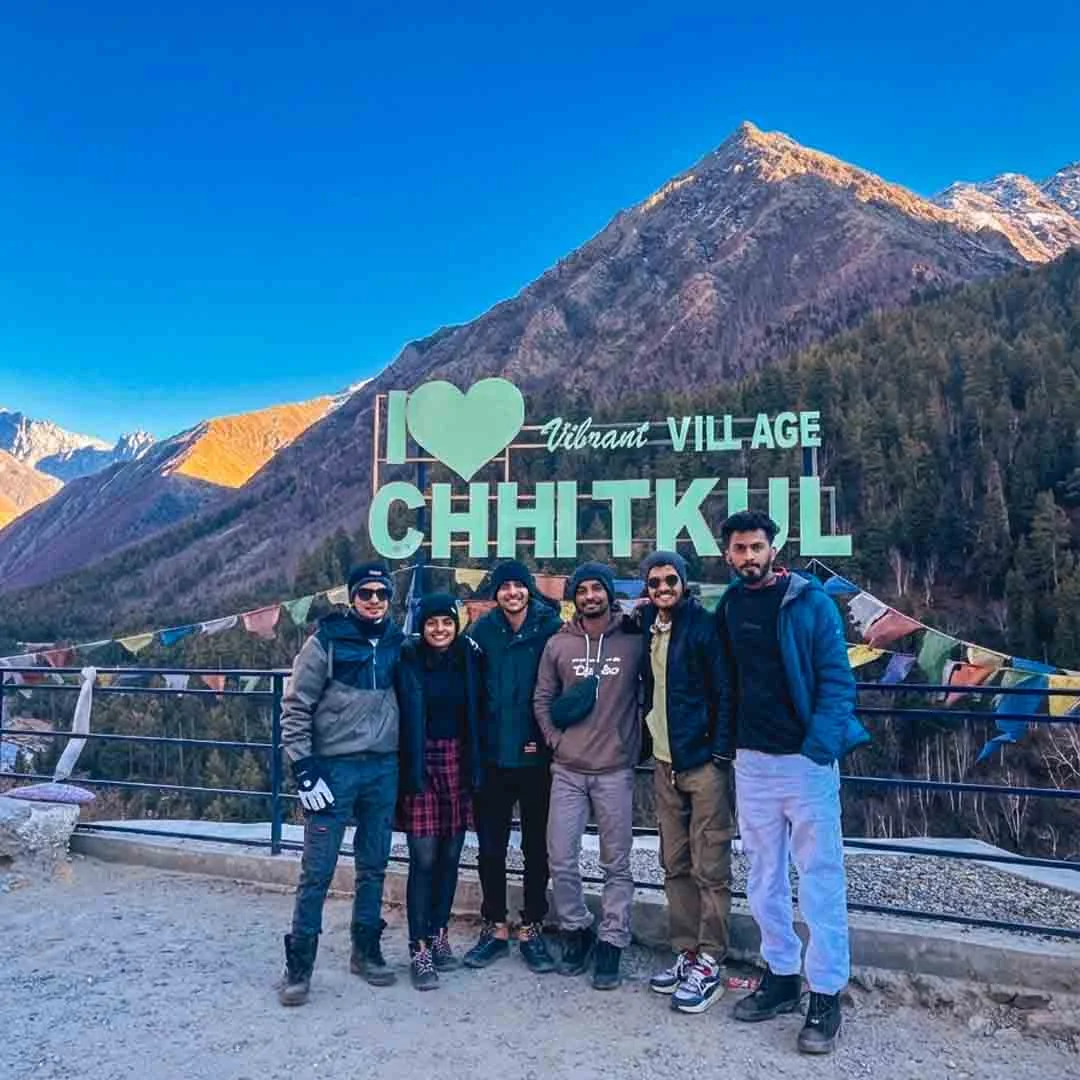 Group Tour9D/8N
Best Selling Winter Spiti Valley Group Tour
2D Sangla•1D Tabo+2
₹18,999₹23,999SAVE INR 5,000/ person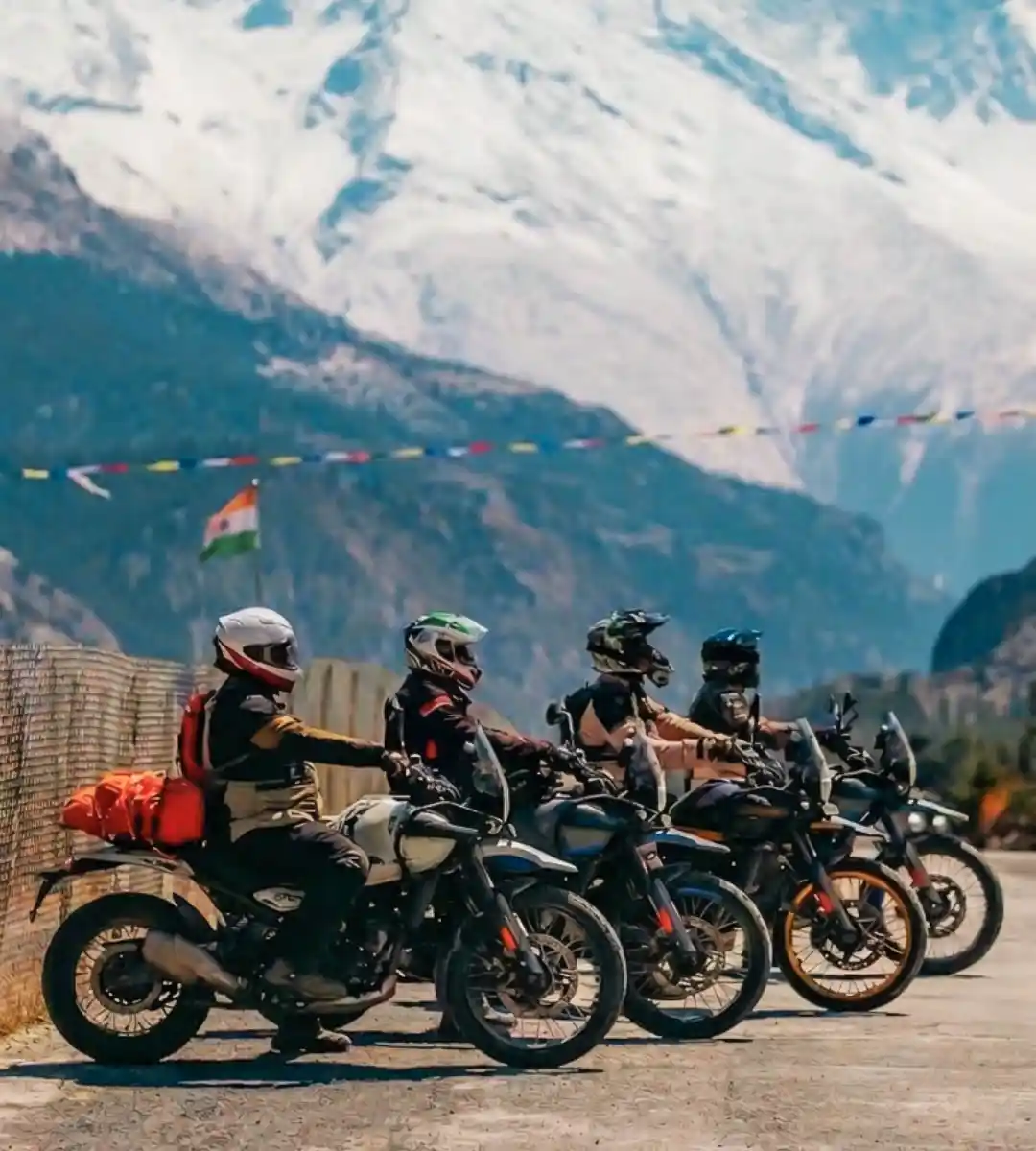 Group Tour10D/9N
Most Loved Spiti Valley Bike Expedition With Chandratal
1D Jibhi•1D Sangla+4
₹34,999₹41,999SAVE INR 7,000/ person 6D/5N
6D/5NMini Spiti Circuit With Chandratal From Manali
2D Kaza•1D Chandratal Camp
₹26,999₹29,999SAVE INR 3,000/ person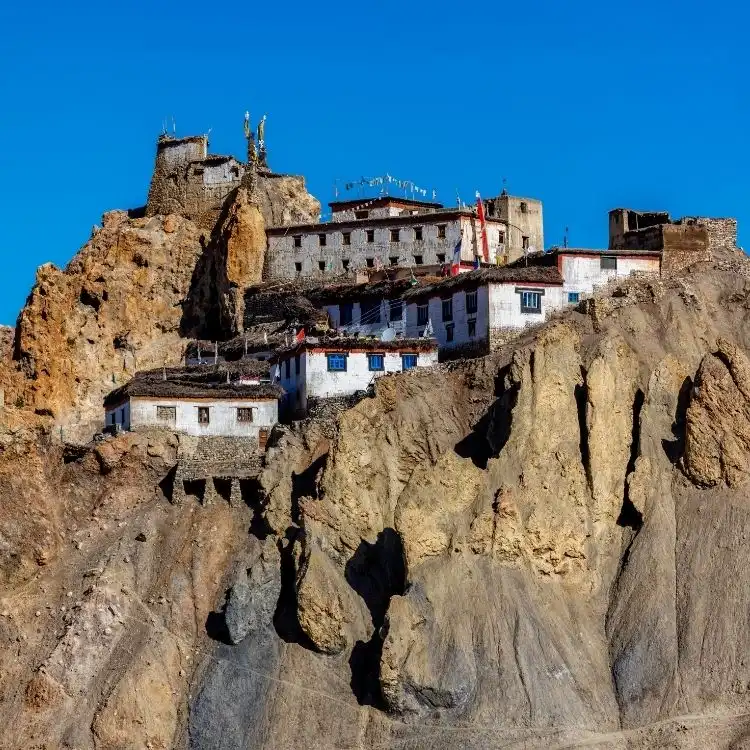 Group Tour10D/9N
Full Spiti Valley Circuit With Chandratal
1D Narkanda•1D Sangla+5
₹29,999₹32,999SAVE INR 3,000/ person 6D/5N
6D/5NManali Kaza Chandratal Short Spiti Tour
2D Kaza•1D Chandratal Camp
₹21,999₹25,999SAVE INR 4,000/ person
If your plan crosses the pass itself rather than continuing into Spiti, that is a separate permit and a separate day out from Manali. Our Rohtang Pass tour packages cover that leg with the permit applied in the vehicle's registration number and the printout carried on the day.
Related topics
Frequently Asked Questions
Do Indians need a permit to visit Spiti Valley?
No. Indian citizens do not need an inner line permit or protected area permit for normal Spiti Valley tourism. Carry a valid photo ID for checkpoint verification. That is identification, not a permit.
Do foreigners need an inner line permit for Spiti?
Yes. Foreign nationals need a permit for notified protected areas in Kinnaur and Spiti. The permit is issued at government offices including the DM office at Keylong, SDM Spiti at Kaza, and offices in Shimla, Kullu, and Reckong Peo.
Is the inner line permit for Spiti available online?
No. As per current information, the PAP or ILP for foreign nationals is still processed offline at physical government offices. The e Aagman portal is a vehicle entry system and is not the same thing as the foreigner permit.
Where can I get a Spiti permit in Reckong Peo or Kaza?
In Reckong Peo, the permit office handles Kinnaur and Spiti permits for travellers on the Shimla side. In Kaza, the SDM Spiti office issues permits. Both are in person processes. Budget half a day and carry photocopies of all documents.
What documents are needed for a Spiti permit?
Foreign nationals need their original passport, valid Indian visa, a completed application form, intended itinerary, the specific protected areas they plan to visit, and sometimes a sponsorship letter from a registered travel operator. Confirm with the specific office before arrival.
What is the fee for inner line permit in Spiti?
Official Kinnaur guidance shows ₹200 per person at the e Governance Centre, with service charges payable separately. Some counters have reported ₹250 to ₹400 depending on where and when you apply. Carry extra cash.
Do I need a Rohtang Pass permit for Spiti?
Only if you are driving from Manali across Rohtang. If you are entering Spiti from the Shimla to Kinnaur side, you do not cross Rohtang and do not need this permit.
What is the Rohtang Pass permit fee in 2026?
The permit fee is ₹500 for a car, jeep, or MUV, plus a ₹50 congestion charge for the same vehicle types. The daily quota is 800 petrol and 400 diesel vehicles. The permit is valid for one day and a printed copy is compulsory.
What is the difference between Rohtang Pass permit and Beyond Rohtang permit?
A Rohtang Pass tourism permit is for visiting Rohtang and returning to Manali the same day. A Beyond Rohtang permit is for vehicles continuing past Rohtang toward Lahaul, Spiti, or Leh. If you are going to Spiti, you need Beyond Rohtang.
What is the SADA fee in Spiti?
SADA is a district development charge collected at barriers when entering Spiti. Reported slabs are ₹100 for two wheelers, ₹200 for cars, ₹300 for SUVs and MUVs, and ₹400 for buses and trucks. Carry cash for this. Do not rely on UPI at the barrier.
Is e Aagman mandatory for Chandratal or Lahaul Spiti vehicle entry?
The official e Aagman portal requires an e permit per vehicle for the Atal Tunnel to Rohtang to Koksar to Chandratal circuit and an e ticket per vehicle for other Lahaul Spiti destinations. This is a vehicle entry system, not a substitute for any other permit or fee.
Do I need any permit if I enter Spiti from Shimla?
Indian citizens need no permit on the Shimla to Kinnaur to Spiti route. Foreign nationals need the PAP for the protected areas they pass through. Reckong Peo is the standard place to get this sorted. No Rohtang permit is needed on this route.
More about Lahaul and Spiti
 Lahaul and Spiti
Winter Spiti from Bangalore in 2026-27: Flights, Leave Days & Delhi 4x4 Departures
Planning a Winter Spiti trip from Bangalore in 2026-27? Explore flight options, Delhi pickup points, leave requirements, 4x4 group expeditions, travel costs and a practical itinerary to help you plan your Himalayan winter adventure.
- How to Reach
- Snow Travel
 Lahaul and Spiti
What Does a Winter Spiti 4x4 Trip Really Cost in 2026-27? Package Price vs Total Holiday Budget
Planning a Winter Spiti 4x4 trip in 2026-27? Discover the real travel budget, including package prices, transport, meals, winter essentials and hidden expenses. Learn what your package covers, what costs extra and how to plan your Spiti Valley adventure without unexpected spending.
- First-Time Travellers
- Snow Travel
 Lahaul and Spiti
How Many Leave Days Do You Need for a 9-Day Winter Spiti Trip in 2026-27?
Planning a 9 day Winter Spiti trip in 2026 to 2027 requires careful leave planning, especially for working professionals travelling from cities like Bangalore, Mumbai, Hyderabad and Delhi.
- Itinerary
- Snow Travel