
Spiti Valley in January 2027: Who Should Book a 4x4 Trip and Who Should Wait?
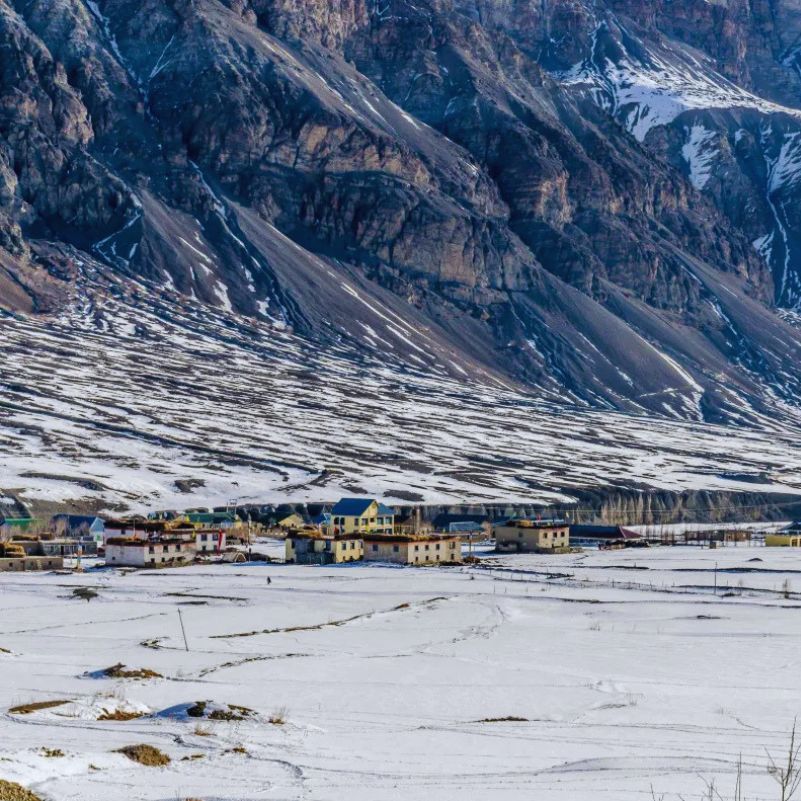
You have seen the photos of snowbound Kaza and you are wondering whether to book. That is the right question. The honest answer depends more on you than on the vehicle.
Spiti Valley in January 2027 will give some travellers white monastery roofs, near empty roads and a silence you rarely hear anywhere in India.
It will also give everyone ice on the road, frozen water lines, bucket baths and plans that can change overnight.
This guide by Travel Coffee helps you work out which kind of traveller you are before you pay a deposit.
Quick Answer: Should You Book a Spiti 4x4 Trip in January 2027?
Book a locally driven 4x4 trip only if you handle harsh cold well, stay calm when plans change, and your health allows high altitude travel.
In winter, you reach Kaza through Shimla and Kinnaur, not Manali. Nobody can confirm January 2027 road conditions yet.
If you need fixed dates, hotel comfort or a guaranteed sightseeing list, wait for a milder month.
Is Spiti Valley Actually Open in January 2027?
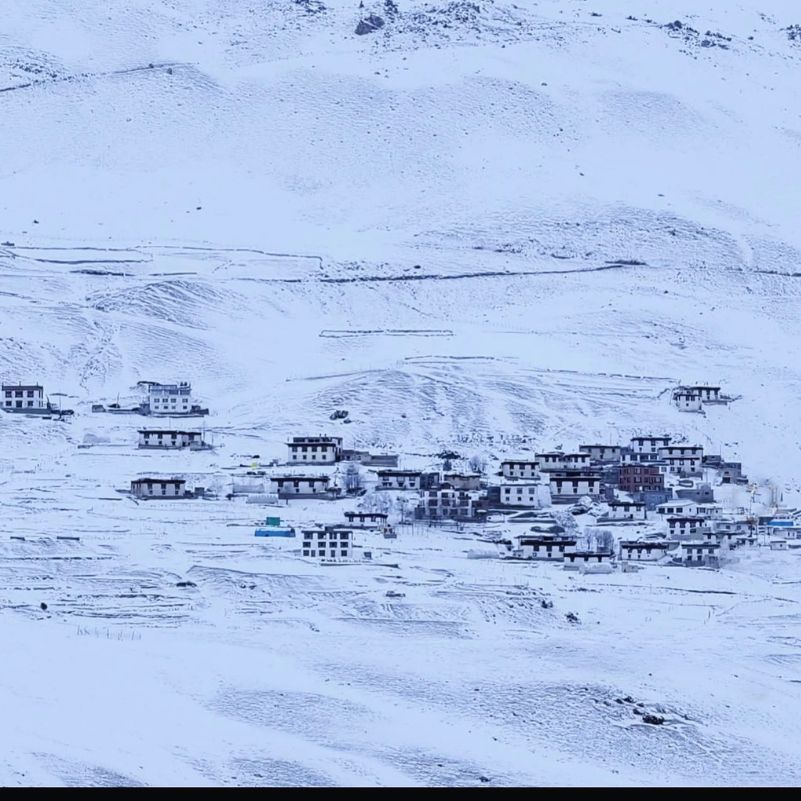
Here is what most tourists get wrong. They think a 4x4 makes a January trip safe. It does not. The road, the weather and your body decide the trip. The vehicle only helps you deal with them.
Which route can reach Kaza in winter?
In January, you reach Spiti from the Shimla side. The road climbs through Rampur, runs up the Kinnaur valley, passes Nako and Tabo, and finally reaches Kaza.
The Lahaul and Spiti district administration puts Shimla to Kaza at about 412 km and about 20 hours of travel, without counting an overnight halt. Nobody sensible drives that in one go.
The district calls this an almost all weather road. In January, that word "almost" carries a lot of weight.
Many travellers assume the Atal Tunnel opens a Manali route into Spiti. It gets you into Lahaul, but it does not solve the real problem.
Kunzum Pass generally stays shut in winter, from about October or November until June or July, depending on the season. That means the usual Manali to Kaza circuit is not a realistic January plan.
We explain this route split in more detail in our guide on whether Spiti Valley is open in winter.
Does an open road mean a safe road?
No. Even on the usual winter route, ice, landslides, fresh snowfall, police restrictions and temporary closures can stop you for hours or days.
Here is a real example from last winter. On 28 January 2026, heavy snowfall reportedly blocked 290 PWD roads across Lahaul and Spiti district, including 156 in the Spiti subdivision.
Those numbers describe January 2026, not January 2027. They show how fast one snow spell can shut down village roads that looked fine the day before.
Before you fix your dates, read our page on the latest Spiti Valley road status and treat any "road is open" claim as a starting point, not a promise.
Who Should Book a 4x4 Winter Spiti Expedition?
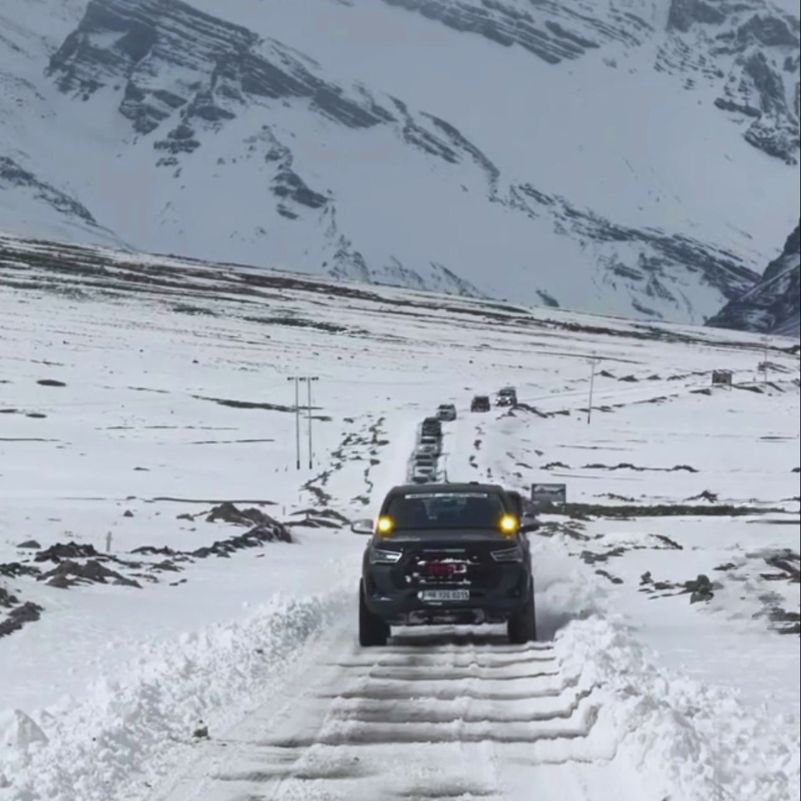
A winter Spiti trip suits a particular kind of person. Age and past travel matter less than your patience, your health and how much uncertainty you can live with.
The right traveller profile
You will probably enjoy January if you like long, slow road days and you do not need a packed sightseeing schedule to feel the trip was worth it.
You should feel comfortable in simple homestays, with heavy blankets, basic bathrooms and dal chawal for dinner. Some evenings, the most exciting thing will be a hot cup of tea.
You also need room in your life for delays. That means extra leave from work and enough money to pay for an unplanned night if snow holds you somewhere.
Finally, you should be fine with missing a village. If snow closes the road to a high settlement, a good winter traveller shrugs and enjoys Kaza instead.
Why a locally driven trip often makes sense
A driver who knows these roads in winter reads things that a city driver cannot. He knows which bends hold shade and ice, and when a stretch needs chains.
Weather decides a winter Spiti day, not the itinerary sheet. A local team will happily change the plan when the road looks wrong, and you want that.
Photographers often love January for the snow and the empty frames. People who enjoy quiet villages also tend to fit well.
Just remember that no operator can promise fresh snowfall, a clear view from a particular spot, or a rare animal sighting. Book for the whole winter mood, not for one photo.
Who Should Wait Instead of Booking January Spiti?
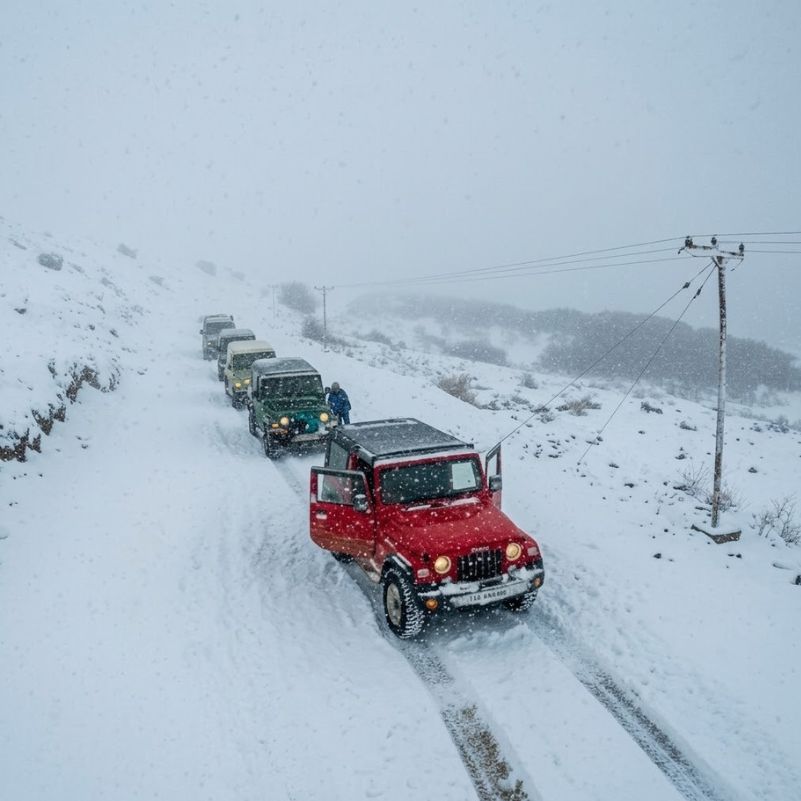
We would rather suggest a later trip than promise an unsafe road. Waiting is not a weak choice. For many people, it is the smart one.
Travellers better served by a milder season
If this is your first Himalayan trip and you expect hotel comforts, January will probably frustrate you more than delight you.
Daily hot showers, steady internet, easy driving and a fixed checklist of places all become uncertain in winter. If you need these things, plan for a warmer month.
Serious warning: do not book January Spiti if a flight, exam, wedding or anything else immovable sits right after your scheduled return.
Snow does not care about your ticket. If you cannot afford to miss what comes next, you cannot afford to get stuck.
When health should decide the itinerary
If you have had altitude sickness before, or you have heart, lung or other medical concerns, talk to a doctor who understands altitude travel before booking.
We do not set an age cutoff, upper or lower. A fit 60 year old may manage better than an unwell 30 year old.
Children and older parents deserve an individual check with a doctor. Nobody should call them automatically safe or automatically unsafe for this trip.
Is a 4x4 Really Necessary for Spiti in January?
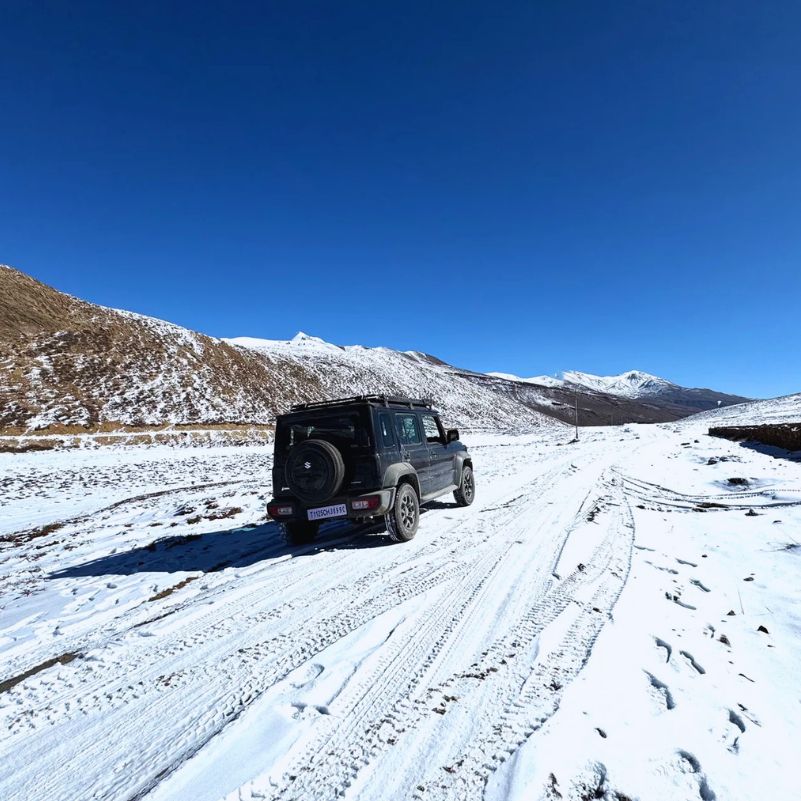
A 4x4 is a sensible winter tool. It is not permission to ignore bad conditions, and it does not make every road passable.
What 4WD helps with and what it cannot do
Four wheel drive can help a vehicle keep moving on slippery snow and slush. Good winter tyres and snow chains, fitted when conditions need them, help even more.
Here is the limit. 4WD does not make a vehicle stop faster on ice. Braking on ice stays long and unpredictable, whatever you drive.
Black ice is the real danger. It looks like wet tarmac, and you often see it only when the tyres slip.
A 4x4 also cannot cross a landslide, drive through a road the snow has buried, or override a police closure. Do not trust anyone who says any 4x4 can always reach Kaza.
Guided expedition versus self drive
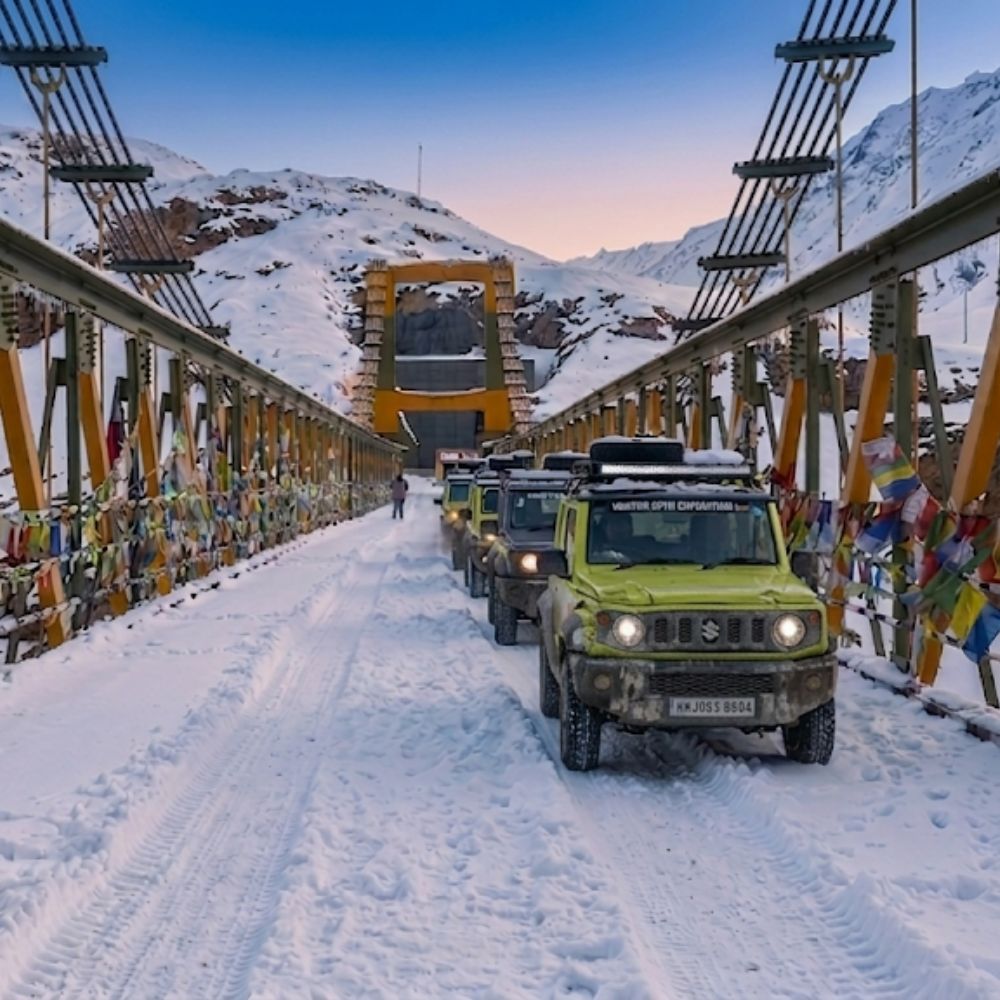
A shared, locally driven 4x4 puts a winter experienced driver behind the wheel. A rented self drive Thar or Jimny puts you there.
If you have never driven on snow and ice, that alone is a strong reason not to attempt this road on your own in January.
Before you choose a vehicle, ask whether it is a real 4WD configuration, how many people it seats, where the luggage goes, how worn the tyres are, whether chains travel with it, and what happens if it breaks down.
Our detailed comparison of 4x4 vs AWD vs sedan for winter Spiti explains why the vehicle type changes how a trip feels.
Watch the seat count closely. The Jimny on our trip has four seats in total, including the driver and any staff. That means three guests at most, and fewer if a coordinator rides along.
If any operator sells you a Jimny with "four guest seats plus driver", ask them to explain where everyone sits. Our winter Spiti 4x4 seating guide shows what to check.
How Cold and Uncomfortable Can January Spiti Get?
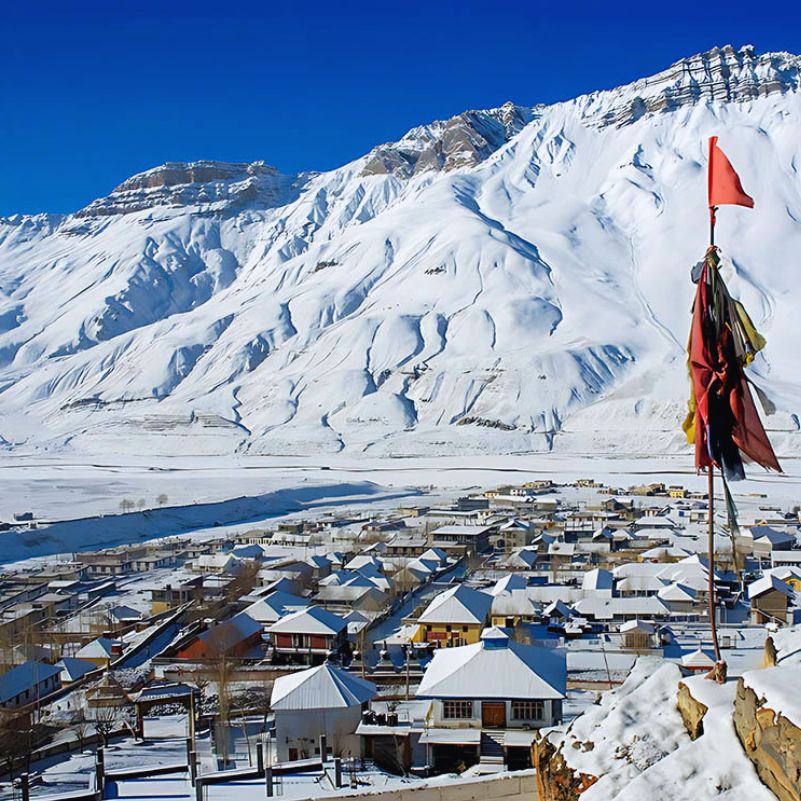
The cold in January is not a mood. It shapes every hour of your day, from when you go outside to how you brush your teeth.
Temperatures versus actual comfort
For trip planning, our winter guide uses a rough January Kaza range of minus 5°C to plus 5°C by day and minus 15°C to minus 25°C at night.
Treat that as an operator planning range, not an official long term weather average, and not a forecast for your dates.
In practice, you get a few comfortable hours outside when the sun is up. Once it drops, you want to be indoors.
Here is a timing tip that changes the trip: Plan your monastery visits and photo walks for the middle of the day, when the sun has warmed things a little, and keep early mornings for tea under a blanket.
Freezing also affects water. Pipes and taps can freeze, so washing, toilets and drinking water all take more effort than you expect.
What winter accommodation is really like
Winter stays vary a lot. Some provide electric blankets. Some charge extra for a heater. Some cannot give you continuous running hot water.
Expect bucket hot water, basic bathrooms, simple meals, power cuts, weak internet and stretches with no mobile signal. Many shops and cafes also shut for the season.
Confirm what your specific homestay offers before you pay. Two homestays in the same village can feel completely different in January.
One small pleasure we always recommend: in Kaza, ask your homestay for a bowl of hot thukpa and butter tea in the evening. After a long cold day, nothing works better.
Is Altitude Sickness a Reason to Reconsider?
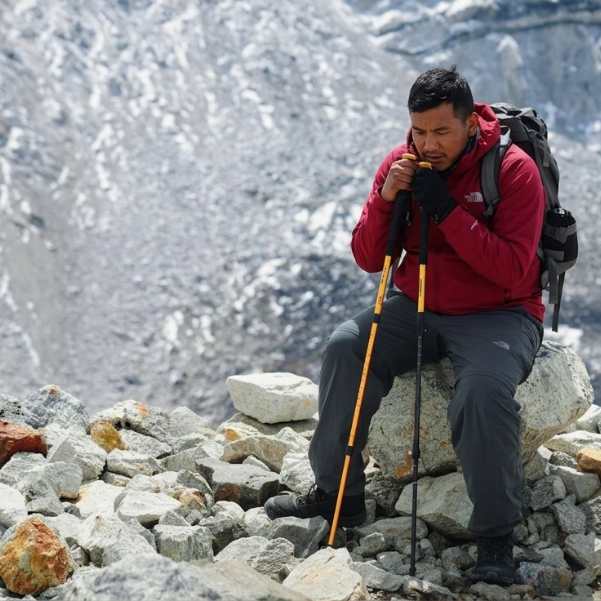
For many travellers, altitude decides the January question more than cold does.
Why Kaza is not an ordinary hill station stay
Kaza sits at about 3,660 m. That is far higher than Shimla or Manali.
On the way, Sangla sits at about 2,621 m, Kalpa at about 2,759 m, Nako at about 3,663 m and Tabo Monastery at about 3,050 m.
Fitness does not protect you from altitude sickness. Marathon runners get it too. What helps is a gradual climb.
CDC guidance suggests that once you are above 3,000 m, you should not raise your sleeping altitude by more than about 500 m per night, with an extra rest night for each additional 1,000 m you gain.
We do not prescribe medicine. If you have any concerns, speak to a doctor with experience in altitude travel before your trip.
Why the first high altitude overnight matters
This is the part most winter Spiti articles skip, and it matters a lot.
Our published 8 day trip sleeps in Sangla and then in Nako. Using the official elevations, that is a jump of about 1,042 m in sleeping altitude in one night.
We say this openly on the package page. Nako is an early high altitude night, and the shorter trip is not necessarily the easier one for your body.
Our dedicated 9 day trip sleeps two nights in Sangla, then one night in Tabo, before Kaza. By the same figures, that climb happens in smaller steps.
Even so, Tabo to Kaza still means about 610 m more sleeping altitude. No itinerary on this road is medically risk free, and the longer one does not tick every guideline either.
Serious warning: if you feel headache, nausea or breathlessness, tell your driver or coordinator at once. Do not keep climbing while symptoms get worse.
If symptoms become severe, you need medical help, and going down when it is safe may be the right call. Spiti has a Community Health Centre in Kaza, a Primary Health Centre in Tabo and a Civil Dispensary in Kibber, but medical facilities across the valley remain limited.
What Can You Actually See in Spiti in January?

January sightseeing works on a "maybe" basis. You see what the road and the weather allow on that day.
Lower route experiences
The drive through Kinnaur is a highlight in itself, with snow on the slopes and the river far below.
Tabo and Kaza usually form the core of the trip, along with monasteries and settlements that stay reachable and open.
Do not assume side roads will work. Dhankar and other detours need a fresh access check on the day.
High villages and wildlife
From Kaza, people usually aim for Key, Kibber, Chicham, Langza, Hikkim, Komic and Pin Valley. In January, treat each one as a possibility.
Snow or ice can cut off a single village road while the main Shimla to Kaza road still works. Your driver will decide on the morning itself.
The Kibber Wildlife Sanctuary area is a snow leopard habitat. Sightings are rare, though, and nobody can promise one.
An ordinary winter sightseeing trip is not a wildlife expedition. If a snow leopard is your main goal, look for a dedicated wildlife programme instead.
What you should not expect
Skip Chandratal and the full Manali to Kunzum route in January. They do not belong on a normal road trip this month, and any plan that includes them should worry you.
Also skip the temptation to walk on a frozen river or lake. Ice that looks solid can hide thin patches and moving water underneath.
Is an 8 Day or 9 Day Winter Spiti Itinerary Better?

Both trips work for different people. The difference lies in how fast you climb and how much breathing room you get.
Comparing the actual ascent
The 8D/7N trip sleeps one night in Sangla, one in Nako, two in Kaza and one in Kalpa, plus two nights on overnight Volvo buses.
It suits travellers with less leave, but it puts the big altitude jump early, on the Nako night.
The 9D/8N trip sleeps two nights in Sangla, one in Tabo, two in Kaza and one in Kalpa, plus overnight transport.
That extra Sangla night and the Tabo stop make the climb gentler and the road days less tiring.
What we tell our travellers is simple. If you have never slept above 3,000 m, or altitude worries you at all, lean towards the 9 day trip. Still, a higher price does not automatically mean a safer trip.
You can compare day by day plans in our guide to 7, 8 and 9 day winter Spiti itineraries.
What happens when snowfall delays your return?
Our package guidance asks you to keep three to four extra days free after your scheduled end date.
That is a precaution. It does not guarantee that a closed road will reopen within those days.
You normally return through the Kinnaur side. If snow hits, your sightseeing may change, your onward train or flight may need rebooking, and you may need to pay for extra nights.
How Much Does a Guided 4x4 Spiti Trip Cost?
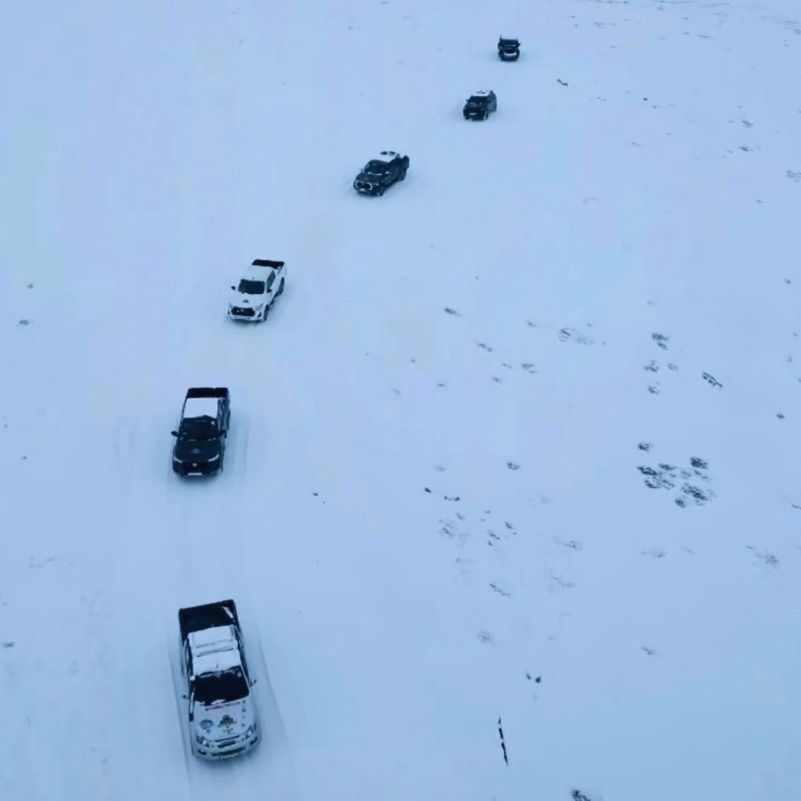
Here are real prices from our website, seen on 14 October 2026. They are not confirmed January 2027 fares.
Our default 8D/7N Kinnaur and Spiti winter 4x4 expedition listing shows ₹25,999. You can see the full plan on the 8 day Kinnaur and Spiti winter 4x4 expedition page.
Our dedicated 9D/8N Most Loved 4x4 Winter Spiti Expedition listing shows ₹29,999. Its full route sits on the 9 day winter Spiti 4x4 expedition page.
Here is an insider detail
The 8 day listing also has a nine day duration option showing ₹28,999. That is not the same product as the dedicated ₹29,999 nine day trip, and the two do not share the same ascent plan.
Before you compare prices, ask which itinerary each figure belongs to. Prices also change with duration, start point, sharing setup, dates and private transport.
The 8 day listing includes the shared 4x4 mountain sector, a local driver, a travelling coordinator, overnight Volvo travel between Delhi and Shimla, selected stays and some meals, as the package page details.
It does not include your travel to the pickup point, some meals and drinks, room heating, medical treatment, oxygen use, emergency evacuation, extra nights, or alternative transport after weather delays.
A money saving tip: book a seat in a shared 4x4 instead of a private one if your group is small. Also budget heating separately per night, so it does not surprise you halfway through the trip.
What Must You Confirm Before Paying a Deposit?
A good winter trip starts with clear answers in writing. Do not pay on the strength of a phone call alone.
Vehicle and accommodation promises
Ask for written details of the vehicle type, the real passenger seat count, the driver, chains, tyre condition and luggage space.
For stays, confirm room heating, toilet setup and whether each homestay actually runs in January.
Ask which side trips are conditional, including Chitkul and the high village circuit. A good operator will tell you plainly that snow can cancel them.
Cancellation and emergency terms
Ask how the deposit works, what refund you get and when, and whether you can move your dates.
Then ask what happens in a weather interruption. Who pays for extra nights? What happens if you miss an onward ticket? What if only half the trip runs?
Check whether your travel insurance covers road closures, trip interruption and medical evacuation. Do not assume it does.
Read the actual cancellation policy for your booking. Do not rely on anyone's verbal promise of a full refund, alternate transport or a rescue response time.
You can see all our Travel Coffee winter Spiti tour options in one place before you decide.
What Should You Pack for January Spiti?
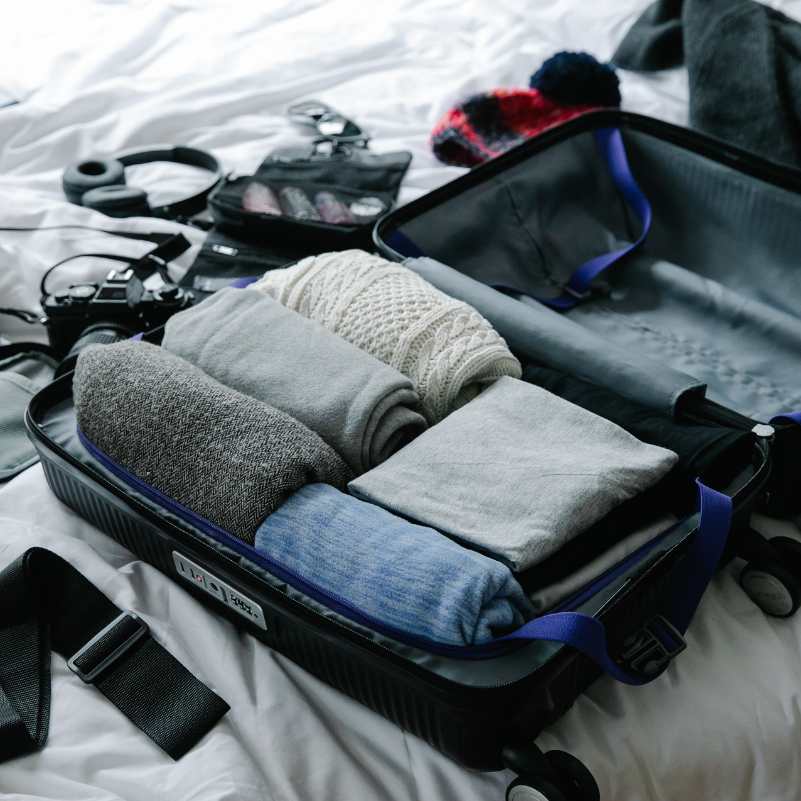
Pack in layers. Start with thermal inners for top and bottom, add a fleece or warm mid layer, and finish with a proper insulated, windproof jacket.
Carry a warm cap or balaclava, good gloves and several pairs of thick socks. Wet socks in this cold make the whole day miserable.
Wear boots with a strong grip. Paths outside homestays and monasteries often hold hard packed snow and ice.
Bring sunscreen and UV sunglasses. Snow reflects a lot of light, and the sun at this altitude burns faster than you expect.
An insulated water bottle stops your water from freezing. Pack your personal medicines and a couple of charged power banks too.
Carry enough cash, and keep offline copies of your booking and ID on your phone. When the network drops, you still have what you need.
Serious warning: never bring an outdoor stove or charcoal burner into a closed room to stay warm. Use only the heating your homestay provides, and keep some ventilation.
Do You Need Permits to Visit Spiti in January?
If you are an Indian citizen, Himachal Tourism says you do not need a general permit to enter Spiti on the standard route.
Foreign travellers need to check permits for the protected parts of Kinnaur on this route, under the PAP or ILP rules.
The official pages do not agree on the details. A 2023 Kinnaur page mentions a ₹200 processing fee and group rules for two or more foreigners, while Lahaul and Spiti guidance gives different conditions.
Group size, fees, validity, the exact protected places and whether Kaza needs its own permission all remain unclear for January 2027.
If you are a foreign traveller, confirm the current rules with the SDM or district office before you book.
How Do You Check Road and Weather Conditions Before Departure?
Start with the official district route guidance. Then check the latest Kinnaur notifications for traffic and travel advisories.
Next, read the IMD Shimla forecasts and warnings for your travel dates, and watch for police advisories.
Finally, speak directly to your local driver and your winter homestay. They know what the road looks like this week.
Here is an insider tip most travellers miss
The district road status page still shows a last updated date of 14 May 2024. It cannot tell you anything about live conditions.
Ignore old videos and search snippets that say "the road is open". They might be from a different winter.
Postpone the trip if the road is officially closed, a serious weather warning is active, your driver calls conditions unsafe, you cannot find suitable stays, or a medical or transport concern remains unsolved.
If January Is Not Right, When Should You Visit Spiti?
If you love snow but want a little more margin, later winter may suit you. If you want easier sightseeing, the warmer season makes more sense.
February and March are not always safe, though. Winter weather can still close roads, so they need the same checks.
The full Kunzum circuit also has no fixed opening date. In 2026, it reopened for light 4x4 vehicles on 20 May, but other years differ.
A shorter, easier Himachal trip can also work, though winter weather affects roads in many parts of the state.
If you decide that Spiti Valley in January 2027 does not fit your health, your dates or your comfort needs, that is a good travel decision. Choosing the right month is not a failure of adventure. It is how you make sure you actually enjoy Spiti when you go.
Explore Our Curated Winter Spiti Tour Packages
- Group Tour9D/8N
Most Loved 4×4 Winter Spiti Expedition
2D Sangla•1D Tabo+2
₹29,999₹35,999SAVE INR 6,000/ person 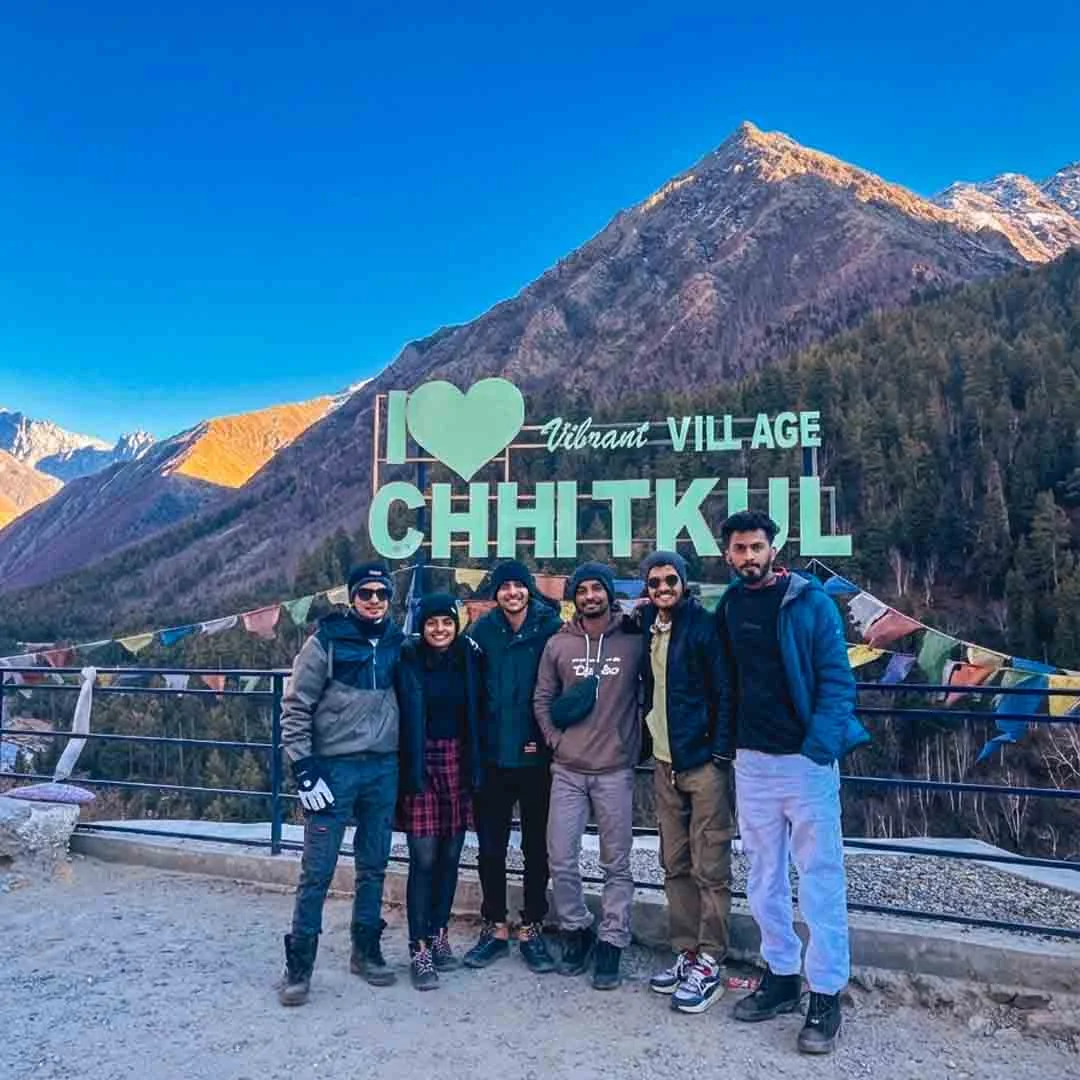 Group Tour9D/8N
Best Selling Winter Spiti Valley Group Tour
2D Sangla•1D Tabo+2
₹18,999₹23,999SAVE INR 5,000/ person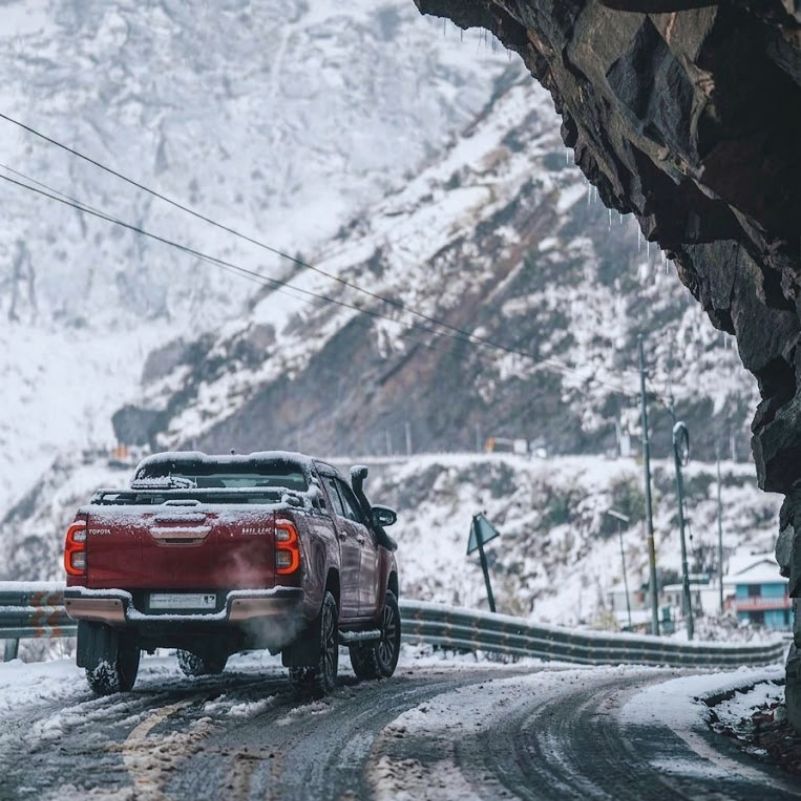 Group Tour8D/7N
Best Selling Kinnaur & Spiti Winter 4x4 Expedition
1D Sangla•1D Nako+2
₹27,999₹30,999SAVE INR 3,000/ person
Frequently Asked Questions
Is Spiti Valley open in January 2027?
Spiti is usually accessible via Shimla and Kinnaur in January. However, snowfall and icy roads can cause temporary closures. Check road conditions before departure.
Can I reach Kaza from Manali through the Atal Tunnel in January?
No. Kunzum Pass remains closed during peak winter, making the Manali-Kaza route inaccessible. Travel via Shimla, Kinnaur, Nako and Tabo instead.
Is a 4x4 mandatory for Spiti Valley in winter?
A 4x4 is not generally a legal requirement, but it is strongly recommended for January travel. Snow, ice and changing road conditions make proper winter-ready vehicles essential.
Can a 4x4 still skid on black ice?
Yes. A 4x4 improves traction but cannot prevent skidding or guarantee shorter braking distances on ice. Winter tyres, chains, safe speeds and an experienced driver are crucial.
Is self driving a rented Thar or Jimny safe in January?
Self-driving is risky without winter mountain driving experience. Snow, black ice and remote roads make a locally driven 4x4 a safer choice for most travellers.
How cold does Kaza get in January?
Expect approximately −5°C to 5°C during the day and −15°C to −25°C at night. These are planning estimates, not a forecast. Pack proper winter clothing.
Is Spiti safe for someone who has never visited high altitude?
Yes, some first-time visitors can manage it with gradual acclimatisation and proper precautions. However, altitude sickness can affect anyone, so consult a doctor if you have concerns.
Can children or elderly parents visit Spiti in January?
Yes, depending on individual health and medical advice. Extreme cold, high altitude, long drives and limited healthcare facilities make careful planning essential.
How many days should I keep for a winter Spiti road trip?
Plan 8-9 days for a guided Winter Spiti expedition, preferably with gradual acclimatisation. Keep another 3-4 buffer days for possible weather or road delays.
Can I visit Chicham, Langza, Hikkim, Komic and Pin Valley in January?
Possibly, depending on snow and road conditions. Some villages may remain inaccessible even when the main Kaza road is open. Confirm accessibility locally each day.
Do Indian and foreign tourists need permits for winter Spiti?
Indian tourists generally don't need permits for the standard Spiti route. Foreign nationals may need protected-area permits for parts of Kinnaur. Verify requirements before travelling.
What does a guided 4x4 Spiti expedition cost in January 2027?
Our October 2026 listings showed ₹25,999 for 8D/7N and ₹29,999 for 9D/8N. January 2027 prices may differ, so request a confirmed quote for your dates.
More about Lahaul and Spiti
 Lahaul and Spiti
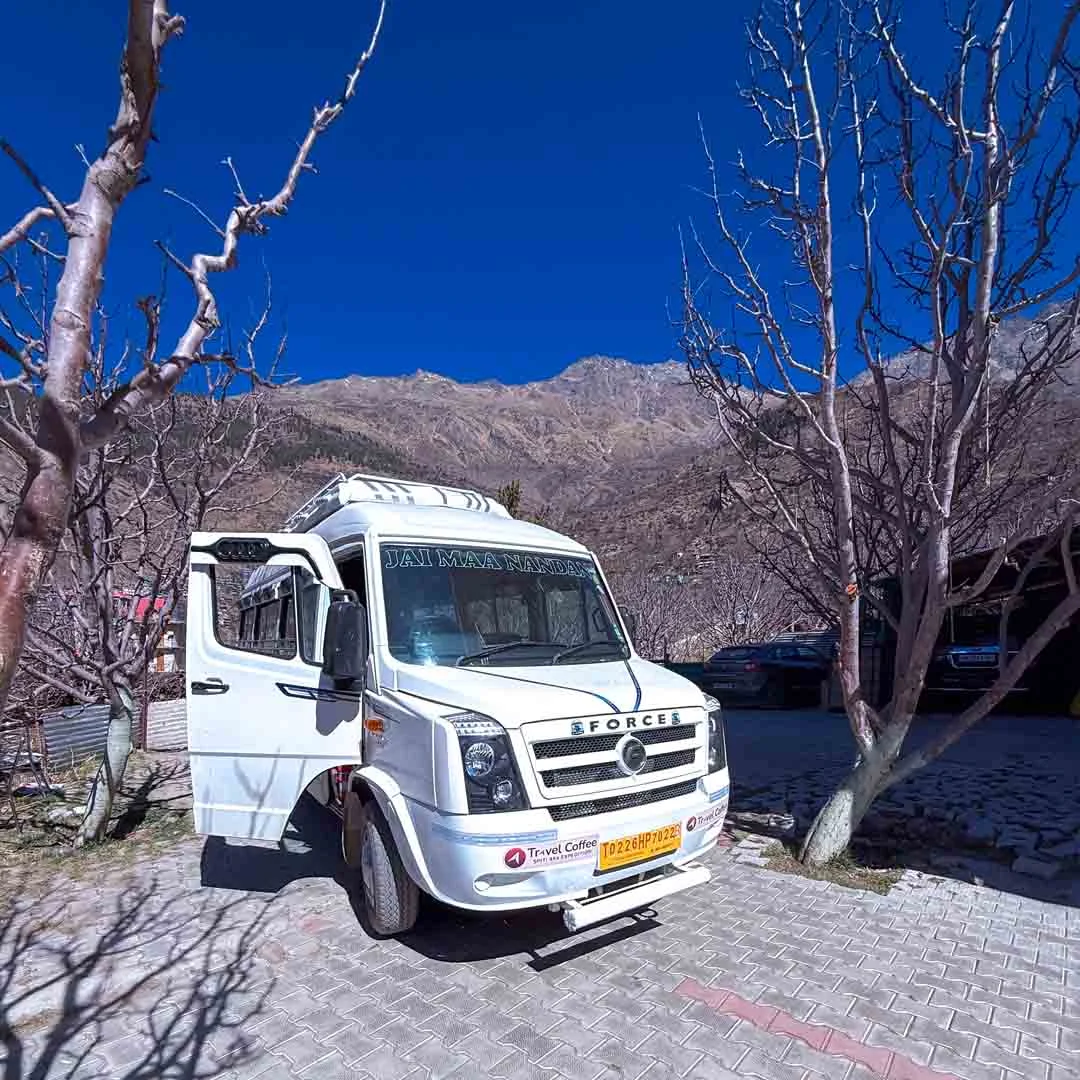
Winter Spiti 4x4 vs Tempo Traveller: What Does the Price Difference Buy in 2026?
Is a Winter Spiti 4x4 trip worth the extra cost compared to a Tempo Traveller? Compare package prices, comfort, snow and ice handling, road conditions, and safety considerations to understand what you're actually paying for and which vehicle suits your Winter Spiti adventure in 2026-27.
 Lahaul and Spiti
Rent or Buy Winter Gear for Spiti in 2026? Jackets, Boots, Costs and Pickup Options
Planning a Winter Spiti trip in 2026? Compare the cost of renting vs buying jackets, snow boots, thermals and other essential winter gear, along with practical tips on what to rent, what to buy and where to arrange it before your trip.
- First-Time Travellers
- Snow Travel
 Lahaul and Spiti
Winter Spiti 4×4 Seating Guide 2026: Jimny, Scorpio N, Thar and Hilux for Passengers and Luggage
Planning a Winter Spiti trip in 2026? This practical 4×4 seating guide compares the Jimny, Scorpio N, Thar and Hilux for passenger comfort, luggage space, winter roads and long mountain drives, helping you choose the right vehicle for your group size and travel style.
- Road Trips
- Snow Travel