
Winter Spiti by Car 2026: 4x4 vs AWD vs Sedan, Snow Chains, Tyres & Local Driver Advice
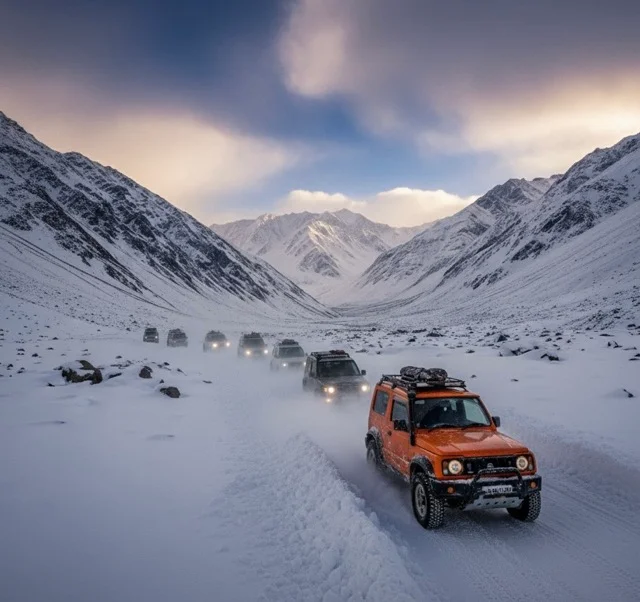
You are staring at your car in the driveway, wondering if it can handle Spiti in winter. Maybe someone told you that you need a 4x4 or you cannot go.
Someone else said their friend took a sedan to Kaza in December and it was fine. Both can be true, and that is exactly what makes this confusing.
Here is the honest version from people who drive this road every winter. Winter driving safety in Spiti does not come down to one thing.
It rests on five separate variables: the road condition on the day you travel, your drivetrain, your tyres, whether you carry properly fitting snow chains, and how experienced your driver is on snow and ice.
Miss any one of these and the strongest 4x4 in the country can still leave you stuck.
Quick Answer: Do You Need a 4x4 for Winter Spiti?
No blanket official 4x4 mandate was found in the government sources we reviewed for this guide.
But that does not mean a normal car is suitable in every winter condition. A cleared, dry road is a completely different animal from fresh snow, packed snow, or a sheet of black ice.
AWD or 4WD adds forward-traction margin, which helps you get moving. It does not fix your braking or cornering. Good tyres and driver skill decide whether you stop in time. If you have never driven on snow or ice, hire an experienced local winter driver.
If you want us to sort the vehicle and driver for you, look at our Winter Spiti Valley tour packages and we will match the trip to the conditions.
Which Road Can You Actually Use to Reach Spiti in Winter 2026?
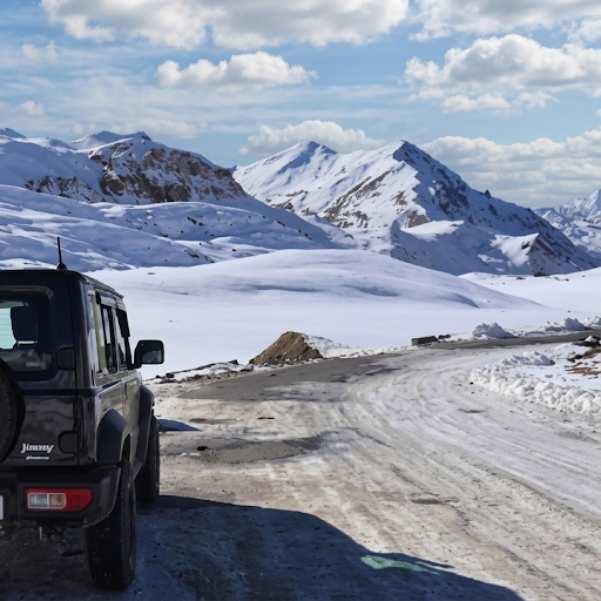
The official Lahaul-Spiti district administration lists the Shimla to Kaza road as 412 km and describes the journey as about 20 hours excluding one overnight halt. The same official page calls it an almost all weather road.
Read that phrase carefully. Almost all weather does not mean always open. Winter access runs through Shimla, Kinnaur, and Sumdo. This is the route you use from roughly November onward.
What most tourists get wrong is treating a road-open update as a permanent guarantee. It is not. On January 27 to 28, 2026, fresh snowfall blocked NH-05 at Kufri, Fagu, and Narkanda, temporarily cutting Shimla off from upper Shimla and Kinnaur.
One snowfall did that. So check the current district and local administration road reports on the actual morning you travel, not the night before.
If you are building the lower-altitude part of your trip, our Kinnaur tour packages and Shimla tour packages cover the stretch that stays most reliable in winter.
The Keylong to Kaza side, over Kunzum, is not a winter option. The district page gives Keylong to Kaza as 185 km and says this road closes in winter because of Kunzum Pass and heavy snowfall, broadly from October or November until June or July.
If you are wondering when that side and the lakes reopen, our guide on when Chandratal will open in 2026 explains the timeline.
Is a 4x4 Mandatory for Winter Spiti?

Separate the law from the machine first. No blanket official government 4x4 mandate was found in the sources we reviewed for this guide.
Regulations and temporary local restrictions can change, so this is not the same as saying a 4x4 can never be required under a temporary local order.
Here is a distinction that trips up a lot of readers. Some private winter expedition operators make 4x4 compulsory for their own trips. That is an operator's own rule for their own vehicles. It is not a government rule that applies to your car.
A 4x4 is genuinely useful in fresh or deeper snow, on difficult climbs, on uncleared stretches, and in low-speed recovery situations. What it cannot do is make bad tyres grip ice, or give you dry-road stopping distances on snow.
When a 4x4 Gives a Real Advantage
Consumer Reports explains that with AWD and 4WD all four tyres can drive the vehicle, while a 2WD car powers only one axle. Many proper 4WD systems drive all four wheels, and some include low-range gearing designed for slow movement when you need maximum traction.
Not every 4x4 has identical hardware, though. A rugged low-range 4WD and a soft road crossover are very different tools.
What a 4x4 Cannot Do for You
All-wheel traction helps a car accelerate. AWD or 4WD does not inherently improve braking. This is the trap.
A driver feels confident powering up a snowy climb in an AWD vehicle, then reaches a bend, touches the brakes, and finds there simply is not enough grip to slow down. The badge gave them confidence going up and nothing at all coming to a stop.
AWD vs 4x4 vs Front-Wheel Drive: What Is the Practical Difference in Spiti?
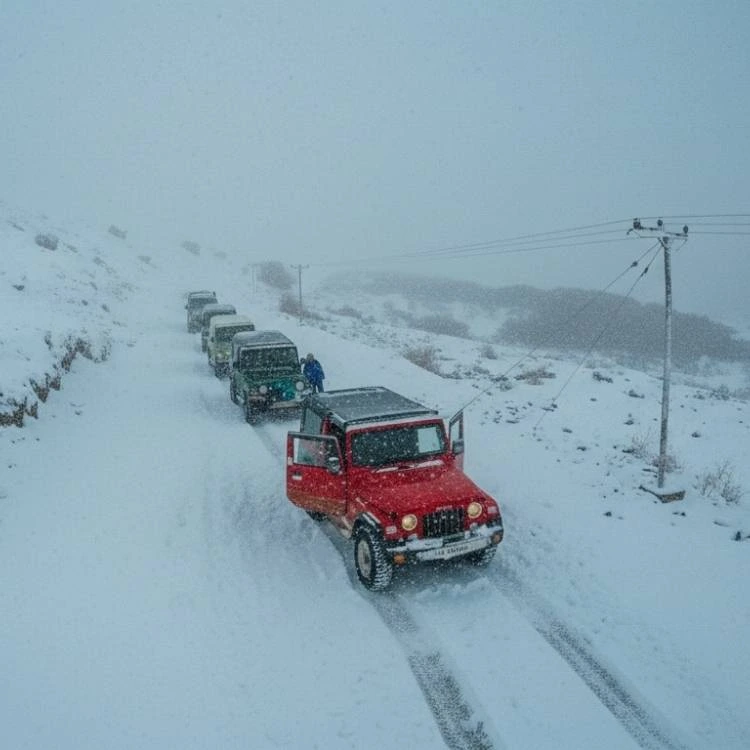
Front-Wheel Drive
A front-wheel-drive car sends its drive through the front axle. On a cleared winter road, with suitable tyres, adequate clearance, decent conditions, and a driver who knows what they are doing, a FWD car can be physically capable of the journey.
We will not promise it completes the trip after snowfall, because that is a different road. Compared with a system that can drive both axles, an FWD car has less traction margin when it starts uphill or hits deeper snow.
AWD
AWD can supply power to all four wheels depending on how the system is designed. Many AWD systems are especially useful when conditions keep changing between dry tarmac, patchy snow, and ice, which is exactly what the winter Spiti road throws at you.
Do not assume every AWD is equal. An AWD crossover is not automatically the same as a low-range off-road 4WD.
Proper 4x4 or 4WD
Many traditional 4WD systems are built for more difficult off-road or deep-snow situations. Some include low-range gearing that lets the vehicle crawl slowly with more torque at the wheels.
We are not quoting model-specific numbers here because those vary and we will not invent them.
Why Tyres Can Matter More Than the Badge on the Tailgate
This is the core takeaway of the whole article. Consumer Reports finds that AWD or 4WD can improve forward traction but does not inherently improve braking, while winter or snow tyres help you turn and stop on snow.
In other words, the rubber touching the road often matters more than the drivetrain label on the boot.
Can a Sedan, Hatchback or 2WD SUV Reach Kaza in December?

Ask the right question. "Can it reach?" is not the same as "Should you plan your whole trip around it?"
Traveller accounts show sedans have physically reached Kaza during favourable low-snow winter conditions. That is anecdotal evidence, not proof that a sedan is appropriate after snowfall. One storm can transform the same road you saw in a photo.
The limiting factors are tyre grip, snow depth, underbody clearance, ruts carved by other vehicles, driver experience, and your own willingness to wait or turn back.
We will not hand you a universal minimum ground clearance number, because no verified figure exists for this and inventing one would be dishonest.
So yes, a sedan Spiti December run has worked for some people in the right window. Whether it works for you depends on the day, and the day can change fast.
Is an Innova Suitable for Winter Spiti After Snowfall?
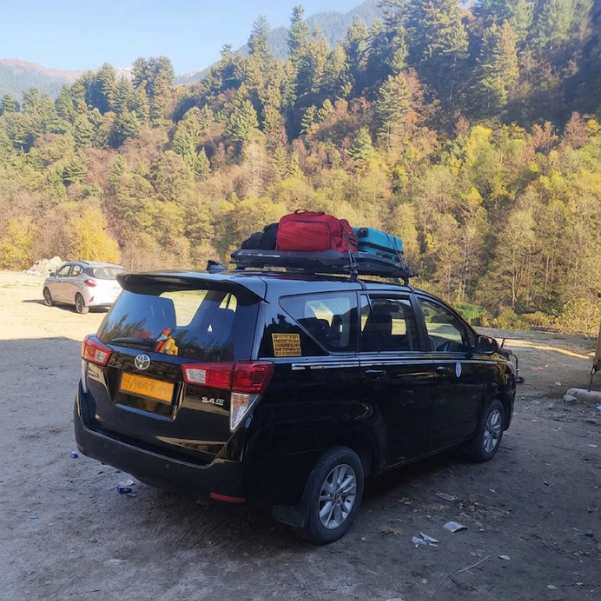
The honest answer is: it depends. We will not claim every Innova is mechanically identical unless a specific model and drivetrain are confirmed. Suitability comes down to conditions, tyres, chains, the vehicle's condition, and the driver.
Here is one real observation. A Winter Spiti Team-BHP travelogue reported an Innova using snow chains but still struggling in snow, while AWD Dusters on that same trip moved more easily.
Take that as one real-world data point, not a scientific law that every Innova fails and every AWD wins.
In our experience, a local driver who knows the road can often get more out of a familiar 2WD vehicle than a nervous first-timer gets out of a powerful 4x4.
But even the best driver cannot create grip where the tyres have none. After fresh or heavy snowfall, waiting for the road to clear is frequently safer than trying to prove your car can punch through.
When Do You Need Snow Chains in Spiti, and How Should You Fit Them Safely?
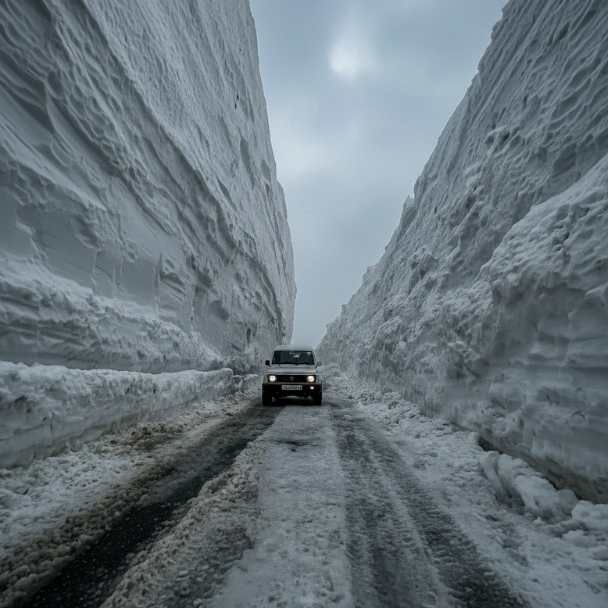
If you are heading into potential snow or ice, carry chains you have already checked for correct fit. Chains need to be the correct size for your tyre, and placement is vehicle-specific.
AAA advises installing chains on the drive wheels according to the vehicle and chain manufacturer's directions.
For AWD or 4WD, fitting all four may preserve normal handling where the manufacturer permits it. Check your owner's manual first, before you copy anyone.
Safe Chain-Fitting Procedure
Verify your tyre size and clearance before the trip. Practise the installation once at home, while you are warm and dry and not panicking. Store the printed instructions with the chains so they travel with you.
On the road, only stop to fit chains somewhere safe and visible, well away from live traffic or an exposed bend. After you start moving, secure and recheck the chains according to the manufacturer's directions.
Drive very conservatively with them on, and remove them when conditions no longer need them, again following the product and vehicle instructions.
What Not to Do
Do not use rope as a substitute for an approved snow chain. Do not copy another vehicle's front, rear, or all-four chain arrangement without checking your own owner's manual first. And do not assume an AWD badge makes chains irrelevant, because it does not.
Which Tyres, Ground Clearance and Winter Vehicle Checks Matter Most?
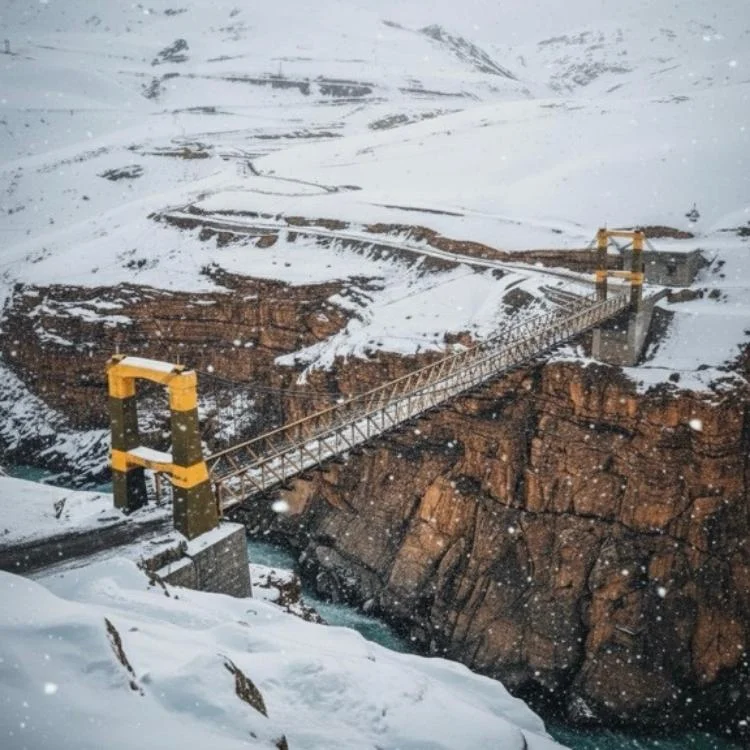
Tyres
Winter or snow tyres are built to perform better in winter than simply leaning on AWD. Michelin recommends winter tyres for severe or sustained winter conditions, and for 4WD or AWD vehicles recommends matching tyres in size, model, and wear across the car.
Before a long winter trip, inspect the tread and sidewalls for cuts, punctures, bulges, scrapes, cracks, or other visible damage.
NHTSA notes that tyre pressure falls as the outside temperature drops, so use the vehicle manufacturer's recommended cold inflation pressure from the owner's manual or the door placard, not the maximum number printed on the tyre sidewall.
We will not give a Spiti-specific tread number because none has been verified.
Ground Clearance
We are not inventing a minimum millimetre figure. What matters more is understanding high-centering. Snow can build up beneath the car until the vehicle rests on packed snow and the tyres can no longer move it.
Brochure ground clearance is only part of the story, because snow depth, ruts, underbody protection, and a fully loaded car all change the real picture.
Battery, Fluids and Visibility
Cold weather reduces battery output, and petrol and diesel engines need more battery power to start in the cold.
NHTSA advises checking the battery, charging system, and belts before severe winter travel. Confirm your coolant meets the vehicle manufacturer's specification.
Check the wipers, defroster, headlights, and brake lights, and use winter-suitable windscreen washer fluid. Carry a spare tyre, puncture equipment, and an inflator.
What Should You Carry in the Car for a Winter Spiti Drive?

Pack for the version of the day that goes wrong, not the one on the brochure. Carry a snow shovel and abrasive traction material, jumper cables or appropriate jump-start equipment, a flashlight, warning devices, a first-aid kit, and blankets.
Bring your phone and charger, water, food, and any essential medicines. Add puncture repair equipment, a tyre inflator, and correctly fitting snow chains.
NHTSA recommends keeping the fuel tank close to full where practical during winter journeys, which also helps in a stranded situation.
We will not quote Spiti fuel-station distances or prices here, because those are not verified in our facts, but topping up whenever you reliably can is simply good winter sense.
Self Drive Spiti Winter vs Local Driver: Who Should Actually Drive?

Mountain-driving experience is not automatically ice-driving experience. Plenty of confident hill drivers have never actually driven on a sheet of ice, and Spiti in winter is not the place to learn.
A driver who regularly works the Shimla-Kinnaur-Spiti road in winter reads grip changes early, picks conservative lines, knows when to simply wait, and understands what the road did over the last few days.
That local knowledge is worth more than horsepower. So if you have never driven on snow or ice, a self drive Spiti winter attempt is not the moment to test yourself.
Take a local or genuinely experienced winter driver. We will not pretend a local driver removes weather risk, but they sharply reduce the human error part of it.
If you would rather not drive it yourself, our Winter Spiti expedition with local drivers puts experienced local drivers on the Shimla, Kinnaur and Spiti road in a shared 4x4, so you travel with people who read these conditions for a living.
For solo travellers thinking through safety more broadly, our Spiti safety guide is worth a read before you finalise anything.
What Should You Do if the Car Skids, Gets Stuck or Will Not Start?
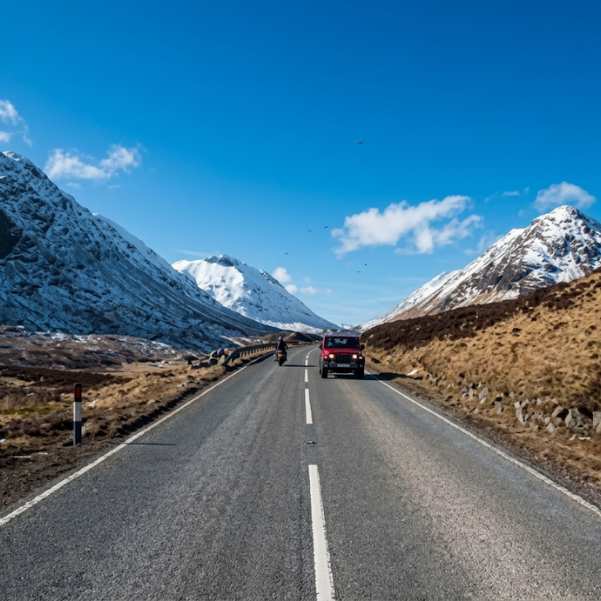
If the Car Starts to Skid
AAA advises easing off abrupt acceleration, keeping your eyes and steering pointed toward where you want to go, and avoiding panicked hard braking or overcorrection.
If you have ABS and genuinely need emergency braking, NHTSA advises firm, continuous pressure on the brake pedal. We will not flatten every skid into a single instruction, because a front-wheel skid and a rear-wheel skid behave differently.
If the Car Gets Stuck in Snow
Stop the excessive wheelspin first. Clear snow from around the tyres and from underneath the vehicle if it has become high-centred.
Make sure the exhaust pipe is not blocked by snow before you run the engine. A clear path plus suitable traction material can help if you can do it safely.
AAA warns that excessive wheelspin can melt snow and turn it into ice, which makes getting out harder. So spinning the wheels in frustration usually digs you in deeper. Call for local or professional help rather than escalating a dangerous roadside recovery on your own.
If the Car Will Not Start in Severe Cold
Cold reduces battery power and makes starting more demanding. Follow the manufacturer's approved jump-start procedure or get qualified help. Do not crank the engine over and over until the battery dies completely, and do not attempt any homemade fuel-heating trick.
If You Become Stranded
NHTSA advises staying with the vehicle when that is the safer option, keeping the exhaust pipe clear of snow, and running the engine only periodically for warmth because of carbon-monoxide risk.
When you have any signal, tell local contacts or authorities exactly where you are.
Winter Spiti Car Checklist Before Leaving Shimla or Reckong Peo

Start with today. Check the same-day road and weather conditions for your exact route before you roll out, not last night's report.
Then the car itself. Confirm your tyres are sound, your spare wheel is usable, and your cold tyre pressure matches the manufacturer's figure.
Make sure your chains actually fit and that you have practised fitting them once. Check the battery, charging system, coolant, washer fluid, wipers, defroster, and all your lights.
Then survival basics. Fuel topped up, food and water aboard, emergency gear packed, and a way to communicate.
Finish with the question that matters most: is your driver genuinely experienced enough for today's road surface, and is everyone in the car willing to turn around if it gets bad? If the answer to that last part is no, the trip is not ready.
Common Winter Spiti Driving Mistakes
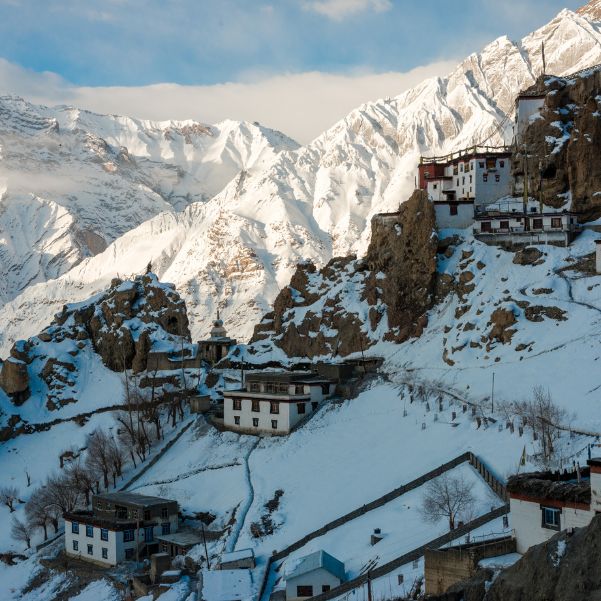
The biggest one is assuming AWD means normal braking on ice. It does not, and that false confidence causes accidents.
The second is fitting chains for the very first time on a frozen roadside, with cold hands and fading light. Practise at home instead.
The third is treating yesterday's road-open update as today's guarantee, when a single overnight snowfall can flip it. Himachal Tourism also advises avoiding night driving in the hills, and in winter that advice is not optional.
The fourth mistake is pushing on because Kaza or the next stop looks close on the map, when the map does not know about the ice ahead.
And the last is choosing your vehicle by its badge while ignoring the tyres and the driver, which are the two things that actually keep you on the road.
So Which Vehicle Should You Choose for Winter Spiti?
For a proper 4x4, you get the greatest capability margin in difficult conditions, especially where a suitable low-range system is available. It still needs good tyres and careful driving. The badge is not a force field.
For AWD, you get a very useful tool in variable road snow and ice, and it can be an excellent road-oriented choice. Just remember AWD systems differ, and a crossover is not automatically the same as serious off-road 4WD.
For a 2WD SUV or Innova, it can be workable on suitable cleared roads with the correct tyres, chains where appropriate, and an experienced driver. Once the snow deepens, you have less traction margin to play with.
For a sedan or hatchback, favourable-condition success stories genuinely exist, but reduced clearance and two driven wheels make the whole decision more condition-dependent after snowfall.
We would never push a first-time winter driver to attempt this just because another sedan once reached Kaza. That is the exact logic that gets people stuck.
What we tell our travellers is simple. Choose the trip around the driver's real winter experience and the road on the day, not the shape of the car. Get that order right and most of the risk disappears.
Explore Our Curated Winter Spiti Tour Packages
 Group Tour9D/8N
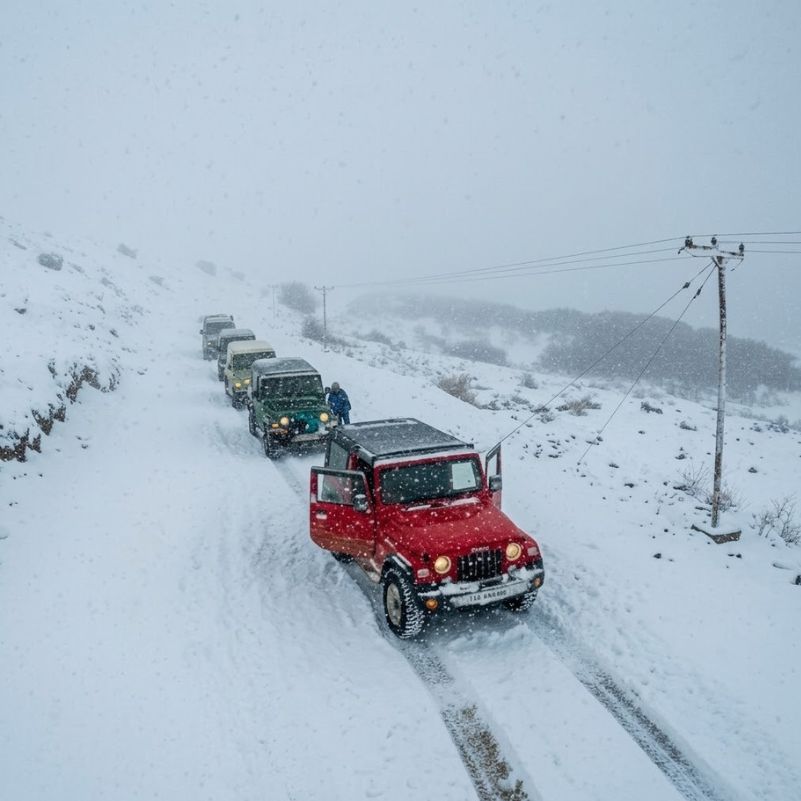
Most Loved 4×4 Winter Spiti Expedition
2D Sangla•1D Tabo+2
₹29,999₹35,999SAVE INR 6,000/ person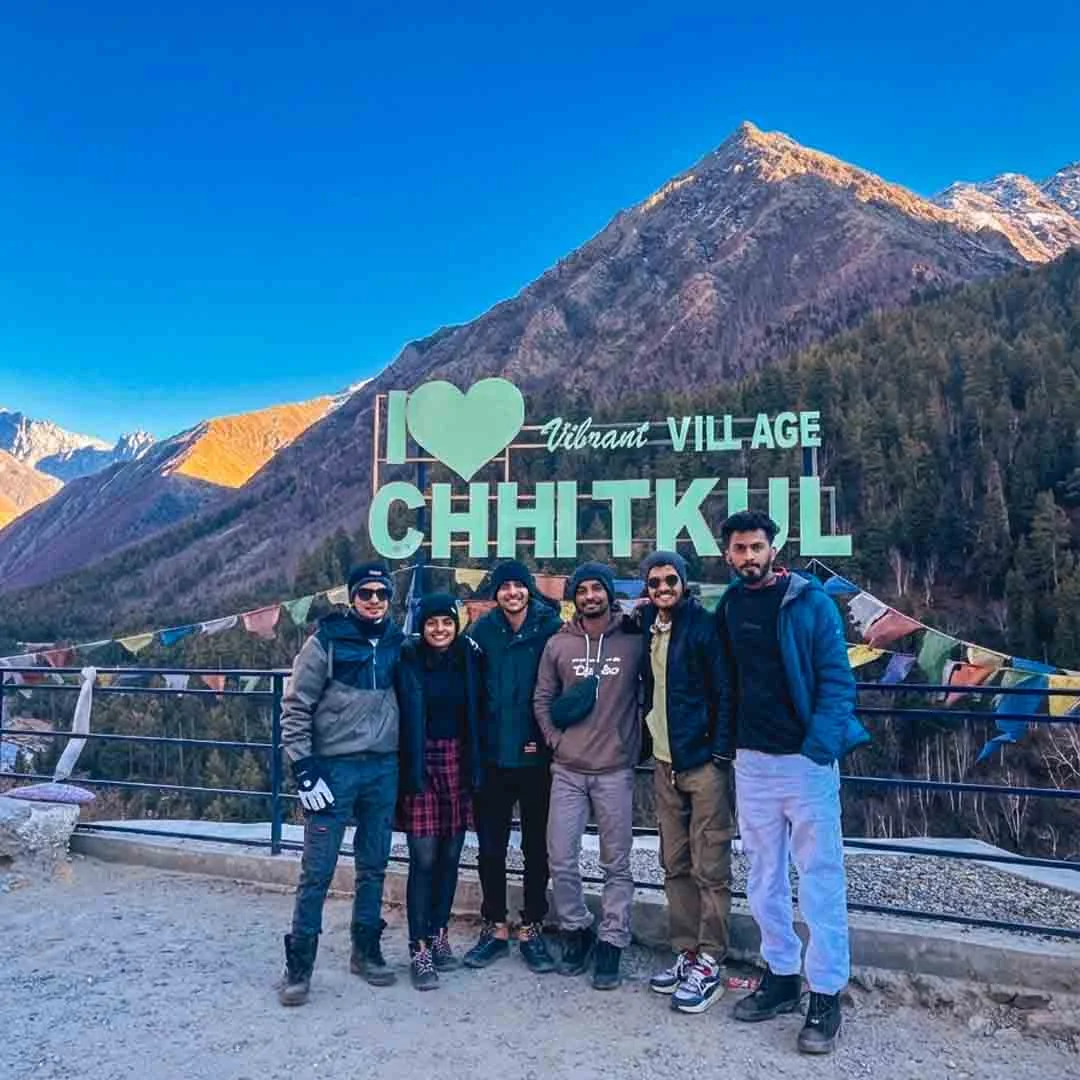 Group Tour9D/8N
Best Selling Winter Spiti Valley Group Tour
2D Sangla•1D Tabo+2
₹18,999₹23,999SAVE INR 5,000/ person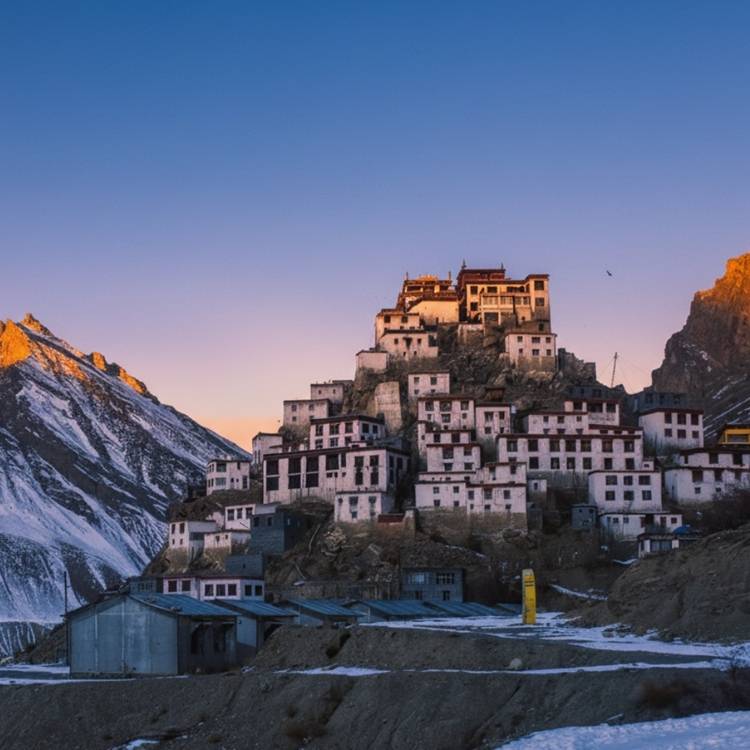 9D/8N
9D/8NWinter Spiti 4×4 Expedition
2D Sangla•1D Nako+2
₹32,999₹44,999SAVE INR 12,000/ person
Related topics
Frequently Asked Questions
Is a 4x4 mandatory for Winter Spiti?
No, there is no blanket government rule making 4x4 mandatory for Winter Spiti. However, fresh snow, ice and poor road conditions may make a 4x4 much safer. Always judge by road conditions, tyres, chains and driver experience.
What is the practical difference between 4x4, AWD and front-wheel drive in Spiti?
AWD automatically sends power to all four wheels and works well on changing snow and dry roads. Proper 4x4 offers better capability in deep snow and rough terrain. Front-wheel drive can manage cleared roads but has less traction in difficult conditions.
Can a sedan, hatchback or two-wheel-drive SUV reach Kaza in winter?
Yes, in favourable low-snow conditions, some 2WD cars can reach Kaza. After snowfall, low ground clearance, weak tyre grip and deep snow can become major problems. Be prepared to wait or turn back if conditions worsen.
Can a sedan reach Spiti in December?
A sedan may reach Kaza when roads are clear and snowfall is limited. However, December conditions can change quickly and fresh snow can make a sedan unsuitable. An experienced driver and a more capable vehicle are safer choices.
Is an Innova suitable for Winter Spiti after snowfall?
An Innova can work in moderate winter conditions with good tyres, snow chains and an experienced driver. In deeper snow, AWD or 4x4 vehicles generally have better traction. After heavy snowfall, waiting for road clearance may be safer.
When are snow chains needed in Spiti?
Carry snow chains whenever snow or ice is possible. Fit them when tyre traction becomes poor on snowy or icy sections. Make sure the chains match your tyre size and practise fitting them before the trip.
Which wheels should snow chains be fitted to?
Snow chains should normally be fitted to the vehicle's drive wheels. For AWD or 4x4 vehicles, requirements vary by manufacturer. Always follow your vehicle owner's manual and chain manufacturer's instructions.
Which tyre condition and ground clearance matter most?
Tyres should have good tread, correct pressure and no cuts, cracks or bulges. Winter or snow tyres provide better grip than relying on AWD alone. Good ground clearance also reduces the risk of getting stuck or high-centred in deep snow.
Is self drive Spiti winter safe for a first-time winter driver?
It is not recommended for someone with no snow or ice-driving experience. Winter Spiti has unpredictable grip, longer braking distances and difficult mountain roads. First-time winter drivers should preferably hire an experienced local driver.
Should first-time winter drivers hire a local driver?
Yes, especially if you have never driven on snow or black ice. Local winter drivers understand dangerous sections, changing road conditions and when it is safer to stop. Their experience can significantly reduce driving risk.
What should travellers do if their vehicle skids, gets stuck or will not start?
During a skid, avoid sudden braking or steering and gently steer where you want to go. If stuck, stop excessive wheelspin and clear snow around the tyres and underbody. Keep the exhaust clear and seek help if the vehicle will not start.
Is the Manali-Kaza road open in winter?
No, the Manali-Kaza route through Kunzum Pass normally closes during winter due to heavy snowfall. Winter access to Kaza is generally through Shimla, Kinnaur and Sumdo. Even this route can temporarily close after snowfall or landslides.
More about Lahaul and Spiti
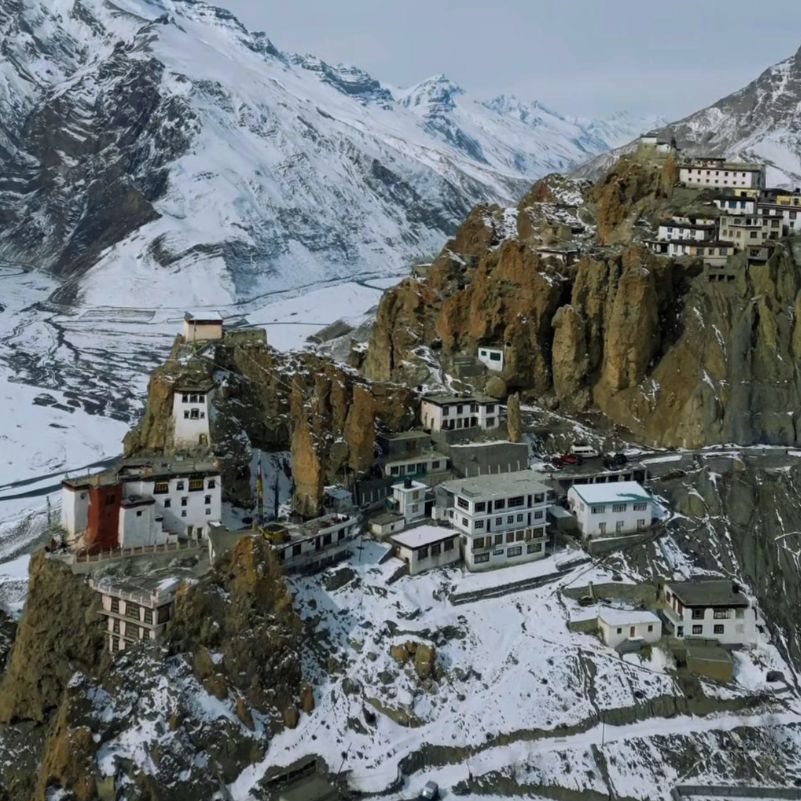 Lahaul and Spiti
Winter Spiti from Bangalore in 2026-27: Flights, Leave Days & Delhi 4x4 Departures
Planning a Winter Spiti trip from Bangalore in 2026-27? Explore flight options, Delhi pickup points, leave requirements, 4x4 group expeditions, travel costs and a practical itinerary to help you plan your Himalayan winter adventure.
- How to Reach
- Snow Travel
 Lahaul and Spiti
What Does a Winter Spiti 4x4 Trip Really Cost in 2026-27? Package Price vs Total Holiday Budget
Planning a Winter Spiti 4x4 trip in 2026-27? Discover the real travel budget, including package prices, transport, meals, winter essentials and hidden expenses. Learn what your package covers, what costs extra and how to plan your Spiti Valley adventure without unexpected spending.
- First-Time Travellers
- Snow Travel
 Lahaul and Spiti
How Many Leave Days Do You Need for a 9-Day Winter Spiti Trip in 2026-27?
Planning a 9 day Winter Spiti trip in 2026 to 2027 requires careful leave planning, especially for working professionals travelling from cities like Bangalore, Mumbai, Hyderabad and Delhi.
- Itinerary
- Snow Travel