
Spiti Bike Trip from Chandigarh 2026: Best Route, Itinerary & Package Guide
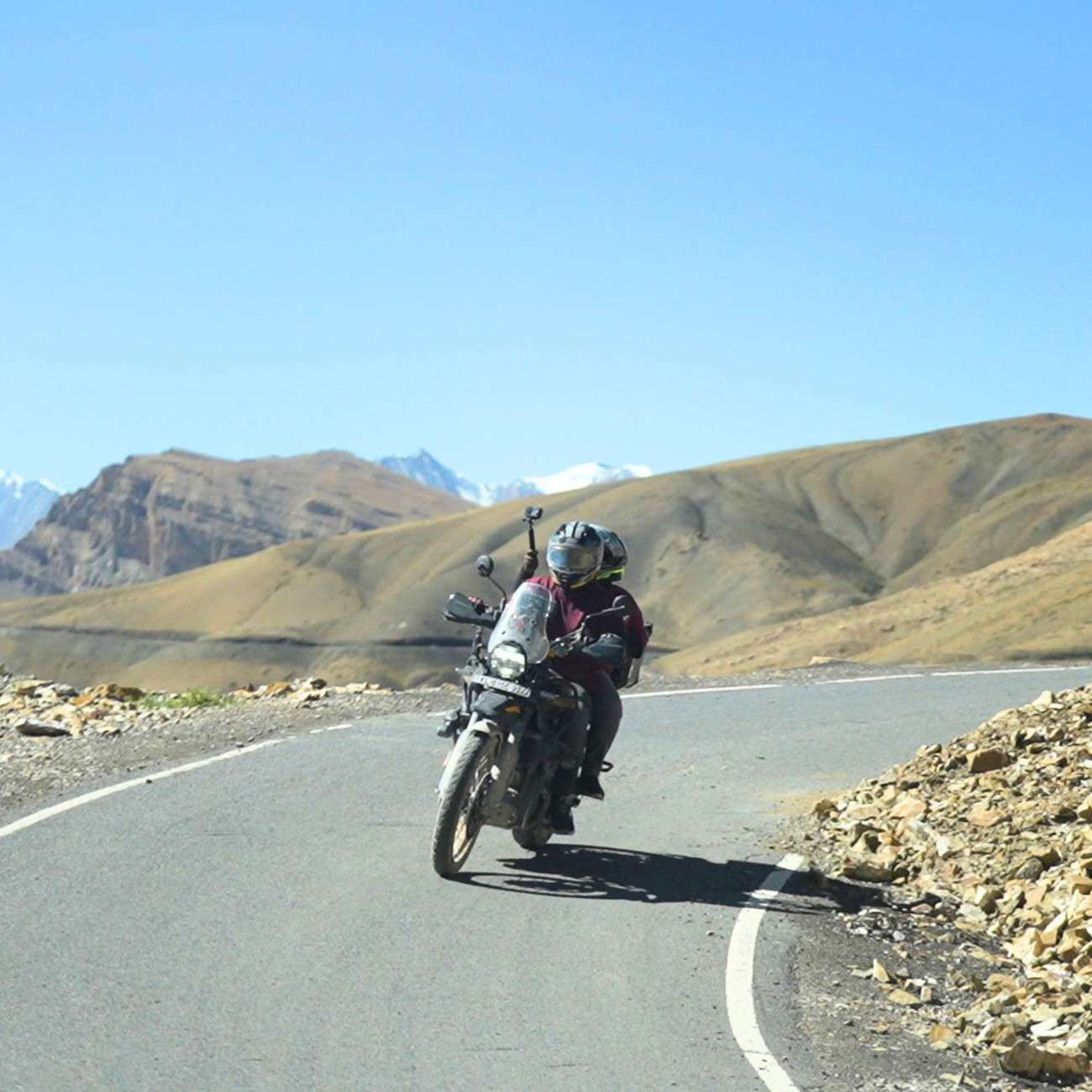
If you are searching for a Spiti bike trip from Chandigarh in 2026, you have probably noticed that every package looks similar on the surface but the actual ride changes a lot based on which side you enter from, when you go, and whether Kunzum and Chandratal are even open on your dates.
We run trips on these roads every season. This guide by Travel Coffee gives you the route that actually works, the road status as of right now, the cost range you should expect, and the planning calls most riders get wrong before they leave Chandigarh.
Quick Answer: Is a Spiti Bike Trip from Chandigarh Worth It in 2026?
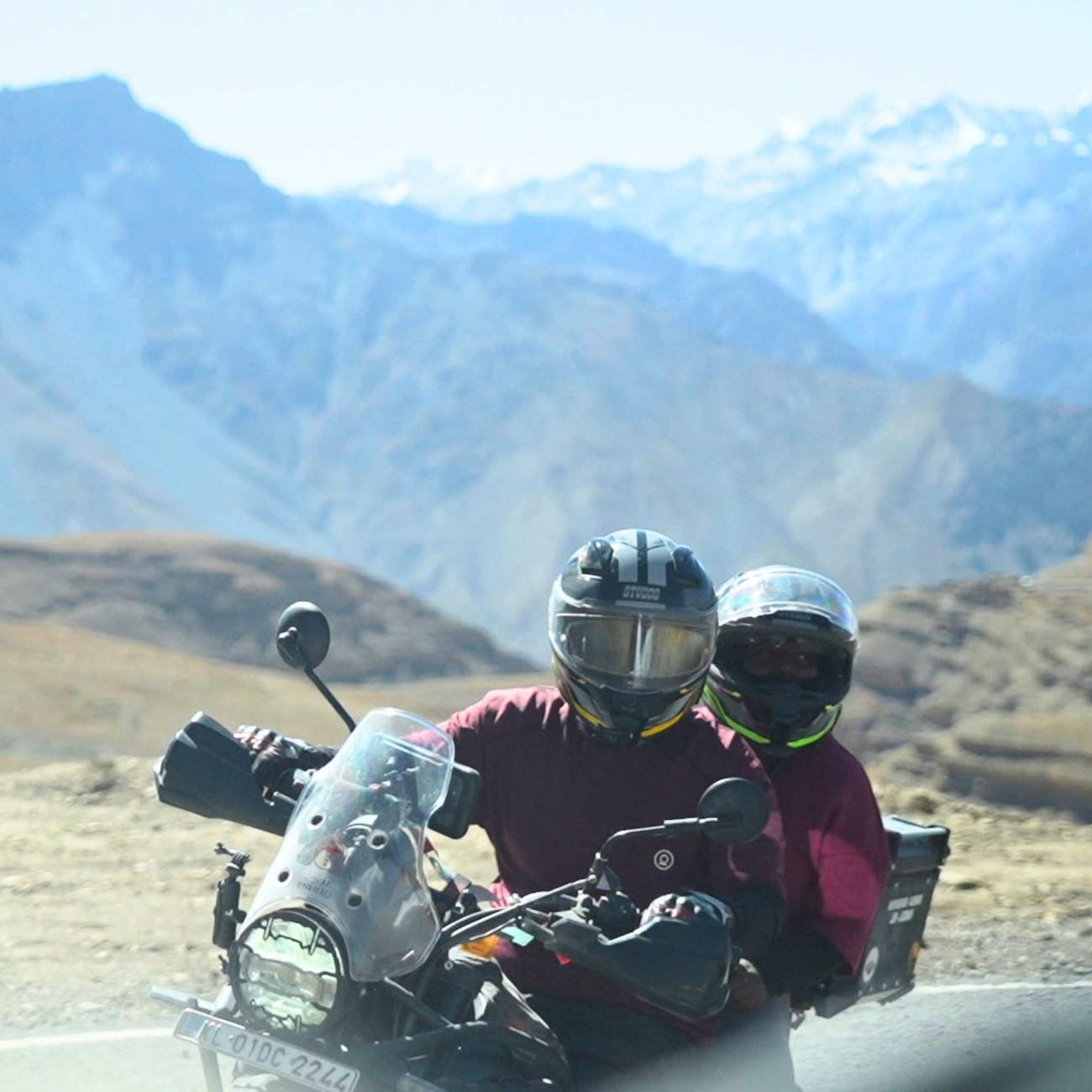
Yes, a Spiti bike trip from Chandigarh is one of the best Himalayan rides you can do. Plan it as an 8N/9D or 9D/8N circuit, ideally entering through Shimla and Kinnaur, and exiting via Manali.
The safest full-circuit window opens once Kunzum Pass and Chandratal access stabilise, usually from mid-June to September. The Shimla and Kinnaur side gives you proper acclimatisation, while the Manali exit should stay flexible in early season.
If you are short on time or your dates fall in May or early June, treat the Manali side as a maybe, not a must. The lake and the pass do not follow your calendar.
👉 WhatsApp us for a hassle free Spiti biking experience
Why Start Your Spiti Bike Trip from Chandigarh Instead of Delhi or Manali?
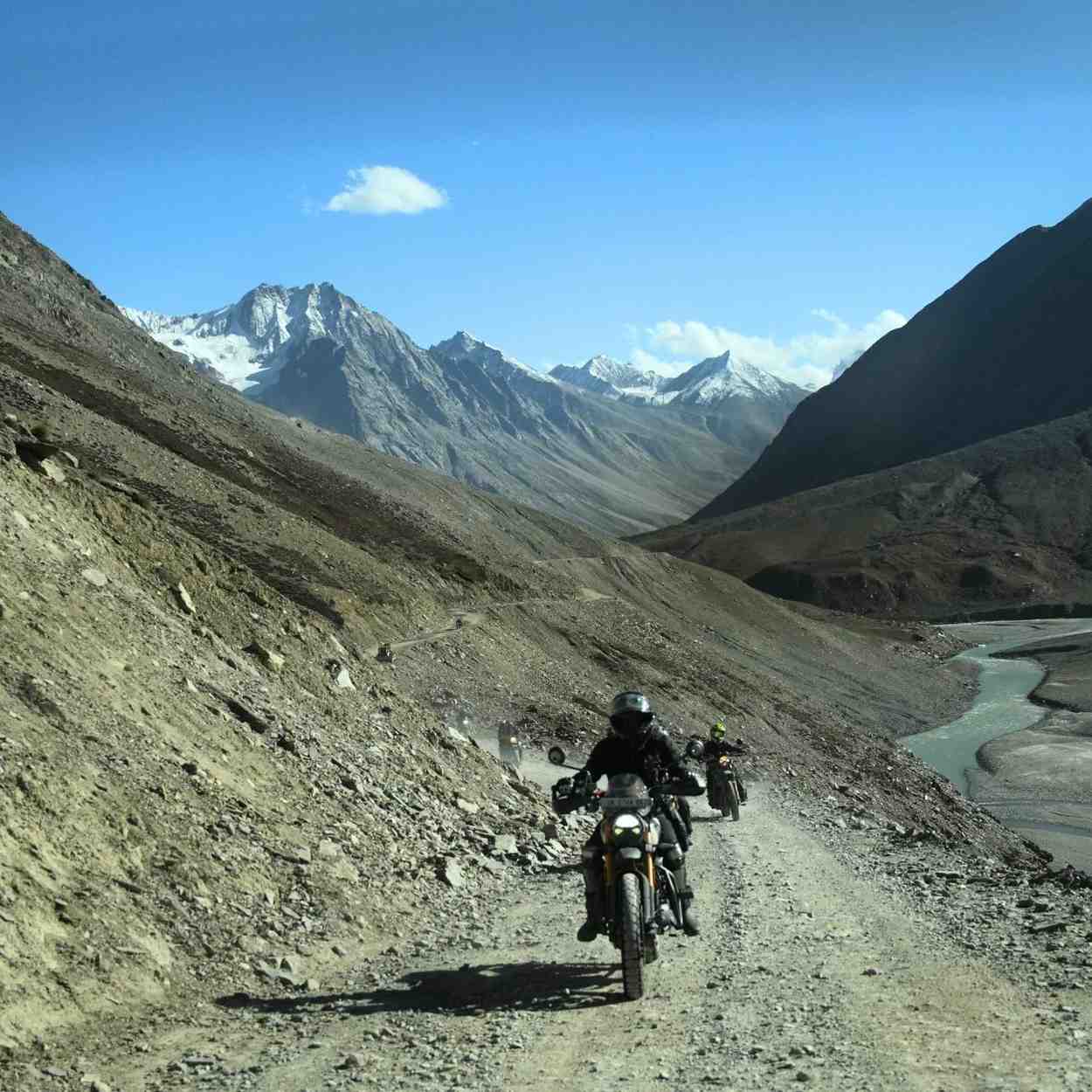
Chandigarh saves you a long, ugly highway day from Delhi. You skip the truck traffic, the heat, and the time-killing detours around Karnal and Ambala. By the time most Delhi riders reach Chandigarh, our riders have already done their bike briefing and slept off the night.
Chandigarh also gives you a cleaner start. Bike allocation, document check, route discussion, hotel rest, all done at a sensible pace before the climb begins.
Starting from Manali sounds tempting on paper, but it pushes you straight into a high-altitude run before your body has adjusted. Most first-timers who attempt the Manali to Kaza route in two days end up with headaches and nausea by the second night.
In our experience running these trips, riders who enter from Chandigarh through the Shimla and Kinnaur side feel significantly better at altitude than those who rush in from Manali. The body needs the gradual climb. There is no shortcut.
If you want this exact route handled with bikes, fuel, stays, road captain and backup support, explore our Chandigarh to Spiti Bike Trip with Chandratal and Pin Valley.
If you want a sense of what a properly built circuit looks like before reading further, our Spiti Valley packages cover the full route with built-in buffer days and acclimatisation stops.
Best Route for Chandigarh to Spiti Valley Bike Trip in 2026
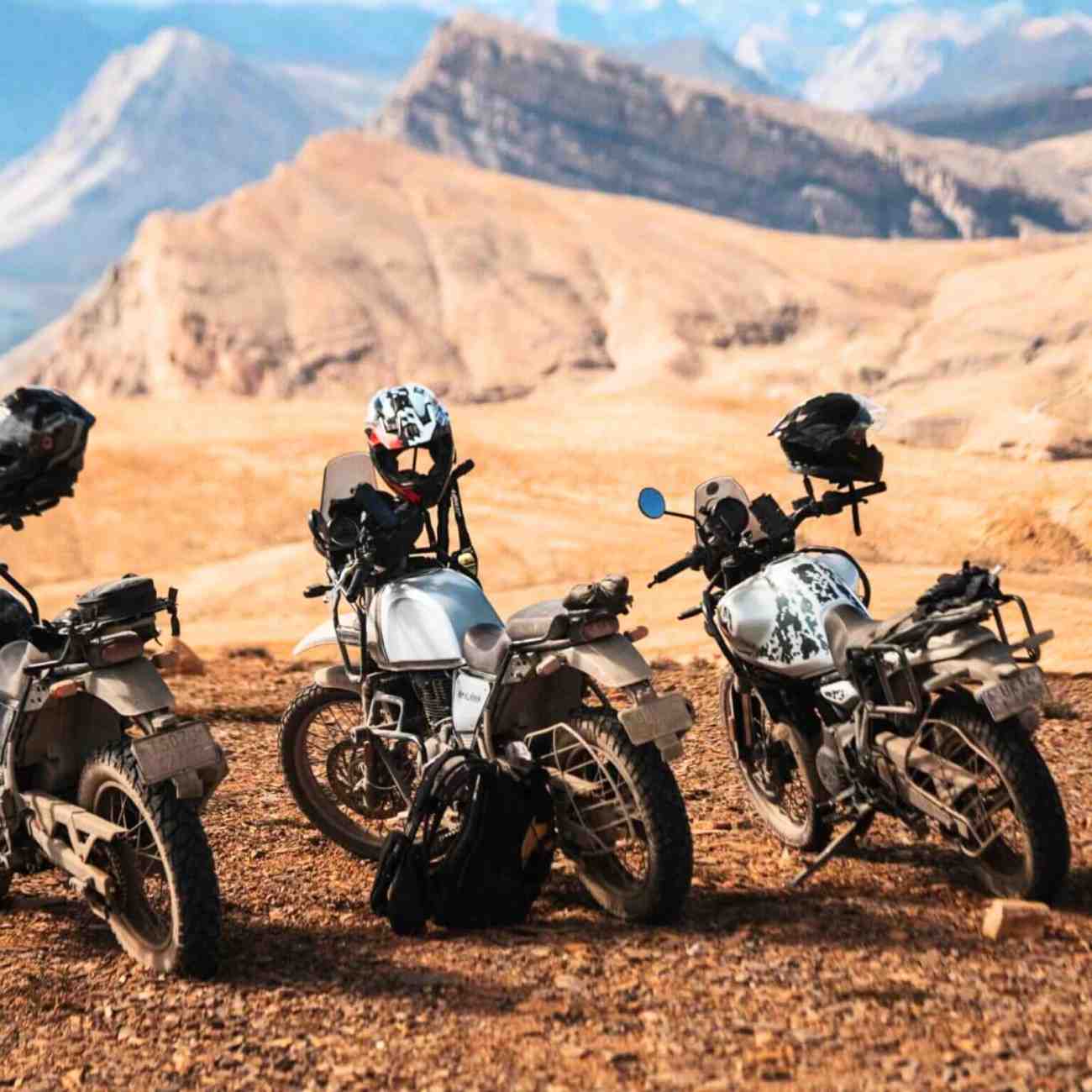
The route that works best for most riders runs like this. You leave Chandigarh and ride to Narkanda or Rampur for your first night. From there, you push into Kinnaur and stop at Sangla or Chitkul for a Baspa Valley night.
Day three takes you to Kalpa for a slow, scenic day with Kinner Kailash views. Then comes the long mountain run to Kaza via Nako, Gue and Tabo. Kaza becomes your base for the local circuit covering Key Monastery, Langza, Hikkim, Komic and Chicham.
The exit goes over Kunzum Pass towards Chandratal or Sissu, then onwards to Manali, and finally back to Chandigarh.
This route works for one specific reason. The Shimla and Kinnaur entry climbs gradually, giving your body real time to adjust. By the time you cross Kunzum Pass at 4,551 m, you have already spent days at moderate altitude. That is what keeps altitude sickness in check.
Here is the honest part most travel sites skip. If Kunzum, Chandratal or the Manali side is not open or stable on your dates, the smart move is to return through the same Shimla and Kinnaur side. Forcing a closed pass is how riders get stranded or hurt.
We cover the lower stretch in detail in our Kinnaur packages, and the Lahaul exit through our Sissu packages for riders who want a softer Manali-side night before pushing back home.
2026 Road Status: Kunzum Pass, Manali to Kaza and Chandratal
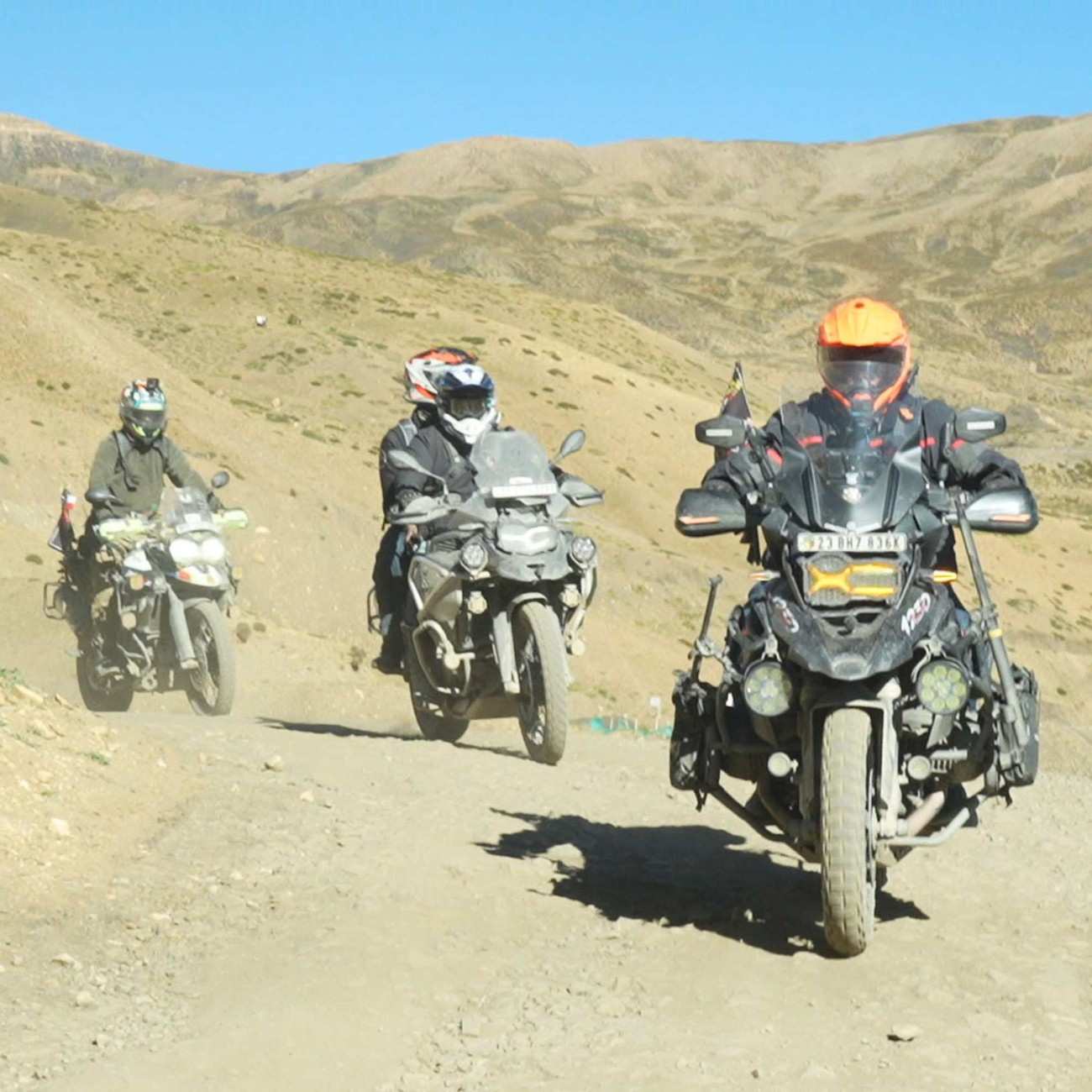
Here is the live picture as we are watching it. The official Lahaul and Spiti road status showed Delhi to Manali open, Manali to Keylong open, Keylong to Kaza closed and Keylong to Leh open when last checked.
A specialist Manali to Kaza road tracker reported that the Manali to Kaza route via Kunzum Pass was closed as of April 21, 2026. The same tracker expected a possible full opening between mid-May and early June 2026, depending on snow and clearance work.
Chandratal is expected to open between late May and mid-June 2026. The safer expectation for full Chandratal access with operational camps is early to mid-June, depending on the season.
What most riders get wrong here is treating "Spiti is open" as the same thing as "Chandratal is open." The two are different. The Shimla to Kaza side can be perfectly clear while Kunzum Pass and the Chandratal diversion are still buried in snow.
A serious warning before you book your bike or your leave dates. Verify road status 48 to 72 hours before departure. Spiti roads change overnight. A landslide near Tapri or fresh snow on Kunzum can shut a stretch that was open the day before.
Our Chandratal opening 2026 guide gives you the month-by-month picture if you want to compare your travel window against likely access.
Best Time for Spiti Bike Trip from Chandigarh in 2026
June
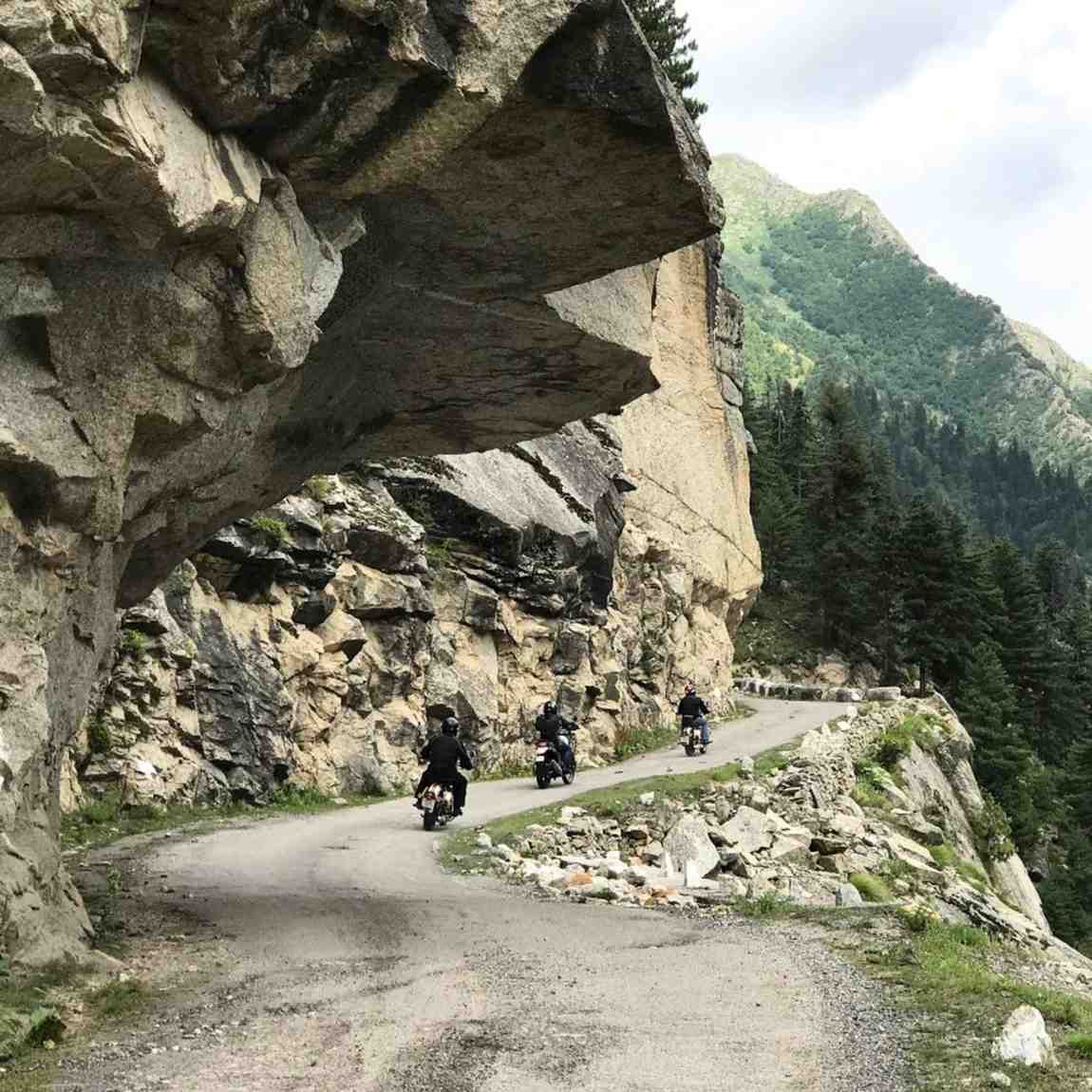
June is exciting because the route is just opening up after winter. Early-season conditions can include slush, snow walls near Kunzum, and rough water crossings around Pagal Nala and Batal. Mid to late June is meaningfully safer than the first week for the full circuit.
July and August
July and August keep the route open most days, but the lower Himachal and Kinnaur approach can get hit by rain and landslides. The Spiti side itself stays largely dry because of the rain shadow.
If you ride in these months, build at least one buffer day into your plan. A blocked stretch near Wangtu or Tapri can hold you up for half a day with no warning.
September
September is one of the best months for riders, and we say this from years of running back-to-back groups in this window. Roads have settled after monsoon, the skies clear up, the tourist rush thins out, and the light on the lakes and passes turns sharp.
October
Early October can still work if the weather cooperates. Nights become very cold, and a sudden snowfall can make Kunzum or Chandratal uncertain.
We do not recommend late October without a strong caveat. The risk of getting stuck above 4,000 m is real, and the rescue options up there are limited.
For riders who want to experience Spiti in the best riding season without worrying about road uncertainty, halts, permits, and backup support, our Lahaul and Spiti bike tour is a practical way to plan it. And once winter closes the passes, Spiti stops being a ride altogether: that season runs on 4x4s over the Shimla side, which is what our winter Spiti tours are built for.
Spiti Bike Trip from Chandigarh Itinerary: Ideal 8 Nights and 9 Days Plan
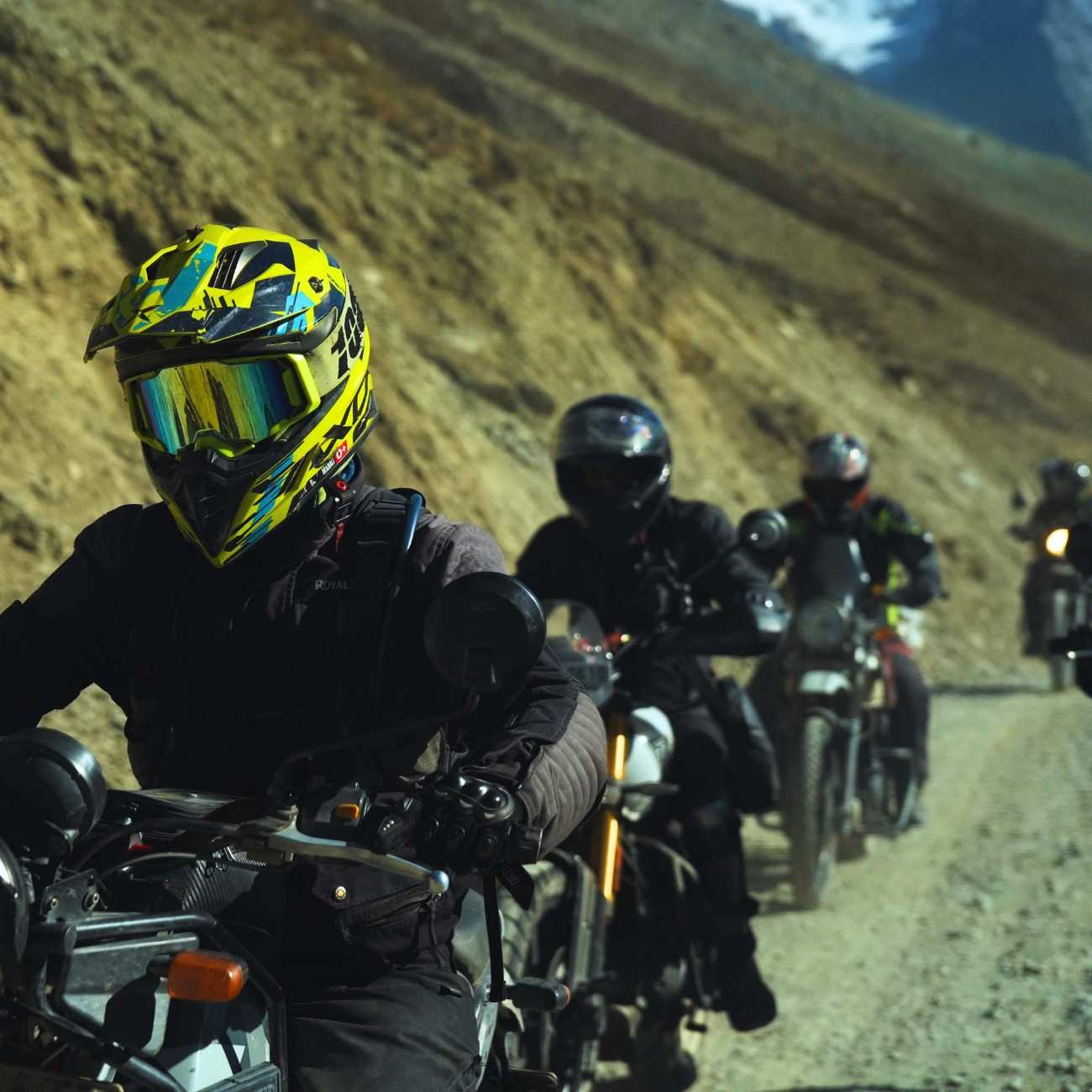
This is the day-by-day version we use for most groups. The pace is honest, not rushed, and gives the body proper time to adjust.
Day 1: Arrive in Chandigarh, briefing and bike check
You reach Chandigarh, check into the hotel, and meet the road captain. The first evening covers bike allocation, document check, luggage plan, fuel plan, and a route discussion.
This day looks lazy on paper but it matters. A rider who skips the briefing is a rider who slows down the whole group on day two.
Day 2: Chandigarh to Narkanda or Rampur
You start early to clear Kalka and Shimla traffic before it builds up. The ride climbs through Solan, Shimla bypass, and Kufri before the road opens up near Narkanda.
This is your hill-riding warm-up. You will hit your first proper switchbacks here. Take it slow.
Day 3: Narkanda or Rampur to Sangla or Chitkul
The road enters Kinnaur today. Baspa Valley opens up, the apple orchards start, and the river runs alongside you for most of the day.
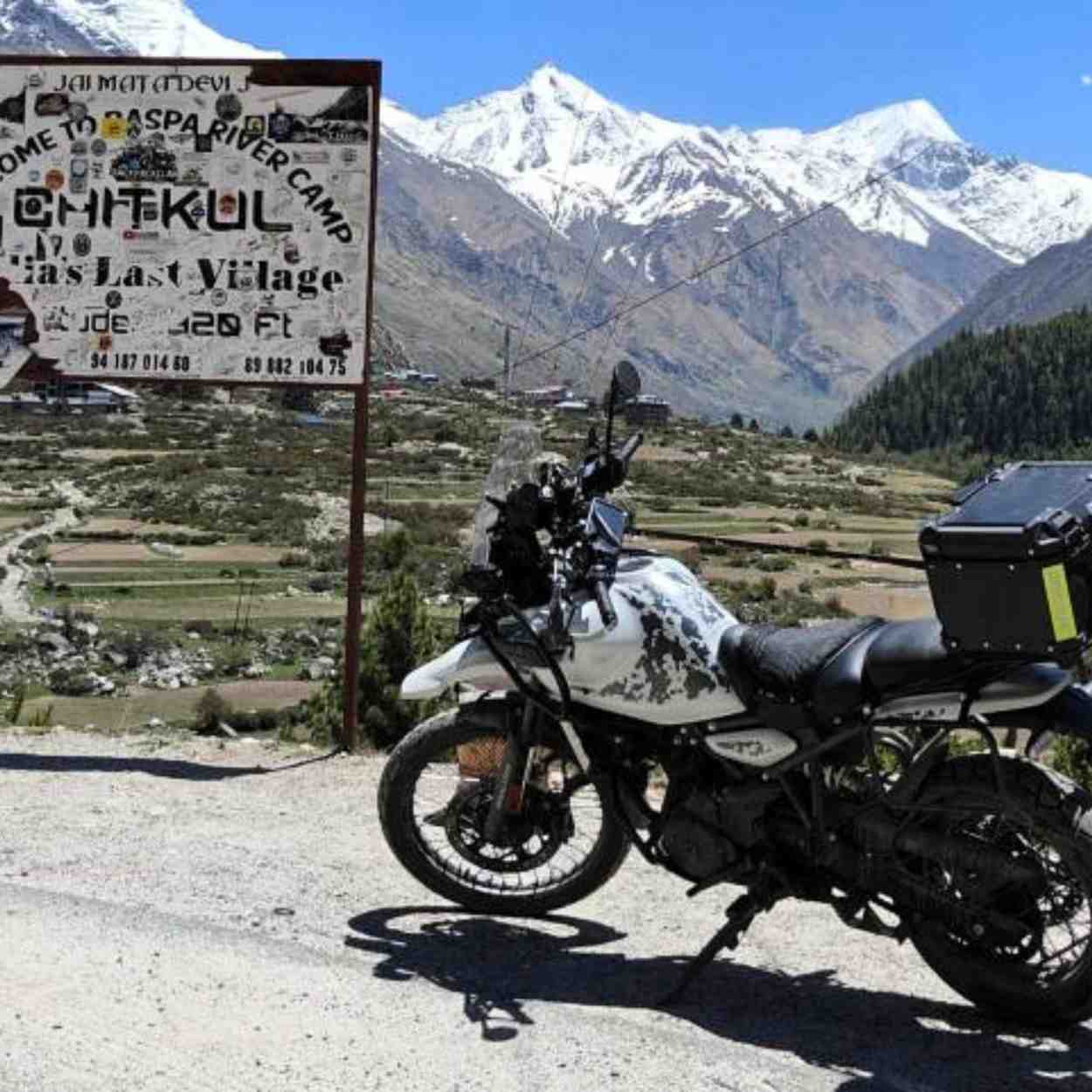
If road and time allow, ride the Chitkul detour. It is the last village before the Indo-Tibet border and the views from the road in are some of the best on the entire trip. Keep the pace slow and safe. The road narrows after Karcham.
Day 4: Sangla or Chitkul to Kalpa
A shorter riding day on purpose. You ride to Kalpa, settle in by lunch, and spend the afternoon resting at around 9,700 ft.
Kinner Kailash sits right across the valley from Kalpa village. This rest day is what helps your body adjust before the big jump to Spiti.
Day 5: Kalpa to Kaza via Nako, Gue and Tabo
This is a long mountain day, the toughest of the trip. You ride through Khab Sangam where the Sutlej and Spiti rivers meet, climb up to Nako Lake, and then push deeper into Spiti.
Stop at the Gue mummy if your timing works. The 500-year-old monk's body is something most travellers regret skipping later. Tabo Monastery is the next major stop before you reach Kaza by evening.
Day 6: Kaza local circuit
A full day exploring the high villages around Kaza. The route covers Key Monastery, Chicham Bridge, Kibber, Langza, Hikkim and Komic in a loop.
We always tell our riders that Komic at over 15,000 ft will leave you breathless faster than you expect. Walk slowly inside the monastery, drink water, and do not run after photos. The final route order depends on the road condition and rider energy on the day.
Day 7: Kaza to Chandratal or Sissu
Today you cross Kunzum Pass towards the Batal side. Chandratal goes into the plan only if the road and camps are open. If it is not, Sissu is a practical fallback with proper rooms, food and warm beds.
We have had to switch a few groups to Sissu on the morning of departure because of fresh snow on Kunzum. It happens. Riders who plan with this flexibility enjoy the trip more than those who fight the weather.
Day 8: Chandratal or Sissu to Manali
The ride out covers rough sections, a few water crossings, and the Atal Tunnel side towards Manali. You reach Manali by evening with enough time to walk Mall Road and eat a proper meal.
If you have time and energy, the Manali packages we run can extend this into a couple of relaxed days before the long ride home.
Day 9: Manali to Chandigarh
The longest single-day ride of the trip. You leave Manali early, ride down through Mandi and Bilaspur, and reach Chandigarh by late evening for the bike handover and trip closure.
Riders who want this exact route as a packaged version, with stays and road captain support, will find it under our summer Spiti circuit with Chandratal.
Spiti Bike Trip from Chandigarh Cost in 2026
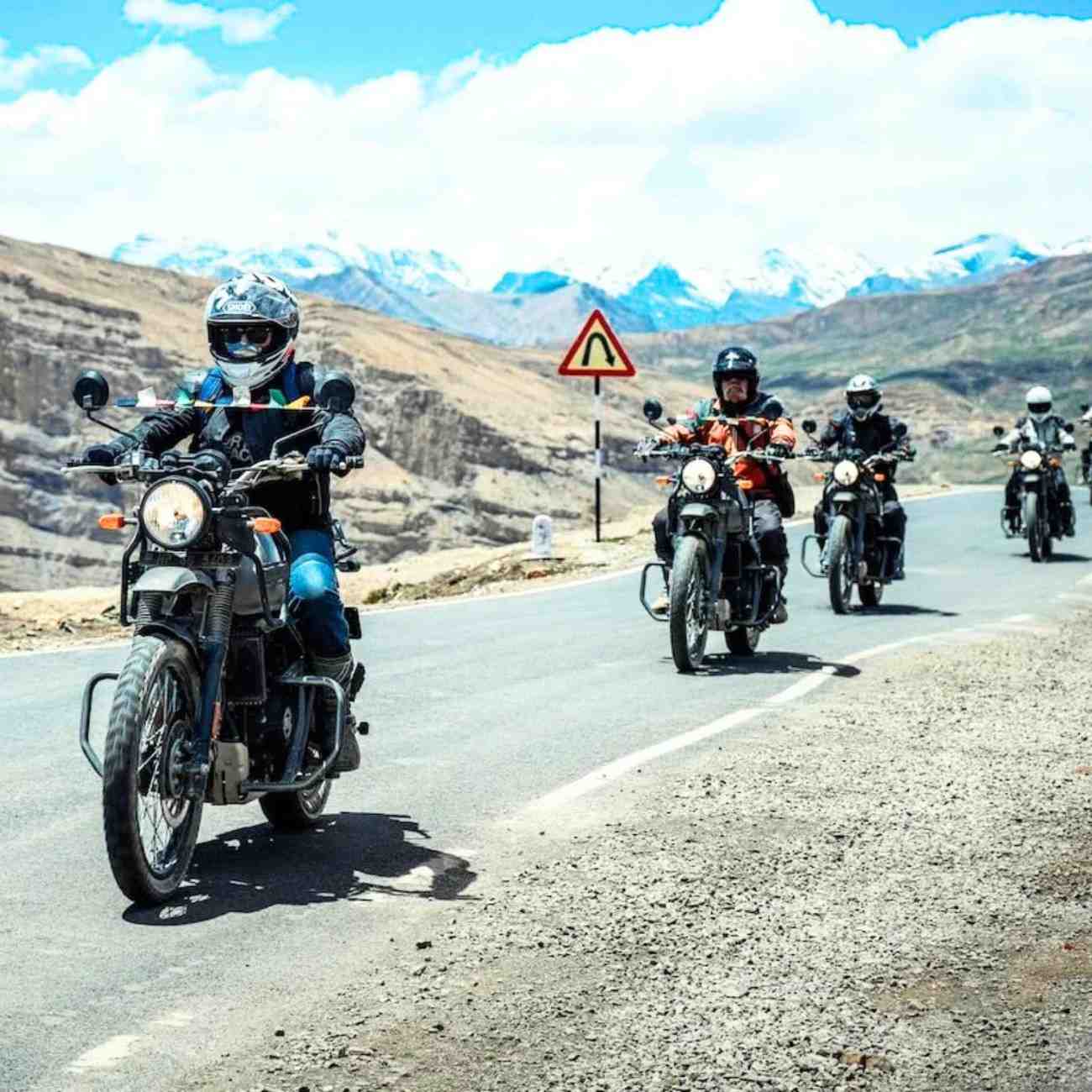
Cost depends on a lot of variables. Bike option, room sharing, group size, bike model, fuel inclusion, road captain, backup vehicle, mechanic, and the dates you pick all change the final price.
Average Spiti bike trip prices across operators range from roughly ₹19,000 to ₹46,000 per person depending on the configuration. SUV or Traveller seats typically sit in the ₹25,000 to ₹28,000 band.
Rented bike with pillion (dual rider) usually falls between ₹30,000 and ₹37,000 per person. Solo rider packages on Royal Enfield or KTM typically range from ₹44,000 to ₹47,000 per person. Most operators also charge a refundable bike security deposit of around ₹10,000.
Here is a money-saving call most first-time riders miss. Going with a pillion or as a dual rider drops your per-head cost by ₹8,000 to ₹10,000 compared to riding solo. If you have a friend who is willing to ride pillion, the savings are real.
👉 WhatsApp our experts and ride Spiti your way
What Should Be Included in a Good Spiti Bike Trip Package?

A solid package covers the things you cannot easily fix on your own up there.
Bike rental where applicable, fuel where applicable, accommodation, breakfast and dinner, road captain, mechanic, oxygen cylinder, first aid kit, backup vehicle, luggage support, helmet, basic permits where applicable, and route assistance.
The backup vehicle alone is worth a lot. When a rider crashes, falls sick, or just runs out of energy on a long day, the backup vehicle keeps the group moving without anyone getting left behind.
Common exclusions you should ask about before paying. Personal expenses, travel insurance, bike damage, monastery entry tickets, camera fees at certain spots, extra meals, tips for the road captain and driver, and extra costs caused by landslides, roadblocks or weather delays.
Skip the cheap packages that quote much lower than the market range without explaining what is excluded. We have seen riders end up paying more in the end because the package did not include fuel or backup vehicle support.
Which Bike Is Best for Chandigarh to Kaza Bike Trip?
Royal Enfield Himalayan
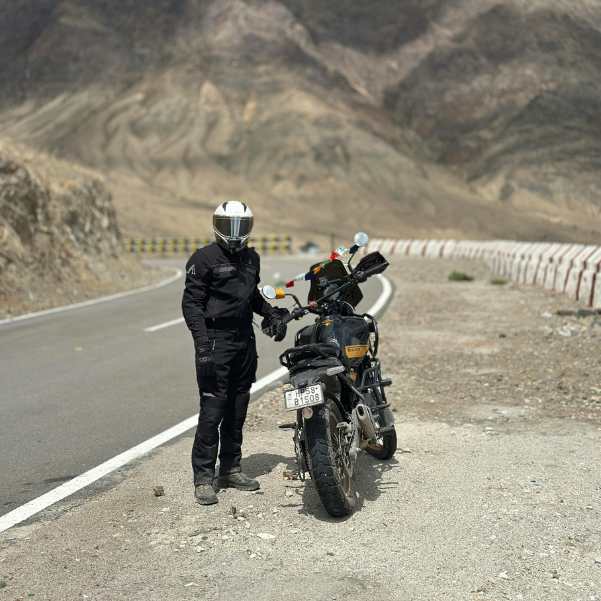
The Royal Enfield Himalayan is the safest bet for most riders on this route. The ground clearance, the upright seating, the suspension travel, all of it suits broken Spiti roads better than a Classic.
KTM 390
The KTM 390 Adventure shows up as a premium option in some packages and works well for experienced riders who want a more capable machine.
Classic 350
The Classic 350 type bikes can do the route, but they are less forgiving on the rough stretches between Tapri and Kalpa, and the Batal-Kunzum-Chandratal section.
If you are bringing your own bike, get it fully serviced before the trip. Tyres with proper tread, brakes set right, clutch working clean, chain tight, battery checked, and lights all functional. We have seen riders break down at Reckong Peo because they skipped a basic service in Chandigarh.
If you want to avoid bike selection confusion, rental stress, and route uncertainty, you can check our Lahaul and Spiti bike expedition where the riding plan, backup support, halts, and Chandratal route are already managed.
Fuel, ATMs, Network and Mechanics on the Chandigarh to Spiti Route

Fuel points on the Chandigarh to Shimla to Spiti side include Theog, Narkanda, Rampur, Jeori, Tapri, Reckong Peo and Kaza. The big gap to plan for is Reckong Peo to Kaza, around 200 km with no reliable fuel pump in between. Top up at Reckong Peo, no excuses.
On the Manali side, Manali is the major fuel stop before Kaza, with around 200 km to plan for. Fill up at Manali if you are entering or exiting via this side.
ATMs are more reliable in Shimla, Rampur and Reckong Peo. Kaza ATM availability can be unreliable. We always tell our riders to carry enough cash from Reckong Peo onwards. UPI does not work where the network does not work.
Mechanic support gets limited after Shimla and Manali. A guided group with a travelling mechanic is significantly safer for first-time Spiti riders. A clutch cable snap at Tabo with no mechanic for 100 km is a real problem, not a small one.
A small local insider tip. The dhaba at Batal run by Chacha and Chachi (when it is open) makes the best dal-rice you will eat on the entire trip. The food is hot, the chai is real, and the warmth inside the tin shed is the only reason a lot of riders survive that crossing on cold mornings.
Is Spiti Bike Trip from Chandigarh Safe?
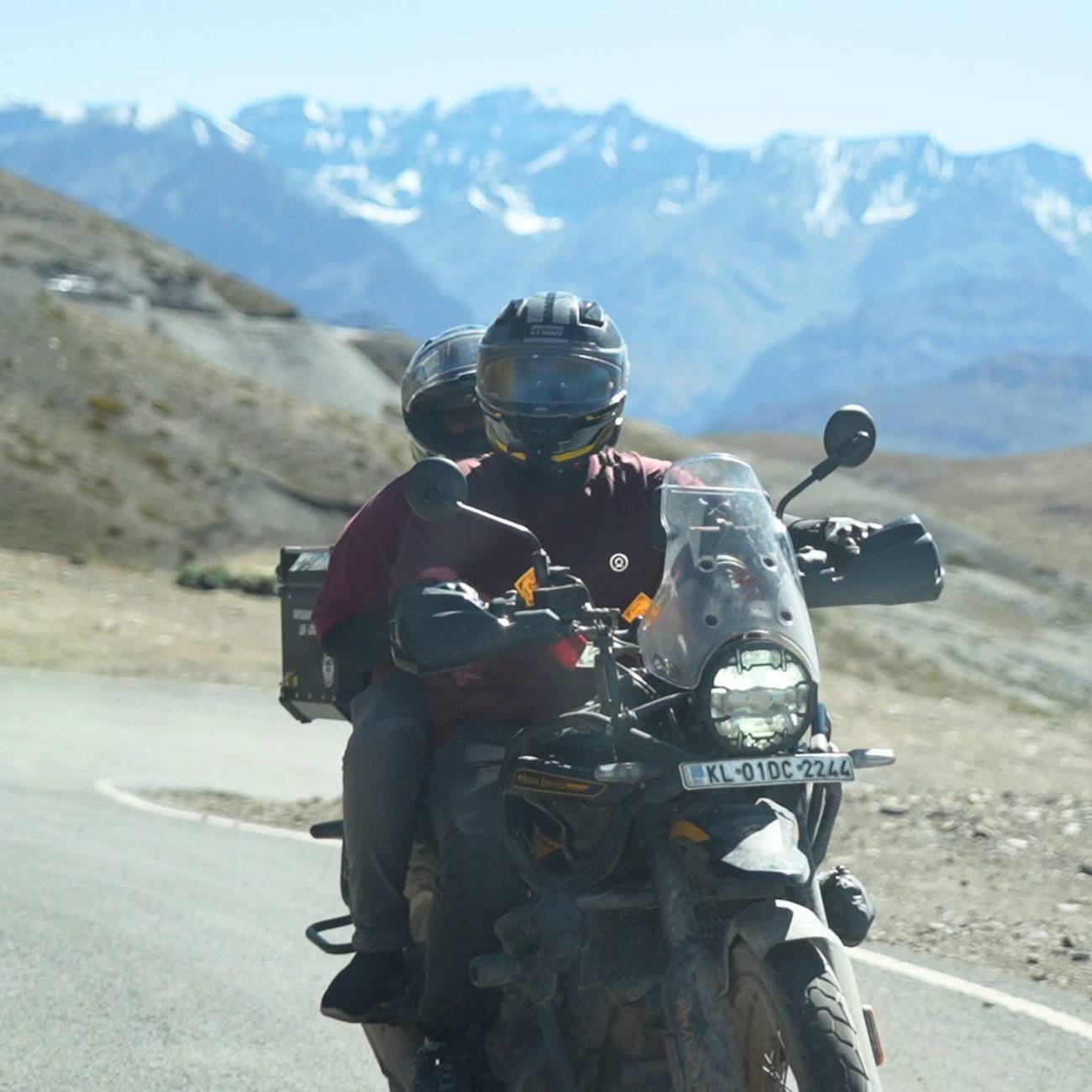
It is safe for prepared riders. It is not safe for careless ones. The route involves high altitude, long riding days, water crossings, gravel patches, shooting stones near Kinnaur cliffs, cold winds, low oxygen, and large stretches with no mobile network.
Kaza sits at around 3,800 m. Chandratal at around 4,300 m. Kunzum Pass at around 4,551 m. These altitudes make acclimatisation, hydration and sleep non-negotiable.
Practical riding rules we enforce on every group. Do not ride at night. Do not race. Do not skip breakfast. Carry proper riding gear including a good helmet, jacket, gloves and riding pants. Listen to the road captain. Stop and tell someone if symptoms feel serious.
A scam warning that catches first-timers off guard. Some local taxi drivers near Manali and Batal will quote inflated rates of ₹3,000 to ₹4,000 for short stretches if you are stuck without a backup vehicle.
The fair rate is usually closer to ₹1,500 to ₹2,000. Decide the price before you sit in the vehicle, not after.
If you are travelling as a solo female, especially as a first-time Himalayan rider, our Spiti solo safety guide covers what to expect on stays, food and route safety in more detail.
Permits and Documents Needed for Spiti Bike Trip in 2026
Indian citizens do not need an Inner Line Permit or Protected Area Permit for normal Spiti tourism. This is one of the few things travellers get told wrong online.
What you do need to carry as an Indian rider. A valid driving licence, a government ID, your bike RC, valid insurance, PUC certificate, and a small note with emergency medical details and an emergency contact number.
Foreign nationals are different. Foreigners need permits for notified protected areas in Kinnaur and Spiti.
Official Lahaul and Spiti guidance says foreign tourists should use authorised travel agencies and stay only in authorised hotels or guesthouses. Form C reporting is required by the host.
Before you ride, check our Spiti Valley permit guide for the latest permit and document details.
If your route involves Rohtang instead of the Atal Tunnel side, the Rohtang or Beyond Rohtang permit rules are separate vehicle rules and matter only for that specific stretch. Most riders skip Rohtang entirely now and use the tunnel.
👉 WhatsApp us for permits and a customised Spiti plan
Who Should Book a Guided Spiti Bike Package?
A guided package suits first-time Himalayan riders who want road captain support and a backup vehicle. It also suits riders flying or taking a train into Chandigarh, where renting a bike and figuring out the route on your own adds friction.
Couples and pillion riders benefit a lot from guided packages. Office groups with limited leave benefit even more, because a packaged plan means no one has to figure out hotels, meals, or fuel stops on the fly.
If you are someone who wants to ride hard during the day and not deal with logistics at night, a package saves you the part of the trip that no rider actually enjoys.
Who Should Not Do This Ride?
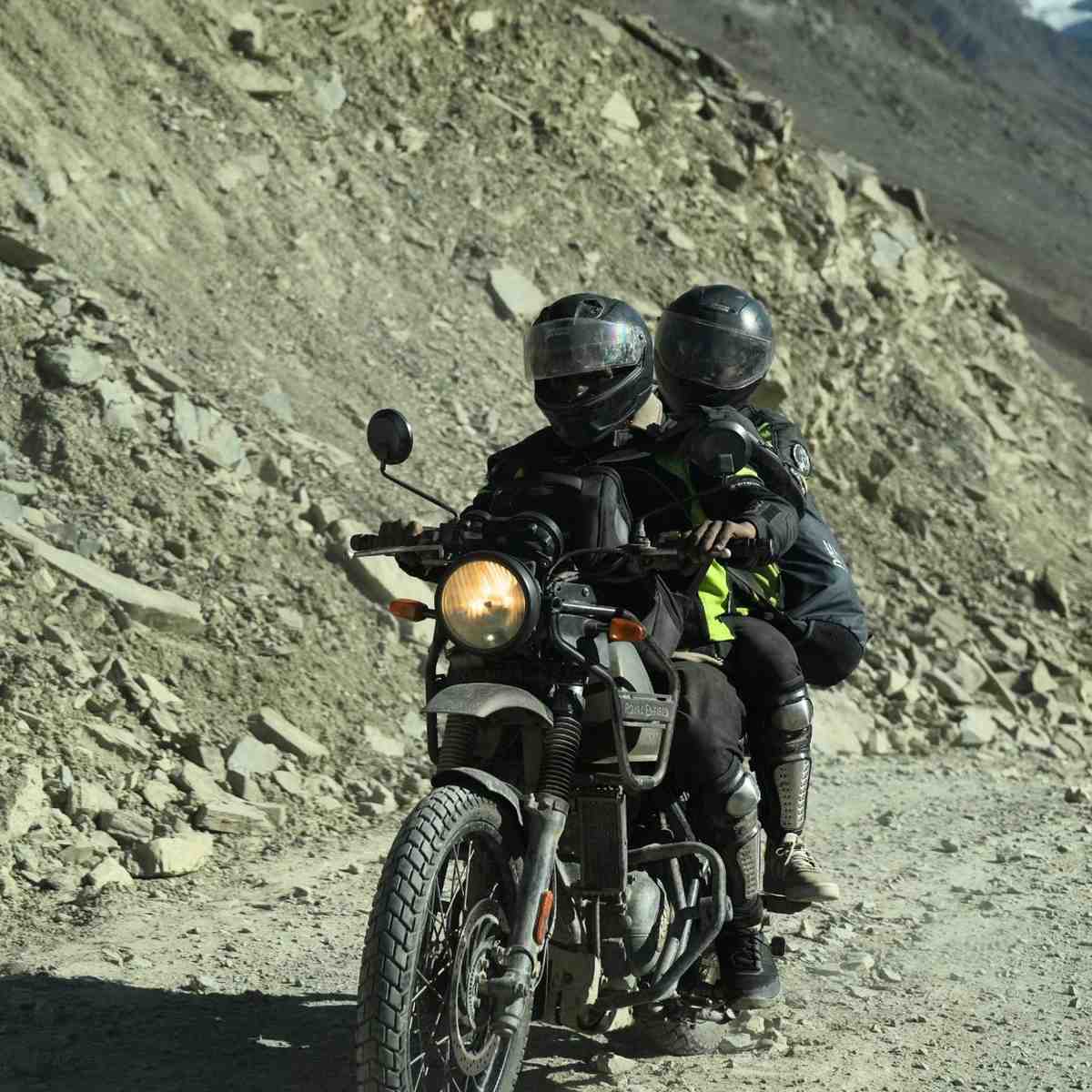
This ride is not for riders without a valid licence. It is not for people who cannot ride 6 to 9 hours a day on mountain roads. It is not for travellers who refuse to wear riding gear because it feels uncomfortable.
It is also not for travellers expecting luxury every night. Stays in Kaza, Tabo and Sissu are clean and comfortable, but they are not five-star resorts. The food is simple. The hot water is limited. Set the right expectation before you book.
Riders with altitude or medical concerns should consult a doctor before signing up. The Himalayas are not the place to find out you have a heart condition.
We have had to send a rider back from Kalpa once because they did not declare their existing condition. Do not be that person.
Why Book Your Spiti Bike Trip from Chandigarh with Travel Coffee?
We are a Himachal-based team, not a faceless online portal. Our office is in Shimla, our drivers and road captains live on these roads, and our team has eaten at every dhaba between Chandigarh and Kaza at least twice over.
Our team understands the small things that make or break a ride. The Chandigarh pickup logistics, the Shimla traffic timings, the way Kinnaur road behaves after rain, the right Kaza stays, the Chandratal uncertainty, the Sissu fallback, and the Manali exit planning when Kunzum is acting up.
In our experience, route flexibility is what saves a Spiti bike trip more than anything else. Our team recommends checking Kunzum and Chandratal access right before departure rather than locking the final exit plan a month in advance.
We usually advise first-time riders to enter from the Shimla and Kinnaur side because the body adjusts properly. The riders who follow this advice come back without altitude problems. The ones who rush in from Manali often spend two nights miserable.
What we tell every rider before they leave Chandigarh. Carry one extra layer beyond what feels reasonable. The cold above Kaza catches even seasoned riders off guard.
Explore Our Curated Spiti Bike Trips
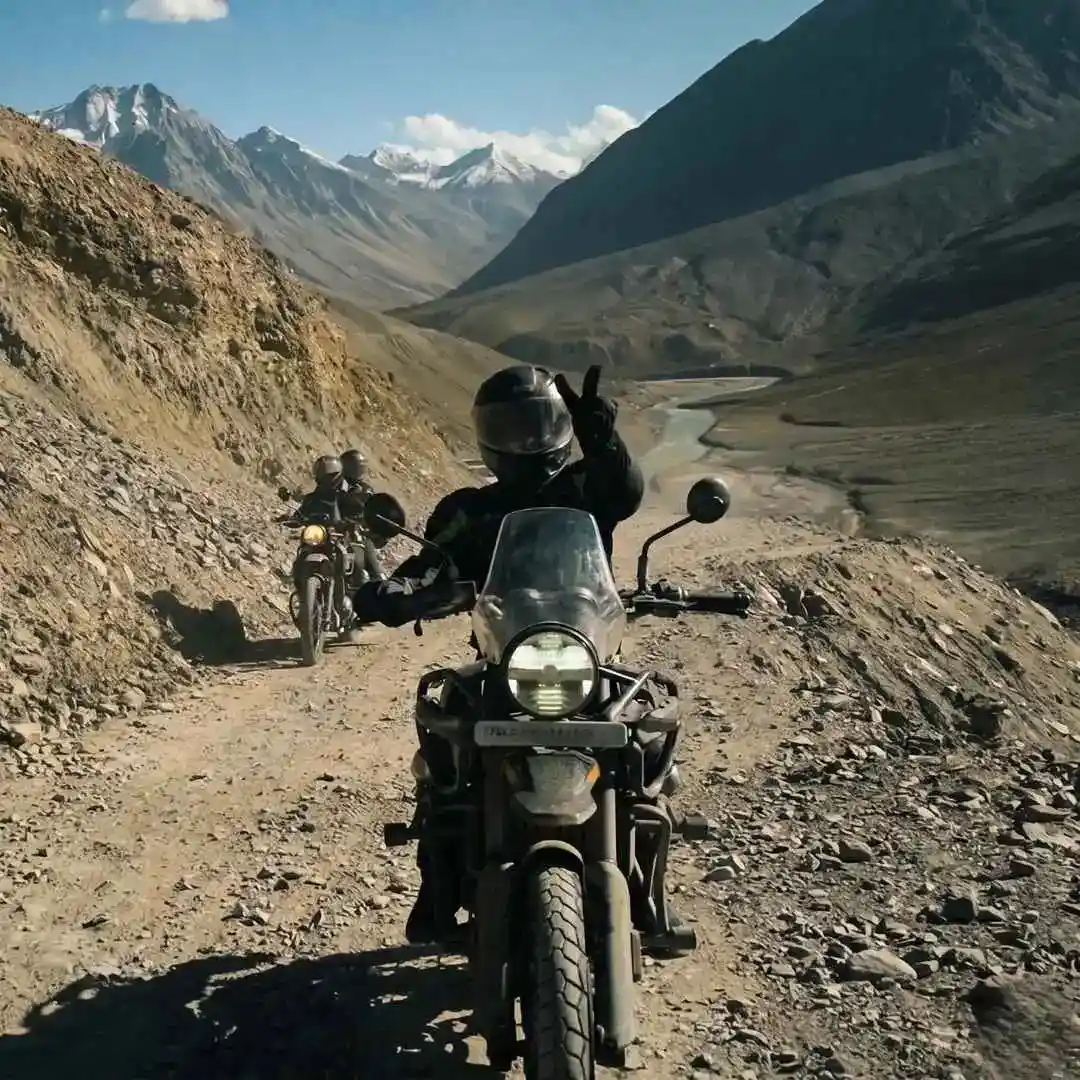 Group Tour7D/6N
Spiti Bike Trip From Manali With Chandratal
1D Sissu•1D Chandratal Camp+1
₹25,999₹29,999SAVE INR 4,000/ person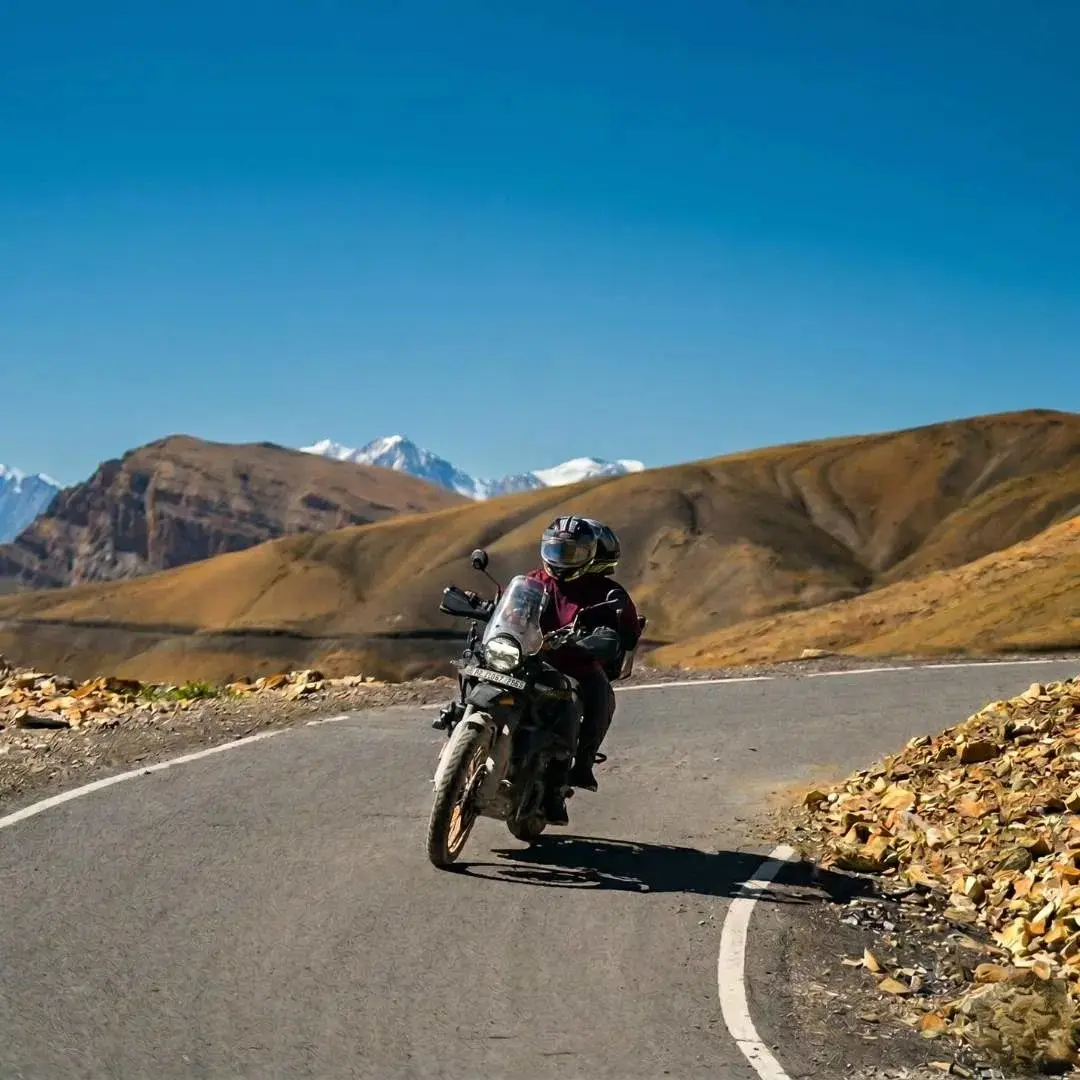 Group Tour11D/10N
Ultimate Spiti Valley Bike Expedition With Chandratal and Pin Valley
1D Narkanda•1D Sangla / Baspa Valley+5
₹32,999₹39,999SAVE INR 7,000/ person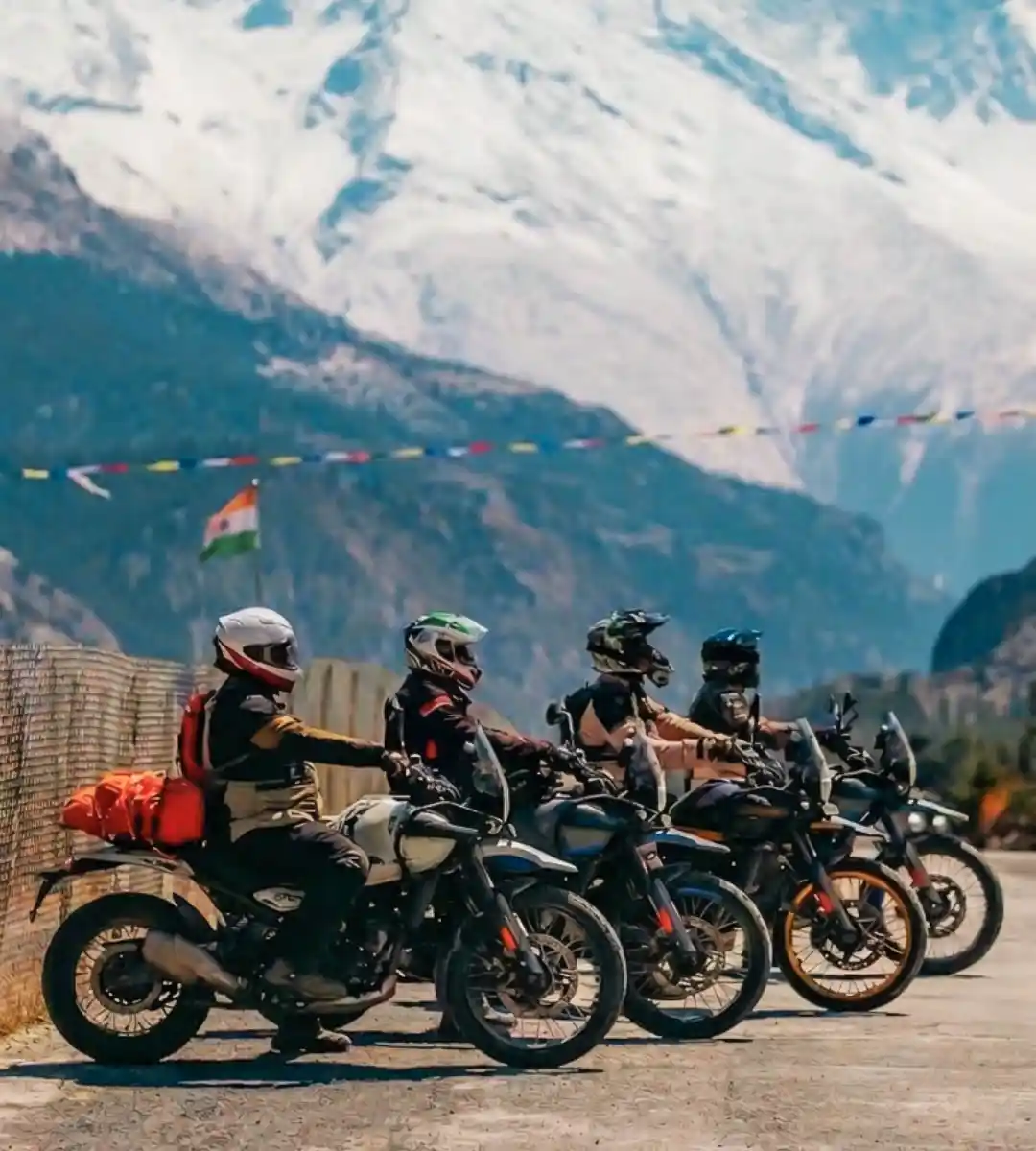 Group Tour10D/9N
Most Loved Spiti Valley Bike Expedition With Chandratal
1D Jibhi•1D Sangla+4
₹34,999₹41,999SAVE INR 7,000/ person
Related topics
Frequently Asked Questions
How many days are enough for Chandigarh to Spiti bike trip?
8N/9D or 9D/8N is the practical sweet spot. Anything shorter rushes the altitude. Anything longer adds cost without much added experience.
What is the best route for Chandigarh to Spiti bike trip?
The standard route runs Chandigarh, Narkanda or Rampur, Sangla or Chitkul, Kalpa, Nako, Tabo, Kaza, Chandratal or Sissu, Manali, and back to Chandigarh.
Is Chandigarh to Kaza bike trip safe?
Yes, for prepared riders with proper gear, acclimatisation stops, and route support. It is not safe for careless riding, night riding or skipping rest days.
What is the best time for Spiti bike trip from Chandigarh in 2026?
Mid-June to September works for the full circuit. September is one of the best months for clear skies, settled roads and fewer crowds.
Can beginners do Spiti bike trip?
Only confident beginners with proper road sense should consider it, and preferably with a guided group that has a road captain and backup vehicle. Absolute beginners should ride lower hill routes first.
Which bike is best for Spiti Valley?
The Royal Enfield Himalayan is the most reliable choice for the broken roads and altitude. The KTM 390 Adventure is a premium option for experienced riders. Classic 350 type bikes can manage but are less forgiving.
Do Indians need a permit for Spiti Valley?
No, Indian citizens do not need an ILP or PAP for normal Spiti tourism. You do need your driving licence, government ID, bike RC, insurance, and PUC.
Do foreigners need a permit for Spiti Valley?
Yes, for notified protected areas in Kinnaur and Spiti. Foreign tourists should use authorised agencies and stay only at authorised hotels or guesthouses with Form C reporting by the host.
Is Chandratal included in Spiti bike trip from Chandigarh?
It can be included when the road and camps are open, usually after late May to mid-June depending on conditions. Treat it as a maybe in early season, not a confirmed stop.
Is Manali to Kaza open in May 2026?
It was reported closed as of April 21, 2026. Expected opening is around mid-May to early June depending on snow clearance. You should confirm 48 to 72 hours before departure.
Can I do Chandigarh to Kaza in one day by bike?
No, and we strongly advise against it. The distance, altitude gain and road quality make it unsafe. 8N/9D is the proper plan, not a 24-hour push.
More about Lahaul and Spiti
 Lahaul and Spiti
Stargazing in Winter Spiti 2026: Where to Stay, Moonlight and What You Can See
Discover the best places for stargazing in Winter Spiti 2026, where to stay for darker skies and how moonlight affects visibility. Learn what you can realistically see from Kaza, Tabo and nearby villages during the winter months.
- Things to Do
- Snow Travel
 Lahaul and Spiti
Joining a Winter Spiti Group in 2026: Room Sharing, Privacy and Group Expectations
Planning to join a Winter Spiti group in 2026? Learn how room sharing works, what privacy to expect, options for solo travellers and couples, and when a single room supplement may apply.
 Lahaul and Spiti
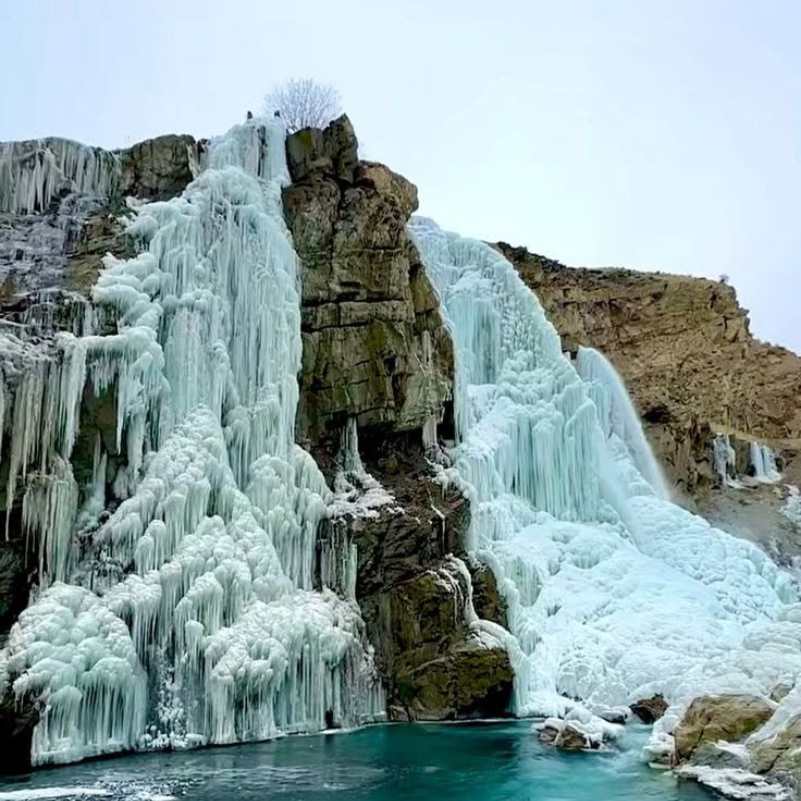
Lingti Frozen Waterfall in Winter 2026-27: Access, Photo Stops and What to Confirm
Plan your visit to Lingti Frozen Waterfall in winter 2026-27 with practical details on access, road conditions, the best photo stops and seasonal conditions. Learn what to confirm before leaving Kaza and how to visit this spectacular frozen waterfall safely.
- Places to Visit
- Snow Travel