
Shimla vs Manali 2026: Which Is Better for Your Himachal Trip?
Choose Shimla when you have two or three nights and want an easier hill holiday with heritage walks, cafés and less road travel.
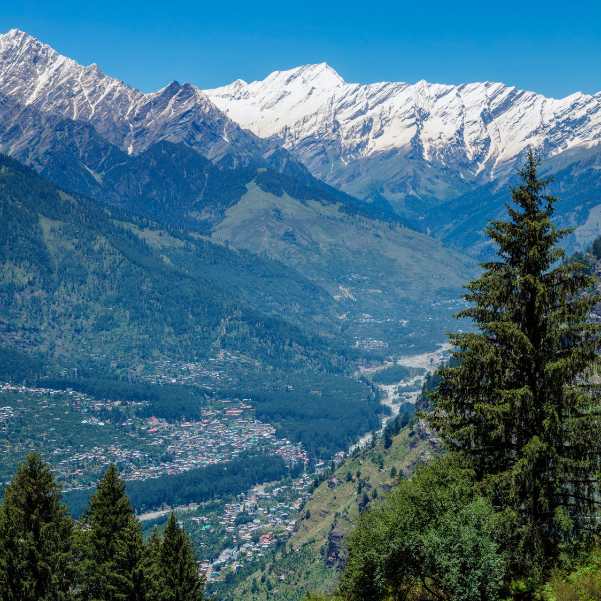
Choose Manali when you have three or four nights and want stronger mountain scenery, snow focused outings and more outdoor activities.
What most tourists get wrong is trying to cover both places in four days. The transfer itself can take most of a day, so the trip starts feeling like a road journey instead of a holiday.
Quick Answer
Shimla vs Manali depends mainly on your trip length and what you want to do.
Shimla suits a short, easier and heritage focused break. Manali suits a longer trip built around mountain views, snow areas and outdoor activities.
Shimla often works better for families and senior travellers because Delhi and Chandigarh sit closer, though central Shimla still involves steep walking.
Manali usually works better when you have at least three or four nights and want active days outside the hotel.
Shimla vs Manali at a Glance
Choose Shimla when…
Choose Shimla for a two or three night trip, especially when you want to spend more time walking and less time sitting in a vehicle.
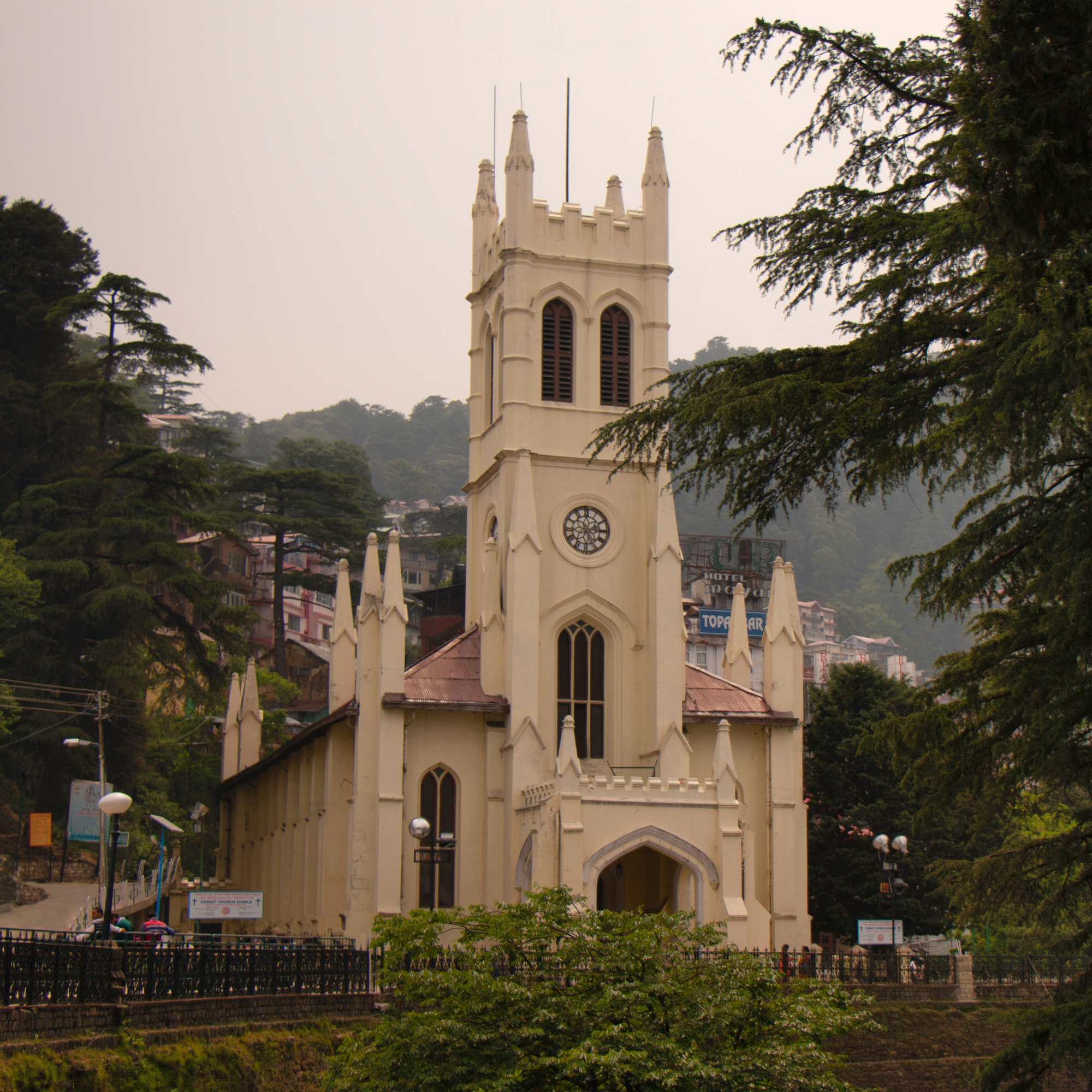
The Ridge, Mall Road, Christ Church and nearby heritage areas create a compact central experience. You can enjoy evening walks, cafés and colonial architecture without planning a long excursion every day.
Shimla also works well when the journey itself needs to stay manageable. Delhi lies around 340 km away, while Chandigarh lies around 115 km away.
We often suggest customised Shimla holidays to travellers who want a relaxed first Himachal trip without a packed daily schedule.
Choose Manali when…
Choose Manali for a three or four night trip, stronger mountain scenery and a wider choice of outdoor experiences.
The Beas Valley, forests, river surroundings and nearby higher routes make the landscape feel broader and more alpine. Solang Valley adds a full outing, while local areas such as Hidimba Temple, Vashisht and Old Manali give you slower options.
Manali makes more sense when the longer journey does not consume half your holiday. Delhi lies around 530 km away, while Chandigarh lies around 300 km away according to Himachal Tourism.
For travellers who want help balancing local sightseeing and weather sensitive excursions, our customised Manali holidays can keep the trip practical.
Choose both when…
Choose both only when you have around six or seven days.
Manali and Shimla sit around 260 km apart according to Himachal Tourism, but mountain roads, meal stops, congestion and weather can make the transfer consume most of a day.
A sensible split gives Shimla two nights and Manali three or four nights. A four day combined plan usually gives you more road time than holiday time, so we do not push it simply to add another destination name.
Which Is More Beautiful, Shimla or Manali?
Shimla gives you layered hills, cedar forests, colonial buildings, The Ridge and an organised hill town atmosphere. Its beauty comes from the way the town, old architecture and wooded slopes sit together.
A slow evening on The Ridge often feels more memorable than rushing through several viewpoints. In our experience, travellers who enjoy heritage streets, cafés and people watching usually connect with Shimla quickly.
Manali gives you the Beas Valley, forests, waterfalls and broader mountain landscapes. Nearby high altitude scenery adds more visual drama, especially when snow remains on upper slopes.
If stronger mountain views matter most, Manali normally wins. If heritage streets and evening atmosphere matter more, Shimla may suit you better.
For chai, take a relaxed break at one of the cafés near The Ridge and Christ Church. Check the café’s opening hours, seating availability and current menu before visiting.
Which Is Easier to Reach from Delhi and Chandigarh?
Shimla is normally the easier choice for a short break from both Delhi and Chandigarh.
Delhi to Shimla covers around 340 km, while Chandigarh to Shimla covers around 115 km. These shorter distances help when you only have a weekend or a three day break.
Delhi to Manali covers around 530 km, while Chandigarh to Manali covers around 300 km according to Himachal Tourism. Manali’s longer approach feels more worthwhile when you have extra nights after arrival.
Do not rely on a guaranteed driving time for either place. Traffic, roadwork, snowfall, rain and holiday crowds can change the journey significantly.
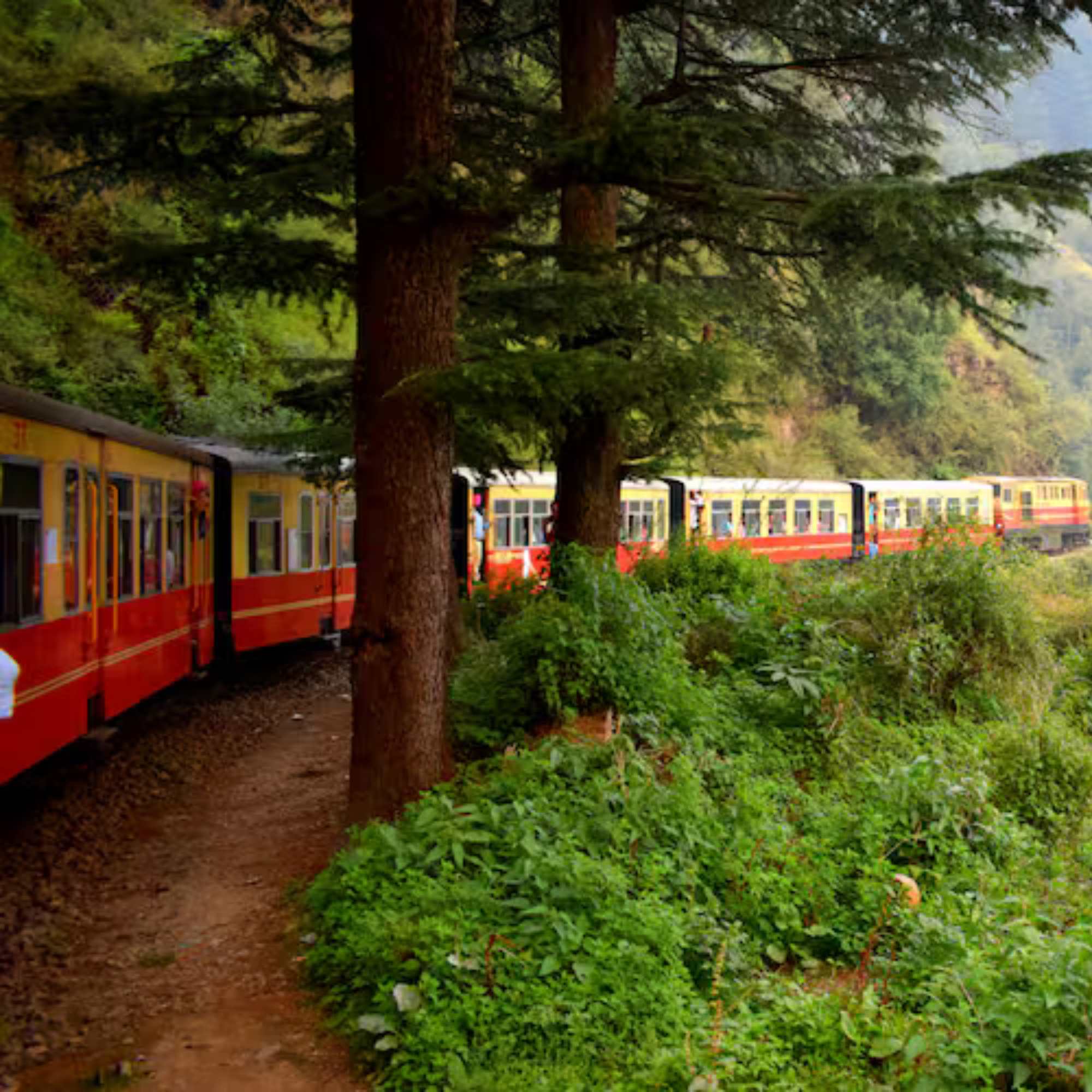
Shimla also has the Kalka to Shimla mountain railway. The route covers around 96 km, includes 102 tunnels according to official tourism information and commonly takes close to five hours.
Check your exact Kalka to Shimla train number and current schedule through IRCTC before booking, as timings may change.
Shimla Airport at Jubbarhatti is around 23 kilometres from the city. Confirm current flight availability and operating days before planning an air journey.
Our local money saving tip is simple. For a short trip from Chandigarh, choose Shimla instead of paying for a longer transfer to Manali and then rushing the sightseeing.
Which Is Better for a Short Trip?
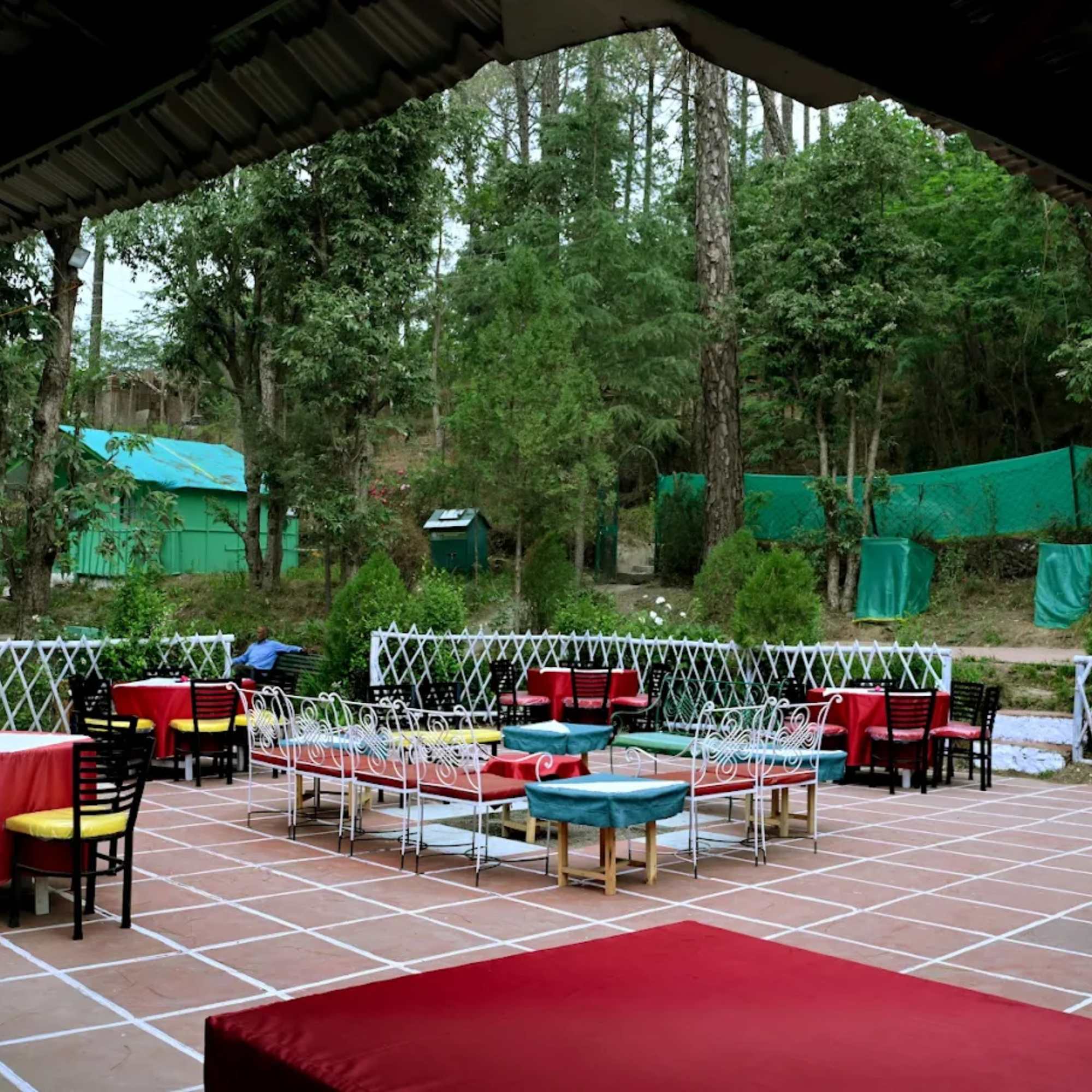
Shimla usually gives you a better holiday when you only have two or three nights. Manali needs more time because the approach journey is longer and the main excursions spread out across different directions.
A two or three night Shimla plan
On the first day, settle into your hotel and walk around The Ridge, Mall Road and Christ Church. Keep the evening open for cafés and an unhurried dinner.
On the second day, visit Jakhoo Temple and choose either Kufri or one heritage attraction. Do not force both into the same day unless your hotel location and road conditions make the plan easy.
Keep the final morning relaxed before departure. This small choice changes the trip because you avoid checking out after a late night and then rushing straight into a long return journey.
One insider tip generic plans miss is the hotel approach. A property may advertise itself as near Mall Road but still require a steep climb, stairs or a public lift from the parking point.
A three or four night Manali plan
Use the first day for Hidimba Temple, which lies around 2.5 km from Manali, followed by local Manali and an easy evening.
Use the second day for Solang Valley, around 13 km from Manali. Weather, road conditions and crowds can change how much time you spend there, so avoid adding too many fixed stops.
Use the third day for Old Manali, Vashisht Temple, around 2 km from Manali, or Naggar. Pick the option that matches your pace instead of treating the day like a race.
Keep one flexible day for a weather sensitive excursion, a slow morning or a route change. What we tell our travellers is that a free day in Manali rarely goes to waste because weather can reshape the plan.
Shimla vs Manali for Snowfall
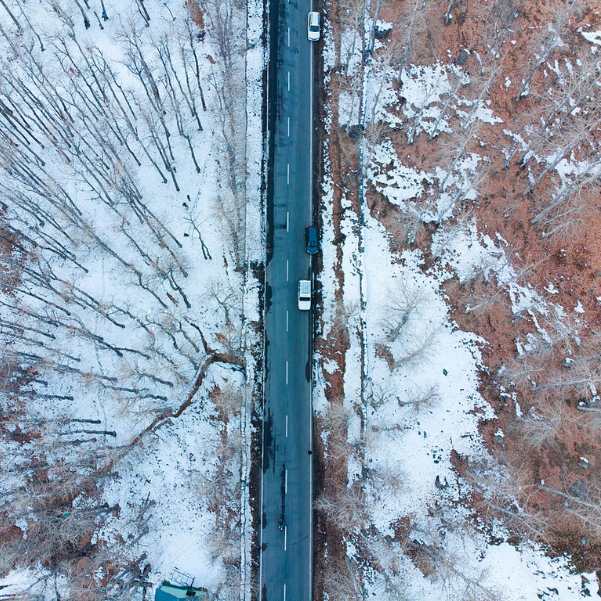
For snowfall, Manali generally offers the broader winter experience. Nearby higher areas such as Solang Valley and the Rohtang side create more chances to find snow already lying on the ground.
Shimla can receive winter snowfall, while nearby Kufri and Narkanda may offer better snow possibilities than central Shimla. You should never choose a fixed travel date after someone promises active snowfall.
Fresh snowfall and old snow are not the same experience. Fresh snow can cover town roads and rooftops, while old snow may remain only at a higher location after the weather clears.
Manali temperatures can fall below minus 5°C during December and January according to Himachal Tourism. Cold alone does not guarantee snowfall, so check the forecast close to departure.
Rohtang Pass usually becomes inaccessible during deep winter after heavy late autumn snow. It commonly reopens around May, but snow clearance and road safety decide the actual date.
A serious warning applies here. Do not pay a seller who promises guaranteed snow, guaranteed Rohtang access or a special permit outside the official process. The official tourism permit costs ₹500, and the congestion charge for a car or jeep costs ₹50.
Which Is Better for Families with Children?
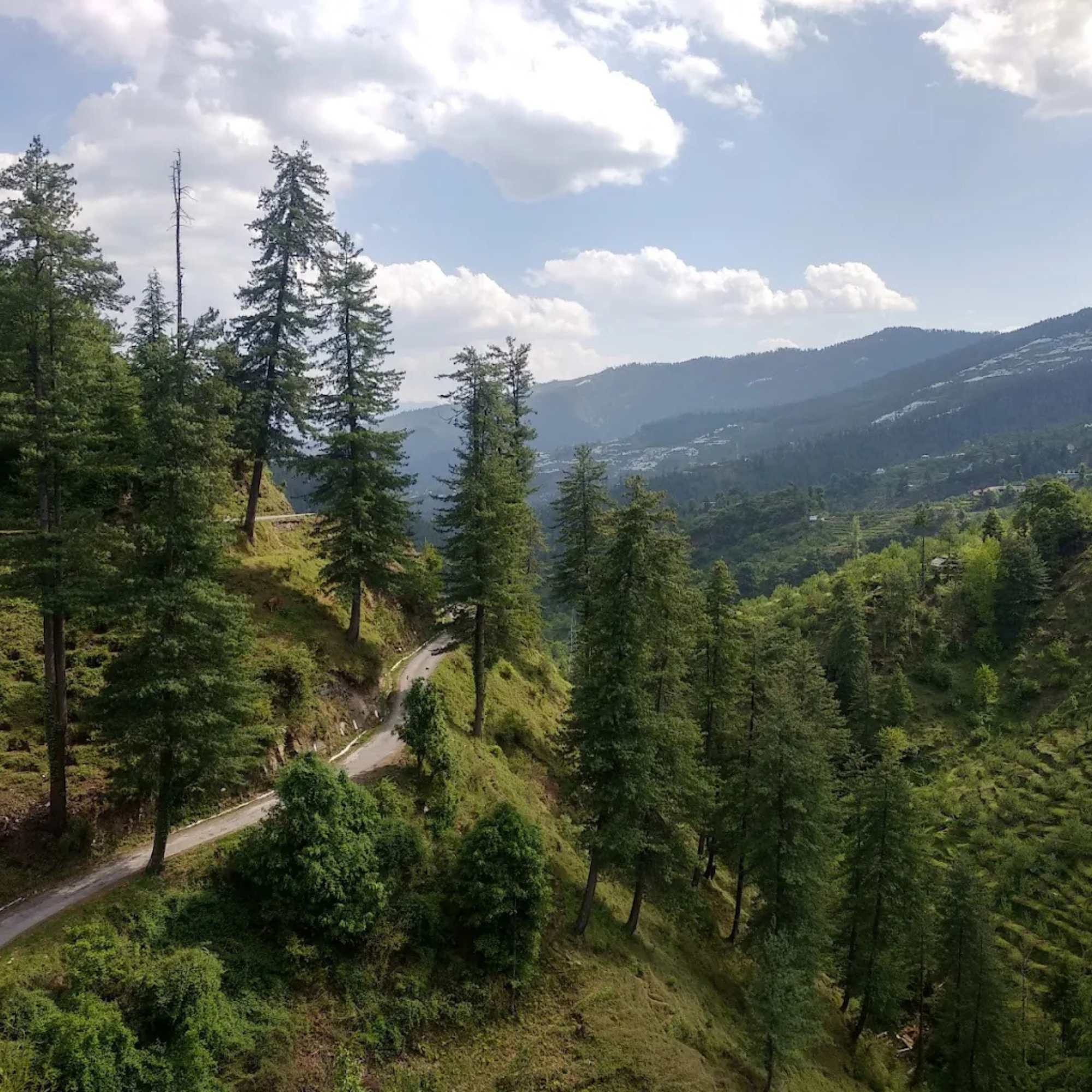
Shimla usually creates less travel fatigue for families because it sits closer to Delhi and Chandigarh. The shorter approach matters when children get uncomfortable on winding roads.
Central sightseeing also stays relatively concentrated around The Ridge, Mall Road, Christ Church and Jakhoo. You can plan a lighter day without spending hours moving between distant points.
Shimla still has slopes, stairs, pedestrian sections, cold weather and crowded holiday periods. These can make the trip difficult with a stroller or tired child.
Manali gives older children more variety through outdoor activities, Solang Valley and vehicle based excursions. It also involves a longer journey and more time in taxis.
Families with toddlers should skip a rushed four day Shimla and Manali combination. The long transfer between the two destinations adds fatigue without giving the child enough rest.
In our experience, children enjoy both places more when parents plan one main outing a day and leave the evening free. A packed itinerary often creates irritability before the best part of the day begins.
For a trip with kids, choose Shimla for a short and gentler holiday. Choose Manali when the children handle road travel well and the family has at least three or four nights.
Which Is Better for Senior Citizens?
Shimla has the shorter approach journey, which often helps senior travellers. The tradeoff begins after arrival because central Shimla includes slopes, stairs and areas where vehicles cannot reach the hotel entrance.
Manali spreads sightseeing across a wider area. This reduces the need for long central walks in some plans, but it increases taxi time and the number of vehicle entries and exits during the day.
Book a hotel with direct vehicle access, a working lift, heating, minimal stairs and an in house restaurant. Ask the hotel to confirm each point clearly before payment.
Our team recommends checking the exact walking distance from the parking point to the hotel door instead of trusting the phrase near Mall Road.
For senior citizens who dislike long drives, Shimla normally works better. For those who prefer valley views and can handle the longer road journey, Manali can still work with a carefully chosen hotel and slower itinerary.
Which Is Better for Couples and Honeymooners?

Shimla gives couples an easy, classic and walk focused romantic break. Evenings on The Ridge and Mall Road suit travellers who enjoy cafés, heritage buildings and a slower town atmosphere.
Manali gives couples river views, stronger mountain scenery, longer drives and more activity-led days. It suits travellers who want their honeymoon to include outings rather than only hotel time.
Which Has Better Adventure Activities?
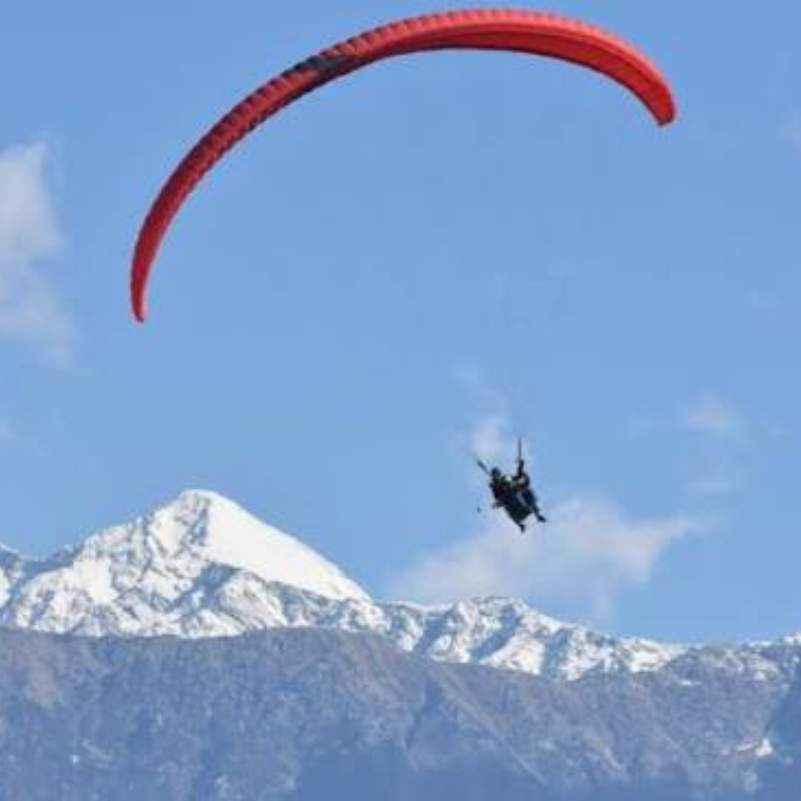
Manali has the stronger range of recognised adventure experiences. Depending on season and licensed operator availability, these can include paragliding, skiing, zorbing, rafting, river crossing, trekking and ropeway experiences.
Activity prices vary by season, weather, operator, duration and included equipment. Check the final price and inclusions for your travel dates before booking.
Shimla offers forest walks, trekking, seasonal ice skating and activities around Kufri and Narkanda. The overall range remains smaller than Manali.
For adventure activities, Manali wins clearly. It gives you more ways to build active days around the valley and nearby excursion areas.
Read our guide to adventure activities in Manali before choosing which activities deserve space in your itinerary.
Avoid any activity provider that does not clearly explain the operator details, safety equipment, weather conditions and total payable amount. Confirm all add on charges before making payment.
Shimla vs Manali Cost in 2026
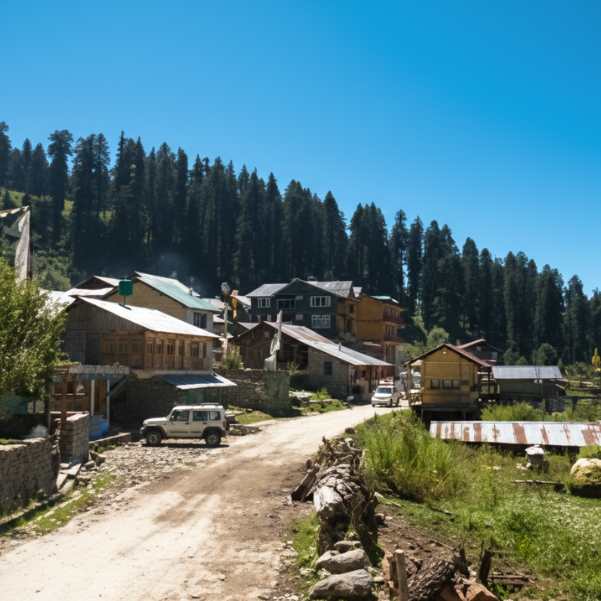
A fair cost comparison depends on your starting city, season, hotel area, group size, transport and activity plan.
Shimla often costs less for a short trip. Manali can cost more after a longer transfer, private excursions and paid activities.
Transport cost
Shimla normally costs less to reach from Delhi or Chandigarh because the road distance stays shorter.
Bus, cab and flight fares vary by travel date, demand, route and booking time. Check the final fare and included charges before booking.
Manali’s longer distance can increase private cab costs, although groups may reduce the per person expense by sharing the vehicle. Request a date specific quotation before comparing the two destinations.
Accommodation
Both destinations have budget, mid range and luxury properties.
Central locations, Christmas, New Year, summer holidays and long weekends can raise room prices. Do not compare two hotels only by star label because access, heating, parking and actual room size can matter more.
For Shimla, a cheaper central hotel may create extra effort if the cab cannot reach the door. For Manali, a cheaper outer hotel may increase daily taxi use.
Nightly room rates vary by location, season, room category, demand and booking terms. Check the final price, taxes and included facilities for your travel dates before comparing properties.
Sightseeing and activities
Shimla can stay economical when you focus on walks, The Ridge, Mall Road and a limited number of central attractions.
Manali can become more expensive after you add private excursions, paragliding, ropeway rides and snow activities. Pick the experiences you genuinely want instead of buying a large bundle at the first counter.
Our money saving advice is to choose one paid highlight and build the rest of the day around free walks, local areas and unhurried meals.
Mandatory Manali vehicle charges
The Manali Composite Environmental Fund, commonly called the green tax, applies to vehicles entering Manali that do not carry Himachal Pradesh registration.
The payment remains valid for seven days. Official charges are ₹100 for a bike, ₹200 for an LMV, ₹300 for a passenger vehicle and ₹500 for a goods vehicle.
The green tax does not replace the Rohtang tourism permit. These are separate charges for separate purposes.
Where Should You Stay?
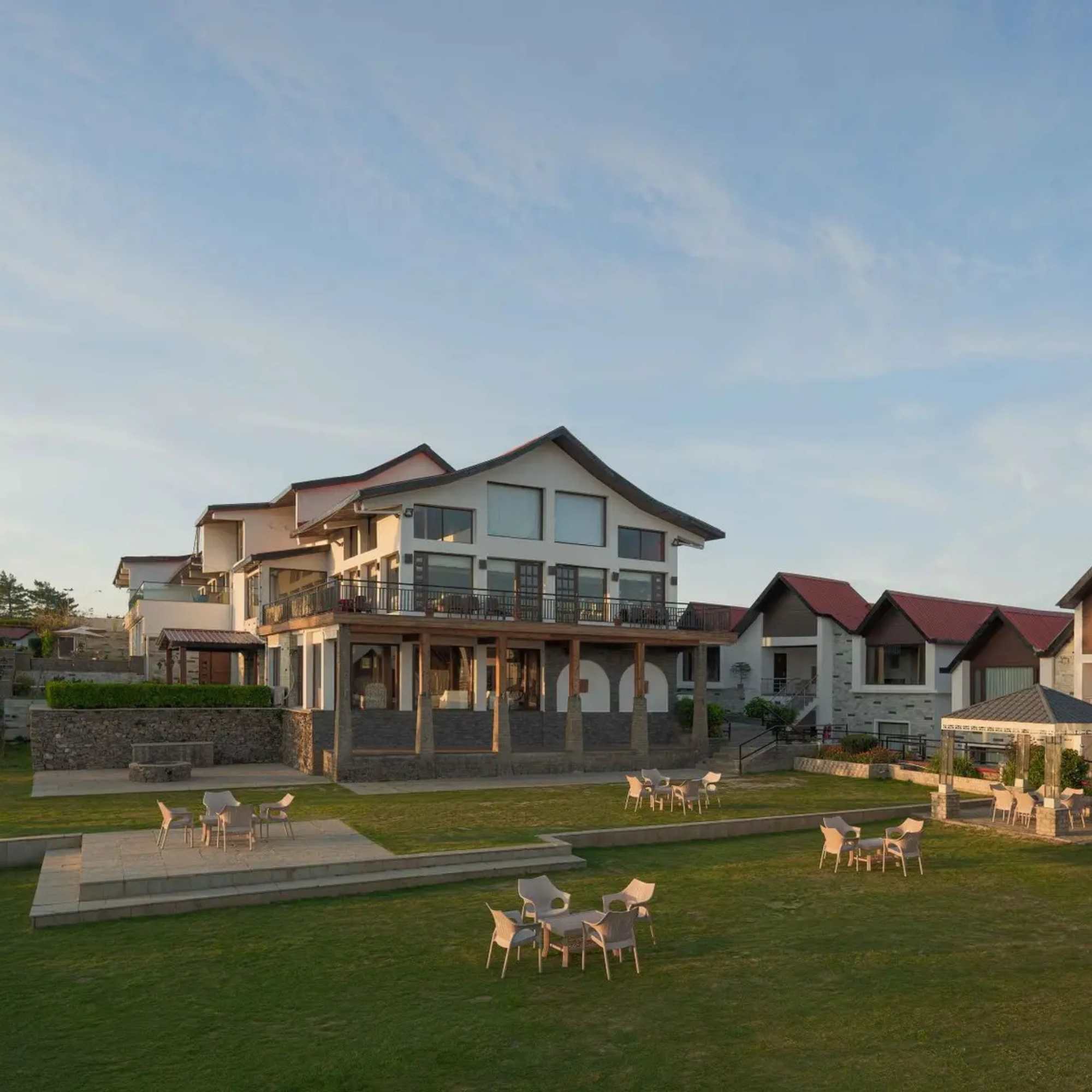
Choose your hotel area by access and daily movement, not only by the view shown in photos.
Best areas in Shimla
Central Shimla works well for The Ridge, Mall Road and cafés. You can step out for evening walks without arranging a taxi for every short visit.
A central address may still involve stairs, slopes, a public lift or a walk from parking. Ask the hotel to send the exact arrival instructions before you book.
Outer areas can give you better road access, parking, quieter surroundings and valley views. You will need transport for evening visits to The Ridge.
One insider tip is to ask for a video of the final approach from the parking point to the reception. This reveals slopes and stairs that listing photos often avoid.
Best areas in Manali
Mall Road suits travellers who value market access and easy evening movement.
Old Manali suits café focused travellers and younger visitors who enjoy a more informal atmosphere. Peak season can still bring traffic and noise.
Log Huts, Prini and selected outer areas can give you quieter views and more space. Check the exact distance from the places you plan to visit.
Vashisht works as a compact village option, but check road and parking conditions before booking. No neighbourhood stays peaceful on every holiday weekend.
Which Destination Is Better in Each Season?
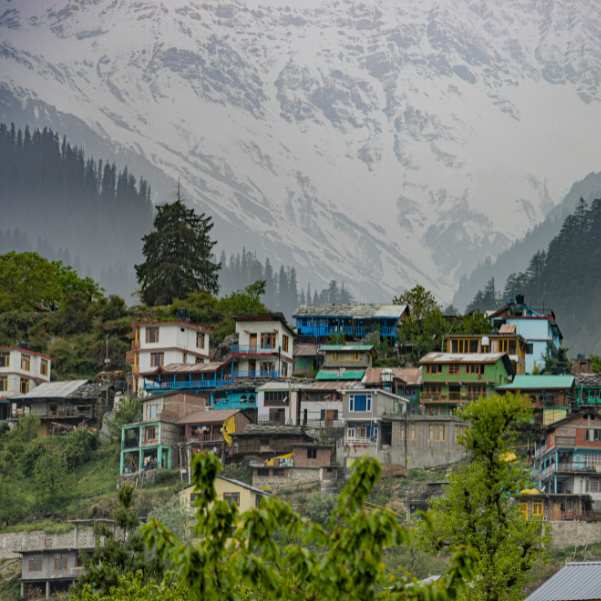
Road conditions, crowds, snow access and activity choices change through the year.
March to June
Both destinations attract strong demand from March to June.
Shimla works well for a shorter summer break because you can cover central areas without planning several long excursions. Manali gives you more outing choices and adventure possibilities.
Himachal Tourism states that Manali summer temperatures commonly stay around 22°C to 30°C. Local conditions can still change by altitude and time of day.
School holidays bring larger crowds to both destinations. Book stays early and avoid building a tight schedule around one road or activity.
July to September
Both approach routes can face landslides, falling rocks, delays and temporary closures during the rainy months.
Keep bookings flexible, add one buffer day and check official road and weather updates immediately before departure.
Do not treat either route as guaranteed open. A road update from the previous week may no longer help on your travel day.
During unstable weather, avoid planning late night mountain arrivals whenever possible. Travelling in daylight makes it easier to assess road conditions, manage delays and reach the hotel safely.
October and November
October and November often bring cooler evenings, clearer views and lower crowd levels outside holiday periods.
Shimla suits relaxed walks and heritage sightseeing in this season. Manali suits travellers who want crisp valley views before deep winter changes the upper routes.
Early snow can temporarily close upper Manali roads. Keep one flexible day if a high route matters to your plan.
December to February
In winter, Manali gives the stronger choice for winter scenery and snow focused outings.
Shimla gives you an easier hill town break with heritage walks, winter cafés and possible snowfall in or around the city.
In December, choose Manali when snow areas and outdoor scenery matter most. Choose Shimla when the shorter journey and town atmosphere matter more.
Never book either destination after accepting a promise of active snowfall. Weather changes each year, and no operator can guarantee snow on your exact date.
What Permits and Vehicle Charges Apply in 2026?
Many travellers mix up the Manali green tax and the Rohtang tourism permit. They cover different purposes.
Manali green tax
The Manali green tax applies to vehicles entering Manali that do not carry Himachal Pradesh registration.
It remains valid for seven days. Official charges are ₹100 for a bike, ₹200 for an LMV, ₹300 for a passenger vehicle and ₹500 for a goods vehicle.
Keep the payment record available during the trip.
Rohtang tourism permit
The tourism permit remains valid for one day for a return visit.
The official permit fee is ₹500. A car or jeep also pays a ₹50 congestion charge.
The daily tourism quota allows 800 petrol vehicles and 400 diesel vehicles. The vehicle must not exceed ten years of age.
One vehicle can receive a maximum of three permits during one Tuesday to Monday period.
Use the official permit system at rohtangpermits.hp.gov.in. Do not rely on the old NIC domain or a seller who claims a private portal can bypass the quota.
Do you need a permit for central Manali or Solang?
The Rohtang tourism permit connects specifically to the regulated Rohtang visit. Do not treat it as a general hotel entry permit for Manali.
Route rules can change, so do not make extra permit claims for Solang or other roads without checking the official portal close to travel.
For help planning the wider route beyond Manali, see our Sissu tour planning page.
Can You Visit Shimla and Manali in One Trip?
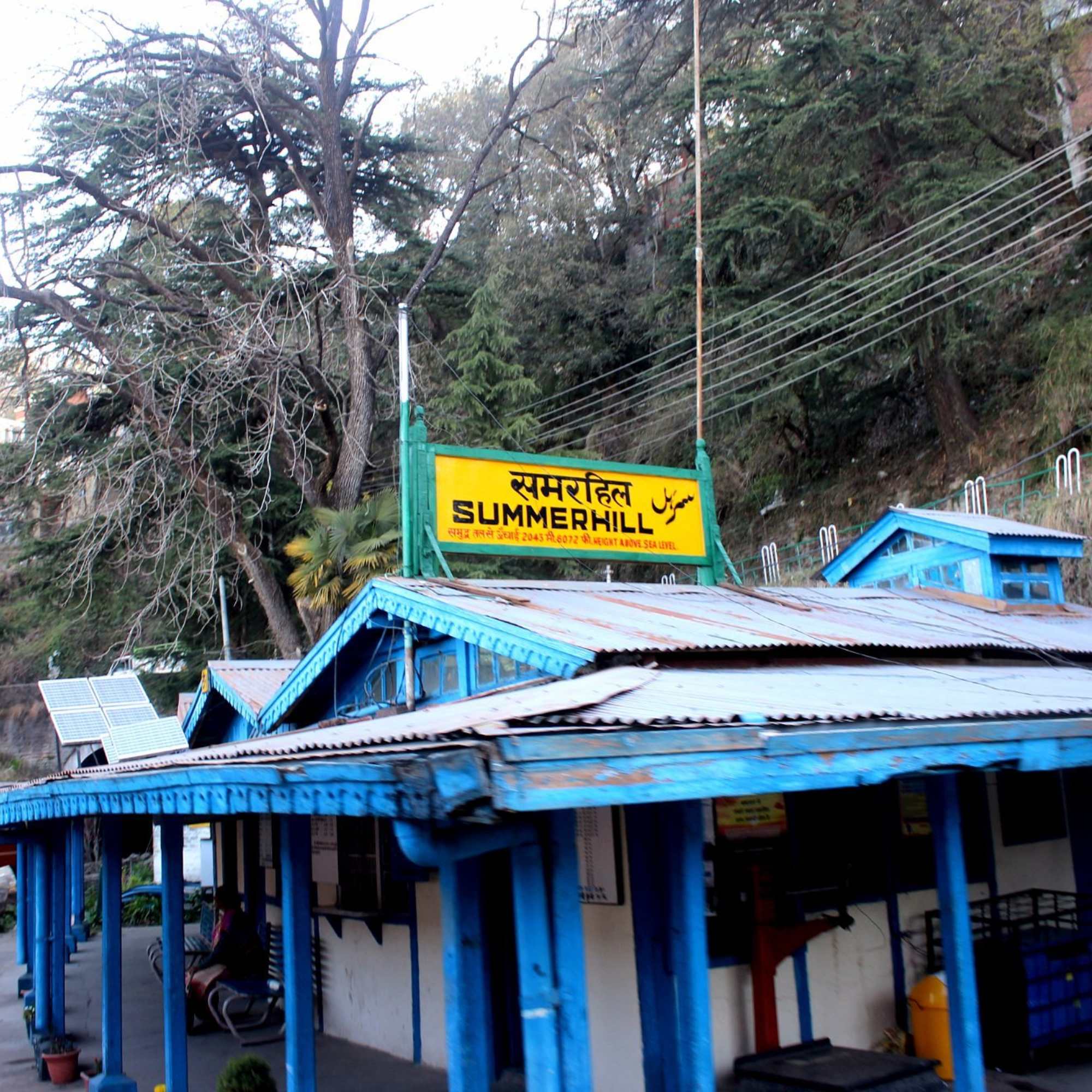
Manali and Shimla sit around 260 km apart according to Himachal Tourism. Mountain roads, meal stops, congestion and weather can turn the transfer into most of a day.
A practical Shimla Manali combined itinerary gives Shimla around two nights and Manali three or four nights. That creates a total of around six or seven days for most travellers.
Covering both in four days usually creates more road time than holiday time. Skip this popular plan unless you only want quick photos and do not mind a rushed schedule.
2026 Travel Advisory
We checked this update on 4 August 2026. Weather and road conditions can change after the stated dates, so check again before travelling.
At that time, forecasts showed widespread rain across Himachal Pradesh through 7 August, with isolated heavy rain expected in Shimla district. Check the latest forecast again before departure.
A 4 August update said four Kalka to Shimla railway services remained suspended through 5 August because of landslide and rockfall risk, while three services continued. Check the railway status again before travelling.
The 3 August road update reported NH5 open. Check again on the day of travel because falling rocks, rain or maintenance can change access.
The Delhi to Manali road had a reported open status on 25 July, but that information is too old to treat as live. Check the latest official road update before departure.
Final Verdict: Should You Choose Shimla or Manali?
Choose Shimla for two or three nights, shorter travel, heritage buildings, central walks and a slower schedule.
Choose Manali for stronger mountain scenery, snow focused excursions, outdoor activities and at least three or four nights.
Choose both only when you have around six or seven days and accept that the transfer will use most of one day.
For a simple decision rule, count your nights first. Two or three nights usually point to Shimla. Three or four nights with an outdoor focus usually point to Manali. Six or seven days give you enough room for both.
What we tell our travellers is simple. Do not choose the destination with the longer attraction list. Choose the place that fits your available days and the pace you actually enjoy.
Explore Our Curated Shimla Tour Packages
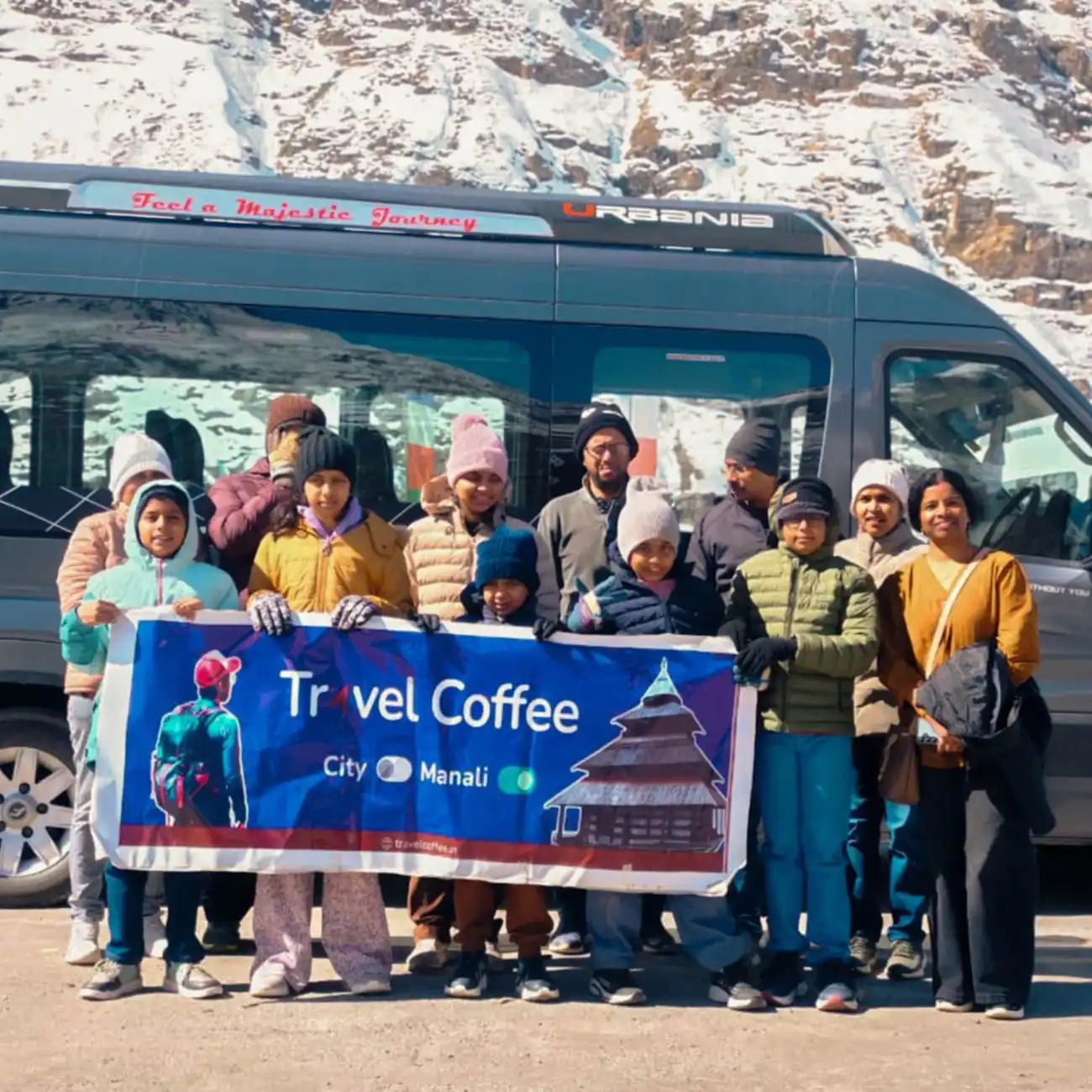 5D/4N
5D/4NPremium Manali Tour Package with Private Cab and Rohtang Pass
4D Manali
₹14,999₹19,999SAVE INR 5,000/ person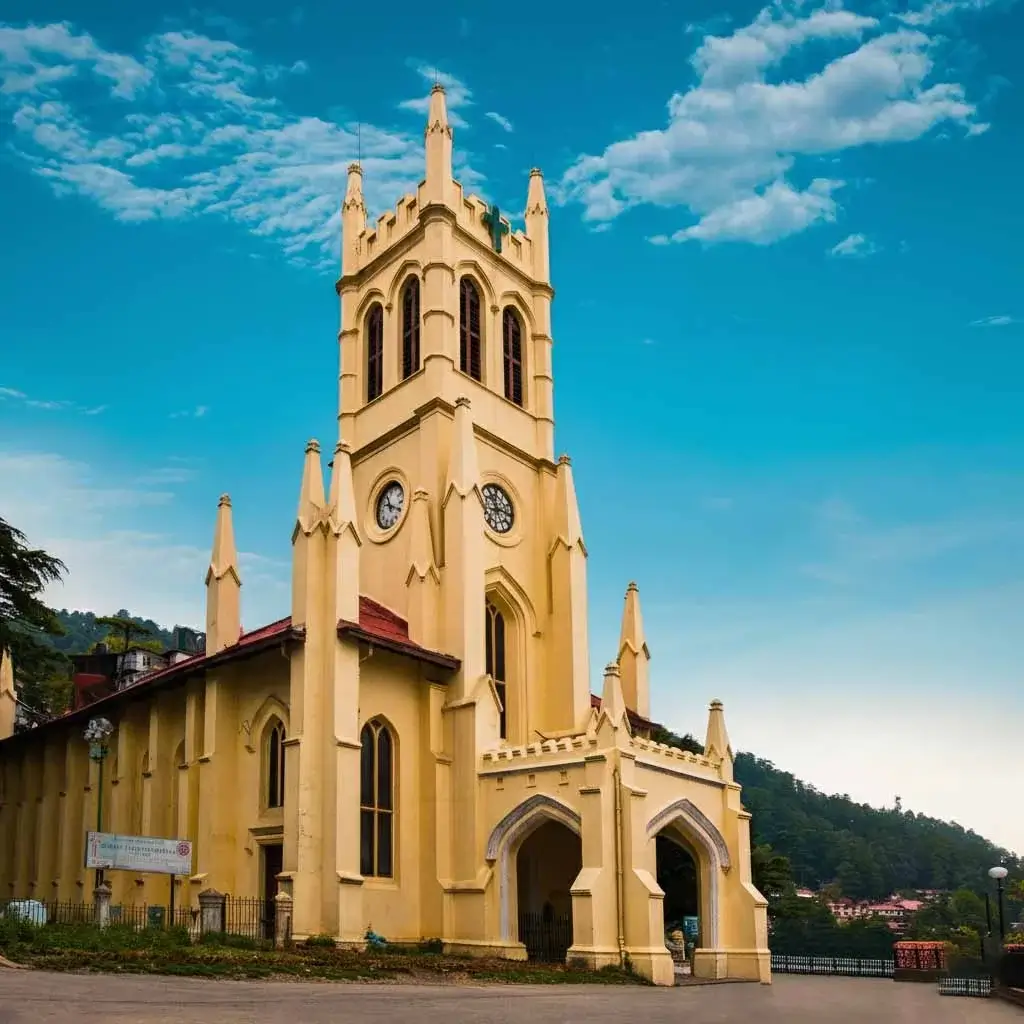 6D/5N
6D/5NClassic Shimla Kufri Mashobra Narkanda Experience
1D Delhi•3D Shimla+2
₹12,999₹18,999SAVE INR 6,000/ person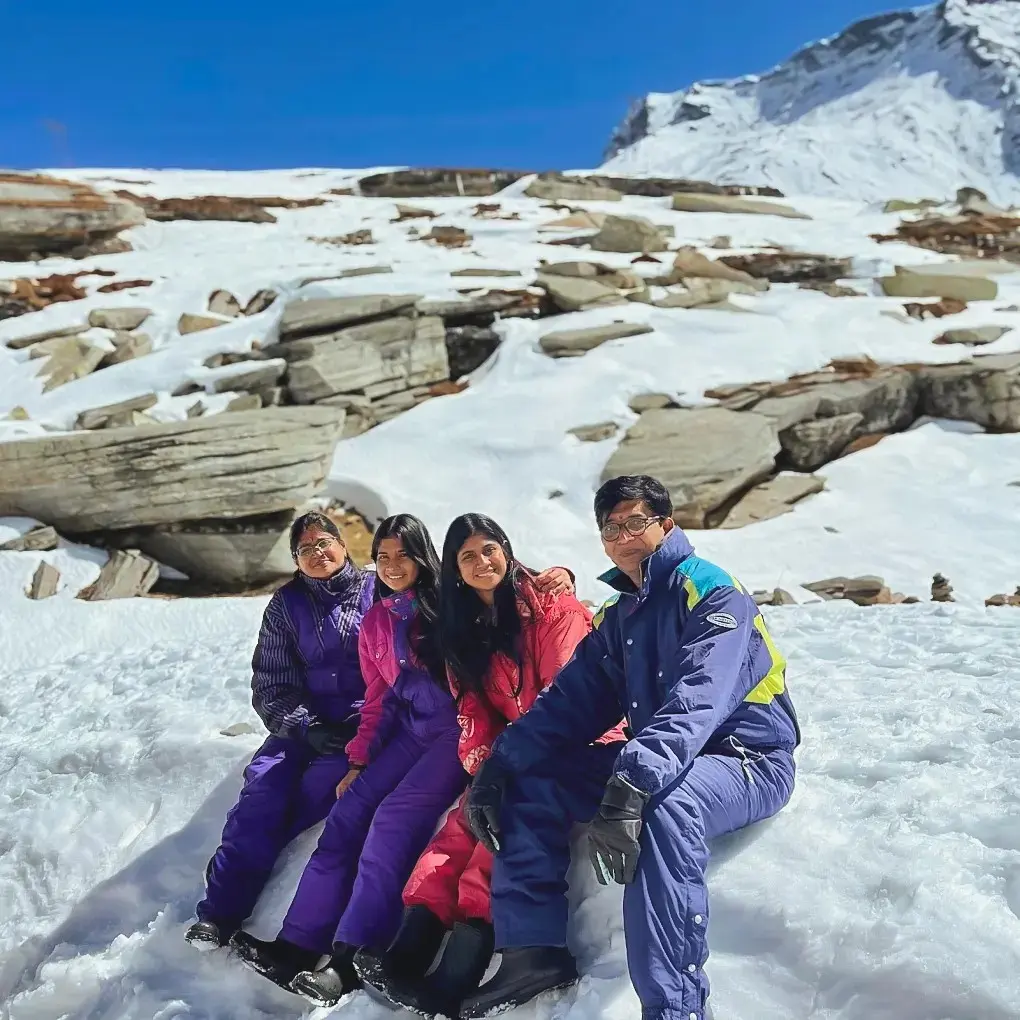 7D/6N
7D/6NComplete Shimla Manali Volvo Package with Rohtang Pass
2D Shimla•2D Manali
₹15,999₹19,499SAVE INR 3,500/ person
Related topics
Frequently Asked Questions
Which is better, Shimla or Manali?
Shimla is better for short, relaxed and heritage focused trips. Manali suits travellers seeking stronger mountain scenery, adventure and snow excursions. Choose based on your time and interests.
Which is cheaper, Shimla or Manali?
Shimla is often cheaper for a short trip because it is closer to Delhi and Chandigarh. Manali may cost more due to longer travel, private excursions and adventure activities.
Which is better for a family with children?
Shimla usually suits families with young children because travel times and sightseeing distances are shorter. Manali offers more activities for older children but involves longer road journeys.
Which is better for senior citizens?
Shimla has a shorter approach, but slopes and stairs can be challenging. Manali requires longer travel. In either destination, choose a hotel with direct vehicle access, heating, a lift and minimal stairs.
Which has more snowfall?
Manali generally offers better snow possibilities through Solang Valley and higher areas. Shimla may receive snowfall, while Kufri and Narkanda often have better chances than central Shimla.
Which is better in December?
Manali is better for winter scenery and snow focused outings. Shimla suits shorter holidays with heritage walks and easier access. Both destinations can face crowds and weather delays.
Which is closer to Delhi?
Shimla is around 340 km from Delhi, while Manali is around 530 km away. Shimla is therefore more suitable for shorter breaks and travellers who want less road travel.
How many days are enough for Shimla?
Two or three nights are enough for Mall Road, The Ridge, Christ Church, Jakhoo Temple and Kufri. Add another night for slower sightseeing or nearby places.
How many days are enough for Manali?
Three or four nights work well for Manali. This allows time for local sightseeing, Solang Valley, Old Manali, Vashisht, Naggar and possible weather changes.
Can Shimla and Manali be covered in one trip?
Yes. Keep around six or seven days for the full trip. A practical plan gives Shimla two nights and Manali three or four nights. The road distance between them is around 260 km, and the transfer can use most of a day. A four day combined trip usually feels rushed.
Which is less crowded?
Crowds depend on the season, holidays and weekends. Both destinations become busy during summer, Christmas and New Year. October and November are often calmer outside festival dates.
Does Manali require a permit?
No permit is needed for a normal stay in Manali. A separate permit applies for regulated Rohtang visits, and non Himachal vehicles may also need to pay a green tax.
More about Shimla
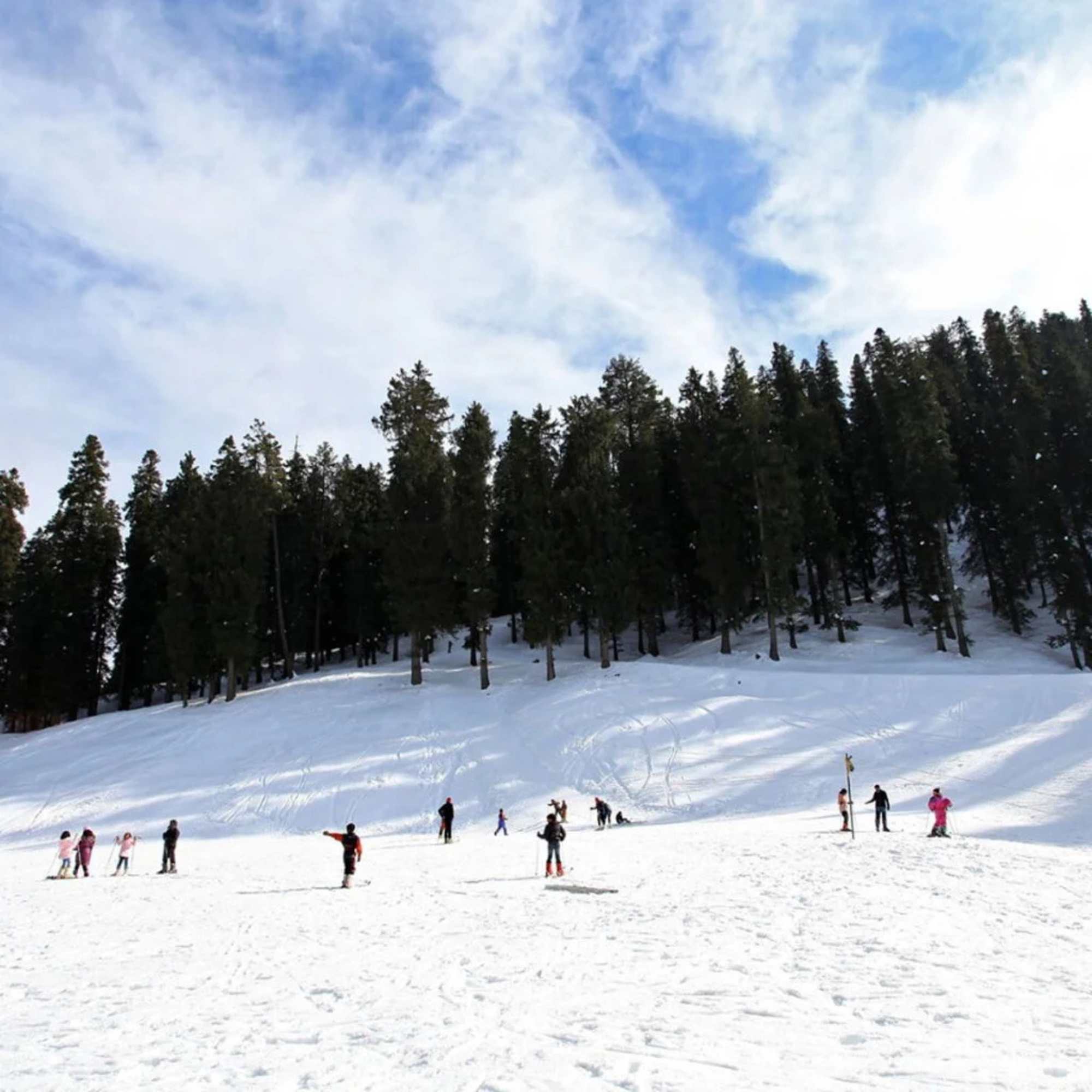 Shimla
Shimla Snow Trip 2026: Best Time, Itinerary, Cost and Local Tips
Plan your Shimla Snow Trip 2026 with this complete guide to the best time for snowfall, estimated trip cost, winter itinerary, top snow spots, Kufri visit, and useful travel tips.
- Snow Travel
- Best Time to Visit
 Shimla
Shimla in February 2027: Weather, Snowfall, Itinerary and Travel Tips
Planning a trip to Shimla in February 2027? Discover typical February temperatures, chances of snowfall, what the weather is usually like, the best places to enjoy snow, what to pack, and practical tips for planning a memorable winter trip to Shimla.
- Best Time to Visit
- Snow Travel
 Shimla
Snow Point Near Shimla in 2026: Kufri, Fagu, Narkanda and the Best Places to Find Snow
Discover the best snow points near Shimla in 2026, including Kufri, Fagu and Narkanda. Find out where to see snow, the best time to visit, and the top winter destinations near Shimla.
- Snow Travel
- Places to Visit