
Shimla Snow Trip 2026: Best Time, Itinerary, Cost and Local Tips
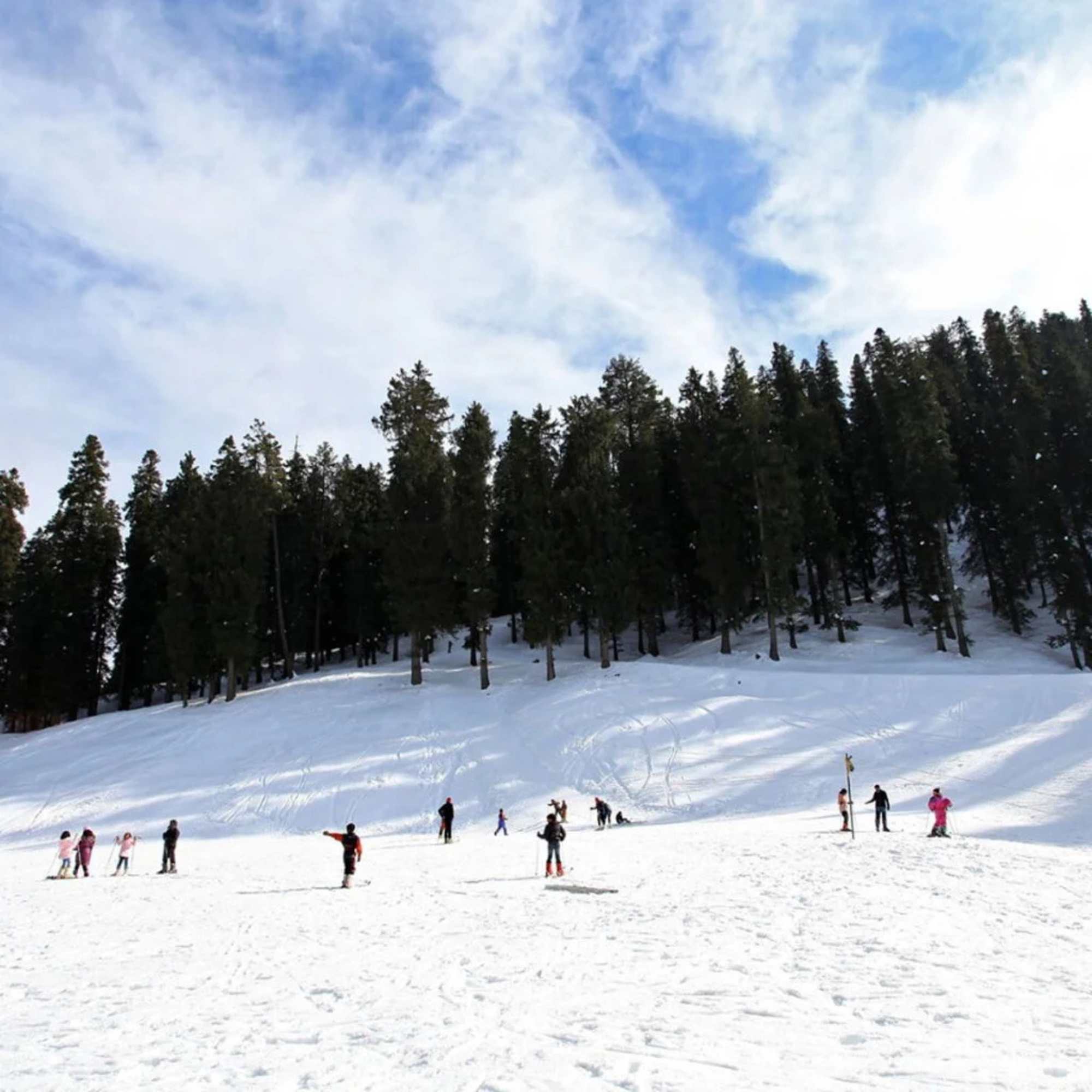
The best time to plan a Shimla snow trip is generally from late December to February, when winter conditions offer the strongest possibility of fresh snowfall and snow lying on the ground.
This guide by Travel Coffee covers the ideal travel period, a practical itinerary, expected costs and useful local tips.
Snowfall cannot be guaranteed for particular dates, so avoid making your entire trip dependent on a long range forecast. Keep the itinerary flexible and check the latest weather, snow and road conditions before travelling to Shimla, Kufri, Fagu or Narkanda.
Quick Answer: When Should You Plan a Shimla Snow Trip?
Plan your Shimla snow trip between December and February. January is usually the practical first choice if seeing snow matters most, but nobody can guarantee fresh snowfall on fixed dates.
Kufri and Narkanda can work as weather dependent backup areas. They do not have guaranteed snow either. Keep one day flexible and consider our customised Shimla tour packages if you want help adjusting the route around live conditions.
When Is the Best Time to See Snow in Shimla?
Most tourists get one thing wrong while planning a Shimla snowfall trip. They treat fresh snowfall, old snow on the ground and distant snow on the mountains as the same experience.
Fresh snowfall means you see flakes falling during your visit. Snow on the ground may have fallen several days earlier. It can remain at colder, higher locations even when Shimla town looks dry.
You may also see white mountain tops from viewpoints without finding touchable snow beside the road. Ask your hotel or driver which of these conditions currently exists before leaving.
Himachal Tourism identifies December, January and February as the main winter snow months. Major winter precipitation reaches Himachal through western disturbances, not through a fixed annual snowfall calendar.
A western disturbance may bring snow, rain, cloud and road disruption. Its timing, strength and elevation coverage change each time. This is why a date that produced heavy snow last year may remain completely dry this year.
Because we are based in Shimla, we prefer giving travellers an honest weather backup rather than promising snow on a fixed date. A realistic plan protects your holiday from disappointment and unsafe last minute decisions.
Is December Good for a Shimla Snow Trip?
December brings cold weather, decorated markets and a lively festive mood around Mall Road and the Ridge. It can feel like a proper winter holiday even when fresh snow does not fall.
Early December may remain dry. Late December can receive snowfall, but snow around Christmas or New Year remains possible rather than assured.
Do not book a costly Christmas stay only because somebody promises snowfall. Book for the winter atmosphere, central walks and nearby day trips. Treat fresh snow as a bonus.
Christmas and New Year also bring greater demand. Hotel category, heating arrangements, weekends and private transport can change your total cost. Confirm what your room price includes before paying.
Is January the Best Month for Shimla Snowfall?
January is the practical first choice for travellers whose main goal is a Shimla snow trip. It sits within the main winter snow period and often gives you a better reason to keep Kufri or Narkanda available as backup options.
That still does not guarantee snow. Avoid websites that attach an unsupported probability to your dates. Natural weather does not follow a package calendar.
The same system that brings the Shimla snowfall in January can delay buses, affect hotel access and close roads outside the city. Fresh white roads may look inviting in photographs while remaining difficult for ordinary vehicles.
In our experience, the best Shimla snow trips are planned with one flexible day. Use that day for an accessible snow location when conditions remain good, or enjoy central Shimla when the road advisory turns poor.
Can You See Snow in Shimla in February?
Fresh snowfall can still occur in February. Old snow may also remain at higher locations after a recent spell, especially where shade and elevation slow melting.
Conditions change with the year, elevation and recent weather. A cold February morning does not prove that snow lies in Shimla, Kufri or Narkanda.
Ask your hotel or driver for a same morning update. Recent photographs and a clear description of road access tell you more than an old social media post.
The natural ice skating season in Shimla usually continues through February when freezing conditions permit. Sessions still depend on the condition of the ice that day.
Does Shimla Receive Snow in March?
Snow in Shimla town becomes unreliable by March. A late weather system may still affect Himachal, but you should not build the entire holiday around finding snowfall in the city.
If your dates cannot change, research higher altitude alternatives before booking. Plan the extra destination properly instead of adding a long drive after arrival.
Can Snowfall in Shimla Be Guaranteed?
No, fresh natural snowfall cannot be guaranteed on a fixed date.
No responsible tour operator, hotel or driver controls a western disturbance. A promise of certain snowfall during your chosen weekend should make you cautious.
Forecasts become more useful closer to departure. Even then, a forecast describes the chance and expected location of precipitation. It does not assure that the road to visible snow will remain open.
A snowfall forecast and accessible snow are different things. Snow may fall at a higher elevation while rain reaches Shimla town. Heavy snowfall may also leave plenty of snow on the road while police restrictions prevent tourist traffic from entering.
Keep your central Shimla plan, one nearby snow option and one dry weather plan ready. This gives you a better holiday than spending the day chasing online rumours.
What we tell our travellers is simple. If safe, accessible snow lies nearby, adjust the day around it. If the road is blocked, do not waste your holiday arguing at a barricade or hunting for an unofficial shortcut.
Where Should You Go to Find Snow Near Shimla?
The right snow location depends on the latest weather, road clearance and elevation. Start with the closest safe option rather than assuming that the farthest drive will produce the best experience.
Shimla Town, the Ridge and Jakhu Hill
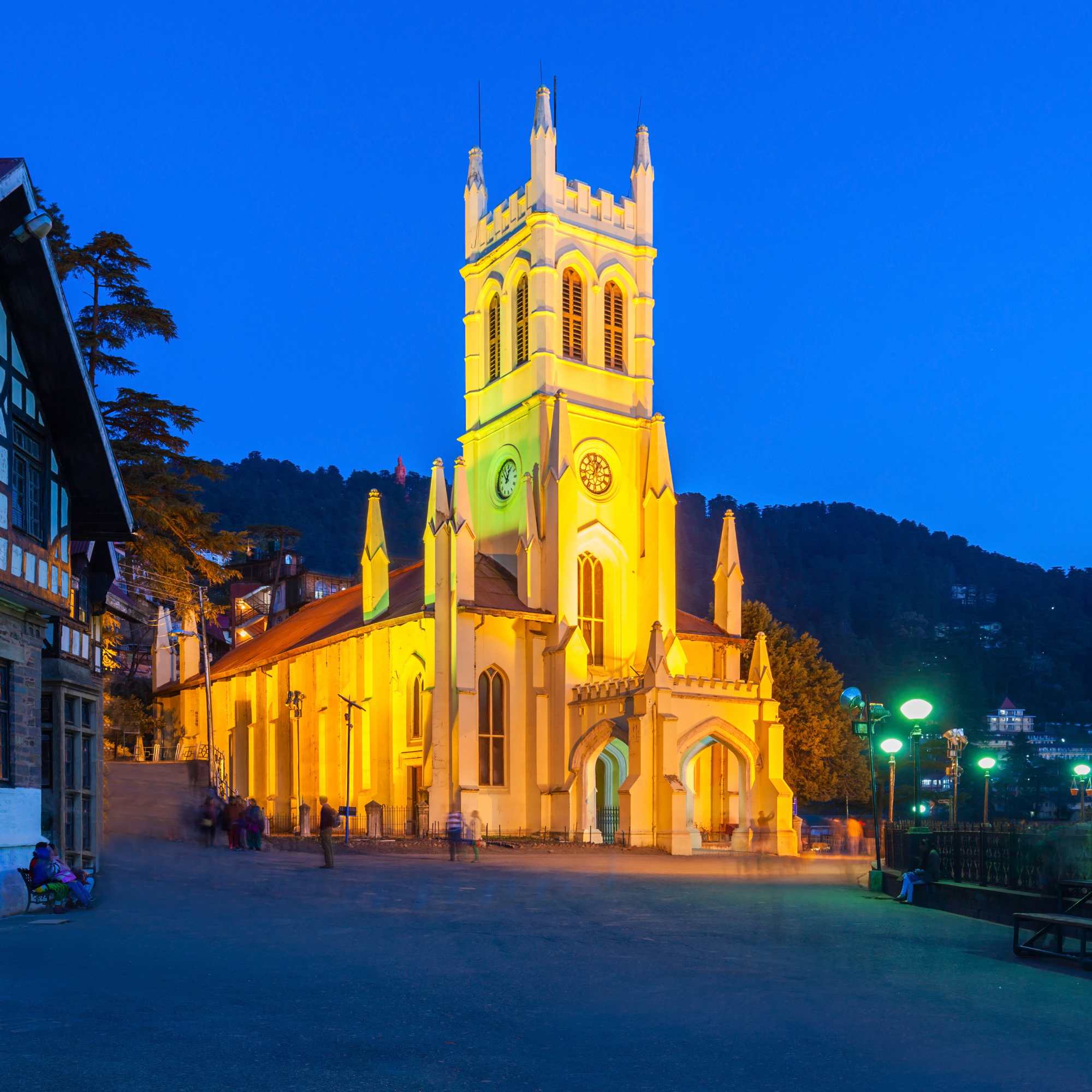
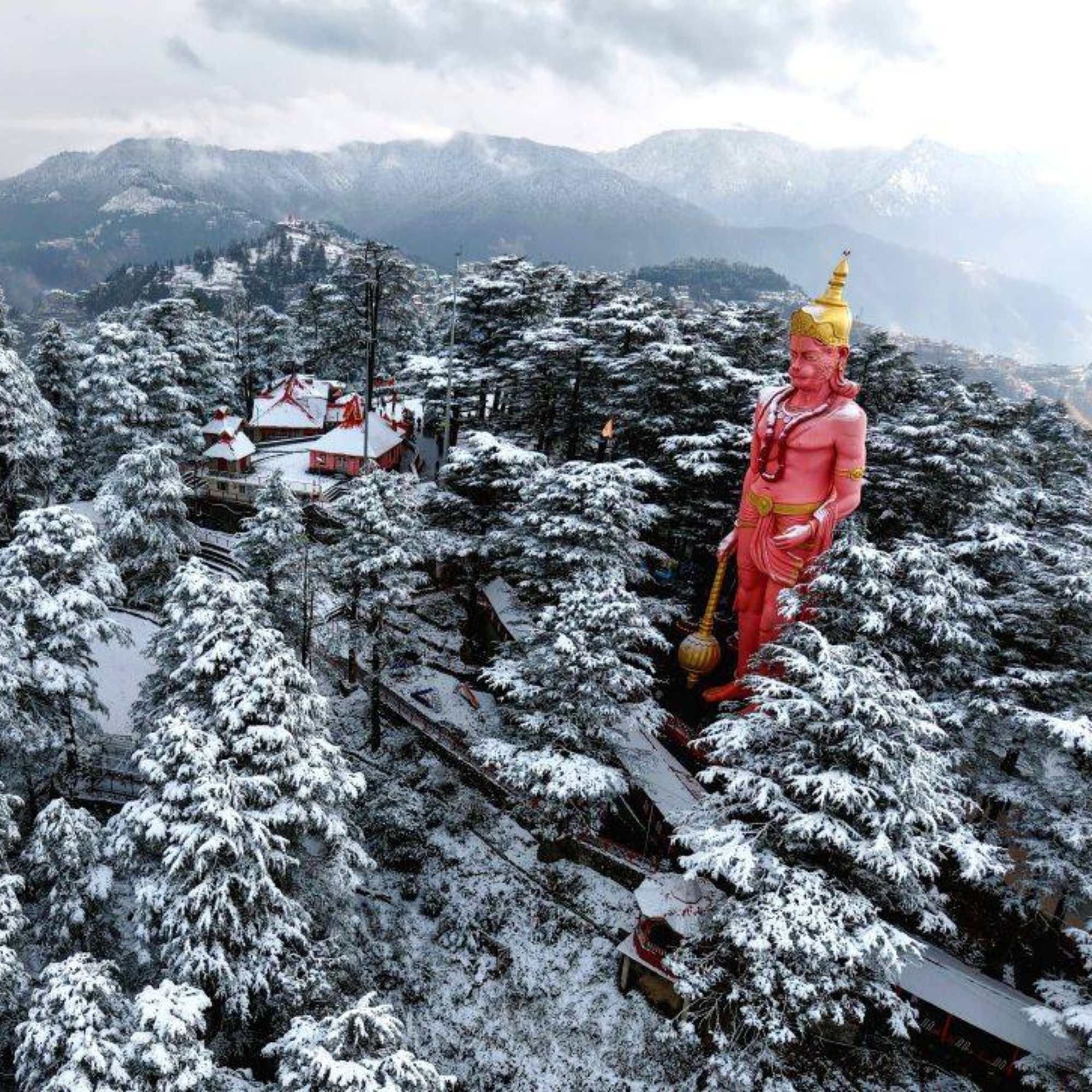
Shimla stands about 2,205 metres above sea level. The Ridge, Mall Road, Christ Church, Scandal Point and Jakhu form the main city experience during a winter visit.
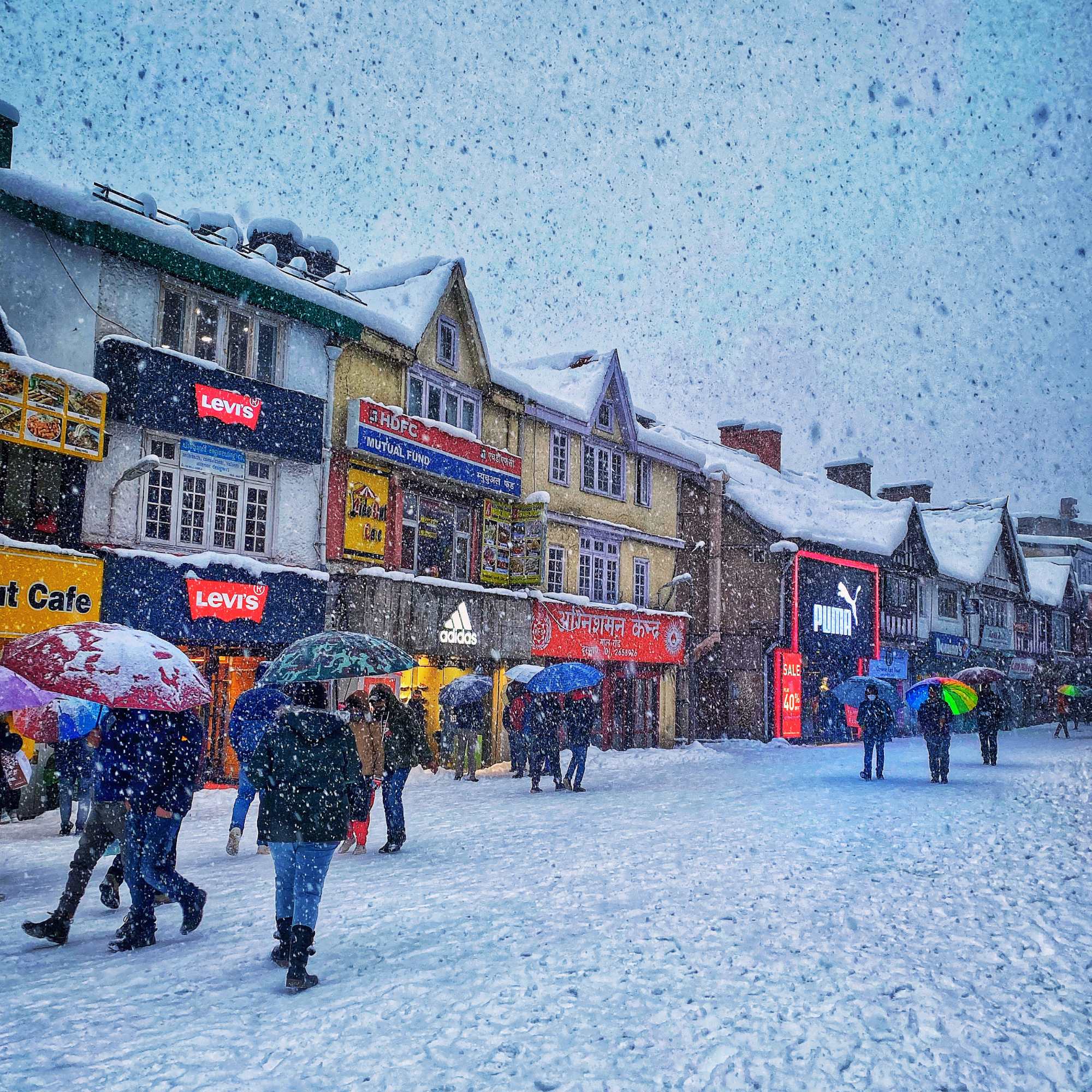
Fresh snow can make the Ridge and surrounding roofs look beautiful. Busy areas soon compress that snow under thousands of shoes.
Compressed snow often turns icy. Afternoon sun and foot traffic may create wet slush near shops and walking routes. Waterproof shoes with grip matter more than fashionable winter footwear.
Walk slowly on shaded sections and stairs. Hold the railing where available, and do not run across a white patch merely because it looks soft.
For chai, choose a cafe on Mall Road near the Ridge and sit by the window during the evening walk. Ask for the day’s fresh local snack rather than ordering an expensive full meal only for the view.
Kufri
Himachal Tourism places the Himalayan Nature Park area at Kufri about 16 kilometres from Shimla. This official figure gives you a useful planning reference for a Shimla Kufri snow trip.
Kufri stands higher than Shimla and has a long association with winter recreation. Himachal Tourism identifies it as one of India’s older skiing locations.
Natural snow depth and local operations decide whether skiing or other activities run. A cold day without enough snow does not automatically create a working ski slope.
Traffic can build quickly after snowfall. Police may restrict vehicles or change traffic movement when the road becomes unsafe.
Our team recommends checking the morning road update before leaving for Kufri or Narkanda. Ask whether your vehicle can reach the actual activity point, where you must walk and whether snow activities are operating.
The money saving tip we give first time visitors is to confirm the activity and equipment price before agreeing to anything. Do not hire boots, clothing, a pony and several snow activities as a bundle unless you understand every charge.
Skip a pony ride offered only as the supposed way to reach snow if the snow area remains safely walkable and your group can manage the route. Crowds, mud and unclear pricing can make that expense poor value.
Fagu and Mashobra
Fagu and Mashobra suit travellers who want a quieter winter stay, open views and slower mornings. They can feel calmer than central Shimla during busy weekends.
Neither place has guaranteed snow. One area may look white after a local spell while another nearby road remains dry.
Call the hotel or driver on the morning of travel. Ask about snow on the ground, current road access and the condition of the final approach to the property.
A relaxed stay here works well for couples, photographers and families who do not want to spend every hour moving through city traffic. Keep a central Shimla visit in the plan so a dry landscape does not leave the day empty.
Narkanda
Narkanda is a higher and generally colder option. Travellers commonly reach it in around two hours from Shimla, but traffic, snow and road conditions can make the drive longer.
The distance commonly appears as 65 kilometres. Confirm the route and current travel estimate before publishing or using it as the basis for a tight departure plan.
Narkanda snowfall can create a strong winter setting, but higher elevation also brings greater exposure to ice and road closures. Do not treat it as an automatic replacement whenever Shimla looks dry.
Attempt Hatu Peak only when the road stands officially open and local authorities consider it safe. A driver’s willingness to proceed does not override a police restriction or an unsafe surface.
Leave enough daylight for the return. A clear afternoon road can refreeze after sunset, especially on shaded bends.
What If Shimla, Kufri and Narkanda Are Dry?
Do not make an unsafe last minute drive to a remote place merely to touch snow. A long snow chase can consume your day and leave you with traffic, fatigue and no useful sightseeing.
Keep a dry weather plan around the Ridge, Christ Church, Gaiety Theatre, Scandal Point, Jakhu, Viceregal Lodge, Lakkar Bazaar and relaxed cafe time.
Start your central walk early, visit the heritage buildings without rushing and stop for chai near Mall Road. Winter views, cold evenings and old Shimla still create a satisfying trip without falling snow.
If snow remains the only reason for travelling, consider another Himachal destination as a planned alternative. Review Manali tour packages or properly planned Sissu tour packages before departure.
Do not add either place as an impulsive day drive from Shimla. They require different routes, enough days and current road checks.
What Is the Best Three Day Shimla Snow Trip Itinerary?
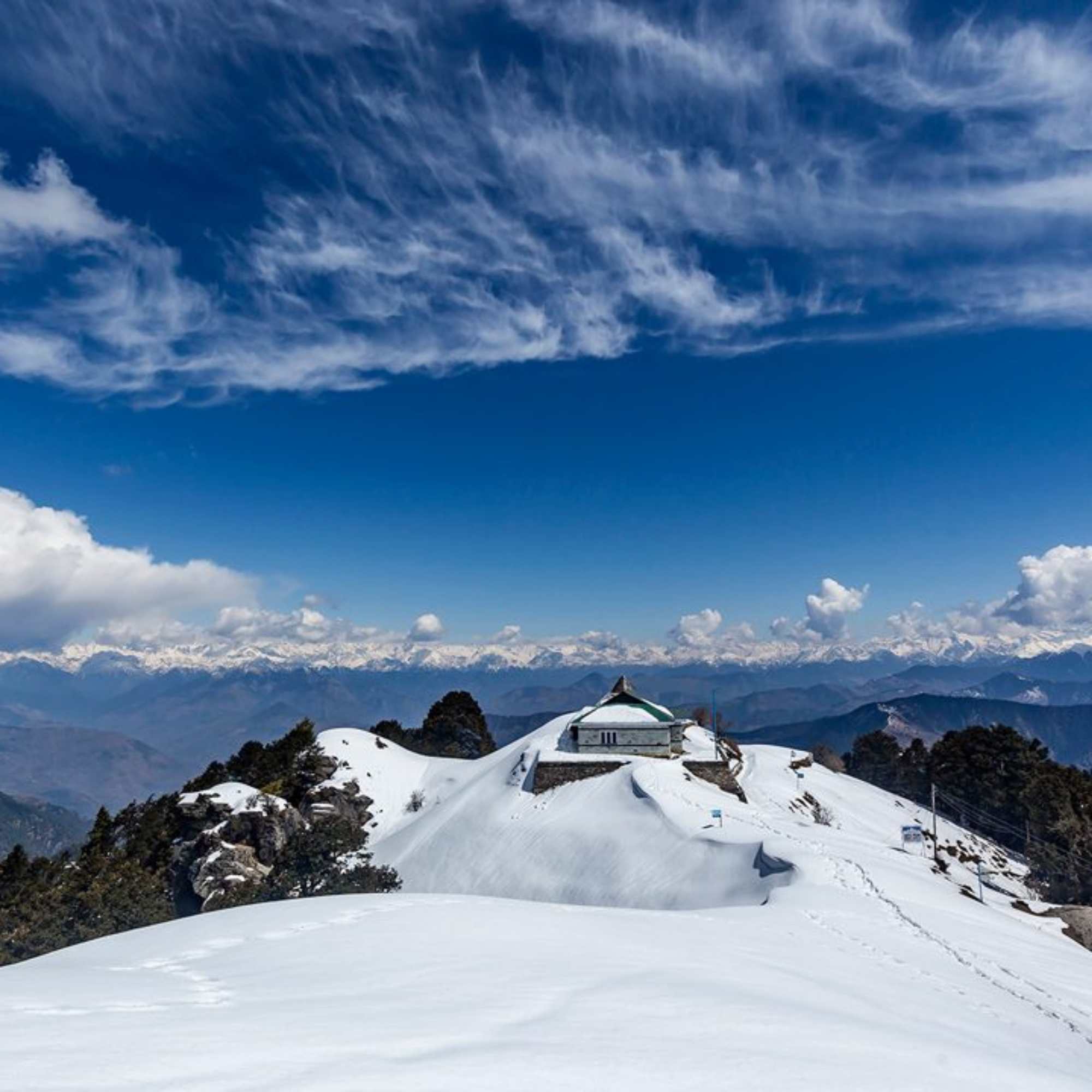
A useful Shimla snow trip itinerary stays flexible. Exchange the second and third days when the road or weather update supports a better sequence.
Day 1: Arrival and Central Shimla
Check in, rest and keep the first day light. Winter arrivals can run late because of holiday traffic, fog, active snowfall or slow road movement.
After settling in, walk through Mall Road, the Ridge, Christ Church and Scandal Point. Continue to Lakkar Bazaar only if you still have daylight and energy.
Do not put Kufri or a long local sightseeing circuit on the arrival day. Delays can turn an ambitious plan into a rushed evening.
End with chai and a warm meal around central Shimla. Ask your hotel about the next morning’s road condition before going to bed.
Day 2: Kufri, Fagu and Nearby Snow Areas
Confirm the morning road advisory before leaving. Ask about restrictions, black ice, activity operations and the final safe vehicle point.
Prioritise accessible snow and relaxed sightseeing. You do not need to complete every activity advertised at Kufri.
Spend time playing in natural snow when conditions permit. Keep gloves and spare socks ready because wet hands and feet can make the return uncomfortable.
Continue towards Fagu only if the road remains safe and your group wants a quieter view. Do not force the extension simply to add another name to the itinerary.
Return before darkness when the road is icy or fresh snow is expected. Early return also gives you time to walk around central Shimla without rushing.
Day 3: Jakhu, Heritage Shimla or Narkanda
Use the stable weather version when the Narkanda road is open, your driver feels confident and everyone accepts the longer transfer. Start early and keep the return time flexible.
Do not attach Hatu Peak automatically. Check its access separately and respect every closure.
Use the poor weather version when snowfall, ice or restrictions affect the road. Stay within Shimla and cover Jakhu, Viceregal Lodge, the Ridge and cafes.
This local version is not a failed day. It protects you from spending hours inside a vehicle while important roads remain uncertain.
Optional Day 4: Naldehra, Mashobra or a Relaxed Departure
An extra day helps families, senior travellers, photographers and passengers using the toy train. It also creates room for a delayed arrival or a changed road plan.
Choose Naldehra or Mashobra when conditions support the drive. Otherwise, use the morning for a slow breakfast, shopping and a comfortable departure.
A buffer changes the mood of a weather dependent holiday. You stop treating every delay as a disaster and can move the snow day to the best available window.
How Do You Reach Shimla in Winter?
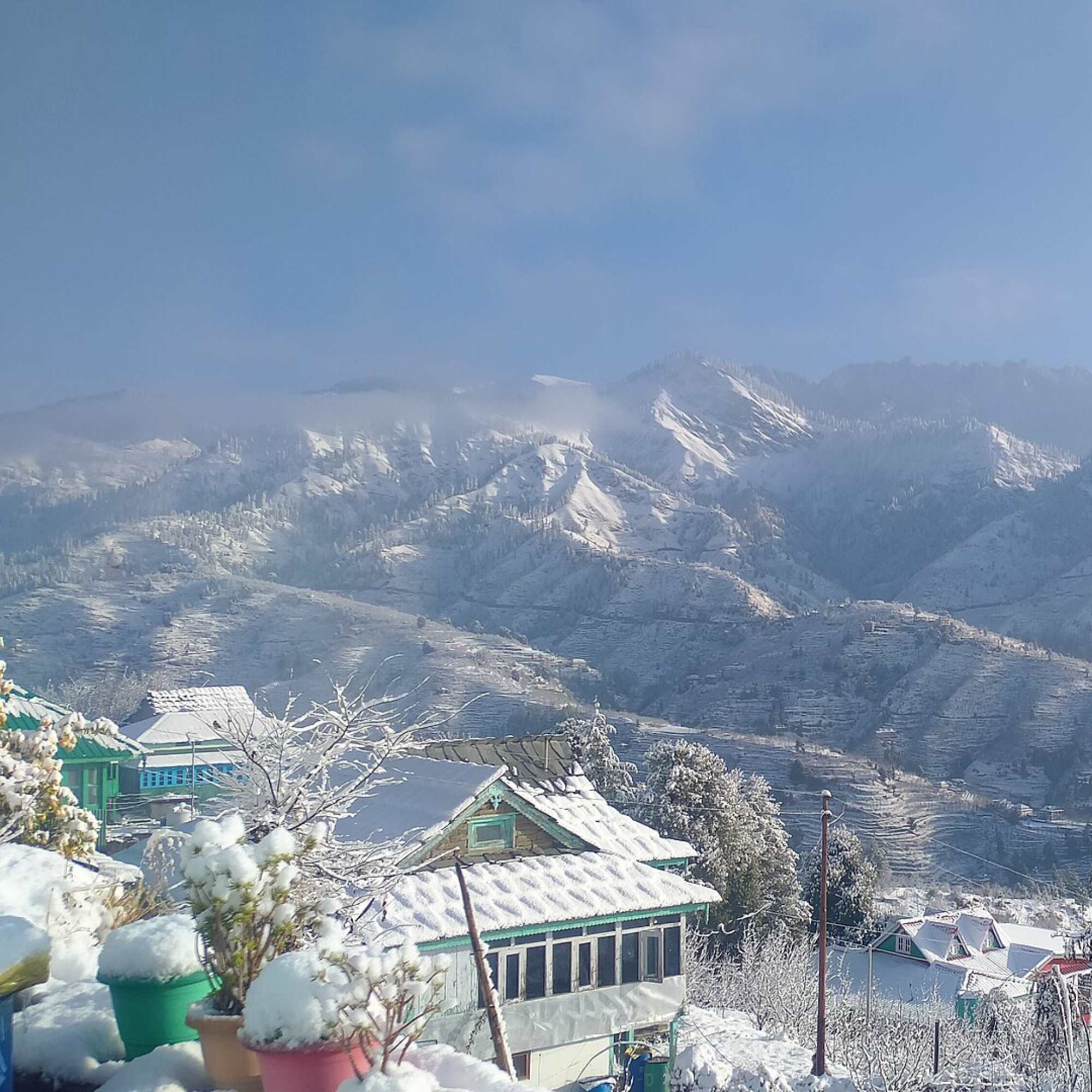
Your best route depends on your starting city, comfort with hill roads and tolerance for delays. Keep the arrival day easy regardless of the transport you choose.
Delhi to Shimla by Road
The road distance from Delhi to Shimla is about 340 kilometres. You can take an overnight bus, hire a private cab or drive your own car.
Do not depend on a fixed journey time during winter. Fog near the plains, holiday traffic, roadworks, active snowfall and clearance operations can add delays.
An overnight bus can save one hotel night, but poor sleep may make the first day tiring. Keep central sightseeing easy after arrival.
A private cab gives your group more control over stops and luggage. Confirm whether the driver has recent winter hill experience before paying.
Self driving gives freedom in normal conditions, but it also makes you responsible for parking, icy approaches and changing road advisories.
Chandigarh to Shimla by Road
The road distance from Chandigarh to Shimla is about 115 kilometres. This is the shorter road approach and can work well for travellers arriving by train or flight at Chandigarh.
Shorter does not mean risk free. Active snow, fog, congestion and ice can affect the same hill sections used by Delhi traffic.
Check the road update before leaving Chandigarh. If authorities restrict movement, wait for a safe opening rather than trying an unfamiliar alternate lane.
Kalka to Shimla by Toy Train
The Kalka to Shimla mountain railway covers about 96 kilometres. It gives you a slower, scenic arrival that suits travellers who want the journey to form part of the holiday.
Verify the current timetable, fare, seat availability and operating status through IRCTC or Indian Railways. Winter demand and operational changes can affect your chosen service.
Do not book a tightly timed onward cab or activity after the train. Keep enough room for a delayed arrival and hotel transfer.
The toy train suits an optional fourth day because its timing can reduce the hours available for sightseeing.
Should You Self Drive During Snowfall?
Confidence on normal hill roads does not equal experience on snow or black ice. A surface that looks wet may have frozen into a nearly invisible slippery layer.
Use a winter experienced local driver when snowfall or freezing conditions enter the forecast. Ask the hotel whether the vehicle can reach its entrance.
Central Shimla has parking limits, steep hotel approaches and vehicle drop off points away from some properties. Confirm where you will unload luggage.
A four wheel drive vehicle does not become mandatory simply because you visit in winter. Follow the vehicle requirement stated in an official advisory for the road you plan to use.
Never bypass a police barricade. Do not follow another tourist vehicle around a closure because its driver claims to know a shortcut.
How Do Snowfall and Ice Affect Shimla Roads?
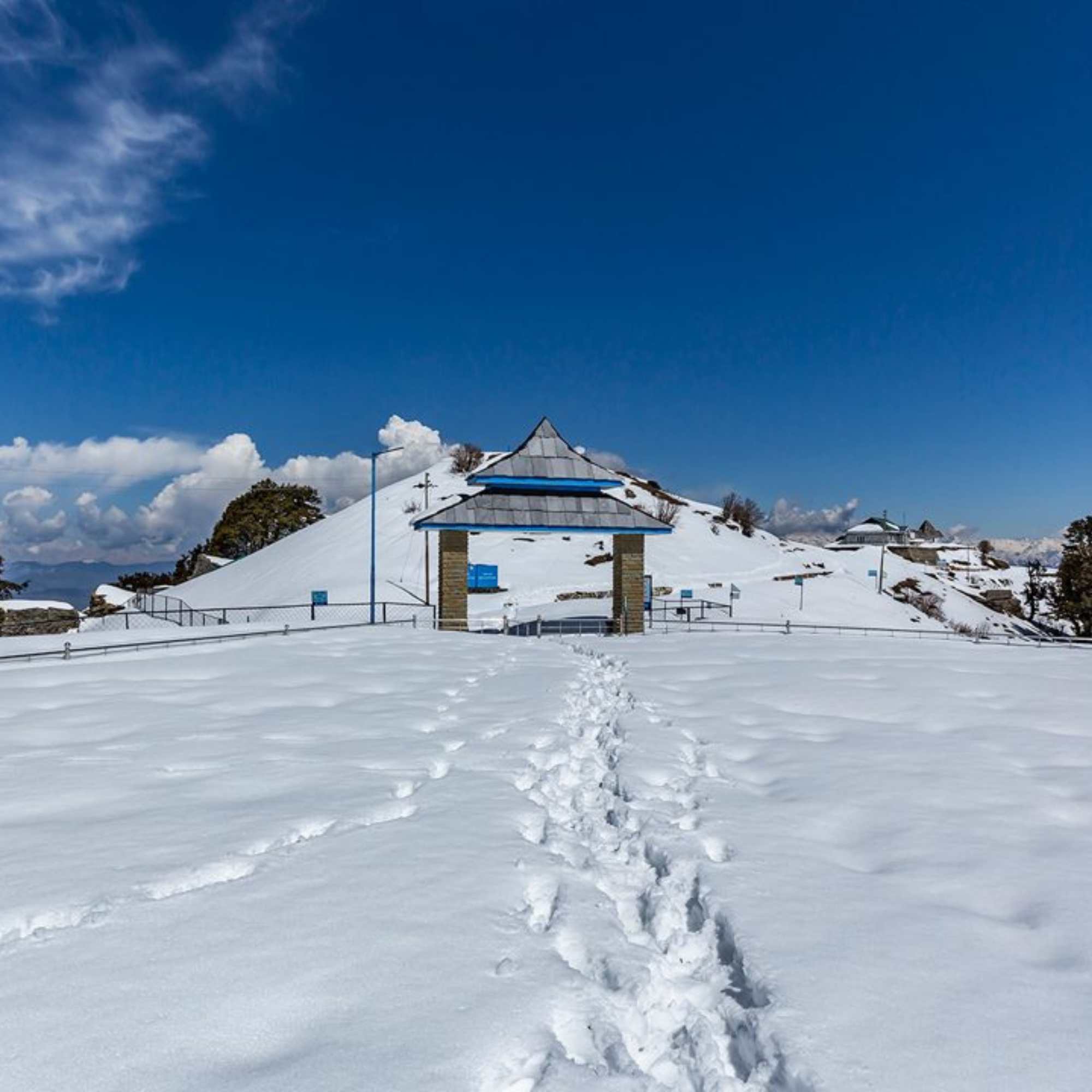
Shimla winter road conditions can change within hours. A road may remain open in the morning, receive fresh snow in the afternoon and develop ice after sunset.
During one severe January 2026 snow spell, reports said 234 roads in Shimla district were blocked. On 29 January 2026, reports still listed 135 blocked roads in the district.
These were district wide figures during serious weather. They do not mean that hundreds of roads inside Shimla city close on a normal winter day.
Snow clearance, traffic restrictions, fallen trees, power disruption and icy surfaces can delay movement. Hotel access may remain difficult even after the main highway reopens.
This is the safety warning we want every traveller to understand. A road marked open does not always mean your hotel lane, village approach or activity point has become easy to reach.
Keep a buffer day where possible. Avoid unnecessary night driving and obey police barricades.
Carry a charged phone and power bank. Save your hotel and driver numbers before leaving, especially when weather may affect electricity or mobile charging.
Do not demand that a driver continue because you have already paid for sightseeing. A missed stop costs less than a collision on ice.
What Can You Do on a Shimla Snow Trip?
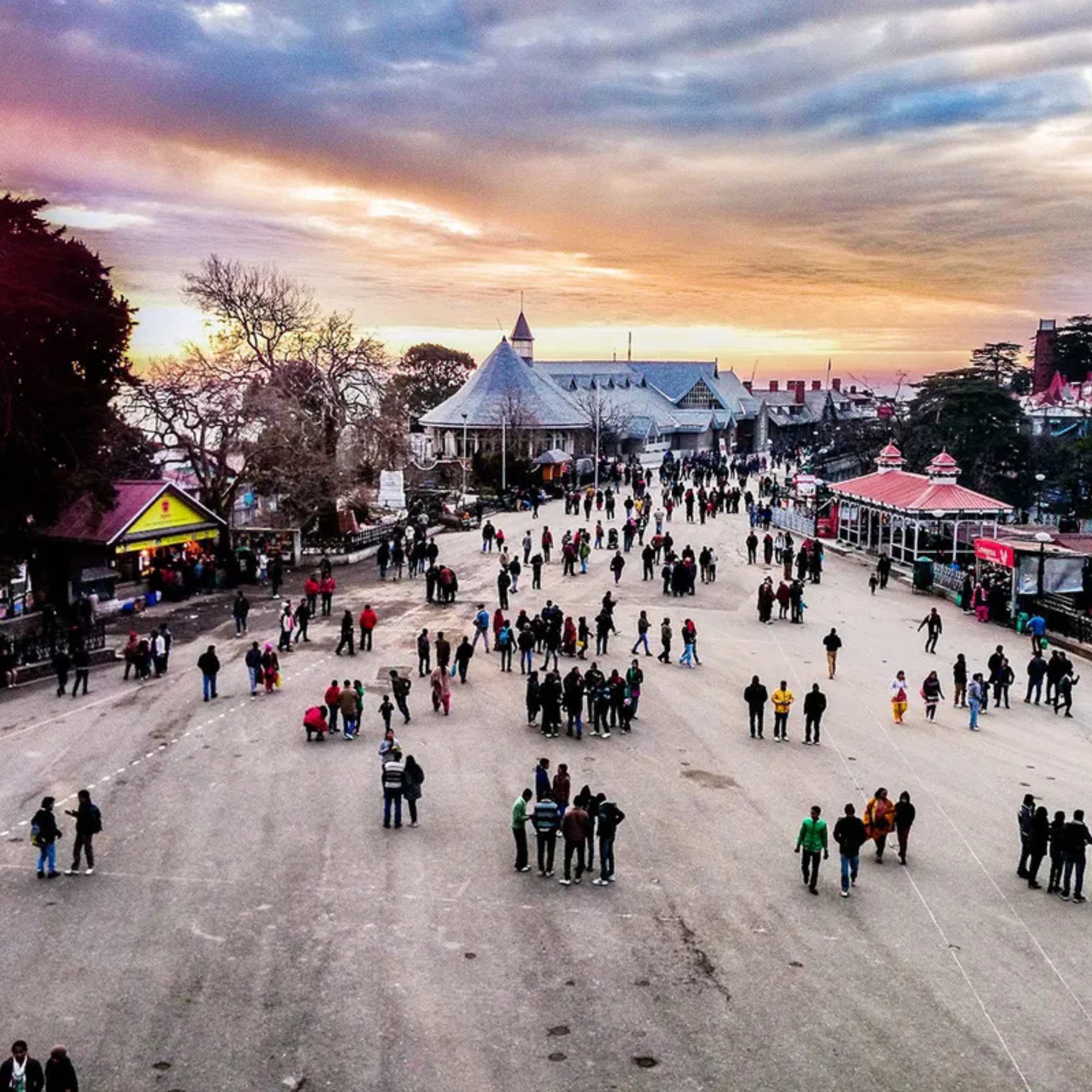
A good winter holiday does not depend on continuously moving between snow points. Mix outdoor time with warm cafes, heritage visits and enough rest.
Walk on Mall Road and the Ridge
Mall Road and the Ridge create the heart of the Shimla winter experience. You can see heritage buildings, browse shops, sit in cafes and watch the evening lights.
Vehicles normally cannot enter Mall Road. Confirm current access arrangements if anybody in your group has limited mobility.
Compressed snow becomes slippery quickly. Walk beside a railing when possible and avoid smooth stone sections after dark.
Snow also turns to slush near busy shopfronts. Waterproof footwear and spare socks make a clear difference.
Try Ice Skating
Shimla’s natural ice skating season usually continues through February, provided freezing conditions maintain usable ice.
A carnival commonly takes place around Christmas and New Year. Annual dates, entry rules and sessions need a fresh check.
Verify the current day’s sessions and prices before travelling to the rink. Do not plan the whole morning around ice skating without confirming that operations have started.
Dress in layers that allow movement. A heavy coat alone may feel restrictive once you begin skating.
Skiing and Snow Activities in Kufri
Himachal Tourism identifies Kufri as one of India’s older skiing locations. Skiing still depends on enough natural snow and working local operators.
Tubing, sledging, pony rides and equipment rental also depend on snow depth and operations that day. A photograph from the previous week does not confirm present conditions.
Ask what each activity includes and how long it lasts. Confirm the final price before putting on hired equipment.
Avoid paying every charge at the first roadside approach. Look at the actual snow, understand the access and decide which experience your group genuinely wants.
Explore Shimla’s Heritage Without Snow
Christ Church, the Ridge, Gaiety Theatre, Viceregal Lodge, Jakhu and Lakkar Bazaar give you a full day without fresh snowfall.
A heritage walk works especially well after a dry winter morning. You can move comfortably, see old architecture and spend more time inside central Shimla.
We have found that travellers enjoy a dry day far more once they stop treating it as a failed snow day. Good food, long walks and clear winter views still carry the feeling of the season.
Use the weather window wisely. Visit outdoor points when skies remain clear, then move into a cafe as the evening cold settles.
How Much Does a Shimla Snow Trip Cost?
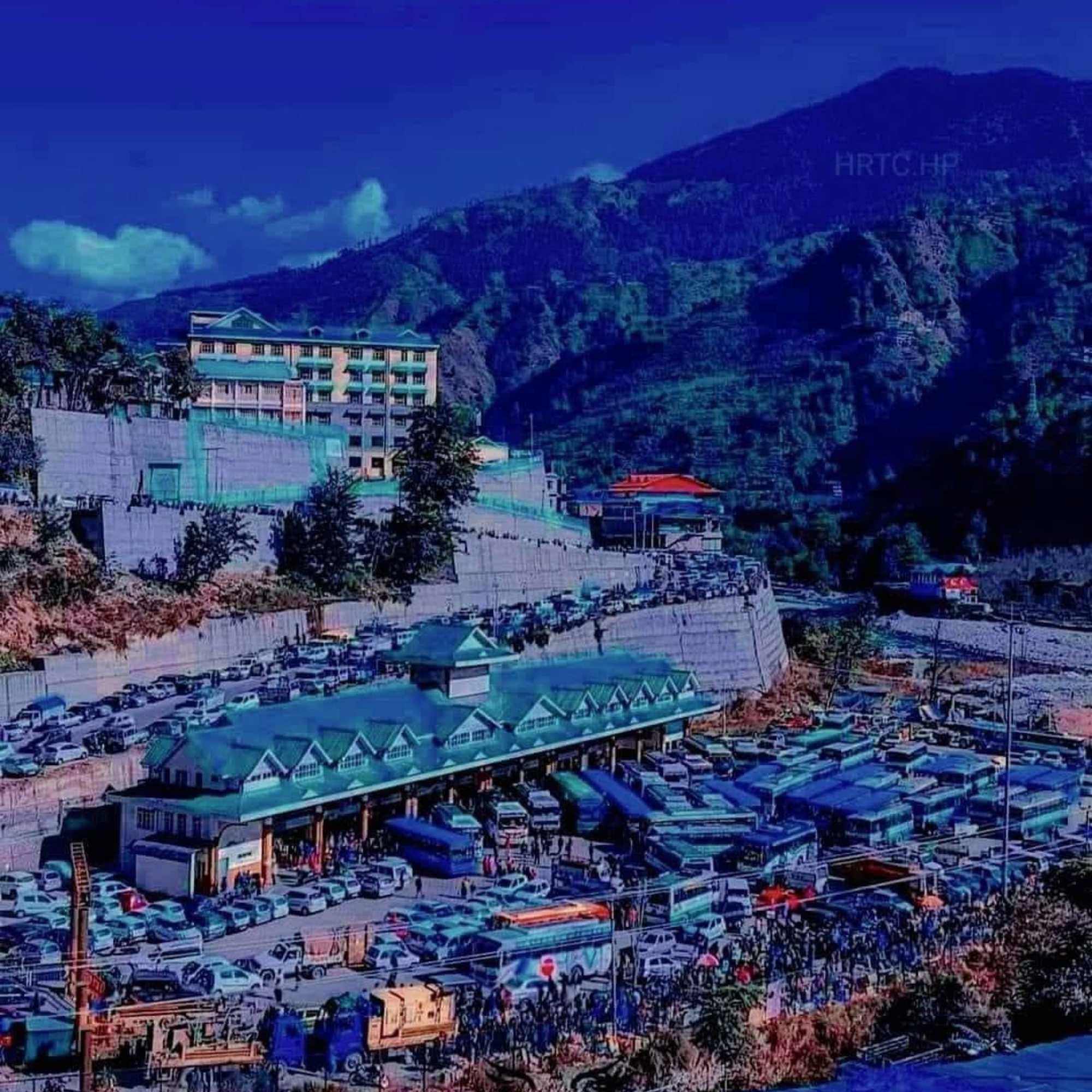
There is no honest single answer for Shimla snow trip cost. Your total depends on travel to Shimla, accommodation, heating, meals, local transport, snow activities and any extra night caused by weather.
Christmas, New Year and winter weekends can increase demand. Hotel category, group size and private transport also change what each person pays.
Ask whether the room includes a heater or whether the hotel charges separately. Confirm hot water timings and any extra bedding cost before booking.
Local sightseeing cost depends on the route and vehicle. A central Shimla day, Kufri visit and Narkanda drive do not use the same distance or road conditions.
Snow clothing and activities can become a major unplanned expense at Kufri. Agree on each price before hiring equipment or accepting an activity.
For market context only, one competitor publishes an off season budget example of ₹13,580 per person for two travellers and an on season budget example of ₹17,430 per person for two travellers.
Those figures cover a three night, four day Delhi to Shimla package and remain date sensitive. They are not Travel Coffee prices.
The same page shows a conflicting headline starting rate of ₹12,800. Do not treat that headline as a dependable package total.
A cheap package may exclude heating, central hotel access, private sightseeing or an extra night after disruption. Compare the included services before comparing the final number.
One useful way to control cost is to keep the first evening and poor weather day walkable. Mall Road, the Ridge and nearby central sights reduce your dependence on a sightseeing vehicle.
Where Should You Stay for a Winter Trip?
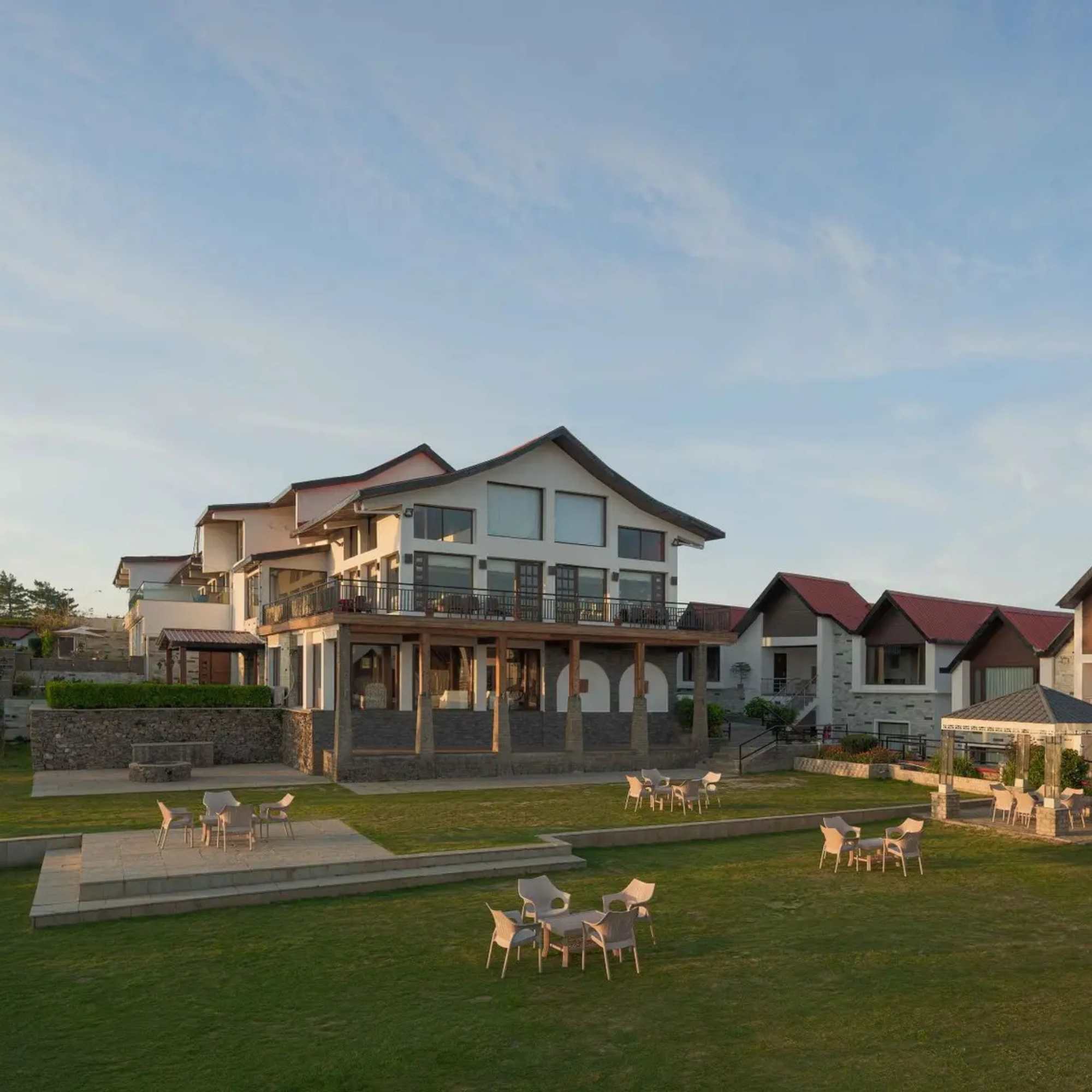
Central Shimla works well if you want to walk around Mall Road and the Ridge. It also reduces the need for a vehicle during a poor weather day.
A hotel advertised as close to Mall Road may still involve stairs, a steep uphill approach or a vehicle drop off some distance away. Ask for a clear description of the final access.
The bypass side may give easier vehicle movement and parking at some properties. You may need a cab for central sightseeing, so include that movement in your plan.
Mashobra suits a quieter stay and slower mornings. Confirm the current road condition before choosing a property away from the main route.
Kufri can place you closer to winter activities when natural snow and operations permit. It can also expose you to heavier traffic and harder access during fresh snowfall.
Narkanda suits travellers who accept a colder, more remote base and want to include the higher area properly. Do not choose it solely as insurance against a dry Shimla forecast.
Before paying, confirm room heating, hot water, parking, generator backup, luggage help and final road access. Ask whether the hotel has internal stairs and whether staff can assist elderly guests.
Request a recent picture or video of the approach when active snow affects the area. A comfortable room has limited value if your vehicle cannot safely reach its drop off point.
What Should You Pack for Shimla Snowfall?

Wear thermal inner layers under regular winter clothing. Add a heavy jacket, gloves, a woollen cap and a muffler.
Pack warm socks and at least one spare dry pair in your day bag. Wet socks can make a Kufri outing uncomfortable long before the sightseeing ends.
Use waterproof shoes or winter boots with a firm grip. Smooth soled shoes slip on compressed snow and ice.
Ordinary sports shoes do not provide dependable protection in deep snow or on frozen surfaces. They can become wet quickly and may have poor grip.
Carry sunscreen and sunglasses because reflected light can feel harsh on clear days. Moisturiser helps with dry winter air.
Keep personal medicines, a power bank and a compact day bag close to you. Do not bury essential medicine inside luggage that remains in the vehicle or hotel.
Dress in removable layers. A heavy outer layer may feel necessary outside but become uncomfortable inside a heated cafe or vehicle.
Children need spare gloves and socks because snow play often leaves the first set wet. Keep the dry set inside a waterproof pouch.
Is a Shimla Snow Trip Suitable for Families and Elderly Travellers?
A family snow trip to Shimla can remain comfortable when you slow the itinerary and choose a hotel with easy road access.
Cold wind, icy surfaces, steep lanes and stairs create more difficulty than the city’s altitude for many visitors. Check the actual walking route between the drop off point and hotel entrance.
Avoid combining a rushed Kufri visit and a long Narkanda drive on the same day. The transfer, cold and uncertain activity time can exhaust children and older travellers.
Schedule outdoor time during the clearer part of the day. Return before darkness when ice or snowfall affects the road.
Keep warm drinks, dry socks and an easy indoor option ready. A cafe break is often more useful than adding another viewpoint.
A Shimla honeymoon in winter can use the same slower approach. Choose a comfortable base, one weather led snow day and enough free time around central Shimla.
Travellers with heart, breathing or mobility conditions should seek personal medical advice before the trip. We cannot replace individual medical guidance with a general travel suggestion.
Tell your planner about limited mobility before booking. This helps avoid hotels with long staircases and itineraries built around repeated uphill walks.
Should You Combine Shimla With Narkanda or Kinnaur?
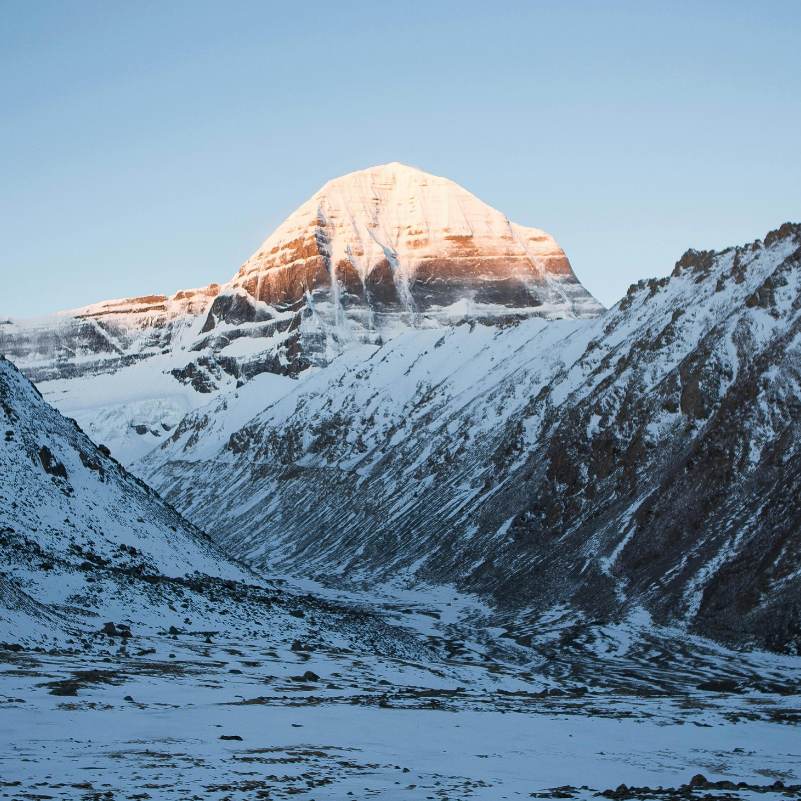
Add Narkanda when road conditions remain stable and your schedule allows a proper stay or unhurried day trip.
A quick Narkanda addition can work within a longer Shimla winter trip. Check the road, weather and return daylight before leaving.
A Kinnaur extension needs more days and proper route planning. Winter conditions can affect road movement, stay access and the pace of the journey.
Do not start an unplanned Kinnaur drive merely because Shimla has no snow. A dry forecast does not turn a longer mountain route into a simple backup outing.
Review suitable Kinnaur tour packages before adding the region. Plan the stay, transport and buffer time as part of the main holiday.
What Should Travellers Know About the 2026 Snow Season?
An IMD forecast issued on 20 January 2026 warned of isolated heavy rainfall or snowfall in parts of Himachal Pradesh on 23 January 2026. Two western disturbances influenced that forecast.
Reports later described snowfall and widespread road disruption during January 2026. The district road closure figures show how quickly severe weather can affect a travel plan.
These past dates do not predict the next winter. In August 2026, nobody can know the exact snowfall dates for the 2026 to 2027 season.
Shortly before departure, verify the IMD Shimla forecast, police or district road advisories and hotel access. Also reconfirm activity availability, current prices and local restrictions.
No general tourist permit is normally required for Shimla, Kufri or Narkanda, but confirm any temporary access rules, vehicle restrictions or local requirements before travelling.
Do not depend on a single weather application. Compare the official forecast with a current local road update and information from your hotel.
Plan Your Shimla Snow Trip Around Weather, Not Promises
A successful Shimla snow trip needs realistic expectations, a good central plan and one flexible day. January is the practical first choice, but no month can promise fresh snowfall on your dates.
Check the live weather, road advisory and hotel access shortly before leaving. Choose the closest safely accessible snow rather than wasting your holiday on an unsafe chase.
Shimla, Kufri and Narkanda can all look different after the same weather spell. Let current conditions decide the day’s route.
Explore Our Curated Shimla Tour Packages
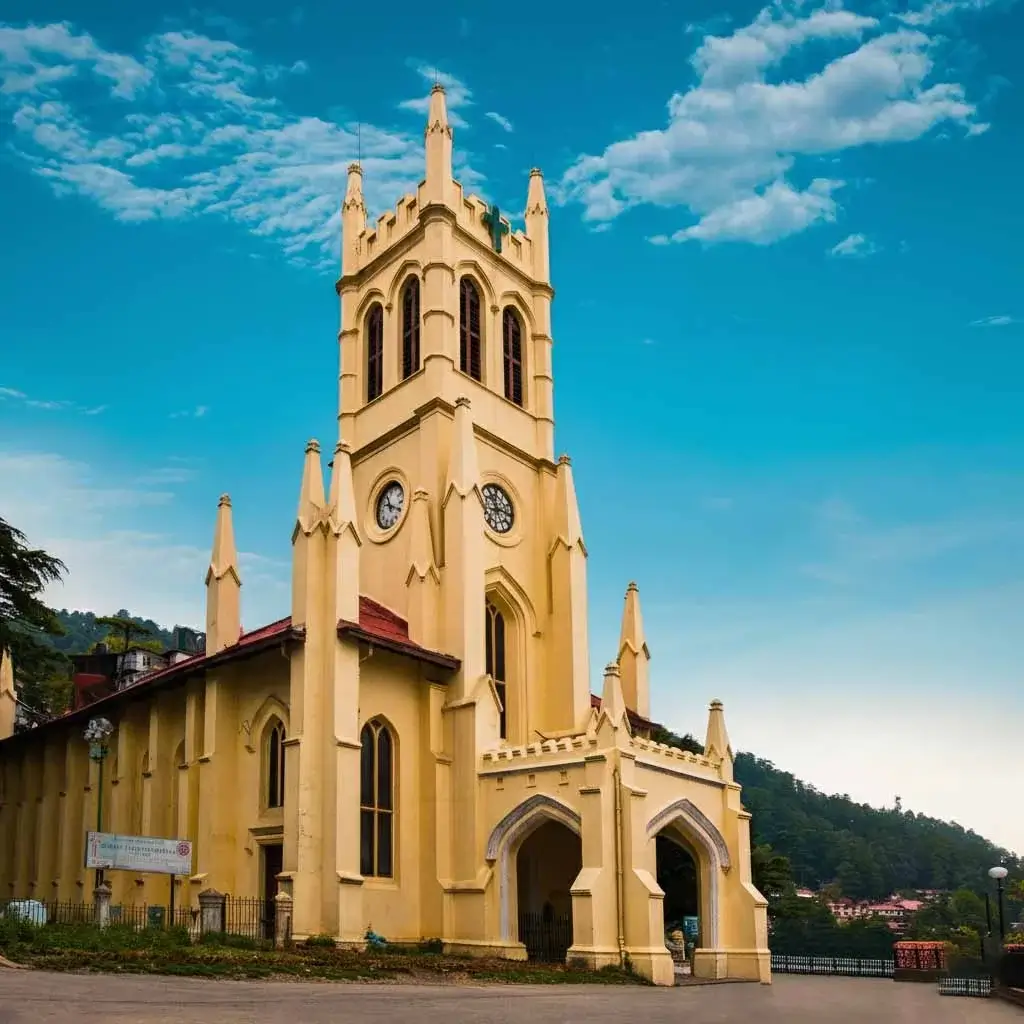 6D/5N
6D/5NClassic Shimla Kufri Mashobra Narkanda Experience
1D Delhi•3D Shimla+2
₹12,999₹18,999SAVE INR 6,000/ person 7D/6N
7D/6NComplete Shimla Manali Volvo Package with Rohtang Pass
2D Shimla•2D Manali
₹15,999₹19,499SAVE INR 3,500/ person 7D/6N
7D/6NClassic Shimla Kufri Chail Narkanda Pine Valley Experience
1D Delhi•2D Shimla+3
₹17,600₹23,999SAVE INR 6,399/ person
Related topics
Frequently Asked Questions
Which month is best for a Shimla snow trip?
January is the practical first choice for a snow focused visit. December to February forms the broad winter snow period, but no month guarantees fresh snowfall.
Can I see snowfall in Shimla during December?
Yes, snowfall can occur in December. Early December may remain dry, and even Christmas snowfall remains possible rather than assured.
Is January guaranteed to have snow in Shimla?
No. January may give you a practical chance to plan around snow, but natural snowfall cannot be guaranteed on fixed dates.
Is Kufri more reliable than Shimla for snow?
Kufri stands higher and often works as a weather dependent backup. It does not have guaranteed snow, so check the same morning’s conditions.
How many days are enough for Shimla and Kufri?
Three days allow an arrival evening, one Kufri day and one flexible Shimla or Narkanda day. A fourth day helps during delays or poor weather.
Is the Delhi to Shimla road open during snowfall?
The main road may remain open, face delays or close temporarily depending on the event. Check official road advisories before departure.
Can I take my own car to Shimla in winter?
You can consider it during stable conditions if you have suitable hill driving experience. Use a winter experienced local driver when snow or freezing conditions enter the forecast.
Do I need a four wheel drive vehicle?
Not automatically. Follow any official vehicle requirement issued for the road and weather conditions on your travel day.
Is Shimla safe for children during snow?
Families can travel comfortably with a slow plan, warm clothing and easy hotel access. Watch children closely on icy paths and keep spare dry socks and gloves.
What shoes should I wear in Shimla snow?
Wear waterproof shoes or winter boots with strong grip. Avoid smooth soles and do not rely on ordinary sports shoes for deep snow or ice.
How much does a Shimla snow trip cost?
The cost depends on transport, hotel, heating, meals, sightseeing and activities. Ask for a date specific quote that clearly explains every inclusion.
What should I do if there is no snowfall during my trip?
Enjoy Shimla’s heritage walk, cafes, temples and winter views. Visit a nearby snow area only when local checks confirm safe access and actual snow.
More about Shimla
 Shimla
Shimla in February 2027: Weather, Snowfall, Itinerary and Travel Tips
Planning a trip to Shimla in February 2027? Discover typical February temperatures, chances of snowfall, what the weather is usually like, the best places to enjoy snow, what to pack, and practical tips for planning a memorable winter trip to Shimla.
- Best Time to Visit
- Snow Travel
- Shimla
Snow Point Near Shimla in 2026: Kufri, Fagu, Narkanda and the Best Places to Find Snow
Discover the best snow points near Shimla in 2026, including Kufri, Fagu and Narkanda. Find out where to see snow, the best time to visit, and the top winter destinations near Shimla.
- Snow Travel
- Places to Visit
 Shimla
Shimla Honeymoon Guide 2026: Best Time, Itinerary, Cost and Romantic Places
Plan your perfect Shimla honeymoon in 2026 with this complete guide covering the best time to visit, romantic places, ideal itinerary, estimated trip cost, couple-friendly experiences, and useful travel tips for a memorable getaway in the Queen of Hills.
- Itinerary
- Places to Visit