
Shimla in February 2027: Weather, Snowfall, Itinerary and Travel Tips
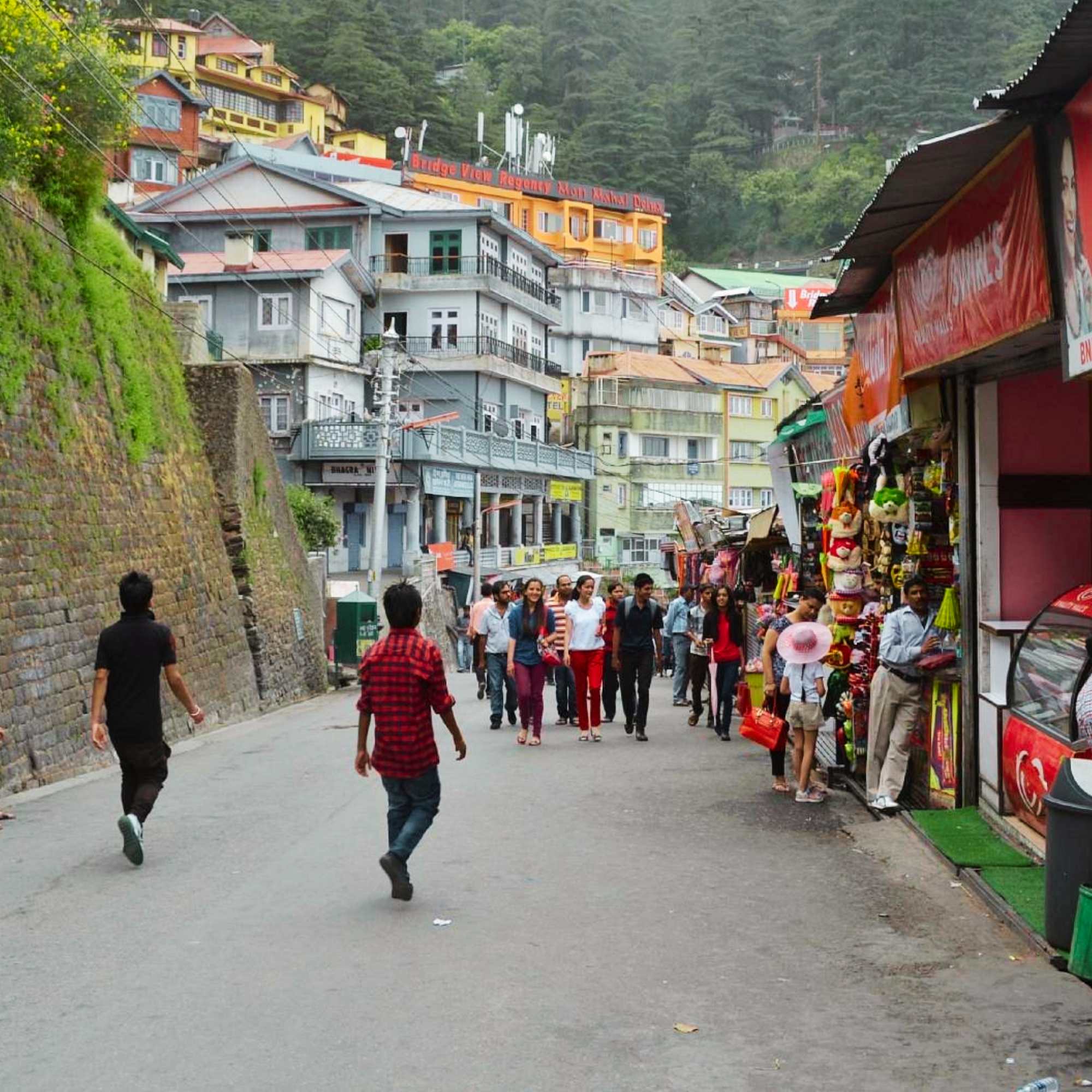
February is a good month to visit Shimla for cold weather, winter views and the possibility of fresh snowfall.
This Shimla in February 2027 guide explains the expected weather, snow conditions, sightseeing plan and practical travel tips for a comfortable holiday.
Snowfall cannot be guaranteed for specific dates, so keep your itinerary flexible and check the latest weather and road conditions before travelling.
The guide by Travel Coffee will help you plan suitable clothing, accommodation, transport and daily sightseeing during your February trip.
Quick Answer
Shimla in February 2027 suits you if you want cold weather, winter scenery, heritage walks and a possible snowfall experience. Nobody can guarantee fresh snowfall in central Shimla.
IMD historical data places February’s mean daily minimum at 2.4°C and mean daily maximum at 10.3°C. Recent years varied sharply, so use the final seven day forecast instead of assuming the town will have settled snow.
When Shimla town looks dry, check Kufri, Fagu, Mashobra and Narkanda. These higher areas may hold settled snow even when central Shimla has none.
Explore customised Shimla tour packages
What most tourists get wrong is booking February as if every street will look white. February gives you a real chance of winter weather, but snowfall depends on the timing and strength of each western disturbance.
Is February 2027 a good time to visit Shimla?
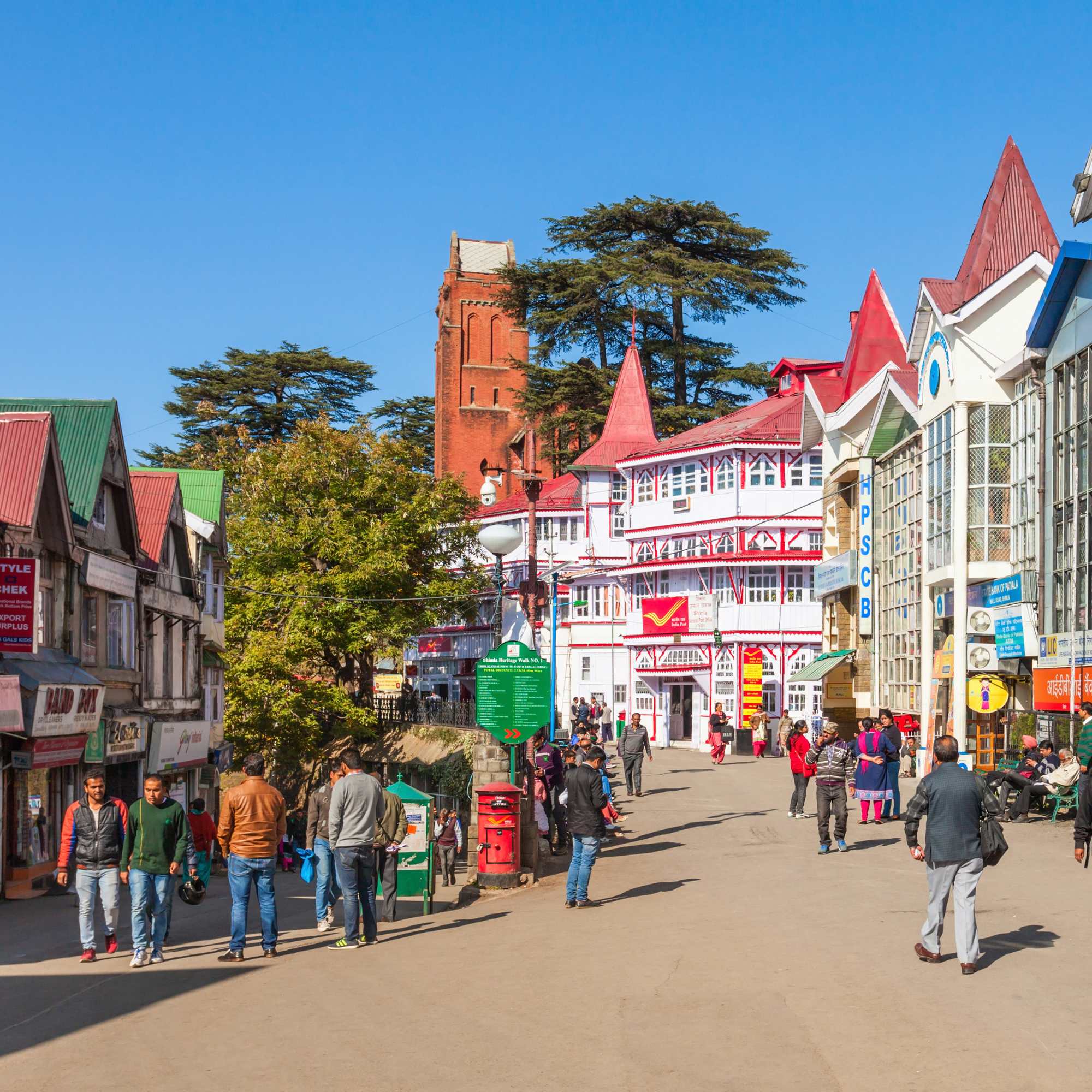
February works well for couples, families, photographers and anyone who enjoys cold hill weather. Clear spells can bring clean mountain views, comfortable afternoon walks and good light around The Ridge, Jakhoo and the heritage buildings.
You may also get fresh snowfall or find settled snow at higher points. In our experience, the best February plan is one that can change with the weather rather than one built around a fixed snow promise.
The drawbacks matter. Snowfall can remain uneven, shaded paths can turn icy, and traffic towards Kufri can slow soon after a weather system. A hotel without reliable heating can make a winter holiday feel far less comfortable than expected.
February does not give you guaranteed snow. January generally gives a better chance of widespread snowfall, while February conditions depend more heavily on individual weather events.
Money saving tip
A useful money saving tip is to stay near the Lift or central road access. You can walk to many central sights and reduce repeated local vehicle trips, but ask the hotel about stairs before you book.
What weather can you expect in Shimla in February 2027?
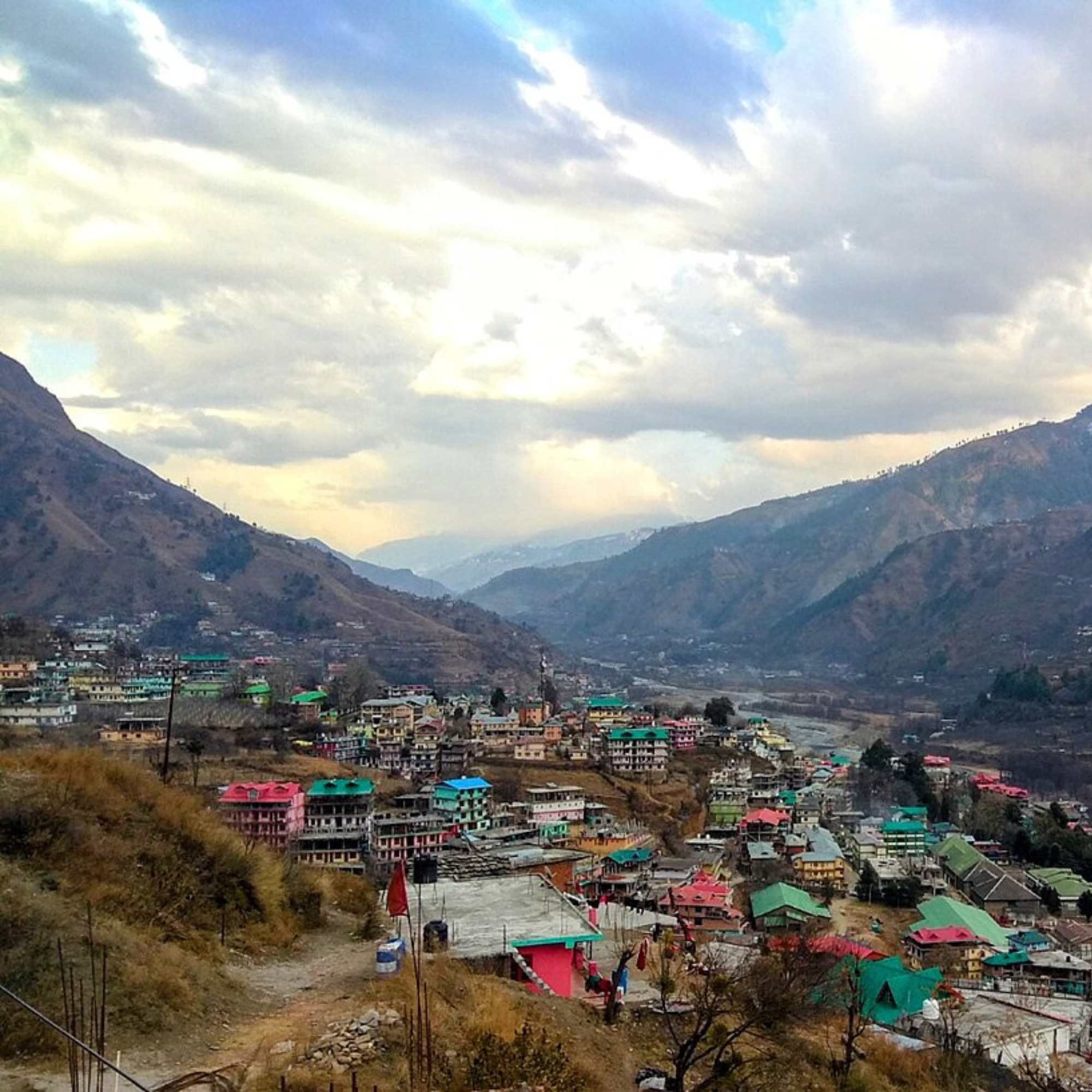
Typical February temperatures
The IMD climatology for 1971 to 2000 lists a mean daily minimum of 2.4°C and a mean daily maximum of 10.3°C for February. It also lists average February precipitation of 63.8 mm and about 5.3 rainy days.
These figures help you plan clothes and understand the usual winter range. They do not predict the weather on your travel dates in 2027.
Recent records show why you should avoid treating a climate average as a promise. February 2026 recorded a highest maximum of 19.4°C, a lowest minimum of 3°C and monthly precipitation of 8.6 mm.
February 2025 recorded a highest maximum of 21.5°C, a lowest minimum of 1°C and monthly precipitation of 87.3 mm. February 2024 recorded a highest maximum of 17.8°C, a lowest minimum of minus 0.6°C and monthly precipitation of 80.5 mm.
These numbers represent each month’s extreme maximum, extreme minimum and total precipitation. They do not represent average daily temperatures.
Early February versus late February
Early February generally gives you a better chance of finding snow left by a recent winter system. Shaded slopes and higher areas may hold settled snow for longer than sunny roads and open viewpoints.
Late February often brings longer and sometimes milder afternoons. Central Shimla may look dry while higher points still hold old snow in shaded sections.
Neither period guarantees snowfall. Check the final seven day forecast, then check again 24 to 48 hours before departure.
Rain, sleet, sunshine and snow
One weather system can create very different conditions within the district. Central Shimla may receive rain, sleet or a brief spell that does not settle, while Kufri or Narkanda receives snow.
On 4 February 2026, Shimla town experienced brief snowfall, but it did not continue long enough to settle. Higher parts of the district received snow during the same period.
This difference explains why a single social media video can mislead you. Always check where and when someone recorded it before changing your route.
Does it snow in Shimla in February?
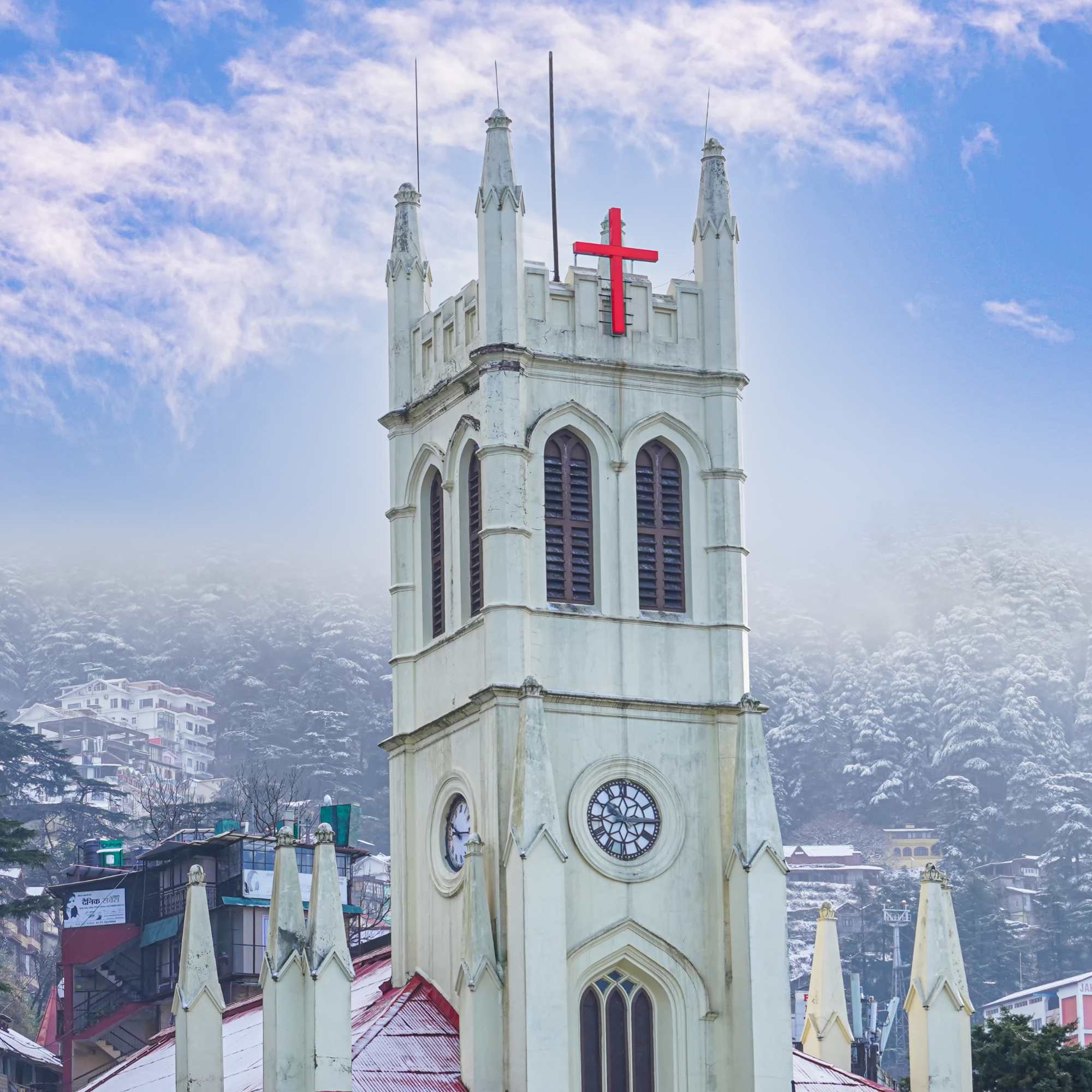
Yes, it can snow, but it is not guaranteed. Shimla snowfall in February depends largely on western disturbances and the temperature profile during each system.
No dependable source can predict an active snowfall event months in advance. A useful Shimla snow forecast becomes more meaningful close to your dates, especially within the final week.
Fresh snowfall means snow that is falling or has fallen recently. Settled snow or old snow means snow that remains on the ground after the event, often on higher or shaded slopes.
You may miss active snowfall in town and still find old snow around Kufri, Fagu or Narkanda. The reverse can also happen if a brief spell touches Shimla but does not produce safe or usable snow on the road ahead.
What we tell our travellers is simple. Keep one sightseeing day flexible, avoid non refundable snow activities and decide the final route after checking the morning road update.
We can use the latest road and weather picture to help you choose a sensible snow excursion without forcing a risky drive.
Where should you go to find snow near Shimla?
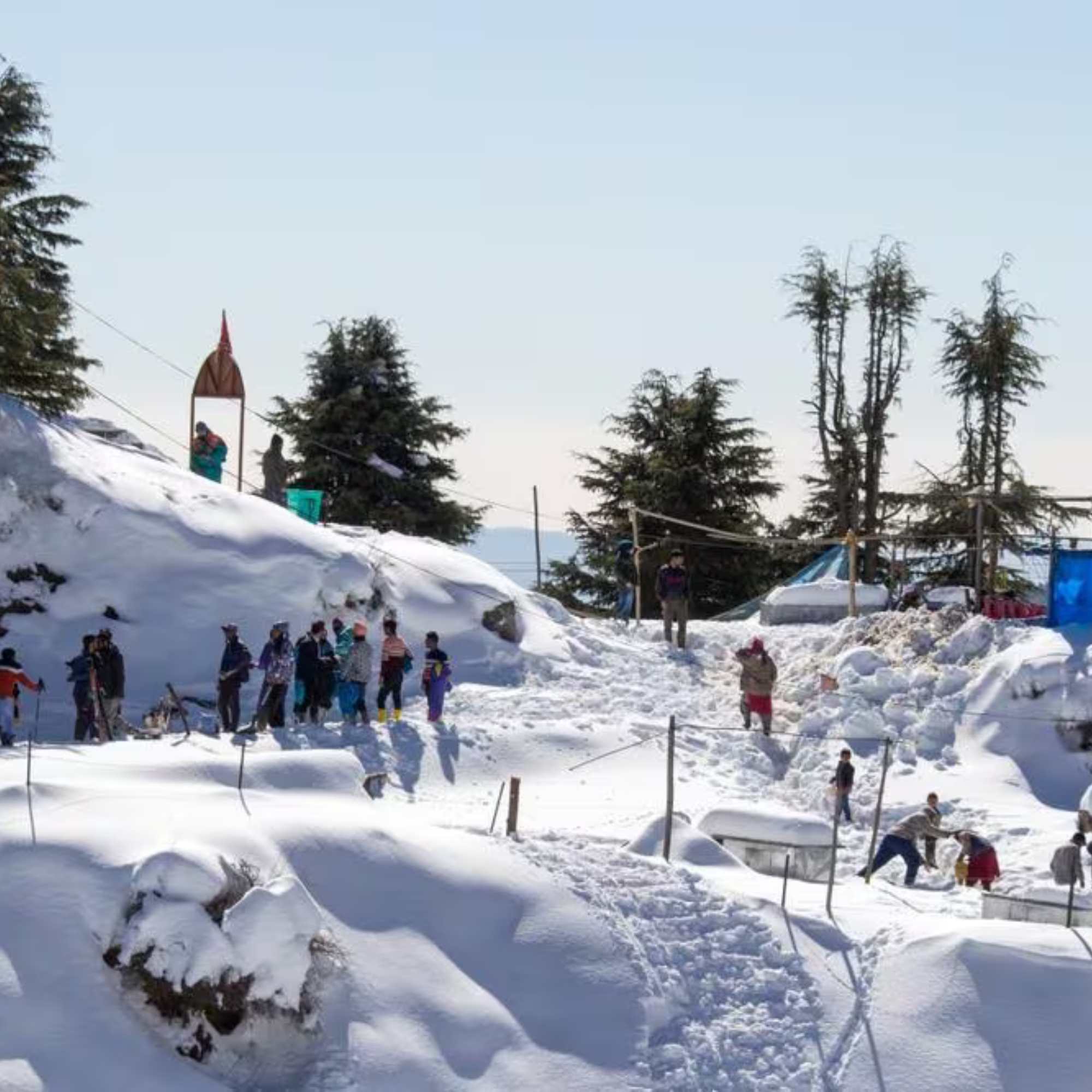
Kufri
Kufri remains the most convenient and popular snow excursion from Shimla. The Himalayan Nature Park lies about 18 km from Shimla and sits above 2,600 metres.
The park covers about 90 hectares. It generally operates from 9:00 AM to 5:00 PM, but confirm the latest opening status before travelling because weather conditions or local instructions may affect access.
Official tourism information says the area commonly carries snow between late December and early March. That statement describes a normal seasonal pattern, not a guarantee for your date.
Heavy snowfall can slow the road and create long traffic queues. Our team recommends checking the Kufri road before leaving your hotel, especially after overnight snow.
Skip poorly supervised roadside snow rides. They add risk on icy slopes and may leave you far from safe facilities when traffic backs up.
Fagu and Mashobra
Fagu gives you a quieter alternative and may retain settled snow when central Shimla looks dry. It works best as a short extension after you confirm road conditions around Kufri.
Mashobra, about 13 km from Shimla, suits travellers who prefer forest scenery and a quieter stay. It can feel more relaxed than the central town, but you depend more on road access and your hotel’s heating and backup systems.
An insider tip we use often is to ask your driver about shaded stretches, not just fresh snowfall. These areas may hold old snow after sunny viewpoints have cleared.
Narkanda
Narkanda lies about 60 km from Shimla. Its higher setting and position farther along the mountain route often bring stronger winter conditions than central Shimla.
Narkanda hosted a ski and snowboard championship in February 2026. That event confirms that winter sport conditions occurred that year, but it does not guarantee ski conditions in February 2027.
Treat Narkanda as a full day option. Go only after checking the road, weather and your departure schedule. Do not continue just because the road within central Shimla looks clear.
What if there is no fresh snow anywhere nearby?
Shimla still gives you Ridge views, heritage buildings, temples, museums, cafés, the toy train and forest scenery. A dry winter day often makes walking easier and gives you clearer views.
Do not follow unofficial social media tips towards closed roads or isolated snow patches. Old snow beside a road can hide ice, poor footing and unsafe stopping areas.
Stop for hot chai at a café on Mall Road near The Ridge after your afternoon walk. The location keeps you close to the central sights and saves you from an unnecessary vehicle trip.
What are the best places to visit in Shimla in February?
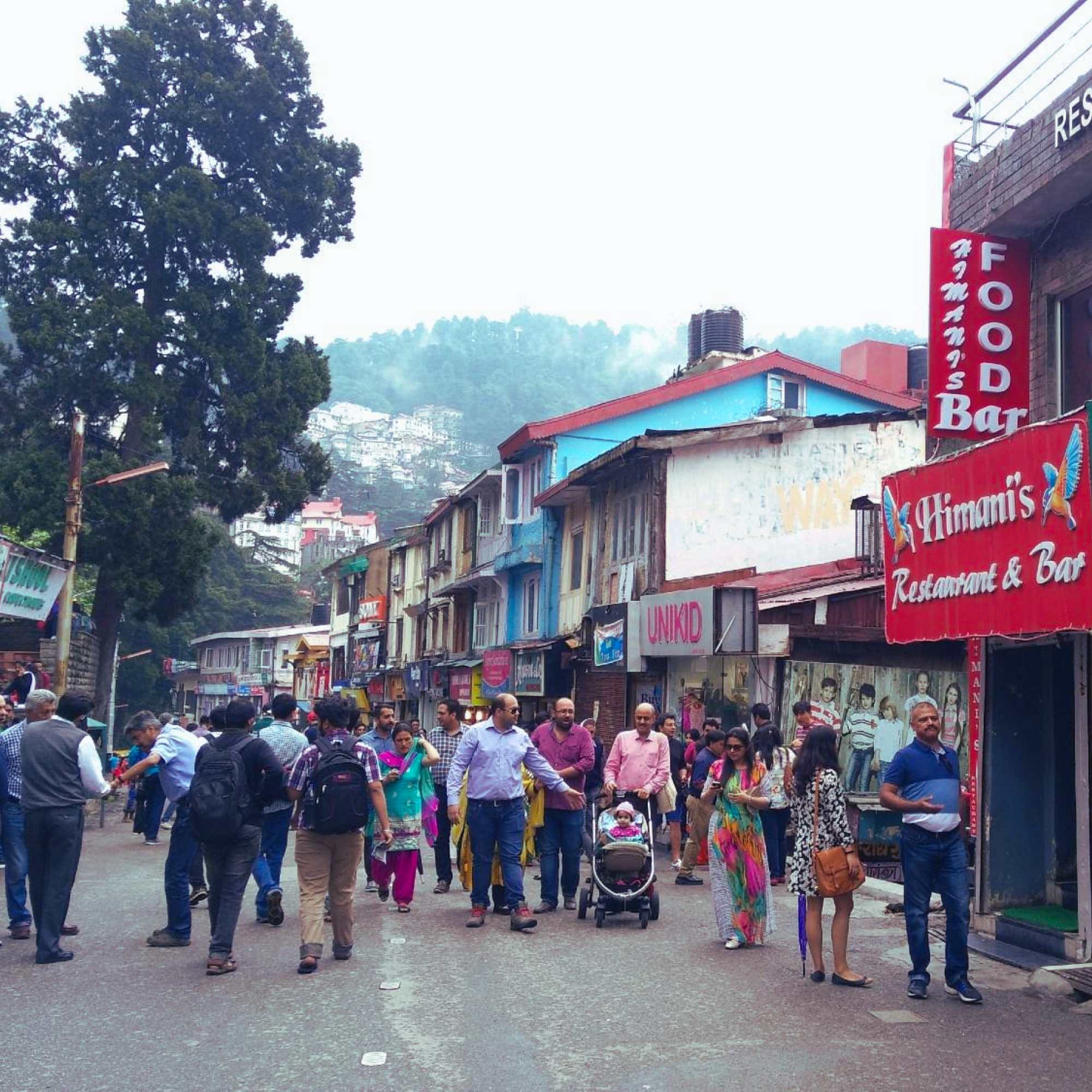
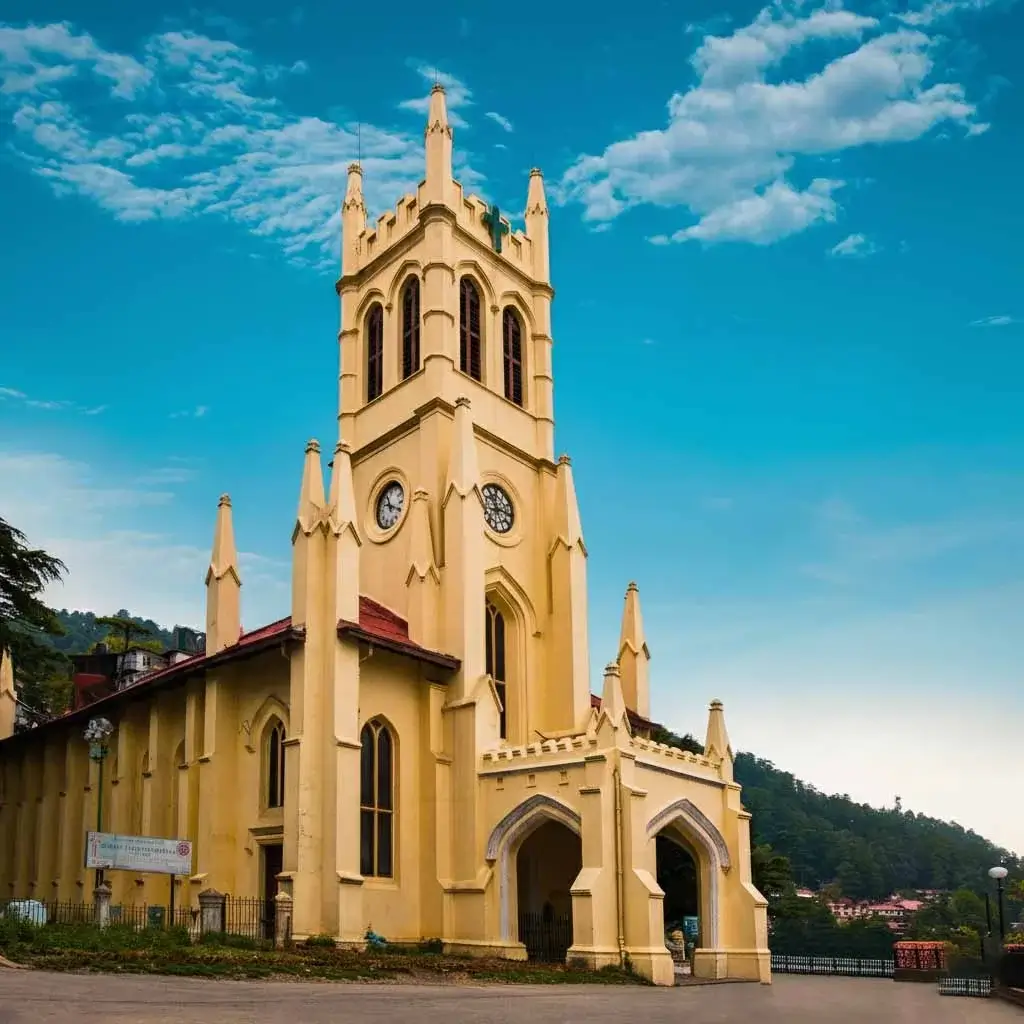
The Ridge, Mall Road and Christ Church
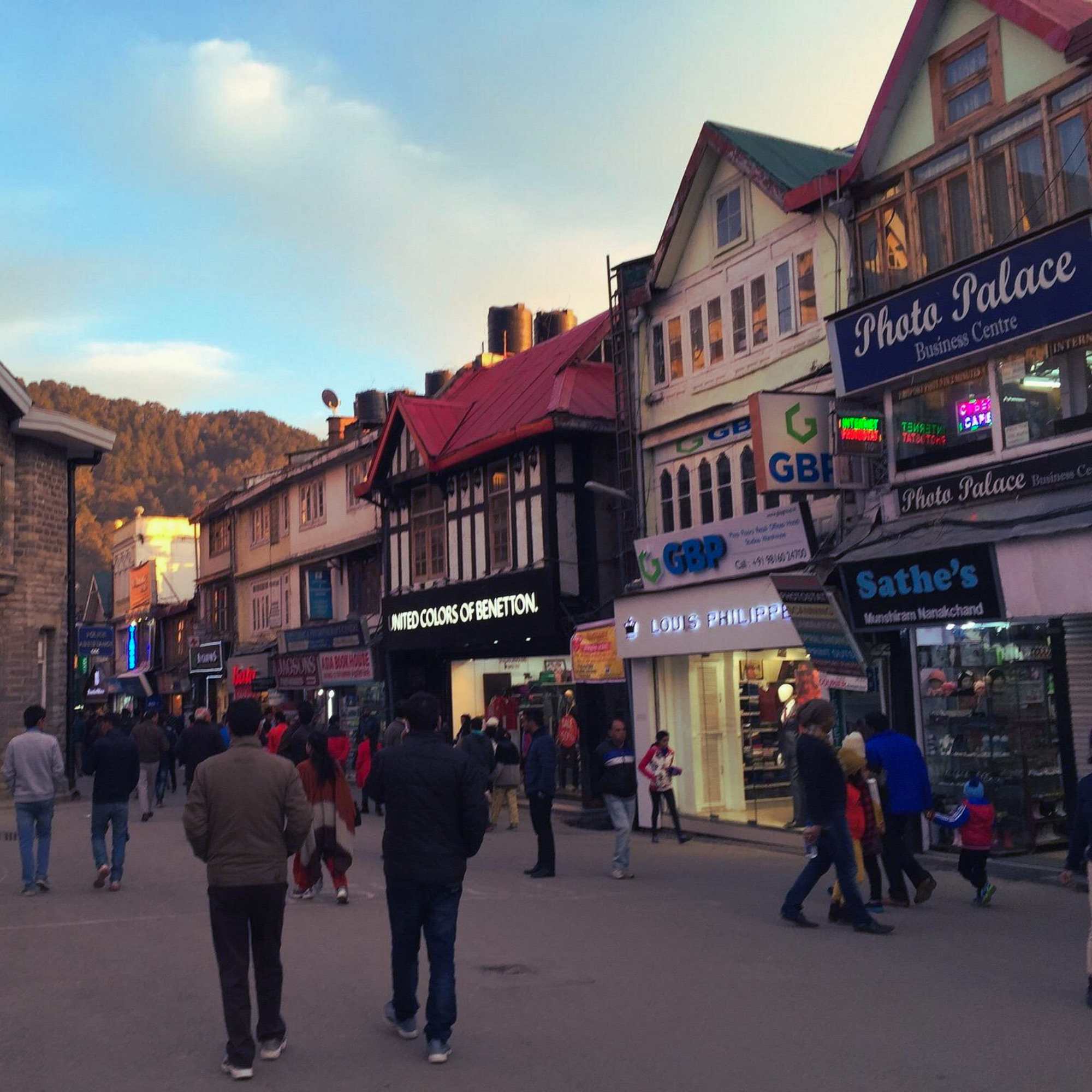
Start with a relaxed walk through Mall Road, The Ridge and Christ Church. You will explore most of this central area on foot, so footwear matters more than the number of attractions you cover.
Shaded stairs can stay icy after sunny sections have dried. Walk slowly, keep your hands free and avoid smooth soles.
An afternoon walk works well because the sun may soften the cold. Stay for sunset, then move into a café before the temperature drops again.
Jakhoo Temple
Jakhoo Hill rises to about 2,438 metres. The district administration lists temple entry as free and opening hours from 7 AM to 8 PM but confirm the latest opening hours before visiting because official sources currently list different timings.
The uphill walking route from The Ridge covers about 2 km and normally takes 30 to 45 minutes. Snow, ice and winter fatigue can increase that time.
Choose local transport or the ropeway when someone in your group cannot handle the steep climb. Confirm ropeway fares, timings and operating status before you depend on it.
Viceregal Lodge and Summer Hill
The Viceregal Lodge gives you one of Shimla’s strongest heritage experiences. Its history makes the visit useful even when clouds block the mountain views or snow changes the outdoor plan.
Summer Hill lies about 5 km from Shimla. Pair the area with the Viceregal Lodge later in the day, but confirm current entry arrangements and tour timings before leaving.
Himalayan Nature Park
The Himalayan Nature Park can work better for families than commercial roadside snow rides. You get a structured attraction in a mountain setting rather than standing beside traffic and slush.
The park still depends on weather and road access. Check the park’s current opening hours on the day of your visit because weather and local operating conditions may affect access.
Shimla ice skating rink
Shimla’s historic ice skating rink forms part of the town’s winter identity. Authorities approved a redevelopment project worth ₹20.22 crore in 2026.
Confirm the ice skating rink’s February 2027 construction and operating status before adding it to your itinerary, as redevelopment work may affect skating sessions.
Three day Shimla itinerary for February 2027
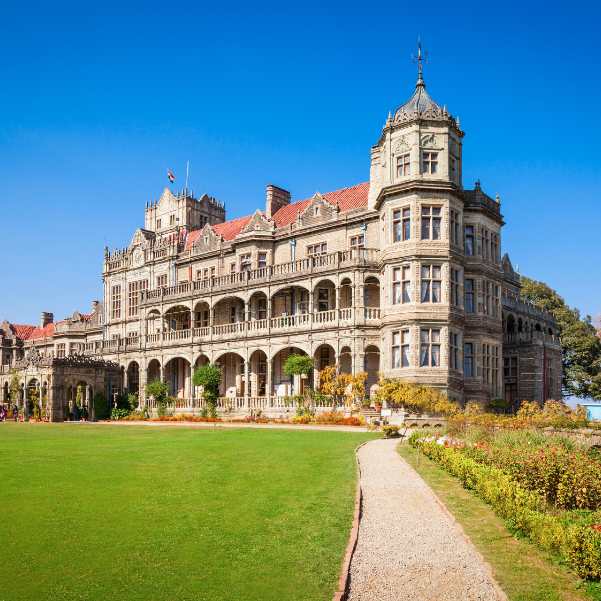
Day one: Central Shimla heritage walk
Check into your hotel and give yourself time to settle, warm up and understand the walking route. Start with Mall Road, then continue towards Scandal Point, The Ridge and Christ Church.
Walk through Lakkar Bazaar if the path looks safe. Keep the pace relaxed because winter daylight and cold air can make a packed first day tiring.
End with chai or an early dinner at a café on Mall Road. This plan keeps you close to your hotel and avoids unnecessary driving after dark.
Day two: Kufri, Fagu and Mashobra
Ask for a road update before breakfast. Leave in the morning only when the Kufri road and weather support the trip.
Visit the Himalayan Nature Park if it opens, then continue towards Fagu only when traffic and visibility remain manageable. Return through Mashobra for a quieter forest stretch.
Kufri traffic can slow immediately after snow. Do not place a fixed train, flight or long distance road connection after this excursion.
During bad weather, stay in Shimla. Use the State Museum, Viceregal Lodge, central cafés and a shorter Mall Road walk instead of waiting inside a traffic queue.
We usually help travellers choose a driver with winter hill experience, a flexible sightseeing plan and a hotel with confirmed heating and vehicle access.
Day three: Jakhoo, Viceregal Lodge and Summer Hill
Visit Jakhoo in the morning when you have more energy for the climb. Use local transport or the ropeway if the path looks icy or the steep walk does not suit your group.
Keep Viceregal Lodge and Summer Hill for later in the day. This sequence gives you a balanced mix of temple views, history and a quieter hill area.
Replace the full day with Narkanda only when the road, weather and departure schedule permit it. Narkanda needs more time than a quick snow stop.
How do you reach Shimla in February?
From Delhi by road
The official Shimla district page places Delhi about 370 km from Shimla. It gives a normal estimate of about eight hours by car or nine hours by bus.
Winter fog on the plains, traffic near Shimla and active snowfall can increase travel time. Avoid a tight same day train, flight or event connection after arrival.
For Delhi to Shimla in February, leave enough buffer for slower driving and breaks. A night journey may save hotel time, but it can also place you on the hill road when visibility and temperatures feel less comfortable.
From Chandigarh by road
Chandigarh lies about 119 km from Shimla. The official normal estimate is about three and a half hours by car or four hours by bus.
These times describe normal conditions. Rain, snow, fog and traffic can stretch the journey, so keep your first evening light.
By Kalka Shimla toy train
The UNESCO listed Kalka Shimla Railway covers about 96.6 km. The journey normally takes about five to six hours, depending on the service.
Do not use a 2026 timetable as a confirmed 2027 schedule. Verify the February 2027 departure time, fare, operating status and your Kalka connection before booking.
Official sources conflict on the tunnel count, so do not plan or describe the trip around an exact number.
By air
Chandigarh Airport lies about 120 km from Shimla. Jubbarhatti Airport lies about 23 km away.
Jubbarhatti operations can face seasonal and weather limits. Verify the actual February 2027 flight schedule before you connect a hotel, taxi or sightseeing booking to it.
Is it safe to drive to Shimla after snowfall?
A road can remain open and still feel slippery. Compacted snow reduces grip, shaded ice can remain hard to see, and slush can pull the vehicle when the driver brakes or turns sharply.
Travel in daylight when possible. Use a driver who understands hill snow, check the tyres and follow police restrictions without arguing with barriers or local diversions.
Self drive travellers should not continue towards Kufri or Narkanda only because the central Shimla road looks open. Conditions change quickly with height, shade and traffic.
Traveller reports and February 2026 reporting described slippery roads, traffic delays, closures and occasional electricity interruptions after major snow events. These problems do not happen every day, but they justify a flexible plan and a charged power bank.
Do tourists need a permit, and where can they park?
The supplied official information shows no blanket entry permit for an ordinary Shimla holiday. Designated sealed and restricted roads require permission for vehicle access.
Roads leading from Cart Road towards the Mall include restricted sections. Parking along Cart Road remains prohibited.
The district administration lists authorised parking at ISBT, near the Lift, near the High Court, the railway godown near Victory Tunnel, Old Bus Stand, Chhota Shimla and Sanjauli.
Temporary restricted road permits may cost around ₹100 per day, but confirm the applicable 2027 fee, eligibility and application process with the district administration before travelling.
A serious warning is to avoid anyone selling you a general Shimla entry permit. Park legally and walk or use the Lift instead of trying to drive to Mall Road.
Where should you stay in Shimla during February?
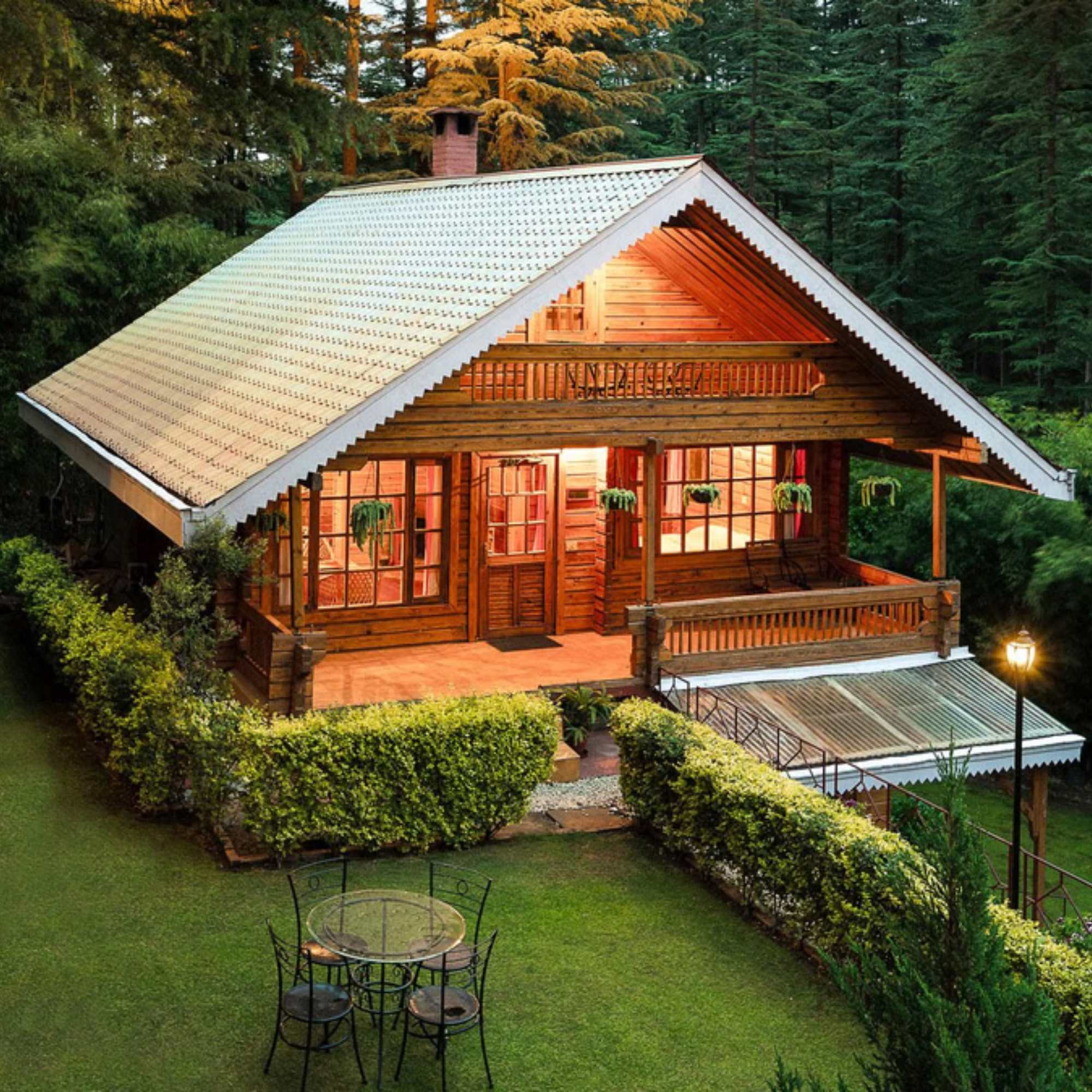
Near Mall Road or the Lift
This area suits first time visitors, families and travellers who want easy access to cafés and central attractions. You can reduce local transfers and return to the hotel quickly when the evening turns colder.
A hotel that advertises itself as near Mall Road may still sit below or above a steep staircase. Ask for the exact walking route or request a short video before paying.
Mashobra or Kufri
Choose Mashobra or Kufri for quieter scenery and a better chance of finding settled snow nearby. These areas can feel more peaceful than the central city.
The trade off is clear. You depend more on road conditions, and you have fewer central cafés, shops and easy walking options.
Winter hotel checklist
Confirm whether the room heater comes with the tariff or costs extra. Ask about hot water hours, generator backup, parking, vehicle access, luggage help and the steepness of the final approach.
We usually advise families to choose a hotel with confirmed heating and easy vehicle access. A view matters less when someone has to carry bags over icy stairs.
Choose a refundable rate when a significant weather system appears in the forecast. This gives you room to change dates or areas without losing the full booking amount.
How much will a Shimla trip cost in February 2027?
Prices change with dates, hotel area, snowfall, weekends and transport choices. Treat every current estimate as a planning reference rather than a confirmed February 2027 price.
A February 2027 Shimla trip may cost around ₹1,300 to ₹4,300 per person per day, depending on hotel category, transport and activities.
A three day budget trip may cost approximately ₹6,000 to ₹10,000 per person, while a mid range trip may cost around ₹15,000 to ₹25,000 per person. Confirm current hotel and transport rates before booking.
These figures do not represent Travel Coffee package prices. Your final Shimla winter trip cost should include transport to Shimla, the hotel, room heating, meals, local sightseeing, parking and optional snow activities.
Do not judge two quotes only by the headline price. Ask whether the vehicle can reach the hotel, whether the heater costs extra and what happens when snow blocks the planned route.
What should you pack for Shimla in February?

Carry thermal innerwear, an insulated jacket, a warm cap, gloves and woollen socks. Add a waterproof outer layer because rain, sleet and wet snow can soak a normal winter jacket.
Choose waterproof shoes or boots with a sole that grips well. Smooth trainers can slide on slush, polished stone and shaded ice.
Pack sunglasses, sunscreen, moisturiser and lip balm. Cold wind and winter sun can dry your skin even when the temperature feels low.
Keep regular medicine, a basic personal medicine kit and a power bank in your day bag. Snow events can slow travel, and occasional electricity interruptions have followed major storms.
Dress in layers. Sunny afternoons may feel much warmer than shaded mornings, so one very heavy layer can become uncomfortable during a long walk.
Is Shimla in February suitable for couples, children and senior citizens?
Couples
A Shimla honeymoon in February works best when you focus on cafés, heritage walks and flexible snow excursions. Do not make snowfall the only reason for the trip.
Choose a warm hotel with an easy evening walk to Mall Road or The Ridge. Keep one day open for Kufri, Fagu or Narkanda after checking the weather.
Children
A Shimla family trip in February can work well when you plan warm breaks and avoid long roadside waits. Carry spare socks and use waterproof footwear.
Keep children away from poorly supervised roadside activities and slippery snowbanks near traffic. A structured visit such as the Himalayan Nature Park can feel easier than chasing random snow patches.
Senior citizens
Choose a hotel close to the Lift or central road access, with minimal stairs, reliable heating and easy vehicle access. Ask for a room near the lift inside the hotel when possible.
Keep the schedule relaxed. Use local transport for Jakhoo and avoid long snow excursions after a difficult weather system.
What should you check before leaving for Shimla?
Check the IMD forecast about seven days before travel and again 24 to 48 hours before departure. Climate averages help with packing, but the final forecast helps with route decisions.
Check Himachal Police or district road advisories. Verify the toy train status, hotel access, ice rink status, Himalayan Nature Park opening and local attraction timings.
Keep one day flexible when the forecast shows a snowfall system. This gives you space to move Kufri, Narkanda or central sightseeing without wasting the trip.
You can compare another winter hill option through our Manali tour packages.
For a different town and monastery focused trip, read our Dharamshala and McLeodganj guide.
You can also review our Kinnaur tour packages, but check road and weather conditions before adding any winter Kinnaur extension.
Explore Our Curated Shimla Tour Packages
 6D/5N
6D/5NClassic Shimla Kufri Mashobra Narkanda Experience
1D Delhi•3D Shimla+2
₹12,999₹18,999SAVE INR 6,000/ person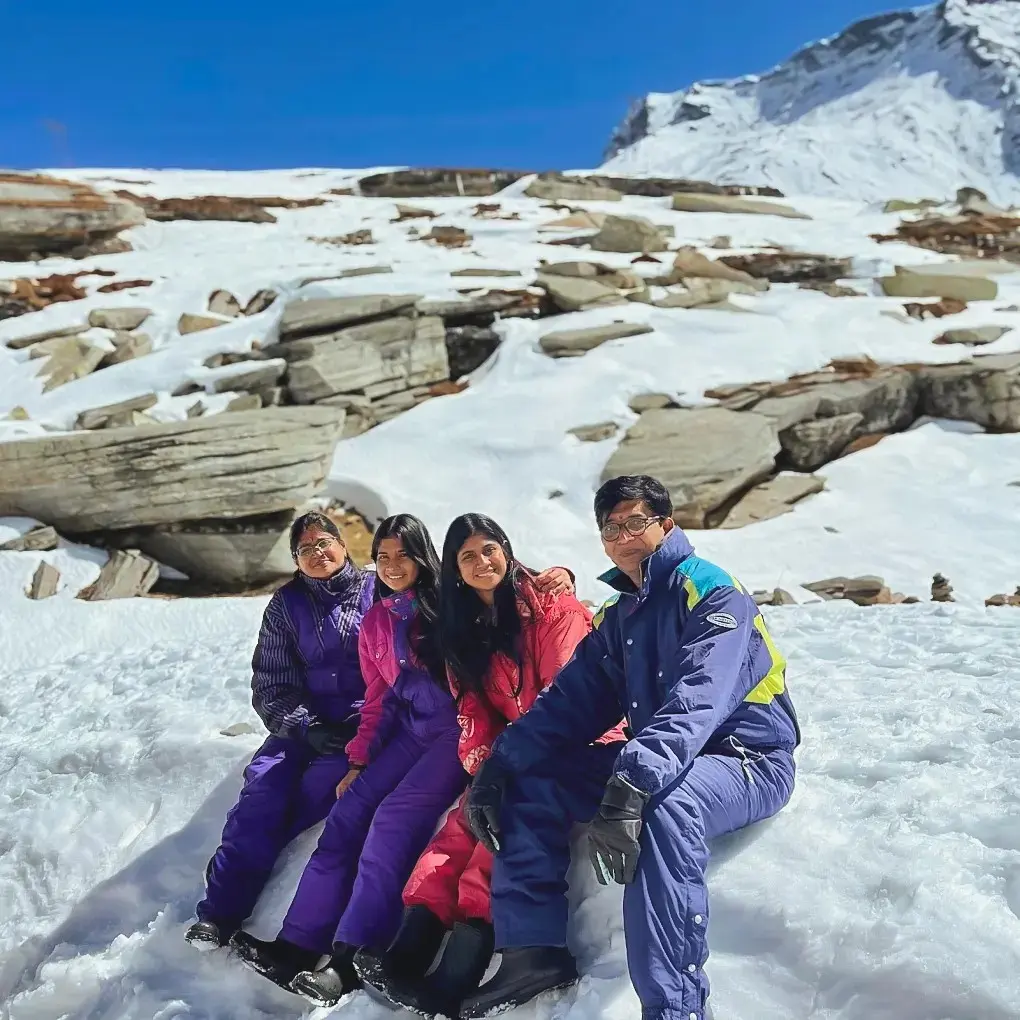 7D/6N
7D/6NComplete Shimla Manali Volvo Package with Rohtang Pass
2D Shimla•2D Manali
₹15,999₹19,499SAVE INR 3,500/ person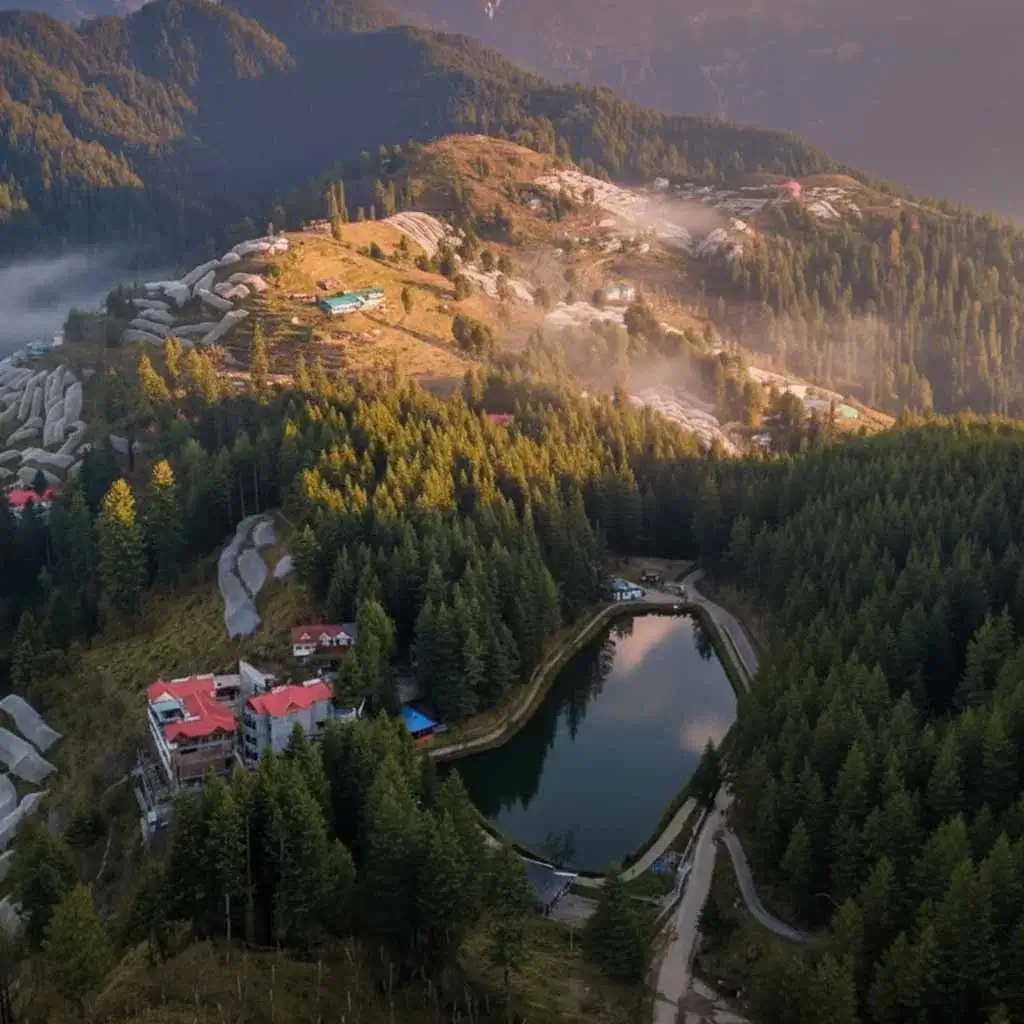 7D/6N
7D/6NClassic Shimla Kufri Chail Narkanda Pine Valley Experience
1D Delhi•2D Shimla+3
₹17,600₹23,999SAVE INR 6,399/ person
Related topics
Frequently Asked Questions
Is February 2027 a good time to visit Shimla?
Yes, February suits travellers who enjoy cold weather, winter scenery and possible snowfall. Choose a heated hotel, keep one day flexible and check the final forecast before travelling.
Will it snow in Shimla in February 2027?
Snow is possible, but it cannot be guaranteed months in advance. Check the forecast during the final week and again 24 to 48 hours before departure.
Is there usually snow in Shimla during late February?
Late February may bring snowfall, but central Shimla can also have dry roads or patchy old snow. Higher places such as Kufri, Fagu and Narkanda may retain snow longer.
What temperature should I expect in Shimla in February?
Historical averages are around 2.4°C minimum and 10.3°C maximum. Actual temperatures can vary, so pack warm layers and check the latest forecast.
Is Kufri open in February?
Kufri normally remains open for winter sightseeing, but snowfall and road restrictions can affect access. Check the road and attraction status before leaving Shimla.
Is Narkanda safe to visit after snowfall?
Narkanda can be visited after snowfall only when roads are open and safe. Travel in daylight with an experienced hill driver and check official road updates first.
Do I need snow boots in Shimla?
Specialist snow boots are not always necessary, but waterproof shoes with strong grip are highly recommended. Avoid smooth trainers on slush, wet stone and icy paths.
Does the Kalka Shimla toy train operate in February?
The toy train normally operates during winter, but weather and maintenance may affect individual services. Confirm the February 2027 timetable and live status before booking.
Can I drive my own car to Mall Road?
Private vehicles are generally not allowed on Mall Road and nearby restricted sections. Use authorised parking near the Lift or another approved area and continue on foot.
How many days are enough for Shimla in February?
Three days are enough for central Shimla and one nearby excursion. Add a fourth day for Narkanda, slower family travel or possible weather delays.
Is Shimla suitable for senior citizens during February?
Yes, with a warm hotel, easy road access and a relaxed itinerary. Choose minimal stairs, reliable heating and vehicle access for steep sightseeing areas.
Which area is best for a winter stay in Shimla?
Stay near Mall Road or the Lift for easy access to central attractions. Choose Mashobra or Kufri for quieter views and a better possibility of settled snow.
More about Shimla
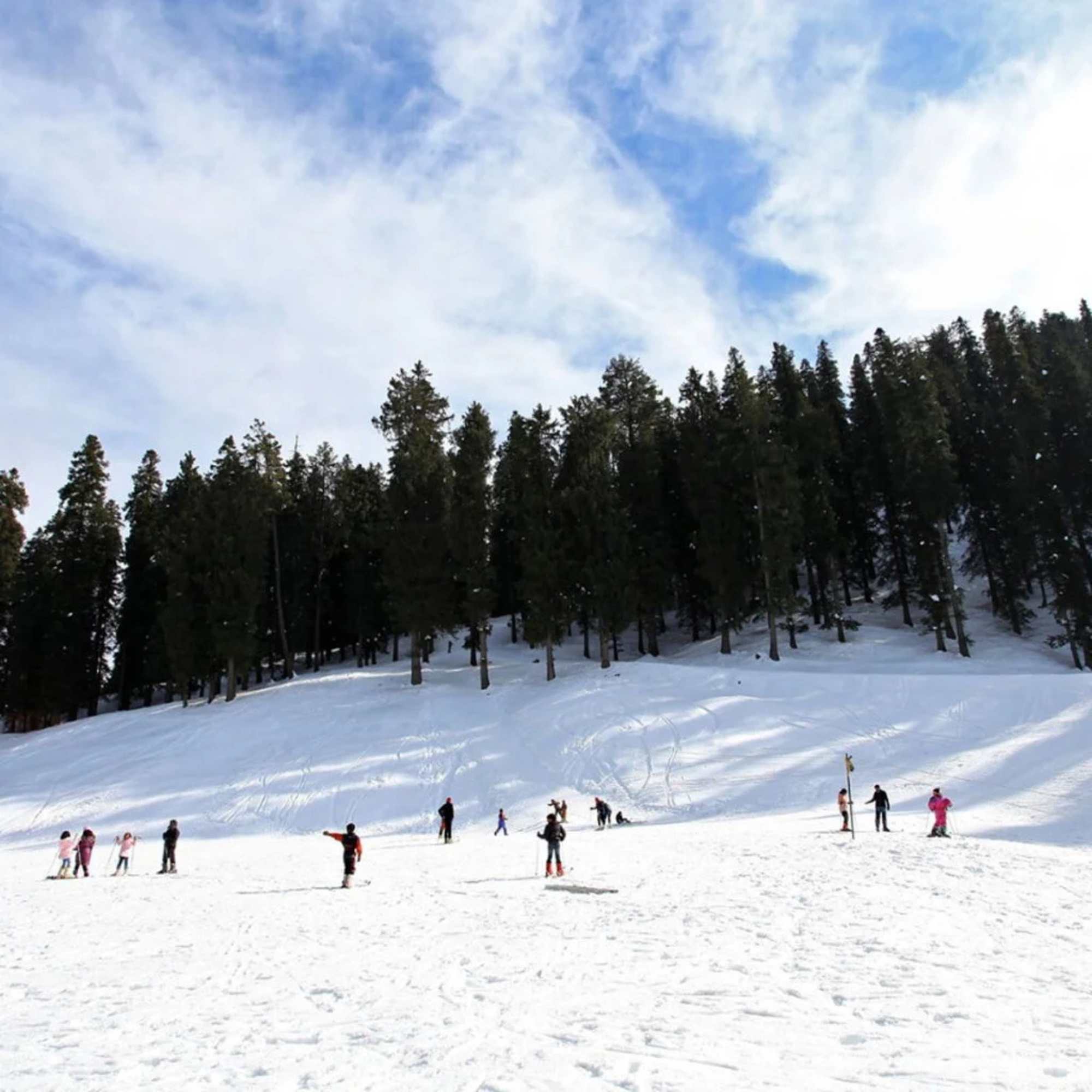 Shimla
Shimla Snow Trip 2026: Best Time, Itinerary, Cost and Local Tips
Plan your Shimla Snow Trip 2026 with this complete guide to the best time for snowfall, estimated trip cost, winter itinerary, top snow spots, Kufri visit, and useful travel tips.
- Snow Travel
- Best Time to Visit
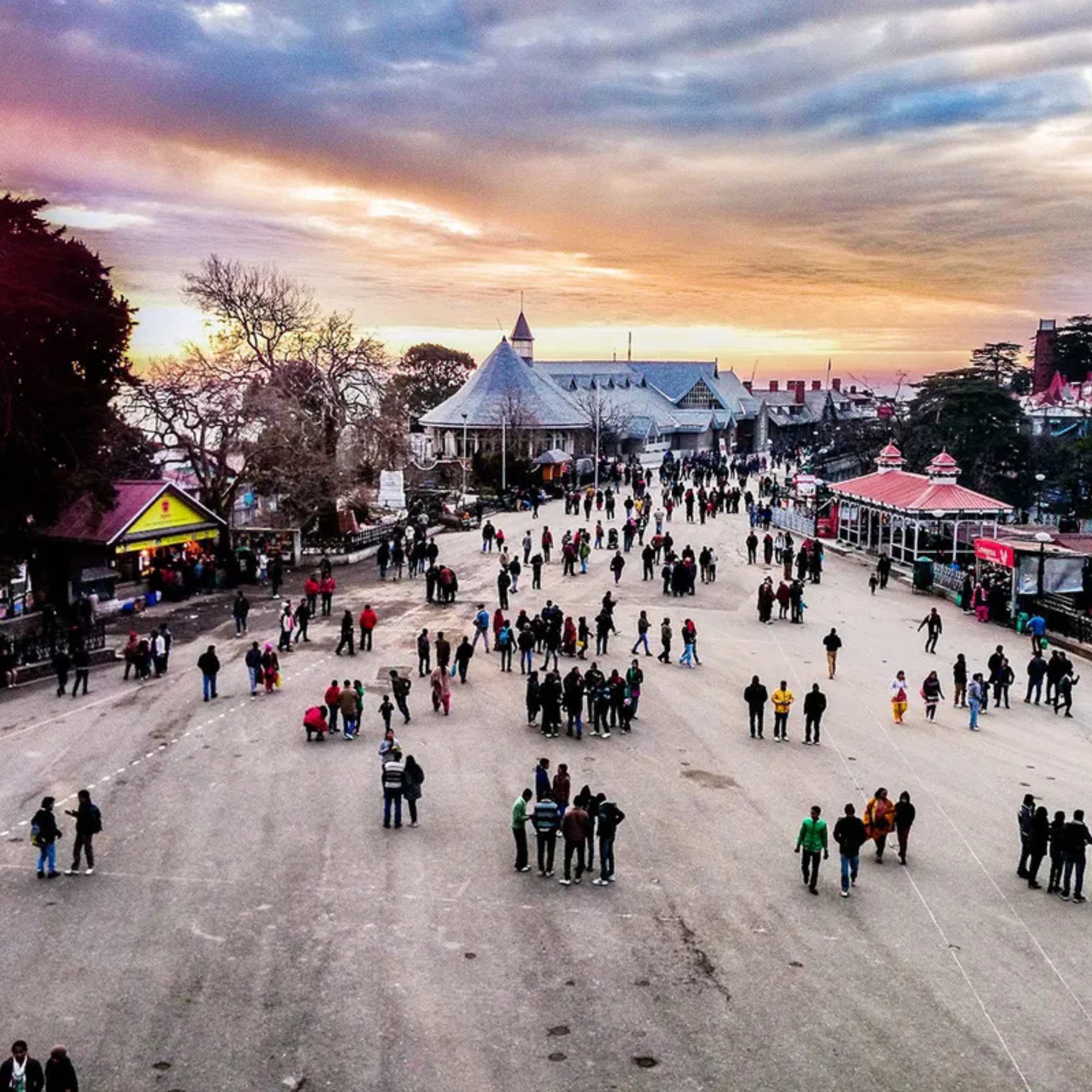 Shimla
Snow Point Near Shimla in 2026: Kufri, Fagu, Narkanda and the Best Places to Find Snow
Discover the best snow points near Shimla in 2026, including Kufri, Fagu and Narkanda. Find out where to see snow, the best time to visit, and the top winter destinations near Shimla.
- Snow Travel
- Places to Visit
 Shimla
Shimla Honeymoon Guide 2026: Best Time, Itinerary, Cost and Romantic Places
Plan your perfect Shimla honeymoon in 2026 with this complete guide covering the best time to visit, romantic places, ideal itinerary, estimated trip cost, couple-friendly experiences, and useful travel tips for a memorable getaway in the Queen of Hills.
- Itinerary
- Places to Visit