
Shimla to Spiti Valley Road Trip Guide 2026: Route, Distance, Itinerary and Cost
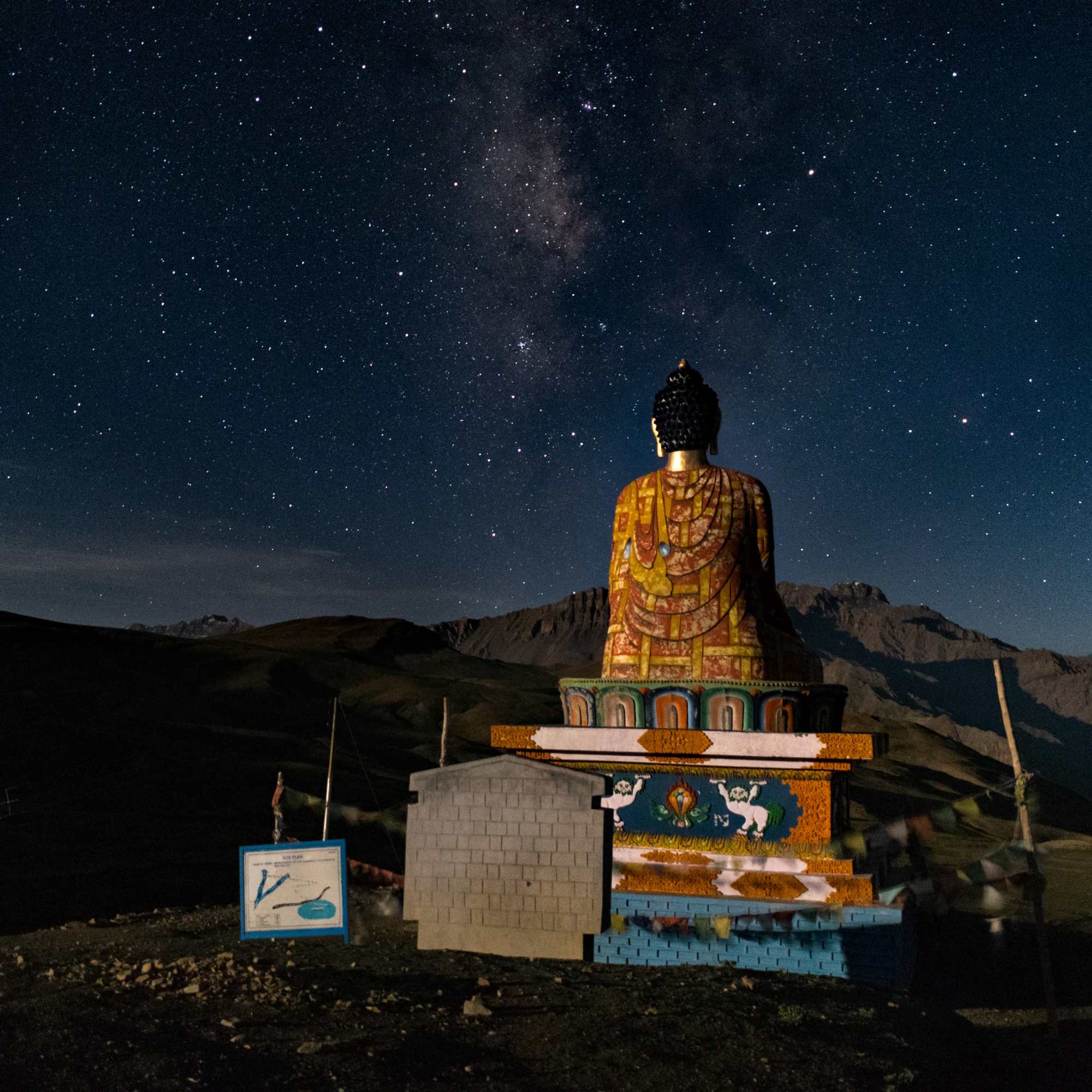
A Shimla to Spiti Valley road trip is one of the most scenic journeys in Himachal Pradesh, taking you through Kinnaur, high mountain villages, monasteries and dramatic Himalayan landscapes.
In this guide, you will find the best route, distance, travel time, suggested itinerary, expected cost and practical tips to help you plan the journey comfortably and safely.
Quick Answer: How Do You Travel from Shimla to Spiti?
The official Shimla to Kaza distance is about 412 km, and the drive takes around 20 hours, excluding an overnight halt.
Most travellers should split the journey across two or three days through Narkanda, Rampur, Reckong Peo or Kalpa, Nako, Tabo and Kaza.
Official sources call this an almost all weather route, but snow, rain, rockfall, landslides and road work can still block it for a few hours or longer.
Shimla to Kaza road conditions can change with weather, landslides and roadwork, so check the latest status with the district administration or a reliable local driver on the morning of travel.
You can also see our Spiti Valley tour packages once you understand the route and decide how much driving you want each day.
What most tourists get wrong is trying to save one hotel night by driving too far on the first day. The official drive time does not turn this into a safe one day plan.
What Is the Exact Shimla to Spiti Route?
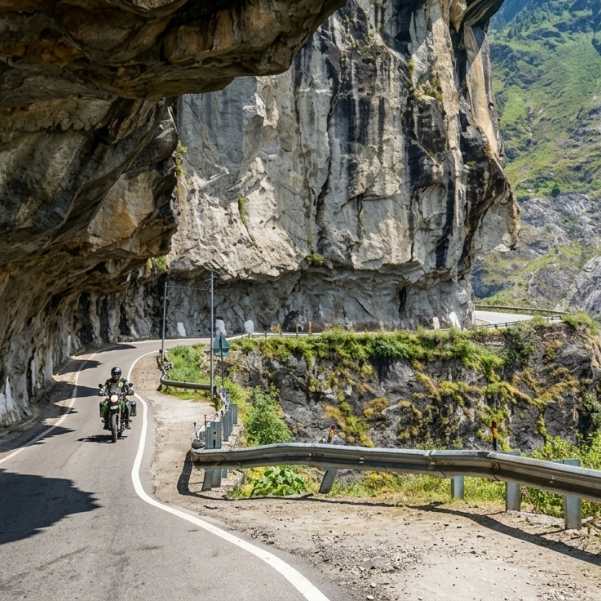
Main route from Shimla to Kaza
The main shimla to spiti route runs from Shimla to Narkanda, Rampur Bushahr, Jeori, Tapri, Reckong Peo or Kalpa, Pooh, Nako, Sumdo, Tabo and Kaza.
Sumdo marks the Kinnaur side entry into Spiti. From this point, the landscape, road exposure and altitude feel different from the lower approach through Shimla and Rampur.
You can stay at Reckong Peo or continue to Kalpa, depending on daylight and your hotel plan. Nako gives you another useful halt before Sumdo, Tabo and Kaza.
Shimla to Spiti distance and actual driving time
Official sources give the shimla to spiti distance as 410 to 412 km from Shimla to Kaza. We use 412 km for planning because the district administration gives that figure.
The official estimate of 20 hours refers to driving time and excludes a night halt. It does not include long meal breaks, photo stops, traffic control, repair work, landslide clearance or a weather delay.
For most travellers, two approach days form the minimum sensible plan. Three feel better with children, older parents or anyone new to long mountain drives.
Place the first night at Rampur, Reckong Peo or Kalpa and the second at Nako or Tabo. Let daylight, road condition and driver fatigue decide the final halt.
You can pair this route with our Shimla tour packages before departure or add a slower Kinnaur stay through our Kinnaur tour packages.
Why Is the Shimla Route Better for First Time Spiti Travellers?
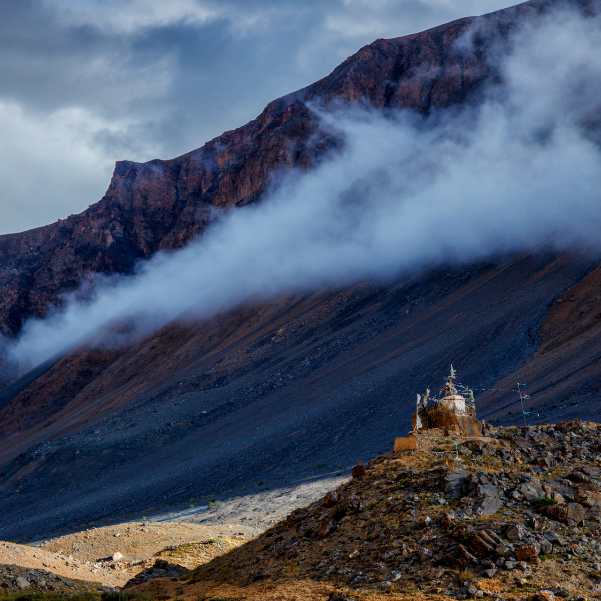
The Shimla and Kinnaur approach gains altitude more gradually than the Manali entry through Kunzum Pass. This gives your body more time to adjust before you sleep in and around Kaza.
Narkanda, Rampur, Reckong Peo, Kalpa, Nako and Tabo also give you useful places for food, rest and accommodation. You do not need to force the whole approach into one hard day.
In our experience, the Shimla side feels less rushed for first time Spiti travellers. The gradual approach gives you time to notice tiredness, headache or poor sleep before you add more altitude.
This slower gain does not guarantee protection from altitude sickness. Anyone can develop symptoms, and a gradual route only gives the body more time to adjust.
The Kinnaur road also carries real risk during monsoon rain. Exposed sections can face landslides, rockfall and traffic delays, so a slower ascent does not make the journey risk free.
For a simple chai break, stop in Narkanda on the first approach day before continuing to Rampur. It gives you a natural pause before the longer road through Kinnaur.
What we tell our travellers is simple. Reach your night halt with daylight left, eat properly, sleep well and let the next day start with a fresh road check.
Is the Shimla to Spiti Road Open in 2026?
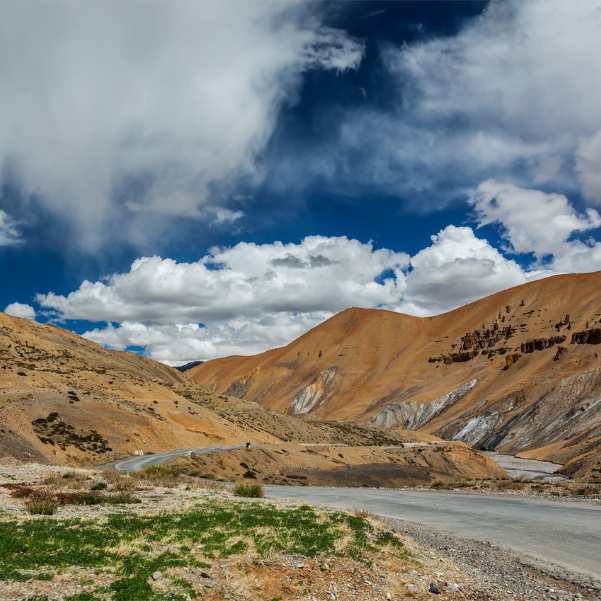
Current status and verification warning
Official sources classify the road as almost all weather. That description means the Shimla and Kinnaur side can provide access during many months, including periods when Kunzum remains closed.
It does not mean the road stays open every hour of every day. Snow, rain, fresh rockfall, a landslide or urgent road work can still close a section without much warning.
Shimla to Kaza road conditions can change with weather, landslides and roadwork, so check the latest status with the district administration or a reliable local driver on the morning of travel.
A road can remain open in the morning and face a temporary block later after rain or falling debris. Build enough time into the day so you do not feel pressure to overtake or drive after dark.
Do not use an old social media post as proof of current access. The date, location and direction of travel matter, especially when a post only says that “Spiti is open.”
Where should travellers check the road status?
Check the Lahaul and Spiti district administration, Kinnaur district notices, HRTC, your booked hotel and a working local driver before you leave.
Ask about the exact stretch you plan to cover. One local block can affect your plan even when most of the route remains open.
Official pages showed conflicting Keylong to Kaza information during 2026. One district page showed the road closed, while another updated page showed it open.
Anyone planning a Manali exit must therefore verify Kunzum, the Keylong to Kaza connection and the Batal side on the day of travel.
Use more than one current source when weather looks unstable.
Which stretches need extra caution?
Use extra caution on NH 5 through Kinnaur, around Nigulsari and Nathpa, and on the higher Nako to Sumdo section.
Kinnaur district used formal traffic regulation at Nigulsari and Nathpa until July 31, 2026. Do not assume that the same restriction continues after that date without a fresh notice.
July and August need more buffer time because the Shimla and Kinnaur approach can receive monsoon rain even when Spiti itself stays much drier.
Rain can loosen debris, slow traffic and trigger road clearance work. A dry forecast for Kaza does not confirm safe conditions on the lower approach.
Start only after the morning road check and plan to finish the exposed sections in daylight. That timing choice changes the experience more than squeezing in one extra stop.
What Is the Best Shimla to Spiti Itinerary?
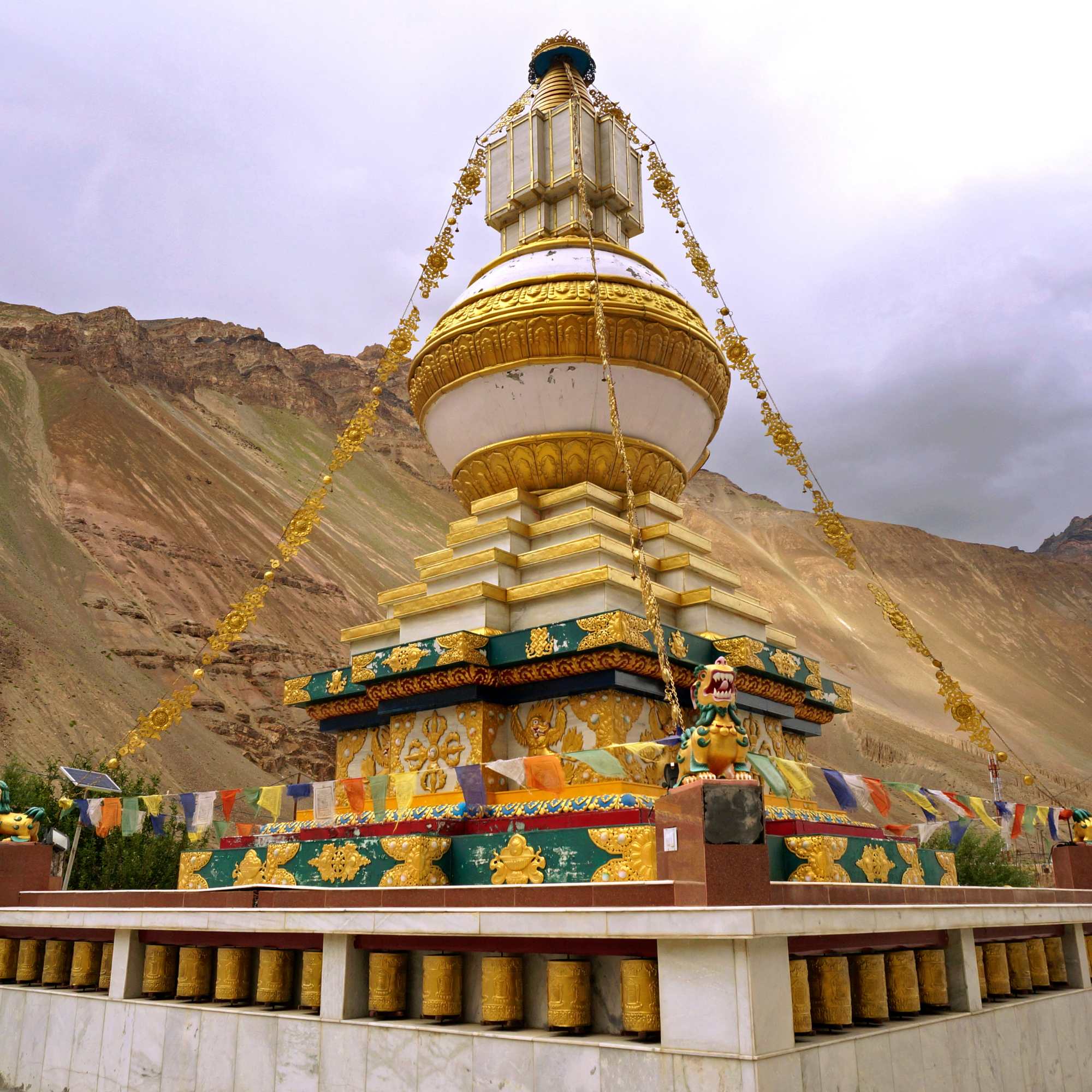
Recommended seven day Shimla to Spiti to Shimla plan
On Day 1, travel from Shimla to Kalpa. This is a long road day, so leave after checking the route and avoid turning the first day into a sightseeing race.
On Day 2, continue from Kalpa to Nako, Giu and Tabo. Keep food and rest breaks realistic because this day takes you deeper into the higher and more exposed part of the route.
On Day 3, travel from Tabo to Dhankar, Pin Valley and Kaza. Include Dhankar only when you have enough daylight and the day’s road condition supports the detour.
On Day 4, cover Key Monastery, Kibber and Chicham from Kaza. Keep the day flexible if anyone feels unwell after reaching the higher base.
On Day 5, visit Langza, Hikkim and Komic. Do not chase every photo stop if poor sleep, headache or unusual fatigue appears.
On Day 6, begin the return toward Sangla, Rakcham or Chitkul. The chosen halt should match daylight, current road status and the pace of your group.
On Day 7, return to Shimla. This plan works, but it includes long driving days and leaves little room for a serious road delay.
Our team recommends this version only for travellers who accept early starts, changing conditions and limited free time. It fits the route into seven days, but it does not make every day easy.
More comfortable eight or nine day plan
An eight or nine day plan lets you add an overnight halt in Nako or Tabo and keep one flexible day in Kaza.
That buffer day can absorb a road delay, give you more time to adjust to altitude or allow a slower local day around Kaza.
Families, first time travellers and people who do not want to leave before sunrise every day usually enjoy this plan more.
You can also use the extra night to shorten the first approach day. Instead of pushing from Shimla to Kalpa, you can stop earlier at Rampur or Reckong Peo and continue with better energy.
In our experience, this extra day changes the whole trip. People eat better, sleep longer and feel less pressure when a road check delays departure.
For a local money saving choice, match room sharing to your group. Package prices depend partly on sharing, so the right room plan can lower the per person cost without cutting a travel day.
Seasonal Shimla to Spiti to Manali circuit
The full shimla spiti manali circuit continues from Kaza through Losar, Kunzum Pass, Chandratal, Batal, Gramphu and Manali.
This route works only when Kunzum, the Batal road and Chandratal access have officially opened for the season.
Kunzum Pass, Batal road and Chandratal access can change during the season, so check the latest official road status before travelling on this circuit.
Do not assume that last month’s update still applies. Snowfall, road repair and local conditions can change access during the same travel season.
Read our update on whether Chandratal is open in 2026 before you lock the circuit, then reconfirm the status on the day.
You can also finish with one of our Manali tour packages after the road team confirms the seasonal exit.
Skip Chandratal rather than forcing it into a fixed plan when Kunzum or the Batal road remains uncertain. The detour does not justify a risky surface, a closed road or a late arrival.
>>Planning a Shimla to Spiti trip? WhatsApp us and we’ll help you choose the right itinerary.
How Can You Travel from Shimla to Spiti?
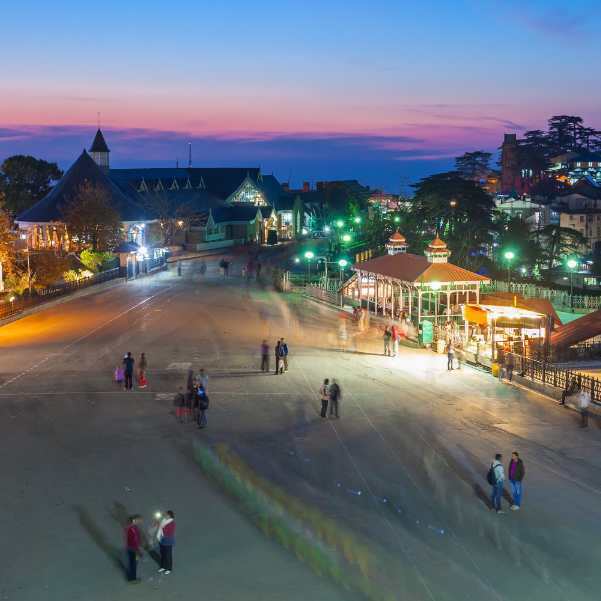
By private taxi
A private taxi gives you flexible stops, luggage space, local driving experience and easier itinerary changes.
This choice works well for families and groups who want one vehicle through the route. You can adjust meal breaks and hotel halts when road conditions change.
A local driver may also understand current traffic control and damaged patches better than a visitor seeing the route for the first time.
Taxi prices vary by vehicle type, route, duration, overnight halts and whether you return through Shimla or continue to Manali, so request a current written quote before booking.
Ask what the quote includes before paying. Confirm the vehicle, pickup, drop, driver allowance, parking, tolls and any charges for route changes or extra kilometres in advance.
By self drive car
A shimla to kaza self drive trip needs real hill driving experience, not only confidence on city highways.
Check the brakes, tyres, spare wheel, puncture kit and ground clearance before departure. Carry basic tools and do not start with tyres that already show poor condition.
A normal car may manage the Shimla and Kinnaur route in settled conditions, but the decision depends on fresh road damage, repair work and weather.
Drive in daylight. Slow down before blind bends, give uphill traffic room and do not copy a local driver’s pace when you do not know the road.
Four wheel drive can help on difficult surfaces, but it cannot make an active landslide, falling rock or closed road safe.
By motorcycle
A motorcycle gives you flexibility, but it also exposes you directly to cold, rain, dust and fatigue.
Carry layered cold protection, proper gloves, rain gear, secured luggage and puncture preparation. Keep essential documents and electronics protected from water.
Avoid solo night riding. A breakdown, puncture or sudden weather change becomes harder to manage after dark on a remote section.
Do not overspeed to make up lost time. A late hotel arrival costs less than a crash on a blind bend or broken patch.
Check the route each morning and stop before fatigue affects judgement. Long riding days feel harder as altitude and cold increase.
By HRTC bus
The usual shimla to spiti by bus journey involves travelling from Shimla toward Reckong Peo and then taking an onward service to Kaza.
Exact HRTC services, departure times and fares change with road and weather conditions. Check the current timetable before you travel.
Do not rely on an old post claiming a fixed direct Shimla to Kaza departure. Direct HRTC service availability can change with season, road conditions and operational schedules, so confirm the current service before travelling.
For official help, call 1800 180 8185 outside Himachal or 1100 within Himachal.
Keep schedule flexibility and enough cash for a missed connection or unexpected halt.
Can a Sedan Travel from Shimla to Spiti?
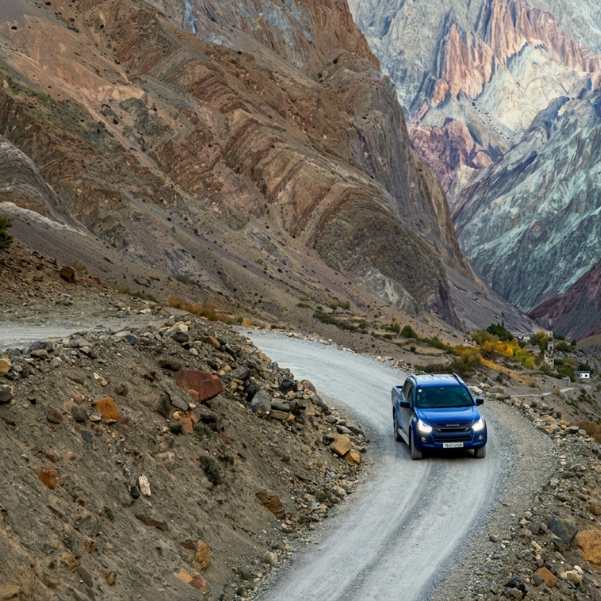
A sedan can travel from Shimla to Kaza in settled weather when the driver has mountain road experience and drives slowly.
The decision still depends on current road damage, repaired sections, loose surfaces and weather. A sedan that handled the road last season may struggle after fresh damage.
A higher clearance SUV gives you more safety margin on broken or repaired patches. It also reduces the chance of scraping the underside when the road surface changes sharply.
Do not take a low clearance sedan toward Gramphu, Batal or the Manali side without a fresh local road check.
Four wheel drive helps on loose or difficult surfaces, but it does not remove the risk from falling rock, active landslides or official road closure.
What we tell our travellers is to choose the vehicle for the worst confirmed section of the plan, not for the smoothest road near Shimla.
When Is the Best Time for a Shimla to Spiti Road Trip?
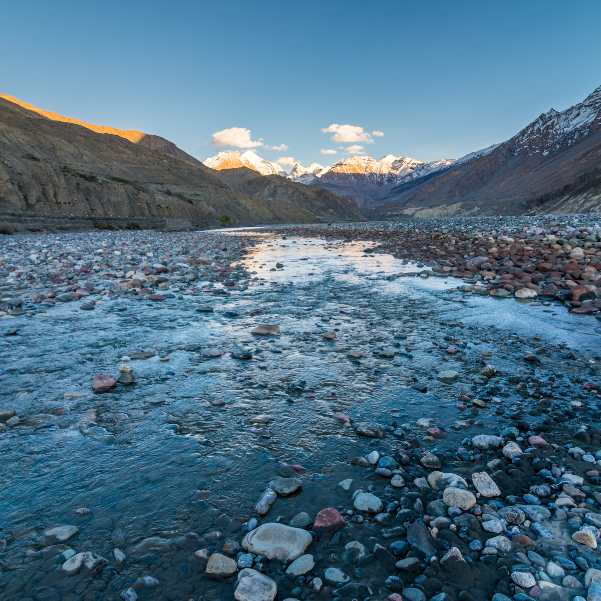
April and May
The Shimla and Kinnaur route can provide access during April and May when Kunzum remains closed.
You may still face snow, winter road damage and fewer open accommodation choices. Confirm each planned halt before departure.
Do not treat an open Shimla side as proof that the full circuit works. Chandratal and the Manali exit depend on separate seasonal roads.
This period suits travellers who accept cold conditions and a return through Shimla when the Kunzum side stays closed.
June
June often gives a practical window for the Kinnaur approach.
The full circuit and Chandratal still depend on that year’s snow clearance. Check the latest Kunzum Pass, Batal and Chandratal road status before finalising your June travel plan.
Keep one spare day even when the weather looks settled. Road opening does not guarantee a smooth surface or a delay free journey.
July and August
Spiti lies in a rain shadow region, but the Shimla and Kinnaur approach still receives monsoon rain.
Landslides, rockfall, slippery surfaces and traffic delays can affect the journey. Keep at least one buffer day.
Avoid a tight flight, train or office return after the road trip. A local block can change the final day even when Kaza remains dry.
Check the Kinnaur route in the morning and again through a local contact before entering a long exposed stretch.
September and early October
September and early October can bring clearer skies and colder nights.
The Kunzum and Chandratal side may face an early seasonal closure if weather changes. Confirm the full circuit before you leave Kaza.
Carry warmer layers and avoid planning a late evening arrival. Daylight becomes more valuable as the season moves toward colder conditions.
Winter
Winter Spiti needs specialist planning. Severe cold, fewer open stays and temporary road closures can affect even the Shimla side.
Deep winter temperatures can fall to around minus 20 degrees Celsius.
Official Himachal Tourism information presents April to October as a generally suitable travel period.
A winter visit should focus on road access, warm accommodation, vehicle reliability and emergency planning rather than covering every village.
The best time for shimla to spiti depends on whether you want the Kinnaur route only or the complete Manali circuit. Treat these as two different plans.
Do You Need a Permit for Shimla to Spiti?
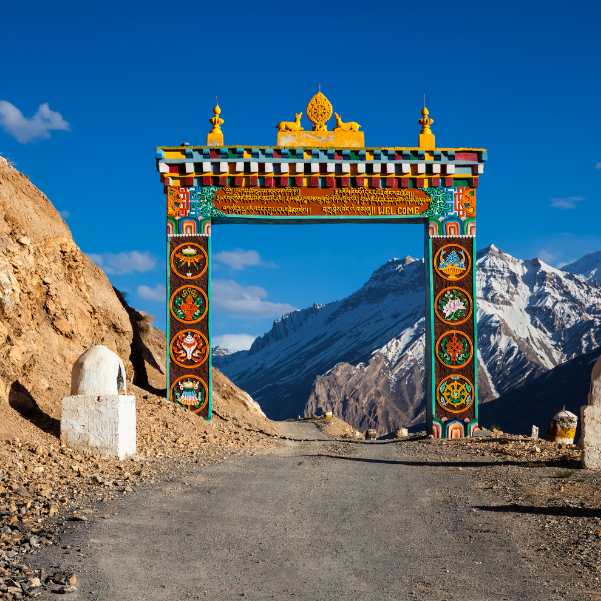
Indian citizens do not need a permit to enter Spiti. Carry valid government photo identification throughout the trip.
Foreign tourists entering through Shimla and Kinnaur need an Inner Line Permit because the road passes through restricted border areas.
Reckong Peo serves as one authorised permit location.
Foreign travellers should confirm the latest document requirements, photographs, passport and visa copies, permit validity and office timings with the authorised permit office before travelling.
Do not leave permit work for a rushed morning unless the office has confirmed the process and timing.
Keep paper and digital copies of travel documents where you can reach them easily during checks.
How Much Does a Shimla to Spiti Trip Cost in 2026?
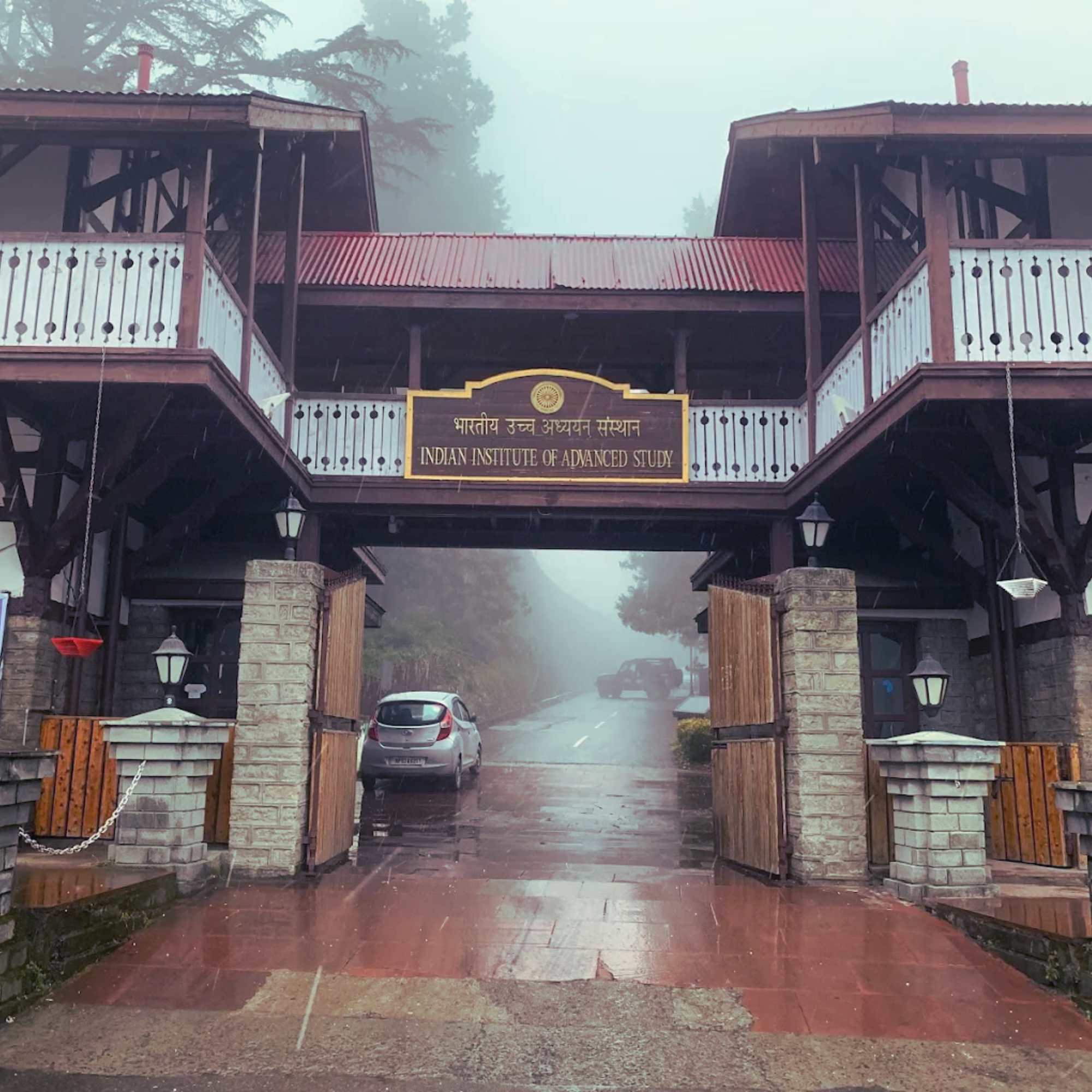
The total shimla to spiti package cost depends on transport, room sharing, season, route, vehicle and whether you include Manali or Chandratal.
Travel Coffee Spiti packages currently fall broadly between ₹14,999 and ₹35,000 per person. These prices vary by trip type and duration.
Our Chandratal Spiti circuit package currently starts from ₹21,999 for the nine day summer circuit, subject to departure date, room sharing and package inclusions.
These figures do not represent a universal trip cost. A private taxi plan, self drive plan and group departure can have very different totals.
A specialist homestay directory showed examples from ₹2,100 to ₹4,250 per night. Treat these as indicative rates because prices can vary by property, season, meals and room type.
We have not added separate food, taxi, fuel, bike rental or permit figures because the supplied fact bank does not support current totals.
One practical way to control cost is to avoid a forced Manali exit when the road remains uncertain. An unplanned reroute or extra halt can cost more than keeping the original Shimla return.
>>Not sure about Spiti permits and documents? WhatsApp us and we’ll help you plan the requirements.
What Are the Best Stops Between Shimla and Spiti?
Narkanda and Rampur
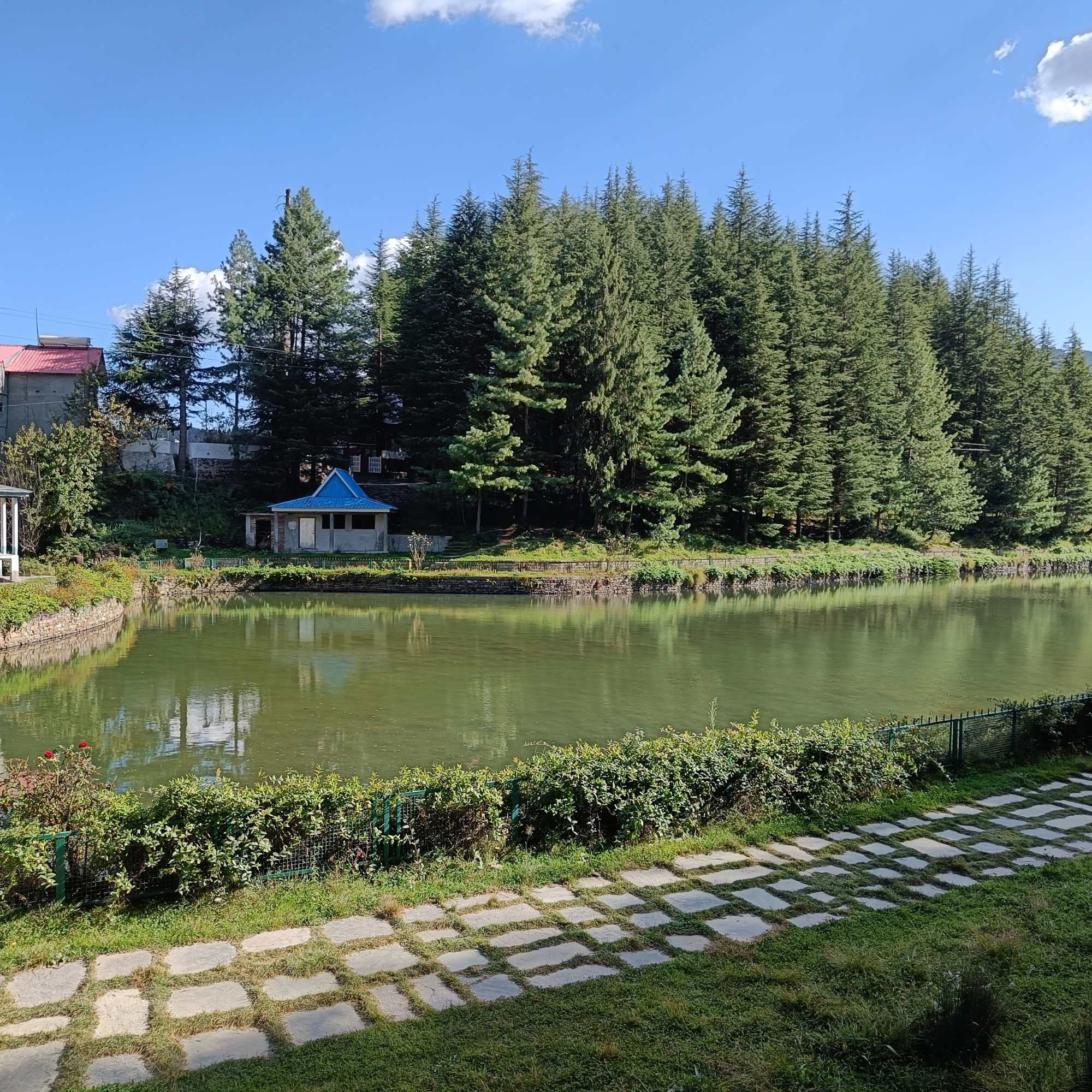
Narkanda and Rampur work as practical meal, fuel and overnight stops on the first part of the journey.
Narkanda gives you an early break after Shimla. Rampur works well when you want to shorten the first driving day before entering deeper Kinnaur roads.
Choose the stop based on departure time, daylight and how your group feels. Do not hold a fixed hotel plan above current road advice.
Kalpa and Reckong Peo
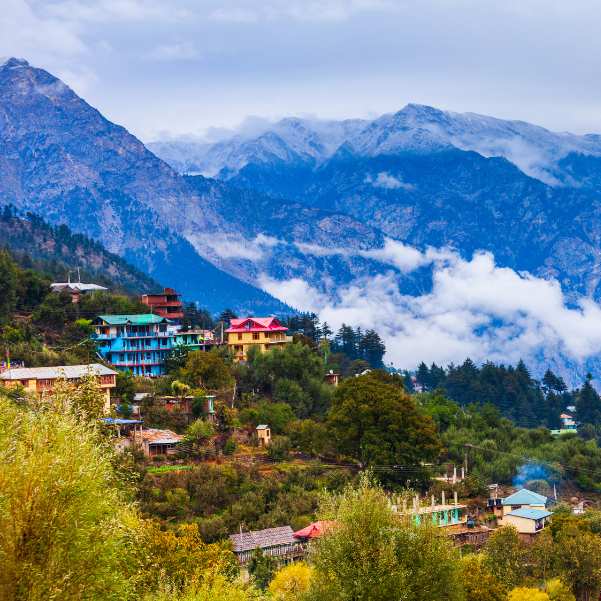
Kalpa serves as a popular overnight and acclimatisation stop before you continue toward Nako and Tabo.
Reckong Peo acts as an important transport and administrative centre. Eligible foreign travellers can also handle Inner Line Permit work here.
Both places help break the route before the higher approach. Confirm current road access and parking arrangements with your chosen hotel before arrival.
Nako
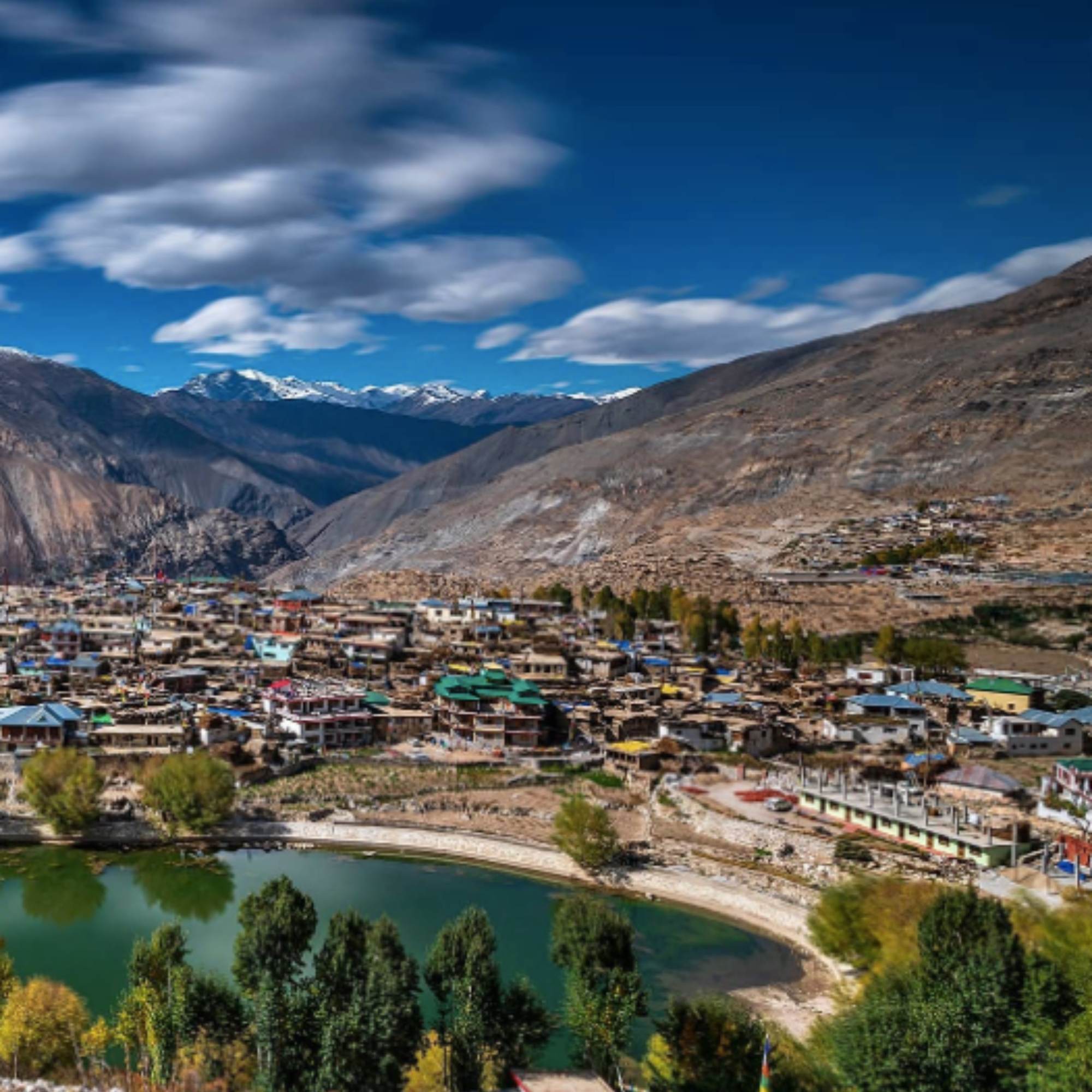
Nako village and Nako Lake create a natural break before the deeper Spiti road.
Use the stop for rest rather than packing in a rushed visit. The next sections toward Sumdo and Tabo still need daylight and attention.
For Nako Lake, local access rules or visitor arrangements can change, so confirm any current requirements locally before visiting.
Tabo and Dhankar
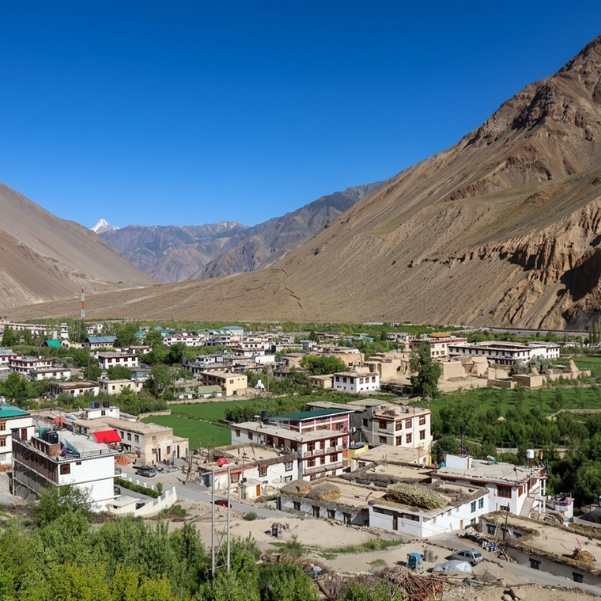
Official Himachal Tourism information places Tabo 48 km from Kaza.
Tabo works as an overnight stop before Kaza and gives you a useful break after the Nako and Sumdo approach.
You can include Dhankar between Tabo and Kaza when the road condition and daylight support it.
For Tabo and Dhankar, monastery timings, donations and entry arrangements may vary, so confirm the latest details locally before planning your visit.
Kaza and nearby villages
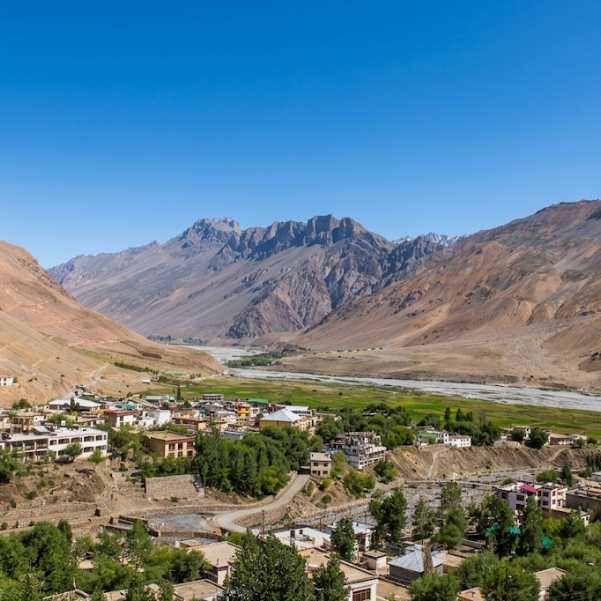
Kaza acts as the main travel base for local excursions and serves as Spiti’s administrative headquarters and largest settlement.
Official distances place Key Monastery 12 km from Kaza, Langza 16 km, Hikkim 17 km, Kibber 18 km and Komic 18 km.
Plan these villages across one or two local days, depending on weather, health and how much time you want at each stop.
A packed route may look efficient on paper, but altitude and rough roads can make a simple local day tiring.
Where Are Fuel, ATMs, Mobile Networks and Medical Facilities Available?
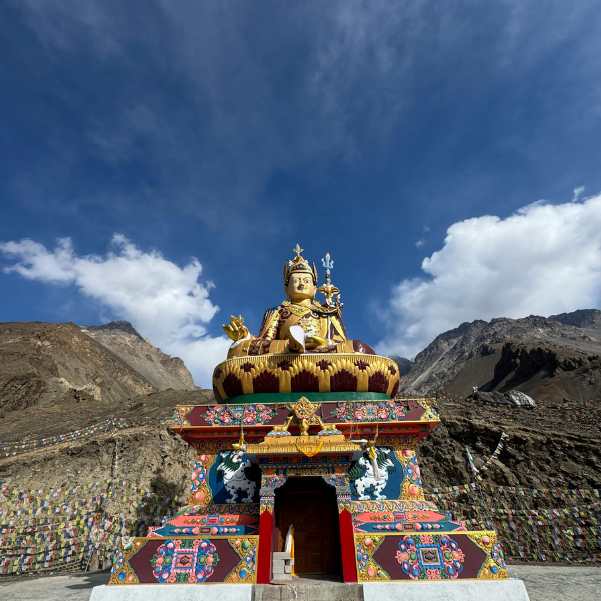
Kaza has a bank, ATM, post office and petrol diesel filling station.
Do not assume that every ATM or fuel station will work whenever you arrive. Carry enough cash and refuel whenever practical.
Keep a separate cash reserve because card and internet service can fail.
An older official tourism page named BSNL as the most dependable network. Operator coverage may have changed.
Mobile network coverage can vary by operator and location across Spiti, so check current coverage before travelling and keep offline maps, hotel details and important documents downloaded on your phone.
Internet speed and availability can remain inconsistent. Download hotel details, route notes, identification copies and offline maps before you leave stronger coverage.
Kaza has a Community Health Centre, and Tabo has a Primary Health Centre.
Save 108 for ambulance, 1077 for disaster management and 01906 222216 for Kaza Police.
How Do You Reduce the Risk of Altitude Sickness?
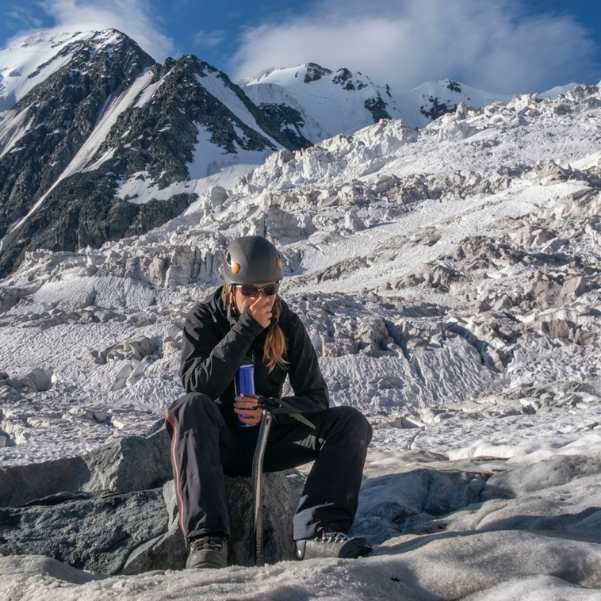
Altitude sickness can occur even when you enter through Shimla.
Recognised symptoms include headache, nausea, dizziness, unusual fatigue, poor appetite and disturbed sleep.
A gradual ascent, proper rest and sensible driving days can give your body more time to adjust.
Do not continue to a higher sleeping point when symptoms keep worsening. Stop the ascent and seek professional medical help for worsening or severe symptoms.
Our team recommends treating a persistent altitude headache as a warning, not as something to hide so the itinerary can continue.
Do not use another traveller’s prescription or copy a dose from a travel group.
Tell your driver and travel companions early when symptoms appear. Hiding them only reduces the time available to make a safer decision.
Essential Safety and Packing Advice
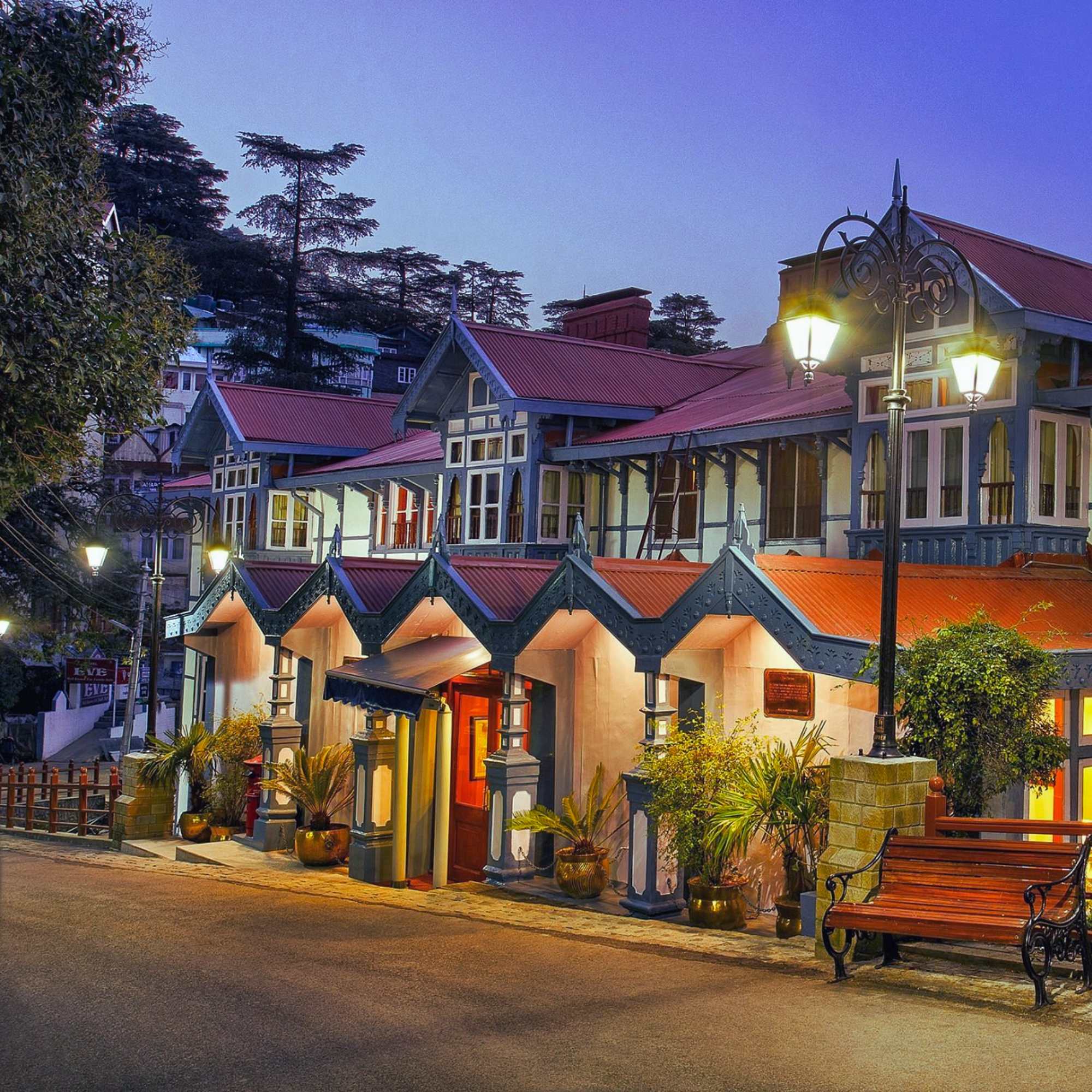
Carry layered warm clothing, a waterproof outer layer, sunscreen, sunglasses, water, personal medicines, photo identification, cash, offline maps, a power bank and basic vehicle tools.
Pack so you can reach a warm layer and rain protection without emptying every bag on the roadside.
Avoid night driving. Do not overtake on blind bends, and do not follow a faster vehicle simply because its driver knows the road.
July and August need particular care because slippery surfaces, landslides and rockfall can affect the Kinnaur approach.
Never stop below an active rockfall area for photographs. Move away from falling debris and follow local traffic instructions.
In our experience, one flexible day is more useful than trying to squeeze another village into an already tiring route.
Solo travellers can also read our Spiti solo female travel safety guide before finalising transport and stays.
Keep emergency numbers on paper as well as your phone.
Should You Return through Shimla or Exit through Manali?
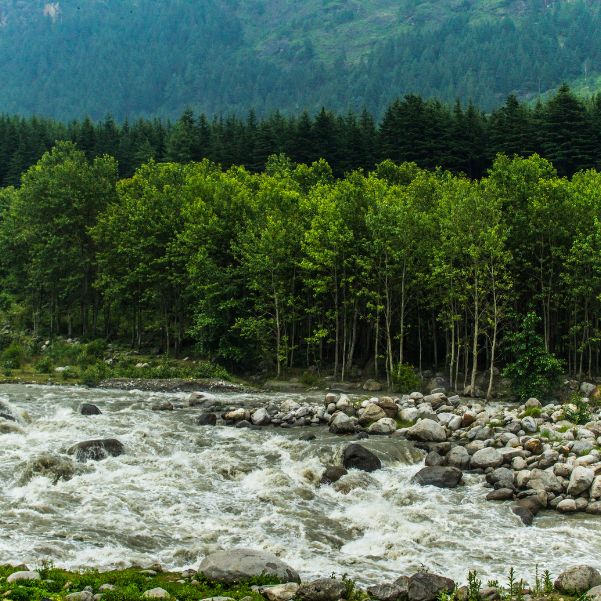
Return through Shimla and Kinnaur when Kunzum remains closed, weather looks unstable, Chandratal access stays uncertain or you have a low clearance vehicle.
The Shimla return also works when your group prefers a known route over a seasonal exit with rougher sections.
Consider the Manali exit only after local sources confirm Kunzum, Batal and the connecting road open and suitable for your vehicle.
The full circuit gives you a different route, but it remains seasonal. Do not force it into fixed flight dates or a rigid hotel plan.
A previous month’s opening update cannot guarantee your travel day. Verify again before leaving Kaza.
What we tell our travellers is to keep the circuit as an option, not as a promise. The safer route on the day should decide the exit.
Plan the Shimla Route Around Time, Not Just Distance
The Shimla route suits travellers who value a gradual ascent and a slower introduction to Spiti. It gives you practical halts through Narkanda, Rampur, Reckong Peo or Kalpa, Nako and Tabo before Kaza.
Do not let the 412 km figure push you into a rushed drive. Split the approach, keep one flexible day and treat Chandratal or the Manali exit as seasonal options.
Our team prefers a plan that reaches each halt in daylight and leaves room for weather or road work.
On the morning of departure, verify the exact road section with the district administration, your hotel and a working local driver. That final check matters more than any old status post.
Explore Our Curated Shimla Tour Packages
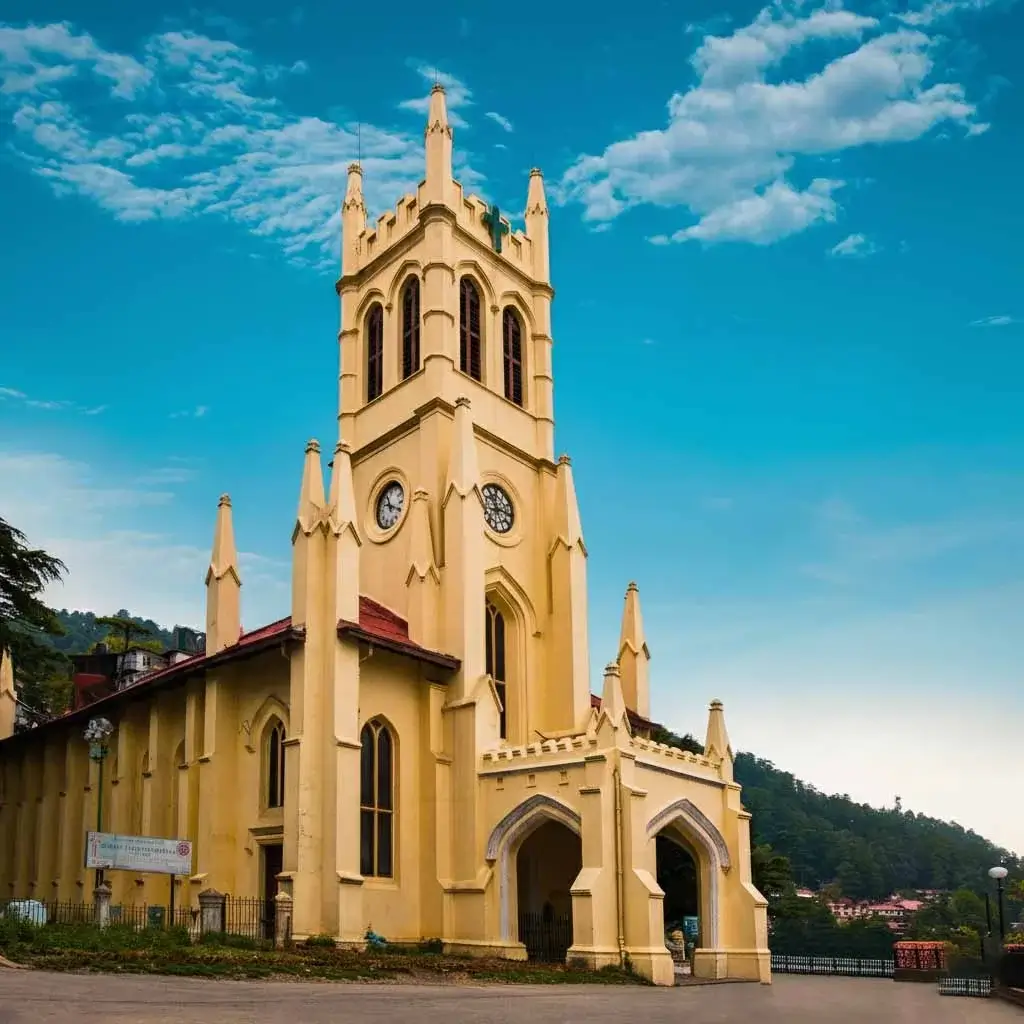 6D/5N
6D/5NClassic Shimla Kufri Mashobra Narkanda Experience
1D Delhi•3D Shimla+2
₹12,999₹18,999SAVE INR 6,000/ person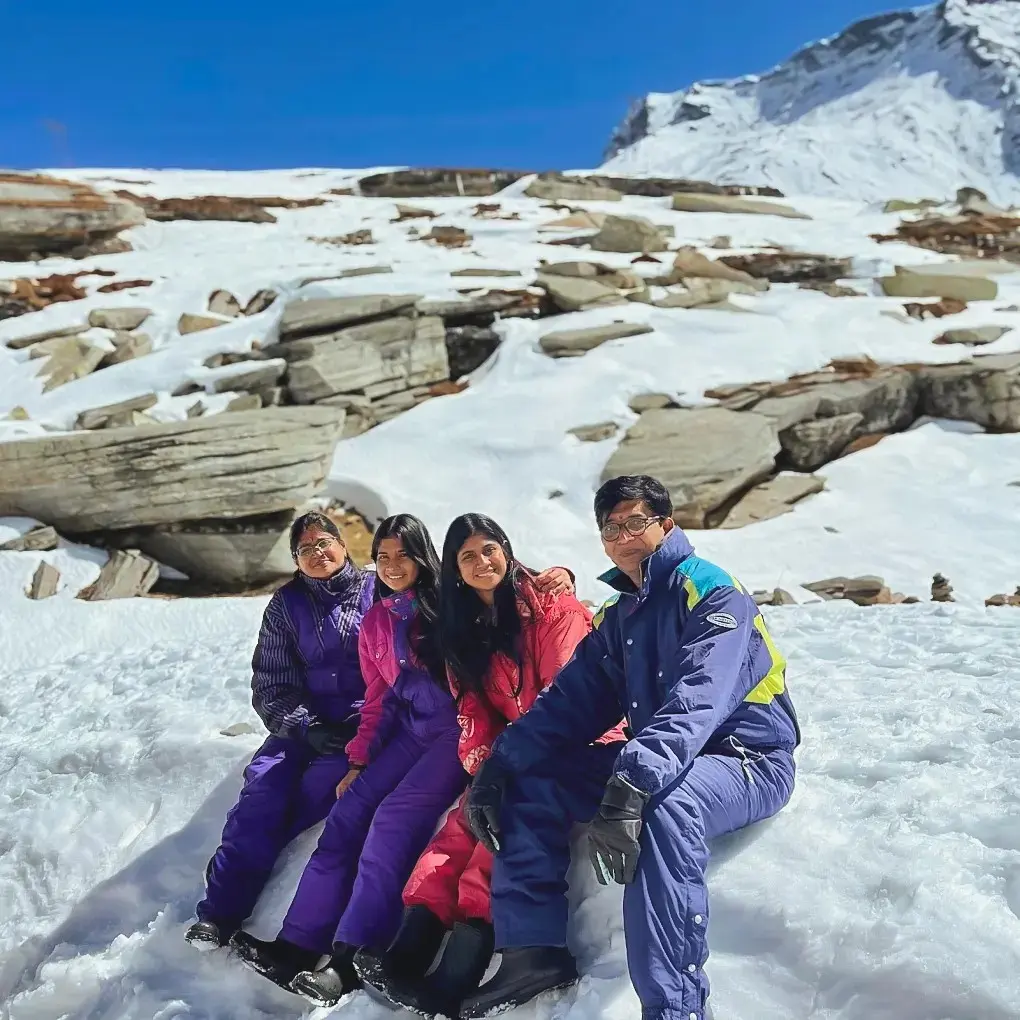 7D/6N
7D/6NComplete Shimla Manali Volvo Package with Rohtang Pass
2D Shimla•2D Manali
₹15,999₹19,499SAVE INR 3,500/ person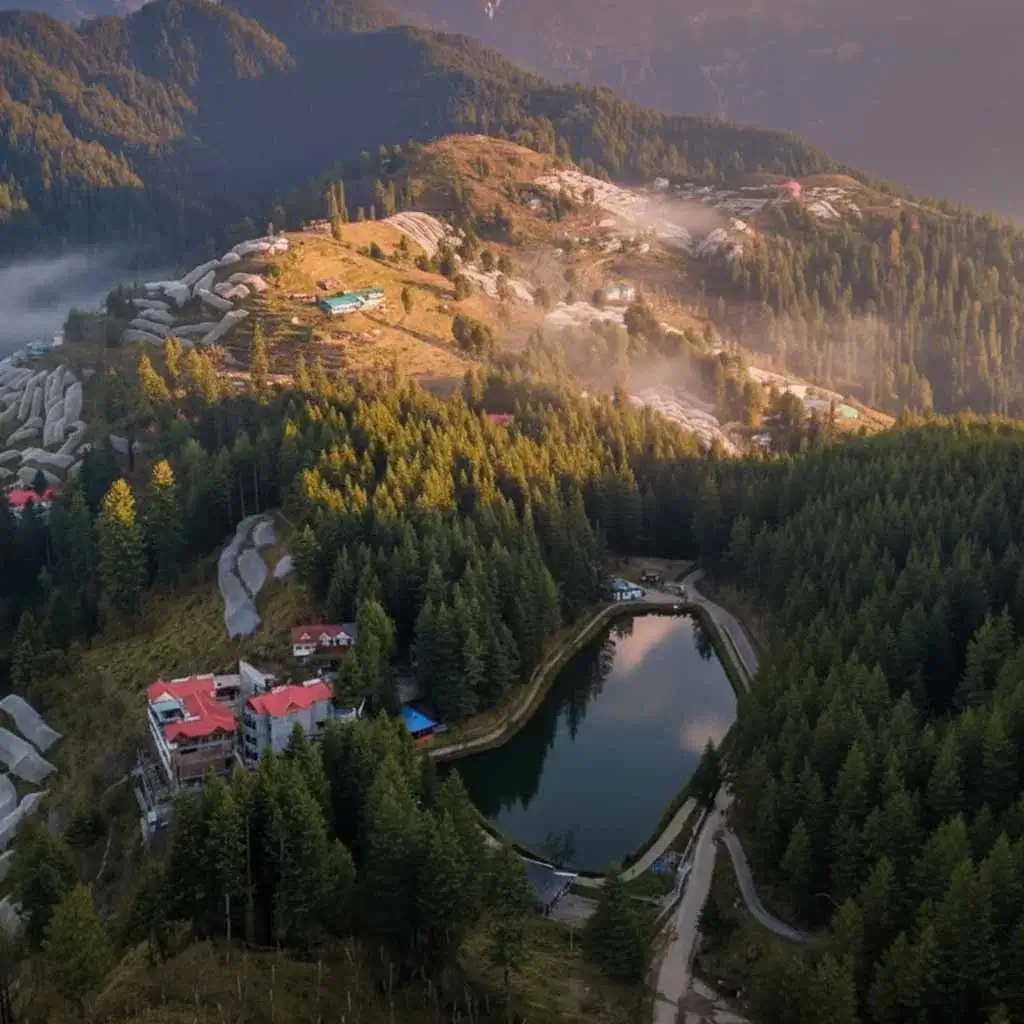 7D/6N
7D/6NClassic Shimla Kufri Chail Narkanda Pine Valley Experience
1D Delhi•2D Shimla+3
₹17,600₹23,999SAVE INR 6,399/ person
Related topics
Frequently Asked Questions
What is the distance from Shimla to Spiti Valley?
The official Shimla to Kaza distance is 412 km, while Himachal Tourism rounds it to 410 km.
How long does Shimla to Kaza take?
The official estimate is around 20 hours of driving, excluding an overnight halt and delays.
Can Shimla to Spiti be driven in one day?
The drive time may fit on paper, but most travellers should split it over two or three days for daylight, rest and safer altitude gain.
Which is better for entering Spiti, Shimla or Manali?
The Shimla side gives a more gradual ascent and usually suits first time travellers better. The Manali entry depends on seasonal Kunzum access.
Is the Shimla to Spiti road open throughout the year?
Official sources call it almost all weather, but snow, rain, landslides, rockfall and road work can still close sections temporarily.
Can a sedan go from Shimla to Spiti?
A sedan may manage the Shimla to Kaza route in settled conditions with an experienced hill driver. Confirm current road damage first.
Is a 4x4 compulsory for the Shimla route?
No supplied fact says four wheel drive is compulsory. A higher clearance vehicle gives more margin on broken sections.
Is there a direct HRTC bus from Shimla to Kaza?
Direct HRTC service availability, departure times and fares can change with season and road conditions. Check the current HRTC schedule before travelling. The usual journey can also be made through Reckong Peo with an onward service to Kaza.
Do Indian citizens need a permit for Spiti?
Indian citizens do not need an entry permit, but they should carry valid government photo identification.
How do foreign tourists obtain an Inner Line Permit?
Foreign tourists entering through Shimla and Kinnaur need an Inner Line Permit. Reckong Peo is one authorised permit location.
Can Chandratal be included in a Shimla to Spiti trip?
Yes, but only when Kunzum Pass, Batal and Chandratal access are open for the season. Check the latest official road status before including Chandratal in your itinerary.
Is July or August safe for the Shimla and Kinnaur route?
Travel can remain possible, but monsoon rain raises landslides, rockfalls, slippery roads and delay risk. Keep a buffer day and check the route each morning.
More about Shimla
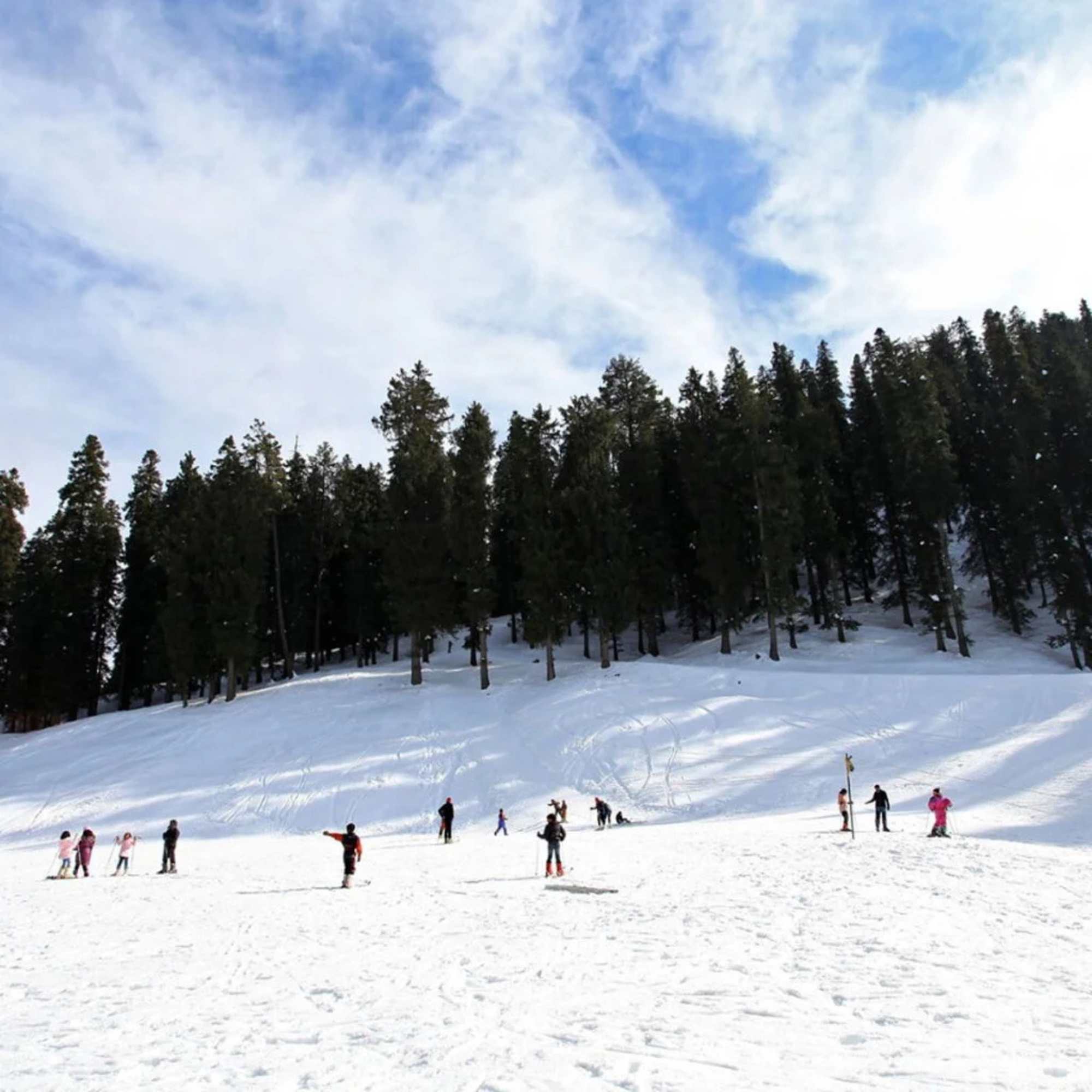 Shimla
Shimla Snow Trip 2026: Best Time, Itinerary, Cost and Local Tips
Plan your Shimla Snow Trip 2026 with this complete guide to the best time for snowfall, estimated trip cost, winter itinerary, top snow spots, Kufri visit, and useful travel tips.
- Snow Travel
- Best Time to Visit
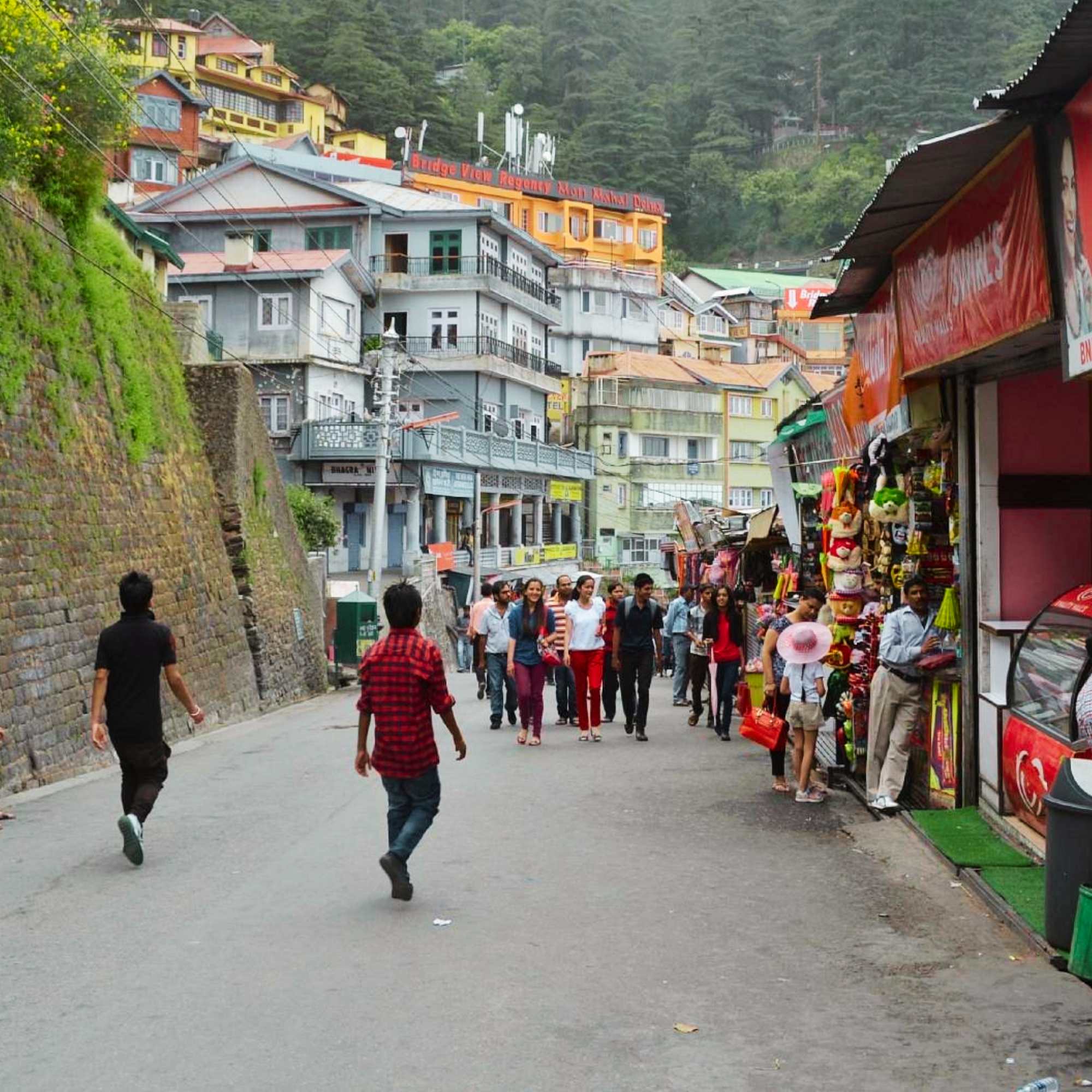 Shimla
Shimla in February 2027: Weather, Snowfall, Itinerary and Travel Tips
Planning a trip to Shimla in February 2027? Discover typical February temperatures, chances of snowfall, what the weather is usually like, the best places to enjoy snow, what to pack, and practical tips for planning a memorable winter trip to Shimla.
- Best Time to Visit
- Snow Travel
 Shimla
Snow Point Near Shimla in 2026: Kufri, Fagu, Narkanda and the Best Places to Find Snow
Discover the best snow points near Shimla in 2026, including Kufri, Fagu and Narkanda. Find out where to see snow, the best time to visit, and the top winter destinations near Shimla.
- Snow Travel
- Places to Visit