
Shimla for Senior Citizens in 2026: Easy Itinerary, Accessible Places and Travel Tips
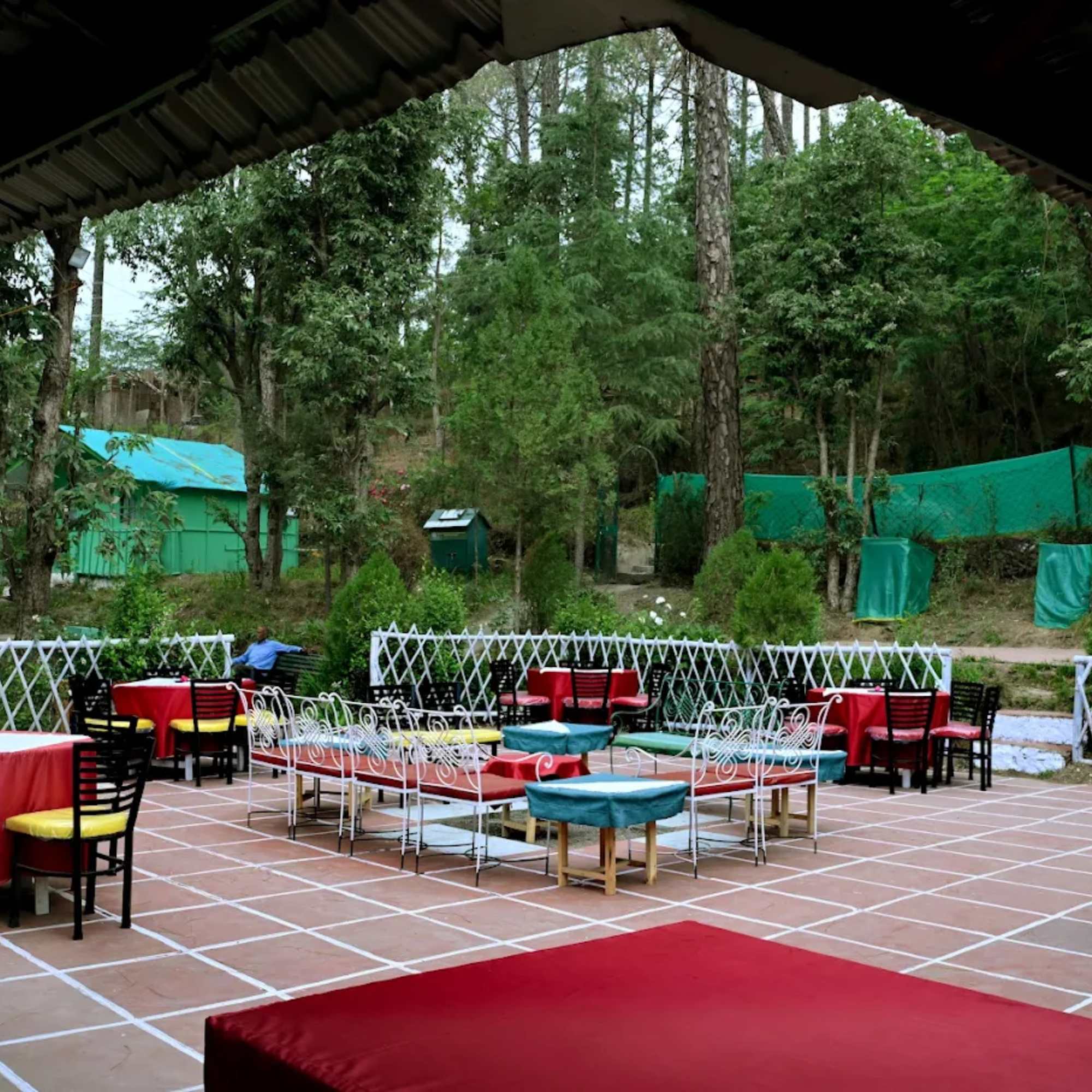
Shimla can be a comfortable destination for senior citizens when the trip is planned with shorter travel days, suitable hotels and limited walking.
This guide by Travel Coffee includes an easy itinerary, accessible places to visit and practical travel tips for senior citizens visiting Shimla in 2026.
It also covers hotel access, local transport, weather preparation, rest breaks and sightseeing choices so families can plan a safer, slower and more comfortable holiday.
Quick Answer
Shimla for senior citizens can work well when the traveller can manage short walks and the family books a hotel with genuine vehicle access. Use the tourist lift where practical, keep each day to one or two areas, and avoid steep shortcuts.
Mall Road and the Ridge stay pedestrian only, and Shimla does not offer full wheelchair access. Anyone with serious heart, lung, balance, or mobility concerns should seek personal medical advice before travel.
Customised Shimla tour packages can help when you need a slower plan with the right hotel approach.
What most tourists get wrong is simple. They judge access by the hotel’s map distance from Mall Road. A property may look very close and still involve stairs, a steep approach, a public lift, or a walk from the cab drop point.
Is Shimla Suitable for Senior Citizens?
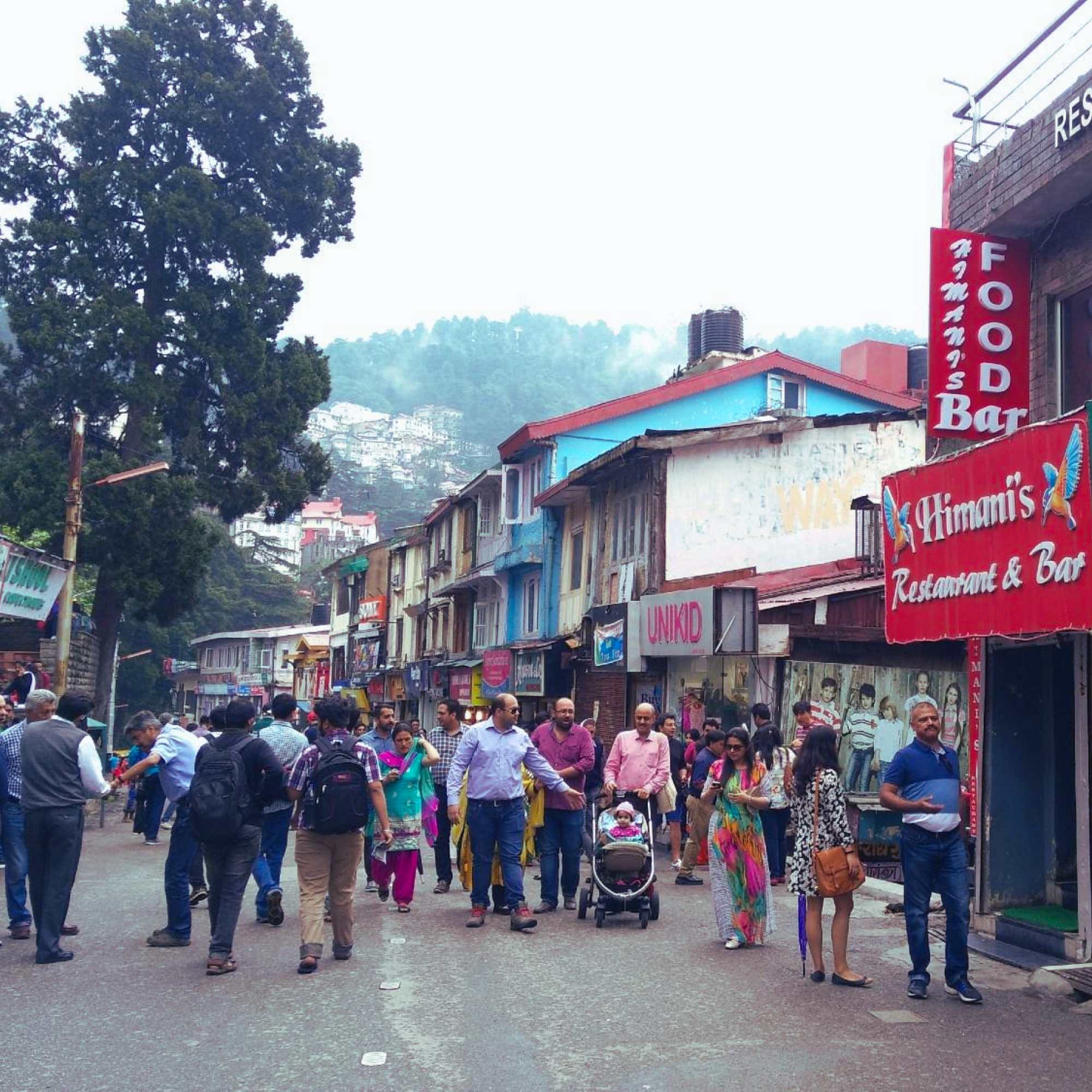
Shimla suits many independently mobile senior travellers who can manage short gentle walks, get in and out of a cab, and rest whenever they need. It also suits families that accept a slower holiday instead of chasing every attraction.
Use three effort levels while planning. Low effort means the cab reaches close to the stop and the traveller handles only a short, gentle walk. Moderate effort means some slope, standing, steps, or a longer pedestrian section.
Difficult for limited mobility means steep climbing, uneven ground, crowded routes, or no dependable step free access. The key to planning Shimla for senior citizens is matching every stop to one of these levels.
In our experience, the success of a senior citizen trip to Shimla depends more on the hotel approach road than on the number of attractions in the itinerary.
Shimla may not suit a traveller who cannot manage any slope, needs fully step free movement, or expects a cab to reach every door. Normal tourist vehicles cannot enter Mall Road or the Ridge, so some walking remains unavoidable even with a private cab.
What Makes Shimla Difficult for Elderly Travellers?
Slopes, stairs and hotel approaches
Shimla spreads across hills, so a short distance on a map can feel much harder on the ground. A route of only a few hundred metres may include a slope, steps, narrow paving, or a change between a road and a pedestrian lane.
Before paying, ask the hotel for a current video that starts at the cab drop point. The video should show the route to reception, the route from reception to the passenger lift, and the route from the lift to the exact room category.
This simple check catches problems that polished hotel photos hide. A central property may still require entrance stairs, a public lift ride, or a short uphill walk with luggage.
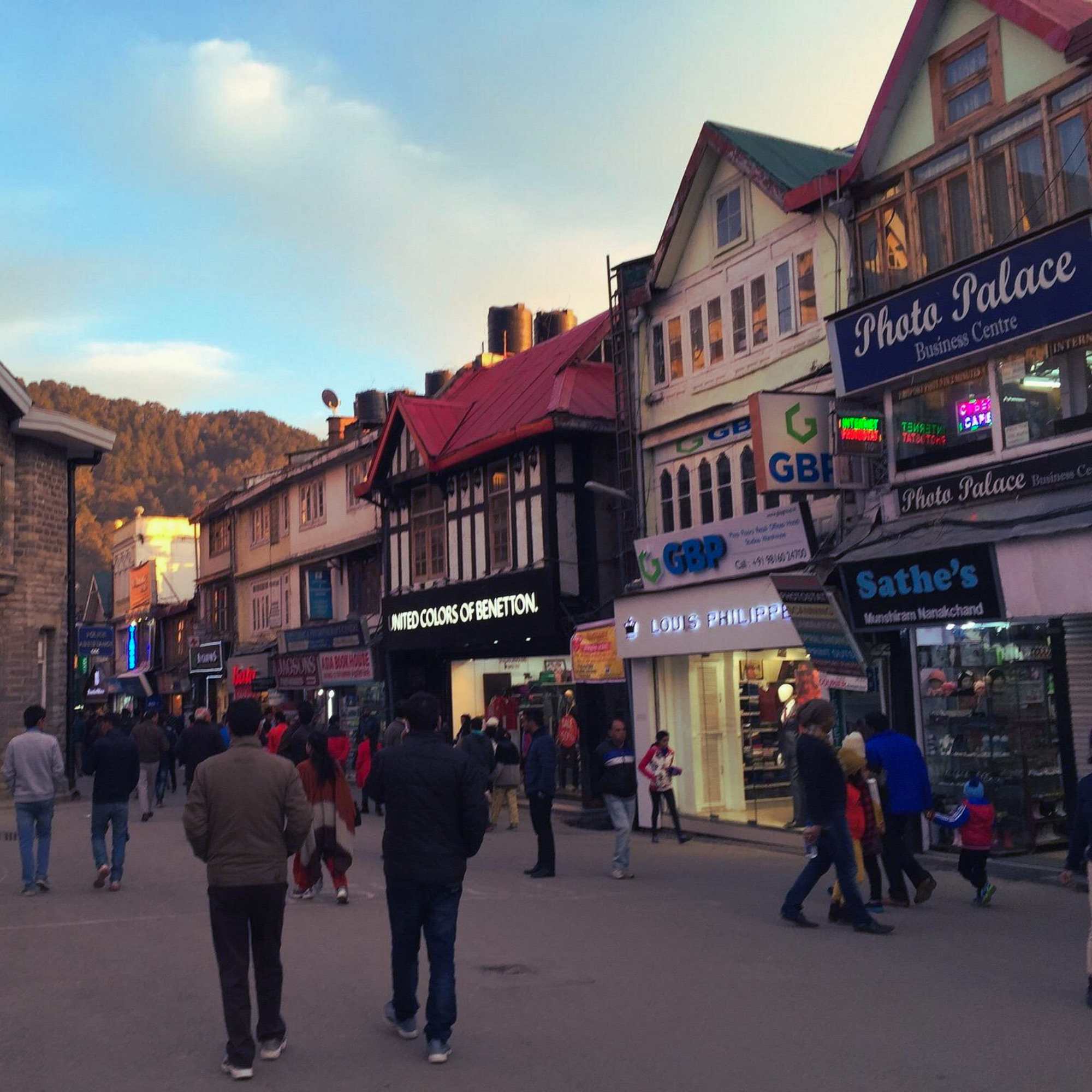
Pedestrian only sightseeing areas
Normal tourist vehicles do not enter Mall Road or the Ridge. A private cab can take you to the nearest practical drop point, but it cannot remove the final pedestrian section.
The public tourist lift helps with the main climb from Cart Road to the upper Mall Road area. It does not carry you through every shop, restaurant, lane, or attraction.
Rain, frost, snow and slippery paving
Wet stone, ice, snow, and crowded slopes can make a familiar route much harder for someone with knee or balance concerns. Even a low effort stop can turn into moderate effort after rain.
Closed shoes with non slip soles matter. The traveller should also carry the walking stick, walker, or other aid that they already use at home.
Which Area Is Best for Senior Citizens to Stay in Shimla?
Near the tourist lift
The area around the public tourist lift can reduce the uphill climb between Cart Road and Mall Road. This location can help families who want one short visit to the Ridge, Christ Church, and a small part of Mall Road.
Do not assume that every hotel near the lift offers step free access. The route may still include stairs, a slope, a road crossing, a second lift, or a walk from the upper exit.
Central Shimla with vehicle access
The most practical hotel often has four things. The cab reaches reception, a passenger lift reaches the occupied floor, meals remain available inside, and the bathroom suits the traveller’s needs.
A listing may call a property a drive-in hotel near Mall Road, but you still need proof that the cab reaches reception.
For elderly friendly hotels in Shimla, prioritise access over a famous address. A room with easy entry, reliable heating, and meals on site reduces daily effort.
Quiet outskirts
Quieter areas can give you easier vehicle access and less crowding. They may suit seniors who prefer views, rest, and short drive based outings over shopping and evening walks.
The trade off is simple. You will need a cab each time you visit central Shimla, and traffic can affect the day.
Questions to ask before paying
Ask whether the cab reaches reception or stops below the hotel. Ask how many entrance stairs remain and whether a ramp actually reaches the lobby.
Ask whether the passenger lift reaches every guest floor and the exact floor of your booked room. Also ask whether generator backup keeps the lift working during a power cut.
Ask whether the bathroom has grab rails, whether hot water runs continuously, whether the room has heating, and whether the hotel can serve meals in the room when the traveller feels tired.
Ask for the current access video before you pay a non refundable amount. This local money saving step can prevent a costly hotel change after arrival.
How Can Senior Citizens Reach Shimla Comfortably?
Private cab from Chandigarh
Chandigarh is about 115 km from Shimla. A private cab gives the family control over breaks, luggage, and the pace of the road journey.
You can stop if the traveller feels motion sick, needs a washroom break, or wants to stretch. Daytime travel also makes it easier to manage hotel access after arrival.
Do not lock the trip around a fixed driving time. Traffic, weather, road work, and local conditions can change the journey.
Train to Kalka followed by a road transfer
A train to Kalka followed by a private cab can work well for families who want rail comfort without committing to the full toy train journey.
A road transfer from Kalka gives you flexible stops and direct luggage handling. It may suit a traveller who tires easily or finds long fixed seating uncomfortable.
Kalka to Shimla toy train
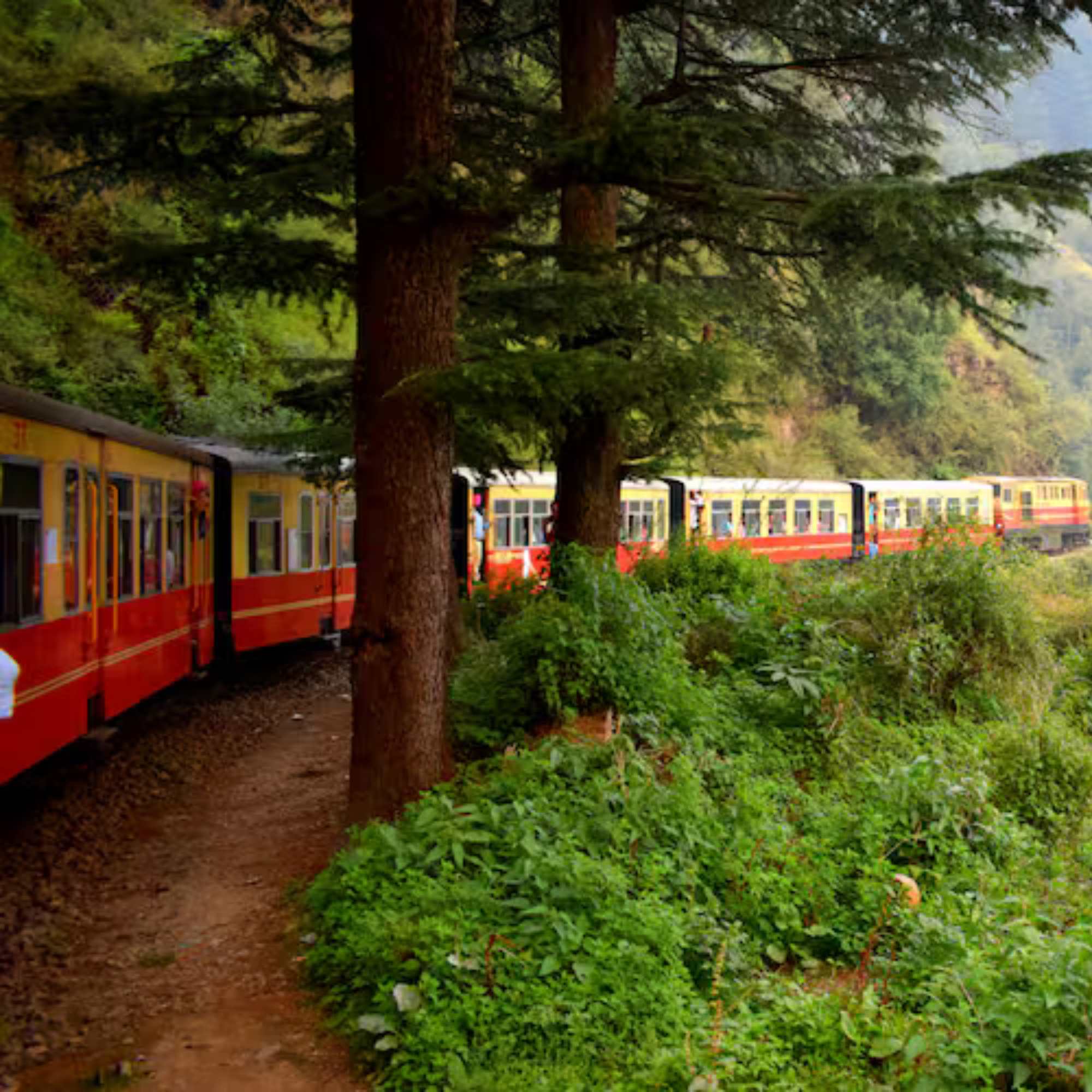
The Kalka to Shimla heritage railway covers about 96 km. The official tourism guide states that the route passes through 102 tunnels and 864 bridges.
The journey gives you a slow mountain rail experience, but it also lasts several hours. The traveller must manage boarding, fixed seating, luggage, a fixed timetable, and platform access.
The Kalka Shimla toy train for elderly travellers works best when the senior enjoys long train journeys and can handle the platform and coach entry. It may feel tiring for someone who needs frequent movement, private washroom access, or flexible stops.
Check the current train, platform, coach access, fare, and timing on IRCTC before booking. Do not assume that every coach offers the same entry height or luggage space.
Flight to Shimla
Alliance Air lists Delhi to Shimla services in 2026. The flight can reduce road time, but schedules vary and mountain weather can affect operations.
Check the live schedule for your travel date. Keep Chandigarh plus a private road transfer as the more flexible fallback when timing and health needs matter.
How Does the Shimla Tourist Lift Work?
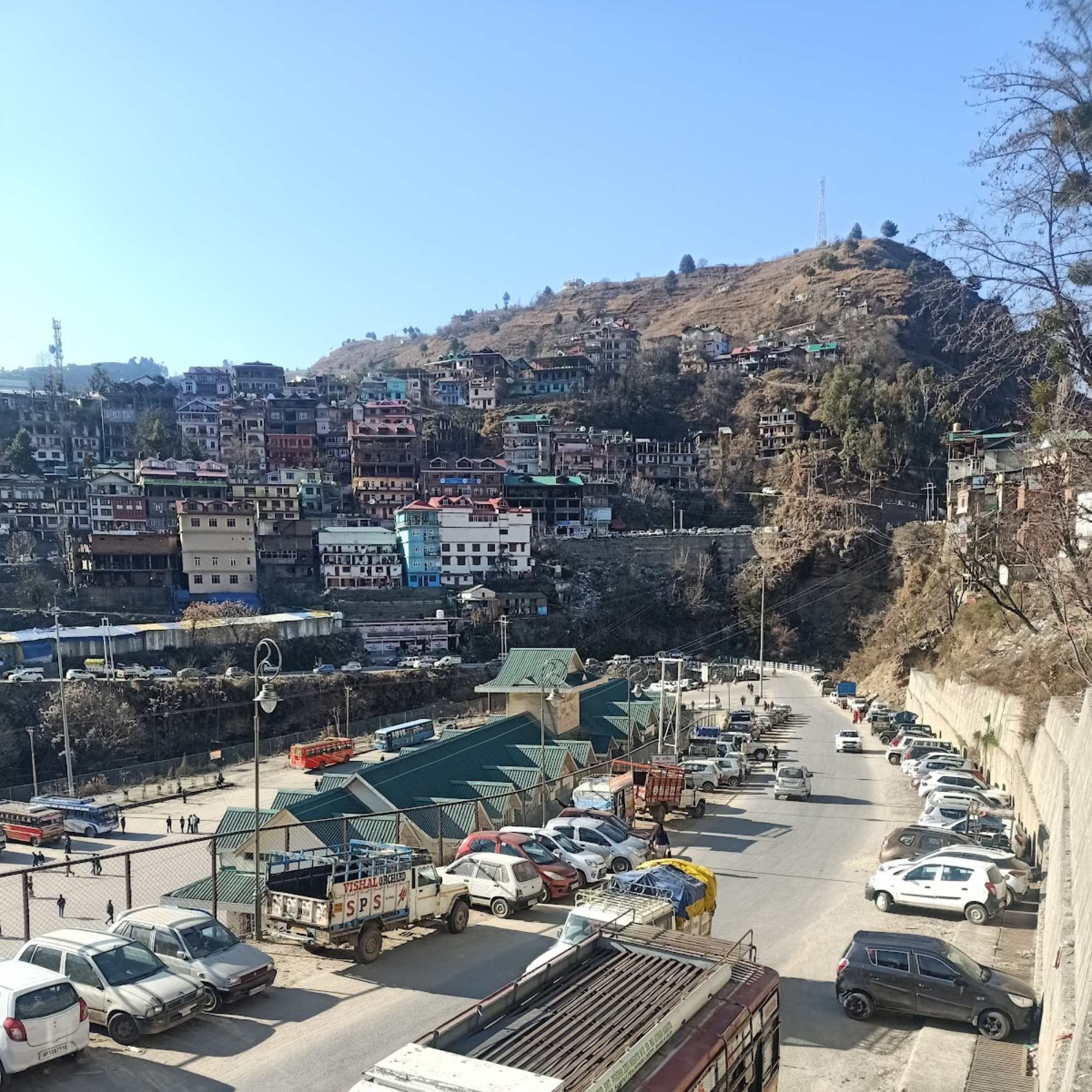
The public tourist lift connects Cart Road with the upper Mall Road area. It helps travellers avoid a major uphill climb and often makes a short Mall Road visit more practical.
The tourist lift operates in two stages between Cart Road and the upper Mall Road area.
Operating hours and fares may change, so confirm the current timing, ticket price, maintenance status and accessibility arrangements on the day of your visit.
Confirm the timing, fare, maintenance status, queue, and wheelchair handling on the same day. The lift may close for maintenance, and crowding can affect how easily a senior enters or exits.
Using the lift early in the day can help reduce queues and leave more time for a relaxed Mall Road visit. Check the opening time before planning your arrival.
The lift solves the main height difference. It does not make Mall Road, the Ridge, restaurants, shops, or hotel entrances fully step free.
Are Wheelchairs Available on Shimla Mall Road?
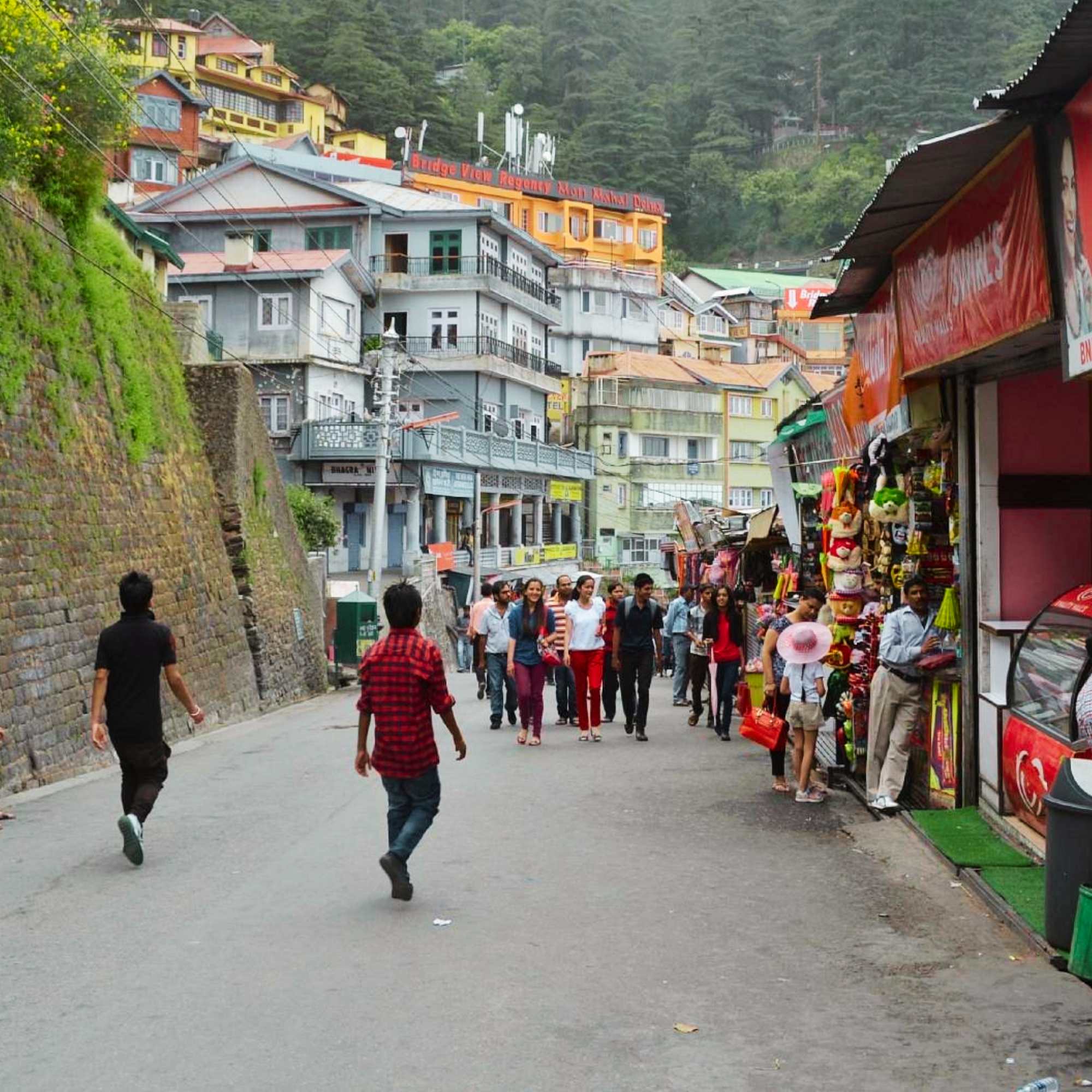
Traveller forums describe paid wheelchair assistance near the tourist lift or Mall Road. No dependable official online rental tariff or guaranteed daily availability appears in the supplied facts.
Wheelchair assistance may be available near the tourist lift or Mall Road, but availability and charges are not guaranteed.
Confirm the provider, meeting point, route covered, helper support, weather limitations and total cost in advance.
A standard wheelchair can still feel difficult on slopes, crowded sections, wet paving, and properties with steps. Never treat Shimla as fully wheelchair accessible.
A wheelchair can reduce walking in some sections, but it cannot remove every stair, narrow lane, uneven surface, or vehicle restriction.
Arrange assistance in advance when the traveller cannot proceed without a wheelchair. Do not arrive at the lift and depend on an unconfirmed chair.
Which Places in Shimla Are Easiest for Senior Citizens?
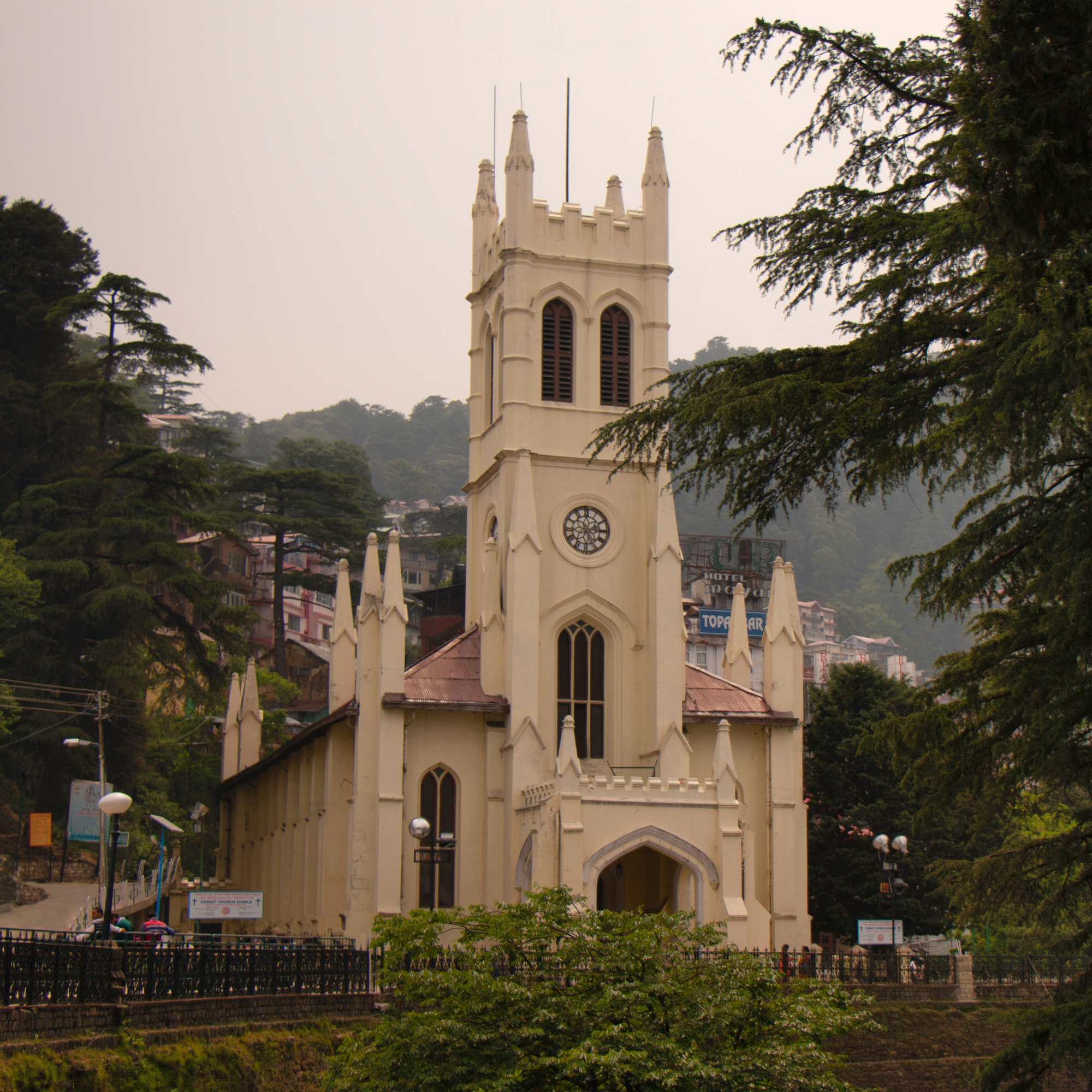
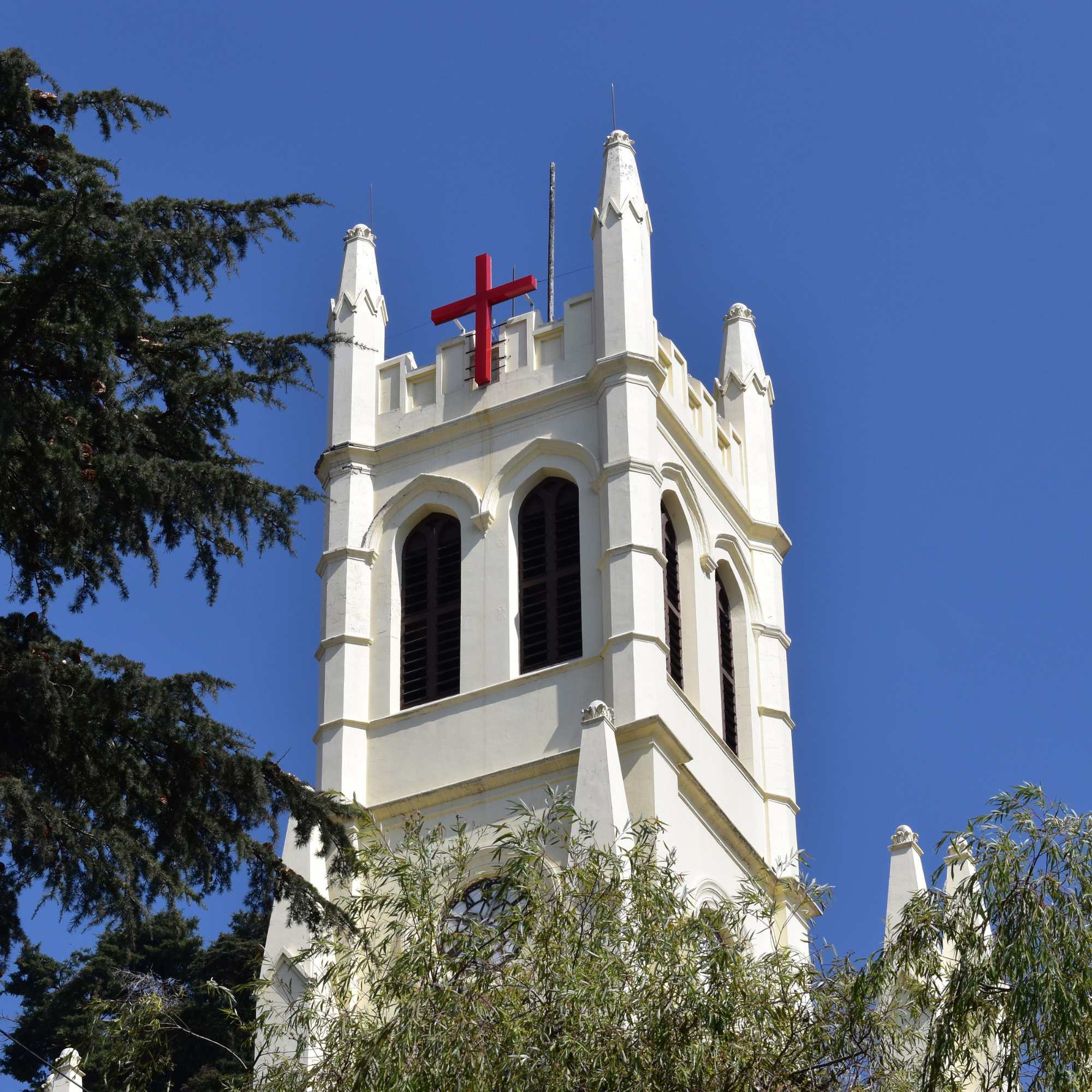
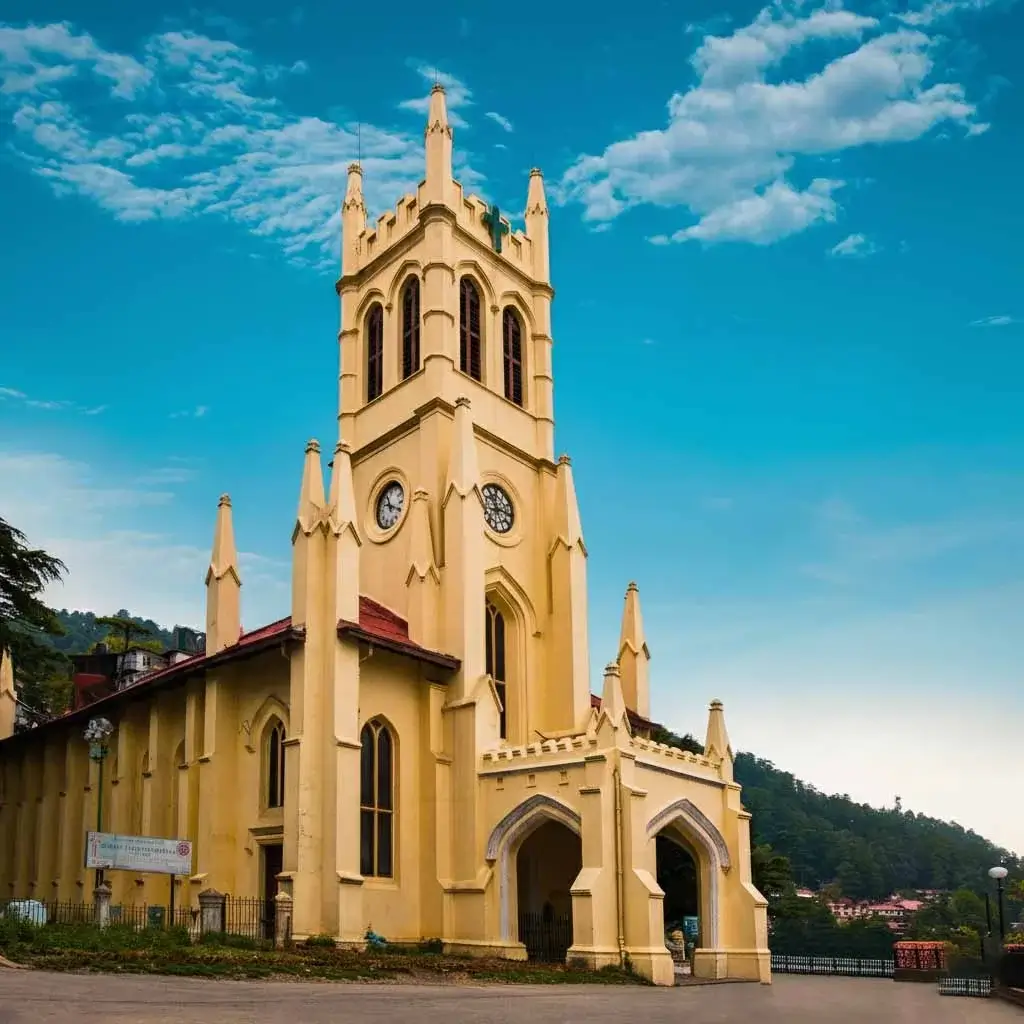
The Ridge, Christ Church and a short section of Mall Road
This central cluster ranges from low effort to moderate effort. The real level depends on the hotel, vehicle drop point, tourist lift, crowd, weather, and the traveller’s walking ability.
Use the tourist lift when it reduces the climb. Walk only the section that feels comfortable, and stop before the traveller shows fatigue.
A seated chai break on upper Mall Road near the tourist lift gives the senior time to rest before the return journey. This exact stop also makes it easier to use the same lift route down.
Sankat Mochan Temple
Sankat Mochan Temple lies about 5 km from central Shimla and you can reach it by taxi or cab.
It can work as a low effort spiritual stop after the vehicle drop. Confirm the exact entrance route, the remaining walk, and any steps before taking a traveller with limited mobility.
Jakhu Temple by ropeway
Central Shimla stands at about 2,205 metres, while Jakhu Hill reaches about 2,455 metres. The ropeway removes the steep uphill trek.
The operator lists ropeway operation from 9:30 AM to sunset. The operator also says the ride takes about six minutes.
The upper terminal still requires a short walk. Ask the operator about steps, slopes and wheelchair access before booking when a traveller cannot manage stairs.
Ropeway fares vary by ticket type and passenger category. Confirm the latest adult and child prices directly with the operator before travelling.
Jakhu Ropeway for senior citizens does not suit everyone. Moving cabin boarding can worry someone with weak balance, and a traveller with a fear of heights may not enjoy the ride.
Monkeys add another concern around Jakhu. Keep food hidden, avoid loose items, and do not ask a frail traveller to carry bags while walking.
Indian Institute of Advanced Study
The Indian Institute of Advanced Study welcomes visitors from 9:30 AM to 5:00 PM. The institute closes on Mondays and national holidays.
Entry fees, senior concessions, internal stair access and wheelchair arrangements may change. Contact the institute before travelling when a senior citizen needs step-free access or mobility assistance.
Contact the institute before travel when a senior needs step free movement. Ask whether the visit route includes stairs and whether the vehicle can reach the practical visitor entry point.
Scenic drives and viewpoints
Drive based sightseeing suits seniors who enjoy mountain scenery but cannot walk far. The family can choose one or two roadside stops and spend more time in the cab.
Do not assume that every viewpoint has parking, seating, toilets, or a safe wheelchair space. Ask the driver to stop only where the traveller can enter and exit safely.
Which Popular Shimla Attractions May Be Difficult for Senior Citizens?
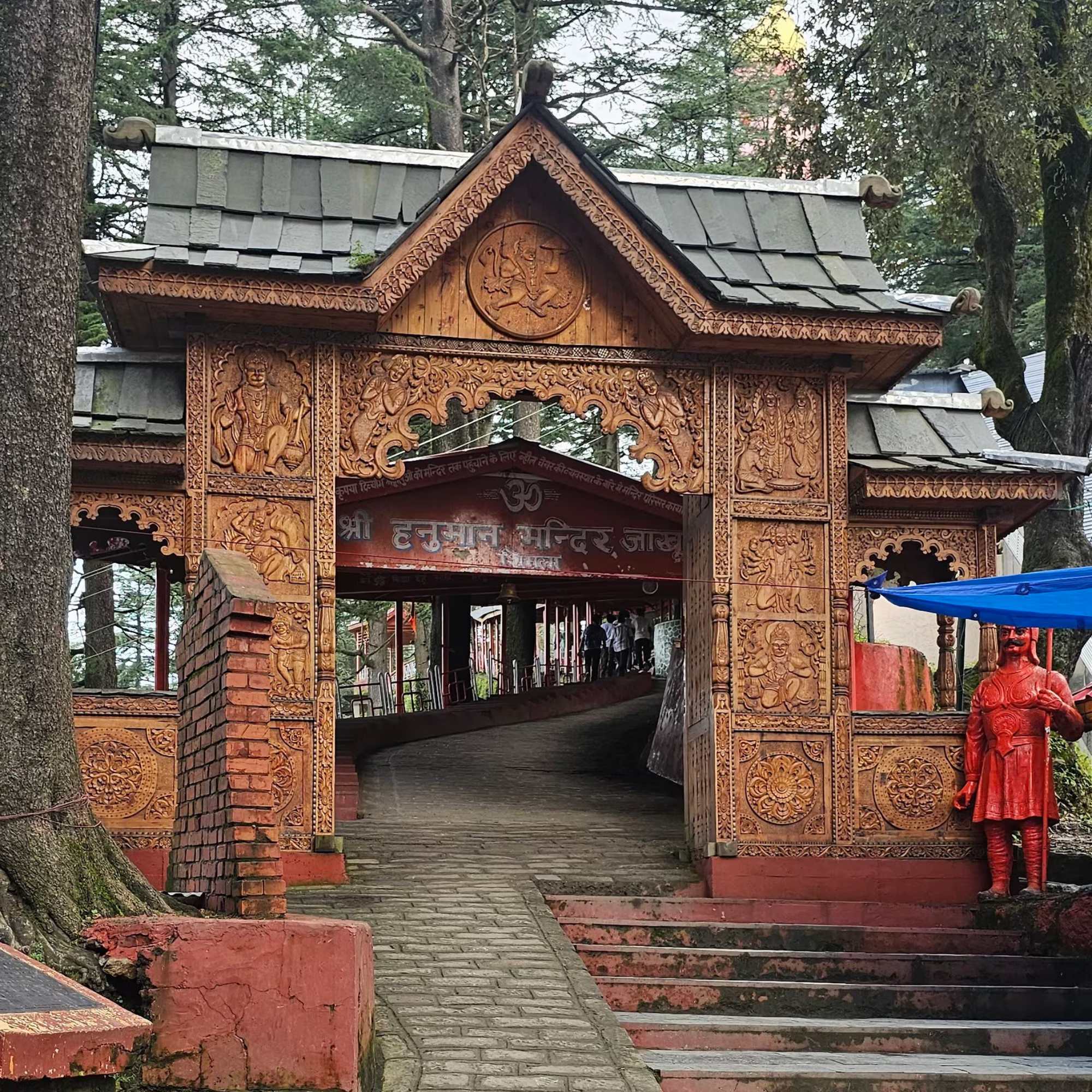
Jakhu Hill trek
The uphill trek to Jakhu should usually stay out of a Shimla itinerary for senior citizens with knee, breathing, balance, or stamina limits.
The ropeway can replace the steep climb only after the family checks cabin boarding and the remaining walk. Do not treat the ropeway as an automatic green signal.
Kufri adventure and pony areas
Kufri can involve uneven ground, mud, snow, ponies, crowds, and walking beyond the vehicle point. These conditions can turn the visit into difficult for limited mobility.
Do not label Kufri as universally senior friendly. A traveller with balance problems may feel unsafe around ponies or on a slippery surface.
Skip the pony and adventure section when the senior cannot manage the final approach. A scenic drive or comfortable roadside stop gives better value and less risk.
Lower Bazaar and steep shortcuts
Lower Bazaar has narrow lanes, stairs, and slopes. It can feel difficult for limited mobility, especially when the area grows crowded.
Avoid steep shortcuts between the market and upper roads. Use the tourist lift or the longer gentler route even when someone claims the shortcut saves time.
Chadwick Falls and forest paths
Do not assume that the approach to Chadwick Falls stays short and easy. Forest conditions and the walking surface can change.
Check the route locally before taking an elderly parent. Skip the stop when the surface looks wet, broken, uneven, or too far from the vehicle.
What Is the Best Time to Visit Shimla with Elderly Parents?
March to June
March to June forms the established summer sightseeing season. This period can suit seniors who want longer comfortable outdoor hours without planning around snow.
May and June can also bring peak crowds, traffic, and higher hotel demand. Crowding around central roads and the tourist lift can increase standing time.
March, April, and non holiday dates can offer a more practical plan, but no one can guarantee the weather. Check the forecast close to departure and pack layers.
The best time for seniors to visit Shimla depends on their tolerance for cold, crowds, and rain. A quiet date with easier hotel access often matters more than chasing a famous season.
September to November
Families often choose the post monsoon period from September to November for clearer conditions and fewer peak summer crowds.
Nights turn colder later in the season. Confirm room heating, hot water, and the distance from the cab to reception before booking.
Do not schedule long evening walks for a traveller who feels the cold. Use the warmer part of the day for sightseeing and return before discomfort starts.
July and August
The official southwest monsoon season in Himachal Pradesh runs from June to September. Rain can create slippery surfaces, delays, landslides, and local road disruption.
Check the IMD Shimla forecast and district advisories on the same day as travel. Do not rely on an old social media road update.
December to February
Snowfall cannot be guaranteed on fixed dates. Families often make the mistake of booking a senior trip around a snow promise and then accepting poor access, traffic, and cold just to keep the plan.
Winter brings cold, ice, possible traffic delays, and shorter comfortable outdoor periods. Heating quality becomes a major hotel check.
Christmas and New Year can also bring heavy crowding. Avoid peak holiday dates when mobility, cold, or traffic create serious concern.
Is Shimla’s Altitude a Concern for Senior Citizens?
Central Shimla stands at about 2,205 metres. Jakhu Hill rises to about 2,455 metres.
Altitude illness often appears after rapid ascent above about 2,500 metres, but individual health risk varies. Shimla’s central elevation does not make it medically risk free.
Travellers with heart disease, lung disease, oxygen dependence, uncontrolled blood pressure, recent surgery, or serious chronic illness should speak with their own doctor before travel.
Do not start acetazolamide, oxygen, aspirin, pain medicine, or any other drug based on online advice. Carry the traveller’s regular medicines and written prescription.
A Relaxed 3 Day Shimla Itinerary for Senior Citizens
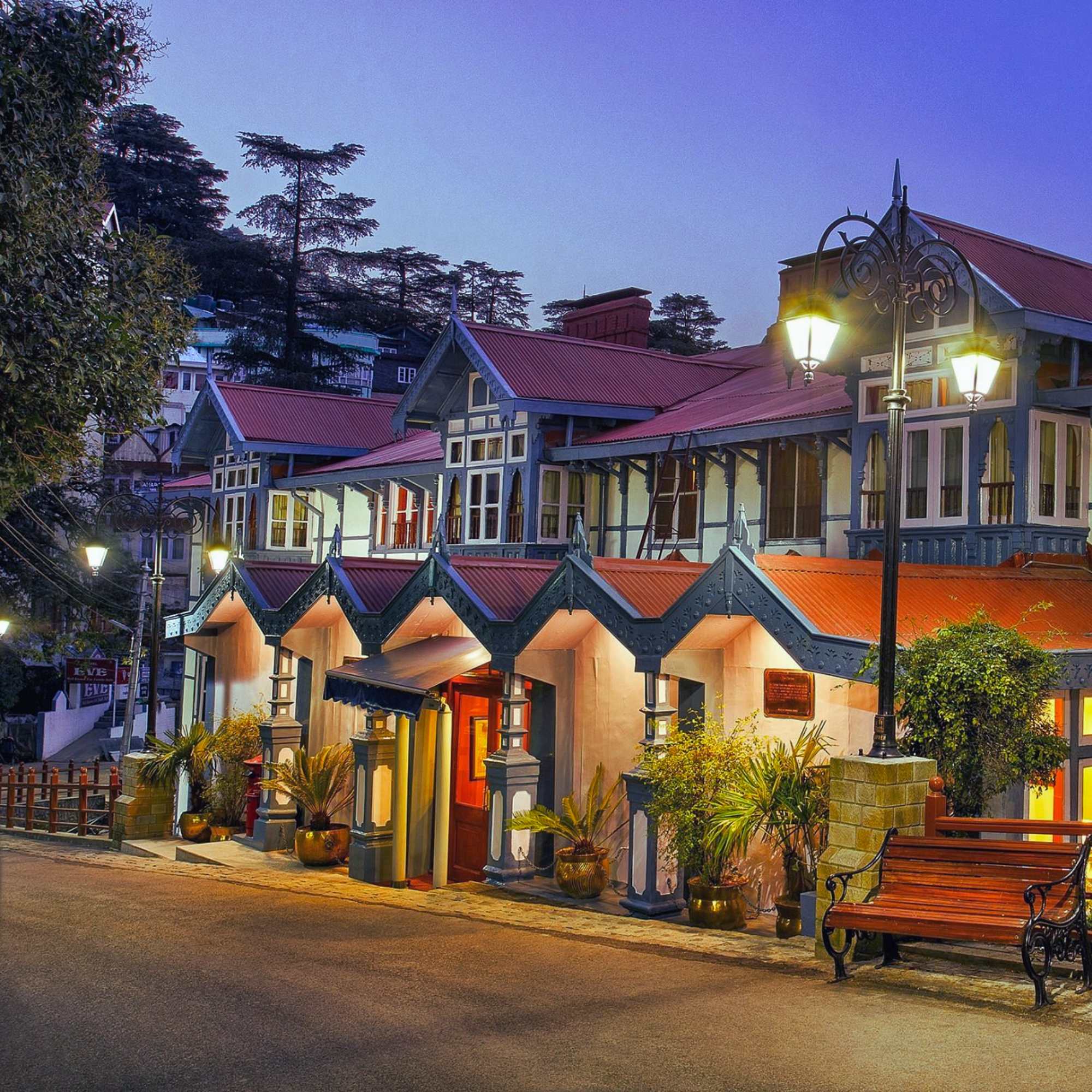
This Shimla for senior citizens itinerary keeps walking controlled, protects rest time, and leaves room to change the plan when energy or weather shifts.
Day 1: Arrival and rest
Book a private pickup from Chandigarh or Kalka. Ask the driver to keep the journey steady and stop when the senior needs a break.
Check in, have a simple meal, and rest. Take only a very short nearby walk when the traveller feels comfortable.
Do not schedule Kufri, Jakhu, or a long Mall Road evening after arrival. A tiring first day can affect the whole holiday.
Day 2: The Ridge and Mall Road slowly
Use the tourist lift or the closest practical drop point. Cover the Ridge, Christ Church, and only a short comfortable stretch of Mall Road.
Take a seated tea or meal break before the traveller feels tired. Do not wait for fatigue before resting.
Return to the hotel before evening cold or heavy crowding. Keep the rest of the day free for sleep, medicines, and a warm meal.
Day 3: Drive based sightseeing
Choose Sankat Mochan and one additional low effort attraction. Confirm the final entrance route before leaving the hotel.
Use Jakhu Ropeway only when the traveller feels comfortable with the moving cabin and the remaining walk. Otherwise choose a scenic drive.
Return for lunch or a midday rest rather than adding multiple attractions. A shorter day often creates better memories than a packed one.
Our team recommends keeping one flexible sightseeing slot rather than forcing every attraction into the plan.
What Should Senior Citizens Pack for Shimla?
Carry regular medicines in their original packaging. Keep written prescriptions, a short medical summary, insurance details, and emergency contacts together.
Place essential medicines in hand luggage, not in a suitcase inside a distant vehicle. Also carry the doses needed for the day in a small, clearly organised pouch.
Pack warm layers that the traveller can add or remove easily. Add rain protection during the monsoon period and colder months when the forecast suggests wet weather.
Keep water and light snacks in the day bag. Add spectacles, a spare spectacles case, hearing aid batteries, phone charging support, and any personal comfort item the traveller uses daily.
In our experience, keeping the day bag light and organised prevents a surprising amount of stress during Mall Road visits.
Do not start new medicine because of this guide. Speak with the traveller’s doctor about personal needs before the trip.
Medical Facilities and Emergency Numbers in Shimla
Save the integrated emergency number 112 before leaving the hotel.
For medical and ambulance help, use 102 or 108. The disaster management helpline is 1077.
IGMC Shimla lists emergency contact numbers 0177 2654713 and 0177 2803073. IGMC also lists trauma or casualty support for 24 hours.
Keep these numbers in the traveller’s phone and in one written note. A phone battery can fail, and another family member may need to call.
Also save the hotel, driver, insurer, family doctor, and nearest hospital numbers before sightseeing.
A simple safety rule helps. Call 112, 102, 108, or 1077 when the situation matches the service, and move away from steep, crowded, or slippery areas while help arrives.
How Much Does a Senior Friendly Shimla Trip Cost?
Do not trust one total package amount without checking what it includes. The final cost depends on the private transfer, hotel access, room category, meals, local cab, tourist lift, ropeway, attraction tickets, room heating, wheelchair help, season, and number of travellers.
An accessible central hotel may cost more than a property that requires stairs or a long walk. That higher room cost can still offer better value when it reduces extra cab use, porter help, and the stress of changing hotels.
Ropeway fares, tourist lift fares, railway fares, and attraction fees need a fresh check for the travel date. The supplied facts already show conflicting online prices for Jakhu Ropeway.
Ask for a written package that states the vehicle type, pickup point, hotel approach, room floor, lift access, heating, meals, and sightseeing pace.
Check Shimla packages and current prices for a live quote based on the actual dates and access needs.
Mistakes Families Make When Taking Elderly Parents to Shimla
The biggest mistake is booking a Mall Road hotel without checking the approach. A central address can still hide stairs, slopes, or a long walk from the vehicle.
The second mistake is scheduling too many attractions. Seniors often enjoy the first stop and struggle through the rest because the family wants to complete the itinerary.
Do not depend on unconfirmed wheelchair assistance. Arrange it in advance, confirm the total cost and check whether the chair and available support can manage the planned slopes, steps and walking sections.
Avoid arriving during peak traffic with a long evening plan. Keep the arrival day for check in, food, medicines, and rest.
Do not skip the midday break. A short rest can prevent a difficult evening and improve the next day.
Do not chase snowfall on fixed dates. Snow cannot be guaranteed, and slippery roads or paving can raise the risk for people with balance concerns.
Avoid pony routes when the traveller has weak balance or anxiety. Kufri’s uneven ground, mud, snow, crowds, and ponies can create a poor experience.
Keep medicines in hand luggage. Do not leave them in checked baggage or in a vehicle parked far from the pedestrian area.
Is Shimla Better Than Other Himachal Destinations for Seniors?
Shimla has urban medical facilities and organised tourism services, but its slopes create a real limitation. No one destination works best for every senior traveller.
The right choice depends on walking ability, weather preference, travel time, medical needs, and whether the traveller wants markets, temples, scenery, or quiet countryside.
Families considering Manali tour packages should compare road time, hotel access, local walking, and the senior’s tolerance for cold before choosing.
The Dharamshala travel guide can help families compare temple visits, town movement, and sightseeing style.
Travellers who prefer quieter valleys can review Jibhi and Tirthan Valley packages, but they should still check road access, room stairs, and medical needs.
What we tell our travellers is to choose the easiest complete journey, not the destination with the most famous photo. A comfortable hotel, short outings, and quick access to help often matter more.
Explore Our Curated Shimla Tour Packages
 6D/5N
6D/5NClassic Shimla Kufri Mashobra Narkanda Experience
1D Delhi•3D Shimla+2
₹12,999₹18,999SAVE INR 6,000/ person 7D/6N
7D/6NComplete Shimla Manali Volvo Package with Rohtang Pass
2D Shimla•2D Manali
₹15,999₹19,499SAVE INR 3,500/ person 7D/6N
7D/6NClassic Shimla Kufri Chail Narkanda Pine Valley Experience
1D Delhi•2D Shimla+3
₹17,600₹23,999SAVE INR 6,399/ person
Related topics
Frequently Asked Questions
Is Shimla suitable for senior citizens?
Yes, it can suit seniors who manage short walks and use a vehicle accessible hotel. It may not suit someone who needs fully step free travel.
How much walking is required on Shimla Mall Road?
The amount depends on the hotel, drop point, tourist lift, and chosen section. Plan only a short stretch and return before fatigue.
Can a cab reach the Ridge or Mall Road?
No. Normal tourist vehicles cannot enter Mall Road or the Ridge. The cab can only use the closest practical drop point.
Is the Shimla tourist lift suitable for elderly travellers?
It can reduce the main uphill climb, but operating hours, fares, maintenance, queues and wheelchair handling can vary. Confirm the latest arrangements on the day of travel.
Are wheelchairs available in Shimla?
Paid wheelchair assistance may be available near the tourist lift or Mall Road, but availability and charges are not guaranteed. Arrange support in advance and confirm the provider, meeting point, route and total cost.
Is Jakhu Ropeway convenient for senior citizens?
It removes the steep trek, but moving cabin boarding and the remaining walk may still feel difficult. Check access before booking.
Is Kufri suitable for elderly parents?
Kufri may feel difficult for limited mobility because of uneven ground, mud, snow, crowds, ponies, and walking beyond the vehicle point.
Which area should senior citizens stay in Shimla?
Choose a hotel where the cab reaches reception, the passenger lift reaches the room floor, meals remain available, and the bathroom suits the traveller.
Is the Kalka to Shimla toy train comfortable for seniors?
It suits seniors who enjoy long train rides and can manage boarding and fixed seating. Check the coach and platform access on IRCTC.
What is the best month for a senior citizen trip to Shimla?
March, April, and non holiday dates in the summer season can work well. September to November also offers a practical post monsoon option.
Is winter in Shimla too cold for elderly travellers?
It can feel difficult for seniors who dislike cold, ice, traffic, or short outdoor periods. Snowfall also cannot be guaranteed.
What emergency numbers should families save in Shimla?
Save 112, 102, 108, 1077, 0177 2654713, and 0177 2803073 before sightseeing.
More about Shimla
 Shimla
Shimla Snow Trip 2026: Best Time, Itinerary, Cost and Local Tips
Plan your Shimla Snow Trip 2026 with this complete guide to the best time for snowfall, estimated trip cost, winter itinerary, top snow spots, Kufri visit, and useful travel tips.
- Snow Travel
- Best Time to Visit
- Shimla
Shimla in February 2027: Weather, Snowfall, Itinerary and Travel Tips
Planning a trip to Shimla in February 2027? Discover typical February temperatures, chances of snowfall, what the weather is usually like, the best places to enjoy snow, what to pack, and practical tips for planning a memorable winter trip to Shimla.
- Best Time to Visit
- Snow Travel
 Shimla
Snow Point Near Shimla in 2026: Kufri, Fagu, Narkanda and the Best Places to Find Snow
Discover the best snow points near Shimla in 2026, including Kufri, Fagu and Narkanda. Find out where to see snow, the best time to visit, and the top winter destinations near Shimla.
- Snow Travel
- Places to Visit