
25+ Best Places to Visit in Dharamshala & McLeodganj With Real Timings, Map and Local Tips
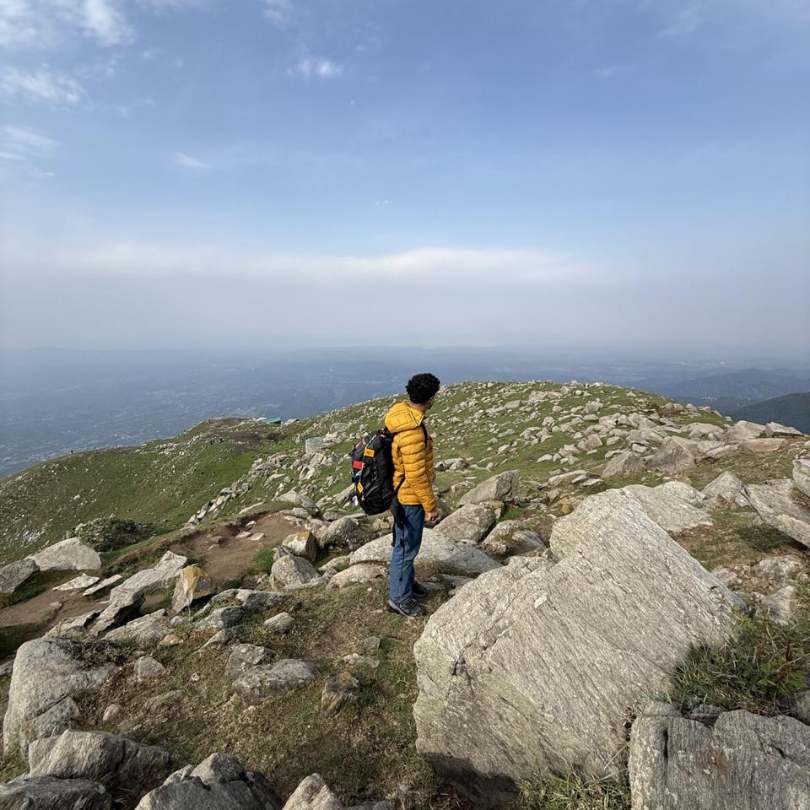
Dharamshala and McLeodganj sit in that sweet spot where Tibetan culture, Himalayan views, forest trails, and genuinely good cafes all come together in one small pocket of Himachal. It is the kind of place that stays with you long after you leave.
But here is the thing. Most visitors either rush through it or waste half their time going back and forth between areas that could have been grouped better. This guide is here to make sure that does not happen to you.
Quick Answer
Dharamshala and McLeodganj are best explored over 2 to 3 full days. Even a single well-planned day can cover the core highlights, but you will feel rushed. The region is not one compact walkable town. It stretches across lower Dharamshala, the McLeodganj main square area, Bhagsu, Dharamkot, Naddi, and several day-trip destinations.
The smartest approach is to plan your sightseeing in loops. Group nearby places together rather than zigzagging between the upper and lower areas. That alone can save you hours. For clear mountain views, plan your visit between March and June or October and November. And if possible, avoid weekends. McLeodganj gets noticeably busier on Saturdays and Sundays.
Most travel guides about this region hand you a list of 15 places with two-line descriptions and call it a day. That is not how anyone actually plans a trip. If you have ever landed in McLeodganj only to realise the monastery you wanted to see is in lower Dharamshala, a bumpy 30-minute cab ride away, you know the cost of poor planning.
This guide works differently. Think of it as a proper travel planner. Every place to visit in Dharamshala and McLeodganj is listed here with real timings, honest local tips, what you will actually pay, the best time of day to go, and how to get there without wasting time.
You will also find sightseeing loops that save backtracking, ready-to-use itineraries from 1 to 4 days, budget breakdowns, cafe picks, and specific recommendations for different travel styles.
Whether you are planning a quick weekend from Delhi or a longer Himachal trip that takes in Bir Billing, Manali, or Spiti Valley, this guide will help you make every day count.
Want someone to handle the logistics for you? Reach out to Travel Coffee for a customised Dharamshala plan with stays, transfers, and on-ground local support.
Use This Dharamshala and McLeodganj Map First
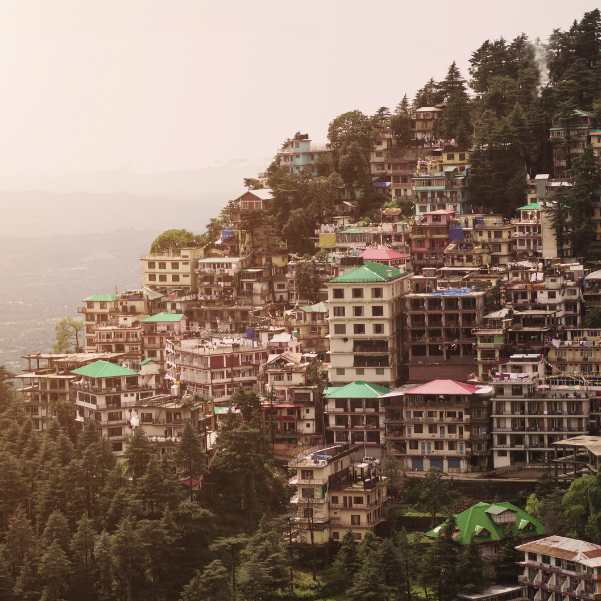
Before you start reading about individual places, take a minute to understand the geography. This is not a flat city where you can walk from sight to sight. Dharamshala and McLeodganj are spread across different altitude levels, connected by winding hill roads with real travel time between them.
It helps to think of the area in layers.
The walkable core includes McLeodganj main square, Tsuglagkhang Complex, Namgyal Monastery, the cafes along Temple Road, and the Tibet Museum. All of this sits within a 10 to 15-minute walking radius.
A short drive or uphill walk of about 15 to 30 minutes takes you to Bhagsu, Dharamkot, Naddi, Dal Lake, and St. John in the Wilderness Church.
Lower Dharamshala is a 20 to 40-minute cab ride from McLeodganj. This is where you will find Norbulingka Institute, HPCA Stadium, Kangra Art Museum, the War Memorial, Tea Gardens, and Gyuto Monastery.
Day trips sit 1 to 3 hours away. These include Kangra Fort, Masroor Rock Cut Temples, Bir Billing, Palampur, Andretta, and Chamunda Devi Temple.
If you mark your hotel on a map and then plot the spots you want to visit, you will immediately see which ones sit close together. That is the entire logic behind sightseeing loops, and it is the single biggest time-saver for this destination.
Dharamshala vs McLeodganj: Where Should You Stay?
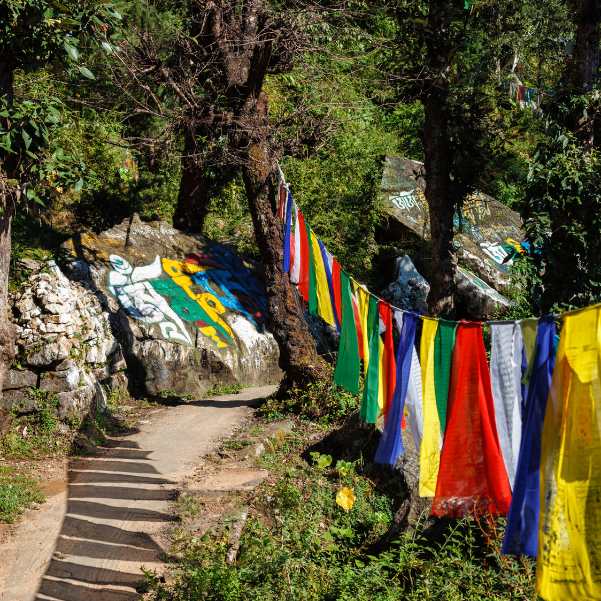
This is the first real decision every traveller faces, and getting it wrong can quietly eat into your trip.
McLeodganj is the traveller hub. The main square is ringed by cafes, Tibetan restaurants, souvenir shops, and monasteries. The Triund trek starts nearby. If you like walking to sightseeing spots, eating out, wandering through markets, and having everything close at hand, this is your spot.
It is also the busiest part of the region, especially on weekends and holidays. Parking is a real headache. But for most first-timers, the convenience makes it the best base.
Lower Dharamshala is quieter, more spread out, and better connected to the wider Kangra valley by road. Families who want spacious hotels with easy parking, or travellers planning day trips to Kangra Fort, Palampur, or Bir Billing, often find it more practical. The trade-off is that you will need a cab every time you want to visit McLeodganj or Bhagsu.
Dharamkot sits above McLeodganj and has a very different energy. It draws solo travellers, backpackers, yoga seekers, and remote workers who want quiet mornings, forest views, and no rush. Getting around means walking downhill to McLeodganj or catching shared autos.
Naddi is a small village that is ideal for couples and photographers who want to wake up to Dhauladhar views right from their window. It is peaceful and scenic, but not walkable to any major attraction. You will rely on transport for everything.
Bhagsu is a popular middle ground. It has its own temple, a well-known waterfall, solid cafes, and a short walk to McLeodganj. The vibe is slightly more relaxed and budget-friendly compared to the main square.
A quick way to think about it:
Couples wanting views and romance: Naddi or upper Dharamkot. Families wanting comfort and road access: Lower Dharamshala or a quieter McLeodganj hotel.
Solo travellers and backpackers: Dharamkot or Bhagsu.
First-timers wanting convenience: McLeodganj.
Remote workers wanting cafes and wifi: McLeodganj or Dharamkot.
How Many Days Do You Need for Dharamshala and McLeodganj?
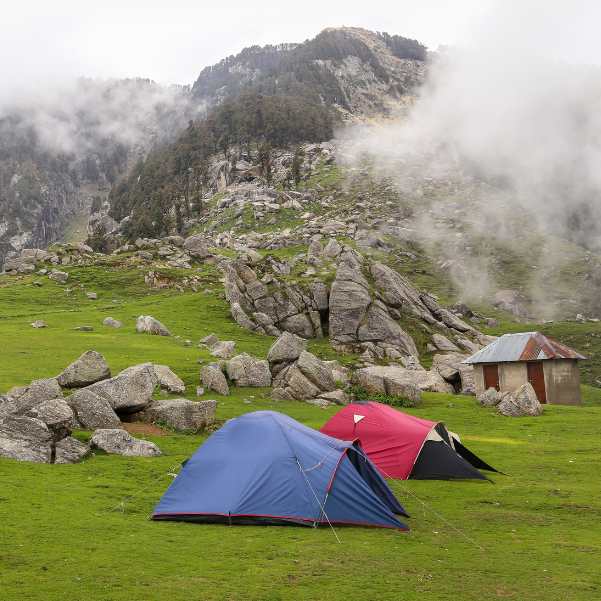
This depends entirely on what kind of traveller you are. Here is an honest breakdown.
1 day is tight but workable if you start early. You can cover the McLeodganj walkable core, including the Tsuglagkhang Complex, Namgyal Monastery, and the Tibet Museum. Then walk to Bhagsu temple and waterfall, have lunch at a cafe, and catch the Naddi viewpoint before sunset. You will miss lower Dharamshala entirely, and there is no room for treks or day trips. It works as a taster, not a full experience.
2 days is the most common trip length, and it works well if you plan smartly. Day one covers McLeodganj, Bhagsu, and either Dharamkot or Naddi. Day two takes in lower Dharamshala, including Norbulingka, HPCA, and the Tea Gardens, with time for the evening market. Most travellers leave satisfied with this.
3 days is the sweet spot. It gives you everything a 2-day plan covers, plus either the Triund trek or a proper day trip to Kangra Fort and Masroor, or Bir Billing for paragliding. You also get time for slow mornings, longer cafe sessions, and exploring without watching the clock.
4 or more days suits slow travellers, trekkers heading to Kareri Lake or beyond, and anyone combining Dharamshala with Palampur, Andretta, or Bir Billing. It also works beautifully if you want to attend meditation sessions at Tushita or spend real time with the Tibetan cultural side of this place.
Best Time to Visit Dharamshala and McLeodganj
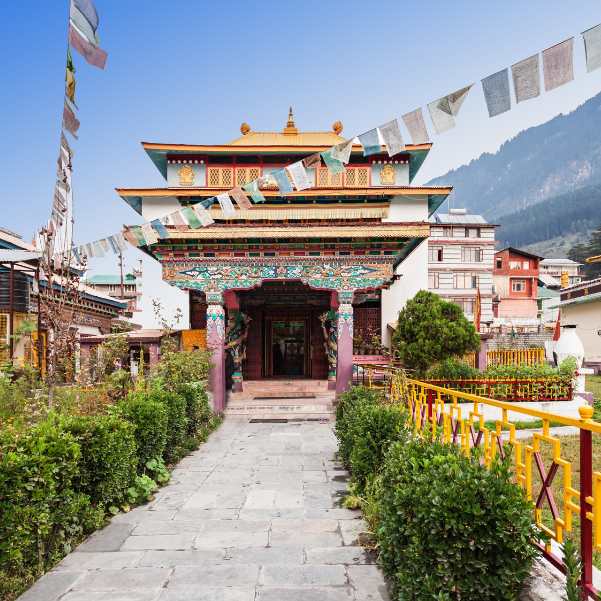
March to June is the most popular window, and for good reason. March and April bring clear skies, rhododendrons in bloom, and comfortable daytime temperatures. May and June are warmer, but still a world away from the plains heat.
Mountain views are usually at their best in March and early April. The one downside is weekend crowds, especially during long weekends and school holidays.
July to September is monsoon season. Expect heavy rain, occasional landslides, leeches on trekking trails, and foggy views that hide the mountains.
Roads can get disrupted. This is generally not the best time for sightseeing, though the landscape turns incredibly green and hotel rates come down. Most treks above Triund are unsafe or officially restricted during peak monsoon.
October and November are quietly one of the best windows to visit. The air clears up after the monsoon. The skies are sharp and blue.
The Dhauladhar range looks its most dramatic. Crowds thin compared to spring. If photography and mountain views are important to you, this is the time.
December to February brings cold, occasional snow, and a much quieter town. McLeodganj gets snowfall some years, and Triund is blanketed in white.
If you enjoy the cold and want a peaceful, less touristy experience, winter has real charm. Pack serious warm layers. Some cafes and smaller guesthouses may shut down, and days are short.
Sightseeing Loops: The Smartest Way to Plan Your Days
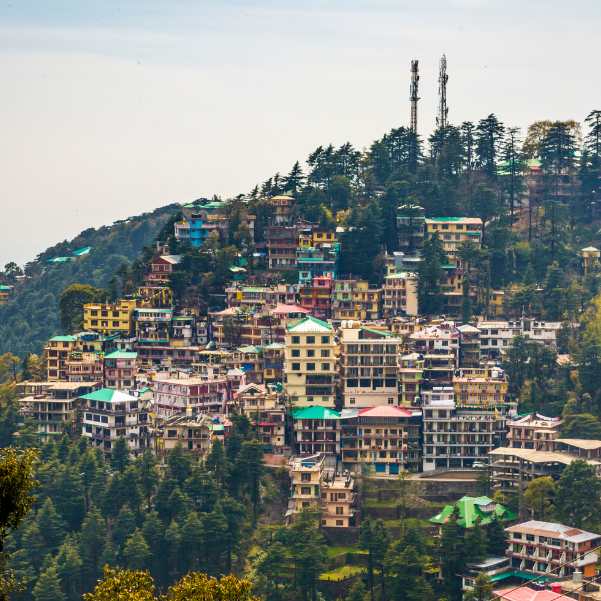
Instead of bouncing randomly between places, group your sightseeing into clusters. These five loops cover the region efficiently and save you hours of wasted travel.
Loop 1: Walkable McLeodganj Core (2 to 3 hours)
Start at Tsuglagkhang Complex, which is the Dalai Lama's temple. Walk through to Namgyal Monastery. Step into the Tibet Museum, which is right next to the complex. Continue to the nearby Kalachakra Temple.
From there, stroll along Temple Road and through the McLeodganj market. Finish with lunch or coffee at one of the cafes near the main square.
This is the first loop everyone should do. It covers the cultural heart of McLeodganj and you do not need any transport at all.
Loop 2: Bhagsu, Dharamkot and Naddi Half-Day Loop (4 to 5 hours)
Walk or take a short auto ride to Bhagsunag Temple. From the temple, continue uphill on foot for about 20 minutes to reach Bhagsu Waterfall.
If you have the energy, walk further up to Dharamkot for the views and a relaxed cafe stop. Later, take an auto or cab to Naddi View Point for late afternoon or sunset views, then head back to McLeodganj.
Start this loop by 9 or 10 AM to beat the afternoon rush at the waterfall. If you are visiting on a weekend, go even earlier. Bhagsu gets really packed by midday on Saturdays and Sundays.
Loop 3: Lower Dharamshala Cultural Loop (Half Day)
You will need a cab or a two-wheeler for this one. Start with Norbulingka Institute and give it a good 1 to 1.5 hours for the art studios and the beautiful garden. Drive to Gyuto Monastery next.
Then swing by the HPCA Stadium area, which cricket fans will love. Depending on your interest, add the Kangra Art Museum or the War Memorial. If time allows, end with a quick stop at the Tea Gardens on the road towards Palampur.
This loop covers 4 to 5 places in lower Dharamshala and takes roughly half a day with travel time included.
Loop 4: Best Day Trips from Dharamshala
Kangra Fort and Masroor Rock Cut Temples make a wonderful full-day combination. Both are south of Dharamshala and sit in the same direction, so you can cover them in a single trip.
Bir Billing is about 2.5 to 3 hours away by road. It is best known for paragliding and has a charming cafe scene of its own. You can do it as a long day trip or stay overnight if you are continuing south.
Palampur and Andretta together make a lovely day for tea garden lovers and art enthusiasts. Palampur has lush green tea estates, and Andretta has a pottery village that sometimes offers short workshops.
Chamunda Devi Temple is about an hour from Dharamshala and works as a shorter trip, easily combined with Kangra Fort.
Loop 5: Treks by Fitness Level
If you want something easy and short, the Gallu Devi Temple trail from Dharamkot is perfect. It takes about an hour each way through shaded forest with mountain glimpses.
For a moderate challenge, the Triund trek is the classic choice. It is about 9 km one way from McLeodganj, or shorter if you start from the Gallu Devi trailhead. Most people do it as a day trek in 5 to 7 hours total, though overnight camping at the top is popular.
For something more serious, Kareri Lake requires 2 days minimum. Lahesh Cave is an extension beyond Triund for strong hikers. And Indrahar Pass is a full multi-day high-altitude trek that needs real fitness and preparation.
Important: Always verify the latest local weather, route conditions, and any trekking permission or administrative rules before heading out. Things change quickly in the mountains, and what was open last month may not be open now.
👉 WhatsApp Travel Coffee to check today's on-ground weather status
25+ Best Places to Visit in Dharamshala and McLeodganj
Here is the full list, organised by area and theme. For every place, you will find why it matters, how long to spend, how to get there, timings, entry details, the best time of day, and a local tip that most guides skip.
Spiritual and Tibetan Culture Core
Tsuglagkhang Complex (Dalai Lama Temple)
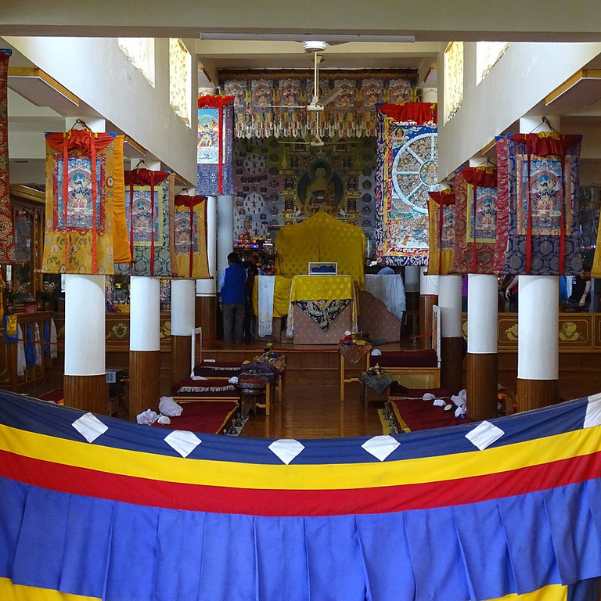
This is the spiritual and cultural heart of McLeodganj. The complex houses the main temple, a meditation hall, and beautiful images of the Buddha.
It serves as the official residence of the Dalai Lama, and the atmosphere here is deeply calming regardless of your personal beliefs. Just sitting in the courtyard for a few minutes gives you a sense of why people come to this town.
You need about 45 minutes to an hour here. It is a 5-minute walk from the McLeodganj main square, just follow Temple Road downhill. The complex is generally open from early morning until around 6 PM, though this may shift during special prayers or events.
There is no entry fee, but you will go through a security check at the gate. Large bags and phones inside the main prayer hall during prayers are not allowed.
Go early in the morning or late afternoon. Morning prayers carry a special energy that the midday tourist rush dilutes.
Local tip: Walk the kora, which is the circumambulation path around the complex. It is lined with prayer wheels and gives you the full experience. Most tourists skip this entirely, which is a shame.
Namgyal Monastery
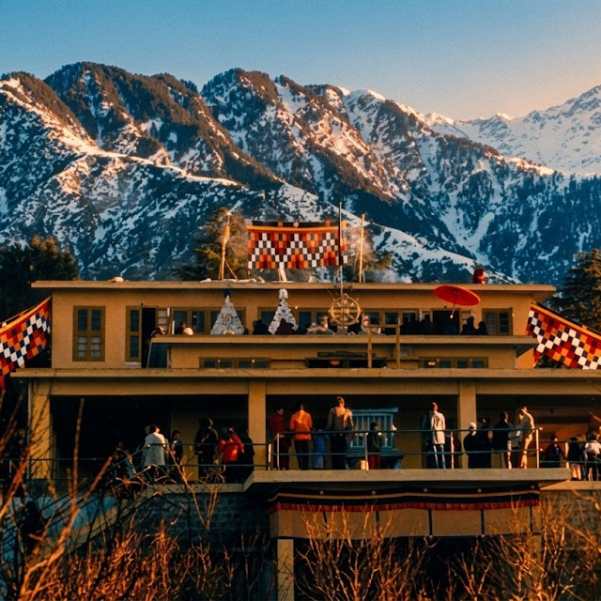
This is the personal monastery of the Dalai Lama and the largest Tibetan monastery outside Tibet. Monks live, study, chant, and debate here. If you are lucky enough to catch an afternoon philosophical debate session, it is one of the most memorable things you can witness in McLeodganj.
The gestures, the energy, the clapping of hands during debate, all of it is fascinating even without understanding Tibetan.
Plan for 30 to 45 minutes. The monastery sits within the Tsuglagkhang Complex area, so you can visit both together. It is open from sunrise to sunset most days and there is no entry fee. Afternoon is the best time if debates are happening, though schedules vary.
Local tip: Sit quietly and observe the debates rather than photographing. The experience stays with you longer that way.
Tibet Museum
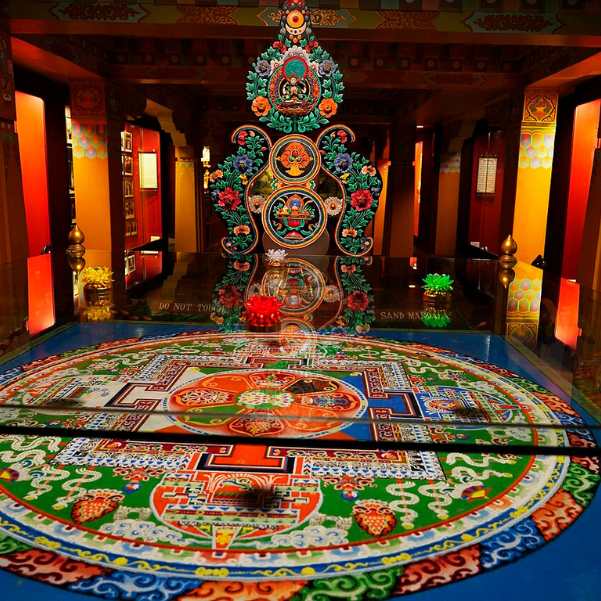
A small but deeply moving museum that documents the history of Tibet, the Chinese occupation, and the journey of Tibetan refugees.
The displays include photographs, personal accounts, and artefacts that put everything you see in McLeodganj into context. It is easy to walk past, but it deserves your attention.
Give it 30 to 45 minutes. It sits right next to the Tsuglagkhang Complex. The museum is generally open from around 9 AM to 5 PM and tends to be closed on Mondays, though it is wise to check locally. Entry is free, with donations welcome.
Local tip: Visit this before exploring the monasteries. The stories here give you a much richer understanding of the Tibetan community and why this place matters the way it does.
Kalachakra Temple
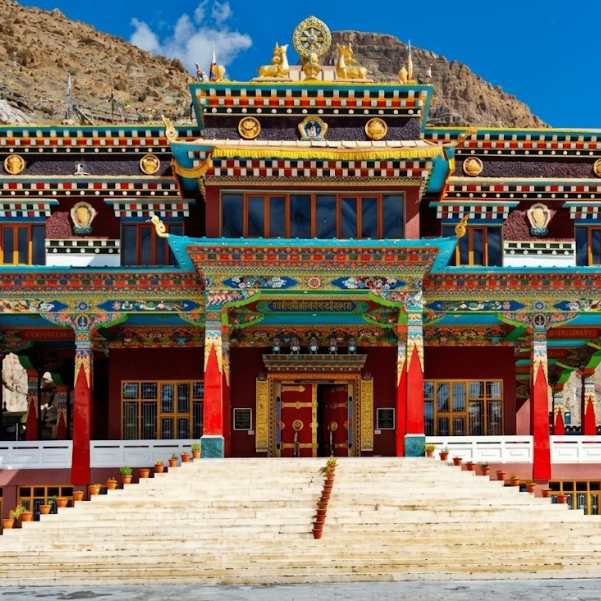
Tucked near the Tsuglagkhang Complex, this temple is known for its intricate murals depicting the Kalachakra mandala and various Buddhist deities.
The artistry on the walls is stunning, and it rewards a slow, careful look. It only takes 15 to 20 minutes, and since it is right there, there is no reason to skip it.
It follows the same timings as the main complex and there is no entry fee. Just combine it with your Tsuglagkhang visit.
Local tip: Spend your time looking at the details of the wall paintings rather than rushing to photograph them. The colours and precision are remarkable.
Library of Tibetan Works and Archives
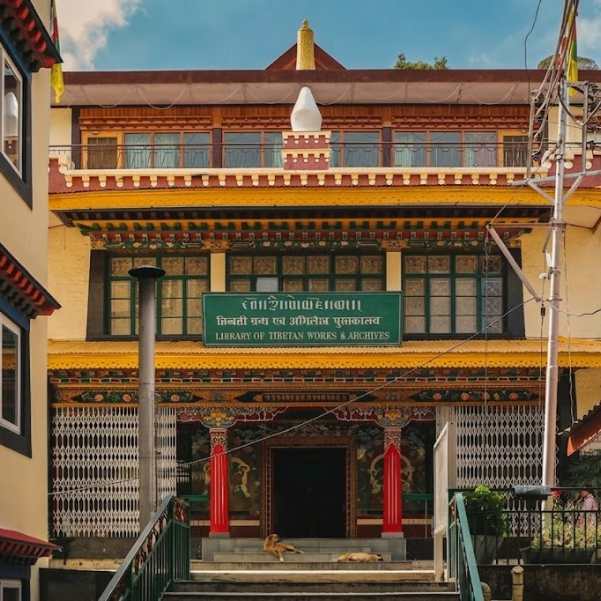
This is one of the most important Tibetan cultural institutions in the world. It holds thousands of Tibetan manuscripts, religious texts, and historical documents.
The museum section has thangka paintings, old photographs, and cultural artefacts that tell the story of Tibetan heritage in a way nothing else here does.
Allow 45 minutes to an hour. The library is about 1 km below the McLeodganj main square, on the road towards Gangchen Kyishong. You can walk downhill in about 15 minutes or take a quick auto.
It is generally open from around 9 AM to 5 PM and tends to be closed on Sundays and certain Tibetan holidays. There is a small entry fee for the museum section, usually around Rs 10 to 20.
Local tip: The library also offers courses in Tibetan language, Buddhist philosophy, and meditation for those staying longer. If you are spending a week or more, check their course calendar.
Tibetan Institute of Performing Arts (TIPA)
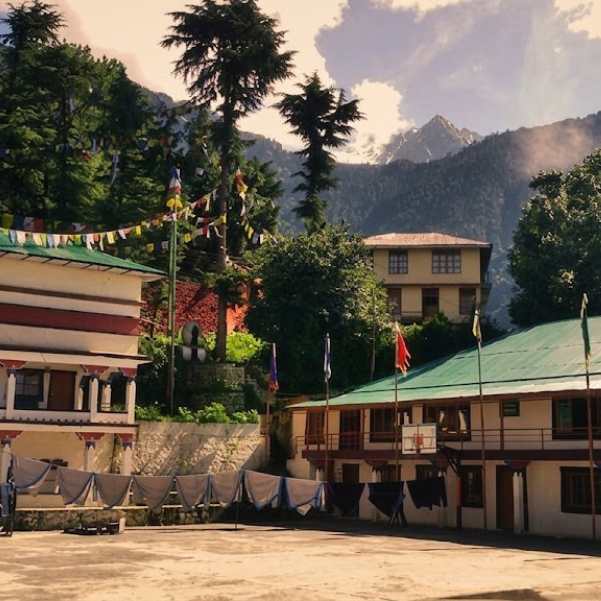
TIPA is dedicated to preserving Tibetan opera, music, and dance traditions that might otherwise disappear. If your visit happens to coincide with a live performance or their annual festival, which is usually held around April, you are in for a genuinely unique cultural experience.
Even without a show, the campus gives you a sense of how Tibetan art forms are being kept alive in exile.
A casual visit takes about 30 minutes. It is roughly a 10-minute walk from McLeodganj main square, off the road towards Dharamkot. Office hours are approximately 9 AM to 5 PM. Entry is generally free, though performance tickets may carry a small charge.
Local tip: The annual Shoton festival at TIPA features traditional Tibetan opera, and it is something you will not see anywhere else. If your travel dates are flexible, try to align with this.
Tushita Meditation Centre
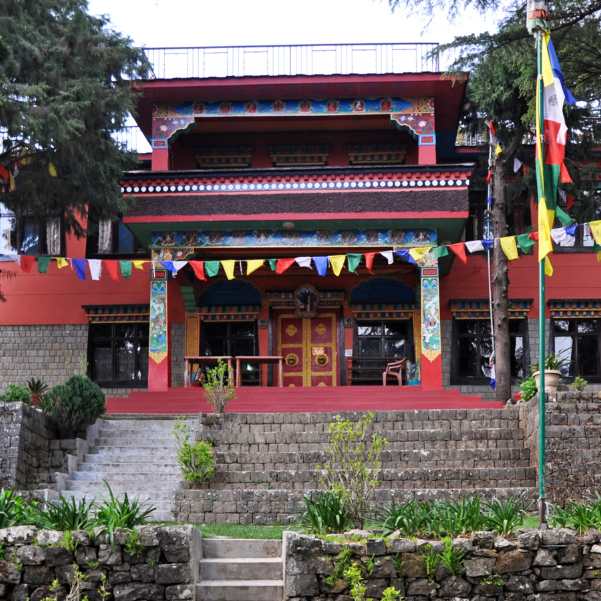
Set in a peaceful forest above McLeodganj, Tushita is a well-regarded meditation and retreat centre. It offers residential courses, usually around 10 days, as well as shorter drop-in sessions and talks. The grounds are beautiful, and stepping onto the campus feels like leaving the tourist world behind entirely.
A visit takes about an hour. For retreats, you will need several days. The centre is about 20 minutes uphill on foot from McLeodganj, on the Dharamkot road.
Drop-in sessions run on specific schedules, so check their website before heading up. Introductory sessions are free and retreats run on a donation basis.
Local tip: Formal retreat spots fill up fast, especially between March and June. If you are interested, book well ahead of your trip.
Nechung Monastery
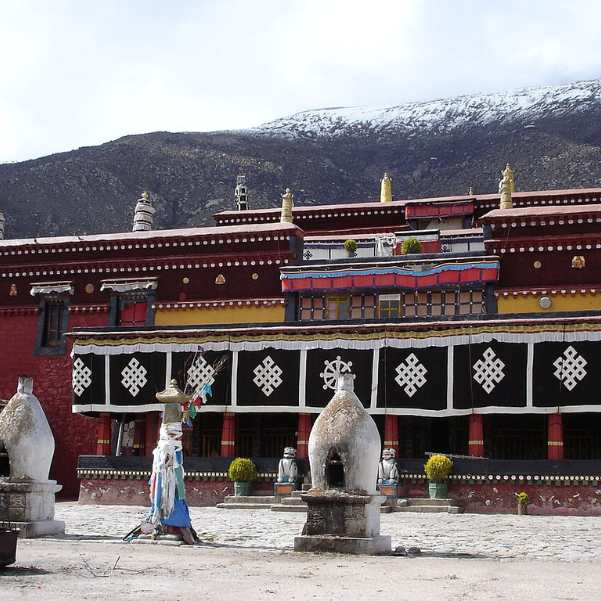
This is the seat of the Nechung Oracle, which plays a significant and fascinating role in Tibetan governance and spiritual life. It is smaller and much less visited than the monasteries in McLeodganj, which gives it a quiet intensity. The murals inside are colourful and detailed.
You need about 20 to 30 minutes here. It sits near the Tibetan government offices at Gangchen Kyishong, about 1 km below McLeodganj. It is generally open during the day and there is no entry fee. Morning is the nicest time to visit.
Local tip: This is in the same neighbourhood as the Library of Tibetan Works and Archives. Visit both together and save yourself a separate trip.
Nature, Viewpoints and Easy Local Stops
Bhagsunag Temple
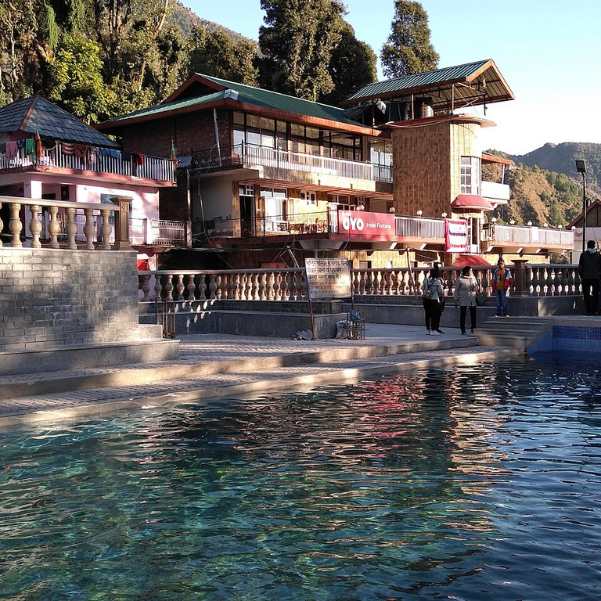
An ancient Shiva temple with a sacred water pool, nestled in a lovely spot at the base of the trail to Bhagsu Waterfall.
The stone architecture is old and atmospheric, and the natural spring that feeds the pool adds to the setting. This is not just a tourist stop. Locals and pilgrims come here regularly.
Give it 20 to 30 minutes. Bhagsu is about 2 km from McLeodganj main square, walkable in 20 to 25 minutes, or a quick auto ride.
The temple is open throughout the day with no entry fee. Early morning is best, before the waterfall crowd passes through.
Local tip: Most visitors rush past this temple on the way to the waterfall. Pause here. The spring-fed tank and the old stone structure deserve a moment.
Bhagsu Waterfall
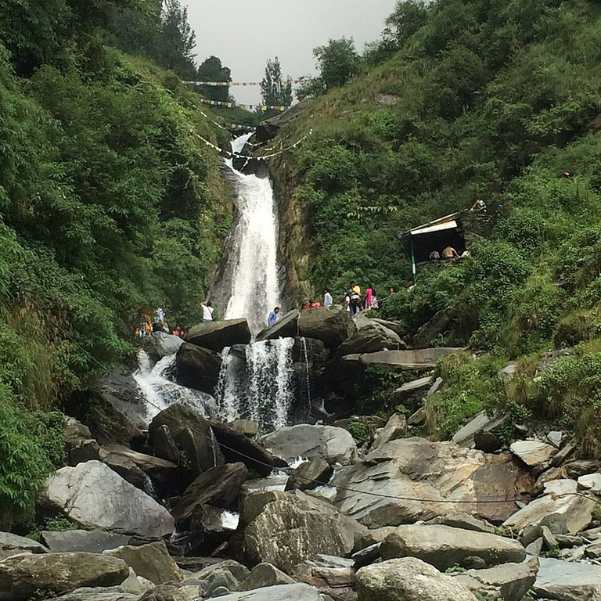
The most visited natural attraction near McLeodganj. A rocky trail takes you uphill from Bhagsunag Temple to the waterfall, which cascades down a ravine surrounded by boulders.
In the warmer months, people sit on the rocks and enjoy the mist. After monsoon, the flow is strongest, though the trail gets slippery.
Budget 1 to 1.5 hours including the walk from Bhagsunag Temple, which takes about 20 minutes uphill. It is an open area with no formal timings or entry fee.
Best visited before 10 AM, because by midday on weekends it can feel really crowded. Weekdays are noticeably more relaxed.
Local tip: Wear proper shoes. The rocks are uneven and get slippery in the wet months. A few small cafes along the trail offer drinks with a view, so there is no need to rush.
St. John in the Wilderness Church
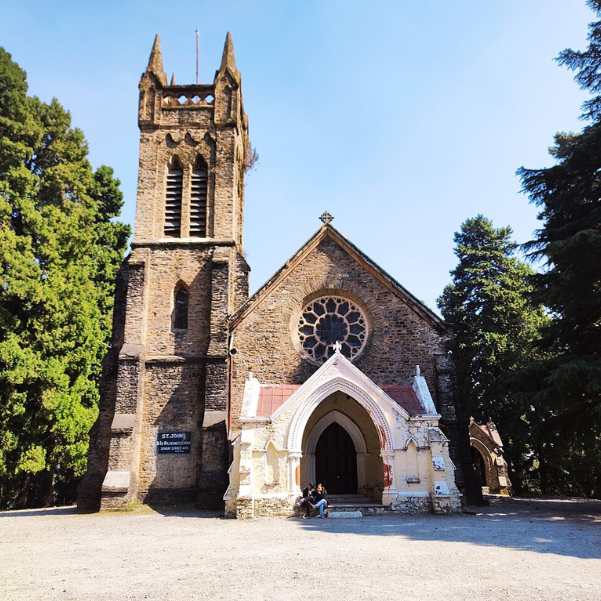
A gorgeous Anglican church built in 1852, sitting deep inside a deodar forest between Dharamshala and McLeodganj.
The stone architecture, stained glass, and the sheer silence of the surrounding forest make this one of the most atmospheric spots in the region. The churchyard has weathered gravestones from the British colonial era.
You only need 20 to 30 minutes. It sits right on the main road from Dharamshala to McLeodganj, so you can stop on your way up or down. It is generally open from around 7 AM to 5 PM and there is no entry fee. Morning light filtering through the trees here is beautiful.
Local tip: A lot of tourists miss this because it is easy to drive right past. Ask your cab driver to stop. It is one of the most photogenic spots in the area and takes barely 15 minutes.
Dal Lake
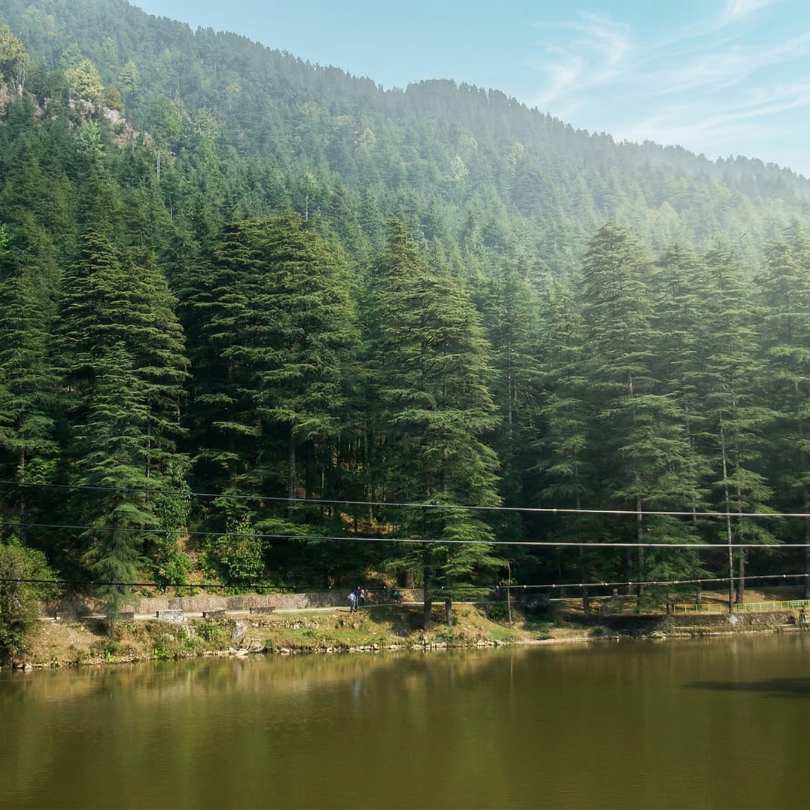
A small, tree-fringed lake surrounded by deodar cedars. There is a small Shiva temple by the water and the area around it is calm and green. In spring, wildflowers add colour to the banks. It is not a grand destination, but on a quiet morning it is a peaceful walk.
Allow 20 to 30 minutes. It is about 2 km from McLeodganj, reachable by a 10-minute auto ride or a pleasant forest walk. No timings or entry fee. Morning is the best time.
Local tip: Do not go expecting a large scenic lake. It is small and the water level varies by season. The walk through the deodar forest to reach it is actually the best part.
Naddi View Point
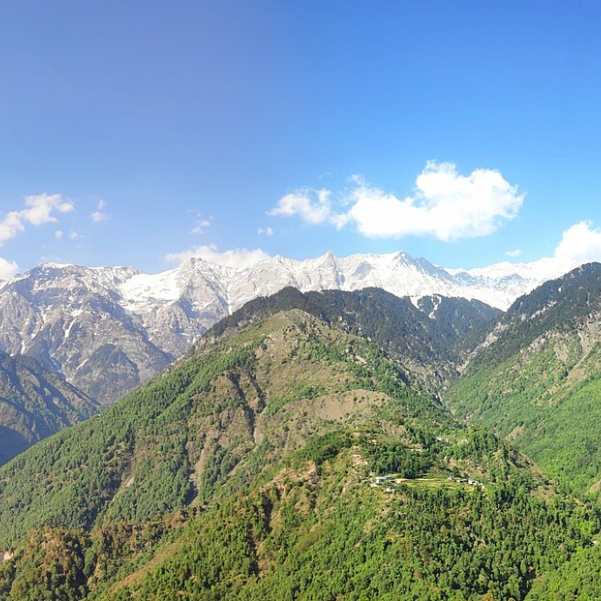
On a clear day, this is hands down one of the best viewpoints in the entire region. You get an unbroken panorama of the Dhauladhar range, the Kangra valley below, and layers of forested hills. It is the kind of view that makes you stand still and forget to reach for your phone for a second.
Plan for 30 minutes to an hour, depending on how long you want to sit with the view. Naddi is about 3 km from McLeodganj, a short cab or auto ride away. It is an open area with no timings or fee. Sunrise and late afternoon offer the best light. Sunset is popular but can get hazy.
Local tip: This is 100% weather-dependent. If it is cloudy or foggy, Naddi is not worth the trip. Check the sky in the morning before heading out. Clear days in March, April, October, and November are your best bet.
👉 WhatsApp Travel Coffee to check today's on-ground weather status
Sunset Point, Naddi
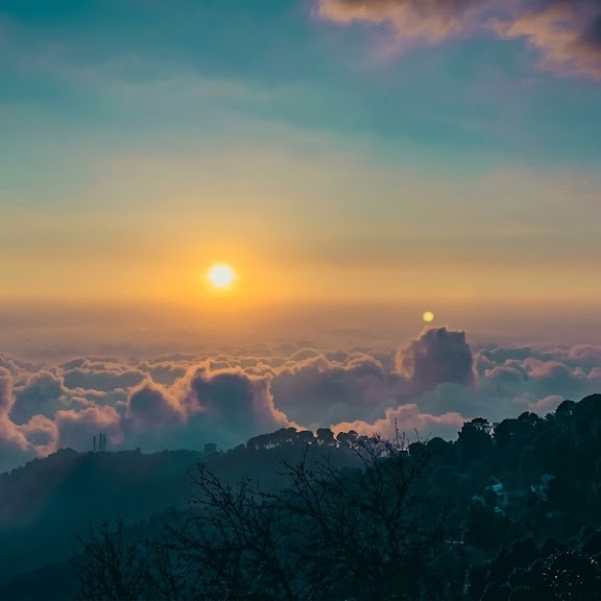
A short walk from Naddi View Point, this spot faces west and is the place to be when the sun goes down behind the Dhauladhar range.
On a clear evening, the sky cycles through warm oranges, pinks, and purples over the snow peaks. It is simple and beautiful.
Give it 30 to 45 minutes. Best visited in the hour before sunset. No timings, no fee.
Local tip: Come to Naddi View Point by around 4 PM, soak in the panorama, then walk to Sunset Point. You get both experiences in one trip without doubling your travel.
Dharamkot
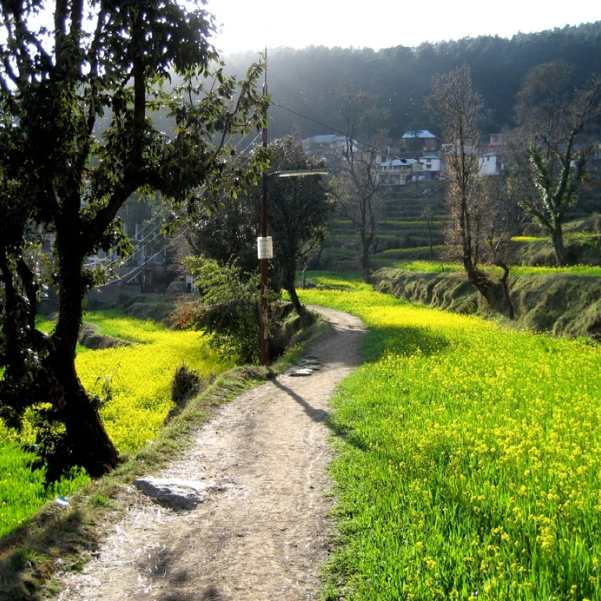
A quiet village above McLeodganj that has become a haven for backpackers, yoga practitioners, and digital nomads.
The valley views from here are gorgeous, and the pace is much gentler than the main square below. Small cafes, yoga centres, and affordable guesthouses dot the area.
A casual visit takes 1 to 2 hours. Dharamkot is about 2 km uphill from McLeodganj, walkable in about 30 minutes, or a short auto ride. It is an open village with no entry or timings. Morning and late afternoon are the best times.
Local tip: Dharamkot is also the jumping-off point for the Gallu Devi trail and the Triund trek. The cafes here feel more genuine and less commercial than the McLeodganj ones. A great spot for a slow breakfast with a view.
Gallu Devi Temple and Trailhead
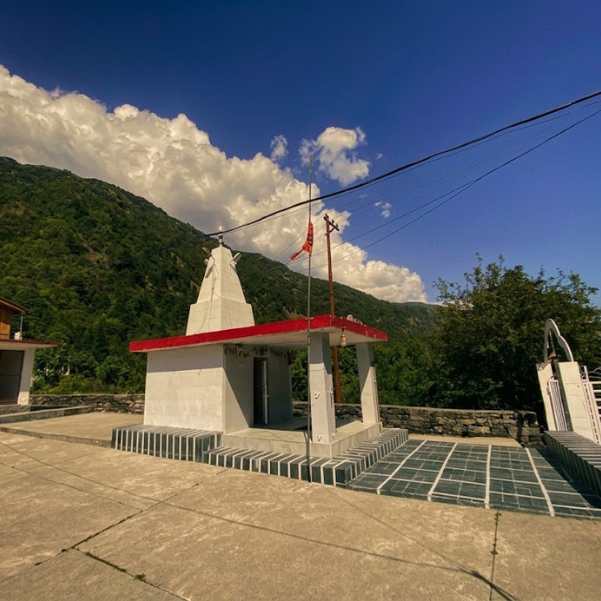
The Gallu Devi Temple marks the start of the Triund trekking route. Even if you are not heading to Triund, the short walk from Dharamkot to this trailhead through thick forest is beautiful and perfectly manageable for most people. The temple itself is small, but the forest around it is dense and quiet.
Plan for 1 to 1.5 hours for the walk and back. It is about 1 km beyond Dharamkot, along the Triund trail. Open area, daylight hours, no fee.
Local tip: This is the perfect option if you want a taste of mountain trekking without committing to the full Triund climb. The shaded forest section is lovely.
Lower Dharamshala and Iconic Landmarks
Norbulingka Institute
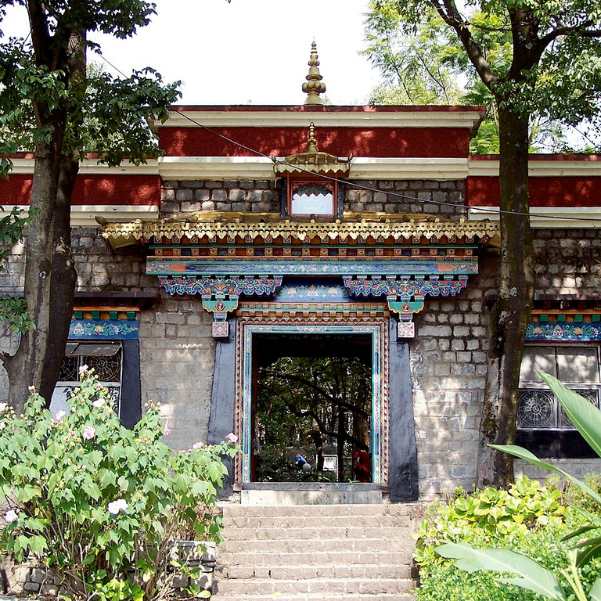
This is easily one of the finest cultural experiences in the Dharamshala region. Norbulingka is dedicated to preserving Tibetan art and culture, and the campus is beautiful.
You can watch artisans working on thangka paintings, woodcarvings, and metalwork. There is a serene Japanese-style garden, a small temple modelled after the original Norbulingka in Lhasa, and a lovely on-site restaurant.
Give it 1.5 to 2 hours. It is in the Sidhpur area, about 6 km from McLeodganj, so you will need a cab or auto. It is generally open from around 9 AM to 5:30 PM and tends to be closed on Sundays. Entry is approximately Rs 50 to 100, though it is best to confirm locally.
Local tip: The gift shop here sells genuine Tibetan handicrafts, not the mass-produced stuff you see in the McLeodganj market. If you want authentic souvenirs, this is the place.
Gyuto Monastery
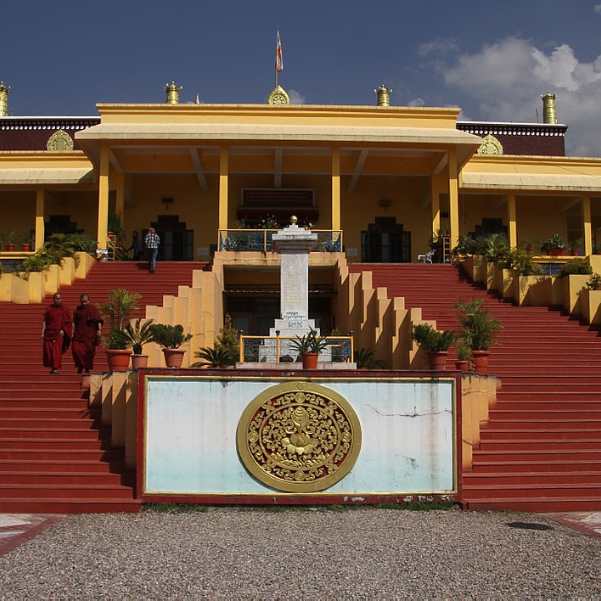
Known for its tradition of deep chanting and tantric practices, Gyuto Monastery is architecturally impressive and much less crowded than the McLeodganj monasteries.
It houses a large Buddha statue and has a spacious, modern campus. If you want a quiet and contemplative monastery experience away from tourist crowds, this is it.
Allow 30 to 45 minutes. It is in Sidhbari, about 8 km from McLeodganj. Generally open from around 8 AM to 6 PM. No entry fee.
Local tip: Gyuto pairs perfectly with Norbulingka in a half-day lower Dharamshala loop. Do both in one morning.
HPCA Stadium
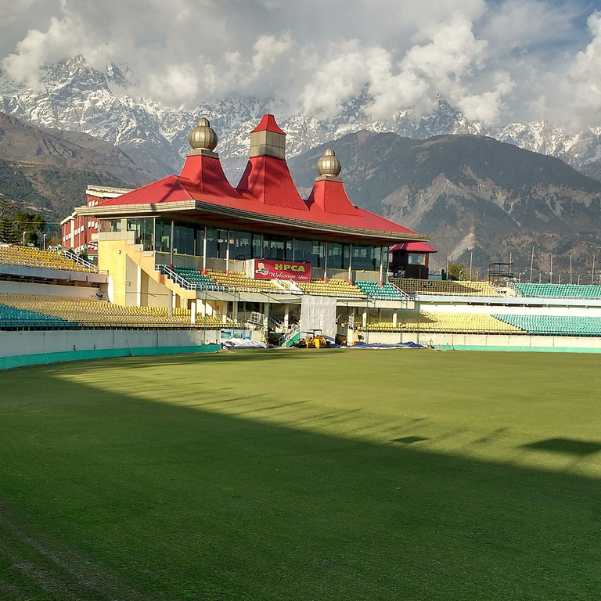
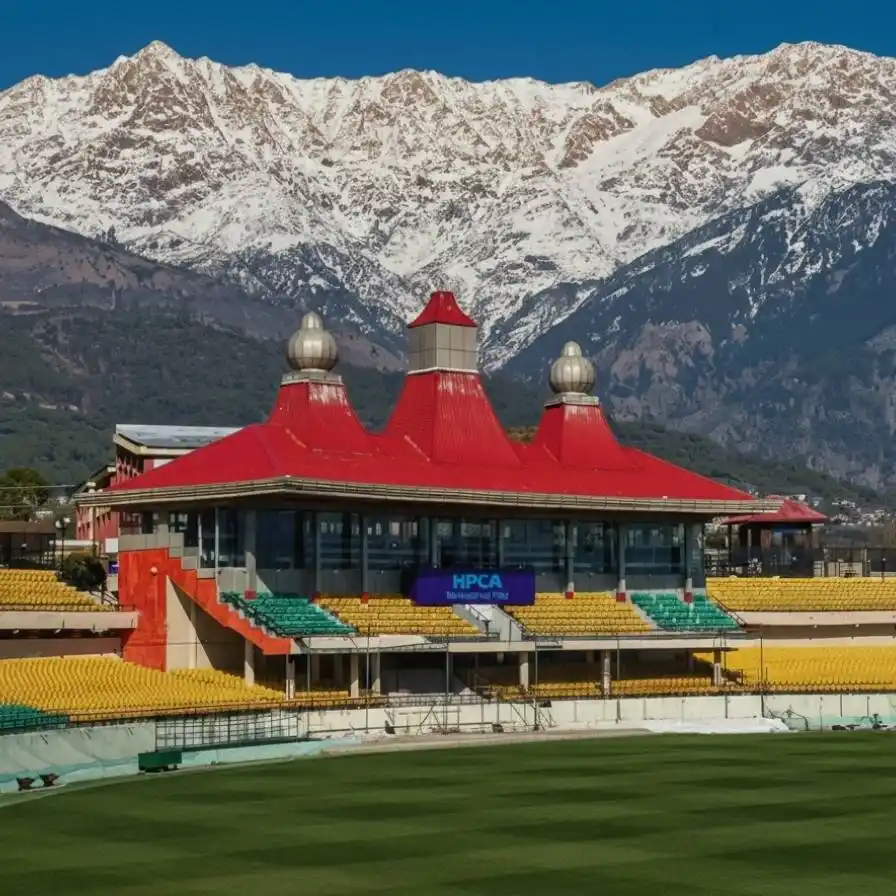
One of the most scenic cricket stadiums in the world. The ground sits against a dramatic backdrop of snow-capped Dhauladhar peaks, and even if there is no match happening, the view from outside is worth a stop.
If you are lucky enough to be there during a match, the combination of cricket and mountains is unforgettable.
A quick outside visit takes 15 to 30 minutes. It is in Dharamshala town, about 9 km from McLeodganj. Outside viewing is free. Match tickets vary and sell out fast. A clear day makes the biggest difference.
Local tip: If a match is scheduled during your trip, grab tickets if you can. Watching cricket here is genuinely unlike any other stadium experience in the country.
Kangra Art Museum
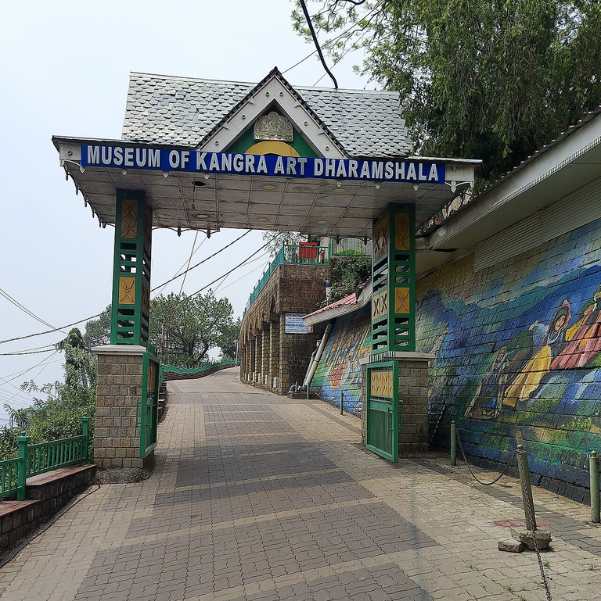
A compact but well-curated museum showcasing Kangra miniature paintings, local artefacts, textiles, and historical objects. It adds an important layer to your understanding of the region's history, beyond the Tibetan influence that dominates McLeodganj.
Plan for 30 to 45 minutes. It is in lower Dharamshala, near the main bus stand. Generally open from around 10 AM to 5 PM, closed on Mondays and public holidays. There is a small entry fee, usually around Rs 10 to 50.
Local tip: The Kangra painting tradition is centuries old and artistically unique. If you appreciate fine art, this is a rewarding stop that most tourists overlook.
War Memorial, Dharamshala
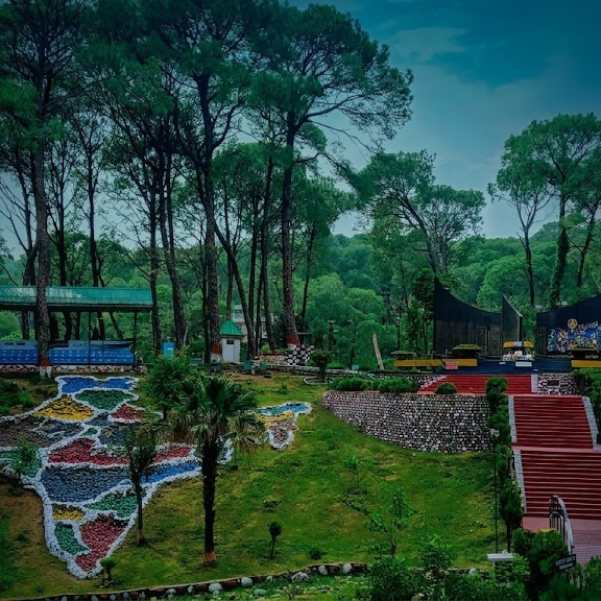
A simple, respectful memorial honouring soldiers from the region. The grounds are well-maintained and sit in a quiet spot with views. It is a brief stop, but one that adds perspective and reflection to your trip.
Allow 15 to 20 minutes. It is in Dharamshala town, open during the day, and there is no entry fee. Easy to combine with the HPCA Stadium and Kangra Art Museum since all three are in the same area.
Dharamshala Tea Gardens
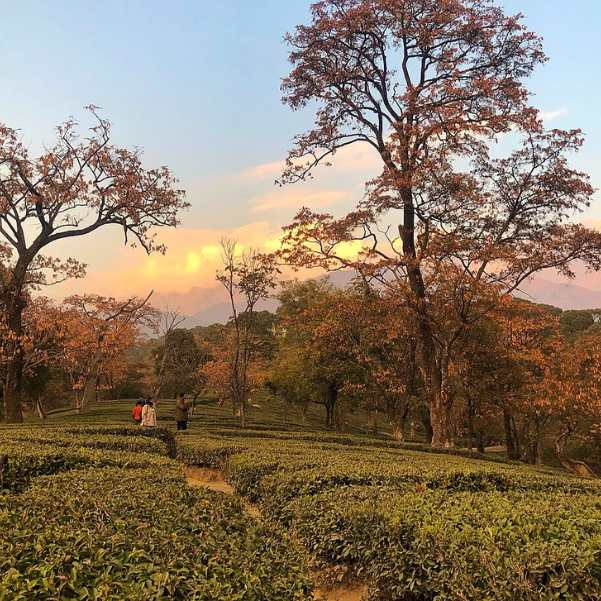
The rolling green tea gardens on the outskirts of Dharamshala are a pleasant surprise. The neatly trimmed rows of tea bushes with mountains in the distance make for a different kind of scenery from the forests and temples of McLeodganj. It is a quick, refreshing stop.
Give it 30 to 45 minutes. The gardens are on the road between Dharamshala and Palampur, about 10 km from McLeodganj. Open during daylight hours, no entry fee. Late morning or early afternoon light works best for photos.
Local tip: Combine this with a visit to Norbulingka or time it as a stop on a drive towards Palampur.
Kunal Pathri Temple
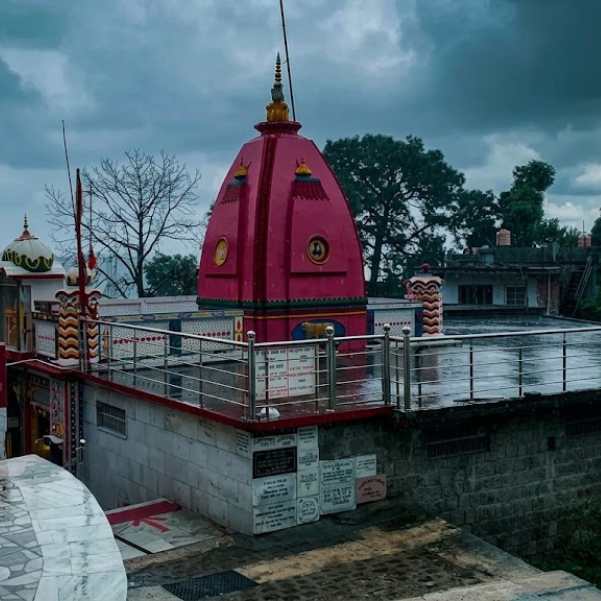
A small stone temple dedicated to Goddess Durga, perched on a hilltop with excellent valley views. The architecture is simple and the location feels far removed from the tourist trail. It is rarely crowded, which is part of the appeal.
You need 20 to 30 minutes. It is about 3 km from the Dharamshala bus stand, reachable by cab. Open during the day, no entry fee. Morning is best for clear valley views.
Local tip: This is not on most tourist lists, which is exactly why it feels so peaceful. A good quiet detour if you are already in lower Dharamshala.
Chinmaya Tapovan
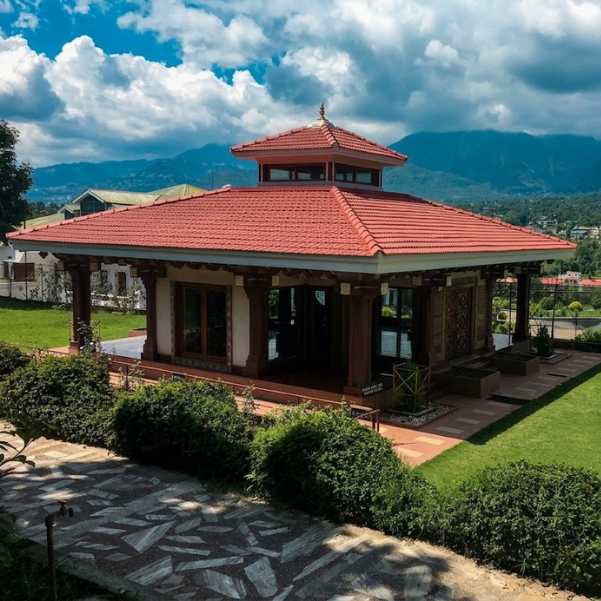
An ashram and spiritual centre with beautiful grounds, a temple, and valley views. The campus is well-kept and has a distinctly calming energy. It offers a Hindu spiritual experience in a scenic setting, different from the Tibetan Buddhist sites that define McLeodganj.
Allow 30 to 45 minutes. It is near Sidhbari, about 10 km from McLeodganj. Open during daytime hours, no entry fee. Morning visits are nicest.
Local tip: Easily combined with Gyuto Monastery or Norbulingka if you are doing the lower Dharamshala loop.
Treks and Adventure
Triund
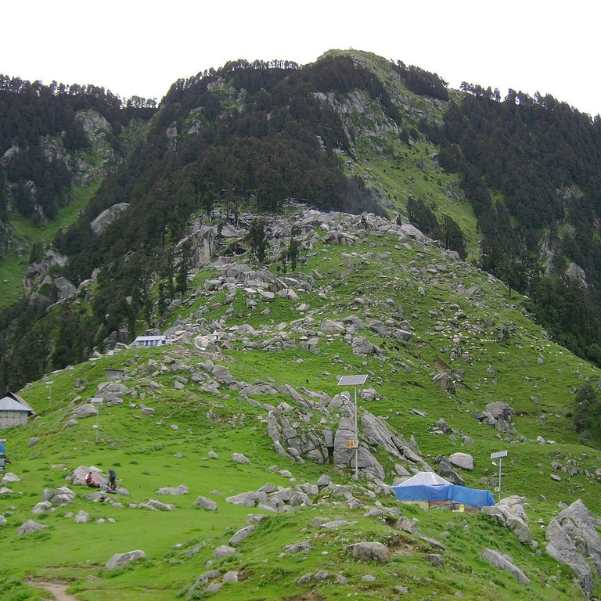
The most popular trek in the Dharamshala region and one of the most rewarding short treks in Himachal Pradesh.
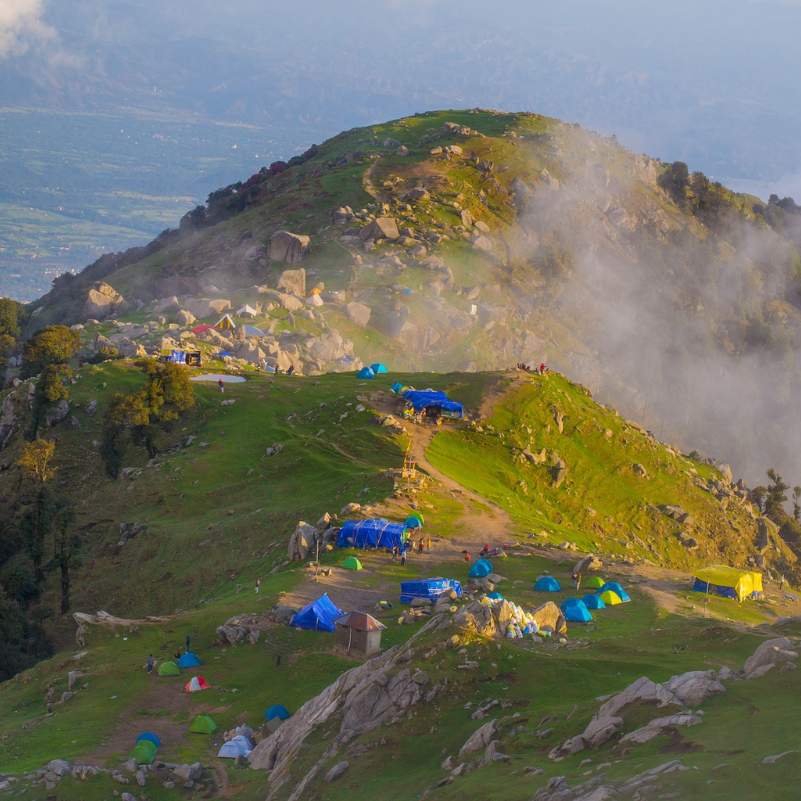
Triund sits at about 2,828 metres and offers a close-up view of the Dhauladhar range on one side and the Kangra valley on the other. The top is a wide, grassy meadow that genuinely feels like you are sitting on top of the world.
Plan for a full day if doing a return trek, or carry camping gear for an overnight stay. The trail begins from Gallu Devi Temple near Dharamkot.
It is about 9 km one way. You can also start from McLeodganj directly, which adds roughly 2 km. The best months are March to May and September to November. Avoid monsoon season.
There may be a trekking fee or permit requirement, and these rules change from time to time. Always check with the local forest department or your accommodation before heading up.
Local tip: Start by 7 AM to avoid the afternoon heat on the climb. Carry plenty of water. The last stretch is steep and catches many people off guard. If camping, carry or arrange serious warm layers, because temperatures drop sharply at night, even in summer.
Lahesh Cave
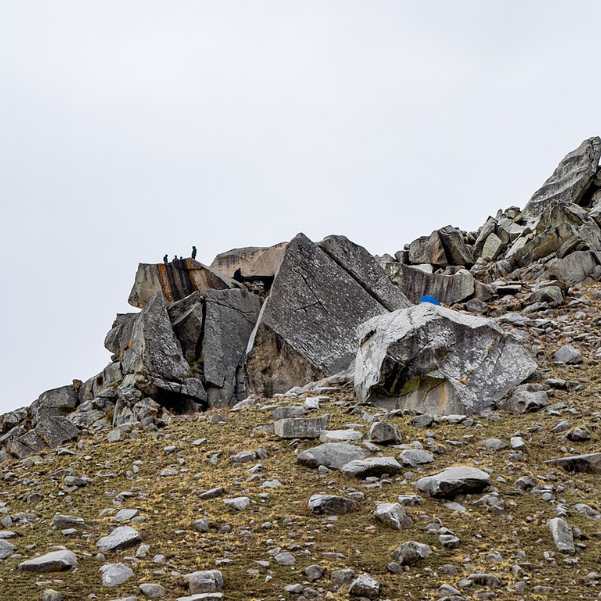
For trekkers who want to push beyond Triund, the trail continues to Lahesh Cave, a natural rock shelter at a higher altitude. The terrain gets rougher and the views more dramatic. This is where casual day hikers stop and the real mountain experience begins.
Plan for at least 2 days total, with an overnight at Triund and Lahesh Cave the next morning. It is about 4 to 5 km beyond the Triund top.
Local tip: The trail beyond Triund is exposed and far more technical. Do not attempt it without proper gear, sufficient food, and ideally a local guide. Weather can turn with very little warning at this altitude.
Kareri Lake
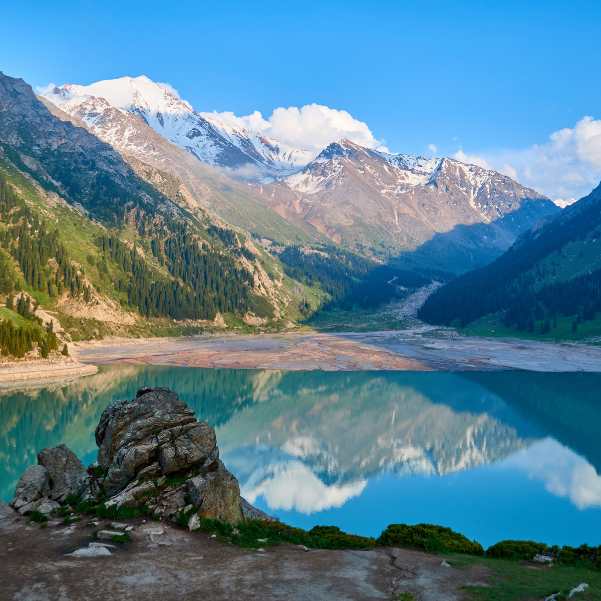
A glacial lake at roughly 2,934 metres, surrounded by alpine meadows and snow peaks. This trek is more secluded and demanding than Triund.
It sees far fewer tourists and offers a wilder, more immersive mountain experience. The lake shifts colour with the seasons and the light.
Plan 2 to 3 days for the full trek. It starts from Kareri village, about 1.5 hours by car from Dharamshala. Best between April and June, and again in September and October.
Local tip: You will need camping equipment and should go with a guide or a trekking group. This is not a casual walk in any season.
Indrahar Pass (Overview)
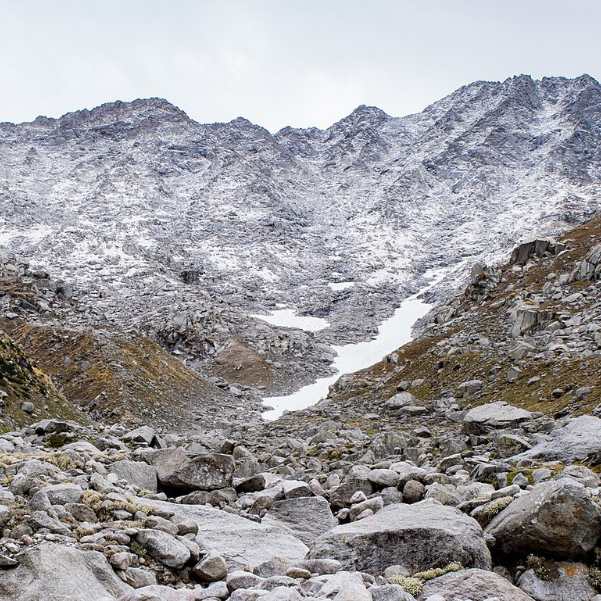
At roughly 4,342 metres, Indrahar Pass is one of the most breathtaking high-altitude passes accessible from the Dharamshala side.
The route passes through Triund and Lahesh Cave before climbing to the pass. On a clear day, you can see the Pir Panjal range and parts of the Chamba valley. This is a serious, multi-day undertaking for experienced trekkers only.
Allow 3 to 4 days at minimum. The pass is usually accessible from around May to October, weather permitting.
Local tip: Do not attempt this without a guide, proper gear, and a solid check on snow and weather conditions. Altitude sickness is a real risk at this height.
For all treks in this region: Please verify the latest local weather, route conditions, and any trekking permission or administrative rules before setting out. Himalayan conditions change rapidly and your safety should always come first.
👉 WhatsApp Travel Coffee to check today's on-ground weather status
Day Trips from Dharamshala
Kangra Fort
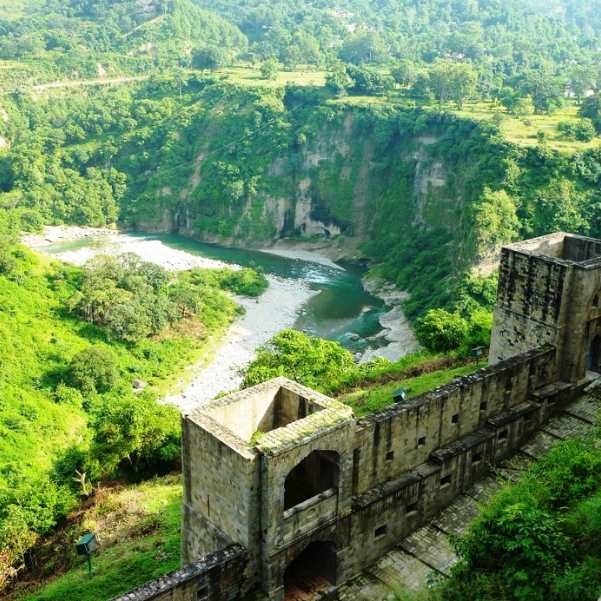
One of the oldest and largest forts in India, Kangra Fort has centuries of layered history built into its massive stone walls. The ruins are sprawling and atmospheric, with views of the Banganga river valley.
Walking through the passages and courtyards, you can feel the weight of the place. A rewarding half-day trip for anyone who appreciates history.
Allow 1.5 to 2 hours inside the fort. It is about 20 km from Dharamshala, roughly 45 minutes to an hour by car. It is generally open from around 9 AM to 5 PM, with a small entry fee of approximately Rs 25 to 50 for Indian nationals. Morning is the best time to go.
Local tip: Combine this with Masroor Rock Cut Temples for a full history-focused day. They are in roughly the same direction.
Masroor Rock Cut Temples
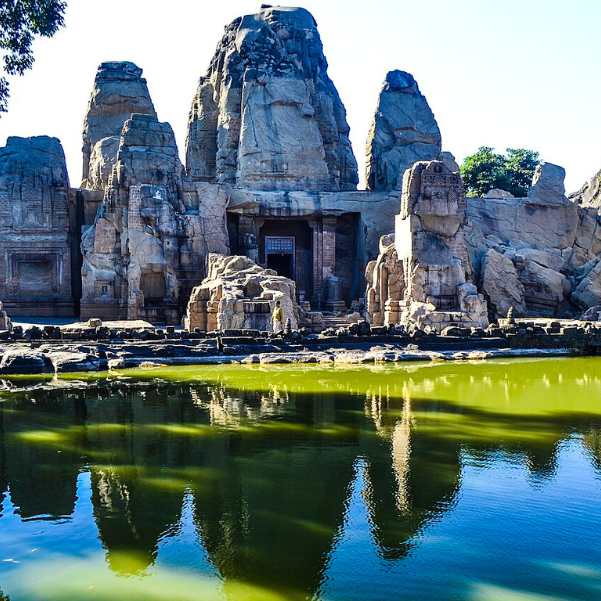
A group of 15 rock-cut temples carved from a single rock formation, sometimes called the mini-Ellora of Himachal.
These date back to around the 8th century and are protected by the Archaeological Survey of India. The craftsmanship is impressive and the mountain backdrop makes the setting even more striking.
Give it 1 to 1.5 hours. Masroor is about 50 km from Dharamshala, roughly 1.5 to 2 hours by car. Generally open from sunrise to sunset, with a small ASI entry fee. Morning light is best for photography.
Local tip: These temples are seriously underrated. Most Dharamshala visitors never make it out here, but if you have a spare day, the combination of ancient architecture and mountain scenery is hard to beat.
Bir Billing
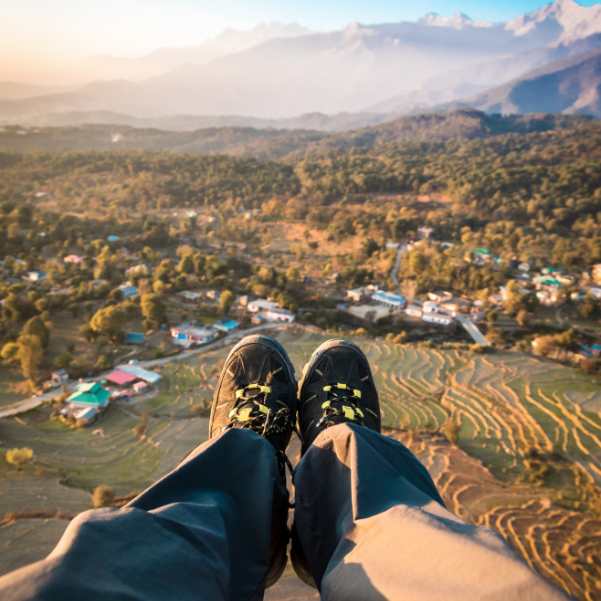
The paragliding capital of India and a globally recognised flying site. Even if you do not fly, Bir is a charming Tibetan-influenced settlement with monasteries, organic cafes, and a completely relaxed village atmosphere.
Billing, the take-off site at the top, has sweeping views of the Kangra valley. It works as a long day trip or even better as an overnight stop.
Plan for a full day. Bir is about 70 km from Dharamshala, roughly 2.5 to 3 hours by road.
Local tip: If you are paragliding, book with a certified operator. And do not rush out of Bir afterwards. The cafes and the village deserve a few unhurried hours.
Palampur
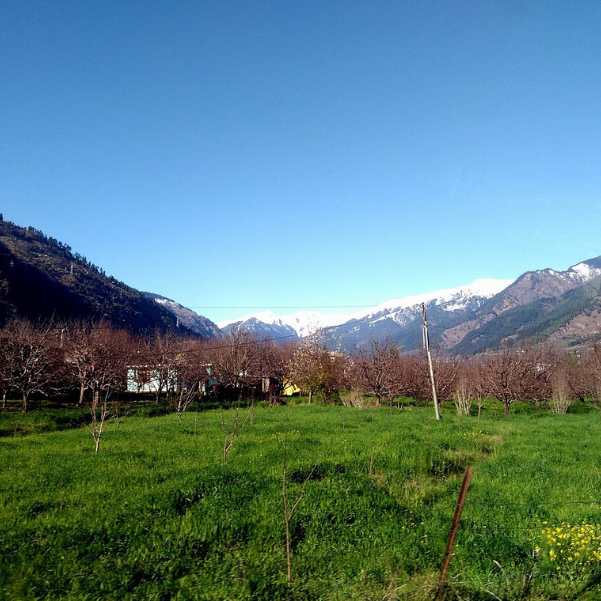
Known as the tea capital of northwest India, Palampur is lush, green, and much calmer than Dharamshala. Tea estates stretch out across the hillsides, and the town has a peaceful, lived-in charm. Good for travellers who want scenic drives and quiet green landscapes.
Plan for half a day to a full day. It is about 35 km from Dharamshala, roughly 1 to 1.5 hours by car.
Local tip: Pair Palampur with a stop in Andretta for pottery workshops. The drive through the Kangra valley is scenic the whole way.
Andretta
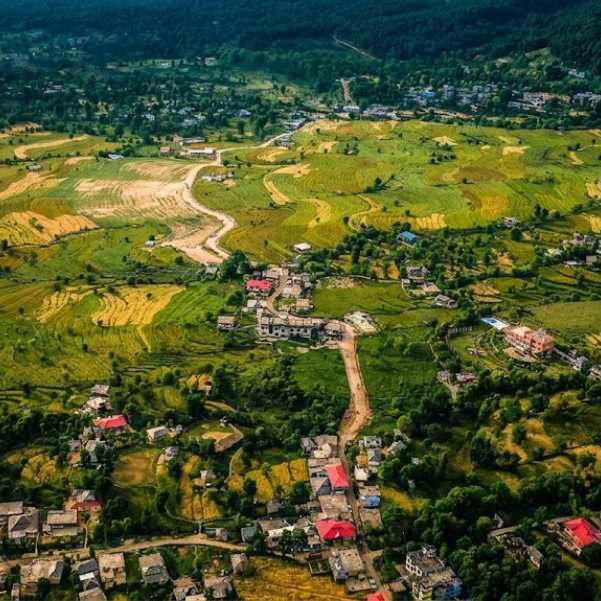
A small artists' village near Palampur, known for the Andretta Pottery and Craft Society and a gallery dedicated to the painter Sobha Singh.
It is a quiet, creative detour that feels nothing like the tourist trail. Art lovers and people who enjoy working with their hands will appreciate this.
Allow 1 to 2 hours. It is about 45 km from Dharamshala.
Local tip: The pottery studio sometimes offers short hands-on workshops. Check ahead if you want to try it. It is a lovely experience.
Chamunda Devi Temple
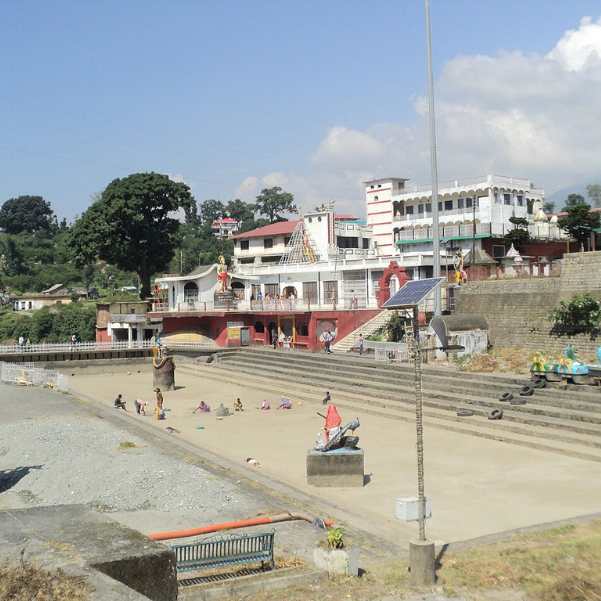
A revered Hindu temple dedicated to Goddess Chamunda, set in a forested area along the Ban Ganga river. It is an important pilgrimage site and the natural surroundings are beautiful. The temple has a distinctly spiritual, almost ancient energy.
Plan 1 to 1.5 hours. It is about 15 km from Dharamshala, reachable by car or local bus. Open during the day with no entry fee.
Local tip: Can be easily combined with Kangra Fort if you are heading south for a day trip. It is a brief and worthwhile detour.
Best Places by Travel Style
For Couples
Naddi View Point for a sunset you will both remember. Dharamkot for quiet cafes and unhurried mornings with valley views.
St. John in the Wilderness for a peaceful walk through the forest. Norbulingka for the beautiful garden and art studios.
Stay in Naddi or upper McLeodganj with a mountain-facing room, and your trip will feel like a proper escape.
For Families with Kids
Tsuglagkhang Complex is short and interesting for children. The HPCA Stadium area gives kids space to run around with mountains in the background. Bhagsu Waterfall works if your kids are comfortable with a moderate uphill walk.
Dal Lake is a quick nature stop. And Norbulingka's calm garden and workshops are engaging without being tiring.
Keep the pace relaxed and avoid long treks. Lower Dharamshala stays often have more space and easier parking.
For Solo Travellers
Dharamkot for the community vibe and friendly faces. Tushita for meditation and inner quiet. The Bhagsu cafe strip for meeting other travellers over pancakes and chai.
The Triund trek for a classic solo adventure. And the McLeodganj market in the evening for people-watching and good food. This region is welcoming, safe, and well-suited to solo travel.
For Photographers
Naddi View Point at sunrise is the single best shot in the area on a clear day. The Triund ridge at golden hour is spectacular.
St. John in the Wilderness has beautiful dappled morning light. The Tea Gardens offer clean, green compositions.
And the McLeodganj market is rich with street photography opportunities. For the sharpest mountain shots, visit in March, April, October, or November.
For Cafe Lovers
McLeodganj and Temple Road have the highest density of cafes, from Tibetan noodle joints to Italian espresso bars.
Bhagsu has waterfall-view cafes with a more backpacker feel. Dharamkot has the most laid-back spots with valley views and no rush.
If cafe-hopping is part of your travel DNA, base yourself in McLeodganj or Dharamkot and you will be very happy.
For Spiritual Travellers
Tsuglagkhang Complex, Namgyal Monastery, Tushita Meditation Centre, Nechung Monastery, and the Library of Tibetan Works and Archives together form one of the richest Tibetan spiritual ecosystems outside Tibet.
If this is your primary interest, spend at least 3 days. Attend a debate session, sit in on a meditation, and take your time with each place.
For Trekkers
Triund for a rewarding day or overnight trek. Kareri Lake for a multi-day wilderness experience. Indrahar Pass for serious mountaineers.
Even the short Gallu Devi trail from Dharamkot is a satisfying warm-up walk. Always check local conditions and carry proper gear.
Ready-to-Use Dharamshala and McLeodganj Itineraries
1-Day Itinerary: McLeodganj Focus
Morning: Start at Tsuglagkhang Complex by 8 AM. Walk through the complex, visit Namgyal Monastery and the Tibet Museum. Stroll through the Kalachakra Temple area.
Midday: Walk to Bhagsunag Temple and continue up to Bhagsu Waterfall. Have lunch at a cafe in Bhagsu.
Afternoon: Auto or cab to Naddi View Point if the weather is clear. Sit with the view for a while.
Evening: Return to McLeodganj main square. Browse the market. Dinner at a Temple Road restaurant.
2-Day Itinerary
Day 1: McLeodganj, Bhagsu and Naddi
Morning: Tsuglagkhang Complex, Namgyal Monastery, Tibet Museum. Walk through the temple area at your own pace.
Afternoon: Walk to Bhagsunag Temple and Bhagsu Waterfall. If you have the energy, continue up to Dharamkot for a cafe break with views.
Evening: Cab to Naddi for sunset. Head back to McLeodganj for dinner and the market.
Day 2: Lower Dharamshala Loop
Morning: Cab to Norbulingka Institute. Take your time with the art workshops and garden.
Midday: Gyuto Monastery. Then drive past the HPCA Stadium area for the mountain-and-cricket-ground view.
Afternoon: Kangra Art Museum or War Memorial. Tea Gardens if time allows.
Evening: Back to McLeodganj for a relaxed final evening.
3-Day Itinerary: With Trek Option
Day 1 and Day 2 follow the 2-day plan above.
Day 3: Triund Trek
Early morning: Start from Dharamkot or Gallu Devi trailhead by 7 AM. Trek up to Triund top, which takes about 3 to 4 hours.
Afternoon: Enjoy the views at the top. Eat lunch there, either from food you carried or from seasonal stalls.
Late afternoon: Descend, which takes about 2 to 3 hours. Return to McLeodganj by evening.
3-Day Itinerary: With Day Trip Option
Day 1 and Day 2 follow the 2-day plan above.
Day 3: Kangra Fort and Masroor
Morning: Early start by car to Kangra Fort. Explore the ruins.
Midday: Continue to Masroor Rock Cut Temples.
Afternoon: Drive back to Dharamshala or McLeodganj by late afternoon.
Evening: Relaxed dinner and packing.
4-Day Slow Travel Itinerary
Day 1: McLeodganj Core
Tsuglagkhang Complex, monasteries, Tibet Museum at a relaxed pace. Afternoon cafe time. Evening market walk and dinner.
Day 2: Bhagsu, Dharamkot and Naddi
Morning at Bhagsunag Temple and waterfall. Afternoon in Dharamkot with a long cafe stop. Sunset at Naddi.
Day 3: Lower Dharamshala and Cultural Stops
Norbulingka, Gyuto Monastery, HPCA Stadium, Tea Gardens. Stop at St. John in the Wilderness on the way back to McLeodganj.
Day 4: Day Trip or Trek
Choose your own adventure. Option A: Triund trek. Option B: Kangra Fort and Masroor temples. Option C: Bir Billing for paragliding and cafes.
Want all of this planned out for you with stays, transfers, and a local cab arrangement? Travel Coffee can put together your Dharamshala itinerary so you can just show up and enjoy.
Explore Our Curated Dharamshala & McLeodganj Tours
 6D/5N
6D/5NDharamshala Dalhousie Khajjiar Himalayan Retreat
1D Delhi•2D McLeodganj+1
₹25,999₹32,999SAVE INR 7,000/ person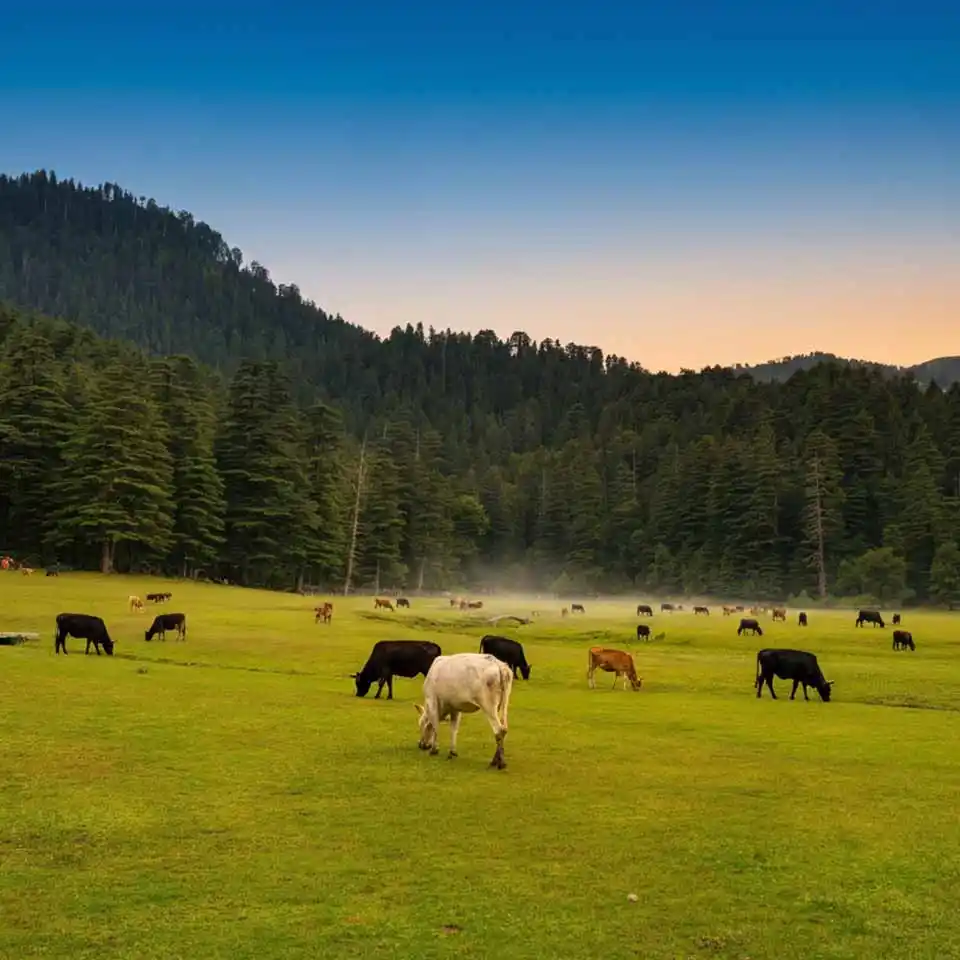 6D/5N
6D/5NDharamshala Dalhousie Khajjiar Meadow Circuit
1D Delhi•2D McLeodganj+1
₹19,999₹25,999SAVE INR 6,000/ person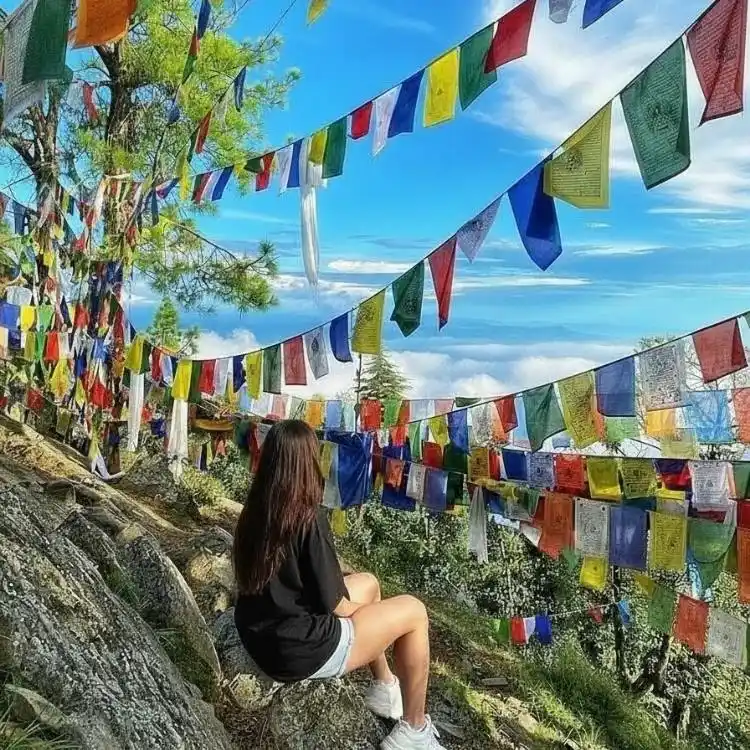 3D/2N
3D/2NDharamshala & McLeodganj Weekend Tour
1D Delhi•2D Dharamshala / McLeodganj
₹8,799₹17,880SAVE INR 9,081/ person 3D/2N
3D/2NDharamshala & McLeodganj Luxury Hideaway
1D Delhi•2D Dharamshala / McLeodganj
₹23,799₹29,999SAVE INR 6,200/ person 7D/6N
7D/6NPerfect Dharamshala–McLeod Ganj, Dalhousie, Khajjiar & Amritsar Family Trip
1D Delhi•3D McLeod Ganj / Dharamshala+2
₹29,999₹36,999SAVE INR 7,000/ person 7D/6N
7D/6NDharamshala–McLeod Ganj, Dalhousie & Khajjiar With Amritsar
1D Delhi•2D McLeod Ganj / Dharamshala+3
₹23,999₹28,999SAVE INR 5,000/ person
Quick Timings and Entry Fee Reference

Here is a quick-reference rundown of approximate timings and entry details for the main places. Timings and fees can change, so please verify locally before visiting, especially for museums and seasonal treks.
Tsuglagkhang Complex: Open generally open from early morning to around 6 PM. Entry is free. Plan for about 45 minutes to an hour.
Namgyal Monastery: Open sunrise to sunset. Entry is free. Plan for 30 to 45 minutes.
Tibet Museum: Open usually around 9 AM to 5 PM, tends to be closed on Mondays. Entry is free (donations welcome). Plan for 30 to 45 minutes.
Kalachakra Temple: Open same hours as the main complex. Entry is free. Plan for 15 to 20 minutes.
Library of Tibetan Works and Archives: Open usually around 9 AM to 5 PM, tends to be closed on Sundays. Entry is approximately Rs 10 to 20 for the museum. Plan for 45 minutes to an hour.
TIPA: Open approximately 9 AM to 5 PM. Entry is free for general visit; performances may have a small charge. Plan for 30 minutes or more.
Tushita Meditation Centre: Open drop-in sessions on specific schedules. Entry is free introductory sessions; retreats are donation-based. Plan for 1 hour or more.
Nechung Monastery: Open open during the day. Entry is free. Plan for 20 to 30 minutes.
Bhagsunag Temple: Open open throughout the day. Entry is free. Plan for 20 to 30 minutes.
Bhagsu Waterfall: Open daylight hours. Entry is free. Plan for 1 to 1.5 hours including the walk.
St. John in the Wilderness: Open approximately 7 AM to 5 PM. Entry is free. Plan for 20 to 30 minutes.
Dal Lake: Open open throughout the day. Entry is free. Plan for 20 to 30 minutes.
Naddi View Point: Open open throughout the day. Entry is free. Plan for 30 minutes to an hour.
Sunset Point Naddi: Open best in the hour before sunset. Entry is free. Plan for 30 to 45 minutes.
Dharamkot: Open open village area. Entry is free. Plan for 1 to 2 hours.
Gallu Devi Trailhead: Open daylight hours. Entry is free. Plan for 1 to 1.5 hours for the walk and back.
Norbulingka Institute: Open approximately 9 AM to 5:30 PM, tends to be closed on Sundays. Entry is approximately Rs 50 to 100. Plan for 1.5 to 2 hours.
Gyuto Monastery: Open approximately 8 AM to 6 PM. Entry is free. Plan for 30 to 45 minutes.
HPCA Stadium: Open outside viewing anytime on clear days. Entry is free outside; match tickets vary. Plan for 15 to 30 minutes.
Kangra Art Museum: Open approximately 10 AM to 5 PM, tends to be closed on Mondays. Entry is approximately Rs 10 to 50. Plan for 30 to 45 minutes.
War Memorial: Open open during the day. Entry is free. Plan for 15 to 20 minutes.
Tea Gardens: Open daylight hours. Entry is free. Plan for 30 to 45 minutes.
Kunal Pathri Temple: Open open during the day. Entry is free. Plan for 20 to 30 minutes.
Chinmaya Tapovan: Open open during daytime hours. Entry is free. Plan for 30 to 45 minutes.
Triund Trek: Open full day or overnight. Entry is trekking fee or permit may apply (check locally). Plan for 5 to 7 hours return.
Kangra Fort: Open approximately 9 AM to 5 PM. Entry is approximately Rs 25 to 50 for Indian nationals. Plan for 1.5 to 2 hours.
Masroor Rock Cut Temples: Open generally sunrise to sunset. Entry is small ASI entry fee. Plan for 1 to 1.5 hours.
Bir Billing: Open full day trip or overnight. Entry is paragliding is extra. Plan for full day.
Chamunda Devi Temple: Open open during the day. Entry is free. Plan for 1 to 1.5 hours.
Best Cafes, Street Market and Evening Hangouts
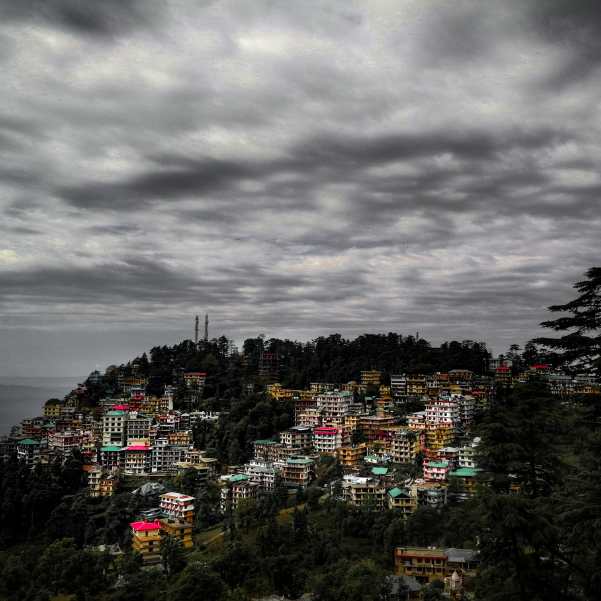
After a day of sightseeing, most people want two things: good food and a nice spot to unwind. This region delivers on both.
McLeodganj Market and Temple Road
The main square and Temple Road are the evening hub. You will find Tibetan restaurants serving hot thukpa and momos, Italian cafes, Israeli bakeries, and local Indian dhabas, all within a few minutes of each other.
The market is also where you shop for Tibetan souvenirs, singing bowls, prayer flags, and warm clothing. Evenings get crowded, especially on weekends. Go with the flow and let yourself wander.
Bhagsu Cafe Scene
Bhagsu has a more bohemian, backpacker-friendly energy. The cafes here lean towards outdoor seating with partial mountain or waterfall views.
Menus feature traveller favourites like pancakes, shakshouka, hummus plates, and Tibetan food. It is a great area for a long, slow breakfast or an afternoon of doing nothing with a good book and a coffee.
Dharamkot
Cafes in Dharamkot are quieter and more spread out. You will find yoga-friendly menus, vegan options, and an unhurried pace.
If you want a cafe where you can sit with a view and not feel surrounded by tourists, Dharamkot is the answer. The only downside is getting back to McLeodganj after dark, which means either walking downhill or finding an auto.
Evening Vibes
McLeodganj evenings revolve around food, market browsing, and conversation. A few places host live music or small events, so check locally for what is on.
Do not expect a nightlife scene. The pace here is relaxed, and that is part of its charm. Grab dinner, take a walk, maybe sit at a rooftop cafe if the sky is clear. That is the perfect McLeodganj evening.
Dharamshala Trip Cost: What to Actually Expect

How much you spend depends heavily on your travel style. Here is a realistic daily range.
Backpackers (Solo or Duo)
Budget stays in Bhagsu or Dharamkot run from around Rs 500 to 1,200 per night. Meals at local eateries and street food cost roughly Rs 300 to 500 per day.
Local transport through shared autos and walking keeps things cheap, maybe Rs 100 to 300 per day. All in, you are looking at roughly Rs 1,000 to 2,000 per person per day.
Mid-Range Couples
A comfortable hotel in McLeodganj or Naddi costs around Rs 1,500 to 4,000 per night. Meals at cafes and restaurants run Rs 800 to 1,500 per day for two.
Local cabs for half-day sightseeing loops cost roughly Rs 800 to 1,500 per trip. Total comes to approximately Rs 3,500 to 7,000 per couple per day.
Families Using Taxis
A family-friendly hotel or homestay runs Rs 2,500 to 6,000 per night. Meals for a family of four cost around Rs 1,500 to 2,500 per day.
A full-day taxi is roughly Rs 1,500 to 3,000. A day trip to Kangra Fort or Bir Billing adds Rs 2,000 to 3,500 for the cab. Total comes to approximately Rs 6,000 to 12,000 per family per day.
Most sightseeing spots are free or charge nominal fees. The biggest spends are accommodation, transport for day trips, and food. A 3-day Dharamshala trip is very doable on a moderate budget.
Local Travel Tips That Will Actually Save You Time
Start your mornings early
Mountain views are clearest before noon. Whether you are heading to Naddi, Triund, or any viewpoint, early starts make an enormous difference.
Plan your days in loops, not random lists
Group nearby places together. Do not bounce between McLeodganj and lower Dharamshala in a single day if you can help it. The road takes time.
Choose your stay base based on where you will spend most of your time
If that is McLeodganj and Bhagsu, stay there. If you are doing day trips, lower Dharamshala might save you morning travel.
Check the weather before heading to any viewpoint
Naddi, Sunset Point, and Triund are all completely weather-dependent. A cloudy morning means no mountain views. Use clear days for viewpoints and save indoor spots like museums for overcast ones.
Walking works beautifully in the McLeodganj core
But for Norbulingka, Gyuto, HPCA, or any day trip, you will need a cab or a two-wheeler. Do not overestimate what you can walk to.
If you are visiting during monsoon (July to September), be ready for road disruptions, slippery trails, leeches, and limited visibility. Many treks are restricted or unsafe in this period.
Weekends are noticeably busier
McLeodganj gets heavy footfall from Chandigarh, Delhi, and Punjab on Saturdays and Sundays. If you can plan a weekday visit, the experience is much better.
Pack layers regardless of when you visit
Even summer evenings get cool. Winter requires proper warm clothing. And rain gear is essential from June through September.
Verify trek conditions before you go
Check locally for permits, trail closures, or weather warnings. Do not rely on old blog posts or social media for current mountain information.
Carry cash
While UPI works at many cafes and shops, smaller vendors, autos, and some entry counters still prefer cash. ATMs in McLeodganj can have long queues on weekends.
Mistakes Most Travellers Make in Dharamshala and McLeodganj

Trying to cram too much into a single day
This is not a flat city. Travel between areas takes real time. Trying to do McLeodganj, lower Dharamshala, and Naddi all in one day is exhausting and you end up enjoying nothing properly. Slow down.
Choosing the wrong stay base
Booking a hotel in lower Dharamshala because it was cheaper, then paying Rs 500 per cab ride every time you want to visit McLeodganj. Think about where most of your sightseeing happens and stay close.
Ignoring travel time between areas
McLeodganj to Norbulingka is not a quick hop. It is a 30 to 40-minute ride on winding roads. If you do not factor in travel time, your whole day plan falls apart.
Not checking opening days
Arriving at the Tibet Museum on a Monday to find it closed. Or reaching Norbulingka on a Sunday. Always check before you go.
Heading to viewpoints on cloudy days
Naddi with clouds is just a parking lot with zero view. Save your viewpoint visits for mornings when the sky is clear.
Treating the entire area as one walkable zone
McLeodganj's main square is walkable. Bhagsu is a short walk. But everything else, lower Dharamshala, Naddi, day trips, needs transport. Plan accordingly.
Skipping Norbulingka
Many tourists never go because it requires a cab to lower Dharamshala. It is one of the best cultural experiences in the region. Make the effort.
Underestimating the Triund trek
It looks easy in photos and videos. The last kilometre is steep and catches a lot of people off guard. Start early, carry water, wear proper shoes, and respect the mountain.
Wrapping Up
Dharamshala and McLeodganj reward the traveller who plans a little but does not over-plan. The region is compact enough to enjoy in a couple of days, but layered enough that rushing through it means missing what makes it special.
Use the sightseeing loops to structure your days. Pick your stay base based on your travel style. Save viewpoints for clear mornings. Give yourself enough time to sit in a good cafe, watch monks debate, or simply stare at the Dhauladhar range from a quiet bench.
Whether you are here for 1 day or 5, for a trek or a temple visit, for a family holiday or a solo escape, this guide should give you everything you need to make it smooth, well-paced, and genuinely enjoyable.
If you would like help putting this all together into a ready trip with stays, local transport, and on-ground support, Travel Coffee is happy to plan it for you. We handle the Himachal logistics so you can focus on the mountains.
>>Find the Right Dharamshala & McLeodganj Package for Your Travel Dates
Related topics
Frequently Asked Questions
How many days are enough for Dharamshala and McLeodganj?
Two full days covers the core experience nicely. Three days is ideal if you want a trek or a day trip. Four or more days suits slow travellers and those combining with other Himachal destinations.
Which is better to stay in: Dharamshala or McLeodganj?
For most visitors, McLeodganj wins. It is walkable, close to the main attractions, and has the best food and cafe scene. Lower Dharamshala works better for families wanting space and parking, or travellers planning lots of day trips.
Is 1 day enough to cover the main sightseeing?
You can cover the McLeodganj core, Bhagsu, and one viewpoint in a packed day. But you will miss lower Dharamshala, treks, and day trips. It works as an introduction, not the full experience.
What is the best time of year for clear mountain views?
March to early May and October to November offer the clearest skies. October is especially good because the post-monsoon air is clean and visibility is at its best.
Can you explore this region without a taxi or scooter?
The McLeodganj, Bhagsu, and Dharamkot area is entirely walkable. For lower Dharamshala, day trips, and Naddi, you will need transport. Shared autos and local buses exist, though private cabs give more flexibility.
What are the best sunset spots?
Sunset Point near Naddi is the most popular choice. Dharamkot also has lovely sunset views. Triund ridge at golden hour is spectacular if you are camping. All of these need clear weather.
Are there peaceful places nearby if you want to avoid crowds?
Naddi, Dharamkot, the area around St. John in the Wilderness, and the Gallu Devi trail are all much quieter than McLeodganj square. For real solitude, head to Kareri village or the trail beyond Triund.
Is this destination safe for solo travellers?
Yes. McLeodganj and the surrounding areas are generally considered safe for solo travellers, including women. The community is used to hosting independent visitors from around the world. Use normal precautions, especially when trekking alone or walking at night in quiet areas.
What should families with kids prioritise in a 2-day plan?
Day one: Tsuglagkhang Complex, a walk to Bhagsu if kids are up for it, and the McLeodganj market in the evening. Day two: Norbulingka Institute for the calm garden and workshops, the HPCA Stadium area, and a drive to the Tea Gardens. Keep the pace gentle.
What are the best things to do if it rains?
Visit the Tibet Museum. Explore the Library of Tibetan Works and Archives. Spend time at Norbulingka's indoor workshops. Settle into a long cafe session in McLeodganj. Or attend a drop-in meditation session at Tushita. Rainy days here are made for indoor culture.
What are the best day trips from Dharamshala for first-timers?
Kangra Fort paired with Masroor Rock Cut Temples is a great history day. Bir Billing suits adventure seekers. Palampur with Andretta is perfect for art and tea lovers. Chamunda Devi Temple works as a shorter half-day trip.
Which hikes here are suitable for beginners?
The Gallu Devi trail from Dharamkot is the easiest, taking about an hour each way. Triund is moderate and doable for most reasonably fit people. Anything beyond Triund requires more preparation and experience.
Do you need permits for treks in this region?
Permit requirements change from time to time. For treks like Triund, there may be a fee or registration requirement. Always check with the local forest department, your hotel, or a trekking guide before heading out.
What is the easiest way to reach from Delhi or Chandigarh?
From Delhi, you can take an overnight bus (about 10 to 12 hours), fly to Gaggal airport near Kangra (roughly 1 hour flight plus 30 minutes by road), or drive (approximately 8 to 10 hours via Chandigarh). From Chandigarh, it is about 5 to 6 hours by road. Volvo buses from both cities are comfortable and run daily.
What is the typical local travel cost per day?
Budget travellers can get by on Rs 1,000 to 2,000 per day including basic stays and meals. Mid-range travellers should plan for Rs 3,500 to 5,000 per day. Families using taxis and doing day trips may spend Rs 6,000 to 12,000 per day depending on activity.
More about Dharamshala
 Dharamshala
Dharamshala Dalhousie Khajjiar Itinerary 2026: 4N5D & 5N6D Plans That Actually Work
Two Dharamshala–Dalhousie–Khajjiar itineraries that survive contact with real mountain roads: a tight 4N5D and a calmer 5N6D. Route order, transfer distances, what to skip when time is short, and how monsoon and winter change the plan.
- Itinerary
- Places to Visit
 Dharamshala
How Many Days for the Dharamshala Dalhousie Circuit in 2026? 3N4D vs 5N6D vs 7N8D
How many days does the Dharamshala–Dalhousie circuit actually need? A straight comparison of 3N4D, 5N6D and 7N8D-what each one buys you, what it costs you in car time, and which traveller type each length suits.
- Itinerary
- First-Time Travellers
 Dharamshala
Trekking in Dharamshala: Every Major Trek Ranked (2026 Guide)
Planning to go trekking in Dharamshala in 2026? This complete guide ranks the region's best treks by difficulty, scenery, and experience, while covering ideal seasons, trail highlights, and practical planning tips for every type of trekker.
- Things to Do