
Rohtang Pass One Day Trip from Manali: 2026 Itinerary, Timing, Permit and Cost
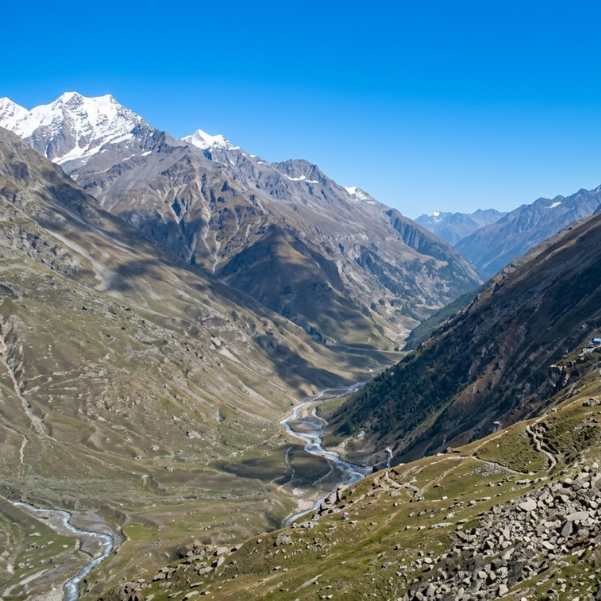
If you are trying to figure out whether rohtang pass one day trip from Manali is doable, the short answer is yes, when the road is open and you have a permit. But the day only works if you get the timing right.
Most travellers ask us the same thing first: what time should I leave, and will I make it back the same day? We have sent hundreds of travellers up this road, and the ones who leave early always have a better day than the ones who sleep in.
Here is the honest, no-fluff plan.
Quick Answer
Yes, you can do a rohtang pass one day trip from Manali when the road is open and a permit is available. Rohtang Pass is about 51 km from Manali and the drive normally takes two to three hours each way, depending on traffic and road conditions.
Leave early, ideally by 6:30 to 7:00 AM, spend an hour or so at the top, and start heading back before afternoon traffic builds. Keep your return plan flexible because weather and traffic change fast up there.
If you prefer a planned trip with transport and logistics handled, explore our Rohtang Pass packages and Manali tour packages.
Can Rohtang Pass Be Covered in One Day from Manali?
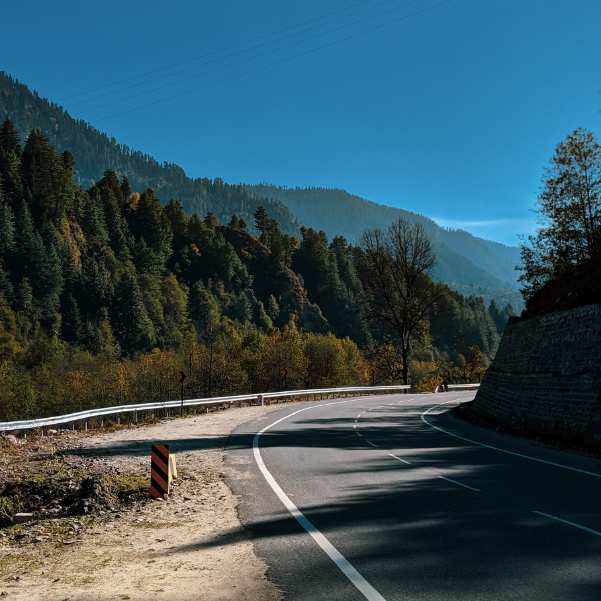
Yes. This is a standard day trip and thousands of people do it every season. The trick is to keep it focused on Rohtang and a few viewpoints on the old road, not to cram in everything.
What most tourists get wrong is trying to do Rohtang, a full Solang Valley session, the Atal Tunnel and Sissu all in one day. That plan looks great on paper and falls apart by 2 PM. You end up rushing every stop and enjoying none of them.
Permits, road status and weather decide whether the trip even happens. A permit does not override a weather closure. If the police shut the road at Gulaba because of snow or fog, that is where your day ends, permit or not.
In our experience, the travellers who treat Rohtang as its own dedicated day come back happy. The ones who treat it as one stop in a packed itinerary come back tired and annoyed.
What Is the Best Rohtang Pass One Day Trip Timing?
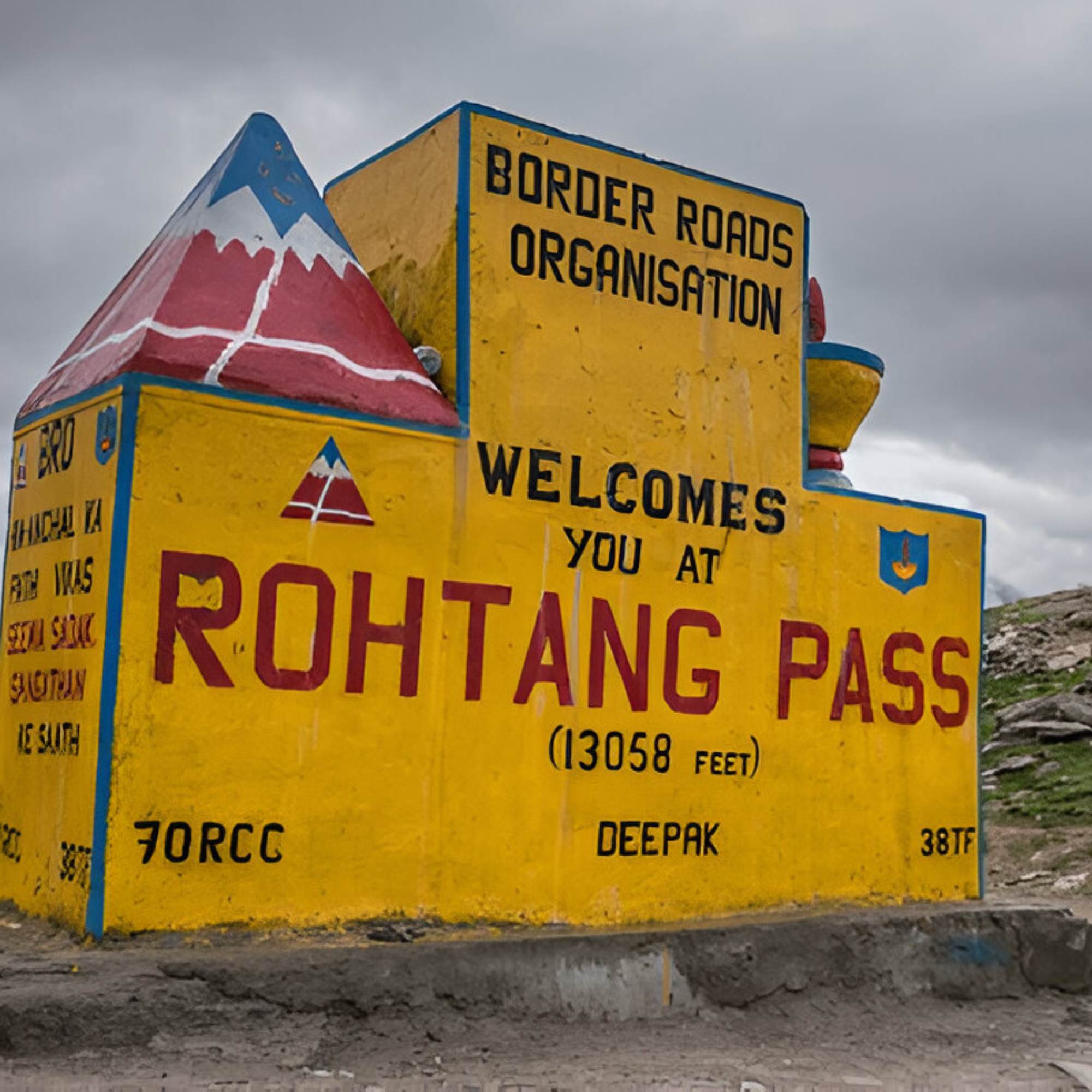
The practical window is early morning until mid-afternoon or early evening. Leave Manali around sunrise, reach the top by mid-morning, and be on your way down before lunch.
If you make fewer stops, you can be back in Manali by early afternoon. If you stop at every viewpoint and traffic is heavy, the day stretches into the evening.
We never guarantee an exact return time, and neither should any honest operator. This road does what it wants. A clear morning can turn into a foggy, jammed afternoon with no warning.
Rohtang Pass Day Trip Itinerary from Manali
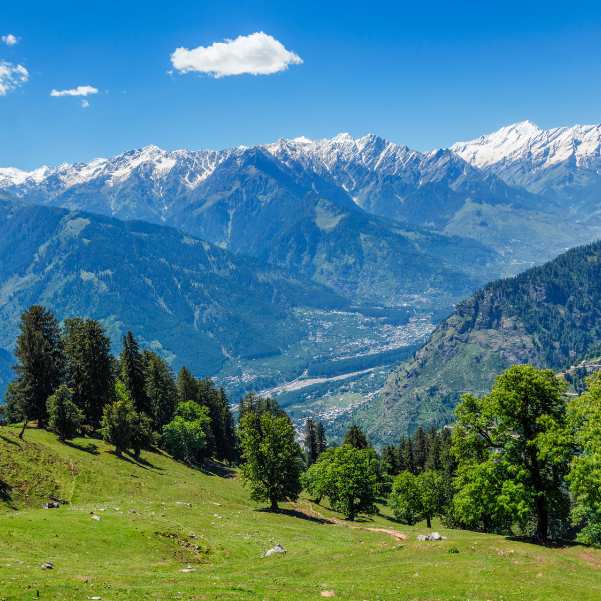
Here is the schedule we actually use with our travellers when the road is open and long optional stops are skipped.
6:00 AM to 6:30 AM: Leave Manali
Finish breakfast and meet your driver before the town wakes up. Once the Mall Road area gets busy, even getting out of Manali eats up 20 minutes.
On peak weekends, an even earlier start makes sense. Check with your driver and the current access instructions the night before, because the recommended departure can shift.
6:30 AM to 8:30 AM: Drive Through Palchan, Kothi and Gulaba
The scenery changes fast on this stretch. You leave the apple orchards behind, the pine trees thin out, and suddenly you are looking at open valleys and bare mountain slopes.
Treat Kothi and Gulaba as quick photo stops on the way up. Ten minutes each is plenty. Save your real time for the top.
8:30 AM to 9:30 AM: Rahala Falls and Marhi
Stop at Rahala Falls only if parking is available and the water flow looks worth it. Some days it is a strong meltwater rush, other days it is thin. Do not force it if the parking is a mess.
Marhi is your practical rest stop. This is where you get tea, breakfast, a toilet break and a few minutes to stretch. The dhabas here are basic but they are the last proper hot food before the top.
9:30 AM to 11:00 AM: Rohtang Pass Top
Plan for 60 to 90 minutes at the top. That is enough for photos, taking in the views, and any snow activities that happen to be running.
We never promise snow, skiing, sledging or snow scooters. Whether any of that is available depends entirely on the season and conditions on the day.
Rohtang sits at about 3,978 metres. When you get out of the car, move slowly for the first few minutes. Do not sprint around for photos. Your body needs a moment to adjust to the thin air.
11:00 AM to 1:00 PM: Start the Return Journey
Start heading down before afternoon traffic and weather build up. Clouds roll in fast after midday, and the road going down gets crowded with the late crowd coming up.
A short food stop at Marhi on the way down is fine. You have earned it by now.
1:00 PM to 3:30 PM: Optional Descent Stops
Pick only one or two stops on the way back from Rahala Falls, Gulaba, Kothi or Nehru Kund. Trying to hit all of them just wears you out.
Which stop works depends on road conditions and parking that day. Your driver will know which one is realistic.
2:00 PM to 5:00 PM: Reach Manali
This is a flexible arrival range, not a promise. On a quiet day you are back by early afternoon. In peak season, traffic can push it to the evening.
>>Planning a Rohtang Pass day trip? WhatsApp us for a practical itinerary and current road updates.
Which Places Are on the Manali to Rohtang Pass Route?
The route order is Manali, Kothi, Gulaba, Rahala Falls, Marhi and then Rohtang Top. Here is what each one is actually like.
Kothi
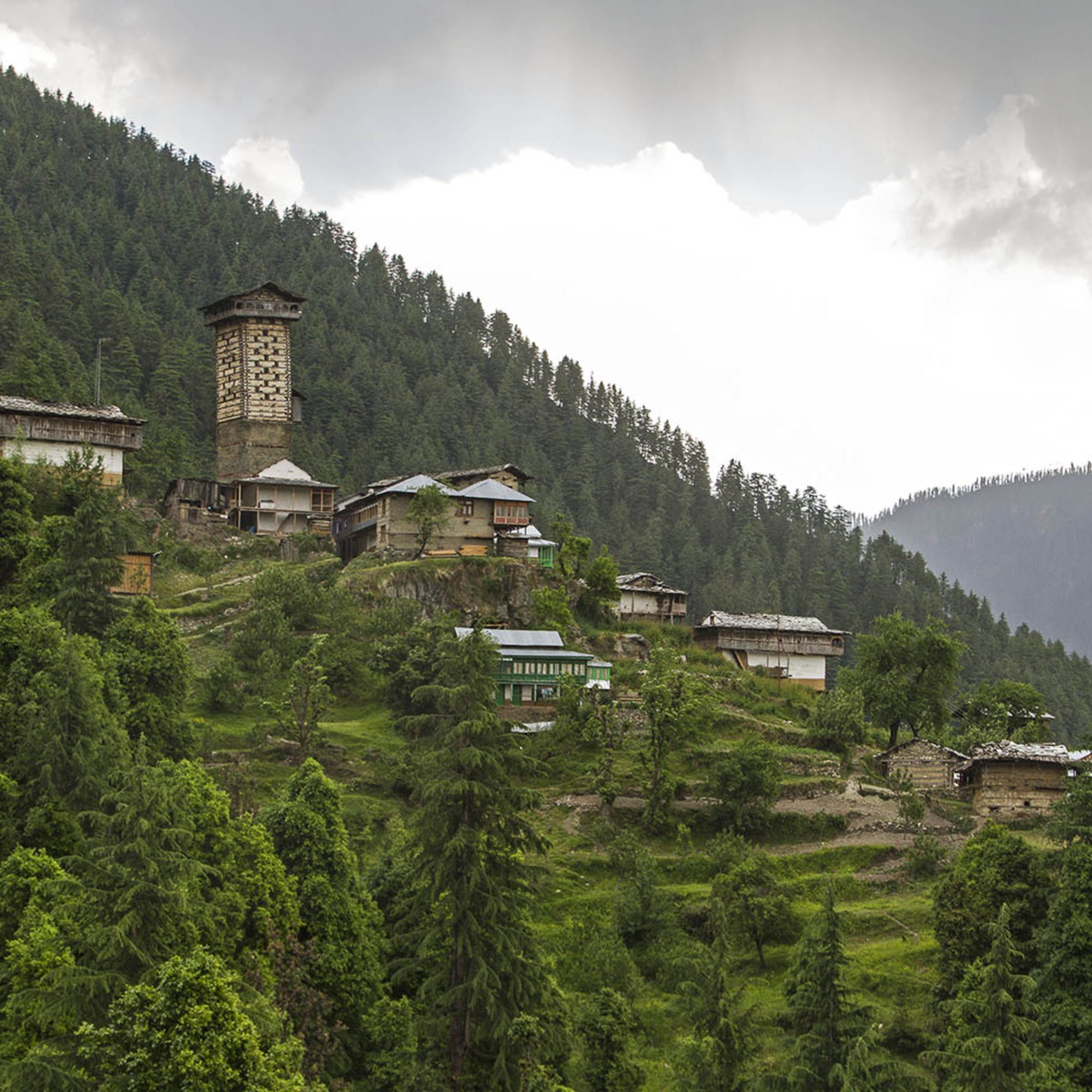
An early viewpoint on the route with good valley scenery. A brief stop is enough. You will get a nice photo and be back in the car in ten minutes.
Gulaba
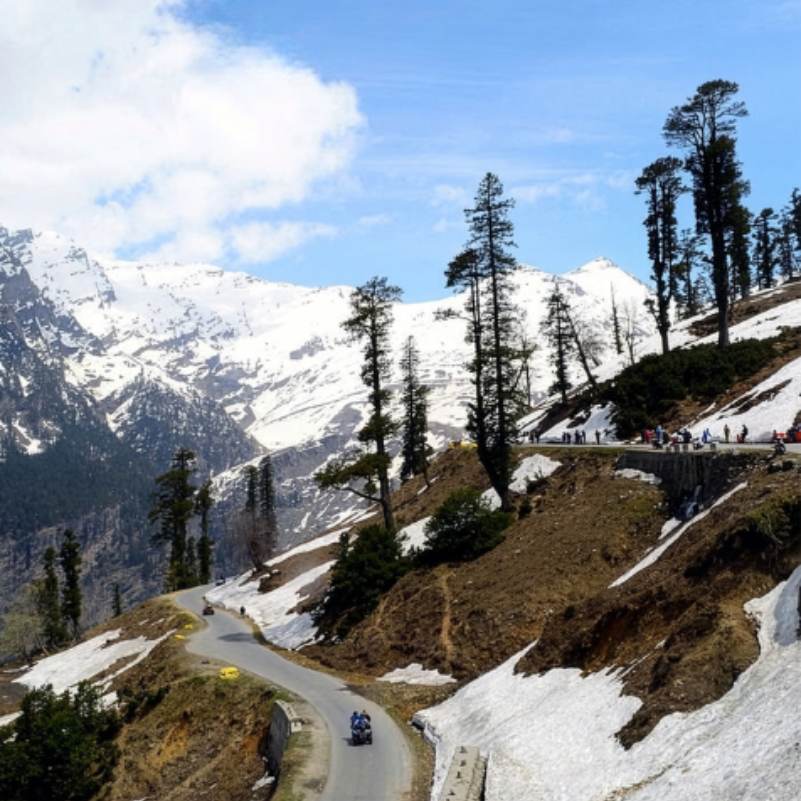
An important point on the route with a checkpoint area. On days when authorities restrict the road beyond it, Gulaba becomes the highest point you are allowed to reach.
If that happens, do not argue with the police. The restriction is for safety and it changes daily.
Rahala Falls
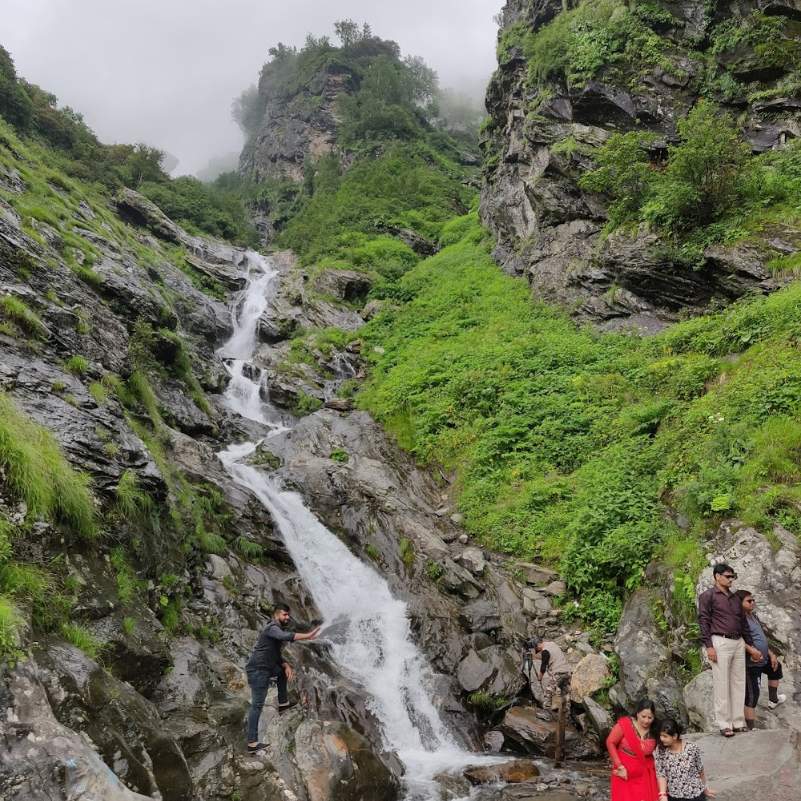
A meltwater waterfall whose look changes with the season. Early season it can be powerful, later it thins out. Stop only when it is safe and the parking is not chaotic.
Marhi
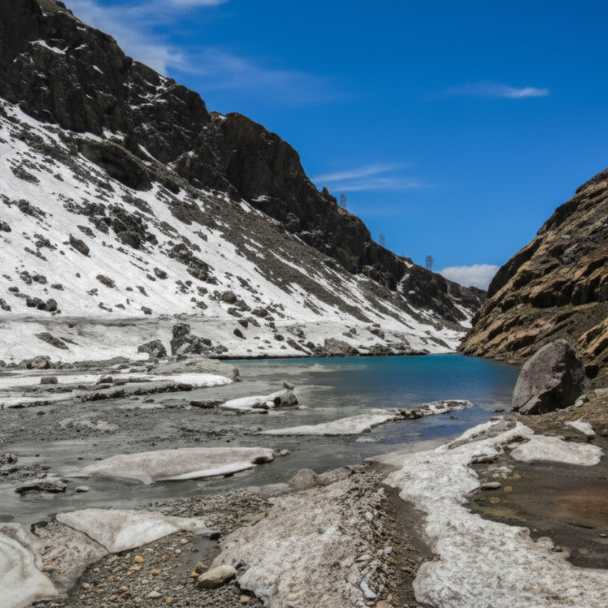
Your practical food, tea and rest point. The facilities here are basic and can get crowded, especially by late morning. Use the toilet here because there is nothing decent higher up.
Our drivers always tell travellers to eat at Marhi on the way up rather than gambling on the top. The food options at Rohtang itself are unreliable.
Rani Nallah and Rohtang Top
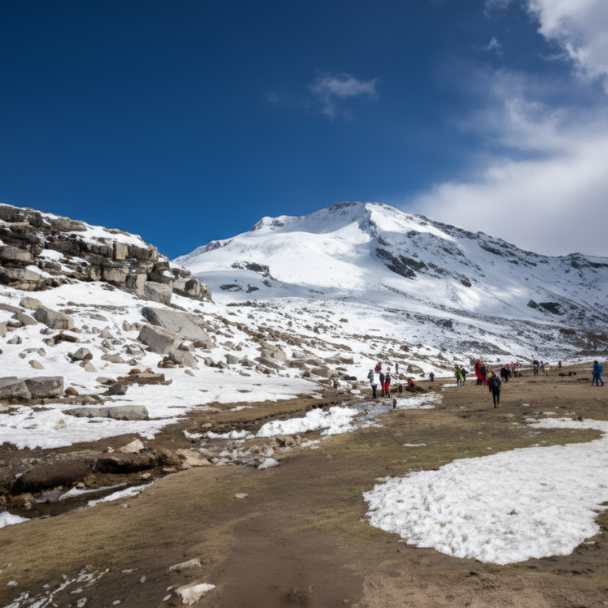
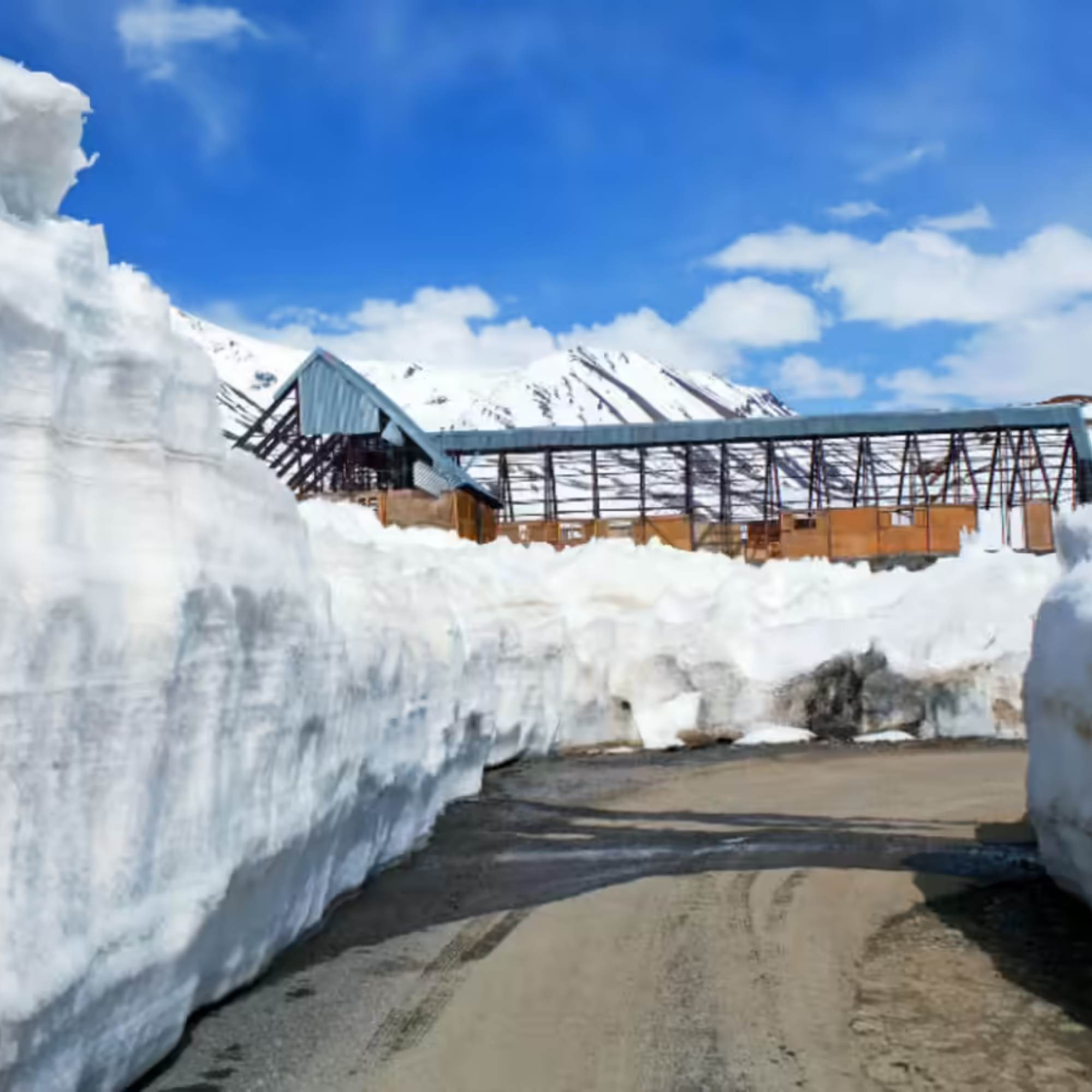
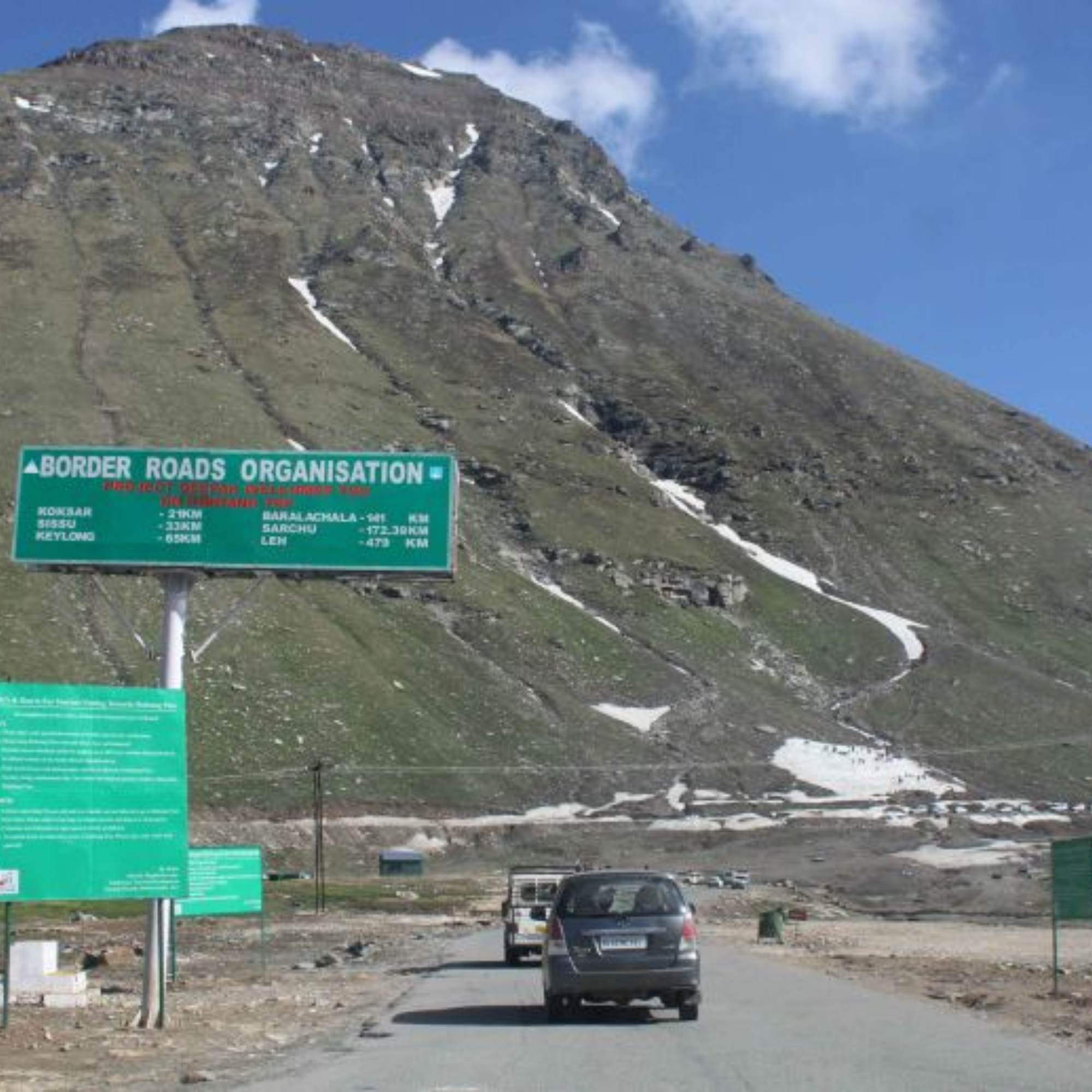
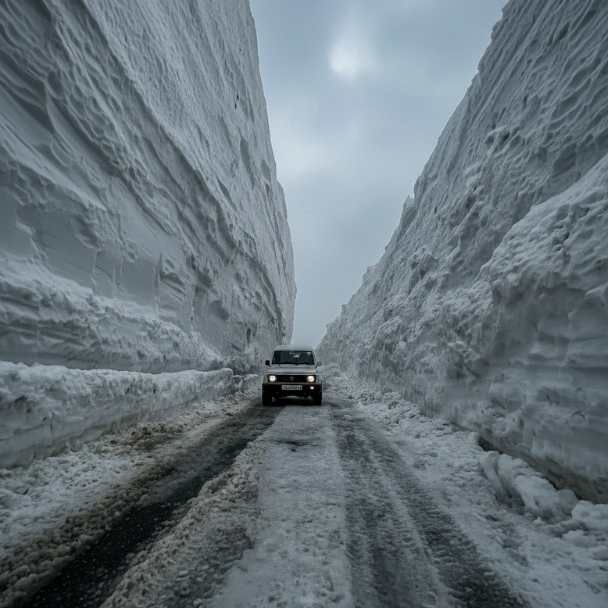
This is the high-altitude stretch where you might see seasonal snow walls lining the road. We say might, because snow is never guaranteed and stopping permission depends on the day.
How Long Does Manali to Rohtang Pass Take?
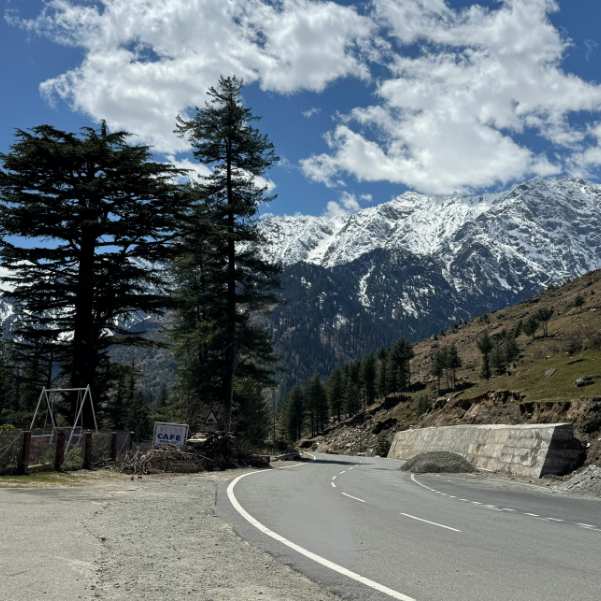
Your rohtang pass trip timing should assume two to three hours each way as a planning estimate. That is for roughly 51 km, which tells you everything about the road quality.
Traffic, permit checking, fog, rain, snow, landslides and road repairs all add time. A drive that takes two hours on a clear Tuesday can take four on a busy Saturday after rain.
This is exactly why we push the early start so hard. Every hour you gain in the morning is a buffer against the mess that builds later.
What Is the Best Time to Leave Manali for Rohtang Pass?
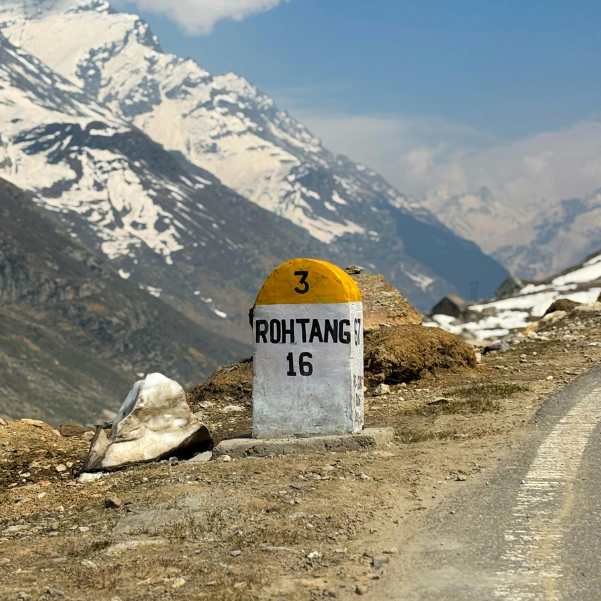
Leave early. This matters most in May, June, on weekends and during holidays when the crowds are heaviest.
Reaching the upper road early gives you a buffer for traffic and weather. Get there late and you are stuck in a slow crawl behind hundreds of other cars, breathing exhaust instead of mountain air.
If you book an organised bus, remember it may leave at a fixed and later time than a private cab. You trade the early start for a set schedule.
How Does the Rohtang Pass Permit Work in 2026?
Who Needs the Permit?
The tourism permit applies to the vehicle going to Rohtang, not to you as a passenger. If you are in a taxi or an organised bus, confirm with the operator that they are handling the vehicle permit.
A permit does not guarantee access during unsafe weather. This is the single most important thing to understand. The road can close even with a valid permit in your hand.
What Are the Official Permit Fees?
Cars, jeeps and MUVs pay a ₹500 permit fee plus a ₹50 congestion charge. That is a verified base total of ₹550 for an eligible self-drive car, jeep or MUV, before fuel and anything else you spend.
What Is the Daily Vehicle Quota?
The official daily quota is 800 petrol vehicles and 400 diesel vehicles. Once that fills up, that is it for the day.
This is why popular dates, especially weekends and holidays, get booked out. If your dates are fixed and fall on a busy weekend, apply the moment permits open.
When Are Permits Released?
The current portal releases permits in two batches, at 10:00 AM and 4:00 PM. You can currently apply for the next two days.
One more thing worth knowing: a maximum of three permits per vehicle can currently be obtained in a single Tuesday-to-Monday week.
Which Documents Are Required?
You need a valid ID, a valid PUC certificate and your vehicle-registration information. All mandatory.
The tourism permit page also states the vehicle must not be more than ten years old. And a printed copy of the permit is compulsory, so do not rely on a screenshot on your phone.
Is Rohtang Pass Closed on Tuesday?
Information online is inconsistent. Several older and third-party travel guides still describe Tuesday as Rohtang Pass’s maintenance day, while the current official permit portal shows “NONE” in the maintenance-day field.
Do not trust either blindly. Check your exact date on the official portal at https://rohtangpermits.hp.gov.in/ before you plan around a specific day.
How Much Does a Manali to Rohtang Pass One Day Tour Cost?
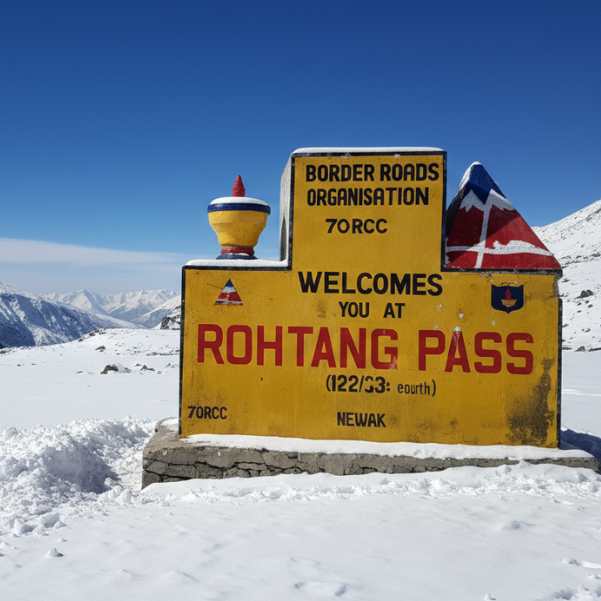
Self-Drive Cost
The verified base is ₹550, which is the permit plus congestion charge for an eligible car, jeep or MUV. That is only the government charge.
Fuel, food, parking, warm clothing and any snow activities are all extra. We are not going to invent numbers for those because they vary too much to quote honestly.
Private Taxi Cost
Published 2026 taxi rates conflict, and badly. One source lists a Rohtang taxi from ₹4,500 including the permit, while other sites quote quite different amounts.
Do not treat any single figure as the market rate. Ask for a live written quote and confirm whether it includes the permit, pickup, waiting time, vehicle type and route stops.
What we tell our travellers is to get every inclusion in writing before paying a rupee, because verbal promises at a taxi stand mean nothing when you are up at Marhi.
Organised HPTDC Bus
An HPTDC sightseeing service covering Manali, Rohtang Pass and Sissu has previously been listed as a 137-kilometre round trip, with a 9:00 AM departure and a fare of ₹600 per person.
However, routes, departure times and fares can change according to road access and seasonal operations. Check the current HPTDC booking schedule before relying on these details.
Shared Transport
Shared vehicles can cut your per-person cost, but you give up control over departure time and stops. If someone in your shared cab wants to linger and you want to move, you are stuck.
For a focused early trip, shared transport is usually the wrong choice. The whole advantage of Rohtang is beating the crowd, and you cannot do that on someone else's schedule.
>>Looking for the best way to reach Rohtang Pass from Manali? WhatsApp us to compare your options.
Can You Take Your Own Car to Rohtang Pass?
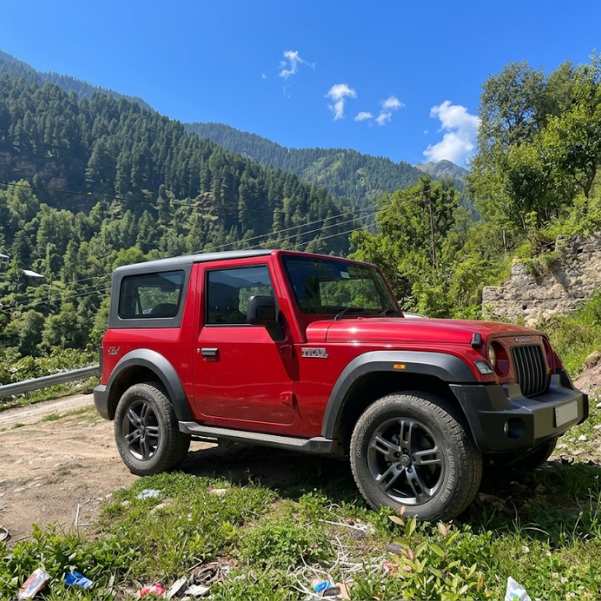
Yes, if you sort the permit, documents, printout and vehicle-age rules. Your car needs a valid PUC, the registration papers, and it must not be more than ten years old. Carry the printed permit.
Your driver should be comfortable with narrow mountain roads and changing visibility. This is not a road to learn hill driving on. Fog can drop your visibility to a few metres in minutes.
If you are on a rented car or motorcycle, confirm current permit eligibility directly before you assume anything. Not every rental vehicle or bike is automatically accepted, so check first rather than getting turned back at Gulaba.
What Is the Best Month for a Rohtang Pass Day Trip?
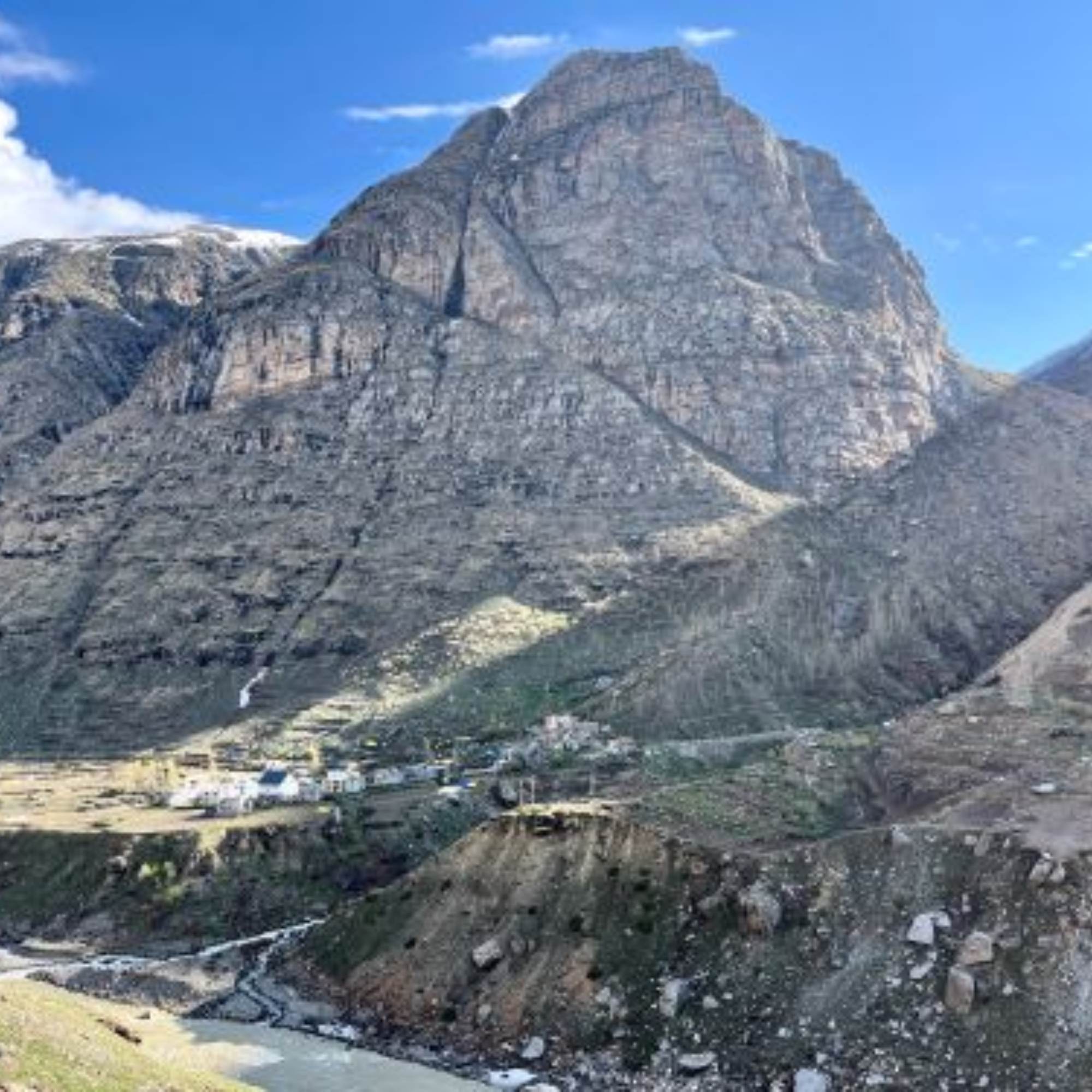
May and June
Your strongest chance of seeing real seasonal snow is usually soon after the road reopens. That pulls huge crowds, heavy permit competition and slow traffic.
The opening date changes every year, so nothing is fixed.
July and August
Green scenery, but also rain, clouds and fog. Temporary restrictions are common when the weather turns. Check road status on the same day you travel, not the week before.
September and October
These months can give you clearer views and lighter crowds. The trade-off is less snow, sometimes very little, compared with May or June. If your goal is snow, this is not your window.
Not sure whether September or October is better for your trip? Our guides to Rohtang Pass in September and Rohtang Pass in October will help you choose the right month based on weather, crowds and snow conditions.
Winter and Early Spring
Rohtang Top is usually closed off completely in winter. Some operators will take you to an alternative snow point, but be clear with yourself: reaching a substitute snow point is not the same as reaching Rohtang Pass.
What Can You Do at Rohtang Pass?
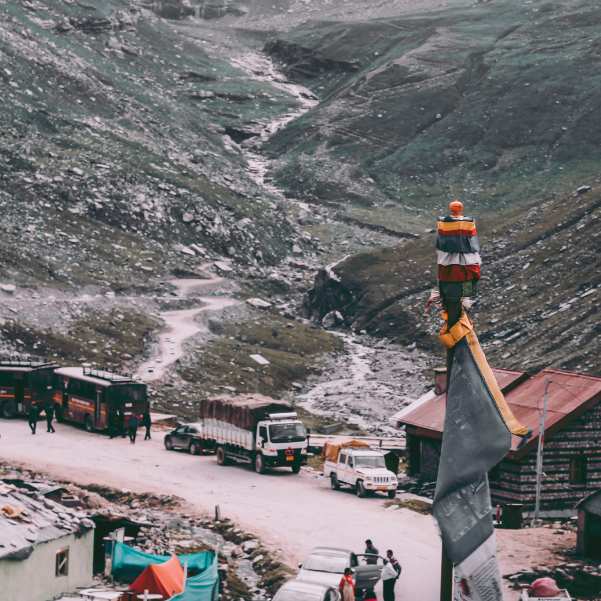
Photography and the mountain views are the main draw, and honestly they are enough on their own. When conditions allow, there are seasonal snow activities too.
Whether snow activities run depends on operators, snow conditions and weather that day. Nothing is guaranteed.
Before you pay for any activity, agree on the price, the duration and check the safety equipment. Do this before you hand over money, not after. For more on activities around the region, see our adventure activities in Manali guide.
What Should You Wear and Carry?
Wear layers: a warm base, a fleece or sweater, and a waterproof outer layer. Add proper footwear with grip, sunglasses and sunscreen. The UV up there is strong even when it feels cold.
Carry water, snacks, your valid documents, the printed permit and a power bank. Only carry medication that is already prescribed to you.
Renting snow clothing at the top is optional and depends on actual conditions on the day. Do not pay for a snow suit before you have seen whether there is snow to use it in.
Is Rohtang Pass Safe for Families, Children and Older Travellers?
Rohtang Pass sits at about 3,978 metres. At that height, altitude illness is a real thing, even for fit people.
Early symptoms can include headache, tiredness, appetite loss, nausea, vomiting and dizziness. If these get worse, descend. Do not push through and force yourself to keep doing activities.
Keep the stay at the top shorter for kids and older travellers, and move gently. If anyone feels genuinely unwell, heading back down is the right call. We do not diagnose anyone or recommend drugs, but we do tell families to take symptoms seriously rather than shrug them off.
Can You Cover Solang Valley and Rohtang Pass on the Same Day?
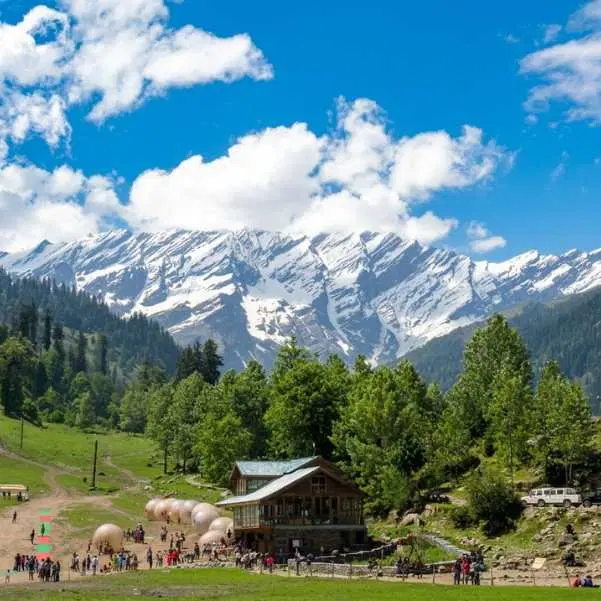
A short Solang stop might be possible on a quiet day. A full Solang activity session plus Rohtang usually turns the day into a rushed mess.
Also, clear up a common confusion: the Atal Tunnel bypasses Rohtang Pass. Sissu is normally reached through the tunnel route, not over the pass. They are different trips.
In busy periods, pick one: a focused Rohtang day, or a Solang, Atal Tunnel and Sissu day. Trying to do both halves badly is a classic mistake.
What Should You Do If Rohtang Pass Is Closed?
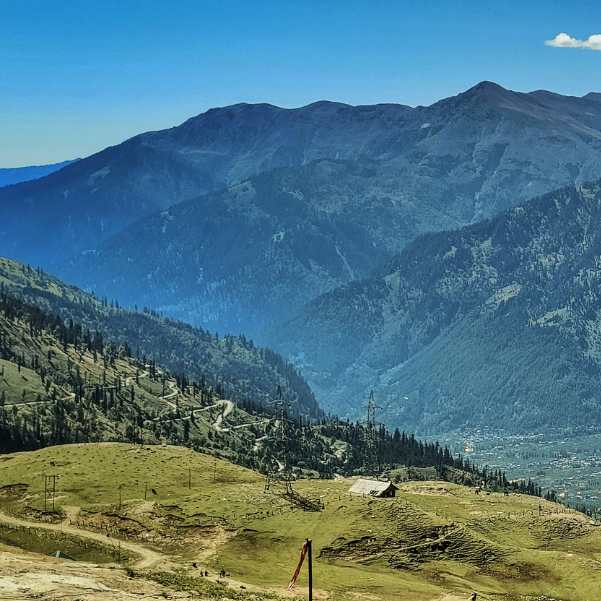
If Rohtang is shut or permits are gone, your conditional alternatives are Solang Valley, the highest legally accessible point on the Gulaba or Marhi route, the Atal Tunnel and Sissu.
Police and administration orders decide the actual accessible point on any given day. You do not get to choose. If they stop you at Gulaba, that is the plan now.
Sissu makes a solid backup through the tunnel. Our Sissu tour packages work well when Rohtang does not cooperate.
Night-Before and Morning Checklist
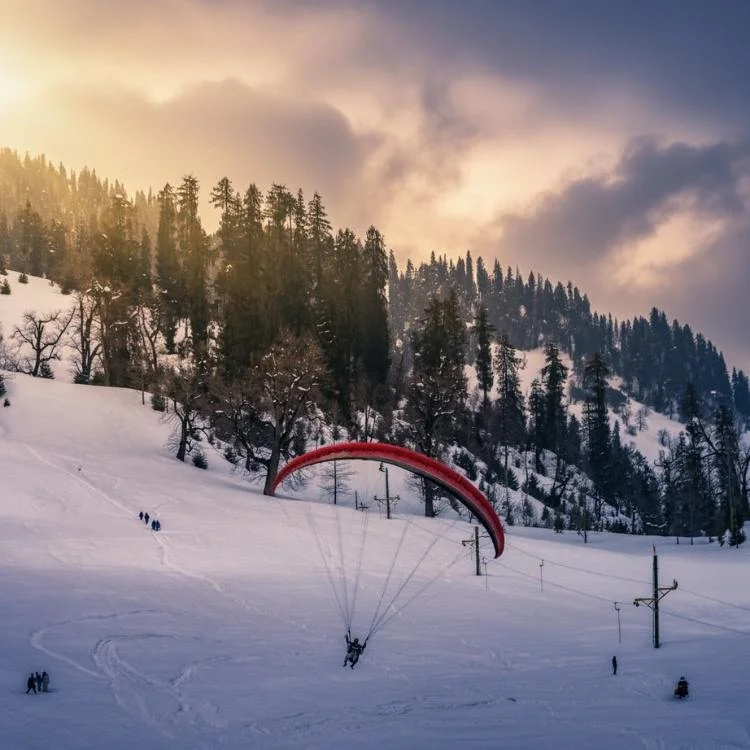
The evening before, confirm your permit and print it. Keep your ID, PUC and RC ready in one place so you are not hunting for papers at 6 AM. Confirm your pickup time and exactly what your cab fare includes.
Check the official portal and the local weather that evening, then check both again before you leave in the morning. Conditions overnight can change your whole plan.
Carry cash, water and food. Pack your warm layers where you can reach them. If you are self-driving, fill your fuel tank the night before, because you do not want to be searching for a pump at dawn.
Common Mistakes to Avoid
The biggest mistake is leaving late. Everything else flows from that. A late start means traffic, jams and a stressful day.
The second is trying to visit too many places. Rohtang plus Solang plus Sissu in one day rarely works well. Pick a focus.
Do not pay for snow clothing before you have checked the weather, and never trust verbal taxi inclusions. Get the fare and inclusions in writing.
And never assume a valid permit overrides a weather closure. It does not. If someone tells you an alternative snow point is "basically Rohtang," it is not. Rohtang Top is Rohtang Top, and a substitute is a substitute.
Is a Rohtang Pass One Day Trip Worth It?
Yes, when the road is open. The mountain scenery is genuinely worth the early alarm, and if you catch seasonal snow, even better.
But if you want a slower day with lots of activities, Solang or Sissu might suit you better. Rohtang is more about the drive, the height and the view than about a packed activity list.
The whole thing comes down to early timing, verifying your permit, and staying flexible when the mountain changes the plan for you. Get those three right and it is a great day out.
>>Wondering if Rohtang Pass is worth adding to your Manali trip? WhatsApp us for honest advice.
Explore Our Curated Rohtang Pass Tour Packages
 5D/4N
5D/4NPremium Manali Tour Package with Private Cab and Rohtang Pass
4D Manali
₹14,999₹19,999SAVE INR 5,000/ person 5D/4N
5D/4NBest Value Manali Volvo Package with Rohtang Pass
3D Manali
₹9,999₹13,999SAVE INR 4,000/ person 7D/6N
7D/6NComplete Shimla Manali Volvo Package with Rohtang Pass
2D Shimla•2D Manali
₹15,999₹19,499SAVE INR 3,500/ person
Related topics
Frequently Asked Questions
Can Rohtang Pass be covered in one day from Manali?
Yes, when the road is open and you have a permit. It is about 51 km each way and a standard day trip. Leave early to make the most of it.
How many hours does a Rohtang Pass trip take?
The drive is normally two to three hours each way, depending on traffic and road conditions. Add your time at the top and stops, and it is a full day.
What time should we leave Manali for Rohtang Pass?
Aim to leave by 6:30 to 7:00 AM, earlier on peak weekends. An early start gives you a buffer against traffic and weather later in the day.
Is a permit required for a Rohtang Pass day trip?
Yes. The tourism permit applies to the vehicle. If you take a taxi or bus, confirm the operator is handling it. The permit is valid for one day, to and fro.
How much does a Rohtang Pass permit cost in 2026?
For a car, jeep or MUV it is ₹500 plus a ₹50 congestion charge, so ₹550 total. Fuel and everything else is extra.
Can we take our own car to Rohtang Pass?
Yes, with a valid permit, PUC, RC and a printed permit. The vehicle must not be more than ten years old. Confirm eligibility if it is a rental.
Is Rohtang Pass closed on Tuesdays?
Older guides list Tuesday as the maintenance day, but the current official portal shows “NONE.” Check the live permit portal for your exact travel date.
What places can we visit between Manali and Rohtang Pass?
The route runs through Kothi, Gulaba, Rahala Falls and Marhi before Rohtang Top. Treat most as quick stops and save your time for the top.
How much does a taxi from Manali to Rohtang Pass cost?
Rates conflict online. One 2026 listing quotes from ₹4,500 including the permit, but others differ. Get a live written quote and confirm all inclusions.
Can Solang Valley and Rohtang Pass be covered on the same day?
A short Solang stop may fit on a quiet day, but a full Solang session plus Rohtang usually makes the day rushed. In busy periods, pick one.
Are Rohtang Pass and Atal Tunnel the same place?
No. The Atal Tunnel bypasses Rohtang Pass. Going through the tunnel to Sissu is a different trip and does not mean you reached Rohtang Top.
What should we do if Rohtang Pass is closed or permits are unavailable?
Consider Solang Valley, the highest legal point on the Gulaba or Marhi route, the Atal Tunnel or Sissu. Police and administration decide the accessible point that day.
More about Rohtang Pass
 Rohtang Pass
Rohtang Pass Altitude Sickness in 2026: Symptoms, Prevention and When to Turn Back
Planning a trip to Rohtang Pass in 2026? Learn the symptoms of altitude sickness, prevention tips, and when to turn back for a safe mountain journey.
- Altitude & Health
- First-Time Travellers
 Rohtang Pass
Best Places to Visit on the Way to Rohtang Pass in 2026
Discover the best places to visit on the way to Rohtang Pass in 2026, including Solang Valley, Rahala Waterfalls, Gulaba, Marhi, and more for an unforgettable Himalayan road trip.
- Places to Visit
- Road Trips
 Rohtang Pass
15 Rohtang Pass Mistakes to Avoid in 2026: Permits, Taxi Scams, Timing and Snow Rentals
Planning a Rohtang Pass trip in 2026? Discover 15 common mistakes to avoid, from permits and weather to packing and safety, for a smooth mountain adventure.
- First-Time Travellers
- Permits & Fees