
Manali Travel Guide 2026: Best Time, Itinerary, Cost, Places and Local Tips
Most people book Manali for three days, spend one full day stuck in traffic near the Mall Road area, and go home thinking the town is overrated.
It is not. They just planned it wrong.
This manali travel guide by Travel Coffee covers what actually works: how many days you need, which season fits your idea of a good trip, where to stay so you are not stuck in a jam, and what to skip.
We run trips here every season. What follows is what we tell our own travellers before they leave Shimla or Chandigarh.
Quick Answer
Manali suits almost everyone. Families, couples, solo travellers, café people, and anyone who wants snow without going deep into Spiti or Ladakh.
Plan 4 to 5 days. That is the sweet spot. Three days works but you will feel rushed on the last morning.
March to June is the most popular season. Clear weather, everything open, and the highest crowds.
December to February is the season for snowfall. Cold, quieter, and the closest thing to a guaranteed snow trip.
July and August bring landslides and weather disruptions. Travel then only if your dates are flexible.
Book stays early for peak months, keep one buffer day, and decide between Old Manali and the main town before you book anything.
A Short Planning Summary Before the Details
Your trip breaks into three decisions. Season, base area, and how far out you want to go.
Season decides whether you see snow or green valleys.
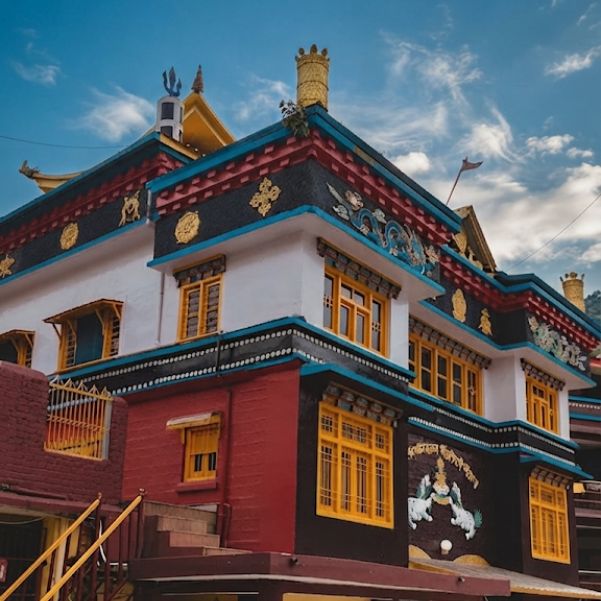
Base area decides your daily mood. Old Manali is slow and café-heavy. The Mall Road side is convenient but crowded.
How far out you go decides your day plans. Solang and Atal Tunnel side trips are easy. Rohtang depends on seasonal opening and permit rules, so never build your whole trip around it.
Get those three right and the rest sorts itself out.
Why Visit Manali
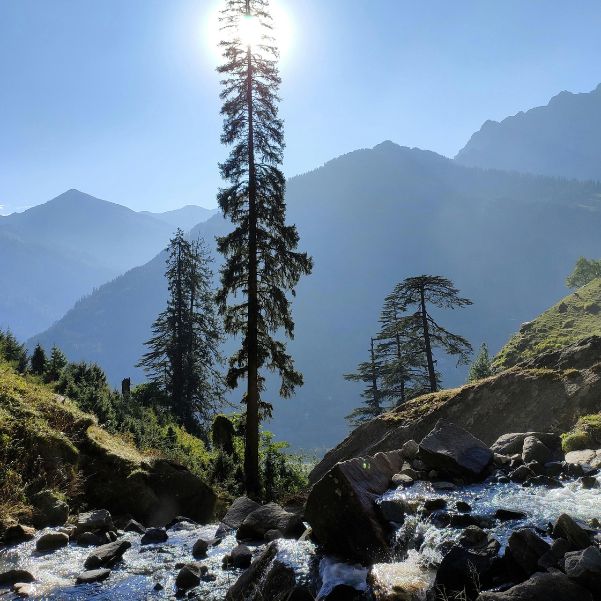
Manali is the easiest high-mountain trip in India. You can reach it overnight from Delhi, and by the next morning you are looking at pine forests and a river running through town.
That access is the whole point. Ladakh needs a week. Spiti needs planning. Manali needs a weekend and a bus ticket.
The town gives you three different trips depending on where you point yourself. Cafés and slow mornings in Old Manali. Snow and adventure sports towards Solang. Big-mountain landscape once you cross the Atal Tunnel.
Our honest take after years of running this route
Manali is not a quiet mountain escape in peak season. The main road gets packed and the Mall Road area feels like a market more than a hill station.
If you want quiet, stay in Old Manali or on the Naggar side and come into town only when you need something.
Where is Manali
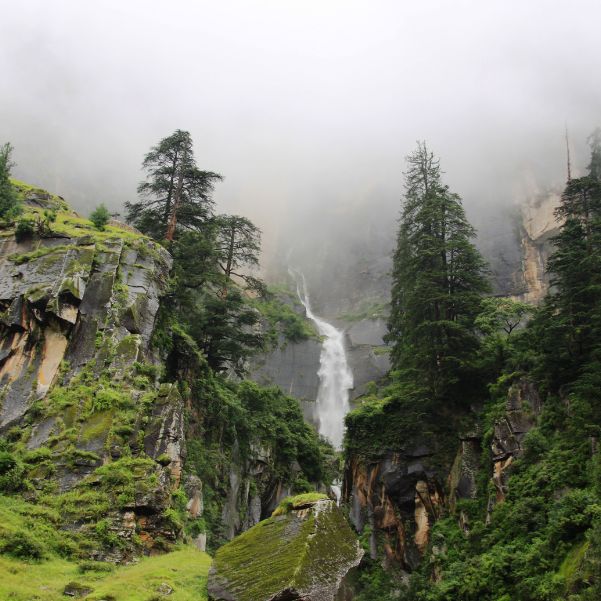
Manali sits in the Kullu district of Himachal Pradesh, at the top end of the Kullu Valley, along the Beas River.
The Rohtang side takes you towards Lahaul. The Atal Tunnel cuts under Rohtang and drops you into Lahaul in under an hour.
That geography is why Manali works as a base. Sissu, Solang, Naggar and Kullu are all short drives.
Most people fly or take a bus to Bhuntar or Chandigarh and drive up from there.
Best Time to Visit Manali in 2026
March to June
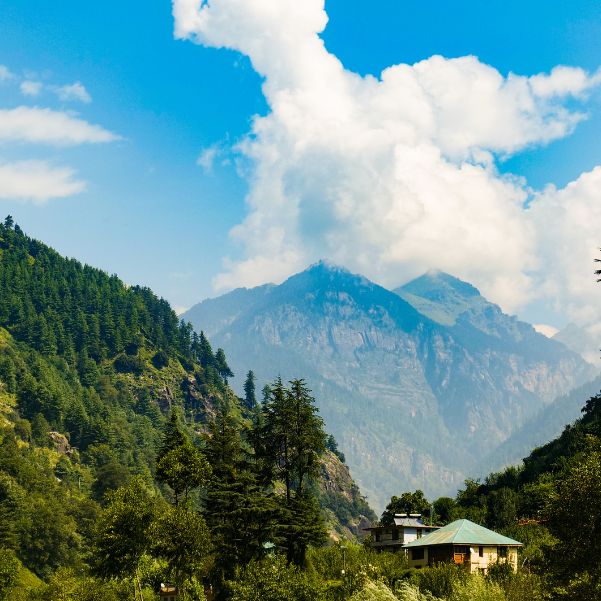
This is peak season and the most popular window. The weather is comfortable, the passes start opening, and every activity is running.
It is also the most crowded and expensive window. Hotels fill up on weekends and long holidays.
July and August
Landslides and weather disruptions are common. The road up from Mandi can shut for hours.
We do send travellers in these months, but only with buffer days and flexible bookings. If your leave is fixed and you cannot afford a delay, pick another window.
More in our Manali in August guide.
December to February
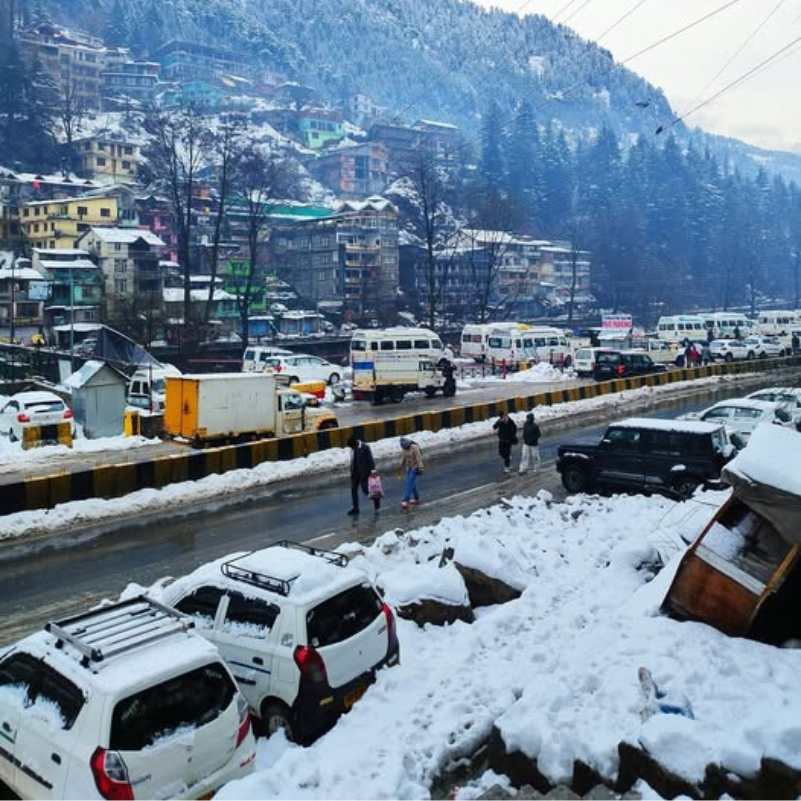
This is snowfall season. Cold, quieter, and the best chance of seeing fresh snow in town itself.
Fewer things run at full capacity, some higher roads stay shut, and you need proper warm clothes. But if snow is the point of your trip, this is the season.
Read our Manali in December guide before locking dates.
The Honest Version
Most people want snow and comfortable weather at the same time. Those two rarely arrive together.
March gives you the best mix of both if you time it right. But you are gambling on the weather either way.
How to Reach Manali
By Road
The road route from Delhi and Chandigarh is what most travellers use. Overnight Volvo buses run on this route regularly and drop you in town in the morning.
Private taxis work too, especially for families or groups who want stops on the way.
In our experience, the biggest mistake on this leg is booking a bus that reaches Manali at 8 AM and then planning a full day of sightseeing. You will be tired and useless by afternoon. Give yourself the arrival morning to settle in.
Prices for buses and taxis change by season and operator.
By Air
The nearest airport is Bhuntar, near Kullu. From there you drive up to Manali.
Flights to Bhuntar are weather-dependent and cancellations happen. Keep a road backup plan if you fly.
Chandigarh airport is the reliable alternative if you want a guaranteed landing, with a longer drive after.
By Train
There is no direct train to Manali. You take a train to a railhead like Chandigarh or Ambala and continue by road.
Local Insider Tip
If you are coming from Delhi, take the night bus that arrives early rather than a day bus. You save a full day of travel and the mountain road is much emptier at night.
Also, sit on the right side going up. The valley views after Mandi are on that side.
Places to Visit in Manali
Old Manali
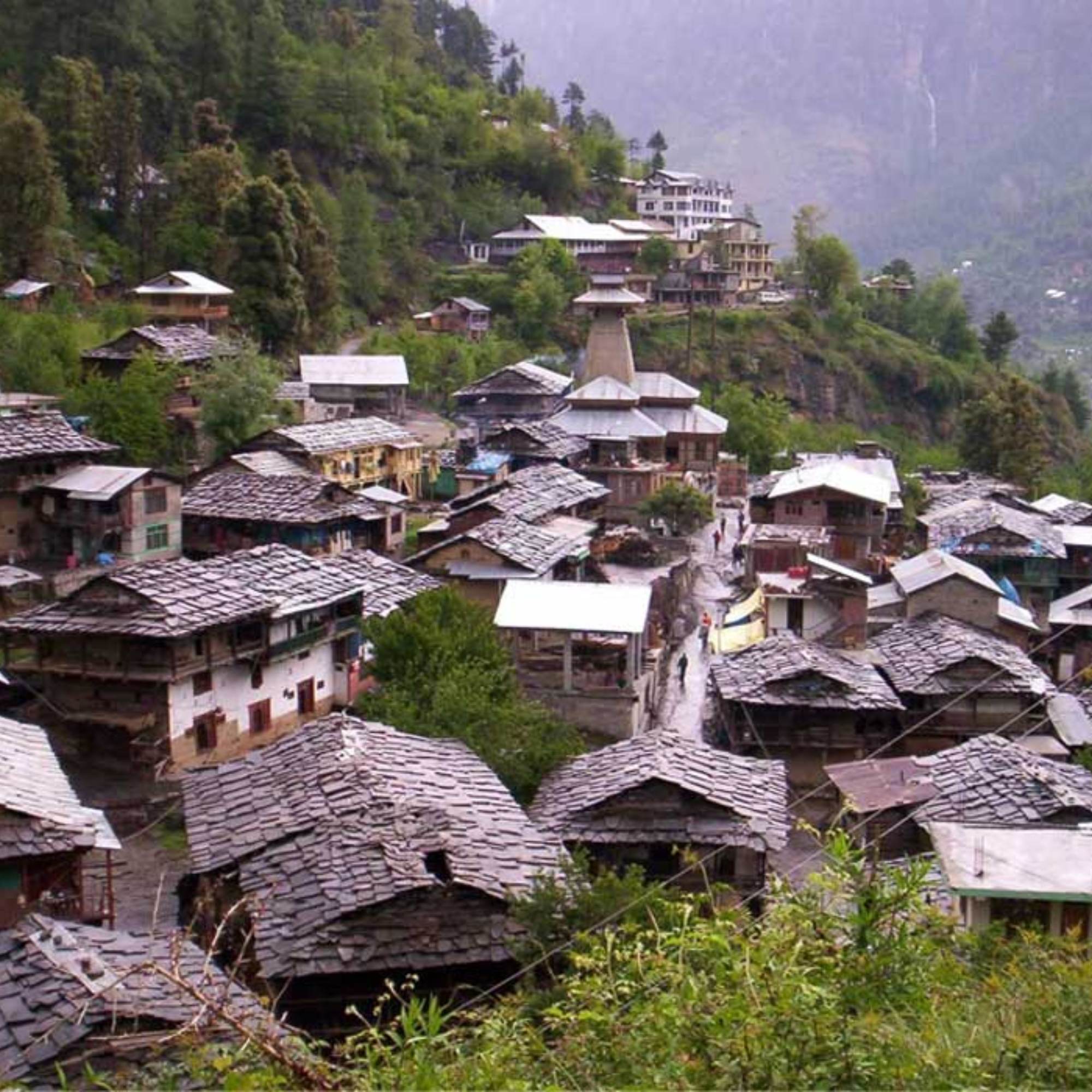
Cafés, guesthouses, slow mornings, and a walkable lane that gets better the further up you go.
Old Manali suits café lovers and slower travel. If your idea of a holiday is coffee, a book, and a river below, stay here.
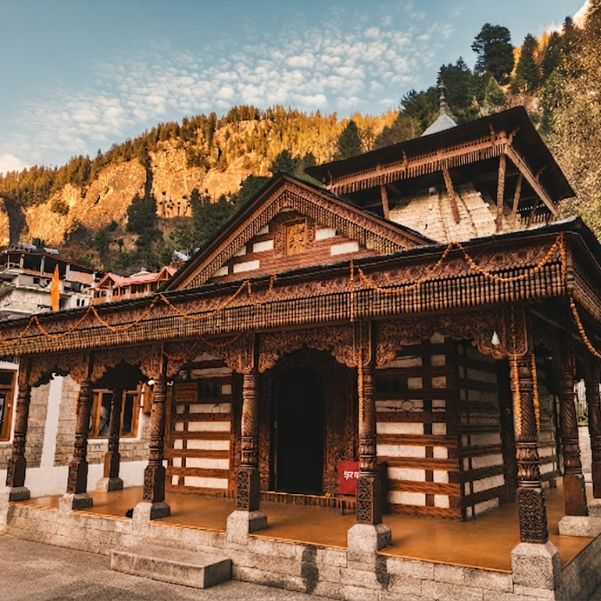
Hadimba Temple
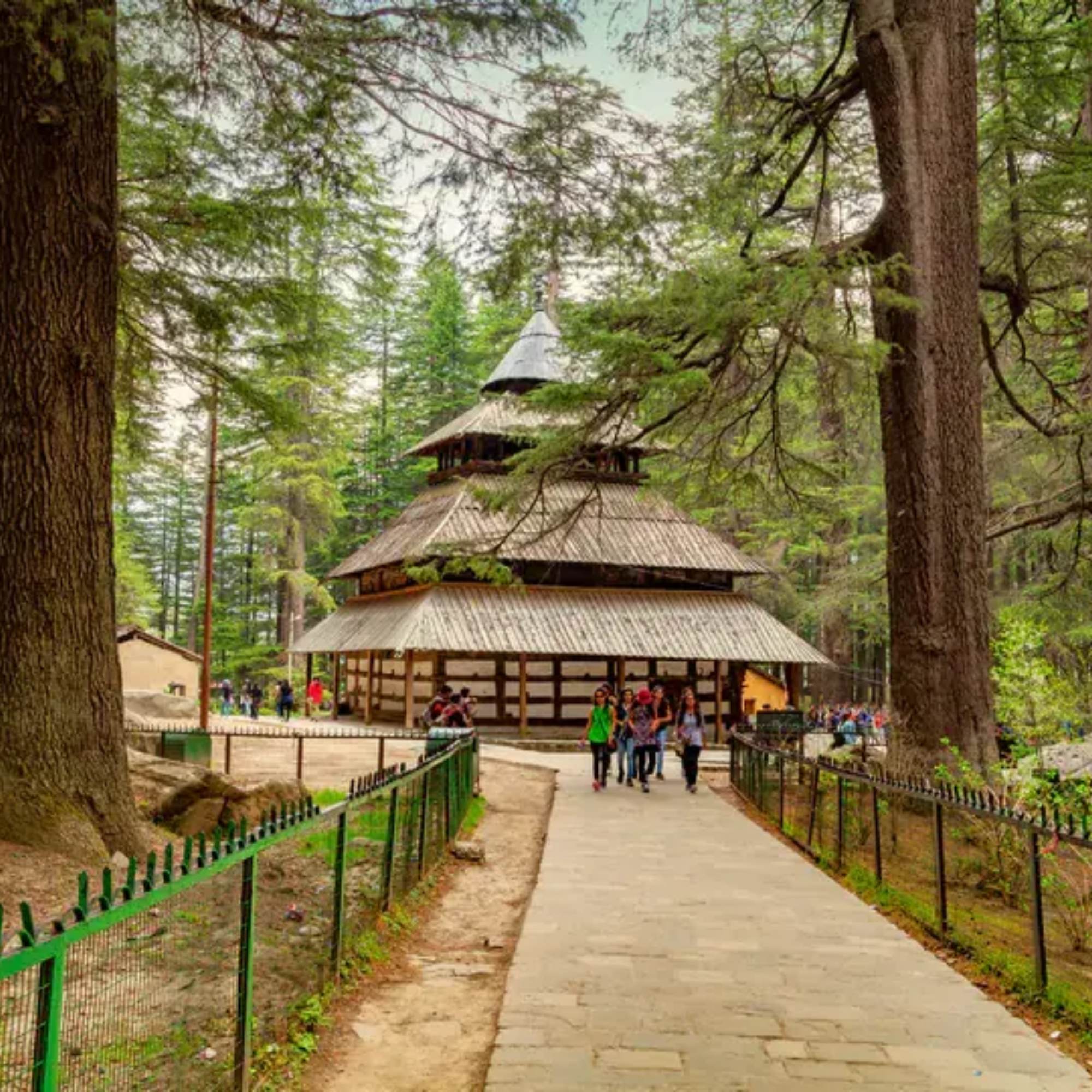
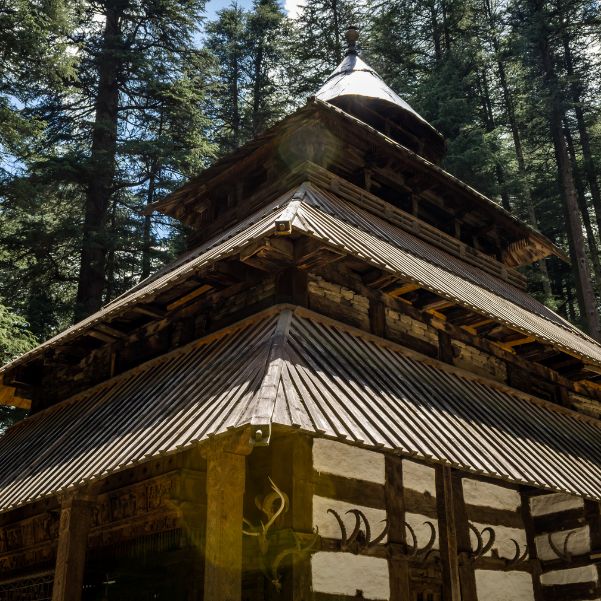
A wooden temple in a cedar forest, walking distance from the main town.
Go early. By late morning, the queue and the photo crowd take over the whole courtyard.
Mall Road and the Main Town
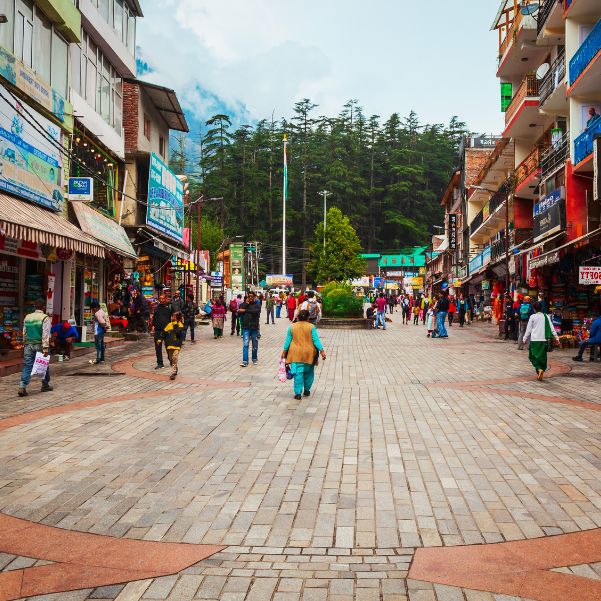
Mall Road is convenient. Shops, food, and everything you forgot to pack.
It is also crowded, especially in the evenings during peak season. It is a place to visit, not a place to spend your day.
Solang Valley
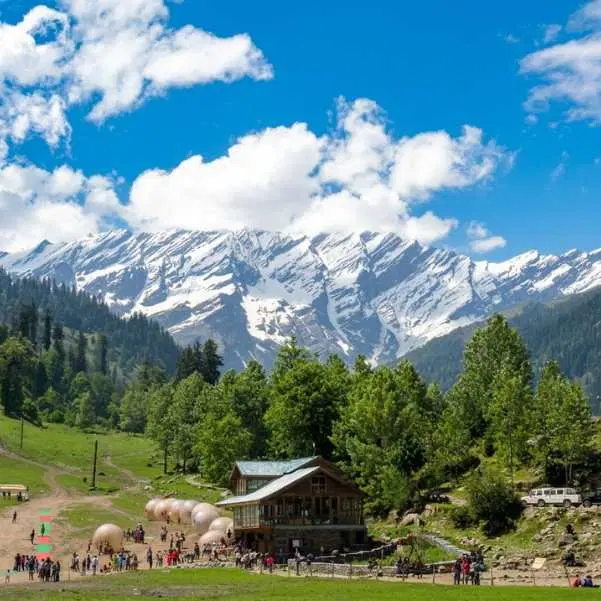
The adventure hub. Paragliding, ropeway, and snow activities depending on the season.
We have covered the full list of what runs there in our guide to adventure activities in Manali.
Atal Tunnel and Sissu
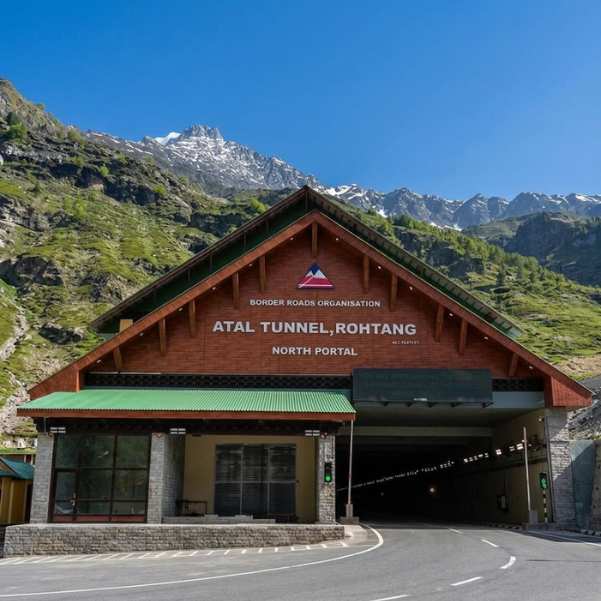
The easiest way to see the Lahaul side. You go through the tunnel and the landscape changes completely.
This is the day trip we recommend most to first-timers now, because it does not depend on Rohtang opening.
Naggar
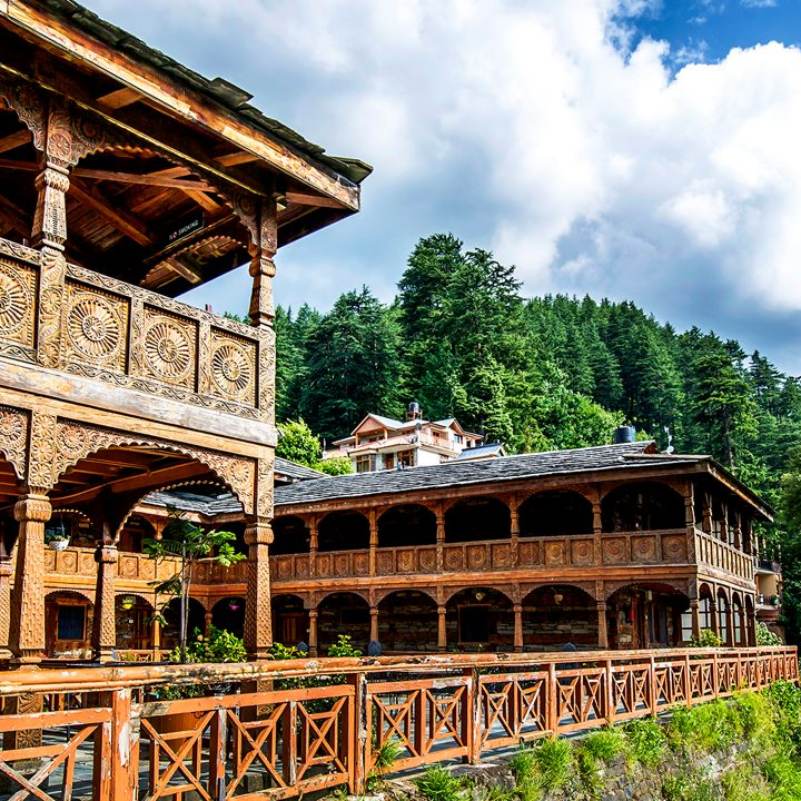
Old castle, quiet lanes, and a completely different pace from Manali town.
Most people skip Naggar. That is exactly why it is worth a half day.
Rohtang Pass
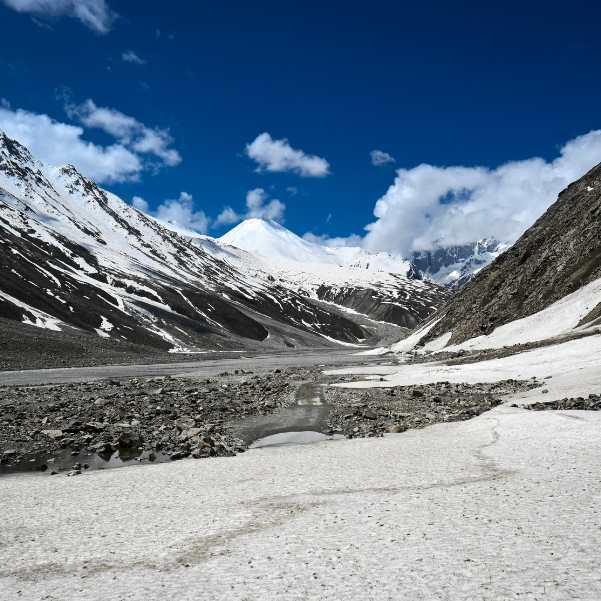
Rohtang access depends on seasonal opening and permit rules, and both change year to year.
Never plan your trip around Rohtang. Treat it as a bonus if it works out.
Things to Do in Manali
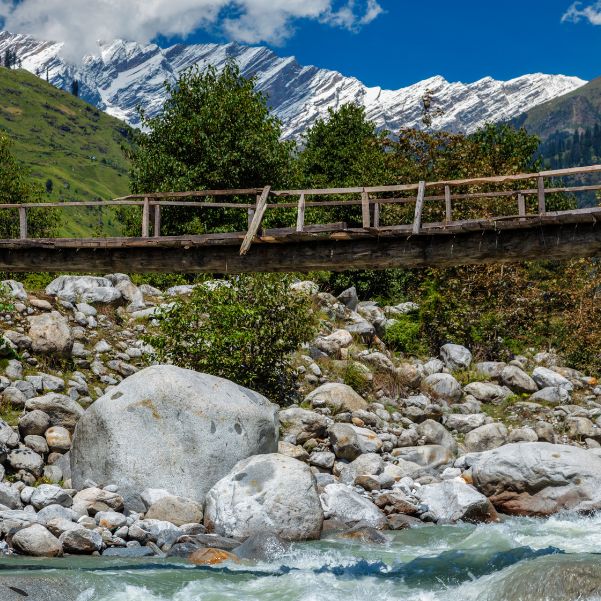
Paragliding at Solang is the activity most people come for, and it runs seasonally depending on weather and conditions.
River rafting on the Beas runs in the warmer months when water levels allow.
Skiing and snow activities near Solang depend on how much snow falls that season.
Short walks are underrated here. The walk up the Old Manali lane, the forest path near Hadimba, and the riverside stretch near the bridge are all free and better than half the paid attractions.
For the full breakdown of what runs when, our adventure activities guide has the season-wise details.
What Most Tourists Get Wrong
People try to fit Solang, Rohtang, Atal Tunnel, Naggar and Kullu into two days.
You cannot. The distances are short but the traffic is not. One big outing per day is the realistic plan.
We have seen many travellers come back exhausted, having seen everything from a car window and enjoyed none of it.
3 Day Manali Itinerary
Day 1
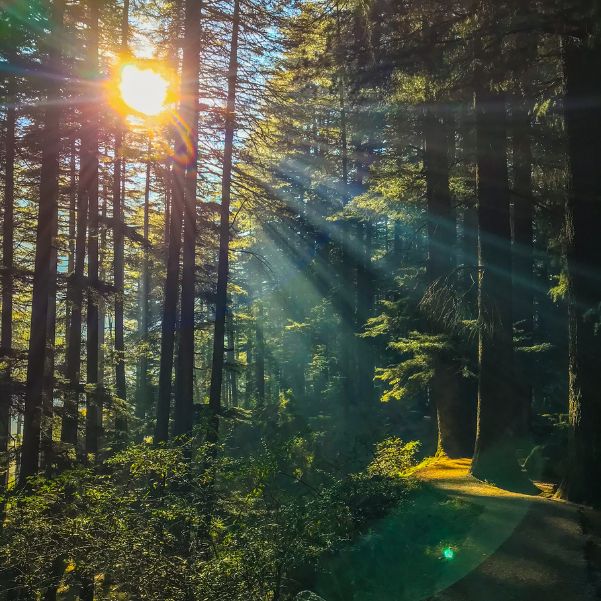
Arrive, settle in, and keep it light. Hadimba Temple in the afternoon, then Old Manali in the evening.
Do not schedule anything heavy on arrival day. The drive up is longer than it looks.
Day 2
Solang Valley for the day. Activities in the morning, back by evening.
Keep the evening free for Mall Road if you want to shop.
Day 3
Atal Tunnel and Sissu if the road is clear, then head back or start your return journey.
Three days works, but you will be moving every single day with no room to slow down.
4 Day Manali Itinerary
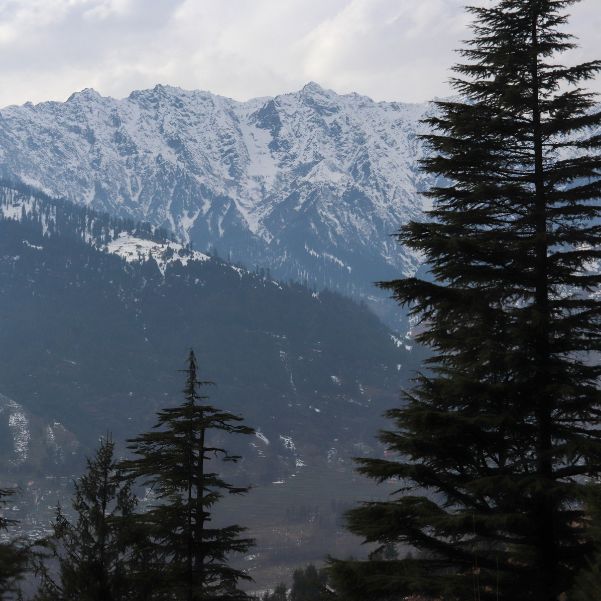
Day 1: Arrive, rest, Hadimba, and an evening in Old Manali.
Day 2: Solang Valley and the surrounding area.
Day 3: Atal Tunnel and Sissu, with a stop on the Lahaul side.
Day 4:Naggar in the morning, then a slow afternoon before you leave.
This is the version we recommend to most first-timers. You see the main things and still get one relaxed morning.
5 Day Manali Itinerary
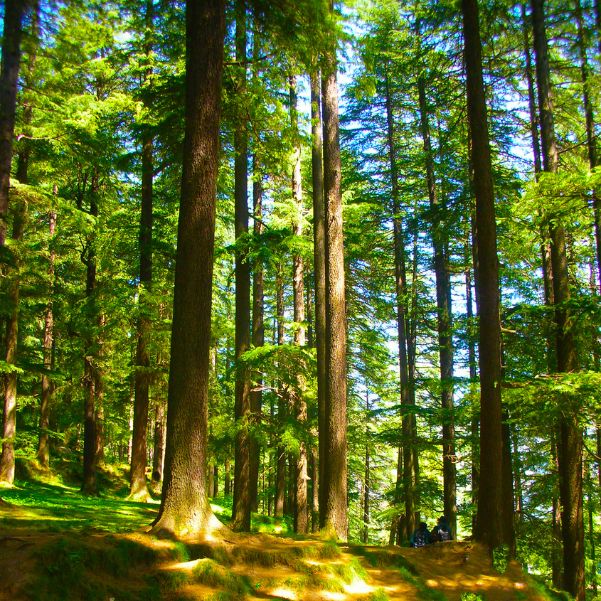
Day 1: Arrive and settle. Light evening walk only.
Day 2: Hadimba, Old Manali, and the local town at your own pace.
Day 3: Solang Valley and adventure activities.
Day 4: Atal Tunnel, Sissu, and the Lahaul side.
Day 5: Naggar or a buffer day, depending on how the weather has treated you.
4 to 5 days is the ideal trip duration for Manali. Five days gives you the buffer that saves your trip when a road shuts or the weather turns.
Our team always builds a buffer day into Manali itineraries for exactly this reason. If you want us to plan the version that fits your dates, our Manali packages come with a local driver and stays we have personally checked.
Manali Trip Cost in 2026
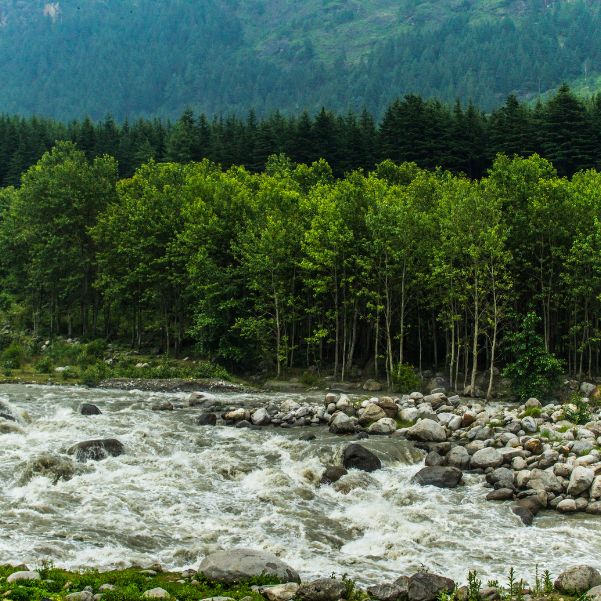
Costs swing a lot by season, group size and how you travel, so treat everything here as a planning framework rather than fixed numbers.
Your four cost buckets are travel to Manali, stay, local transport, and activities.
Stay and taxi rates are generally highest during the peak summer season from March to June, while winter and monsoon prices may be lower outside holiday periods.
Bus fares, taxi charges, hotel prices and activity costs vary by season, demand and operator, so check the latest rates before finalising your budget.
A Money-Saving Tip Most People Miss
Book your stay for a mid-week arrival instead of a Friday or Saturday. Weekend rates in Manali jump sharply and mid-week gives you the same rooms for less.
Same applies to activities at Solang. Weekday mornings are cheaper to negotiate and far less crowded.
Skip This
The paid photo points along the Solang road, where someone charges you to sit on a decorated yak or wear a Himachali outfit, are not worth your money or your time.
You get better photos on the free stretches five minutes further along. Spend that money on a proper meal instead.
Where to Stay in Manali
Old Manali
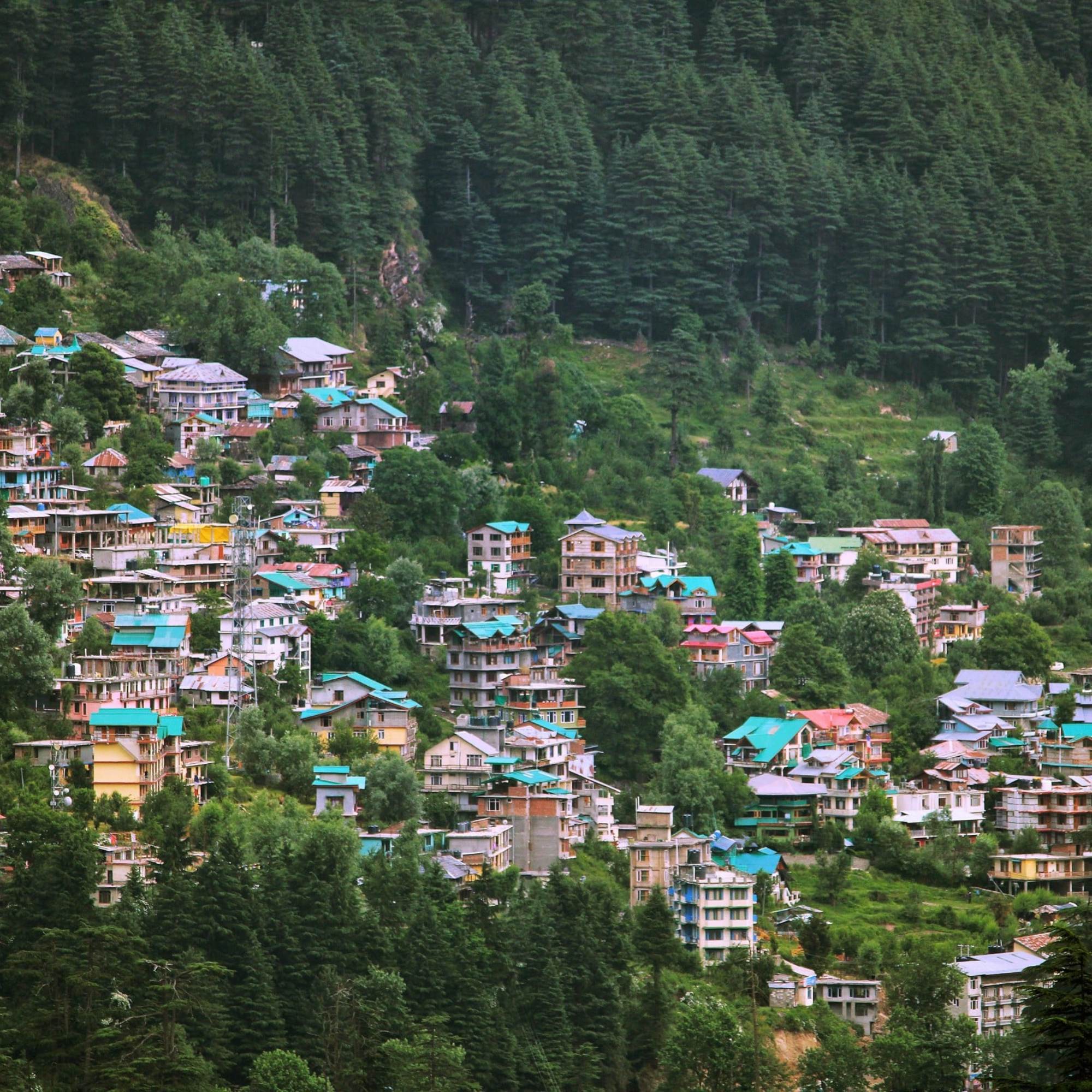
Guesthouses, small hotels, and cafés on your doorstep. Best for solo travellers, couples, and anyone travelling slow.
The downside is that the lane gets narrow and vehicles cannot always reach your door. You may walk the last stretch with your bags.
Mall Road and Main Town
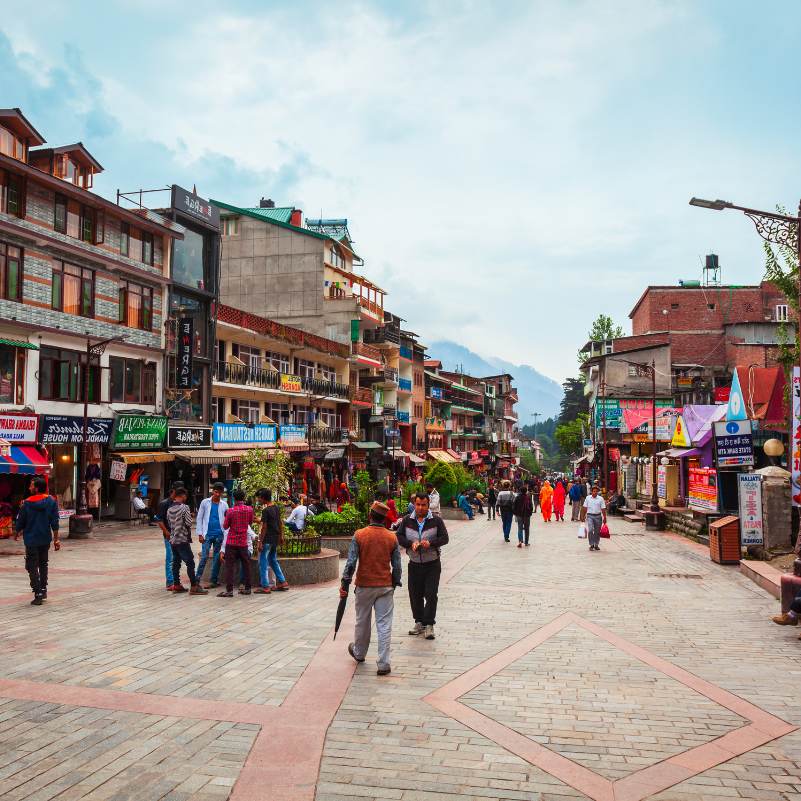
Convenient for shopping, food and transport. Everything is close.
It is crowded and noisy in peak season. Families with elderly members often prefer it anyway because everything is walkable.
Aleo and the Riverside Side
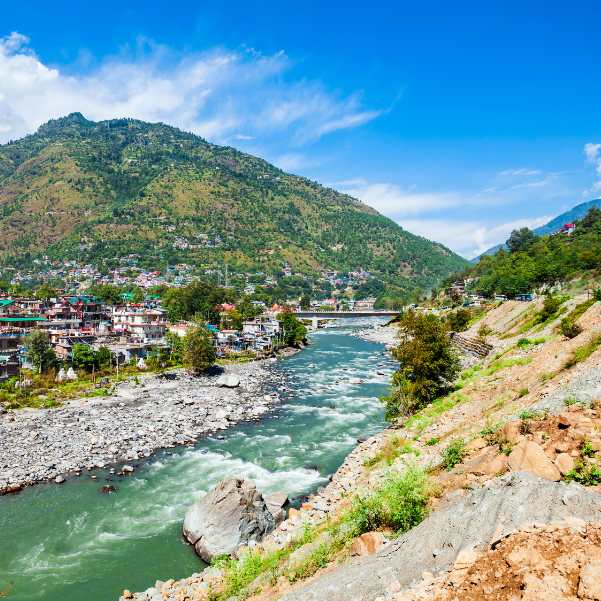
Quieter, still close to town, and usually better value than the Mall Road area.
This is where we often place families who want calm without being cut off.
Naggar and Beyond
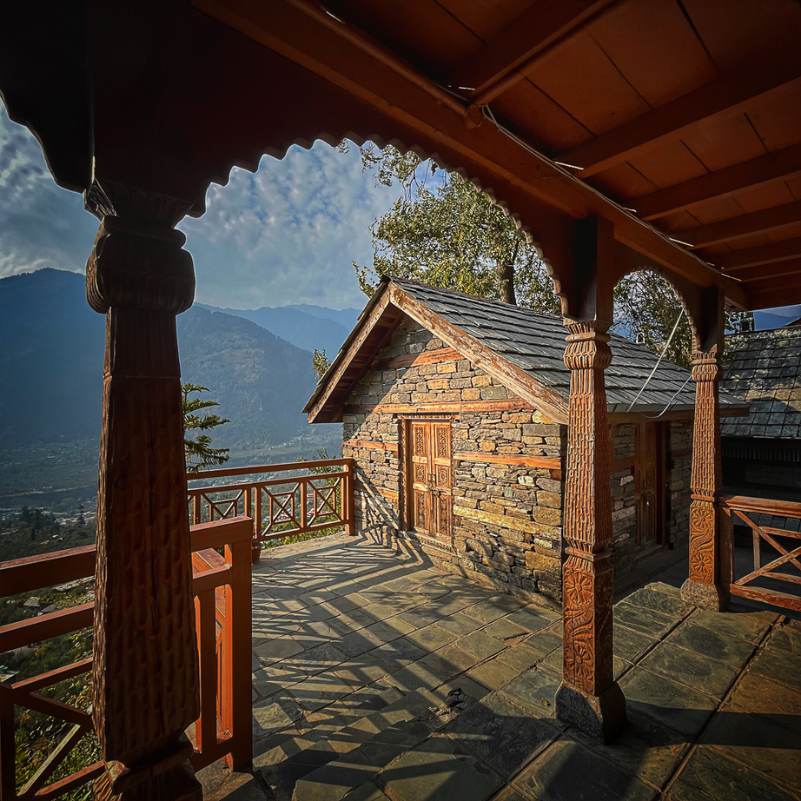
Furthest from the action and the quietest option. Good if you have your own vehicle and want to escape the crowds.
What We Tell Our Travellers
Pick your area before you pick your hotel. A good hotel in the wrong area will still ruin your trip because you will spend your days in traffic.
Local Food in Manali
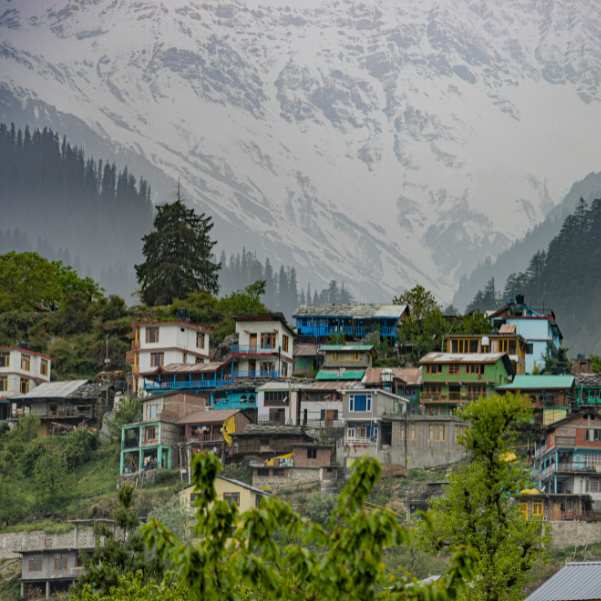
Old Manali is the café belt. Israeli food, breakfasts, coffee and long menus that lean towards travellers rather than locals.
For actual Himachali food, look for siddu, a steamed bread that locals eat with ghee. It is heavy, filling, and exactly what you want on a cold evening.
Trout is the local fish and you will find it on menus in and around Manali.
Our food tip for you
The small dhabas on the way to Solang serve better rajma chawal than most restaurants in town, at a fraction of the price. Look for the ones with local drivers parked outside. That is the real review.
Skip the fancy-looking places on Mall Road with photo menus outside. They cost more and taste worse.
Practical Travel Tips for Manali
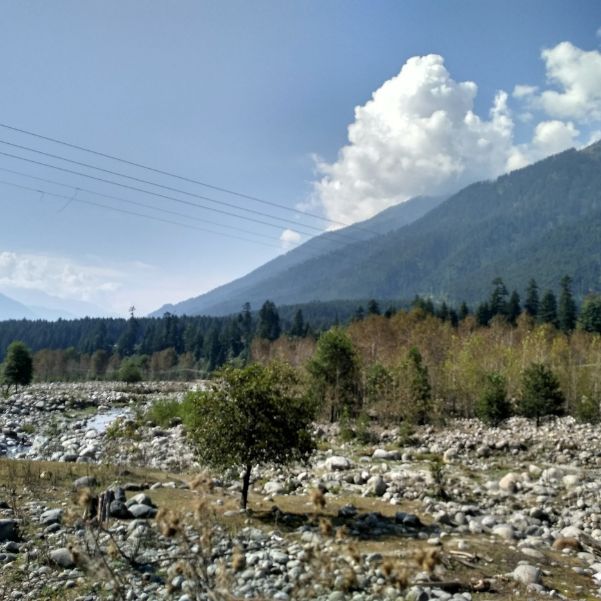
Timing Tip That Changes Everything
Start every outing by 8 AM. The road towards Solang and the tunnel jams up badly by mid-morning in peak season.
Leaving at 8 instead of 10 can save you two hours of sitting in a queue. This one change does more for your trip than any other advice here.
Local Transport
Local buses run between Manali, Kullu, Solang and nearby towns and are the cheapest way to move around.
Taxis operate on a local union system with fixed point-to-point rates. Ask for the rate card rather than negotiating blind.
Bike and scooter rentals are common. Only take one if you are comfortable on mountain roads.
Safety and Scam Warning
Agree on the taxi fare before you sit in the car. Every single time.
Drivers quoting a "full day package" without listing the exact stops is the most common issue we hear about. Get the stops written down or in a message before you start.
For paragliding and adventure activities, check the operator's equipment and ask about insurance. Prices that look far too cheap usually mean corners are being cut somewhere.
Weather and Roads
Weather changes fast. A clear morning means nothing about the afternoon.
Check road status the night before and again on the morning of any outing towards Rohtang, the tunnel or Solang.
2026 Infrastructure
Road and connectivity work may continue across parts of the region, but timelines and completion status can change. Plan your trip around current road conditions and official local updates rather than announced projects.
What to Pack for Manali
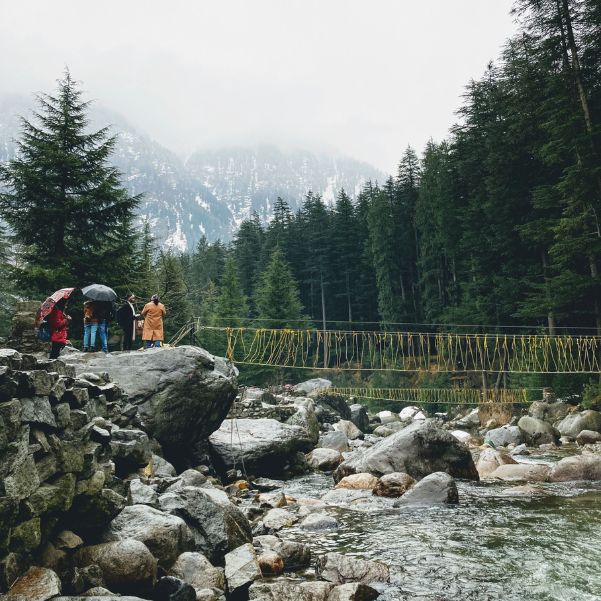
Layers beat one thick jacket. A thermal base, a fleece, and a windproof outer layer handle every season here.
Warm socks, gloves and a cap for winter or any higher-altitude day trip.
Good shoes with grip. Sandals are useless the moment you hit snow or a wet trail.
Sunscreen and sunglasses. The sun at altitude burns faster than you expect, even on cold days.
Basic medicines, a power bank, and cash. Card and UPI acceptance drops the moment you leave the main town.
Mistakes to Avoid in Manali
Planning the Whole Trip Around Rohtang
Rohtang access depends on seasonal opening and permit rules. It may not be open on your dates.
Build your plan around Solang and the Atal Tunnel side, and treat Rohtang as a bonus.
Booking Three Days and Expecting Five Days of Sightseeing
You will spend the trip in a vehicle. Cut your list down to one main outing per day.
Coming in July or August With Fixed Dates
Landslides and weather disruptions are common in these months. Without buffer days, one road closure ruins your entire plan.
Staying in the Wrong Area
Booking a Mall Road hotel when you wanted quiet cafés, or an Old Manali guesthouse when you wanted convenience, is the most common regret we hear.
Expecting Guaranteed Snow
Nobody can promise snow on your dates. December to February gives you the best chance, not a guarantee.
Not Carrying Cash
Network drops and card machines fail. Carry enough cash for two days at any time.
Related Guides
If you are timing your trip around the pass, our month-wise breakdowns for Rohtang Pass in August, September and October explain what opens when.
For activities, our adventure activities in Manali guide covers what actually runs in each season.
If you would rather have someone else handle the driver, stays and daily plan, browse our Manali packages.
Final Word
Manali rewards people who slow down. The travellers who enjoy it most are the ones who picked four or five days, planned one thing per day, and left room for the weather to do whatever it wants.
The ones who leave disappointed almost always try to do too much in too little time.
Pick your season, pick your area, keep a buffer day, and you will have the trip you came for.
Explore Our Curated Manali Tour Packages
 6D/5N
6D/5NManali Solang Sissu Sethan Snow Adventure
1D Delhi•3D Manali+2
₹15,999₹21,999SAVE INR 6,000/ person 6D/5N
6D/5NManali Solang Sissu Sethan Snow Trip With Kasol
1D Delhi•3D Manali+2
₹25,999₹33,999SAVE INR 8,000/ person 7D/6N
7D/6NManali Kasol Jibhi Valley Trip
1D Delhi•2D Manali+3
₹25,799₹32,999SAVE INR 7,200/ person
Related topics
Frequently Asked Questions
How do I plan a Manali trip?
Pick your season first, then your base area, then your day trips. Book 4 to 5 days and keep one buffer day for weather.
What is the best month to visit Manali?
March to June is the most popular season for comfortable weather. December to February is best if you want snowfall.
How much does a Manali trip cost?
It depends on season, group size and how you travel. Peak season costs more, and current rates change every year.
Is 3 days enough for Manali?
It works, but it is tight. You get one main outing per day with no buffer. Four to five days is the better plan.
Is Manali good for families?
Yes. Short distances, easy day trips, and plenty of stay options. Keep the pace slow and avoid packing too much into one day.
Which area should I stay in?
Old Manali for cafés and slow travel. Mall Road and the main town for convenience. Aleo or the riverside for quiet with easy access.
Can I visit Manali without snowfall?
Yes. March to June gives you green valleys, open roads and every activity running. Snow is not the only reason to come.
How do I travel locally in Manali?
Local buses are cheapest. Taxis work on fixed point-to-point union rates. Scooter rentals are common if you are confident on mountain roads.
What should I pack for Manali?
Layers, warm socks, gloves, shoes with grip, sunscreen, sunglasses, basic medicines, a power bank and cash.
Is Manali safe for solo travellers?
Yes, and it is one of the most solo-friendly towns in Himachal. Old Manali especially, with plenty of guesthouses and other travellers around.
Do I need a permit for Manali?
Not for Manali town. Rohtang has its own permit rules that change by season, so check before you plan that leg.
When should I book my stay?
For March to June and holiday weekends, book weeks ahead. Off-season, you can often book a few days out.
More about Manali
 Manali
What Happens If Snowfall or Road Closures Affect Your Manali Trip in 2026? Refunds, Rescheduling and Plan B
Learn what to do if snowfall or road closures disrupt your Manali trip in 2026, including refund rules, rescheduling options and practical backup plans.
 Manali
How to Choose the Best Manali Tour Operator in 2026: 15 Questions to Ask Before Booking
Choosing the right Manali tour operator in 2026 can make your trip smoother, safer and easier to manage. Check registration, package inclusions, hotel details, transport arrangements, cancellation terms and local support before you book.
- First-Time Travellers
 Manali
How Many Days Should You Book for a Manali Tour Package in 2026? 3N/4D vs 4N/5D vs 5N/6D
Not sure how many days to book for Manali? Compare 3N/4D, 4N/5D and 5N/6D packages to find the right trip length for your sightseeing plans and travel style.
- Itinerary
- First-Time Travellers