
Manali in August 2026: Monsoon Weather, Road Safety, Places to Visit and Honest Travel Advice
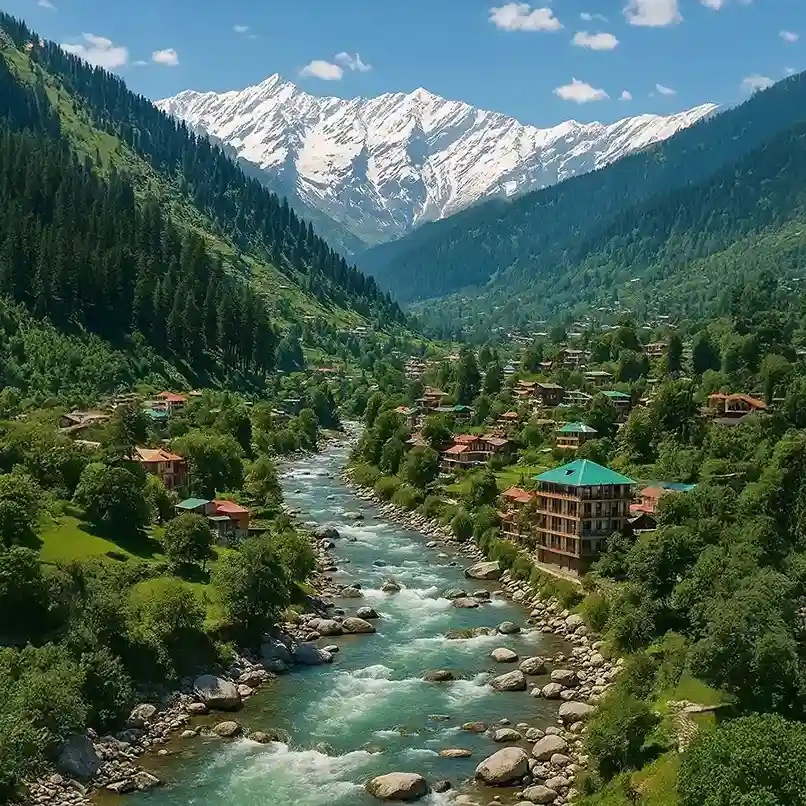
If you are trying to decide whether to visit Manali in August 2026, the honest answer is: it depends on the weather that week, not the month as a whole.
August is the peak monsoon season in Himachal. The town itself is often fine for cafes, temples and short walks. The real risk sits on the road you take to get there, through Mandi, Pandoh, Aut and Kullu.
In our experience planning monsoon trips, the travellers who enjoy August are the ones who stay flexible and check road status daily. The ones who struggle are the ones who booked a tight, fixed plan and refused to change it.
Quick Answer: Should You Visit Manali in August 2026?
August is monsoon season in Manali. Travel can work during a stable forecast, but the highway can face landslides and temporary blocks.
Postpone if Kullu or Mandi is under an orange or red rainfall alert, if there is an official avoid-travel advisory, if flash-flood warnings are active, or if the highway keeps closing and reopening.
If you want help timing it right, our Manali tour packages come with local drivers and a team that tracks conditions daily.
What Is Manali Weather Like in August?
Typical temperature and how the weather feels
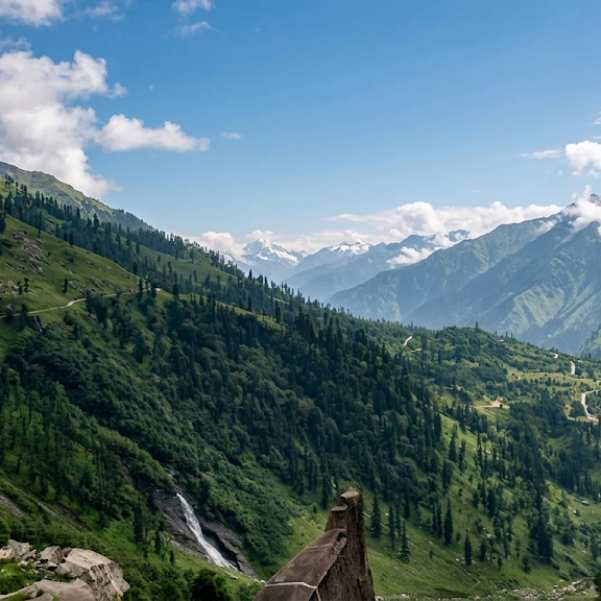
August temperatures in Manali generally range from around 13°C to 25°C, depending on rainfall, cloud cover and elevation. Daytime weather can feel mild and humid, while evenings often become noticeably cooler, especially after rain.
You can expect misty mornings, low clouds, frequent rain showers and wet roads. The weather may change quickly, with short clear periods followed by sudden rainfall.
Higher areas around Manali usually feel colder than the main town, so carrying a light waterproof jacket and warm layers is recommended.
Does it rain all day in Manali in August?
Not usually. Rain tends to come in spells and it can be very local.
A dry, bright morning does not mean a dry afternoon. The clouds can roll in within an hour.
We are not going to quote a fixed number of rainy days, because no verified figure exists for that. Plan as if rain can arrive any part of the day.
What the current 2026 outlook says
An IMD warning issued on July 28, 2026 showed very heavy rain for July 28 to 30, and heavy rain from July 31 through August 3.
The IMD extended outlook issued on July 23 expected light to moderate rain on some days from July 31 to August 6, with isolated heavy rain possible.
One more thing to keep in mind. A regional normal-to-below-normal rainfall outlook for parts of August does not rule out a short, local heavy-rain or cloudburst event. Those can happen even in a "drier" spell.
👉 Visiting Manali in August? Send us your travel dates on WhatsApp for weather-smart planning.
Is Manali Safe in August?
The honest verdict
Manali is not automatically safe in August, and it is not automatically closed for the whole month either.
Safety changes with the alert level, the road conditions, how much rain fell recently and how flexible your plan is.
Here is the part most people get wrong. The journey to Manali is usually more uncertain than the sightseeing once you arrive. The highway is where the trouble sits.
What are the main monsoon risks?
Landslides and rockfalls are the big ones. Heavy rain loosens slopes and sends rocks and debris onto the road.
Wet surfaces get slippery. Low visibility from mist and rain makes mountain driving harder.
Traffic queues build up fast when one section blocks. A short closure can leave you stuck for hours.
Flash floods are the serious risk. Rivers and small streams can rise quickly, and even a dry-looking nullah can turn dangerous in minutes.
IMD's heavy-rain impact guidance lists possible disruption to essential services and routine outdoor activity during severe spells.
Who should be more cautious or postpone?
Families with infants, elderly travellers and anyone with a medical concern should think harder before locking dates in August.
The same goes for people with a fixed onward flight, travellers with no buffer day, and nervous self-drivers who are not used to mountain roads in rain.
This does not mean every family or elderly traveller should cancel. It means the decision should follow the forecast and road status for your travel window, not the calendar.
Exactly When Should You Postpone a Manali Trip?
Postpone when Kullu or Mandi is under an orange or red rainfall alert
Both districts sit on your route. Mandi is on the approach, Kullu holds Manali itself.
A serious alert in either one puts your whole journey at risk, not just the last stretch.
Postpone when authorities advise against unnecessary travel
An official government, police or district advisory beats everything else. It matters more than a hotel telling you "roads are fine," more than a social media reel, more than a generic weather app.
A Himachal Pradesh government advisory reported on July 27, 2026 asked people to avoid unnecessary travel during the active monsoon spell.
Postpone when the highway is repeatedly closing and reopening
"Open" does not always mean safe. It can mean single-lane, restricted, or one more spell of rain away from blocking again.
If the road keeps opening and closing, treat that as a warning, not a green light.
Postpone during active flash-flood or cloudburst warnings
Rivers, streams and dry-looking nullahs can turn dangerous fast. This is not the time to be on a mountain highway or near water.
Postpone after prolonged heavy rain, even if departure morning looks dry
Saturated slopes keep shedding debris after the main rain stops. A clear morning does not mean the mountain has settled.
We have seen roads block a full day after the rain ended. The slope needs time to drain.
Postpone when the trip has no flexibility
Non-refundable transport, a fixed onward flight and zero spare days are a bad combination in monsoon.
If a single road block would wreck your whole plan, the plan is too tight for August.
What Are Manali Road Conditions Like in August?
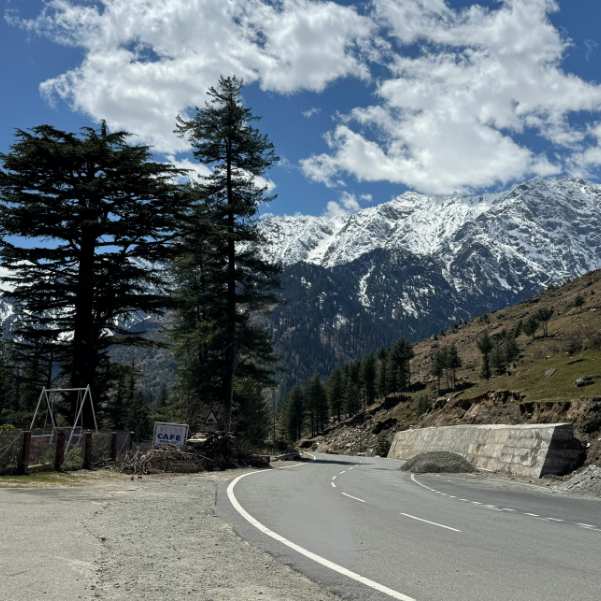
Chandigarh and Delhi to Manali route
Most travellers reach Manali through Bilaspur, Mandi, Pandoh, Aut and Kullu.
We are not going to give you a guaranteed drive time. In August, monsoon rain, landslides, roadwork and traffic can cause sudden delays, so use map timings only as a rough estimate and keep extra travel time.
Why the Mandi, Pandoh and Aut stretch needs attention
This corridor shows up again and again in monsoon disruption reports. It is the part of the route to watch.
So do not just search "Manali weather." Check Mandi and Kullu updates too, because a block there stops you well before you reach town.
And please do not take unverified village shortcuts around a roadblock. Those detours can be worse than the wait, and you do not know the terrain.
How to check the road before leaving
Start with the IMD Meteorological Centre Shimla warning to understand the weather picture for your travel days.
Then check the Himachal Pradesh State Disaster Management Authority dashboard, the Kullu District Administration updates, Himachal Pradesh Police and Mandi Police for road status.
Finally, on the morning you leave, confirm with your driver, your hotel, or Travel Coffee's local team. Ground conditions change overnight, and the morning check is the one that actually protects your trip.
Self-drive, Volvo bus or private cab?
A local driver knows the road and can cut your navigation stress. That helps.
But no driver removes weather risk. No vehicle type makes travel safe during an official severe-weather warning. A cab, a bus and a self-drive car all wait behind the same landslide.
Which Places Can You Visit in Manali in August?
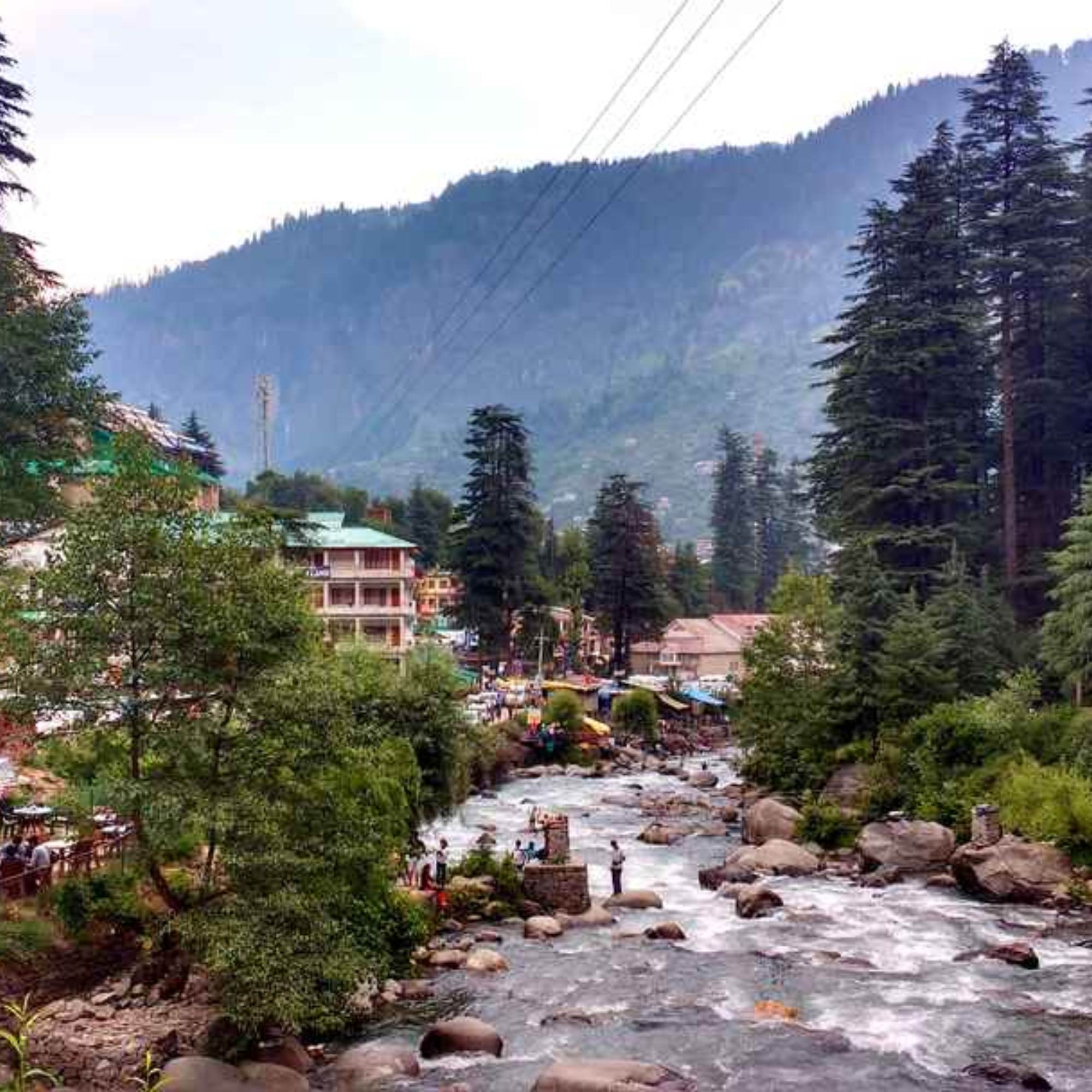
Lower-risk local options during a stable weather window
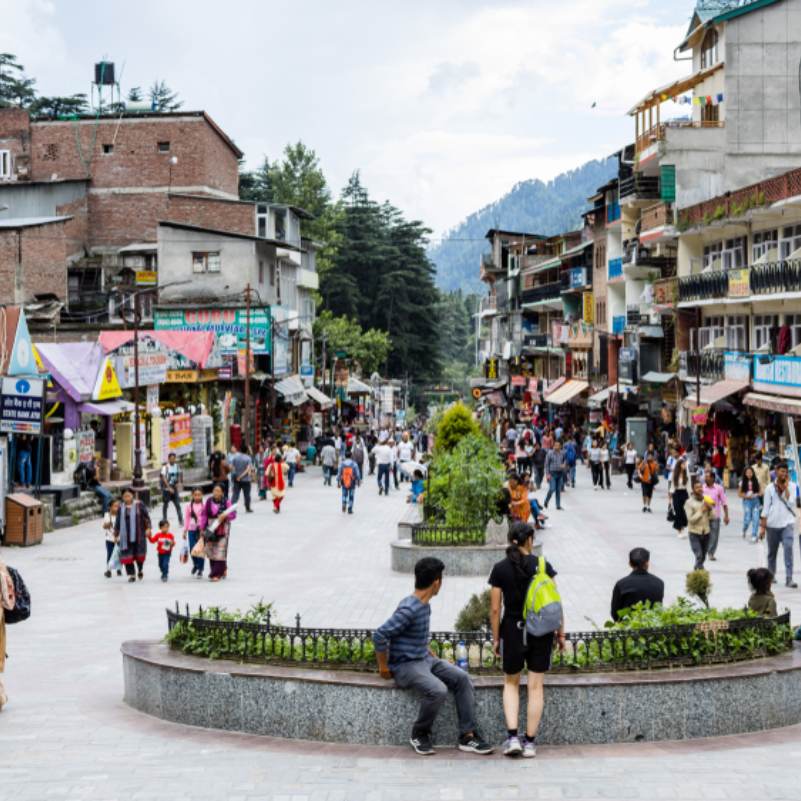
On a stable day, the in-town options hold up well. Hadimba Devi Temple sits in a quiet cedar forest and stays pleasant even in light drizzle.
Old Manali cafes are made for rainy afternoons. Sit with a coffee and watch the rain instead of fighting it.
Mall Road, the Tibetan monasteries and short town walks all work without much road risk.
Naggar Castle can be added, but only if you check road and weather status that same morning. It sits outside town, so it is not a guaranteed outing.
We will not call any place completely safe in monsoon. But these carry the least risk.
Places that should remain weather-dependent
Solang Valley, the Atal Tunnel, Sissu, Vashisht, Jana and Rohtang Pass all depend on the weather that day.
None of these is a guaranteed August excursion. Keep them as "maybe," not "definitely."
If Sissu is on your wishlist, look at our Sissu tour options, but treat access as weather-dependent.
For Rohtang seasonal access, our Rohtang Pass travel guide explains how the permit and opening situation works.
Places and activities to avoid during active rain
When it is actively raining, stay away from waterfall edges, swollen streams and riverbanks.
Avoid boulder areas beside the Beas, remote forest trails, unverified viewpoints, narrow shortcuts and any long trek without local clearance.
IMD advises avoiding trekking and limiting outdoor activities during very heavy to extremely heavy rainfall. That guidance is worth following exactly.
Are adventure activities available in August?
Rafting, paragliding and similar activities depend on the weather, river conditions, the local administration and the operator's own call.
We cannot promise availability, and no honest local team can.Any schedules or operating timings should be confirmed directly with the activity provider on the day.
Our guide to adventure activities in Manali covers what is normally on offer, weather permitting.
A Flexible Three-Day Manali Itinerary for August
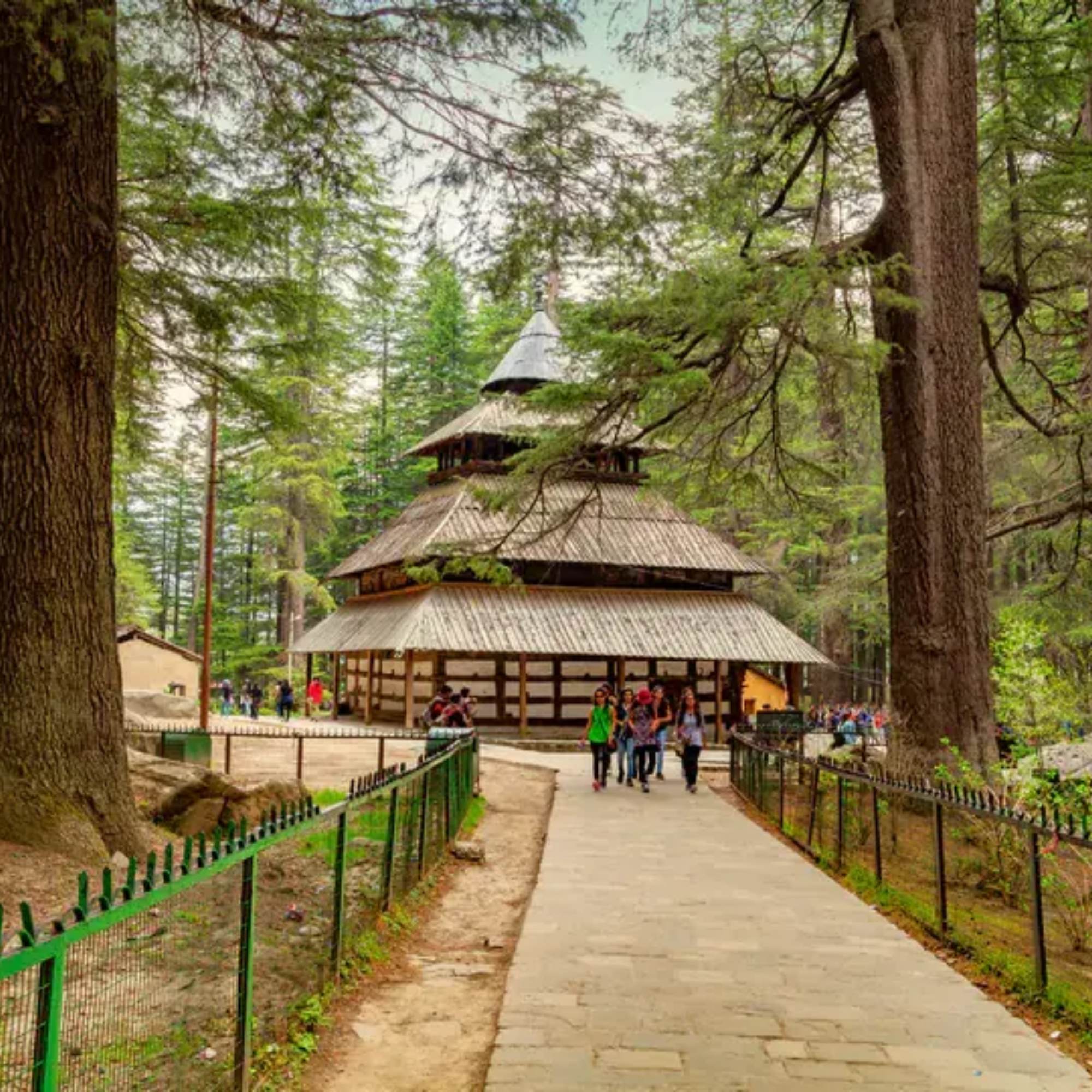
Day 1: Stay local and assess conditions
Keep the first day in town. Hadimba Temple in the morning, Old Manali and the monasteries through the day, Mall Road in the evening.
Before dinner, check the next day's advisory. That one habit shapes your whole trip.
Day 2: Choose a weather-based Plan A or Plan B
Have two plans ready. Plan A is a cleared excursion like Solang Valley, but only during genuinely stable conditions.
Plan B keeps you in or near town. Cafes, temples, markets and some hotel time.
Do not try to force both into one day. Pick one based on the morning's forecast.
Day 3: Short outing or buffer day
Keep Naggar as an option only if the route is confirmed clear. Otherwise, use this day as a buffer for weather or road delays.
Never schedule a distant excursion right before a fixed overnight bus or flight. That is how people miss connections.
Why a buffer day matters
A road block might clear in an hour or take much longer. Nobody can promise an exact reopening time.
What we always tell our travellers is that one buffer day turns a stressful monsoon trip into a relaxed one. It is the single best decision you can make for an August plan.
Where Should You Stay in Manali During the Monsoon?
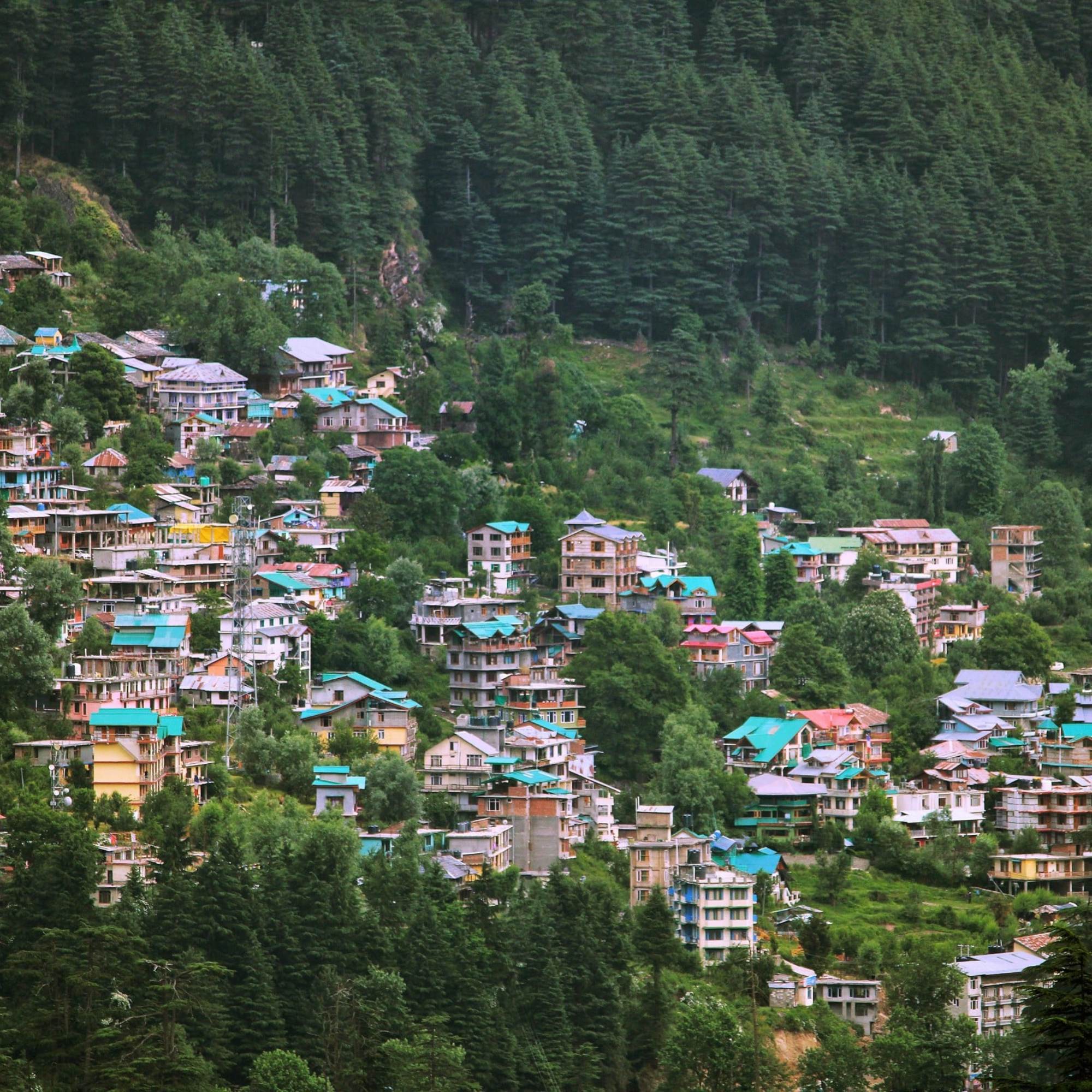
Pick a property with established vehicle access and a paved final approach. In rain, a rough last stretch can strand you.
Ask directly whether a normal car can reach the property when it is raining. It is a fair question and a good host will answer honestly.
Look for backup power and flexible cancellation terms. Both matter more in monsoon than in peak season.
Be careful with isolated riverside properties and stays sitting below steep, exposed slopes. We will not claim any neighbourhood is landslide-proof, because none is.
What Should You Pack for Manali in August?
Start with rain gear that actually works. A waterproof jacket or poncho beats an umbrella, because wind and uneven ground make an umbrella almost useless here.
Pack quick-dry clothes and shoes with good grip. Wet stone steps around temples and cafes get slippery fast.
Carry dry pouches for your phone and documents, plus a luggage cover for the drive.
Add a light warm layer for cool evenings, your personal medicines, a power bank for the power cuts, and some snacks for road delays.
Is August Suitable for Couples, Families and Solo Travellers?
Couples
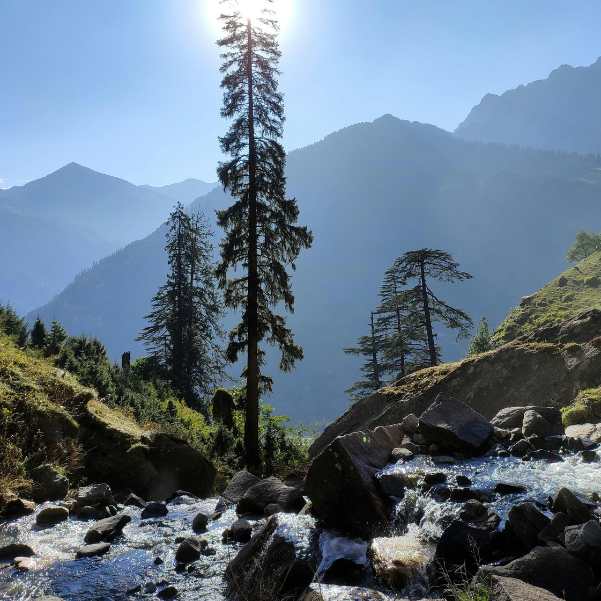
August suits slow travel. Green hills, misty mornings and long cafe afternoons work better than a rigid sightseeing checklist.
If you can drop the "must see everything" pressure, it can be a lovely, quiet trip.
Families
A family trip is reasonable, but only during a stable forecast, with easy-access accommodation and transport you can change.
Keep the plan gentle and close to town, with a buffer day for the unexpected.
Solo travellers
Aim to arrive in daylight and keep your route choices conservative. Stay in regular contact with family.
Skip remote solo trekking during unsettled weather. It is not the season for it.
Elderly travellers
If long road queues, delays or uncertain medical access would cause real discomfort or risk, postpone. There is no shame in waiting for a calmer window.
Is Manali Better in August or September?
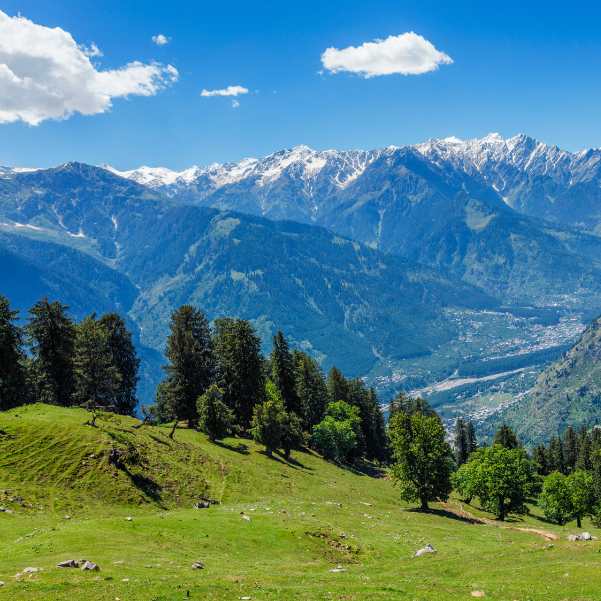
August generally carries more monsoon uncertainty. More rain spells, more road risk, more plan changes.
September often becomes easier as rainfall starts to ease. But the monsoon withdrawal date shifts every year, so early September can still be wet.
We will not guarantee dry weather in early September. If your dates are flexible, later in the season usually gives you a smoother trip.
Final Verdict: Who Should Visit Manali in August?
August can work well if you are flexible, comfortable with rain, happy with local sightseeing and relaxed about plan changes.
Postpone if you expect guaranteed mountain views, remote treks, every attraction open, or a tightly timed journey with no room to move.
If you want it planned properly, our customised Manali tour packages are built for this, and you can also WhatsApp us to plan a flexible Manali trip.
👉 Ready to plan your August Manali trip? WhatsApp us your dates for a customised itinerary.
Explore Our Curated Manali Tour Packages
 6D/5N
6D/5NManali Solang Sissu Sethan Snow Adventure
1D Delhi•3D Manali+2
₹15,999₹21,999SAVE INR 6,000/ person 6D/5N
6D/5NManali Solang Sissu Sethan Snow Trip With Kasol
1D Delhi•3D Manali+2
₹25,999₹33,999SAVE INR 8,000/ person 7D/6N
7D/6NManali Kasol Jibhi Valley Trip
1D Delhi•2D Manali+3
₹25,799₹32,999SAVE INR 7,200/ person
Related topics
Frequently Asked Questions
Is Manali safe to visit in August 2026?
Manali can be safe during a stable weather window. Avoid travelling during orange or red alerts, flash-flood warnings, heavy rainfall or official avoid-travel advisories.
Is August a good time to visit Manali?
August suits flexible travellers who enjoy green scenery, misty weather and quieter days. It is not ideal for fixed itineraries, remote treks or guaranteed high-altitude excursions.
What is Manali weather like in August?
Temperatures generally range between 13°C and 25°C. Expect humid weather, mist, wet roads, occasional heavy rain and cool evenings.
Does it rain every day in Manali in August?
It may not rain continuously every day, but showers can arrive at any time. Keep rainwear handy and plan outdoor activities flexibly.
Are roads to Manali open in August?
The main roads are often open, but landslides or debris can cause restrictions and temporary closures. Check official road updates on the morning of departure.
Is the Chandigarh to Manali highway safe during the monsoon?
The highway remains vulnerable to landslides, debris and traffic delays, especially around Mandi, Pandoh and Aut. Avoid travelling during severe-weather warnings.
Are landslides common around Manali in August?
Yes, landslides and rockfall are common monsoon risks. They can occur during heavy rain or even after the rainfall has stopped.
Which places are safest to visit in Manali during August?
Hadimba Temple, Mall Road, Old Manali, monasteries and short town walks are usually more manageable. Visit Naggar or nearby areas only after checking the weather and roads.
Is Solang Valley open in August?
Solang Valley may be accessible when the weather and road conditions are stable. Adventure activities can be suspended without notice, so keep a town-based backup plan.
Is Rohtang Pass open in August?
Rohtang Pass may be accessible, but weather-related closures are possible. A permit is also required, so confirm the latest status locally before travelling.
Can families and elderly travellers visit Manali in August?
Yes, provided the forecast is stable and the itinerary stays flexible and close to town. Choose accessible accommodation and avoid travelling during heavy rain or road disruptions.
When should I cancel or postpone my Manali trip?
Postpone during orange or red alerts, flash-flood warnings, prolonged heavy rain or repeated highway closures. You should also reconsider if your schedule cannot accommodate delays.
More about Manali
 Manali
Baralacha Pass in October 2026: Road Status, Snow, Weather and Safety Guide
Planning to visit Baralacha Pass in October 2026? Get practical information on road status, snowfall chances, weather conditions and travel safety. Understand what to expect on the Manali to Baralacha Pass route and how to prepare for unpredictable October conditions.
- Road Status
- Best Time to Visit
 Manali
Kolkata to Manali Itinerary 2026: 7 Days During Puja Holidays, 17 to 24 October
Planning a Kolkata to Manali trip during the 2026 Puja holidays needs smart timing, especially with long travel sectors and festive crowds. This 7 day itinerary covers the best way to plan Manali from 17 to 24 October, including travel days, sightseeing and practical buffer time.
- Itinerary
- How to Reach
 Manali
Baralacha Pass in September 2026: Weather, Road Status, Snow and Travel Guide
Planning a trip to Baralacha Pass in September 2026? Learn about expected weather, chances of snowfall, road conditions, temperatures, and essential travel tips. This guide helps you plan a safer and better journey to one of the highest mountain passes on the Manali–Leh route.
- Road Status
- Best Time to Visit