
Is Shimla Safe in 2026? Safety Guide for Tourists, Families and Solo Women
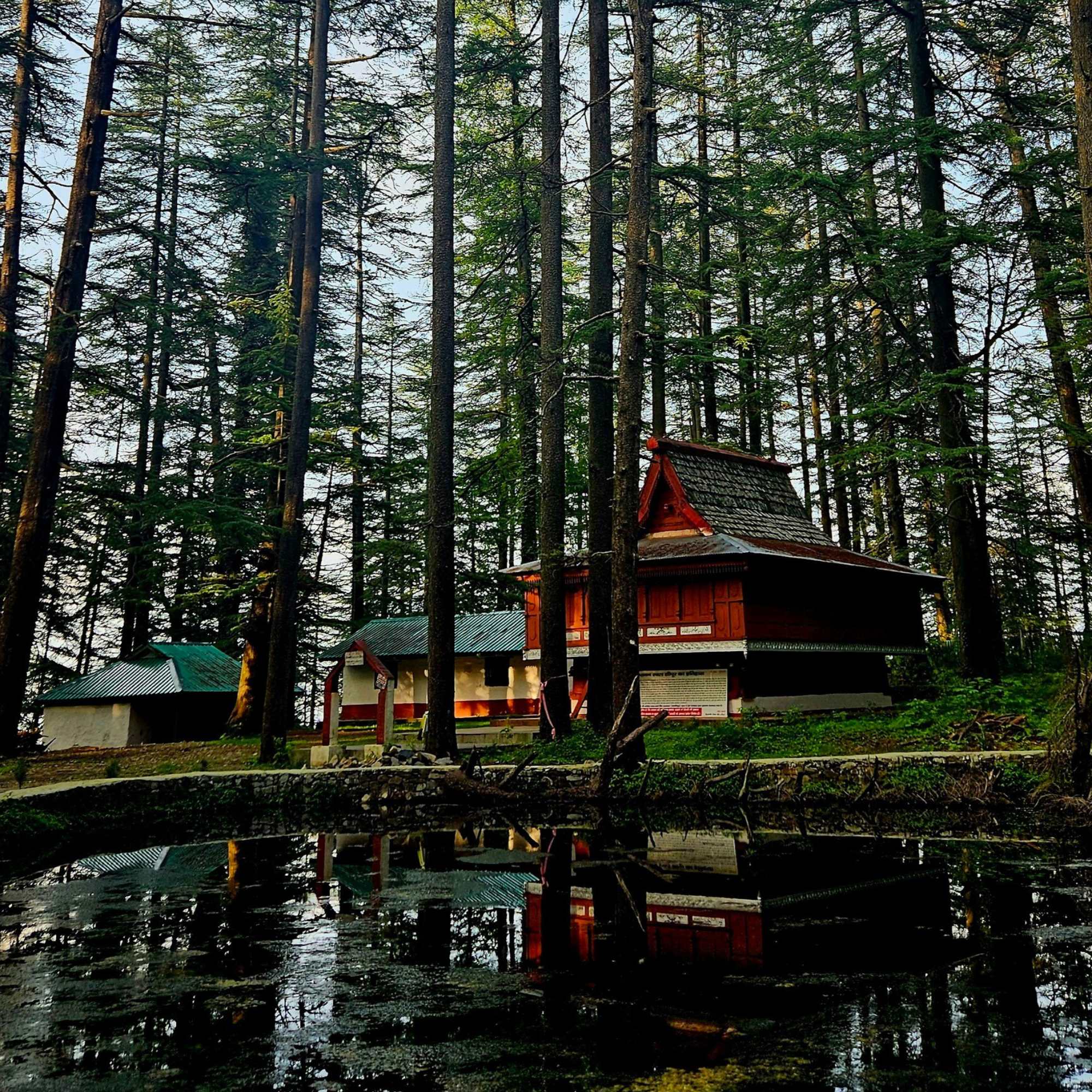
Shimla is one of the most popular hill destinations in Himachal Pradesh and is generally well suited to families, couples, solo travellers and women travellers when normal travel precautions are followed.
In this guide, you will find practical information on tourist safety, solo women travel, road and weather risks, local precautions and useful tips to help you plan a safer and more comfortable trip.
Quick Answer: Is Shimla Safe?
Yes, Shimla is generally safe for ordinary tourism when you follow normal precautions. For most visitors, steep paths, wet roads, snowfall and transport disruption create more practical trouble than personal crime.
The answer can change for a few hours or days during a heavy rain warning, major snowfall or active road closure. Check the latest weather and transport position before leaving.
What most tourists get wrong is treating every safety issue as a crime issue. In Shimla, your hotel access, walking route, weather window and driver choice often matter more than fear about the destination itself.
You can review our Shimla tour packages when you need help matching the hotel, vehicle and sightseeing plan to your family.
How Safe Is Shimla Overall in 2026?
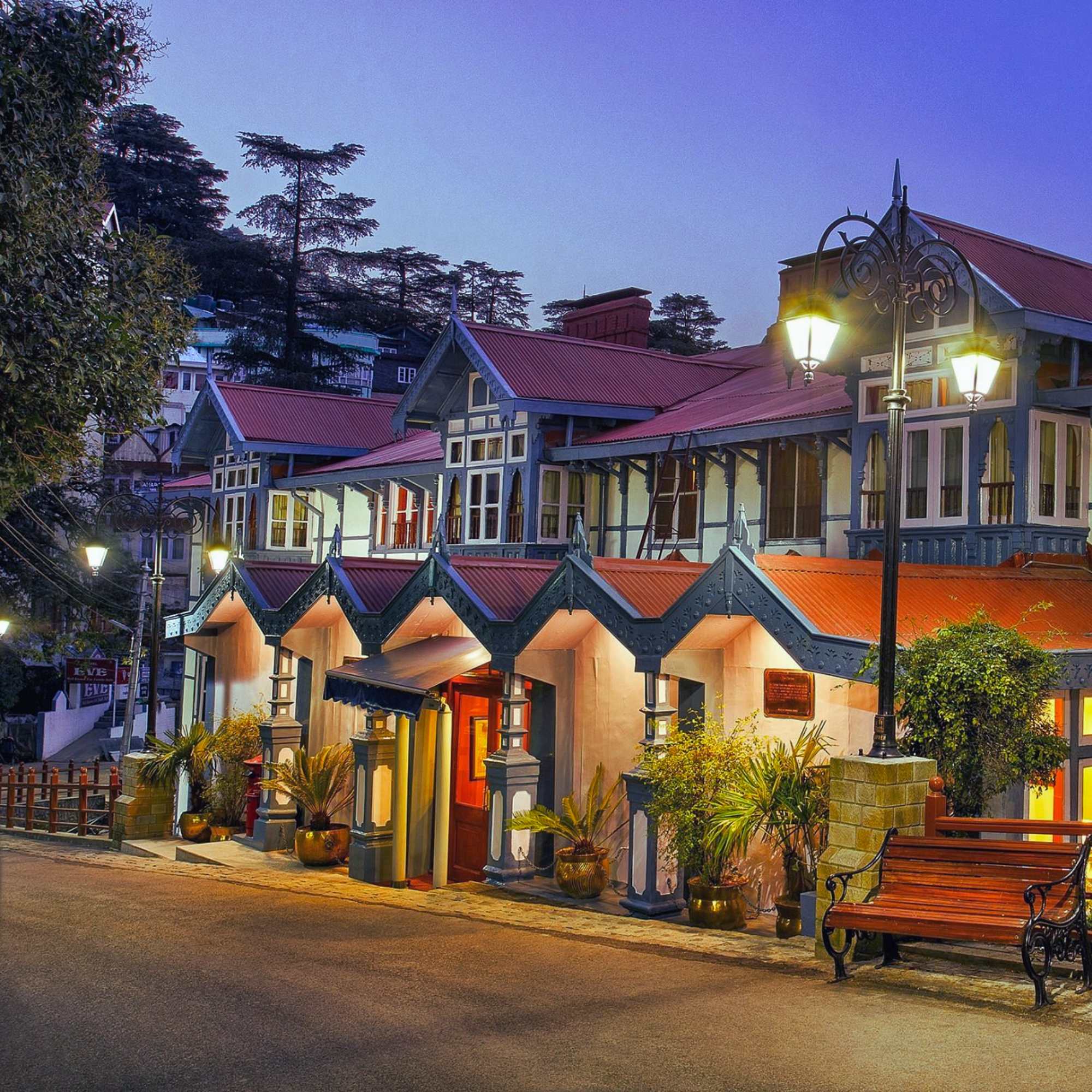
Himachal Tourism describes Himachal Pradesh as peaceful and hospitable, with friendly and helpful residents. It also tells travellers not to take unnecessary risks, which is the right way to think about Shimla safety in 2026.
You do not need a numerical score to decide whether Shimla suits your trip. Different websites publish figures around 69 out of 100, 33 out of 100 and 76.16 out of 100, but they use different methods and cannot support a fair comparison.
A busy central promenade feels very different from an isolated connecting road or forest trail.
The same traveller may feel comfortable around active shops and cafes, then feel exposed on a quiet shortcut with weak lighting and little public movement.
Shimla works well for ordinary holidays because many visitors stay around established tourist areas. You still need to protect your belongings, confirm transport, understand the walk to your hotel and react sensibly to weather warnings.
What Are the Main Safety Risks in Shimla?
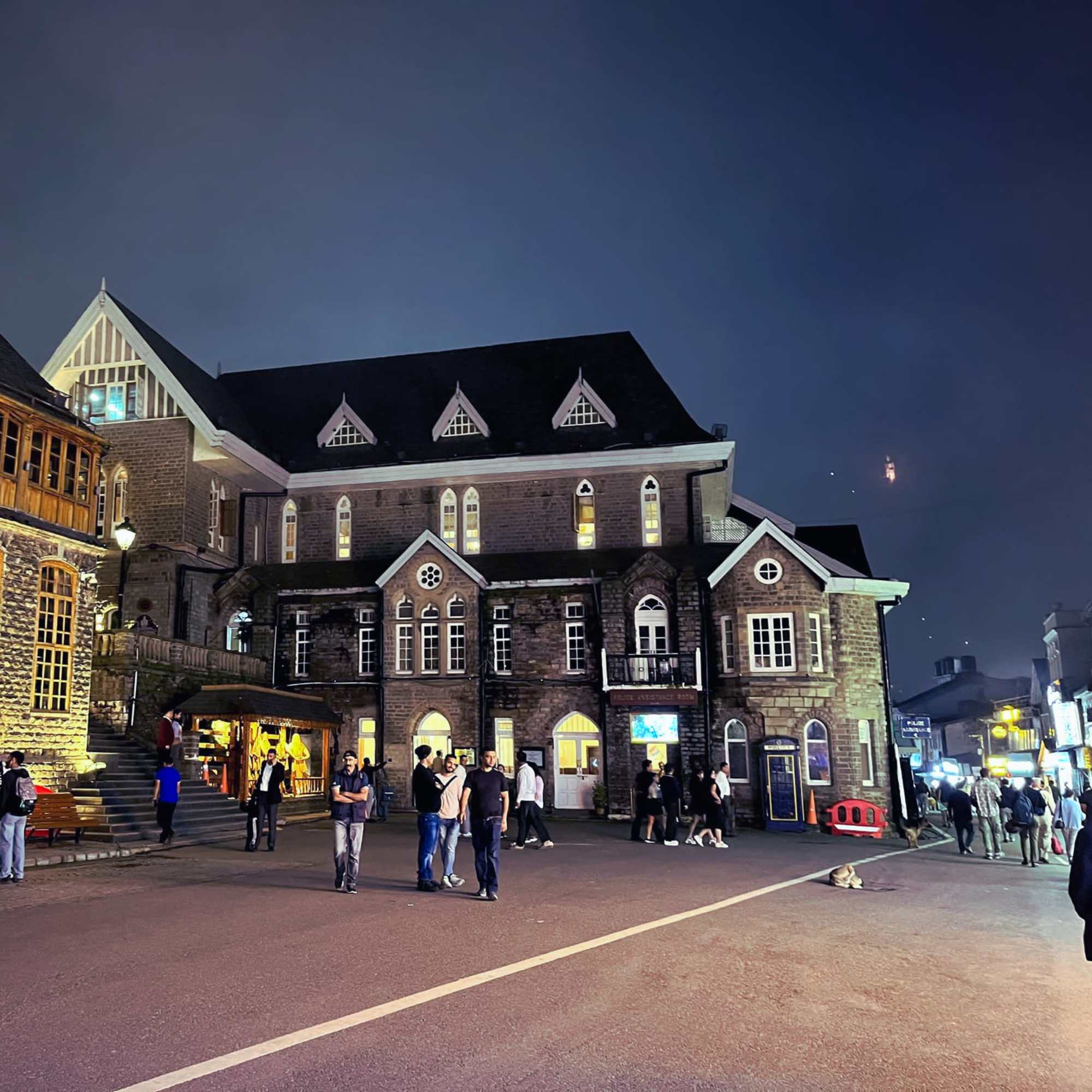
Petty theft and personal belongings
Use the same ordinary awareness you would use in any busy tourist town. Keep your phone and wallet secure, close your bag in crowded markets and avoid leaving luggage unattended at a bus stand, parking area or hotel entrance.
No current official city level figure in the supplied information confirms a specific pickpocketing or violent crime rate for Shimla. We would not use an unsupported number to frighten you or to promise that nothing can happen.
Touts, porters and hotel pressure
The Shimla Hotel and Tourism Stakeholder Association reported cases of guides, porters and touts following tourist vehicles or pressuring visitors toward selected accommodation.
Treat this as a reported visitor hassle, not proof that every guide or porter acts dishonestly.
Keep your confirmed hotel name, telephone number and booking details ready before arrival. Contact the property directly when someone claims that your hotel has closed, moved or cannot accept your booking.
A useful money saving habit is to confirm taxi fares, porter charges and inclusions before the service starts. Clear written confirmation helps you avoid unclear extras without arguing after the journey.
Skip the unrequested porter or guide who attaches himself to your arrival. The service may add pressure and expense when you already know where you are going.
Steep paths and slippery walking surfaces
Much of Shimla involves uphill or downhill walking. A hotel may look close on a booking map while the real route includes stairs, a steep lane or a longer connection from the nearest vehicle point.
Wear shoes with grip and slow down on wet or icy surfaces. Senior citizens should take breaks, while adults should keep children close near road edges, steps and crowded viewpoints.
Avoid dark shortcuts even when a map suggests that they save time. A slightly longer active route often feels easier because it gives you better lighting, clearer footing and more people nearby.
Monkeys around Jakhu
Himachal Tourism warns that monkeys around Jakhu may target tourists’ cameras, glasses and food. Keep spectacles, loose objects and snacks secure before you enter the area.
Do not feed or tease the monkeys. Avoid displaying food, opening snack packets near them or trying to take a close photograph while holding something they may grab.
Is Shimla Safe for Solo Female Travellers?
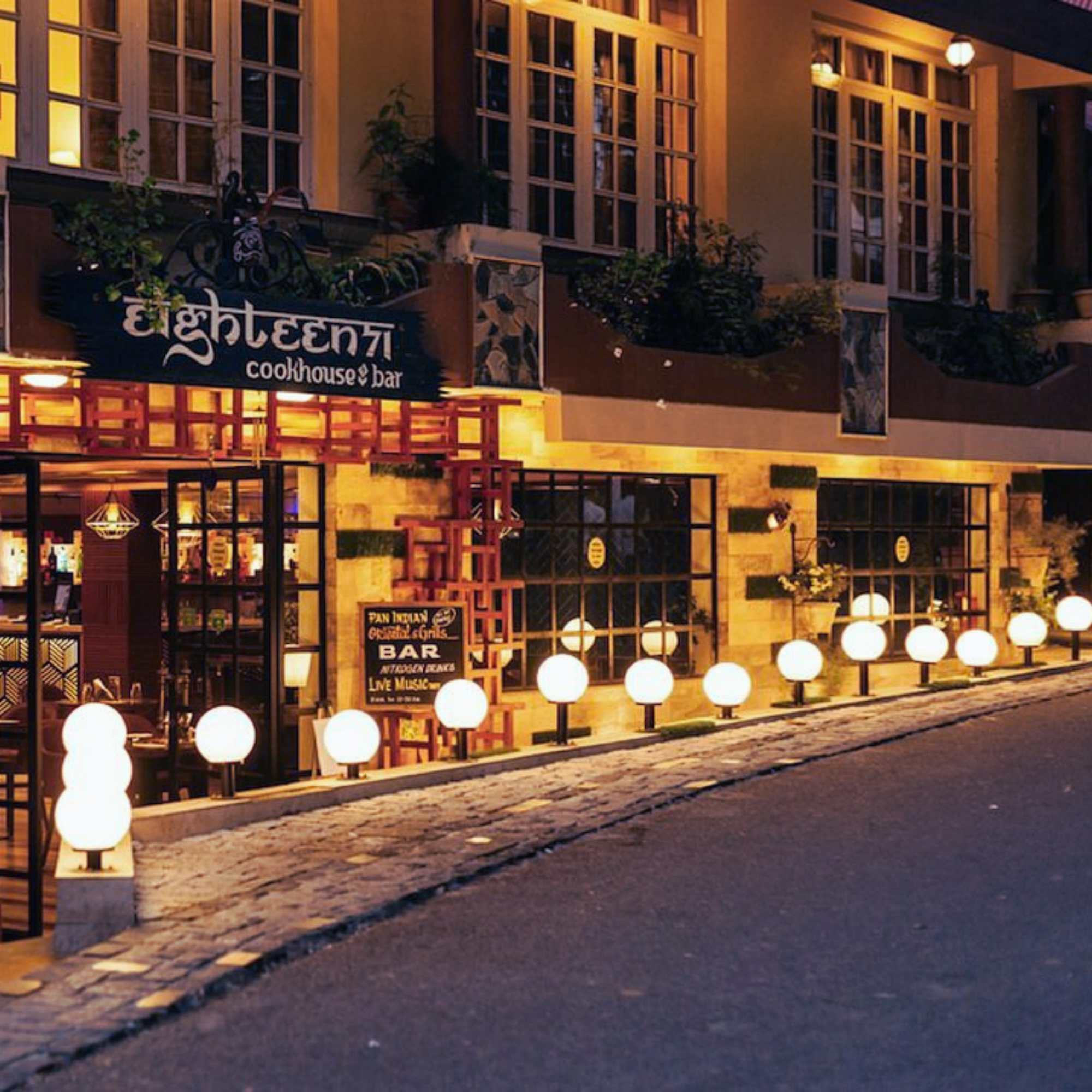
Shimla can be manageable for a solo woman who stays centrally, uses known transport, keeps family or friends informed and avoids isolated routes after dark. No destination can promise complete safety, so practical planning still matters.
Check recent accommodation reviews and confirm that the reception remains staffed during your expected arrival. Save the hotel telephone number offline and share your vehicle details with someone you trust before the trip starts.
Choose a known taxi or established transport operator rather than accepting the first offer from an unknown person at a railway station, bus stand or parking area. Keep the agreed fare and inclusions in writing.
Himachal Pradesh announced a SheTravel Policy 2026 vision that proposed a SheShield SOS app, verified women friendly accommodation and female safety marshals.
The source said rollout would happen later, so verify which services operate before relying on them.
You may also read our guide on Spiti safety for solo female travellers when Shimla forms part of a longer solo journey into Himachal.
In our experience, solo trips feel smoother when you send one clear daily update to family or friends rather than sharing random messages only after a problem starts.
👉 Travelling to Shimla alone? WhatsApp us and we’ll help you plan a comfortable itinerary.
Is Shimla Safe at Night?
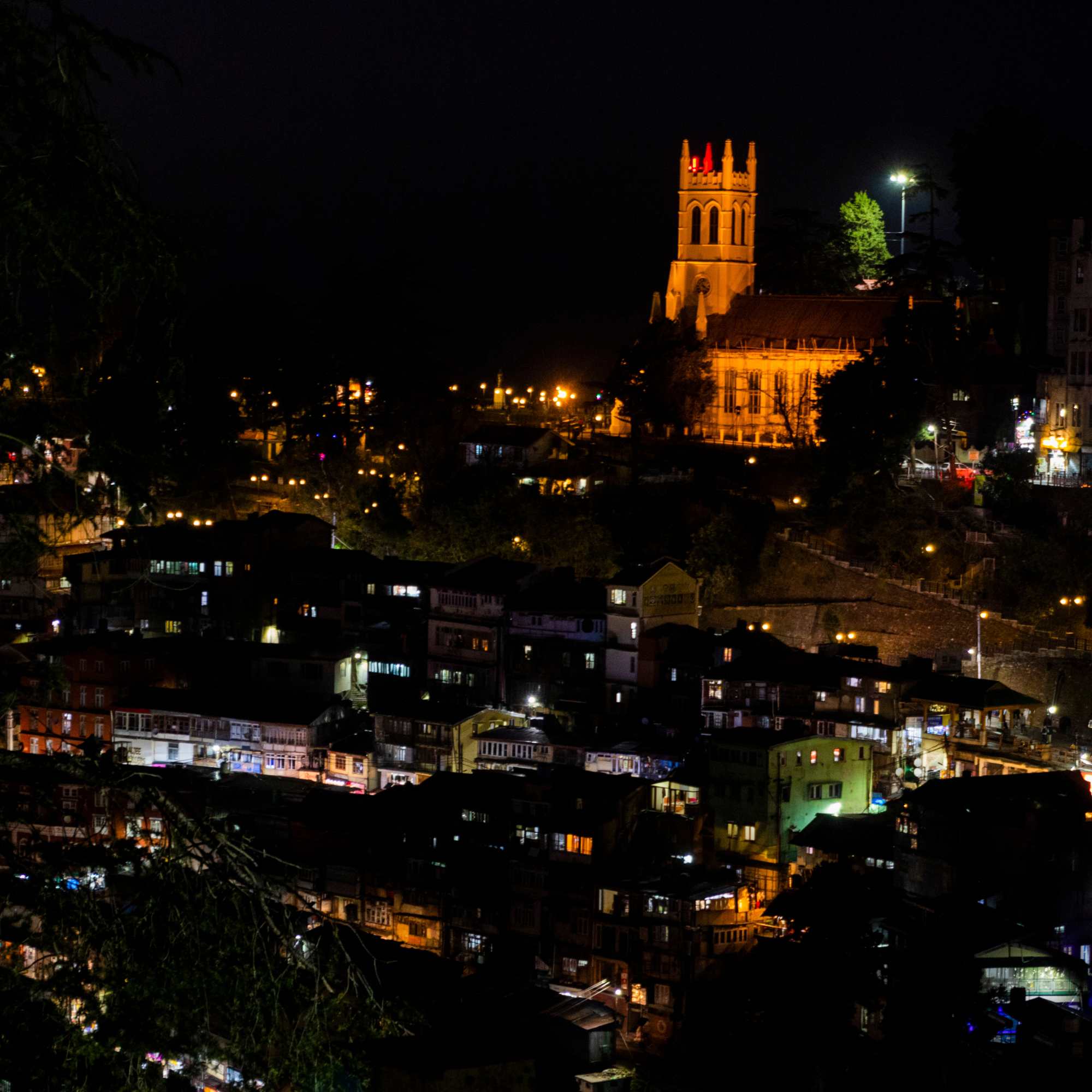
An evening walk in a busy central area differs from walking alone along a quiet road, shortcut or forest trail. Do not treat every part of Shimla as equally active after dark.
The national tourism portal describes Mall Road as the centre of Shimla’s tourist activity, with cafes, restaurants and social spaces. This does not guarantee that every nearby lane or connecting road stays safe at every hour.
Plan your return before public activity reduces, especially when your hotel sits far from the centre or requires a walk from the vehicle drop point. Confirm how you will return before you sit down for dinner.
We do not suggest one universal cut off such as 8 PM or 9 PM because no official citywide time applies to every road, season and weather condition. Judge the route, lighting, crowd level, transport and hotel access together.
For a simple chai break, choose an active cafe on Mall Road instead of walking to a quiet roadside spot late in the evening. The central location gives you food, people and easier return options in one place.
Is Shimla Safe for Families, Children and Senior Citizens?
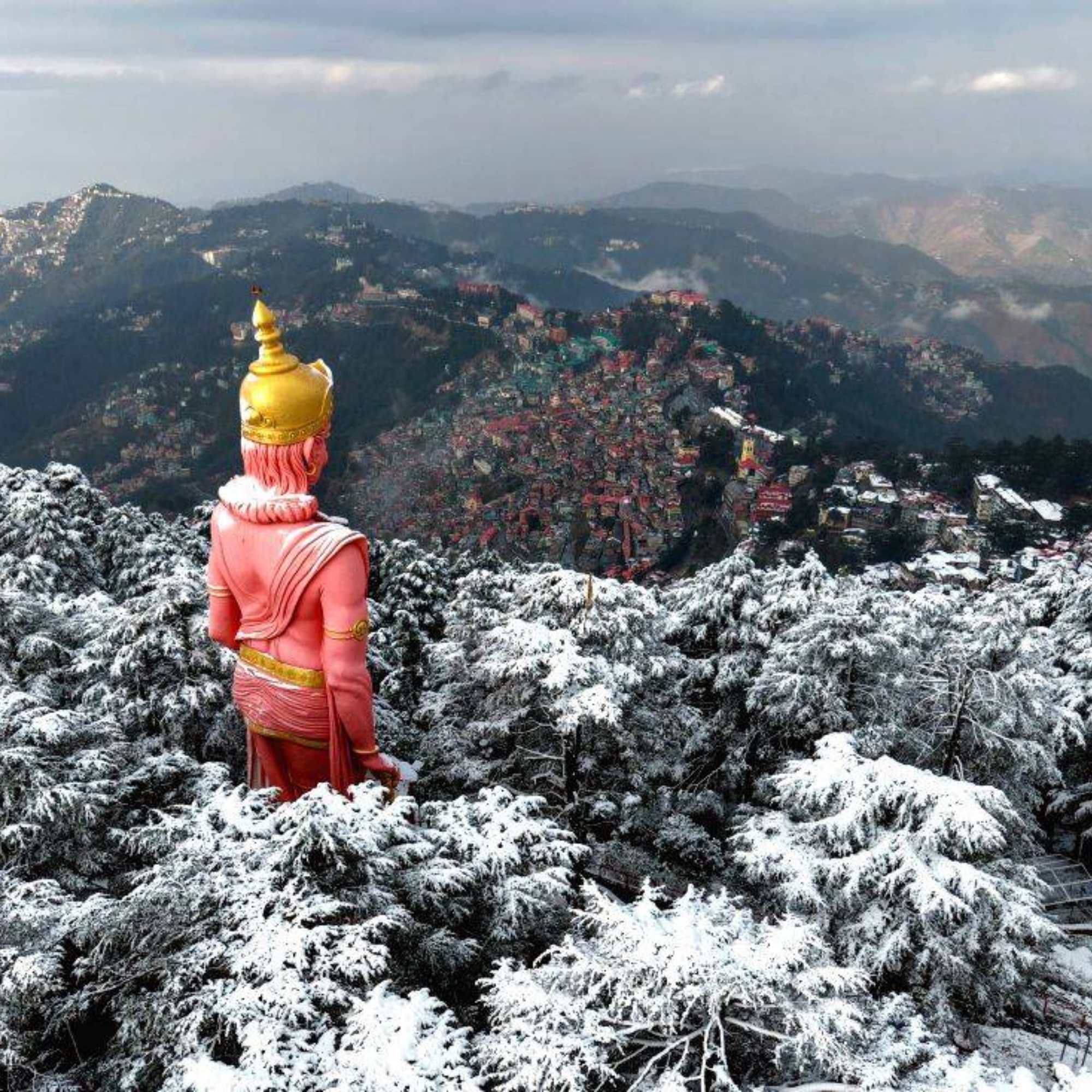
Shimla generally suits families, but the trip may not feel effortless for every child or senior citizen. The main practical concerns include steep walking routes, stairs, crowded viewpoints, slippery surfaces and limited vehicle access to some hotels.
Keep children within reach near viewpoints, road edges and busy pedestrian areas. Crowds can separate a child from the family quickly, even when the place itself feels friendly.
For elderly travellers, confirm lift access, direct vehicle access, room location and the actual route from the road to the hotel. A property with good rooms may still feel difficult when guests must climb stairs after every outing.
Our team recommends confirming the hotel’s vehicle access before paying, especially for senior citizens. Ask where the taxi stops and how much uphill or downhill walking follows, without relying only on the map pin.
Is Shimla Safe During the Monsoon?
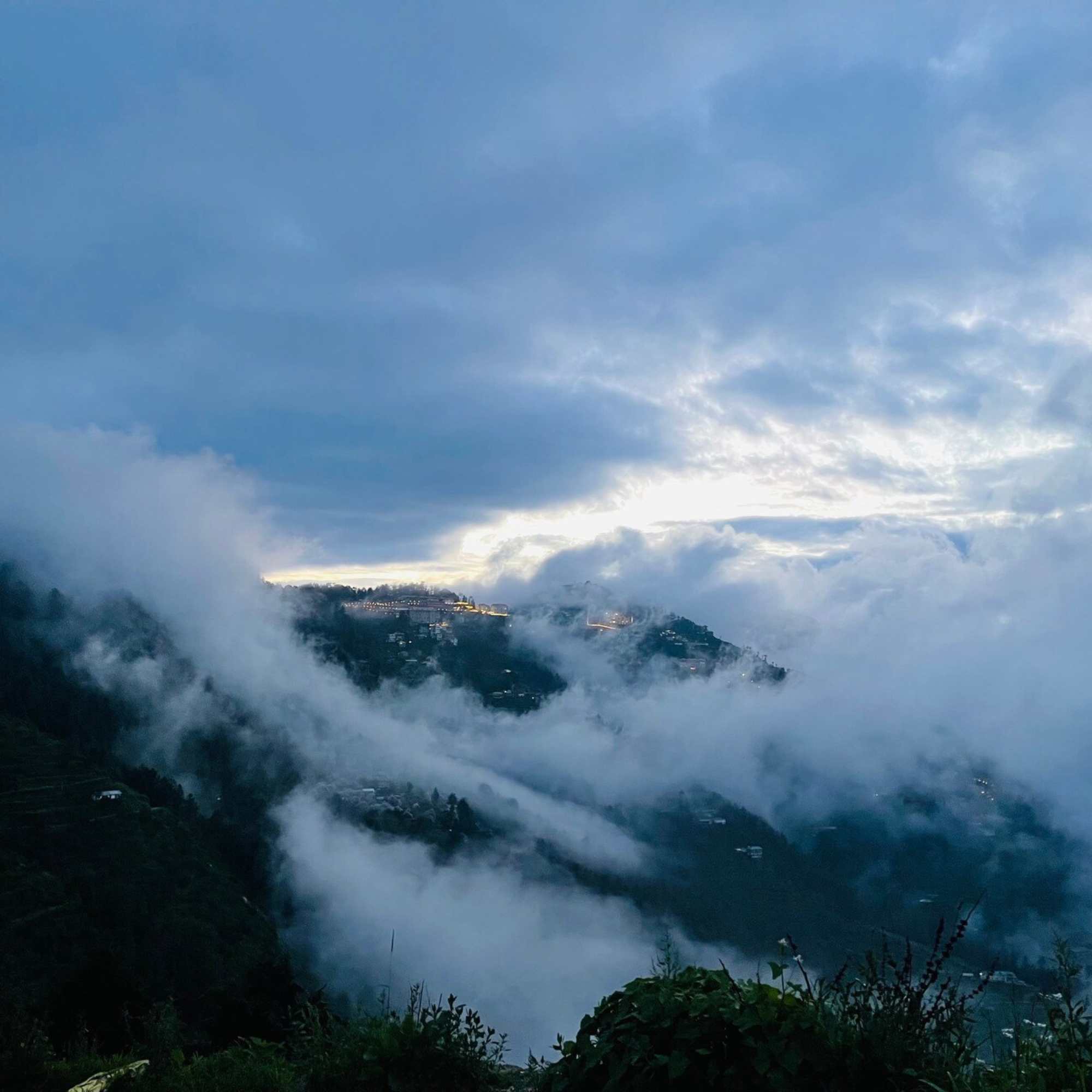
Himachal Tourism advises caution during July and August because roads can become slippery and landslides or rockfalls may occur. The national tourism portal describes July to October as Shimla’s monsoon season and calls August its wettest month.
Ordinary light rain does not automatically mean you must cancel the trip. A heavy rain warning, active road closure, falling rock incident or district advisory requires a fresh decision based on current information.
Do not stop below an unstable slope for photographs or a tea break. Avoid continuing an unnecessary night journey when intense rain reduces visibility and makes falling debris harder to spot.
Himachal Tourism also tells tourists not to stand at cliff edges or on boulders beside rivers for photographs. A quick picture never justifies poor footing or rising water risk.
We have found that a weather check on the morning of departure helps more than a forecast saved several days earlier. Check again before the return journey because hill weather can change during the same day.
Travellers continuing beyond Shimla need even more careful route planning. Our Kinnaur tour packages can help you structure onward mountain travel around current road and weather conditions.
Is Shimla Safe During Snowfall and Winter?
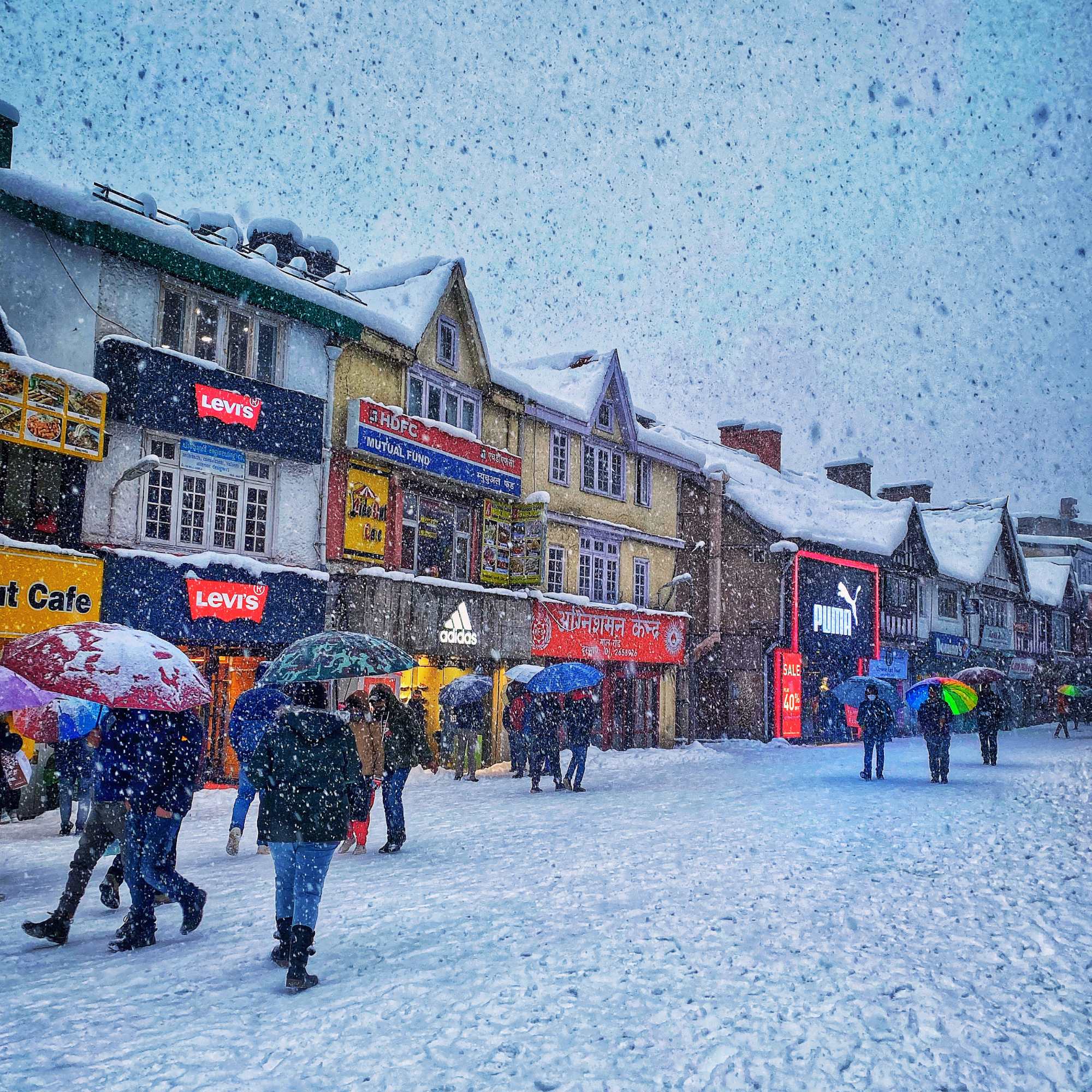
Shimla can remain enjoyable in winter, but snowfall adds slippery paths, black ice, fog, reduced visibility and temporary traffic disruption. These risks affect walking and driving even when personal security remains normal.
Inexperienced hill drivers should avoid self driving during active snowfall. A driver who understands local winter conditions can judge braking, bends, visibility and temporary restrictions more confidently.
Do not assume one fixed rule for snow chains or road closures. Equipment requirements and route restrictions depend on current conditions, so verify them before departure.
Shimla snowfall road conditions may differ between the main approach, local roads and the final lane to your hotel. Confirm all three rather than asking only whether Shimla is open.
What we tell our travellers is simple: snowfall should change the pace of the itinerary. Keep fewer commitments, allow extra road time and accept that a safe driver may cancel or delay a route when conditions worsen.
Is the Road to Shimla Safe?
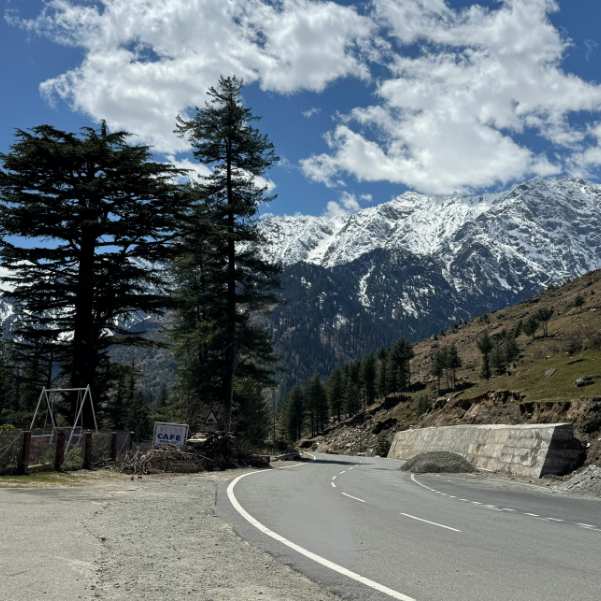
Chandigarh to Shimla by NH 5
NH 5 forms a major approach to Shimla, but its safety changes during heavy rainfall, fog, snowfall, rockfall or unusual traffic congestion. A normal journey and a severe weather journey need different decisions.
NHAI said in July 2026 that it had identified vulnerable national highway stretches in Himachal and deployed machinery, staff and emergency equipment for the monsoon. It also asked travellers to follow official traffic guidance during heavy rain.
Plan the drive during daylight, use a rested driver and keep the speed sensible. Check the weather and road position before departure rather than assuming yesterday’s update still applies.
In our experience, Shimla trips feel more comfortable when road journeys happen during daylight. You see bends, debris, road edges and changing weather more clearly.
Bus and taxi safety
Use established operators, pre booked transport and written confirmation of the fare and inclusions. Keep the operator’s contact details available throughout the ride.
Do not accept transport only because an unknown person approaches you at a railway station, bus stand or parking area. Verify the vehicle, driver and destination before placing luggage inside.
No supplied fact confirms that every Shimla taxi uses a meter, so agree on the fare and scope before the trip. Ask whether parking, waiting or additional stops form part of the quote.
Kalka Shimla railway safety
Railway services may reduce when heavy rain creates landslide or rockfall risk. A suspension does not automatically mean every train stops, so check the exact service number before leaving for the station.
Reports said authorities suspended four Kalka-Shimla services through 5 August 2026, while three services in each direction continued.
Reports on 3 August 2026 said NH5 remained open. Check the latest railway service and highway status before travelling, as monsoon conditions can change quickly.
For a longer hill holiday, review our Manali tour packages and keep enough flexibility between destinations during uncertain weather.
Where Should Tourists Stay for a Safer and Easier Visit?
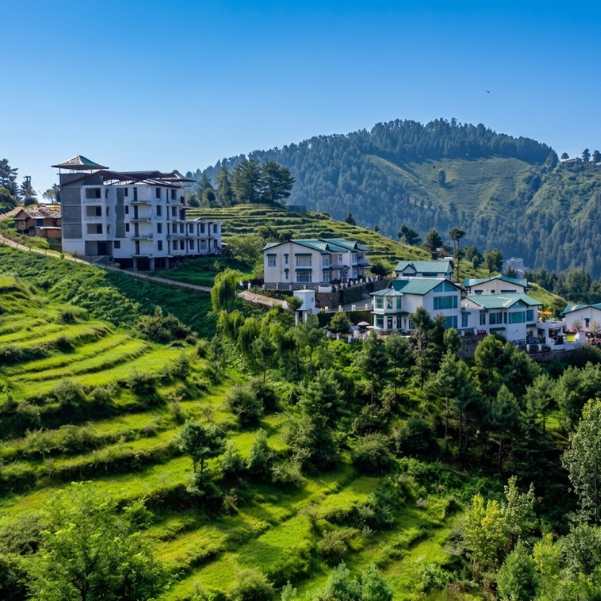
First time travellers and solo women often find a central, active location easier because shops, food and public movement stay closer. A central label alone does not tell you how the final approach feels.
Check the real walking route rather than trusting the straight line distance on a booking platform. Ask whether the path includes stairs, a steep lane, a dark shortcut or a vehicle restriction.
Confirm vehicle access, reception hours, recent reviews, mobile coverage and power backup. These details affect comfort during late arrivals, rain, snowfall and transport disruption.
Do not call an entire neighbourhood unsafe because one property has difficult access. Quiet roads, isolated paths and poor lighting create situation specific concerns that can change between hotels on the same side of town.
One insider tip is to ask the hotel for a short arrival video from the nearest vehicle point. A recent video can reveal stairs, road width and the real entrance more clearly than a map.
What Tourist Scams and Hassles Should You Watch For?
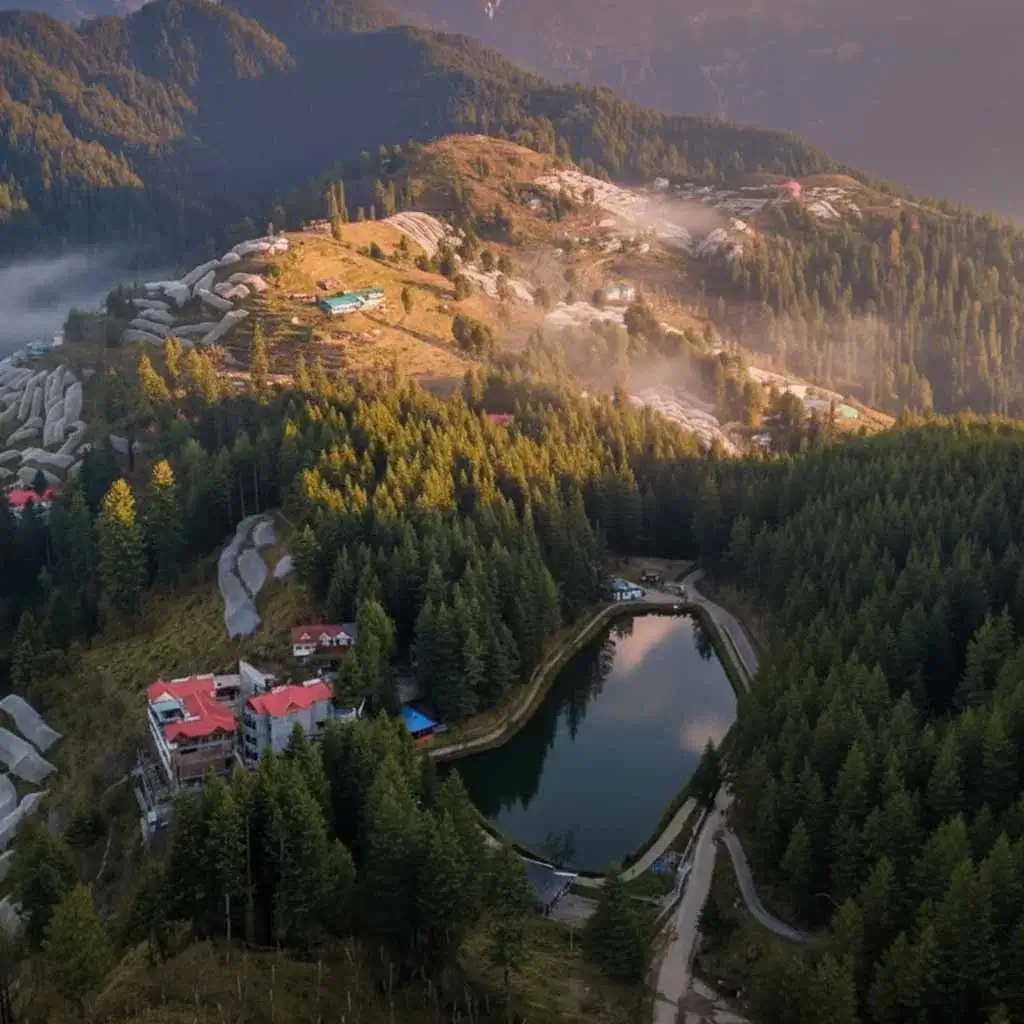
Common visitor hassles can include unrequested porters, pressure to change hotels, unauthorised guides, unclear taxi fares and claims that a road or attraction has closed.
Confirm any closure through your hotel, police, district administration or transport operator rather than relying on one stranger. A genuine update should remain consistent when you check a second source.
Do not label normal bargaining or every salesperson as a scam. The problem starts when someone hides the charge, creates false urgency, blocks your choice or pressures you to change a confirmed plan.
Keep your booking confirmation open on the phone and save an offline copy. Call the property yourself when someone says the hotel cannot receive vehicles or guests.
How Can You Stay Safe in Shimla?
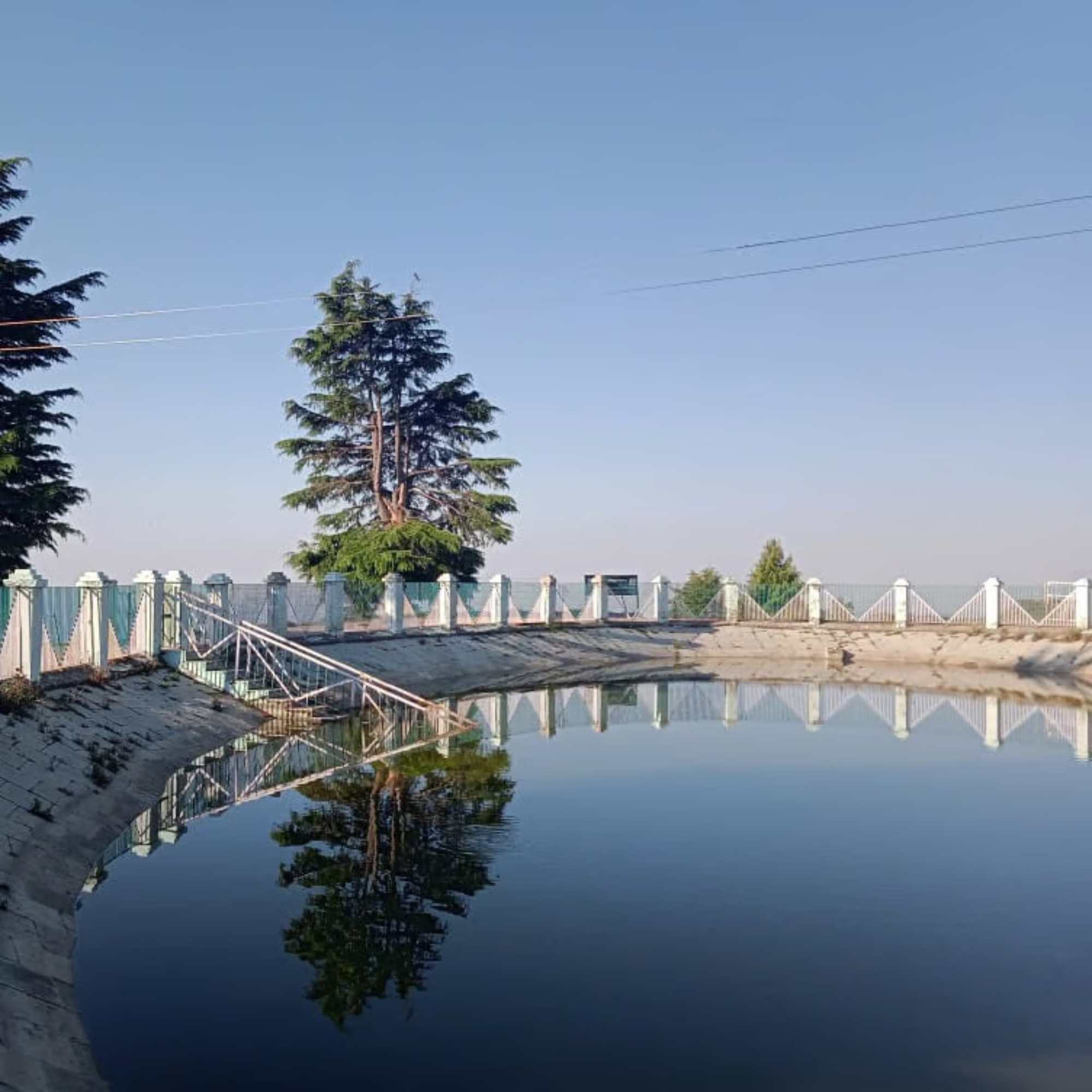
Verify your accommodation before payment and again before arrival. Check recent reviews, reception hours, vehicle access and the real walking route from the road.
Share your itinerary and driver details with a family member or friend. A simple message with the hotel name, vehicle number and expected arrival gives someone useful information if plans change.
Keep the phone charged and carry the hotel address offline. Mobile service or power may not always behave as you expect during bad weather or transport disruption.
Check the weather before departure and again on the travel morning. We have found that a same day check gives you a better decision point than a screenshot saved earlier in the week.
Wear shoes with grip. Shimla’s stairs and slopes can feel easy in dry weather and difficult after rain, frost or snowfall.
Use alcohol responsibly and avoid isolated shortcuts. Choose active, well lit routes even when a map shows a quicker path through a quiet lane.
Plan road journeys during daylight where possible. A rested driver, sensible pace and flexible arrival plan support safety more than a rushed schedule.
Keep emergency numbers saved, but do not treat them as a substitute for early judgement. Turn back from an unstable route, postpone an unnecessary drive and follow official instructions during severe weather.
Which Emergency Numbers Should Tourists Save?
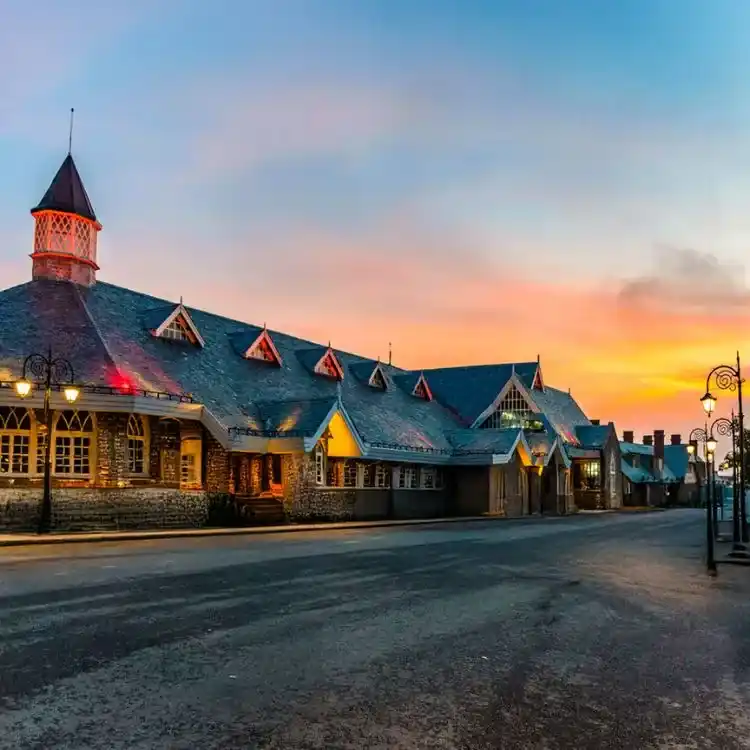
For a police emergency, call 112 or 100. These numbers should stay easy to find on your phone.
Women can call the women’s helpline on 1091. The Gudiya helpline number is 1515.
For a medical emergency, call 108 or 102. Share your location clearly and mention the nearest known landmark.
For Shimla District disaster management, call 1077. Use this during a serious weather, landslide or disaster related situation.
The Shimla disaster control room numbers are 0177 2800880, 0177 2800881, 0177 2800882 and 0177 2800883.
For accidents, landslides, road blockages or other emergencies on national highways, call 1033.
For cybercrime reporting, call 1930. The Shimla Cyber Crime Cell number is 0177 2620331.
Save these Shimla emergency numbers before the journey. In a stressful moment, searching through old messages wastes time.
Is Shimla Safe Right Now? August 2026 Update
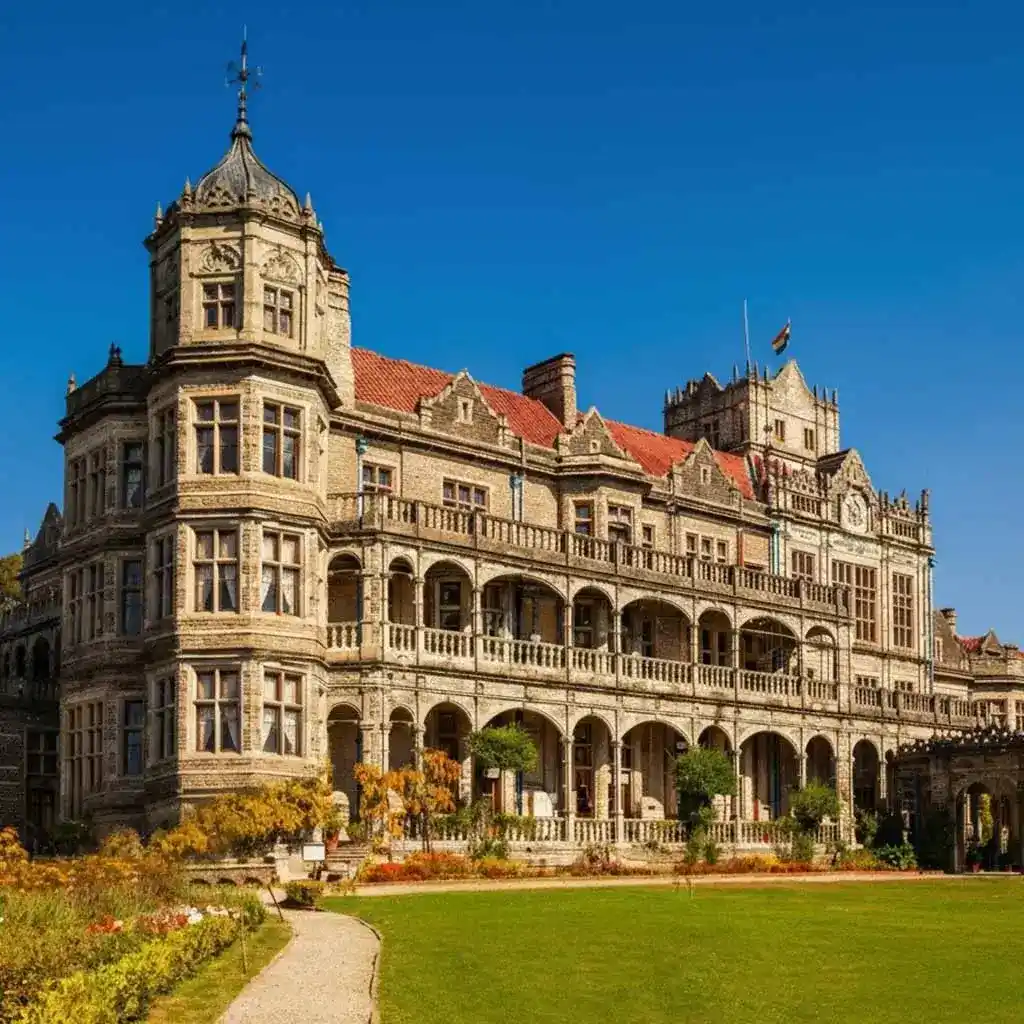
This update applies to 5 August 2026 and needs a fresh check before publication or travel.
On 5 August 2026, IMD showed heavy rain warnings for Himachal Pradesh through 11 August 2026. Check the latest IMD warning before publishing or travelling, as weather alerts can change.
Reports said authorities suspended four Kalka-Shimla railway services through 5 August 2026 because rainfall increased landslide or rockfall risk.
Reports on 3 August 2026 said NH5 remained open. Check the latest railway service and road status before publication and again on the day of travel.
These updates do not mean that Shimla city remains permanently unsafe or closed. They mean travellers should confirm the exact road, train and weather position for their own departure time.
Shimla road safety today can change faster than a general travel article. Check official traffic guidance, railway service status, district notices and your transport operator before leaving.
Travellers comparing another Himachal base can also read our Dharamshala and McLeodganj guide before adjusting the wider itinerary.
Final Verdict: Should You Visit Shimla?
Shimla generally suits ordinary tourists, families and solo women who follow normal precautions. You do not need to approach the town with fear, but you should respect its slopes, weather and changing transport conditions.
The verdict can change temporarily during an official severe weather warning, active road closure or major snowfall. A delay or route change may protect the trip rather than spoil it.
Local planning support helps families, elderly travellers, first time hill drivers and anyone travelling during uncertain weather. Good planning connects the hotel entrance, vehicle, walking load and current road position.
Explore Our Curated Shimla Tour Packages
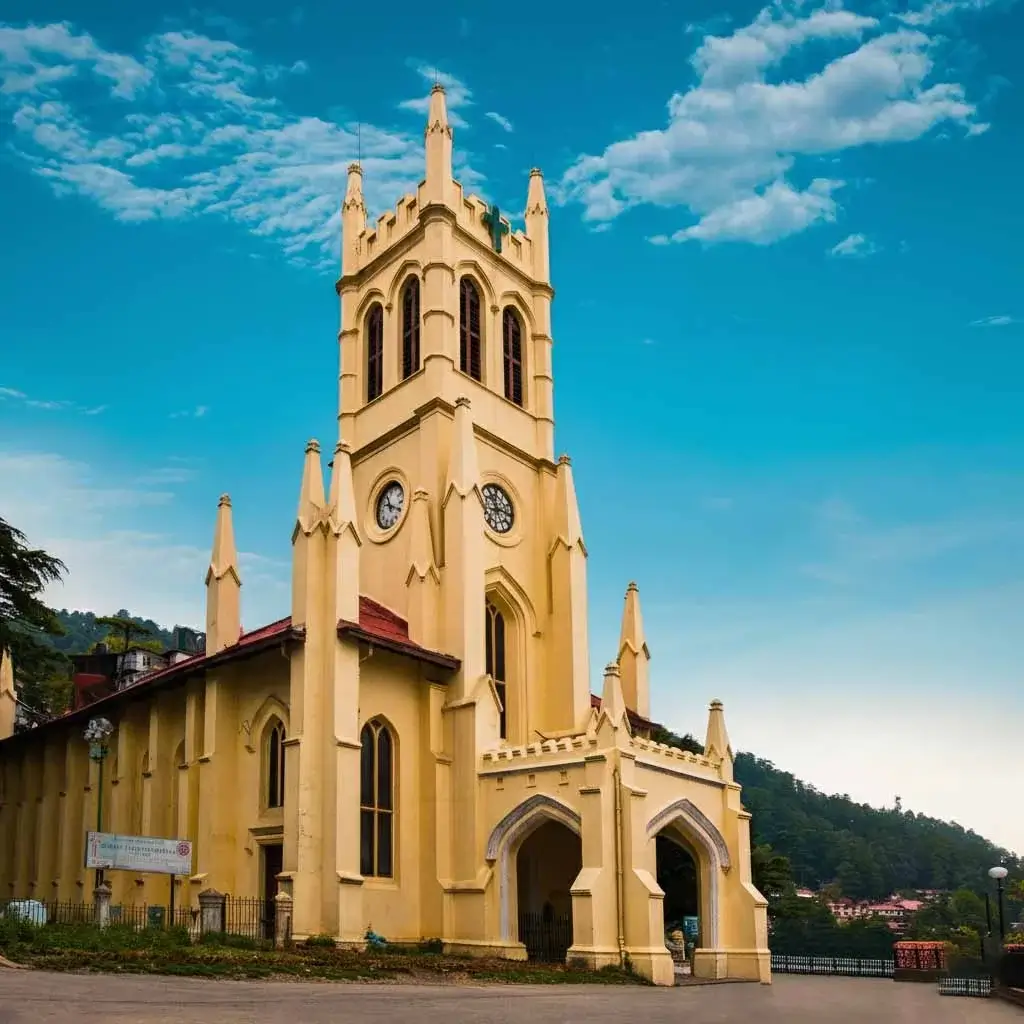 6D/5N
6D/5NClassic Shimla Kufri Mashobra Narkanda Experience
1D Delhi•3D Shimla+2
₹12,999₹18,999SAVE INR 6,000/ person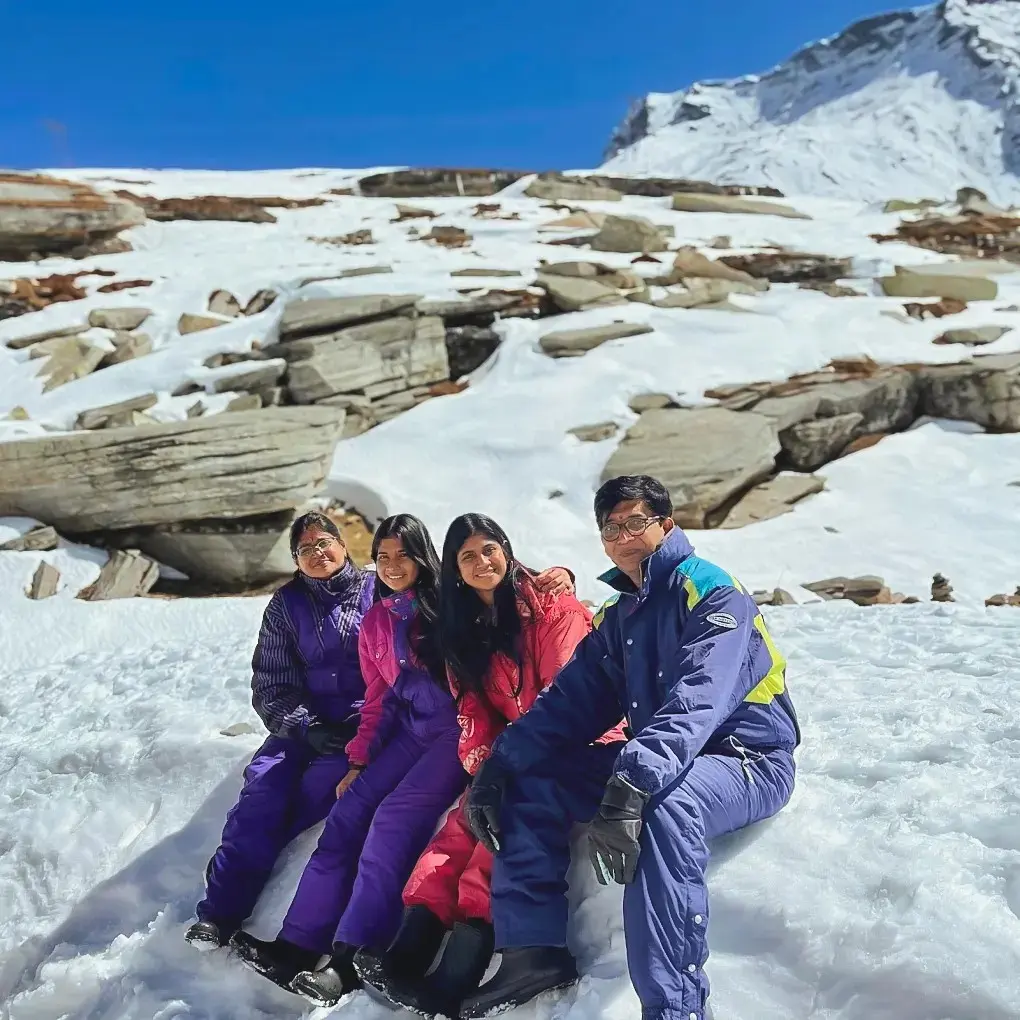 7D/6N
7D/6NComplete Shimla Manali Volvo Package with Rohtang Pass
2D Shimla•2D Manali
₹15,999₹19,499SAVE INR 3,500/ person- 7D/6N
Classic Shimla Kufri Chail Narkanda Pine Valley Experience
1D Delhi•2D Shimla+3
₹17,600₹23,999SAVE INR 6,399/ person
Related topics
Frequently Asked Questions
Is Shimla safe for tourists right now?
Shimla is generally safe for tourists when there are no active weather warnings or road closures. During heavy rain or snowfall, check the latest weather, road and railway updates before travelling.
Is Shimla safe for a solo female traveller?
Yes, Shimla can be suitable for solo female travellers with normal precautions. Stay in a central hotel, use trusted transport, share trip details and avoid isolated areas after dark.
Can women walk on Mall Road alone in the evening?
Mall Road is one of Shimla’s busiest tourist areas and is generally comfortable for evening walks. Stay in well-lit, active areas and plan your return before nearby streets become quiet.
Is Shimla safe for families with small children?
Yes, Shimla is generally family-friendly, but parents should be careful on slopes, stairs, viewpoints and slippery paths. Choose an easily accessible hotel and keep sightseeing relaxed.
Is Shimla suitable for senior citizens?
Shimla can suit senior citizens if the hotel offers convenient vehicle access, lifts and minimal stairs. Keep sightseeing light and confirm the actual walking distance and slope before booking.
Is Shimla safe during July and August?
July and August require extra caution because heavy rain, landslides, slippery roads and rockfalls are possible. Check weather and road conditions on the day of travel.
Is it safe to drive to Shimla during rain?
Driving may be possible during light rain, but heavy rain can reduce visibility and increase landslide or rockfall risk. Travel in daylight and avoid driving when official warnings or closures are active.
Is Shimla safe during snowfall?
Shimla can be visited during snowfall, but black ice, slippery roads and poor visibility can cause delays. Use an experienced local driver if you are unfamiliar with winter hill driving.
Which situations should tourists avoid in Shimla?
Avoid isolated shortcuts after dark, unstable slopes, cliff edges and unnecessary night driving during bad weather. Also avoid unidentified transport providers and always verify hotel or taxi arrangements.
Are Shimla taxis and buses safe?
Regular buses and established taxi operators are generally suitable for tourists. Confirm the fare, vehicle, driver and destination beforehand, especially when booking taxis from busy transport points.
Are the monkeys at Jakhu Temple dangerous?
Monkeys around Jakhu Temple can grab food, glasses, cameras and loose belongings. Keep food hidden, secure your valuables, maintain distance and never tease or feed them.
More about Shimla
 Shimla
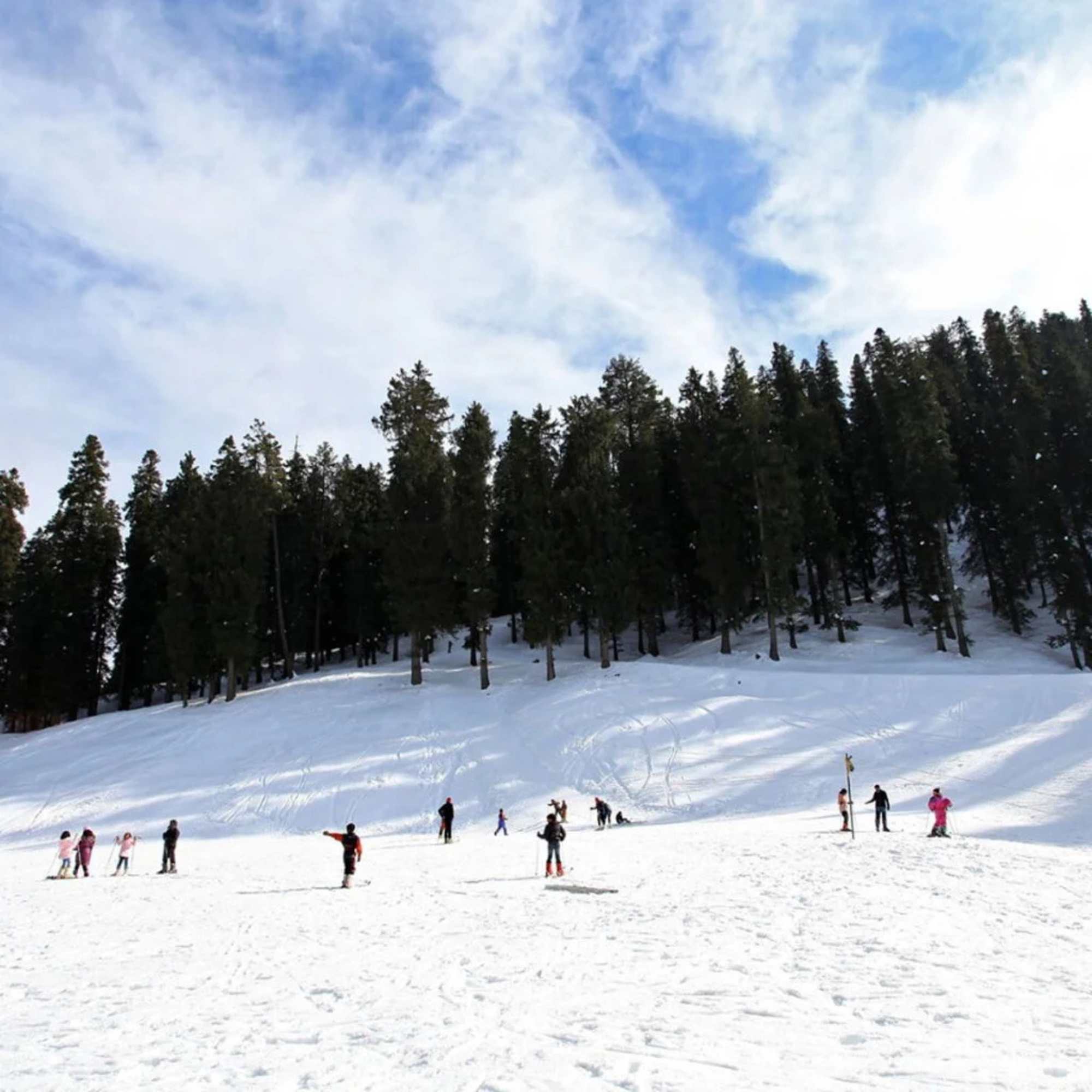
Shimla Snow Trip 2026: Best Time, Itinerary, Cost and Local Tips
Plan your Shimla Snow Trip 2026 with this complete guide to the best time for snowfall, estimated trip cost, winter itinerary, top snow spots, Kufri visit, and useful travel tips.
- Snow Travel
- Best Time to Visit
 Shimla
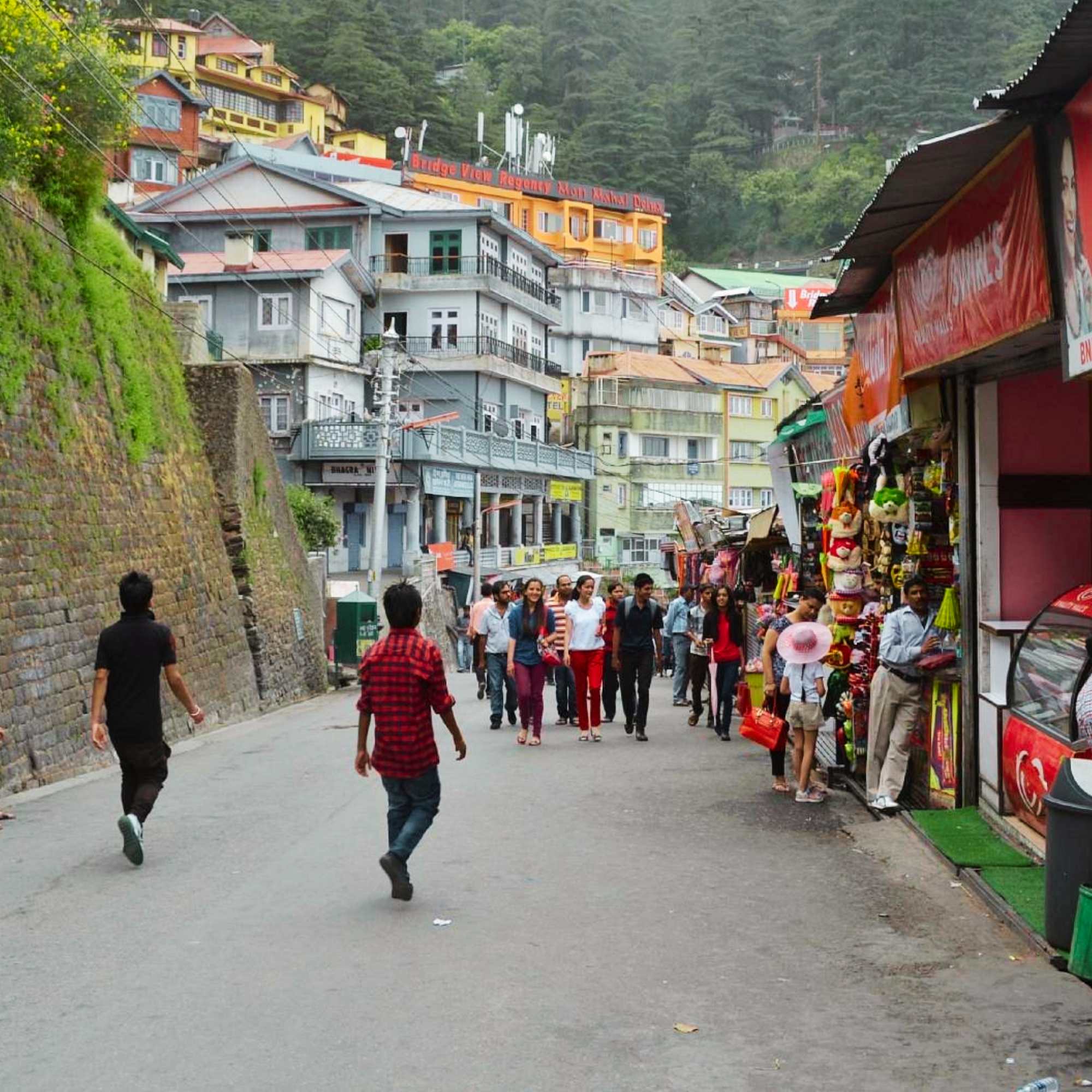
Shimla in February 2027: Weather, Snowfall, Itinerary and Travel Tips
Planning a trip to Shimla in February 2027? Discover typical February temperatures, chances of snowfall, what the weather is usually like, the best places to enjoy snow, what to pack, and practical tips for planning a memorable winter trip to Shimla.
- Best Time to Visit
- Snow Travel
 Shimla
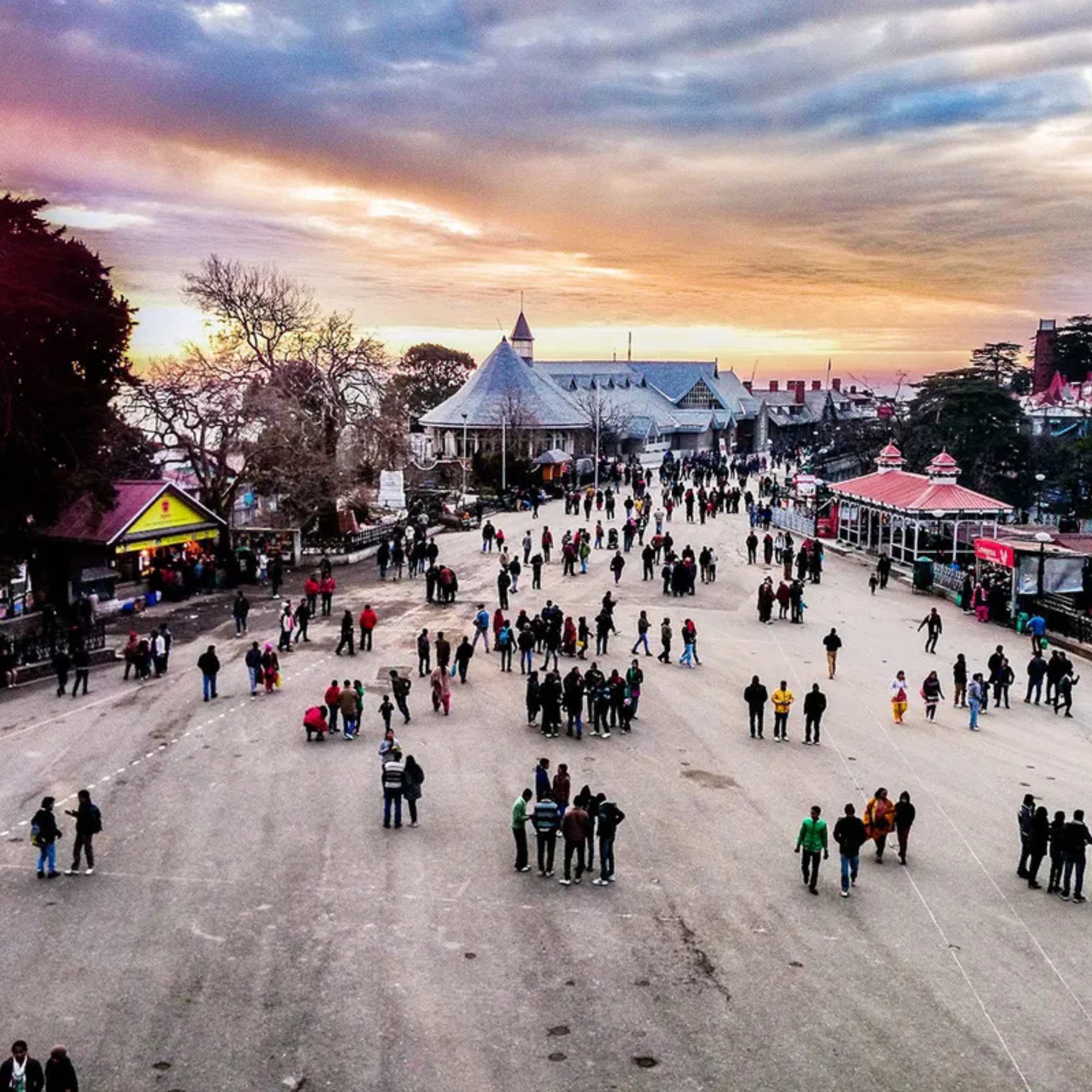
Snow Point Near Shimla in 2026: Kufri, Fagu, Narkanda and the Best Places to Find Snow
Discover the best snow points near Shimla in 2026, including Kufri, Fagu and Narkanda. Find out where to see snow, the best time to visit, and the top winter destinations near Shimla.
- Snow Travel
- Places to Visit