
Delhi to Spiti Valley Bike Trip 2026: Route, Cost, Stops & Complete Guide
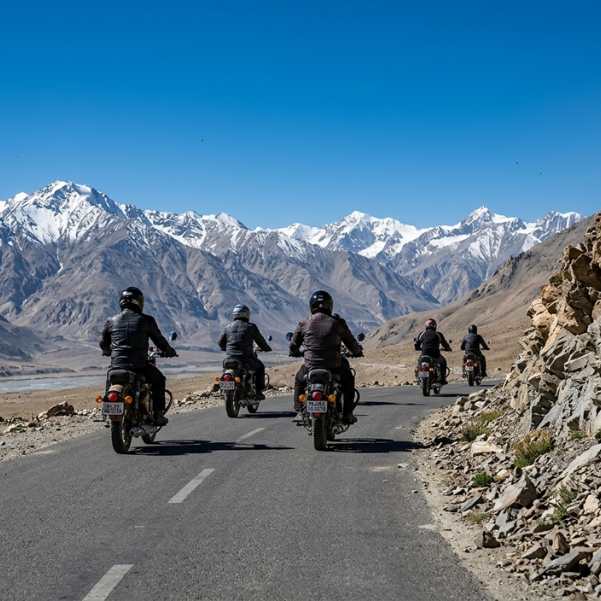
A Delhi to Spiti Valley bike trip is one of those rides that sounds simple on paper and turns into something else entirely once you are past Reckong Peo.
You leave the plains, climb through Kinnaur, cross into a cold desert, and ride past 1,000-year-old monasteries before reaching Kaza. Then you exit through one of the toughest stretches in the country.
This guide by Travel Coffee is the version we wish more riders had before they started the trip. Real numbers, real distances, real stops, and the things that actually go wrong if you do not plan around them.
Quick Answer: Delhi to Spiti Valley Bike Trip in 2026
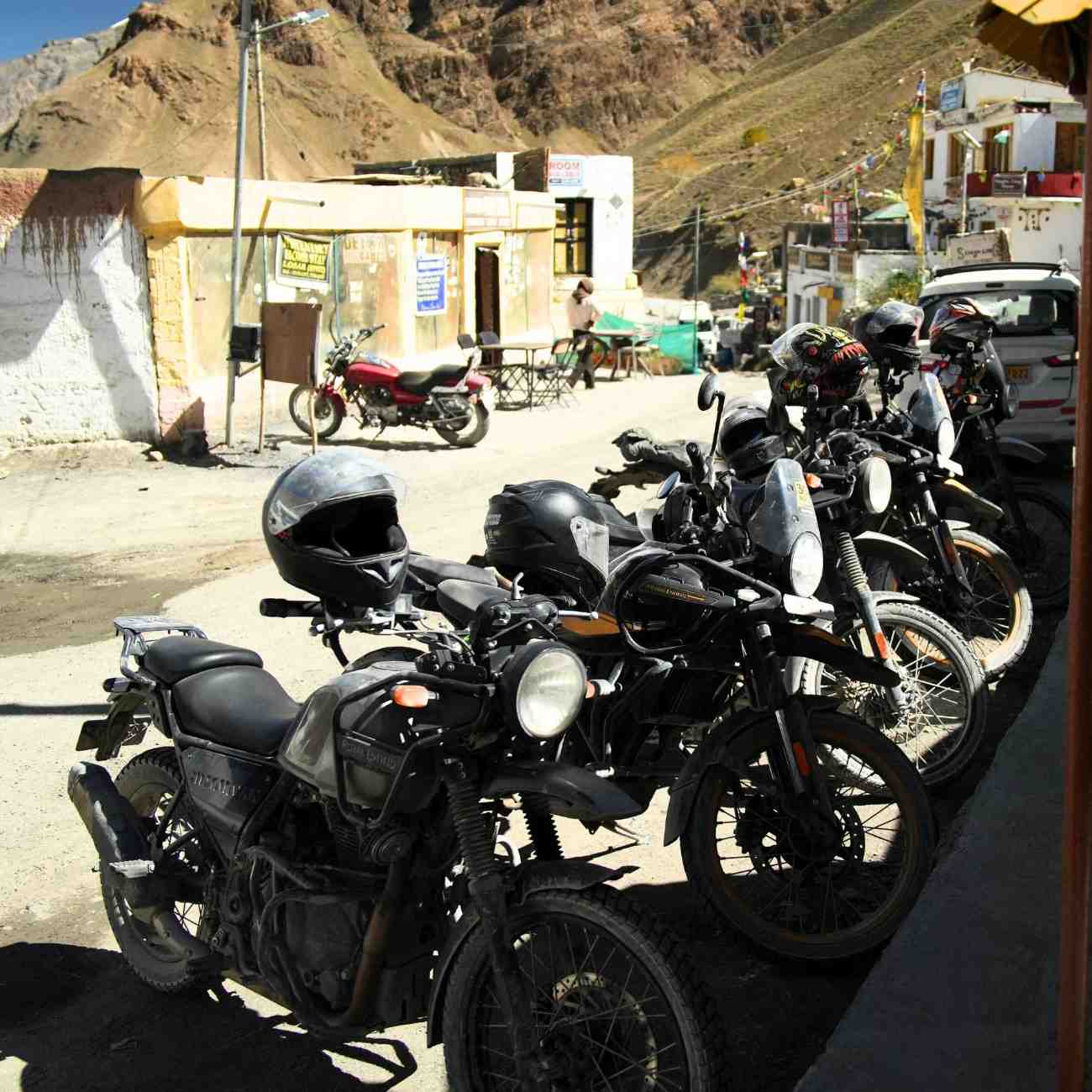
The safest Delhi to Spiti bike route is the Shimla, Kinnaur, Kaza, Chandratal or Sissu, and Manali circuit. Most riders should plan 9 to 10 days for this loop.
Total circuit distance is around 1,700 to 1,800 km depending on detours and side trips. A self-ride budget sits around ₹21,000 to ₹30,000, while guided package prices vary and must be verified before booking.
June to September is the safest full-circuit window. Chandratal and Kunzum Pass status must be checked before you ride, especially in early June.
>>WhatsApp us to plan your Delhi to Spiti bike trip
Is a Delhi to Spiti Valley Bike Trip Worth It?
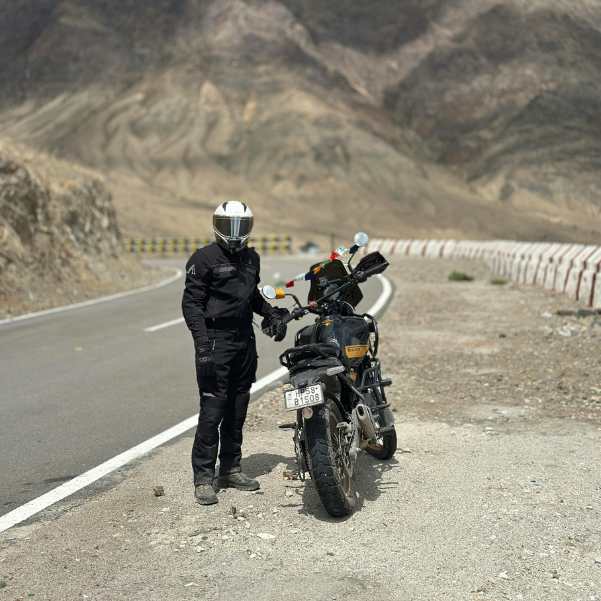
This is not a normal hill ride from Delhi. It is a high-altitude circuit that takes you through Kinnaur's narrow cliff roads, into a Buddhist cold desert, over Kunzum Pass at 4,551 m, past Chandratal or Sissu, and back through Manali.
The reason Delhi riders keep coming back to Spiti is the change you see every single day. Pine forests turn into apple orchards, then into deep gorges along the Sutlej. By Day 4 you are riding through brown mountains that look like Ladakh.
Then Kaza arrives. Café culture, monasteries, prayer flags, and the kind of silence you do not get anywhere south of here. The feeling of completing a real Himalayan circuit, not just a hill station weekend, is what keeps this trip on every Indian rider's list.
In our experience, riders enjoy this trip the most when they treat it like an expedition, not a weekend escape. The riders who try to compress it always leave Spiti before they have actually seen it.
If you want the full local context on the region, our Spiti Valley tour package covers what stays, drivers, and routes work best for different group sizes.
Which Route Is Best for a Spiti Bike Trip from Delhi?
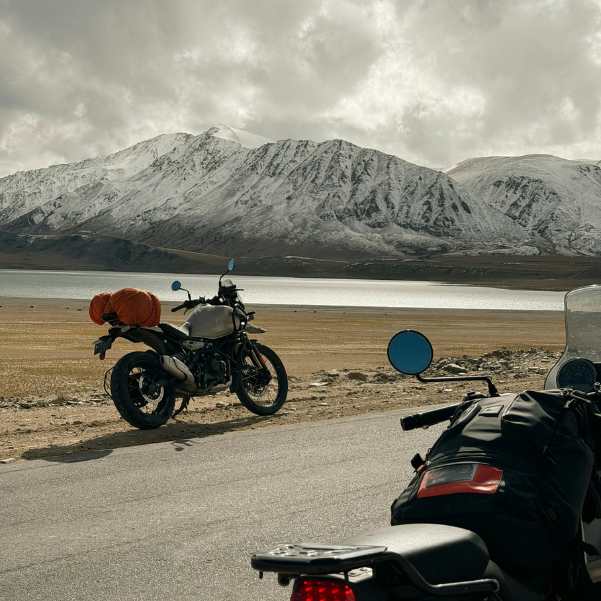
There are two main routes, and choosing the wrong one is the single most common mistake we see first-time Spiti riders make.
Route 1: Delhi to Spiti via Shimla and Kinnaur
This route goes Delhi, Chandigarh, Shimla or Narkanda, Rampur, Sangla or Chitkul, Kalpa, Nako, Tabo, and finally Kaza. The official Lahaul-Spiti administration site confirms Shimla to Kaza is about 412 km and almost all-weather up to Kaza.
We recommend this route for almost every rider. The altitude gain is gradual, which means your body has time to adjust before you hit Kaza at around 3,800 m.
But "almost all-weather" does not mean easy. Landslides, rockfall, and local weather still close sections, especially during monsoon. The roads are narrow, the corners are blind, and the Sutlej drops are deep enough to make you ride at half your usual pace.
Route 2: Delhi to Spiti via Manali
This route goes Delhi, Manali, Atal Tunnel or the Rohtang side, Gramphu, Batal, Kunzum, Losar, and Kaza. On the map it looks shorter. On the bike, it is harder on your body and harder on the machine.
The altitude gain from Manali to Kunzum is sudden. The Gramphu, Batal, Kunzum stretch is one of the roughest tarred-and-untarred sections you will find anywhere in Himachal.
If you have not done a high-altitude ride before, do not start from Manali. Start from Shimla, do the loop, and exit through Manali. Your body will thank you and your bike will thank you.
Our Recommended Delhi to Spiti Bike Route
The route we suggest to most riders is Delhi, Narkanda, Sangla or Chitkul, Kalpa, Nako or Tabo, Kaza, Chandratal or Sissu, Manali, Delhi. This balances acclimatization, sightseeing, and road safety.
You earn your altitude one day at a time. By the time you reach Kaza, the body is ready. By the time you exit through Kunzum, you have already seen Spiti at its best.
For the wider context, our Shimla, Kinnaur, and Manali pages cover what works in each region.
Delhi to Spiti Bike Trip Route Map in Words
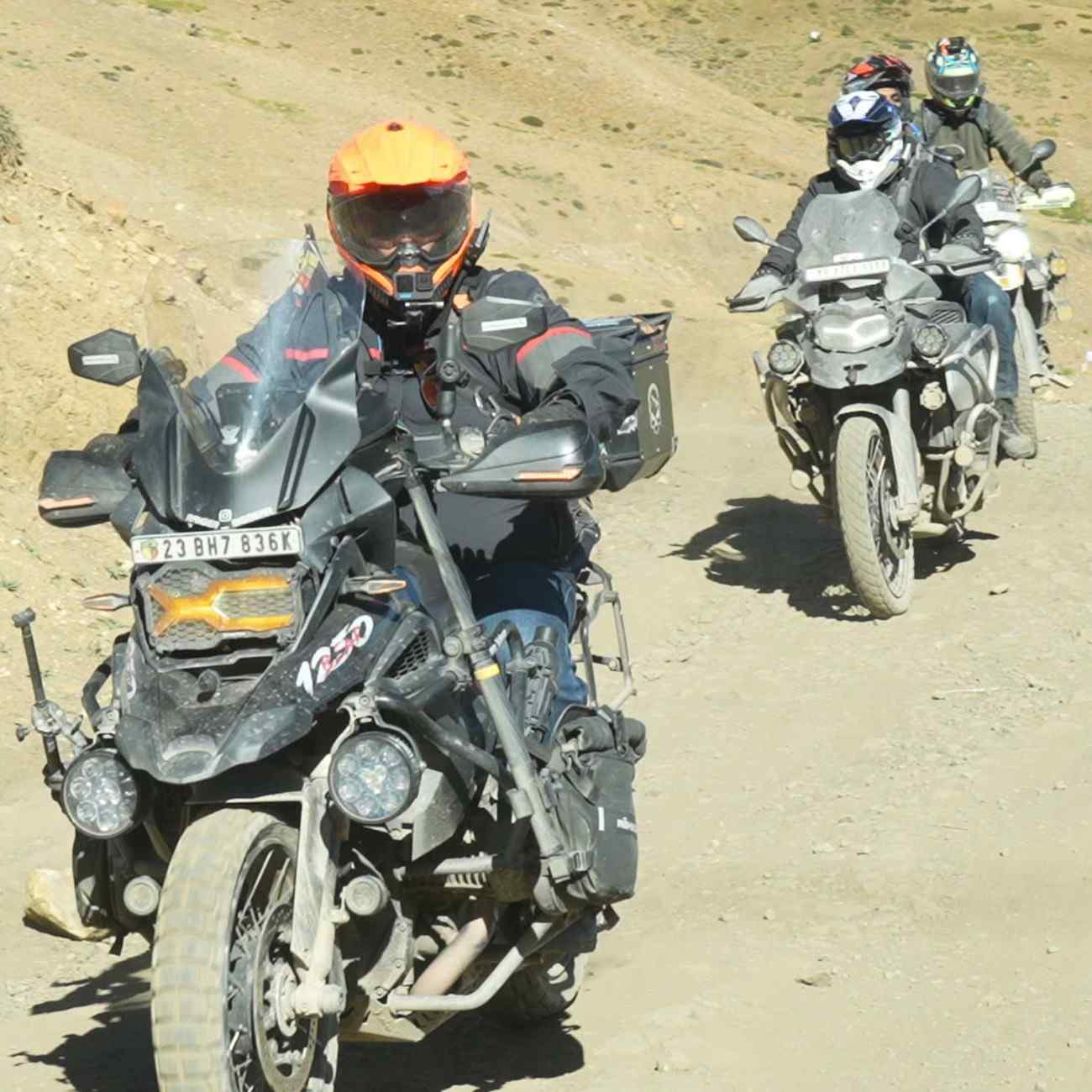
The first leg is fast. Plains until the Chandigarh side, then the hill ride begins as you climb toward Shimla and Narkanda. Riding speed drops sharply once you cross Solan.
After Narkanda, Kinnaur takes over. Narrow mountain roads, sections cut into the cliff, and long stretches along the Sutlej valley where one side is rock wall and the other side is a 200-foot drop into the river.
Past Nako and Tabo, the road turns drier. The trees vanish. You are in Spiti now, and Kaza becomes your main base for two or three days of exploration.
The exit through Kunzum, Batal, Gramphu, Atal Tunnel, and Manali is the toughest riding section of the entire trip when it is open. Water crossings, loose rocks, and sections where you wonder if you are still on a road.
What we always tell our travellers
Do not trust Google Maps timings for Spiti. Photo stops, water crossings, landslides, punctures, fatigue, and roadwork will add hours to every estimate.
How Many Days Are Enough for Delhi to Spiti Valley by Bike?
This is the question that decides whether your trip works or breaks halfway through.
Can You Do Delhi to Spiti in 7 Days?
Possible, but only for experienced riders who skip several stops and accept long riding days. You will be on the bike before sunrise and off the bike after dark on at least three days.
We do not recommend 7 days for first-timers, pillion riders, or anyone who actually wants to see Spiti. You will spend the trip moving and almost no time looking around.
Is 9 Days Enough?
Yes. Nine days is the most practical Delhi to Delhi plan for fit riders. One competitor circuit covers around 1,800 km in 9 days, which is a fair benchmark for what is realistic.
You get one full day at Kaza, you can include Chandratal or Sissu, and you exit through Manali back to Delhi without rushing every stretch.
Why 10 Days Is Safer
Our team recommends 10 days when possible because Spiti rewards slower riding. One extra day is the difference between completing the trip and enjoying it.
That extra day handles AMS recovery, punctures, roadblocks, sudden weather, Chandratal uncertainty, and rider fatigue. You will not regret carrying a buffer. You will regret not carrying one.
For riders who want a guided full-circuit route, our Spiti Bike Trip From Delhi covers Kinnaur, Kaza, Kunzum, Chandratal, local crew, fuel, stays and backup support.
Who Should Choose 12 Days?
Couples, pillion riders, photographers, family groups, and anyone who wants extra time in Kaza or a Pin Valley bike trip. Twelve days lets you actually breathe in Spiti instead of treating it as a checklist.
If you are a photographer, this is the version that pays off. The light at Langza and Komic shifts dramatically through the day, and one rushed afternoon will not give you what an early morning will.
For riders starting from Delhi, a well planned Spiti bike trip makes a big difference. You can explore our Lahaul and Spiti bike expedition for a route designed with realistic riding days, buffer time, and road support.
9-Day Delhi to Spiti Valley Bike Trip Itinerary
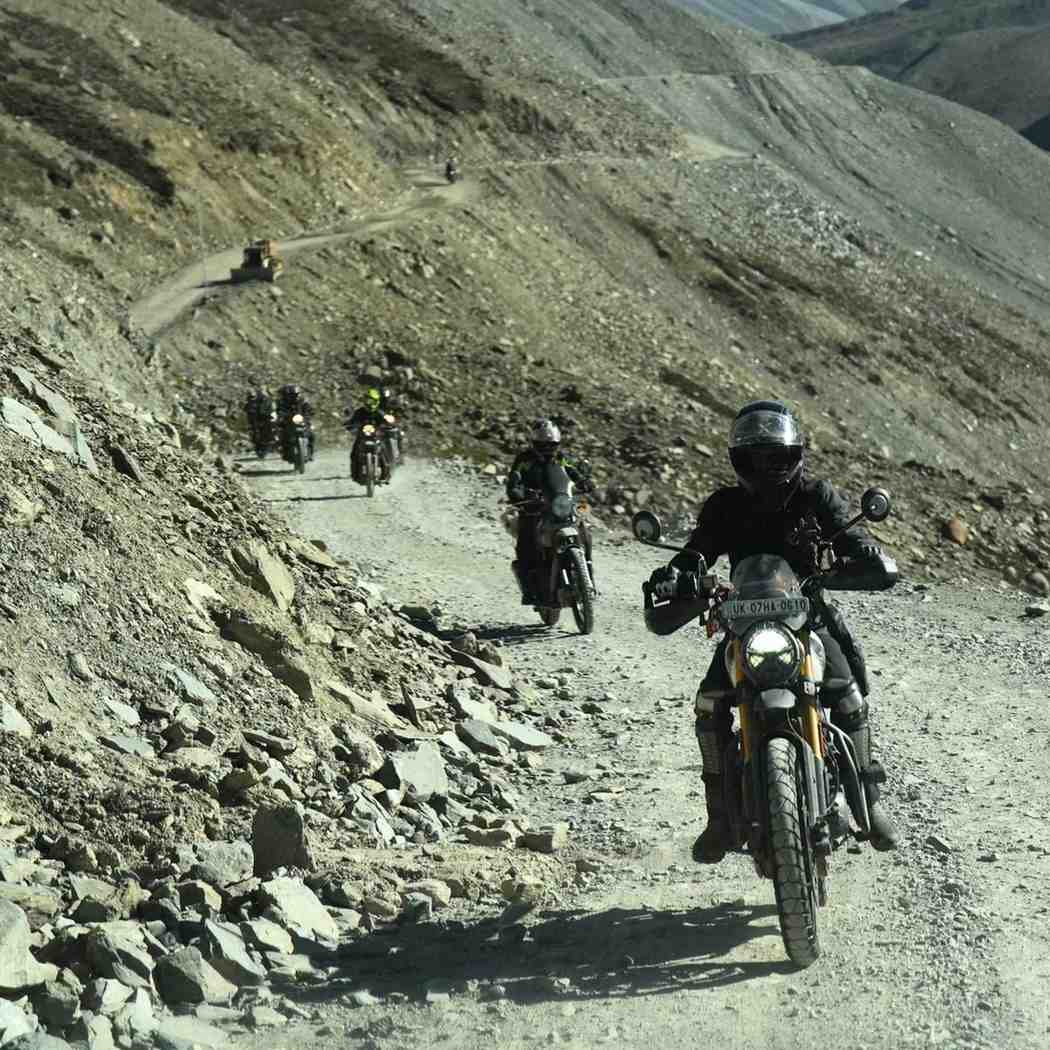
This is the standard plan that works for most fit riders doing the full Delhi-Delhi loop.
Day 1: Delhi to Narkanda
The opening day is approximately 403 km and takes 10 to 11 hours of actual riding. Start from Delhi by 4 AM at the latest. Late starts mean late hill riding, and you do not want to be climbing toward Narkanda after dark.
Narkanda sits at 2,708 m, which gives your body its first taste of altitude. Eat early, sleep early, and let the legs recover before the Kinnaur section starts.
Day 2: Narkanda to Sangla or Chitkul
This stretch is about 160 km and takes 6 to 7 hours, but the kilometres are misleading. The Sutlej valley section is slow, the Kinnaur roads are narrow, and the corners do not let you build any speed.
Some sections are landslide-prone, especially during and after rain. The Chitkul extension is beautiful but depends on weather, daylight, and how tired you are by the time you reach Sangla.
Day 3: Sangla or Chitkul to Kalpa
Only 40 km and 2 to 3 hours. This is your easy day, and you should treat it as one. Use the afternoon for bike inspection, laundry, and slow sightseeing.
Kalpa sits at 2,960 m with a clear view of Kinner Kailash from the right spots. The body uses days like this to acclimatize, even if it does not feel like much is happening.
Day 4: Kalpa to Nako
The ride is about 100 km and takes 4 to 5 hours. You pass Khab, where the landscape changes faster than anywhere else on the trip. Green to brown in under an hour.
Watch for Malling Nallah on this stretch. Water crossings late in the day are harder because of the snowmelt buildup. Cross it before lunch if you can.
Day 5: Nako to Kaza via Tabo and Dhankar
The distance is around 110 km in 4 to 5 hours, but the stops along the way slow you down. Tabo Monastery is over 1,000 years old and one of the most important Buddhist sites in the Himalayas. Skipping it would be a mistake.
Foreign nationals may need a Protected Area Permit for areas including Tabo, Dhankar, and Kaza, so handle that before you ride into the region. Kaza sits at around 3,800 m, which is high enough that AMS becomes a real risk if you push hard the first night.
Day 6: Kaza Local Sightseeing
Key Monastery, Chicham Bridge, Langza, Hikkim, Komic, the Kaza market, and the cafés. Key Monastery overlooks Kaza from about 13,500 ft and is the postcard image you have probably already seen.
Do not treat this as a race day. The body needs rest at this altitude, and trying to cover all five villages in one rushed day is how riders end up with headaches that follow them to Chandratal.
A local insider tip we always share: the Hikkim post office is a 5-minute stop, but if you want to actually post a letter home, carry your own pen and a stamped envelope. The supplies up there run out by mid-season.
Day 7: Kaza to Chandratal or Sissu
The distance is about 100 km and takes 4 to 5 hours depending on Kunzum and Chandratal road status. You ride through Losar, cross Kunzum Pass, drop down to Batal, and then take the diversion to Chandratal if it is open.
If Chandratal is closed, your backup options are Losar or Sissu depending on the direction and current road status. Chandratal early-season access must be verified every year, especially in May and early June.
For the full breakdown on opening dates, our Chandratal opening 2026 guide has the realistic windows. If Chandratal is on your list, our summer Spiti circuit with Chandratal builds the route around the lake's actual opening pattern.
There is also confusion about whether Chandratal sits in Lahaul or Spiti. We have answered that in our Chandra Taal location explainer because it changes how you plan the exit.
Day 8: Chandratal or Sissu to Manali
The ride is about 120 km in 6 to 8 hours. The Batal to Gramphu stretch alone is around 50 km of unpaved, rocky road with water crossings that get worse through the day.
Chacha-Chachi Dhaba or Chhatru are the common breaks if they are open this season. After Gramphu you hit the Atal Tunnel and then drop into Manali, which feels like a different country after the cold desert you just left.
If Sissu is on your route or your Chandratal backup, our Sissu page covers the stays and what to expect there.
Day 9: Manali to Delhi
The final stretch is about 550 km and takes 12 to 14 hours of riding. This is too much in one day after a Spiti exit. Start at first light and stop overnight around Chandigarh if you are tired.
Do not force this leg. We have seen riders push through and crash on the highway in the last 100 km because the body is done. There is no prize for finishing the loop in 9 days flat.
10-Day Safer Itinerary for First-Time Riders
The 10-day plan follows the same route but adds one buffer day. Where you place that buffer depends on what you value most.
The three best options are an extra night in Kaza for proper acclimatization and side trips, an extra night in Kalpa for Kinnaur exploration, or a night halt between Manali and Delhi to break up the highway return.
Our team recommends the 10-day plan for first-time Spiti riders. It is not a luxury. It is the difference between a trip you remember and a trip you barely survived.
Delhi to Spiti Valley Bike Trip Cost in 2026
Cost depends entirely on whether you self-ride, rent, or take a guided package. Here is what each option actually looks like.
Self-Ride Cost
For a 9-day self-ride trip, fuel runs around ₹7,200 to ₹9,000 depending on your bike's mileage. Accommodation works out to ₹7,200 to ₹10,800 if you stay in basic guesthouses and homestays.
Food costs about ₹6,300 to ₹8,100 for the trip, and miscellaneous expenses (entry fees, tea stops, small repairs) add another ₹900 to ₹1,800. Total comes to approximately ₹21,600 to ₹29,700.
A practical rounded budget is ₹21,000 to ₹30,000 per person for a self-ride. Costs change with bike mileage, hotel choices, food style, repair needs, and how many buffer days you carry.
Rented Bike Cost
Rental prices depend on bike model, pickup location, deposit amount, fuel inclusion, gear inclusion, and damage policy. Travel Coffee rental costs are not included here because they need to be confirmed for your specific dates and bike preference.
What we can say is this: a Royal Enfield Himalayan from Manali will cost more than a Classic 350 from Delhi, and pickup location matters more than people realise. A bike rented in Manali skips the highway leg entirely.
Guided Package Cost
At Travel Coffee, our pricing reflects what's actually included: experienced ride leaders who know the terrain, vetted homestays, fuel-stop planning, emergency oxygen, and a support vehicle that stays with the group. We'd rather quote you honestly than hook you with a low headline number that grows at checkout.
A guided package is useful when you want a road captain, mechanic, backup vehicle, stays, meals, oxygen, and local support handled for you. For most first-time Spiti riders, this is the easier choice.
>>WhatsApp now for the right Spiti route, dates, and backup plan
Fuel Stops on Delhi to Spiti Bike Route

Fuel is easy until you cross into the lower Himachal and Kinnaur belt. After that, you cannot take fuel casually. The rule we tell every rider: refuel when fuel is available, not when the bike is almost empty.
Major towns through Chandigarh, Shimla, and Rampur have plenty of stations. Reckong Peo and Tapri are your last reliable refuel points before the long Spiti stretch.
In Kaza, the IndianOil HPSC Kaza retail outlet is officially listed at Beolia, Spiti, with regular hours from 6:00 AM to 10:00 PM on all days.
However, because Kaza is a high altitude and remote fuel point, do not depend on timing alone. Call ahead or confirm locally before riding out, as fuel supply and operational status can still vary due to weather, road closures, and tanker movement.
Fill the tank fully at Reckong Peo or Tapri before pushing into Kinnaur, and again at Kaza before heading toward Kunzum. If you ride a small-tank bike, carry extra fuel in a proper, safe jerry can. Loose plastic bottles are a fire risk and customs at checkposts will not be amused.
Do You Need Permits for a Delhi to Spiti Bike Trip?
Permits confuse most riders because the rules differ for Indian and foreign nationals, and the Rohtang side has its own separate set of permits.
Indian Riders
Indian citizens do not need an Inner Line Permit or Protected Area Permit for the normal tourist Spiti circuit. You do need to carry your driving license, vehicle RC, valid insurance, PUC certificate, and a government photo ID.
Checkposts along the way may note your details, especially in Kinnaur. Keep digital and physical copies of every document because mountain weather is not kind to paper.
Foreign Nationals
Foreign nationals need a Protected Area Permit for protected areas in the region. The official protected area list includes Khab, Samdo, Dhankar, Tabo, Gompa, Kaza, Morang, and Dubling.
Permits are issued by authorised government officials and should be handled before you enter restricted areas. Trying to sort this out at a checkpost halfway through your trip is the wrong place to start.
Rohtang, Beyond Rohtang, Atal Tunnel, and Green Tax
The Rohtang sightseeing permit and the Beyond Rohtang permit are different things. The official Rohtang portal lists separate categories for Rohtang Pass, Special Rohtang Pass, Beyond Rohtang, Hamta Pass, and Manali Green Tax.
What you actually need depends on whether you cross Rohtang itself, use the Atal Tunnel, or only enter Manali without going further. Verify the requirement based on your specific route before departure.
For a clearer breakdown of Indian traveller rules, foreign national permits, Rohtang permissions, Atal Tunnel access, and route wise document requirements, you can read our detailed Spiti Valley permit guide.
For riders who want to focus on the ride instead of getting stuck between permit rules and road paperwork, our Lahaul and Spiti bike tour gives you planned support, document guidance, and a managed route.
Best Time for Delhi to Spiti Valley Bike Trip in 2026
Timing this trip is half the planning. Pick the wrong month and the route is closed. Pick the right month and everything else falls into place.
June
June is a popular full-circuit month, but early June still needs Kunzum and Chandratal status verification before you commit. Snow walls along the road, rough surfaces from winter damage, and opening-season uncertainty are all part of the experience.
What June gives you that no other month does is the dramatic snow-edged landscape and emptier roads. What it takes from you is predictability.
July and August
Spiti itself is a rain-shadow region, so the cold desert stays mostly dry. Kinnaur and lower Himachal, however, can face heavy rain, landslides, and roadblocks during these months.
The fix is buffer days. Two extra days built into a July or August plan will save you from the kind of breakdown a single landslide can cause. We have seen July rides delayed by 36 hours waiting for the road past Wangtu to clear.
September
For experienced riders, September is often the best balance. Roads are usually open, the monsoon has receded, the skies are clearer, and the crowds reduce sharply after the first week.
Nights get colder, especially around Kaza and Chandratal. If you have warm gear and you do not mind a 0 to 5 degree night, September is hard to beat.
October
October is only for experienced riders. Temperatures drop fast, black ice risk rises in the early mornings, and the closure risk for the Manali-Kaza route via Kunzum increases as the month progresses.
We do not recommend October for first-timers without local confirmation of road status. The upside is empty roads and the cleanest light of the year. The downside is that one early snowfall can lock you in or out.
Road Conditions and Difficult Stretches
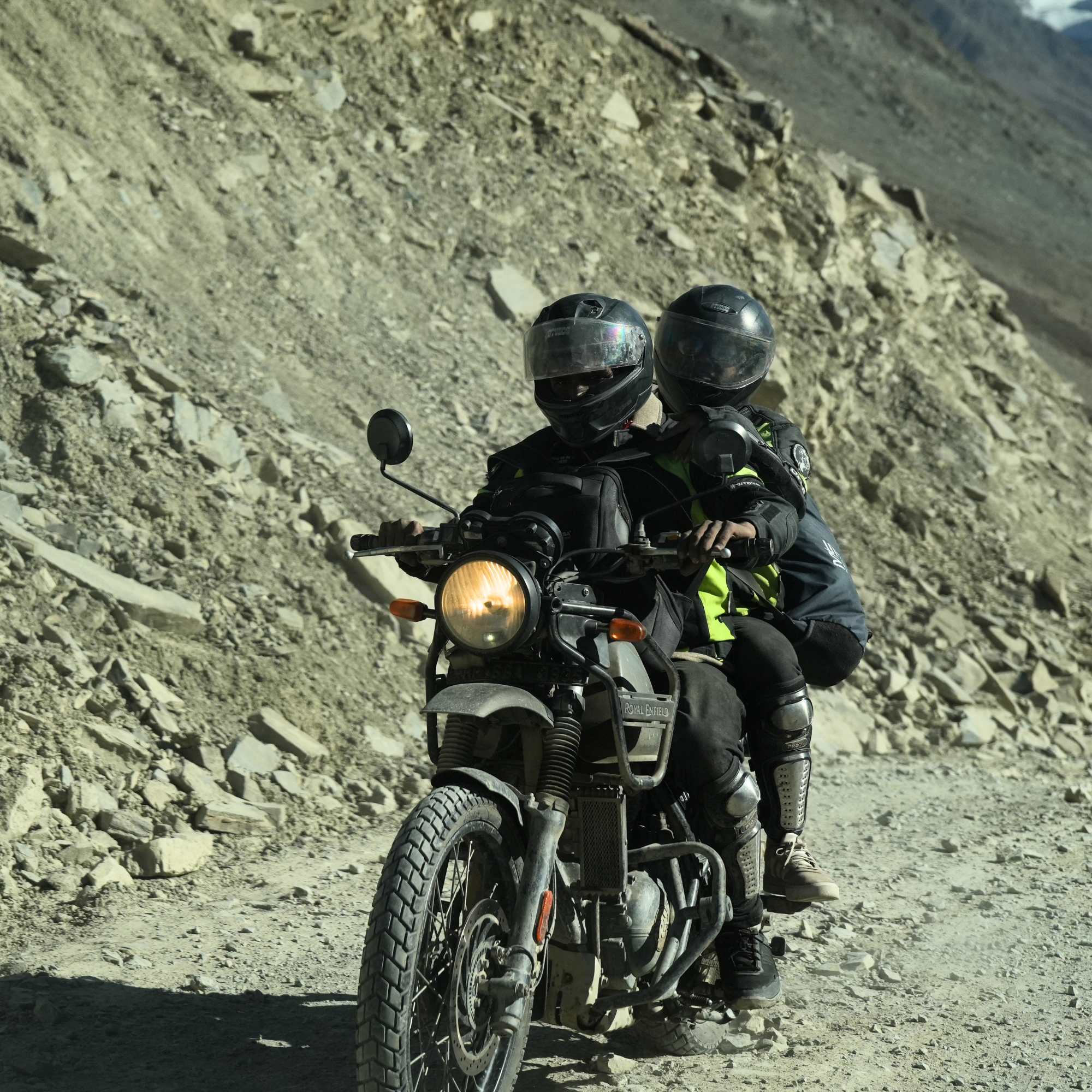
Knowing where the road actually breaks down is the difference between confident riding and panic riding.
The Kinnaur narrow roads and rockfall zones are the first real test. Sections cut into cliff faces, falling rocks during and after rain, and oncoming trucks that do not give an inch.
The Malling Nallah area in Kinnaur is a classic water crossing zone where the flow changes through the day. Cross it in the morning when the snowmelt is lower.
Losar to Kunzum is high-altitude and exposed. Wind picks up sharply by midday, and the road surface is mixed gravel and broken tar.
Batal to Gramphu is the section riders talk about for years. Around 50 km of unpaved, rocky terrain with water crossings that often need ride-throughs rather than gentle crossings.
Water crossings near the Manali exit are usually easier earlier in the day and worse by afternoon. The pattern repeats: glacier melt builds through the day, then floods the crossings between 1 PM and 5 PM.
Temporary closures happen for many reasons. Recent 2026 news showed closures around the Atal Tunnel, Solang, and Sissu due to administrative reasons. This is just one example of why riders must check current advisories one day before crossing each section.
Which Bike Is Best for Spiti Valley?
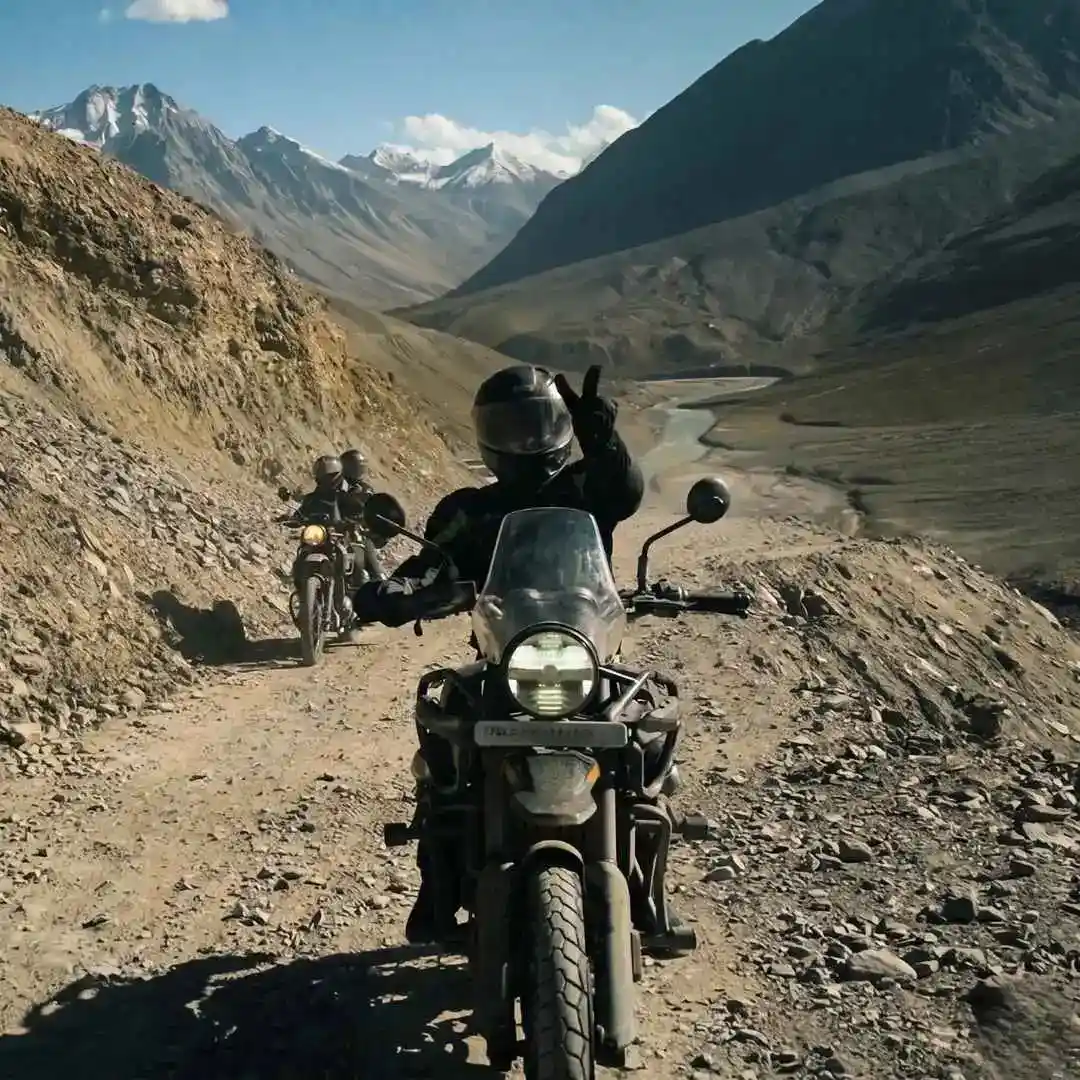
The honest answer: bike condition matters more than brand. A well-maintained 200cc machine will outperform a neglected 500cc one on this route.
The bikes most commonly used for Spiti are the Royal Enfield Himalayan, Classic 350, Hero Xpulse, and Royal Enfield Meteor, alongside other well-maintained touring bikes. None of them are mandatory.
What matters is preparation. Fresh brake pads, a clutch in good shape, a chain that has been cleaned and tightened, fresh engine oil, tyres with real tread left, a puncture kit, basic tool kit, spare tubes if you ride tube tyres, throttle and clutch cables, bungee cords, and waterproof luggage.
Bikes in the 150 to 200 cc range can do Spiti if the rider is experienced and the luggage is light. Performance at altitude and on broken roads will be limited, and you will work harder than someone on a 400cc machine.
In our experience helping riders prep for Spiti, the single most ignored thing is tyre tread. Riders show up with 60 percent worn tyres and assume they will manage. They do not.
What to Pack for a Spiti Bike Trip from Delhi
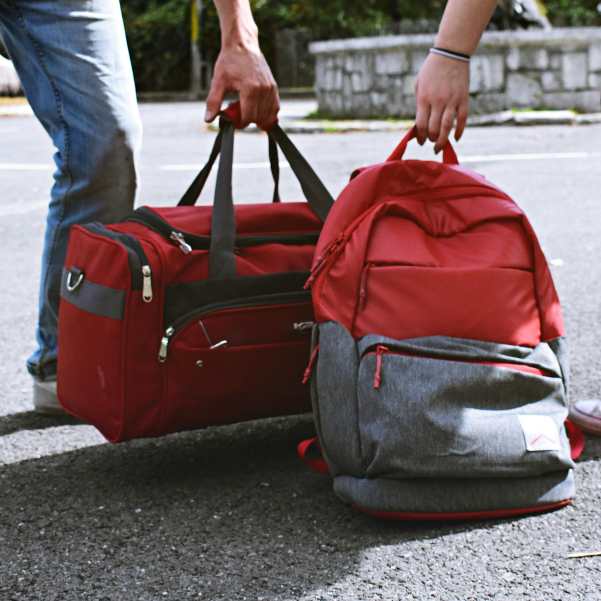
Riding gear comes first. A full-face helmet, a proper riding jacket with armour, riding gloves, knee guards, and either riding boots or sturdy ankle shoes. Leave the sneakers at home for the highway leg only.
A waterproof rain layer, thermal layer, warm socks, and a neck warmer or buff are non-negotiable for anywhere past Kalpa. Sunscreen, lip balm, and sunglasses with proper UV protection matter because the sun at 12,000 feet is brutal even on cloudy days.
Carry your usual medicines, ORS sachets, enough cash to last the entire trip, offline maps downloaded before Kinnaur, a power bank, a small torch or headlamp, and bungee cords for luggage. A spare key kept somewhere separate from your main set has saved more than one rider we know.
According to rider sources, BSNL and MTNL have wider call connectivity in Spiti, but no network should be expected in remote stretches. Download offline maps before entering Kinnaur and Spiti. Once you cross Reckong Peo, mobile data becomes a luxury, not a given.
Is Delhi to Spiti Bike Trip Safe for Solo Riders and Pillions?
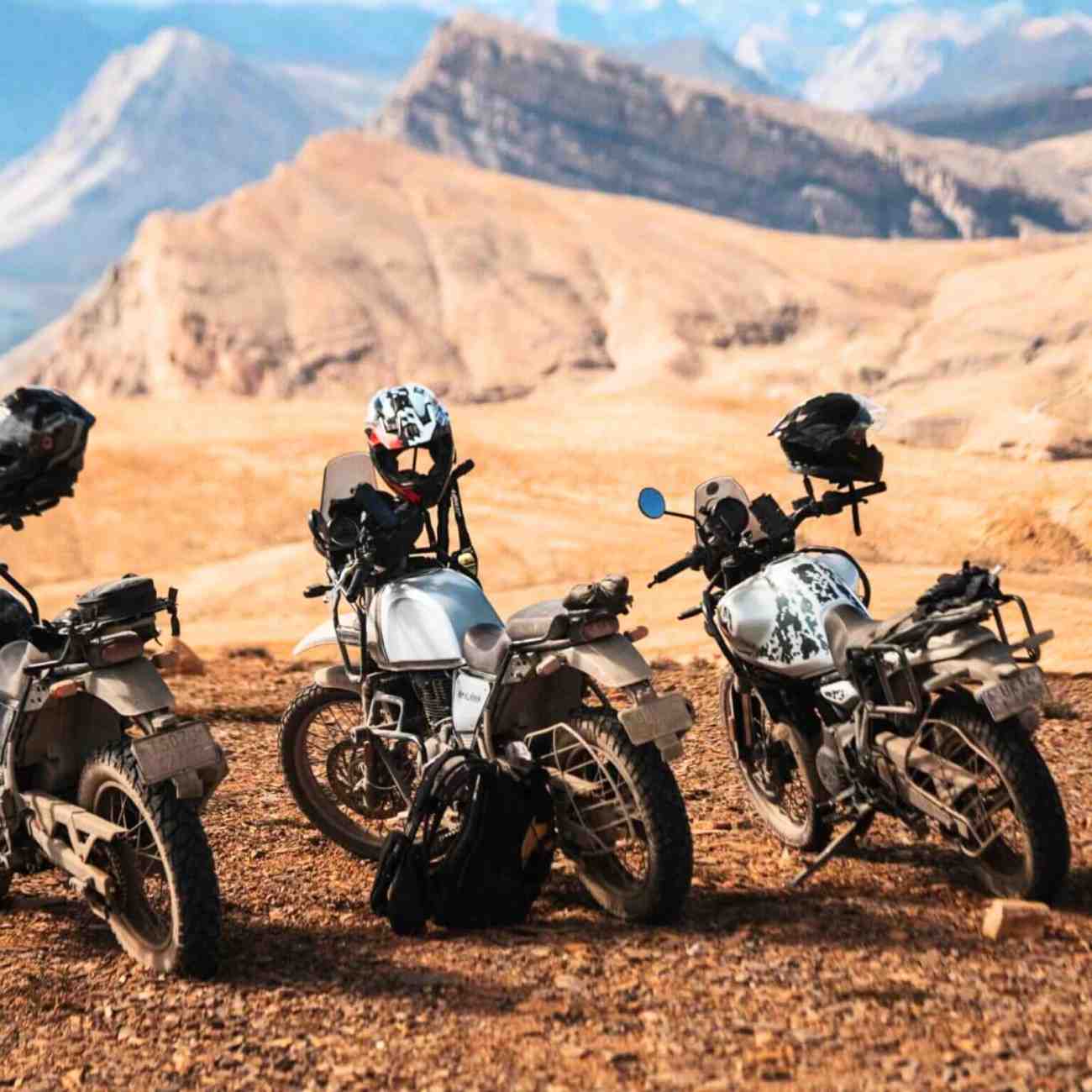
Safe for prepared intermediate and experienced riders. Not safe for careless riding or first-time mountain riders going alone without support.
The CDC's high-altitude advice is the simple version of what works. Ascend gradually, avoid alcohol for the first 48 hours at high altitude, and do not push too hard physically when you first arrive at altitude.
AMS symptoms generally include headache, loss of appetite, nausea, tiredness, dizziness, and trouble sleeping. The fix is rest, hydration, no alcohol, and descent or medical help if symptoms worsen instead of improving.
For pillion riders, the trip works with the right plan. Lighter luggage, more breaks, a comfortable seat (consider a gel pad), and not forcing 8-hour riding days. A 10 to 12 day plan suits pillion travel far better than a 9-day push.
For solo female riders, our Spiti solo female safety guide covers what we have seen work over the years.
Common Mistakes Riders Make on Delhi to Spiti Route
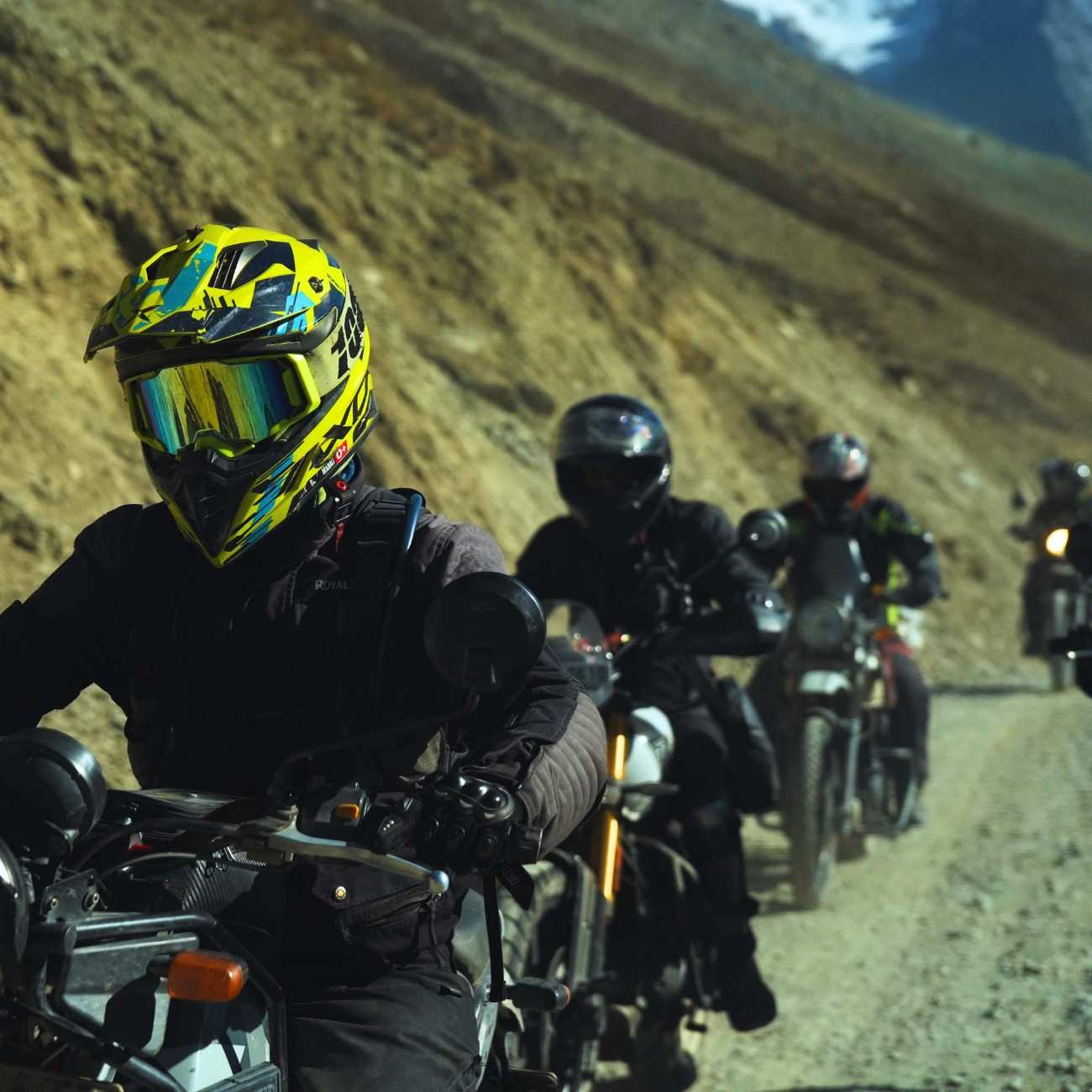
The mistakes are the same every season. We see them often enough that we can almost predict them.
Starting from Manali without acclimatization is the top one. Riders fly into Delhi, take a Volvo to Manali, and try to ride to Kaza via Kunzum the next day. The body does not get a vote, and AMS hits hard at Batal.
Ignoring bike service before the trip is the second. A bike that runs fine in Delhi traffic is not the same as a bike that runs fine on a 10 percent gradient at 14,000 feet. Service it. Test it. Then service the small things again.
Overpacking is the third mistake. Every extra kilo on a Spiti bike trip costs you on the rough sections and during punctures.
Riding after dark on these roads is genuinely dangerous. Mountain animals, blind corners, broken sections, and oncoming trucks all become harder to handle without daylight.
Relying only on UPI is a mistake we see every season. Many places past Reckong Peo do not accept digital payments because of the network. Carry cash.
Not checking Chandratal road status before committing is another classic. The Manali-Kaza road being open does not mean the Chandratal diversion is open.
Forcing water crossings late in the day creates avoidable risk. Cross by 11 AM where possible. The flow doubles by 3 PM.
Underestimating Batal to Gramphu is something experienced riders also do. It is short on the map and long on the ground. Not keeping a buffer day is the final, most preventable mistake.
Should You Do It Yourself or Book a Guided Spiti Bike Trip?
DIY works for riders who already know mountain roads well, can handle punctures and basic repairs, can plan stays as the trip evolves, and have time to absorb unexpected delays.
A guided trip is better for first-time Spiti riders, mixed-experience groups, couples, pillion riders, office groups, and anyone who wants the route handling done by someone who has driven it for years.
You get a road captain, backup vehicle, mechanic, oxygen support, stays, meals, and local route knowledge.
We are based in Shimla, Himachal Pradesh, and we have helped riders from Delhi customise their Spiti trips for years. Whether you want a fully guided ride or just route planning and stay bookings, the team can put together what fits your group.
>>WhatsApp our team for a smooth and well planned Spiti journey
Explore Our Curated Spiti Valley Bike Trips
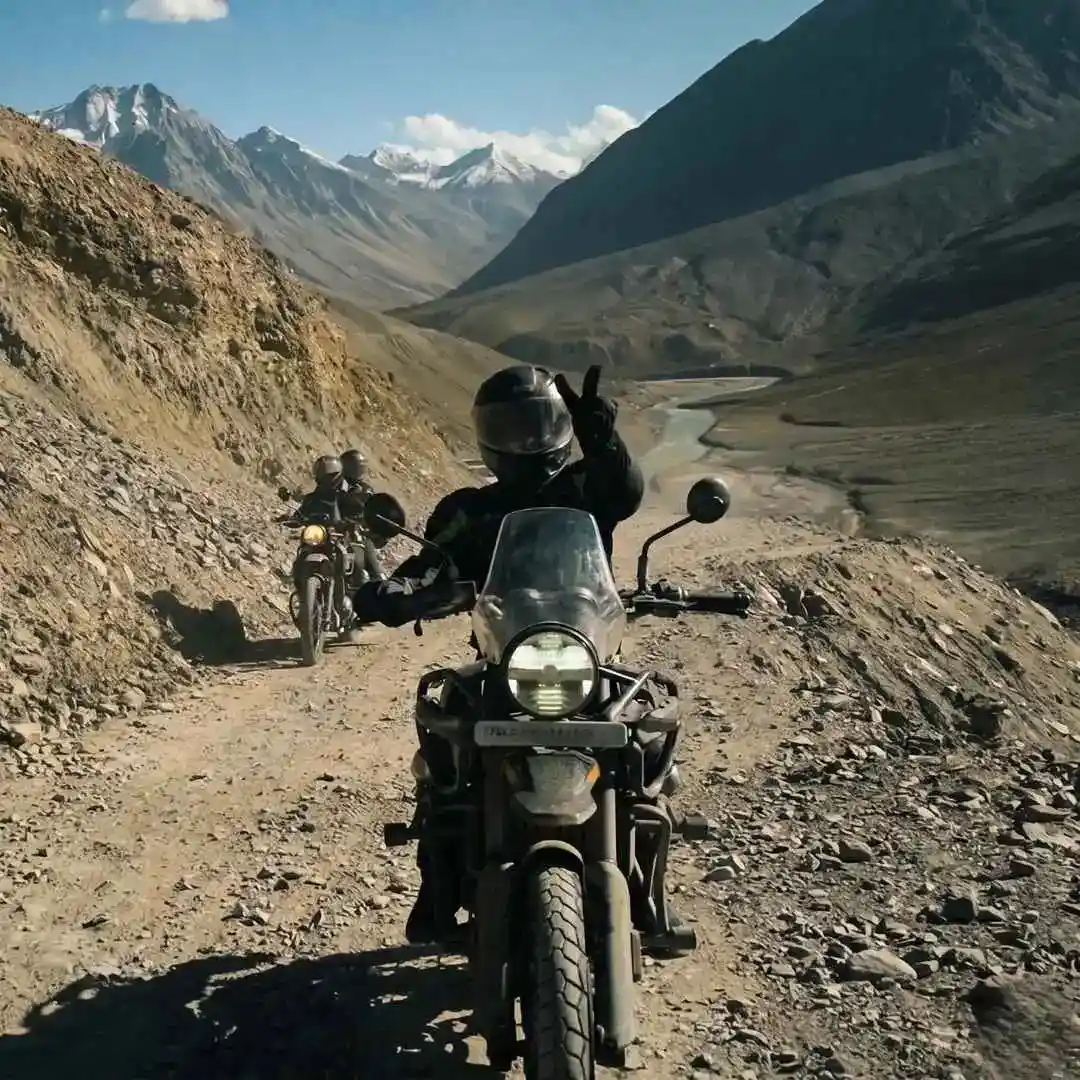 Group Tour7D/6N
Spiti Bike Trip From Manali With Chandratal
1D Sissu•1D Chandratal Camp+1
₹25,999₹29,999SAVE INR 4,000/ person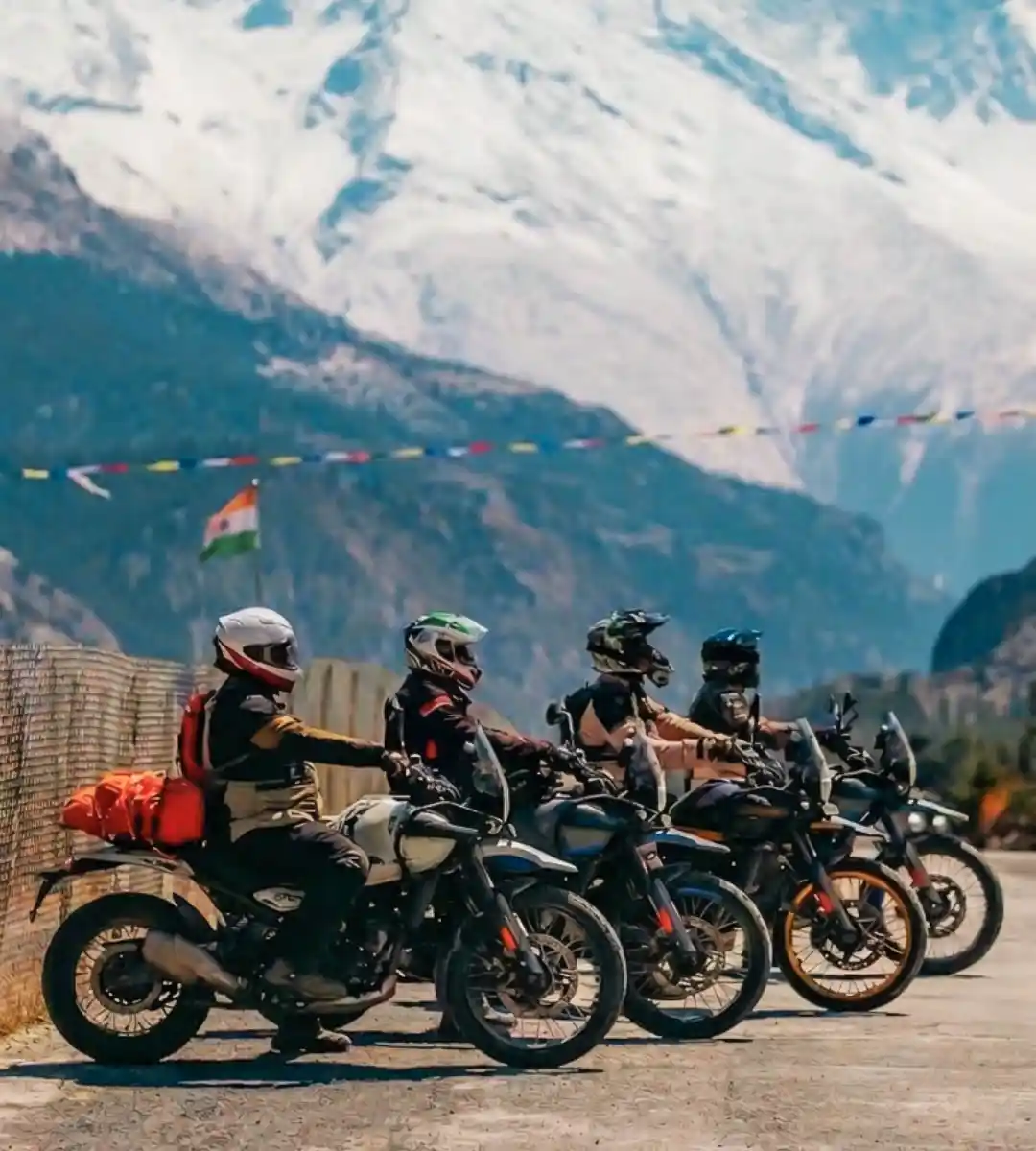 Group Tour10D/9N
Most Loved Spiti Valley Bike Expedition With Chandratal
1D Jibhi•1D Sangla+4
₹34,999₹41,999SAVE INR 7,000/ person
Related topics
Frequently Asked Questions
How much does a Delhi to Spiti Valley bike trip cost in 2026?
A self-ride budget runs ₹21,000 to ₹30,000 per person for 9 days. Guided package prices vary across operators and need verification before booking.
Which is the best route for a Spiti bike trip from Delhi?
The recommended route is Delhi, Shimla, Kinnaur, Kaza, Chandratal or Sissu, Manali, Delhi. It gives the body time to acclimatize and the best circuit experience.
How many days are enough for Delhi to Spiti by bike?
Nine days is practical for fit riders. Ten days is safer for first-timers. Twelve days is more relaxed for couples, photographers, and pillion travel.
Is Delhi to Kaza by bike safe for beginners?
Absolute beginners should not attempt it without support. Riders with good hill-riding experience can do it with a safer itinerary or guided support.
Do Indian riders need a permit for Spiti Valley?
No ILP or PAP for the standard tourist circuit. You must carry driving license, RC, insurance, PUC, and a government photo ID at all times.
Do foreigners need a permit for Spiti?
Yes. Foreign nationals need a Protected Area Permit for protected areas including Kaza, Tabo, Dhankar, Khab, Samdo, Gompa, Morang, and Dubling.
Is Chandratal open for bikes in 2026?
It depends on Kunzum Pass and Chandratal road clearance. Early June must be verified each year. If closed, plan stays at Losar, Kaza, or Sissu depending on direction.
Which month is best for a Delhi to Spiti bike trip?
June to September for the full circuit. September often gives the clearest skies. June gives you opening-season snow views, subject to road status.
Where should I refuel on the Delhi to Spiti route?
Refuel at major towns before Kinnaur. Take a full tank around Reckong Peo or Tapri, another full tank at Kaza, and again toward Tandi or Manali side as the route allows.
Which bike is best for Spiti Valley?
Royal Enfield Himalayan, Hero Xpulse, Classic 350, Meteor, and other well-maintained touring bikes all work. Bike condition matters more than brand.
Can I do Delhi to Spiti bike trip with a pillion?
Yes, but use a 10 to 12 day plan, pack light, take frequent breaks, and avoid overloading the bike. Pillion comfort is what makes or breaks long Spiti days.
Should I book a guided Spiti bike trip from Delhi?
Yes if you want route handling, backup vehicle, mechanic, stays, meals, oxygen support, and local handling done for you. DIY is better only if you are confident with remote mountain riding.
More about Lahaul and Spiti
 Lahaul and Spiti
Stargazing in Winter Spiti 2026: Where to Stay, Moonlight and What You Can See
Discover the best places for stargazing in Winter Spiti 2026, where to stay for darker skies and how moonlight affects visibility. Learn what you can realistically see from Kaza, Tabo and nearby villages during the winter months.
- Things to Do
- Snow Travel
 Lahaul and Spiti
Joining a Winter Spiti Group in 2026: Room Sharing, Privacy and Group Expectations
Planning to join a Winter Spiti group in 2026? Learn how room sharing works, what privacy to expect, options for solo travellers and couples, and when a single room supplement may apply.
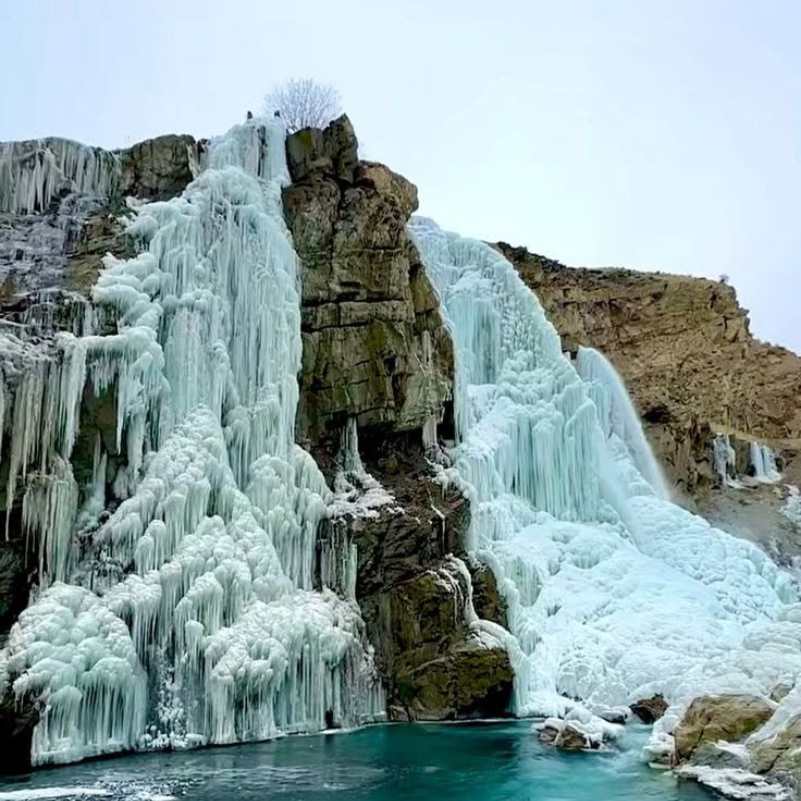 Lahaul and Spiti
Lingti Frozen Waterfall in Winter 2026-27: Access, Photo Stops and What to Confirm
Plan your visit to Lingti Frozen Waterfall in winter 2026-27 with practical details on access, road conditions, the best photo stops and seasonal conditions. Learn what to confirm before leaving Kaza and how to visit this spectacular frozen waterfall safely.
- Places to Visit
- Snow Travel