
Best Time to Visit Zanskar Valley: Month-by-Month Planning Guide
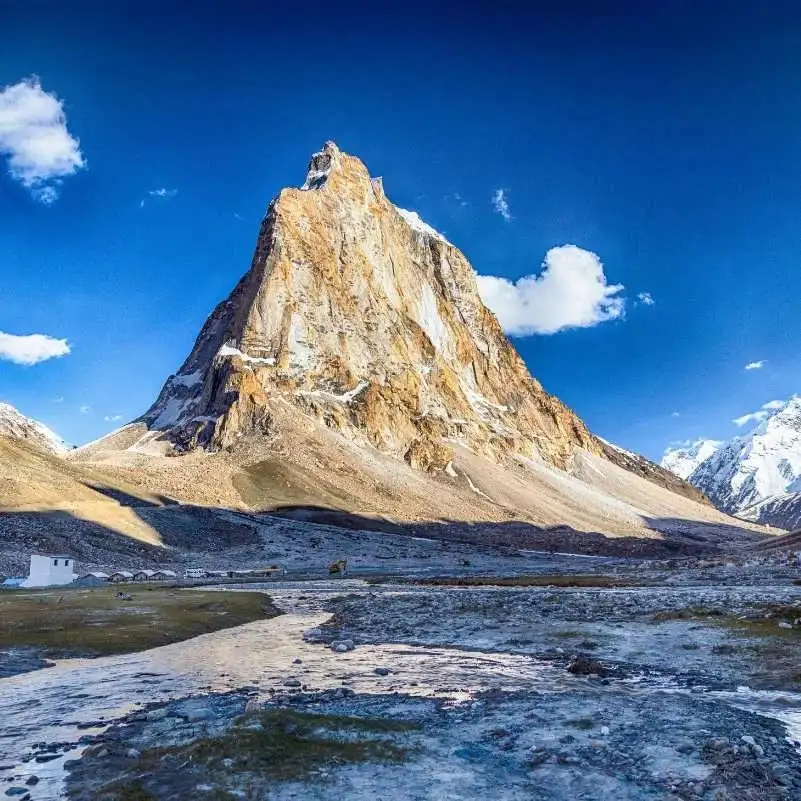
Choosing the best time to visit Zanskar Valley depends on what kind of experience you are looking for.
Some travellers want clear mountain views, comfortable road journeys and access to remote villages, while others dream of frozen landscapes, snow covered monasteries and the famous Chadar Trek. Each season brings a very different side of Zanskar.
But here is something worth knowing before planning your trip. Zanskar is not a destination where every month offers the same travel experience.
Road accessibility, snowfall, temperatures and available activities change considerably throughout the year. A month that works well for a road trip may not be suitable for a winter adventure.
So, when should you actually visit Zanskar Valley? This guide by Travel Coffee will break down each month, covering weather, road conditions, sightseeing opportunities and seasonal activities to help you choose the right time for your trip.
Quick Answer: When Is the Best Time to Visit Zanskar Valley?
The best time to visit Zanskar Valley is generally mid June to September. July to September gives you the most dependable road trip window.
July and August are usually the warmest months, and September suits photographers who want autumn colours. May and October need flexible plans, and winter travel needs specialist planning.
Picking the right month matters more in Zanskar than on most Himalayan trips. Every approach crosses a high pass or a long remote road, so one wrong week can mean snow, swollen streams or shut guesthouses.
Here is the mistake we see most often: travellers check the forecast for Padum and assume the passes will feel the same. They rarely do.
For places, stays and sights, read our full Zanskar Valley travel guide. This article has one job, which is helping you lock your dates.
Understanding Zanskar Valley's Weather and Travel Seasons
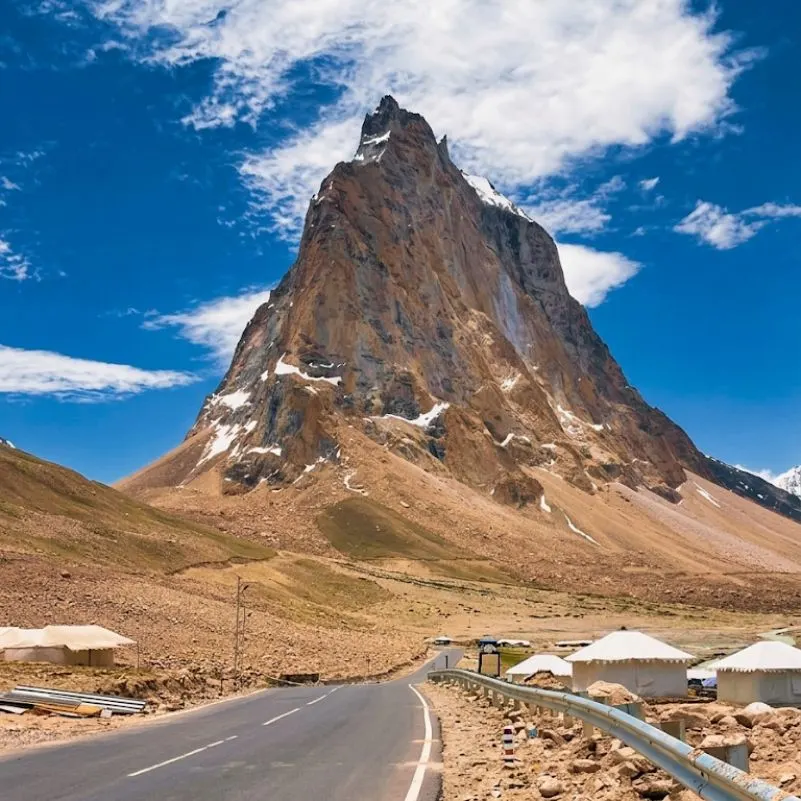
Zanskar is a remote, high altitude region of Ladakh. Winters are long and summers are short, and the gap between day and night temperatures can be big.
Padum is the main town, and in 2026 it became the district headquarters. Weather in Padum often differs from conditions up at Pensi La or Shinku La, so a sunny town forecast tells you little about the pass.
When we help travellers pick a season, we weigh five things together: road access, snowmelt, open stays, temperatures and altitude. A month that does well on one of these can still fail on another.
Summer in Zanskar Valley
June to August is the main summer travel period. Days warm up, barley fields turn green around the villages, and monasteries see most of their visitors.
Most treks also run in these months, because snow pulls back from the trails and homestays open for the season.
Autumn in Zanskar Valley
September and early October bring harvest colours, clearer air and long views across the valley. Nights turn properly cold.
The risk of early snowfall grows as October goes on, so autumn suits travellers who keep a day or two spare.
Winter in Zanskar Valley
November to March is the broader cold season. Tourist services shrink, many guesthouses shut and road conditions can turn hazardous.
Some routes may still see movement at times, but you cannot build an ordinary holiday around that. Winter in Zanskar is for specialist trips.
Spring in Zanskar Valley
April and May are transition months. Snow clearance moves forward and roads may reopen, but conditions can change from one week to the next.
Only travel in spring if your dates are truly flexible.
Zanskar Valley Month by Month Travel Guide
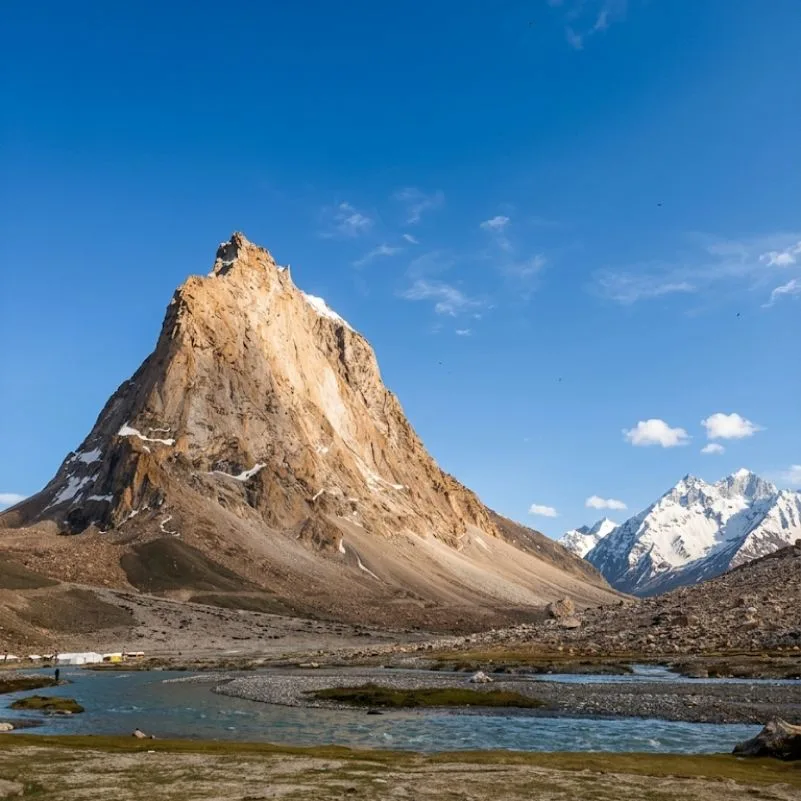
Here is how each month usually plays out, so you can match the season to your travel style.
Zanskar Valley in January
January brings extreme cold, snowbound passes and very few tourist services. Most people know this month for the Chadar Trek on the frozen Zanskar River.
The ice decides everything. In January 2026, authorities temporarily suspended the trek after a recce found unsafe ice and unfreezing conditions on the river.
Never walk a frozen river on your own. Nobody can promise the trek will run in future winters, so January suits only specialist expeditions with official approval and experienced local teams.
Zanskar Valley in February
February stays deep in winter. Snow covers the whole landscape, and the valley feels quiet and cut off.
Specialist winter expeditions do happen. Any winter trek depends on official approval, safe ice and proper local arrangements, and all three change from year to year.
We do not recommend February for an ordinary sightseeing holiday. Few stays are open, the cold is severe and access is uncertain, which makes it hard work even for well prepared travellers.
Zanskar Valley in March
March is still a winter month, especially at the high passes. Lower areas may thaw a little, but the routes in and out stay tricky.
Fresh snowfall, clearance progress and official restrictions can all change road access. A road that is moving one week can shut the next.
Our advice for first time travellers is to wait. In March you get cold nights, few open stays and little certainty. Later months give you the same valley with far more dependable access.
Zanskar Valley in April
April is a transition month. Snow clearance may start reconnecting roads, and you will hear news of vehicles moving again.
A partly restored road does not mean tourists can drive through safely. Authorities can limit movement to suitable vehicles such as 4×4s and add traffic restrictions while work continues.
Nobody can promise that Pensi La or Shinku La will open in April every year. If you travel this month, you need a sturdy vehicle, a local contact and no fixed deadlines.
Zanskar Valley in May
May is an adventurous early season option. Snow melts fast, snow walls can line the high roads, road surfaces vary and many seasonal services have not opened yet.
For context, authorities restricted Shinku La to 4×4 movement during April 2026, and reports said it reopened to all vehicle categories on 10 May 2026. These are past updates, not future opening dates, because each year's snow sets its own timeline.
May suits experienced travellers with flexible plans and a backup route.
Zanskar Valley in June
Early June and late June can feel like different seasons. Early in the month you may still face snow related restrictions and streams swollen by meltwater.
By late June, access usually improves and summer settles in. Snow still sits on the high mountains, which gives you great views.
We suggest checking both your entry and exit routes before you leave. Getting in over one pass does not help much if the road out is still shut.
Zanskar Valley in July
July is one of the strongest months for a first Zanskar trip. Barley fields turn green, days are warm and route access is comparatively dependable.
You can plan visits to Karsha Monastery, about 9 km from Padum, and to Phugtal Monastery, a cave monastery in the Lungnak Valley. You also get views of Drang Drung Glacier near Pensi La.
Snowmelt can still swell streams and damage parts of the road, so keep a buffer day. For a good balance of scenery and accessibility, July is our top pick.
Zanskar Valley in August
August is still a popular summer month. Zanskar sits in the Himalayan rain shadow, so it gets less rain than the Himachal valleys, but occasional rainfall still happens.
The bigger concern is the approach. Roads through Himachal Pradesh can see heavier monsoon disruption, with rising water crossings, rockfall and landslides that close stretches for hours.
None of this should put you off. It just means August works best when you keep one or two spare days and can wait out a blocked road calmly.
Zanskar Valley in September
September is excellent for photographers, couples and experienced road trippers. Villagers harvest barley, the fields change colour, mountain views get sharper and nights cool down noticeably.
Early September often gives the best balance between open roads and quieter travel. Book your stays early for this window.
In 2026, the Ladakh Zanskar Festival took place at Sani on 15 and 16 September. Sani is about 7 km before Padum on the Kargil approach. Future festival dates may change, so confirm them before you plan a trip around the festival.
Zanskar Valley in October
Early October can be beautiful, with clear skies and fresh snow on the peaks. It also carries more uncertainty than any summer month.
Nights get colder, fresh snow can arrive, fewer stays are open and the chance of road closures goes up. Late October carries far more of these risks than the first week.
Keep your itinerary flexible, check local road advisories daily and have an exit plan ready. October is not a guaranteed road trip season, and we never plan it as one.
Zanskar Valley in November
November is the slide into severe winter. Temperatures drop, tourism facilities thin out and passes are more likely to close.
Many guesthouses shut for the season, and the ones that stay open may offer only basic services.
We do not recommend routine family holidays or regular self drive trips this month unless you have confirmed local arrangements. Even then, keep your plans loose and pack heavy warm layers.
Zanskar Valley in December
December brings harsh winter, snow and very little tourist infrastructure. Days are short, and the cold stays with you indoors and outdoors.
Any December trip needs specialist arrangements, proper winter clothing and access you have checked before setting off. Nobody can promise snow on a particular date, and you should not expect Chadar Trek departures this month.
If you want to see Zanskar in winter, speak to an experienced local team well in advance and be ready for plans to change at short notice.
Once you have picked a month, the next step is fitting the route, vehicle and stays around it. Our Zanskar Valley tour packages are built around your dates and travel style, not a fixed calendar.
Best Time to Visit Zanskar Valley by Road
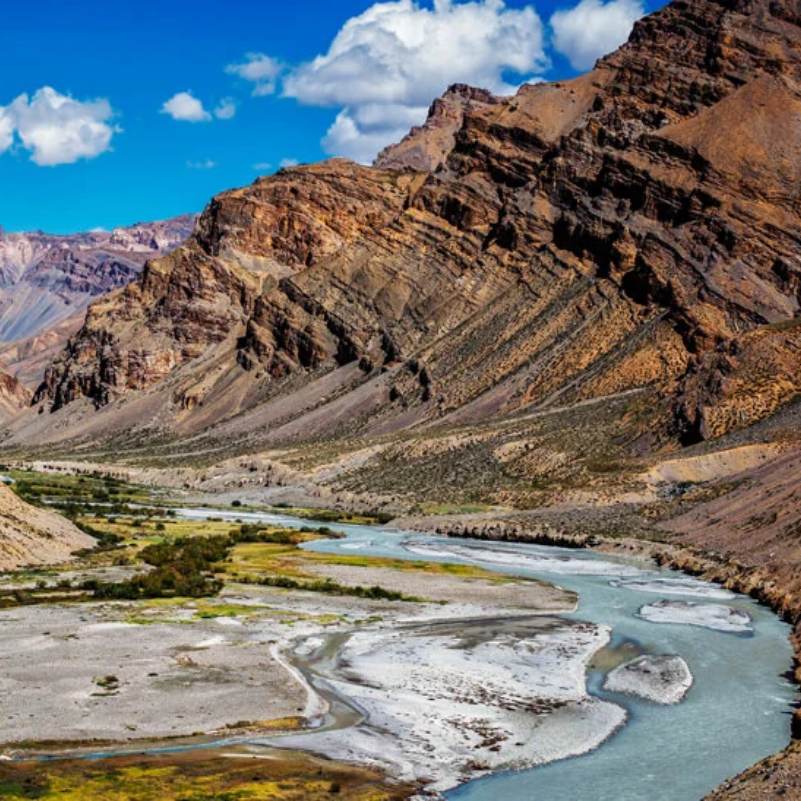
Road access affects Zanskar planning more than anything else. Three main approaches lead into the valley, and each one opens, closes and behaves differently.
Kargil to Padum via Pensi La
The traditional approach runs from Kargil through the Suru Valley and over Pensi La. The pass sits at around 4,401 to 4,450 metres and about 160 km from Kargil.
Snow can restrict this pass early and late in the season. That is why July to September is generally the most dependable planning window on this route.
Near the pass you can see Drang Drung Glacier, one of the best moments of the drive.
Manali to Zanskar via Shinku La
From Manali, the road runs through Atal Tunnel, Keylong, Jispa and Darcha, then climbs over Shinku La at around 5,091 metres towards Padum. On this approach you also pass Gonbo Rangjon.
Early in the season, restrictions can apply and road surfaces get rough. A suitable vehicle with good ground clearance matters a lot here.
Don't drive from Manali straight up to Shinku La heights. Your body needs time to adjust. We suggest a gradual ascent with a night or two in Lahaul first.
Our Manali tour packages and Sissu and Lahaul travel packages can build those acclimatisation stops into your plan.
Leh to Padum via Nimmu
The newer road through Nimmu makes Zanskar easier to reach from the Leh side. Officials formally dedicated the 298 km Nimmu Padum Darcha road on 15 October 2026, which improves connectivity across the region.
Better infrastructure does not mean tourists can travel year round without restrictions. Maintenance, snowfall, road conditions and local regulations can all still affect access.
Don't assume every stretch is paved, permanently open or suitable for every vehicle. If you are starting from Leh, our Leh Ladakh tour packages can combine acclimatisation in Leh with the Zanskar leg.
Best Time to Visit Zanskar Valley for Different Travellers
Best time for bikers and adventure road trippers
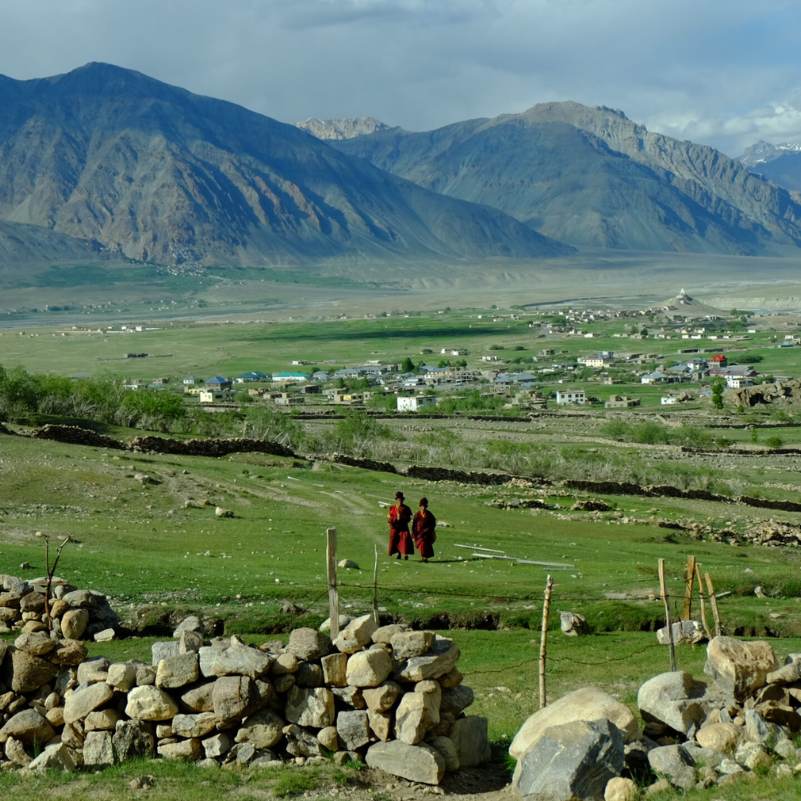
July to September is your window. Ride a bike built for rough roads, carry protective gear and check the road status before each pass.
Plan your fuel stops before you leave and confirm current fuel availability locally. Keep your schedule loose, because one blocked stretch or a puncture far from help can cost you a full day.
Best time for families and first-time visitors
July or August usually give you the most dependable roads and the most open services. Zanskar is still not an easy family destination.
Altitude affects children and older family members differently, medical facilities in remote Zanskar are limited, and long drives tire everyone out. Plan shorter driving days and plenty of rest.
Best time for couples and photographers
Early September gives you harvest landscapes, clear views and quieter roads, with softer light over the fields.
Couples who prefer warmer days should choose July or August instead.
Best time for trekking enthusiasts
Mid June to mid September is the broad summer trekking window. Early season meltwater can make stream crossings harder, and cold nights become a bigger factor later in September.
Winter treks, including any Chadar attempt, need specialist guides and official authorisation.
Is Zanskar Valley Safe to Visit During the Monsoon?
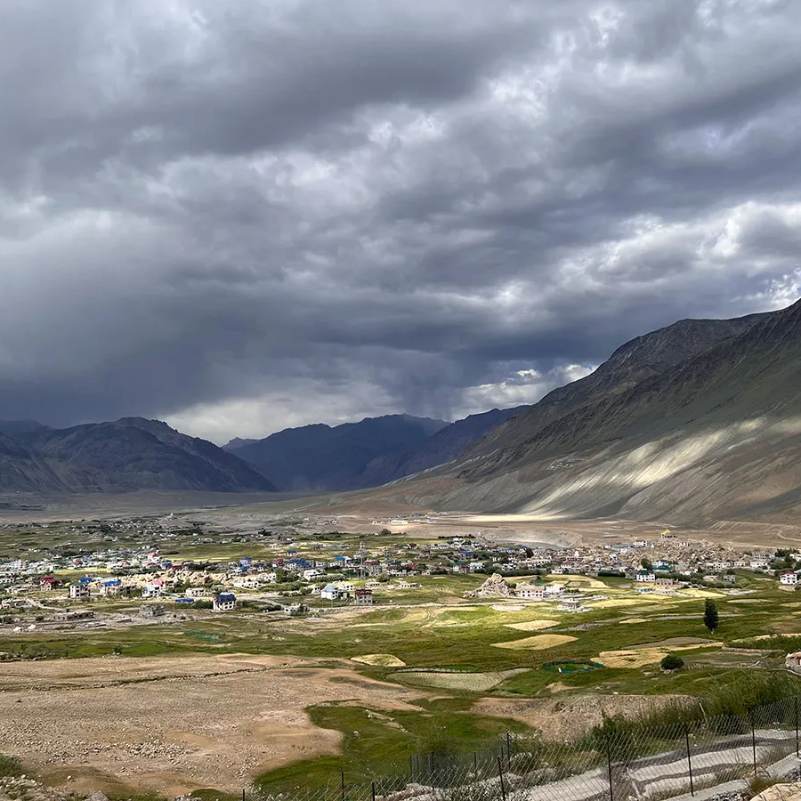
July and August remain popular months to visit. The rain shadow still does not remove every weather risk, so don't treat Zanskar as monsoon free.
Monsoon spillover can bring showers. The bigger issue is the Manali approach, where rain can cause landslides and rockfall and change water crossings quickly.
That is why the whole route matters more than Padum's forecast. Check conditions for every stretch you will drive, from the road in to the road out.
June vs July vs August vs September: Which Month Should You Choose?
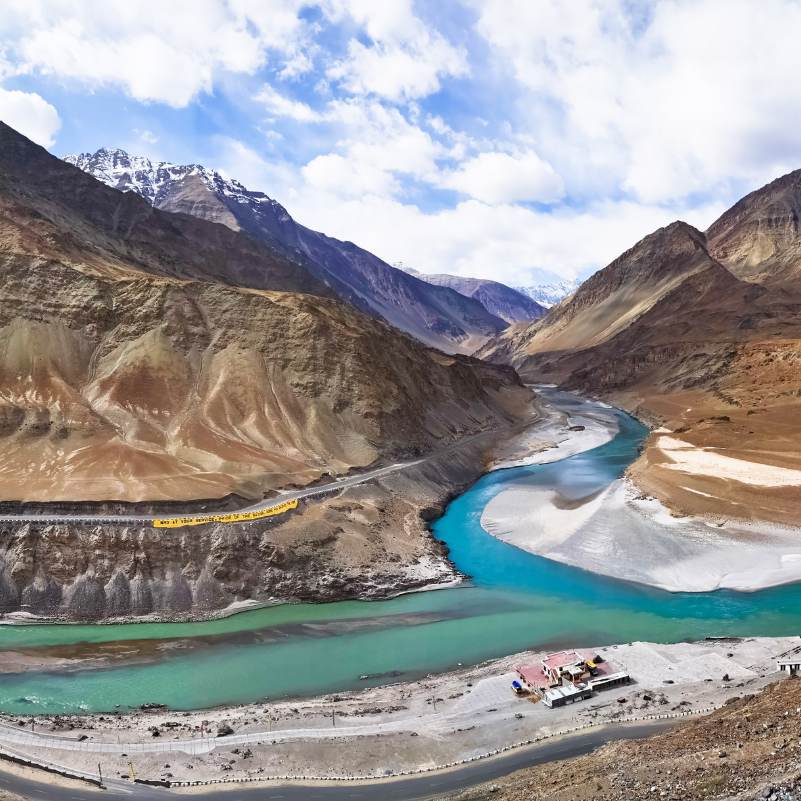
June suits travellers who want lingering snow and early season landscapes and can handle uncertain access, especially in the first half of the month.
July offers summer warmth, green fields and relatively dependable roads. It works for almost everyone.
August is excellent for summer exploring, but you need to watch for rain related problems on the approach roads and keep spare days.
September appeals to photographers, couples and anyone who prefers cooler days, autumn scenery and quieter roads.
Our verdict is to choose July for a first trip and early September if scenery and photography matter most to you.
Zanskar Valley Road and Trekking Updates for 2026
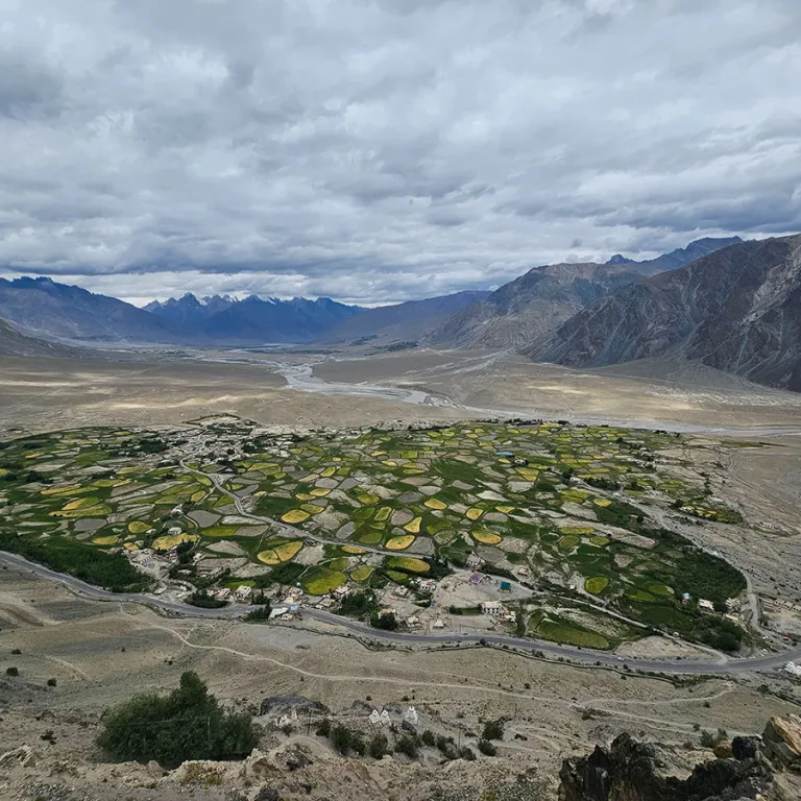
A lot changed in Zanskar this year. Here is what happened, in order.
In January 2026, authorities temporarily suspended the Chadar Trek after a recce reported unsafe and unfreezing river ice.
During early 2026, authorities allowed only 4×4 vehicles on the Darcha Shinku La road at certain times.
On 27 April 2026, the Ladakh administration notified Zanskar as a separate district, with Padum as its headquarters.
On 10 May 2026, reports said the Darcha Shinku La road had reopened to all vehicle categories.
On 15 October 2026, officials formally dedicated the 298 km Nimmu Padum Darcha road.
On 21 October 2026, the Ladakh administration released its first dedicated Zanskar traveller's guide. It covers maps, connectivity, permits, medical facilities and responsible tourism.
None of these updates confirm that a road or trek is open today. Use them as background and check current advisories before you travel.
How to Plan Your Zanskar Valley Trip
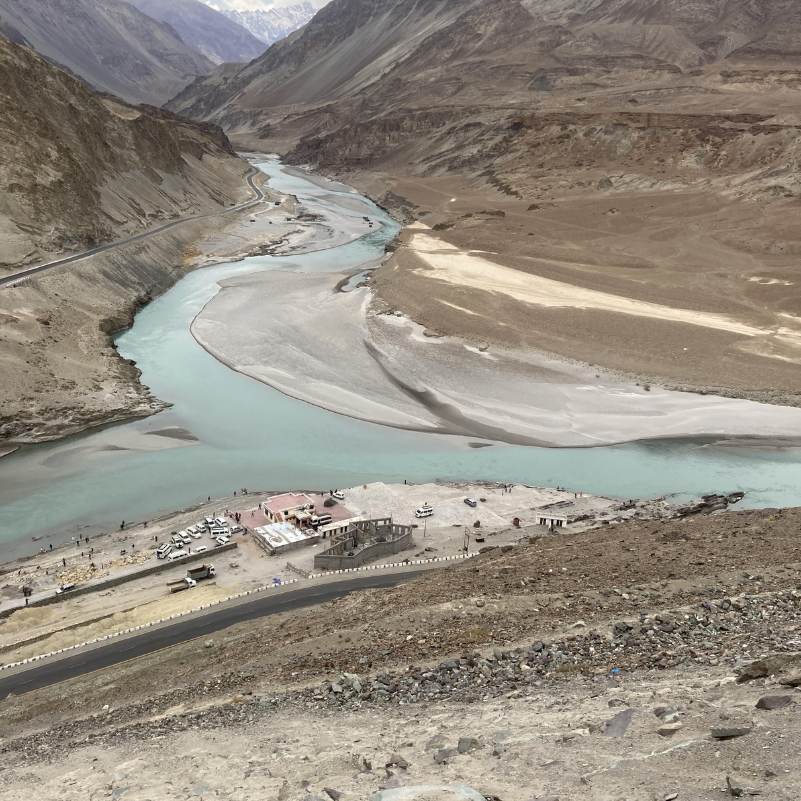
Permits and acclimatisation
Ladakh relaxed restricted area permit requirements for domestic tourists in August 2021. Foreign nationals follow different rules, and tourist fees depend on current regulations and your itinerary.
Check the latest rules and fees on the official LAHDC Leh permit portal before you travel.
The Ladakh Tourism advisory recommends at least 48 hours of acclimatisation in Leh before you go to higher areas. If you are coming from Manali, you need the same gradual ascent, spread across Lahaul.
Accommodation and essential facilities
Guesthouses and homestays run seasonally, and you get fewer options in winter and the transition months. Book ahead, especially for July and early September.
Carry warm layers, offline maps, enough cash, essential medicines and basic emergency supplies.
Medical facilities in remote Zanskar are limited, and mobile connectivity on remote routes is unreliable. Don't count on any one network working.
Budget and contingency planning
Your total cost depends on transport, the type of vehicle you need, accommodation, food and seasonal demand.
Sharing one suitable vehicle within a small group is the simplest way to cut the biggest cost. Keep a contingency fund and one or two spare days for weather delays.
We suggest a flexible 7 to 10 day trip overall, covering your approach, acclimatisation and sightseeing. Use it as a starting point, not a fixed itinerary.
Final Verdict: When Should You Visit Zanskar Valley?
For most first time travellers, July and August are the best choice. Pick September if autumn landscapes and photography are your priority.
Late June suits adventurous travellers who are comfortable with changing road conditions. May and October need real flexibility, and winter travel needs a completely different level of preparation.
Our team can plan your route and itinerary around your chosen month, travel style and comfort level.
Explore Our Curated Zanskar Valley Tour Packages
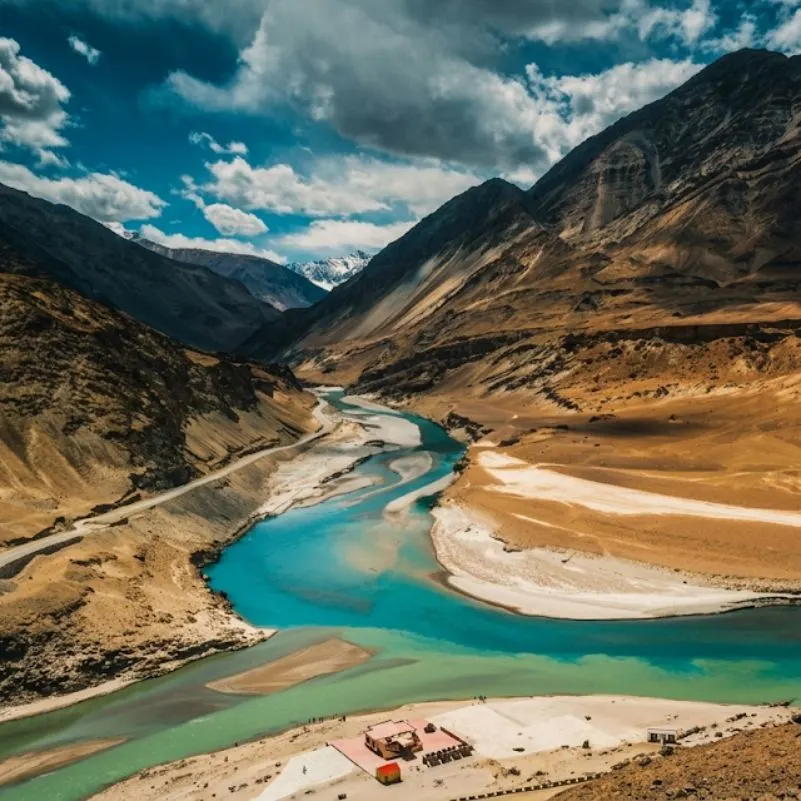 Group Tour8D/7N
Most Loved Zanskar Valley 4x4 Group Expedition
1D Manali•1D Purne / Kargyak / Gonbo Rangjon Side+2
₹32,999/ person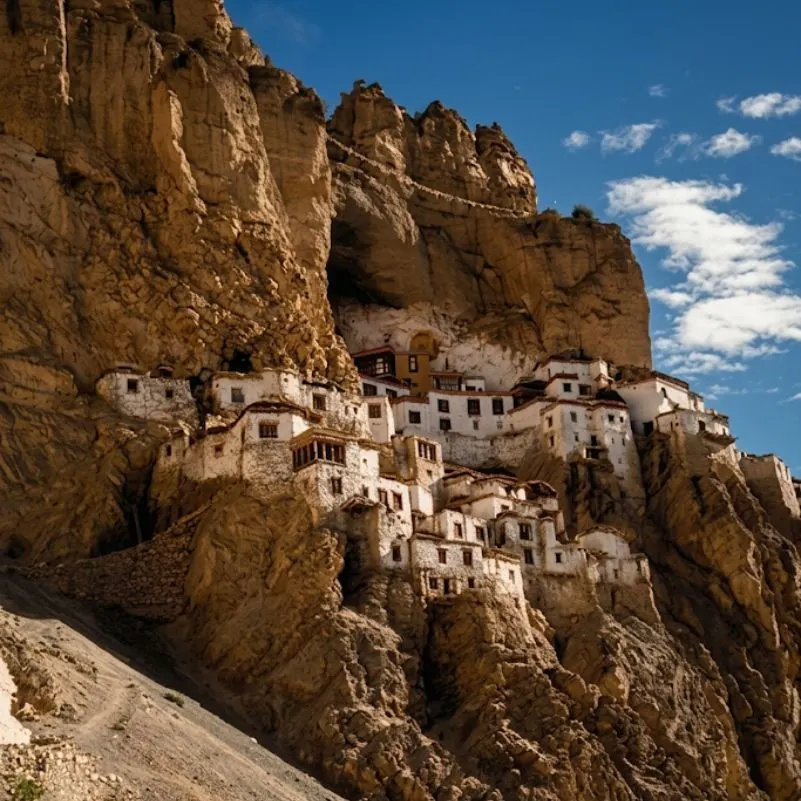 8D/7N
Private Zanskar Valley 4x4 Expedition With Phugtal Gonbo Rangjon and Baralacha La
1D Manali•1D Purne / Kargyak / Gonbo Rangjon Side+2
₹44,999/ person- 8D/7N
Private Zanskar Valley Tour With Phugtal Gonbo Rangjon and Baralacha La
1D Manali•1D Purne / Kargyak / Gonbo Rangjon Side+2
₹29,999/ person
Frequently Asked Questions
Which is the best month to visit Zanskar Valley?
July is the best month for most first time visitors, with green fields, warm days and fairly dependable roads. Photographers should choose September for harvest colours and clear views. The right month depends on what you want to see and how much road uncertainty you can handle.
Can I visit Zanskar Valley in May?
Yes, if the roads are officially open. Expect snow related restrictions, rough surfaces and limited services. In 2026, Shinku La reopened to all vehicles on 10 May, but future years may differ. May suits experienced travellers with flexible plans.
Is Zanskar Valley accessible in June?
Access usually improves through June, especially in the second half of the month. Early June can still bring snow restrictions and swollen streams. Before you finalise your dates, check the specific routes you plan to use for both entry and exit.
Is July or August better for Zanskar Valley?
Both are good summer options. July has green barley fields and relatively dependable access, so it works well for a first trip. August is also good, but monsoon rain can disrupt the approach roads through Himachal, so keep spare days.
Is September a good time to visit Zanskar?
Yes. September gives you clear views, harvest colours and quieter roads, which photographers and couples enjoy. Nights get much colder, especially later in the month, so pack proper warm layers and book your stays early.
Can we visit Zanskar Valley in October?
Early October may work, depending on the weather, open stays and road access. The risk of early snowfall rises through the month, and late October gets much harder. Keep an exit plan and check road advisories every day.
When does Zanskar Valley receive snowfall?
Snowfall usually comes in late autumn and winter. High passes such as Shinku La and Pensi La can also get snow outside the main winter months. Nobody can predict exact snowfall dates, so build flexibility into your plan instead of relying on a specific date.
Is Zanskar Valley accessible throughout the year?
Road connectivity has improved a lot, including the Nimmu Padum Darcha road dedicated in October 2026. Uninterrupted civilian access through every season has not been established, though. Check current advisories before you plan any trip outside the summer months.
When does Shinku La Pass open?
The opening depends on snow clearance and official travel permissions each year. In 2026, after a period when only 4×4 vehicles could use it, the Darcha Shinku La road reportedly reopened to all vehicle categories on 10 May. Treat that date as history, not a fixed annual date.
Do Indian tourists need a permit for Zanskar Valley?
Ladakh relaxed restricted area permit requirements for domestic tourists in August 2021. Not needing a permit is different from not paying a tourist fee, though. Check current fees and rules on the official LAHDC Leh permit portal before you travel.
How many days should I spend in Zanskar Valley?
Plan a flexible trip of 7 to 10 days overall. That covers your approach from Leh, Kargil or Manali, acclimatisation, and sightseeing around Padum. Add spare days if you are travelling early or late in the season.
Can families with children visit Zanskar Valley?
Yes, families who prepare properly can visit in summer. High altitude, long journeys and limited medical infrastructure need careful thought, especially with young children. Plan shorter driving days, acclimatise properly and keep the itinerary relaxed.
More about Zanskar Valley
- Zanskar Valley
How to Reach Zanskar from Leh: Nimmu, Lamayuru and Kargil Routes Compared
Planning a road trip from Leh to Zanskar? Compare the Nimmu, Lamayuru and Kargil routes based on distance, travel time, road conditions and overnight stops to choose the best route for your Himalayan adventure.
 Zanskar Valley
Srinagar to Zanskar via Kargil (2026): Route, Stops and Travel Time
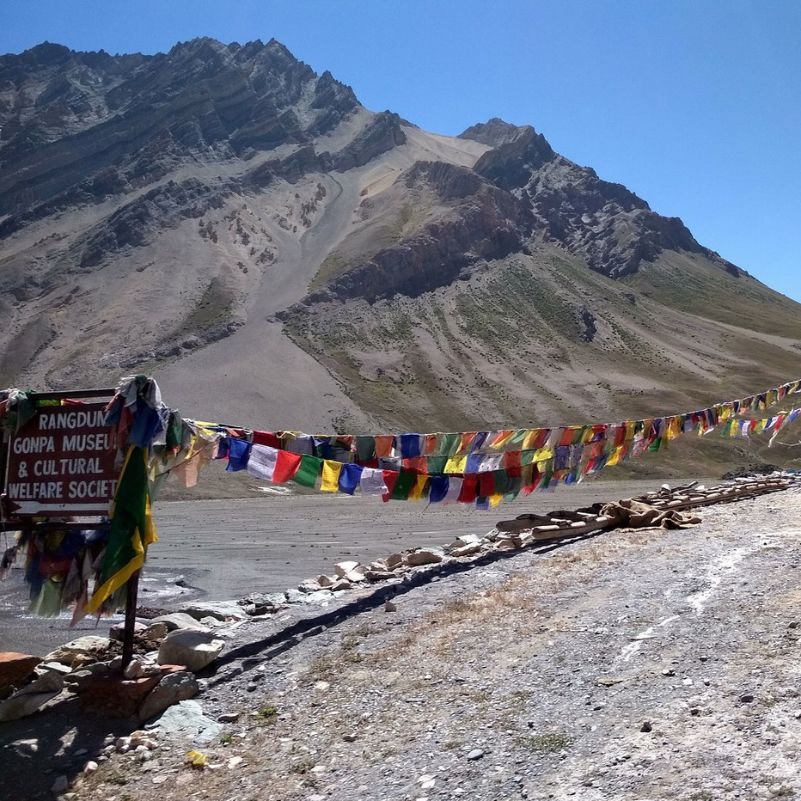
Planning a Srinagar to Zanskar road trip in 2026? Explore the complete route via Kargil, Suru Valley, Rangdum and Pensi La Pass, including distances, travel time, overnight stops and essential road trip tips.
 Zanskar Valley
Trekking in Zanskar in 2026: Routes, Difficulty and How New Roads Change the Trails
Planning a trekking adventure in Zanskar in 2026? Explore popular trekking routes, difficulty levels, seasonal conditions, and the impact of new roads on traditional trails. Understand which routes remain suitable for trekking, what preparation is needed, and how changing road connectivity is reshaping travel across this remote Himalayan region.