
Srinagar to Zanskar via Kargil (2026): Route, Stops and Travel Time

The mistake we see most often is simple. People look at one total on a map app and plan Srinagar to Zanskar as a single long drive.
That plan usually falls apart somewhere after Kargil. This route needs at least two days, a full tank and an open Pensi La.
Below you’ll find how the drive actually works, where to sleep, what the road is like and what can go wrong.
Quick Answer: How Do You Travel from Srinagar to Zanskar?
You drive from Srinagar to Sonamarg, cross Zoji La, pass Drass and stop at Kargil.
From Kargil you take NH301 through Sankoo, Panikhar, Parkachik and Rangdum, then cross Pensi La and drop into Padum.
Plan on roughly 440 km in total. Different sources and mapping tools give different totals, so treat this as a planning figure.
Give the drive at least two days, with Kargil as your overnight stop. For a slower trip, add a night at Rangdum and make it three.
Want to explore Zanskar when conditions are suitable? Take a look at our Zanskar Valley tour packages before planning your journey. If you’d like Zanskar combined with the rest of the region, have a look at how we plan our Ladakh tour packages.
Srinagar to Zanskar Route at a Glance
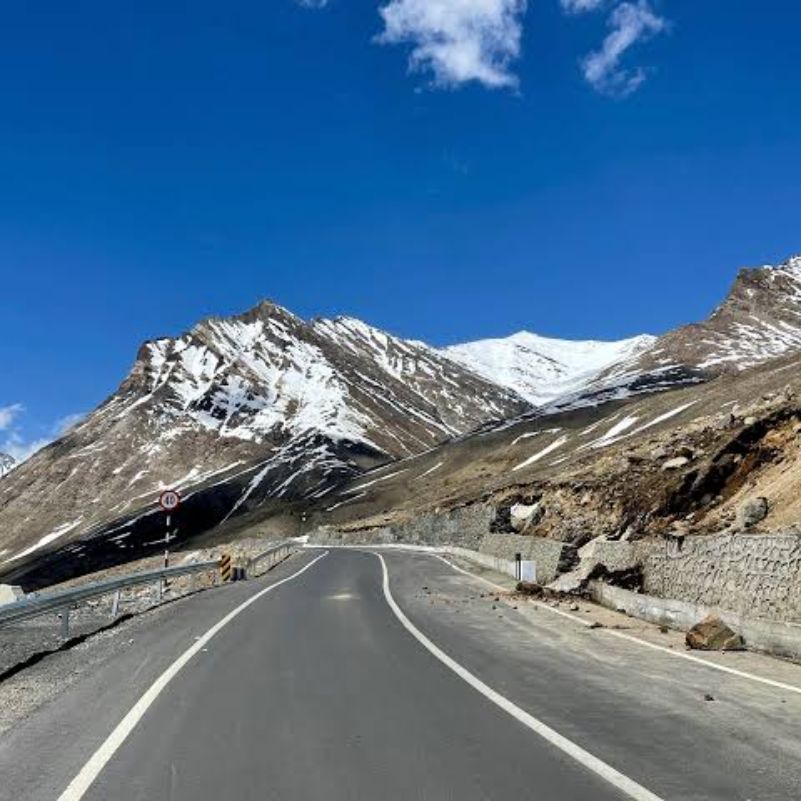
Read this section in driving order. We only use two firm planning figures: 200 to 205 km from Srinagar to Kargil and 234 to 235 km from Kargil to Padum.
Srinagar to Sonamarg. You leave the city and follow the valley up to Sonamarg. This is the easy part of Day 1, so don’t burn your morning here.
Sonamarg to Drass via Zoji La. Zoji La sets the pace for the whole first day. Traffic, roadwork and weather on this pass decide whether you reach Kargil in daylight or after dark.
Drass to Kargil. After the pass you run down through Drass and on to Kargil, which sits at about 2,676 metres. It is the last proper service town before Zanskar.
Kargil to Sankoo. You leave Kargil on NH301, the Kargil Padum road, and head up the Suru Valley towards Sankoo.
Sankoo to Panikhar. The road keeps following the Suru river upstream. Panikhar is one of the last bigger villages before the valley empties out.
Panikhar to Parkachik. The Nun Kun peaks start showing up on your left around here. Parkachik is your signal that the green part of the valley is ending.
Parkachik to Rangdum. The valley opens into a wide, bare plain. Rangdum marks the rough halfway point between Kargil and Padum.
Rangdum to Pensi La. You climb to Pensi La at about 4,400 metres, the highest point of the trip and the gate into Zanskar.
Pensi La to Padum. You come down past the Drang Drung Glacier viewpoint area, follow the Stod Valley and reach Padum, at about 3,650 to 3,670 metres.
Every distance here is a planning figure, not a promise. Snow, rain, roadwork and traffic all change how long each stretch actually takes.
How Long Does Srinagar to Zanskar Actually Take?
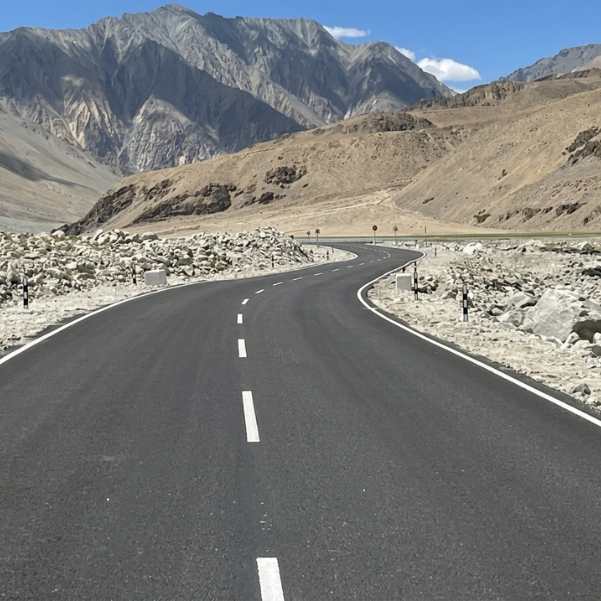
Navigation apps assume a steady road and steady traffic. This route gives you neither.
On Zoji La, one stuck truck can hold a line of vehicles. On NH301, a gravel stretch or a washed out patch can halve your speed for an hour.
So we plan this route in days, not hours. You have two sensible options.
The fast plan takes two days. You drive Srinagar to Kargil on Day 1 and Kargil to Padum on Day 2.
The relaxed plan takes three days. You drive Srinagar to Kargil on Day 1, Kargil to Rangdum on Day 2 and Rangdum to Padum on Day 3.
Weather, Zoji La traffic, active roadwork, photo stops and rough mountain sections all eat into your driving time. Our team builds every plan around the slow version of the day, not the fast one.
Day 1: Srinagar to Kargil via Sonamarg, Zoji La and Drass
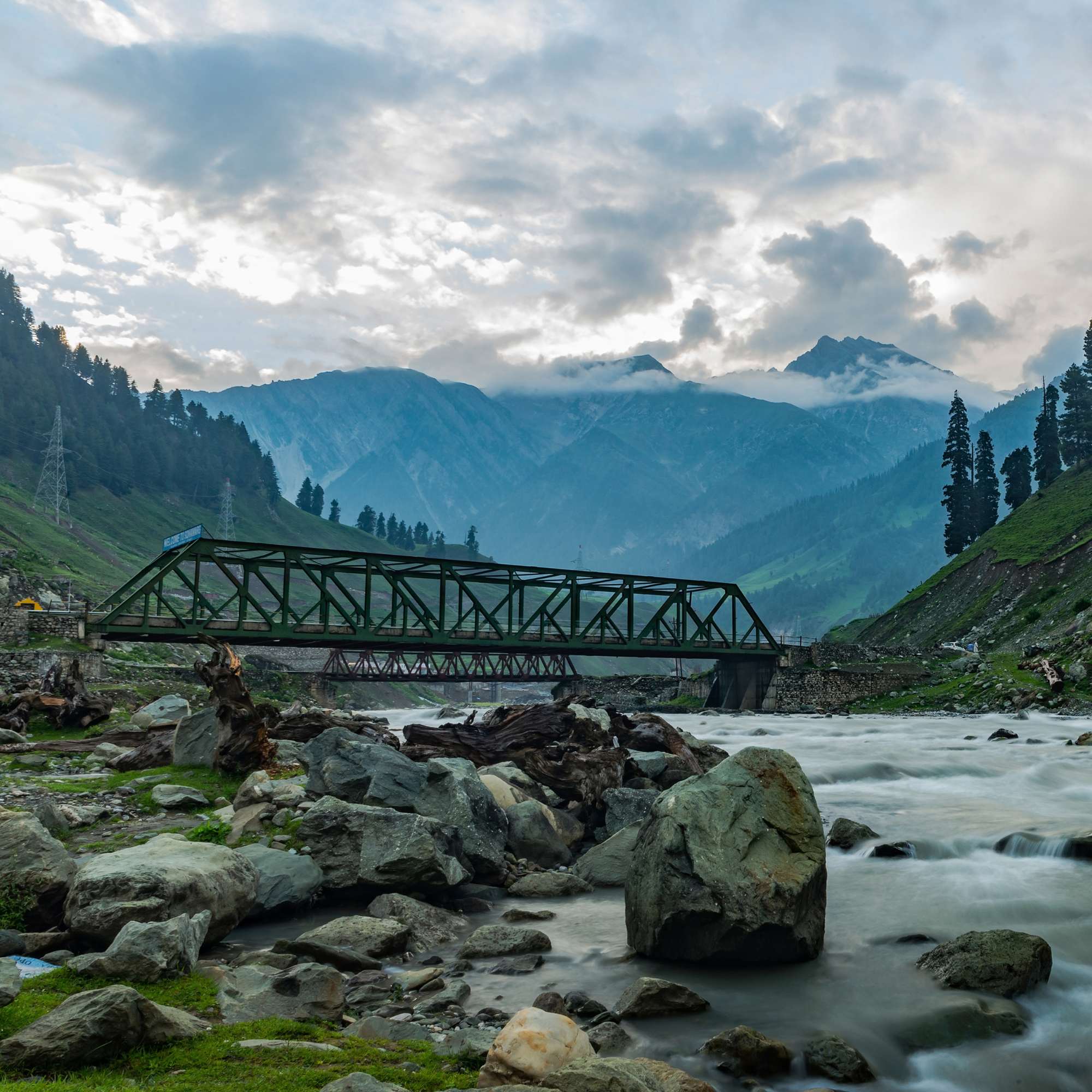
Plan on 200 to 205 km for this day. Depending on conditions, you’ll spend roughly 6 to 9 hours on the road.
The order is simple. Srinagar to Sonamarg, up and over Zoji La, down through Drass, then on to Kargil.
Leave Srinagar early. Zoji La traffic builds through the day, and you want the pass behind you before it does.
Timing tip: if your driver offers a late, relaxed start from Srinagar, say no. A late start pushes the Zoji La crossing into the busiest hours, and you’ll roll into Kargil tired and in the dark.
Sleep in Kargil. Fuel, rooms, ATMs, shops and transport are all easier to sort here than anywhere further along NH301.
If you’re coming in from the Kashmir side and want help with Srinagar and Sonamarg as well, our Kashmir tour packages cover that leg.
Day 2: Kargil to Rangdum Through Suru Valley
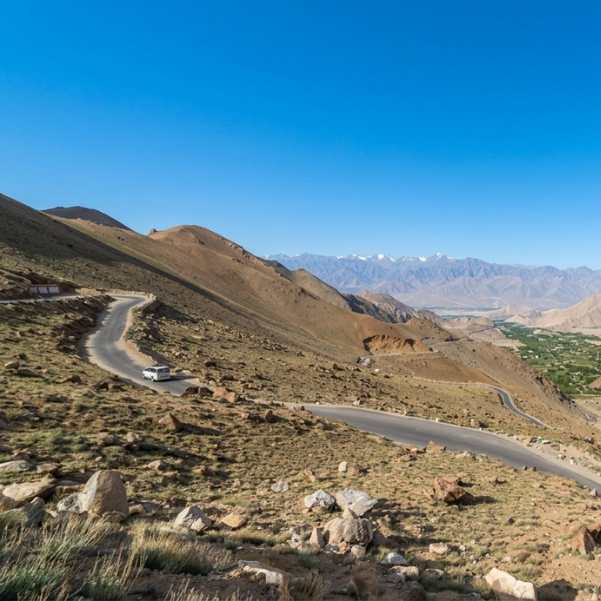
This is the first half of the Kargil to Padum drive. You follow the Suru Valley route through Sankoo, Panikhar and Parkachik to Rangdum.
You’ll see Nun Kun from the road and pass Parkachik on the way. Enjoy them through the window and keep moving.
Our chai tip: eat a proper hot breakfast and fill a flask of chai in Kargil main market before you leave. You won’t find much choice on the road after Kargil, and a warm drink at Pensi La feels very good.
The Kargil to Rangdum leg is shorter than the full run to Padum. That’s the whole point of stopping here.
A night at Rangdum splits a long, tiring day into two calm ones. You reach Pensi La fresh the next morning instead of late in the afternoon.
It also gives your body a night to adjust between Kargil at about 2,676 metres and Pensi La at about 4,400 metres.
Day 3: Rangdum to Padum via Pensi La
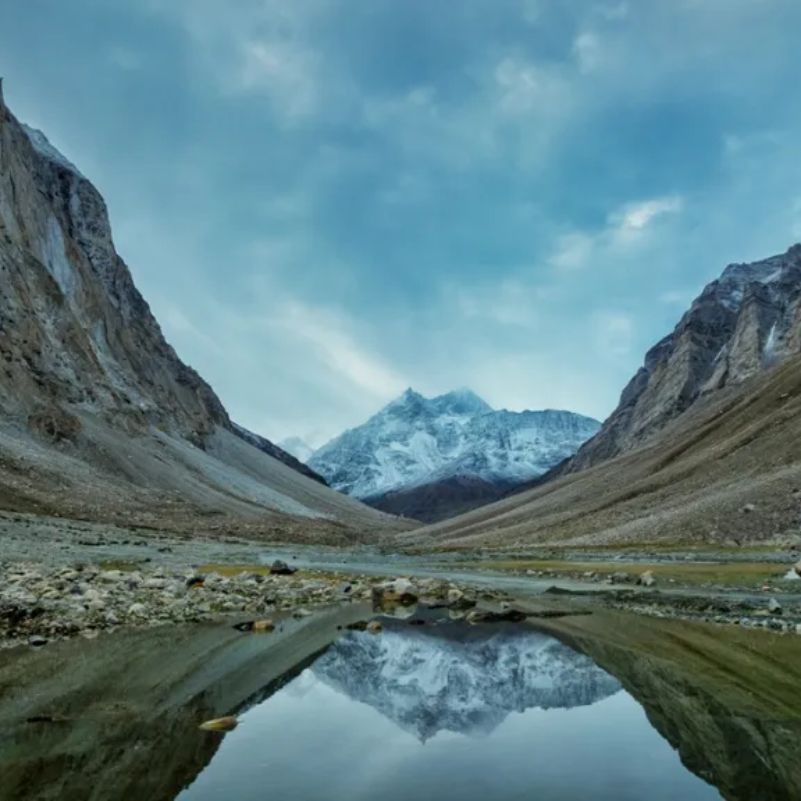
From Rangdum, the road climbs to Pensi La, at about 4,400 metres.
Over the top, you descend past the Drang Drung Glacier viewpoint area. Stop for a few minutes, take your photos and carry on.
The road then follows the Stod Valley down towards Padum.
On this leg, road and weather conditions matter far more than the kilometre count. A short stretch with snowmelt or fresh gravel can take longer than a long smooth one.
Insider tip: cross Pensi La in the morning. Weather on high passes often turns later in the day, and you don’t want to deal with a closing sky and a rough descent at once.
Can You Drive Kargil to Padum in One Day?
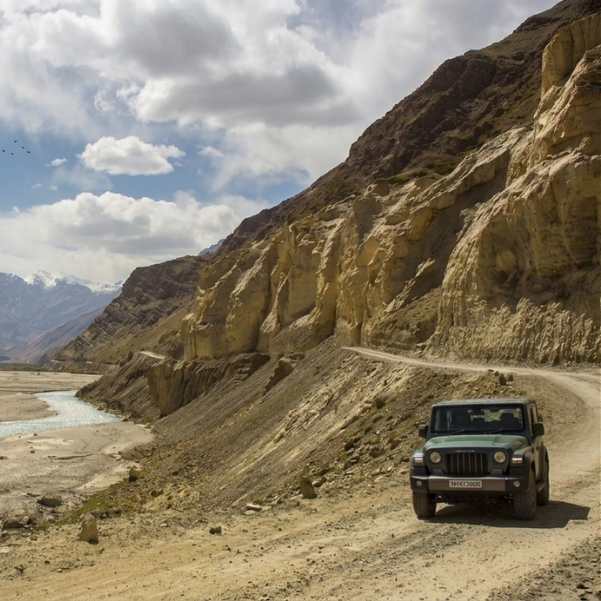
Yes, if Pensi La is open and the road is in decent shape.
Plan on 234 to 235 km from Kargil to Padum. Current sources commonly quote about 8 to 12 hours for the drive.
Buses and bad road days can take longer than that. Don’t treat 8 hours as normal. It’s the best case.
The one day run makes sense if you’re short on time and comfortable with a long day in the vehicle. For most leisure travellers, a Rangdum overnight is more comfortable.
Safety warning: don’t book a flight, a bus out of Padum or any fixed connection for the evening you arrive. If the drive stretches past 12 hours, you’ll miss it and lose money.
Things to skip: don’t try to squeeze Srinagar to Padum into one day. Even on paper, roughly 440 km plus Zoji La plus Pensi La is too much, and you’d spend the whole day in the vehicle with no margin.
Where Should You Stay Overnight?
Kargil
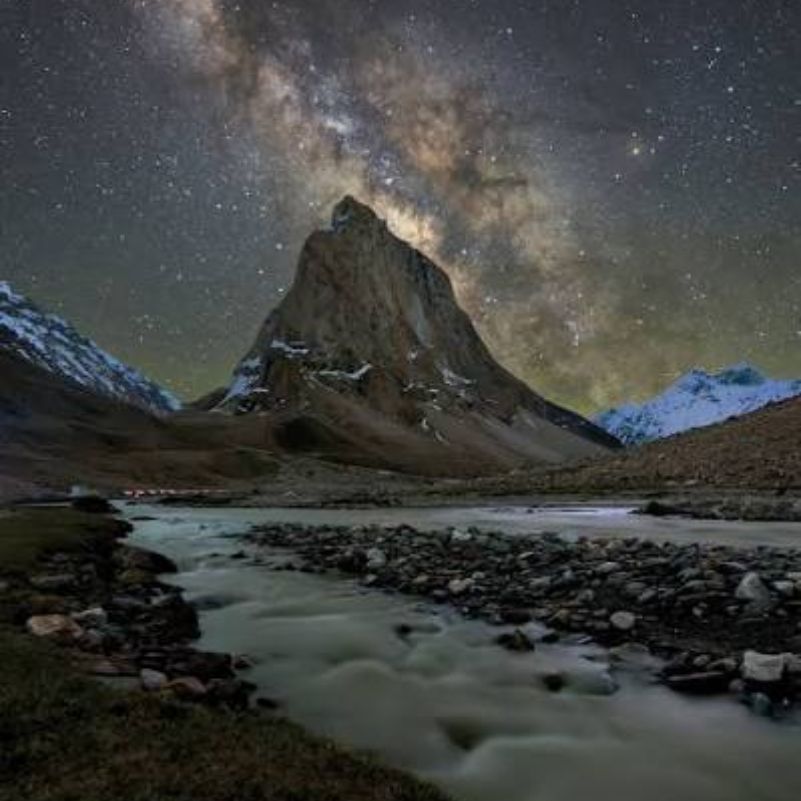
Kargil is your default first night after Srinagar. It is the last town where you can sort fuel, transport and rooms without much effort.
Use the evening to fill the tank, draw cash, buy snacks and confirm your driver or bus for NH301. Everything gets harder once you leave town.
Rangdum
Rangdum turns the Kargil to Padum journey from one long day into two calm ones. That is why most guides recommend it as the overnight stop.
Rooms and camps are basic, and we haven’t found a current price we trust enough to quote here. Confirm availability and the rate before you set off from Kargil.
Panikhar
Panikhar can work as an intermediate halt if you’re running late or want a shorter first leg out of Kargil.
We won’t promise that a room will be waiting. Check any specific property directly before you count on it.
What Is the Kargil to Padum Road Like in 2026?
NH301 has seen ongoing widening and improvement work. Large parts feel better than they did a few years ago.
Better doesn’t mean smooth all the way. You’ll still meet gravel stretches, active works, rough patches and weather damage.
Different sources quote different shares of paved road, so we won’t give you a percentage. Any number you see goes out of date after one bad season anyway.
Honest warning: the road can change in a week. Snowfall, snowmelt, rain and construction can turn a good stretch into a slow one, so ask about the latest conditions in Kargil the evening before you leave.
When Is Pensi La Open?
The official District Kargil guidance says the main pass to Zanskar is normally blocked from November to mid June.
That’s a normal pattern, not a fixed calendar. Snow decides the exact opening and closing dates every year, and nobody can give you a guaranteed Pensi La opening date for the coming season.
As we write this in November, we’re inside the window the district normally lists as blocked. If you’re planning ahead, plan for next summer.
If you’re travelling in May, June, October or November, check the Pensi La road status shortly before you leave. Ask in Kargil too, because people there hear about closures first.
What we tell our travellers: if your dates fall at the edges of the season, keep one spare day in the plan. A day lost waiting for the pass hurts much less when you’ve already planned for it.
Bus, Shared Taxi, Private Taxi or Self Drive?
Government bus
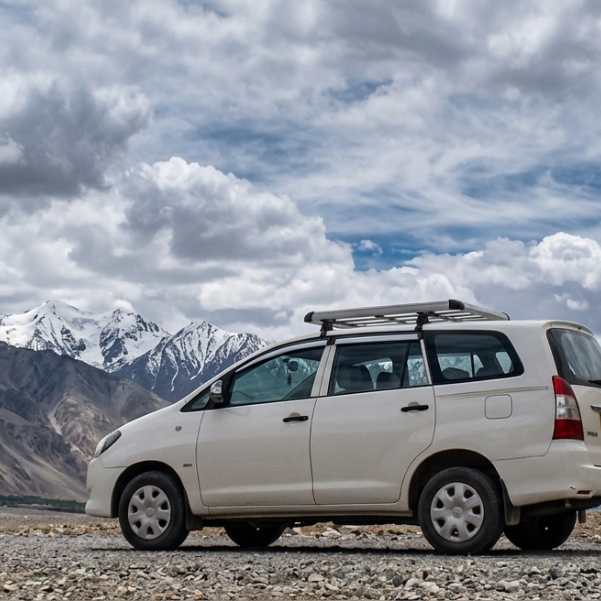
The District Kargil website says government buses between Kargil and Padum run on alternate days when the road is open. The service also stops at Rangdum.
Schedules change, so confirm the timetable in Kargil itself. Insider tip: ask at the bus stand the evening you arrive, not on the morning you want to leave. Because buses run on alternate days, you might otherwise lose a full day.
Shared taxi
Shared taxis cost less than hiring a whole vehicle. Current estimates sit at roughly ₹1,500 to ₹2,500 per seat.
The catch is that departures depend on demand. You leave when the car fills, and the driver won’t stop much for photos.
Private taxi
Current travel guides put a Kargil to Padum private taxi at broadly ₹12,000 to ₹16,000 one way.
Money saving tip: for a group of four, that private fare works out to roughly ₹3,000 to ₹4,000 each. That’s not far above a shared seat, and you get your own schedule and photo stops.
Scam warning: if someone quotes well above ₹16,000 for a one way Padum drop, ask to see the union tariff before you agree. Fix the price, the stops and any Rangdum night out before you leave Kargil.
Own car or motorcycle
Ground clearance, tyre condition, overall vehicle health and your mountain driving experience matter far more than the badge on the bonnet.
Sources disagree on whether you need a 4x4. We won’t call it mandatory, but a low car with worn tyres is asking for trouble on gravel and broken stretches.
Where Can You Find Fuel on the Route?
Fill the tank completely in Kargil before you start for Padum. That’s the one fuel rule we never bend.
Current sources disagree on whether you can rely on a commercial pump at Sankoo. Don’t plan your range around it.
Treat fuel availability between Kargil and Padum as uncertain. Plan your fuel range from Kargil cautiously and carry enough reserve to cover unexpected delays or detours.
Do You Need a Permit for Srinagar to Zanskar?
We can’t give you a definite answer, and we’d rather tell you that than guess.
Current 2026 sources conflict. One says Indian tourists don’t need an Inner Line Permit for Zanskar itself. Another says a Ladakh ILP is mandatory.
The UT Administration of Ladakh released its first dedicated Zanskar Traveller’s Guide on October 21, 2026, and it includes permit information. Read that before you lock your plan.
Mobile Network, Cash and Basic Facilities
Your phone signal and services get weaker as you move into the remote parts of the route. Don’t rely on consistent mobile network coverage in remote villages along the route.
Network availability varies by location and operator, so download offline maps before leaving Kargil. Save screenshots of your bookings, driver numbers and hotel confirmations.
Download offline maps before you leave Kargil. Save screenshots of your bookings, driver numbers and hotel confirmations.
Write down emergency numbers on paper too. A dead phone shouldn’t leave you without them.
Carry enough cash for fuel, food, stays and a spare day. Don’t assume card or UPI payments will work once you’re on NH301.
Is the Srinagar Route Better Than Entering Zanskar from Manali or Leh?
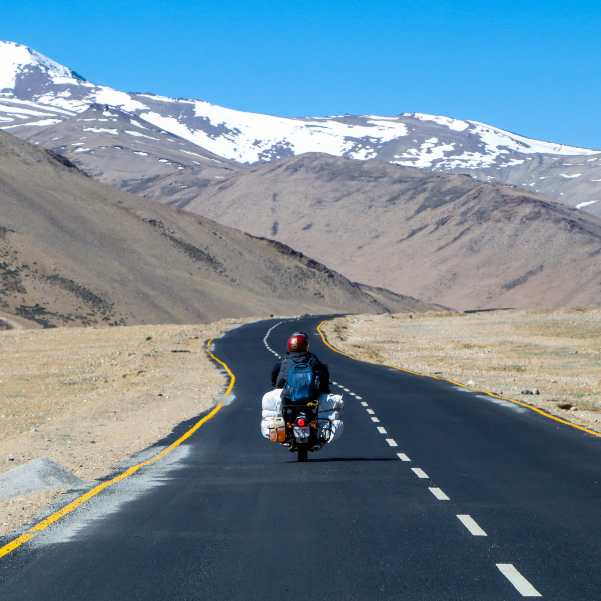
Zanskar now has more than one road approach. Which one is best depends on where you start.
If you’re arriving from Kashmir, Zanskar via Kargil is the obvious choice. You’re already on the road, and Kargil makes a natural stop.
If you’re starting from the Himachal side, look at our Manali tour packages instead. Travellers who want high desert landscapes without Zanskar’s remoteness often prefer our Spiti Valley tour packages.
Suggested Srinagar to Zanskar Itineraries
Two Day Route
Day 1 runs Srinagar to Kargil, with Zoji La as the main event.
Day 2 runs Kargil to Padum over Pensi La. Be honest with yourself here: it’s a long day, and it only works when the pass and the road behave.
Three Day Route
Day 1 runs Srinagar to Kargil. Day 2 runs from Kargil to Rangdum. Day 3 runs Rangdum to Padum.
In our experience, this Srinagar Kargil Padum itinerary suits most leisure travellers better. You arrive in Padum rested instead of shattered, and you cross Pensi La in morning light.
Frequently Asked Questions
How far is Srinagar to Zanskar?
Srinagar to Padum is approximately 440 km via Kargil and Pensi La. The exact distance may vary slightly by route.
How many hours does Srinagar to Zanskar take?
Plan for two days of travel. Srinagar to Kargil takes around 6 to 9 hours, followed by another 8 to 12 hours from Kargil to Padum.
Can Srinagar to Padum be done in one day?
We don't recommend doing this journey in one day. Plan at least two days, with an overnight stop in Kargil.
How far is Kargil to Padum?
Kargil to Padum is approximately 234 to 235 km via NH301 and Pensi La.
How long does Kargil to Padum take?
The drive usually takes around 8 to 12 hours, depending on road conditions, traffic and weather. Allow extra time during difficult road conditions.
When does Pensi La open?
Pensi La generally opens around mid-June after snow clearance. Exact opening dates vary depending on winter snowfall and road conditions.
Is the Kargil to Padum road open throughout the year?
No, the road is seasonal. Pensi La generally remains closed from November to mid-June, depending on snow conditions.
Is there a bus from Kargil to Padum?
Yes, government buses operate on alternate days when the road is open. Services generally stop at Rangdum, so confirm the latest timetable in Kargil.
Where should I stay between Kargil and Padum?
Rangdum is the usual overnight stop between Kargil and Padum. Panikhar is another possibility, but confirm accommodation availability before travelling.
Do I need a permit for Zanskar?
Permit requirements depend on your nationality and the areas you plan to visit. Check the latest official UT Ladakh Tourism guidelines before departure.
Is petrol available between Kargil and Padum?
Fuel availability along this route is limited and should not be assumed. Fill your tank completely in Kargil before driving towards Padum.
Can I take a normal car to Zanskar via Pensi La?
A normal car may manage the route when road conditions are favourable, but a high ground clearance vehicle is preferable. Good tyres and mountain driving experience are important.
More about Zanskar Valley
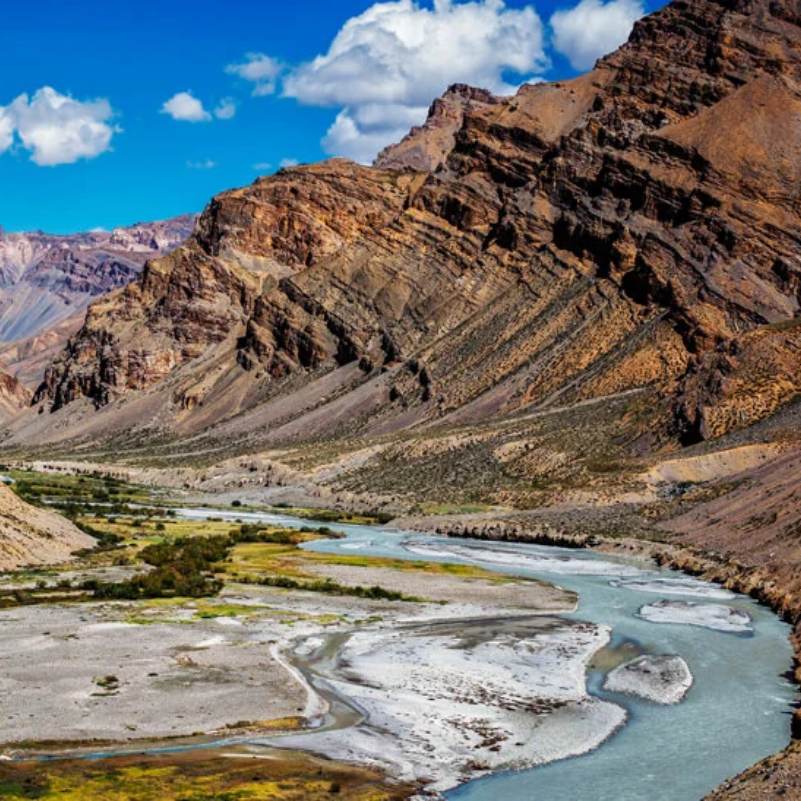 Zanskar Valley
How to Reach Zanskar from Leh: Nimmu, Lamayuru and Kargil Routes Compared
Planning a road trip from Leh to Zanskar? Compare the Nimmu, Lamayuru and Kargil routes based on distance, travel time, road conditions and overnight stops to choose the best route for your Himalayan adventure.
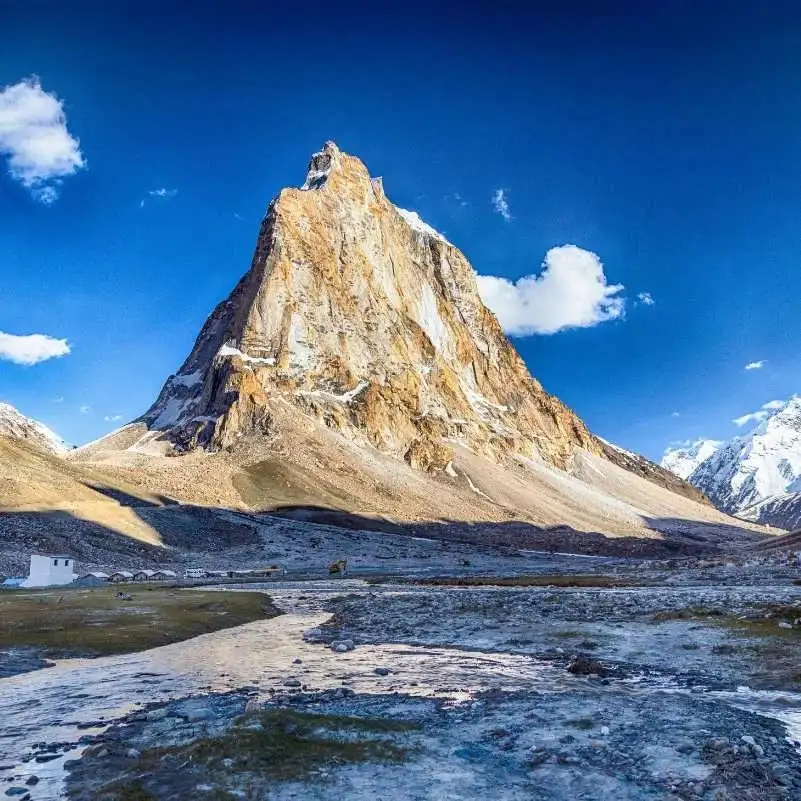 Zanskar Valley
Best Time to Visit Zanskar Valley: Month-by-Month Planning Guide
Discover the best time to visit Zanskar Valley with our month-by-month travel guide. Compare weather, road accessibility, accommodation availability and sightseeing opportunities to plan your perfect Zanskar trip.
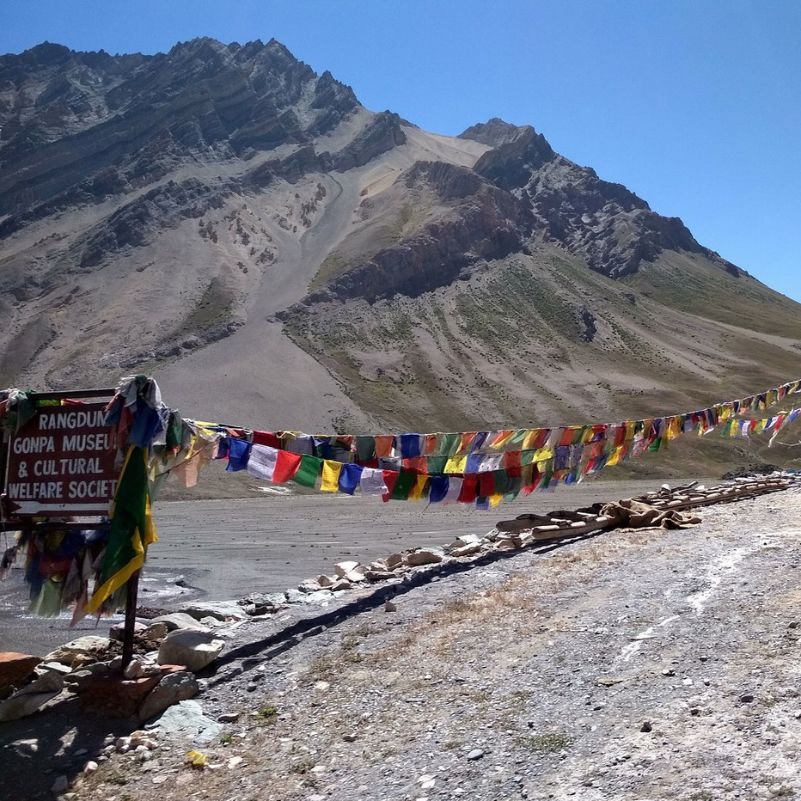 Zanskar Valley
Trekking in Zanskar in 2026: Routes, Difficulty and How New Roads Change the Trails
Planning a trekking adventure in Zanskar in 2026? Explore popular trekking routes, difficulty levels, seasonal conditions, and the impact of new roads on traditional trails. Understand which routes remain suitable for trekking, what preparation is needed, and how changing road connectivity is reshaping travel across this remote Himalayan region.