
4 Days Manali Rohtang Pass Itinerary 2026: Solang, Sissu and Local Sightseeing
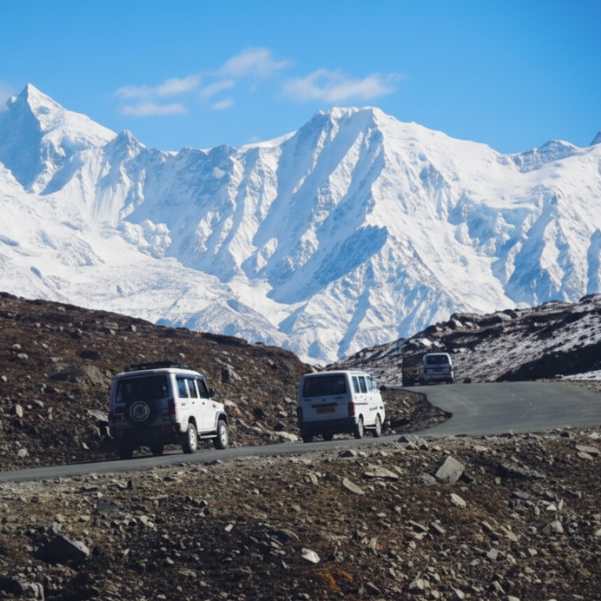
If you are planning a 4 days Manali Rohtang Pass itinerary and feeling lost about permits, road access, and how to fit everything without exhausting yourself, this is the guide that sorts it out.
We run trips on these roads every season, and the biggest mistake we see is people cramming Rohtang, Solang, and Sissu into one broken day. You do not need to do that. Four days is enough to do this properly.
Quick Answer: What Is the Best 4-Day Manali Rohtang Itinerary?
Day 1 is local Manali. Day 2 is your Rohtang Pass day trip. Day 3 covers Solang Valley, Atal Tunnel, and Sissu, subject to road access. Day 4 is either Naggar or a relaxed departure-day plan.
Rohtang needs a vehicle permit. Access depends on weather, road safety, and administration approval on the day you travel. Nothing about the mountain is guaranteed, so keep your plan flexible.
Is Four Days Enough for Manali, Solang Valley and Rohtang Pass?
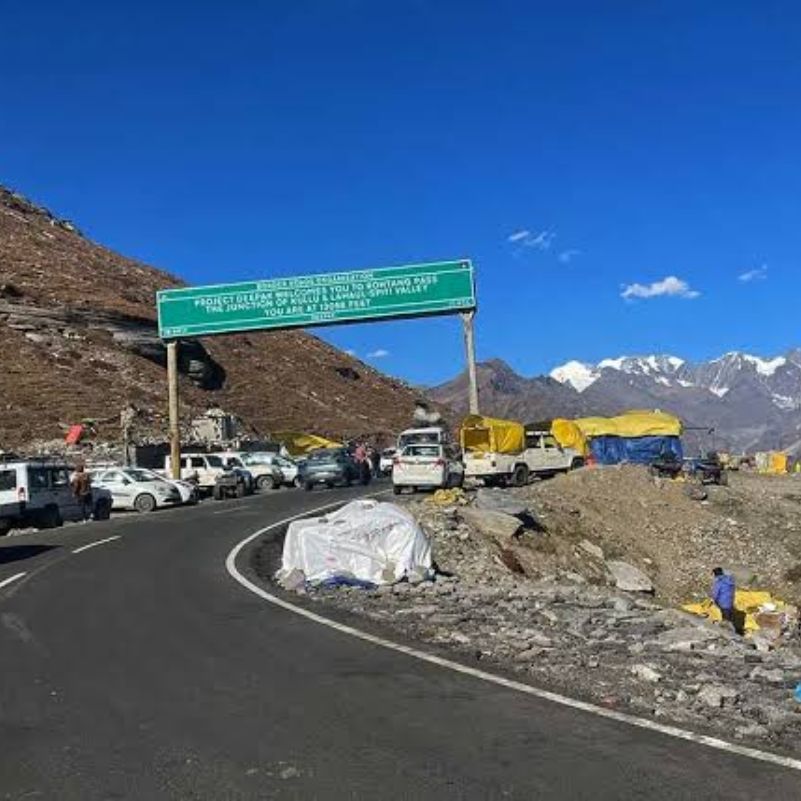
Yes. Four full sightseeing days cover this core circuit without rushing. You get Manali, Rohtang, Solang, Atal Tunnel, Sissu, and Naggar with breathing room at each stop.
But here is what most people miss. A three-night, four-day package often gives you less than four sightseeing days.
Part of Day 1 goes to arriving and checking in. Part of Day 4 goes to packing up and leaving. So you really have two and a half to three solid sightseeing days, not four.
This is why we tell travellers not to squeeze Kasol, Manikaran, or other far destinations into these four days. Those are separate trips. Try to add them here and you spend your whole trip inside a car.
If you want someone to handle the stays, driver, and daily plan, our Manali tour packages and Rohtang Tour Packages come with a local team that actually picks up the phone when a road closes.
Your 4-Day Manali Itinerary at a Glance
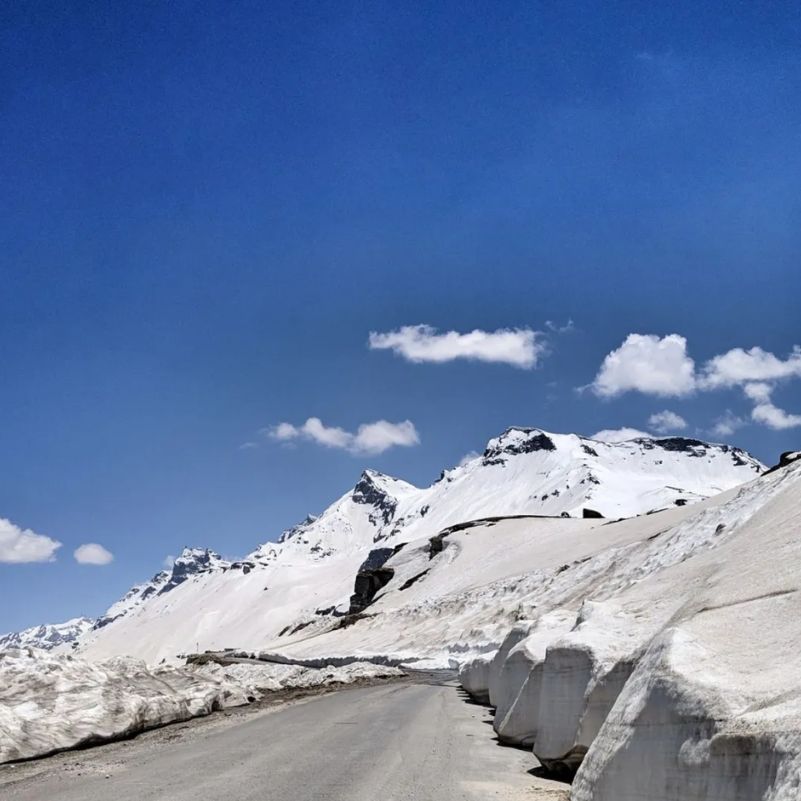
Day 1: Local Manali and Old Manali
You settle in, rest after the journey, then cover Hadimba Temple, Old Manali, Vashisht, and Mall Road in the evening. Slow and easy.
Day 2: Rohtang Pass Day Trip
An early start, your permit ready, the route stops through Nehru Kund and Gulaba, and time at Rohtang Top when conditions allow.
Day 3: Solang Valley, Atal Tunnel and Sissu
We keep this separate from Rohtang on purpose. It gives you real time at Solang, a clean drive through the Atal Tunnel, and an unhurried afternoon in Sissu.
Day 4: Naggar or a Relaxed Departure-Day Plan
Either a full day exploring Naggar, or a short morning plan before an evening bus out. Both work depending on your travel timing.
How Do You Book a Rohtang Pass Permit in 2026?
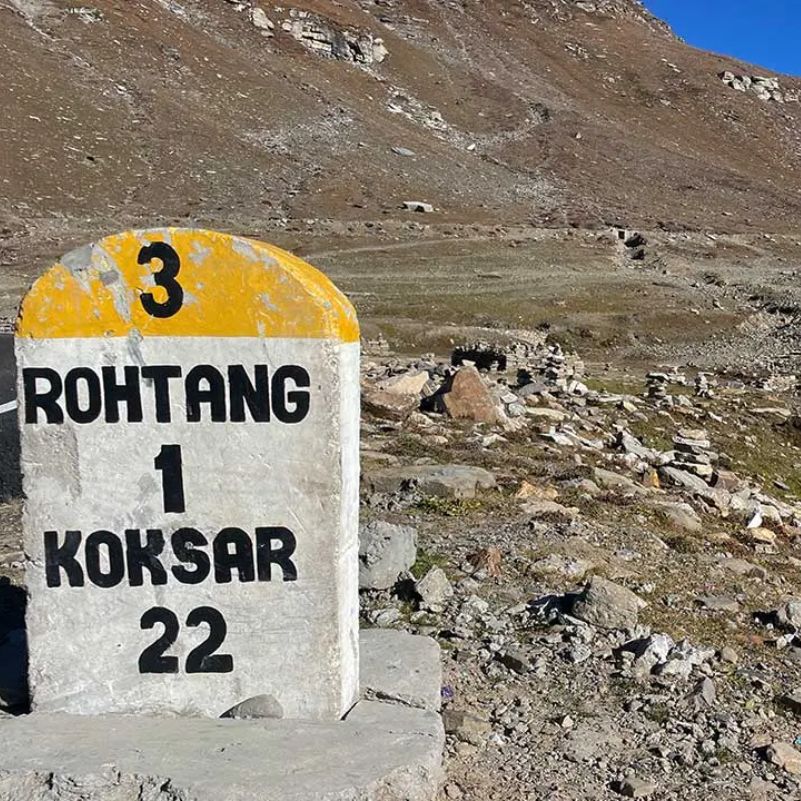
Which Documents Are Required?
You need valid ID proof, a valid Pollution Under Control (PUC) certificate, your vehicle registration details, driver details, and contact details.
One rule catches people out. The official portal says your vehicle registration date must not be more than ten years old. An older car will not get a permit, no matter what.
What Are the Permit Fees and Daily Quota?
Cars, jeeps, and MUVs pay a ₹500 permit fee plus a ₹50 congestion charge. That makes the combined listed government amount ₹550.
The daily quota is 800 petrol vehicles and 400 diesel vehicles. Once these run out, that is it for the day.
Permits release in two batches. The first opens at 10:00 with 400 petrol and 200 diesel permits. The second opens at 16:00 with another 400 petrol and 200 diesel permits.
You can request a permit only for the next two days. It is valid for one to-and-fro journey on the day you pick.
Carry the printed permit. It is compulsory. And the official FAQ says an issued permit cannot be cancelled, so book only when you are sure of your date.
Is Rohtang Pass Closed on Tuesday?
Several older and commercial pages say Tuesday is the maintenance day when no vehicles go up. You will read this on a lot of blogs.
But when we checked the live official permit page on 25 July 2026, it displayed "NONE" as the no-vehicle day.
The maintenance day can change, so check the live portal for your exact travel date rather than trusting an old Tuesday rule. We have seen the rule shift, and the portal is the only thing that reflects reality.
Day 1: How Should You Plan Local Manali Sightseeing?
Arrival and Slow Start
If you came in on an overnight Volvo, do not rush off to a mountain the moment you arrive. Check in first. Eat something hot. Rest for an hour or two.
We have seen too many travellers land tired, push straight for a long drive, and spend the rest of the trip feeling wrecked. Day 1 is for easing in.
Hadimba Temple and Old Manali
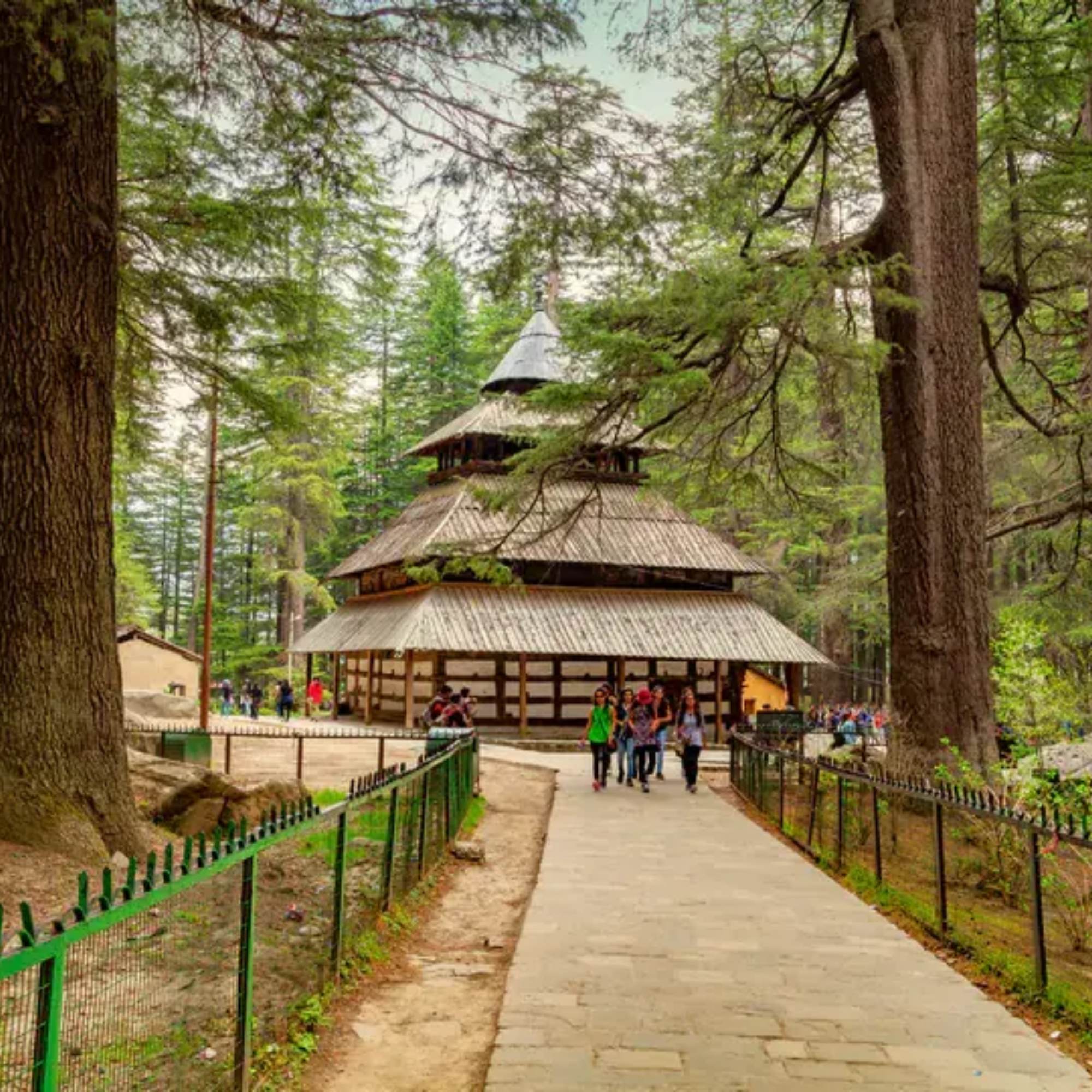
Hadimba Temple sits inside a thick cedar forest, and the walk under those tall old trees is half the reason to go. The wooden temple itself is quiet and unusual.
From there, drift into Old Manali. Wander the lanes, sit in a café, and if you have the energy, walk up towards the Manu Temple area. Go by how you feel, not by a fixed clock.
Vashisht and Mall Road in the Evening
Before you head back towards central Manali, stop at Vashisht with its old temple and stone lanes above the town.
Keep Mall Road for the evening. That is your time for local food, shopping, and just walking around after a slow first day.
For more on where to base yourself and what is close by, our Manali destination guide breaks it down.
Day 2: What Is the Best Rohtang Pass Day-Trip Plan?
When Should You Leave Manali?
Our team recommends aiming to leave around 6:30 to 7:00 in normal summer conditions. The earlier you go, the more you dodge the crowd and the afternoon weather.
But the permit, your driver's instructions, weather, police controls, and the actual road opening all come before this suggested time. If your driver says wait, you wait. We cannot promise you an exact return time either, because the mountain does not run on a schedule.
Which Stops Come on the Rohtang Route?
Rohtang Pass is about 51 km from Manali. The usual route goes through Nehru Kund, Kothi, Gulaba, and the Marhi or Rahala area before you reach Rohtang Top.
Nehru Kund is about 6 km from Manali and makes a natural first pause. It is a cold-water spring right by the road, quick to stop at.
How Long Should You Stay at Rohtang Top?
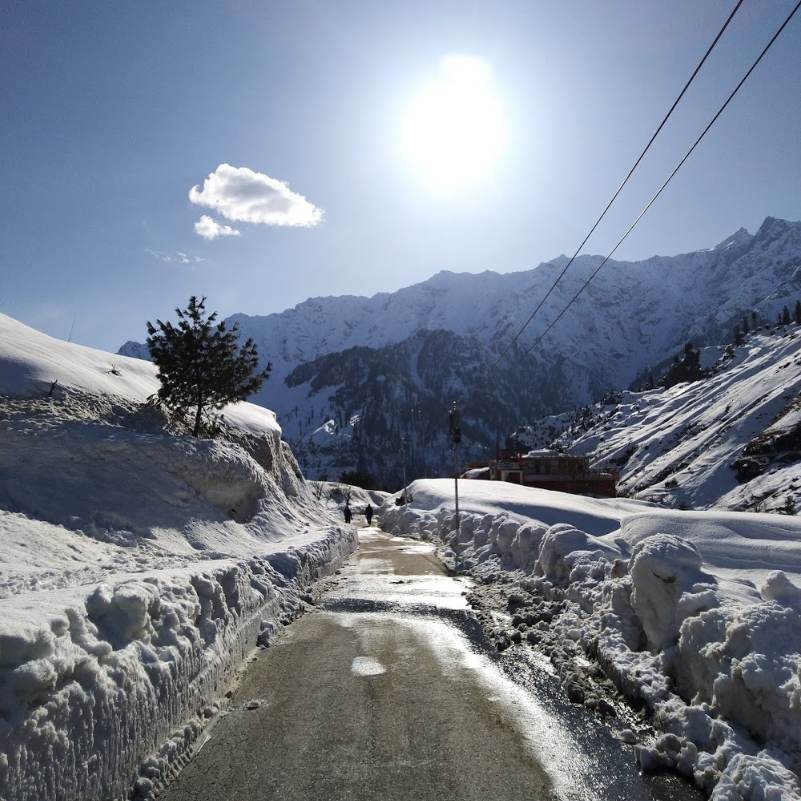
Rohtang Pass sits at 3,978 metres. That is high. Our team generally recommends around 60 to 90 minutes at the top for views, photos, and snow play when conditions allow.
The long drive and the altitude can leave you tired. If you feel headache, nausea, unusual tiredness, or breathlessness, do not push higher. These can be warning signs.
The CDC advice for high altitude is simple. Do not go higher when you have symptoms, and come back down if symptoms get worse while you are resting. We are not doctors, so we will not tell you what to take. Just listen to your body up there.
Returning to Manali
Start your descent before the late-day traffic builds up. The road down clogs fast in peak season.
Keep your evening free. Traffic and weather can delay the journey back, and you do not want a tight dinner booking pulling at you while you are stuck behind a jam near Gulaba.
Our Himachal-based team can help check your itinerary, cab plan, and current Rohtang access before you lock anything in.
>>Want to plan Rohtang without rushing your day? Message us on WhatsApp for a practical itinerary.
Day 3: Can You Cover Solang Valley, Atal Tunnel and Sissu Together?
Morning at Solang Valley
Solang Valley is roughly 13 to 14 km from Manali. Official tourism pages use both figures, so expect somewhere in that range.
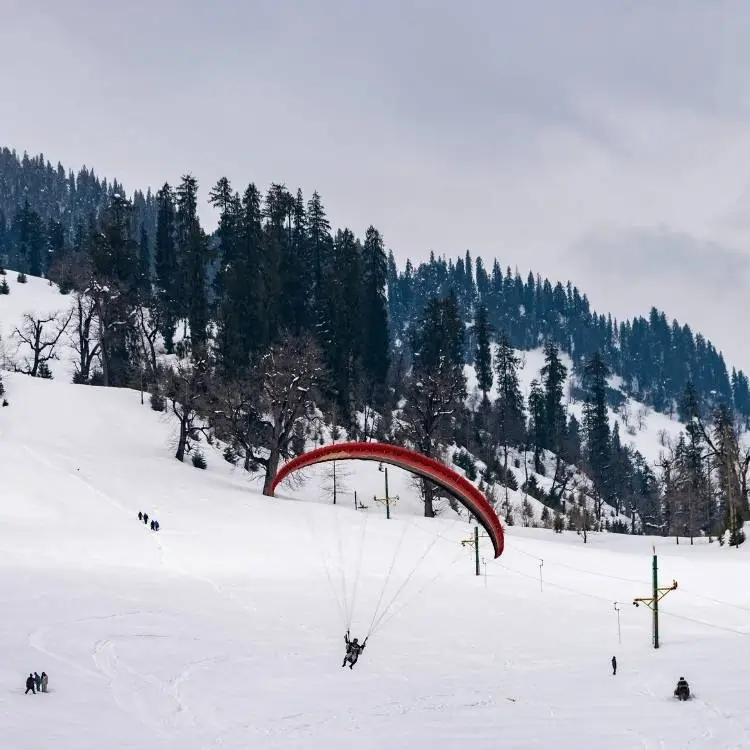
Skiing and snow play depend on whether there is snow. Paragliding, zorbing, and the rest depend on the season, the weather, and which operators are running that day. Some days everything is on. Some days almost nothing is.
We are not listing activity prices here because they shift constantly and vary by operator. Confirm the full activity price directly with the operator before paying.
Drive Through Atal Tunnel
The Atal Tunnel takes you under the mountain into Lahaul, and it is a smooth, impressive drive most days. But temporary restrictions do happen during snowfall, slippery roads, heavy congestion, or official security arrangements.
Here is one example of how rules change. In January 2026, only 4x4 vehicles were temporarily allowed beyond Solang Valley during slippery conditions. That was a specific situation, not the current rule, but it shows how fast things shift up here.
Check the same-day road and police advisory before you set off. What was open yesterday can be restricted today.
Afternoon in Sissu
Keep Sissu relaxed. It is a small Lahaul village with a big mountain view, a waterfall across the valley, and open space to sit. Have lunch, take photos, and let the afternoon go slow.
Do not tack on Jispa, Darcha, or Baralacha La to this day. That would turn a comfortable outing into an exhausting road trip, and you would arrive back in Manali well after dark, drained.
For more on this side of the tunnel, see our Sissu tour packages, and if you want the thrill side of Solang, our guide to adventure activities in Manali covers what is actually worth doing.
Day 4: Should You Visit Naggar or Keep a Short Departure-Day Plan?
Option 1: Full Day in Naggar
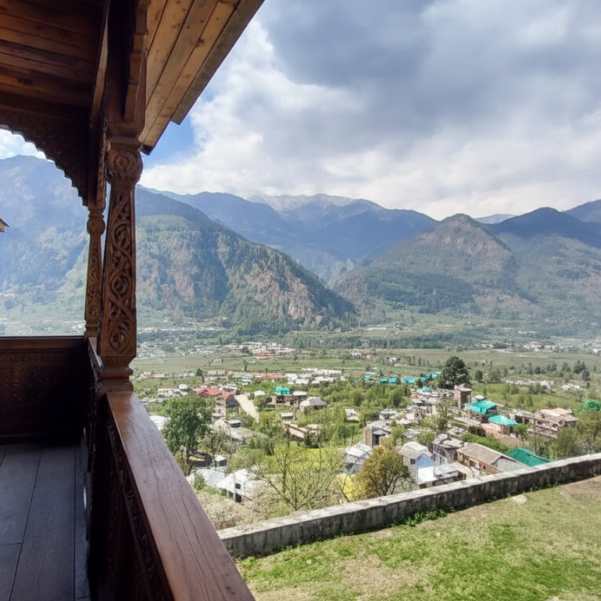
If you leave the next morning, spend Day 4 in Naggar. It is calmer than Manali and full of old-world charm.
Walk around the castle area, the village lanes, the traditional wood-and-stone houses, and the art spots the town is known for. We are not quoting entry prices or timings here because they change, so check on arrival.
Option 2: Short Plan Before an Evening Volvo
If your bus leaves that evening, keep it light. Use the morning for something you missed on Day 1, a slow café breakfast, or last-minute shopping on Mall Road.
Then get back for your luggage and the bus with a generous time buffer. Do not plan Rohtang, Sissu, or any long drive on departure day. One delay and you miss your bus.
What Should You Do if Rohtang Pass Is Closed or Permits Sell Out?
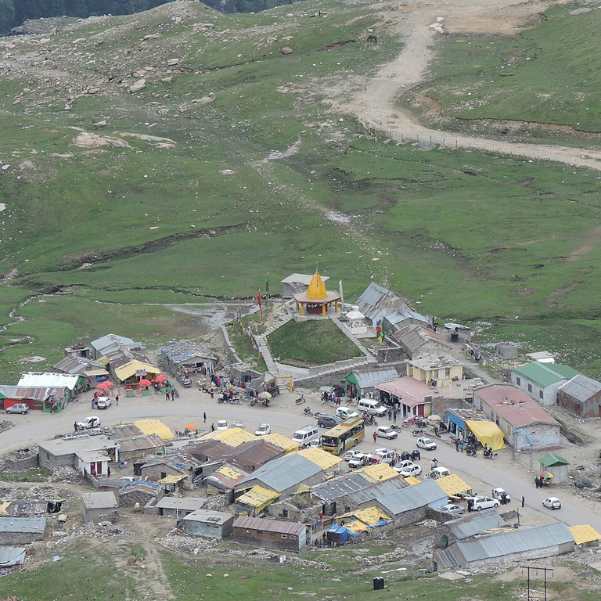
It happens. Weather shuts the pass, or the daily quota fills before you get a permit. Do not let it wreck the trip.
Move your Solang Valley, Atal Tunnel, and Sissu plan onto the Rohtang day when those roads are open. That way you still get a full mountain day.
Then use your other day for Naggar, local Manali, or a snow point confirmed by the administration or your driver that morning.
Do not assume you can always reach Gulaba or Marhi freely. Access to those points can also be controlled by permits or traffic restrictions, so check before you count on them.
Our month-specific guides help you set the right expectations, like Rohtang Pass in August and Rohtang Pass in September.
How Should This Itinerary Change by Season?
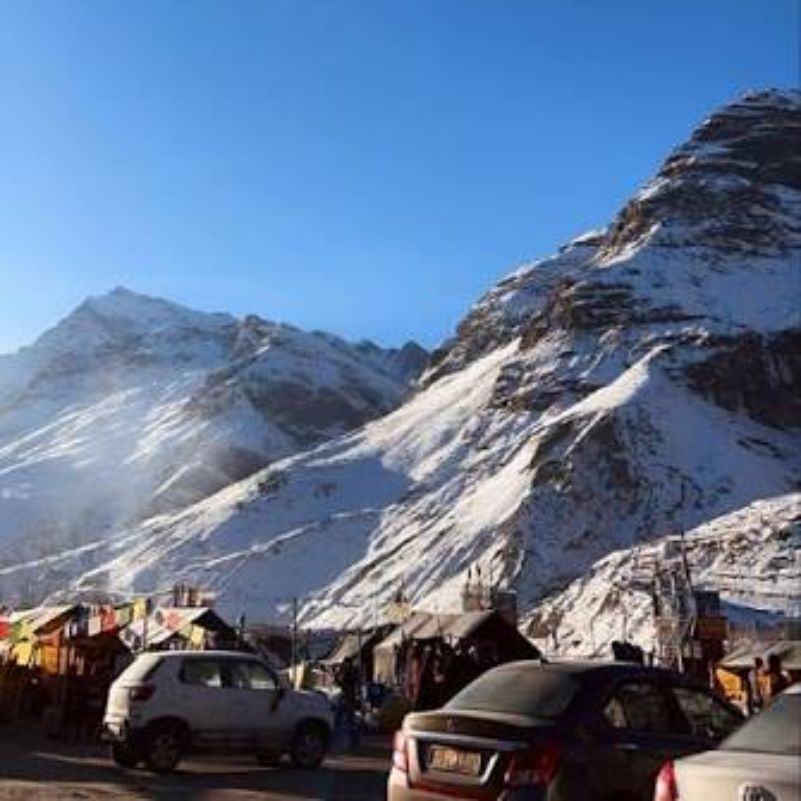
March and April
Do not count on reaching Rohtang Top this early. Build your plan around local Manali, Solang Valley, and whatever is confirmed open on the day. Treat Rohtang as a bonus, not a plan.
Late May and June
Add Rohtang only after the road has officially opened and permits are available. Some commercial reports place the 2026 reopening on 17 May, but we could not find a matching official district order. Confirm the live road and permit status before fixing your travel date.
July and August
Keep one flexible day. Rain, poor visibility, and road disruption can hit mountain travel hard in these months. We will not claim the road stays open all through the monsoon, because some days it simply does not.
September and October
Run the same basic itinerary, but watch for early snowfall and temporary restrictions. This is often a lovely time to visit, with clearer air and thinner crowds.
November to February
Do not build the trip around guaranteed Rohtang access. It usually is not open. Treat Solang, the Atal Tunnel, Sissu, or other open spots as weather-dependent alternatives, never as promises.
How Much Does a 4-Day Manali Rohtang Trip Cost?
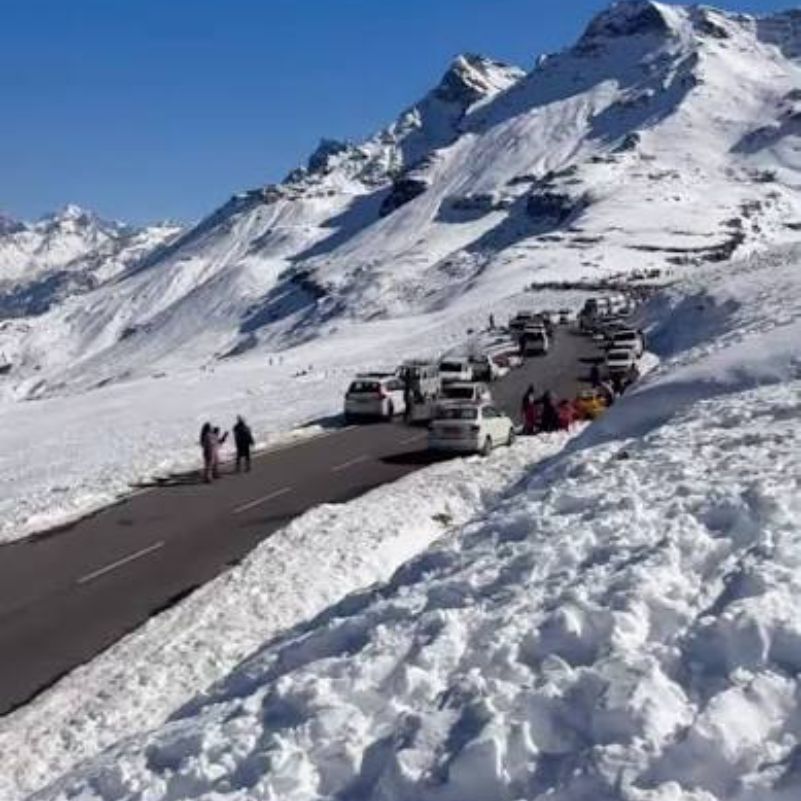
The one confirmed government figure is ₹550 for a car, jeep, or MUV at Rohtang. That is the permit plus congestion charge, and it is fixed.
Everything else sits on top of that. You are paying for accommodation, local sightseeing transport, the Rohtang taxi, Solang or Sissu transport, meals, snow clothing, and adventure activities.
We will not call any taxi fare official, because the 2026 commercial pages conflict badly. One page lists a Rohtang Alto at ₹4,500 and a tempo traveller at ₹10,000, while other pages quote completely different numbers.
Here is what we tell our travellers
Ask for a current written quote that clearly says whether the permit, congestion charge, parking, driver allowance, Solang Valley, and Atal Tunnel are all included. A vague verbal price is where the surprises hide.
We are not publishing a fixed per-person budget because hotel, taxi, meals, snow clothing and activity costs vary. Confirm the latest rates in writing before booking.
Should You Hire a Taxi or Take Your Own Car?
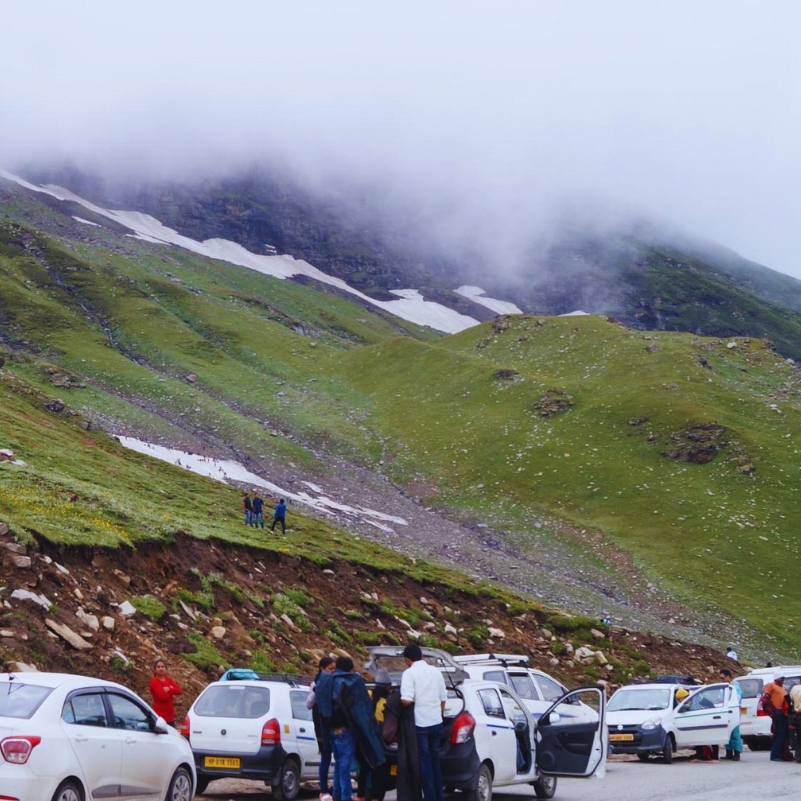
You can take your own vehicle up Rohtang through the permit system, as long as it meets the documentation and ten-year vehicle-age rules. Plenty of self-drivers do it every season.
A local driver can make the permit coordination and the mountain-road driving easier, especially during congestion. But a taxi is not legally compulsory unless a specific rule applies for your exact date, so do not let anyone tell you it is required when it is not.
HPTDC also lists a Manali sightseeing route to Rohtang Pass. If that interests you, verify the operating schedule, fare, and availability for your travel date before you rely on it.
Where Should You Stay for This Itinerary?
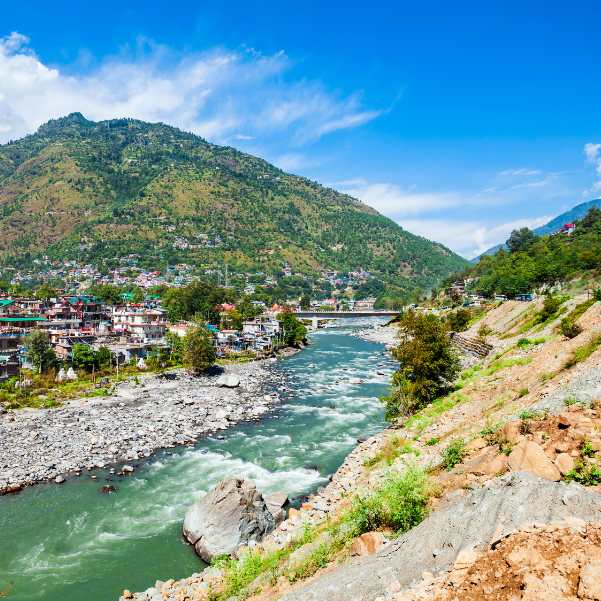
For a short trip like this, central Manali and Aleo are practical. You are close to transport pickups and the main road, which matters when your Rohtang cab arrives at dawn.
Old Manali is lovely for cafés and atmosphere, but it can be slow to get in and out of during congestion. If you have an early start every day, that traffic adds up.
We are not publishing hotel prices without a live quote, since rates swing hard by season and demand.
What Should You Pack for Rohtang and Solang?
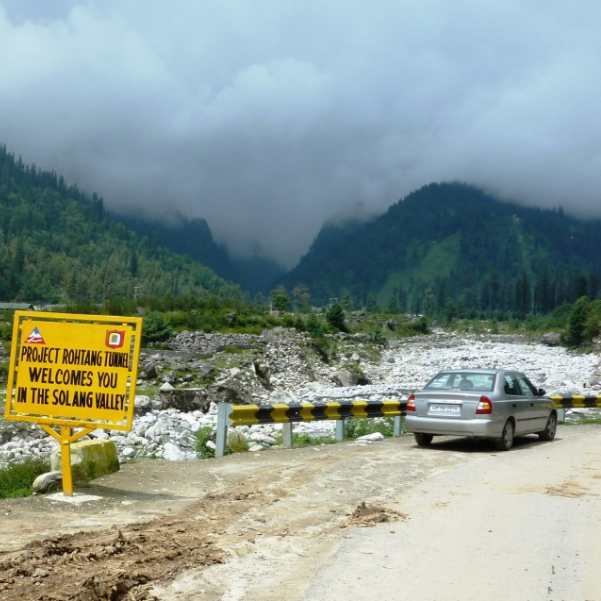
Pack layered warm clothes, gloves, sunglasses, sunscreen, water, snacks, good footwear, and a dry spare pair of socks. The cold up top surprises people even in summer.
Check the actual snow conditions before you rent a full snow suit. On a dry day you are paying for a suit you never needed.
Rohtang is a high-altitude day trip. If you have any relevant medical concerns, talk to a qualified doctor before you travel. We will not suggest any medicine here, prescription or otherwise. That is a doctor's call, not ours.
Common Mistakes to Avoid on a 4-Day Manali Trip
The first mistake is counting four calendar days as four full sightseeing days. Arrival and departure eat into two of them, so plan for less.
The second is forcing Rohtang, Solang, Atal Tunnel, and Sissu into one overloaded day. You will spend it all in the car and enjoy none of it. Split them the way we have here.
Do not rely on an old Tuesday-closure statement. Check the live portal for your date.
Do not assume snow or Rohtang access just because of the month. The mountain does not read the calendar.
And do not book a tight departure connection right after your Rohtang day. If the pass delays you, a same-evening bus becomes a real problem.
>>Don’t let one delayed mountain day ruin your departure. WhatsApp us to build the right buffer into your itinerary.
Explore Our Curated Rohtang Pass Tour Packages
 5D/4N
5D/4NPremium Manali Tour Package with Private Cab and Rohtang Pass
4D Manali
₹14,999₹19,999SAVE INR 5,000/ person 5D/4N
5D/4NBest Value Manali Volvo Package with Rohtang Pass
3D Manali
₹9,999₹13,999SAVE INR 4,000/ person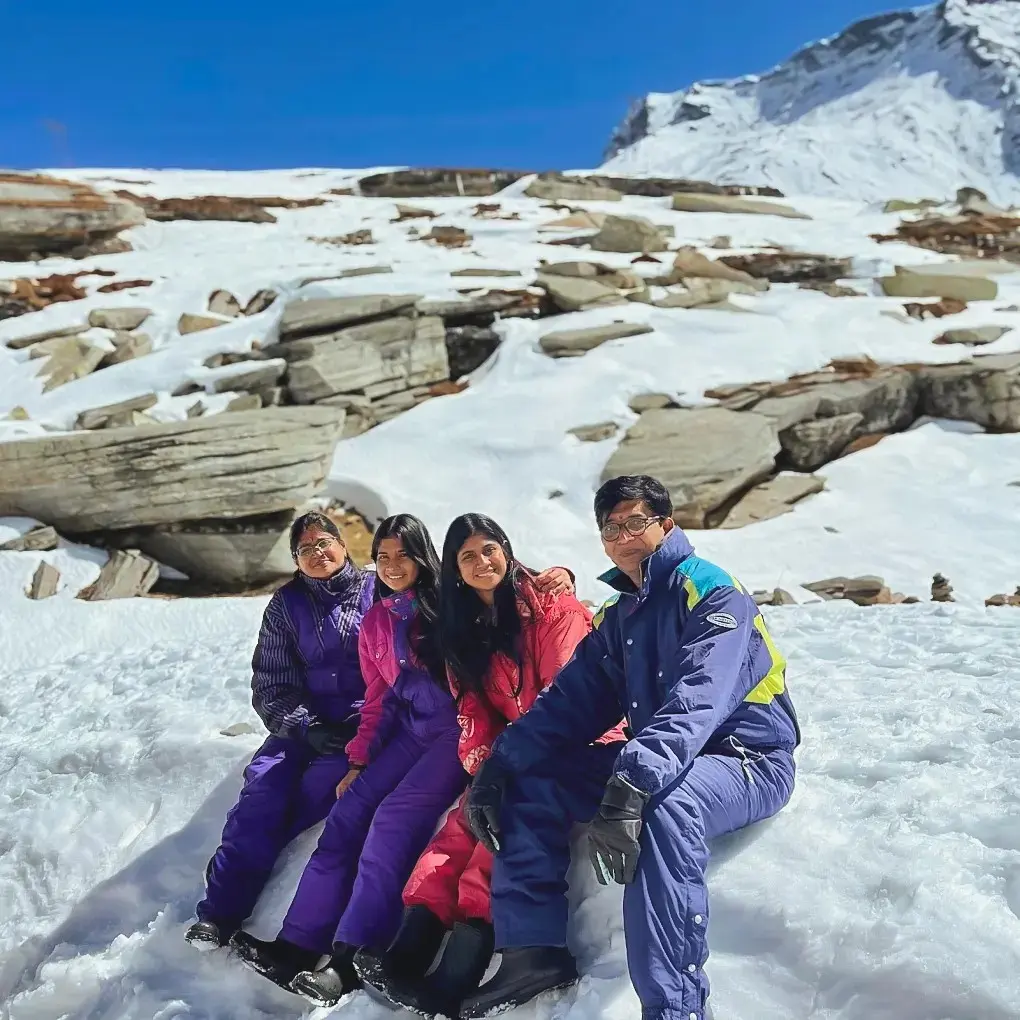 7D/6N
7D/6NComplete Shimla Manali Volvo Package with Rohtang Pass
2D Shimla•2D Manali
₹15,999₹19,499SAVE INR 3,500/ person
Related topics
Frequently Asked Questions
Is four days enough for Manali?
Yes, four days comfortably covers local Manali, Rohtang Pass, Solang Valley, the Atal Tunnel, Sissu, and Naggar without rushing. Just remember that arrival and departure days are usually part travel, so you get closer to three solid sightseeing days. Keep distant spots like Kasol out of this plan and you will enjoy it far more.
What is the best four-day itinerary for Manali?
Day 1 for local Manali, Day 2 for Rohtang Pass, Day 3 for Solang Valley, Atal Tunnel and Sissu, and Day 4 for Naggar or a relaxed departure-day plan. This spreads the driving out and keeps Rohtang and Solang on separate days so neither feels rushed. Adjust it around road access and permits on your actual travel dates.
Can Rohtang Pass and Solang Valley be covered in one day?
We do not recommend it. They lie in different directions and both deserve time. Cramming them together means a long, tiring day mostly spent in the car. Keeping Rohtang on one day and Solang, Atal Tunnel and Sissu on another gives you a much better trip. Only combine them if a road closure forces your hand.
Is a permit required for Rohtang Pass?
Yes. You need a vehicle permit to go up Rohtang Pass. It requires valid ID, a valid PUC certificate, vehicle registration details, and driver and contact details. The vehicle registration cannot be more than ten years old. Carry the printed permit, because it is compulsory and an issued permit cannot be cancelled.
What is the Rohtang Pass permit price in 2026?
For cars, jeeps and MUVs, the permit fee is ₹500 plus a ₹50 congestion charge, so ₹550 in total as the listed government amount. This is only the permit cost. Your taxi, fuel, meals, snow clothing and activities are all separate, so always get a clear written quote for the full trip.
How far is Rohtang Pass from Manali?
Rohtang Pass is about 51 km from Manali and sits at an elevation of 3,978 metres. The route runs through Nehru Kund, Kothi, Gulaba and the Marhi area before the top. The distance is short but the drive is slow because of the terrain, altitude and traffic, so give it a full day.
What time should I leave for Rohtang Pass?
Our team suggests aiming to leave around 6:30 to 7:00 in normal summer conditions. An early start helps you beat the crowds and the afternoon weather. That said, your permit, driver instructions, police controls and the actual road opening decide the real timing, so treat this as a guide rather than a fixed rule.
Is Rohtang Pass closed on Tuesday?
Maybe, maybe not. Many older pages say Tuesday is the maintenance day, but the live official portal showed "NONE" as the no-vehicle day when we checked on 25 July 2026. The maintenance day can change, so check the live permit portal for your exact travel date instead of trusting the old Tuesday rule.
Can I take my own car or bike to Rohtang Pass?
Yes, you can use your own vehicle through the permit system if it meets the documentation and ten-year vehicle-age conditions. A local driver can make permit coordination and mountain-road travel easier during congestion, but a taxi is not legally required unless a specific rule applies for your date. Always verify current rules before you go.
What can I visit when Rohtang Pass is closed?
Shift your Solang Valley, Atal Tunnel and Sissu plan to that day if those roads are open. Otherwise use the time for Naggar, local Manali sightseeing, or a snow point confirmed by the administration or your driver that morning. Do not assume you can freely reach Gulaba or Marhi, as those points can also be restricted.
Which month is best for snow near Manali?
We will not promise snow in any specific month, because it varies year to year. Winter months generally bring more snow near Solang and higher points, while Rohtang usually stays closed then. For snow at Rohtang itself, the pass has to be officially open first. Always check same-day conditions rather than assuming based on the month.
Can I cover Solang Valley, Atal Tunnel and Sissu in one day?
Yes, and this is exactly how we plan Day 3. Start with a Solang morning, drive through the Atal Tunnel, and spend a relaxed afternoon in Sissu. Do not stretch it further to Jispa or Darcha, as that turns a comfortable day into an exhausting one. Check the same-day road and police advisory before setting off.
More about Rohtang Pass
 Rohtang Pass
Rohtang Pass Altitude Sickness in 2026: Symptoms, Prevention and When to Turn Back
Planning a trip to Rohtang Pass in 2026? Learn the symptoms of altitude sickness, prevention tips, and when to turn back for a safe mountain journey.
- Altitude & Health
- First-Time Travellers
- Rohtang Pass
Best Places to Visit on the Way to Rohtang Pass in 2026
Discover the best places to visit on the way to Rohtang Pass in 2026, including Solang Valley, Rahala Waterfalls, Gulaba, Marhi, and more for an unforgettable Himalayan road trip.
- Places to Visit
- Road Trips
 Rohtang Pass
15 Rohtang Pass Mistakes to Avoid in 2026: Permits, Taxi Scams, Timing and Snow Rentals
Planning a Rohtang Pass trip in 2026? Discover 15 common mistakes to avoid, from permits and weather to packing and safety, for a smooth mountain adventure.
- First-Time Travellers
- Permits & Fees