
Rohru
An apple town on the Pabbar River in Shimla district where trout fishing has been the main draw since the colonial era, the orchards produce some of the best apples in Himachal, and the road beyond town climbs into the Chanshal range toward one of the state's most remote and rewarding high altitude passes
- Apple Town
- ~1,525 m
- Pabbar Valley, Shimla district
- 115 km from Shimla
- Trout fishing
- Year round
- Chanshal Pass base
- HPTDC rest house
- ATM and fuel available
- Hatkoti temples nearby
What makes it special
Rohru is the kind of town that serves two very different types of travellers, and knowing which one you are matters for how much you enjoy it.
If you are headed to Chanshal Pass, Dodra Kwar, or anywhere in the upper Pabbar Valley, Rohru is your last supply stop. Period. Fill your tank here. Hit the ATM. Stock up on food and water. Charge your phone. After Rohru, the infrastructure disappears and does not come back for a long time.
But Rohru is also worth spending time in, and that part gets overlooked because the town itself is probably not what you are picturing. This is not a quiet hill station. Rohru is a working commercial hub, noisy and energetic, built around the apple trade. During harvest season (September to November), the main road is thick with apple laden trucks, the bazaar buzzes with buyers and traders, and the whole town runs on fruit and commerce. The rest of the year it is calmer, but it is always a market town first, the kind with provisions shops, loud morning activity, and the purposeful bustle that comes from being the last real town before the mountains get serious.
So where is the beauty? Around Rohru, not in it. The apple orchards lining the valley road between Hatkoti and Chirgaon are thick and productive. The Rohru, Hatkoti, Jubbal, and Kotkhai belt is sometimes called the Golden Apple Belt of Himachal, and it earns the name. Rich Red and Royal Delicious are the varieties you will see stacked in crates at every roadside during harvest. And the Pabbar River, grey green and fast, running down from the Chandan Nahan glacier in the Chanshal range, is one of the oldest trout fishing stretches in Himachal Pradesh. Brown and rainbow trout have been in this water since the British stocked it.
The town sits on the left bank of the river at about 1,525 metres. You will find a bazaar with provisions shops, a few hotels and guesthouses, dhabas serving north Indian food, an HPTDC rest house, a government hospital, a post office, and the one ATM and fuel pump that everyone heading to Chanshal needs to know about. There are a couple of carved wooden temples in town, including the Shikhru Devta temple in the centre, the presiding deity of Rohru and the focus of an annual festival in April with genuine local energy.
The Pabbar River is the thread connecting everything in this valley. Downstream, it passes through Hatkoti and its 9th century temple complex. Upstream, it narrows through Chirgaon past the Dhamwari trout hatchery (about 25 km from town) and continues toward the headwaters near Chanshal Peak. The stretch between Rohru and Chirgaon is considered some of the best trout water in Himachal. Fishing is regulated. You need a permit from the state fisheries department, rod and line only, and the season is generally March to October. Ask at the fisheries office in Rohru for current rules and prices, as these change.
Honest framing. Rohru is not a place you come for luxury, silence, or pretty backdrops of the town itself. The hotels are basic. The food is standard north Indian dhaba fare. The town is loud during apple season and functional the rest of the year. What it gives you is a comfortable altitude, a genuinely good river, apple orchards in every direction, and the fact that it is the last place with real facilities before the road climbs into some of the most remote and rewarding country in Himachal. One night here before a Chanshal run is the minimum. Two nights if you want to fish, visit Hatkoti and Giri Ganga, and let the valley settle in instead of just driving through it.
Quick answers
- What is Rohru?
- A busy Himachali market town at roughly 1,525 metres on the Pabbar River in Shimla district. The commercial hub of the apple belt, noisy and energetic during harvest season, quieter and functional the rest of the year. Known for trout fishing since the British era, quality apple orchards (the Golden Apple Belt of Himachal), and as the last proper supply town before the upper Pabbar Valley and Chanshal Pass. About 115 km from Shimla. Hotels, ATM, fuel, hospital. Year round access.
- How many nights should I spend in Rohru?
- One night is enough if you are just using Rohru as a base for Chanshal Pass. Two nights if you want to fish, visit Hatkoti temples, explore Giri Ganga, and drive the orchard roads without rushing. Three nights if you are combining Chanshal Pass, Kuppar Bugyal, and the valley.
- When is the best time to visit?
- September to November for apple harvest and clear weather, though apple truck traffic on the road from Shimla slows your drive during this period. March to June for comfortable temperatures and trout fishing season. July and August are monsoon, with rain and occasional landslide risk on the approach road. Winter is cold but the town is accessible year round.
Quick facts
Everything you need to know at a glance.
At a glance
- Altitude
- Approximately 1,525 m (5,000 ft).
- Location
- Pabbar Valley, Shimla district, Himachal Pradesh. On the banks of the Pabbar River.
- Distance from Shimla
- About 115 km via Theog and Kotkhai. 4 to 5 hours by road.
- Distance from Delhi
- About 450 to 500 km. 10 to 12 hours. Best split over two days.
- Access
- Year round. Monsoon may cause delays due to landslides on the approach road.
- Entry fee
- None. Trout fishing requires a separate permit from the fisheries department.
- Time needed
- 1 to 3 nights. One night for a Chanshal base. Two or more to explore the valley.
On the ground
- Mobile network
- Jio and Airtel work in town. BSNL works in town and patches beyond. Signal weakens rapidly outside Rohru.
- ATM
- One ATM in town (State Bank or UCO, availability can be patchy). Carry backup cash from Shimla.
- Fuel
- One fuel pump in Rohru. This is the last pump before Chanshal Pass and the upper valley. Fill completely.
- Food
- Dhabas and small restaurants serving north Indian food. Local trout is a seasonal speciality. Nothing fancy.
- Accommodation
- HPTDC rest house, budget hotels, a few guesthouses. No luxury options. Book the HPTDC in advance during apple season.
- Medical
- Government hospital in town. Basic facility. For anything serious, Shimla is the nearest proper hospital.
- Market
- Small bazaar with provisions, fruit stalls, and basic supplies. Stock up here if heading to Chanshal or beyond.
Seasonal weather
- March to June28°10°Spring and Summer
- July to September25°14°Monsoon
- October to November22°5°Autumn
- December to February14°-2°Winter
Suitable for
- Couples — suitable
- Families — suitable
- Seniors — suitable
- Solo — suitable
- First-timers — with some care
- Pet-friendly — with some care
How to reach Rohru
2 approach routes, with seasonal access.
From Shimla (via Theog, Kotkhai, Hatkoti)
Year round. Monsoon may cause landslide delays.- Distance
- About 115 km
- Time
- 4 to 6 hours depending on season and traffic
- Road
- State highway. Mixed quality. Narrow in sections. Apple truck traffic in season.
- Last fuel
- Shimla, Theog
From Shimla, the standard route runs through Theog, Kotkhai, Kharapathar, and Hatkoti. The stretch from Shimla to Theog on the Hindustan Tibet road is decent. After Theog, the road narrows and has rough patches, especially around Kharapathar where the surface can be genuinely bad. The final stretch through Hatkoti to Rohru follows the Pabbar River and is generally better surfaced. Here is the thing most itineraries leave out: during apple season (September to November), this road is choked with loaded apple trucks crawling down narrow sections. That alone can add an hour or more to your drive. Monsoon brings its own delays with rain, landslide clearances, and mud. Factor in these realities when you plan your arrival time, and do not trust the distance alone. An alternate route via Narkanda and Tikkar is slightly longer but avoids the worst of the Kharapathar section and some drivers prefer it. HRTC buses run frequently between Shimla and Rohru. Private taxis and self drive are both fine.
From Delhi or Chandigarh
Year round to Rohru.- Distance
- About 450 to 500 km from Delhi
- Time
- 10 to 14 hours. Best split over two days.
- Road
- Highway then mountain roads.
- Last fuel
- Multiple highway stops, Shimla, Theog
From Delhi, take the NH44 to Chandigarh, then climb through Solan or Shimla and continue to Rohru. Alternatively, take the Dehradun route via Chakrata, Tiuni, and Hatkoti for a loop that avoids retracing the Shimla highway. Either way, split the journey with at least one overnight stop. Doing Delhi to Rohru in one shot is 10 to 12 hours on mountain roads, and you will arrive too drained to enjoy anything. The mountain stretch from Shimla onward is the same narrow road, with the same apple truck and weather variables described above.
Best time to visit
Season by season, so you can plan around the weather rather than hope.
- Recommended
Spring and summer
March to June
Comfortable weather, trout season open, Chanshal Pass starts opening.
- Temperature
- 10 to 28°C.
- Road from Shimla
- Generally clear. No apple truck traffic.
- Fishing
- Trout season open.
- Chanshal Pass
- Generally opens May. Confirm locally.
The most comfortable window for visiting. Daytime temperatures in Rohru sit around 18 to 28 degrees. Apple trees come into blossom in April and early May, and the orchards are pleasant without the commercial frenzy of harvest. The Pabbar River runs clean and moderate. Trout fishing season opens in March. The road from Shimla is generally stable, and importantly, free of the apple truck traffic that clogs it later in the year. Wildflowers appear on the upper slopes. If you are combining with Chanshal Pass, the pass typically opens in May. This is the best window for a Rohru plus Chanshal trip.
Monsoon
July to September
Rain, landslide risk on the approach, and the upper valley road gets tricky.
- Temperature
- 14 to 25°C.
- Rain
- Moderate to heavy. Landslide risk on approach roads.
- Fishing
- Season open but river may be swollen.
- Crowds
- Low.
Rain and humidity increase. The Pabbar can swell and turn muddy. The road from Shimla has landslide risk, especially between Kharapathar and Hatkoti. If you are heading to Chanshal, monsoon makes the upper road significantly harder. Rohru itself is accessible but delays of a few hours from road blockages are genuinely possible. Not the ideal window unless you have flexible dates and a real tolerance for disruption. Late September is better as the rain eases.
- Recommended
Autumn and apple harvest
October to November
Apple harvest, clear skies, dry roads. The best month is October, but expect truck traffic.
- Temperature
- 5 to 22°C.
- Apple harvest
- September through November. Orchards at their fullest.
- Road
- Dry surface, but heavy apple truck traffic slows travel.
- Chanshal Pass
- Usually open through October. Early snow possible.
This is the most rewarding window for the valley around Rohru. The apple harvest runs September through November, and the orchards between Hatkoti and Chirgaon are loaded with fruit. The air clears after the monsoon and the mountain views are the sharpest of the year. Days are crisp, around 10 to 22 degrees. Nights get cold, especially in November. Roads are dry and stable. October is the single best month. One thing to factor in: the road from Shimla is thick with apple trucks during harvest, so travel times are longer than usual. The town itself is at its noisiest and most commercial, which is either energising or exhausting depending on what you came for. If you are combining with Chanshal Pass, the pass is usually still accessible through October but can close with early snow.
Winter
December to February
Cold and quiet. The town is accessible but the upper valley is closed.
- Temperature
- -2 to 14°C.
- Snow
- Possible but not guaranteed in town. Common at higher elevations.
- Road from Shimla
- Usually open. Snow near Kharapathar possible.
- Chanshal Pass
- Closed.
Cold mornings and cold nights, with temperatures dropping below zero in January and February. Snowfall is possible in and around Rohru, though it is not guaranteed at this altitude. The road from Shimla is generally open but can be disrupted by snow near Kharapathar. Chanshal Pass and the upper valley are closed. This is actually when Rohru is at its quietest: the apple trucks are gone, the bazaar slows down, and the town has a stripped down, local feel that some people genuinely enjoy. Not much to do beyond walking the river and visiting temples. Pack properly warm.
Things to see & do
4 things worth your time at Rohru.
Trout fishing on the Pabbar River
Half day to full dayThe Pabbar River between Rohru and Chirgaon is one of the better trout stretches in Himachal. Brown and rainbow trout both live in these waters. Fishing is regulated by the state fisheries department, and you need a rod and line permit. The season runs generally from March to October. Ask at the fisheries office in Rohru for current fees and rules, as these change. The best spots are upstream of town, toward Dhamwari where the government trout hatchery operates (about 25 km from Rohru). Early morning is the most productive time. If you are serious about fishing, bring your own gear. Rental equipment in Rohru is limited and basic.
Drive to Chanshal Pass
Full day round trip from RohruThe 48 km road from Rohru to Chanshal Pass at roughly 3,750 metres is the main adventure draw from this base. The road climbs through apple orchards, deodar forest, and rough mountain terrain to an open alpine saddle with wide meadows and Himalayan views. A 4x4 or adventure motorcycle is strongly recommended, and experienced mountain driving is equally important. Fill fuel in Rohru before leaving. Plan a full day for the round trip. The pass is generally accessible from May to October, but always confirm road conditions locally before starting.
Visit Hatkoti Temples
1 to 2 hoursThe Hatkoti temple complex sits on the Pabbar River about 12 km from Rohru on the road toward Shimla. The main temples are dedicated to Goddess Hateshwari (a form of Durga as Mahishasuramardini) and Lord Shiva. The stone shikhara style architecture dates back to the 9th century. An annual mela during Chaitra Navratri (March or April) draws large crowds from across the valley. No entry fee. The temples sit at the confluence of streams, and the riverside setting is part of why people linger here longer than they planned. A calm, worthwhile stop, especially if you are driving between Shimla and Rohru.
Trek to Giri Ganga
Half day (6 to 7 km each way)A 6 to 7 km trek through thick deodar forest leads from Kharapathar (on the Shimla to Rohru road) up to Giri Ganga, believed to be the source of the Giri River. A small shrine marks the spot where the river emerges below the Kuppar peak. The walk is pleasant and shaded, gaining moderate altitude through forest. Not a demanding trek, but wear proper shoes as the trail can be muddy. Note that this is accessed from Kharapathar, not Rohru town itself, so it works best as a stop on the drive in or out of the valley rather than a day trip from Rohru.
Know before you visit Rohru
The practical bits, from people who have been.
Staying, eating, and suppliesHPTDC rest house is the best stay. Book ahead in apple season. Food is basic dhaba style. Stock up here for the upper valley.
Rohru is a working Himachali market town, not a hill resort. Set your expectations for that and you will be fine.
The HPTDC rest house is the best option in town and books up during apple season (September to November) and festivals. Reserve in advance if your dates fall in this window. Budget hotels and guesthouses exist but rooms are simple: concrete walls, basic beds, maybe a geyser for hot water. During apple season, the town is loud with truck traffic from early morning, so if you are a light sleeper, ask for a room that does not face the main road.
Food is standard north Indian dhaba fare. Dal, rice, roti, sabzi, the occasional egg curry. During trout season, a few places serve fresh trout from the Pabbar, and that is genuinely worth trying. Ask your hotel or a local dhaba if they have it. There is no formal restaurant scene.
The market has provisions shops where you can stock up on biscuits, chips, instant noodles, and bottled water for an upper valley trip. Fresh fruit is abundant in season. The town has a post office, a government hospital (basic), and a few chemist shops.
Who Rohru suitsGood for anglers, off roaders, quiet seekers (outside apple season), and Chanshal planners. Not for luxury or nightlife seekers.
Suits well. Anglers who want trout fishing in a genuine river setting. Off road riders and 4x4 drivers using Rohru as a Chanshal base. Travellers on the Shimla to Uttarakhand loop who want a night in the Pabbar Valley. Couples and solo travellers looking for mountain country without the tourist crowds of Shimla or Manali.
Also works for. Families who are comfortable with basic accommodation and do not need structured activities. The altitude is gentle, the town is safe, and the orchard roads outside town are pleasant for short drives. Senior travellers who want an easy mountain setting without high altitude stress.
Not ideal for. Travellers expecting resort level stays, curated activities, or a polished tourist experience. Rohru has almost no evening entertainment beyond eating and sleeping. If you need nightlife, shopping, or luxury, this is not your destination. And if you are noise sensitive, be warned that apple season turns the town into a full commercial hub with trucks moving through from dawn.
Cash, fuel, network, and medical realityOne ATM (patchy). Last fuel pump before the upper valley. Jio and Airtel in town, dead beyond Chirgaon.
Rohru has one ATM (reported as State Bank or UCO, and availability can be patchy). Do not rely on it as your only cash source. Carry backup cash from Shimla or Chandigarh. UPI works in town when the network cooperates, but do not count on it at dhabas or smaller shops.
The fuel pump in Rohru is the last one before the upper valley. If you are heading to Chanshal Pass, Larot, or beyond, fill your tank completely here. There is no fuel between Rohru and Dodra Kwar on the other side of the pass.
Jio and Airtel work in Rohru town. Signal weakens quickly outside. Beyond Chirgaon, BSNL is the most reliable (which is not saying much). At Chanshal Pass, there is no signal at all. Download offline maps before leaving Rohru.
The government hospital in Rohru handles basic medical needs. For anything serious, you will need to go to Shimla (4 to 5 hours away). Carry a basic first aid kit, especially if heading to the upper valley.
Trout fishing practicalitiesPermit required from fisheries dept. Season March to October usually. Best stretches upstream toward Dhamwari. Bring your own gear.
Trout fishing in the Pabbar is regulated by the Himachal Pradesh Fisheries Department. You need a permit for rod and line fishing. The season generally runs from March to October, but dates and fees can change. Visit the fisheries office in Rohru for current details. Fishing without a permit is illegal and can result in a fine.
The Dhamwari trout hatchery, about 25 km upstream, is both a facility and a good fishing area. The stretches between Rohru and Chirgaon are considered among the best in the valley for both brown and rainbow trout. Early morning is the most productive window.
Bring your own gear if possible. Rental options in Rohru are limited and basic. Fly fishing works well here. Bait fishing is also common locally.
Nearby attractions
Other places worth the detour.
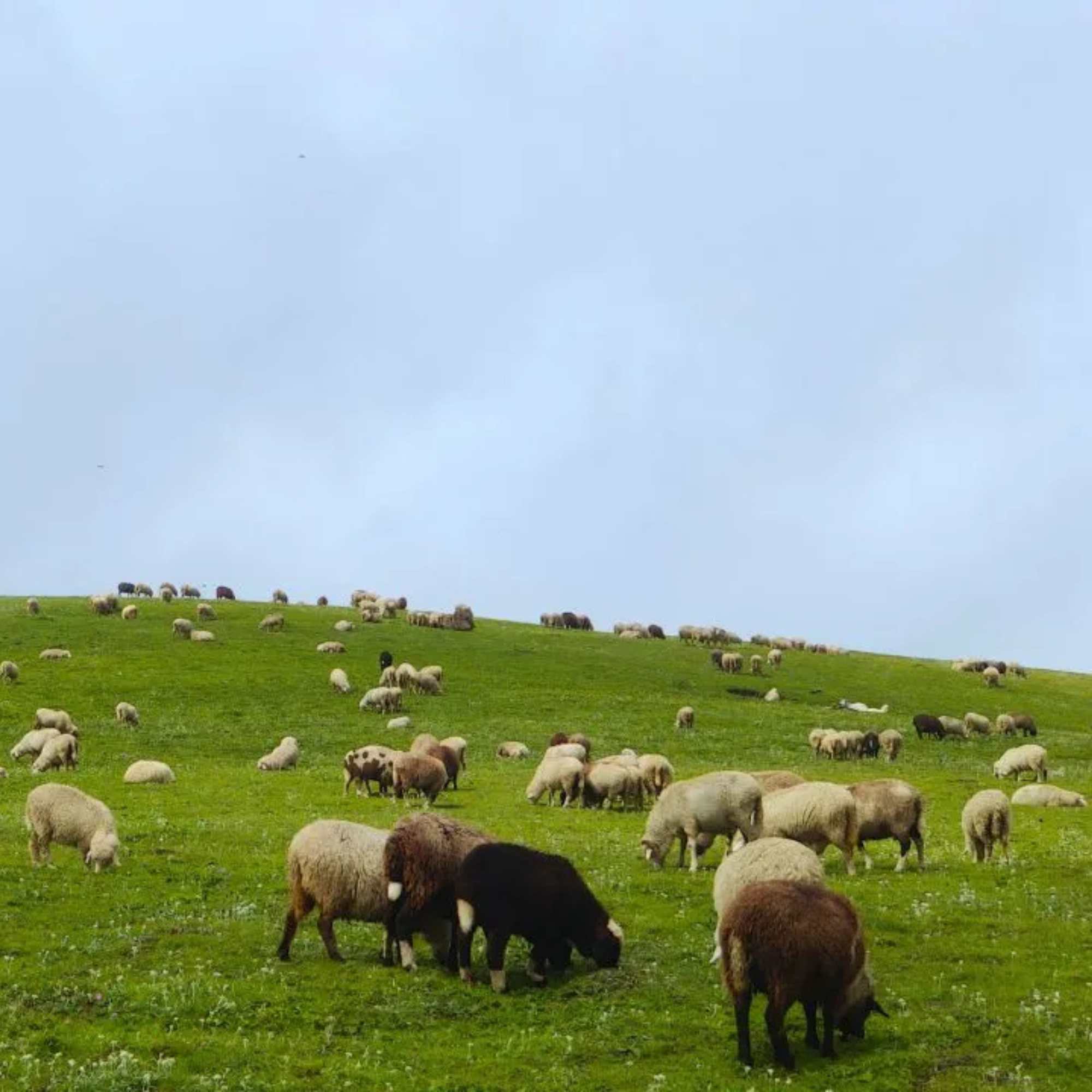
Chanshal Pass
About 48 km (3 to 5 hours by road)
The highest motorable pass in Shimla district at roughly 3,750 metres. About 48 km from Rohru on rough mountain road. Wide grassy meadows and open Himalayan views at the top. 4x4 or adventure motorcycle recommended, paired with experienced mountain driving. No facilities at the pass. Generally open May to October. Rohru is the last supply stop.
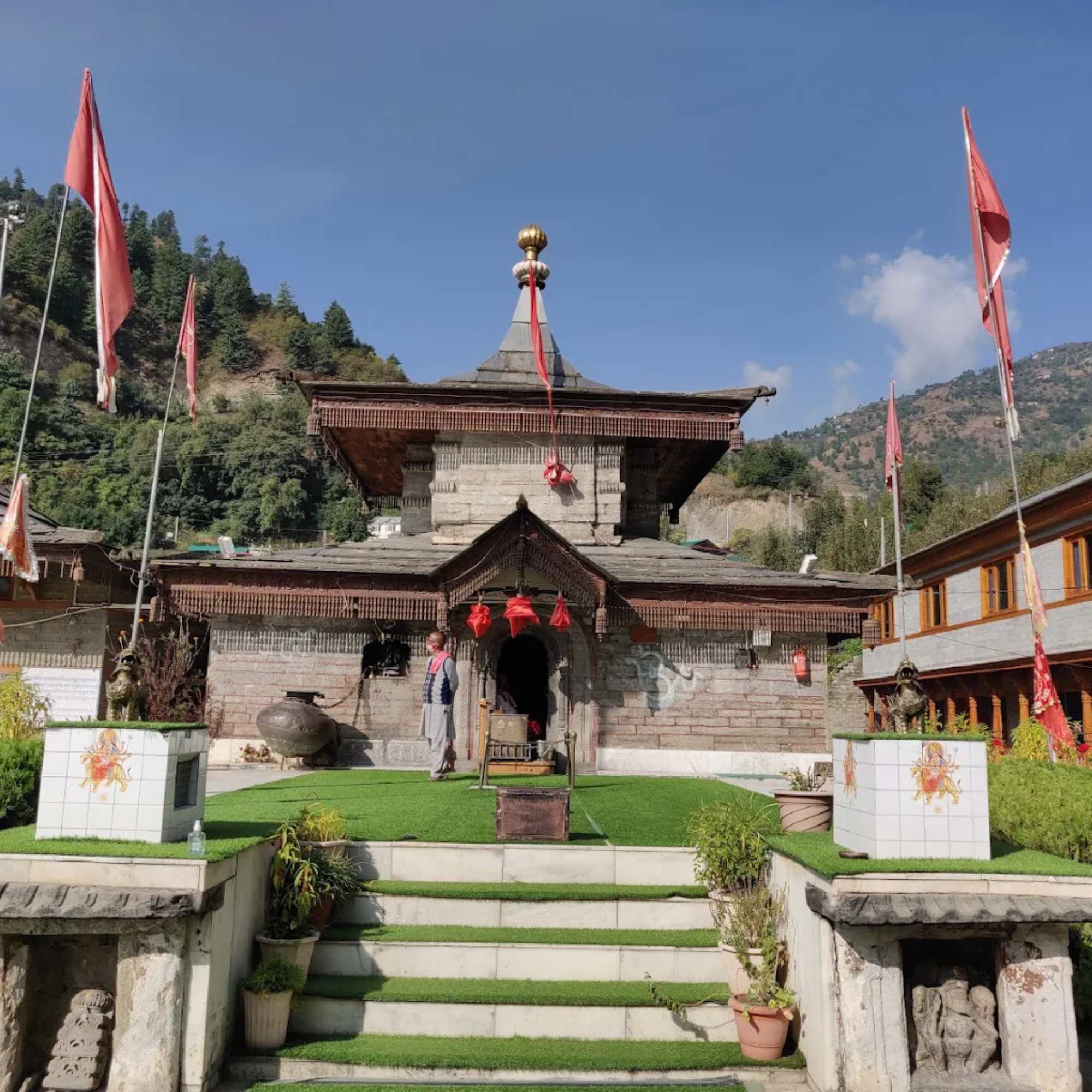
Hatkoti Temple
About 12 km toward Shimla
An ancient stone temple complex on the Pabbar River, about 12 km from Rohru on the Shimla road. Dedicated to Goddess Hateshwari (Durga) and Lord Shiva. The architecture dates to the 8th to 9th century. A major local mela happens during Chaitra Navratri. No entry fee. A calm, worthwhile stop on the drive between Shimla and Rohru.
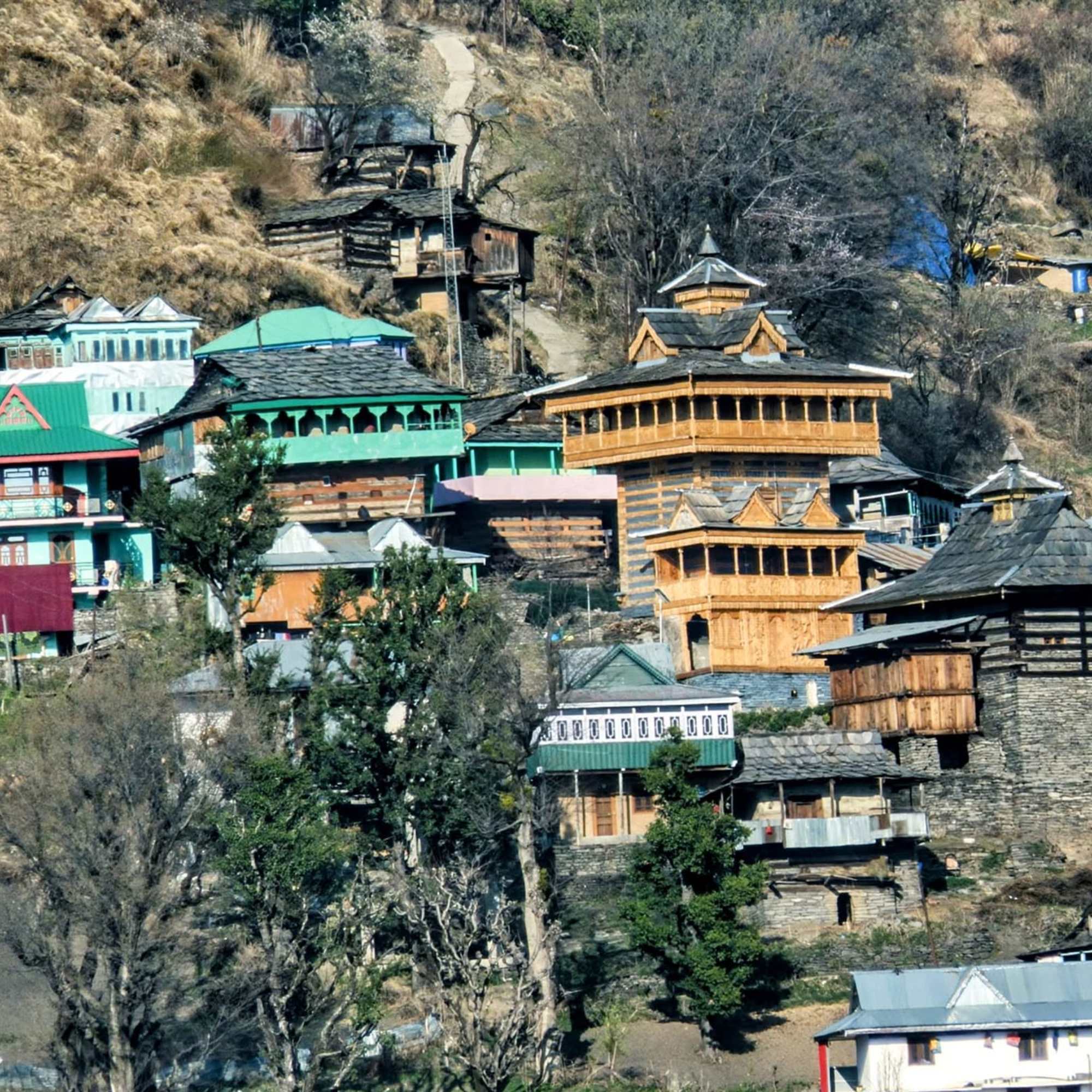
Larot Village
About 33 km upstream (toward Chanshal Pass)
A small Himachali village at about 2,100 metres with apple orchards, deodar forests, and a few basic homestays and camps. The last settlement before Chanshal Pass. Also the closest village to Kuppar Bugyal. A quieter, simpler base than Rohru if you want to start closer to the pass.
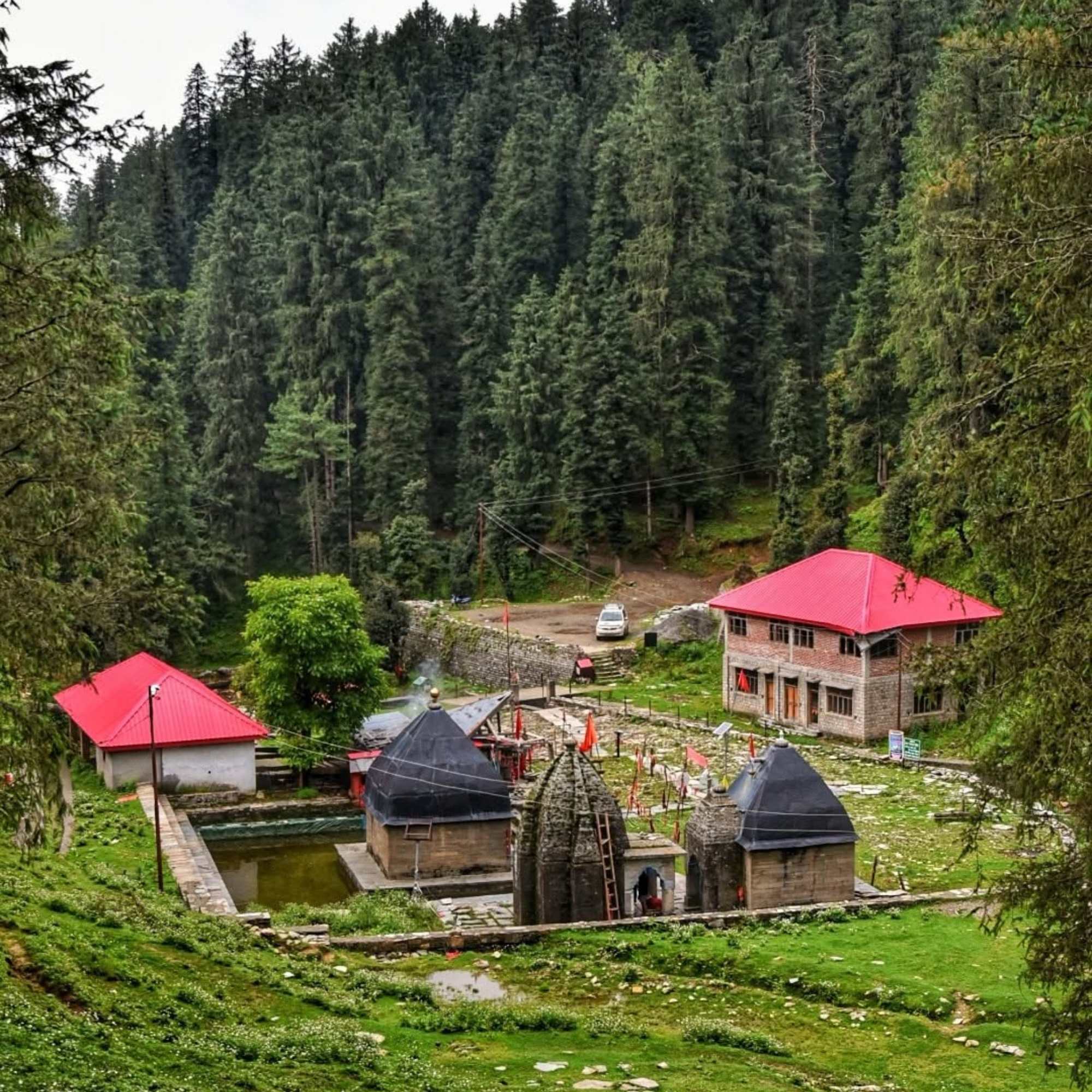
Giri Ganga Temple
About 6 to 7 km trek from Kharapathar
An ancient forest temple at the source of the Giri Ganga, set in thick deodar at roughly 2,700 metres. Accessed by a rough track or short trek from Kharapathar on the Shimla to Rohru road. Three shrines in a forest clearing. A Dharamshala for basic overnight stays. The Kuppar Bugyal trek starts from here.
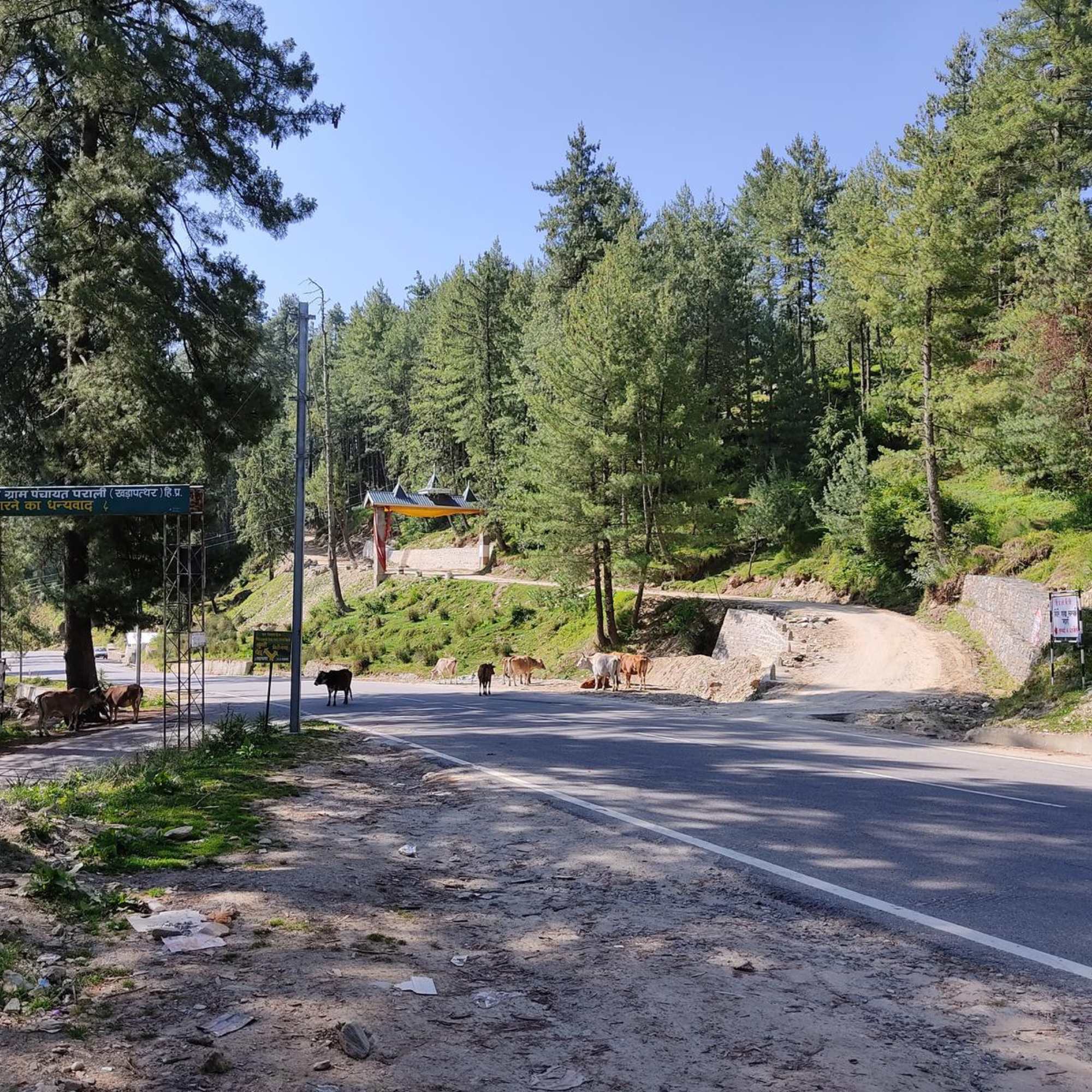
Kuppar Bugyal
Near Kharapathar (about 10 km total trek)
A high altitude meadow at roughly 3,200 metres near Kharapathar. Wide open grasslands and 360 degree Himalayan views. Accessible by a 3 km forest trek from Giri Ganga Temple. Guide recommended.
Our packages with Rohru
Curated trips that include a visit to Rohru.
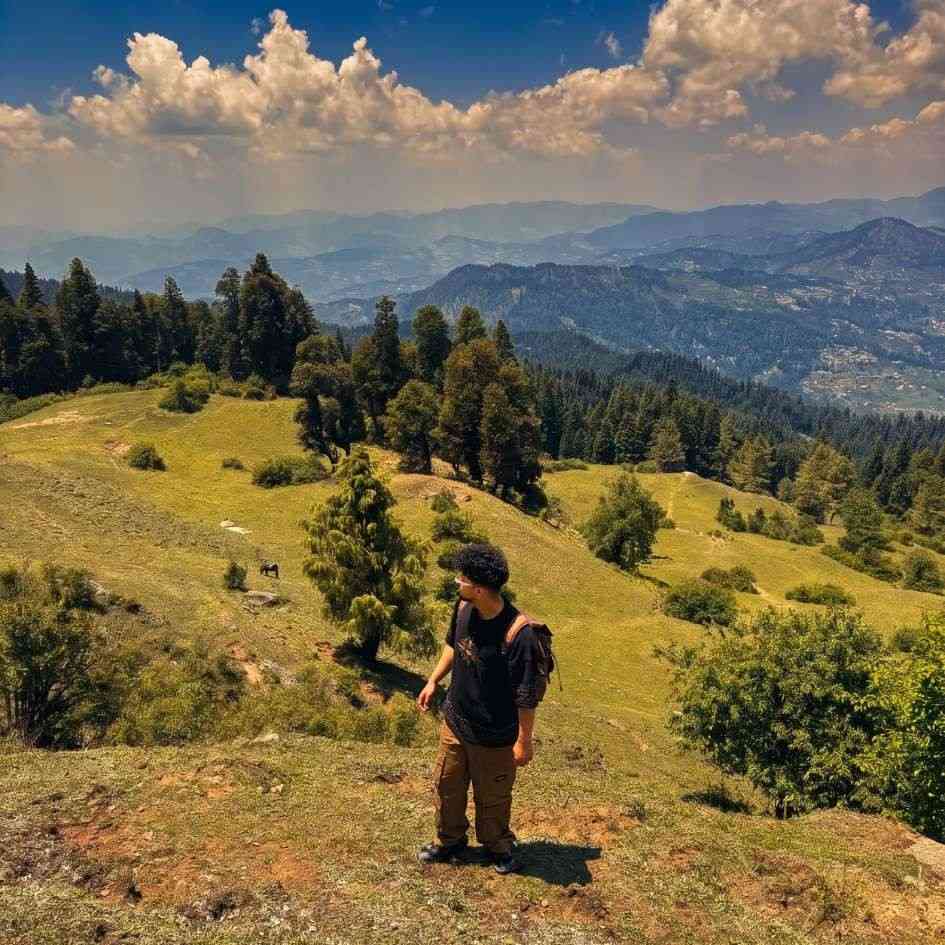 Group Tour5D/4N
Chanshal Pass Weekend Group Trip With Giri Ganga and Kuppar Bugyal
1D Kharapathar / Kotkhai•1D Rohru / Chirgaon (Pabbar Valley)
₹8,999₹12,999SAVE INR 4,000/ person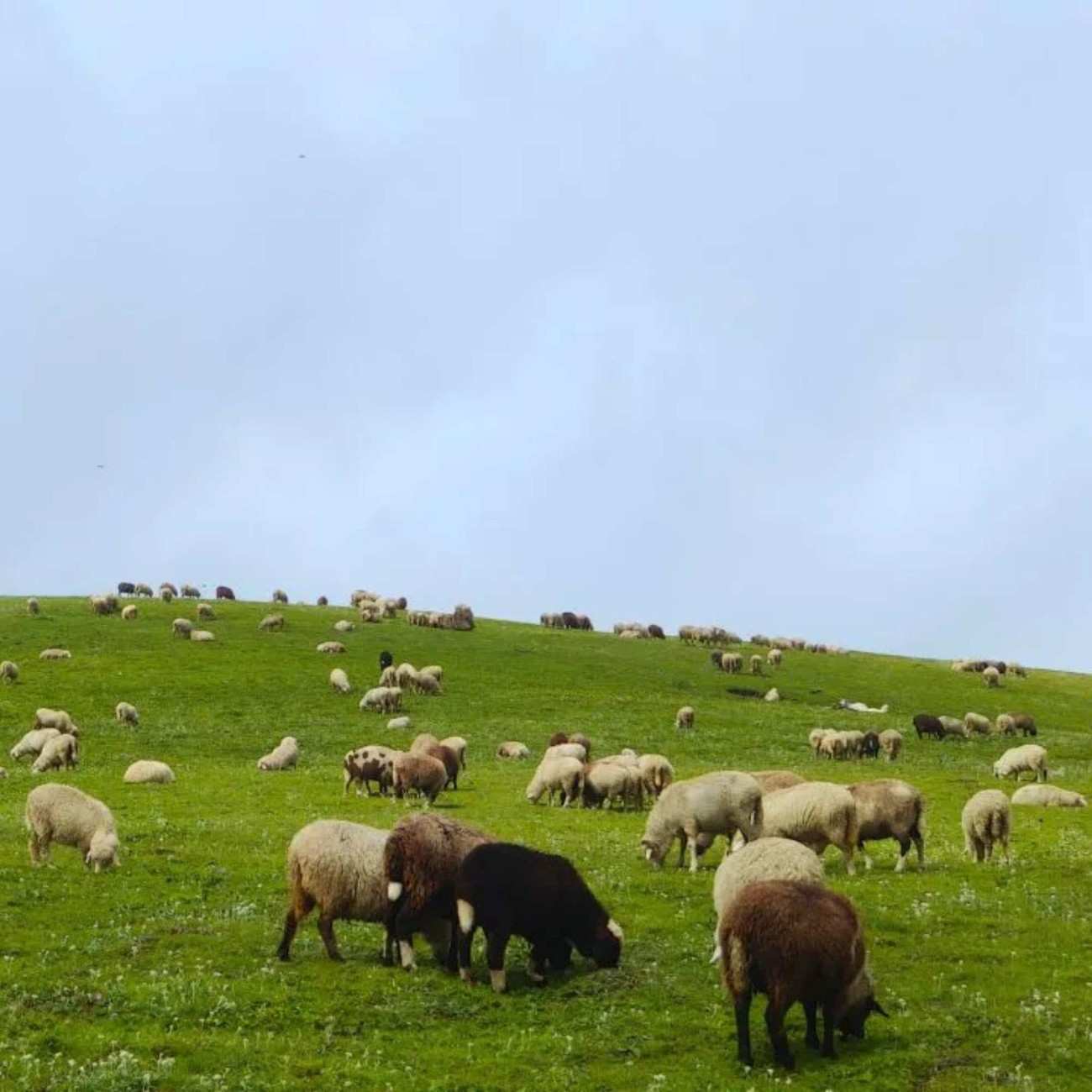 8D/7N
8D/7NMost Loved 4x4 Pabbar Valley Expedition With Giri Ganga Kuppar Bugyal Chanshal Pass and Dodra Kwar
1D Kharapathar / Kotkhai•2D Rohru / Chirgaon (Pabbar Valley)+1
₹32,999₹39,999SAVE INR 7,000/ person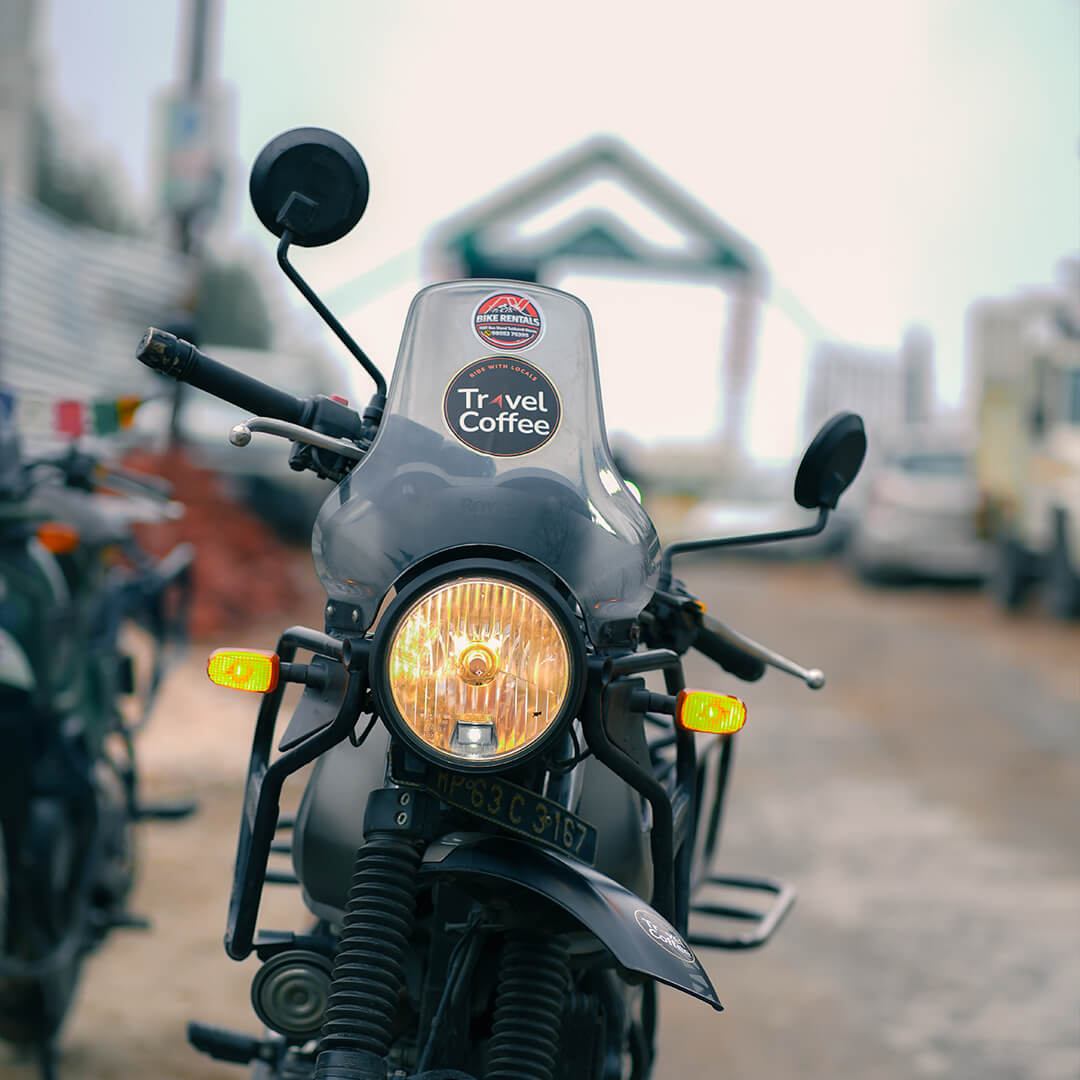 8D/7N
8D/7NUltimate Pabbar Valley Bike Expedition With Giri Ganga Kuppar Bugyal Chanshal Pass and Dodra Kwar
1D Kharapathar / Kotkhai•2D Rohru / Chirgaon (Pabbar Valley)+1
₹29,999/ person
Frequently Asked Questions
What is Rohru known for?
A busy market town at roughly 1,525 metres on the Pabbar River in Shimla district, Himachal Pradesh. The commercial hub of the Golden Apple Belt. Known for trout fishing since the British era, quality apple orchards, and as the practical base for Chanshal Pass and the upper Pabbar Valley. About 115 km from Shimla. The town itself is functional and commercial, not scenic. The beauty is in the surrounding valley, orchards, and river.
How far is Rohru from Shimla?
About 115 km via Theog and Kotkhai. In good conditions, expect roughly 4 to 5 hours by road. During apple season (September to November), loaded apple trucks on the narrow mountain sections can add an hour or more. Monsoon also slows things with rain and occasional landslide clearances. An alternate route via Narkanda is slightly longer but avoids the worst stretches. HRTC buses run frequently.
What is the altitude of Rohru?
Roughly 1,525 metres (about 5,000 feet). Comfortable for most people, including families and seniors. Altitude symptoms are very unlikely at this height. The upper valley beyond Rohru climbs significantly toward Chanshal Pass at 3,750 metres.
When is the best time to visit Rohru?
September to November for apple harvest and clear post monsoon weather, though the road from Shimla is heavy with apple trucks during this period. October is the best single month. March to June for comfortable temperatures and trout fishing, with easier road travel. July to August is monsoon with rain and landslide risk. Winter (December to February) is cold and quiet but the town stays accessible.
What are the main things to do in and around Rohru?
Trout fishing on the Pabbar River (permit required, season March to October). The road to Chanshal Pass for off road driving and high altitude meadows. Hatkoti temples (12 km from Rohru, 9th century architecture). The Giri Ganga temple trek (6 to 7 km from Kharapathar on the Shimla road). Apple orchard drives during harvest season. Kuppar Bugyal (high altitude meadow near Kharapathar).
Can I go trout fishing in Rohru?
Yes, and it is one of the town's main draws. The Pabbar River has brown and rainbow trout. You need a permit from the Himachal Pradesh Fisheries Department, available in Rohru. Rod and line only. The season generally runs March to October. The best stretches are upstream toward the Dhamwari trout hatchery, about 25 km from town.
Where should I stay in Rohru?
The HPTDC rest house is the best option. Budget hotels and guesthouses exist but expect basic rooms. Book the HPTDC in advance during apple season and festivals. There are no luxury or resort style stays. During harvest season, the town is noisy with truck traffic from early morning, so ask for a room away from the main road if you are a light sleeper.
Is there an ATM and fuel in Rohru?
Rohru has one ATM (State Bank or UCO, can be unreliable). Carry backup cash from Shimla. UPI works when the network is up but do not count on it at smaller shops. There is one fuel pump in town, and this is the last fuel before Chanshal Pass. Jio and Airtel work in town. Signal drops quickly outside.
Is Rohru suitable for families?
Yes, with children who are comfortable with basic accommodation and mountain roads. The altitude is gentle and there is no high altitude risk. The town is safe. Apple orchard drives and short riverside walks work well for families. However, there are no structured family activities or playgrounds. The Hatkoti temples and Pabbar riverside are the main family friendly stops. The town itself is not particularly charming, so set expectations that the family will enjoy the surrounding valley more than the town.
Is Rohru a good base for Chanshal Pass?
Yes. Rohru is the last supply town before the upper Pabbar Valley. Fill fuel, withdraw cash, stock up on food and water here. The road to Chanshal Pass is 48 km of increasingly rough mountain road. A 4x4 or adventure motorcycle is recommended, along with experienced mountain driving. The pass is generally accessible May to October. Confirm road status in Rohru before starting.
Are there temples worth visiting near Rohru?
Yes. The Hatkoti temple complex (12 km from Rohru) dates to the 9th century and is dedicated to Goddess Hateshwari and Lord Shiva. The stone shikhara architecture is worth seeing. In Rohru itself, the Shikhru Devta temple in the centre of town is the presiding local deity and the focus of an annual April festival. The Giri Ganga temple, accessed via a trek from Kharapathar on the Shimla road, is a forest shrine at the source of the Giri River.
Related guides
Posts about Shimla
- Shimla Snow Trip 2026: Best Time, Itinerary, Cost and Local Tips
- Shimla in February 2027: Weather, Snowfall, Itinerary and Travel Tips
- Snow Point Near Shimla in 2026: Kufri, Fagu, Narkanda and the Best Places to Find Snow
- Shimla Honeymoon Guide 2026: Best Time, Itinerary, Cost and Romantic Places
- Shimla Kufri Chail Narkanda Tour 2026: Complete 6 Day Itinerary, Cost and Road Guide
- Shimla to Kasol Distance, Route, Bus and Taxi Guide 2026