
Kalka to Shimla Toy Train Guide 2026: Timings, Fares, Booking and Best Train
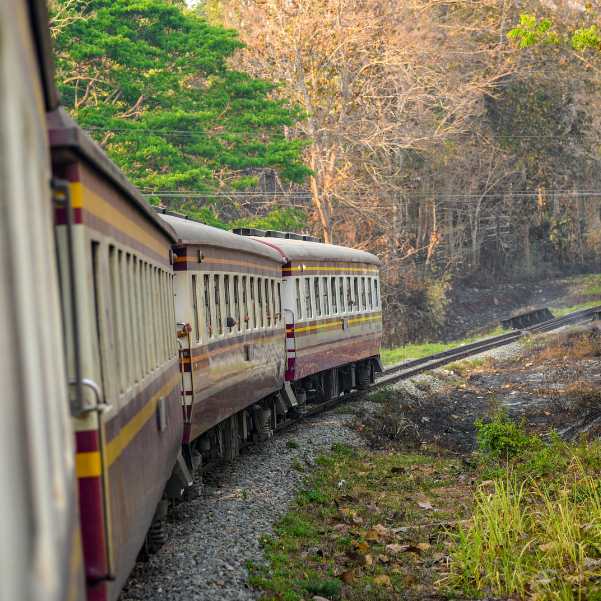
The Kalka to Shimla toy train is not just a way to reach Shimla. It is one of those rare journeys where the ride itself becomes a big part of the trip. In this guide, we break down the best trains, latest fares, timings, route details, and everything you should know before booking in 2026.
Quick Answer
The Kalka to Shimla toy train covers 96.6 km of mountain railway, climbs from 656 metres to 2,076 metres, and takes between 4 and 5.5 hours depending on which train you pick.
As of March 2026, five regular trains run this route daily. The cheapest ticket starts at ₹65 in second sitting class and the most expensive is the Vistadome AC coach at ₹630.
Is it worth doing? Yes, if you care about the journey as much as the destination. This is a UNESCO World Heritage railway, not a fast way to get to Shimla.
If speed is what you want, take a cab. If you want to watch the Shivalik hills unfold outside your window while the train crawls through tunnels cut into mountains over a hundred years ago, this is the ride.
The best train depends on what you need. Shivalik Deluxe for comfort. Him Darshan Express for the glass-roof Vistadome experience.
Himalayan Queen if you are starting late. We break down every option below.
One thing before you plan: timings and fares on different train-tracking websites vary by a few minutes and a few rupees.
Always confirm the final numbers on IRCTC before booking.
If you are building a Shimla trip around this train ride and want someone to handle stays, transport from Shimla station, and a day-wise plan that actually works,
👉 WhatsApp us to build a Shimla trip that works around your train ride
Why Is the Kalka to Shimla Toy Train So Famous?
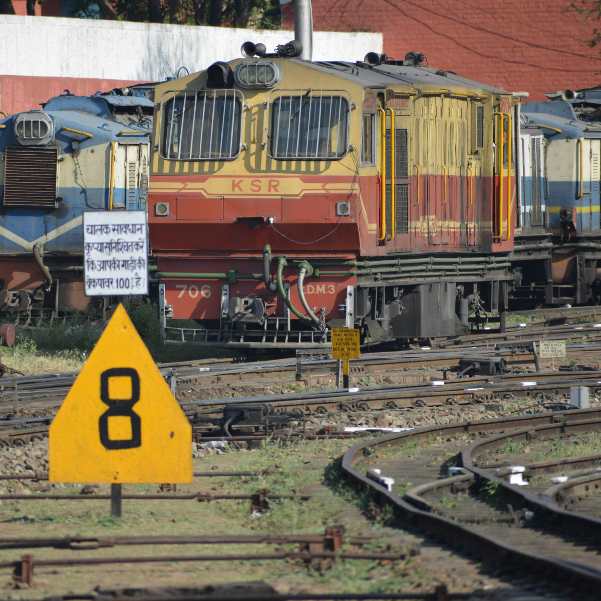
The British opened this railway line in 1903 to connect the summer capital of British India to the plains. Building it was a massive engineering project.
The route passes through 102 tunnels still in use (107 were originally built), crosses 864 bridges, and navigates 919 curves, with the sharpest one bending at 48 degrees.
In 2008, the Kalka–Shimla Railway became part of the Mountain Railways of India UNESCO World Heritage property. That tag is not just for show.
It means this railway is considered globally significant, and riding it is one of those experiences that belongs in the same conversation as the Darjeeling toy train.
The most talked-about moment on the route is Barog Tunnel (Tunnel No. 33), the longest on the line at 1,143.61 metres.
The train slows down, the daylight disappears, and for a solid minute you are inside a mountain. There is a whole local legend around the engineer who built it, but we will let your guide or co-passengers tell you that one.
What makes this train special is not just history. It is the fact that in 2026, you can still ride a narrow-gauge train through the same mountains, past the same pine forests, over the same bridges that people used over a century ago.
The views have not changed. The pace has not changed. And honestly, that is the whole point.
If you are planning a longer Shimla trip around this train ride, our Shimla tour packages include station pickups, curated stays, and a realistic itinerary built by people who live here.
What Is the Route Like from Kalka to Shimla?
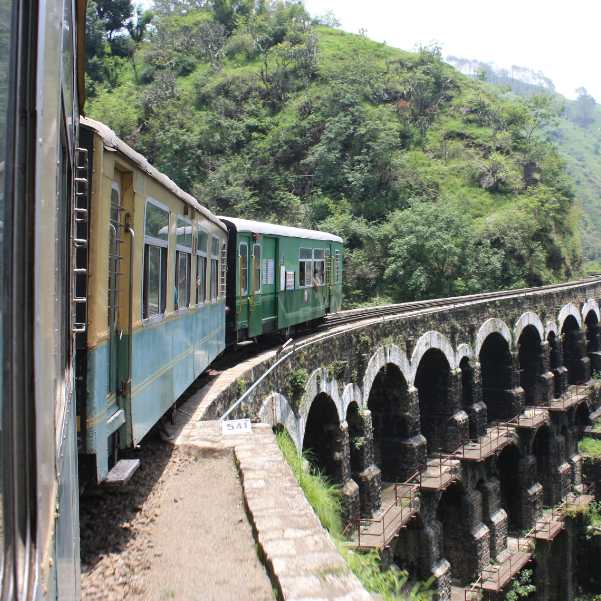
The train starts in Kalka, which sits in the plains at the foot of the Shivalik hills. For the first stretch, you are winding through dry, scrubby terrain. Nothing dramatic yet.
Then the climb begins. The gradient on this line is 1 in 33, which means the train gains a metre of height for every 33 metres of track. You feel it. The engine works harder, the curves tighten, and the views start opening up.
Dharampur
It is the first notable stop. A small hill station that most people skip, but the platform here has a charm that bigger stations do not. After Dharampur, the forests get thicker and the valleys deeper.
Solan
It comes next, the biggest town on the route. If the train stops here for a few minutes, you will see vendors selling snacks on the platform. It feels like stepping into a different era of Indian rail travel.
Barog
It is where things get really good. The tunnel is the highlight, but the stretch after Barog is what stays with you. The train winds through dense pine forests, the air gets noticeably cooler, and the mountains close in around you.
Kandaghat and Tara Devi
Kandaghat and Tara Devi pass in quick succession. By Tara Devi, you are high enough that you can see the outskirts of Shimla.
Summer Hill
It is the last station before Shimla, and many locals actually use this as their regular stop.
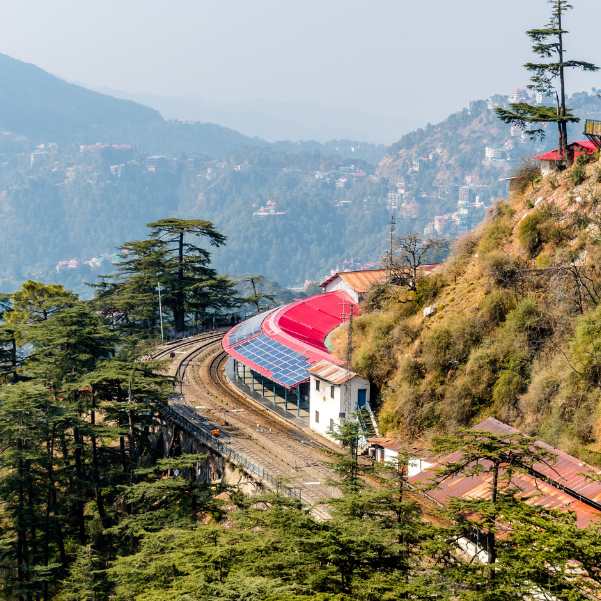
The section from Barog to Shimla is widely considered the most scenic part of the ride. If you are only half-interested in the train and wondering whether to stick it out, this last stretch is where the route earns its reputation.
One honest note: the exact count of stations on this route varies depending on which website you check. Some say 18, some say 20. We have listed the ones that matter to your experience. Do not get caught up in the numbers.
Which Kalka to Shimla Toy Train Is Best for You?
This is the section that actually matters. There are five regular trains and one rail motor running this route. Each one suits a different kind of traveller. Here is how to pick.
Shivalik Deluxe Express (52451)
This is the most comfortable train on the route. It departs Kalka at 05:45 and reaches Shimla in about 4 hours 55 minutes. The current first-class fare is ₹595 per adult.
The coaches are better maintained, the seats are wider, and the overall experience feels a notch above the other trains.
If you are travelling with family, want a cleaner coach, or just prefer a smoother ride, the Shivalik Deluxe is the one to book.
The catch is the early departure. You need to be at Kalka station before 5:30 AM. If you are coming from Delhi or Chandigarh, that means either an overnight journey or a very early morning start.
Best for: Families, older travellers, anyone who values comfort over price.
Himalayan Queen (52455)
The Himalayan Queen departs Kalka at 11:55 AM and takes about 5 hours. Chair car fare is ₹265 and first class is ₹475.
This is the train for people who cannot make the early morning departures. A late morning start from Kalka means you can take a comfortable train from Delhi in the morning, reach Kalka by late morning, and catch the Himalayan Queen without rushing.
The downside is that you reach Shimla in the evening, which means you lose most of the day. But the ride itself is still the same stunning route, and watching the sunset from the train near Tara Devi is something not many travellers get to do.
Best for: Travellers coming from Delhi who want a same-day connection, anyone who does not want a pre-dawn wake-up.
Kalka Shimla Express 52453
Departs Kalka at 06:20 AM and takes about 5 hours 30 minutes. This is one of the most affordable options, with second sitting fares starting at ₹65, first class at ₹300, and a Vistadome seat at ₹130.
This train got a significant upgrade in February 2026, when Northern Railway introduced the first narrow-gauge air-brake rake on the Kalka–Shimla section.
The inaugural run of this upgraded rake was on this very train. So if you are riding it now, you are on the newest hardware on this heritage line.
The 06:20 departure is early but not brutal. You get a full day in Shimla after arriving. The budget fare makes it the go-to choice for solo travellers, students, and anyone watching their spend.
Best for: Budget travellers, backpackers, anyone who wants the upgraded rake experience.
Kalka Shimla Express 52457
This one departs at 03:30 AM from Kalka. Yes, 3:30 in the morning.
The journey takes about 5 hours 20 minutes, which means you arrive in Shimla well before 9 AM. That is genuinely useful if you want to maximize your first day in Shimla. But the departure time is punishing. You are essentially boarding a train in the middle of the night.
Most travellers from Delhi take the overnight Kalka Mail or Shatabdi connection and land at Kalka in the early hours, making this train a natural (if exhausting) continuation.
In our experience, the 03:30 departure works best for travellers who are already at Kalka the night before. If you are trying to connect same-morning from Delhi, the margin is tight and stressful.
Best for: Travellers staying overnight in Kalka, early risers who want a full first day in Shimla.
Him Darshan Express 52459 — The Vistadome Train
This is the one everyone asks about. The Him Darshan Express departs Kalka at 07:00 AM, reaches Shimla around 12:20 PM, and the Vistadome AC fare is ₹630.
The Vistadome coach has large glass windows and a glass roof section, designed specifically so you can look up at the mountains and sky while the train curves through tunnels and over bridges.
On a clear day, the light streaming through that glass roof while the train passes through pine forests is genuinely special.
At ₹630, it is the most expensive option, but it is also the most photogenic. If you are taking this train specifically for the experience and the photos, the Him Darshan is the one.
One thing we always tell our travellers: book the Vistadome seat early. This coach fills up fast, especially between April and July. If you wait until a week before travel, you will likely find it sold out.
Best for: Photographers, couples, anyone doing this ride specifically for the experience, Instagram-minded travellers.
Rail Motor 72451
The Rail Motor departs Kalka at 05:25 AM and takes about 4 hours, making it the fastest option on this route. The fare is ₹320 per adult.
It is a smaller, lighter vehicle compared to a full train, which is why it moves faster. The trade-off is fewer seats and less space. Availability can be tighter.
The Rail Motor does not get as much attention as the bigger-name trains, but it is a solid choice if you want to reach Shimla quickly without paying Vistadome prices.
Best for: Travellers who want the shortest journey time, solo travellers comfortable with a compact setup.
What Are the Current Kalka to Shimla Toy Train Timings and Fares in 2026?
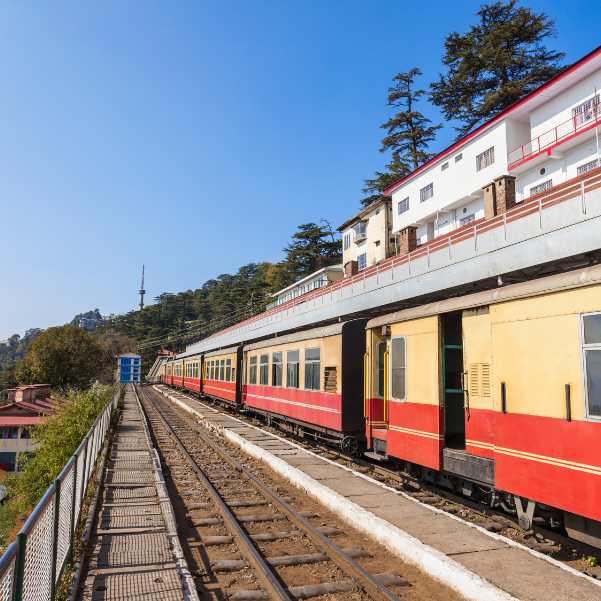
Here is a quick reference of what the live route pages show as of March 2026.
The earliest departure is the Kalka Shimla Express 52457 at 03:30, followed by the Rail Motor 72451 at 05:25, then the Shivalik Deluxe 52451 at 05:45, the Kalka Shimla Express 52453 at 06:20, the Him Darshan Express 52459 at 07:00, and finally the Himalayan Queen 52455 at 11:55.
Journey times range from about 4 hours (Rail Motor) to 5 hours 30 minutes (52453).
Fares start at ₹65 for second sitting on the 52453, ₹265 for chair car on the Himalayan Queen, ₹320 for the Rail Motor, ₹475 for first class on the Himalayan Queen, ₹595 for the Shivalik Deluxe first class, and ₹630 for the Vistadome AC on the Him Darshan Express.
Two important things to know. First, these timings vary by a few minutes across different train-tracking websites.
Always check the final schedule on IRCTC before booking. Second, as of March 29, 2026, local reports indicated that an extra summer special train was being planned after May 15, 2026, likely running through the end of July.
But the exact date, timing, and fare had not been finalized yet. If you are travelling in peak summer, check closer to your dates for this addition.
How Do You Book the Kalka to Shimla Toy Train Online?
Go to irctc.co.in or download the IRCTC Rail Connect app. Create an account if you do not have one. You will need an Aadhaar or PAN number for verification.
Search for trains from Kalka (KLK) to Shimla (SML) on your travel date. The system will show you all available trains with their classes, fares, and seat availability.
Pick your train and class, enter passenger details, and pay. You will get an e-ticket on your registered email and phone.
Here is something that trips up a lot of first-time bookers: Indian Railways reduced the general advance reservation period to 60 days from November 1, 2024.
But some current hill-train booking pages still show a 30-day window for these Kalka–Shimla services. We have seen both in practice.
The safest approach is to try booking 60 days out, and if the system does not allow it, try again at the 30-day mark. Verify this on IRCTC on the day you attempt booking.
For popular trains like the Vistadome and Shivalik Deluxe, book as soon as the window opens.
These sell out within hours during summer and holiday weekends. The budget trains are easier to get, but even those fill up in peak season.
If you are not comfortable with the IRCTC process or want someone to handle the Shimla leg of your trip including train tickets, hotel, and local transport . Our team books this route regularly and knows the quirks.
👉 WhatsApp us your dates and group size and we will handle your entire Shimla trip
What Should You Know Before Boarding?
Luggage is limited. These are narrow-gauge coaches, not Rajdhani-sized compartments. Overhead racks are small. The under-seat space is tight.
If you are carrying more than one medium-sized bag, you will struggle. Pack light. A backpack and one small bag is ideal.
What most tourists get wrong about this train is treating it like a regular Indian Railways ride. It is not. The coaches are smaller, the aisles are narrower, and the pace is deliberately slow.
If you walk in expecting Shatabdi-level speed and space, you will be frustrated. Walk in expecting a heritage mountain railway experience, and you will love every minute.
There are no pantry cars on most of these trains. Carry your own food and water. Some stations have vendors selling samosas, chai, and biscuits, but do not depend on them.
Our team always tells travellers to carry a packed breakfast, a thermos of tea, and some dry snacks. That combination sorts you for the entire ride.
Toilets exist but are basic. Do not expect anything fancy. Use the facilities at Kalka station before boarding.
Delays happen. This is a mountain railway running on narrow-gauge track through 102 tunnels.
Signals, single-track sections, and occasional maintenance work mean delays of 20 to 45 minutes are common. Do not schedule anything time-sensitive for the hour after your expected arrival.
Here is a real example: in July 2025, services were affected from July 11 to 15 because of bridge repair work near Summer Hill.
Trains were short-terminated at Tara Devi, and passengers had to arrange road transport for the last stretch. This does not happen often, but it does happen. Always check live train status on the morning of your travel.
Now, about the window seat debate. Every travel blog has an opinion about which side gives better views, left or right.
The honest answer is that the train has 919 curves. The views keep switching sides constantly. A confirmed window seat on either side is far more important than stressing about left versus right. Do not overthink this.
When Is the Best Time to Take the Kalka to Shimla Toy Train?
Summer (April to June)
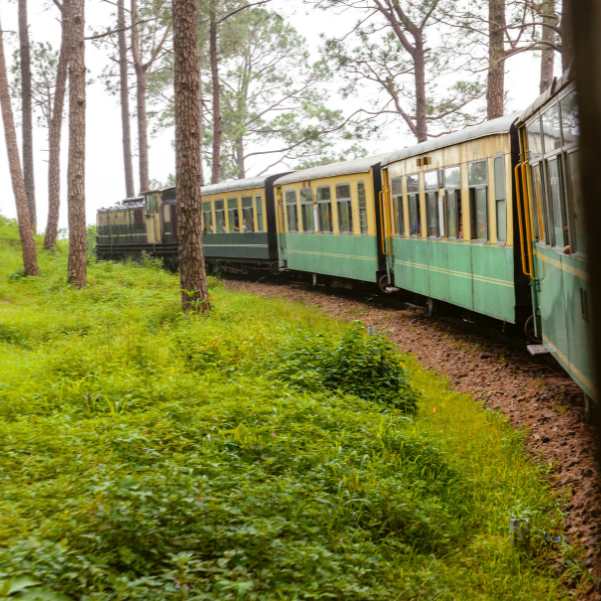
This is peak season and for good reason. The weather along the route is warm in the lower stretches and pleasantly cool as you climb higher. The pine forests are thick and green, and the visibility is usually excellent.
The downside: every train fills up. Book early, especially for Shivalik Deluxe and Vistadome. If the summer special train launches after May 15 as planned, that will help with availability.
Monsoon (July to September)
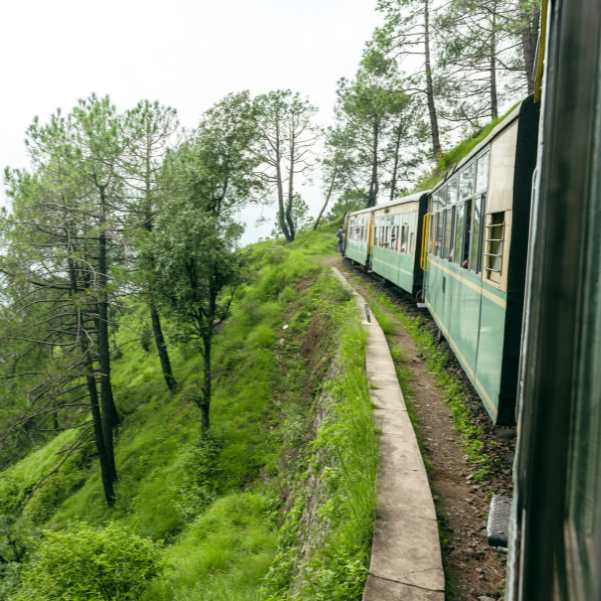
The hills are at their greenest. Waterfalls appear along the route that you will not see any other time of year. The rain adds drama to the landscape.
But monsoon also brings risks. Landslides can disrupt the route. Engineering work and track maintenance often happen during this window. The July 2025 bridge repair disruption we mentioned is a typical monsoon-season issue.
If you travel in monsoon, keep a backup road plan ready and check train status the morning of your journey.
Autumn (October to November)
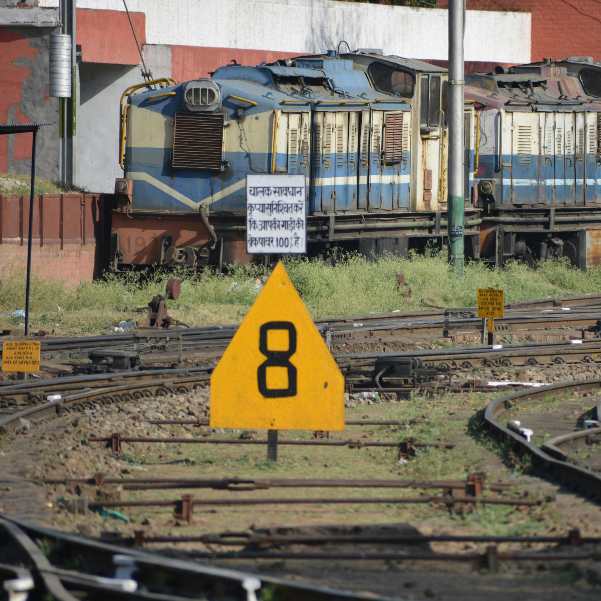
The crowds thin out, the air gets crisp, and the light turns golden. October is one of the most underrated months for this train ride. The views are clean, the weather is cool but not cold, and you can actually get window seats without booking weeks in advance.
November gets colder, but if you have a jacket, the ride is still very enjoyable.
Winter (December to February)
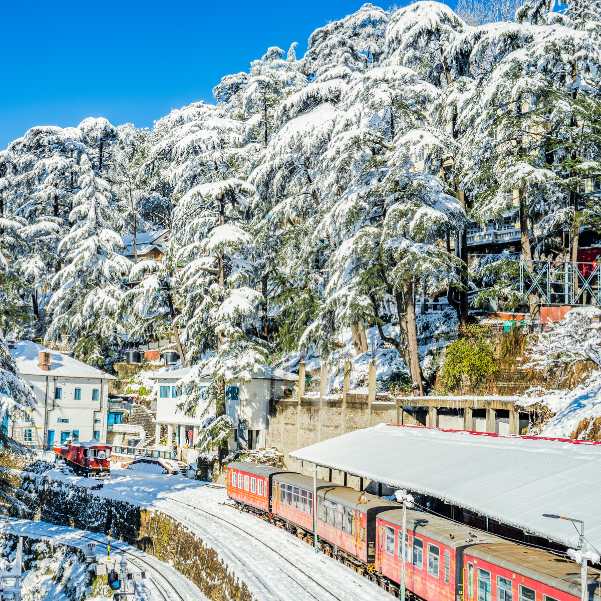
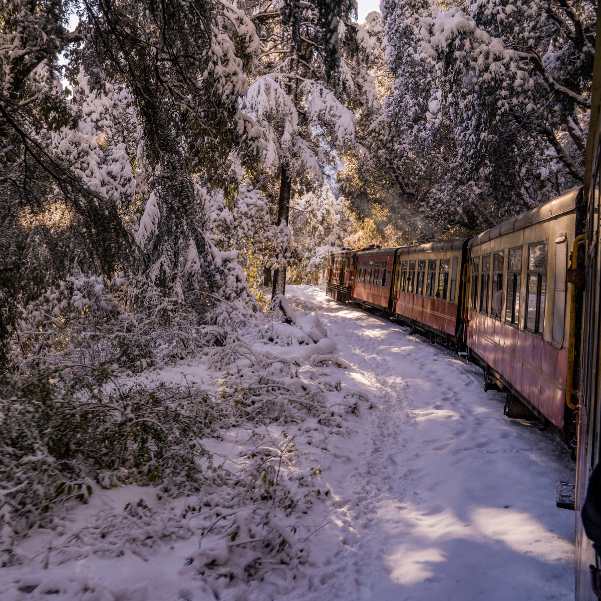
Here is what most travellers do not understand about winter on this route: snowfall along the Kalka–Shimla line is possible but unpredictable.
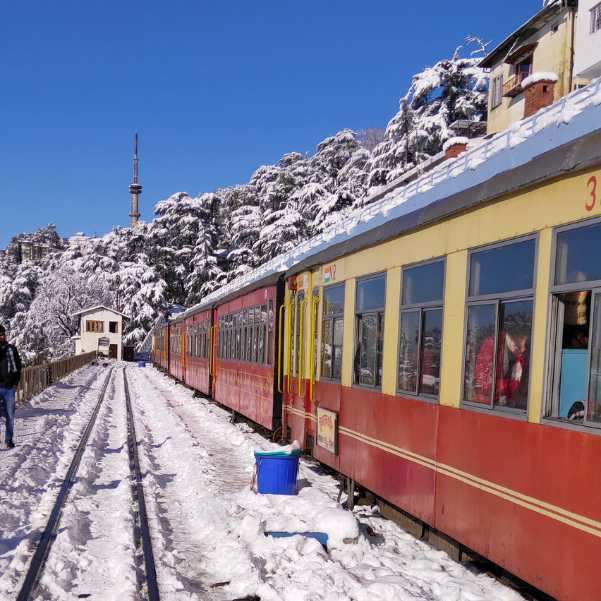
Some years, you get a dusting of snow near Shimla that makes the train ride feel magical.
Other years, there is no snow at all. Do not book this train in January specifically expecting snow. You might get it, you might not.
What you will definitely get is cold. The train coaches are not heated. Carry heavy warm layers and a blanket if you are travelling in December or January. The open windows that feel wonderful in April will feel punishing in winter.
A money-saving tip that most travel agents will not mention: winter is off-peak, and train tickets are significantly easier to get.
If you are flexible on dates and comfortable with cold, winter gives you the emptiest trains and the cheapest overall trip cost.
Is the Toy Train Better Than Going by Car?
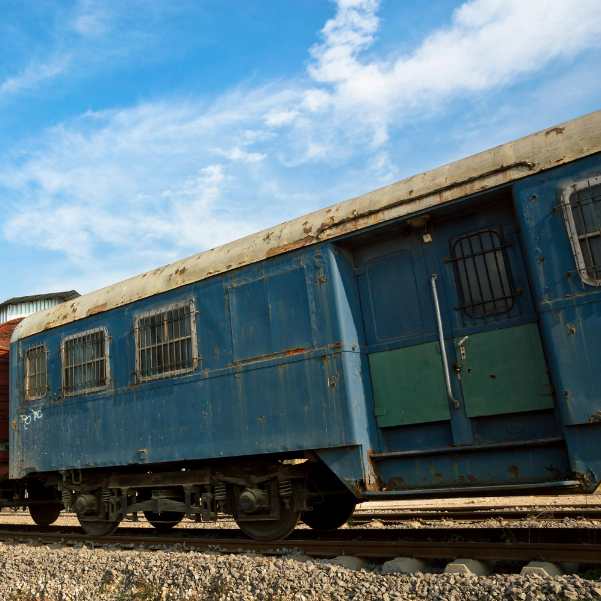
The drive from Kalka to Shimla takes about 3 to 4 hours by road, depending on traffic and how your driver handles the curves. The train takes 4 to 5.5 hours. So the car is faster.
But this is not a speed competition. The train gives you something the car cannot: the experience of watching the landscape shift slowly from brown plains to green mountains through the window of a century-old railway. You do not get tunnel-to-tunnel drama in a Dzire.
Take the car if you have heavy luggage, small children who get restless, a tight schedule, or if you are continuing to Kufri, Narkanda, or beyond on the same day. Take the train if the journey matters to you as much as the destination.
Here is what we recommend to most of our travellers: do one leg by train and the other by road. Take the toy train from Kalka to Shimla, enjoy the experience fully, and then arrange a car for your return or onward travel.
That way you get the heritage experience without the logistical headache of doing it twice.
Skip the paid porter services outside Kalka station that charge ₹300 to ₹500 for carrying bags to the platform. The platform is a short walk. Save that money for a good meal in Shimla.
Don't Want the Full Route? Which Short Scenic Stretch Is Worth Doing?
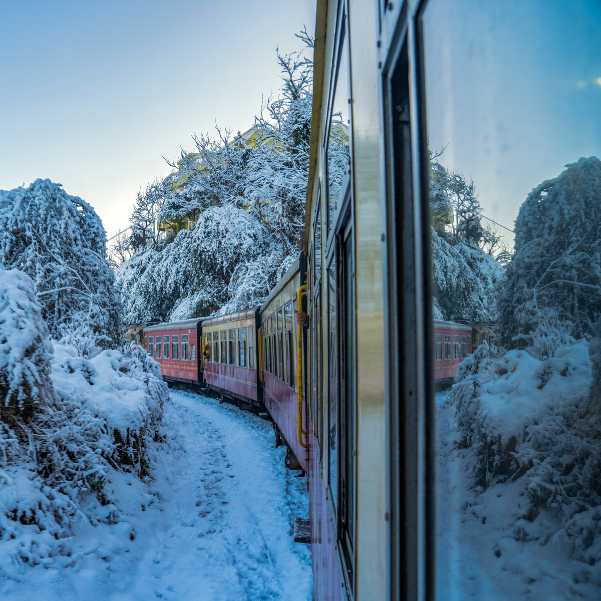
If you are already in Shimla and do not want to commit to the full 5-hour ride from Kalka, you can still experience the best part of the route.
The stretch from Shimla to Barog covers the most scenic section of the line, including the tunnel, the pine forests, and some of the tightest curves.
You can ride down to Barog, spend some time there, and come back by a later train or by road.
This is not an officially marketed "short tour" product. You are simply buying a regular ticket for a shorter distance. Check which trains stop at Barog and plan accordingly.
In our experience, about one in four travellers who come to Shimla for a quick trip end up doing this shorter stretch, and most of them say it gave them exactly what they wanted without the full-day commitment.
One timing tip that changes the experience: if you take the morning train down from Shimla to Barog, you catch the best light through the forests.
The sun angles through the pine trees between 7 and 9 AM in a way that genuinely looks filmic. By afternoon, the light flattens and the magic fades a bit.
What to Do After Reaching Shimla
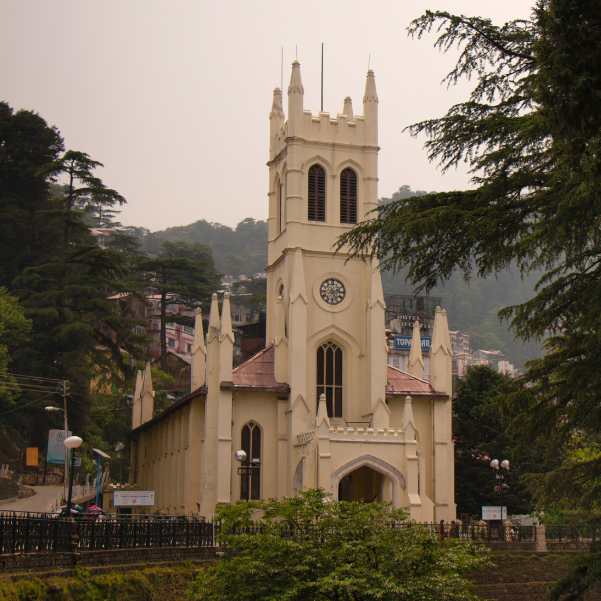
You step off at Shimla station, which is right on the ridge near Mall Road. Unlike most railway stations in India, this one drops you in the middle of town. Walk out and you are already in Shimla's most famous stretch.
If you arrive by mid-morning, head straight to the Ridge for a quick orientation. You can see the mountains from there, get a coffee, and figure out your next move.
Lakkar Bazaar is a 5-minute walk from the station and worth a look for wooden crafts and souvenirs that are actually local.
For lunch, skip the overpriced restaurants right on Mall Road. Walk 10 minutes downhill towards Middle Bazaar for better food at half the price.
The dhabas here serve proper Himachali rajma-chawal and dal that most tourists never find because they do not leave the main strip.
If you have a few days in Shimla and want to extend into the mountains, the options open up quickly.
Manali is a full-day drive from here but worth it if you have 3 or more extra days, and our Manali packages include transport from Shimla. Kinnaur and the apple belt starts a day's drive from Shimla, and our Kinnaur itineraries are built for travellers who want something beyond the usual.
For quieter valleys with less tourist traffic, Jibhi and Tirthan Valley are about 5 to 6 hours from Shimla and feel like a different world.
Our Jibhi and Tirthan Valley packages are designed for people who want forests and rivers over shopping streets and crowds.
If you just want someone to stitch together a Shimla plan that covers stays, local sightseeing, and onward travel without the usual tourist traps, check our popular tours or get in touch directly. We live here. We know what works.
Explore Our Curated Shimla Tours
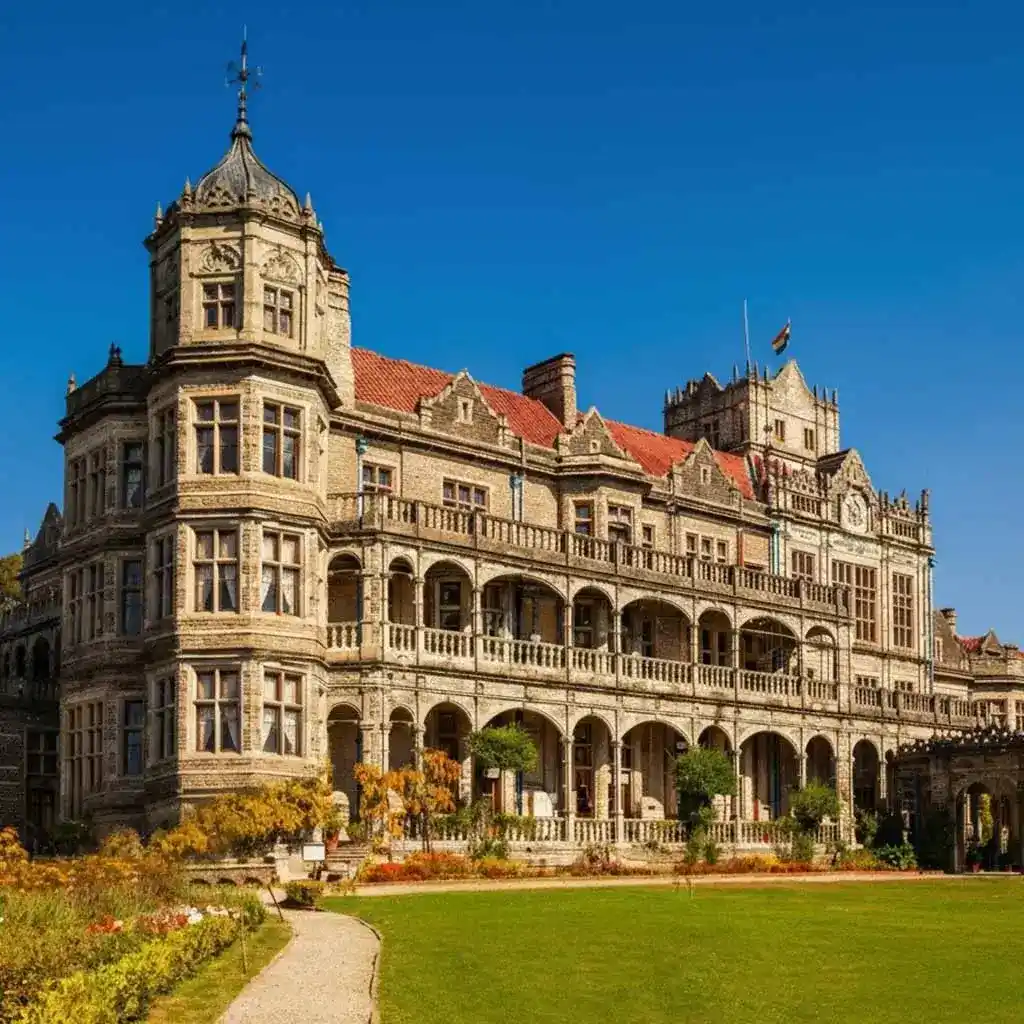 6D/5N
6D/5NShimla Mashobra Kufri Narkanda With Hatu Peak Sunrise
1D Delhi•2D Shimla+3
₹25,999₹31,999SAVE INR 6,000/ person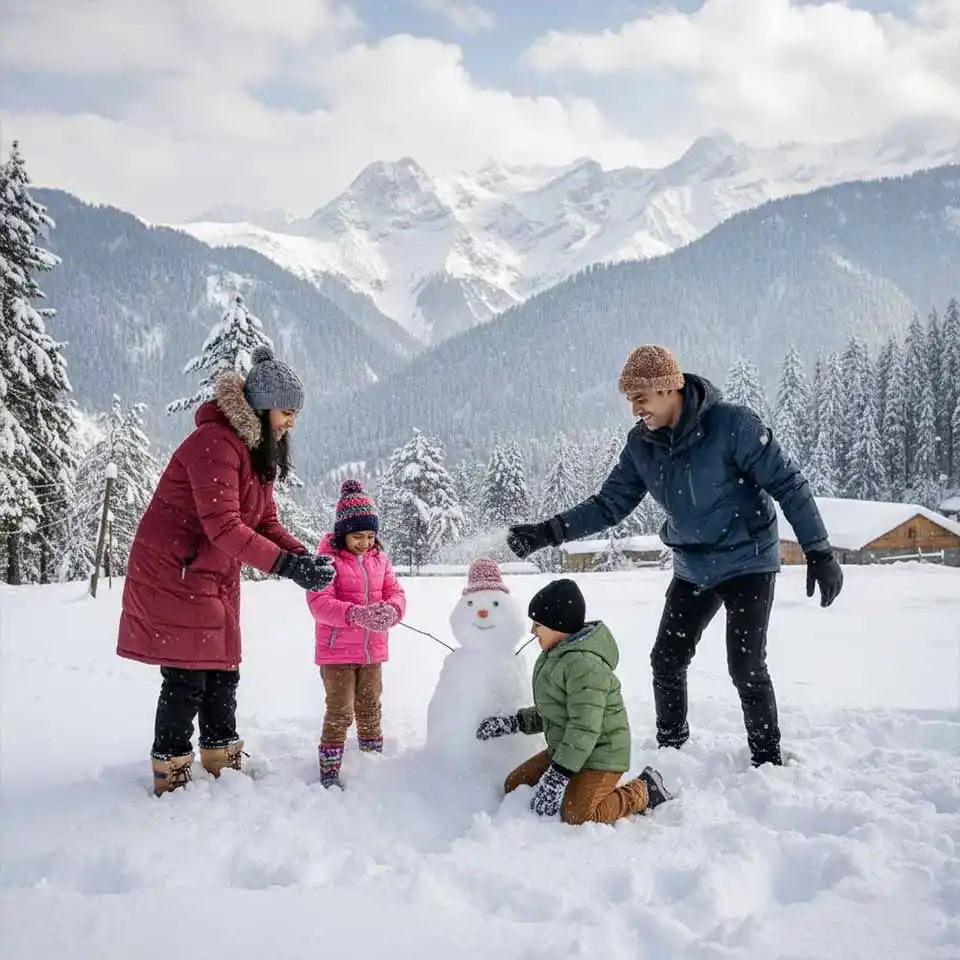 7D/6N
7D/6NBest Shimla Kufri Chail Narkanda Snow Trip From Delhi
1D Delhi•3D Shimla+3
₹14,700₹19,999SAVE INR 5,299/ person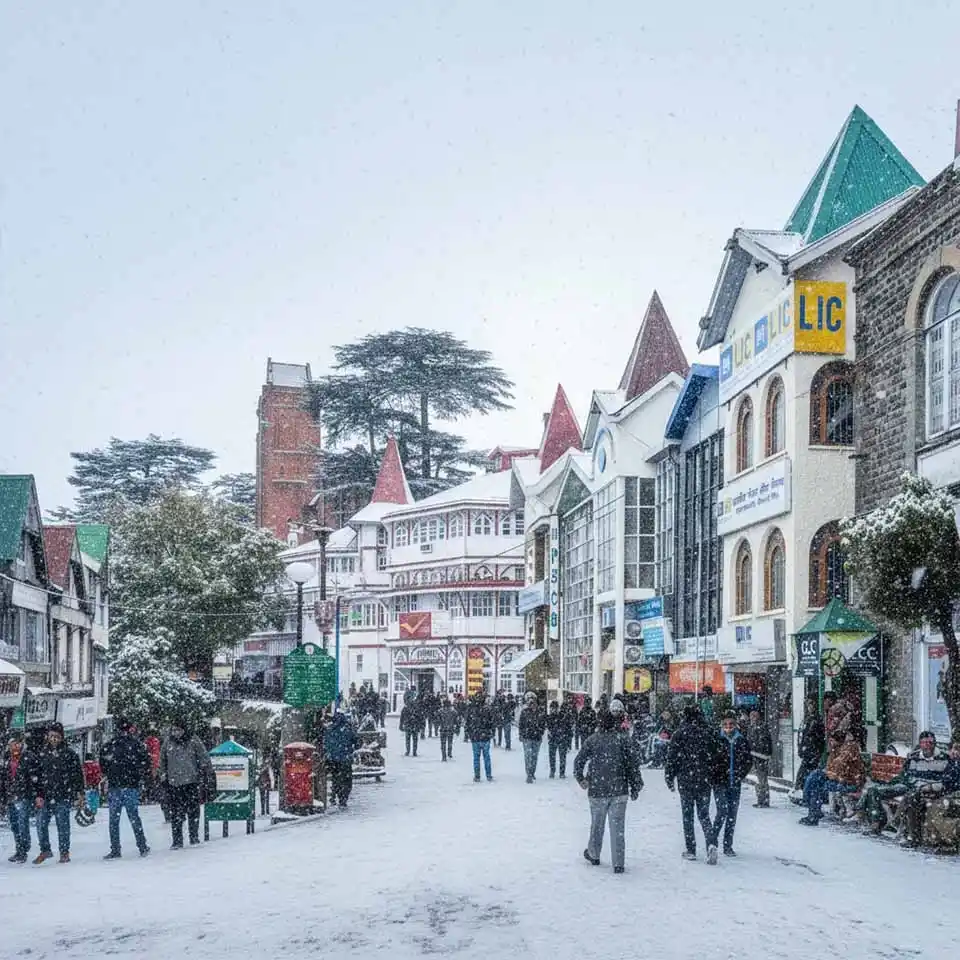 7D/6N
7D/6NShimla Mashobra Kufri Chail Narkanda Tour With Hatu Peak Sunrise
1D Delhi•3D Shimla+3
₹29,999₹38,999SAVE INR 9,000/ person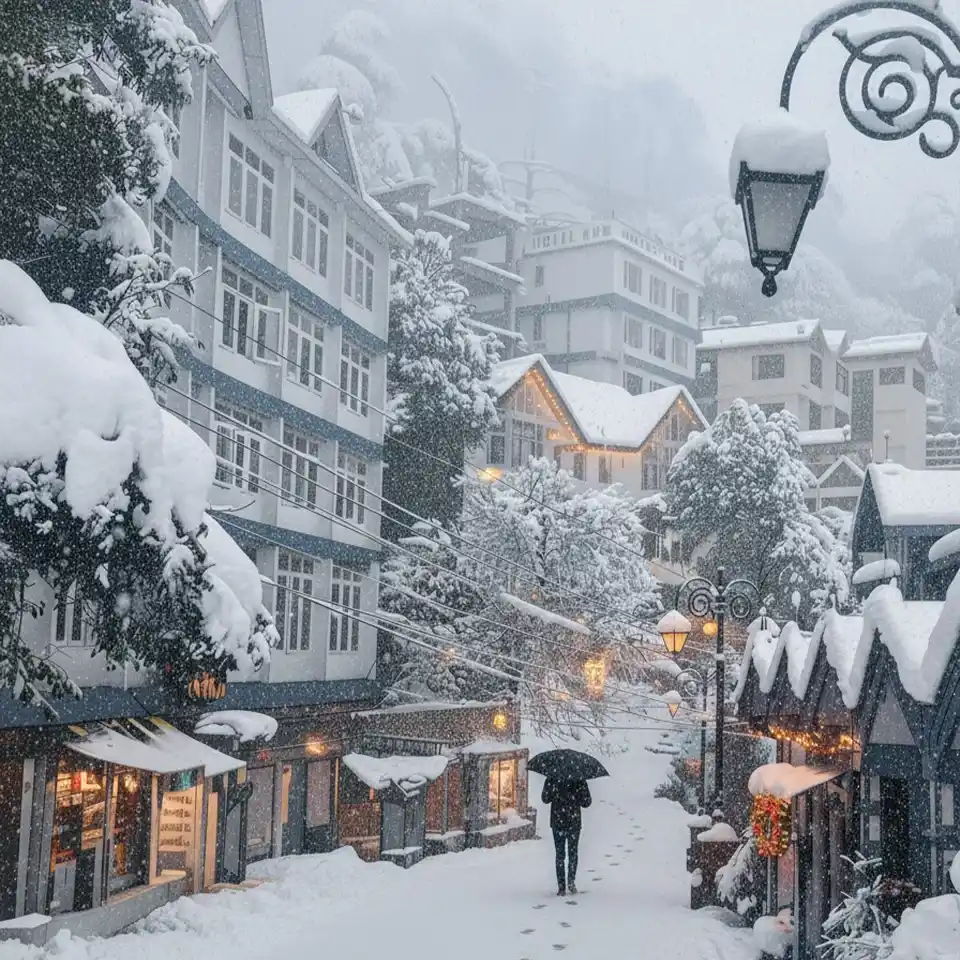 5D/4N
5D/4NWeekend Shimla Escape From Delhi
1D Delhi•3D Shimla+1
₹7,890₹12,999SAVE INR 5,109/ person
Related topics
Frequently Asked Questions
Is the Kalka to Shimla toy train worth it?
Yes, if you go in expecting a slow, scenic heritage ride and not a fast transfer. The route through tunnels, bridges, and pine forests is something you will not get on any Indian highway. It is one of the few UNESCO train rides you can do in India.
Which toy train is best from Kalka to Shimla?
The Shivalik Deluxe for comfort, the Him Darshan Express Vistadome for the glass-roof experience, and the Kalka Shimla Express 52453 for budget travel with the newest upgraded rake. Your choice depends on your priority: comfort, experience, or price.
What is the current ticket price for the Shimla toy train?
Fares range from ₹65 (second sitting on 52453) to ₹630 (Vistadome AC on Him Darshan Express). First-class options fall between ₹300 and ₹595 depending on the train.
How many toy trains run daily from Kalka to Shimla?
As of March 2026, five regular trains run daily from Kalka to Shimla, plus a Rail Motor service. A summer special may be added after May 15, 2026, but details were not finalised at the time of writing.
How do I book the toy train on IRCTC?
Go to irctc.co.in, search for trains from KLK to SML on your date, select your train and class, enter passenger details, and pay online. Book as early as the reservation window allows, especially for Vistadome and Shivalik Deluxe.
Can I take heavy luggage on the toy train?
You can, but you should not. The coaches are narrow-gauge with small racks and limited floor space. A backpack and one small bag is the practical limit. If you have large suitcases, arrange for them to go by car and take the train light.
Which side seat has better views?
Views keep switching sides throughout the ride because the train has 919 curves. Getting a confirmed window seat on either side matters far more than choosing left or right.
Can I see snow from the toy train?
Possible in December to February near the Shimla end of the route, but not guaranteed. Snowfall on this line is unpredictable. Do not book specifically expecting snow or you may be disappointed.
What is the fastest toy train from Kalka to Shimla?
The Rail Motor 72451 is the fastest at about 4 hours. Among the full trains, the Shivalik Deluxe comes in at about 4 hours 55 minutes.
Is the toy train better than a cab?
The cab is faster (3 to 4 hours vs 4 to 5.5 hours). The train is better as an experience. Do one leg by train and one by road if you want the best of both.
Are toy train timings fixed or do they change?
The regular schedule stays mostly stable, but seasonal specials, maintenance blocks, and weather disruptions can change things. Always verify on IRCTC before booking, and check live status on the morning of your travel.
Can I do only a short scenic stretch instead of the full ride?
Yes. The Shimla to Barog stretch covers the most scenic part of the route. You can buy a regular ticket for this shorter section and return by a later train or by road. It is not an official short-tour product, just a practical way to get the highlights without the full commitment.
More about Shimla
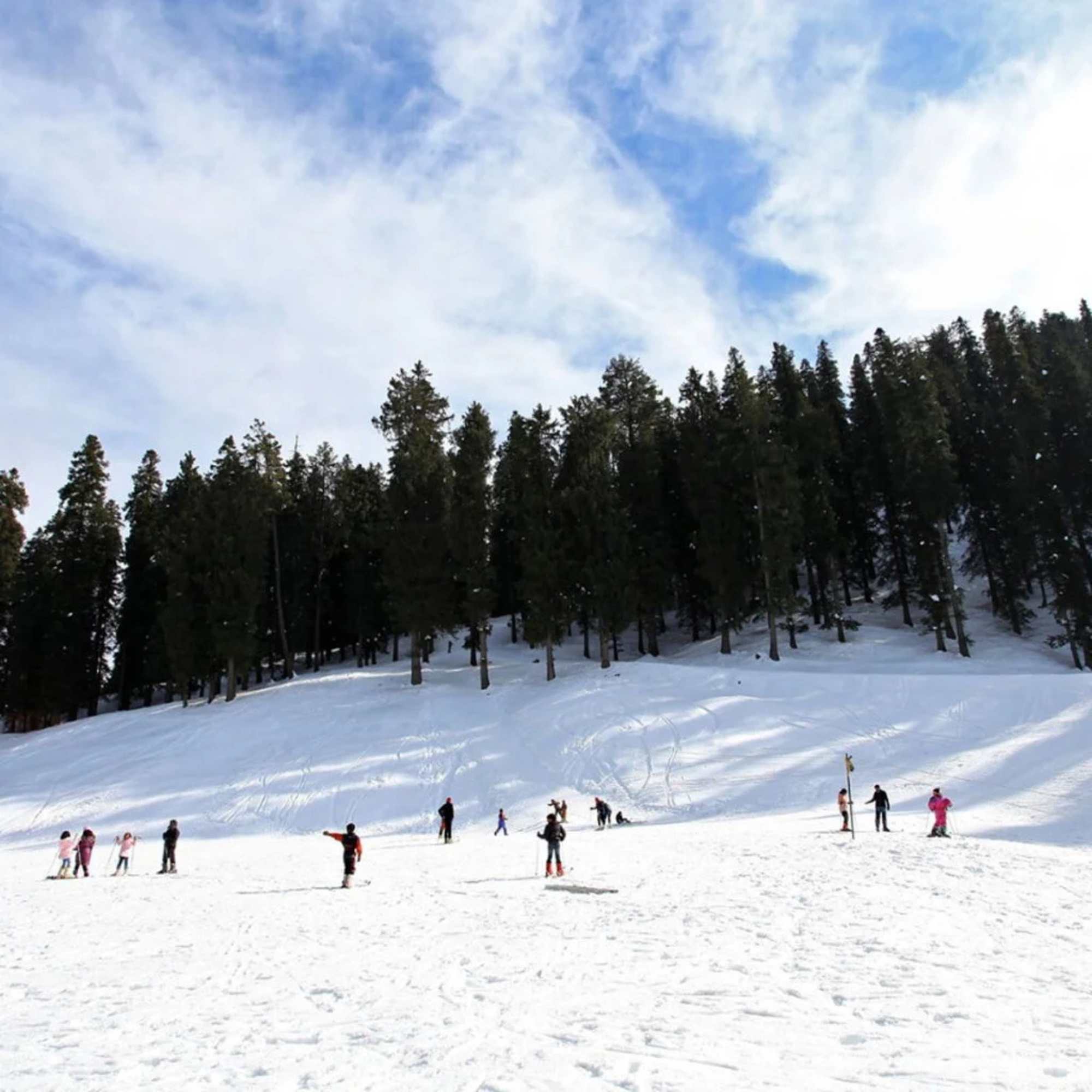 Shimla
Shimla Snow Trip 2026: Best Time, Itinerary, Cost and Local Tips
Plan your Shimla Snow Trip 2026 with this complete guide to the best time for snowfall, estimated trip cost, winter itinerary, top snow spots, Kufri visit, and useful travel tips.
- Snow Travel
- Best Time to Visit
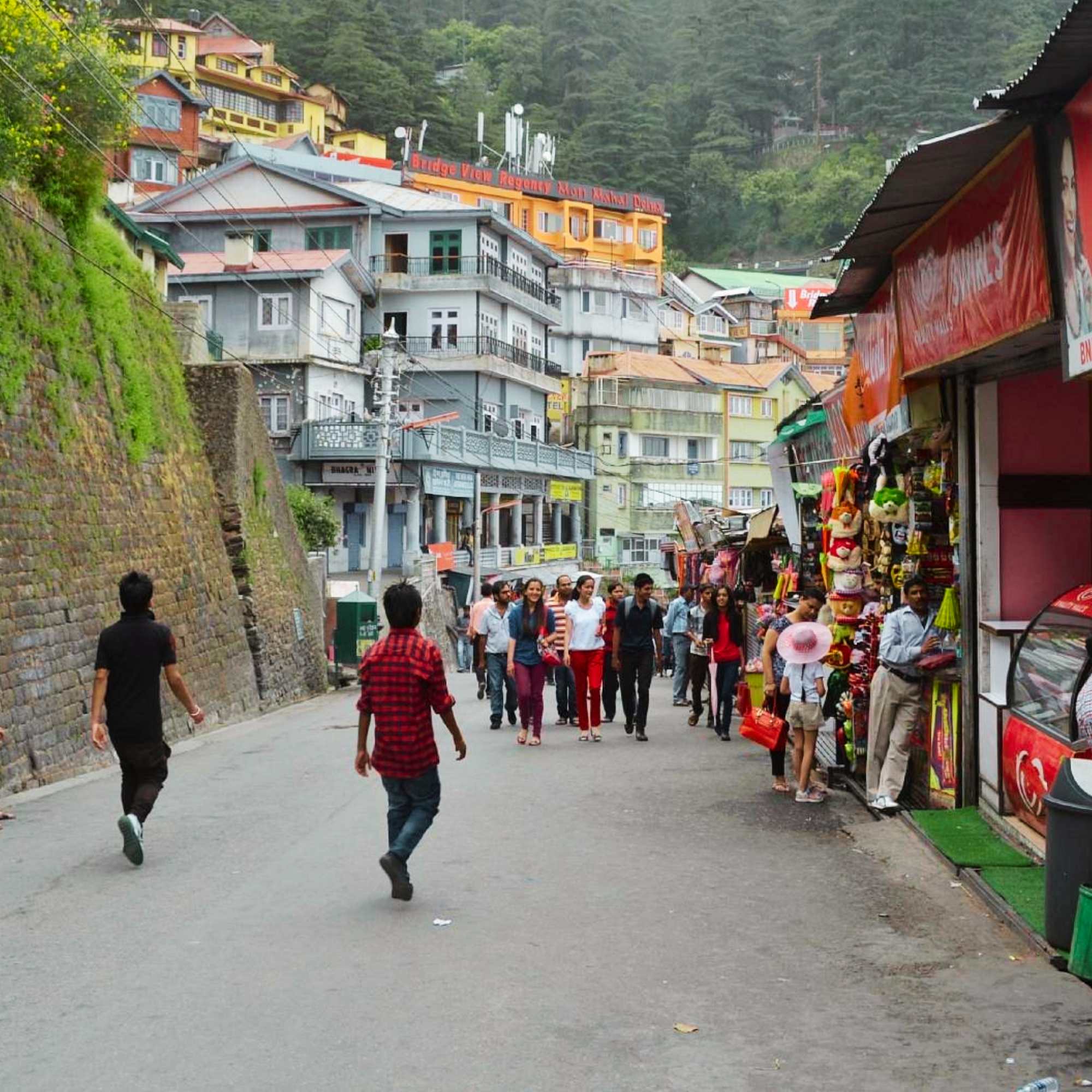 Shimla
Shimla in February 2027: Weather, Snowfall, Itinerary and Travel Tips
Planning a trip to Shimla in February 2027? Discover typical February temperatures, chances of snowfall, what the weather is usually like, the best places to enjoy snow, what to pack, and practical tips for planning a memorable winter trip to Shimla.
- Best Time to Visit
- Snow Travel
 Shimla
Snow Point Near Shimla in 2026: Kufri, Fagu, Narkanda and the Best Places to Find Snow
Discover the best snow points near Shimla in 2026, including Kufri, Fagu and Narkanda. Find out where to see snow, the best time to visit, and the top winter destinations near Shimla.
- Snow Travel
- Places to Visit