
Larot Village
The last village before Chanshal Pass, where apple orchards give way to deodar forest, the road ahead turns to gravel and switchbacks, and the smart move is to sleep here at 2,100 metres and tackle the final 15 km to the pass on fresh legs at first light
- Mountain Village
- ~2,100 m
- Upper Pabbar Valley
- 15 km from Chanshal Pass
- 33 km from Rohru
- Seasonal camps
- Deodar forest
- Last village before Chanshal
- No ATM
- May to Oct access
What makes it special
Larot is the last village with any facilities before Chanshal Pass. That one sentence explains why most people end up here, and it tells you almost everything you need to know about what to expect.
The village sits at roughly 2,100 metres in the upper Pabbar Valley. Deodar forest covers the slopes above, thick enough that the air carries a sharp resin smell when the afternoon sun warms the bark. Apple orchards line the terraces below, and in autumn the branches hang low with fruit that nobody seems to be in a hurry to pick. It is a small, working Himachali settlement, not a tourist village. A few dozen houses, a school (the only one in the Chanshal region), an HPPWD rest house, a small hotel, and a handful of homestays and seasonal camps that have appeared in recent years as more people started making the Chanshal drive. The Pabbar River runs in the valley below, narrower and colder here than at Rohru, audible from the village when the wind drops in the evening.
Here is what Larot actually does for you as a traveller. It cuts the Chanshal Pass drive in half. The 48 km from Rohru to the pass take three to five hours, and the last 15 km from Larot are the hardest. Drive up from Rohru in the afternoon, sleep in Larot, and start for the pass at first light, when the air is still cold and the road surface is at its firmest. You get the toughest stretch done on fresh legs with a full day of daylight ahead. That is the smart play, and most experienced riders and drivers do it this way.
The village also sits near the trailhead for Kuppar Bugyal, a high altitude meadow accessible by a short trek or rough vehicle track from the Chanshal road. And it is close to the treeline, which means the landscape around Larot is where the valley starts to open up. The deodar thins, the grass takes over, and the high Chanshal range becomes properly visible for the first time on the drive up from Rohru. You feel the altitude shift before you see it: the air gets sharper, the temperature drops a degree or two, and the forest sounds change.
Honest framing. There is very little to do in Larot beyond sleeping, eating a basic meal, and sitting with the valley view until the light fades. That is the whole point. You come here to be close to the pass, or to spend a quiet night in a forest village at decent altitude without the complete remoteness of the pass itself. If you need activities, restaurants, or any kind of evening entertainment, you need to be in Rohru or, better, in Shimla. Larot is for people who are comfortable with simplicity and silence, the kind where you can hear the deodar creak in the wind after dark.
One important ground reality: there is no ATM in Larot. The last reliable ATM is in Rohru (and even that one is patchy). There is no fuel pump. BSNL catches a faint signal on some days, other networks are dead. Carry cash, carry fuel, and carry the understanding that you are now in the part of the valley where you are on your own.
Quick answers
- What is Larot?
- The last village with any facilities before Chanshal Pass, sitting at roughly 2,100 metres in the upper Pabbar Valley, Shimla district. About 33 km from Rohru and 15 km from the pass. Deodar forest on the slopes, apple orchards on the terraces. A few basic homestays and seasonal camps. No ATM, no fuel, no reliable phone signal. Used mainly as an overnight stop by Chanshal Pass travellers who want to tackle the final 15 km on fresh legs at first light.
- Should I stay in Larot?
- Yes, if you are doing the Chanshal Pass drive. Sleeping in Larot and starting for the pass at dawn means you tackle the hardest 15 km of road when you are fresh and the road surface is at its firmest in the morning cold. Most experienced riders and drivers do it this way. If you do not need the pass, Rohru is a more comfortable base with actual facilities.
- Is there accommodation?
- A few basic homestays, at least one small hotel, and an HPPWD rest house. Seasonal tented camps operate between May and October. Very basic everywhere. No market, no restaurant beyond what homestays serve. Bring snacks, water, and supplies from Rohru.
Quick facts
Everything you need to know at a glance.
At a glance
- Altitude
- Roughly 2,100 m (about 6,900 ft).
- Location
- Upper Pabbar Valley, Shimla district, Himachal Pradesh. On the road between Rohru and Chanshal Pass.
- Distance from Rohru
- About 33 km. 1.5 to 2.5 hours by road.
- Distance to Chanshal Pass
- About 15 km. 1 to 2 hours on rough, unpaved road.
- Access
- Generally May to October. Winter access uncertain and pointless since the pass is closed.
- Entry fee
- None.
- Time needed
- One night as a Chanshal Pass stopover. Two nights if combining with Kuppar Bugyal.
On the ground
- Mobile network
- BSNL intermittent. Jio and Airtel dead. Treat Larot as offline.
- ATM
- None. Last ATM in Rohru. Carry physical cash.
- Fuel
- None. Last pump in Rohru. Fill completely before leaving.
- Food
- Basic home cooked meals at homestays. One dhaba. Carry snacks and water from Rohru.
- Accommodation
- A few homestays, one hotel, HPPWD rest house. Seasonal camps. Very basic. Confirm availability.
- Medical
- None. Nearest hospital in Rohru, 33 km on a rough road.
- Power
- Unreliable. Charge devices in Rohru. Carry a power bank.
Seasonal weather
- May to June22°5°Summer (May to Jun)
- July to September18°8°Monsoon (Jul to Sep)
- October to November16°0°Autumn (Oct to Nov)
- December to April8°-5°Winter (Dec to Apr)
Suitable for
- Couples — suitable
- Families — with some care
- Seniors — with some care
- Solo — suitable
- First-timers — not suitable
- Pet-friendly — not suitable
How to reach Larot Village
1 approach route, with seasonal access.
From Rohru (via Chirgaon and Tikkri)
Generally May to October. Winter access uncertain.- Distance
- About 33 km
- Time
- 1.5 to 2.5 hours
- Road
- Narrow mountain road. Paved to Chirgaon, rough and narrow beyond. Road widening in progress.
- Last fuel
- Rohru (last fuel pump, fill completely)
From Rohru, the road follows the Pabbar River toward Chirgaon (about 15 km). This first stretch runs through apple orchards and riverside villages, the valley is wide, and the driving is relatively easy. After you cross the Chirgaon bridge, things change. The road narrows, starts climbing through Sandasu and Tikkri, and the valley walls close in. Road widening work is ongoing in sections, which means loose gravel and the occasional construction vehicle blocking half the road. You know you are getting close to Larot when the valley floor drops away below you and the deodar forest gets thick enough to block the sun in patches. Most vehicles can handle this road, though it is narrow and rough. Beyond Larot, the road to the pass is a different story entirely and needs a 4x4 or a capable adventure motorcycle.
Best time to visit
Season by season, so you can plan around the weather rather than hope.
Early summer
May to June
Road clearing, camps opening, the Chanshal season begins.
- Temperature
- 5 to 22°C.
- Road from Rohru
- Generally passable. Rough patches.
- Chanshal Pass
- Opens May, usually. Confirm locally.
- Camps
- Seasonal setups starting to operate.
The road from Rohru generally opens by May, though conditions vary year to year. June is when things stabilise. Apple orchards around the village move from blossom into full leaf, and the deodar forest smells strongest in the afternoon warmth. Daytime temperatures sit around 10 to 22 degrees, comfortable in the sun, but mornings and evenings need a proper jacket, not just a hoodie. Chanshal Pass typically opens in May. If you are here early in the season, expect possible slush and snowmelt on the road above Larot. Late June is the sweet spot for access to both the village and the pass.
Monsoon
July to September
Green forest and wildflowers, but rain complicates the road.
- Temperature
- 8 to 18°C.
- Rain
- Intermittent. Road can get muddy.
- Wildflowers
- Peak in July at Kuppar Bugyal.
- Crowds
- Very few.
The deodar forest around Larot is at its densest and deepest green, and the air after rain smells like wet earth and warm resin. But rain is the trade off. The road from Rohru can get slick and muddy. The stretch above Larot toward the pass becomes significantly harder after heavy rain, with loose surfaces and water running across the track. Landslide risk on the approach road is real, not theoretical. If you can handle the uncertainty, the wildflowers at Kuppar Bugyal peak in July, and the meadows above the treeline turn into something you will not forget easily. Late September is the safer bet as the rain eases and the road firms up.
- Recommended
Autumn
October to November
Clear skies, dry roads, apple harvest. The best month is October.
- Temperature
- 0 to 16°C.
- Road
- Driest and most stable.
- Apple harvest
- September to November.
- Chanshal Pass
- Usually still open through October.
The best window. Roads are dry and firm after the monsoon. The sky clears to the kind of hard blue you only get at altitude in autumn, and the mountain views are the sharpest of the year. Apple harvest in the orchards around Larot runs from late August into November, with crates appearing along the road. Mornings are cold enough that your breath hangs in the air, but the midday sun is warm on your face. October is the single best month for combining Larot with a Chanshal Pass drive. The pass can close with early snow anytime from late October, so do not wait too long.
- Closed
Winter
December to April
Cold, closed pass, most stays shuttered. Not a practical visit.
- Temperature
- -5 to 8°C.
- Snow
- Possible in and above the village.
- Chanshal Pass
- Closed.
- Homestays
- Most close for winter.
Larot itself may still be reachable in early winter, but there is little reason to come. The pass road is closed under snow. Most homestays shut for the season. Temperatures drop well below zero at night, cold enough that water left outside freezes solid. Snowfall is common above the village and possible in it. The forest is silent in a way that can feel heavy if you are not used to it. Not a practical window unless you are on a planned winter trek with local knowledge and full gear.
Things to see & do
3 things worth your time at Larot Village.
Drive to Chanshal Pass from Larot
2 to 4 hours round tripThe 15 km road from Larot to Chanshal Pass is the steepest and roughest section of the entire route. Unpaved, loose gravel, water crossings where snowmelt runs across the track in early season, and steep switchbacks where you can hear your engine working harder than it wants to. A 4x4 or adventure motorcycle is strongly recommended, and steady mountain driving matters as much as the vehicle. Leave Larot at first light, when the air is still cold and the road surface is at its firmest. Above the treeline, the deodar drops away and the road opens into wide meadows with the Chanshal range laid out in front of you. Expect one to two hours up and about an hour down. Fill fuel in Rohru before leaving. There is nothing between Larot and the pass.
Trek to Kuppar Bugyal
Half dayKuppar Bugyal is a high altitude meadow, reached from a turn off on the Chanshal road near Larot. The route involves a short trek or a very rough vehicle track through thinning forest. What you get at the top is wide, open grassland at altitude, the kind of space where the wind is constant and the sky feels close. In June and July, wildflowers spread across the bugyal in patches of yellow and purple. This works well as a half day add on if you are spending an extra night in the area. Ask locals for the current trail condition, because the route is not well marked and shifts with the season.
Walk through the village and orchards
1 to 2 hoursIf you are not rushing to the pass, walk. The village paths lead naturally into the apple orchards on the terraces and the deodar forest on the slopes above. In the orchards, the trees are productive (apples in season from August to November), and the only sound is the occasional crow and the faint river below. In the forest, the deodar trunks are tall and straight, the canopy filters the light, and the air smells different from anything at lower altitude. There are no marked trails. You just walk until you feel like turning around. The air at 2,100 metres is noticeably cooler and sharper than what you left behind in Rohru, and mornings here have a stillness that the town does not.
Know before you visit Larot Village
The practical bits, from people who have been.
Staying and eatingA few homestays and an HPPWD rest house. Very basic. Seasonal camps. No market. Bring everything from Rohru.
A few homestays operate in and around Larot, mostly during the Chanshal season (roughly May to October). There is at least one small hotel. The HPPWD rest house is available with advance booking. A couple of camping operators have set up seasonal tented camps between Larot and the treeline, catering to Chanshal Pass travellers. These come and go year to year, so ask in Rohru for what is currently running.
Expect very basic rooms everywhere. Concrete walls, simple beds, shared or basic attached bathrooms, limited hot water. The homestay meals are home cooked Himachali fare (dal, rice, rajma, roti), simple but filling, the kind of food that tastes better than it has any right to after a long mountain drive. The hotel has basic dhaba food. If you are particular about what you eat, bring your own.
There is no market in Larot. No provisions shop beyond what the homestays stock. Bring everything you need from Rohru: snacks, water, medication, warm layers, torch. If you are camping, bring your own gear or confirm with the operator exactly what is provided.
Who Larot suitsFor Chanshal Pass overnight planners, campers, and quiet seekers. Everyone else should base in Rohru.
Will appreciate it. Motorcycle riders and 4x4 drivers who want to sleep close to the pass and start at dawn, when the light is clean and the road surface is firm. Photographers chasing early morning light on the Chanshal meadows. Campers and trekkers heading to Kuppar Bugyal. And travellers who genuinely enjoy quiet mountain villages where the evening entertainment is the sound of wind through deodar and the slow fade of light across the valley.
Should stay in Rohru instead. Anyone who needs an ATM, fuel, reliable phone signal, a proper meal, or a doctor within reach. Families with small children (no facilities, no medical backup, nothing for kids to do). Travellers who get restless without activity or connectivity. If you are visiting the valley for the first time and are unsure about the remoteness, base yourself in Rohru and drive up the valley as a day trip to see how it feels.
Seniors. The altitude at roughly 2,100 metres is manageable, but the road from Rohru is bumpy and there is no medical facility. Fit seniors in a capable vehicle can manage the drive. Anyone with heart or respiratory concerns should stay lower.
Ground realityNo ATM, no fuel, no pharmacy, no reliable signal. Carry everything from Rohru. Confirm conditions locally.
No ATM. No fuel pump. No pharmacy. No medical facility. The nearest of all these is in Rohru, about 33 km and 1.5 to 2.5 hours away on a rough road.
BSNL catches an intermittent signal. Jio and Airtel are effectively dead. UPI and digital payments do not work. Cash only for everything.
Carry enough fuel in your tank for the round trip from Rohru to the pass and back. The road climbs hard and fuel consumption is higher than flat terrain. If you are on a motorcycle, seriously consider carrying a spare fuel bottle.
Power supply can be unreliable. Charge your phone and any batteries in Rohru before heading up. A power bank is not optional here.
Worth confirming closer to your trip: homestay availability, road condition from Rohru, and whether the Chanshal Pass road is open. These things change every season. Ask at Rohru, not on the internet.
Nearby attractions
Other places worth the detour.
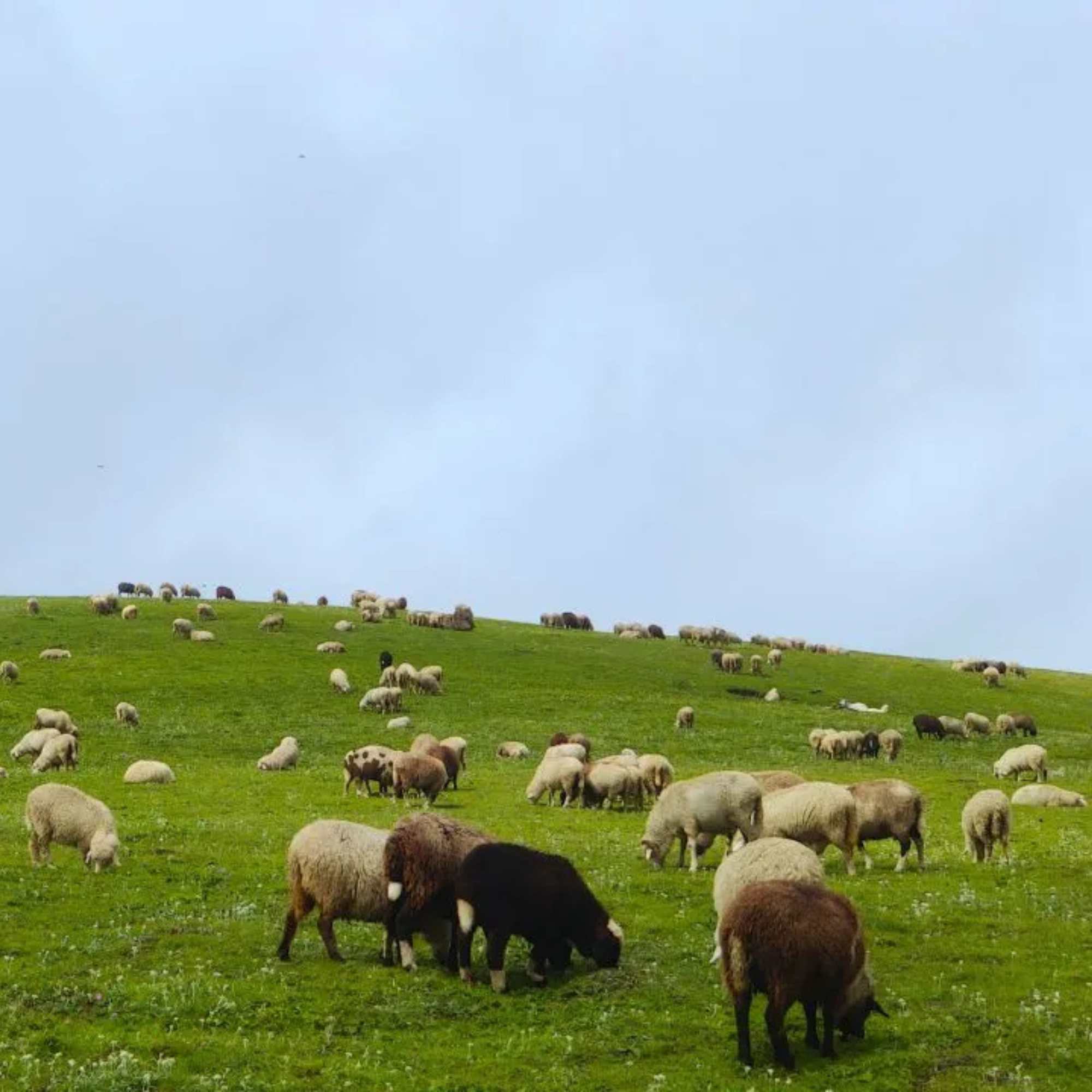
Chanshal Pass
About 15 km (1 to 2 hours drive)
The highest motorable pass in Shimla district at roughly 3,750 metres. About 15 km from Larot on steep, unpaved road. Wide grassy meadows, open Himalayan views, and complete silence at the top. 4x4 or adventure motorcycle recommended. No facilities. Generally open May to October.
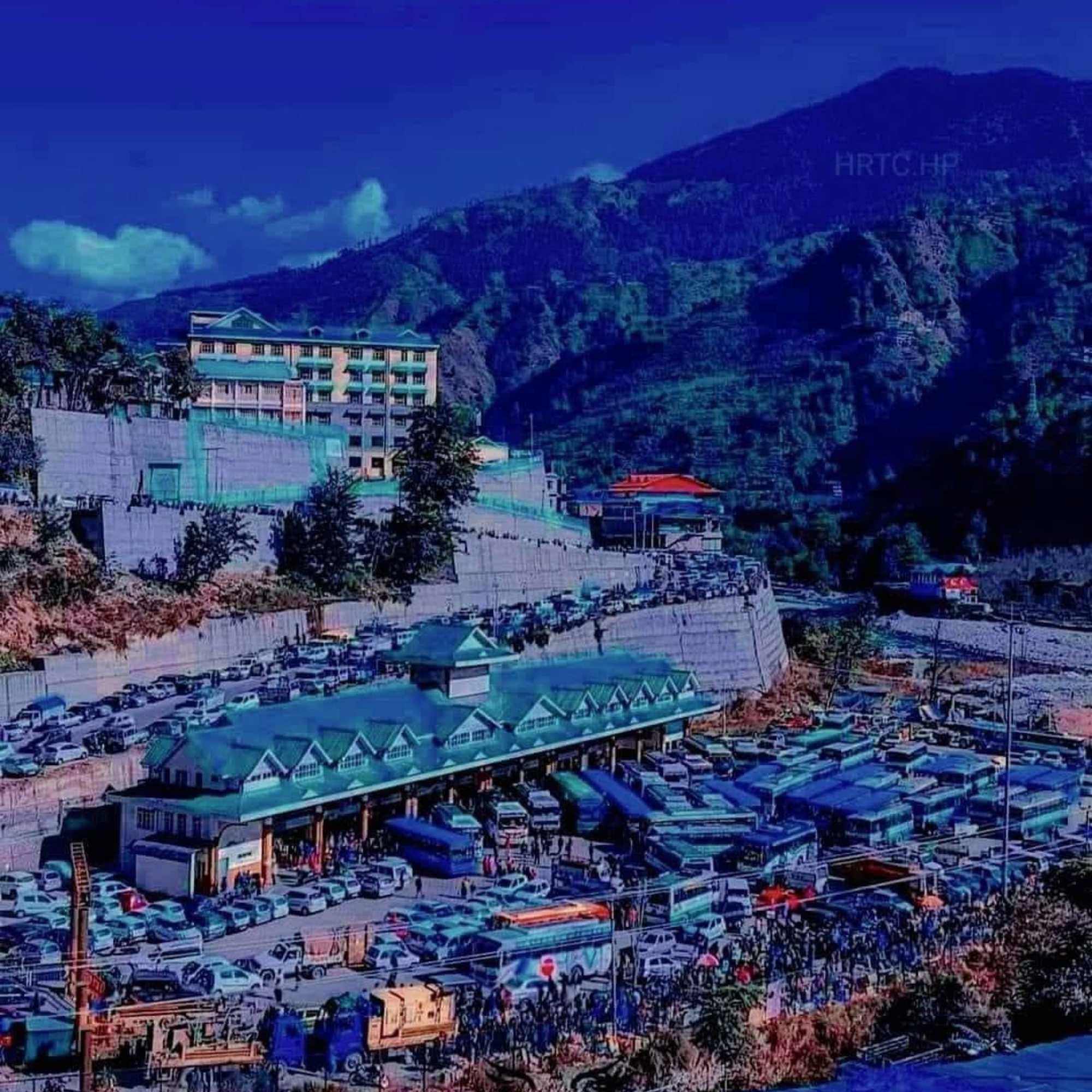
Rohru
About 33 km (1.5 to 2.5 hours)
The main town in the Pabbar Valley and the last place with an ATM, fuel pump, hospital, and proper supplies. Budget hotels and an HPTDC rest house. Trout fishing on the Pabbar River. About 33 km from Larot. Fill up and stock up here before heading to Larot.
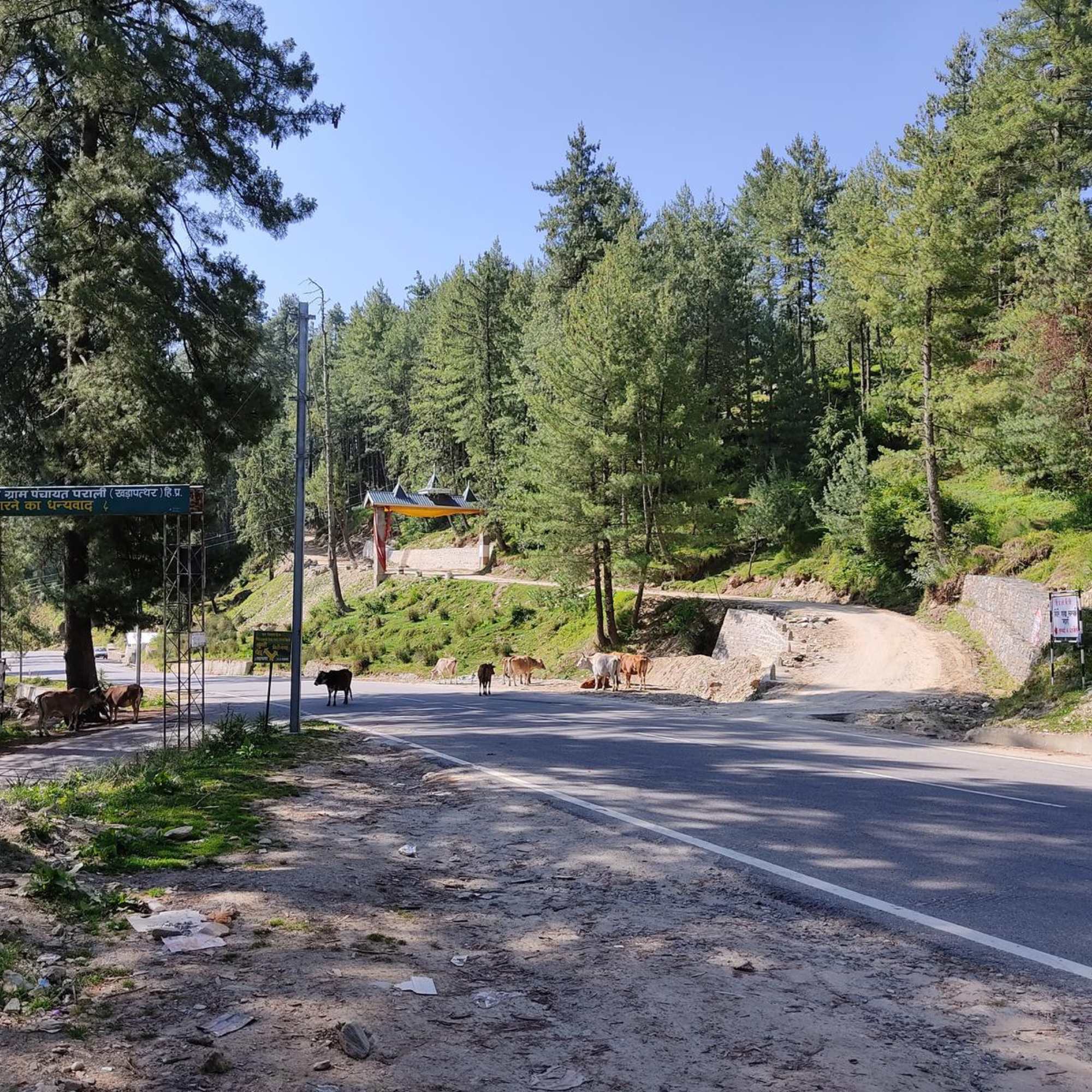
Kuppar Bugyal
Near Larot, accessible by trek or rough track
A high altitude meadow near Larot with wide open grasslands and mountain views. Accessible as a short trek or via a rough vehicle track from the Chanshal road. Good wildflowers in June and July. A worthwhile half day add on from Larot.
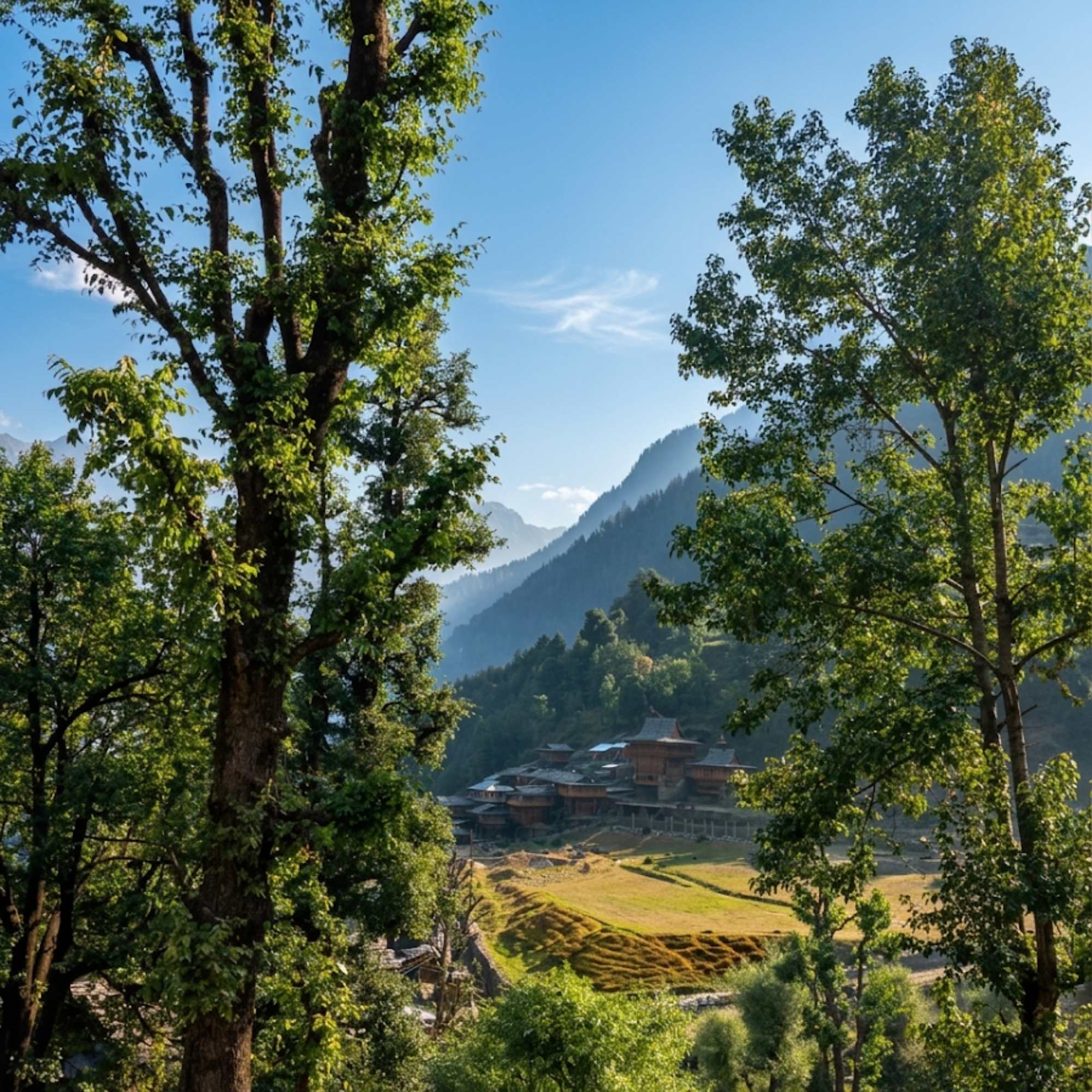
Dodra Kwar
About 40 km via Chanshal Pass
Remote hamlets on the far side of Chanshal Pass. Among the most isolated settlements in Himachal. Almost no infrastructure. Only for experienced travellers with extra fuel, food, and time. The road from the pass to Dodra Kwar is even rougher than the approach.
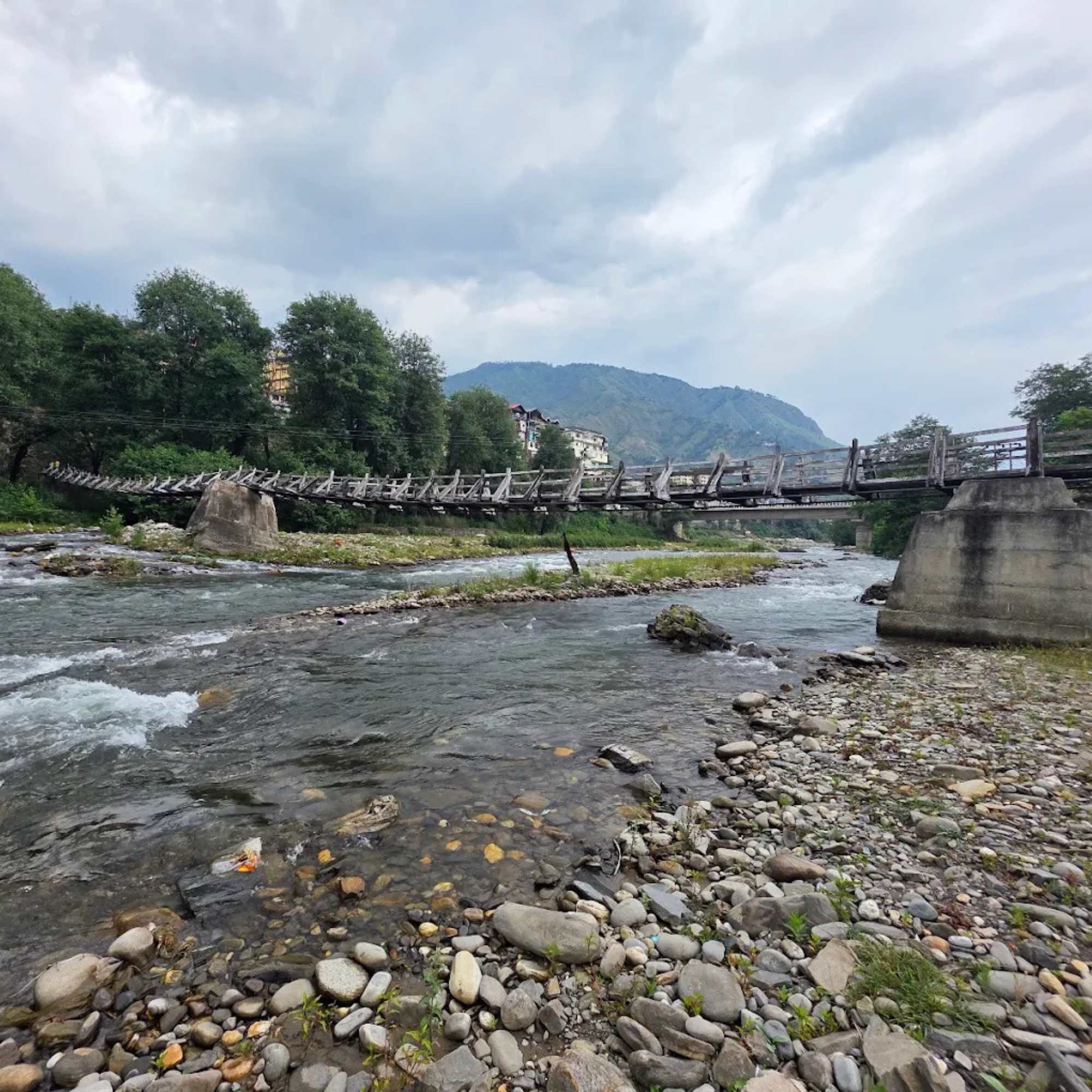
Chirgaon
About 15 km toward Rohru
A village on the Pabbar River between Rohru and Larot. Has a trout hatchery (Dhamwari is nearby) and marks where the valley narrows and the road starts climbing more seriously. The bridge at Chirgaon is a landmark on the Chanshal route.
Our packages with Larot Village
Curated trips that include a visit to Larot Village.
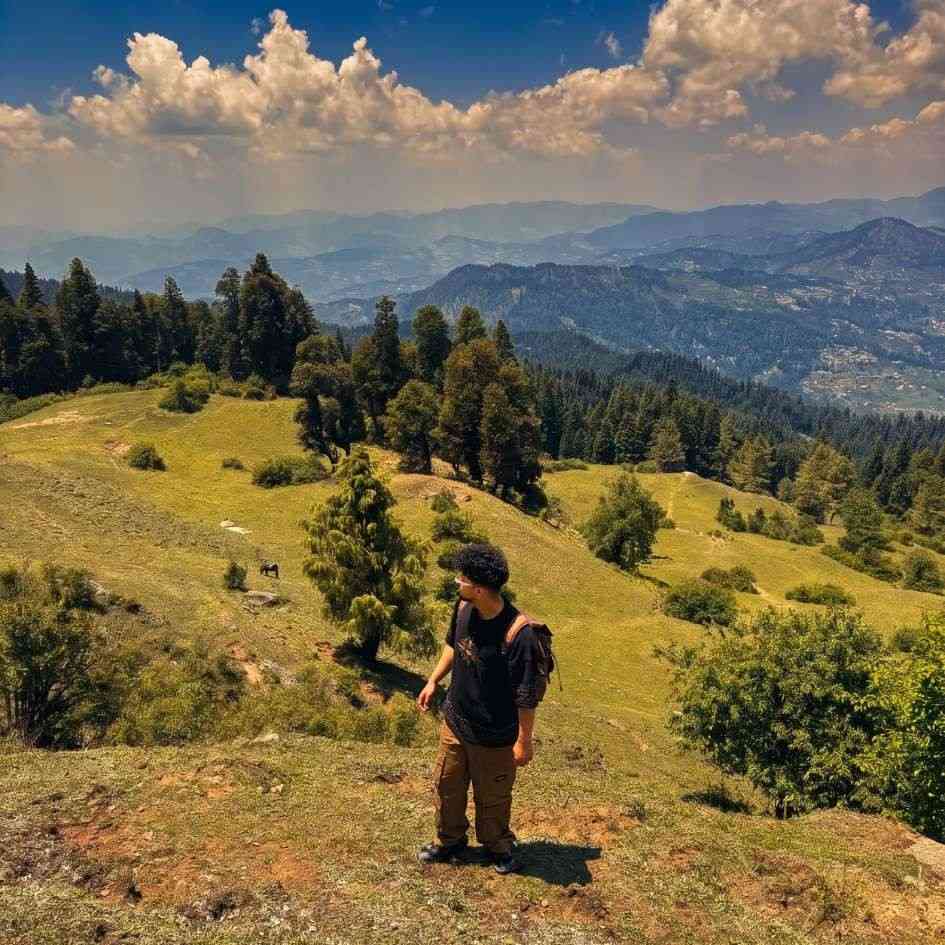 Group Tour5D/4N
Chanshal Pass Weekend Group Trip With Giri Ganga and Kuppar Bugyal
1D Kharapathar / Kotkhai•1D Rohru / Chirgaon (Pabbar Valley)
₹8,999₹12,999SAVE INR 4,000/ person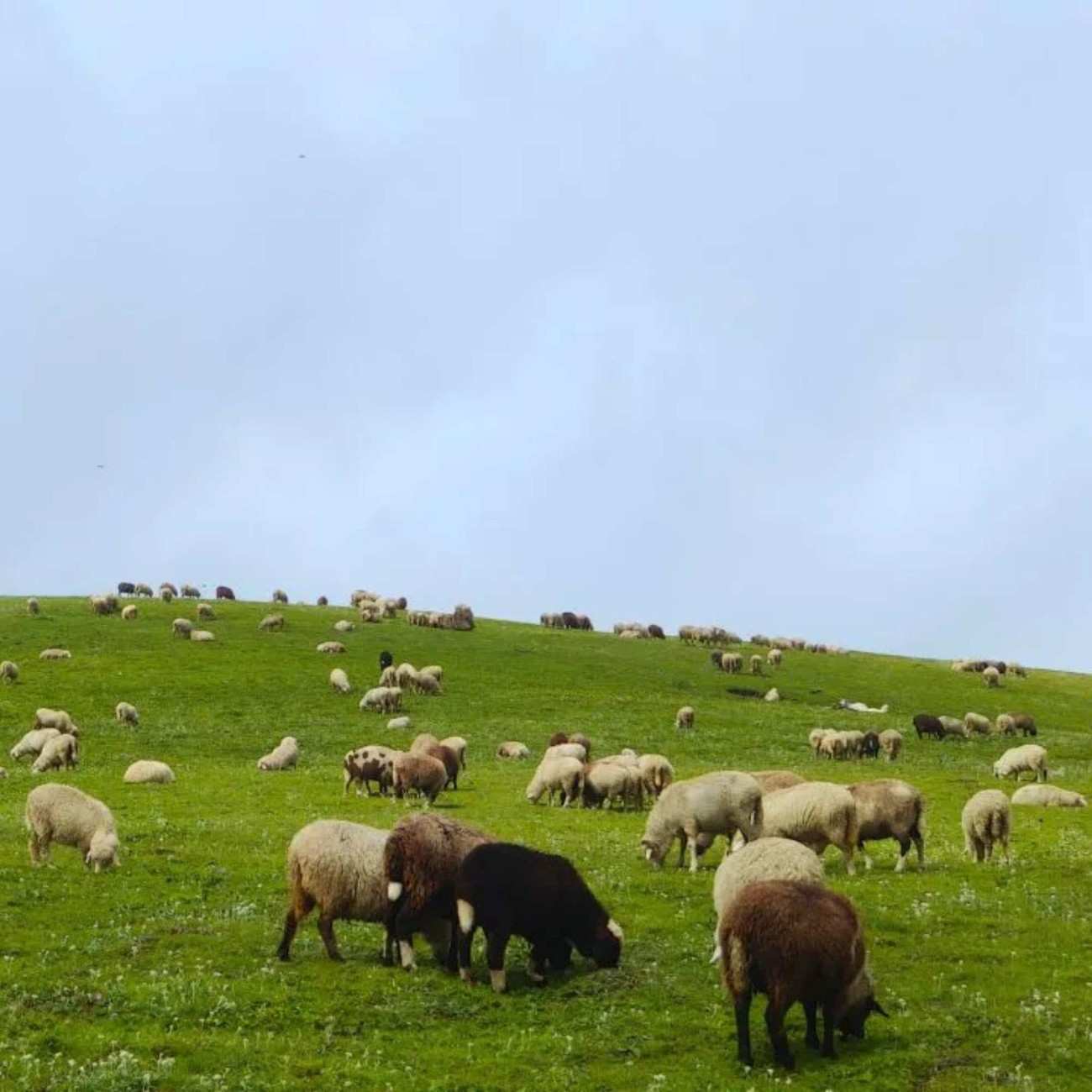 8D/7N
8D/7NMost Loved 4x4 Pabbar Valley Expedition With Giri Ganga Kuppar Bugyal Chanshal Pass and Dodra Kwar
1D Kharapathar / Kotkhai•2D Rohru / Chirgaon (Pabbar Valley)+1
₹32,999₹39,999SAVE INR 7,000/ person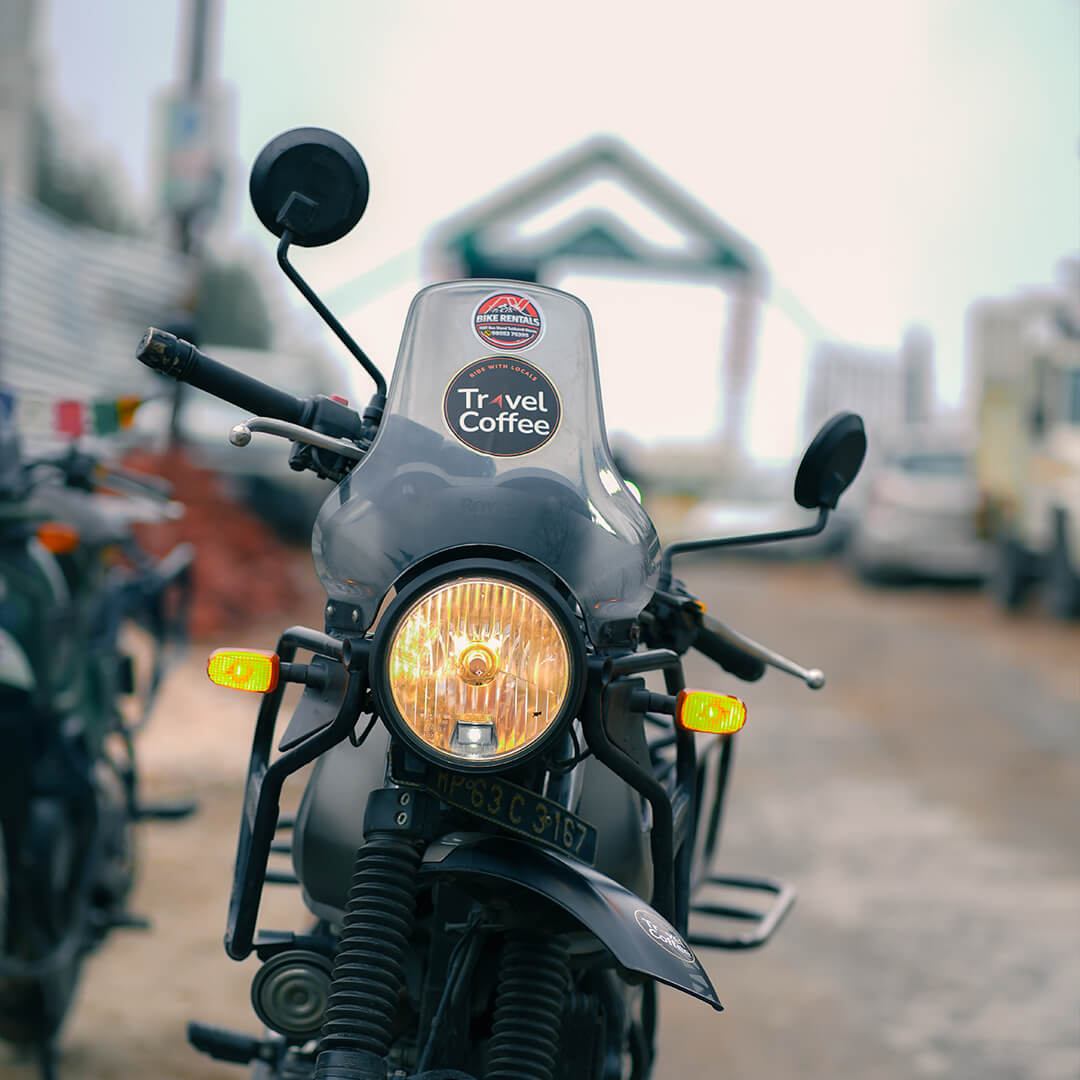 8D/7N
8D/7NUltimate Pabbar Valley Bike Expedition With Giri Ganga Kuppar Bugyal Chanshal Pass and Dodra Kwar
1D Kharapathar / Kotkhai•2D Rohru / Chirgaon (Pabbar Valley)+1
₹29,999/ person
Frequently Asked Questions
What is Larot?
A small Himachali village at roughly 2,100 metres in the upper Pabbar Valley, Shimla district. The last settlement with any facilities before Chanshal Pass. About 33 km from Rohru and 15 km from the pass. Apple orchards, deodar forest, a few homestays and seasonal camps. No ATM, no fuel, no reliable mobile signal.
What is the altitude of Larot?
Roughly 2,100 metres (about 6,900 feet). Higher than Rohru (1,525 m) but significantly lower than Chanshal Pass (3,750 m). The altitude is comfortable and unlikely to cause altitude symptoms for most people.
How far is Larot from Rohru?
About 33 km from Rohru via Chirgaon and Tikkri. The road takes roughly 1.5 to 2.5 hours depending on conditions. The surface is narrow and rough in sections, with ongoing road widening work. Most vehicles can make it to Larot, but the road beyond Larot to the pass is significantly worse.
Is there accommodation in Larot?
A few homestays, at least one small hotel, an HPPWD rest house, and seasonal camping setups that operate during the Chanshal season (roughly May to October). Expect very basic rooms. Book the PWD rest house in advance if possible. Some camping operators run tented setups between Larot and the pass. Quality and availability change year to year. Confirm before counting on anything.
Is there an ATM or fuel in Larot?
No ATM. The last ATM is in Rohru, and even that can run dry. No fuel pump. The last fuel is in Rohru, about 33 km away. Carry cash and fill your tank before leaving Rohru. UPI does not work here because mobile signal is unreliable.
Does mobile network work in Larot?
BSNL works intermittently, catching a signal on some days and ridges. Jio and Airtel are generally dead at Larot. Do not count on making calls, using data, or processing digital payments. Download offline maps in Rohru before heading up.
Should I stay a night in Larot?
If you are doing the Chanshal Pass drive, yes. Sleeping in Larot and starting for the pass at first light is smarter than trying to do the full Rohru to pass round trip in one long day. You tackle the hardest section fresh, with maximum daylight. Most experienced riders and off road drivers use Larot as an overnight stop.
Is Larot suitable for families?
Only for families comfortable with very basic accommodation, no facilities, rough mountain roads, and genuine remoteness. There is nothing for children to do. The nearest medical facility is in Rohru. If your family is adventurous and self sufficient, it works. Otherwise, stay in Rohru and day trip up the valley.
When is Larot accessible?
Generally May to October, when the road from Rohru is clear and the Chanshal Pass road is accessible. In winter, Larot itself may be reachable depending on snowfall, but there is little reason to visit since the pass and upper valley are closed. Homestay availability in winter is uncertain.
Related guides
Posts about Shimla
- Shimla Snow Trip 2026: Best Time, Itinerary, Cost and Local Tips
- Shimla in February 2027: Weather, Snowfall, Itinerary and Travel Tips
- Snow Point Near Shimla in 2026: Kufri, Fagu, Narkanda and the Best Places to Find Snow
- Shimla Honeymoon Guide 2026: Best Time, Itinerary, Cost and Romantic Places
- Shimla Kufri Chail Narkanda Tour 2026: Complete 6 Day Itinerary, Cost and Road Guide
- Shimla to Kasol Distance, Route, Bus and Taxi Guide 2026