
Hatkoti Temple
A thousand year old stone temple complex on the Pabbar River where three streams meet, the sanctum door is thick with coins from answered prayers, a Shivling sits impossibly wider than the doorway it is behind, and five miniature shrines in a row are still called the Pandavas' toy houses
- Ancient Temple
- Pabbar Valley
- ~1,400 m
- 8th to 9th century
- Nagara shikhara style
- Shimla · ~100 km
- Rohru · ~12 km
- On the Pabbar River
- No entry fee
- Year round
What makes it special
Hatkoti sits at the point where two small mountain streams, Bishkulti and Raanvati, flow into the Pabbar River. In Hindu tradition, any confluence of three water bodies makes a place sacred, and Hatkoti has been one for over a thousand years. The temple complex sits on the right bank of the Pabbar, surrounded by paddy fields in summer and bare terraces in winter, with forested hills rising on every side.
The main temple is dedicated to Hateshwari Mata, the local name for Goddess Durga in her form as Mahishasuramardini, the slayer of the buffalo demon. The idol inside is 1.2 metres tall, cast in Ashtadhatu, a combination of eight metals. The goddess has ten arms, each holding a weapon, riding a lion, and killing Mahishasura beneath her. On both sides of the idol are inscriptions that, according to locals and researchers alike, no one has been able to decipher. Only the temple's permanent priests enter the sanctum. The interior is dark, lit by a single diya, and the weight of the place is something you feel before you understand.
Look at the door of the sanctum closely. It is studded with coins, hammered in by devotees over the years. The tradition is that you make a wish, and when it comes true, you return and press a coin into the wood. The door is thick with them, layer on layer, and that alone tells you something about how long people have been coming here and how seriously they take this temple.
Next to the Hateshwari temple stands a separate Shiva temple with a curious detail that everyone notices. The Shivling inside is wider than the doorway. How it got in there is a question nobody has a satisfying answer for, and the locals are happy to let the mystery sit. Both temples are built in the Nagara shikhara style, with pyramidal stone towers that taper to a point, topped with a marble amalaka disc and a golden kalash. The stone walls carry carved figures, Hindu deities, narrative panels, and decorative motifs that date the architecture to the 8th or 9th century CE, during the Gurjara Pratihara period. The quality of the carving is genuinely high, better than you expect at a temple this far from any tourist route.
Near the Shiva temple, five small stone shrines stand in a row. Locals call them Pandava Ka Khilona, the toy houses of the five Pandava brothers, and believe the Pandavas built them during their exile. The shrines are arranged by size, tallest to shortest, matching the five brothers. Sculpted images of Vishnu, Ganesha, Durga, and Lakshmi on Garuda have been placed around the compound, some inside the small shrines, some outside on the ground. A marble baithak, a covered gathering area, sits between the temples where devotees rest and festivals are held.
The biggest events are the fairs held during Chaitra Navratri (usually March or April) and again in November. During Navratri, the temple fills with devotees from across the Pabbar Valley, local deities are brought in procession from surrounding villages, and the compound becomes loud and alive in a way that feels very different from the quiet of a regular Tuesday morning. Shivaratri brings its own crowd in February or March.
Getting here is straightforward. Hatkoti is on the main road between Shimla and Rohru, about 100 km from Shimla (3.5 to 4 hours by car) and roughly 12 km from Rohru. HRTC buses from Shimla to Rohru stop here. The temple is visible from the road, and the detour is a two minute walk from the bus stop or parking area. Most travellers visit on the drive between Shimla and Rohru rather than making a separate trip, and that is the right approach. An hour is enough to see the temples, take in the carvings, and sit by the river. If you are interested in temple architecture, you might want longer.
Honest framing. Hatkoti is not a destination that fills a day. It is a stop, but a genuinely significant one. If you are driving through the Pabbar Valley, skipping it means missing some of the finest early medieval stone temple architecture in Himachal Pradesh. The combination of the river confluence, the thousand year old carvings, and the coin studded door gives the place a layered quality that most roadside temples do not have.
Quick answers
- What is Hatkoti Temple?
- An ancient temple complex on the Pabbar River in Shimla district, about 100 km from Shimla and 12 km from Rohru. The main temple is dedicated to Hateshwari Mata (Goddess Durga as Mahishasuramardini), with a 1.2 m idol cast in eight metals. The temples date to the 8th or 9th century CE in the Nagara shikhara style, with finely carved stone walls, a Shiva temple, and five small shrines believed to be built by the Pandavas. The sanctum door is studded with coins from devotees' fulfilled wishes. No entry fee. Open 6 AM to 8 PM.
- How much time do I need?
- About 1 to 1.5 hours for a proper visit. You can cover the main temples, the carvings, and a short walk to the river in this time. If you are driving between Shimla and Rohru, 30 to 45 minutes is enough for a meaningful stop.
- When is the best time to visit?
- Year round. The temple is at about 1,400 metres, so the altitude is comfortable in all seasons. Chaitra Navratri (March or April) is the biggest festival. Apple harvest season (September to November) adds colour to the surrounding valley. Monsoon (July to August) brings rain but the temple stays open.
Quick facts
Everything you need to know at a glance.
At a glance
- Location
- Hatkoti village, Jubbal Tehsil, on the banks of the Pabbar River. Shimla district, Himachal Pradesh.
- Altitude
- Approximately 1,400 m (about 4,600 feet).
- Type
- Ancient temple complex. Hateshwari Mata (Durga) and Shiva temples. 8th to 9th century Nagara shikhara architecture.
- Distance
- About 100 km from Shimla (3.5 to 4 hours). About 12 km from Rohru.
- Timings
- Generally 6 AM to 8 PM. These can vary during festivals.
- Entry fee
- None.
- Time needed
- 1 to 1.5 hours for a proper visit. 30 to 45 minutes for a quick stop.
On the ground
- Access
- On the main Shimla to Rohru road. HRTC buses stop here. Short walk from the road to the temple.
- Mobile network
- Jio and Airtel generally work at Hatkoti.
- Food
- Small dhabas and tea stalls near the bus stop. Simple meals and snacks.
- ATM
- No ATM in Hatkoti. Nearest in Rohru (12 km) or Kotkhai (40 km).
- Accommodation
- Dharamshalas near the temple for basic stays. Better accommodation in Rohru (12 km) or Jubbal (20 km).
Seasonal weather
- March to June28°10°Spring and Summer
- July to September25°14°Monsoon
- October to November22°5°Autumn
- December to February14°-1°Winter
Suitable for
- Couples — suitable
- Families — suitable
- Seniors — suitable
- Solo — suitable
- First-timers — suitable
- Pet-friendly — with some care
How to reach Hatkoti Temple
3 approach routes, with seasonal access.
From Shimla
Year round.- Distance
- About 100 km
- Time
- 3.5 to 4 hours by road
- Road
- State highway. Paved, mixed quality. Narrow in sections, rough patches near Kharapathar.
From Shimla, take the Hindustan Tibet Road to Theog, then turn off toward Kotkhai and continue through Kharapathar on the Shimla to Rohru road. Hatkoti is on this road, about 12 km before Rohru. HRTC buses from Shimla to Rohru stop at Hatkoti. The road is paved and mostly in decent shape, though the section around Kharapathar can have rough patches. An alternate route via Narkanda is slightly longer. The temple is visible from the main road. A two minute walk from the bus stop or parking area.
From Rohru
Year round.- Distance
- About 12 km
- Time
- 20 to 30 minutes by road
- Road
- Paved road along the Pabbar River. Good condition.
From Rohru, drive 12 km back toward Shimla on the main road. The temple is on the right bank of the Pabbar. This is the most common approach if you are based in Rohru for trout fishing, Chanshal Pass, or the upper Pabbar Valley.
From Dehradun (via Chakrata, Tiuni)
Generally March to November. Winter may see closures near the passes.- Distance
- About 200 km
- Time
- 7 to 9 hours by road
- Road
- Mountain road. Mix of paved and rough stretches. Narrow in sections.
An alternative route from the Uttarakhand side. Drive through Chakrata, Tiuni, and Arakot to reach Hatkoti from the east. This route is longer but useful for loop trips combining Himachal and Uttarakhand. Road conditions on the Tiuni to Hatkoti stretch can be rough.
Best time to visit
Season by season, so you can plan around the weather rather than hope.
- Recommended
Spring and summer
March to June
Warm weather, green fields, and the Navratri fair.
- Temperature
- 10 to 28 degrees.
- Festival
- Chaitra Navratri (March/April).
- Roads
- Good condition.
- Crowds
- High during Navratri. Otherwise calm.
Comfortable weather at this altitude. Warm days, cool evenings. The paddy fields and orchards around the temple are green. Chaitra Navratri fair (March or April) is the biggest event of the year and draws large crowds. April through June is the most pleasant window for a relaxed visit. Roads from Shimla are stable.
Monsoon
July to September
Green valley but rain and road risk. The temple stays open.
- Temperature
- 14 to 25 degrees.
- Rain
- Moderate. Occasional heavy spells.
- Road
- Passable but landslide risk near Kharapathar.
Rain makes the valley lush but the road from Shimla has some landslide risk near Kharapathar. The temple stays open. The Pabbar runs high and muddy. Fewer visitors. If you are passing through the valley anyway, the temple is still worth a stop. Carry an umbrella.
- Recommended
Autumn
October to November
Clear air, apple harvest, and the November fair.
- Temperature
- 5 to 22 degrees.
- Festival
- November fair.
- Apple harvest
- September to November.
- Crowds
- Low except during the fair.
Clear skies, apple harvest in the surrounding orchards, and thin crowds. October and early November are the best months for a comfortable visit with sharp light for photography. The November fair at the temple brings a second wave of festival energy. Nights start getting cold.
Winter
December to February
Cold and quiet. Temple stays open. Shivaratri draws crowds.
- Temperature
- Minus 1 to 14 degrees.
- Festival
- Shivaratri (Feb/Mar).
- Road
- Usually open. Snow near Kharapathar possible.
Cold but the temple stays open year round. Snow is rare at this altitude but nights are chilly. The road from Shimla is generally passable. Shivaratri (February or March) brings devotees. The valley is quiet and stripped back. Carry warm layers.
Things to see & do
2 things worth your time at Hatkoti Temple.
Explore the temple complex and stone carvings
45 minutes to 1.5 hoursWalk through the complex at your own pace. Start with the main Hateshwari temple, note the coin studded door, and take in the carved stone walls. Move to the Shiva temple and look for the oversized Shivling. Then the five small shrines (Pandava Ka Khilona) arranged by height. Sculpted images of Hindu deities are scattered around the compound. Remove shoes before entering any shrine area. Photography is generally allowed in the compound but confirm at the entrance if temple rules have changed.
Walk to the Pabbar River confluence
20 to 30 minutesThe Pabbar River runs right past the temple, and the confluence where Bishkulti and Raanvati streams join it is a short walk from the compound. The riverbank is open and quiet, with flat rocks that work for sitting. During the warmer months, the river runs clear and green. Locals use the banks for washing and gathering, so you will see village life play out naturally. A nice complement to the temple visit, especially if you have an hour to spare.
Know before you visit Hatkoti Temple
The practical bits, from people who have been.
What to expect at the templeLiving temple, shoes off, dress modestly. Flat compound, accessible for all. No ATM in Hatkoti. Basic dhabas nearby.
The temple complex is a living place of worship, not a museum. Remove shoes before entering any shrine area. Dress modestly. The sanctum sanctorum of the main Hateshwari temple is accessible only to the permanent priests. You can see the exterior carvings, the coin studded door, and the interior from the doorway. Photography is generally allowed in the compound but not inside the sanctum. Confirm at the entrance if rules have changed.
The compound is on flat ground and walkable for anyone. No steep climbs, no rough terrain. The Pabbar River bank is a short walk from the temples. Public washrooms may be available at the Dharamshalas near the complex, but expect basic facilities.
Hatkoti has a few small dhabas and shops near the bus stop, serving tea, snacks, and simple meals. There is no ATM in Hatkoti. The nearest ATMs are in Rohru (about 12 km) or Kotkhai (about 40 km toward Shimla). Mobile signal works here, Jio and Airtel generally function.
Who Hatkoti Temple suitsBest for architecture lovers, pilgrims, and anyone on the Shimla to Rohru drive. An hour is enough to see it well.
Will appreciate it. Travellers with an interest in Indian temple architecture and early medieval art. Devotees of Goddess Durga making a pilgrimage. Anyone driving the Shimla to Rohru route who wants a culturally rich stop. History and archaeology enthusiasts. Families and seniors looking for a calm, accessible temple visit at a comfortable altitude.
Might skip it. Travellers looking for adventure, trekking, or outdoor activities. If you are racing to Chanshal Pass or Rohru and have no interest in temple architecture, a quick photo stop might feel like enough. But if you give it 45 minutes, the carvings and the river confluence setting reward the time.
Nearby attractions
Other places worth the detour.
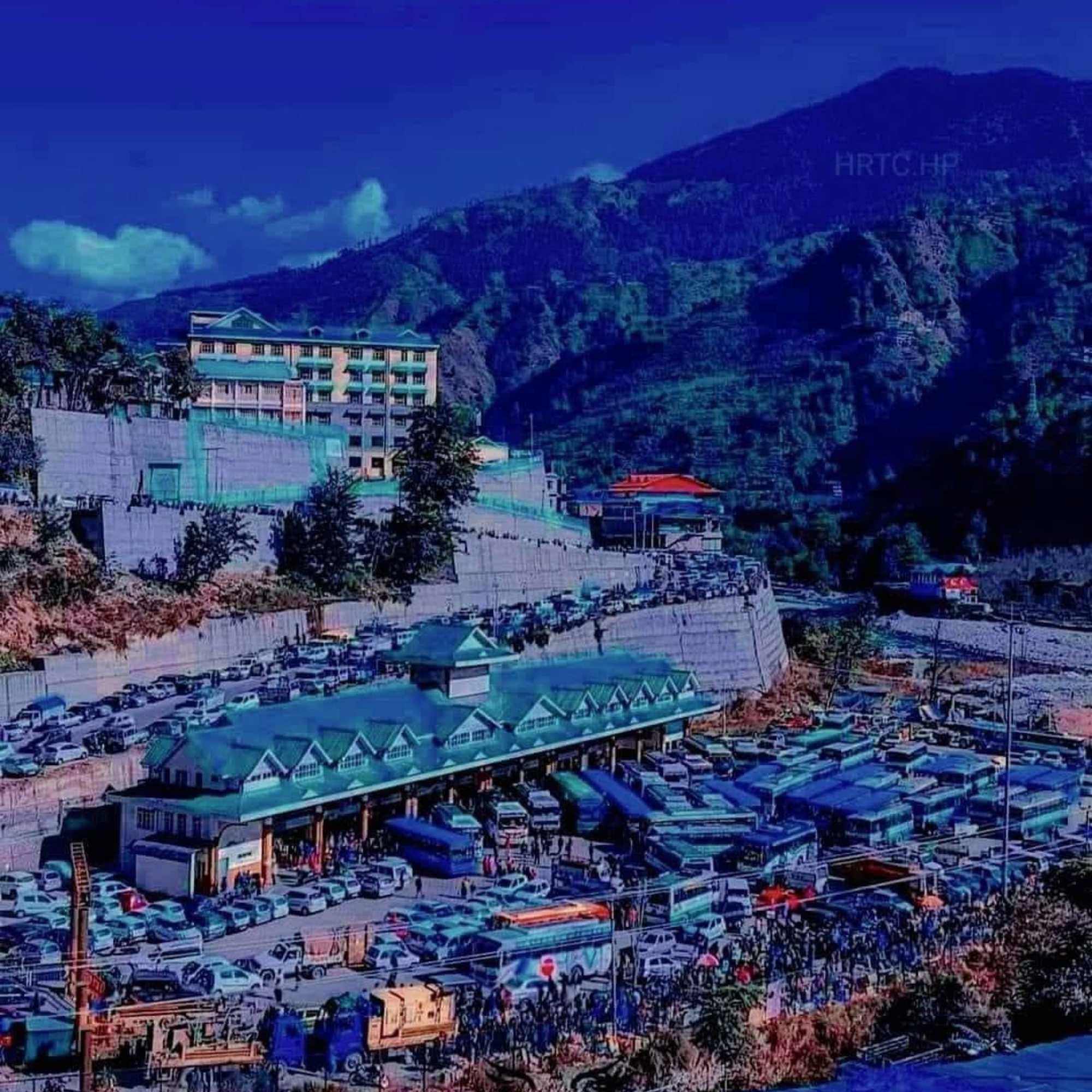
Rohru
About 12 km
The main town of the Pabbar Valley at roughly 1,525 metres. Trout fishing on the Pabbar River, apple orchards, and the last proper supply town (ATM, fuel, hospital) before the upper valley. About 12 km from Hatkoti.

Giri Ganga Temple
About 40 km via Kharapathar
An ancient forest temple at the source of the Giri Ganga river, about 7 km above Kharapathar. Shrines to Durga, Shiva, and Kali in dense deodar forest. A Dharamshala for basic stays. The Kuppar Bugyal meadow trek starts from the temple.
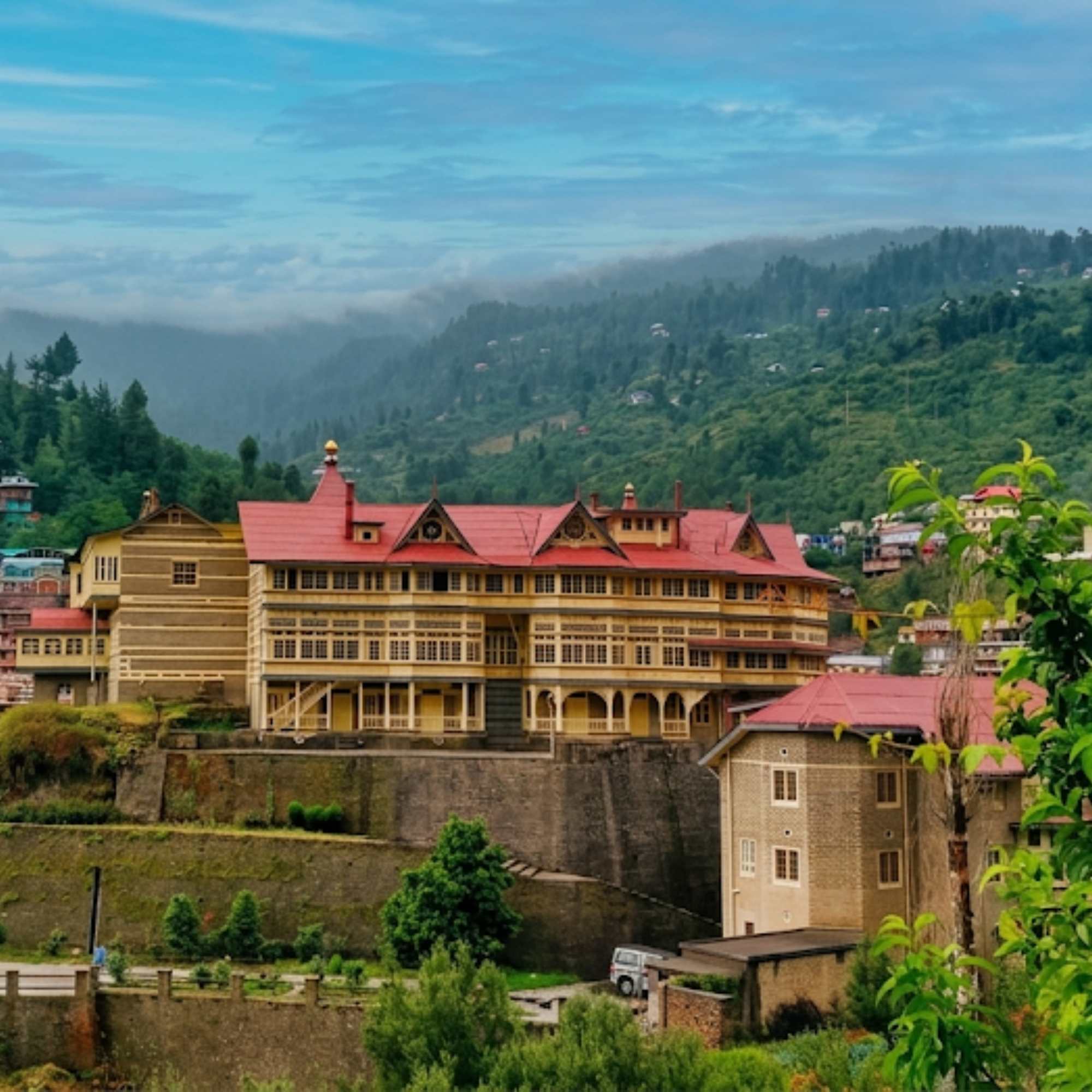
Jubbal Palace
About 20 km
The Jubbal Palace, designed by a French architect in 1930, blends European, Chinese, and Indian styles. The former seat of the Jubbal princely state. About 20 km from Hatkoti. Not always open to visitors, confirm before going.
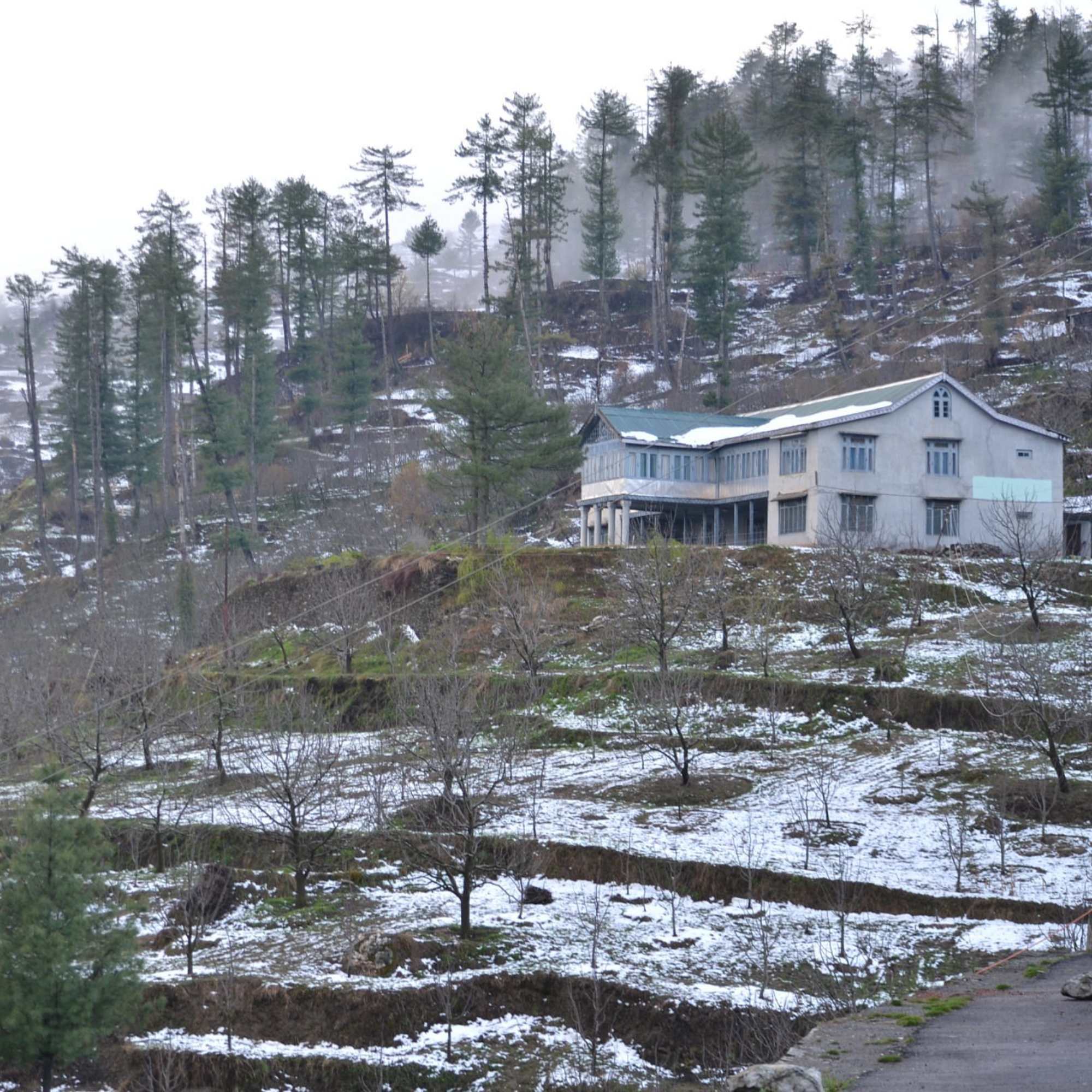
Kharapathar
About 29 km
A small town at about 2,700 metres, the highest point on the Shimla route. Starting point for the Giri Ganga trek, Kuppar Bugyal, and the road to Chanshal Pass. Apple orchards and the HPTDC Giriganga Resort. About 29 km from Hatkoti.
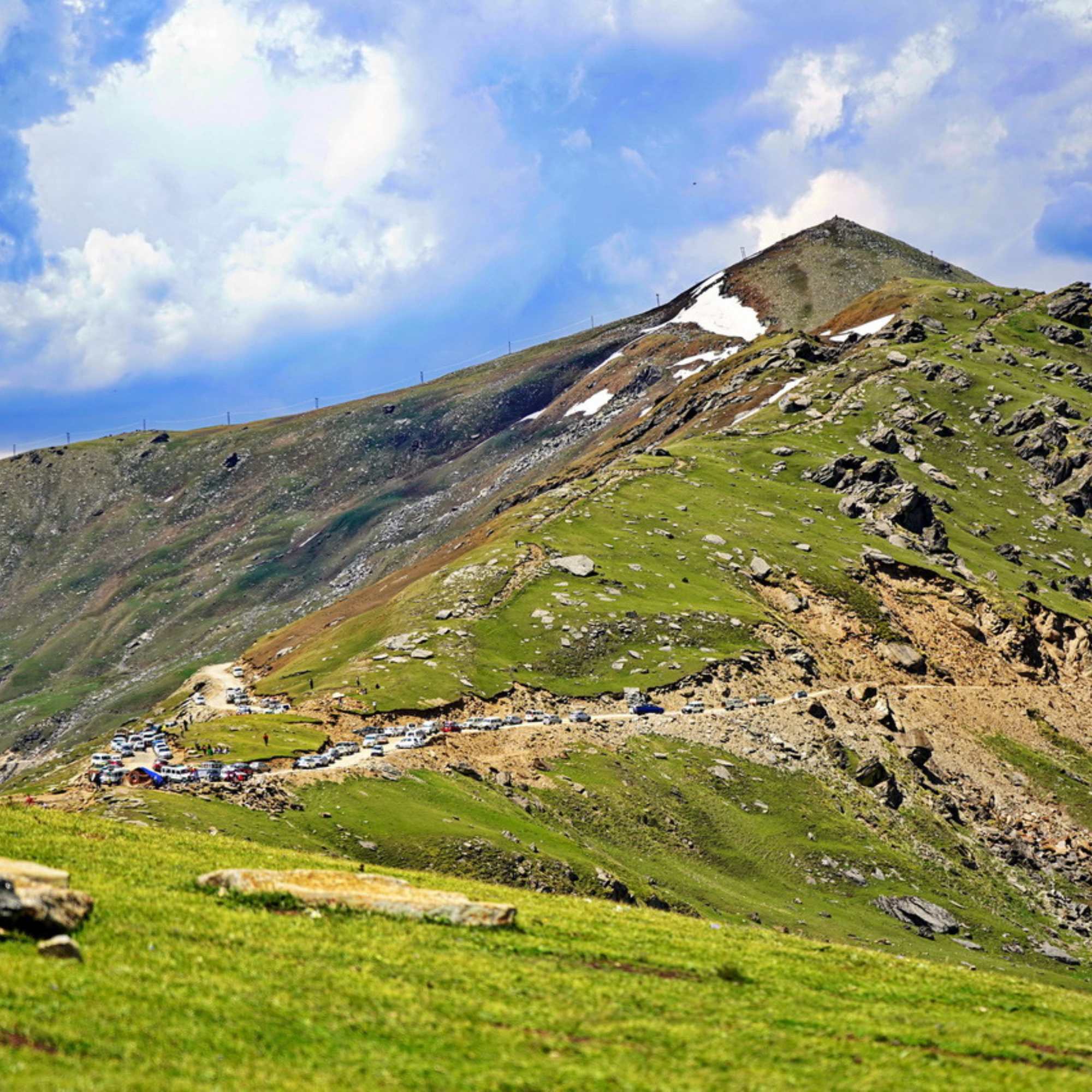
Chanshal Pass
About 60 km via Rohru
The highest motorable pass in Shimla district at roughly 3,750 metres. Wide alpine meadows and open Himalayan views. About 48 km from Rohru via rough mountain road. 4x4 recommended. Generally open May to October.
Our packages with Hatkoti Temple
Curated trips that include a visit to Hatkoti Temple.
 8D/7N
8D/7NMost Loved 4x4 Pabbar Valley Expedition With Giri Ganga Kuppar Bugyal Chanshal Pass and Dodra Kwar
1D Kharapathar / Kotkhai•2D Rohru / Chirgaon (Pabbar Valley)+1
₹32,999₹39,999SAVE INR 7,000/ person 8D/7N
8D/7NUltimate Pabbar Valley Bike Expedition With Giri Ganga Kuppar Bugyal Chanshal Pass and Dodra Kwar
1D Kharapathar / Kotkhai•2D Rohru / Chirgaon (Pabbar Valley)+1
₹29,999/ person 7D/6N
7D/6NShimla Mashobra Kufri Chail Narkanda Tour With Hatu Peak Sunrise
1D Delhi•3D Shimla+3
₹29,999₹38,999SAVE INR 9,000/ person
Frequently Asked Questions
What is Hatkoti Temple?
An ancient temple complex in the Pabbar Valley, Shimla district, Himachal Pradesh. The main temple is dedicated to Hateshwari Mata (Goddess Durga as Mahishasuramardini). The temples date to the 8th or 9th century CE and are built in the Nagara shikhara architectural style. A separate Shiva temple, five small shrines (called Pandava Ka Khilona), and sculpted panels of Hindu deities complete the complex. It sits on the banks of the Pabbar River at a confluence of three streams.
How do I reach Hatkoti Temple?
About 100 km from Shimla (3.5 to 4 hours by road via Theog, Kotkhai, and Kharapathar) and about 12 km from Rohru. The temple is on the main Shimla to Rohru road. HRTC buses from Shimla to Rohru stop at Hatkoti. You can also reach from the Uttarakhand side via Dehradun, Chakrata, Tiuni, and Hatkoti.
How old are the Hatkoti Temples?
The 8th to 9th century CE, during the Gurjara Pratihara period. The Nagara shikhara architecture and carved stone panels are from this era. Some local traditions attribute the construction to Adi Shankaracharya, and the five small shrines are believed locally to have been built by the Pandavas during their exile.
What are the timings and entry fee?
The temples are generally open from 6 AM to 8 PM. No entry fee. These timings can change during festivals and special occasions, so confirm locally if visiting during Navratri or Shivaratri.
When are the main festivals?
The main festivals are during Chaitra Navratri (usually March or April) and a fair in November. Local deities from surrounding villages are brought to the temple in procession during Navratri, and the event draws large crowds from across the Pabbar Valley. Shivaratri (February or March) is also celebrated at the Shiva temple.
Is Hatkoti Temple worth visiting for architecture?
Yes. The stone shikhara style, the quality of the carved panels, and the 1,200 year old figures on the walls are among the finest examples of early medieval temple architecture in Himachal Pradesh. The five small shrines (Pandava Ka Khilona) are architecturally unique. The Shivling inside the Shiva temple is wider than the doorway, which remains unexplained.
How much time do I need?
About 1 to 1.5 hours for a thorough visit. If you are just passing through on the Shimla to Rohru drive, 30 to 45 minutes covers the main temples and carvings.
Is it suitable for families and seniors?
Yes. The temple compound is on flat ground and accessible for anyone who can walk slowly on uneven stone surfaces. No steep climbs. The nearby Pabbar River bank is also easy to reach. The altitude at 1,400 m is comfortable for all ages.
Related guides
Posts about Shimla
- Shimla Snow Trip 2026: Best Time, Itinerary, Cost and Local Tips
- Shimla in February 2027: Weather, Snowfall, Itinerary and Travel Tips
- Snow Point Near Shimla in 2026: Kufri, Fagu, Narkanda and the Best Places to Find Snow
- Shimla Honeymoon Guide 2026: Best Time, Itinerary, Cost and Romantic Places
- Shimla Kufri Chail Narkanda Tour 2026: Complete 6 Day Itinerary, Cost and Road Guide
- Shimla to Kasol Distance, Route, Bus and Taxi Guide 2026