
Zanskar River Rafting 2026: A Leh Day Trip or a Multi-Day Expedition?
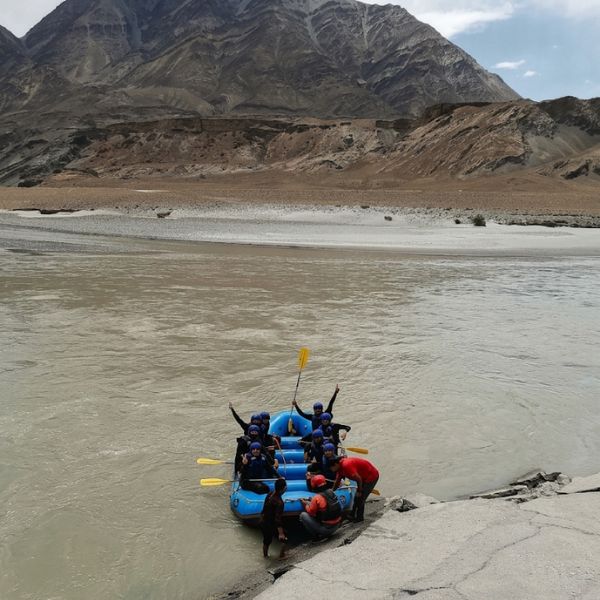
Search for Zanskar river rafting and you get two very different answers. One page sells a few hours on the water from Leh. Another describes a week in a remote gorge.
Both pages are right. They’re describing different stretches of the same river, and most websites don’t tell you which one they mean.
Quick Answer: Is Zanskar River Rafting a Day Trip or an Expedition?
It can be either. The answer depends on which stretch of the river you mean.
The lower river run starts on the Chilling (also spelt Chiling) side and finishes near Nimmu or Sangam. You can fit it into a normal Leh itinerary by booking with a specialist rafting operator.
Padum to Nimmu is a different trip entirely. It’s a remote, multi-day river expedition with riverside camps and specialist logistics.
Websites give conflicting distances for the Chilling run, and we explain why further down.
If rafting is one part of a bigger trip, our Ladakh tour packages show how we plan the stays and roads around it. A registered rafting company runs the river part. We don’t.
Why Does “Zanskar River Rafting” Mean Two Different Things?
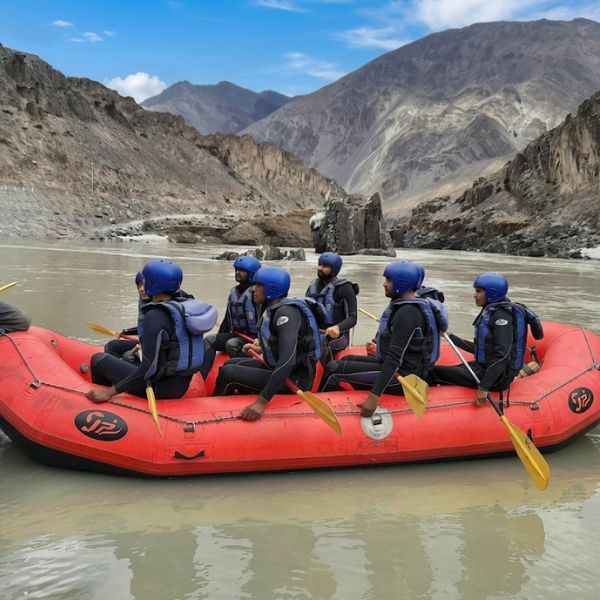
This is the most common thing tourists get wrong. They read one operator’s page, then a second one, and assume both describe the same trip.
In our experience planning Ladakh holidays, many travellers ask us about “the Zanskar rafting” when they really mean the lower run near Leh. A few have the gorge expedition in mind without realising it takes about a week.
The lower Zanskar rafting experience near Leh
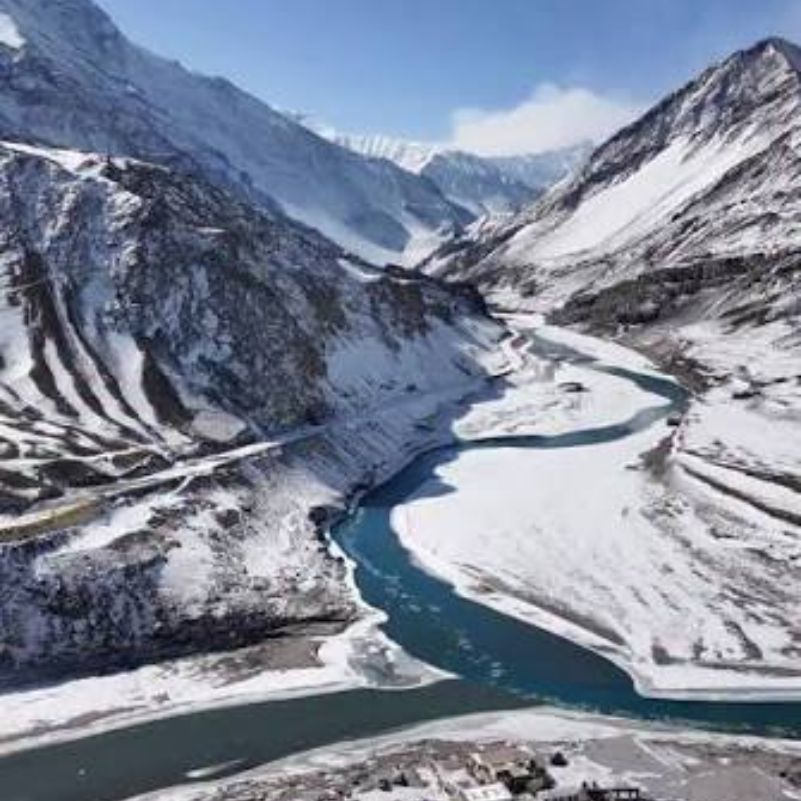
Commercial operators commonly use Chilling as their starting reference point for the lower river. The run finishes downstream around Nimmu, close to Sangam, where the Zanskar meets the Indus.
Current sources commonly describe this water as Grade III, and some report harder sections at Grade IV.
The grade changes with the water. The same rapid feels different when the river runs high from snowmelt than it does when the level drops, so treat any website grade as a rough guide.
The Padum to Nimmu expedition
The full expedition starts far upriver at Padum in Zanskar and ends at Nimmu. Operators commonly advertise it at around 150 to 152 km.
This is a serious wilderness trip. You camp by the river, rely on specialist logistics, and need proper rescue coverage, so it takes far more commitment than a single day on the water.
We explain the expedition here to help you plan. Travel Coffee doesn’t operate, sell or package this rafting trip. Specialist river operators run it.
Chilling to Nimmu Rafting: What Should a Leh Traveller Expect?
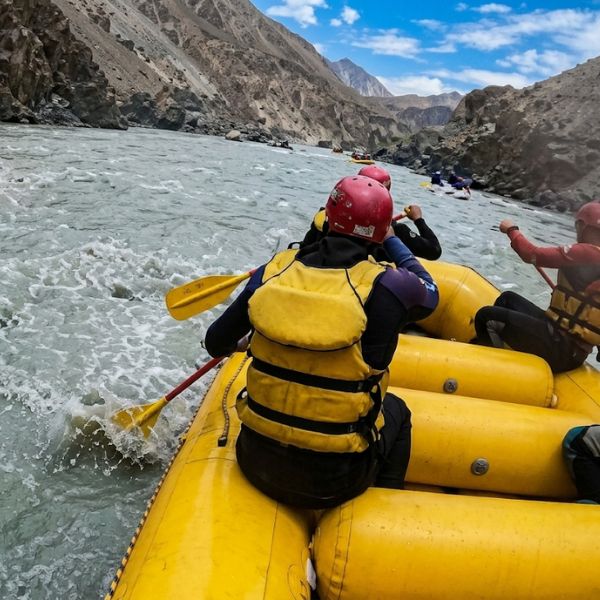
The paddling is only part of the outing. You also have the drive from Leh, equipment fitting, the safety briefing, the transfer to the put-in, and the drive back after the take-out.
Put together, these can take up most of your day. Our team tells travellers not to plan a monastery tour or a long drive for the same afternoon.
Operators publish different figures for both distance and time on the water. We won’t pick one number and present it as fact, because we can’t verify which operator measures it correctly.
The rafting company’s assessment of the river on the day matters more than any web page. A page written two seasons ago can’t tell you how high the river is running this morning.
When you plan rafting this way, it becomes one full day in a wider Ladakh trip. You still have to fit in acclimatisation, permits for other areas, stays and long drives.
Why Do Websites Give Different Distances for Chilling to Nimmu?
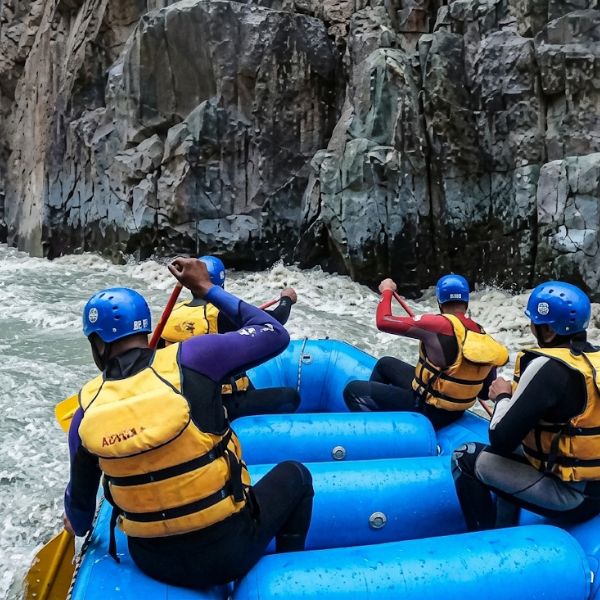
This confuses a lot of travellers. In our research, current published figures for the same route included roughly 14 to 16 km, around 28 km, and around 28 to 35 km.
We don’t know which figure is correct. All three appear on current pages, so we’re telling you about the conflict instead of choosing one.
The most likely explanation is that operators measure different things. One company may put in at one point and another farther upstream, and take-outs can also differ around Nimmu and Sangam.
Some operators also label a route “Chilling to Nimmu” even when the actual water section is shorter or longer. Treat the route name as a general area, not an exact measurement.
Before you pay, ask the operator four direct questions. Where exactly is the put-in, and where exactly is the take-out?
Then ask how many kilometres you will actually raft, and how long they expect you to spend on the water. If an operator can’t answer clearly, that’s a useful warning.
These questions also help you compare prices properly. A cheaper quote for a shorter section isn’t really the same product as a pricier quote for a longer one.
What Is the Padum to Nimmu Zanskar Rafting Expedition Really Like?
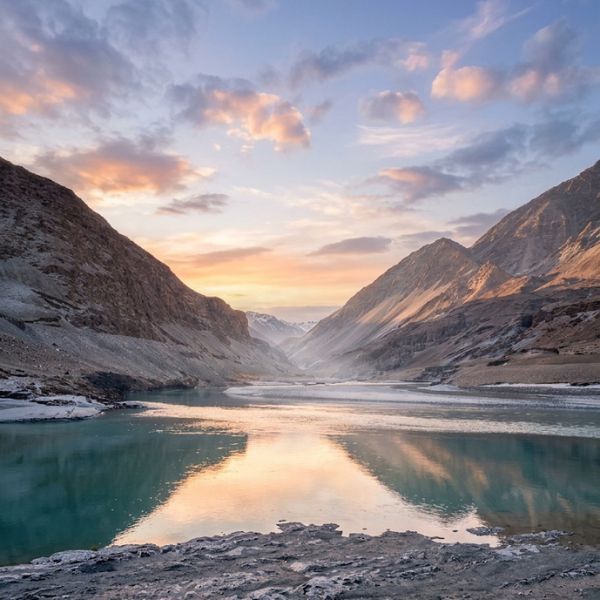
Expedition scale
Operators commonly publish the overall distance at around 150 to 152 km.
Current commercial formats often last around a week or more. The exact number of days depends on how the operator designs the itinerary, access to the start, acclimatisation days and the operator’s own plan.
No single number of rafting days applies to every departure. If you see a fixed figure, it describes that operator’s itinerary only.
Why it is not simply a longer day trip
The river runs through a remote gorge, far from the easy road access of the lower run. If something goes wrong in the middle of the trip, help doesn’t arrive quickly.
You sleep at riverside camps, so the operator has to plan food, gear, shelter and waste for several days. The water stays cold, and the rapids change from one section to the next.
That’s why rescue and evacuation planning matters so much. A good expedition operator plans in advance what happens when someone gets hurt or the weather changes.
Who should consider it?
Consider this trip only if you specifically want a serious wilderness river journey and the specialist operator accepts you under its participation criteria.
We can’t give you one universal experience rule, because none exists across operators. Ask the operator directly what it expects from you before you commit.
If you plan to reach the area by road, our Nimmu Padum Darcha road guide covers the route conditions in detail.
How Difficult Is Zanskar River Rafting?
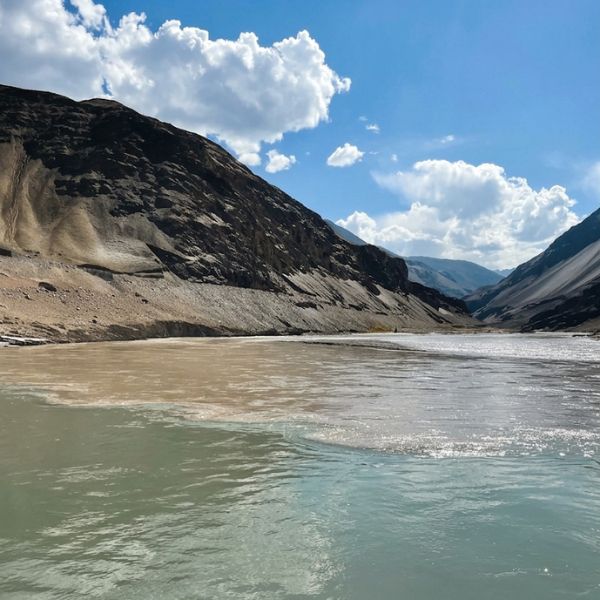
Grade III water needs active work. You paddle hard on command, move as a team, and rely on a competent professional guide reading the river.
Grade IV water is stronger and more technical. The guide has to steer precisely, and the operator needs stronger rescue planning in case someone falls in.
Current sources commonly describe Chilling to Nimmu as roughly Grade III, with some sections reported at Grade IV.
Descriptions of the full expedition commonly range from Grade III to IV, or IV plus, depending on flow and the exact section.
The whole river isn’t one grade. One kilometre might be easy and the next much harder, and we found no basis for calling the entire Zanskar Grade V.
Can Beginners Go Rafting on the Zanskar River?
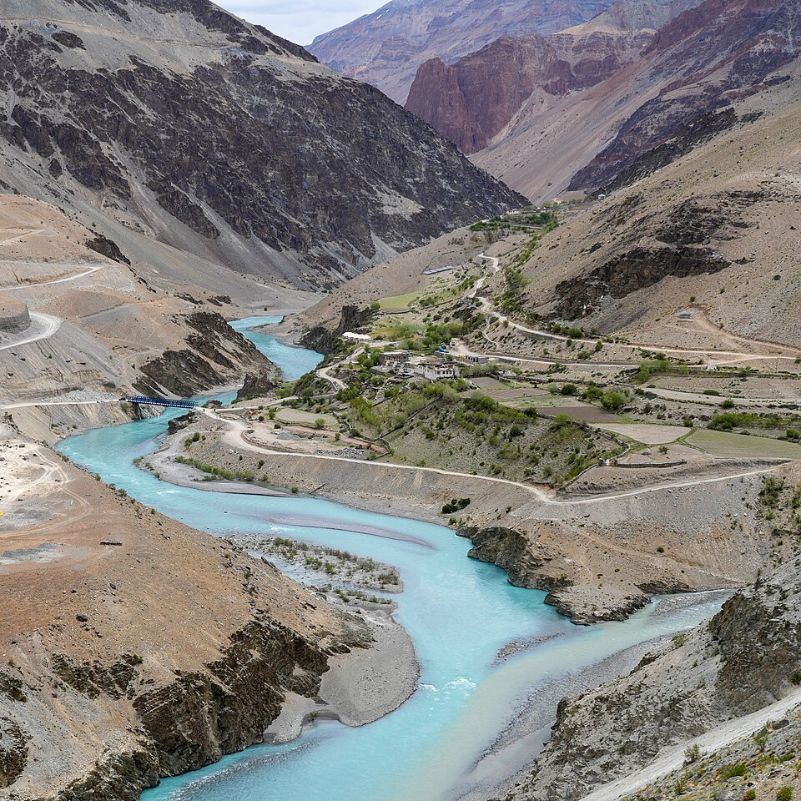
Sometimes. Some commercial operators on the lower river accept first-time rafters when conditions and the chosen stretch suit beginners.
That’s the operator’s call on the day, based on the water. It isn’t a promise you can rely on months in advance.
None of this makes the Padum to Nimmu expedition a beginner activity. The remoteness alone puts it in a different category.
If you want gentler white water for your first time, ask specialist operators about easier rafting options on the Indus.
On swimming, we can’t give you a universal rule. Ask your operator what it expects and be honest about your own ability.
What Is the Zanskar Rafting Season in 2026?
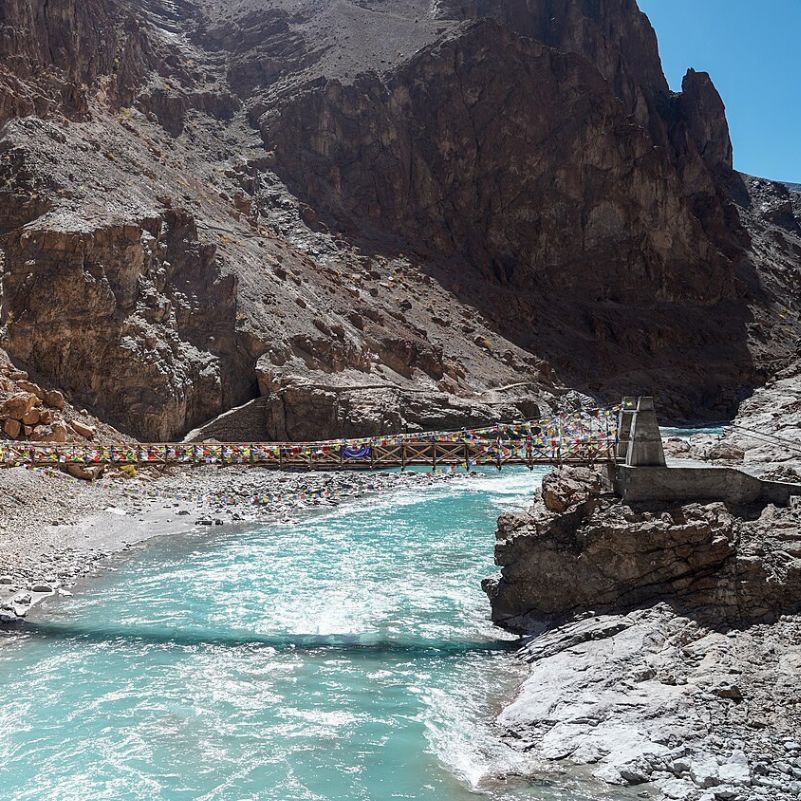
The sources disagree on the season, so here are both views.
Tourism Ladakh publishes a broad rafting season of May to September for Ladakh.
Specialist expedition sources commonly narrow the dependable window for the full expedition to around July to September.
So treat the calendar as a guide, not a guarantee. Snowmelt, river level, weather, road access and the operator’s safety call all change what actually runs.
How Has the Nimmu Padum Darcha Road Changed Expedition Access?
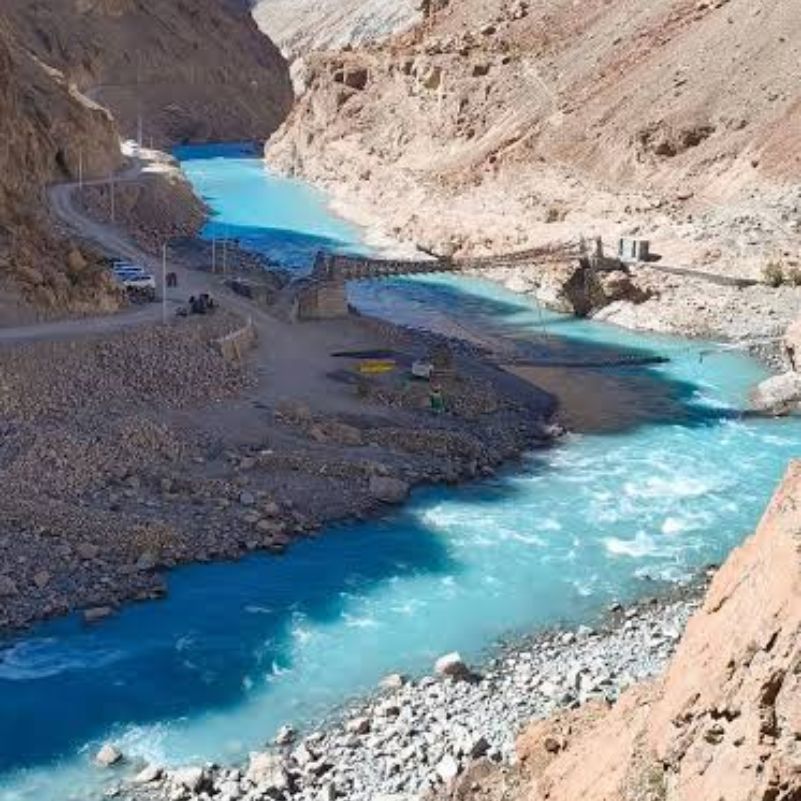
The Nimmu Padum Darcha road now gives you a direct road link between Nimmu, Padum and Darcha.
Travel Coffee’s 2026 road research found that weather, construction and changing movement controls still disrupt the route. Check the road status close to your travel date, not just when you book.
Better road access makes expedition logistics easier. Operators can move people and gear more directly.
It doesn’t turn the river journey into a roadside activity. Once you’re on the water in the gorge, you’re still remote.
Some travellers combine Zanskar with a Himachal approach. If you’re starting from that side, our Manali tour packages can help you plan the road part of the trip.
What Safety Standards Should a Zanskar Rafting Operator Meet?
This section matters more than any other in this article. On 8 November 2024, the Administration of UT Ladakh notified registration guidelines for Adventure Tour Operators and activity-specific adventure guidelines.
Those official guidelines list rafting as a water-based adventure activity and classify it as high risk.
Adventure Tour Operators must register with the Department of Tourism, UT Ladakh. Unregistered operators can’t legally operate.
The people running your trip must be highly skilled in rafting technique, rescue, life-saving and first aid or CPR. They also need to deliver a full safety briefing.
Lead guides should hold a 16-hour, two-day first aid or CPR certification from an accepted provider.
Lead guides also need an advanced recognised water-sports certification or must meet the experience pathway set out in the official regulation.
The rules strongly recommend White Water Rescue Technician (WRT) certification for guides working on Grade IV and above.
Your life jacket, or PFD, must meet minimum buoyancy requirements and carry approval or certification to accepted standards. Helmets are mandatory.
Throw bags or rescue bags must be ready to use at once, not packed away. Safety kayaks must stay close by, within visual distance, with qualified people in them.
The operator must give a thorough safety briefing before you get in the raft.
That briefing should cover your equipment, what to wear, medical concerns, age limits, what to do if you fall out, how rescue bags work, what happens in a flip, and emergency procedures.
That’s what a good operator looks like. A nice brochure or a low price doesn’t tell you any of this.
What Should You Ask the Rafting Company Before Paying?
Start with the basic question: is the company registered with the Department of Tourism, UT Ladakh? Registration is a legal requirement, so a good operator won’t mind you asking.
Next, ask for the exact put-in and take-out. Then ask what grade the guide expects at the current river level, not just the grade on the website.
Ask whether a safety kayaker will paddle with your group or cover the run. Ask about the lead guide’s qualifications and real rescue experience.
Check what PFD and helmet they provide, and what cold-water protection comes with them. The Zanskar is cold, and your clothing under the gear matters.
Ask how their medical screening works. Then ask what insurance they provide or expect you to carry.
For longer trips, ask how the team communicates in an emergency and how evacuation works.
Ask what happens if river flow or weather makes the planned stretch unsafe. A good answer names an alternative or a change of plan, not a vague “don’t worry.”
Finally, ask whether road transfers from Leh are included. This is the money-saving question: a cheap quote without transfers can cost you more once you add a separate taxi.
Who Should Not Treat Zanskar Rafting as a Casual Activity?
Everyone, honestly. Ladakh’s official framework classifies rafting as a high-risk activity, and you should treat it that way.
The broader official Adventure Tour Operator guidelines prohibit children under 18 from taking part in high-risk activities.
Some commercial pages still advertise younger minimum ages. The official rule overrides those pages, so plan family trips with that in mind.
Tell the operator about any relevant health conditions before you book. The operator then applies its own medical and activity criteria.
Chilling Nimmu vs Padum Nimmu: Which One Should You Choose?
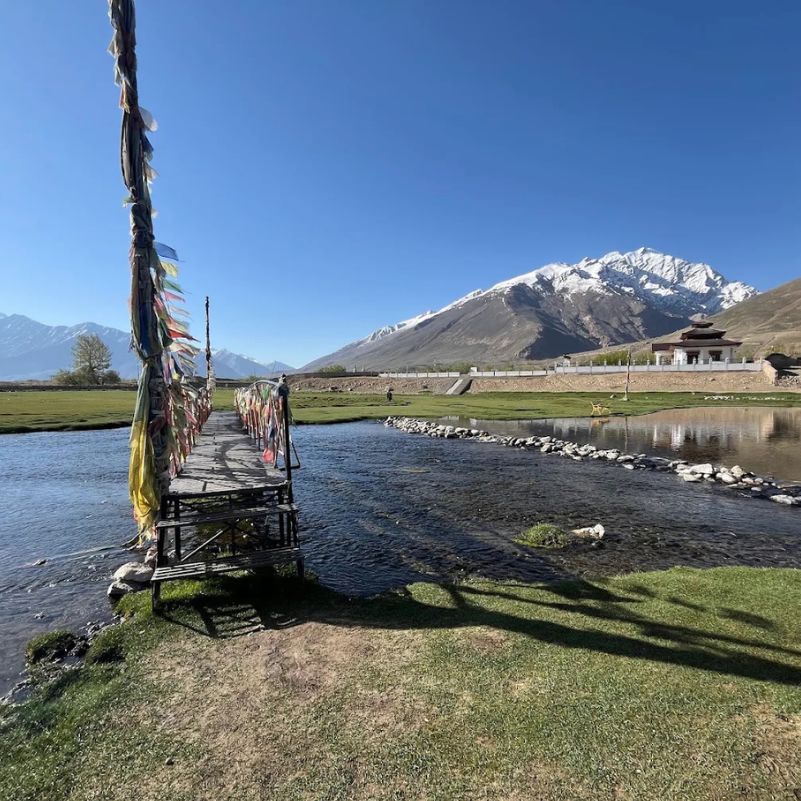
Choose the lower Chilling-side run if Ladakh itself is your main holiday and you want rafting as one adventure among many. It takes one day of your trip, not the whole trip.
Choose the full Padum to Nimmu expedition only if the river journey is one of the main reasons you’re travelling. Go in knowing it takes multiple days, remote logistics and specialist operation.
Here’s what we tell our travellers. If you’re unsure which trip you want, you almost certainly want the lower run. People who are ready for the expedition usually already know they want it.
The trip to skip, for most first-timers, is the expedition. The issue isn’t that it’s bad. It asks for a lot of time and commitment, and first-timers usually get more from that week by seeing more of Ladakh.
We can’t give you a fair price comparison, because quotes vary by operator, inclusions and stretch. Compare like with like after asking the questions above.
How Should You Fit Rafting Into a Ladakh Itinerary?
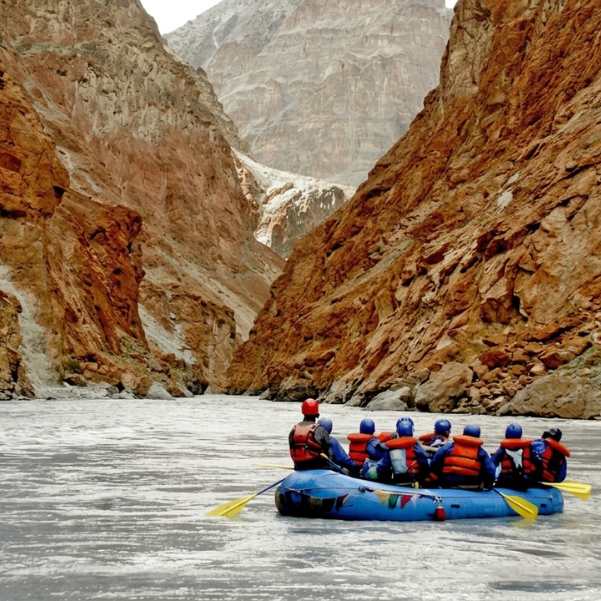
Acclimatise first. Leh sits at high altitude, and strenuous activity before your body adjusts is a bad idea.
We won’t give you a fixed number of acclimatisation days, because no single figure fits everyone. Our timing tip: put rafting later in your Leh stay, not on your arrival day or the day after.
Keep some slack in your plan. River level, weather and road movement can all change, and a rafting day sometimes moves.
Travel Coffee can plan the stays, road routing and the rest of your Ladakh trip around a rafting day or a specialist expedition schedule.
Is Zanskar Rafting Better Than Rafting on the Indus?
Neither is better overall. They suit different people.
The Indus has easier commercial stretches that operators commonly use for first-time rafting.
The Zanskar offers the stronger white water on the Chilling side, plus the major multi-day gorge expedition.
Your choice depends on your experience, your comfort in moving water, the conditions on the day, and how much time you have.
Explore Our Curated Zanskar Valley Tour Packages
 Group Tour8D/7N
Most Loved Zanskar Valley 4x4 Group Expedition
1D Manali•1D Purne / Kargyak / Gonbo Rangjon Side+2
₹32,999/ person 8D/7N
Private Zanskar Valley 4x4 Expedition With Phugtal Gonbo Rangjon and Baralacha La
1D Manali•1D Purne / Kargyak / Gonbo Rangjon Side+2
₹44,999/ person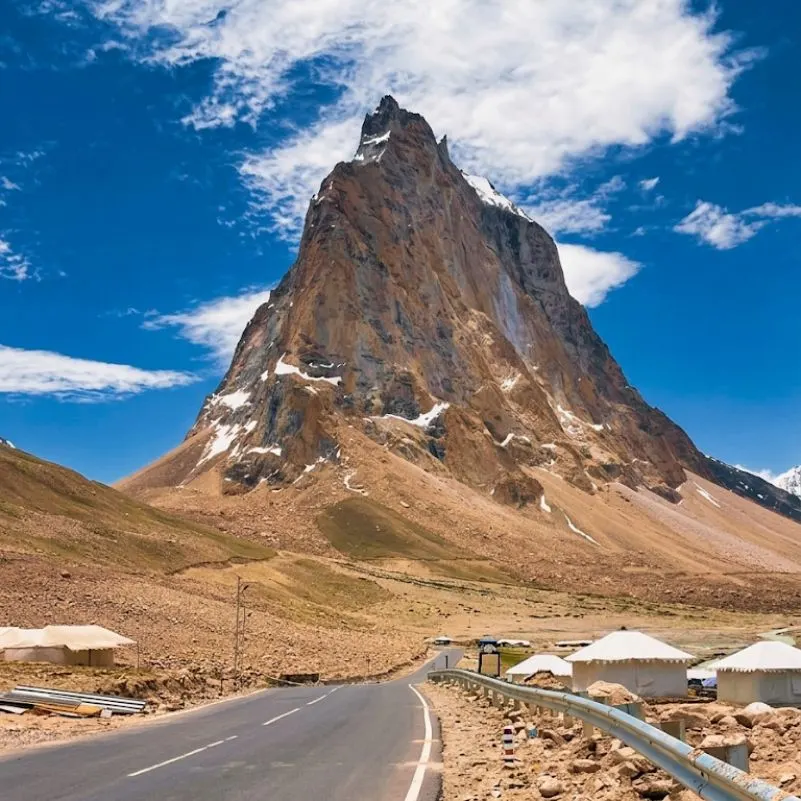 8D/7N
Private Zanskar Valley Tour With Phugtal Gonbo Rangjon and Baralacha La
1D Manali•1D Purne / Kargyak / Gonbo Rangjon Side+2
₹29,999/ person
Frequently Asked Questions
Is Zanskar River rafting a day trip from Leh?
The lower Chilling-side run can fit into a Leh day through a specialist operator. The Padum to Nimmu expedition takes several days and isn’t a day trip.
Where does Chilling to Nimmu rafting start and finish?
Operators commonly start on the Chilling side and finish near Nimmu or Sangam. Exact put-in and take-out points vary, so confirm them with your operator.
How many kilometres is Chilling to Nimmu rafting?
Published figures conflict: roughly 14 to 16 km, around 28 km, and around 28 to 35 km. Ask your chosen operator for the exact put-in, take-out and distance.
How long does Chilling to Nimmu rafting take?
Operators publish different water times. Your total outing also includes the drive from Leh, the briefing, changing and the return.
Is Zanskar rafting suitable for beginners?
Some lower-river operators accept first-timers when conditions allow. The full expedition isn’t a beginner activity.
What grade are the Zanskar rapids?
Chilling to Nimmu commonly rates around Grade III, with some sections reported at Grade IV. Expedition descriptions range from Grade III to IV or IV plus, depending on flow.
What is the best month for Zanskar rafting?
Tourism Ladakh lists May to September broadly. Expedition specialists commonly favour July to September. Reconfirm river conditions before you travel.
How long is Padum to Nimmu rafting?
Operators commonly publish around 150 to 152 km. Itineraries often last around a week or more, depending on the operator.
Do I need previous rafting experience for the expedition?
No universal rule exists. The specialist operator sets its own participation criteria, so ask the operator directly.
Is Zanskar rafting safe?
Ladakh classifies rafting as high risk. Your safety depends heavily on a registered operator, qualified guides, proper gear and the river level on the day.
How do I check whether a Ladakh rafting operator is legitimate?
Ask whether the company is registered with the Department of Tourism, UT Ladakh, and confirm it with the department. Unregistered operators can’t legally operate.
Do I need permits for Zanskar rafting?
That depends on your nationality, exact route and the current rules, and commercial sources conflict. Reconfirm with the Tourism Department or a registered specialist operator.
More about Zanskar Valley
 Zanskar Valley
Zanskar by Bus and Shared Taxi 2026: Public Transport, Booking and Backup Plans
Planning a Zanskar trip without a private vehicle? Explore bus routes, shared taxis, transport costs and backup options for travelling to Zanskar in 2026. Learn how to plan connections and manage unexpected delays.
 Zanskar Valley
Zanskar in Monsoon 2027: July and August Risks, Roads and Best Routes
Planning a Zanskar Valley trip during monsoon 2027? Explore July and August weather, road conditions, routes from Manali, Leh and Kargil, landslide risks and essential travel tips for a safer Himalayan road trip.
 Zanskar Valley
Zanskar Family Trip 2026: Visiting With Kids or Older Parents
Planning a family trip to Zanskar in 2026 with kids or older parents? Explore suitable destinations, road travel options, accommodation choices, and practical itinerary ideas for different age groups. Understand altitude concerns, travel times, and comfort considerations before planning a family holiday in this remote Himalayan region.