
Zanskar Photography Guide 2026: Locations, Light and Respectful Travel
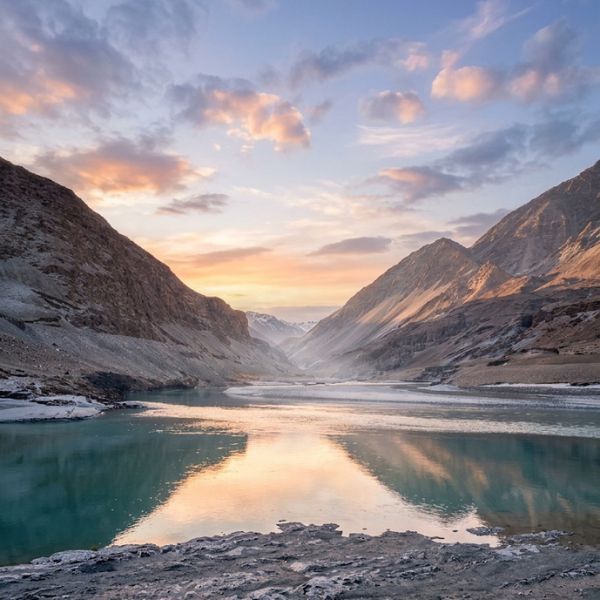
Zanskar is a dream destination for photography lovers, with dramatic mountain landscapes, remote villages, ancient monasteries and winding roads that offer something different at every turn.
From the striking views of Gonbo Rangjon and Drang Drung Glacier to the traditional architecture of Padum and Phugtal Monastery, the valley has plenty of opportunities to capture memorable photographs.
But getting a good photograph in Zanskar is not just about finding beautiful locations. Light conditions, changing weather, travel time and respect for local customs all matter, especially when photographing monasteries, ceremonies and village life.
In this guide, we will cover the best photography locations in Zanskar, ideal light conditions, practical camera tips and ways to photograph the valley respectfully without disturbing local life.
Quick Answer
The best Zanskar photography areas are Gonbo Rangjon for mountain landscapes and astro, Phugtal for monastery-in-landscape shots, Pensi La and Drang Drung Glacier for glacier landscapes, Rangdum for open valley scenes, and Zangla and Karsha for cultural landscapes.
Pick each night’s stay by where you need to be at sunrise, sunset or after dark. Don’t just copy a sightseeing itinerary.
Always ask before photographing inside a monastery. Before any drone flight, check that it’s legal for the exact GPS location.
The Mistake Most Photographers Make in Zanskar
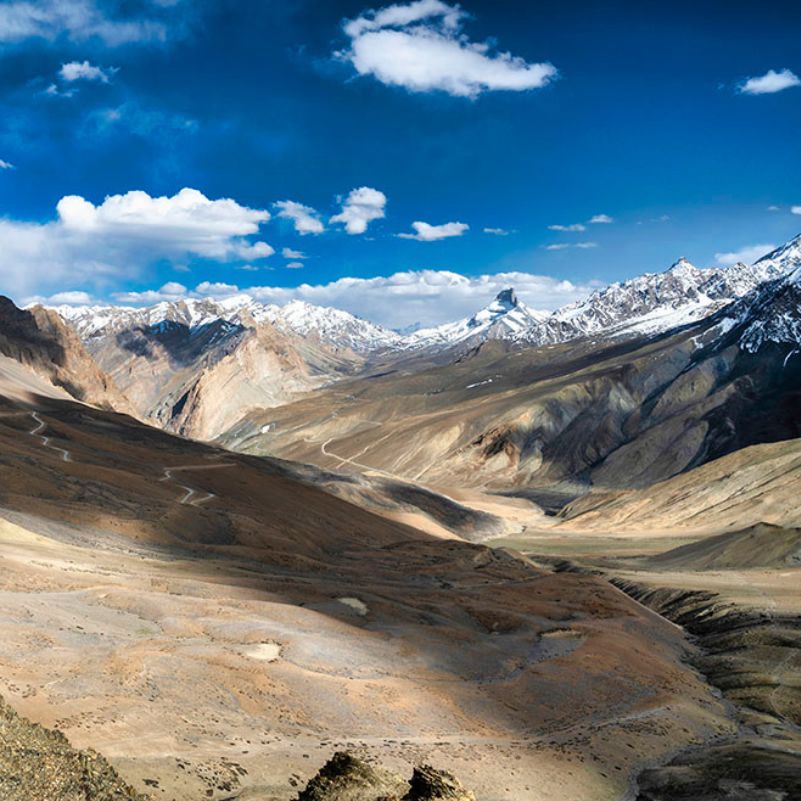
Most visitors plan Zanskar like a sightseeing trip. They reach Phugtal at noon, pass Drang Drung in flat afternoon haze and do Gonbo Rangjon as a day trip from Padum.
A sightseeing traveller still “sees” everything that way. A photographer comes home with harsh shadows and no night sky.
In our experience, the trips that work start from one question. Where do you need to sleep so you can stand in front of your subject when the light is right?
Everything below follows that idea.
Where Are the Best Photography Locations in Zanskar?
Gonbo Rangjon
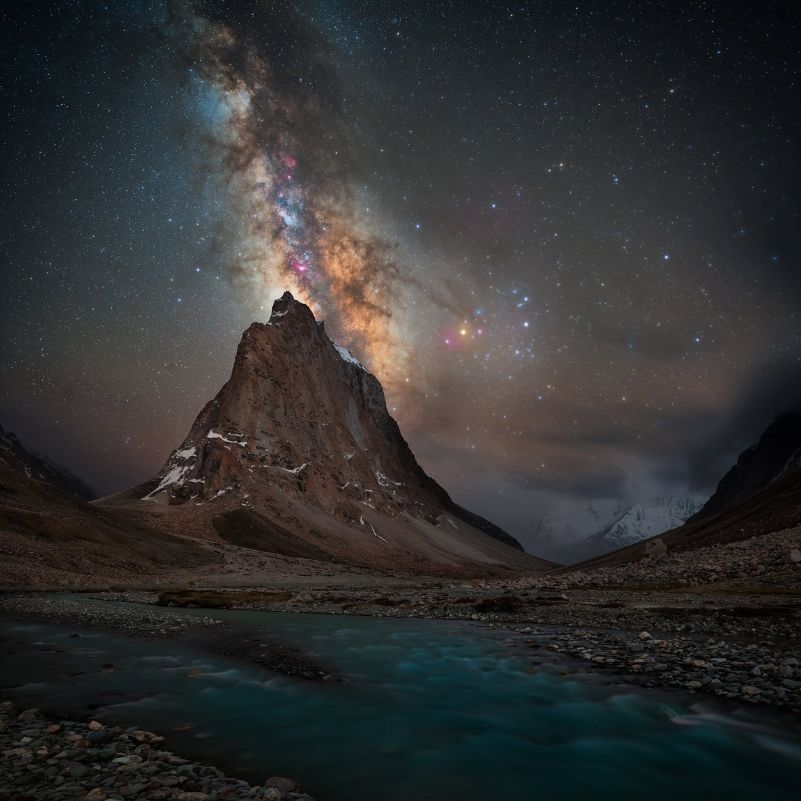
Gonbo Rangjon stands almost alone, a single rock mountain rising out of open high ground. Few other peaks crowd it, so it works as a clean anchor for wide landscape frames.
That clean shape also makes a strong silhouette against a blue hour sky. Over the last few years it has become one of the best known astrophotography locations in the region.
Photography tour operators and independent photographers keep coming back to it for Milky Way work.
Before you start planning shots, remember what this mountain means locally. Buddhist communities in Zanskar hold Gonbo Rangjon sacred. To them it’s a revered place, not just a backdrop for Instagram, and how you behave around it should show that.
For an overnight base, look at Kargyak. A 2026 traveller discussion reports that you can still see the mountain from the village. That makes it a practical place to sleep if you want both evening and night sessions.
Better road access now brings more vehicles, more camps and more waste into grazing land that local families rely on. Please don’t walk or drive onto fragile ground just to get a different foreground. A foreground that’s slightly less original never justifies damaging pasture.
We publish no altitude for the shooting or camping area here because published figures conflict.
Pensi La and Drang Drung Glacier
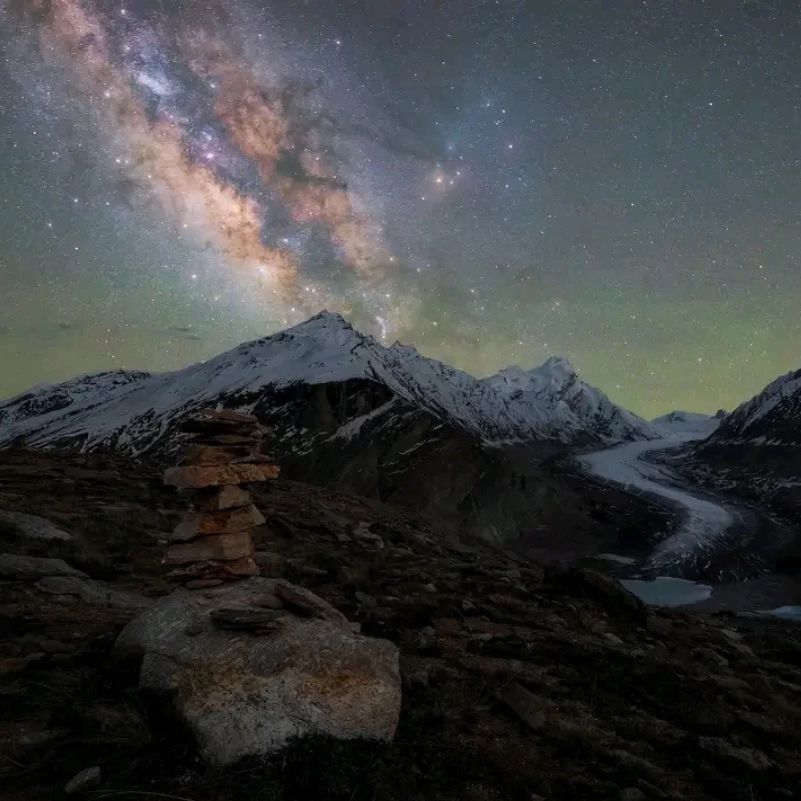
On the Kargil to Padum side, Pensi La and Drang Drung Glacier give you some of the most graphic landscape material in Zanskar. The glacier curves down from the high peaks, and its moraine lines form patterns you can build a whole frame around.
A wide angle lens takes in the glacier, the moraine and the surrounding mountains in one environmental composition. A telephoto does something quite different. It pulls out single curves, crevasse textures and stacked ridgelines, and turns them into near-abstract studies.
Bring both kinds of lens. In our experience, the telephoto frames from this area often end up more interesting than the obvious wide shot.
We give no best shooting hour here. The light on the glacier depends on season, cloud and exactly where you stand.
Rangdum
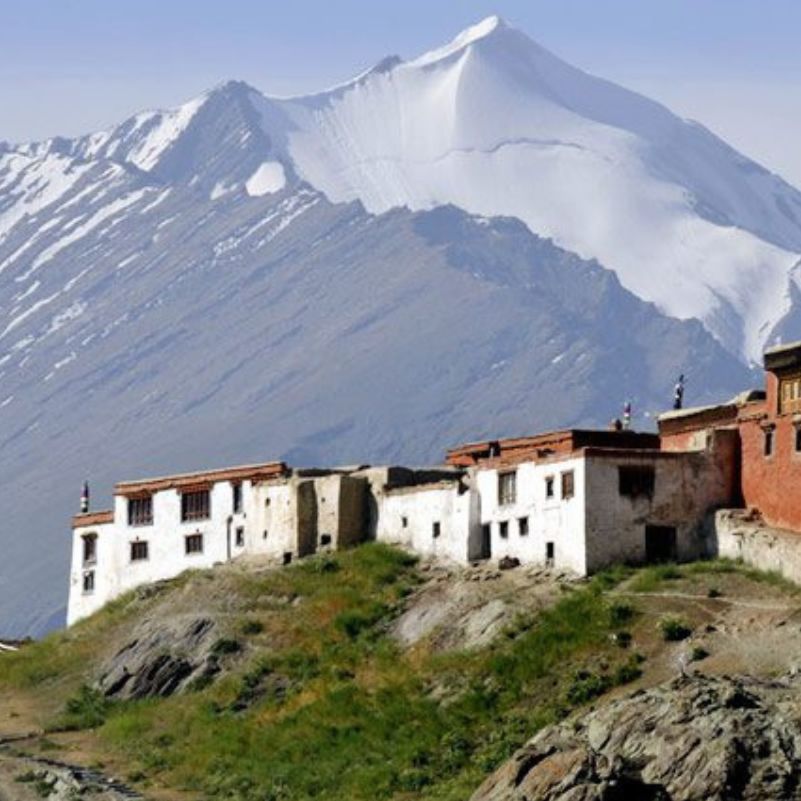
Most travellers treat Rangdum as a chai break on the long drive. Photographers should think of it as a destination in its own right.
The valley opens wide here. You get broad scenes with mountains layered behind each other and the monastery sitting small inside a huge landscape. Specialist photography itineraries use Rangdum for both daytime landscapes and night photography.
Weather changes fast in this open valley, and that works in your favour. Cloud shadows moving across the slopes can turn an ordinary scene into something worth waiting for. Sleeping here gives you that waiting time, and a quick stop on the drive doesn’t.
Phugtal Monastery
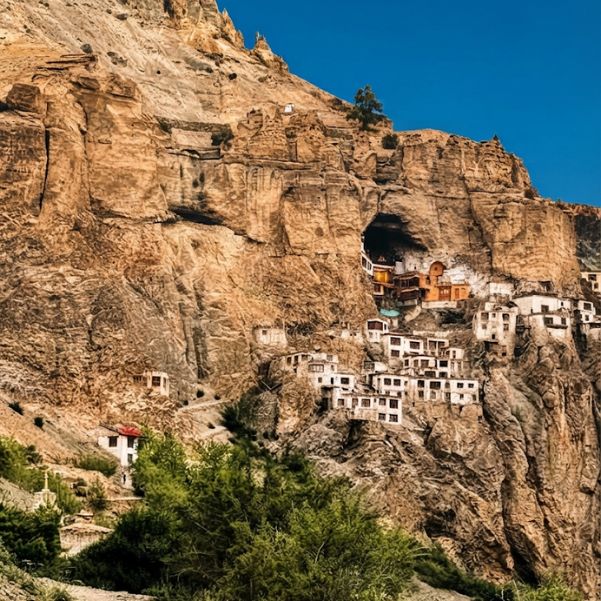
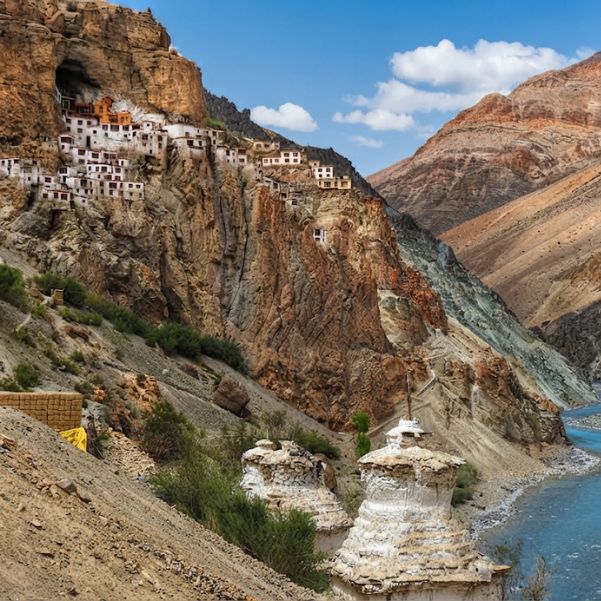
The classic Phugtal image shows the monastery built into the cliff, its buildings spilling out of a cave mouth above the gorge. The strongest frames show the whole cliff and the valley around it. A tight crop throws away the scale.
You normally reach Phugtal on foot from the Purne side. Current published guides describe roughly 2 to 3 hours of walking each way, and the access point keeps changing as roads extend.
That walk is why a lighter camera kit makes sense here. Every extra lens rides on your back there and back again, at altitude.
Don’t plan on interior photography. Published sources disagree on whether photography inside is allowed at all, so treat any interior photo as a privilege the monks might grant on the day. Never count on it.
Zangla and the Zanskar plain
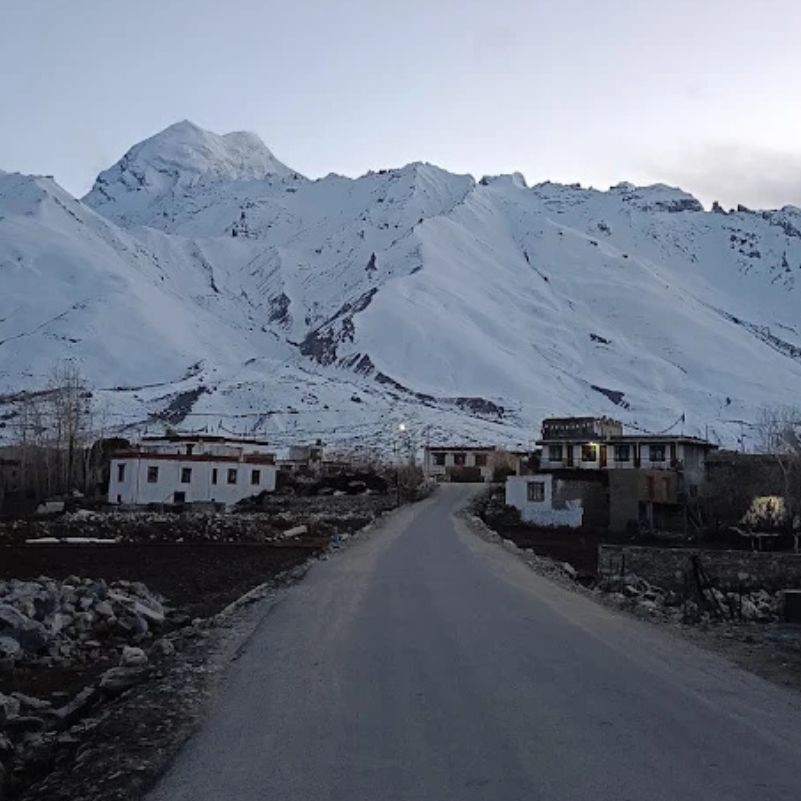
Zangla gives you old architecture on high ground above the wide river plain. Fields, river channels and village houses spread out below, with mountains closing in on every side.
That mix of human settlement and huge open land suits wide frames and twilight work, when the village lights up and the sky still holds some colour. Sunrise and sunset directions depend on your viewpoint and the season, so scout the evening before.
Karsha, Stongdey and village landscapes
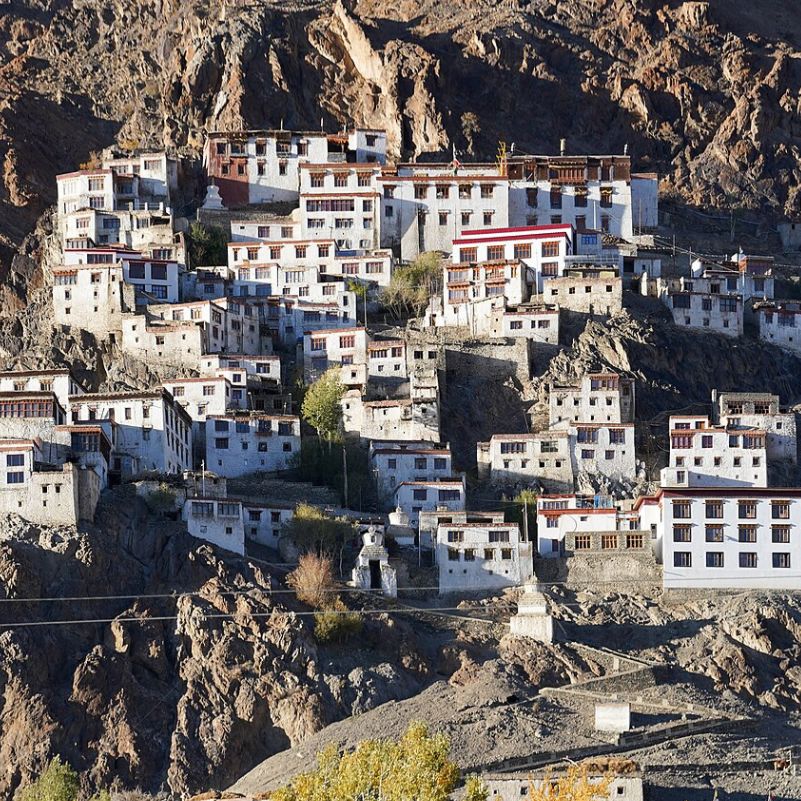
Karsha and Stongdey monasteries look strongest in context: white buildings stepping up a slope, with farmland and the valley spread out below. Show them in their landscape, not as isolated architectural details.
Village life gives you farming scenes, traditional houses, and chances for environmental portraits that show a person in their own surroundings.
The people here are residents going about their day, not material for your portfolio. Ask before taking anyone’s portrait, and accept a no.
What Is the Best Light for Zanskar Photography?
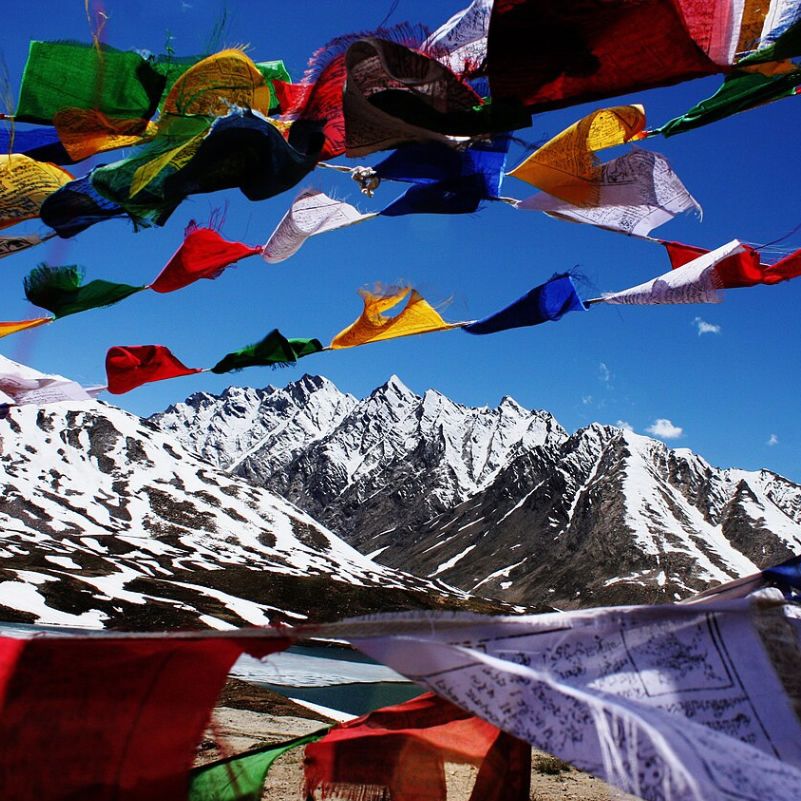
Early light gives you low angles, long shadows and texture on bare slopes. In landscapes this dry and open, texture often does more for a photo than colour.
Late afternoon light does the same job in reverse. Expect it to warm the ridges, cast shadows across the valley floor and bring out the moraine patterns near Drang Drung.
Astronomical darkness is a different shoot altogether. The sky has to be fully dark, the moon has to cooperate and you need clear weather.
Here’s the insider tip most generic guides miss. Your phone’s sunrise time tells you very little in Zanskar. A high ridge to the east can keep your subject in shadow long after the official sunrise. A ridge to the west can cut the evening light well before the published sunset.
So when the sun actually hits your subject depends on the mountains around that exact spot. Light direction also changes with the season and with where you stand. We’d rather tell you that honestly than make up clock times.
Our own field images and notes from each location will refine these recommendations. Until then, arrive early and watch the light move.
Where Should Photographers Stay Overnight?
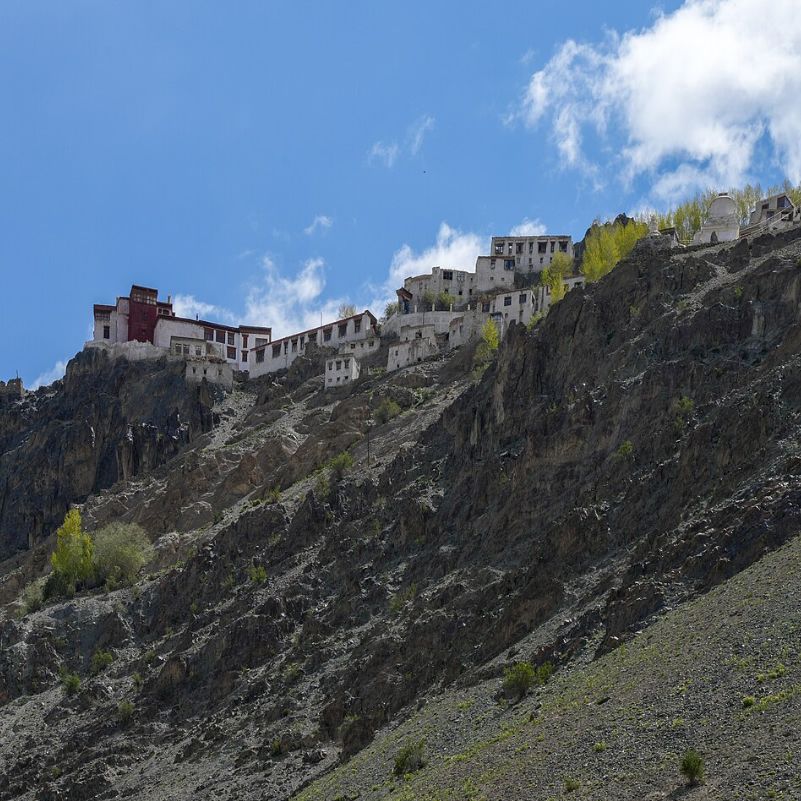
Pick your overnight stops by the photo you want to take, not by how nice the hotel is. In Zanskar, the right village beats a better room in the wrong place.
Padum works as your logistics base. Fuel, supplies and short drives to Karsha, Stongdey and nearby villages make it the obvious hub for day outings to monasteries and villages.
Padum is not a good base for astro, though. An independent photographer reported noticeable light pollution around Padum compared with more remote parts of Zanskar, and preferred smaller village bases for night work.
If the sacred mountain and dark skies are your priority, sleep in Kargyak or the Gonbo Rangjon area. Our team recommends this over any day trip plan.
Purne makes sense for Phugtal. Starting the walk from there saves you a long same-day drive from Padum before you even start walking.
Rangdum suits Pensi La, Drang Drung and broad valley landscapes. Waking up there puts you close to the glacier side without a long early-morning drive.
Zangla and other village stays often place you better than going back to central Padum every night. The same photographer saw Zangla as a possible night photography alternative when Padum’s lights got in the way.
Here’s a money tip from our planning: order your overnight stops so you never drive back through Padum just to sleep. Fewer return legs mean less fuel and fewer vehicle hours, and you get more time at your locations.
We don’t publish accommodation prices because we haven’t verified them well enough yet. If you want this sequence built into a package, explore Ladakh tour packages and we’ll adjust it around your shots.
How Should You Photograph Gonbo Rangjon?
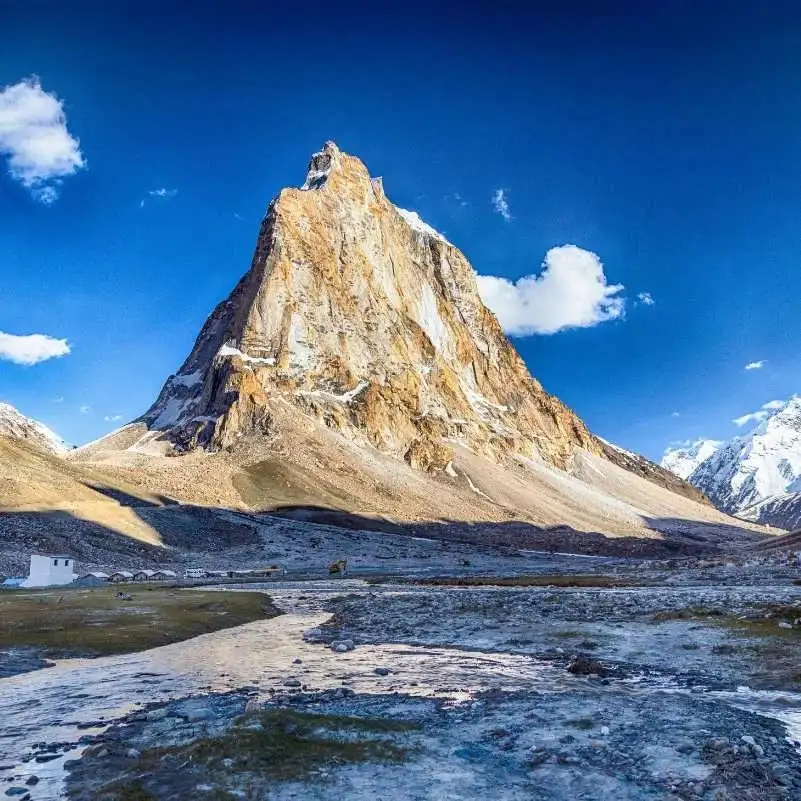
For daytime landscapes, step back and give the mountain space. Its isolation is the story, so a wide frame with open ground around it often says more than a tight crop.
Blue hour works well because the mountain’s outline stays sharp against a fading sky. Set up early and give yourself time to try a few compositions before the light goes.
At night, two things make or break the shot: your foreground and stray lights. Plan your foreground in daylight so you aren’t wandering across fragile ground with a headlamp.
Vehicle headlights, camp lamps and torches can ruin a long exposure in seconds. Talk to your group and camp staff before you start. Keep your own headlamp on red light or switched off.
One independent photographer gave Gonbo Rangjon a single night and later wished they’d planned two. One cloudy evening can wipe out a whole astro session. Two nights doesn’t guarantee anything, but it does give you a second chance.
Be honest with yourself about what no one can promise. No tour operator, including us, can guarantee you’ll see the Milky Way on a particular night.
And remember where you are. This is a sacred mountain, so keep noise down, take all waste out with you and treat the place the way local people do.
How Should You Photograph Phugtal Monastery Respectfully?
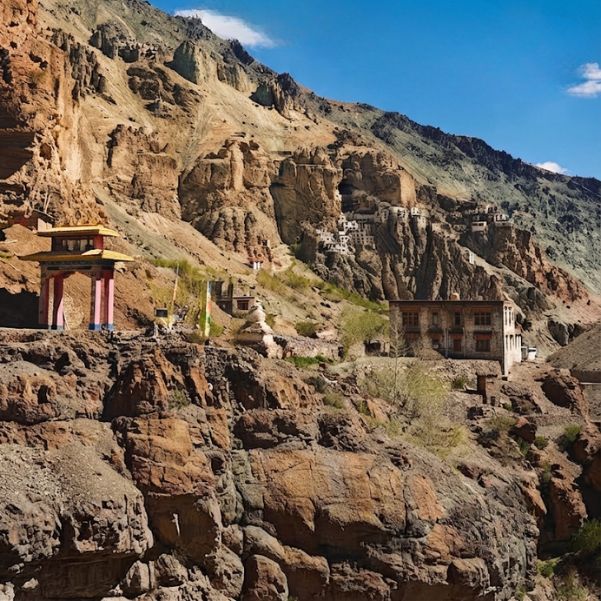
One of the strongest photographs of Phugtal shows the monastery small inside the huge cliff and valley. That frame tells the real story of this place, and it doesn’t intrude on anyone’s worship.
Ask before you photograph monks, ceremonies or anything inside. Never use flash near murals, prayer rooms or old religious artwork. Flash can damage fragile paint, and it disturbs people who are praying.
Published sources conflict here. Some say photography is banned inside Phugtal, and others say you should ask the monks for permission.
So follow whatever the monks or monastery staff tell you on the day. Never assume you can photograph the interior. If they say no, put the camera away and enjoy the visit without it.
Where Can You Photograph the Milky Way in Zanskar?
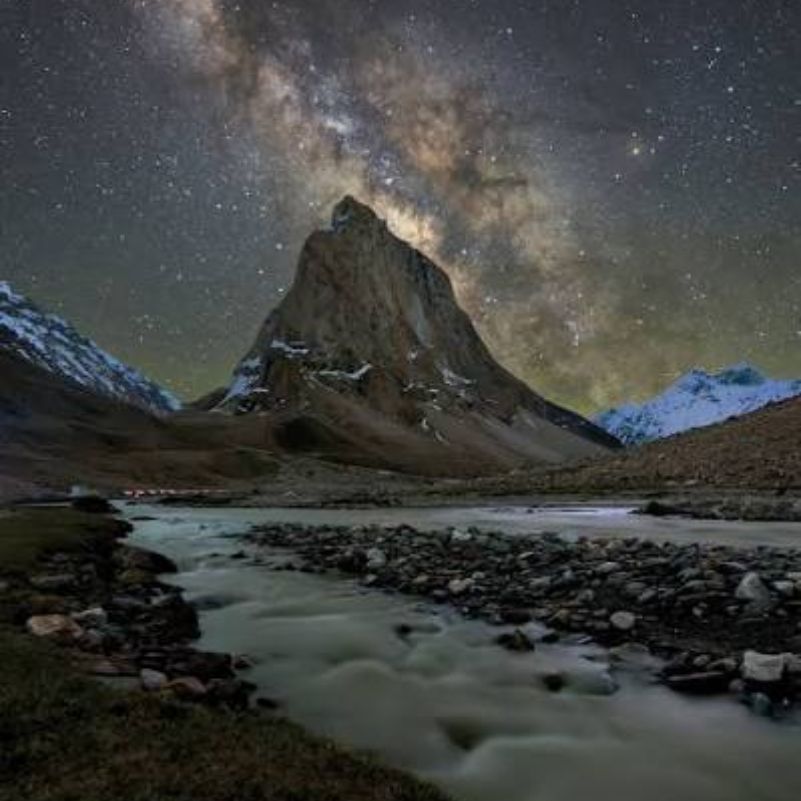
Gonbo Rangjon is the strongest case for Zanskar Milky Way photography. It’s remote, it gives you a clean foreground shape, and photographers keep returning to it for night work.
Rangdum and remote village areas can also give you dark skies. Specialist itineraries use Rangdum at night, though conditions there won’t always match Gonbo Rangjon.
Padum has more artificial light than the remote areas, according to field photographers. You can still shoot stars from the edge of town, but it’s not where we’d send you for serious astro.
Whether you see the Milky Way depends on weather, moonlight, season, date and time of night. We give no fixed direction for the galactic core. Check it for your exact date and location with a planning app before the trip.
What Camera Gear Is Actually Useful in Zanskar?
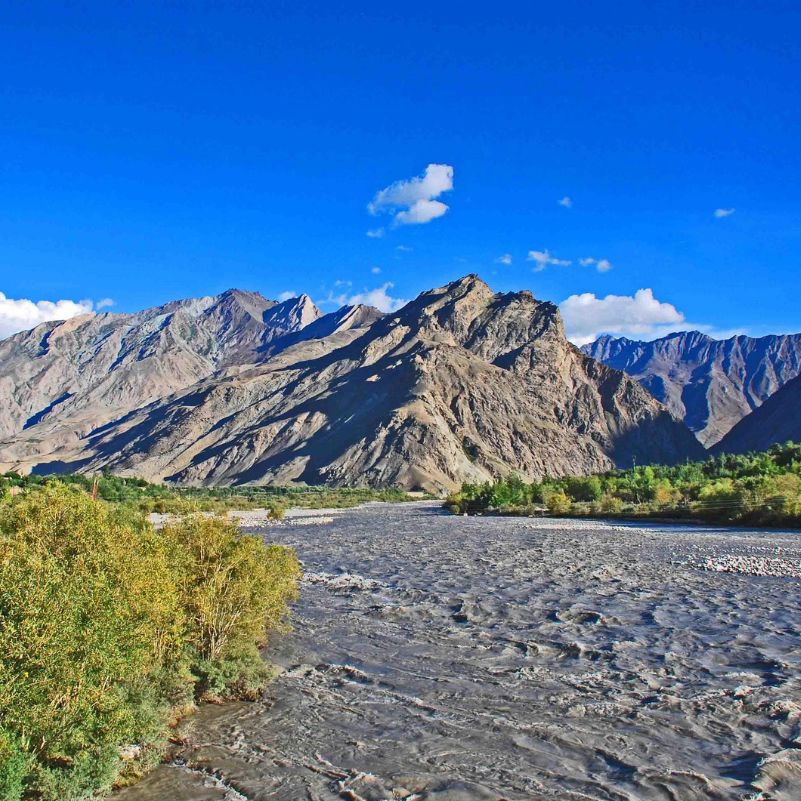
A fast wide angle lens does most of your astro work and handles big landscape frames. Photography tour operators who specialise in Zanskar commonly ask astro participants to bring a wide, fast lens and a sturdy tripod.
A standard zoom covers villages, monasteries in their landscape and quick changes of scene from the vehicle. A telephoto isolates glacier curves at Drang Drung and pulls distant mountain layers together.
A stable tripod matters for night work and low light. A flimsy one shakes in the wind on open ground at Rangdum and Gonbo Rangjon.
Carry spare batteries, because cold drains them fast. Bring enough memory cards or a backup drive so one card failure doesn’t wipe out your trip. A lens cloth and some dust or weather protection will save you more frames than any new lens.
What we tell our travellers about Phugtal is simple: pack for the walk, not for the “what if”. One body, a wide lens and a light zoom will serve you better than a full bag you resent by the second hour.
Can You Fly a Drone in Zanskar in 2026?
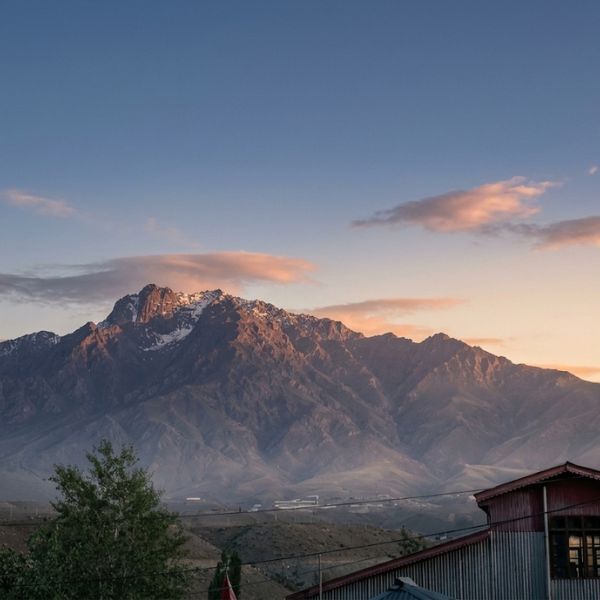
Be very careful here. India regulates civilian drone operations nationally, and the official Digital Sky system handles airspace restrictions and permissions.
Check the exact GPS location and its current airspace status on Digital Sky right before any planned flight. A check from last month doesn’t cover today.
Ladakh contains defence and sensitive areas. A valley that looks empty and remote may still be restricted airspace.
We haven’t verified any current permission for recreational drone flying at Gonbo Rangjon.
Drone footage on social media doesn’t prove the flight was legal. Someone else’s video tells you nothing about what applies to you.
One honest warning: don’t trust a driver, a camp owner or a stranger online who tells you “drones are fine here”. The only answer that counts comes from the official system for your coordinates on your date.
What Is the Best Season for Zanskar Photography?
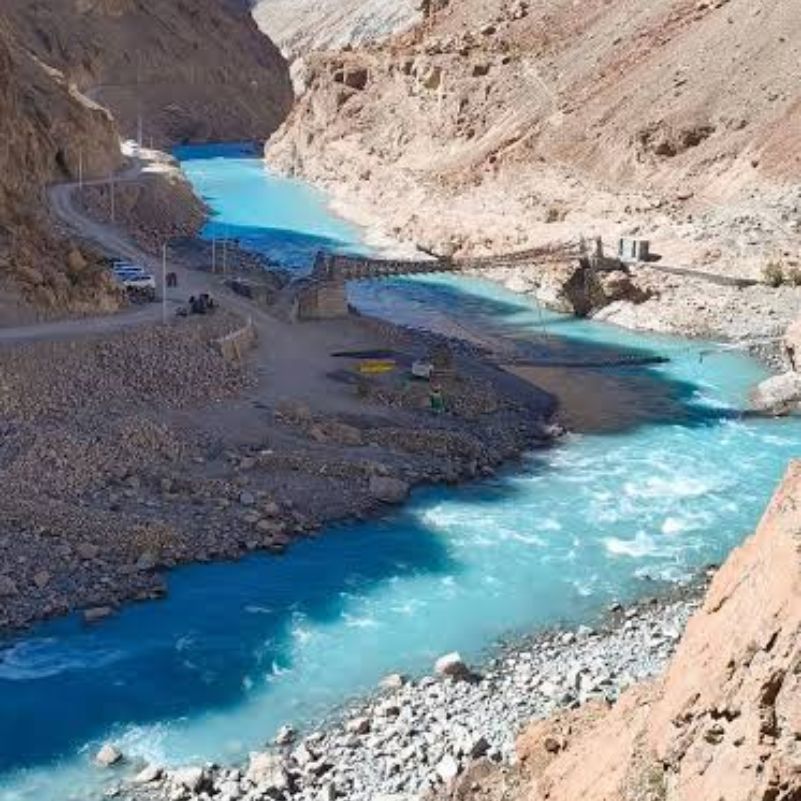
For road trips, June to September is the main season for Zanskar photography. Snow, landslides and weather can still change road status at any point in that window.
June and July give you long days, and dark nights can still suit astro work. Early season access can shift with snow and road clearing, so keep your dates flexible.
Opening dates on mountain roads change every year. Our guide to Chandratal opening in 2026 explains how that works on the Himachal side.
August can bring greener fields around the villages, which suits farming scenes. Clouds can also cancel the astro nights you planned.
September is colder, and many landscape photographers prize it for clearer conditions. If you can handle cold nights, it’s a strong month.
October needs extra flexibility because early snow can hit the high passes. We don’t publish fixed opening or closing dates for Pensi La or Shinku La. Each year is different.
How Do Road Conditions Change a Photography Itinerary?
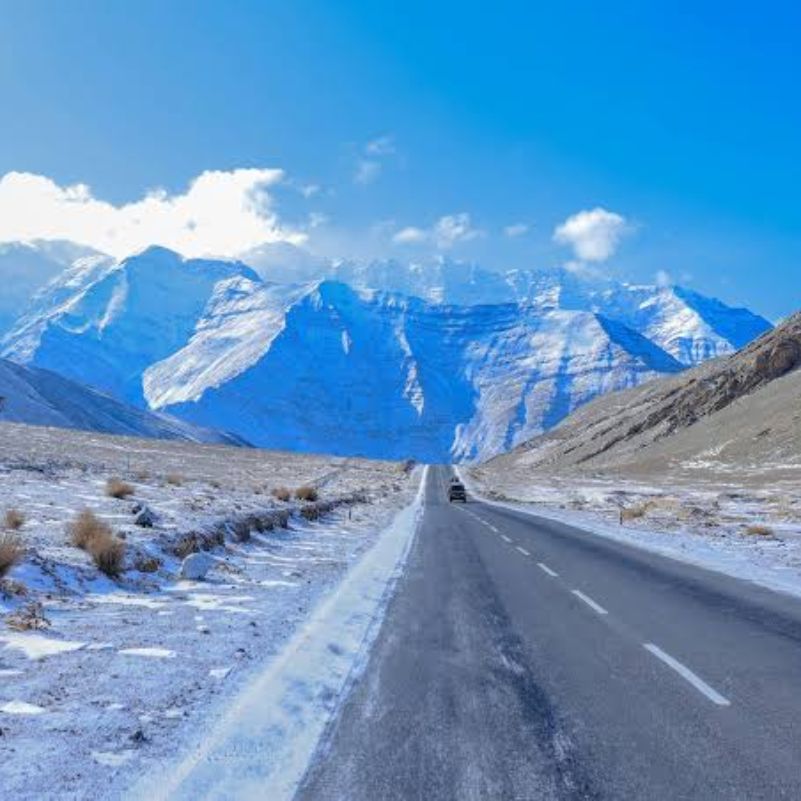
A sightseeing traveller who shows up three hours late still sees the glacier. A photographer who shows up three hours late misses the light they came for.
That’s why every photography plan for Zanskar needs buffer time. Buffer days don’t waste your trip. They give you back the shot a road delay would have cost you.
The classic approach runs through Kargil, Rangdum and Pensi La. In season, Shinku La also gives road access between the Zanskar side and Darcha in Lahaul.
On 21 October 2026, the UT Ladakh administration released its first dedicated Zanskar Tourist Traveller’s Guide.
The administration says it covers destinations, monasteries, road connectivity, maps, permit requirements, medical facilities, emergency contacts and responsible tourism. Read the current official guidance before you leave.
A Practical Zanskar Photography Route
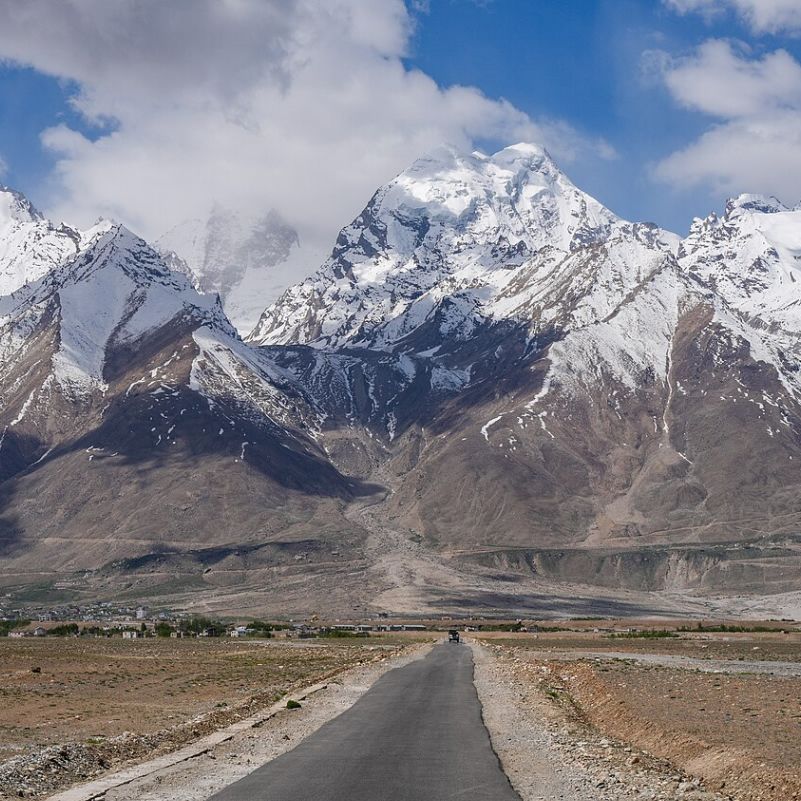
Read this as a photography sequence, not a sightseeing loop. Each overnight stop exists to put you in front of a particular subject at the right time. We give no driving times or distances because we haven’t verified them.
Start at Rangdum. Sleep there so you can shoot the valley in changing light and try a night session without a long drive.
Next comes Pensi La and Drang Drung. Starting from Rangdum puts you close to the glacier with time to work both wide and telephoto frames instead of grabbing a shot through the window.
Then move to Padum and Karsha. Padum handles fuel and supplies, and short outings to Karsha and Stongdey let you shoot monasteries in their landscape.
After that, sleep in Zangla. You get the old architecture and the plain at twilight, and darker skies than central Padum.
Next, base yourself at Purne for Phugtal. Walk in with a light kit, take your time on the trail and shoot the monastery in its cliff without rushing.
Finish at Kargyak and Gonbo Rangjon. End the trip under the darkest skies, and if you can, give the mountain two nights so one bad evening doesn’t cost you everything.
Skip the popular plan of doing Phugtal as a same-day round trip from Padum. You’d spend the day driving and walking, reach the monastery in harsh light and turn around before anything gets good.
Here’s the timing tip that changes everything: reach your astro base before sunset, not after. Scout your foreground in daylight, eat early, then shoot.
Here’s where our team stops for chai: a cup of butter tea in your homestay kitchen in Kargyak before the night shoot. It warms you up and gives you time to talk to your hosts before you head out in the dark.
If you’ve already shot Spiti and want to compare high altitude landscapes, our Spiti Valley trips show how Zanskar’s emptier valleys differ.
How to Photograph People and Monasteries Without Being Intrusive
Ask before you take a recognisable portrait. A smile and a gesture toward the camera usually works, and you should take a shake of the head as a clear answer.
Never stage monks, children, prayers or someone’s daily household routine. Real moments belong to the people living them, not to your composition.
Even if photography is technically allowed inside a building, that doesn’t mean you should photograph a private ritual. Use your judgement as well as the rules.
A friendly chat doesn’t mean someone has agreed to unlimited photos. Ask again when the situation changes, and stop when someone looks uncomfortable.
Where you can, show people the photo on your screen, or offer to share it later. In our experience, that small gesture turns a quick exchange into a real connection.
Commercial shoots may need extra permissions beyond a personal trip. Sort those out before you arrive.
A Field Checklist Before Each Zanskar Shoot
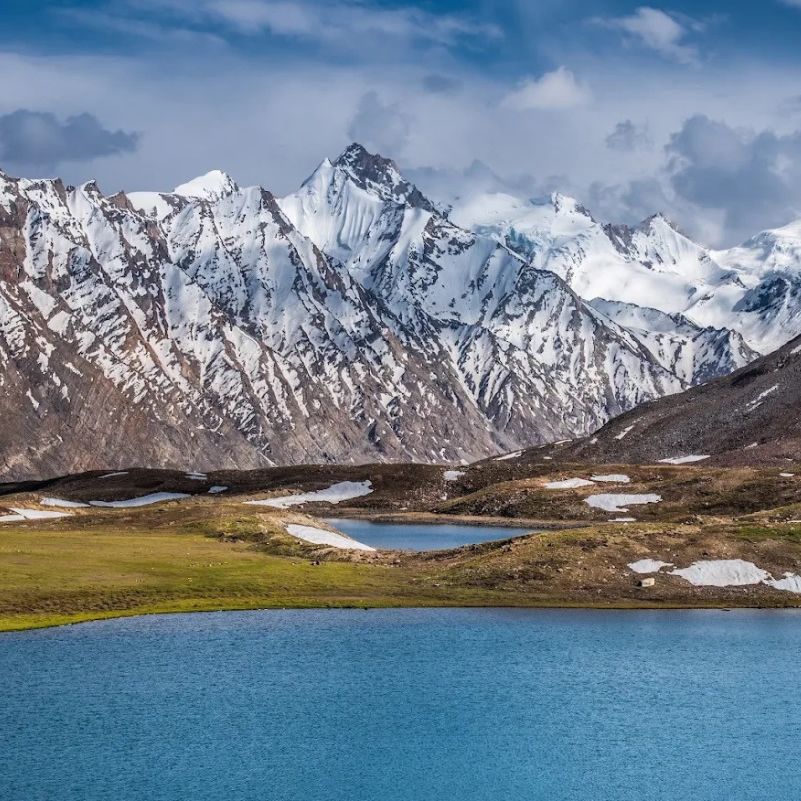
Before every shoot, check current road conditions and the weather for your exact location, not just for Padum.
Charge your batteries the night before and keep spares warm inside your jacket. Clear your memory cards and back up the previous day’s work.
For astro nights, check the moon phase and moonrise for your date. A bright moon can wash out the Milky Way no matter how clear the sky is.
Confirm the local photography rules wherever you plan to shoot, especially at monasteries. Fix your return or overnight plan so you’re not driving mountain roads in the dark after a long session.
Think about consent before you raise the camera, not after. If you plan to fly a drone, check its status on Digital Sky for the exact coordinates that day.
Never treat an old Instagram post as proof that a high pass is open today or that a drone flight is legal today.
Plan a Photography Focused Zanskar Trip With Travel Coffee
We build each Zanskar photography itinerary around where you need to be at first light, golden hour and after dark. We don’t squeeze your shots into a standard sightseeing schedule.
Travel Coffee is a Himachal Pradesh based team that arranges custom Himalayan trips, including Ladakh. Tell us what you want to photograph, your style, how many nights you want for astro and how much comfort you need.
When we add photos to this guide, we’ll use real Travel Coffee field photographs from these locations, not stock images.
Explore Our Curated Zanskar Valley Tour Packages
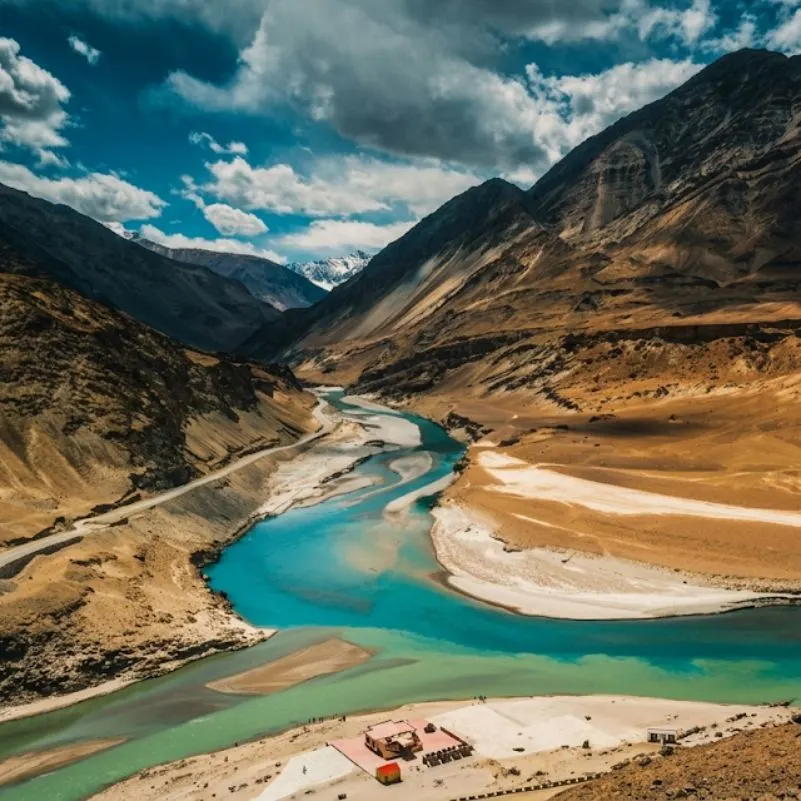 Group Tour8D/7N
Most Loved Zanskar Valley 4x4 Group Expedition
1D Manali•1D Purne / Kargyak / Gonbo Rangjon Side+2
₹32,999/ person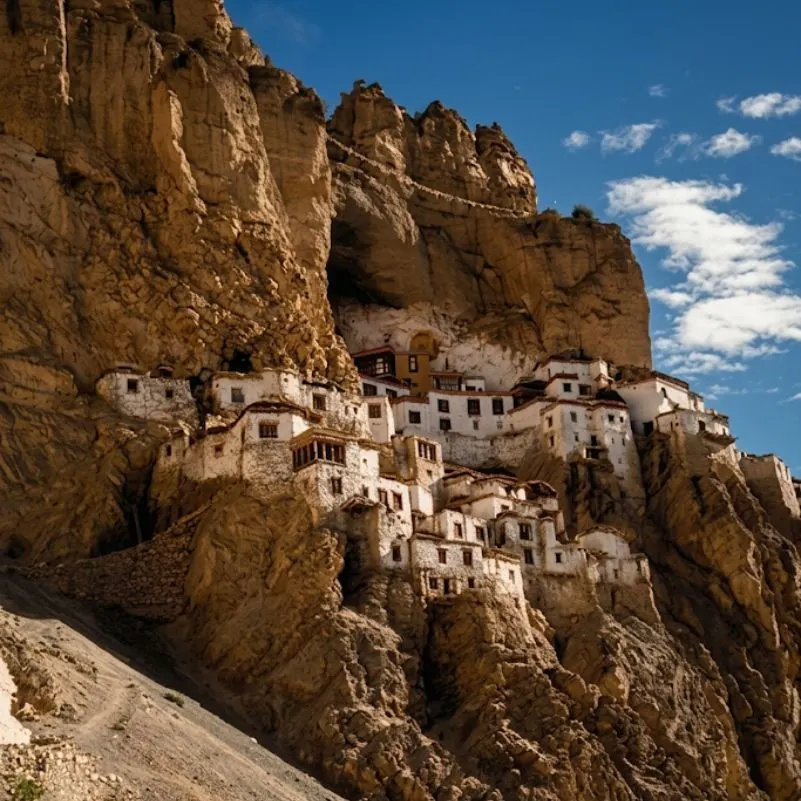 8D/7N
Private Zanskar Valley 4x4 Expedition With Phugtal Gonbo Rangjon and Baralacha La
1D Manali•1D Purne / Kargyak / Gonbo Rangjon Side+2
₹44,999/ person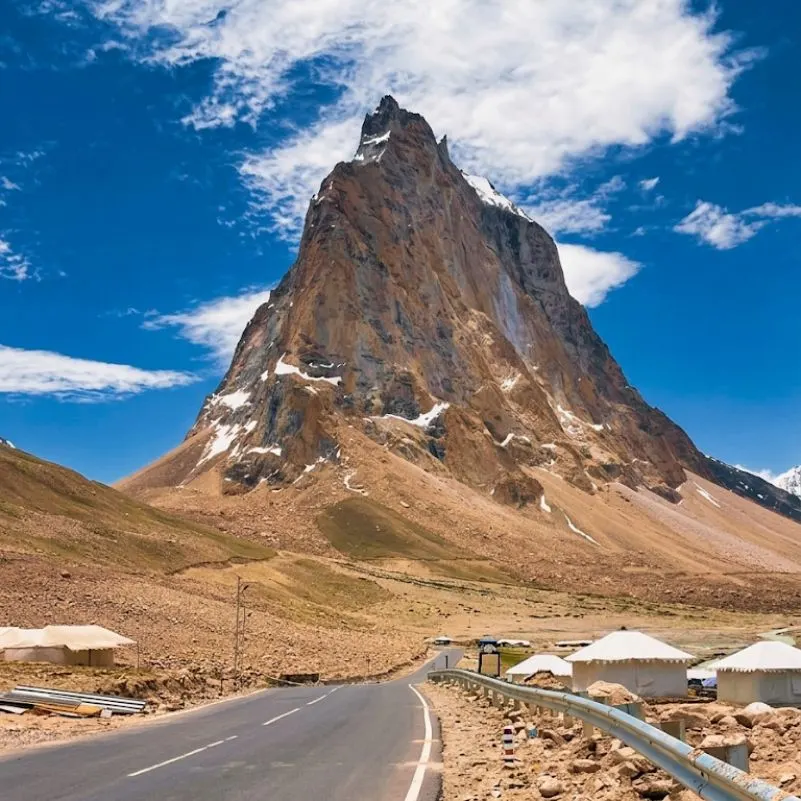 8D/7N
Private Zanskar Valley Tour With Phugtal Gonbo Rangjon and Baralacha La
1D Manali•1D Purne / Kargyak / Gonbo Rangjon Side+2
₹29,999/ person
Frequently Asked Questions
What are the best photography spots in Zanskar?
Gonbo Rangjon, Pensi La and Drang Drung Glacier, Rangdum, Phugtal, Zangla, and Karsha with Stongdey cover most strong subjects. Each one suits a different kind of shot.
What is the best time for photography in Zanskar?
June to September is the main road season. September often gives clearer landscape conditions, while June and July give long days.
Is Gonbo Rangjon good for Milky Way photography?
Yes. Photographers use it again and again for astro, but weather and moonlight decide every night. Nobody can guarantee a visible Milky Way.
Where should I stay for Gonbo Rangjon photography?
Kargyak works as a nearby base, and field reports say you can see the mountain from the village. Think about two nights for a better chance of clear skies.
Can I photograph inside Phugtal Monastery?
Sources disagree, so never assume you can. Follow whatever the monks or staff say on the day, and put the camera away if they say no.
How difficult is carrying camera gear to Phugtal?
You walk from the Purne side, and current guides describe roughly 2 to 3 hours each way. A light kit makes a big difference.
Is Padum good for astrophotography?
It’s not the best choice. Field photographers report noticeable light pollution around Padum, and smaller villages like Zangla give darker skies.
Can I fly a drone in Zanskar?
Only if Digital Sky shows that your exact location allows it on your date. We haven’t verified any current permission for Gonbo Rangjon or Phugtal.
Do photographers need a permit for Zanskar?
Check current permit requirements in the official Zanskar Tourist Traveller’s Guide from the UT Ladakh administration. Commercial shoots may need extra permissions.
How many days should a Zanskar photography trip be?
That depends on how many overnight bases you want and how many astro nights you need. Plan buffer days on top of the route.
What lenses should I carry for Zanskar?
Bring a fast wide angle lens for astro, a standard zoom for everyday work and a telephoto for glacier and mountain details. Add a sturdy tripod.
Is September good for Zanskar photography?
Yes. Many photographers prize September for clearer landscape conditions, though nights get colder and you should leave room for weather changes.
More about Zanskar Valley
 Zanskar Valley
Zanskar by Bus and Shared Taxi 2026: Public Transport, Booking and Backup Plans
Planning a Zanskar trip without a private vehicle? Explore bus routes, shared taxis, transport costs and backup options for travelling to Zanskar in 2026. Learn how to plan connections and manage unexpected delays.
 Zanskar Valley
Zanskar in Monsoon 2027: July and August Risks, Roads and Best Routes
Planning a Zanskar Valley trip during monsoon 2027? Explore July and August weather, road conditions, routes from Manali, Leh and Kargil, landslide risks and essential travel tips for a safer Himalayan road trip.
 Zanskar Valley
Zanskar Family Trip 2026: Visiting With Kids or Older Parents
Planning a family trip to Zanskar in 2026 with kids or older parents? Explore suitable destinations, road travel options, accommodation choices, and practical itinerary ideas for different age groups. Understand altitude concerns, travel times, and comfort considerations before planning a family holiday in this remote Himalayan region.